The thought of an interview can be nerve-wracking, but the right preparation can make all the difference. Explore this comprehensive guide to Instrumental Skills interview questions and gain the confidence you need to showcase your abilities and secure the role.
Questions Asked in Instrumental Skills Interview
Q 1. Describe your experience with various instrumental techniques.
My instrumental experience spans a broad range of techniques across several instruments, primarily the violin and piano. On the violin, I’m proficient in various bowing techniques, including détaché (separate bowing), legato (smooth, connected bowing), martelé (detached, accented bowing), and spiccato (bouncing bow). I’ve also developed a strong understanding of vibrato control, shifting, and advanced left-hand techniques. With the piano, my expertise lies in finger dexterity, articulation (staccato, legato), pedaling techniques, and a deep understanding of voicing within chords. I’ve actively explored both classical and jazz styles on both instruments, which has further expanded my technical skillset. This diverse background allows me to approach new challenges with a flexible and adaptable mindset.
Q 2. Explain your approach to practicing and improving your instrumental skills.
My approach to practice is highly structured and focused on incremental improvement. I begin with a thorough warm-up routine tailored to the specific instrument and musical demands of the day. This includes scales, arpeggios, and exercises targeting areas needing improvement. Then, I break down complex passages into smaller, manageable sections, focusing on technical accuracy and musical expression separately. Slow, deliberate practice is key; speeding up only occurs when accuracy and musicality are consistent at slower tempos. I incorporate recordings of myself to identify areas needing refinement and regularly utilize metronome work for rhythmic precision. Finally, I schedule regular practice sessions, ensuring consistency and avoid cramming. Think of it like building a house: a solid foundation of technique is essential before adding intricate details of musical interpretation.
Q 3. How do you handle performance anxiety?
Performance anxiety is a common challenge for musicians, and I’ve developed several coping mechanisms. Firstly, thorough preparation is paramount. Knowing the music inside and out significantly reduces anxiety. Secondly, I practice performing under pressure, either by recording myself, performing in front of trusted peers, or participating in smaller performance settings. This gradual exposure helps desensitize me to performance nerves. Mindfulness techniques, such as deep breathing exercises, help center me before performances. Finally, I maintain a positive self-talk approach, reminding myself of my capabilities and focusing on the enjoyment of the music, rather than the pressure of the situation. It’s about managing the adrenaline, not eliminating it entirely; turning that nervous energy into focused performance is the ultimate goal.
Q 4. What are your strengths and weaknesses as an instrumentalist?
My strengths lie in my technical proficiency, particularly my adaptability across various styles and instruments. I’m a quick learner and possess a strong work ethic. My ear training skills allow me to learn music quickly and accurately. However, a weakness I’m actively working on is sight-reading complex scores, particularly in unfamiliar styles. While I can sight-read adequately, I aim to improve my speed and fluency to perform challenging pieces with more assurance at first glance.
Q 5. Describe a challenging musical passage you’ve mastered.
A particularly challenging passage I mastered was the third movement of Bach’s Partita No. 2 in D minor for solo violin. The technical demands, including rapid arpeggios, double-stops, and intricate fingerwork, required extensive practice and meticulous attention to detail. I approached it systematically, breaking down the complex sections into smaller units and focusing on each technical element separately before putting them together. The reward of achieving a musical and technically flawless performance was immensely satisfying. This experience highlights the value of patience, perseverance, and a structured approach to tackling difficult musical passages.
Q 6. How do you adapt your playing to different musical styles?
Adapting my playing to different musical styles involves understanding the stylistic nuances of each genre. For instance, playing a Bach sonata demands a different approach than playing a jazz improvisation. In classical music, precision, accuracy, and adherence to the score are paramount. In jazz, improvisation, rhythmic freedom, and a focus on phrasing and tone are key. I achieve this adaptation by studying the specific style’s characteristics, listening extensively to influential artists, and incorporating the appropriate techniques into my playing. This includes altering my bowing technique for different violinistic styles, employing different articulation patterns on the piano, and adjusting my overall musical expression to fit the context.
Q 7. Explain your understanding of music theory and its application to your instrument.
My understanding of music theory is fundamental to my instrumental skills. I possess a strong grasp of harmony, counterpoint, rhythm, and melody. This knowledge informs my interpretation of scores, allowing me to understand the underlying structure and create meaningful musical phrasing. For instance, understanding chord progressions helps me shape my melodic lines in a musically logical and expressive way, while knowing counterpoint allows me to play Bach’s intricate contrapuntal lines with greater clarity and understanding. Music theory isn’t just theoretical; it is a practical tool that enhances my musicality and strengthens my technical abilities.
Q 8. How do you maintain your instrument?
Maintaining my instrument is paramount to my performance. It’s a multifaceted process that goes beyond simply cleaning it. Think of it like maintaining a finely tuned machine – regular care ensures optimal performance and longevity.
Regular Cleaning: For my clarinet, this involves swabbing the bore after every playing session to remove moisture that can lead to cracks or damage. I also regularly wipe down the keys with a soft cloth to prevent tarnish and ensure smooth operation.
Periodic Professional Maintenance: I schedule annual check-ups with a qualified repair technician. This ensures that any potential issues, like pad leaks or key alignment problems, are addressed before they significantly impact my playing.
Careful Storage: When not in use, my clarinet is stored in its case, with the case itself kept in a climate-controlled environment to protect against temperature fluctuations and humidity. This minimizes the risk of warping or cracking.
Accessory Care: I also maintain my reeds carefully, using reed cases to protect them from damage and storing them in a humidified environment (not too humid!) to prevent them from cracking. I regularly rotate my reeds to extend their lifespan.
This comprehensive approach ensures my instrument remains in top condition, allowing me to consistently produce high-quality sound and avoid unexpected disruptions during performances or recordings.
Q 9. Describe your experience performing in ensembles.
Ensemble playing is a cornerstone of my musical experience. It’s where I’ve honed my skills in listening, blending, and responding dynamically to other musicians. I’ve participated in various ensembles, from small chamber groups to large orchestras.
Chamber Music: Playing in string quartets, for instance, taught me the importance of precise intonation, nuanced phrasing, and collaborative interpretation. The intense focus on communication and responsiveness in a small ensemble setting is incredibly rewarding.
Orchestra: Playing in an orchestra broadened my perspectives by requiring me to learn to blend my sound within a larger sonic tapestry. I learned the discipline of adhering to a conductor’s interpretation and playing with a larger group, which can be quite different than solo work.
Specific Example: My experience with the university orchestra, performing Mahler’s Fifth Symphony, stands out. The sheer scale of the piece, the intricate interplay of sections, and the emotional intensity required a remarkable level of ensemble cohesion and individual technical proficiency. The collective effort needed to bring such a demanding work to life is deeply satisfying.
These experiences have cultivated my ability to adapt to various musical contexts, understand the dynamics of group performance, and contribute meaningfully to a collaborative musical endeavor.
Q 10. How do you handle constructive criticism?
Constructive criticism is essential for growth. I embrace it as an opportunity to identify areas for improvement and refine my skills. I approach it with a mindset of active listening and thoughtful reflection.
Active Listening: I carefully consider the feedback given, focusing on the specific points raised and the rationale behind them. I try to understand the critic’s perspective, rather than becoming defensive.
Self-Reflection: I then reflect on the feedback in relation to my own performance. I objectively analyze if the criticism accurately reflects my playing and identify any patterns or weaknesses.
Implementation: Finally, I formulate a plan to address the constructive criticism. This may involve targeted practice exercises, seeking additional guidance from a teacher, or revisiting specific technical aspects of my playing.
For example, if a conductor critiqued my intonation during a rehearsal, I wouldn’t dismiss it. Instead, I would analyze my technique, perhaps working on long tones and scales to improve my pitch accuracy. This approach views constructive criticism not as an attack, but as a roadmap toward higher achievement.
Q 11. What is your preferred method for sight-reading music?
Sight-reading is a fundamental skill for any musician. My approach is methodical and emphasizes efficiency.
Preliminary Scan: Before playing, I quickly scan the entire piece, identifying the key signature, time signature, and overall structure. This gives me a ‘map’ of the musical landscape.
Phrase-by-Phrase Approach: I then sight-read in manageable phrases, focusing on rhythm, notes, and basic articulation. I avoid trying to play the whole piece perfectly from the start; instead, I focus on grasping the musical flow in sections.
Progressive Practice: I repeat phrases, gradually building speed and accuracy as I become more comfortable. It’s better to sight-read slowly and accurately at first than to rush and make numerous mistakes.
Mental Rehearsal: Before actual playing, I mentally rehearse sections, visualizing the fingerings and the flow of the music. This prepares my mind and body for a smoother reading experience.
This approach allows me to achieve a balance between understanding the overall structure and accurately executing the notes in real-time. Practicing regularly is, of course, key to improving sight-reading proficiency.
Q 12. How do you approach learning a new piece of music?
Learning a new piece involves a multi-stage process that combines analytical understanding with focused practice.
Initial Analysis: I start by understanding the piece’s structure, harmonic progressions, and melodic contours. I’ll listen to recordings, if available, to get a sense of the composer’s intentions and the overall style.
Section-by-Section Approach: I then break the piece into smaller sections, mastering each one individually before moving on. I focus on technical challenges, such as difficult passages or complex rhythms, addressing them methodically.
Technical Practice: This stage involves specific exercises to improve finger dexterity, articulation, and other aspects of my technique required for the piece.
Musical Interpretation: Once I’ve technically mastered the piece, I focus on shaping the musical phrases, adding dynamics, and conveying the emotional essence of the music.
Performance Practice: I practice performing the piece from start to finish, simulating a real performance setting. This helps me build stamina and refine my performance approach.
This systematic approach ensures a comprehensive understanding and mastery of the piece, enabling me to deliver a compelling and nuanced musical interpretation.
Q 13. Explain your experience with improvisation.
Improvisation is a vital aspect of my musicianship, offering a space for creativity and spontaneous expression. My approach is grounded in a solid understanding of music theory and a developed ear.
Theoretical Foundation: I utilize scales, modes, chord progressions, and other theoretical concepts to guide my improvisations. This ensures that my improvisations are musically coherent and avoid sounding random.
Listening and Responding: Improvising in a group setting demands keen listening and dynamic interaction. I pay close attention to the other musicians and respond to their ideas, creating a collaborative musical dialogue.
Developing a Personal Style: Over time, I have cultivated a personal improvisational style that incorporates my own musical sensibilities and influences. This involves incorporating rhythmic and melodic ideas that are unique to my approach.
Practice and Experimentation: Regular practice is essential for developing improvisational skills. I use jam sessions and solo practice to experiment with different approaches, pushing my creative boundaries.
Improvisation, for me, is not just about technical virtuosity; it’s about expressing musical ideas in a spontaneous and creative way, forging a unique interaction between the musician and the instrument.
Q 14. Describe your experience with recording and audio production.
My experience with recording and audio production is significant to my musical practice. It allows me to capture and refine my performances in ways that live performance cannot achieve.
Recording Techniques: I’m proficient in using recording software (like Logic Pro X or Ableton Live) and hardware (microphones, audio interfaces). I understand microphone placement, signal processing, and mixing techniques.
Editing and Mastering: I can edit recordings, correcting minor mistakes and improving the overall sound quality. I also have experience in basic mastering, ensuring a balanced and professional-sounding final product.
Collaboration: I’ve collaborated with other musicians and producers on various projects, integrating my instrumental skills into a wider context of audio production. This involved sharing ideas, responding to feedback, and achieving a cohesive final sound.
Specific Example: I recently recorded a solo clarinet album, which involved planning, recording, mixing, and mastering the whole thing. The process allowed me to carefully shape each nuance of my performance and create a final product that truly represents my artistic vision.
My skills in recording and production allow me to realize my musical ideas beyond live performances, create lasting recordings, and collaborate effectively in a broader musical landscape.
Q 15. What software or technology are you proficient in (e.g., notation software, DAWs)?
My proficiency in music technology spans several key areas. I’m highly skilled in Digital Audio Workstations (DAWs), primarily Ableton Live and Logic Pro X. These are essential for recording, editing, mixing, and mastering audio. I use them daily for projects ranging from solo compositions to collaborative ensemble work. Beyond DAWs, I’m proficient in notation software like Sibelius and Dorico, which are crucial for creating accurate and professional-looking musical scores. I can use these tools to notate complex musical ideas, create parts for different instruments, and prepare scores for printing or online distribution. Furthermore, I’m familiar with audio editing software like Audacity for simpler tasks and have experience with various plugin instruments and effects to enhance my sound. Finally, I’m comfortable using audio interfaces and MIDI controllers for optimal hardware integration with software.
Career Expert Tips:
- Ace those interviews! Prepare effectively by reviewing the Top 50 Most Common Interview Questions on ResumeGemini.
- Navigate your job search with confidence! Explore a wide range of Career Tips on ResumeGemini. Learn about common challenges and recommendations to overcome them.
- Craft the perfect resume! Master the Art of Resume Writing with ResumeGemini’s guide. Showcase your unique qualifications and achievements effectively.
- Don’t miss out on holiday savings! Build your dream resume with ResumeGemini’s ATS optimized templates.
Q 16. How do you collaborate effectively with other musicians?
Effective collaboration with other musicians hinges on clear communication, mutual respect, and a shared understanding of the creative goals. I always begin by clearly outlining my role and expectations, actively listening to the contributions of others. Open and honest feedback is vital, delivered constructively. For instance, during a recent recording session with a jazz quartet, we used a shared online platform to share individual tracks and provide feedback, ensuring everyone’s contributions were incorporated effectively. This allowed for efficient workflow and a cohesive final product. Technological tools like shared online storage and communication platforms are incredibly valuable in this process. Beyond the technical aspects, it’s equally important to build a strong interpersonal dynamic, fostering a creative and supportive environment where everyone feels comfortable contributing their ideas.
Q 17. Describe your experience with music education or teaching.
I have extensive experience in music education, both formally and informally. I’ve taught private lessons in piano, guitar, and music theory for over five years. My approach emphasizes a personalized curriculum based on the individual student’s goals and learning style. I incorporate a variety of teaching methods, including sight-reading exercises, ear training, improvisation, and performance practice. I find that breaking down complex musical concepts into smaller, manageable steps is highly effective. For instance, when teaching chord progressions, I start with simple triads and gradually introduce more complex inversions and voicings. Beyond private lessons, I’ve also led group workshops focusing on ensemble playing and improvisation. The common thread in my teaching is a focus on building confidence, developing a solid technical foundation, and fostering a genuine love for music.
Q 18. What is your understanding of musical dynamics and phrasing?
Musical dynamics and phrasing are fundamental elements that shape the emotional and expressive quality of a piece. Dynamics refer to the volume of the music, ranging from pianissimo (pp, very soft) to fortissimo (ff, very loud). Effective use of dynamics creates contrast and builds tension. Phrasing, on the other hand, relates to the shaping of musical lines through articulation, rhythm, and tempo. It involves grouping notes together to create musical sense and convey meaning. Consider a simple melody; by varying the dynamics within a phrase, we can emphasize certain notes or create a sense of forward momentum. Similarly, phrasing can be used to create a sense of breath and natural expression. For example, a legato phrasing (smooth and connected) could convey calmness, while a staccato phrasing (short and detached) might convey urgency or excitement. Understanding and applying dynamics and phrasing are crucial for creating musically compelling performances.
Q 19. Explain your approach to interpreting musical scores.
Interpreting a musical score involves more than just reading the notes; it’s about understanding the composer’s intent and bringing their vision to life. I begin by thoroughly analyzing the score, considering the historical context, the composer’s style, and the overall structure of the piece. I look for clues within the notation, such as dynamic markings, tempo indications, and articulation symbols, to guide my interpretation. I also consider the harmonic structure and melodic contours, identifying key phrases and thematic ideas. For example, if a piece is marked allegro con brio (fast and lively), my interpretation would emphasize energy and excitement. However, the interpretation should not be arbitrary; it should reflect a deep understanding of the musical language. Listening to recordings by other musicians can offer insights, but ultimately, the performance should be a personal expression guided by the score and musical understanding.
Q 20. How do you handle unexpected technical issues during a performance?
Handling unexpected technical issues during a performance requires quick thinking and problem-solving skills. My approach is based on preparedness and improvisation. Before any performance, I thoroughly check all my equipment, ensuring everything is functioning correctly. However, unforeseen problems can still arise. If a string breaks on my instrument, I’ll have a spare ready. If there’s an issue with amplification, I’ll know how to quickly troubleshoot the problem or adapt the performance. If a technological element fails during an electronic performance, having backup tracks and the ability to improvise or adjust the setlist are key skills. Maintaining a calm demeanor under pressure is essential – panicking only exacerbates the issue. The key is to have a plan B and the confidence to adapt to changing circumstances while maintaining the performance’s quality as much as possible.
Q 21. Describe your experience with different musical genres.
My musical experience encompasses a wide range of genres. I have a strong foundation in classical music, evident in my proficiency with both piano and orchestral instruments. However, I’m equally comfortable working within jazz, pop, and contemporary styles. My experience extends to composing and performing in various ensembles, including chamber groups, jazz combos, and rock bands. I’ve also explored world music, studying musical traditions from different cultures. This diversity in my musical experience allows me to approach new genres with an open mind, blending different musical idioms to create unique and innovative sounds. The ability to adapt my skills and style to different musical contexts is crucial in today’s collaborative musical landscape.
Q 22. What are your long-term goals as a musician?
My long-term goals are multifaceted and center around continuous growth as a musician. I aim to establish myself as a versatile performer, capable of collaborating across various genres and contexts. This includes performing solo recitals, joining ensembles, and potentially teaching. Beyond performance, I aspire to contribute to the musical landscape through composition and arrangement, perhaps creating original works for various instrumentations or adapting existing pieces for specific ensembles. Ultimately, I want to make a meaningful contribution to the musical community, inspiring others and sharing the joy of music.
Specifically, within the next five years, I aim to secure regular performance opportunities, build a strong professional network, and potentially release a recording of my own compositions. In the longer term, I envision myself pursuing advanced studies or potentially exploring opportunities in music therapy, bridging my passion for music with a desire to improve the lives of others.
Q 23. How do you stay current with new musical trends and techniques?
Staying current involves a multi-pronged approach. I regularly attend concerts and masterclasses, both live and online, to witness cutting-edge performances and learn from leading musicians. I also actively engage with online resources, such as YouTube channels dedicated to specific instruments or genres, and online music publications that discuss new developments and techniques. Furthermore, I actively engage with the musical community by attending workshops, conferences, and joining online forums where musicians share ideas and experiences.
A crucial aspect is actively listening to music from diverse genres and styles. This helps me understand evolving harmonic languages, rhythmic innovations, and performance practices. I also dedicate time to exploring new software and technologies relevant to music creation and performance, whether it’s digital audio workstations (DAWs) or advanced notation software. This continuous learning ensures I remain adaptable and informed within a constantly evolving musical landscape.
Q 24. Describe your experience with music transcription or composition.
I have extensive experience in both music transcription and composition. In transcription, I’ve worked on transcribing various pieces, ranging from classical piano sonatas to contemporary jazz improvisations. My process involves careful listening, identifying melodic and harmonic structures, and accurately notating the rhythms and articulation. I utilize notation software like Sibelius or Finale to create clean and professional scores. For example, I recently transcribed a challenging jazz solo, meticulously capturing the nuances of phrasing and improvisation.
Regarding composition, I’ve created pieces for solo piano, chamber ensembles, and even incorporated electronic elements. My compositional style draws inspiration from diverse sources, resulting in works that blend elements of classical, jazz, and contemporary styles. I find the process of composing incredibly rewarding, transforming musical ideas into tangible works that can be performed and appreciated by others. A recent composition, a string quartet, has been successfully performed at a local concert.
Q 25. What is your understanding of different musical forms and structures?
My understanding of musical forms and structures is comprehensive. I’m familiar with a broad range of forms, including sonata form, rondo form, theme and variations, and various contemporary forms that break from traditional structures. I understand how these forms function, their defining characteristics, and how composers utilize them to achieve specific musical effects. For example, I understand the exposition, development, and recapitulation sections of sonata form and how they create tension and resolution. My knowledge extends to understanding different rhythmic patterns, harmonic progressions, melodic structures, and their roles in creating different moods and emotional impact within a piece.
Beyond formal structures, I also have a deep understanding of the different periods and styles in music history. This allows me to analyze and appreciate the stylistic choices made by composers from various eras, appreciating how formal structures have evolved across different periods and cultural contexts.
Q 26. How do you troubleshoot technical problems with your instrument?
Troubleshooting technical problems is a crucial skill for any musician. My approach is systematic and involves a step-by-step process. First, I identify the specific problem. Is it a tuning issue? A mechanical problem with the instrument? Or an issue with the sound system? Once identified, I try to isolate the cause. This might involve checking individual components of the instrument, testing different cables or equipment, or consulting the instrument’s manual.
For example, if my guitar is out of tune, I’ll first check the tuning pegs, then the string action, and finally, consider a professional setup if needed. If the issue involves the sound system, I’ll check the connections, the power supply, and the audio settings. If I’m still unable to resolve the issue, I’ll seek assistance from a qualified technician or experienced colleague.
Q 27. What are your salary expectations?
My salary expectations are commensurate with my experience and the specific requirements of the role. I’ve researched industry standards for similar positions and am prepared to discuss a competitive and fair compensation package. My primary focus is on finding a position that aligns with my career goals and provides ample opportunities for professional growth. Therefore, a comprehensive compensation plan that includes benefits would be an important aspect of the offer.
Q 28. Do you have any questions for me?
Yes, I have a few questions. First, could you describe the typical workload and performance schedule for this position? Second, what opportunities are there for professional development and collaboration within the organization? Finally, what is the organization’s approach to supporting the creative development and career aspirations of its musicians?
Key Topics to Learn for Instrumental Skills Interview
- Data Acquisition and Processing: Understanding the entire lifecycle, from sensor selection and calibration to data cleaning and preprocessing. Consider practical examples of handling noisy data and dealing with missing values.
- Signal Processing Techniques: Explore filtering, Fourier transforms, and other signal processing methods. Be ready to discuss how these techniques are used to extract meaningful information from complex signals.
- Instrumentation Principles: Demonstrate a strong grasp of the underlying physical principles governing the operation of various instruments. Be prepared to discuss the trade-offs between different measurement techniques.
- Calibration and Validation: Explain the importance of accurate calibration and validation procedures. Discuss different validation methods and their applications.
- Troubleshooting and Maintenance: Show your understanding of common instrument malfunctions and troubleshooting strategies. Discuss preventative maintenance practices.
- Data Analysis and Interpretation: Beyond processing, highlight your ability to analyze processed data, draw conclusions, and present findings effectively. Consider discussing statistical analysis techniques.
- Specific Instrument Expertise: Depending on your field, focus on your expertise with specific instruments (e.g., chromatography, spectroscopy, microscopy). Highlight your experience and accomplishments.
Next Steps
Mastering instrumental skills is crucial for career advancement in scientific and technical fields, opening doors to exciting opportunities and higher earning potential. A well-crafted resume is your key to unlocking these opportunities. Building an ATS-friendly resume significantly increases your chances of getting noticed by recruiters. ResumeGemini can help you create a professional and impactful resume tailored to showcase your instrumental skills. We provide examples of resumes specifically designed for candidates with Instrumental Skills expertise to help you get started. Invest the time to create a strong resume – it’s your first impression!
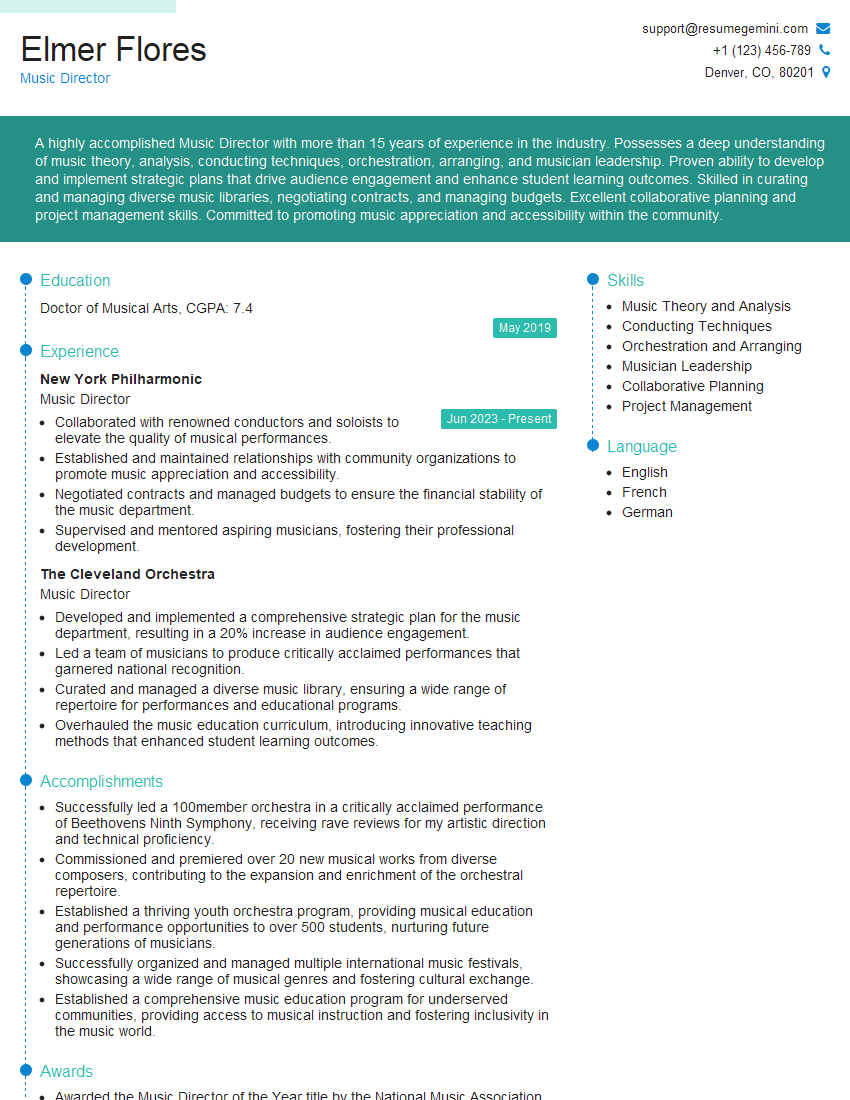
Music Director Resume Sample
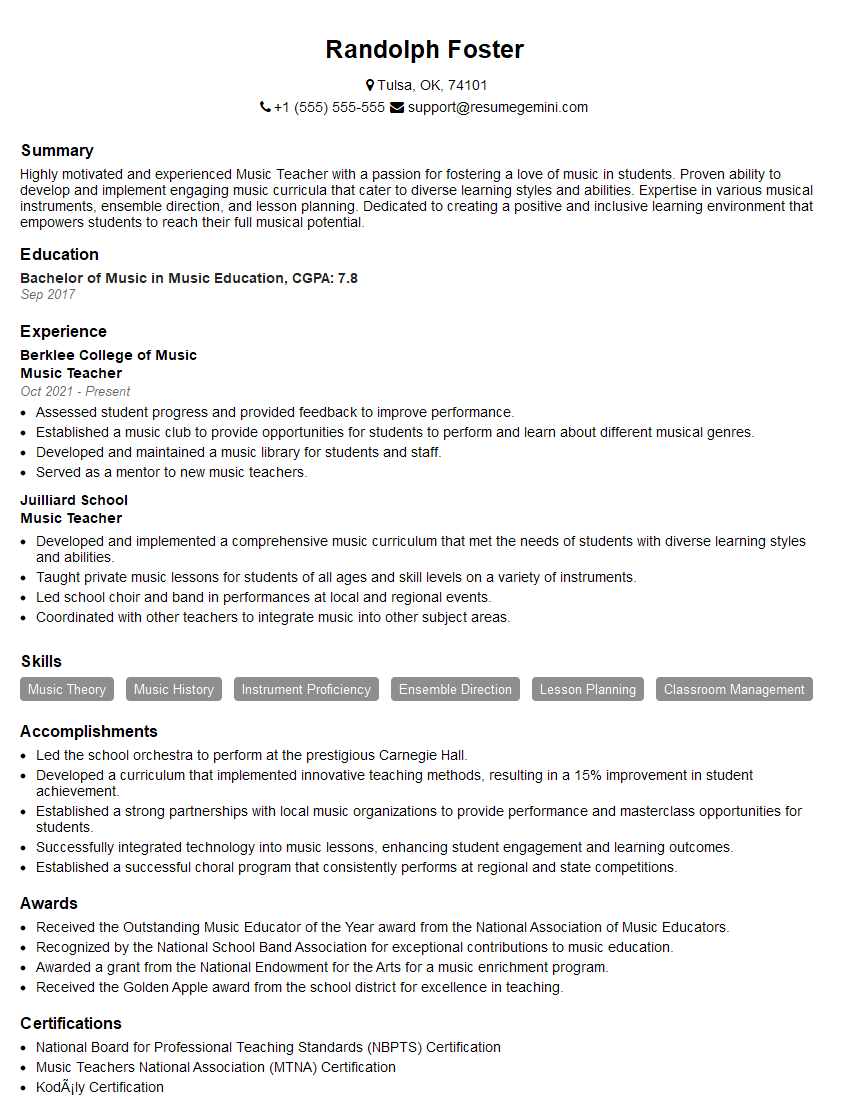
Music Teacher Resume Sample
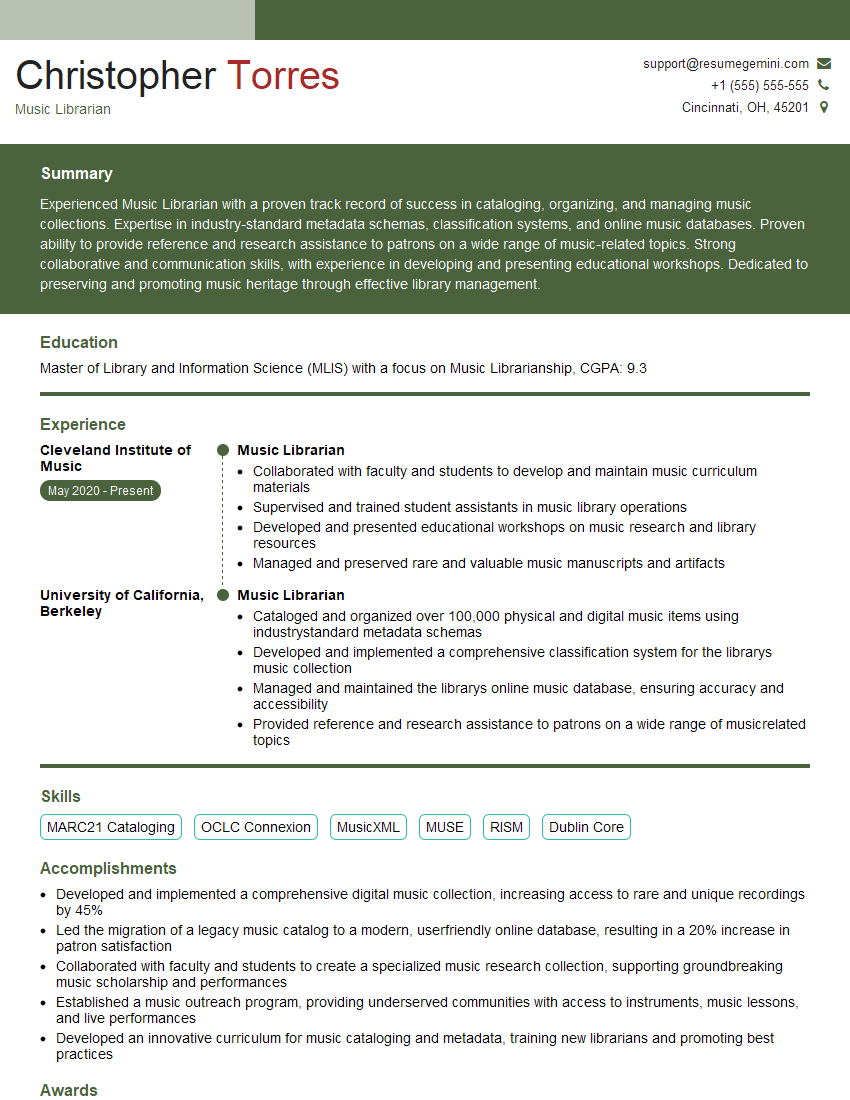
Music Librarian Resume Sample
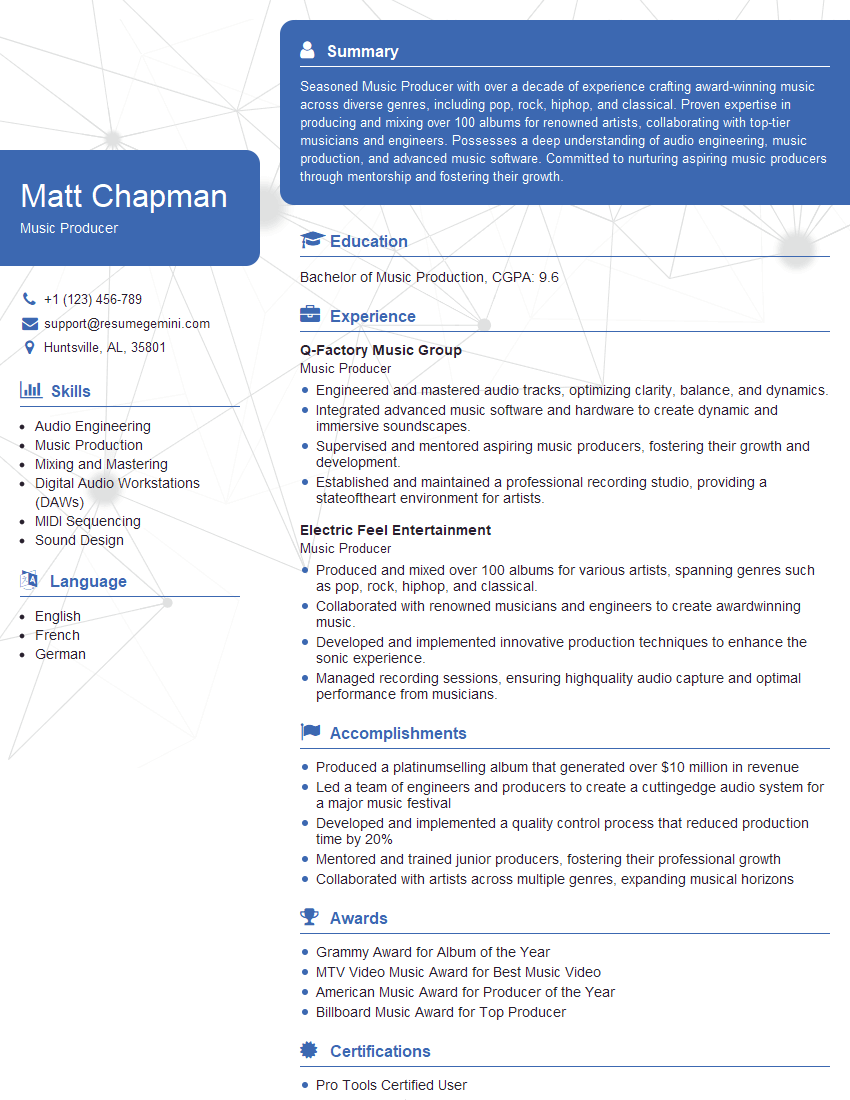
Music Producer Resume Sample
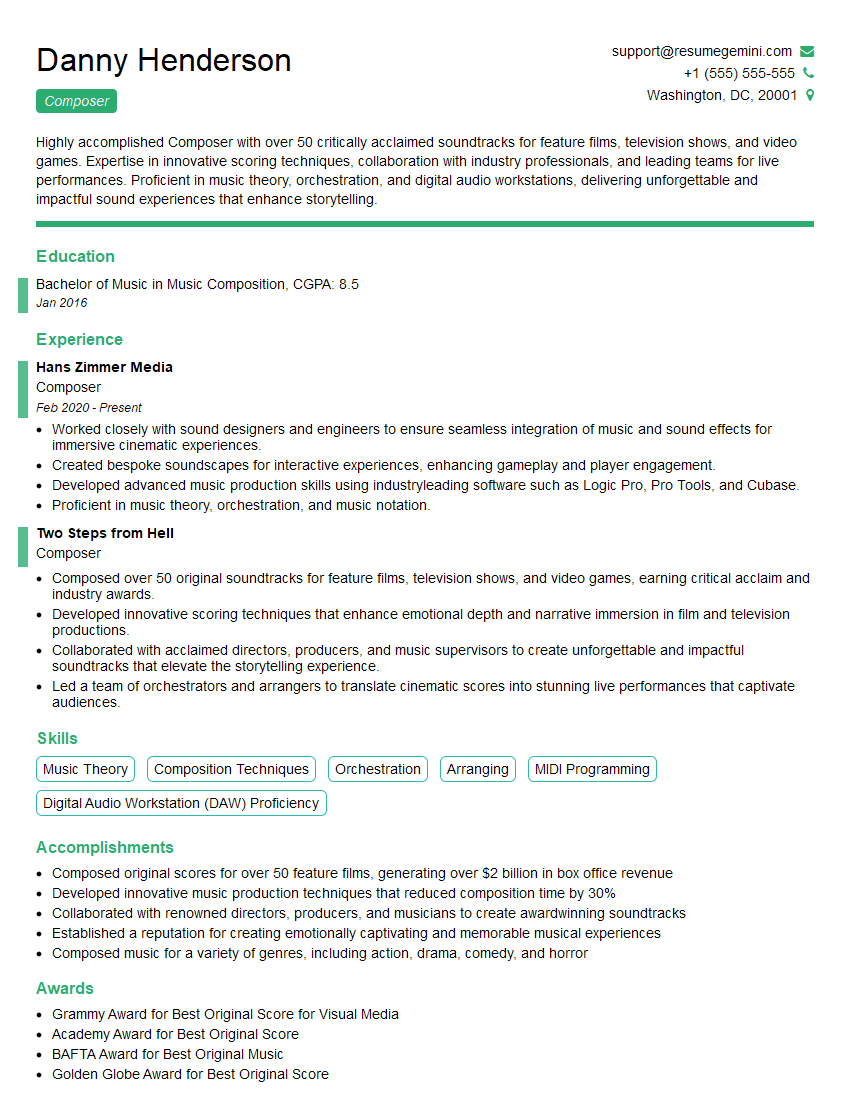
Composer Resume Sample
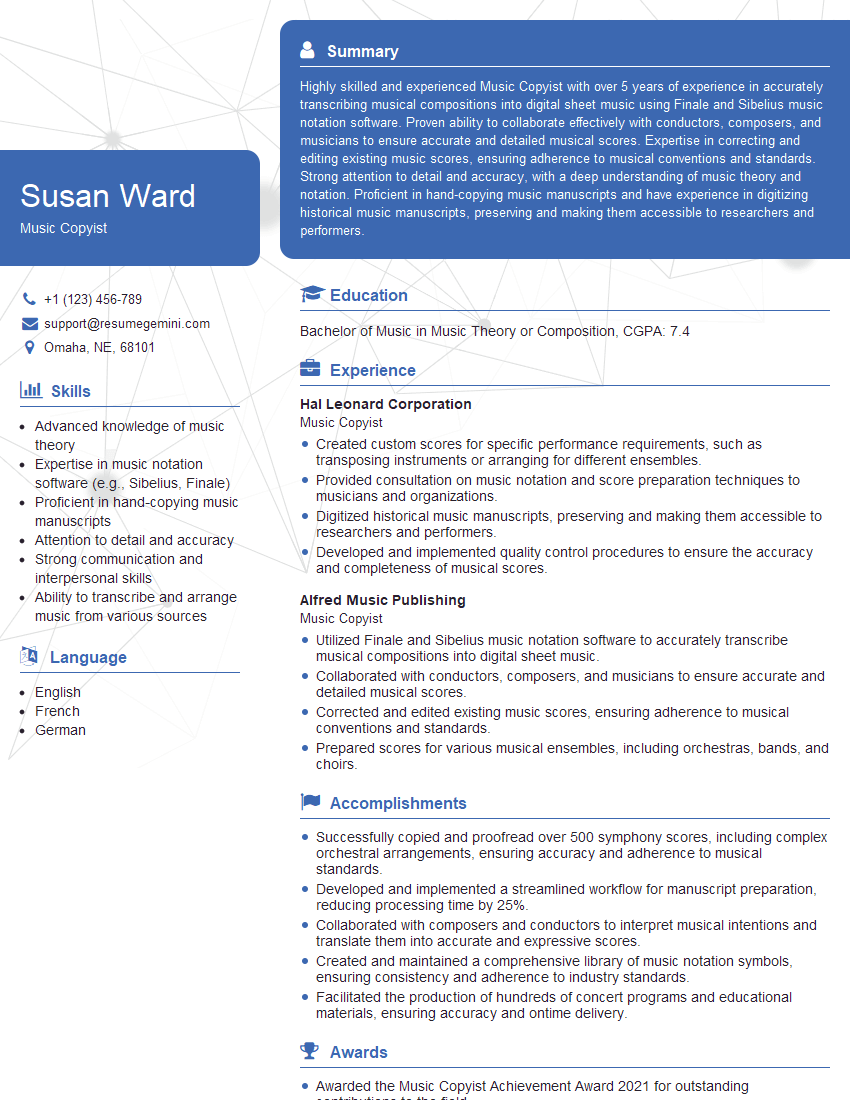
Music Copyist Resume Sample
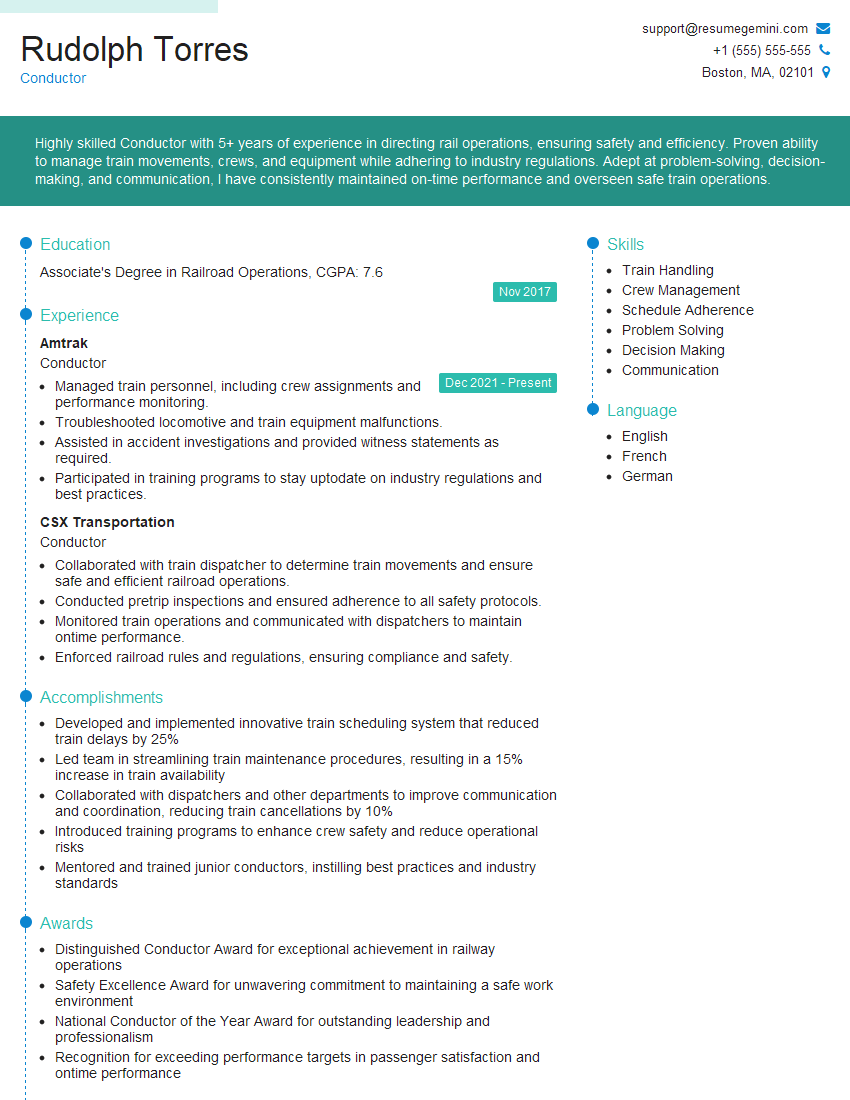
Conductor Resume Sample
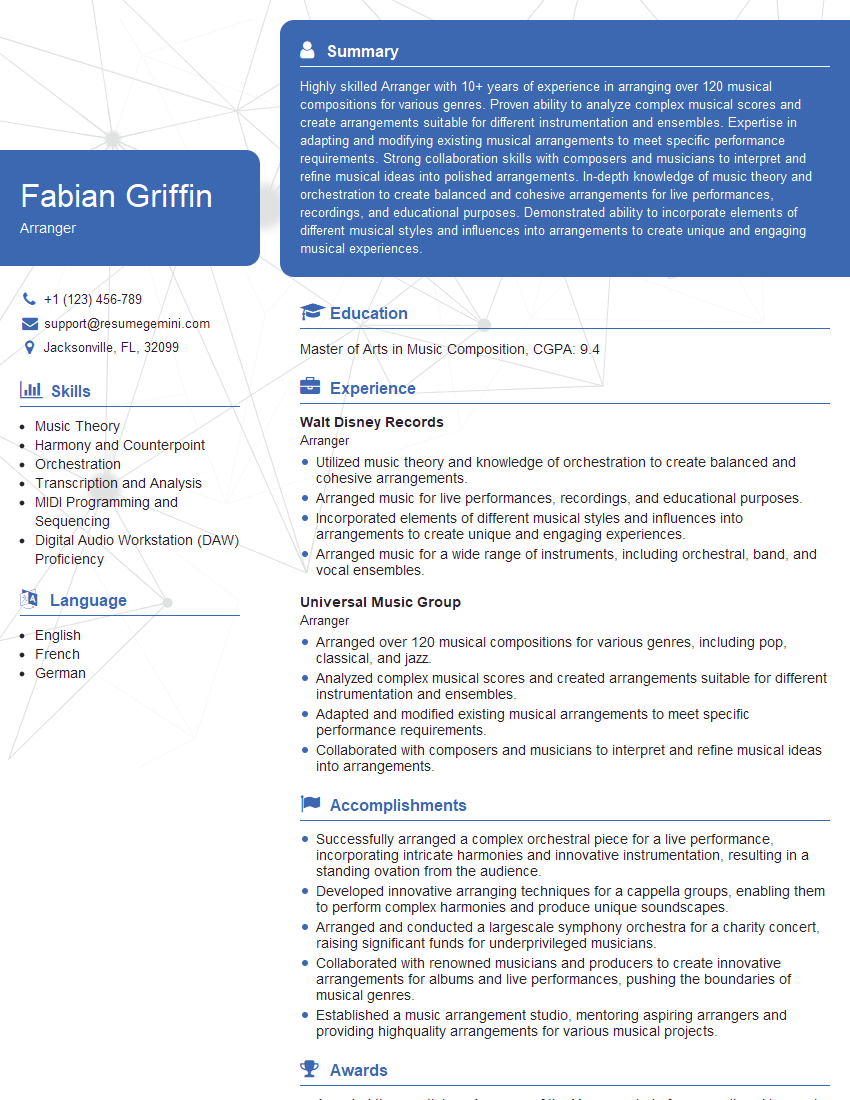
Arranger Resume Sample
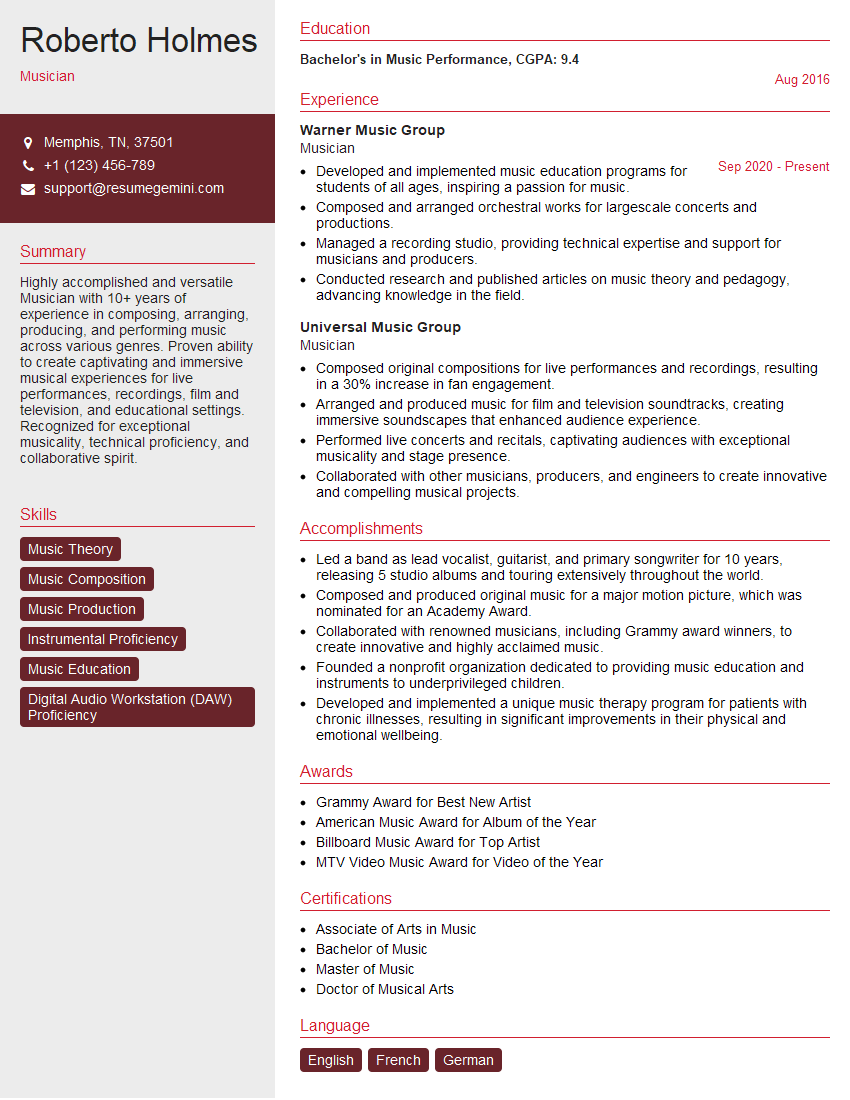
Musician Resume Sample
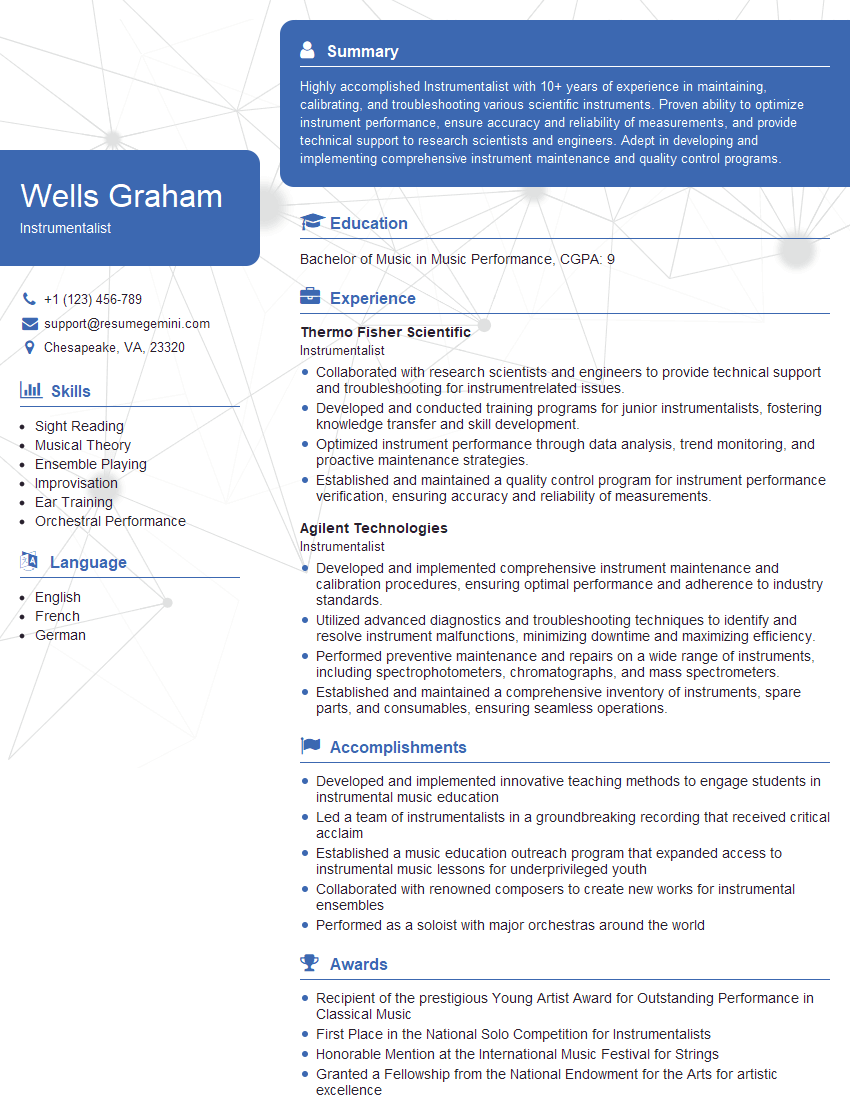
Instrumentalist Resume Sample
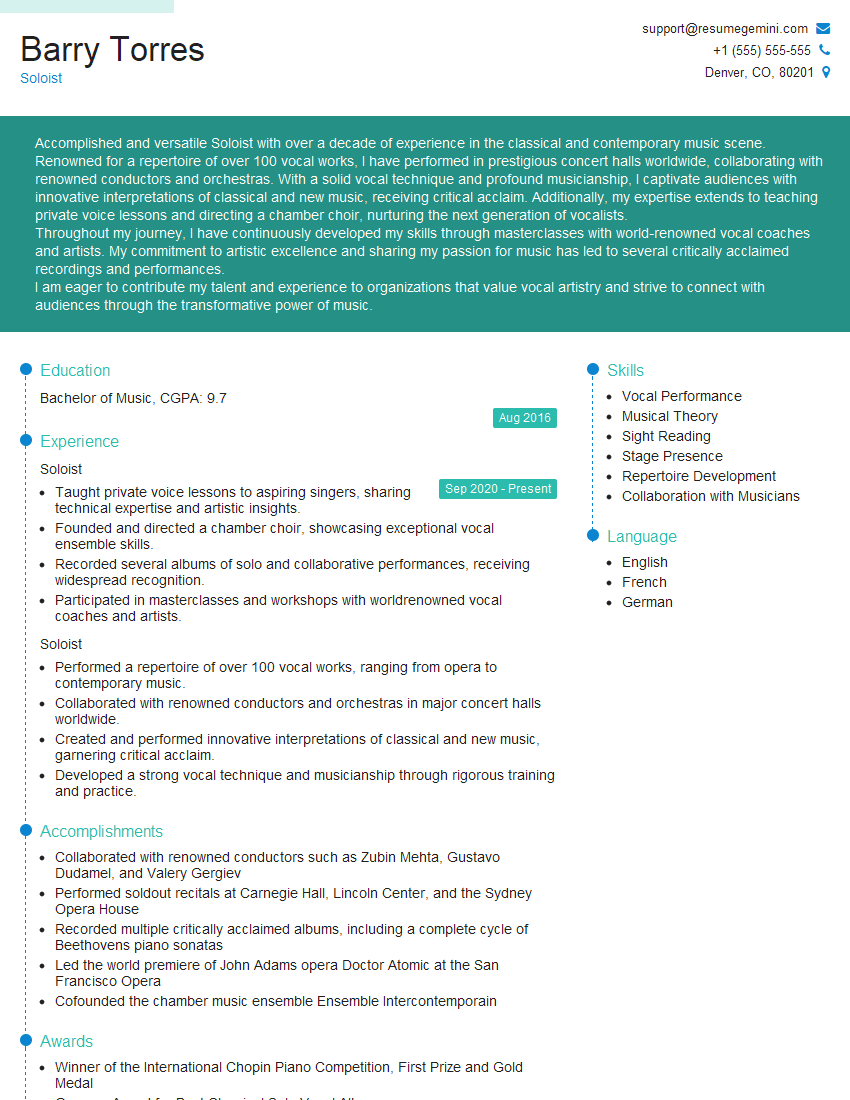
Soloist Resume Sample
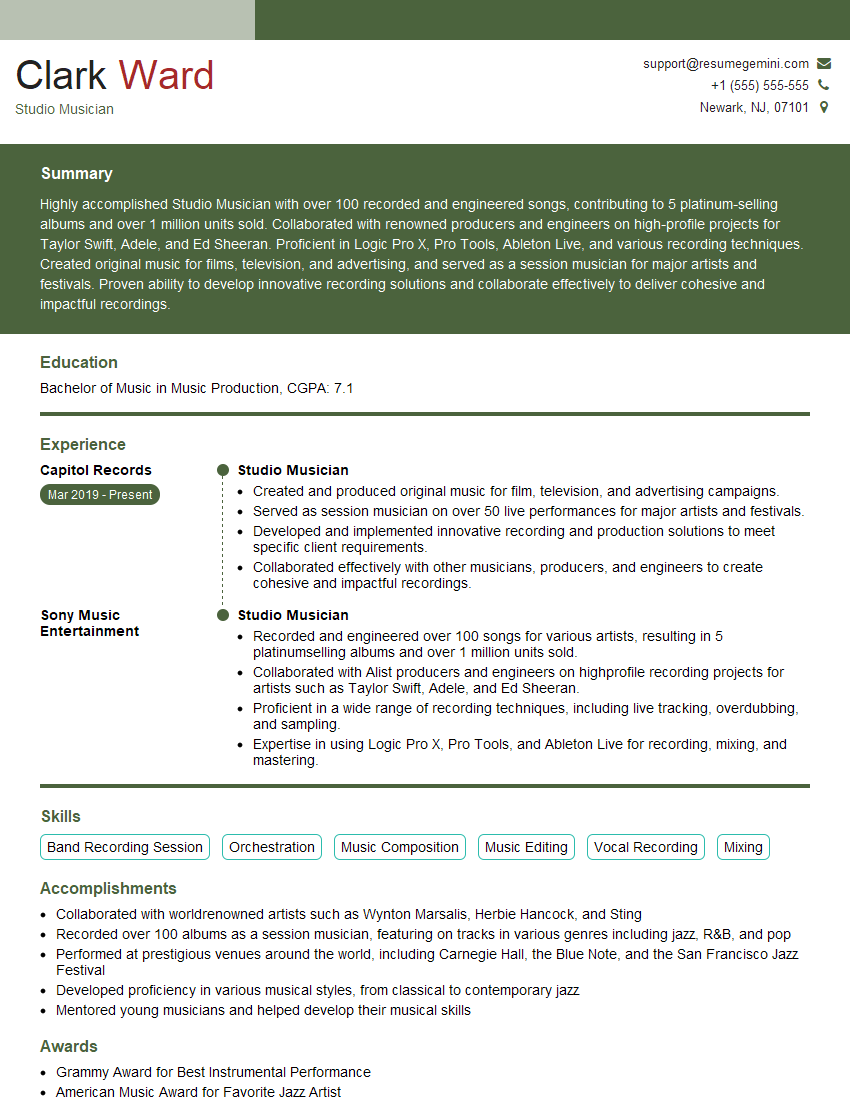
Studio Musician Resume Sample
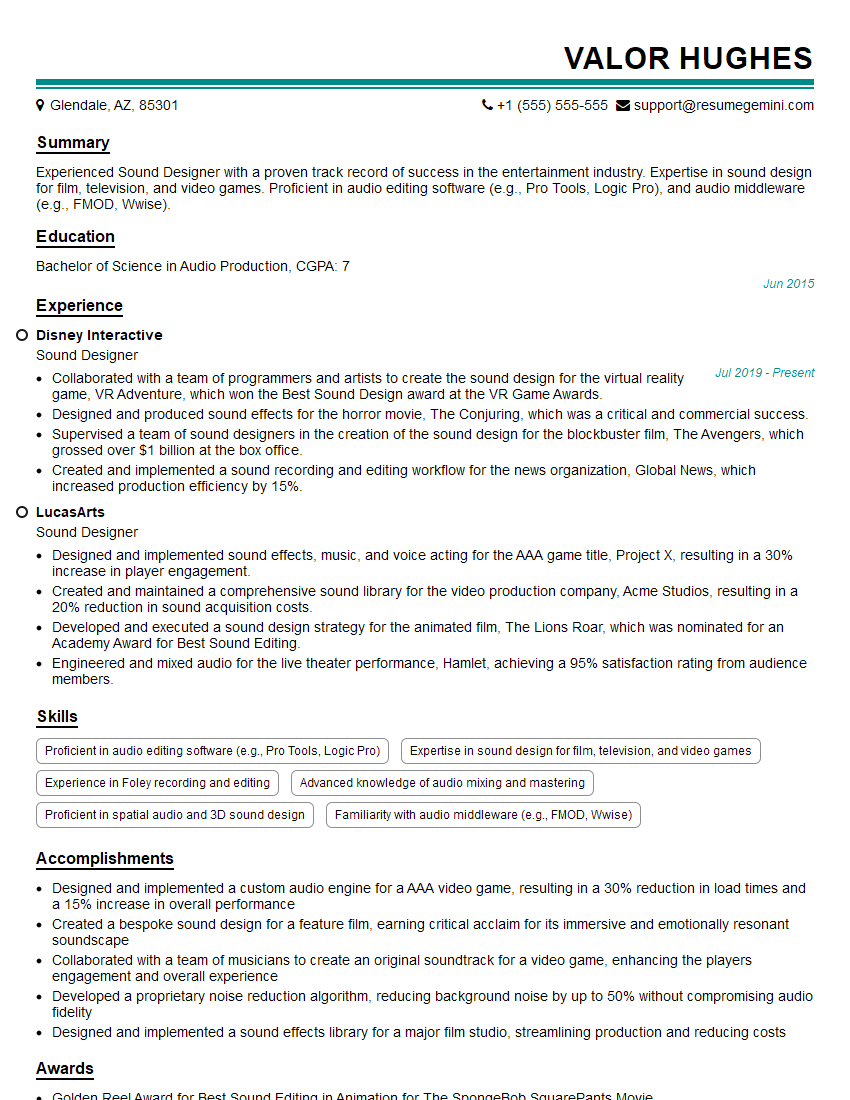
Sound Designer Resume Sample
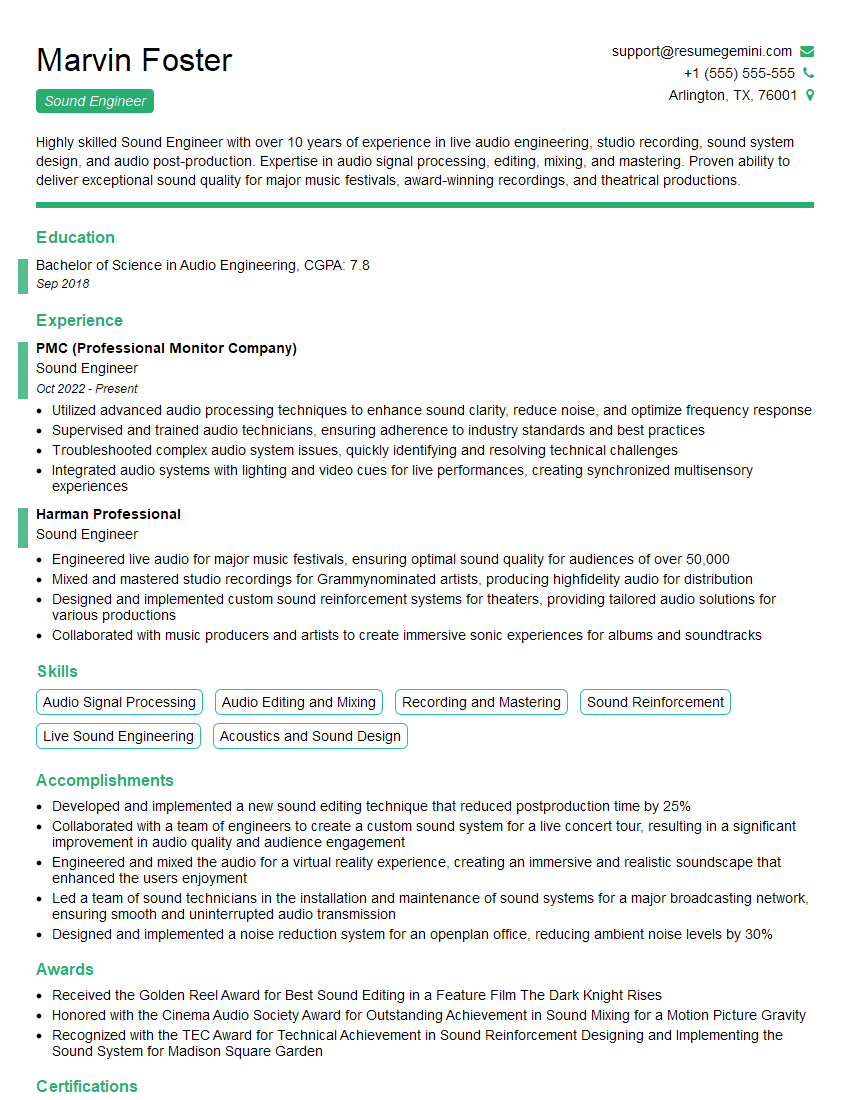
Sound Engineer Resume Sample
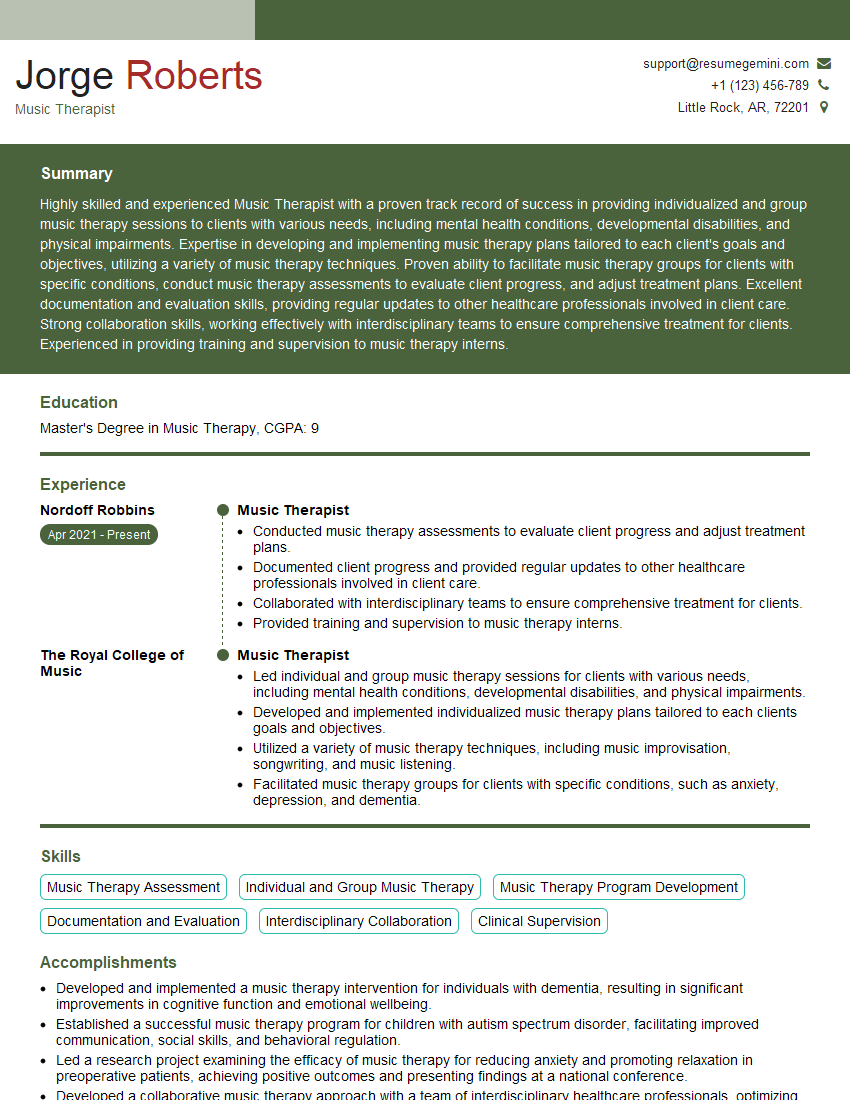
Music Therapist Resume Sample
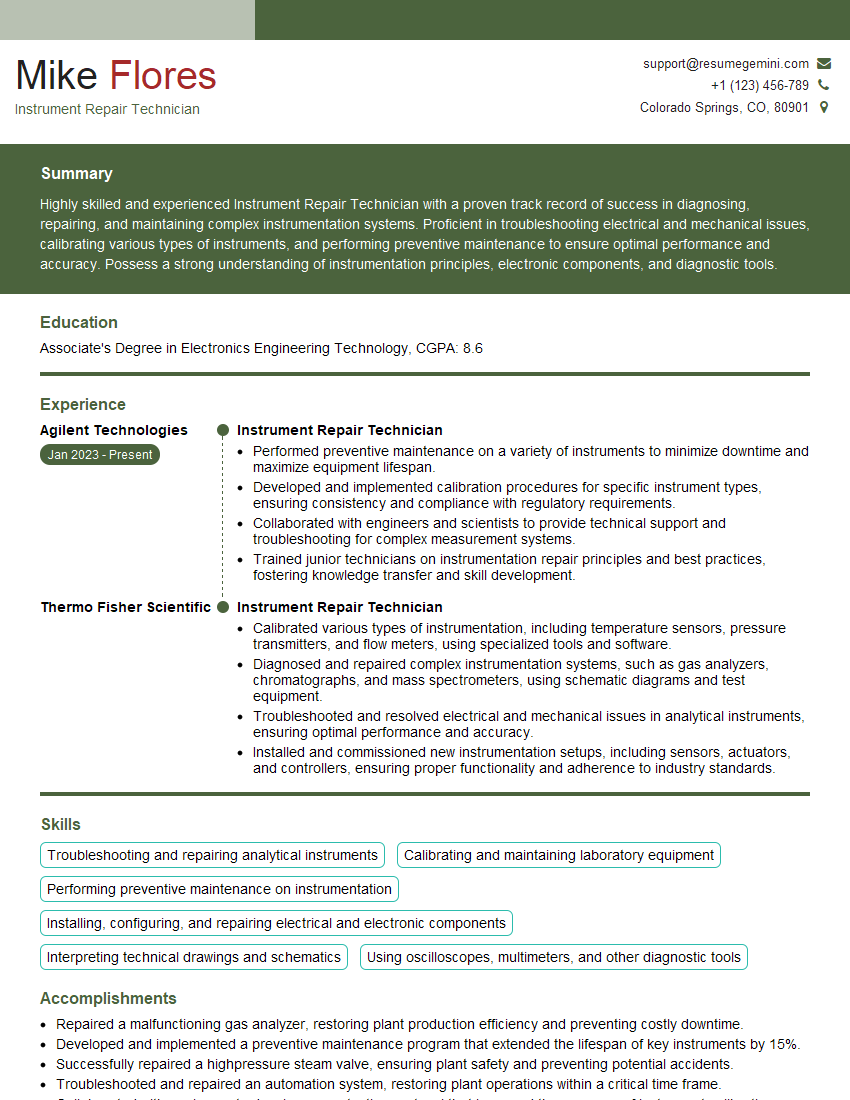
Instrument Repair Technician Resume Sample
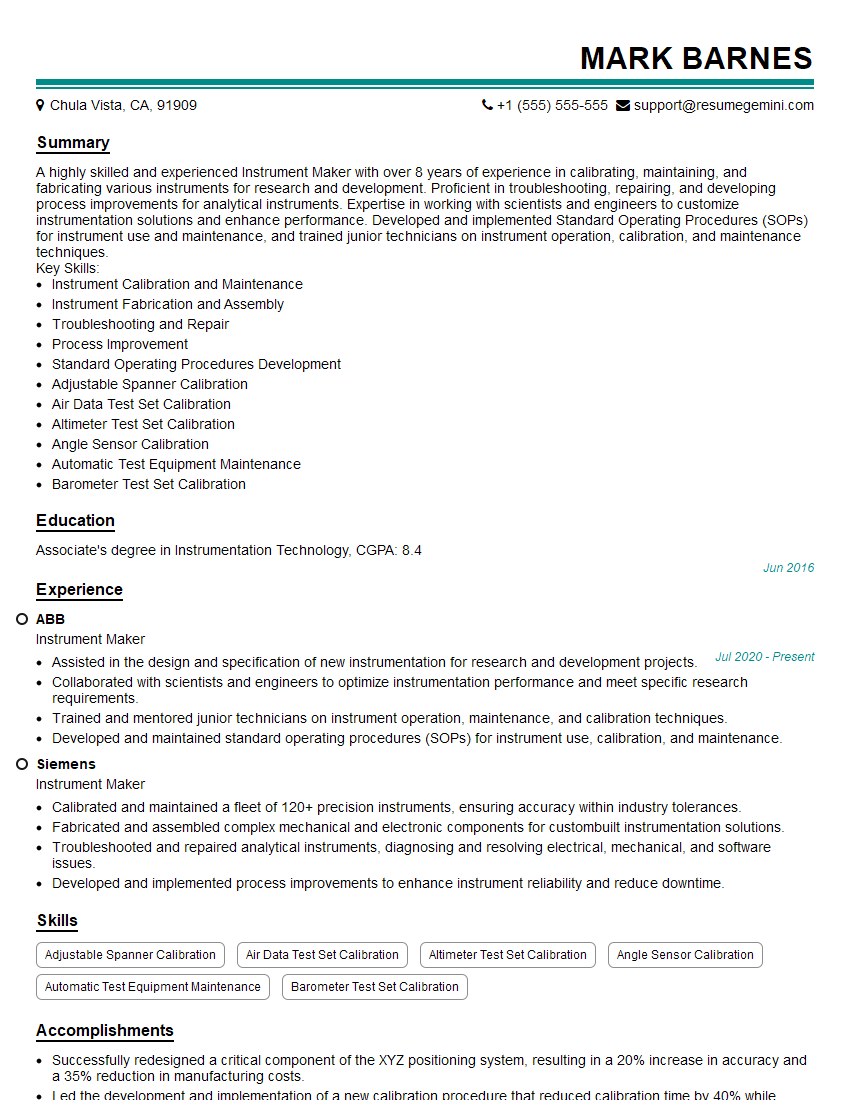
Instrument Maker Resume Sample
Explore more articles
Users Rating of Our Blogs
Share Your Experience
We value your feedback! Please rate our content and share your thoughts (optional).
What Readers Say About Our Blog
To the interviewgemini.com Webmaster.
Very helpful and content specific questions to help prepare me for my interview!
Thank you
To the interviewgemini.com Webmaster.
This was kind of a unique content I found around the specialized skills. Very helpful questions and good detailed answers.
Very Helpful blog, thank you Interviewgemini team.