Are you ready to stand out in your next interview? Understanding and preparing for International Standards Compliance (e.g., IEC 61215, IEC 61730) interview questions is a game-changer. In this blog, we’ve compiled key questions and expert advice to help you showcase your skills with confidence and precision. Let’s get started on your journey to acing the interview.
Questions Asked in International Standards Compliance (e.g., IEC 61215, IEC 61730) Interview
Q 1. Explain the significance of IEC 61215 in photovoltaic module testing.
IEC 61215, “Crystalline silicon terrestrial photovoltaic (PV) modules – Design qualification and type approval,” is the cornerstone of photovoltaic module testing. It establishes the minimum requirements for the design, testing, and qualification of crystalline silicon PV modules used in ground-based solar power systems. Think of it as the ‘gold standard’ for ensuring these modules can withstand the rigors of outdoor operation and deliver reliable performance over their lifespan. The standard’s significance lies in providing a globally recognized framework for consistent quality, safety, and performance across the PV industry, fostering trust and reducing risks for both manufacturers and consumers.
In essence, IEC 61215 dictates a series of tests that modules must pass to demonstrate their suitability for use. This ensures that modules sold globally meet a certain level of quality and reliability, protecting consumers from inferior products. It also allows for a level playing field between manufacturers, ensuring fair competition based on merit.
Q 2. Describe the key differences between IEC 61215 and IEC 61730.
While both IEC 61215 and IEC 61730 are vital for the photovoltaic industry, they focus on different aspects. IEC 61215, as discussed, addresses the performance and qualification of PV modules. It dictates the tests needed to prove a module’s durability and reliability under various environmental stresses.
IEC 61730, “Photovoltaic (PV) modules – Safety requirements,” on the other hand, focuses solely on the safety aspects. It outlines specific tests and requirements to ensure that modules are safe to handle, install, and operate, minimizing the risks of electric shock, fire, or other hazards. Imagine IEC 61215 as checking the module’s ‘stamina’ for long-term reliability, while IEC 61730 verifies its ‘safety’ to ensure user protection.
In short, a module must meet both standards – it needs to be both reliable and safe for market approval.
Q 3. What are the critical aspects of a Type Test according to IEC 61215?
A Type Test, as defined in IEC 61215, is a comprehensive series of tests performed on a representative sample of PV modules from a specific production batch. It’s not just about ticking boxes; it’s about rigorously evaluating the module’s ability to withstand a wide array of stresses it will encounter during its lifetime. The critical aspects include:
- Mechanical Tests: These assess the module’s resistance to impacts, wind loads, and snow loads. Think hailstorms and strong winds – the module needs to hold up!
- Environmental Tests: This is a crucial part, including tests for damp heat, humidity freeze, thermal cycling, and UV exposure to simulate the harsh outdoor conditions. This is to ensure longevity.
- Electrical Tests: These evaluate the module’s electrical performance, including open-circuit voltage, short-circuit current, maximum power point, and temperature coefficients. We’re checking it delivers the promised power.
- PID (Potential Induced Degradation) Test: This crucial test measures a module’s susceptibility to performance degradation due to the interaction of voltage, humidity, and temperature. This is a real-world phenomenon that affects long-term performance.
Passing the Type Test is essential for obtaining a certificate of compliance, allowing the module to be sold commercially.
Q 4. How does IEC 61730 address the safety of photovoltaic systems?
IEC 61730 provides a framework for ensuring the safety of photovoltaic (PV) systems. It addresses potential hazards throughout the entire system lifecycle, from manufacturing to installation and operation. The standard focuses on preventing risks associated with:
- Electric Shock: Protecting installers and users from dangerous voltages.
- Fire Hazards: Preventing fires caused by electrical faults or overheating.
- Mechanical Hazards: Preventing injuries from sharp edges, broken parts, or falling modules.
The standard outlines specific requirements for design, construction, testing, and marking to ensure that PV modules and systems meet acceptable safety levels. For instance, it specifies requirements for insulation, grounding, and protective devices to mitigate the risk of electric shock. Similarly, it defines requirements for fire resistance and arc fault protection to minimize fire hazards.
Compliance with IEC 61730 is paramount for ensuring public safety and maintaining the reputation of the PV industry.
Q 5. Explain the importance of environmental testing in IEC 61215.
Environmental testing within IEC 61215 is paramount because PV modules are deployed outdoors, facing harsh and variable conditions for decades. These tests aren’t just academic exercises; they’re crucial for predicting and ensuring long-term performance and reliability.
The standard dictates a series of tests simulating real-world stresses such as:
- Temperature Cycling: Repeated heating and cooling cycles to simulate diurnal temperature variations.
- Damp Heat: Exposure to high temperature and humidity to assess the module’s resistance to degradation under these conditions.
- UV Exposure: Simulating prolonged exposure to sunlight’s ultraviolet radiation, which can degrade materials over time.
- Humidity Freeze: Cycles of freezing and thawing in humid conditions to assess the module’s structural integrity.
- Wind and Snow Loads: Tests to determine the module’s ability to withstand the mechanical stresses caused by wind and snow.
By conducting these tests, manufacturers gain confidence that their modules can withstand the challenging environment, ensuring their longevity and performance across diverse climates and regions. Without these tests, we wouldn’t be able to guarantee the long-term performance of solar modules, significantly impacting the viability of solar energy as a sustainable solution.
Q 6. What are the different classes of PV modules defined in IEC 61215?
IEC 61215 defines different classes of PV modules based on their performance and environmental robustness. These classifications are crucial for choosing the right module for a specific application and location.
While specific classifications aren’t explicitly numbered “classes”, the standard categorizes PV modules through various test parameters. The most impactful is the module’s ability to withstand specific environmental stresses and its performance under various conditions. A module performing well in high temperature regions might not be suitable for areas with frequent heavy snowfall. These performance characteristics (indicated through test results) indirectly define different operational ‘classes’ implicitly. For example, a module designed for harsher conditions (high wind, high snow load regions) will have undergone more rigorous testing and will likely be more robust compared to a module designed for milder climates.
Q 7. How do you interpret the results of a PID test?
The PID (Potential Induced Degradation) test measures how much a PV module’s performance degrades due to the combined effects of voltage, humidity, and temperature. Essentially, it measures the module’s susceptibility to a phenomenon where a voltage bias can accelerate degradation in the presence of high humidity and temperature.
Interpreting the results involves comparing the initial power output of the module to its power output after undergoing the PID test. A significant drop in power indicates a high level of PID susceptibility, which can severely impact the long-term performance and lifespan of the module. Results are usually expressed as a percentage of power loss. For example, a 5% power loss after the PID test suggests that the module will experience a 5% reduction in its power output over its lifetime due to this effect. The acceptable level of PID degradation depends on various factors such as the application and the manufacturer’s specifications. Therefore, a detailed analysis of the results is required along with the specific application in mind.
Modules with higher PID degradation would likely have shorter operational lifetimes and less-than-expected energy output over the longer term.
Q 8. Describe your experience with conducting audits against IEC 61215 or IEC 61730.
My experience with auditing against IEC 61215 (for crystalline silicon terrestrial photovoltaic (PV) modules) and IEC 61730 (for safety of PV modules) spans over eight years. I’ve conducted numerous audits for various manufacturers, ranging from small-scale producers to large multinational corporations. These audits covered the entire manufacturing process, from raw material inspection to final product testing and included reviews of design documentation, quality management systems, and testing procedures. I am proficient in interpreting the standards’ requirements and applying them to practical situations. For instance, in one audit, I identified a weakness in the manufacturer’s humidity testing procedures for IEC 61215, leading to improved testing protocols and a more robust product.
A typical audit involves a thorough review of the manufacturer’s documentation, observation of production processes, and witness testing of PV modules. I use checklists aligned with the specific standard’s requirements to ensure comprehensive coverage. I’m familiar with various testing methods and equipment used to assess parameters like power output, thermal cycling, and damp heat performance according to IEC 61215, and also the electrical safety aspects covered under IEC 61730, such as insulation resistance and ground fault current. My reports detail findings, non-conformances, and recommendations for improvement, and I’ve always prioritized a collaborative approach with manufacturers to resolve issues effectively.
Q 9. What are the potential consequences of non-compliance with IEC 61215 or IEC 61730?
Non-compliance with IEC 61215 and IEC 61730 can have serious consequences. For IEC 61215, failure to meet performance requirements can lead to modules that don’t generate the expected power output, reducing the efficiency and profitability of a PV system. This can lead to warranty claims and financial losses for both the manufacturer and the end-user. In extreme cases, faulty modules could even pose a safety risk if they malfunction and create a fire hazard.
Non-compliance with IEC 61730, focusing on safety, can have even more severe consequences. This can range from product recalls and significant financial penalties to potential legal liability for injuries or property damage caused by unsafe modules. Loss of market reputation and difficulties in securing insurance are also significant repercussions. Think of it this way: These standards are essential for consumer safety and market credibility. Failure to comply puts everyone at risk and undermines the industry’s trustworthiness.
Q 10. How do you ensure traceability in the compliance process?
Traceability is crucial in the compliance process to ensure that all materials, processes, and test results can be tracked and verified. We achieve this through a comprehensive documentation system. This includes using unique identification numbers for each module throughout its lifecycle, maintaining detailed records of all manufacturing steps and testing data, and implementing a robust document control system. For example, each module’s serial number is linked to the specific batch of raw materials used, the production line it went through, and the results of each test it underwent.
This data is often stored in a database, making it easily accessible and searchable. We also use calibration certificates for all testing equipment to demonstrate accuracy. This robust system allows us to effectively trace a product back to its origin and verify its compliance with the relevant standards throughout its entire production journey. Without traceability, resolving issues or verifying compliance becomes nearly impossible.
Q 11. Explain your understanding of the lifecycle assessment of PV modules.
The lifecycle assessment (LCA) of PV modules considers the environmental impacts associated with the entire product lifecycle, from raw material extraction and manufacturing to use, end-of-life management, and recycling. It’s a cradle-to-grave approach that quantifies the environmental footprint, considering factors like energy consumption, greenhouse gas emissions, water usage, and waste generation.
The LCA for PV modules involves several stages: First, the extraction and processing of raw materials like silicon, aluminum, and glass are assessed. Next, the energy consumed during manufacturing, transportation, and installation is considered. During operation, the module’s energy generation offsets the energy used in manufacturing over its lifetime – a key element in evaluating its overall environmental impact. Finally, the disposal or recycling of the module at its end of life is analyzed. A complete LCA helps manufacturers identify opportunities to reduce their environmental impact and create more sustainable products. Results from an LCA often contribute to environmental product declarations (EPDs), which provide transparency about a product’s environmental performance.
Q 12. How familiar are you with the different certification bodies for PV modules?
I am familiar with many international and national certification bodies that conduct PV module certifications against IEC 61215 and IEC 61730. These bodies are accredited according to ISO 17025 (for testing) and ISO 17065 (for certification) standards. Some of the prominent ones include TÜV Rheinland, Intertek, UL, DNV GL, and CSA Group. Each certification body has its own procedures and requirements, but they all ultimately aim to verify that the modules meet the relevant standards. My experience includes working with reports and certifications from several of these bodies, enabling me to readily compare and assess the credibility of various certifications.
The choice of a certification body often depends on the manufacturer’s target markets and the specific standards they need to meet. Some bodies might have a stronger reputation or more extensive experience in particular regions. Understanding the reputation and scope of accreditation of different bodies is essential for interpreting the validity of certifications.
Q 13. Describe your experience with corrective and preventive actions (CAPA).
Corrective and Preventive Actions (CAPA) are critical for continuous improvement in a quality management system. My experience involves assisting manufacturers in developing and implementing effective CAPA processes. This includes guiding them on identifying the root cause of non-conformances, implementing corrective actions to address immediate problems, and developing preventive actions to prevent similar issues from recurring.
The process typically follows a structured approach: First, we identify and document the non-conformity, outlining the details and impact. Next, we conduct a thorough root cause analysis, often using tools like fishbone diagrams or 5 Whys to investigate the underlying factors. Based on the analysis, we define corrective actions that address the immediate problem and preventive actions that eliminate the root cause. Finally, we verify the effectiveness of the implemented actions and document the entire process. This whole process is crucial not only for compliance but also for building a robust and reliable manufacturing system.
Q 14. How do you handle discrepancies or inconsistencies found during compliance audits?
Discrepancies and inconsistencies during compliance audits are addressed systematically. First, I clearly document the findings, including detailed descriptions, supporting evidence (e.g., photographs, test data), and the relevant standard clauses. Then, I discuss the discrepancies with the manufacturer’s quality team, seeking clarification and understanding their perspective. This often involves reviewing their procedures, documentation, and testing data in detail.
If the discrepancy involves a potential non-compliance, I collaborate with the manufacturer to develop a plan for corrective action. This may involve re-testing, modifying processes, or updating documentation. I always prioritize a collaborative approach to address these issues, working closely with the manufacturer to ensure that corrective and preventive actions are implemented effectively and efficiently. The goal isn’t just to identify problems, but to help the manufacturer improve their processes and achieve full compliance.
Q 15. What are your strategies for keeping abreast of updates and revisions to IEC 61215 and IEC 61730?
Staying current with IEC 61215 (solar module testing) and IEC 61730 (solar module safety) requires a multi-pronged approach. It’s not enough to just read the standards once; they evolve with technological advancements and safety concerns.
- Subscription to Standards Organizations: I maintain subscriptions to IEC and national standards bodies like ANSI or BSI, ensuring I receive immediate notification of any amendments, revisions, or new editions. This provides official updates directly from the source.
- Industry Newsletters and Publications: I regularly read industry-specific journals, newsletters, and online resources dedicated to photovoltaic technology and safety. These often provide insightful summaries and analyses of standard changes, helping me understand their practical implications.
- Participation in Industry Events and Webinars: Attending conferences, workshops, and online webinars focused on PV safety and standards is crucial. These events often feature experts discussing recent changes and their interpretations, offering a valuable networking opportunity.
- Collaboration with Colleagues: A strong network of colleagues working in PV safety and compliance is essential. Regular discussions and knowledge sharing ensures we stay informed about industry trends and emerging issues related to standards interpretation.
Using this combined approach ensures I’m not only aware of changes but also understand their impact on design, testing, and certification procedures.
Career Expert Tips:
- Ace those interviews! Prepare effectively by reviewing the Top 50 Most Common Interview Questions on ResumeGemini.
- Navigate your job search with confidence! Explore a wide range of Career Tips on ResumeGemini. Learn about common challenges and recommendations to overcome them.
- Craft the perfect resume! Master the Art of Resume Writing with ResumeGemini’s guide. Showcase your unique qualifications and achievements effectively.
- Don’t miss out on holiday savings! Build your dream resume with ResumeGemini’s ATS optimized templates.
Q 16. Explain your experience with risk assessment related to PV systems.
Risk assessment in PV systems is a critical aspect of compliance. My experience involves employing a structured approach based on established methodologies like HAZOP (Hazard and Operability Study) and FMEA (Failure Mode and Effects Analysis).
For example, in a recent project involving a large-scale rooftop installation, we conducted a detailed HAZOP analysis. We systematically examined every stage of the system, from module selection to installation and commissioning, identifying potential hazards such as arc faults, thermal runaway, and electrical shocks.
For each hazard, we evaluated its likelihood, severity, and potential consequences. This led to the implementation of mitigating measures, including the use of rapid shutdown systems, proper grounding, and regular inspection protocols.
Similarly, using FMEA, we systematically analyzed potential failure modes within individual components, identifying those with the highest risk level and designing robust solutions. This approach ensures that risks are managed effectively throughout the lifecycle of a PV system, enhancing safety and minimizing potential failures.
Q 17. How would you approach a situation where a product fails to meet a standard requirement?
Non-compliance with a standard is a serious matter, requiring a systematic and documented approach. The first step involves thorough investigation to understand the root cause of the non-compliance.
- Identify the Root Cause: This often involves rigorous testing, analysis of manufacturing processes, and examination of design specifications. Data analysis is vital here, pinpointing the specific area where the product fails to meet the standard.
- Corrective and Preventive Actions (CAPA): Once the root cause is identified, a CAPA plan is developed and implemented to address the issue. This includes corrective actions to rectify existing non-compliant products and preventive actions to avoid similar issues in the future.
- Documentation: Every step of this process, from initial investigation to implementation of CAPA, must be meticulously documented. This documentation is crucial for internal reviews and potential audits.
- Retesting and Verification: After implementing corrective actions, the product must be retested to verify it meets all standard requirements. This ensures the solution is effective.
- Notification to Stakeholders: Depending on the nature of the non-compliance, it may be necessary to inform relevant stakeholders, such as certification bodies or customers.
The goal is not just to fix the immediate problem but to improve the overall quality management system to prevent future non-compliance events.
Q 18. Describe your experience with documentation control in a compliance context.
Documentation control is fundamental to maintaining compliance. My experience involves implementing and managing a robust documentation control system that ensures all relevant documents are current, accurate, and readily accessible.
This involves using a document management system (DMS) that tracks document revisions, approvals, and distribution. We use a system with version control, ensuring only the most current version is utilized. Access is controlled based on roles and responsibilities, limiting access to authorized personnel only.
Regular audits of the documentation system are conducted to identify and address any gaps. This might involve spot checks of document versions used on the shop floor or comprehensive audits of the entire DMS system.
Clear procedures are in place for document creation, review, approval, and distribution, minimizing the risk of using obsolete or incorrect documents.
Q 19. What are the key components of a robust compliance program?
A robust compliance program comprises several key components:
- Defined Policy and Procedures: Clear policies and procedures outlining compliance responsibilities, roles, and processes across the organization. These must address all relevant standards and regulations.
- Risk Assessment and Management: A systematic process for identifying, assessing, and mitigating compliance risks. This often includes periodic reviews and updates.
- Training and Awareness: Regular training programs to educate employees on compliance requirements and their responsibilities. This ensures everyone understands the importance of compliance.
- Internal Audits: Regular internal audits to verify compliance with standards and procedures, identifying gaps and areas for improvement. Audits should be conducted by independent personnel.
- Corrective and Preventive Actions (CAPA): A system for addressing identified non-compliances and preventing recurrence. This is essential for continuous improvement.
- Record Keeping: Meticulous record-keeping to document compliance activities, training records, audit reports, and any corrective actions. This is crucial for demonstrating compliance to external stakeholders.
- Management Review: Regular management reviews of the compliance program to assess its effectiveness and identify areas needing improvement.
These components work together to create a proactive and effective system that minimizes risk and ensures consistent adherence to standards.
Q 20. How do you ensure effective communication of compliance requirements to different stakeholders?
Effective communication is paramount. I use a multi-faceted approach tailored to the audience:
- Stakeholder Mapping: First, I identify all relevant stakeholders: engineers, production staff, management, customers, and certification bodies. Understanding their needs and communication preferences is crucial.
- Tailored Communication Channels: I use various channels depending on the audience and message. For instance, technical documentation is used for engineers, while training sessions and visual aids are used for production staff. Management receives summarized reports and high-level overviews.
- Regular Communication Cadence: Regular communication updates, meetings, and reports keep stakeholders informed of progress, potential challenges, and important updates concerning compliance.
- Clear and Concise Messaging: I ensure all communications are clear, concise, and free of technical jargon whenever possible. Using simple language ensures everyone understands the information.
- Feedback Mechanisms: Establishing feedback mechanisms allows stakeholders to raise concerns or clarify their understanding of compliance requirements. This promotes two-way communication and fosters a culture of compliance.
By utilizing a comprehensive communication strategy, I ensure that compliance requirements are understood and acted upon by all involved.
Q 21. Explain your familiarity with other relevant international standards related to PV safety and performance.
My familiarity extends beyond IEC 61215 and IEC 61730. I’m also well-versed in other relevant standards including:
- IEC 62446: This standard addresses the requirements for grid connection of PV power systems.
- IEC 61646: This standard deals with the design qualification of PV power systems.
- IEC 60068: This is a family of standards covering environmental testing procedures for electronic equipment, many aspects of which are relevant to PV systems.
- IEC 61853: This standard outlines the protection of low-voltage power systems against lightning.
- UL 1703 and UL 1741 SA: These are the US-based equivalents of IEC 61730 and address safety requirements and the interconnection of PV systems respectively.
Understanding these interconnected standards is essential for ensuring a comprehensive and robust compliance program in the photovoltaic industry. A holistic understanding allows for a more effective, safe, and efficient design and implementation of PV systems. This also facilitates successful interactions with various stakeholders, including those operating under different certification schemes.
Q 22. Describe your experience with the interpretation of test reports.
Interpreting test reports related to international standards like IEC 61215 (PV modules) and IEC 61730 (PV inverters) requires a deep understanding of the standards themselves, as well as the testing methodologies employed. It’s not just about reading numbers; it’s about understanding what those numbers mean in the context of the specific product and its intended application.
My approach involves a multi-step process:
- Understanding the scope: First, I carefully review the report’s scope to ensure it covers all the relevant requirements of the applicable standard. A report might only address a subset of tests, and missing data can significantly impact compliance determination.
- Verification of Methodology: Next, I verify that the testing methodology adheres to the standard’s stipulations. Any deviation can invalidate the results. For instance, a slight variation in environmental conditions during testing of a PV module’s thermal cycling resistance can affect its final performance rating.
- Data Analysis and Interpretation: This involves meticulous analysis of the raw data, assessing whether the results meet the pass/fail criteria defined by the standard. This often includes calculating statistical parameters, identifying trends and anomalies, and comparing the performance to the product specifications.
- Documentation Review: I review accompanying documentation such as calibration certificates and traceable records to ensure the reliability and validity of the test results. This is crucial for audit trails.
- Identification of Non-Compliances: If any non-compliance is identified, I systematically document the deviations, assess their potential impact, and propose corrective actions.
For example, a report showing a PV module’s power output falling short of its rated power by more than the allowed tolerance would require a thorough investigation. This could involve examining the manufacturing process, checking for material defects, or even re-evaluating the design.
Q 23. How do you ensure that the compliance processes are cost-effective?
Cost-effectiveness in compliance is achieved through a proactive, well-planned approach, rather than reactive firefighting. It’s about integrating compliance into the product lifecycle from the design stage onwards.
- Design for Compliance: Incorporating compliance requirements into the design phase minimizes costly redesigns and retrofits later. A well-designed product inherently complies with many standards, reducing testing and certification expenses.
- Efficient Testing Strategies: This involves leveraging advanced testing techniques and equipment to reduce testing time and costs. Smart planning of tests, prioritizing high-risk areas, and streamlining the process contribute to efficiency.
- Process Optimization: Streamlining internal processes like documentation management and change control minimizes administrative overhead associated with compliance. Implementing a well-structured quality management system (QMS) is key.
- Supplier Management: Working with reputable suppliers who adhere to relevant standards reduces the risk of non-compliant components entering the supply chain and saves on subsequent remediation efforts. Selecting reliable and certified component suppliers is beneficial.
- Continuous Improvement: Regularly reviewing and improving processes based on data analysis and feedback identifies areas for cost reduction without compromising compliance.
For instance, by using simulation tools early in the design phase of a PV inverter, we can potentially identify and address design flaws that might lead to failure during testing, saving both time and money on prototype development and testing cycles.
Q 24. What are some common challenges encountered in maintaining compliance with international standards?
Maintaining compliance with international standards presents numerous challenges, many of which stem from the constantly evolving technological landscape and regulatory updates.
- Evolving Standards: Standards are frequently updated to incorporate technological advancements and address new safety concerns. Keeping up with these changes and adapting products and processes accordingly can be demanding. The introduction of new, more stringent requirements demands an urgent adaptation and often requires extra investment.
- Global Variations: Different regions may have varying interpretations or additional requirements beyond the core international standards, leading to regional compliance complexities. A product compliant in Europe might not immediately meet requirements in the US or Asia.
- Testing and Certification Costs: Third-party testing and certification can be expensive, particularly for complex products or when multiple standards need to be addressed. This necessitates carefully planning the certification activities and selecting efficient test strategies.
- Supply Chain Management: Ensuring that all components and materials used in a product comply with the relevant standards is crucial, but monitoring the entire supply chain can be challenging and requires robust quality management procedures.
- Technical Expertise: Interpreting and implementing complex technical standards requires specialized knowledge and experience. There’s a constant need for training and expertise to meet the rising demands of complex standards.
For example, the introduction of new testing requirements for power electronic devices under IEC 61000-6-2 might necessitate significant changes in testing processes and equipment, increasing compliance costs significantly. Regular review of updated international standards and their amendments is essential to prevent surprises and facilitate a timely adaptation.
Q 25. Describe your problem-solving approach when facing a compliance issue.
My approach to problem-solving in compliance is systematic and data-driven:
- Identify and Define the Problem: Clearly define the nature and scope of the compliance issue. Is it a testing failure, a design flaw, a procedural error, or something else? The clearer the problem, the more effective the solution.
- Root Cause Analysis: Conduct a thorough root cause analysis to understand the underlying reasons for the non-compliance. Use techniques like the 5 Whys or fishbone diagrams to drill down to the root causes.
- Develop and Evaluate Solutions: Brainstorm possible solutions, considering their feasibility, cost-effectiveness, and potential impact on other aspects of the product or process. Assess their implications by reviewing the associated risks and benefits.
- Implement the Solution: Once a solution is selected, implement it meticulously, ensuring proper documentation and verification. Implement a solution with controlled and monitored iterations.
- Monitor and Evaluate: After implementation, closely monitor the effectiveness of the solution and make any necessary adjustments. Track the performance of the corrective measures to confirm their effectiveness in preventing recurrences.
For example, if a batch of PV modules fails a humidity test, a root cause analysis might reveal a defect in the sealant used during manufacturing. The solution could involve switching to a higher-quality sealant, retraining manufacturing personnel, or improving quality control procedures.
Q 26. How would you manage a situation where compliance requirements conflict with production schedules?
Balancing compliance requirements with production schedules requires proactive planning and effective communication.
- Prioritization: Assess the criticality of compliance requirements. Some standards may have stricter deadlines or higher safety implications than others. Prioritize those critical for immediate compliance.
- Risk Assessment: Conduct a thorough risk assessment to identify potential impacts of delaying compliance. Weigh the risks against the production schedule delays, determining the most viable solution.
- Communication and Collaboration: Maintain open communication with all stakeholders—engineering, production, management, and certification bodies—to ensure everyone understands the situation, the proposed solutions, and their implications.
- Contingency Planning: Develop contingency plans to address potential delays or unforeseen problems. These could include alternative testing methods or expedited certification processes.
- Negotiation and Flexibility: When possible, try to negotiate with certification bodies for flexible timelines or alternative solutions. Collaboration can be key in mitigating some issues.
For example, if a new safety standard requires a design modification that cannot be implemented immediately without delaying production, we might negotiate with the certification body to allow a phased implementation, with an interim solution in place until the full modification can be implemented.
Q 27. What are your strategies for continuous improvement in compliance processes?
Continuous improvement in compliance processes is crucial for maintaining competitiveness and reducing risks.
- Regular Audits and Reviews: Conduct regular internal audits and management reviews to identify areas for improvement in processes and procedures. Regular internal auditing facilitates early detection of deviations and subsequent mitigation of risks.
- Data Analysis: Analyze compliance data—test results, audit findings, and incident reports—to identify trends, patterns, and areas needing attention. Data analysis assists in the identification of recurring problems, allowing for preventive actions.
- Benchmarking: Compare compliance processes and performance to industry best practices and competitors to identify opportunities for improvement. Review and learn from best practices in the industry and adapt these successfully.
- Employee Training: Regularly train employees on relevant standards and compliance procedures to ensure consistent adherence to guidelines. Ongoing training will ensure that standards are understood and complied with.
- Feedback Mechanisms: Establish mechanisms for gathering feedback from employees, suppliers, and customers to identify areas where the compliance process can be improved. Gather feedback from all stakeholders to gain a complete perspective of the process.
For instance, analyzing historical test data might reveal a consistent failure rate for a specific component, prompting a deeper investigation into its sourcing or manufacturing process. Corrective actions can then be implemented to address the underlying issue.
Q 28. How do you measure the effectiveness of your compliance program?
Measuring the effectiveness of a compliance program involves tracking several key indicators.
- Compliance Rate: Track the percentage of products or processes that successfully meet all relevant compliance requirements. This will highlight any shortfalls and support decision-making.
- Number of Non-Compliances: Monitor the number of identified non-compliances over time. A decreasing trend indicates an improvement in compliance processes.
- Time to Remediation: Measure the time taken to resolve non-compliances. A shorter remediation time indicates efficient processes and effective corrective actions.
- Cost of Compliance: Track the cost of compliance activities—testing, certification, training, and internal audits. Trends in cost of compliance show the overall efficiency and sustainability of the program.
- Audit Findings: Analyze findings from internal and external audits. Consistent positive audit results show a well-implemented and performing program.
- Customer Feedback: Gather feedback from customers on the quality and reliability of products. Customer satisfaction can often be correlated with product compliance.
Using a combination of these metrics provides a comprehensive assessment of the effectiveness of the compliance program, enabling continuous improvement initiatives and the identification of areas for optimization.
Key Topics to Learn for International Standards Compliance (e.g., IEC 61215, IEC 61730) Interview
- Understanding the Scope and Purpose: Clearly define the application and objectives of IEC 61215 (Photovoltaic (PV) modules) and IEC 61730 (Safety of PV power systems). Understand their relevance in different industry sectors.
- Testing and Certification Procedures: Familiarize yourself with the testing methodologies, equipment, and procedures outlined in these standards. Understand the significance of test results and their interpretation.
- Safety Requirements and Risk Assessment: Grasp the safety aspects addressed in IEC 61730, including electrical hazards, fire risks, and environmental considerations. Know how to perform risk assessments related to PV systems.
- Design and Manufacturing Considerations: Learn how these standards influence the design and manufacturing processes of PV modules and systems. Understand material selection, quality control, and performance criteria.
- Compliance and Regulatory Frameworks: Understand the regulatory landscape surrounding these standards and how they interact with national and international regulations. Be aware of potential variations in implementation.
- Troubleshooting and Problem Solving: Develop your ability to diagnose and resolve compliance issues that may arise during the design, manufacturing, or operation of PV systems. This includes understanding potential failure modes and mitigation strategies.
- Documentation and Traceability: Become familiar with the importance of maintaining comprehensive documentation and traceability throughout the lifecycle of a PV system to demonstrate compliance.
- Emerging Trends and Technologies: Stay updated on the latest advancements and their impact on the interpretation and application of these standards (e.g., advancements in PV technology, grid integration).
Next Steps
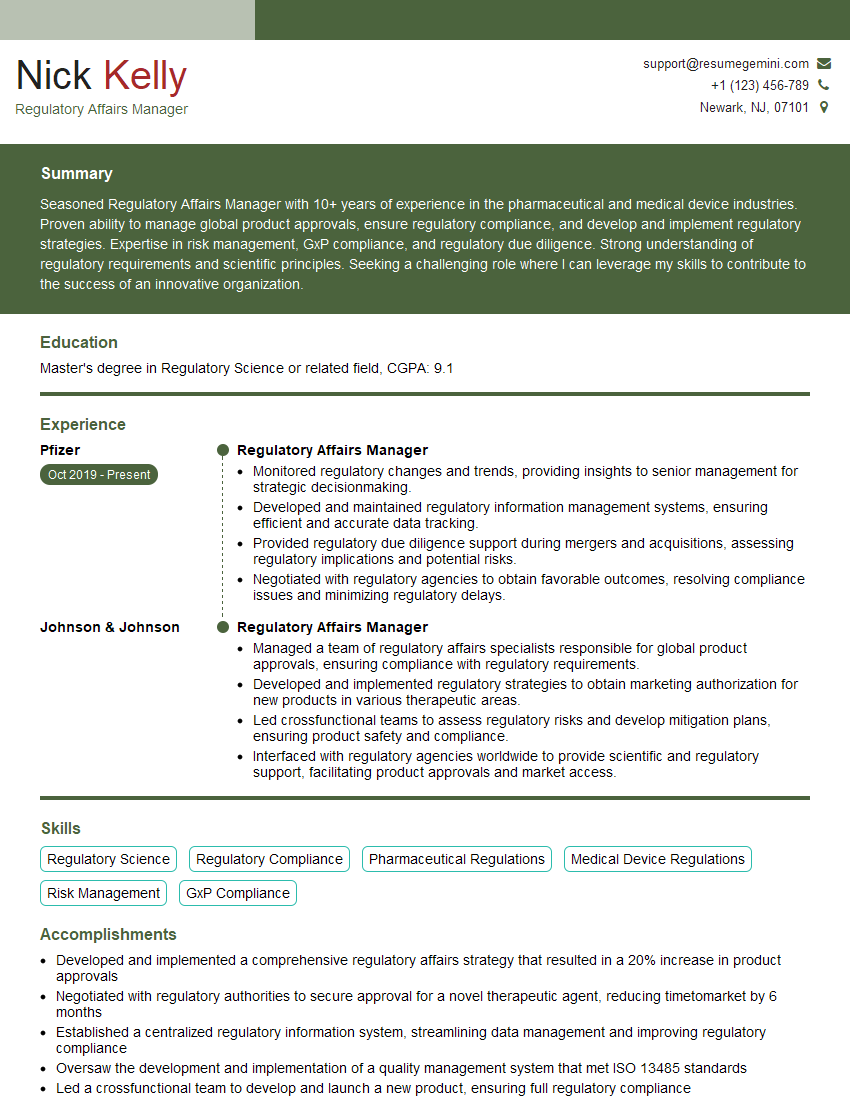
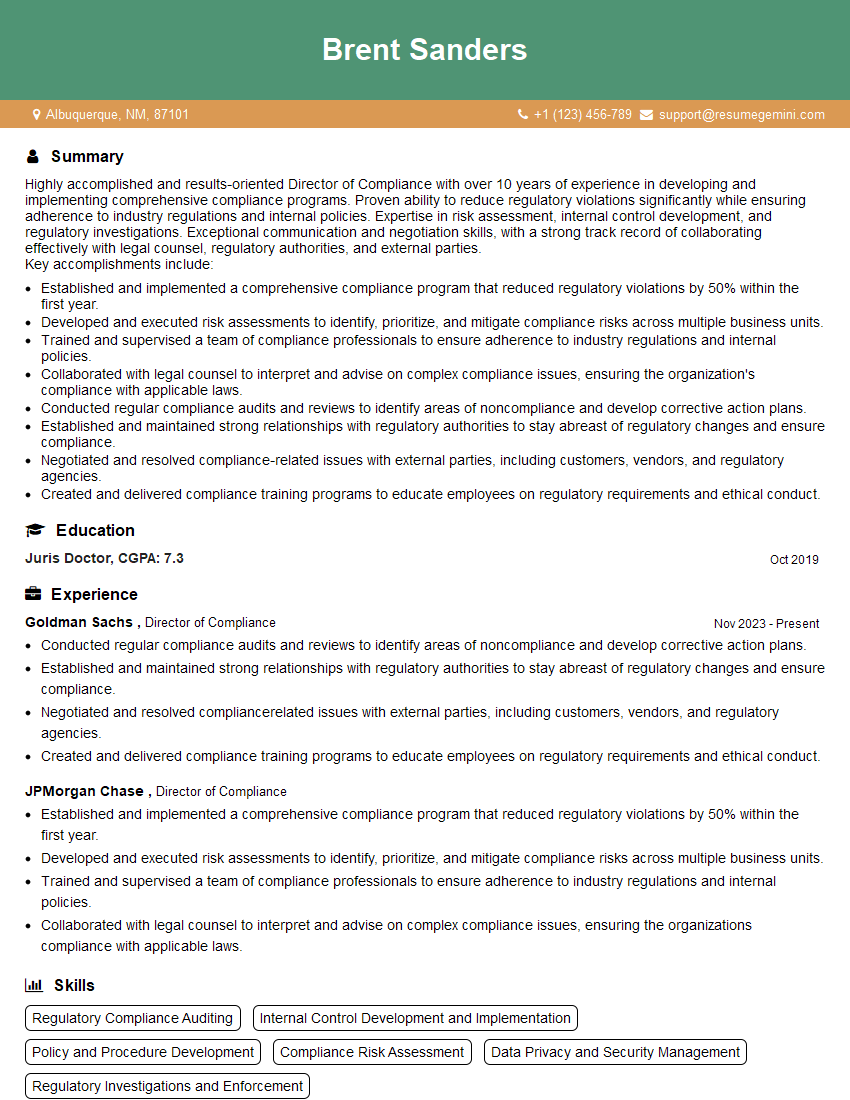
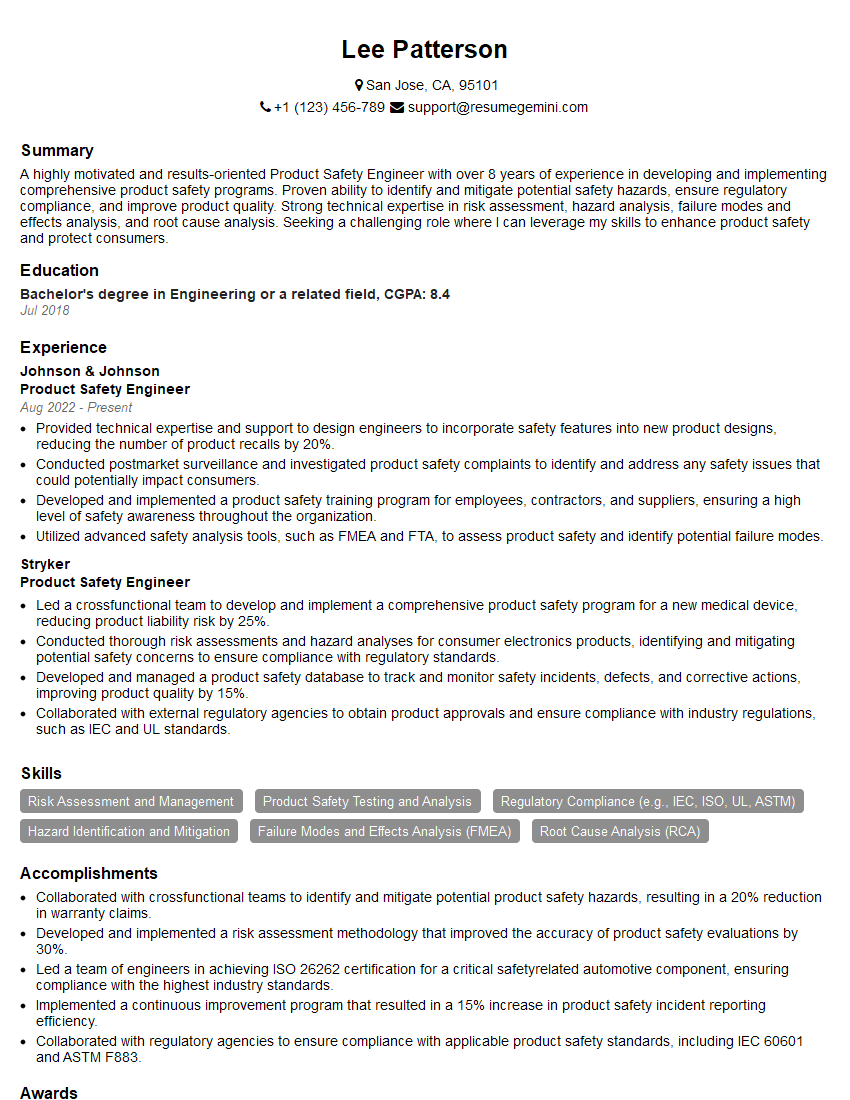
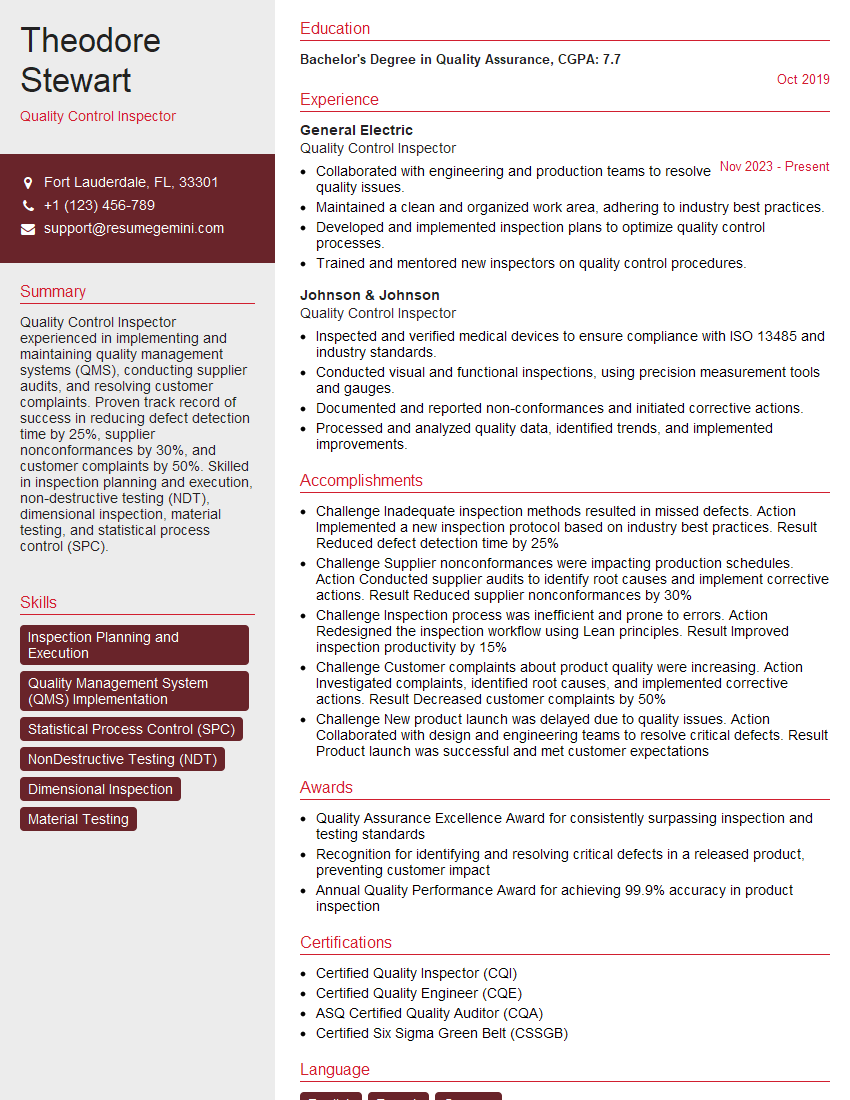
Mastering International Standards Compliance, such as IEC 61215 and IEC 61730, is crucial for career advancement in the renewable energy sector and demonstrates a commitment to safety and quality. Employers highly value candidates with a strong understanding of these standards. To increase your job prospects, create an ATS-friendly resume that effectively highlights your skills and experience. ResumeGemini is a trusted resource to help you build a professional and impactful resume. We provide examples of resumes tailored to International Standards Compliance (e.g., IEC 61215, IEC 61730) to guide you in crafting your own compelling application materials.

Explore more articles
Users Rating of Our Blogs
Share Your Experience
We value your feedback! Please rate our content and share your thoughts (optional).
What Readers Say About Our Blog
To the interviewgemini.com Webmaster.
Very helpful and content specific questions to help prepare me for my interview!
Thank you
To the interviewgemini.com Webmaster.
This was kind of a unique content I found around the specialized skills. Very helpful questions and good detailed answers.
Very Helpful blog, thank you Interviewgemini team.