The right preparation can turn an interview into an opportunity to showcase your expertise. This guide to Interprofessional Communication and Teamwork interview questions is your ultimate resource, providing key insights and tips to help you ace your responses and stand out as a top candidate.
Questions Asked in Interprofessional Communication and Teamwork Interview
Q 1. Describe your experience working effectively within an interprofessional team.
Effective interprofessional teamwork hinges on mutual respect, open communication, and shared goals. My experience consistently involves active listening, collaborative problem-solving, and a commitment to shared decision-making. For instance, during my time on a palliative care team, I worked closely with physicians, nurses, social workers, and physiotherapists to develop comprehensive care plans for patients with end-stage illnesses. Each member brought unique expertise, and our success stemmed from valuing these diverse perspectives and integrating them seamlessly into the overall plan. We used regular team meetings to track progress, identify challenges, and adjust our approach as needed. This fostered a sense of shared responsibility and ensured the patient received holistic, well-coordinated care.
Q 2. Explain a situation where you had to resolve a conflict within an interprofessional team.
In one instance, a disagreement arose between a surgeon and a physiotherapist regarding a post-operative rehabilitation plan. The surgeon favored a more conservative approach, while the physiotherapist advocated for earlier mobilization. To resolve this, I facilitated a structured discussion, encouraging both professionals to clearly articulate their perspectives and rationale. I ensured both parties felt heard and validated, emphasizing the shared goal of optimizing patient recovery. We identified the underlying concerns – the surgeon’s fear of re-injury, the physiotherapist’s understanding of the patient’s potential for progress. By highlighting the supporting evidence for each viewpoint, we collaboratively developed a modified plan that incorporated elements from both approaches, ensuring patient safety and optimal functional recovery. This process emphasized collaborative problem-solving and helped build stronger working relationships.
Q 3. How do you contribute to a positive team dynamic in a healthcare setting?
Contributing to a positive team dynamic requires a multi-faceted approach. I actively foster a culture of respect and inclusivity by valuing every team member’s contribution. I ensure open communication channels are maintained, utilizing both formal and informal communication methods. I actively participate in team-building activities and strive to create a supportive and collaborative environment. I am also proactive in identifying and addressing potential conflicts before they escalate. This proactive approach helps maintain a harmonious and productive work environment where everyone feels valued and respected. Finally, celebrating successes, both big and small, reinforces positive teamwork and boosts morale.
Q 4. Describe your approach to conflict resolution in an interprofessional context.
My approach to conflict resolution is rooted in collaborative problem-solving. I begin by actively listening to all parties involved, seeking to understand their perspectives without judgment. I then help to identify the root cause of the conflict, clarifying misunderstandings and separating the issue from personalities. I facilitate a structured discussion, encouraging open communication and collaborative brainstorming of potential solutions. The goal is not to assign blame but to find a mutually agreeable solution that addresses everyone’s concerns. I also emphasize the importance of focusing on shared goals and patient well-being throughout the process. If a resolution isn’t immediately reached, I advocate for follow-up meetings to continue the discussion and reach a consensus.
Q 5. How do you ensure effective communication with colleagues from different healthcare disciplines?
Effective interprofessional communication requires clarity, conciseness, and a shared understanding of the patient’s needs. I use a structured approach, ensuring I am using clear and precise language, avoiding jargon. I verify understanding by asking clarifying questions and summarizing key information. I always tailor my communication style to the audience, adjusting my language and approach to match their professional background and experience. I utilize various communication tools, including electronic health records, team meetings, and direct conversations, depending on the urgency and nature of the information. Using SBAR (Situation, Background, Assessment, Recommendation) framework is particularly beneficial for conveying critical information quickly and efficiently.
Q 6. Share an example of how you successfully collaborated with another professional to achieve a patient care goal.
During a patient’s post-stroke rehabilitation, I collaborated with an occupational therapist to improve the patient’s functional independence. The patient was struggling with activities of daily living (ADLs). The occupational therapist focused on adapting the home environment and teaching compensatory techniques, while I, as a physiotherapist, concentrated on improving motor function and strength. Through regular consultations and shared progress notes, we monitored the patient’s progress closely, adjusting our interventions based on their response. This integrated approach resulted in significant improvements in the patient’s ADLs and overall quality of life, exceeding our initial expectations. The success hinged on our shared understanding of the patient’s needs and our ability to complement each other’s expertise.
Q 7. How do you adapt your communication style to effectively interact with individuals from diverse backgrounds and professions?
Adapting my communication style involves being mindful of cultural differences, professional backgrounds, and individual communication preferences. I actively listen to understand the other person’s perspective, considering their communication style and level of expertise. I am careful to use inclusive language, avoiding jargon or slang unfamiliar to certain professionals or cultural groups. I may adjust my communication speed and tone to ensure clarity and understanding. I prioritize building rapport by demonstrating genuine interest and respect for others. Furthermore, understanding and respecting diverse perspectives helps prevent misinterpretations and fosters a collaborative working relationship.
Q 8. What strategies do you use to improve communication and coordination within an interprofessional team?
Improving communication and coordination within an interprofessional team requires a multifaceted approach. It’s not just about talking, but about actively fostering a culture of shared understanding and mutual respect.
Structured Communication: Implementing regular team meetings with a clear agenda, using tools like SBAR (Situation, Background, Assessment, Recommendation) for concise handoffs, and employing standardized communication protocols ensures everyone is informed and on the same page. Think of it like a well-orchestrated symphony – each section (team member) needs to know their part and when to play it.
Role Clarity: Each team member must have a clear understanding of their roles, responsibilities, and how their work intersects with others. A simple role delineation document, shared and reviewed regularly, can prevent confusion and overlapping efforts. Imagine a sports team – each player knows their position and how to contribute to the overall game plan.
Active Listening and Feedback: Creating a safe space for open dialogue, where everyone feels comfortable sharing their perspectives and concerns, is paramount. Regular feedback sessions, both formal and informal, allow for early detection of potential issues and foster continuous improvement. This is like checking in on your team members to make sure everyone’s instruments are tuned and in sync.
Shared Goals and Objectives: Having clearly defined, shared goals that align with the overall patient care plan helps unify the team’s efforts. Regularly reviewing these goals ensures everyone remains focused on the common objective.
Q 9. How do you handle disagreements or differing opinions within a team setting?
Disagreements are inevitable in any team, especially when dealing with complex patient cases. The key is to approach these differences constructively, focusing on the patient’s best interests. Instead of viewing differing opinions as a conflict, I see them as an opportunity for richer, more informed decision-making.
Respectful Dialogue: I encourage open and respectful discussion, ensuring everyone has a chance to express their views. Active listening is key – understanding the reasoning behind differing perspectives is crucial before attempting resolution.
Evidence-Based Decision Making: When disagreements arise, I facilitate a discussion focusing on evidence-based practices and guidelines. This grounds the debate in objective data and reduces the reliance on individual opinions.
Compromise and Consensus: The goal is not to win an argument, but to arrive at a solution that is acceptable to the majority of the team and ultimately benefits the patient. Sometimes this involves compromise – finding common ground and integrating elements from different perspectives.
Mediation (if necessary): If disagreements become overly contentious or impede progress, I will facilitate a structured mediation session to help the team work through the issues in a more controlled and productive environment.
Q 10. Describe a time you had to navigate a complex patient case that required collaboration across multiple disciplines.
During my time at [Hospital Name], we had a patient with a complex case of sepsis, requiring the collaboration of multiple disciplines. The patient presented with a rapidly deteriorating condition, and initial treatment wasn’t producing the desired results.
The team consisted of physicians (internal medicine and infectious disease), nurses, respiratory therapists, pharmacists, and physical therapists. To navigate this complexity, we held daily multidisciplinary rounds, where we collectively reviewed the patient’s progress, shared lab results and imaging findings, and discussed potential treatment strategies using a structured problem-solving approach. We utilized a whiteboard to track vital signs, medication adjustments, and treatment responses. The open communication and collaborative decision-making were critical to adapting the patient’s care plan as his condition evolved, resulting in a positive outcome. Each team member’s specialized expertise was vital in successfully managing this case, highlighting the importance of interprofessional collaboration in achieving optimal patient outcomes.
Q 11. How do you facilitate information sharing and decision-making within an interprofessional team?
Facilitating information sharing and decision-making involves creating a transparent and inclusive environment where all team members feel empowered to contribute.
Regular Team Meetings: Structured meetings with clear agendas ensure everyone is updated on the patient’s progress and relevant changes.
Shared Electronic Health Record (EHR): Utilizing a shared EHR allows all team members access to the latest patient information, test results, and progress notes, minimizing communication delays and misunderstandings. This provides a single source of truth for everyone involved.
Structured Communication Tools: Implementing tools like SBAR or ISBAR (Identify, Situation, Background, Assessment, Recommendation) or other standardized communication models ensures efficient and effective information exchange. This improves handoffs and reduces the risk of errors.
Collaborative Decision-Making Processes: Employing shared decision-making frameworks where everyone has a voice and contributes to the plan of care empowers the team and fosters a sense of ownership.
Q 12. How do you address communication breakdowns or misunderstandings within an interprofessional team?
Communication breakdowns are common in interprofessional teams, but addressing them promptly is crucial. Ignoring them can lead to serious consequences, including medical errors and patient dissatisfaction.
Identify the Breakdown: The first step is to identify the source of the misunderstanding. This may involve speaking with the individuals involved to understand their perspectives and the nature of the communication failure.
Open Communication and Feedback: Once the breakdown is identified, encourage open and honest dialogue amongst the individuals involved. This creates an opportunity for clarification and to address any underlying issues.
Reflective Practice: Engage in reflective practice as a team to learn from the communication failure. Analyzing what went wrong and identifying potential solutions can prevent similar breakdowns in the future. This is a valuable opportunity for team learning.
Process Improvement: Implement changes to the communication processes to mitigate future risks. This might involve adjusting team meeting schedules, implementing new communication tools, or refining existing protocols.
Q 13. Describe your experience with using technology to improve communication and collaboration within a healthcare team.
Technology plays a significant role in enhancing communication and collaboration within healthcare teams. In my experience, I’ve utilized several technologies to improve efficiency and patient safety.
Electronic Health Records (EHRs): Shared EHR systems enable real-time access to patient information, facilitating seamless communication and reducing the risk of errors due to outdated or incomplete data.
Secure Messaging Systems: Platforms that allow for secure messaging between team members improve the efficiency of communication and maintain patient confidentiality. This is especially beneficial for quick updates and critical information exchanges.
Telehealth Platforms: Telehealth platforms allow for virtual consultations, remote monitoring, and interprofessional discussions, making care more accessible and efficient, particularly useful in managing patients remotely.
Project Management Software: Software like Asana or Trello can be used to manage tasks, deadlines, and workflows, providing a centralized platform for team members to track progress and collaborate effectively. This is particularly useful for tracking complex care plans.
Q 14. How do you ensure that all team members understand their roles and responsibilities?
Ensuring team members understand their roles and responsibilities is fundamental for effective interprofessional teamwork. Clear role definition prevents confusion, overlaps, and gaps in care.
Role Delineation: A clear document outlining the responsibilities of each team member, including their scope of practice and decision-making authority, is crucial. This should be accessible to all team members.
Orientation and Training: Providing thorough orientation and ongoing training on roles, responsibilities, and team processes ensures everyone is adequately prepared for their tasks.
Regular Team Meetings: Regular team meetings create opportunities to review roles, discuss challenges, and clarify any uncertainties regarding responsibilities.
Open Communication: Fostering an environment where team members feel comfortable asking questions and seeking clarification helps prevent misunderstandings and ensures everyone is clear on their tasks.
Q 15. Explain your understanding of the importance of shared decision-making in interprofessional healthcare.
Shared decision-making (SDM) in interprofessional healthcare is crucial for optimizing patient outcomes and satisfaction. It involves a collaborative process where healthcare professionals from different disciplines, alongside the patient and their family, actively participate in making informed choices about treatment plans and care goals. This approach moves away from a paternalistic model, empowering the patient as the central figure in their own care journey.
The importance of SDM stems from several factors:
- Improved Patient Outcomes: When patients are involved in decisions, they are more likely to adhere to treatment plans, leading to better outcomes. They feel a sense of ownership and control.
- Enhanced Patient Satisfaction: SDM fosters trust and respect, resulting in increased patient satisfaction with the care they receive.
- Reduced Medical Errors: The collaborative nature of SDM helps prevent errors by providing multiple perspectives and opportunities for error detection.
- Increased Efficiency: While initially more time-consuming, SDM can streamline care in the long run by ensuring everyone is on the same page and committed to the chosen path.
For example, consider a patient with diabetes. An SDM approach would involve the physician, nurse, dietitian, and patient discussing treatment options like medication, diet, and exercise, jointly deciding on the best approach for the patient’s individual needs and preferences, rather than the physician simply dictating a plan.
Career Expert Tips:
- Ace those interviews! Prepare effectively by reviewing the Top 50 Most Common Interview Questions on ResumeGemini.
- Navigate your job search with confidence! Explore a wide range of Career Tips on ResumeGemini. Learn about common challenges and recommendations to overcome them.
- Craft the perfect resume! Master the Art of Resume Writing with ResumeGemini’s guide. Showcase your unique qualifications and achievements effectively.
- Don’t miss out on holiday savings! Build your dream resume with ResumeGemini’s ATS optimized templates.
Q 16. How do you balance individual contributions with team goals in an interprofessional setting?
Balancing individual contributions with team goals in an interprofessional setting requires a delicate blend of self-awareness, communication, and collaboration. It’s like playing a team sport – each player has a unique skill set, but success depends on coordinated effort towards a common objective.
Here’s how I approach this:
- Clearly Defined Roles and Responsibilities: A shared understanding of individual tasks and their contribution to the overall team goal is paramount. This ensures everyone knows what’s expected and prevents duplication or omission of tasks.
- Open Communication and Active Listening: Regular communication is key. Sharing individual progress, concerns, and challenges openly allows the team to adjust strategies and support each other.
- Respect for Diverse Perspectives: Each discipline brings a unique perspective. Valuing these diverse viewpoints enriches decision-making and leads to more comprehensive solutions.
- Conflict Resolution Strategies: Disagreements are inevitable. Having established strategies for resolving conflicts constructively, focusing on the patient’s needs, is crucial for team cohesion.
- Flexibility and Adaptability: Being flexible and adaptable allows for adjustments when unforeseen challenges arise, maintaining team momentum and achieving goals.
For instance, in a multidisciplinary team managing a complex patient case, the physician might focus on the medical diagnosis, the nurse on medication administration and patient monitoring, the physiotherapist on rehabilitation, and the social worker on psychosocial support. Success hinges on the seamless integration of these individual contributions towards a shared goal of patient recovery.
Q 17. Describe a time you had to advocate for a patient’s needs within an interprofessional team.
I recall a situation where an elderly patient, Mrs. Jones, was admitted with a complex medical history and a recent fall. The initial assessment from the physician focused primarily on her fractured hip, recommending immediate surgery. However, as the nurse on the case, I noticed Mrs. Jones displayed signs of significant cognitive impairment and depression, which weren’t explicitly addressed in the initial treatment plan.
I advocated for Mrs. Jones by bringing these concerns to the interprofessional team during a case conference. I presented data supporting the need for a geriatric assessment to fully understand her cognitive and emotional state before proceeding with surgery. I pointed out the potential risks of post-surgical delirium and depression, highlighting the importance of comprehensive care. The team, initially focused solely on the fractured hip, acknowledged my concerns. We then integrated a geriatric assessment, ultimately delaying surgery until her cognitive state was better managed. This holistic approach led to a much smoother recovery for Mrs. Jones and avoided potential complications.
Q 18. How do you ensure patient safety is prioritized in interprofessional collaboration?
Prioritizing patient safety in interprofessional collaboration requires a multi-faceted approach rooted in transparency, communication, and shared responsibility.
- Standardized Protocols and Procedures: Clear protocols and procedures are fundamental for reducing errors. Everyone knows the steps to follow in various situations, regardless of their discipline.
- Effective Handoffs and Communication: Precise and comprehensive communication during handoffs, utilizing standardized tools like SBAR (Situation, Background, Assessment, Recommendation), helps ensure continuity of care and reduces the risk of miscommunication.
- Incident Reporting and Analysis: A culture of open incident reporting allows for identification of system-level failures and implementation of corrective actions. Analyzing near misses can prevent future adverse events.
- Team Training and Education: Regular interprofessional training focused on patient safety, teamwork, and communication skills is crucial for building a strong safety culture.
- Shared Responsibility: A sense of shared responsibility for patient safety, where every team member feels empowered to speak up about concerns, regardless of their seniority, promotes a culture of safety.
Using checklists, regularly auditing practices, and implementing fail-safes help make these principles effective in the real world. For instance, medication reconciliation performed collaboratively by pharmacists, nurses, and physicians prevents medication errors arising from discrepancies in the patient’s medication list.
Q 19. How do you manage time effectively when working on a team with competing priorities?
Managing competing priorities within a team demands effective time management strategies, prioritizing tasks strategically, and fostering clear communication.
- Prioritization Matrix: Using a prioritization matrix (e.g., Eisenhower Matrix – Urgent/Important) helps categorize tasks based on their urgency and importance. This focuses efforts on high-priority tasks related to patient care and prevents getting bogged down in less critical activities.
- Time Blocking: Allocating specific time blocks for tasks related to different projects or patients ensures dedicated focus and prevents multitasking, improving efficiency.
- Team Meetings and Delegation: Regular team meetings, using a structured agenda, allow for collaborative problem-solving and task delegation. This distributes workload and avoids bottlenecks.
- Communication and Boundary Setting: Openly communicating workload limitations and setting boundaries prevents overcommitment and burnout. This ensures timely completion of tasks while maintaining team well-being.
- Use of Technology: Utilizing technology like project management software or electronic health records can streamline processes, improving efficiency and transparency.
For example, in a busy hospital setting, I would use time-blocking to schedule patient assessments, medication rounds, and documentation. Team meetings would help prioritize urgent cases and delegate tasks accordingly, using a project management tool to track progress.
Q 20. Describe your experience with interprofessional education or training.
My interprofessional education included participation in a simulated hospital ward environment where students from medicine, nursing, physiotherapy, and social work collaborated on patient care. This experience was invaluable in learning to integrate different perspectives and work effectively as a team. We faced realistic scenarios, such as managing a patient with post-operative complications, demanding collaboration, communication, and problem-solving.
This training wasn’t just theoretical; it involved practicing hands-on teamwork, handling conflicts, and making crucial decisions as a unified team. This practical experience significantly improved my ability to understand and respect the perspectives of other health professionals, fostering a true collaborative spirit. Furthermore, workshops focused on communication techniques, such as SBAR, and conflict resolution were incorporated into the curriculum. This holistic approach to interprofessional education improved my competency in real-world healthcare settings.
Q 21. How familiar are you with the principles of effective teamwork in healthcare?
I am very familiar with the principles of effective teamwork in healthcare. These principles encompass more than just working together; they require a deep understanding of shared goals, mutual respect, effective communication, and a commitment to shared responsibility.
Key principles include:
- Shared Goals and Vision: The team must have a clear understanding of the shared goals, usually centered around patient care.
- Open Communication: Active listening, clear communication styles (verbal and written), and a non-judgmental environment are essential.
- Respect and Trust: Trusting each team member’s expertise and respecting differing opinions are fundamental.
- Shared Decision-Making: Collaboratively making decisions by incorporating diverse expertise leads to better patient outcomes.
- Conflict Resolution: Strategies to constructively address and resolve conflicts are necessary for team cohesion.
- Mutual Support and Helpfulness: A supportive environment where team members help and mentor each other enhances productivity and well-being.
- Regular Feedback and Evaluation: Regular feedback mechanisms help improve teamwork and identify areas for improvement.
These principles are not just theoretical; they are applied daily in healthcare settings to ensure patient safety, provide quality care, and promote a supportive work environment.
Q 22. What are some common challenges associated with interprofessional collaboration, and how do you overcome them?
Interprofessional collaboration, while highly beneficial, often faces hurdles. Common challenges include differences in professional language and perspectives, varying levels of expertise and experience, scheduling conflicts, and a lack of clear roles and responsibilities. Overcoming these requires proactive strategies. For example, establishing a common communication protocol, using plain language and avoiding jargon, and holding regular team meetings to clarify roles can mitigate communication issues. We can leverage diverse perspectives by creating a culture of mutual respect and active listening, encouraging open dialogue, where everyone feels comfortable sharing their expertise. To address scheduling difficulties, utilizing collaborative tools and flexible scheduling arrangements can help. Finally, a well-defined project plan with clearly assigned tasks and responsibilities reduces ambiguity and improves efficiency.
For instance, in a recent palliative care project, we had challenges initially because the nurses, doctors, and social workers each used different terminology for the same medical issues. To solve this, we held a session where we collaboratively created a glossary of terms we’d all use consistently throughout the project. This simple step significantly improved communication and avoided misunderstandings.
Q 23. How do you contribute to building trust and respect within an interprofessional team?
Building trust and respect within an interprofessional team is crucial for successful collaboration. I achieve this by fostering open communication, demonstrating empathy, and actively valuing each team member’s contributions. This includes actively listening to their perspectives, acknowledging their expertise, and appreciating their efforts. I also make an effort to understand each professional’s role and its importance to the overall goal. Showing appreciation through verbal acknowledgment, recognizing accomplishments, and creating a psychologically safe space are vital.
For example, in a recent project involving a complex patient case, I intentionally sought input from every team member, highlighting their unique skills and perspectives during team discussions. This demonstrated my respect for their expertise and fostered a more collaborative environment. Regular feedback sessions, both positive and constructive, help maintain this environment.
Q 24. Describe your experience using evidence-based practice to guide interprofessional collaboration.
Evidence-based practice is paramount in interprofessional collaboration. I actively seek out and incorporate the latest research and best practices to inform our decisions and strategies. This involves regularly reviewing relevant literature, attending professional development opportunities, and using evidence-based guidelines to guide our actions. For example, when developing a new patient care protocol, we systematically reviewed the literature to identify evidence-based best practices and adapted them to our specific context. This ensured that our collaboration was not only efficient but also grounded in the most up-to-date knowledge.
Specifically, we used a structured approach: identifying a clinical question, searching for relevant evidence, critically appraising the quality of the evidence, applying the findings to practice, and evaluating the effectiveness of our intervention. This meticulous approach ensured our collective decisions were data-driven and improved patient outcomes.
Q 25. How do you identify and address power imbalances within an interprofessional team?
Power imbalances can hinder effective interprofessional teamwork. To address this, I advocate for a collaborative leadership model where everyone has a voice and decision-making power is distributed equitably. This includes actively identifying and challenging hierarchical structures or ingrained biases. To mitigate this, I ensure that all team members have equal opportunities to contribute, actively solicit opinions from everyone, and create a safe space for open and honest dialogue.
For example, I’ve had situations where physicians’ opinions often dominated team discussions. To counter this, I implemented a structured meeting format that ensured each team member got an equal amount of speaking time and encouraged everyone to actively participate. This fostered a more balanced discussion and ensured everyone’s input was valued equally.
Q 26. Explain how you would contribute to the development of an interprofessional team’s communication plan.
Developing a robust communication plan is essential for effective interprofessional teamwork. My contribution includes defining clear communication channels, establishing reporting structures, outlining response protocols for emergencies and urgent situations, and agreeing upon a shared platform for documentation and information sharing. This plan should detail how, when and with whom the team members communicate, and the appropriate methods for each situation (e.g. email, phone, in-person meetings). The plan needs to be flexible enough to adjust to changing circumstances.
In a previous project, we developed a communication plan that included a shared online platform for documenting progress, scheduling meetings, and distributing updates. We also established clear escalation procedures for critical incidents. This ensured timely and efficient communication, prevented misunderstandings and improved overall team performance.
Q 27. How do you evaluate the effectiveness of interprofessional teamwork?
Evaluating the effectiveness of interprofessional teamwork involves a multifaceted approach. It goes beyond simply whether the task was completed. I use a combination of methods including process evaluation (assessing how the team worked together), outcome evaluation (measuring the impact on patients or the project), and team self-reflection (analyzing team performance). This could include using standardized surveys to measure team cohesion, observing team interactions during meetings, and analyzing patient outcomes to assess the impact of collaborative efforts. Regular feedback mechanisms are key.
In a recent project, we used a combination of patient satisfaction surveys, team member feedback forms, and a review of project outcomes to assess the success of our interprofessional collaboration. This helped us identify areas for improvement and refine our strategies for future projects.
Q 28. Describe your approach to mentoring or supporting less experienced colleagues in an interprofessional team.
Mentoring less experienced colleagues involves providing guidance, support, and opportunities for growth within an interprofessional setting. My approach focuses on creating a safe and supportive learning environment where they feel comfortable asking questions and seeking feedback. This includes providing constructive criticism, offering opportunities for shadowing or mentorship, and facilitating access to relevant resources and training. I also encourage reflective practice by encouraging them to reflect on their experiences and identify areas for improvement. It’s about empowering them to develop their skills and confidence in a supportive and collaborative setting.
I remember mentoring a newly graduated nurse who was unsure about interacting with other healthcare professionals. Through regular one-on-one meetings and shadowing opportunities, she quickly gained confidence and developed strong interprofessional communication skills.
Key Topics to Learn for Interprofessional Communication and Teamwork Interview
- Effective Communication Styles: Understanding and adapting your communication style to different healthcare professionals (physicians, nurses, therapists, etc.). Consider verbal, nonverbal, and written communication nuances.
- Team Dynamics and Roles: Analyzing team structures, identifying individual strengths and weaknesses, and understanding the importance of shared leadership and delegation in achieving common goals. Prepare examples of how you’ve contributed to a team’s success.
- Conflict Resolution and Negotiation: Developing strategies for addressing disagreements constructively, utilizing active listening, and finding mutually acceptable solutions within a team environment. Be ready to discuss real-world scenarios where you resolved conflict.
- Shared Decision-Making and Patient-Centered Care: Explain the process of collaborative decision-making, emphasizing patient-centered approaches and the ethical considerations involved in interprofessional collaboration. Highlight your understanding of shared goals and objectives.
- Professionalism and Ethics: Discuss the importance of maintaining professional boundaries, respecting diverse perspectives, and adhering to ethical guidelines within an interprofessional team. Think about examples demonstrating your ethical decision-making.
- Technological Collaboration Tools: Familiarize yourself with various technologies used for interprofessional communication (e.g., electronic health records, telehealth platforms). Show your awareness of how technology enhances teamwork.
Next Steps
Mastering interprofessional communication and teamwork is crucial for career advancement in today’s collaborative healthcare landscape. Employers highly value candidates who can demonstrate strong teamwork skills and effective communication abilities, leading to increased job opportunities and career satisfaction. To significantly improve your chances, create an ATS-friendly resume that highlights your relevant skills and experiences. ResumeGemini is a trusted resource to help you build a professional resume that stands out. We offer examples of resumes tailored to Interprofessional Communication and Teamwork to guide you. Take advantage of these resources to showcase your capabilities and land your dream job!
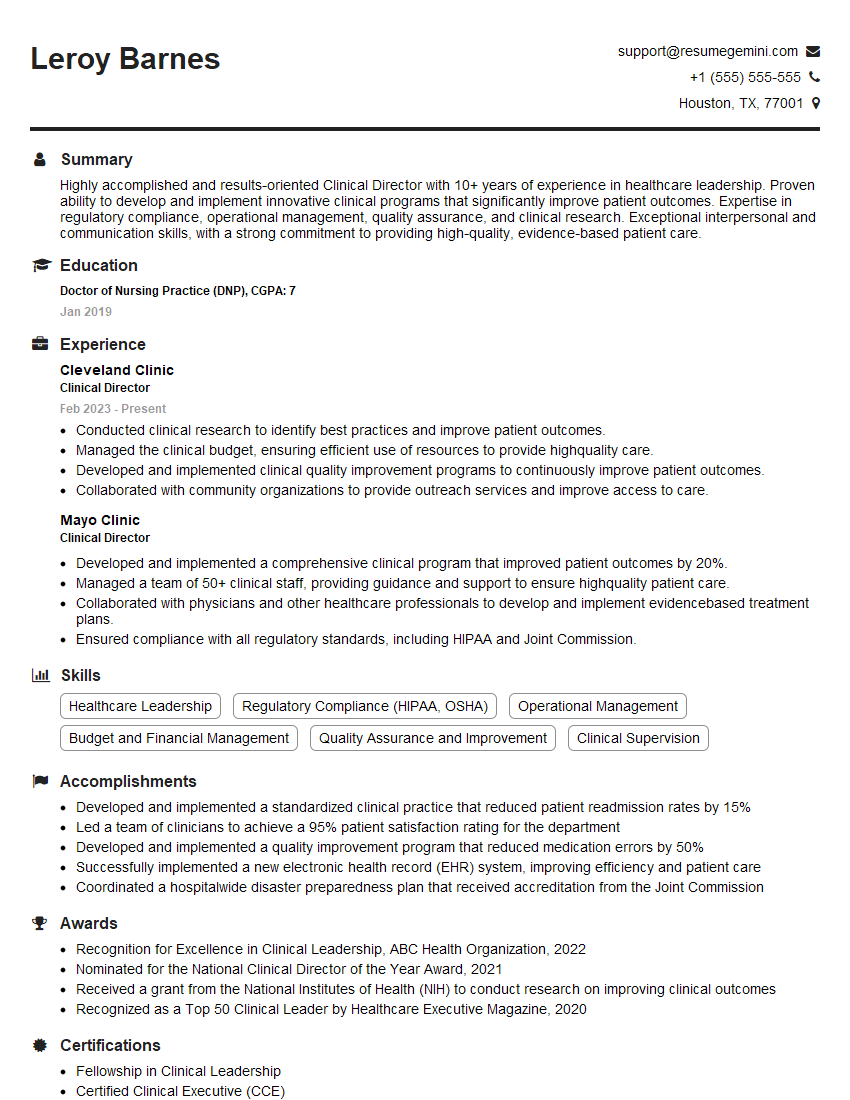
Clinical Director Resume Sample
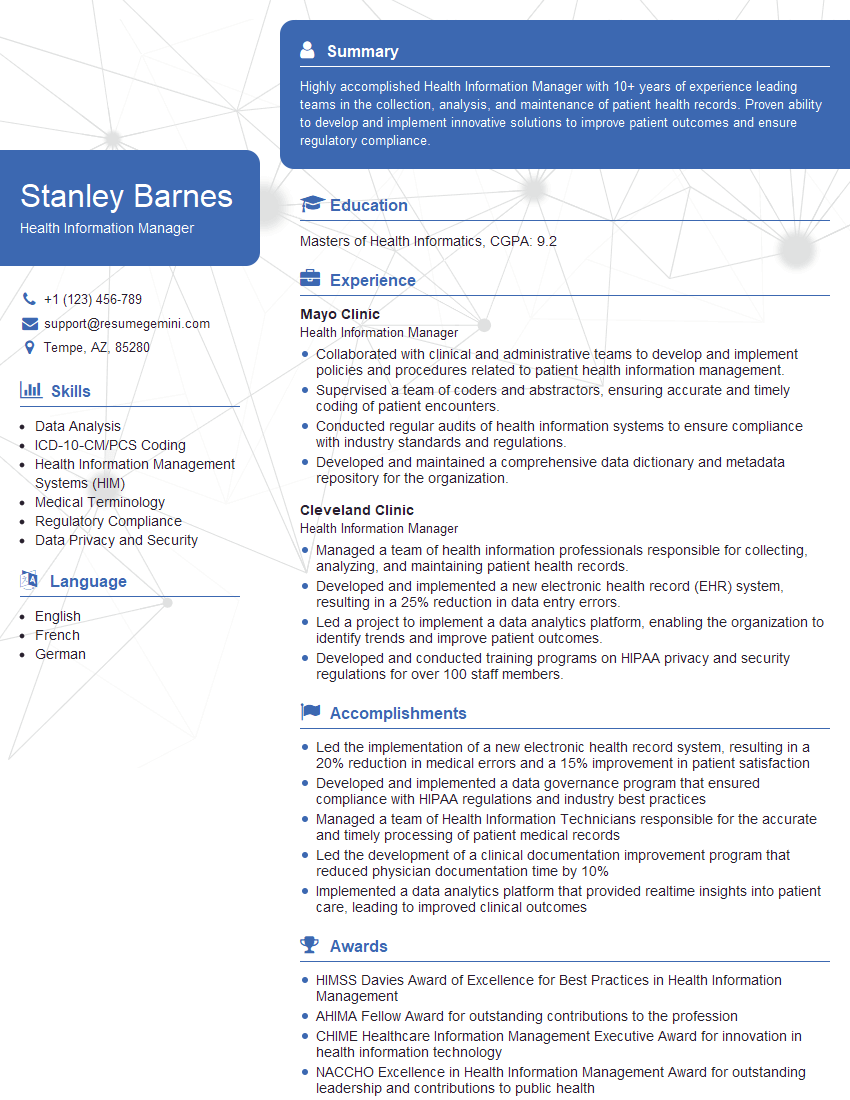
Health Information Manager Resume Sample
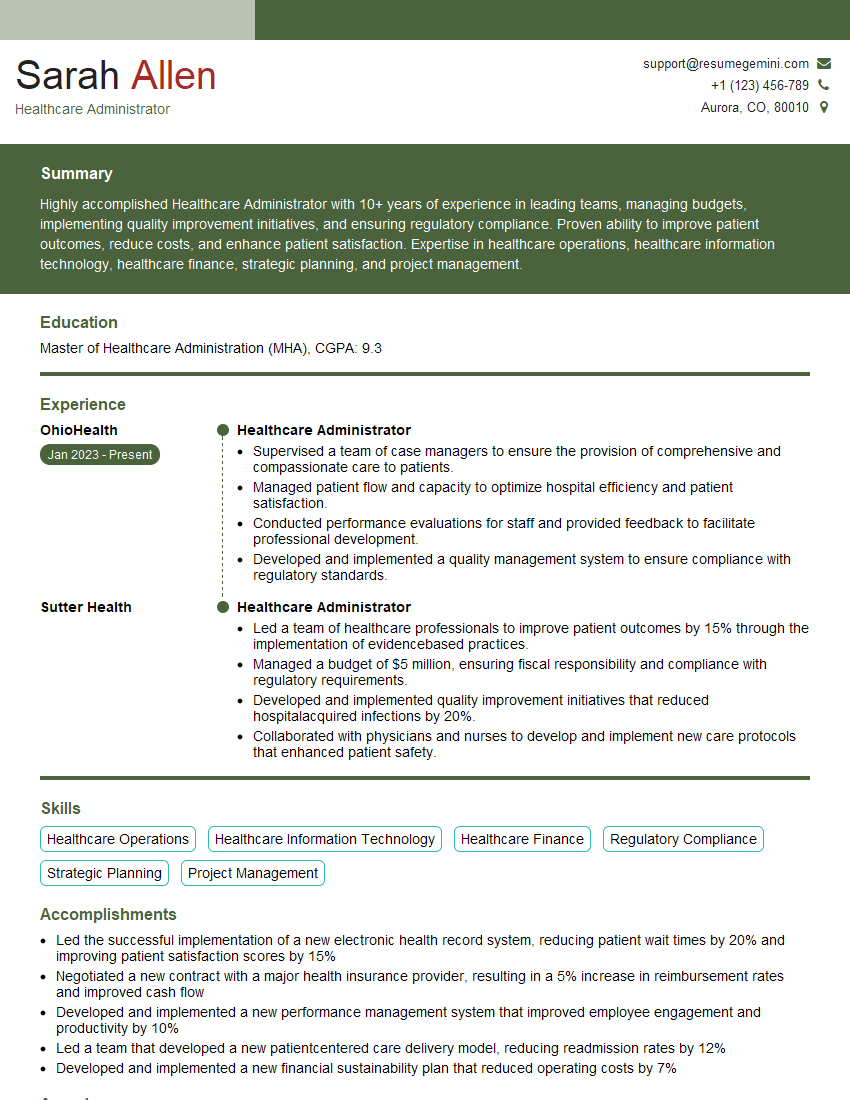
Healthcare Administrator Resume Sample
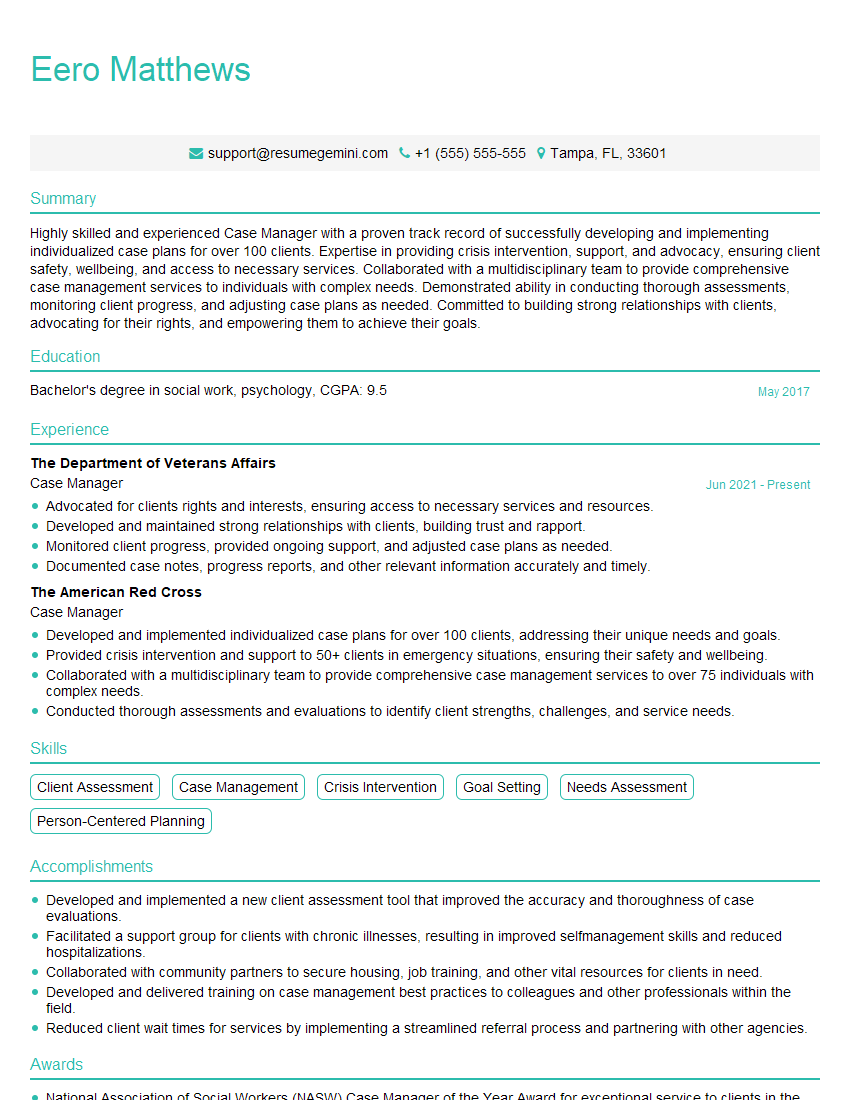
Case Manager Resume Sample

Mental Health Counselor Resume Sample
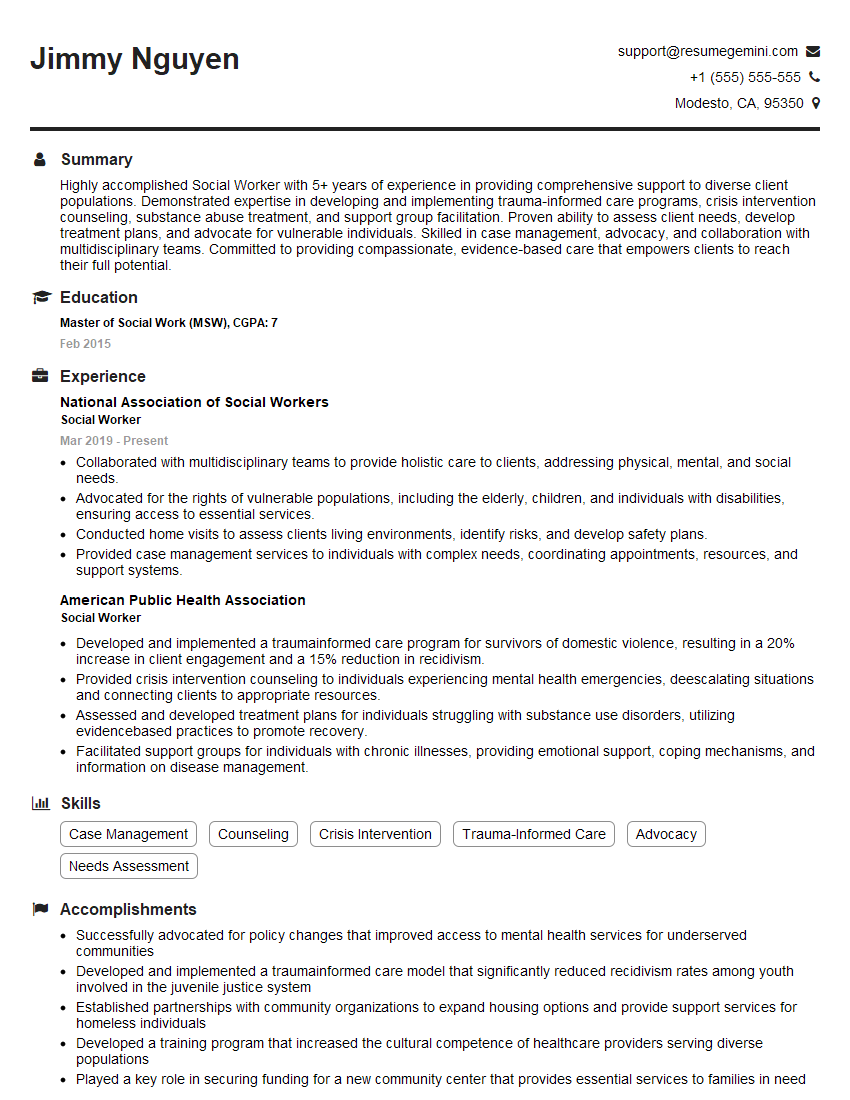
Social Worker Resume Sample
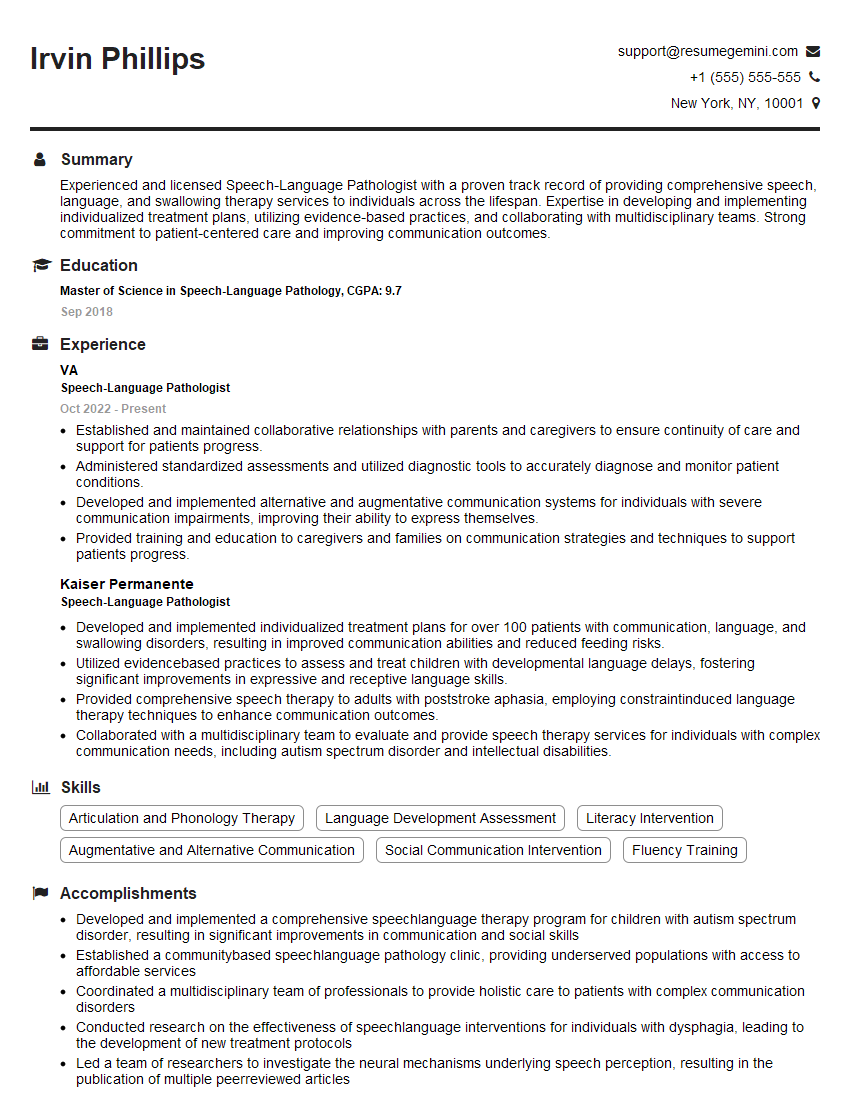
Speech-Language Pathologist Resume Sample
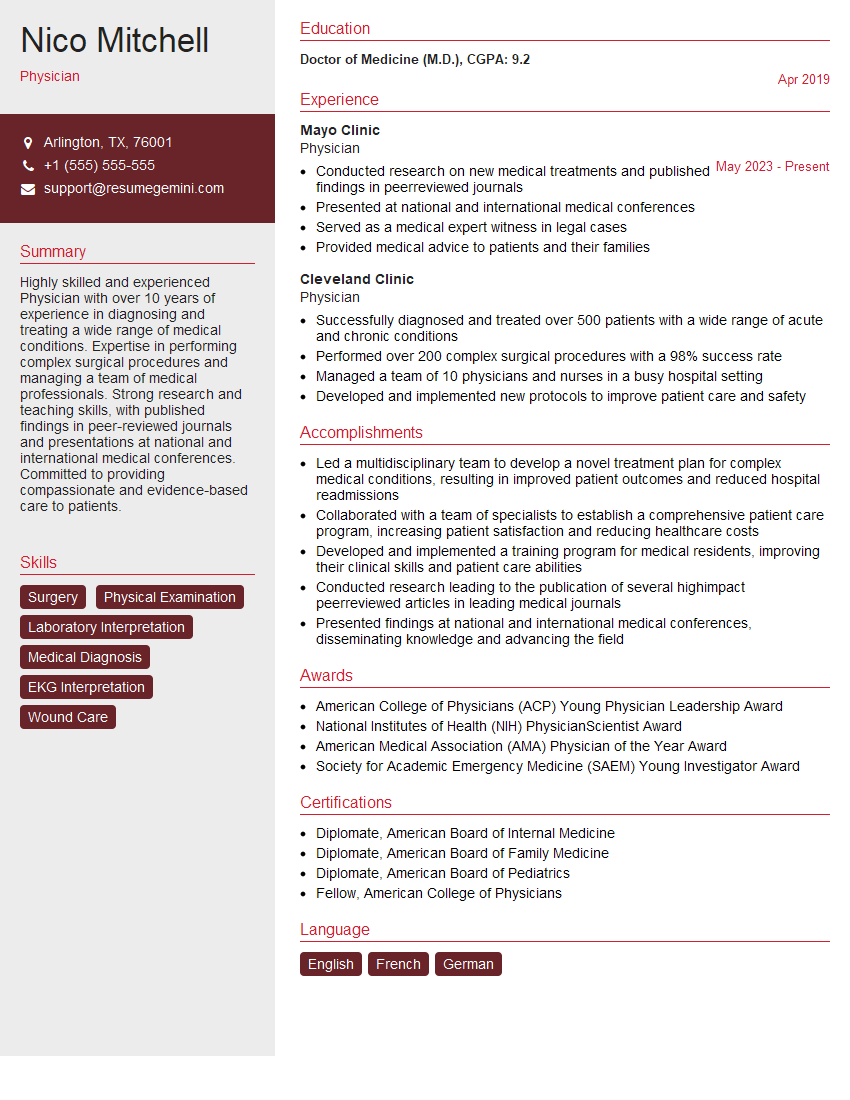
Physician Resume Sample
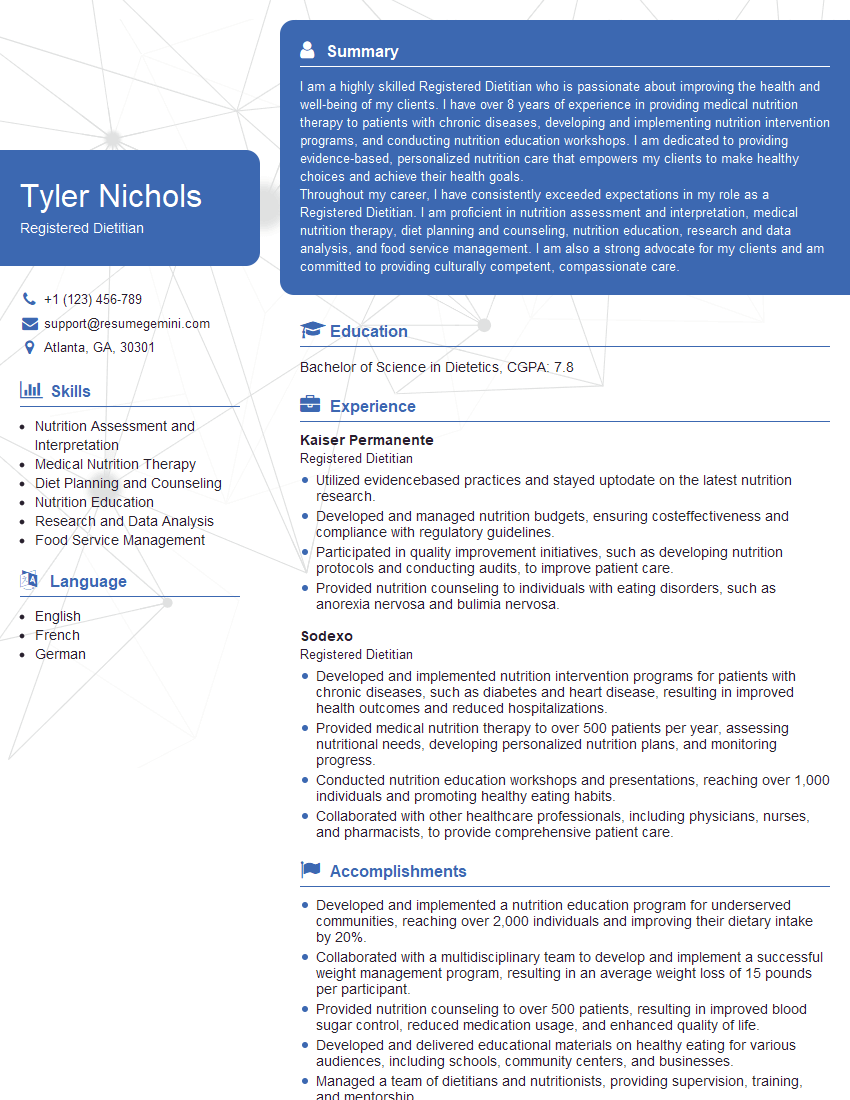
Registered Dietitian Resume Sample
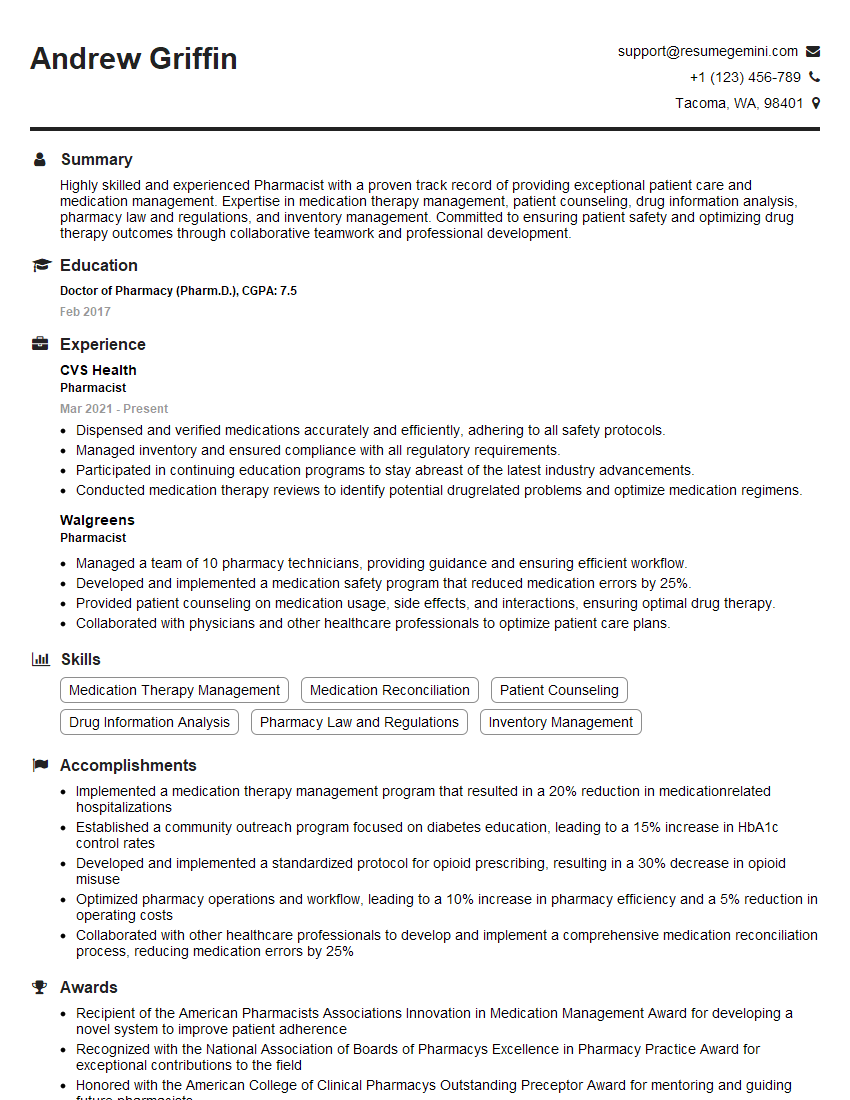
Pharmacist Resume Sample

Physician Assistant Resume Sample
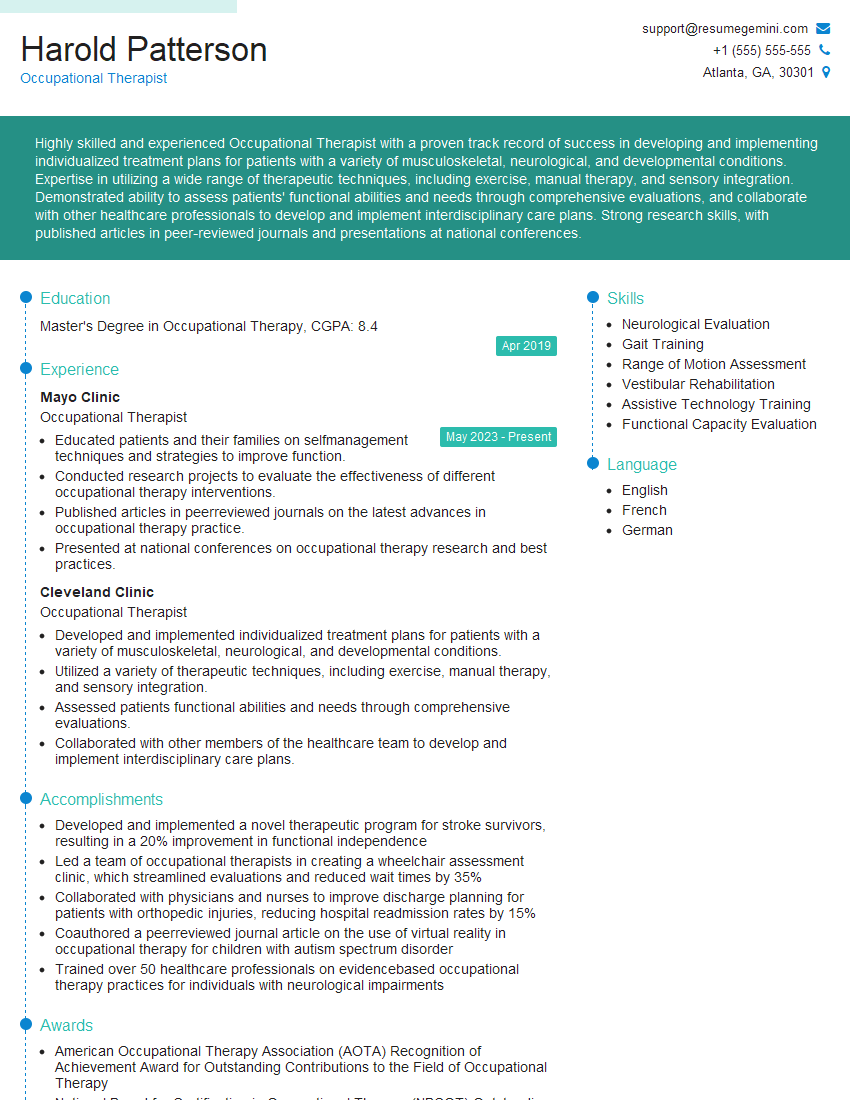
Occupational Therapist Resume Sample
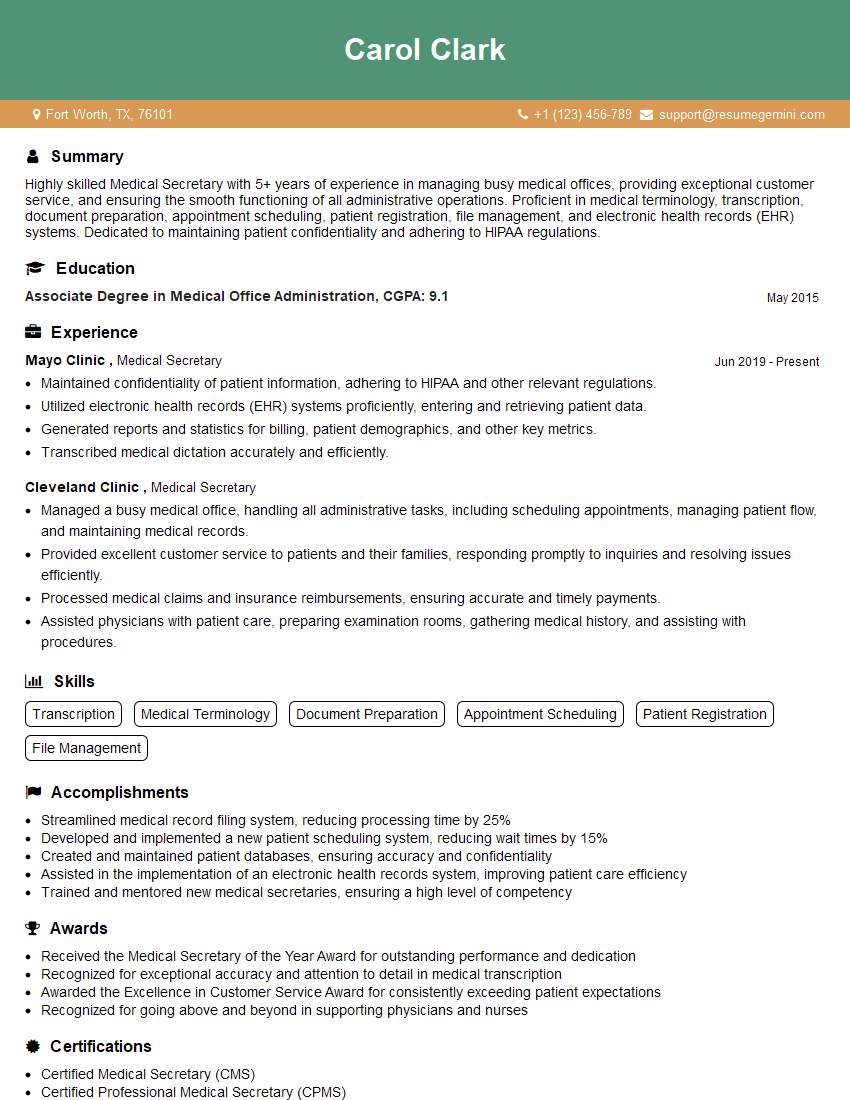
Medical Secretary Resume Sample
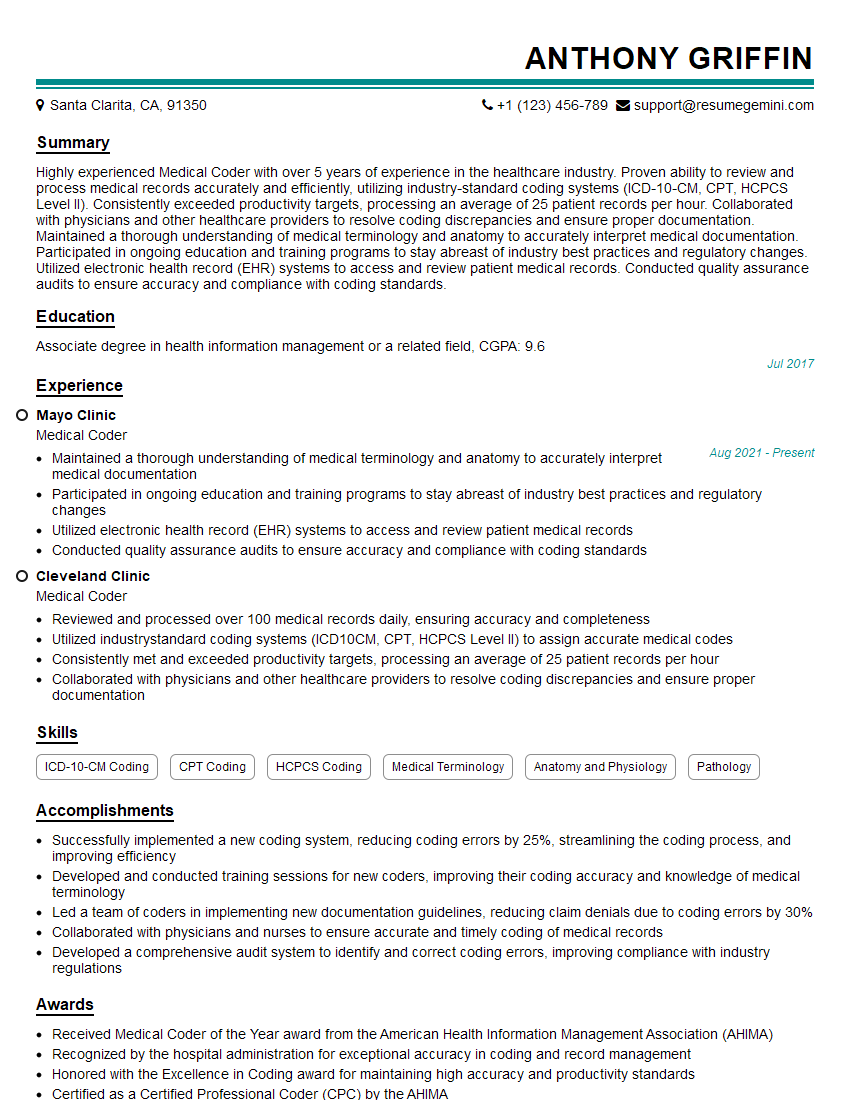
Medical Coder Resume Sample
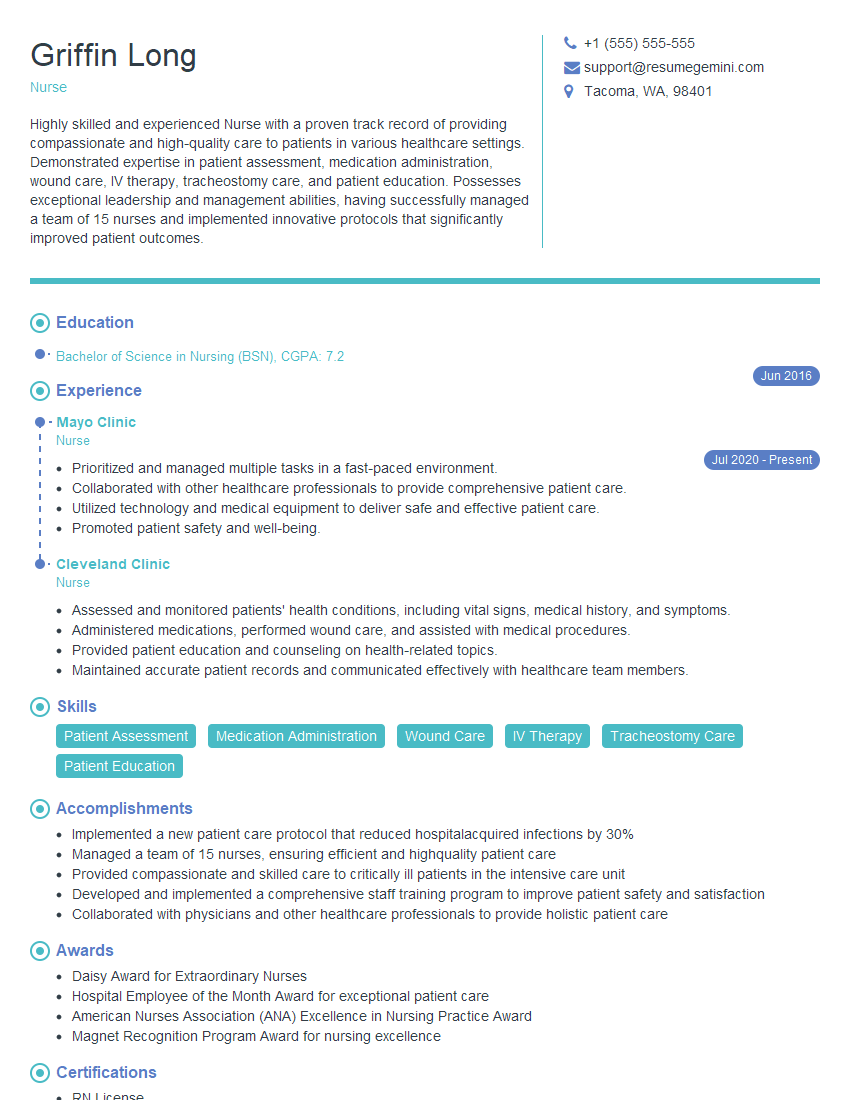
Nurse Resume Sample
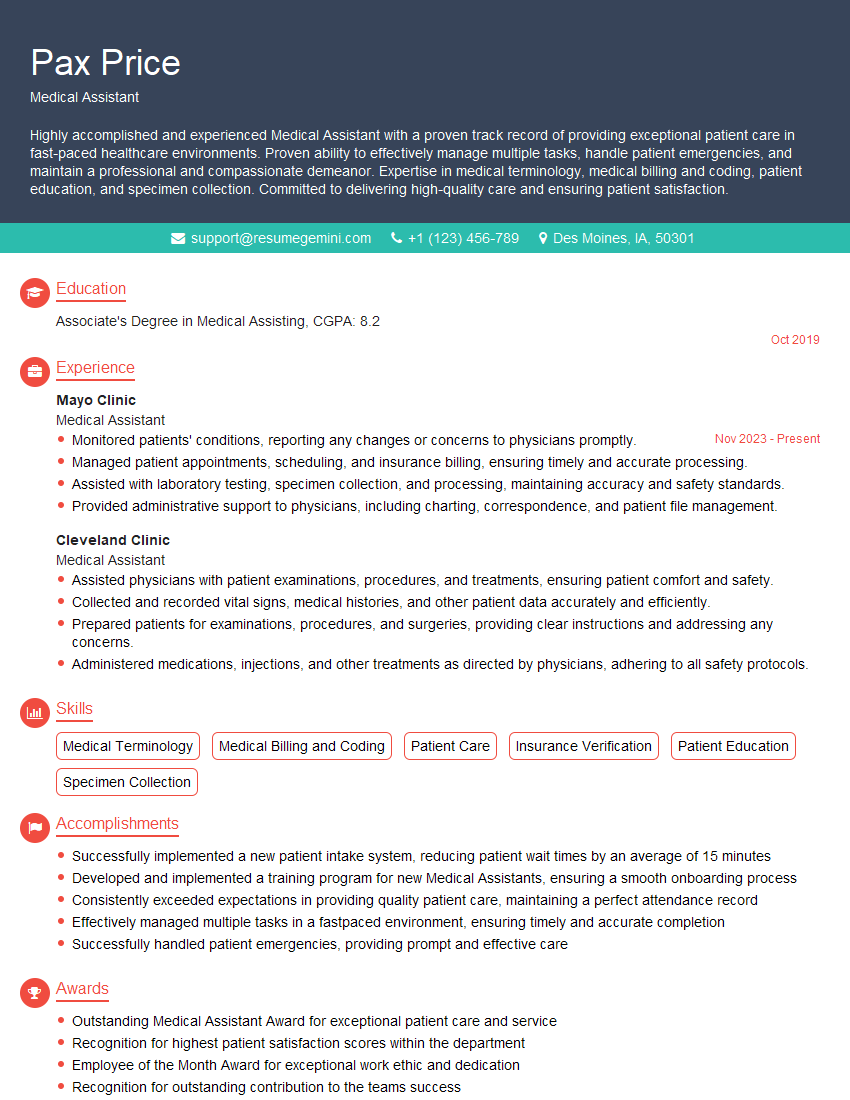
Medical Assistant Resume Sample
Explore more articles
Users Rating of Our Blogs
Share Your Experience
We value your feedback! Please rate our content and share your thoughts (optional).
What Readers Say About Our Blog
To the interviewgemini.com Webmaster.
Very helpful and content specific questions to help prepare me for my interview!
Thank you
To the interviewgemini.com Webmaster.
This was kind of a unique content I found around the specialized skills. Very helpful questions and good detailed answers.
Very Helpful blog, thank you Interviewgemini team.