Preparation is the key to success in any interview. In this post, we’ll explore crucial Interventional Management of Painful Neuropathies interview questions and equip you with strategies to craft impactful answers. Whether you’re a beginner or a pro, these tips will elevate your preparation.
Questions Asked in Interventional Management of Painful Neuropathies Interview
Q 1. Describe your experience with various interventional techniques for managing painful neuropathies.
My experience encompasses a wide range of interventional techniques for managing painful neuropathies. This includes both minimally invasive procedures and more complex interventions. Minimally invasive techniques frequently employed in my practice include nerve blocks (diagnostic and therapeutic), including peripheral nerve blocks (e.g., cervical plexus, brachial plexus, lumbar plexus blocks), and sympathetic blocks (e.g., stellate ganglion, celiac plexus blocks). These are often used for both diagnostic purposes—to confirm the source of pain—and therapeutic pain relief.
Beyond nerve blocks, I have extensive experience with procedures such as radiofrequency ablation (RFA), which uses heat to destroy nerves responsible for chronic pain. I also utilize spinal cord stimulation (SCS), a more complex technique involving implanting electrodes near the spinal cord to modulate pain signals. Furthermore, I am proficient in performing peripheral nerve stimulation (PNS), where electrodes are placed near a peripheral nerve to provide localized pain relief. The choice of technique depends heavily on the specific neuropathy, its location, and the patient’s overall condition.
For example, a patient with postherpetic neuralgia might benefit from a series of local nerve blocks and RFA to target specific painful dermatomes. Conversely, a patient with widespread, intractable pain from diabetic neuropathy might be a candidate for SCS.
Q 2. Explain the differences between peripheral nerve stimulation and spinal cord stimulation.
Peripheral nerve stimulation (PNS) and spinal cord stimulation (SCS) are both neuromodulation therapies aimed at alleviating chronic pain, but they differ significantly in their target and mechanism of action. PNS targets a specific peripheral nerve responsible for the pain, using electrodes placed near the nerve to deliver electrical pulses. This creates a localized analgesic effect. Think of it like a targeted treatment, directly addressing the nerve causing the problem.
In contrast, SCS targets the spinal cord itself. Electrodes are implanted near the spinal cord, delivering electrical impulses to modulate pain signals traveling along the spinal cord. This offers a broader area of pain relief, potentially impacting multiple nerve roots and dermatomes. It’s more of a ‘whole-system’ approach, addressing the pain pathway centrally.
In essence, PNS is like treating a single branch of a tree that’s causing trouble, whereas SCS is like addressing the tree’s root system to affect the entire structure. The choice between the two depends on the extent and nature of the pain, as well as the patient’s individual characteristics and suitability for each procedure.
Q 3. Discuss the selection criteria for patients suitable for radiofrequency ablation.
Patient selection for radiofrequency ablation (RFA) is crucial. It’s not a one-size-fits-all solution. The ideal candidate typically has focal, well-defined neuropathic pain that hasn’t responded adequately to conservative therapies, such as medication and physical therapy. We need to clearly identify the target nerve responsible for pain.
Important considerations include:
- Diagnosis: A clear diagnosis of the neuropathic pain source is essential. Imaging studies, nerve conduction studies, and a thorough clinical evaluation are vital to confirm the pain generator.
- Pain characteristics: The pain should be relatively localized and consistent, amenable to targeting a specific nerve or ganglion. Diffuse or poorly localized pain is less suitable.
- Failure of conservative treatment: Patients should have tried and failed non-invasive therapies. RFA is generally considered a last resort before more complex interventions.
- Patient expectations: Realistic expectations regarding pain relief are crucial. RFA doesn’t always eliminate pain completely but aims to reduce its intensity and improve function.
- Co-morbidities: Certain medical conditions might preclude RFA, such as bleeding disorders or infections at the target site.
For instance, a patient with persistent pain after a failed shoulder surgery, clearly localized to a specific nerve root, would be a good candidate. However, a patient with widespread, poorly defined pain from diabetic neuropathy would likely be unsuitable.
Q 4. How do you assess the efficacy of interventional pain management procedures?
Assessing efficacy is a multi-faceted process. We don’t solely rely on one metric. It involves a combination of subjective and objective measures, tracked pre- and post-procedure, and over time.
Subjective measures: This involves documenting the patient’s reported pain levels using standardized scales like the Visual Analog Scale (VAS) or Numerical Rating Scale (NRS). We also assess their functional status using questionnaires like the Oswestry Disability Index (ODI) or the Brief Pain Inventory (BPI).
Objective measures: Objective assessments can include changes in nerve conduction studies or electromyography in certain cases, although these aren’t always applicable to all procedures. We also monitor the patient’s use of pain medications, aiming for reduction in dosage or even discontinuation.
Longitudinal Follow-up: It’s critical to follow up with patients regularly, tracking their pain levels and functional improvements over weeks, months, and sometimes even years. This gives a complete picture of the procedure’s long-term effects. This allows for adjustments in pain management strategy if necessary. For example, a patient reporting good pain relief immediately after RFA, but experiencing a relapse after several months might need a booster injection or a different approach.
Q 5. What are the potential complications associated with nerve blocks?
Nerve blocks, while generally safe, carry potential complications. The risk profile varies depending on the specific type of block and the patient’s overall health. Potential complications can range from minor to serious.
Minor complications might include temporary weakness or numbness at the injection site, bruising, or bleeding. These are usually self-limiting and resolve within a few days.
More serious complications, though less frequent, include:
- Nerve damage: Direct injury to a nerve during the procedure is a possibility, leading to permanent weakness, numbness, or pain. This is rare with proper technique and careful execution.
- Infection: Infection at the injection site is a risk, requiring antibiotic treatment.
- Hematoma: The formation of a blood clot at the injection site can cause pressure and pain.
- Allergic reactions: Allergic reactions to the contrast dye or local anesthetic are rare but can be serious. This is why careful history taking about allergies is important.
- Spinal headache: In the case of spinal blocks, a headache due to cerebrospinal fluid leakage can occur.
It’s crucial to have a well-defined pre-procedural plan, employ sterile techniques, and be vigilant during and after the procedure to minimize these risks. For instance, a detailed anatomical knowledge and utilizing ultrasound guidance during the procedure significantly reduces the risk of nerve damage.
Q 6. How do you manage post-procedural pain?
Post-procedural pain management is crucial for optimal patient recovery and satisfaction. The approach is individualized depending on the procedure performed and the patient’s pain profile.
It often involves a combination of strategies:
- Analgesics: This might involve oral medications such as NSAIDs (non-steroidal anti-inflammatory drugs) or opioids, adjusted based on the patient’s pain level and response.
- Local anesthetic infiltration: Injecting a local anesthetic at the injection site can provide additional pain relief.
- Ice packs: Applying ice to the injection site can reduce swelling and inflammation.
- Physical therapy: In many cases, physical therapy is beneficial to improve mobility, strengthen muscles, and promote healing.
- Other modalities: Depending on the case, other modalities like nerve blocks or transcutaneous electrical nerve stimulation (TENS) might be used to manage residual pain.
Regular follow-up appointments are scheduled to monitor pain levels, assess the effectiveness of the post-procedural management plan, and make any necessary adjustments. It’s a collaborative process where the patient’s input is essential. For example, some patients may respond better to certain pain relievers than others.
Q 7. Explain your approach to managing neuropathic pain in patients with diabetes.
Managing neuropathic pain in diabetic patients presents unique challenges due to the widespread nature of the neuropathy and the presence of other co-morbidities. The approach is multi-modal and encompasses several aspects.
Medical management: This is the cornerstone of treatment, including optimal glycemic control to slow disease progression. We will use medications like gabapentinoids (gabapentin, pregabalin), tricyclic antidepressants (amitriptyline, nortriptyline), or other approved neuropathic pain medications. However, finding the right medication and dosage that is effective and tolerable can be tricky due to potential side effects and individual responses.
Interventional management: Interventional procedures might be considered in patients with localized or severe pain. For instance, celiac plexus blocks may help alleviate visceral pain. If the pain is more localized, peripheral nerve blocks or RFA might be useful, though the long-term efficacy is variable.
Other therapies: Supporting therapies like physical therapy, occupational therapy, and psychological interventions can be beneficial in improving function and quality of life. Patient education on self-management strategies, such as proper foot care, is crucial for preventing complications.
For example, I may start a patient with poorly controlled diabetes and severe foot pain on gabapentin and work closely with their endocrinologist to optimize blood sugar levels. If the pain doesn’t improve sufficiently, we may explore a series of peripheral nerve blocks, and consider spinal cord stimulation as a final option.
Q 8. Describe your experience with managing failed back surgery syndrome.
Failed back surgery syndrome (FBSS) is a challenging condition where patients continue to experience significant pain and disability despite undergoing back surgery. My approach involves a thorough history and physical exam, focusing on the specifics of the prior surgery and the patient’s current symptoms. This is followed by a careful review of imaging studies (MRI, CT) to identify potential sources of ongoing pain, such as scar tissue, nerve irritation, or instability.
Management typically starts with conservative measures like physical therapy, medication optimization (including opioids, non-opioids, and adjuvants as needed), and interventional pain management strategies tailored to the individual. For example, I might recommend epidural steroid injections to reduce inflammation around the nerve roots or facet joint injections to target specific areas of pain. In some cases, more advanced procedures like radiofrequency ablation or neuromodulation (e.g., spinal cord stimulation) may be considered if conservative treatments fail. Regular follow-up is crucial to monitor progress and adjust the treatment plan accordingly. I always prioritize a multidisciplinary approach, often collaborating with neurosurgeons, orthopedic surgeons, physical therapists, and psychologists to provide holistic care.
For instance, I recently treated a patient with FBSS who was experiencing severe radicular pain despite a prior discectomy. After a comprehensive evaluation, we identified significant epidural fibrosis on MRI. We initiated a course of epidural steroid injections combined with a tailored physical therapy program. This combination led to a significant reduction in pain and improved function, allowing the patient to return to many of his daily activities.
Q 9. How do you differentiate between different types of neuropathic pain?
Differentiating between neuropathic pain types requires a detailed history, physical examination, and often, neurophysiological testing. The key is to understand the underlying cause and the specific nerve fibers affected. Pain descriptions are highly subjective, but certain patterns can help us distinguish them.
- Peripheral Neuropathies: These involve damage to peripheral nerves outside the brain and spinal cord. Examples include diabetic neuropathy (often characterized by burning, tingling, and numbness in the feet and legs), chemotherapy-induced neuropathy (which may present with similar symptoms but can also include weakness and gait difficulties), and post-herpetic neuralgia (pain persisting after shingles, often described as intense, stabbing pain).
- Central Neuropathies: These originate from damage within the central nervous system. Central post-stroke pain is a prime example, often described as burning or aching pain on the affected side of the body. Multiple sclerosis (MS) can also cause central neuropathic pain in various patterns.
- Radiculopathies: These result from nerve root compression or inflammation, often felt as radicular pain (shooting or electric pain) radiating along the dermatome.
Careful consideration of the patient’s medical history, symptom characteristics, and neurological examination findings is key. Neurophysiological studies, such as nerve conduction studies (NCS) and electromyography (EMG), can provide objective evidence of nerve dysfunction and help pinpoint the location and type of neuropathy.
Q 10. What imaging modalities are crucial in the planning of interventional procedures for neuropathic pain?
Imaging plays a crucial role in planning interventional procedures for neuropathic pain. The specific modality chosen depends on the suspected location and type of nerve involvement.
- Ultrasound (US): US is essential for many procedures. It provides real-time imaging, allowing precise needle placement, especially in peripheral nerve blocks. Its versatility and lack of ionizing radiation make it a preferred choice in many cases.
- Fluoroscopy (X-ray): Fluoroscopy is invaluable for procedures involving the spine, such as epidural injections or facet joint injections, providing real-time guidance to ensure accurate needle placement within the target anatomical structure.
- Computed Tomography (CT): CT scans, especially CT myelograms, can provide detailed anatomical information about the spine and surrounding tissues, which is helpful in identifying nerve root compression or other structural abnormalities that may contribute to pain.
- Magnetic Resonance Imaging (MRI): MRI offers excellent soft tissue contrast and is crucial for evaluating nerve structures, detecting disc herniations, spinal stenosis, or other conditions that may be causing neuropathic pain. It’s especially useful for identifying nerve compression or inflammation in the spine, allowing us to target injections more effectively.
Often, a combination of imaging modalities is used to optimize procedural planning. For example, MRI might be used to identify the location of a nerve root compression, while fluoroscopy provides real-time guidance during the injection procedure.
Q 11. How do you approach the management of a patient with complex regional pain syndrome (CRPS)?
Complex regional pain syndrome (CRPS) is a chronic, debilitating condition characterized by widespread pain, swelling, changes in skin temperature and color, and limited range of motion in an affected limb. Management is complex and requires a multidisciplinary approach.
My approach centers around early and aggressive intervention. This includes:
- Pharmacological therapy: This might involve a combination of medications such as gabapentinoids (e.g., gabapentin, pregabalin), tricyclic antidepressants (e.g., amitriptyline), opioids (used cautiously and sparingly), and bisphosphonates (for bone density changes). The selection and dosage are highly individualized based on the patient’s response.
- Interventional procedures: These can include sympathetic nerve blocks (to interrupt abnormal sympathetic nervous system activity) and stellate ganglion blocks (for upper extremity CRPS). Repeated blocks or even implantable sympathetic nerve stimulators can be considered in some patients.
- Physical and occupational therapy: A crucial component, focusing on range-of-motion exercises, desensitization techniques, and functional restoration to improve quality of life.
- Psychological support: Cognitive behavioral therapy (CBT) and other psychological interventions can be very helpful in managing the emotional distress associated with CRPS.
It’s important to remember that CRPS is highly responsive to early intervention. The longer the condition progresses untreated, the more difficult it becomes to manage effectively.
Q 12. What is your experience with using ultrasound guidance for interventional procedures?
Ultrasound guidance has revolutionized interventional pain management. My experience with ultrasound-guided procedures is extensive. It allows for real-time visualization of anatomical structures, including nerves, joints, and muscles. This enables precise needle placement, minimizing the risk of complications and improving the efficacy of injections. I regularly use ultrasound for peripheral nerve blocks (e.g., femoral nerve block, sciatic nerve block), joint injections (e.g., facet joint injections, hip injections), and trigger point injections. The advantages are numerous:
- Improved accuracy: Visualization allows for precise needle placement and avoids unintended injury to surrounding tissues.
- Reduced complications: This translates to fewer hematomas, nerve injuries, and infections.
- Enhanced patient comfort: Less invasive technique, often resulting in better patient tolerance during the procedure.
- Reduced radiation exposure: Unlike fluoroscopy, ultrasound doesn’t involve ionizing radiation, especially beneficial for frequent procedures.
For example, in performing a sciatic nerve block, ultrasound guidance allows me to visualize the sciatic nerve and surrounding structures, ensuring accurate needle placement and optimal drug delivery directly near the nerve, leading to more effective pain relief.
Q 13. Discuss your knowledge of various anesthetic agents used in interventional pain procedures.
The selection of anesthetic agents for interventional pain procedures depends on the specific procedure, the targeted anatomical area, and the patient’s individual needs. It’s crucial to understand the pharmacology of each agent and potential side effects.
- Local Anesthetics (LAs): LAs such as lidocaine, bupivacaine, and ropivacaine are commonly used to provide local anesthesia and analgesia. The choice depends on the desired duration of action. Bupivacaine is longer acting compared to lidocaine.
- Corticosteroids: Methylprednisolone and dexamethasone are frequently added to LA for their anti-inflammatory effects. This helps to reduce pain by mitigating inflammation around the nerves and/or joints.
- Opioids: Opioids like morphine or fentanyl are sometimes added to provide additional analgesia, particularly for procedures targeting areas with severe pain or inflammation. However, their use is carefully considered due to the potential for side effects.
The concentration and volume of each agent are carefully calculated to achieve the desired effect while minimizing potential risks. For instance, a higher concentration might be selected for a longer-lasting block, while a lower concentration may suffice for short-term pain control.
Q 14. How do you determine the appropriate dosage and frequency of medication for neuropathic pain management?
Determining the appropriate dosage and frequency of medication for neuropathic pain management is a complex, iterative process that requires careful consideration of several factors. There is no one-size-fits-all approach.
My approach starts with a thorough assessment of the patient’s pain, including its intensity, location, quality, and duration. The patient’s medical history, concomitant medications, and overall health status are all important considerations. I often initiate treatment with a single agent at a low dose, gradually titrating upward as needed based on pain response and tolerance. Regular follow-up visits are essential to monitor pain levels, assess for side effects, and adjust the medication regimen as needed. We also regularly assess functional status and quality of life.
For example, I might start a patient with gabapentin for peripheral neuropathy at a low dose and gradually increase it over several weeks, monitoring for side effects like dizziness or drowsiness. If the pain doesn’t improve sufficiently, I might add another medication, such as a tricyclic antidepressant or an opioid (used cautiously and judiciously), or consider interventional therapies. The goal is to find the most effective and safest medication regimen that provides adequate pain relief with minimal side effects, while empowering the patient through education and shared decision-making.
Q 15. Explain the concept of multimodal analgesia in managing post-surgical neuropathic pain.
Multimodal analgesia is a cornerstone of managing post-surgical neuropathic pain. Instead of relying on a single pain medication, it involves combining different classes of drugs that act on various pain pathways in the nervous system. This approach leverages the synergistic effects of these medications, allowing for lower doses of each drug, thereby minimizing side effects while maximizing pain relief. Think of it like a team of specialists working together, each tackling a different aspect of the problem.
For example, a multimodal approach might include an opioid for severe pain, a non-steroidal anti-inflammatory drug (NSAID) to reduce inflammation, a gabapentinoid to address nerve pain, and possibly even a low-dose adjuvant antidepressant for its analgesic properties and to help manage mood changes often associated with chronic pain. Each medication addresses different aspects of the pain experience, resulting in better overall pain control. This is particularly vital in post-surgical neuropathic pain where inflammation and nerve damage contribute to a complex pain profile.
Career Expert Tips:
- Ace those interviews! Prepare effectively by reviewing the Top 50 Most Common Interview Questions on ResumeGemini.
- Navigate your job search with confidence! Explore a wide range of Career Tips on ResumeGemini. Learn about common challenges and recommendations to overcome them.
- Craft the perfect resume! Master the Art of Resume Writing with ResumeGemini’s guide. Showcase your unique qualifications and achievements effectively.
- Don’t miss out on holiday savings! Build your dream resume with ResumeGemini’s ATS optimized templates.
Q 16. How do you address patient expectations and concerns before and after interventional procedures?
Addressing patient expectations and concerns is paramount. Before any interventional procedure, I engage in a thorough discussion to clarify the procedure, potential benefits, risks, and limitations. Realistic expectations are crucial. I avoid making promises I cannot keep and emphasize that while these procedures often bring significant pain relief, they are not a guaranteed cure. I use clear, understandable language, avoiding medical jargon. For instance, I might describe a nerve block as a ‘temporary numbing’ of a specific nerve to reduce pain instead of using more complex terminology.
Post-procedure, I ensure patients understand the potential short-term and long-term effects and provide detailed instructions for self-care, including medication management and activity modification. I establish open communication channels, encouraging them to contact me with any questions or concerns, no matter how seemingly trivial. Following up with phone calls and scheduled appointments is key to reinforcing information and addressing any issues promptly. This holistic approach builds trust and ensures better patient outcomes.
Q 17. Describe your understanding of the mechanisms of neuropathic pain.
Neuropathic pain arises from damage or dysfunction of the nervous system. The mechanisms are complex but can be broadly categorized into peripheral and central sensitization. Peripheral sensitization involves increased excitability of nociceptors (pain receptors) in the peripheral nerves due to inflammation or injury. These sensitized nerves send amplified pain signals to the spinal cord.
Central sensitization occurs in the spinal cord and brain. Repeated stimulation leads to changes in the central nervous system, making it more responsive to pain signals. This can manifest as allodynia (pain from non-painful stimuli) and hyperalgesia (exaggerated pain response). Imagine a radio’s volume being turned up too high – even a faint signal becomes overwhelmingly loud. Similarly, the nervous system’s response to pain becomes amplified. Understanding these mechanisms helps guide treatment strategies, such as targeting peripheral nerve damage with blocks or managing central sensitization with medications like gabapentinoids or antidepressants.
Q 18. How do you manage patients who have developed tolerance to opioid medications?
Opioid tolerance is a significant challenge. When patients develop tolerance, we need to adopt a multifaceted strategy that moves beyond simply increasing the opioid dose. This approach prioritizes patient safety while minimizing the risk of adverse effects, including respiratory depression and addiction.
We carefully assess the patient’s overall pain management plan. This might involve switching to a different opioid, adding non-opioid analgesics such as NSAIDs, gabapentinoids, or antidepressants, or exploring interventional therapies like nerve blocks. We may also incorporate non-pharmacological approaches like physical therapy, cognitive behavioral therapy, and mindfulness techniques. Tapering the opioid dose while gradually introducing alternative treatments is often a more effective approach to address both pain and the risk of opioid dependence. Collaboration with a pain management specialist and addiction specialist is often necessary in these complex cases.
Q 19. Explain your experience with different types of nerve blocks (e.g., sympathetic, peripheral nerve).
My experience encompasses various nerve blocks, including sympathetic and peripheral nerve blocks. Sympathetic blocks target the sympathetic nervous system, primarily used for conditions like complex regional pain syndrome (CRPS) where sympathetic nerve overactivity plays a significant role. These blocks usually involve injecting local anesthetic near sympathetic ganglia. The goal is to temporarily interrupt the sympathetic outflow, reducing pain, swelling, and vasomotor changes.
Peripheral nerve blocks target specific peripheral nerves. These are useful in treating localized neuropathic pain, like post-surgical pain or neuralgia. Techniques vary depending on the nerve’s location and anatomy. They might involve ultrasound guidance to ensure accurate needle placement. For instance, I use ultrasound-guided femoral nerve blocks frequently in patients with post-surgical knee pain. The choice of technique and the type of block are carefully tailored to each patient’s specific needs and anatomical considerations.
Q 20. Discuss your approach to patient education regarding pain management.
Patient education is central to successful pain management. I use a layered approach. Initially, I provide a basic understanding of neuropathic pain and its mechanisms, using simple analogies to make complex concepts more accessible. I explain the purpose of various treatments in a clear, non-technical way. For instance, instead of saying ‘peripheral nerve stimulation’, I might say ‘we’ll be using a device to gently stimulate the nerves, which may help reduce pain signals’.
I empower patients by providing them with tools and resources, including educational materials, support groups, and websites. I encourage active participation in their treatment decisions, making sure they understand their options and their roles in managing their pain. Regular follow-up appointments are critical to address concerns, adjust treatment strategies, and reinforce education. The goal is to help patients understand their condition, take control of their pain management, and ultimately improve their quality of life.
Q 21. What are the ethical considerations involved in interventional pain management?
Ethical considerations in interventional pain management are paramount. Beneficence (acting in the patient’s best interest), non-maleficence (avoiding harm), autonomy (respecting patient choices), and justice (fair distribution of resources) are central guiding principles. Informed consent is crucial, ensuring patients fully understand the procedures, risks, benefits, and alternatives. This requires clear, understandable communication and the provision of adequate time for questions.
Managing opioid prescriptions responsibly is an ethical imperative. Careful monitoring for signs of misuse or addiction, adherence to prescribing guidelines, and collaborative efforts with other specialists are critical. Addressing potential conflicts of interest, such as financial incentives affecting treatment decisions, is also essential. Open communication and transparency with patients regarding the rationale behind the treatment plan foster trust and ensure ethical practice. The ultimate goal is to provide compassionate, effective care that respects patient autonomy and promotes their well-being.
Q 22. How do you address medication adherence issues in patients with chronic neuropathic pain?
Medication adherence is a significant challenge in chronic pain management. Patients often experience side effects, forget to take medications, or become discouraged by the lack of immediate or complete pain relief. Addressing this requires a multi-pronged approach.
- Education: I thoroughly explain the medication’s purpose, dosage, potential side effects, and expected timeline for improvement. I use clear, simple language, avoiding medical jargon.
- Simplification of Regimen: We work to simplify medication schedules as much as possible, potentially combining medications or using pill organizers. For example, if a patient is struggling to remember multiple pills throughout the day, we may explore once-daily or extended-release options.
- Addressing Side Effects: Proactive management of side effects is crucial. We regularly monitor for adverse events and adjust dosages or medication choices to minimize negative impacts, improving patient compliance.
- Shared Decision-Making: I involve the patient in all decisions regarding their medications, empowering them to take ownership of their treatment. We openly discuss their concerns, preferences, and goals.
- Behavioral Strategies: In cases of persistent non-adherence, we may incorporate behavioral strategies, such as setting reminders or using medication tracking apps. Referring to a psychologist or therapist specializing in behavioral change can also be beneficial.
- Regular Follow-up: Frequent communication and check-ins are critical to assess progress, address concerns, and make necessary adjustments to the treatment plan.
For example, I recently worked with a patient who was struggling to remember to take three different medications daily. By switching to a combination medication and using a pill organizer, we improved adherence significantly, leading to a noticeable improvement in pain control.
Q 23. How do you incorporate patient-centered care into your pain management strategies?
Patient-centered care is fundamental to effective pain management. It prioritizes the individual’s unique experiences, values, and preferences. This means focusing on the whole person, not just their pain score.
- Shared Decision-Making: Patients actively participate in formulating the treatment plan. I present various options, explaining the risks and benefits of each, and allowing the patient to choose what aligns best with their lifestyle, values, and goals.
- Individualized Treatment Plans: I develop customized plans that address the specific aspects of each patient’s pain, including its location, intensity, duration, and impact on daily functioning. No two patients are alike, therefore, a ‘one-size-fits-all’ approach is ineffective.
- Holistic Assessment: I consider the patient’s physical, psychological, and social factors contributing to their pain. This includes evaluating sleep patterns, mood, social support systems, and occupational demands.
- Empathy and Communication: Building a strong therapeutic relationship based on trust and empathy is essential. I actively listen to patients’ concerns, validate their experiences, and provide emotional support.
- Regular Communication and Feedback: I regularly check in with patients to assess their progress, address any concerns, and modify the treatment plan as needed. This ensures the plan remains relevant and effective.
For instance, I recently worked with a patient who prioritized preserving their mobility and independent lifestyle over achieving complete pain relief. By focusing on strategies that optimized their functional capacity, we achieved a clinically meaningful outcome that aligned with their priorities.
Q 24. Explain your familiarity with different types of implantable pain pumps.
Implantable pain pumps offer sustained delivery of medication directly to the spinal cord or other targeted areas, providing prolonged pain relief for patients with chronic, severe pain. Several types exist, each with specific applications.
- Spinal Cord Stimulators (SCS): These devices deliver electrical impulses to the spinal cord, interfering with pain signals. They are commonly used for neuropathic pain, particularly in the lower extremities.
- Drug Infusion Pumps (DIP): These deliver medication, typically opioids or local anesthetics, directly to the epidural space or other targeted locations. They are particularly helpful for managing pain related to cancer, failed back surgery syndrome, or complex regional pain syndrome.
- Programmable Pumps: These allow for adjustments to the medication delivery rate, providing greater control and flexibility in managing pain.
- External Pumps: These are temporary systems used for short-term pain management before considering permanent implantation.
My experience encompasses the selection, implantation, programming, and management of various implantable pumps. The choice of pump depends on factors such as the patient’s diagnosis, pain characteristics, overall health, and individual preferences. Post-implantation, regular follow-up is essential to monitor device function, manage medication levels, and address any complications.
Q 25. Describe your experience with managing neuropathic pain in elderly patients.
Managing neuropathic pain in elderly patients presents unique challenges due to age-related physiological changes, comorbidities, and polypharmacy. Older adults are often more sensitive to medication side effects and may have reduced cognitive function, impacting adherence and understanding of treatment plans.
- Comprehensive Assessment: A thorough evaluation is critical to identify underlying causes of pain, co-existing medical conditions, and medication interactions. This includes a detailed review of medications and potential drug interactions.
- Start Low, Go Slow: We begin with low doses of medication and gradually increase them as needed, closely monitoring for side effects. This approach is particularly important in older adults who may be more vulnerable to adverse events.
- Non-Pharmacological Strategies: These play a crucial role, minimizing reliance on medications and reducing the risk of side effects. This includes physical therapy, occupational therapy, and psychological support.
- Multidisciplinary Approach: A collaborative approach involving geriatricians, physical therapists, occupational therapists, and social workers is often essential to address the multifaceted needs of elderly patients.
- Medication Management: Carefully reviewing and optimizing medications is essential to reduce the risk of drug interactions and adverse events. Simplifying medication regimens is crucial for improved compliance.
For example, I recently treated an 85-year-old patient with diabetic neuropathy. By using a multidisciplinary approach involving physical therapy and carefully selected medications with minimal side effects, we effectively reduced her pain and improved her quality of life without compromising her safety.
Q 26. How do you integrate non-pharmacological approaches with interventional pain management?
Integrating non-pharmacological approaches with interventional pain management is essential for holistic and effective pain relief. These strategies complement interventional procedures, enhancing their efficacy and minimizing reliance on medication.
- Physical Therapy: Strengthening exercises, stretching, and range-of-motion exercises can improve mobility and reduce pain by improving muscle strength and flexibility.
- Occupational Therapy: Adaptive techniques and assistive devices can help patients manage daily activities despite their pain, improving their independence and quality of life.
- Cognitive Behavioral Therapy (CBT): CBT helps patients develop coping mechanisms for managing pain and improving their emotional well-being. This can reduce pain perception and improve their overall quality of life.
- Mindfulness and Meditation: These practices can reduce stress and anxiety associated with chronic pain, potentially leading to better pain management.
- Transcutaneous Electrical Nerve Stimulation (TENS): TENS delivers electrical impulses to the skin to stimulate nerves and reduce pain. This can be used as a supplemental modality alongside interventional techniques.
For instance, a patient undergoing spinal cord stimulation for back pain might simultaneously participate in physical therapy to improve core strength and mobility. This combination provides both a mechanical and pharmacological approach to pain management, resulting in synergistic effects.
Q 27. What are the key safety measures you implement during interventional pain procedures?
Safety is paramount during interventional pain procedures. A multi-layered approach minimizes risks and ensures patient well-being.
- Pre-procedural Assessment: This involves a thorough review of the patient’s medical history, medications, allergies, and coagulation status. Imaging studies such as fluoroscopy or ultrasound are used to guide procedures accurately.
- Sterile Technique: Strict adherence to sterile techniques is critical to prevent infection. This includes proper hand hygiene, gowning and gloving, and sterilization of equipment.
- Monitoring Vital Signs: Continuous monitoring of heart rate, blood pressure, oxygen saturation, and ECG is crucial throughout the procedure to detect any adverse events promptly.
- Emergency Preparedness: Having the necessary equipment and personnel available to manage potential complications, such as allergic reactions, bleeding, or nerve injury, is essential.
- Post-procedural Care: Careful monitoring of the patient’s condition after the procedure, including pain assessment, neurologic examination, and monitoring for signs of infection, is crucial to ensure a safe recovery.
For example, before performing an epidural steroid injection, I always confirm the patient’s allergy status, review their coagulation parameters, and have emergency medications readily available. Post-procedure, I carefully monitor for signs of infection or neurological compromise, providing appropriate post-operative instructions.
Q 28. Describe a challenging case of neuropathic pain management and how you successfully addressed it.
I once encountered a patient with complex regional pain syndrome (CRPS) in her left arm following a minor injury. Traditional therapies, including medication and physical therapy, provided minimal relief. Her pain was excruciating, severely impacting her daily life, leading to significant depression and anxiety.
The challenge was to identify the most effective approach to manage her complex and debilitating pain. After a thorough evaluation and discussion of the risks and benefits, we initiated a multi-modal approach:
- Sympathetic Nerve Block (SN): We began with a series of sympathetic nerve blocks targeting the affected limb’s sympathetic nerves, resulting in temporary but significant pain reduction.
- Intravenous Regional Anesthesia (IRA): We then used intravenous regional anesthesia with local anesthetic and ketamine to reduce inflammation and pain.
- Spinal Cord Stimulation (SCS): Given the persistent and severe nature of her pain, we explored spinal cord stimulation. After a trial, she experienced significant pain relief, allowing us to significantly reduce her opioid medications and improve her overall quality of life.
- Psychological Support: Simultaneously, she participated in therapy sessions focusing on managing her anxiety and depression, which were directly impacted by her pain.
- Physical and Occupational Therapy: A tailored program helped restore her range of motion and improve her function, significantly enhancing her independence.
This combined approach of interventional procedures, psychological support, and rehabilitation resulted in a marked improvement in her pain levels, function, and overall well-being. It highlighted the importance of a multifaceted strategy tailored to the individual needs of the patient.
Key Topics to Learn for Interventional Management of Painful Neuropathies Interview
- Diagnosis and Classification of Neuropathies: Understanding the different types of painful neuropathies (e.g., diabetic neuropathy, post-herpetic neuralgia), their underlying mechanisms, and appropriate diagnostic testing.
- Neuroanatomy and Neurophysiology: A solid grasp of peripheral nerve anatomy, physiology, and the pathways of pain transmission is crucial for effective treatment planning.
- Interventional Techniques: Detailed knowledge of various interventional procedures, including nerve blocks (e.g., peripheral nerve blocks, sympathetic blocks), neurolysis, and neuromodulation (e.g., spinal cord stimulation).
- Pharmacologic Management: Understanding the role of different medications in managing neuropathic pain, including analgesics, antidepressants, anticonvulsants, and topical agents, and their potential side effects.
- Patient Selection and Treatment Planning: The ability to assess patient suitability for specific interventional procedures, considering their medical history, comorbidities, and individual needs.
- Complications and Risk Management: Recognizing potential complications associated with interventional procedures and implementing strategies to minimize risks.
- Interpreting Diagnostic Imaging: Fluency in reading and interpreting relevant imaging studies (e.g., ultrasound, fluoroscopy) to guide interventional procedures.
- Evidence-Based Practice: Staying updated on the latest research and guidelines in the field to ensure the use of evidence-based treatment approaches.
- Ethical Considerations: Understanding ethical principles related to pain management and patient autonomy.
- Case Studies and Problem Solving: Ability to analyze complex clinical scenarios and develop appropriate treatment strategies.
Next Steps
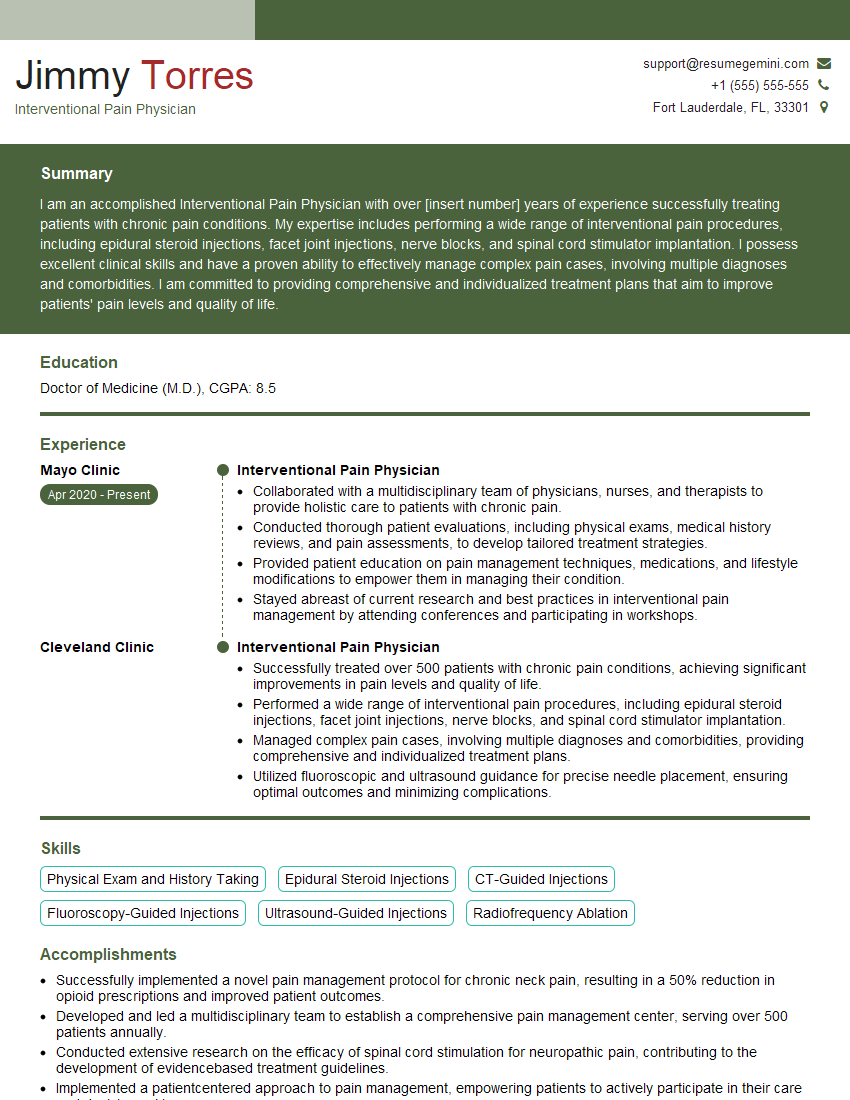
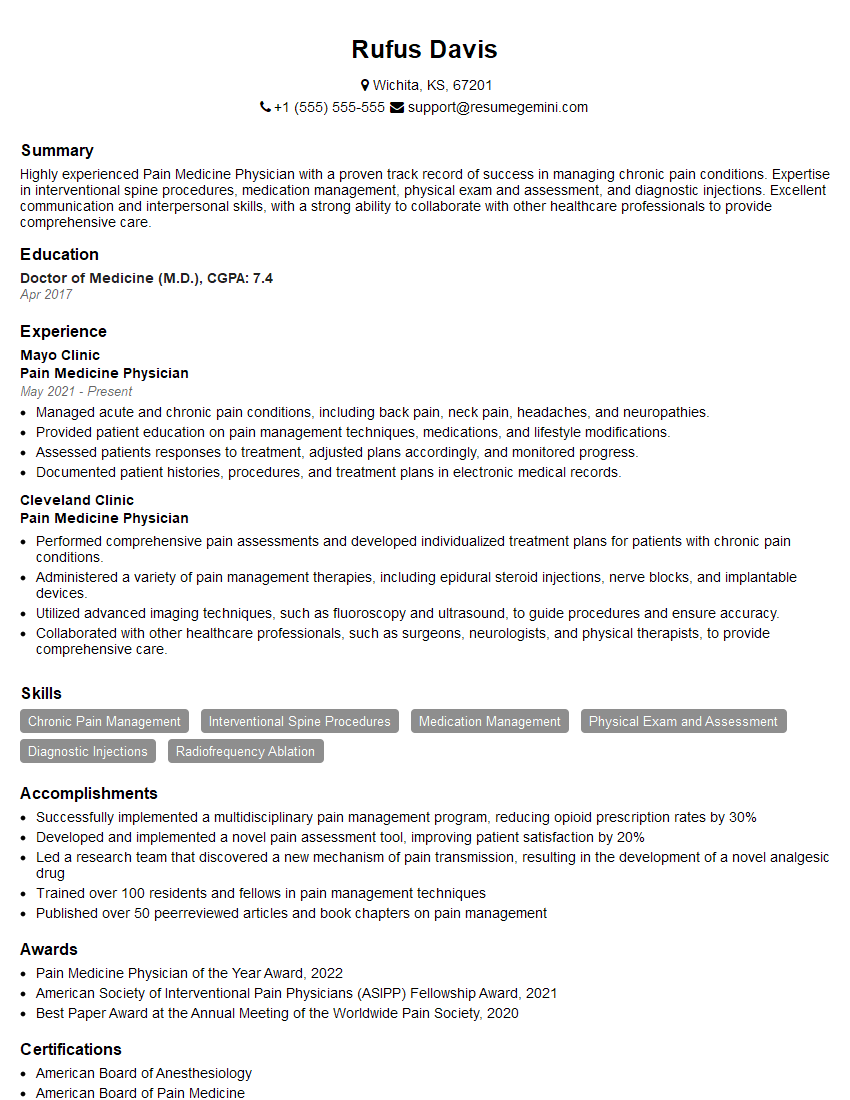
Mastering Interventional Management of Painful Neuropathies significantly enhances your career prospects, opening doors to specialized roles and advanced opportunities within the field. A strong resume is essential for showcasing your skills and experience to potential employers. To maximize your job search success, create an ATS-friendly resume that highlights your key qualifications effectively. ResumeGemini is a trusted resource to help you build a professional and impactful resume tailored to the specific requirements of this competitive field. Examples of resumes tailored to Interventional Management of Painful Neuropathies are available to guide you.
Explore more articles
Users Rating of Our Blogs
Share Your Experience
We value your feedback! Please rate our content and share your thoughts (optional).
What Readers Say About Our Blog
To the interviewgemini.com Webmaster.
Very helpful and content specific questions to help prepare me for my interview!
Thank you
To the interviewgemini.com Webmaster.
This was kind of a unique content I found around the specialized skills. Very helpful questions and good detailed answers.
Very Helpful blog, thank you Interviewgemini team.