Unlock your full potential by mastering the most common ISO 8217 Test Method Standard interview questions. This blog offers a deep dive into the critical topics, ensuring you’re not only prepared to answer but to excel. With these insights, you’ll approach your interview with clarity and confidence.
Questions Asked in ISO 8217 Test Method Standard Interview
Q 1. Explain the different categories of marine fuels defined in ISO 8217.
ISO 8217 categorizes marine fuels primarily by their viscosity and intended use. Think of it like choosing the right oil for your car – different engines need different grades. The main categories are distillates (lighter fuels) and residual fuels (heavier fuels). Distillates, like marine gas oil (MGO), are cleaner-burning and are often used in faster ships or those with more sensitive engines. Residual fuels, like heavy fuel oil (HFO), are thicker and contain more impurities, making them cheaper but requiring more robust engine systems. Within each category, further subdivisions exist based on viscosity grades (e.g., DMA, DMX for distillates, RME, RMK for residuals). These grades reflect the fuel’s flow characteristics at different temperatures, ensuring compatibility with the ship’s fuel systems. For example, a colder climate might necessitate a fuel with a lower viscosity grade to prevent problems with cold flow.
- Distillates: These are lighter fuels, refined from crude oil, with lower viscosity and sulfur content. Examples include Marine Gas Oil (MGO) and Diesel.
- Residual Fuels: These are heavier fuels, remaining after distillation, with higher viscosity and sulfur content. Examples include Heavy Fuel Oil (HFO) and Bunker Fuel.
Q 2. Describe the significance of the viscosity index in ISO 8217.
The viscosity index (VI) in ISO 8217 is a crucial indicator of how much a fuel’s viscosity changes with temperature. Imagine pouring honey – it flows easily when warm but thickens significantly when cold. A higher VI means the fuel’s viscosity is less affected by temperature variations. This is vital for marine fuels because ships operate in vastly different climates. A low VI fuel might become too thick in cold weather, hindering its flow through the engine’s fuel system and potentially leading to engine damage. Conversely, a high VI fuel maintains its flow characteristics across a wider temperature range, ensuring reliable engine operation regardless of the environmental conditions. Therefore, selecting the appropriate VI is crucial for preventing operational issues.
Q 3. What are the key parameters tested for in ISO 8217:2017?
ISO 8217:2017 tests a wide array of parameters to ensure fuel quality and engine performance. Key parameters include:
- Viscosity: Determines the fuel’s flow characteristics at different temperatures.
- Water Content: Excess water can cause corrosion, microbial growth, and fuel filter blockage.
- Sediment Content: Solid particles can cause wear and tear on engine components.
- Sulfur Content: High sulfur leads to increased air pollution and engine wear. The limits are increasingly stringent due to environmental regulations.
- Flash Point: The lowest temperature at which the fuel vapors ignite. Important for safety considerations.
- Pour Point: The lowest temperature at which the fuel will still flow.
- Cetane Number (for distillates): Measures the ignition quality of the fuel.
- Kinematic Viscosity: Measures the resistance to flow.
- Density: Important for accurate fuel quantity measurements.
The specific parameters tested depend on the fuel type and grade.
Q 4. How does the water content affect the quality of marine fuels?
Water contamination in marine fuels is detrimental to engine performance and overall system integrity. Water can lead to several issues:
- Corrosion: Water promotes rust and corrosion in fuel tanks, pipelines, and engine components, shortening their lifespan.
- Microbial Growth: Water provides a breeding ground for microorganisms that can clog filters and fuel lines.
- Emulsion Formation: Water can mix with the fuel, forming an unstable emulsion that can disrupt fuel flow and affect combustion efficiency.
- Fuel Filter Blockage: Water and its associated contaminants can clog fuel filters, requiring frequent replacements and potential engine shutdown.
Imagine trying to run your car on a mixture of gasoline and water; the results would be disastrous. The same applies to marine engines.
Q 5. Explain the impact of sediment content on engine performance.
Sediment in marine fuels, including dirt, rust particles, and other solid matter, acts like sandpaper in an engine. It causes:
- Increased Wear and Tear: Sediment abrades moving parts within the engine, leading to premature wear and tear and potential component failure.
- Clogged Filters and Injectors: Sediment can clog fuel filters and injectors, restricting fuel flow and affecting combustion.
- Reduced Engine Efficiency: The abrasive action of sediment reduces engine efficiency and increases fuel consumption.
- Increased Maintenance Costs: More frequent maintenance and repairs are required due to the increased wear and tear caused by sediment.
Regular fuel cleaning and filtration are critical to mitigate these problems. Think of it like regular oil changes for your car – essential for long-term engine health.
Q 6. What are the implications of exceeding the sulfur content limits defined in ISO 8217?
Exceeding the sulfur content limits in ISO 8217 has significant environmental and operational implications:
- Increased Air Pollution: High sulfur content leads to increased emissions of sulfur oxides (SOx), a major contributor to acid rain and respiratory problems.
- Environmental Regulations: Stringent regulations, like the IMO 2020 sulfur cap, enforce strict limits on sulfur content in marine fuels. Non-compliance results in hefty fines and potential operational restrictions.
- Engine Wear: High sulfur content can contribute to increased engine wear and corrosion due to the formation of sulfuric acid.
- Catalyst Poisoning (for SCR systems): High sulfur can poison the selective catalytic reduction (SCR) systems used to reduce NOx emissions, rendering them ineffective.
Compliance with sulfur limits is not just a matter of following regulations; it’s crucial for environmental responsibility and maintaining the operational integrity of marine engines and exhaust aftertreatment systems.
Q 7. Describe the procedure for testing the flash point of marine fuels.
The flash point of marine fuels is determined using the Pensky-Martens Closed Cup method (as per ASTM D93 or equivalent). This is a standardized procedure that involves carefully heating a small sample of the fuel in a sealed cup. A small flame is introduced periodically, and the flash point is recorded as the lowest temperature at which the vapors ignite momentarily when exposed to the flame. It’s a crucial safety parameter because it indicates the fuel’s flammability. A lower flash point means the fuel is more volatile and presents a greater fire risk. The entire process must be conducted under controlled conditions, ensuring accurate and repeatable results. Safety precautions are crucial; proper ventilation and protective equipment are mandatory during the test.
Q 8. Explain the difference between distillation curves and their significance.
Distillation curves, as defined in ISO 8217, represent the boiling point range of a fuel. They’re essentially a graph plotting the percentage of the fuel that has vaporized against the corresponding temperature. The curve’s shape provides crucial insights into the fuel’s composition and volatility.
- Significance: A distillation curve helps determine several key fuel properties:
- Initial Boiling Point (IBP): The temperature at which the first drop of fuel vaporizes. A low IBP suggests high volatility, potentially leading to increased evaporative losses and starting difficulties (in the case of diesel).
- 10%, 50%, 90% points: These represent the temperatures at which 10%, 50%, and 90% of the fuel has vaporized. The 50% point (often called the midpoint) is a good indicator of the average boiling point. The difference between the 90% and 10% points (distillation range) indicates the fuel’s volatility spread. A wide range might suggest poor fuel combustion efficiency or increased emissions.
- Final Boiling Point (FBP): The temperature at which virtually all the fuel has vaporized. A high FBP can cause problems with incomplete combustion and increased residue formation.
- Practical Application: In marine fuels, the distillation curve helps ensure compatibility with the engine. A fuel with an inappropriate distillation range can lead to poor atomization, inefficient combustion, and potential engine damage.
Imagine trying to start a car on a cold morning. A fuel with a high IBP might struggle to vaporize adequately, leading to a difficult start. Conversely, a fuel with a very low IBP might evaporate quickly, causing storage issues and reducing the fuel’s overall energy content.
Q 9. How do you identify and interpret potential contamination in fuel samples?
Identifying contamination in fuel samples involves a multi-faceted approach using visual inspection and several ISO 8217 prescribed tests. Visual inspection can often reveal gross contamination, such as water (separation into layers), sediment (visible solids), or discoloration. However, more subtle contaminations necessitate laboratory testing.
- Water Content: Karl Fischer titration is the standard method for determining water content, even in minute quantities. Presence of water can lead to corrosion, microbial growth, and phase separation.
- Sediment: The amount of sediment can be determined using filtration through a calibrated filter paper. Excessive sediment can clog fuel filters and injectors.
- Particle Counting: This test identifies the size and number of particles, providing a quantitative measure of cleanliness. Particles can cause wear and tear on engine components.
- Spectroscopic Analysis: Techniques such as infrared (IR) spectroscopy can detect the presence of specific contaminants, such as alcohols, glycols, or other hydrocarbons not typical to the fuel type.
For example, the presence of unexpectedly high levels of sulfur can indicate contamination from another fuel source. Similarly, an increase in viscosity might point toward the introduction of a heavier, incompatible fuel or the presence of waxes.
Q 10. Describe the methods used for determining the kinematic viscosity of marine fuels.
Kinematic viscosity, a measure of a fluid’s resistance to flow, is crucial in marine fuels as it impacts the fuel’s atomization and combustion efficiency. ISO 8217 specifies methods for determining kinematic viscosity using capillary viscometers.
- Capillary Viscometers: These instruments measure the time it takes for a specific volume of fuel to flow through a calibrated glass capillary tube at a controlled temperature (typically 40°C or 50°C). The kinematic viscosity is then calculated using the flow time and the capillary’s calibration constant.
- Rotational Viscometers: While less commonly used for routine testing of marine fuels according to ISO 8217, rotational viscometers can also be employed, particularly for fuels with high viscosity. These instruments measure the torque required to rotate a spindle immersed in the fuel.
The chosen temperature is critical; viscosity varies significantly with temperature. Results are reported in centistokes (cSt) or square millimeters per second (mm²/s). High viscosity can hinder the atomization process, leading to incomplete combustion and potential engine issues. Low viscosity, on the other hand, could lead to excessive fuel consumption.
Q 11. What are the potential consequences of using non-compliant fuels?
Using non-compliant fuels can have significant and potentially catastrophic consequences:
- Engine Damage: Incompatible fuel properties can lead to premature wear and tear, injector fouling, piston ring sticking, and even catastrophic engine failure.
- Increased Maintenance Costs: Frequent cleaning of fuel systems, replacement of filters and injectors, and more frequent engine overhauls are all likely outcomes of using sub-standard fuels.
- Reduced Efficiency: Poor combustion leads to lower fuel efficiency and increased emissions.
- Environmental Impact: Higher emissions can contribute to air pollution and harm the environment.
- Safety Hazards: In extreme cases, non-compliant fuels can lead to fire or explosion hazards.
- Legal and Contractual Issues: Use of non-compliant fuel can breach contracts and lead to legal liabilities.
For instance, using a fuel with a high sulfur content can lead to increased engine wear and environmental damage. Using a fuel with incompatible viscosity can disrupt fuel injection and combustion processes. The consequences can range from minor operational issues to major financial losses and even safety risks.
Q 12. Explain the role of cetane number in diesel fuels.
The cetane number is a crucial indicator of the ignition quality of diesel fuel. It represents the fuel’s ability to ignite readily upon compression in a diesel engine. A higher cetane number signifies faster and smoother ignition, resulting in better combustion and reduced emissions.
- Significance: A low cetane number leads to:
- Rough Engine Operation: Delayed ignition results in increased noise, vibration, and harshness.
- Increased Emissions: Incomplete combustion generates higher levels of smoke, particulate matter, and unburned hydrocarbons.
- Reduced Fuel Economy: Inefficient combustion translates into lower fuel economy.
- Difficulty Starting in Cold Temperatures: Lower cetane number fuels can struggle to ignite readily in cold environments.
- Measurement: The cetane number is determined by comparing the ignition delay of the fuel to that of a blend of reference fuels (n-cetane and α-methylnaphthalene) with known cetane numbers.
Think of it like a match – a fuel with a high cetane number is like a match that ignites quickly and reliably. A low cetane number fuel is like a damp match that requires more effort to ignite and burns less efficiently.
Q 13. Describe your experience with different fuel testing instruments.
My experience encompasses a wide range of fuel testing instruments, all calibrated and maintained according to ISO guidelines. This includes:
- Distillation Units: I’m proficient in operating and interpreting results from automated and manual distillation units, ensuring accurate determination of the fuel’s boiling range.
- Viscometers: I have extensive experience with both capillary and rotational viscometers for determining kinematic viscosity at specified temperatures.
- Karl Fischer Titrators: I’m skilled in using Karl Fischer titrators to accurately measure the water content in fuel samples, a critical parameter for preventing corrosion and microbial growth.
- Spectrophotometers: I’ve used spectrophotometers (IR and UV-Vis) to identify and quantify various contaminants in fuels.
- Particle Counters: I’m familiar with using particle counters to assess the cleanliness of fuels, helping to prevent engine wear.
- Flash Point Testers: I’m proficient in determining the flash point of fuels using Pensky-Martens and Cleveland open cup apparatus.
Regular calibration and validation procedures are essential to ensure accurate and reliable results from all instruments. I maintain detailed records of calibrations and maintenance procedures to meet quality control standards.
Q 14. How do you ensure the accuracy and reliability of fuel testing results?
Ensuring the accuracy and reliability of fuel testing results requires a meticulous approach encompassing several key steps:
- Proper Sampling Techniques: Accurate representation of the fuel sample is paramount. Following ISO standards for sampling procedures minimizes bias and errors.
- Instrument Calibration and Verification: Regular calibration and verification of all instruments using traceable standards are crucial. This ensures that measurements align with established norms.
- Methodological Adherence: Strict adherence to ISO 8217 procedures and guidelines is non-negotiable. Any deviation must be carefully documented and justified.
- Quality Control Measures: Implementing quality control checks, such as replicate testing and the use of certified reference materials, helps validate the reliability of results.
- Data Analysis and Interpretation: Careful analysis and interpretation of the data, considering potential sources of error and uncertainty, are vital to avoid misinterpretations.
- Laboratory Accreditation: Operating within a laboratory accredited to relevant standards ensures that the procedures and results meet internationally recognized criteria.
In addition to these measures, meticulous record keeping, including calibration data, sample details, and test results, is critical for traceability and auditing purposes. This comprehensive approach ensures the delivery of reliable and trustworthy fuel testing data for informed decision-making.
Q 15. Explain the importance of proper sampling techniques in fuel analysis.
Proper sampling is the cornerstone of accurate fuel analysis. Think of it like baking a cake – if you use the wrong ingredients from the wrong place in the bag, your cake won’t turn out right! Similarly, a contaminated or unrepresentative fuel sample will lead to inaccurate test results, potentially causing significant issues such as engine damage or operational inefficiencies. ISO 8217 emphasizes obtaining a truly representative sample that reflects the entire fuel batch. This involves following meticulous procedures to minimize contamination and ensure the sample accurately mirrors the fuel’s properties. This includes carefully selecting the sampling point, using clean and appropriately sized containers, and avoiding any cross-contamination with other fuels or substances.
- Location: Sampling points need to be chosen to avoid stagnant fuel or areas where sediment might accumulate.
- Procedure: The method of sampling, whether from a tank bottom, mid-height, or via a pipeline, should be documented meticulously and must follow standardized procedures to ensure a homogeneous blend.
- Container: The sample container must be clean, dry, and inert, to prevent any chemical reactions or contamination.
For example, if you’re sampling fuel from a large storage tank, you’d need to take multiple samples from different depths and locations, then thoroughly mix them to get a composite sample truly representative of the entire tank’s contents.
Career Expert Tips:
- Ace those interviews! Prepare effectively by reviewing the Top 50 Most Common Interview Questions on ResumeGemini.
- Navigate your job search with confidence! Explore a wide range of Career Tips on ResumeGemini. Learn about common challenges and recommendations to overcome them.
- Craft the perfect resume! Master the Art of Resume Writing with ResumeGemini’s guide. Showcase your unique qualifications and achievements effectively.
- Don’t miss out on holiday savings! Build your dream resume with ResumeGemini’s ATS optimized templates.
Q 16. Describe the procedures for handling and storing fuel samples.
Handling and storing fuel samples correctly is crucial to maintaining their integrity and ensuring the reliability of subsequent testing. Think of it like preserving evidence in a crime scene – any mishandling could compromise the results. ISO 8217 provides detailed guidance on this. Immediately after sampling, the sample should be labeled clearly with information including the date, time, location, and source of the fuel. The containers should be sealed tightly to prevent evaporation or contamination. Storage conditions are also vital. Fuel samples should be stored in a cool, dark place, away from direct sunlight and sources of heat, to prevent degradation. Exposure to extreme temperatures or light can alter fuel properties, leading to inaccurate test results.
Furthermore, the containers themselves should be made of materials that are inert and won’t react with the fuel. For example, glass or specifically designed plastic containers are generally preferred over metal containers, which could potentially contaminate the sample. The time elapsed between sampling and testing should also be minimized to prevent significant changes in fuel properties. Any delay must be documented and considered during the interpretation of test results.
Q 17. How do you handle discrepancies between test results and specifications?
Discrepancies between test results and fuel specifications can arise for several reasons, ranging from sampling errors to equipment malfunctions or even changes in fuel properties over time. The first step is a thorough investigation. This involves reviewing the entire testing process: sample collection, handling, analysis, and calibration of equipment. If there’s a clear error in the sampling procedure or the equipment used, a resampling and retesting might be necessary. If the discrepancy is minor and within the allowable tolerance specified in the relevant ISO 8217 specification, it might be acceptable.
However, significant discrepancies require careful evaluation. One might look for factors like degradation of the fuel (oxidation), potential contamination, or if the fuel was blended incorrectly. This might necessitate further analysis, perhaps specialized testing to identify contaminants or investigate oxidation levels. If the fuel fails to meet the specification, it’s vital to determine the cause of the failure before making any decisions about its usability. A well-documented investigation is crucial, allowing for informed decisions based on scientific evidence and adherence to industry best practices.
Q 18. What are the different types of fuel additives and their functions?
Fuel additives are chemical compounds added to fuels to enhance specific properties and improve performance. Think of them as supplements that enhance the fuel’s performance. Different additives serve various functions. Some common types include:
- Cetane Improvers (for diesel): Increase the ignition quality, resulting in smoother combustion and reduced emissions.
- Antioxidants: Inhibit oxidation, extending the fuel’s shelf life and preventing the formation of gums and sediments.
- Corrosion Inhibitors: Protect fuel system components from corrosion caused by the fuel itself or by water contamination.
- Demulsifiers: Help separate water from the fuel, reducing the risk of water-related problems in engines.
- Biocides: Prevent microbial growth in fuel storage tanks and pipelines.
- Dispersants: Keep contaminants in suspension, preventing them from settling and clogging fuel filters.
The specific types and quantities of additives used depend on the type of fuel and its intended application. For example, aviation fuel requires a different set of additives compared to marine diesel fuel. The function and concentration of each additive must meet the requirements outlined in ISO 8217 and other relevant industry specifications.
Q 19. Explain the process of reporting fuel test results.
Reporting fuel test results requires meticulous attention to detail and adherence to a standardized format. The report should include all essential information to ensure clarity and traceability. This includes the identification of the sample, the date and time of sampling and testing, a description of the test methods used (referencing ISO 8217 clauses), and a clear presentation of the results against the specified limits for each property tested. It should be unambiguous, avoiding any potential for misinterpretation.
The report must indicate whether the fuel meets the specified requirements or not. If the fuel fails to meet the specification, the report should clearly highlight the specific properties that are outside the acceptable range. For example, if a diesel fuel sample fails to meet the cetane number requirement, this should be explicitly stated along with the measured value. A well-structured report might include tables summarizing test results, alongside any relevant observations or comments. The report should be signed and dated by a qualified and authorized personnel, confirming the accuracy and validity of the results. Digital reporting with secure electronic signatures is increasingly common.
Q 20. How familiar are you with the latest amendments to ISO 8217?
I am very familiar with the latest amendments to ISO 8217. The standard is regularly updated to reflect technological advancements and changing fuel specifications. I actively track these changes through subscriptions to industry journals and participation in relevant technical committees. Recent amendments often focus on:
- New fuel specifications: Addressing emerging biofuels and alternative fuels.
- Improved test methods: Increasing accuracy and efficiency of testing procedures.
- Environmental considerations: Reducing the environmental impact of fuel production and use.
- Harmonization with other standards: Improving international consistency.
Staying abreast of these updates is crucial for ensuring that fuel testing practices remain aligned with the latest best practices and industry requirements. I regularly review the latest versions of the standard and incorporate the changes into my daily work.
Q 21. Describe your experience with different fuel testing standards besides ISO 8217.
Beyond ISO 8217, my experience encompasses a range of fuel testing standards, including ASTM (American Society for Testing and Materials) methods such as ASTM D975, ASTM D4057, and ASTM D6571. I understand the differences between these standards and how they relate to ISO 8217. The choice of standard is often influenced by regional requirements or specific customer needs. For example, ASTM standards are more commonly used in North America, while ISO 8217 is widely adopted internationally. Knowledge of these different standards allows for greater flexibility and adaptability in a variety of testing environments. I also have experience working with various military specifications for fuels, understanding their unique demands and stringent quality controls.
The ability to apply different standards and understand their nuances is vital in a global market, ensuring that testing procedures are fit for purpose and meet the requirements of diverse clients and regulatory bodies.
Q 22. How would you troubleshoot a fuel system problem based on fuel analysis results?
Troubleshooting fuel system problems using fuel analysis results involves a systematic approach. First, you need to understand the specific problem: is it poor engine performance, filter clogging, or something else? Then, compare the fuel analysis results against the ISO 8217 specification for the intended fuel grade. Discrepancies highlight potential causes.
High Water Content: If water content exceeds the limit, it points to water ingress, possibly through faulty tank seals, condensation, or contaminated fuel delivery. Troubleshooting would involve inspecting tank seals, examining fuel delivery systems for leaks, and potentially using a water separator.
Elevated Sediment Level: High sediment indicates contamination. The source could be dirty storage tanks, inadequate filtration, or degraded fuel. Investigation would include checking storage and handling practices, inspecting filters, and perhaps analyzing the sediment for its composition to pinpoint the source of contamination.
Increased Viscosity: Higher than expected viscosity could suggest the presence of waxes (in colder climates) or contamination with heavier oils. This would require checks on fuel storage temperature and potentially more detailed analysis to identify the contaminant.
Microbial Growth: Detection of microbial growth indicates poor fuel hygiene. This requires cleaning and disinfecting the fuel tanks and systems, and potentially implementing biocide treatment.
By systematically comparing the deviations from the ISO 8217 standard with the observed problems and investigating potential sources of contamination, you can effectively pinpoint the root cause.
Q 23. Describe your experience with quality control and assurance procedures in fuel testing.
My experience in fuel testing quality control and assurance involves rigorous adherence to ISO 8217 and ISO/IEC 17025 standards. This includes:
Method Validation: Regularly validating testing methods to ensure accuracy and reliability of results. This might involve comparing results with certified reference materials.
Calibration and Maintenance: Strict calibration schedules for all testing equipment, meticulously documented. Preventive maintenance ensures instruments are in top condition.
Chain of Custody: Maintaining a comprehensive chain of custody, from fuel sampling to testing and reporting, to ensure traceability and prevent sample tampering. This documentation helps maintain the integrity of the testing process.
Blind Samples and Proficiency Testing: Participating in regular blind sample testing and proficiency testing programs to assess the accuracy and precision of our laboratory’s performance and maintain proficiency against external standards. This helps to identify any bias or errors in the testing procedure.
Data Management: Employing robust data management systems to track all results, ensuring accurate data recording and preventing errors. This typically involves using LIMS (Laboratory Information Management System) software.
This comprehensive QC/QA system is crucial for ensuring the reliability and credibility of fuel analysis reports, helping to protect both vessels and the environment.
Q 24. Explain your understanding of the environmental regulations related to marine fuels.
Environmental regulations concerning marine fuels are stringent and constantly evolving. Key regulations focus on:
Sulfur Content (IMO 2020): The International Maritime Organization (IMO) implemented the 0.5% sulfur cap for marine fuels globally in 2020. This significantly reduced sulfur oxide emissions. Compliance requires careful selection and testing of fuels to ensure they meet the specified limit. Non-compliance leads to severe penalties.
Ballast Water Management: Regulations aim to prevent the spread of invasive species through ballast water. Fuel handling practices need to prevent contamination of ballast water.
Oil Spill Prevention: Strict regulations are in place to minimize the risk of oil spills, covering fuel storage, handling, and emergency response. This includes equipment requirements and response plans.
Air Emissions: Regulations extend beyond sulfur to cover other air pollutants like nitrogen oxides (NOx) and particulate matter (PM). This is driving the adoption of cleaner fuels and emission control technologies.
Staying updated on these regulations is paramount for responsible marine fuel operation. Non-compliance can result in significant fines and reputational damage.
Q 25. How do you stay updated on the latest developments in marine fuel technology and regulations?
Keeping abreast of developments in marine fuel technology and regulations involves a multi-pronged approach:
Industry Publications and Journals: Regularly reviewing journals like Marine Engineering and Maritime Logistics for updates on new fuel technologies, regulations, and best practices.
Conferences and Workshops: Attending industry conferences and workshops offers direct access to experts, insights into the latest research, and opportunities for networking.
Regulatory Body Websites: Monitoring websites of regulatory bodies such as the IMO, US EPA, and others for announcements and updates on new regulations.
Industry Associations: Participating in and engaging with industry associations such as BIMCO and INTERTANKO, which provide updates and guidance.
Professional Development: Undertaking continuing professional development courses to maintain knowledge of the latest testing techniques and regulatory requirements.
This proactive approach allows me to stay informed and adapt to the evolving landscape of marine fuels.
Q 26. Describe a situation where you had to deal with a challenging fuel testing scenario.
During a routine fuel analysis, we encountered unexpectedly high levels of chlorides in a sample of marine diesel. The initial results were significantly outside the acceptable ISO 8217 limits. This was perplexing as the fuel was supposedly from a reputable supplier.
To investigate, we:
Re-analyzed the sample: We performed a second analysis using a different technique to confirm the high chloride content.
Investigated the Sampling Process: We reviewed the sampling procedures and chain of custody to rule out contamination during sampling or transport.
Contamination Source Investigation: We looked at potential sources of chloride contamination, such as saltwater ingress or the presence of metallic chlorides from corroded equipment.
Contaminated Fuel Tracing: We collaborated with the fuel supplier and the vessel’s crew to trace the origin of the fuel to identify the source of contamination along the supply chain.
Ultimately, it was discovered that there had been accidental cross-contamination during fuel transfer operations at a port facility where saltwater had inadvertently entered the storage tank. This incident emphasized the critical importance of rigorous quality control at every stage of the fuel supply chain.
Q 27. Explain how you would interpret and report the results of a fuel analysis report.
Interpreting and reporting fuel analysis results involves a careful comparison against the relevant ISO 8217 specification for the fuel grade. The report must clearly state:
Fuel Grade: The specific grade of fuel tested (e.g., DMA, DMZ, RMD).
Test Methods: The specific ISO test methods used for each parameter.
Test Results: All measured parameters should be clearly presented, including units, along with the corresponding ISO 8217 limits for that fuel type.
Compliance/Non-Compliance: A clear statement of whether the results comply or do not comply with the relevant ISO 8217 limits for each parameter.
Date and Time of Analysis: Accurate recording of when the test was performed.
Laboratory Accreditation: Information on the laboratory’s accreditation status and relevant ISO certification, to show the credibility of the testing results.
Non-compliant results must be reported accurately and promptly, highlighting the specific deviations from the standard, so appropriate action can be taken.
Q 28. What are the implications of using incompatible fuel blends?
Using incompatible fuel blends can have severe consequences, impacting engine performance, fuel system components, and even posing environmental risks. Incompatibility can stem from mixing different fuel grades, mixing fuels with different additives, or combining fuels with differing chemical properties.
Engine Damage: Incompatible blends can lead to deposits forming in fuel injectors, leading to clogged fuel lines, reduced engine power, and eventually engine damage. Waxy deposits, especially in colder weather, are a particular concern.
Fuel System Corrosion: Certain fuel mixtures might exhibit increased corrosiveness, leading to accelerated corrosion in fuel tanks, lines, and other components.
Filter Clogging: Incompatibility often results in increased particulate matter or sludge formation, leading to frequent filter clogging and increased maintenance requirements.
Increased Emissions: Incompatible fuel blends may result in increased emissions of harmful substances, such as sulfur oxides or particulate matter.
Environmental Concerns: Increased emissions or fuel spills from system failures can have negative environmental impacts.
It’s crucial to strictly adhere to fuel compatibility guidelines, and in case of doubt, consult fuel supplier specifications before mixing fuels.
Key Topics to Learn for ISO 8217 Test Method Standard Interview
- Fuel Classification: Understand the different classes and categories of marine fuels defined in ISO 8217, including their respective properties and limitations.
- Property Determination Methods: Become familiar with the various test methods outlined in the standard for determining crucial fuel properties like density, viscosity, water content, and sediment.
- Significance of Fuel Properties: Grasp the impact of different fuel properties on engine performance, operational efficiency, and environmental compliance. Understand how variations in these properties can lead to issues.
- Sampling and Handling Procedures: Master the correct procedures for collecting representative fuel samples and ensuring their integrity throughout the testing process. This includes understanding contamination risks.
- Interpretation of Test Results: Learn to analyze test results and determine whether a fuel sample meets the specified requirements for a particular engine or application. Understand the implications of non-conformances.
- Practical Applications: Be prepared to discuss real-world scenarios where understanding ISO 8217 is crucial, such as fuel selection, quality control, and troubleshooting engine problems related to fuel quality.
- Regulatory Compliance: Understand the role of ISO 8217 in meeting international and regional regulations regarding marine fuel quality and environmental protection.
- Emerging Fuel Technologies: Explore the evolving landscape of marine fuels, including alternative fuels and their impact on the application and interpretation of ISO 8217.
- Problem-Solving Approach: Practice diagnosing potential fuel-related issues based on test results and applying your knowledge of ISO 8217 to propose effective solutions.
Next Steps
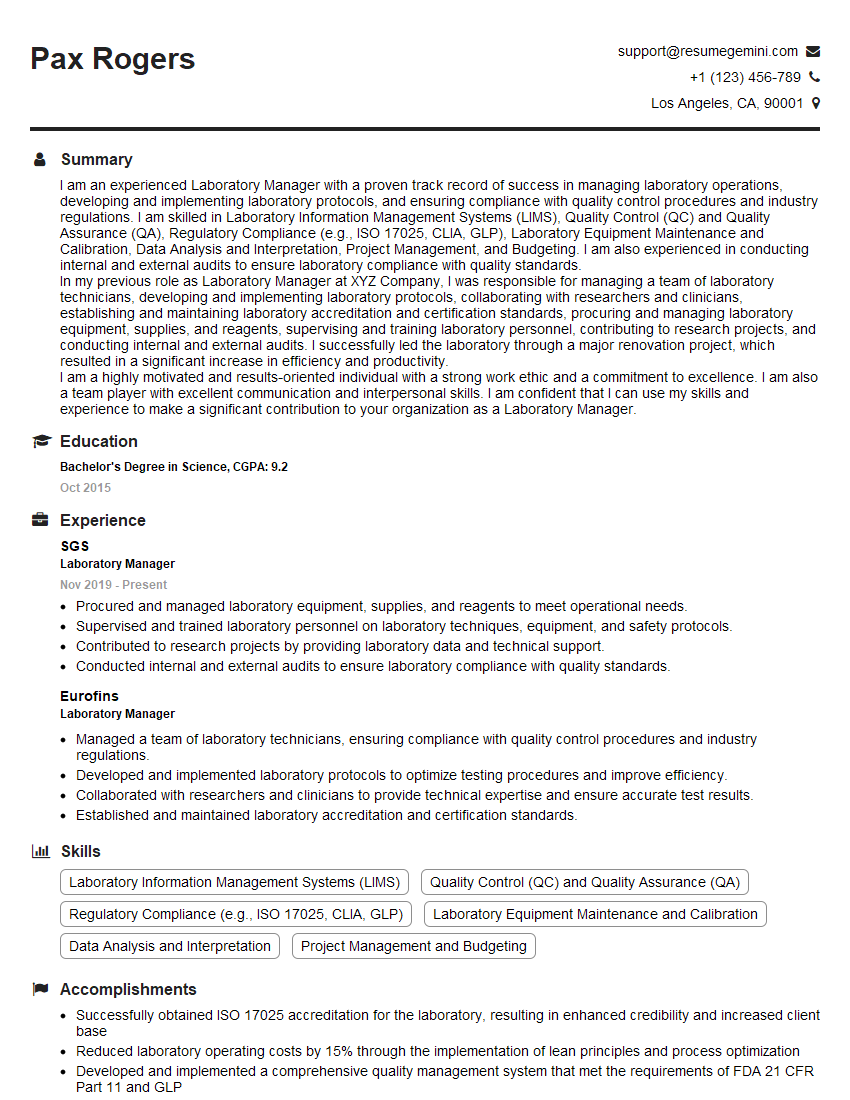
Mastering the ISO 8217 Test Method Standard is crucial for career advancement in the maritime and fuels industries. Demonstrating this expertise significantly enhances your job prospects. To maximize your chances, create an ATS-friendly resume that highlights your knowledge and experience. ResumeGemini is a trusted resource to help you build a professional and impactful resume that showcases your skills effectively. Examples of resumes tailored to ISO 8217 Test Method Standard expertise are available to guide you.
Explore more articles
Users Rating of Our Blogs
Share Your Experience
We value your feedback! Please rate our content and share your thoughts (optional).
What Readers Say About Our Blog
To the interviewgemini.com Webmaster.
Very helpful and content specific questions to help prepare me for my interview!
Thank you
To the interviewgemini.com Webmaster.
This was kind of a unique content I found around the specialized skills. Very helpful questions and good detailed answers.
Very Helpful blog, thank you Interviewgemini team.