Interviews are opportunities to demonstrate your expertise, and this guide is here to help you shine. Explore the essential Knowledge of electrical theory and principles interview questions that employers frequently ask, paired with strategies for crafting responses that set you apart from the competition.
Questions Asked in Knowledge of electrical theory and principles Interview
Q 1. Explain Ohm’s Law and its applications.
Ohm’s Law is a fundamental principle in electrical circuits stating that the current through a conductor between two points is directly proportional to the voltage across the two points and inversely proportional to the resistance between them. Mathematically, it’s expressed as V = IR, where V is voltage (measured in volts), I is current (measured in amperes), and R is resistance (measured in ohms).
Imagine a water pipe analogy: Voltage is like the water pressure, current is the flow rate of water, and resistance is the pipe’s diameter – a narrower pipe (higher resistance) restricts the water flow (lower current) even with high pressure (high voltage).
Applications are vast, including:
- Circuit design: Calculating resistor values for specific current requirements.
- Troubleshooting: Identifying faulty components by measuring voltage and current.
- Power calculations: Determining power consumption of electrical devices (P = VI = I²R = V²/R).
- Sensor applications: Many sensors rely on Ohm’s Law to translate a physical parameter (like temperature or pressure) into an electrical signal.
For example, if you have a 12V battery connected to a 6Ω resistor, the current flowing through the resistor would be I = V/R = 12V / 6Ω = 2A.
Q 2. Describe Kirchhoff’s Laws and their significance in circuit analysis.
Kirchhoff’s Laws are crucial for analyzing complex circuits. They consist of two laws:
- Kirchhoff’s Current Law (KCL): The sum of currents entering a node (junction) in a circuit equals the sum of currents leaving that node. Think of it like a water pipe junction – the total amount of water flowing in must equal the total flowing out.
- Kirchhoff’s Voltage Law (KVL): The sum of voltage drops around any closed loop in a circuit equals zero. Imagine walking around a closed circuit; the total rise and fall in potential (voltage) will always bring you back to your starting point.
Significance in circuit analysis: KCL and KVL allow us to solve for unknown voltages and currents in circuits with multiple branches and loops, simplifying complex networks into manageable equations. They are the basis for many circuit analysis techniques like nodal analysis and mesh analysis.
Example: Consider a simple circuit with two resistors in series connected to a battery. KVL states that the voltage of the battery equals the sum of the voltage drops across each resistor. KCL states that the current flowing through each resistor is the same.
Q 3. What are the different types of AC and DC circuits?
Circuits are broadly classified into Direct Current (DC) and Alternating Current (AC) circuits, each having subtypes:
DC Circuits:
- Simple DC circuits: Involve a single voltage source (like a battery) and resistive elements.
- Series DC circuits: Components connected end-to-end, sharing the same current.
- Parallel DC circuits: Components connected across the same two points, sharing the same voltage.
- Complex DC circuits: Combine series and parallel arrangements.
AC Circuits:
- Simple AC circuits: Involve a single AC voltage source and resistive elements.
- Series AC circuits: Components connected end-to-end, sharing the same current, but exhibiting phase differences due to reactive components (capacitors and inductors).
- Parallel AC circuits: Components connected across the same two points, sharing the same voltage, again with potential phase differences.
- Complex AC circuits: Combine series and parallel arrangements with varying impedances.
- Three-phase AC circuits: Used for high-power applications, employing three separate AC voltage sources with phase shifts.
Q 4. Explain the concept of impedance and its role in AC circuits.
Impedance (Z) in AC circuits is the total opposition to the flow of current. Unlike DC circuits where resistance is the only opposition, AC circuits also encounter opposition from capacitors and inductors, which introduce phase shifts. Impedance is a complex number, encompassing both resistance (R) and reactance (X), which is further divided into capacitive reactance (Xc) and inductive reactance (Xl).
Mathematical representation: Z = R + jX, where j is the imaginary unit.
Role in AC circuits: Impedance determines the current flow in an AC circuit for a given voltage. It’s crucial for calculating power, analyzing resonance, and designing filters. Capacitive reactance (Xc = 1/(2πfC)) decreases with frequency, while inductive reactance (Xl = 2πfL) increases with frequency. This frequency dependence is a key characteristic of AC circuits.
Example: A series circuit with a resistor and an inductor will have an impedance greater than just the resistance alone, because the inductor opposes changes in current. The total impedance depends on the values of R and L, and the frequency of the AC signal.
Q 5. How do you calculate the power in a DC and AC circuit?
Power calculations differ slightly between DC and AC circuits due to the phase relationships in AC circuits.
DC Circuits: Power (P) is simply the product of voltage (V) and current (I): P = VI. Alternatively, using Ohm’s Law, it can be calculated as P = I²R or P = V²/R.
AC Circuits: Due to phase shifts between voltage and current, we use apparent power (S), real power (P), and reactive power (Q). Apparent power is the product of the RMS voltage and current: S = VI (where V and I are RMS values). Real power (the actual power consumed) is given by P = VI cosθ, where θ is the phase angle between voltage and current. Reactive power (power exchanged between the source and reactive components) is given by Q = VI sinθ.
The power factor (cosθ) represents the efficiency of power utilization. A power factor of 1 means the voltage and current are in phase, indicating maximum efficiency. A lower power factor indicates reactive power is dominating, leading to higher apparent power and potentially higher energy costs.
Q 6. What are transformers and how do they work?
Transformers are static electrical devices that transfer electrical energy between circuits through electromagnetic induction, without changing the frequency. They consist of two or more coils (windings) wound around a common ferromagnetic core.
Working principle: An alternating current in the primary winding creates a changing magnetic flux in the core. This changing flux induces a voltage in the secondary winding, according to Faraday’s Law of electromagnetic induction. The voltage ratio between the primary and secondary windings is directly proportional to the ratio of the number of turns in each winding: Vp/Vs = Np/Ns.
Types: Step-up transformers increase voltage (Ns > Np), step-down transformers decrease voltage (Ns < Np), and isolation transformers provide electrical isolation between circuits with a 1:1 turns ratio.
Applications: Transformers are essential in power distribution systems for stepping up voltage for efficient transmission and stepping it down for safe usage in homes and industries. They’re also crucial components in many electronic devices, such as power supplies and audio amplifiers.
Q 7. Explain the working principle of a three-phase motor.
A three-phase motor utilizes three separate AC voltage sources, each with a 120-degree phase shift relative to the others. This creates a rotating magnetic field within the motor.
Working principle: The stator (stationary part) houses three windings, each connected to one of the three-phase power sources. The currents in these windings produce a rotating magnetic field that interacts with the rotor (rotating part). The rotor, which can be either wound-rotor or squirrel-cage type, experiences a torque due to this interaction and starts to rotate.
Types: Squirrel-cage motors are simpler and more rugged, while wound-rotor motors provide better starting torque and speed control. Both types effectively use the rotating magnetic field to generate mechanical power.
Advantages of three-phase motors: High power-to-weight ratio, high efficiency, constant torque, smoother operation, and less vibration compared to single-phase motors. These characteristics make them ideal for high-power applications in industrial machinery, pumps, fans, and compressors.
Q 8. Describe different types of capacitors and their applications.
Capacitors are passive electronic components that store electrical energy in an electric field. Different types are categorized primarily by their dielectric material (the insulating material between the conductive plates) and physical construction.
- Film Capacitors: These use thin plastic films as the dielectric. They offer good stability, high frequency performance, and are commonly used in filtering and coupling circuits in audio equipment and power supplies. Examples include polyester, polypropylene, and ceramic film capacitors.
- Ceramic Capacitors: Utilizing ceramic materials as the dielectric, these are known for their small size and high capacitance values. They’re found in many electronic circuits where space is limited, such as in mobile phones and computers. Different types exist, Class I ceramics offering high stability, and Class II ceramics exhibiting higher capacitance but lower stability.
- Electrolytic Capacitors: These employ an electrolyte as part of the dielectric. They can achieve very high capacitance values in a small package but have polarity (positive and negative terminals) and a limited lifespan. Aluminum electrolytic capacitors are commonly used for power supply filtering. Tantalum electrolytic capacitors offer better stability and higher frequency response.
- Variable Capacitors: Allow for adjusting capacitance, usually mechanically, by changing the overlap of plates. They’re used in radio tuning circuits to select different frequencies.
Imagine a water tank: the capacitor is like the tank, storing ‘electrical water’ (charge). Different types of tanks (capacitors) have different capacities and properties, making them suitable for specific tasks.
Q 9. Explain the concept of resonance in AC circuits.
Resonance in an AC circuit occurs when the inductive reactance (XL) and capacitive reactance (XC) cancel each other out. This happens at a specific frequency called the resonant frequency (fr). At resonance, the impedance of the circuit is at its minimum (ideally, just the resistance), resulting in maximum current flow for a given voltage.
The resonant frequency is determined by the values of inductance (L) and capacitance (C) in the circuit and is given by the formula:
fr = 1 / (2π√(LC))Think of a swing: pushing the swing at its natural frequency (resonance) makes it swing higher with less effort. Similarly, in an AC circuit, supplying power at the resonant frequency leads to maximum energy transfer.
Applications include radio tuning circuits where the resonant frequency is selected to receive a specific radio station, and in various filter circuits to select or reject specific frequencies.
Q 10. What are the different types of relays and their functions?
Relays are electromechanical switches that use a small control current to switch a larger current or voltage. Several types exist:
- Electromechanical Relays: These are the most common, utilizing an electromagnet to actuate a set of contacts. They’re used for switching high currents, voltages, and isolating circuits.
- Solid-State Relays (SSRs): These use semiconductor devices (like thyristors or transistors) instead of mechanical contacts. They offer faster switching speeds, longer lifespan, and improved noise immunity compared to electromechanical relays but are generally more sensitive to voltage spikes.
- Reed Relays: These employ a pair of ferromagnetic reeds sealed in a glass tube. They’re compact and fast but have lower current-carrying capacity.
Consider a light switch: a relay acts like a remote-controlled light switch, allowing a low-power signal to control a high-power circuit. Different relay types are chosen based on the load characteristics (voltage, current, frequency) and required switching speed.
Q 11. How do you analyze a simple RLC circuit?
Analyzing a simple RLC circuit involves understanding the interaction between resistance (R), inductance (L), and capacitance (C). The approach depends on whether the circuit is driven by a DC or AC source.
AC Analysis: For sinusoidal AC sources, impedance (Z) is used. The impedance is the total opposition to current flow and is a complex number consisting of resistance and reactance. The total impedance is given by:
Z = R + j(XL - XC)where XL = 2πfL (inductive reactance) and XC = 1/(2πfC) (capacitive reactance).
Using Ohm’s law (V = IZ), the current can be determined. The phase relationship between voltage and current is also important and depends on the relative magnitudes of XL and XC. Resonance occurs when XL = XC, leading to a minimum impedance.
DC Analysis: For DC sources, the capacitor acts as an open circuit after the initial transient period, and the inductor acts as a short circuit in steady-state. The analysis simplifies to a resistor-only circuit.
Circuit simulators (like LTSpice or Multisim) can be very useful for a detailed analysis, particularly for complex RLC circuits.
Q 12. What are the different types of grounding techniques?
Grounding is a critical safety and performance aspect of electrical systems. It connects parts of a circuit to the earth, providing a low-impedance path for fault currents.
- Earth Grounding: This connects the system to the earth, usually through a grounding rod driven into the soil. It’s crucial for safety, providing a path for fault currents to flow safely to ground.
- Equipment Grounding: Connects the non-current-carrying metal parts of equipment to earth ground. This protects against electric shock if a fault occurs within the equipment.
- System Grounding: Connects the neutral point of a power system to earth. This helps maintain a stable voltage and provides a return path for current. Different grounding methods exist depending on the system (e.g., solid grounding, resistance grounding).
Think of a lightning rod: it provides a safe path for electrical discharge, similar to how grounding protects electrical systems and people.
Q 13. Explain the concept of fault current and its impact on power systems.
Fault current is the abnormal flow of current in an electrical system due to a fault (e.g., short circuit, ground fault). It can be many times higher than the normal operating current. The magnitude depends on the system impedance and the type of fault.
Impact on Power Systems:
- Equipment Damage: High fault currents can cause overheating and damage to equipment (transformers, cables, generators).
- System Instability: Large fault currents can lead to voltage dips or even system collapse.
- Fire Hazard: Arcing due to fault currents can ignite flammable materials.
- Safety Risk: Fault currents pose a significant safety hazard to personnel.
Protective devices (circuit breakers, fuses, relays) are essential for detecting and interrupting fault currents quickly, minimizing damage and ensuring safety.
Q 14. What are the safety precautions to be taken while working with high voltage equipment?
Working with high-voltage equipment is extremely dangerous and requires strict adherence to safety precautions:
- Lockout/Tagout Procedures: Before working on any high-voltage equipment, always ensure it’s completely de-energized and locked out using lockout/tagout procedures to prevent accidental energization.
- Personal Protective Equipment (PPE): Use appropriate PPE, including insulated gloves, safety glasses, arc flash suits (depending on voltage level), and safety footwear.
- Proper Training and Certification: Only qualified and trained personnel should work on high-voltage equipment.
- Voltage Testing: Always verify that the equipment is de-energized using appropriate voltage testing equipment before commencing any work.
- Grounding: Ensure proper grounding of equipment and tools to prevent accidental shock.
- Emergency Procedures: Be aware of and prepared for emergency situations, including having access to emergency response personnel.
Safety should always be the top priority when dealing with high-voltage equipment. A lapse in safety procedures can lead to serious injury or death.
Q 15. Explain the concept of power factor and its correction methods.
Power factor is the ratio of the real power (kW) used by a load to the apparent power (kVA) supplied to the load. It essentially measures how efficiently the electrical system is using the power delivered. A power factor of 1.0 indicates perfect efficiency, meaning all the power is being used to perform work. Values less than 1 indicate that some power is wasted, usually due to reactive power associated with inductive or capacitive loads.
Causes of Low Power Factor: Low power factors are commonly caused by inductive loads like motors, transformers, and fluorescent lights. These loads consume reactive power, which doesn’t contribute to useful work but still stresses the system.
Methods for Power Factor Correction: The primary method for improving the power factor is to add capacitive reactance to the system to counteract the inductive reactance. This is achieved using power factor correction capacitors. These capacitors store energy during part of the AC cycle and release it during another, effectively reducing the reactive power demand. The size of the capacitor required depends on the load’s power factor and reactive power.
Example: Imagine a factory with many induction motors. The motors draw significant reactive power, resulting in a low power factor, say 0.7. By installing appropriately sized power factor correction capacitors, the power factor can be improved to, perhaps, 0.95. This reduces wasted power, lowers electricity bills, and reduces stress on the power distribution system.
Other methods, less commonly employed, include using synchronous motors (which can be operated to provide leading power factor) or using power electronic devices that actively manage power flow.
Career Expert Tips:
- Ace those interviews! Prepare effectively by reviewing the Top 50 Most Common Interview Questions on ResumeGemini.
- Navigate your job search with confidence! Explore a wide range of Career Tips on ResumeGemini. Learn about common challenges and recommendations to overcome them.
- Craft the perfect resume! Master the Art of Resume Writing with ResumeGemini’s guide. Showcase your unique qualifications and achievements effectively.
- Don’t miss out on holiday savings! Build your dream resume with ResumeGemini’s ATS optimized templates.
Q 16. What is the difference between a fuse and a circuit breaker?
Both fuses and circuit breakers are safety devices designed to protect electrical circuits from overcurrent, which can lead to overheating, fires, and equipment damage. However, they operate differently.
- Fuse: A fuse is a one-time use device. It contains a thin wire that melts and breaks the circuit when the current exceeds its rated value. Once blown, it must be replaced.
- Circuit Breaker: A circuit breaker is a reusable device. It uses an electromagnet or bimetallic strip to detect overcurrent. When the current exceeds the rated value, the breaker trips, interrupting the circuit. It can be reset manually after the fault is cleared.
Key Differences Summarized:
- Reusability: Fuses are one-time use, circuit breakers are reusable.
- Protection Speed: Circuit breakers generally offer faster protection.
- Cost: Fuses are typically less expensive upfront but require replacement.
- Applications: Fuses are often used in smaller applications or as secondary protection. Circuit breakers are common in larger systems and offer better control.
Think of a fuse like a firecracker – once it’s gone off, it’s finished. A circuit breaker is more like a switch that can be flipped back on after the danger has passed. The choice between a fuse and a circuit breaker depends on the specific application requirements and safety needs.
Q 17. Describe the different types of batteries and their applications.
Batteries are electrochemical energy storage devices that convert chemical energy into electrical energy. There are many types, each with different characteristics and applications.
- Primary Batteries (non-rechargeable): These batteries are single-use and cannot be recharged. Examples include alkaline batteries (commonly used in flashlights and toys) and zinc-carbon batteries (older technology). Their advantages are low cost and readily available.
- Secondary Batteries (rechargeable): These batteries can be recharged multiple times. Common examples include:
- Lead-acid batteries: Used in automobiles, backup power systems, and some renewable energy applications. They are inexpensive, but heavy and have a relatively short lifespan.
- Nickel-cadmium (NiCd) batteries: Once popular, but now less common due to environmental concerns regarding cadmium. They have a good lifespan but suffer from a ‘memory effect’ which reduces capacity.
- Nickel-metal hydride (NiMH) batteries: An improvement over NiCd, they are environmentally friendlier and have higher energy density. Common in portable electronics.
- Lithium-ion (Li-ion) batteries: The dominant battery technology in portable electronics, electric vehicles, and energy storage systems. They boast high energy density, long lifespan, and relatively low self-discharge. However, they can be sensitive to temperature and require careful handling.
The choice of battery type depends on factors such as energy requirements, lifespan, cost, safety, size, and environmental considerations. For example, a small toy might use an inexpensive alkaline battery, while an electric vehicle relies on high-energy-density lithium-ion batteries.
Q 18. Explain the working principle of a solar panel.
Solar panels, also known as photovoltaic (PV) panels, convert sunlight directly into electricity using the photovoltaic effect. This effect occurs when photons (light particles) strike a semiconductor material, such as silicon, causing electrons to become excited and flow, generating an electric current.
Working Principle: A solar panel consists of many individual solar cells connected in series and parallel. Each solar cell is made of two layers of silicon – a p-type layer (with holes) and an n-type layer (with extra electrons). When sunlight hits the cell, photons excite electrons in the n-type layer, causing them to move across the junction between the p-type and n-type layers. This creates an electric field, driving the electrons towards the n-type layer, and the ‘holes’ towards the p-type layer, resulting in a direct current (DC) flow. The multiple cells are wired together to increase the voltage and current output of the panel. This DC electricity is then typically converted to alternating current (AC) using an inverter for use in homes and businesses.
Simplified Analogy: Imagine sunlight as a stream of water pushing electrons through a pipe. The silicon layers are like a special pump that directs the flow of water (electrons) to generate power.
Q 19. What are the different types of semiconductor devices?
Semiconductor devices are electronic components made from materials with electrical conductivity between that of a conductor and an insulator. Their behavior can be controlled by doping (adding impurities) to create p-type (hole-rich) and n-type (electron-rich) regions. This allows for the creation of a vast array of devices.
- Diodes: Allow current to flow in one direction only. They are used in rectification (converting AC to DC), voltage regulation, and signal processing.
- Transistors: Act as electronic switches or amplifiers. They are the fundamental building blocks of modern electronics, used in amplifiers, oscillators, and digital logic circuits. There are bipolar junction transistors (BJTs) and field-effect transistors (FETs), including MOSFETs (metal-oxide-semiconductor field-effect transistors) which are most common in integrated circuits.
- Integrated Circuits (ICs): Contain thousands or millions of transistors and other components on a single chip. They form the basis of microprocessors, memory chips, and countless other electronic devices.
- Light Emitting Diodes (LEDs): Emit light when current flows through them. They are used in lighting, displays, and signaling applications.
- Thyristors: High-power semiconductor switches used in power control applications such as motor drives and power supplies. They include SCRs (silicon-controlled rectifiers) and triacs.
The specific type of semiconductor device chosen depends on the application’s requirements, such as voltage, current, switching speed, and power handling capabilities.
Q 20. Explain the concept of Boolean algebra and its application in digital logic design.
Boolean algebra is a mathematical system that uses variables representing logical values (TRUE or FALSE, typically 1 and 0) and logical operations (AND, OR, NOT) to describe and manipulate logical expressions. It forms the foundation of digital logic design.
Basic Operations:
- AND (· or ∧): The output is TRUE only if both inputs are TRUE.
A · B = 1only ifA = 1andB = 1. - OR (+ or ∨): The output is TRUE if at least one input is TRUE.
A + B = 1ifA = 1orB = 1or both. - NOT (¬ or ′): The output is the inverse of the input.
¬A = 1ifA = 0, and vice-versa.
Application in Digital Logic Design: Boolean algebra is used to design and simplify digital circuits. Logic gates, the fundamental building blocks of digital systems, implement these Boolean operations. By using Boolean expressions to represent the desired logic, designers can create circuit diagrams and then minimize the number of gates needed for efficient and cost-effective designs. This simplification is crucial for reducing power consumption and improving the overall performance of the digital system. For example, Karnaugh maps (K-maps) are a visual tool used to simplify Boolean expressions.
Q 21. What are the different types of logic gates?
Logic gates are electronic circuits that perform basic Boolean operations on one or more binary inputs to produce a single binary output. They are the building blocks of all digital circuits.
- AND gate: Output is HIGH (1) only when all inputs are HIGH.
- OR gate: Output is HIGH when at least one input is HIGH.
- NOT gate (inverter): Output is the inverse of the input.
- NAND gate: Output is the inverse of an AND gate.
- NOR gate: Output is the inverse of an OR gate.
- XOR gate (exclusive OR): Output is HIGH when only one input is HIGH.
- XNOR gate (exclusive NOR): Output is HIGH when both inputs are the same (both HIGH or both LOW).
These gates are implemented using various semiconductor devices, primarily transistors. Their combination allows the creation of complex digital circuits, forming the basis of computers, microcontrollers, and many other digital systems.
Q 22. Explain the working principle of a microcontroller.
A microcontroller is essentially a tiny computer on a single integrated circuit (IC). It’s the brain behind many embedded systems, from your washing machine to your smartphone. At its heart lies a central processing unit (CPU) which fetches instructions from memory, decodes them, and executes them. These instructions control various peripherals connected to the microcontroller.
Think of it like this: the CPU is the brain, memory is the notepad where it keeps track of instructions and data, and the peripherals are the hands and eyes that interact with the outside world (sensors, motors, displays, etc.). The microcontroller operates based on a clock signal, which dictates the pace of its operations. It receives input from sensors, processes this data according to its programmed instructions, and generates output signals to control actuators. This entire process happens in a continuous loop.
For example, in a simple thermostat, the microcontroller receives temperature input from a sensor, compares it to the set temperature, and then switches a relay to turn the heating element on or off accordingly. This seemingly simple task involves fetching temperature data, performing a comparison, and generating an output signal to control the relay – all managed by the microcontroller’s program.
Q 23. Describe the different types of sensors and their applications.
Sensors are devices that convert physical phenomena into electrical signals. There’s a vast array of sensor types, each designed to measure a specific quantity. Here are a few examples:
- Temperature Sensors (Thermistors, Thermocouples): Measure temperature; used in thermostats, ovens, weather stations.
- Light Sensors (Photoresistors, Photodiodes): Detect light intensity; applications include cameras, automatic lighting systems, and light meters.
- Pressure Sensors: Measure pressure; found in weather balloons, tire pressure monitoring systems, and altitude sensors.
- Accelerometers: Measure acceleration; used in smartphones for orientation detection, car airbag deployment systems, and motion-sensing games.
- Ultrasonic Sensors: Measure distance using sound waves; utilized in parking sensors, robotic navigation, and level detection.
- Humidity Sensors: Measure moisture content in the air; employed in weather stations, HVAC systems, and greenhouses.
The specific application of a sensor depends on its sensitivity, accuracy, operating range, and environmental tolerance. Selecting the right sensor for a particular application is crucial for the reliability and accuracy of the overall system.
Q 24. Explain the concept of signal conditioning.
Signal conditioning is the process of modifying a sensor’s raw output signal to make it suitable for use by other parts of a system. Raw signals from sensors are often weak, noisy, or in an unsuitable format. Signal conditioning aims to improve these signals before they are processed by an analog-to-digital converter (ADC) or other circuitry.
Common signal conditioning techniques include:
- Amplification: Increasing the signal’s amplitude to improve signal-to-noise ratio.
- Filtering: Removing unwanted noise or interference.
- Linearization: Converting a non-linear sensor output into a linear one for easier processing.
- Offset Compensation: Removing any constant bias or offset in the signal.
For instance, a thermocouple might produce a very small voltage change in response to temperature variation. Signal conditioning would amplify this weak signal to a usable level and filter out any electrical noise, ensuring a cleaner and more accurate temperature reading. Without signal conditioning, the weak signal would be overwhelmed by noise, leading to inaccurate measurements.
Q 25. How do you troubleshoot an electrical fault?
Troubleshooting an electrical fault involves a systematic approach to identify and rectify the problem. It’s crucial to prioritize safety – always disconnect power before working on any electrical circuit.
A typical troubleshooting process involves:
- Safety First: Disconnect power. Use appropriate safety equipment (gloves, insulated tools).
- Observe and Identify Symptoms: Carefully examine the circuit, noting any visible damage (burnt components, loose wires), unusual smells (burning insulation), or abnormal behavior.
- Isolate the Fault: Use multimeters to measure voltage, current, and resistance at different points in the circuit to pinpoint the faulty component or connection. Start at the source of power and work your way through the circuit.
- Test Components: Use appropriate test equipment to verify the functionality of individual components (resistors, capacitors, transistors, etc.).
- Repair or Replace: Once the faulty component or connection has been identified, replace or repair it accordingly. Ensure proper connections and soldering techniques.
- Verification: Reconnect the power and test the circuit to ensure the fault has been resolved.
For example, if a light doesn’t turn on, you might first check the bulb, then the switch, the wiring, and finally the power source. Systematic testing will help you efficiently pinpoint the exact cause of the problem.
Q 26. What are the different types of wiring methods?
Various wiring methods exist, each with its own advantages and disadvantages depending on the application. Safety and code compliance are crucial considerations when selecting a wiring method.
- Wiring in Conduits: Wires are run inside protective metal or plastic conduits, offering excellent protection against physical damage and environmental factors. Common in industrial and commercial settings.
- Surface Mounting: Wires are attached directly to the surface of walls or ceilings using cable clips or staples. Simpler and less expensive than conduit wiring but less aesthetically pleasing and offers less protection.
- Concealed Wiring: Wires are run inside walls or ceilings during construction. Provides a clean look but requires careful planning and execution.
- Busbar Wiring: Uses a metal bar as a common connection point for multiple circuits. Ideal for high-current applications, providing better current distribution and less voltage drop compared to traditional wiring.
- Point-to-Point Wiring: Individual wires connect specific points in a circuit. This is simple for small circuits but can become complex in larger systems.
The choice of wiring method depends on factors such as the application’s environment, the amount of wiring required, the current carrying capacity, and aesthetic considerations. Always refer to relevant electrical codes and regulations when selecting and installing wiring.
Q 27. Explain the concept of electromagnetic induction.
Electromagnetic induction is the process by which an electromotive force (EMF) – a voltage – is induced in a conductor by a changing magnetic field. This changing magnetic field can be generated by a moving magnet near the conductor or by a changing current in a nearby coil. The induced EMF can drive a current in the conductor if a closed circuit exists.
Imagine a magnet moving towards a coil of wire. The magnetic field lines passing through the coil change in strength and direction, creating a changing magnetic flux. This change in flux induces an EMF in the coil, resulting in a current flowing through it. This principle is the basis for many electrical devices such as generators, transformers, and inductors.
Q 28. Describe Faraday’s Law of Electromagnetic Induction.
Faraday’s Law of Electromagnetic Induction states that the magnitude of the induced electromotive force (EMF) in a circuit is directly proportional to the rate of change of magnetic flux through the circuit. In simpler terms: the faster the magnetic field changes, the greater the induced voltage.
Mathematically, Faraday’s Law is expressed as:
EMF = -N * dΦ/dt
Where:
EMFis the induced electromotive force (voltage).Nis the number of turns in the coil.dΦ/dtis the rate of change of magnetic flux (Φ) with respect to time (t).
The negative sign indicates that the induced EMF creates a current that opposes the change in magnetic flux – this is known as Lenz’s Law. This opposition helps maintain energy conservation.
For example, in a generator, a rotating coil cuts through a magnetic field, creating a changing magnetic flux. This generates an EMF in the coil, causing an alternating current to flow, providing electricity. The faster the coil rotates, the larger the induced EMF.
Key Topics to Learn for Your Electrical Theory and Principles Interview
Ace your upcoming interview by mastering these fundamental concepts. Remember, understanding the “why” behind the theory is just as important as knowing the “what.”
- Ohm’s Law and Circuit Analysis: Understand the relationship between voltage, current, and resistance. Practice analyzing simple and complex circuits, including series, parallel, and combination circuits. Be prepared to explain how to calculate power dissipation.
- AC/DC Circuits: Differentiate between alternating current (AC) and direct current (DC) circuits. Understand concepts like impedance, phase, and power factor in AC circuits. Be ready to discuss practical applications of both AC and DC in various systems.
- Kirchhoff’s Laws: Apply Kirchhoff’s current and voltage laws to solve complex circuit problems. Understand how these laws are fundamental to circuit analysis and troubleshooting.
- Electromagnetism: Grasp the principles of electromagnetism, including Faraday’s Law of Induction and Lenz’s Law. Be prepared to discuss applications such as transformers and motors.
- Capacitors and Inductors: Understand the behavior of capacitors and inductors in both AC and DC circuits. Know how to calculate their impedance and energy storage capabilities. Discuss their roles in filtering and timing circuits.
- Semiconductors and Diodes: Explain the fundamental properties of semiconductors and the function of diodes in rectifying and switching circuits. Understand the concept of PN junctions.
- Safety Regulations and Practices: Demonstrate awareness of relevant electrical safety regulations and best practices for working with electrical equipment. This shows responsibility and professionalism.
- Troubleshooting and Problem-Solving: Practice approaching electrical problems systematically. Be ready to discuss your approach to identifying and resolving faults in circuits.
Next Steps: Power Up Your Career
A strong understanding of electrical theory and principles is crucial for career advancement in this field. To maximize your job prospects, invest time in crafting a compelling and ATS-friendly resume that highlights your skills and experience effectively. ResumeGemini is a trusted resource that can help you build a professional resume that stands out. We offer examples of resumes tailored specifically to showcase expertise in electrical theory and principles – check them out to get inspired and start building your success story!

Automation Engineer Resume Sample
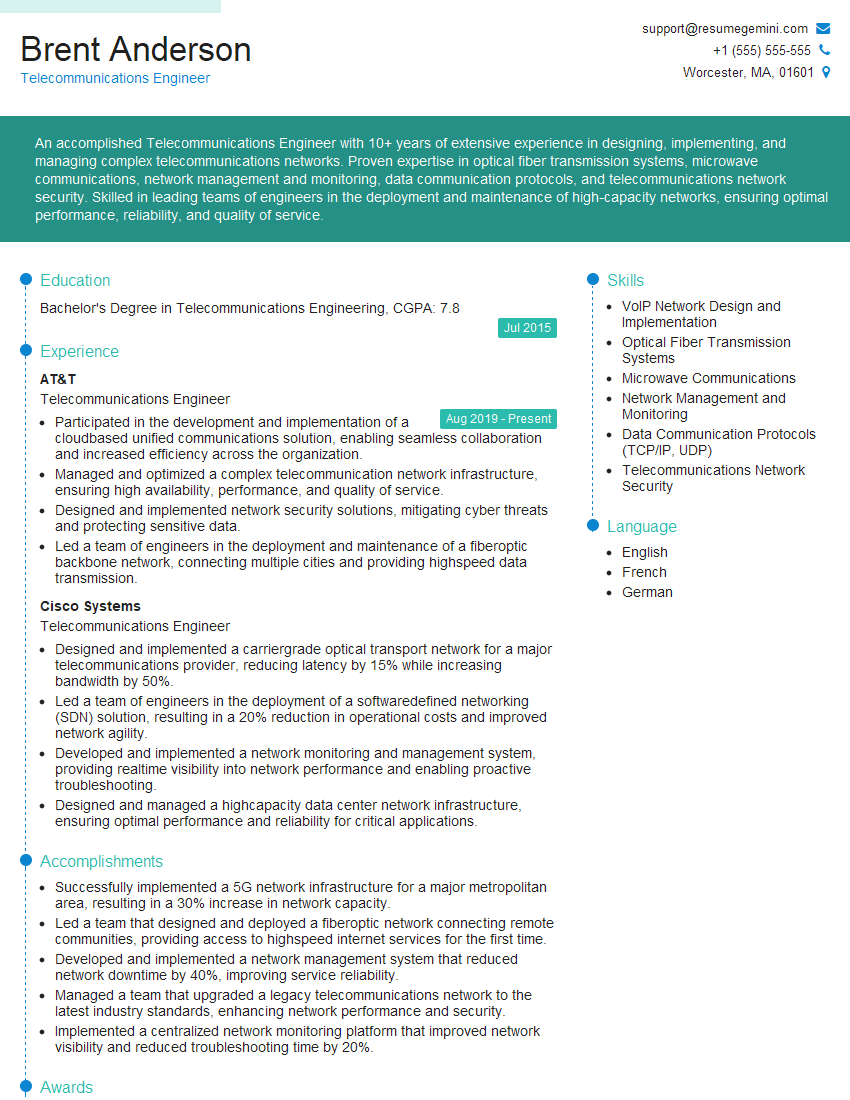
Telecommunications Engineer Resume Sample
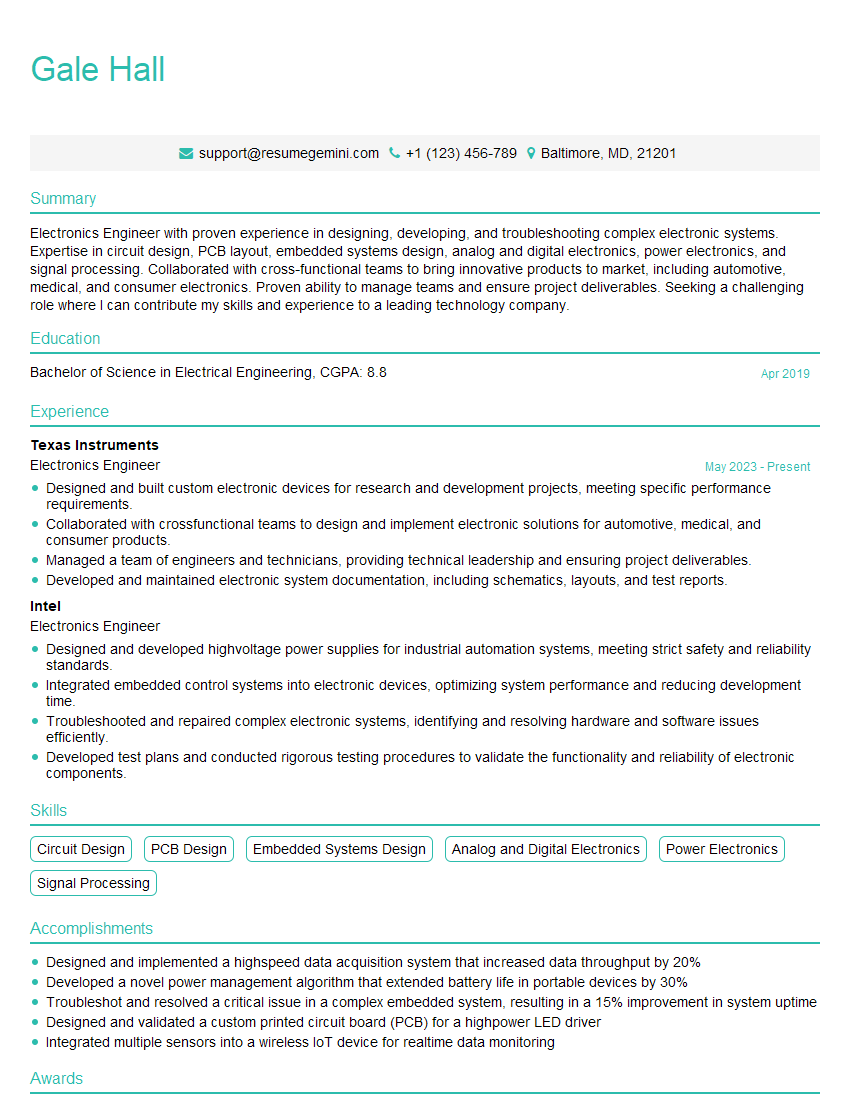
Electronics Engineer Resume Sample
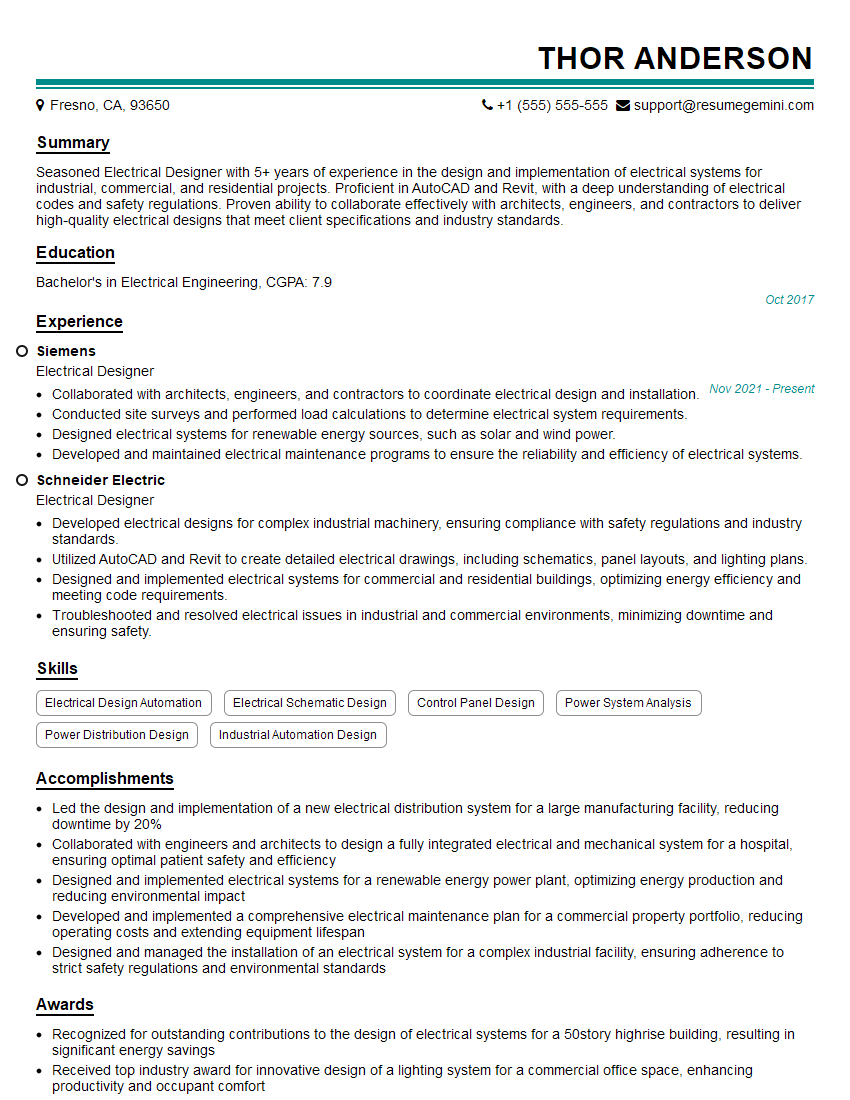
Electrical Designer Resume Sample
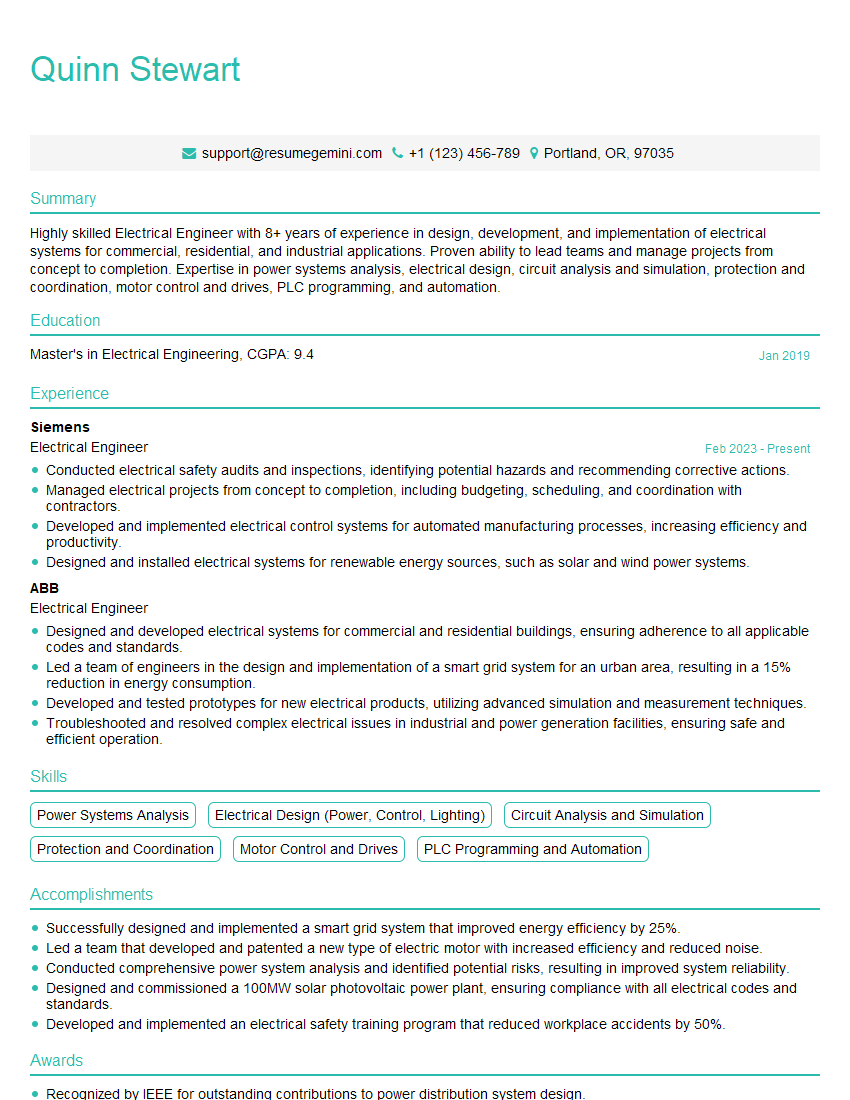
Electrical Engineer Resume Sample
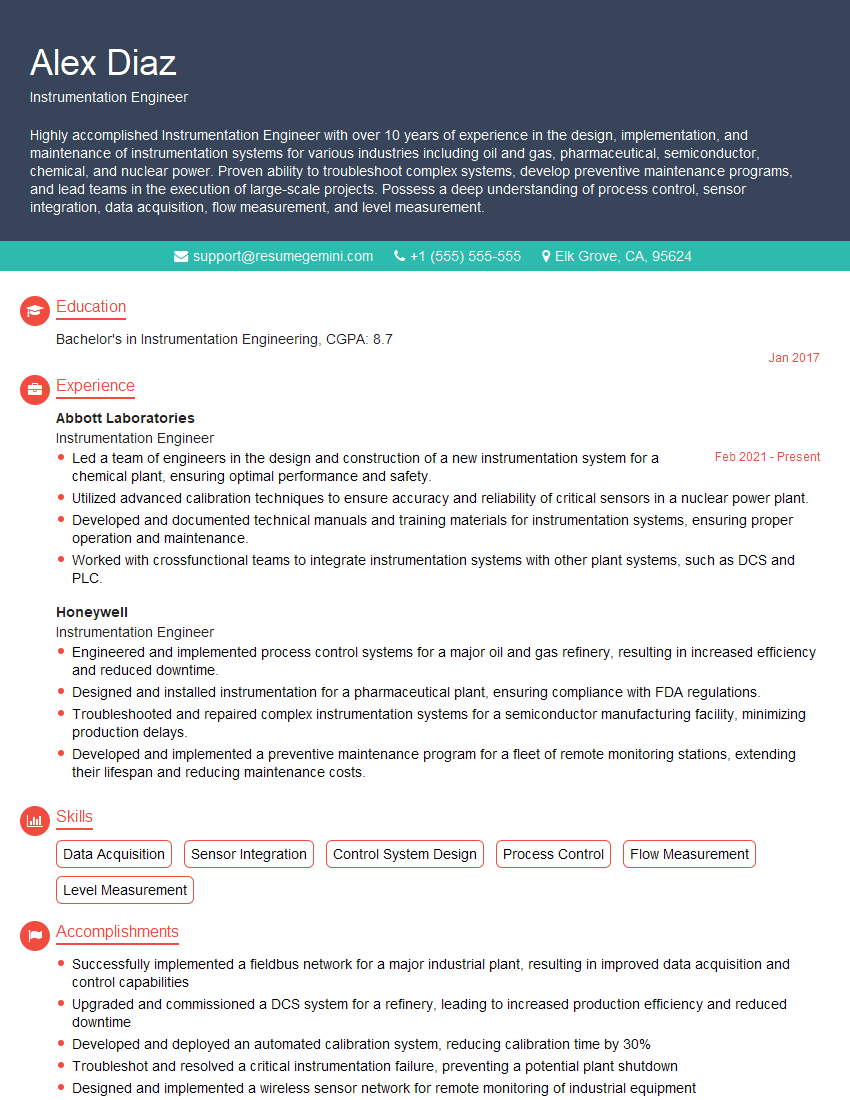
Instrumentation Engineer Resume Sample
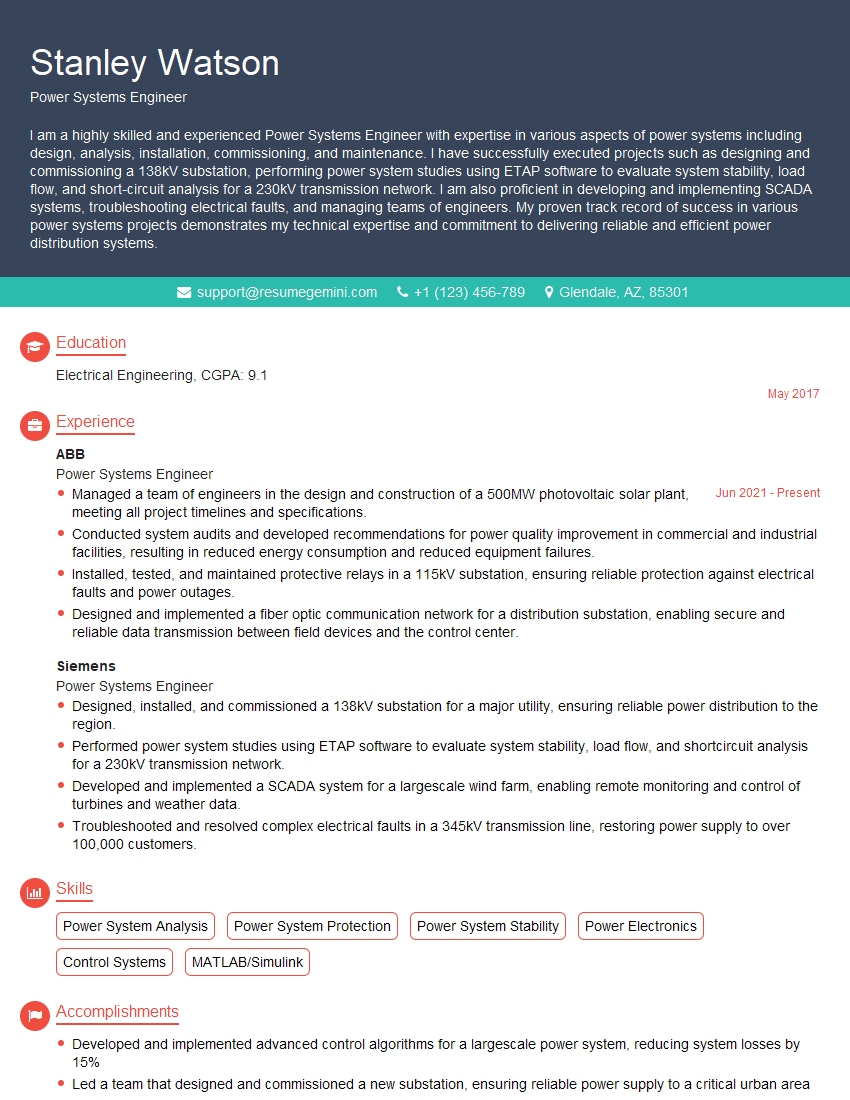
Power Systems Engineer Resume Sample
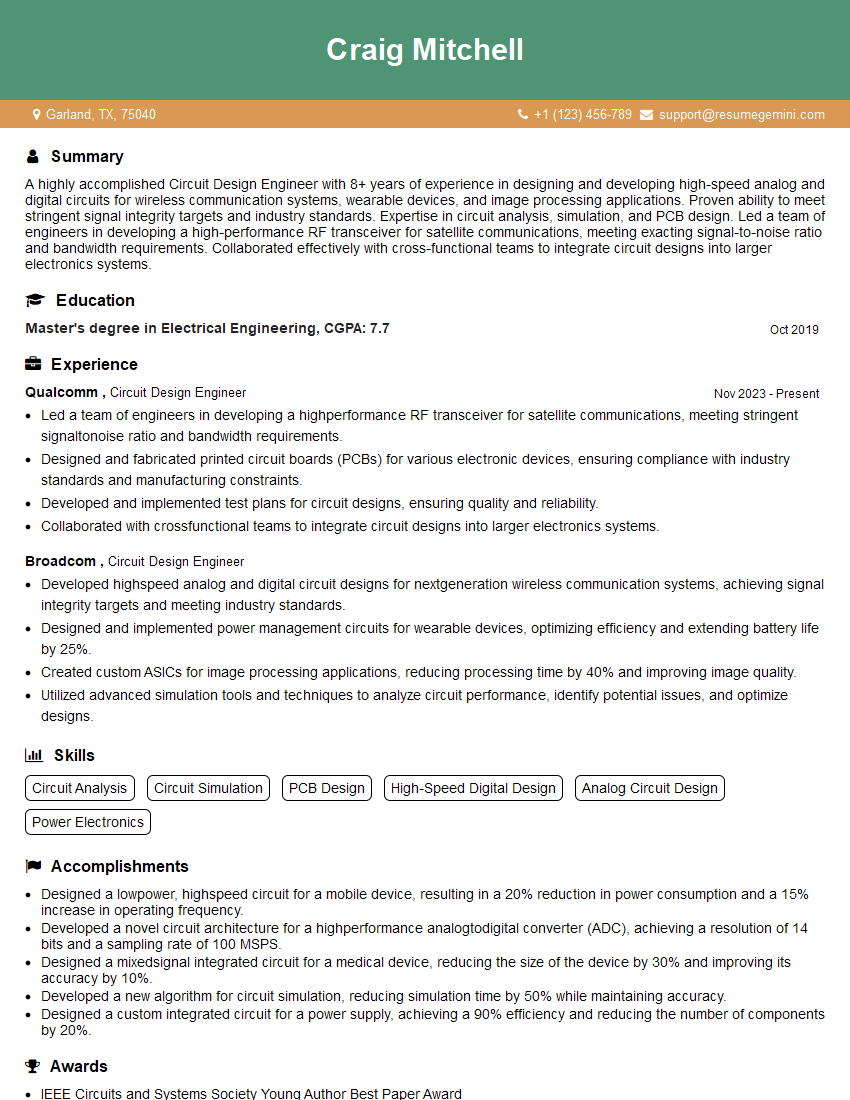
Circuit Design Engineer Resume Sample
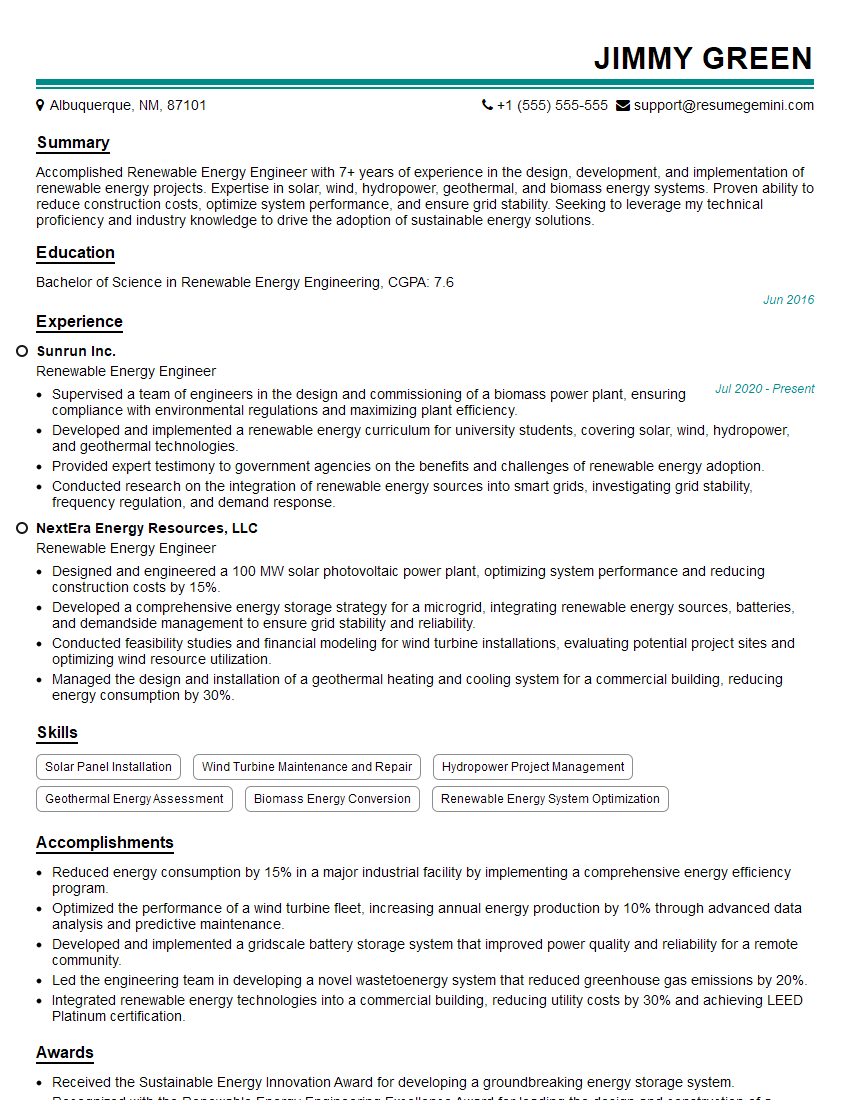
Renewable Energy Engineer Resume Sample
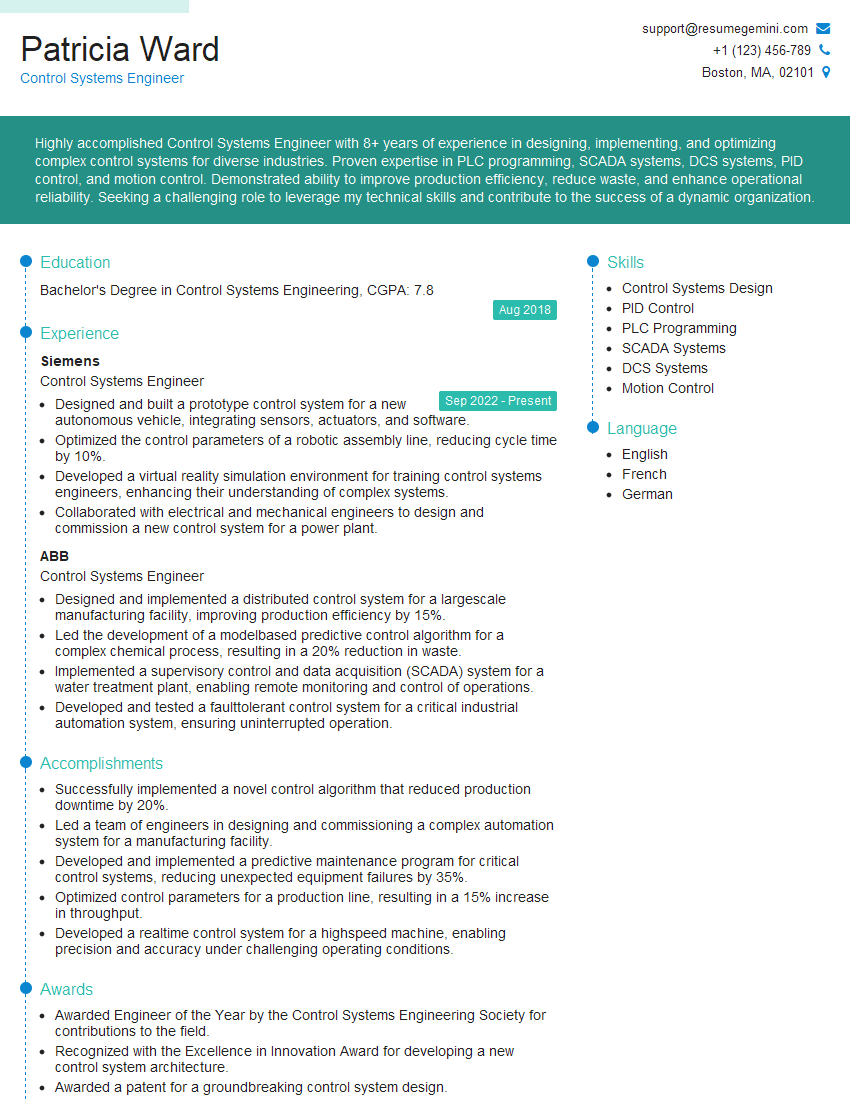
Control Systems Engineer Resume Sample
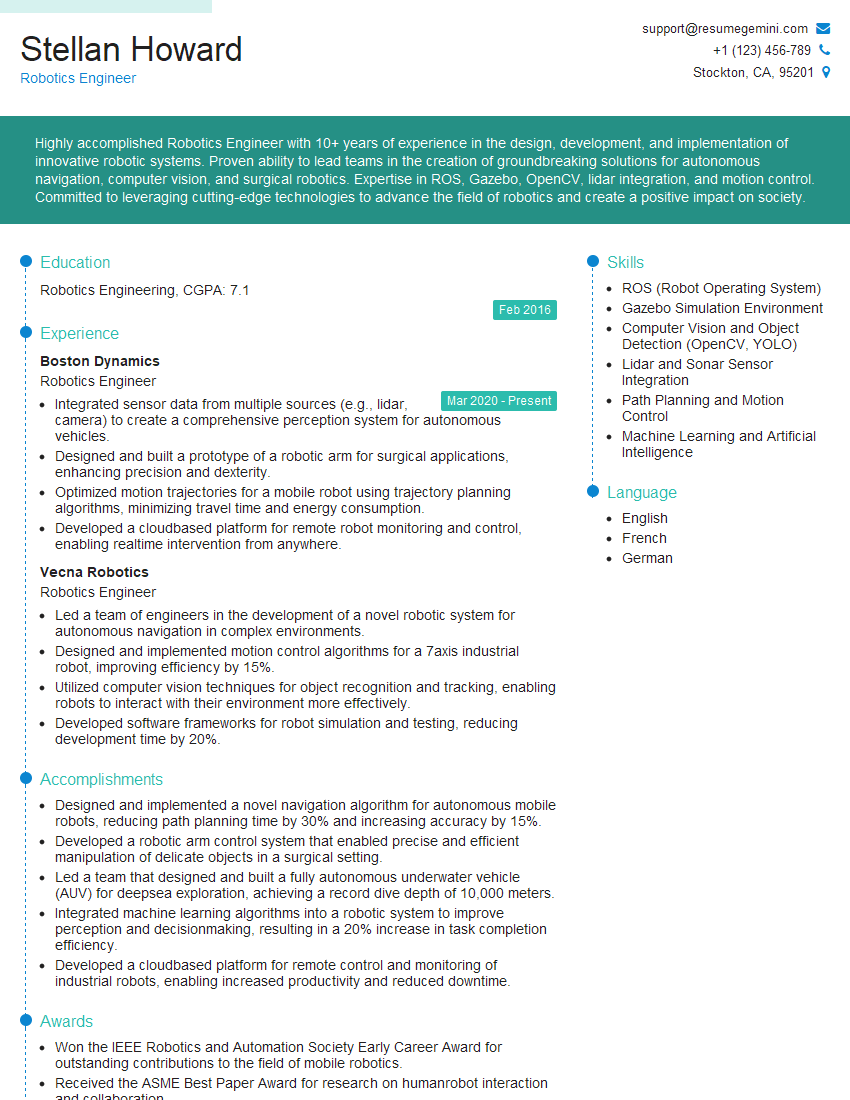
Robotics Engineer Resume Sample
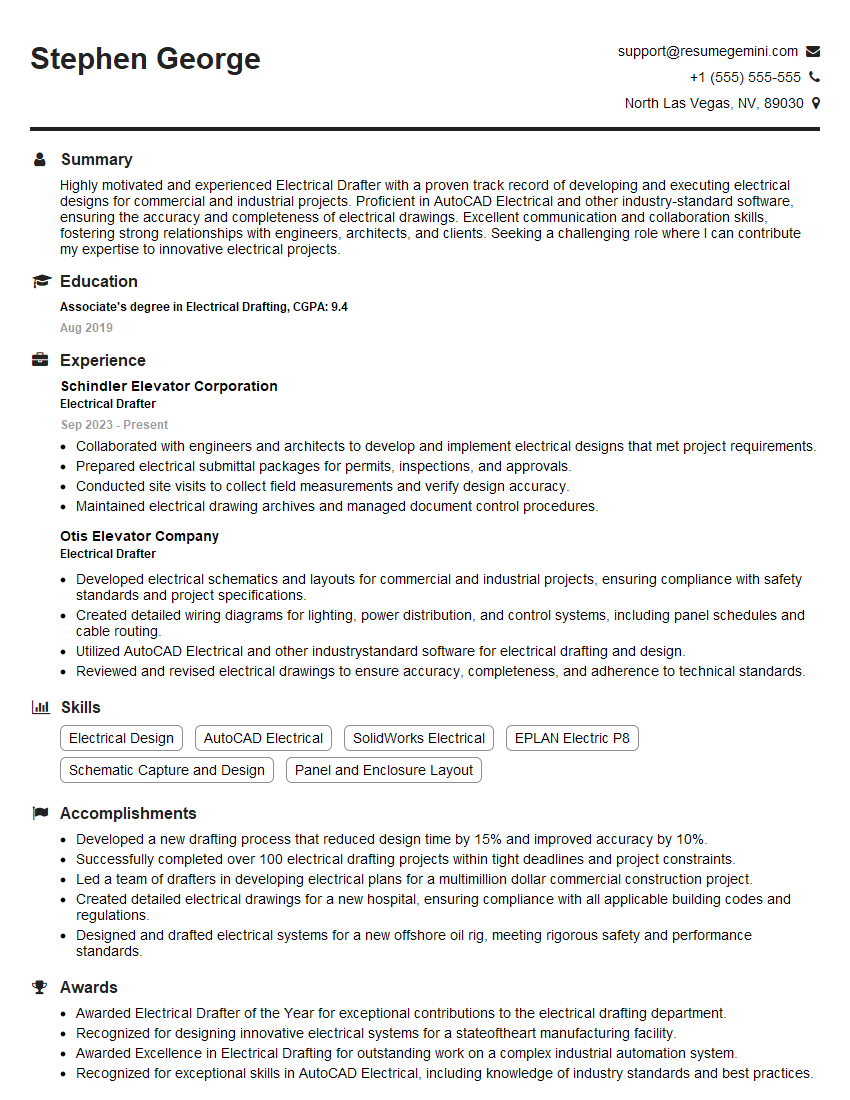
Electrical Drafter Resume Sample
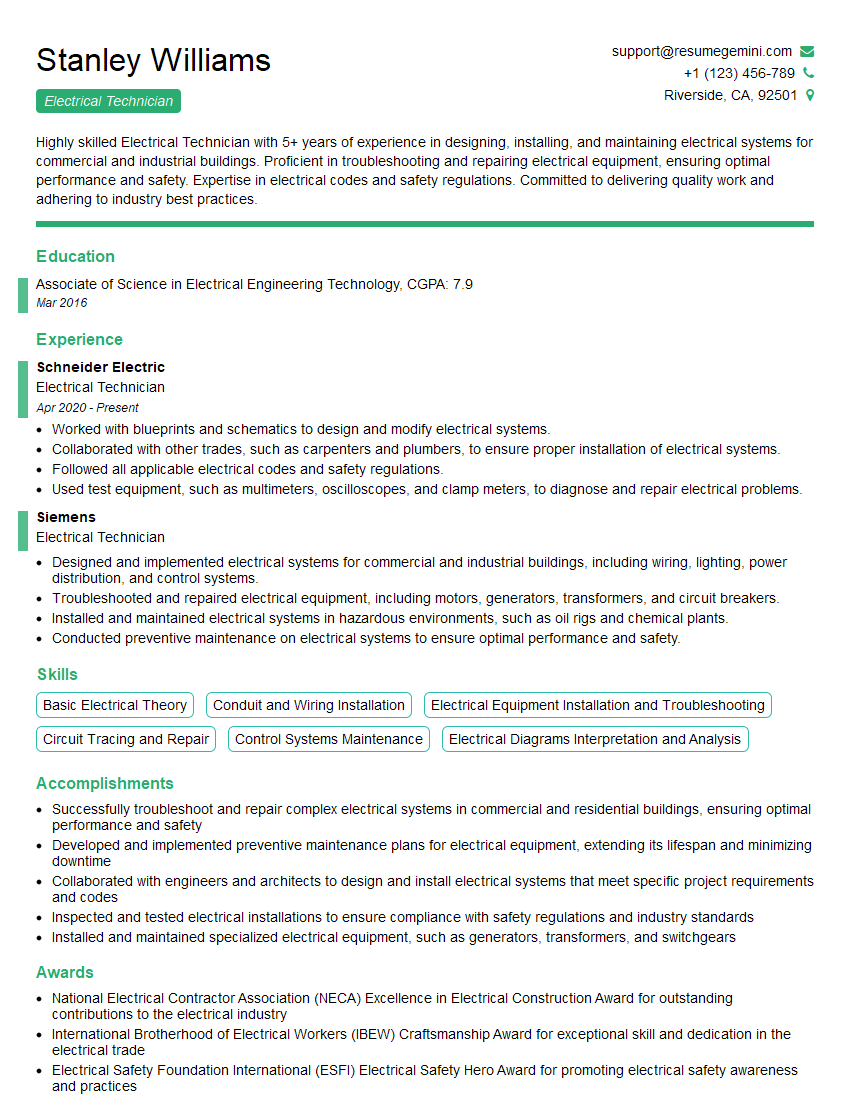
Electrical Technician Resume Sample
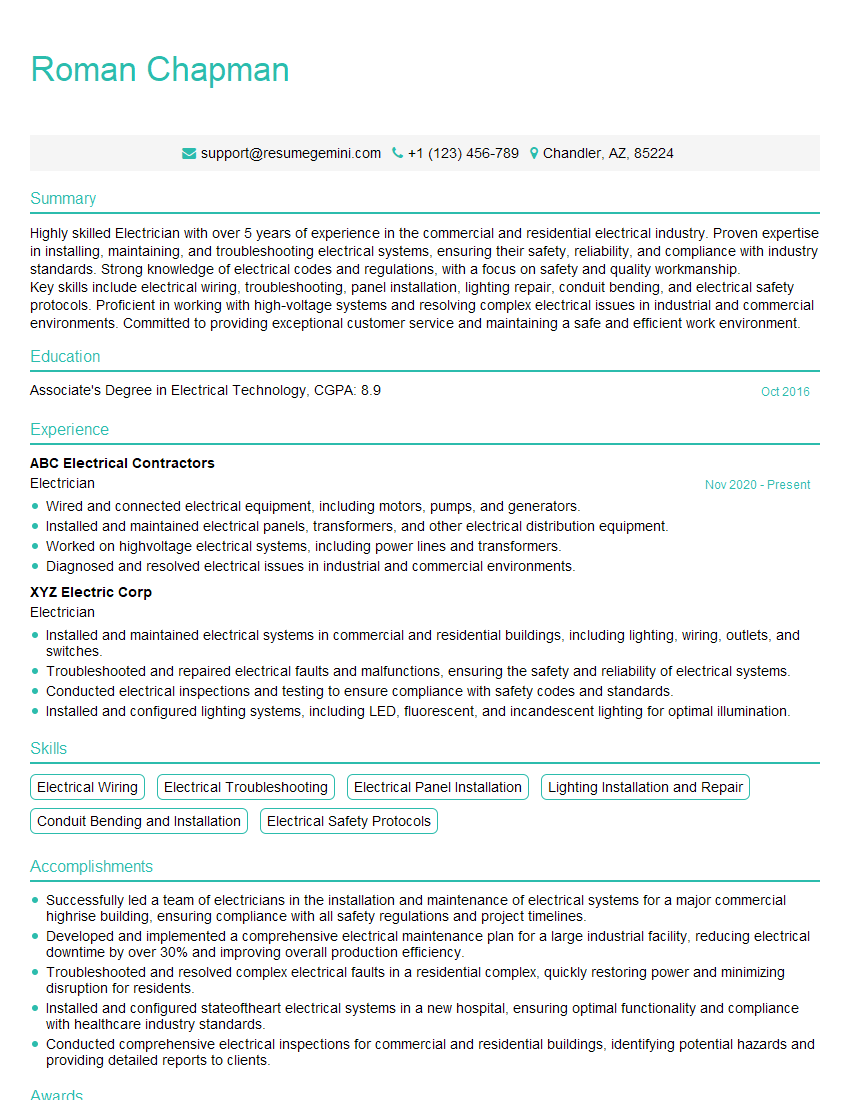
Electrician Resume Sample

Maintenance Electrician Resume Sample
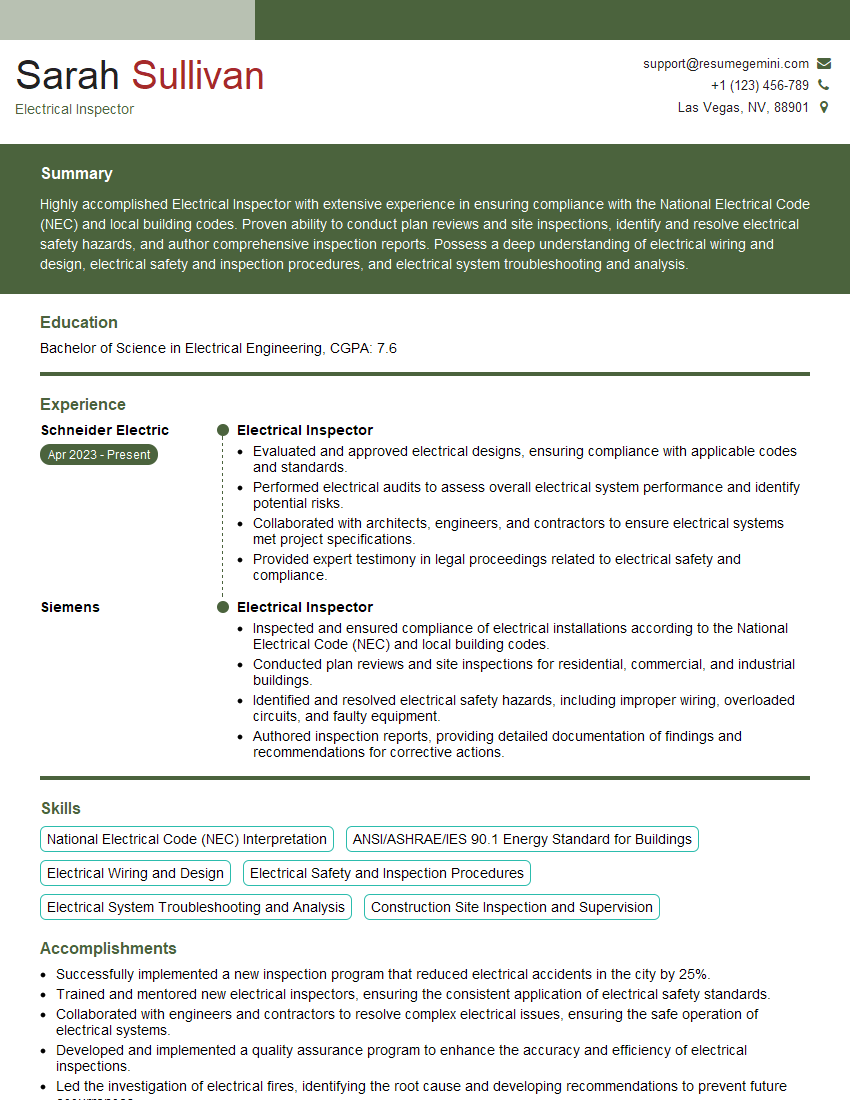
Electrical Inspector Resume Sample
- Automation Engineer
- Telecommunications Engineer
- Electronics Engineer
- Electrical Designer
- Electrical Engineer
- Instrumentation Engineer
- Power Systems Engineer
- Circuit Design Engineer
- Renewable Energy Engineer
- Control Systems Engineer
- Robotics Engineer
- Electrical Drafter
- Electrical Technician
- Electrician
- Maintenance Electrician
- Electrical Inspector
Explore more articles
Users Rating of Our Blogs
Share Your Experience
We value your feedback! Please rate our content and share your thoughts (optional).
What Readers Say About Our Blog
To the interviewgemini.com Webmaster.
Very helpful and content specific questions to help prepare me for my interview!
Thank you
To the interviewgemini.com Webmaster.
This was kind of a unique content I found around the specialized skills. Very helpful questions and good detailed answers.
Very Helpful blog, thank you Interviewgemini team.