The thought of an interview can be nerve-wracking, but the right preparation can make all the difference. Explore this comprehensive guide to Knowledge of Green Building Standards and LEED Certification interview questions and gain the confidence you need to showcase your abilities and secure the role.
Questions Asked in Knowledge of Green Building Standards and LEED Certification Interview
Q 1. Explain the different LEED rating systems (e.g., BD+C, ID+C, O+M).
LEED, or Leadership in Energy and Environmental Design, offers various rating systems tailored to different building types and phases. The most common are:
- BD+C (Building Design and Construction): This system applies to new construction and major renovations of buildings. It’s further divided into categories like New Construction (NC), Core & Shell (CS), and Schools (SC), each with specific requirements.
- ID+C (Interior Design and Construction): This focuses on the interior spaces of existing buildings, addressing elements like improved indoor environmental quality and sustainable materials selection without major structural alterations. Think of a large office renovation project.
- O+M (Operations and Maintenance): This system is for existing buildings already in operation, focusing on ongoing improvements in energy and water efficiency, waste reduction, and occupant wellbeing. It helps building owners continuously improve their environmental performance.
Understanding the distinctions is crucial; applying the wrong rating system can lead to wasted effort and resources. For instance, trying to apply BD+C to an interior fit-out would be inappropriate and inefficient.
Q 2. Describe your experience with LEED v4 or LEED v4.1.
My experience with LEED v4 and v4.1 is extensive. I’ve led teams through the entire certification process for several projects, encompassing all phases, from initial strategy and documentation to final submission and certification. This includes managing credit selection, coordinating with consultants, and ensuring compliance with all requirements. For example, on a recent office building project, my role involved optimizing energy modeling to achieve the required energy performance points, while simultaneously negotiating with contractors to select sustainable building materials to earn points in the Materials and Resources category. We successfully achieved LEED Platinum certification under v4.1.
Q 3. What are the key differences between LEED v4 and previous versions?
LEED v4 introduced significant changes compared to previous versions, primarily aiming for increased performance and transparency. Key differences include:
- Increased focus on performance-based credits: v4 emphasizes measurable results rather than simply checking boxes. Energy modeling became far more critical, demanding accurate prediction of building performance.
- More stringent requirements: Many credits became harder to achieve, pushing projects towards higher levels of sustainability. For example, the requirements for water efficiency became more demanding.
- Enhanced transparency and integrative approach: v4 encourages an integrated design process, emphasizing collaboration amongst stakeholders from the outset, which reduces potential conflicts and enhances efficiency.
- Emphasis on building lifecycle: v4 places greater importance on the entire building lifecycle, considering embodied carbon in materials and the building’s long-term operational performance.
Imagine the difference as upgrading from a basic car to a hybrid: LEED v4 is like driving a hybrid; it demands more upfront investment but pays off with long-term savings and reduced environmental impact.
Q 4. How do you incorporate sustainable site development principles into a project?
Sustainable site development is crucial for minimizing a project’s environmental footprint. I incorporate these principles by:
- Prioritizing brownfield redevelopment: Reusing existing sites reduces sprawl and prevents habitat destruction.
- Optimizing site layout: Designing the building to minimize land disturbance and maximize daylighting opportunities.
- Protecting and restoring habitat: Implementing strategies to conserve existing natural areas and enhance biodiversity.
- Managing stormwater runoff: Implementing green infrastructure like bioswales and rain gardens to reduce stormwater pollution.
- Reducing heat island effect: Using light-colored, highly reflective materials for paving and roofing to reduce urban heat island effects.
- Promoting alternative transportation: Incorporating features like bicycle storage, proximity to public transit, and electric vehicle charging stations.
For instance, in one project, we successfully incorporated a large green roof to manage stormwater runoff, reduce the urban heat island effect, and improve insulation, resulting in significant savings on energy costs and achieving multiple LEED credits.
Q 5. Explain your understanding of Water Efficiency credits in LEED.
LEED Water Efficiency credits focus on reducing potable water consumption within a building. This involves strategies like:
- Water-efficient fixtures: Installing low-flow toilets, faucets, and showerheads.
- Water-saving landscaping: Using drought-tolerant plants and efficient irrigation systems.
- Water metering: Tracking water usage to identify and address leaks and inefficiencies.
- Water reuse: Implementing systems to reuse greywater or rainwater for non-potable applications.
These credits incentivize significant reductions in water usage, directly impacting the building’s environmental performance and often leading to substantial long-term cost savings on water bills. A real-world example would be implementing a rainwater harvesting system to irrigate landscaping, reducing the building’s reliance on potable water.
Q 6. Describe your experience with energy modeling software (e.g., EnergyPlus, eQUEST).
I possess extensive experience using energy modeling software such as EnergyPlus and eQUEST. I’m proficient in developing and running simulations to predict building energy performance, identifying areas for improvement, and verifying compliance with LEED requirements. This includes creating detailed building models, inputting relevant climate data, and analyzing simulation results to optimize building design and systems. For example, using EnergyPlus, I have modeled various HVAC system configurations to determine the most energy-efficient solution for a specific climate and building design.
Q 7. How do you ensure a project meets energy performance goals?
Ensuring a project meets energy performance goals requires a multi-faceted approach starting from the design phase and extending through construction and operation. The steps are:
- Early design collaboration: Engaging energy modeling experts early to inform design choices.
- Comprehensive energy modeling: Utilizing software like EnergyPlus or eQUEST to simulate various design scenarios and optimize energy efficiency.
- High-performance building envelope: Specifying high-performance windows, insulation, and air sealing to minimize energy losses.
- Efficient HVAC systems: Selecting and optimizing HVAC systems for optimal energy performance.
- Renewable energy integration: Exploring and integrating renewable energy sources like solar panels where feasible.
- Commissioning: Conducting thorough commissioning of building systems to ensure they operate as designed.
- Monitoring and verification: Tracking energy usage after occupancy to verify performance and identify areas for improvement.
A successful example involves a recent project where we used energy modeling to identify and correct design flaws early on, leading to a 25% reduction in projected energy consumption, saving the client significant money in operational costs.
Q 8. Explain your understanding of the embodied carbon in building materials.
Embodied carbon refers to the greenhouse gas emissions associated with the extraction, processing, manufacturing, transportation, and installation of building materials. Think of it as the carbon footprint of your building’s materials *before* it even starts operating. This is a crucial consideration in green building because the construction phase contributes significantly to a building’s overall lifecycle emissions. Reducing embodied carbon requires careful material selection, favoring low-carbon alternatives, and optimizing material quantities to minimize waste.
For example, choosing locally sourced timber over imported steel significantly reduces transportation-related emissions. Similarly, using recycled materials instead of virgin materials reduces the energy needed for production. We utilize tools like Environmental Product Declarations (EPDs) and material databases to accurately assess and compare the embodied carbon of different materials during the design phase.
In practice, we often employ strategies like material substitution, using mass timber structures instead of concrete, opting for recycled content in steel and concrete, and specifying rapidly renewable materials such as bamboo.
Q 9. How do you manage and track LEED documentation throughout a project?
Managing LEED documentation is a critical aspect of achieving certification. We use a robust, cloud-based system to centralize all project documentation. This system allows for version control, easy access for the entire project team, and seamless tracking of submission deadlines. We establish a clear filing system categorized by LEED credit category and document type (e.g., energy modeling, water efficiency calculations, waste management plans). We often use dedicated LEED software to manage credits and ensure all required documentation is compiled and submitted in a timely manner.
Regular team meetings are essential for reviewing progress and addressing any documentation gaps. We proactively identify potential issues and resolve them early, preventing delays in the certification process. Each team member is assigned specific responsibilities for documentation related to their area of expertise.
For instance, the mechanical engineer would be responsible for documentation relating to energy modeling and HVAC systems, while the landscape architect would handle documentation for site development and water management.
Q 10. What strategies do you employ to promote indoor environmental quality?
Promoting indoor environmental quality (IEQ) is paramount for creating healthy and productive spaces. Our strategies focus on several key aspects:
- Ventilation: We prioritize high-performance ventilation systems to provide ample fresh air and remove pollutants. This often involves designing for natural ventilation where feasible and implementing demand-controlled ventilation to optimize energy efficiency.
- Thermal Comfort: We utilize energy modeling and thermal comfort analysis to ensure optimal temperature and humidity control throughout the building. This involves strategies like high-performance insulation, shading devices, and efficient HVAC systems.
- Lighting: We incorporate daylighting strategies to reduce reliance on artificial lighting and improve occupant well-being. We also specify high-efficiency LED lighting systems to minimize energy consumption and glare.
- Indoor Air Quality (IAQ): We specify low-VOC (volatile organic compound) materials, implement effective air filtration systems, and monitor IAQ during construction and occupancy to ensure a healthy indoor environment.
- Acoustic Design: We conduct acoustic studies to mitigate noise pollution and ensure a quiet and comfortable environment for occupants.
For example, in one project, we successfully integrated a green roof to improve thermal performance and reduce urban heat island effect, positively impacting both energy efficiency and occupant comfort.
Q 11. What are the different types of renewable energy systems and their applications?
Renewable energy systems are crucial for reducing a building’s carbon footprint. Several systems are commonly used:
- Photovoltaic (PV) systems: These systems convert sunlight directly into electricity using solar panels. Applications range from rooftop installations to building-integrated photovoltaics (BIPV).
- Solar thermal systems: These systems collect solar energy to heat water or provide space heating. They are cost-effective for domestic hot water heating and can be incorporated into larger-scale building systems.
- Wind turbines: These systems convert wind energy into electricity. Larger projects may utilize wind turbines, while smaller scale applications may use micro-wind turbines.
- Geothermal energy: This system utilizes the stable temperature of the earth to provide heating and cooling. Geothermal heat pumps are efficient and environmentally friendly.
- Biomass energy: This involves using organic matter (wood pellets, etc.) for heating or generating electricity. It’s a renewable resource but needs careful consideration of sustainability and lifecycle impacts.
The choice of renewable energy system depends on factors like site conditions, energy needs, and budget. A feasibility study is always conducted to determine the most suitable option for a specific project.
Q 12. Describe your experience with commissioning processes in green building projects.
Commissioning (Cx) is a critical process in green building, ensuring that all systems are designed, installed, and operated according to specifications. My experience involves leading and overseeing Cx for various project types, from small renovations to large-scale new construction. This includes developing Cx plans, selecting Cx professionals, and actively participating in pre-commissioning, functional performance testing, and post-commissioning activities.
A key aspect is ensuring that the Cx process is integrated into all project phases, starting from design development. We utilize commissioning authorities (CxA) throughout the process, from design review to operational turnover. This collaboration ensures systems are performing efficiently and meet the project’s sustainability goals. During functional performance testing, we document findings, address deficiencies, and verify that systems meet expected performance criteria.
For example, in one project, the Cx process identified a critical air leakage issue in the building envelope during testing, which we addressed before completion, resulting in significant energy savings and improved indoor air quality.
Q 13. How do you address potential conflicts between LEED requirements and project budget constraints?
Balancing LEED requirements with budget constraints requires careful planning and prioritization. We often employ a value engineering approach, evaluating the cost-effectiveness of various strategies to achieve LEED credits. This involves prioritizing credits that offer the greatest environmental impact and return on investment. Open communication with the project team, including the owner, is critical to identifying potential conflicts early and finding cost-effective solutions.
We might explore alternative strategies to achieve a credit, or choose to focus on credits that are more readily achievable within the budget. For instance, we may choose more cost-effective materials that still meet minimum performance criteria, rather than the most expensive, high-performance option. We also look for opportunities to leverage existing building features and optimize design to minimize additional costs.
For example, if a specific material is cost-prohibitive for a credit, we will explore the possibility of using recycled content in a less expensive but still suitable alternative material that achieves the same outcome.
Q 14. Explain your understanding of life-cycle assessment (LCA) principles.
Life-cycle assessment (LCA) is a comprehensive methodology for evaluating the environmental impacts of a product or system throughout its entire life cycle, from raw material extraction to disposal. It considers various impact categories, including greenhouse gas emissions, water consumption, energy use, and waste generation. This holistic approach helps identify environmental hotspots and inform decisions that minimize overall impacts.
In practice, we use LCA studies to evaluate the environmental performance of building materials and systems. This includes comparing different options to identify the most environmentally preferable ones. The results inform our material selection process and design decisions, guiding us toward more sustainable building solutions.
For example, an LCA might reveal that a specific building material has a high embodied carbon footprint due to its manufacturing process, even if it has good operational performance. This information allows us to explore lower-impact alternatives, leading to a more sustainable design.
Q 15. How do you measure the success of sustainability initiatives?
Measuring the success of sustainability initiatives requires a multifaceted approach, going beyond simple checklists. We need to track both qualitative and quantitative data across the project lifecycle.
Quantitative Metrics: These involve measurable data points like energy consumption (kWh/m²/year), water usage (liters/m²/year), waste diversion rates (percentage of construction waste recycled or reused), embodied carbon (kg CO2e/m²), and operational carbon emissions (kg CO2e/m²/year).
Qualitative Metrics: These assess the impact on occupants’ well-being, community engagement, and overall environmental performance. This could include occupant satisfaction surveys, biodiversity assessments on-site, and feedback from local stakeholders regarding the project’s positive impacts.
Benchmarking: Comparing our performance against industry best practices and similar projects is crucial. For example, we could benchmark our energy performance against other LEED-certified buildings in the same climate zone.
LEED Certification: Achieving a high LEED rating provides a recognized third-party validation of sustainability performance, demonstrating commitment to green building principles. The higher the certification level, the more stringent the requirements met.
Life Cycle Assessment (LCA): Conducting an LCA allows us to assess the environmental impacts of a building from its construction phase to demolition, helping to identify areas for improvement in materials and processes.
By combining these metrics, we obtain a comprehensive picture of success, allowing us to continuously refine our strategies and maximize positive environmental and social outcomes.
Career Expert Tips:
- Ace those interviews! Prepare effectively by reviewing the Top 50 Most Common Interview Questions on ResumeGemini.
- Navigate your job search with confidence! Explore a wide range of Career Tips on ResumeGemini. Learn about common challenges and recommendations to overcome them.
- Craft the perfect resume! Master the Art of Resume Writing with ResumeGemini’s guide. Showcase your unique qualifications and achievements effectively.
- Don’t miss out on holiday savings! Build your dream resume with ResumeGemini’s ATS optimized templates.
Q 16. What are the key elements of a successful sustainable design charrette?
A successful sustainable design charrette is a collaborative workshop bringing together diverse stakeholders — architects, engineers, contractors, sustainability consultants, and even future occupants — to brainstorm and co-create a sustainable design. Key elements include:
Clear Goals and Objectives: Defining the project’s sustainability targets (e.g., LEED certification level, specific energy reduction goals) sets the foundation for discussions.
Facilitated Sessions: A skilled facilitator guides discussions, ensuring everyone participates effectively and ideas are captured and prioritized.
Visual Aids and Interactive Tools: Using diagrams, models, and digital tools enhances communication and helps visualize sustainable design concepts.
Early Stakeholder Engagement: Involving key stakeholders from the outset helps build consensus and incorporates diverse perspectives early on. This is crucial for the success of the charrette as it ensures buy-in from all parties involved.
Defined Deliverables: Setting expectations about the outputs (e.g., design concepts, preliminary cost estimates, sustainability strategies) ensures focused and productive sessions.
Post-Charrette Action Plan: Summarizing decisions, assigning responsibilities, and creating a timeline for implementation keeps momentum going after the charrette concludes.
For instance, during a recent charrette for a school project, we used LEGO models to allow teachers and students to collaboratively design outdoor learning spaces optimized for natural light and shading, showcasing their engagement and ownership of the sustainability concept.
Q 17. Describe your experience working with integrated design teams.
I have extensive experience working within integrated design teams, which I believe is crucial for successful sustainable projects. I’ve been part of teams comprising architects, structural, mechanical, electrical, and plumbing (MEP) engineers, landscape architects, and sustainability consultants. My role usually involves:
Early Collaboration: Participating in early design phases to ensure that sustainability is integrated from the outset, not just as an afterthought.
Systems Thinking: Considering the interdependencies between different building systems (e.g., how building orientation impacts natural ventilation and daylighting) to optimize overall performance.
Data Analysis and Modeling: Utilizing energy modeling software (e.g., EnergyPlus) and other simulation tools to evaluate the performance of different design options.
Conflict Resolution: Navigating potential conflicts between design goals and sustainability requirements, finding creative solutions to balance competing priorities.
Communication and Coordination: Maintaining consistent communication and coordination among team members to ensure everyone is aligned on sustainability goals.
For example, in a recent project, we integrated rainwater harvesting and greywater recycling systems thanks to early coordination between the MEP engineers and landscape architects. This collaborative effort significantly reduced water consumption.
Q 18. How do you communicate complex sustainability concepts to non-technical stakeholders?
Communicating complex sustainability concepts to non-technical stakeholders requires clear, concise, and engaging communication strategies. I employ several approaches:
Visualizations: Using charts, graphs, infographics, and even simple drawings helps illustrate key concepts and data, making them easily digestible.
Analogies and Real-world Examples: Relating sustainability concepts to everyday experiences (e.g., comparing energy efficiency to fuel economy in a car) makes them more relatable and understandable.
Storytelling: Sharing compelling stories about successful sustainability projects or highlighting the positive impacts of green building practices can capture attention and increase engagement.
Interactive Demonstrations: Using interactive tools or models to showcase how sustainable design elements work can create a more memorable and impactful experience.
Focus on Benefits: Highlighting the benefits of sustainability (e.g., reduced operating costs, improved occupant health and well-being, positive environmental impact) can motivate stakeholders to support green initiatives.
Tailored Communication: Adjusting the complexity and language of communication based on the audience’s technical expertise ensures messages are effective and avoid overwhelming non-technical stakeholders.
For instance, when presenting to a board of directors, I focused on the financial benefits of LEED certification, while when presenting to community members I emphasized the improved air quality and enhanced public space resulting from the project.
Q 19. How do you identify and mitigate potential environmental risks during construction?
Identifying and mitigating environmental risks during construction requires a proactive approach throughout the project lifecycle. This involves:
Pre-Construction Site Assessment: Conducting a thorough assessment of the site to identify potential environmental hazards (e.g., presence of endangered species, contaminated soil, wetlands).
Erosion and Sediment Control Plan: Developing and implementing a plan to minimize soil erosion and runoff during construction.
Waste Management Plan: Establishing a comprehensive waste management plan to divert construction waste from landfills and promote recycling and reuse.
Stormwater Management: Implementing measures to manage stormwater runoff and prevent pollution of local water bodies.
Air Quality Management: Controlling dust and other air pollutants generated during construction activities.
Hazardous Material Management: Properly handling and disposing of hazardous materials generated during construction.
Regular Monitoring and Reporting: Monitoring environmental conditions throughout the construction phase and reporting on progress towards environmental goals.
In one project, we discovered a wetland area during the site assessment that wasn’t initially mapped. By adapting the construction plan and employing sensitive excavation techniques, we avoided harming this protected ecosystem, ensuring compliance with environmental regulations.
Q 20. What is your experience with sustainable material selection?
Sustainable material selection is a critical aspect of green building. My experience involves:
Embodied Carbon Assessment: Evaluating the carbon footprint of building materials throughout their lifecycle, from extraction to disposal. This informs the selection of low-carbon materials.
Locally Sourced Materials: Prioritizing locally sourced materials to reduce transportation costs and emissions.
Recycled and Reclaimed Materials: Utilizing recycled and reclaimed materials to conserve resources and reduce landfill waste.
Rapidly Renewable Materials: Selecting materials made from rapidly renewable resources (e.g., bamboo, straw bale) to minimize environmental impact.
Material Health Considerations: Selecting materials with low volatile organic compound (VOC) emissions to improve indoor air quality and occupant health.
Material Databases and Certifications: Using material databases (e.g., the Environmental Product Declarations (EPDs) database) and certifications (e.g., FSC for wood) to verify the environmental attributes of materials.
For a recent project, we opted for cross-laminated timber (CLT) for the structural frame, reducing embodied carbon compared to traditional steel or concrete. We also sourced locally reclaimed wood for interior finishes, minimizing the environmental footprint and supporting local businesses.
Q 21. Explain the concept of building materials transparency.
Building materials transparency refers to the readily available information about a material’s composition, sourcing, manufacturing process, and end-of-life options. It’s about knowing exactly what’s in a product and its environmental impacts. Transparency empowers designers, builders, and occupants to make informed decisions.
Environmental Product Declarations (EPDs): EPDs provide standardized information on a material’s environmental impacts, including greenhouse gas emissions, energy consumption, and waste generation. They offer a third-party verification of the claims made by manufacturers.
Health Product Declarations (HPDs): HPDs disclose the chemical composition of materials and help assess potential health impacts. They’re especially important for indoor air quality.
Material Passports: These documents contain detailed information about the composition and origins of building materials, facilitating their reuse, recycling, or responsible disposal at the end of their service life. This is increasingly important for achieving circularity in the construction industry.
Chain of Custody Certification: This verifies the sustainable sourcing of materials, for instance, ensuring that timber comes from responsibly managed forests (FSC certification).
The lack of transparency can hinder the implementation of sustainable practices. With complete transparency, we can make data-driven decisions, prioritize sustainable materials, and minimize negative environmental and health impacts associated with our buildings.
Q 22. What are the key aspects of waste management in green building?
Waste management in green building is crucial for minimizing environmental impact. It goes beyond simply disposing of trash; it encompasses a comprehensive strategy to reduce, reuse, and recycle construction and demolition materials, as well as operational waste.
- Reduction: This involves careful planning to minimize material waste during design and construction. For example, using prefabricated components reduces on-site waste generation. Precise quantity surveying and efficient material ordering also play a significant role.
- Reuse: Salvaging and reusing materials from demolition projects is a key principle. This not only diverts waste from landfills but also often saves costs. For example, reclaimed wood can be used for interior finishes.
- Recycling: Properly sorting and recycling materials like concrete, metals, plastics, and wood is essential. This requires establishing clear protocols on site for waste segregation and working with certified recycling facilities. A Construction and Demolition (C&D) waste management plan is paramount here.
- Composting: Organic waste from construction activities, like wood scraps and landscaping materials, can often be composted on-site or sent to composting facilities to create beneficial soil amendments.
In one project, we successfully diverted 90% of C&D waste from landfills by implementing a detailed waste management plan that included material selection guidelines emphasizing recycled content, a comprehensive waste sorting system, and partnerships with local recycling facilities. This not only earned LEED points but also demonstrated our commitment to environmental stewardship.
Q 23. Explain your understanding of green building certifications other than LEED (e.g., BREEAM, WELL).
LEED is a prominent green building certification, but several other globally recognized systems exist. BREEAM (Building Research Establishment Environmental Assessment Method) is widely used in Europe and focuses on a holistic assessment of building sustainability. It’s similar to LEED but has its own unique rating systems and criteria. WELL focuses specifically on the health and well-being of building occupants, considering factors like air quality, lighting, and access to healthy food and amenities. Other significant certifications include Green Globes (North America), and EDGE (for emerging economies). These systems offer different perspectives and emphases; some might prioritize energy efficiency while others emphasize water conservation or materials selection. The choice often depends on the project location, client priorities, and regional regulations.
Q 24. How do you incorporate circular economy principles into a project?
Incorporating circular economy principles means designing and building in a way that minimizes waste and maximizes the lifespan of materials. This involves thinking about the entire lifecycle of building materials – from extraction to disposal – and designing for disassembly, reuse, and recycling.
- Material Selection: Prioritize materials with high recycled content, rapidly renewable sources, or that can be easily deconstructed and reused.
- Design for Disassembly: Buildings should be designed with easy-to-separate components, making future renovations and deconstruction less wasteful.
- Modular Design: Using prefabricated or modular building components facilitates reuse and reduces waste during construction and demolition.
- Waste Stream Management: Careful planning and management of waste streams throughout the building’s lifecycle is paramount to ensuring materials are recovered and recycled, reducing landfill burden.
For instance, in a recent project, we used cross-laminated timber (CLT) for the structure. CLT is a renewable material, and its components can be easily disassembled and reused at the end of the building’s life, contributing to the circular economy approach.
Q 25. Describe your experience with building automation systems (BAS) and their role in sustainability.
Building Automation Systems (BAS) are crucial for achieving sustainable building performance. These computerized systems monitor and control building functions like HVAC, lighting, and security. They help optimize energy consumption and reduce operational costs. My experience includes working with various BAS platforms, from traditional centralized systems to cloud-based solutions.
- Energy Optimization: BAS can automatically adjust HVAC systems based on occupancy, weather conditions, and energy pricing, reducing energy waste.
- Lighting Control: Smart lighting systems integrated with the BAS can dim or turn off lights in unoccupied spaces, conserving energy.
- Data Monitoring and Analysis: BAS collects data on energy consumption, which can be analyzed to identify areas for improvement and track progress towards sustainability goals.
In a past project, we implemented a BAS that reduced energy consumption by 20% compared to similar buildings, highlighting the significant role that these systems play in both environmental performance and operational savings.
Q 26. How do you ensure compliance with local green building codes and regulations?
Ensuring compliance with local green building codes and regulations involves thorough research, planning, and documentation. This begins with identifying the relevant codes and standards early in the design process.
- Code Research: We meticulously review local, regional, and national regulations to understand their requirements for energy efficiency, water conservation, material selection, and waste management.
- Design Integration: We incorporate these regulations into the design and specifications, ensuring that the building meets or exceeds all requirements.
- Documentation: We maintain meticulous records of all design choices, material selections, and construction processes to demonstrate compliance. This includes certifications for materials, energy modeling results, and waste management reports.
- Inspections and Permits: We proactively collaborate with building inspectors and authorities to ensure seamless compliance throughout the construction process.
For example, understanding local energy codes might lead to choosing high-performance glazing or optimizing building orientation to reduce energy consumption, thereby meeting the local regulatory requirements for energy efficiency.
Q 27. Describe your experience with LEED project submittal and certification process.
My experience with LEED project submittal and certification involves managing the entire process, from initial registration to final certification. This includes:
- Project Registration: Registering the project with the USGBC (US Green Building Council) and selecting the appropriate LEED rating system.
- Documentation Preparation: Gathering all necessary documentation to support LEED points, including energy models, material declarations, and waste management plans.
- LEED Online Submittal: Uploading the documentation to LEED Online, the USGBC’s online platform for LEED certification.
- Review and Responses: Responding to reviewer comments and addressing any discrepancies.
- Certification Achievement: Successfully navigating the review process to achieve LEED certification.
I’ve been involved in several projects achieving various LEED levels, from LEED Silver to LEED Platinum. The process often requires strong organization, attention to detail, and effective communication with the project team and the USGBC.
Q 28. What are your strategies for continuous improvement in sustainable practices?
Continuous improvement in sustainable practices is an ongoing commitment. My strategies include:
- Benchmarking and Data Analysis: Regularly benchmarking our projects against industry best practices and using data analysis to identify areas for improvement in energy efficiency, water conservation, and waste reduction.
- Professional Development: Staying current with the latest advancements in green building technologies, standards, and best practices through industry publications, conferences, and continuing education courses.
- Collaboration and Knowledge Sharing: Actively collaborating with other professionals in the field to share best practices and lessons learned.
- Embracing Innovation: Exploring and implementing innovative sustainable technologies and design strategies. This includes exploring emerging materials, construction methods, and digital technologies that support sustainability.
- Feedback Integration: Actively seeking feedback from stakeholders throughout the project lifecycle, including clients, contractors, and occupants, to refine our sustainable practices.
For example, incorporating feedback from post-occupancy evaluations of past projects allows us to identify operational inefficiencies and optimize designs for future endeavors, ensuring a continuous improvement cycle.
Key Topics to Learn for Knowledge of Green Building Standards and LEED Certification Interview
- LEED Rating Systems: Understand the different LEED rating systems (e.g., Building Design + Construction, Interior Design + Construction, Operations + Maintenance) and their respective credit categories. Be prepared to discuss the differences and similarities between them.
- Sustainable Site Development: Discuss strategies for minimizing the environmental impact of a building’s location, including transportation access, site design, and water management. Consider practical applications such as permeable pavements and rainwater harvesting.
- Water Efficiency: Explain strategies for reducing potable water consumption in buildings, including low-flow fixtures, water-efficient landscaping, and greywater reuse systems. Be prepared to discuss calculations and performance metrics.
- Energy and Atmosphere: Detail strategies for optimizing building energy performance, such as high-performance building envelopes, energy-efficient HVAC systems, and renewable energy technologies. Understand energy modeling and life-cycle assessments.
- Materials and Resources: Explain the importance of selecting sustainable building materials with a focus on recycled content, regional sourcing, and embodied carbon. Discuss strategies for minimizing construction waste.
- Indoor Environmental Quality: Discuss strategies for creating healthy and comfortable indoor environments, including strategies for improving air quality, daylighting, and thermal comfort. Understand the importance of IAQ testing and certification.
- Innovation in Design: Be ready to discuss innovative approaches to green building and LEED certification, such as the use of Building Information Modeling (BIM) for sustainable design and construction.
- LEED Application Process: Familiarize yourself with the steps involved in achieving LEED certification, including documentation, submittal requirements, and the review process. Understand the role of third-party verification.
- Life-Cycle Cost Analysis (LCCA): Demonstrate your understanding of LCCA and how it relates to the selection of sustainable building materials and systems. Be able to explain the long-term cost benefits of green building practices.
- Problem-Solving Scenarios: Practice applying your knowledge to hypothetical scenarios. Consider challenges in meeting specific LEED credits and how you would approach solutions collaboratively.
Next Steps
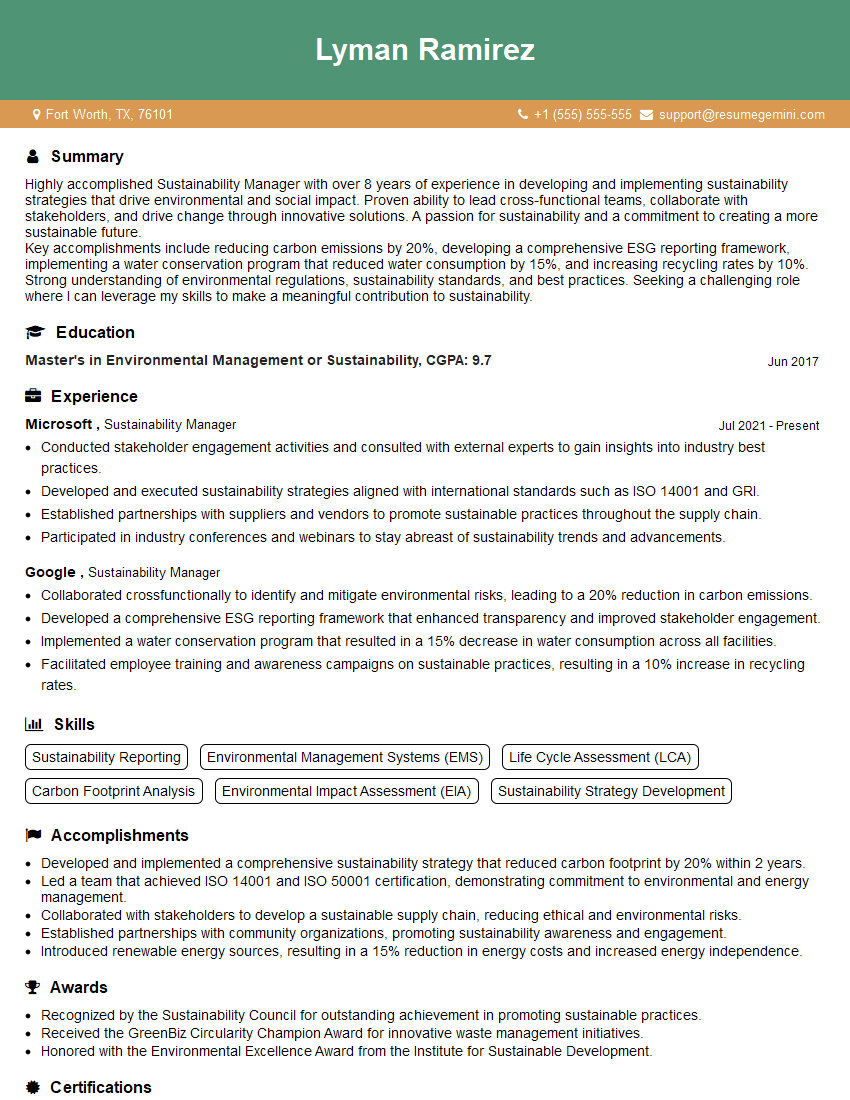
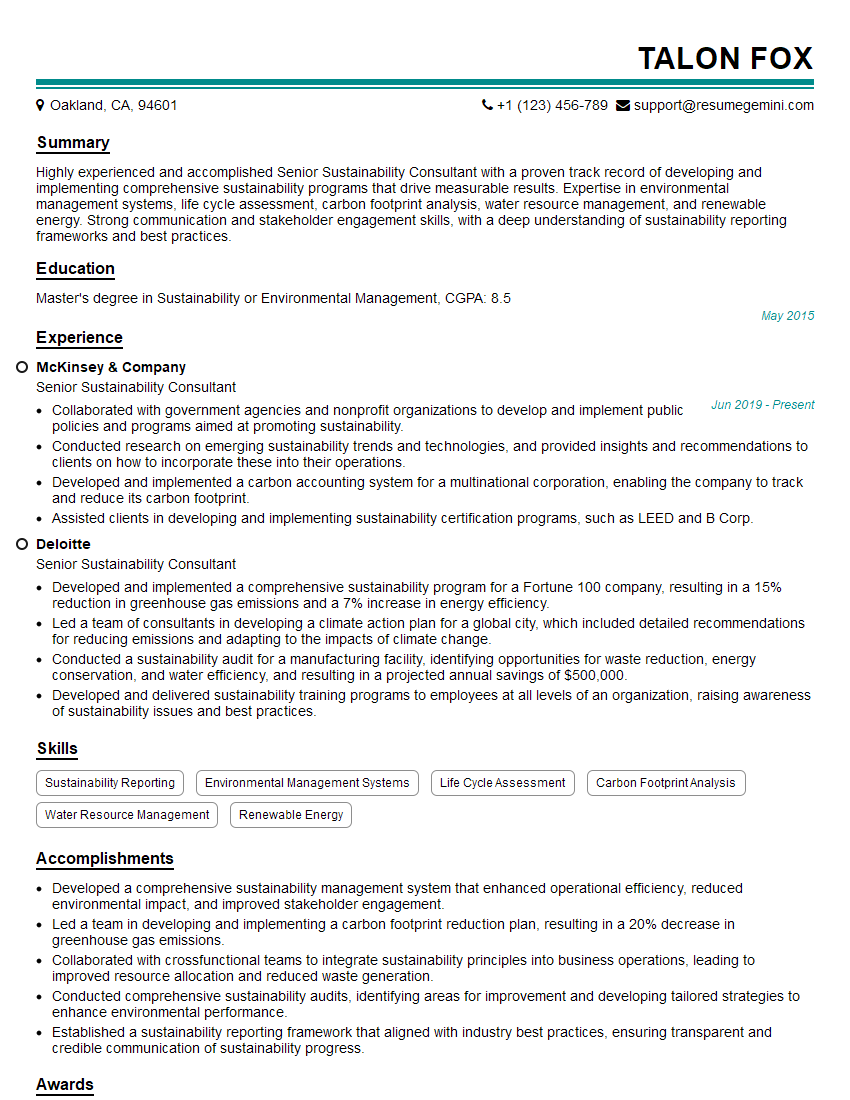
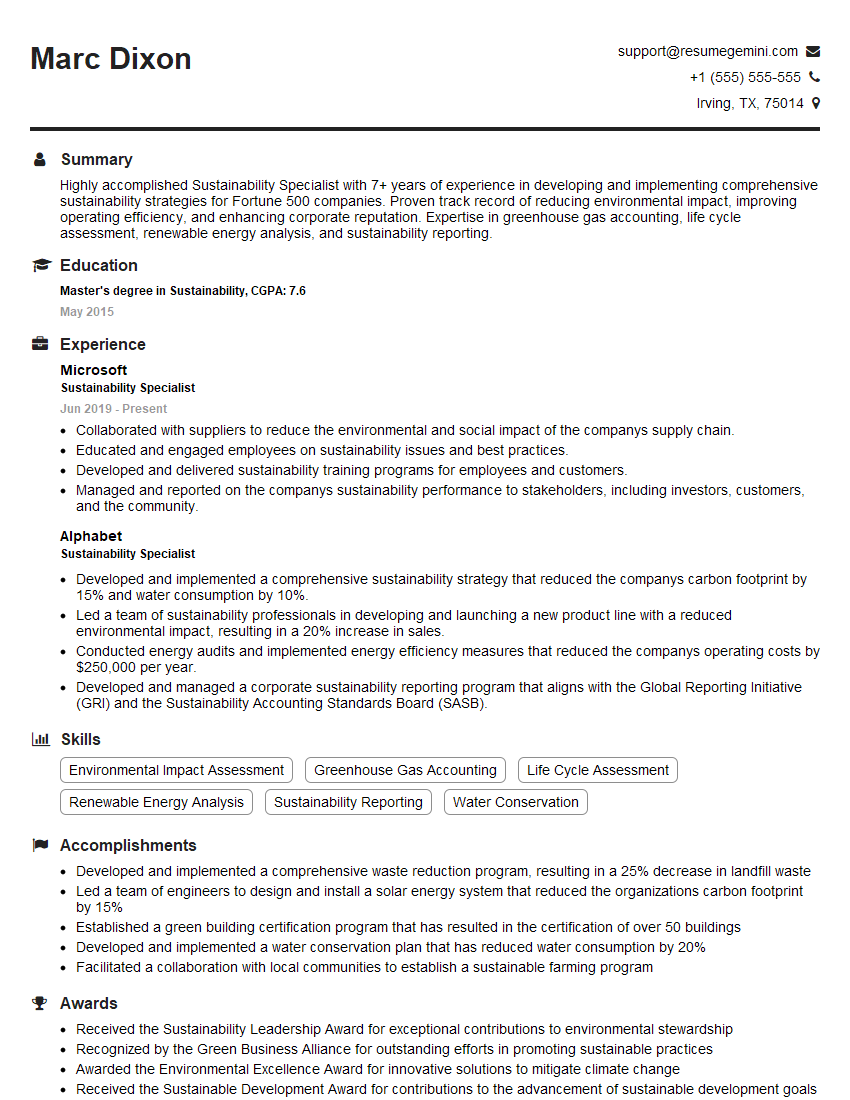
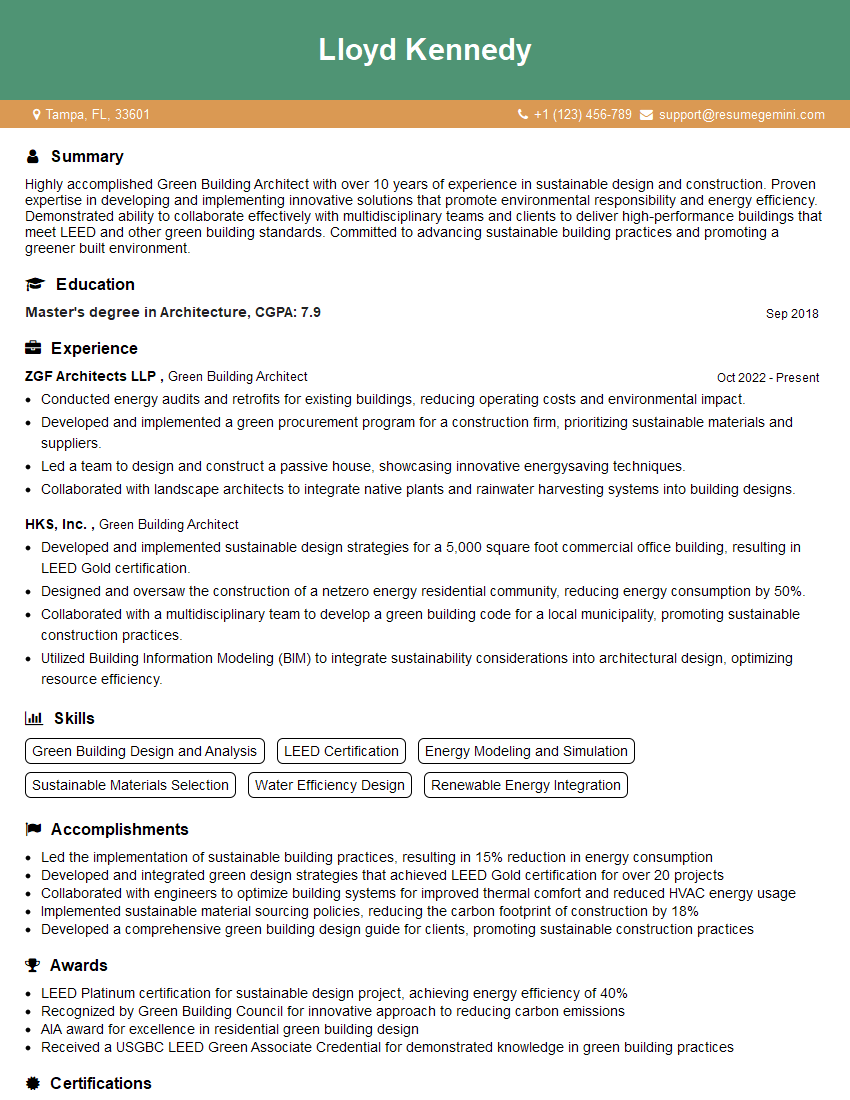
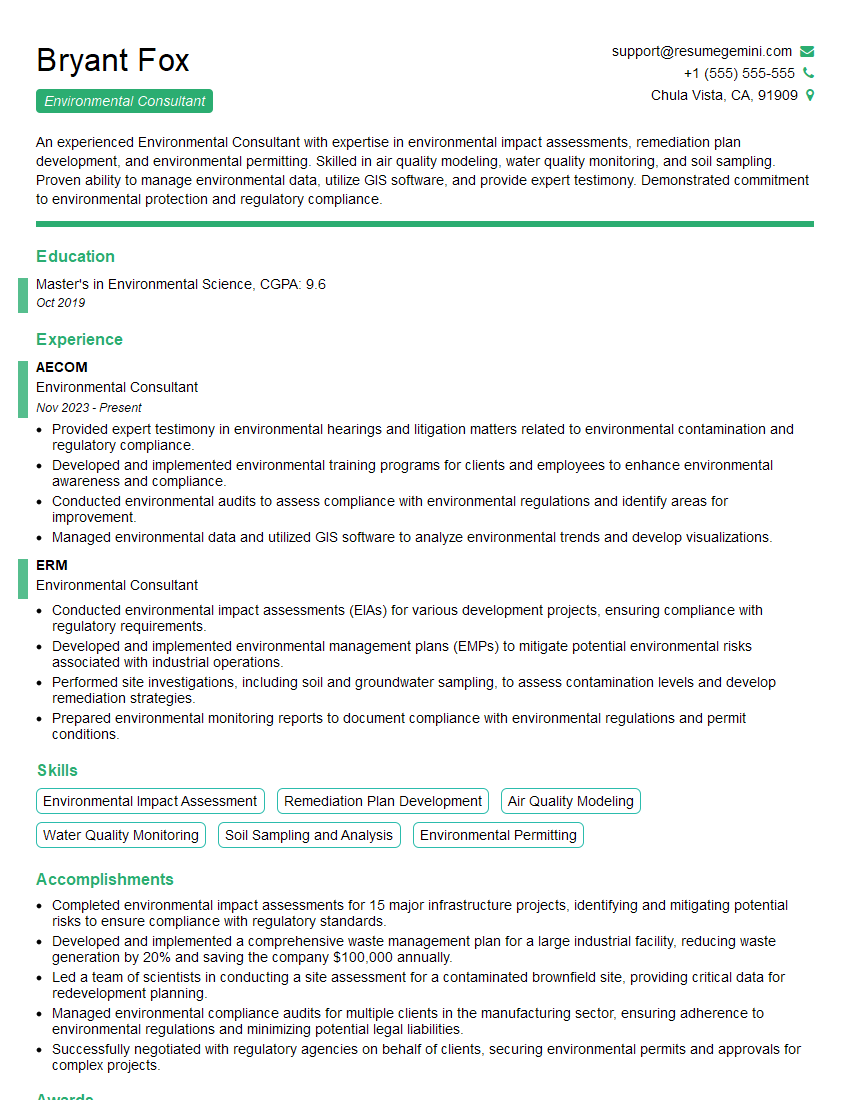
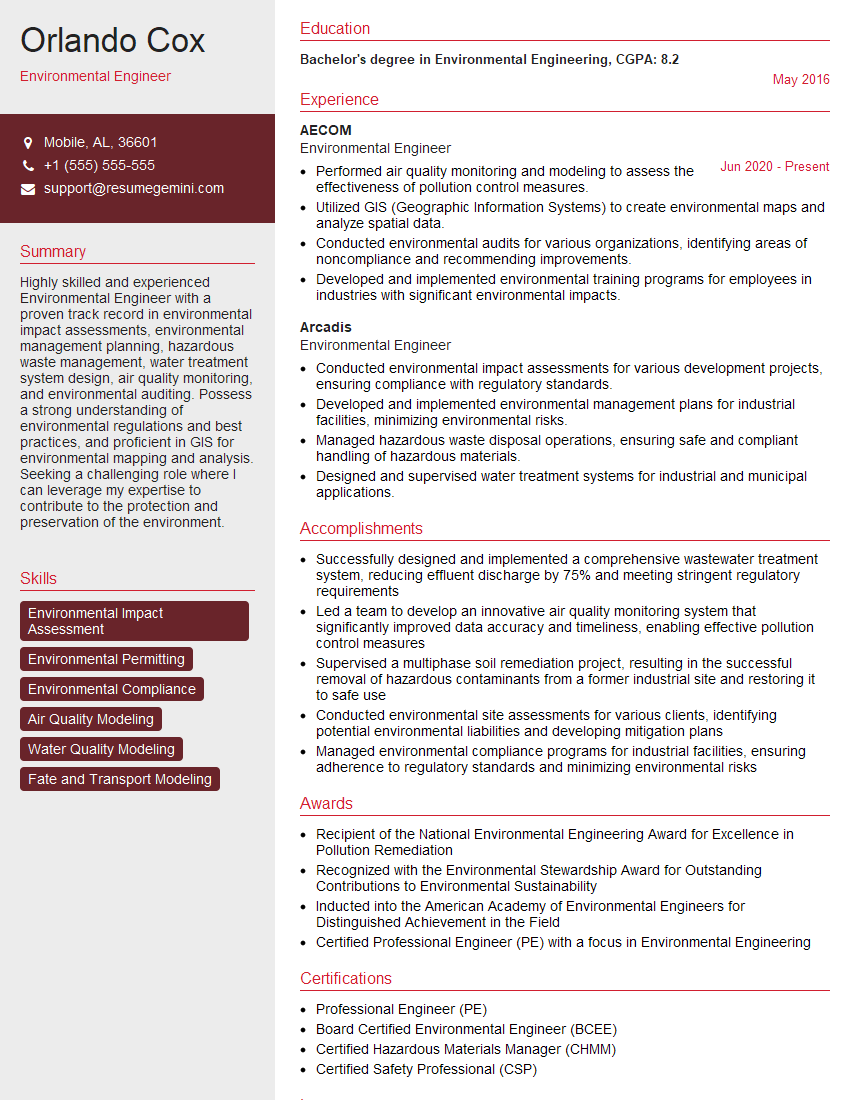
Mastering Knowledge of Green Building Standards and LEED Certification significantly enhances your career prospects in the sustainable building industry, opening doors to exciting opportunities and higher earning potential. To maximize your job search success, creating an Applicant Tracking System (ATS)-friendly resume is crucial. ResumeGemini is a trusted resource that can help you build a compelling and effective resume. We provide examples of resumes tailored to professionals with expertise in Knowledge of Green Building Standards and LEED Certification to guide you in crafting your own.

Explore more articles
Users Rating of Our Blogs
Share Your Experience
We value your feedback! Please rate our content and share your thoughts (optional).
What Readers Say About Our Blog
To the interviewgemini.com Webmaster.
Very helpful and content specific questions to help prepare me for my interview!
Thank you
To the interviewgemini.com Webmaster.
This was kind of a unique content I found around the specialized skills. Very helpful questions and good detailed answers.
Very Helpful blog, thank you Interviewgemini team.