The right preparation can turn an interview into an opportunity to showcase your expertise. This guide to Knowledge of Mental Health and Trauma interview questions is your ultimate resource, providing key insights and tips to help you ace your responses and stand out as a top candidate.
Questions Asked in Knowledge of Mental Health and Trauma Interview
Q 1. Define trauma and its impact on mental health.
Trauma is an intensely distressing or disturbing experience that overwhelms an individual’s ability to cope. It’s not simply a stressful event; it’s an event that shatters one’s sense of safety and security. The impact on mental health can be profound and wide-ranging. Trauma can lead to a variety of mental health conditions, including Post-Traumatic Stress Disorder (PTSD), anxiety disorders, depression, substance abuse, and difficulties with relationships and self-esteem. The severity of the impact depends on factors like the nature of the trauma, the individual’s resilience, and the presence of supportive resources.
For example, witnessing a violent crime might leave someone with persistent fear, flashbacks, and difficulty sleeping, while experiencing childhood neglect can lead to attachment issues and low self-worth in adulthood. The brain’s response to trauma is complex, often involving alterations in stress hormone regulation and memory processing, leading to long-term effects.
Q 2. Explain the difference between PTSD and acute stress disorder.
Both PTSD and acute stress disorder (ASD) are triggered by exposure to a traumatic event, but they differ primarily in the duration of symptoms. ASD develops within one month of the traumatic event and lasts for at least three days but less than one month. Symptoms include intrusive memories, avoidance behaviors, negative alterations in mood and cognition, and marked alterations in arousal and reactivity. If symptoms persist beyond one month, the diagnosis shifts to PTSD.
PTSD, on the other hand, involves the same set of symptoms as ASD but lasts longer than one month. It’s characterized by persistent re-experiencing of the traumatic event through flashbacks, nightmares, or intrusive thoughts. Individuals with PTSD also often exhibit avoidance behaviors, negative alterations in mood and cognition, and changes in arousal and reactivity. Imagine someone who experienced a car accident. If they experience intense fear and flashbacks for only two weeks, it might be ASD. If those symptoms continue for months or even years, it would be diagnosed as PTSD.
Q 3. Describe different trauma-informed therapeutic approaches.
Trauma-informed therapeutic approaches prioritize the understanding and recognition of the impact of trauma on individuals’ lives. They emphasize safety, trustworthiness, choice, collaboration, and empowerment. Some common approaches include:
- Eye Movement Desensitization and Reprocessing (EMDR): A technique that uses bilateral stimulation (eye movements, taps, or sounds) to help process traumatic memories.
- Cognitive Processing Therapy (CPT): Focuses on identifying and challenging maladaptive thoughts and beliefs related to the trauma.
- Narrative Therapy: Helps clients make sense of their experiences by constructing and reconstructing their narratives.
- Trauma-Focused Cognitive Behavioral Therapy (TF-CBT): Specifically designed for children and adolescents, it integrates CBT techniques with elements of play therapy and family work.
- Somatic Experiencing (SE): This body-oriented approach helps people regulate their nervous system and release trauma held in the body.
The choice of approach depends heavily on the individual’s specific needs, the nature of the trauma, and the therapist’s expertise. A trauma-informed approach always begins with building a safe and trusting therapeutic relationship.
Q 4. What are the ethical considerations when working with trauma survivors?
Ethical considerations when working with trauma survivors are paramount. Key principles include:
- Informed consent: Ensuring clients understand the therapeutic process and their rights.
- Confidentiality: Protecting the client’s privacy and maintaining the confidentiality of their disclosures.
- Boundaries: Establishing and maintaining clear professional boundaries to protect the client from further harm.
- Dual relationships: Avoiding any dual relationships (e.g., becoming friends with the client) that could compromise the therapeutic alliance.
- Self-care: Practitioners need to prioritize their own well-being to avoid burnout and vicarious trauma.
- Cultural sensitivity: Understanding and respecting the client’s cultural background and beliefs.
For example, a therapist should never pressure a client to disclose details about their trauma before they are ready. They should always respect the client’s pace and autonomy in the healing process.
Q 5. How do you assess the severity of trauma in a client?
Assessing the severity of trauma is a complex process that goes beyond simply asking about the event itself. It requires a holistic approach, considering several factors:
- Type of trauma: The nature of the event (e.g., single incident, chronic abuse).
- Severity of the event: The level of violence, threat, and harm experienced.
- Client’s subjective experience: How the client perceives and reacts to the event; this is crucial.
- Symptoms: Presence and severity of PTSD, anxiety, depression, or other mental health issues.
- Impact on functioning: The extent to which the trauma affects daily life, relationships, and work.
Assessment tools, such as the PTSD Checklist (PCL) and the Trauma Symptom Checklist (TSC), are often used, but a thorough clinical interview is essential. The goal isn’t just to label the severity but to understand the individual’s unique experience and tailor the treatment accordingly.
Q 6. Outline the stages of grief and loss.
The stages of grief and loss are not always linear and can vary significantly from person to person. The Kübler-Ross model, while not universally accepted, provides a helpful framework:
- Denial: A refusal to accept the loss.
- Anger: Frustration, rage, and resentment directed at oneself, others, or even a higher power.
- Bargaining: Attempting to negotiate with a higher power or fate to reverse the loss.
- Depression: Overwhelming sadness, hopelessness, and withdrawal.
- Acceptance: Coming to terms with the reality of the loss.
It’s important to remember that these stages are not sequential; individuals may experience them in a different order, skip stages, or revisit previous stages. The grieving process is deeply personal and can last for an extended period.
Q 7. Explain the concept of vicarious trauma and its impact on professionals.
Vicarious trauma refers to the emotional residue of exposure to the trauma of others. It’s a secondary form of trauma that occurs when professionals working with trauma survivors absorb the emotional weight of their clients’ experiences. This can manifest as symptoms similar to PTSD, such as intrusive thoughts, nightmares, emotional numbness, and anxiety. The constant exposure to intense emotional distress, even second-hand, can lead to compassion fatigue, burnout, and a decreased sense of personal efficacy.
For example, a therapist working extensively with survivors of child abuse might start experiencing nightmares or feelings of helplessness, even if they haven’t personally experienced similar trauma. It’s crucial for mental health professionals to engage in regular self-care, supervision, and peer support to mitigate the risks of vicarious trauma and maintain their own well-being. This may include setting healthy boundaries, utilizing mindfulness techniques, and seeking therapy for themselves.
Q 8. Discuss the role of self-care in preventing burnout in mental health professionals.
Self-care is paramount for mental health professionals to prevent burnout, a state of emotional, physical, and mental exhaustion caused by prolonged or excessive stress. It’s not selfish; it’s a necessity for maintaining both professional effectiveness and personal well-being. Think of it like an airplane’s oxygen mask – you need to secure yours before assisting others.
Effective self-care involves a multifaceted approach. It’s not just about taking a weekend off; it’s about consistently prioritizing activities that replenish your energy and resilience. This could include:
- Maintaining a healthy lifestyle: Regular exercise, balanced nutrition, and sufficient sleep are foundational. Even a short walk during the workday can make a significant difference.
- Setting boundaries: Learning to say ‘no’ to additional tasks or requests when you’re already overwhelmed is crucial. Protecting your time and energy is essential.
- Engaging in enjoyable activities: Making time for hobbies, spending time with loved ones, or simply relaxing with a book allows you to disconnect from work and recharge.
- Seeking supervision and support: Regular supervision with a senior colleague or therapist offers a safe space to process difficult cases and prevent emotional overload. Peer support groups provide camaraderie and understanding.
- Mindfulness and stress reduction techniques: Practices like meditation, yoga, or deep breathing can help manage stress and promote mental clarity.
For example, a therapist consistently working long hours without breaks might experience burnout, leading to decreased empathy, cynicism, and reduced effectiveness with clients. By incorporating regular self-care practices, such as daily meditation and weekly yoga sessions, they can mitigate these risks and maintain a sustainable career.
Q 9. What are some common coping mechanisms used by individuals experiencing trauma?
Coping mechanisms are strategies individuals unconsciously or consciously employ to manage overwhelming emotions or situations, especially in the aftermath of trauma. These can be adaptive or maladaptive, depending on their long-term effects.
Common adaptive coping mechanisms include:
- Seeking social support: Talking to trusted friends, family, or support groups.
- Engaging in healthy activities: Exercise, creative pursuits, or spending time in nature.
- Problem-solving: Identifying and addressing the root causes of distress.
- Mindfulness and relaxation techniques: Practicing meditation, deep breathing, or yoga.
Common maladaptive coping mechanisms, while providing temporary relief, can hinder long-term healing:
- Substance abuse: Using drugs or alcohol to numb emotions.
- Avoidance: Avoiding situations, people, or places that trigger memories of the trauma.
- Emotional numbing: Suppressing emotions to the point of detachment.
- Self-harm: Engaging in self-destructive behaviors.
For instance, someone who experienced a car accident might initially cope by relying on their support network (adaptive). However, if they later develop an alcohol dependence to avoid dealing with their anxiety (maladaptive), it highlights the need for professional intervention.
Q 10. How do you differentiate between normal stress and clinical anxiety disorders?
The key difference between normal stress and clinical anxiety disorders lies in the intensity, duration, and impact on daily functioning. Normal stress is a natural response to challenging situations, resolving once the situation is over. Clinical anxiety disorders, however, are characterized by excessive, persistent worry and fear, significantly impairing daily life.
Normal Stress:
- Intensity: Mild to moderate; proportionate to the stressor.
- Duration: Temporary; resolves once the stressor is removed.
- Impact: May cause temporary discomfort or difficulty concentrating but doesn’t significantly disrupt daily functioning.
Clinical Anxiety Disorders:
- Intensity: Severe; disproportionate to the stressor.
- Duration: Persistent; lasting weeks, months, or years.
- Impact: Significantly interferes with daily life, work, relationships, and overall well-being.
For example, feeling anxious before a presentation is normal stress. However, experiencing crippling fear and avoidance of all public speaking situations, impacting career and social life, points towards a possible clinical anxiety disorder like social anxiety disorder.
Q 11. Describe different types of anxiety disorders and their symptoms.
Several types of anxiety disorders exist, each with distinct symptoms:
- Generalized Anxiety Disorder (GAD): Excessive worry about various aspects of life, lasting at least six months. Symptoms include restlessness, fatigue, irritability, muscle tension, and sleep disturbances.
- Panic Disorder: Recurrent, unexpected panic attacks – sudden episodes of intense fear accompanied by physical symptoms like rapid heart rate, shortness of breath, chest pain, and dizziness.
- Social Anxiety Disorder (SAD): Intense fear of social situations where one might be judged or embarrassed. Symptoms include blushing, sweating, trembling, and avoidance of social interactions.
- Specific Phobias: Excessive, persistent fear of a specific object or situation (e.g., spiders, heights, flying). Symptoms include intense anxiety and avoidance of the feared object or situation.
- Obsessive-Compulsive Disorder (OCD): Characterized by recurrent, intrusive thoughts (obsessions) and repetitive behaviors or mental acts (compulsions) performed to reduce anxiety.
It’s important to note that these disorders often co-occur. For instance, someone with social anxiety might also experience panic attacks in social settings.
Q 12. Explain the biological basis of depression.
The biological basis of depression is complex and multifactorial, involving interactions between genetic, neurochemical, and neuroendocrine factors. It’s not simply a matter of a single chemical imbalance, but rather a dysregulation of several brain systems.
Key biological factors include:
- Neurotransmitters: Imbalances in neurotransmitters like serotonin, dopamine, and norepinephrine are implicated. These chemicals play crucial roles in mood regulation, motivation, and reward processing.
- Brain Structure and Function: Studies show differences in brain regions involved in emotion regulation (e.g., amygdala, hippocampus) in individuals with depression.
- Genetics: Family history of depression increases the risk. Specific genes have been identified that contribute to vulnerability.
- Neuroendocrine System: The hypothalamic-pituitary-adrenal (HPA) axis, involved in stress response, often shows dysregulation in depression.
For example, a decrease in serotonin levels is often associated with depressive symptoms like sadness, apathy, and sleep disturbances. However, it’s crucial to remember that this is just one piece of a complex puzzle; environmental and psychosocial factors also play significant roles.
Q 13. What are evidence-based treatments for depression?
Evidence-based treatments for depression are generally multimodal, combining different approaches for optimal results. Key treatments include:
- Psychotherapy: Various therapeutic approaches, including cognitive behavioral therapy (CBT), interpersonal therapy (IPT), and psychodynamic therapy, help individuals identify and change negative thought patterns and behaviors.
- Medication: Antidepressants, such as selective serotonin reuptake inhibitors (SSRIs), serotonin-norepinephrine reuptake inhibitors (SNRIs), and tricyclic antidepressants (TCAs), are commonly prescribed to adjust neurotransmitter levels.
- Brain Stimulation Therapies: For severe cases unresponsive to medication and psychotherapy, options like transcranial magnetic stimulation (TMS) and electroconvulsive therapy (ECT) may be considered.
- Lifestyle Interventions: Regular exercise, a healthy diet, adequate sleep, and stress reduction techniques are also crucial components of effective treatment.
The choice of treatment depends on the severity of depression, individual preferences, and the presence of other co-occurring conditions. A collaborative approach between the patient and the mental health professional is crucial in tailoring an effective treatment plan.
Q 14. How do you assess suicidal ideation in a client?
Assessing suicidal ideation requires a sensitive and thorough approach. It’s essential to create a safe and non-judgmental environment where the client feels comfortable disclosing their thoughts and feelings.
The assessment involves:
- Directly asking about suicidal thoughts: Using open-ended questions like ‘Have you been having thoughts of harming yourself?’ or ‘Have you considered suicide?’
- Assessing the lethality of the plan: If suicidal ideation is present, explore the specifics of the plan, including the method, access to means, and level of detail. A detailed plan indicates higher risk.
- Evaluating the level of intent: Determine how strongly the client is considering suicide. A passive ideation (e.g., ‘I wish I were dead’) is different from an active plan with intent (e.g., ‘I’m going to end my life tomorrow’).
- Identifying protective factors: Explore factors that might prevent the client from acting on their suicidal thoughts, such as strong relationships, responsibilities, or hope for the future.
- Assessing risk factors: Identify contributing factors like depression, anxiety, substance abuse, trauma history, isolation, and recent losses.
If there is a high risk of suicide, immediate steps are necessary. This might involve hospitalization, contacting emergency services, or developing a safety plan with the client to ensure their immediate safety. Remember, it’s always better to err on the side of caution when it comes to suicidal ideation.
Q 15. Describe the steps involved in developing a treatment plan for a client with trauma.
Developing a treatment plan for a trauma survivor is a collaborative and individualized process. It prioritizes safety, stability, and empowerment. The steps generally include:
- Building Rapport and Trust: This foundational step involves creating a safe and non-judgmental therapeutic relationship. It’s crucial to build trust before exploring potentially triggering memories.
- Comprehensive Assessment: This involves a thorough evaluation of the client’s history, trauma exposure, current symptoms (e.g., PTSD, anxiety, depression), coping mechanisms, social support, and personal strengths. Assessments may include clinical interviews, standardized questionnaires (like the PCL-5 for PTSD), and collateral information if appropriate.
- Diagnosis and Formulation: Based on the assessment, a diagnosis is made, outlining the specific mental health challenges. A formulation helps understand the connections between the trauma, current symptoms, and the client’s life experiences.
- Treatment Goal Setting: Collaborative goal setting with the client is crucial. Goals should be SMART – Specific, Measurable, Achievable, Relevant, and Time-bound. For instance, a goal might be to reduce the frequency of nightmares by 50% within three months.
- Treatment Modality Selection: This involves choosing the most appropriate therapeutic techniques. Common modalities for trauma include Trauma-Focused Cognitive Behavioral Therapy (TF-CBT), Eye Movement Desensitization and Reprocessing (EMDR), and Narrative Exposure Therapy (NET). The choice depends on the client’s needs, preferences, and the severity of symptoms.
- Implementation and Monitoring: The treatment plan is implemented, and progress is regularly monitored through sessions and outcome measures. Regular adjustments are made based on the client’s response.
- Termination and Relapse Prevention: The therapist and client collaboratively determine when treatment is complete. A relapse prevention plan is developed to help maintain gains and cope with future challenges.
Example: A client experiencing PTSD after a car accident might begin with grounding techniques to manage anxiety, progress to processing traumatic memories using EMDR, and finally focus on developing coping skills for stress management and relapse prevention.
Career Expert Tips:
- Ace those interviews! Prepare effectively by reviewing the Top 50 Most Common Interview Questions on ResumeGemini.
- Navigate your job search with confidence! Explore a wide range of Career Tips on ResumeGemini. Learn about common challenges and recommendations to overcome them.
- Craft the perfect resume! Master the Art of Resume Writing with ResumeGemini’s guide. Showcase your unique qualifications and achievements effectively.
- Don’t miss out on holiday savings! Build your dream resume with ResumeGemini’s ATS optimized templates.
Q 16. How do you manage a client experiencing a panic attack?
Managing a panic attack requires a calm and supportive approach. The focus is on helping the client feel safe and regain control. Steps include:
- Validate the Client’s Experience: Reassure the client that their feelings are real and understandable.
- Safety and Grounding: Move the client to a quiet and safe space. Use grounding techniques such as deep breathing exercises, focusing on physical sensations (5 things they can see, 4 things they can touch, etc.), or engaging their senses.
- Encourage Slow Breathing: Guide the client to slow their breathing rate, perhaps counting to four on inhalation and four on exhalation. This helps regulate the nervous system.
- Help Identify Triggers: Once the panic attack subsides, gently explore potential triggers to aid in future prevention strategies.
- Self-Soothing Techniques: Teach and encourage the use of self-soothing techniques, such as listening to calming music, using aromatherapy, or engaging in a calming activity.
- Referral if Necessary: If panic attacks are frequent or severe, refer the client to a psychiatrist for a medication evaluation.
Example: During a panic attack, I might say, “I’m here with you, and we’ll get through this. Let’s focus on your breathing. Try taking slow, deep breaths.”
Q 17. What are the signs and symptoms of substance abuse?
Substance abuse involves the continued use of a substance despite negative consequences. Signs and symptoms can vary depending on the substance, but some common indicators include:
- Changes in Behavior: Increased irritability, mood swings, secrecy, neglecting responsibilities, and changes in social circles.
- Physical Symptoms: Changes in sleep patterns, weight fluctuations, tremors, impaired coordination, and physical health problems related to substance use.
- Tolerance and Withdrawal: Needing more of the substance to achieve the same effect (tolerance) and experiencing negative physical and psychological symptoms when stopping use (withdrawal).
- Continued Use Despite Negative Consequences: Continuing to use substances despite relationship problems, job loss, financial difficulties, or legal issues.
- Cravings and Urges: Intense desires or urges to use the substance.
- Neglect of Responsibilities: Failing to fulfill obligations at work, school, or home due to substance use.
Example: A person who consistently misses work due to hangovers, neglects their children, and exhibits erratic behavior may be exhibiting signs of alcohol abuse.
Q 18. Discuss different models of addiction treatment.
Addiction treatment employs various models, each with its strengths and weaknesses. Some prominent models include:
- The 12-Step Model: This model emphasizes spiritual growth, peer support, and a focus on admitting powerlessness over addiction. Examples include Alcoholics Anonymous (AA) and Narcotics Anonymous (NA).
- Cognitive Behavioral Therapy (CBT): CBT focuses on identifying and changing negative thought patterns and behaviors that contribute to addiction. It equips individuals with coping mechanisms to manage cravings and triggers.
- Motivational Interviewing (MI): MI is a collaborative approach that helps individuals explore their ambivalence towards change and strengthen their intrinsic motivation for recovery.
- Contingency Management: This involves using rewards and consequences to reinforce positive behaviors, such as abstinence, and discourage substance use.
- Medication-Assisted Treatment (MAT): MAT combines medications with behavioral therapies to manage withdrawal symptoms, reduce cravings, and prevent relapse. This is often used for opioid addiction and alcohol dependence.
- Family Systems Therapy: This approach recognizes that addiction impacts the entire family system. It helps families understand the dynamics of addiction and develop healthier communication and coping strategies.
Many treatment programs integrate several of these models for a comprehensive and personalized approach.
Q 19. Explain the importance of informed consent in mental health treatment.
Informed consent is fundamental in mental health treatment. It ensures that clients have the autonomy to make decisions about their care based on a clear understanding of the treatment process. It involves:
- Disclosure: The therapist must clearly explain the nature of the treatment, its potential benefits and risks, alternative treatments, and the client’s right to refuse treatment at any point.
- Comprehension: The therapist assesses the client’s understanding of the information provided, addressing any questions or concerns the client may have. The therapist uses language the client can easily understand.
- Voluntariness: The client must feel free to consent or decline treatment without coercion or pressure.
- Capacity: The client must possess the mental capacity to understand the information and make a reasoned decision. If capacity is questionable, additional steps may be necessary.
Example: Before beginning therapy, the therapist should explain the type of therapy, the frequency of sessions, the therapist’s fees, and the client’s right to end therapy at any time. They should also discuss confidentiality limitations, such as mandated reporting of child abuse.
Q 20. How do you handle confidentiality breaches?
Confidentiality breaches are serious ethical violations. My response would depend on the nature of the breach. Steps generally include:
- Assess the Severity: Determine the extent of the breach, the information disclosed, and the potential consequences for the client.
- Notify the Client: Inform the client about the breach as soon as possible, explaining what happened, what information was disclosed, and the steps being taken to mitigate any harm.
- Internal Review: Conduct an internal review to determine how the breach occurred and implement measures to prevent future breaches.
- Report to Regulatory Bodies: If mandated, report the breach to relevant regulatory bodies, such as licensing boards or the appropriate authorities.
- Provide Support: Offer support to the client to address any concerns or distress resulting from the breach.
- Documentation: Maintain thorough documentation of the breach, the actions taken, and the outcomes.
Example: If accidentally disclosing a client’s name in a public setting, I would immediately apologize to the client, explain what happened, and discuss steps to prevent similar occurrences.
Q 21. Describe your experience working with diverse populations.
I have extensive experience working with diverse populations, including individuals from various racial, ethnic, socioeconomic, and cultural backgrounds, as well as those with different sexual orientations and gender identities. I recognize that cultural factors significantly influence mental health experiences and treatment responses. My approach emphasizes:
- Cultural Humility: I approach each client with a spirit of openness, acknowledging my own cultural biases and limitations, and actively seeking to understand the client’s unique cultural perspective.
- Culturally Adapted Interventions: I tailor my therapeutic interventions to be respectful of and relevant to the client’s cultural background and values. This may include incorporating culturally relevant metaphors, adjusting communication styles, and adapting therapeutic techniques.
- Collaboration and Consultation: I collaborate with community resources and consult with experts when needed to ensure that I am providing culturally sensitive and effective care.
- Addressing Systemic Issues: I recognize the impact of systemic oppression and discrimination on mental health and advocate for social justice initiatives to promote mental well-being across diverse communities.
Example: Working with a client from a collectivist culture, I would take time to understand the importance of family involvement in decision-making and incorporate family therapy if appropriate and desired by the client.
Q 22. What is your approach to working with clients with comorbid conditions?
My approach to working with clients presenting comorbid conditions—meaning they have more than one diagnosis, such as depression and anxiety, or PTSD and substance abuse—is holistic and integrative. It’s crucial to avoid viewing these conditions in isolation. Instead, I focus on understanding how each condition interacts with and influences the others. This involves a thorough assessment to identify the primary concerns, the severity of each condition, and the interplay between them.
For example, if a client presents with both depression and an eating disorder, I wouldn’t treat them as separate issues. Instead, I’d explore how the depression might contribute to the eating disorder (e.g., using food to cope with emotional pain) and vice versa. Treatment would involve addressing both conditions concurrently, using a combination of therapeutic techniques tailored to each. This might include cognitive behavioral therapy (CBT) to address negative thought patterns contributing to both depression and the eating disorder, alongside dialectical behavior therapy (DBT) skills to manage emotional regulation and distress tolerance.
Collaboration with other professionals is often vital. If medication is needed, I work closely with the client’s psychiatrist or physician to coordinate care. A strong therapeutic alliance built on trust and collaboration is fundamental to success in these complex cases. Regular monitoring and adjustments to the treatment plan based on the client’s progress are essential components of this approach.
Q 23. How do you handle resistance from a client during therapy?
Resistance in therapy is a normal part of the process, often reflecting a client’s fear of change, discomfort with vulnerability, or mistrust. Instead of seeing resistance as an obstacle, I view it as an opportunity to understand the client’s concerns and build a stronger therapeutic relationship.
My approach involves first validating the client’s feelings. I might say something like, “I understand that this is difficult, and it’s perfectly okay to feel hesitant about exploring these issues.” This helps build rapport and reduces defensiveness.
Then, I collaboratively explore the reasons for the resistance. We might delve into the client’s past experiences, their fears about therapy’s outcome, or their perceived lack of control. Open-ended questions such as “What is it about this that feels challenging right now?” or “Can you tell me more about why you feel this way?” help uncover underlying anxieties.
Finally, I adjust my approach accordingly. If the pace is too fast, we slow down. If the client needs more information or reassurance, I provide it. Sometimes, exploring alternative therapeutic techniques that might be a better fit for the client’s style is needed. The goal is to create a space where the client feels safe and empowered to participate in their own healing process.
Q 24. Explain the concept of transference and countertransference.
Transference and countertransference are crucial concepts in psychodynamic therapy, describing the unconscious redirection of feelings from one person to another, particularly within the therapeutic relationship.
Transference refers to the client unconsciously projecting feelings, beliefs, and behaviors from past relationships, particularly significant early relationships, onto the therapist. For example, a client who had a cold and distant parent might unconsciously perceive their therapist as similarly rejecting, even if the therapist is warm and empathetic. Understanding transference helps the therapist gain insight into the client’s relational patterns and address underlying issues.
Countertransference is the therapist’s unconscious emotional reaction to the client. This can manifest in various ways, including feelings of irritation, excessive empathy, or even attraction. It’s important for therapists to be aware of their own countertransference reactions because these can interfere with objective clinical judgment. Regular supervision and self-reflection are essential for managing countertransference effectively. Recognizing these dynamics allows for a more nuanced understanding of the therapeutic relationship, and helps avoid projecting the therapist’s own issues onto the client.
Q 25. How do you utilize diagnostic tools in your practice?
Diagnostic tools are used cautiously and ethically in my practice. They are not the sole basis for treatment planning but are an integral part of a comprehensive assessment process. I primarily use standardized clinical interviews, such as the Structured Clinical Interview for DSM-5 (SCID-5), to guide my diagnosis. These structured interviews help ensure reliability and consistency in diagnosis. I also consider information from other sources, including the client’s self-report, collateral information from family members (with the client’s permission), and observations of their behavior during sessions.
It’s crucial to remember that diagnostic labels are descriptions of symptoms, not explanations of a person’s inherent worth or identity. The diagnostic process is collaborative, involving open communication with the client about my observations and their perspectives. Ultimately, the diagnostic information guides the selection of appropriate treatment strategies, but the focus remains on the individual’s unique experience and goals for therapy.
Q 26. Describe your crisis intervention skills and experience.
My crisis intervention skills are grounded in a framework that prioritizes safety, stabilization, and support. I’ve received extensive training in crisis management techniques and have significant experience working with individuals experiencing acute distress. My approach involves a careful assessment of the client’s immediate needs and risks, including suicide risk, self-harm, and potential harm to others.
I use a combination of techniques, including active listening, validation of feelings, and collaborative problem-solving. In cases of imminent danger, I prioritize immediate safety by contacting emergency services or collaborating with mobile crisis teams. For less immediate crises, I work with the client to develop coping strategies, identify support systems, and develop a safety plan. This plan outlines specific steps the client can take if they begin to feel overwhelmed or experience crisis symptoms. Regular follow-up is crucial to monitor progress and provide ongoing support.
For example, I’ve worked with clients experiencing severe anxiety attacks and panic disorders, helping them develop grounding techniques and gradually expose themselves to anxiety-provoking situations. I’ve also helped clients navigate the aftermath of traumatic events by providing emotional support and working to process their experiences in a safe and supportive therapeutic environment. My approach is tailored to the individual’s specific needs and circumstances.
Q 27. What is your experience with electronic health records (EHRs)?
I have extensive experience using electronic health records (EHRs) in my practice. Proficiency in EHR systems is crucial for maintaining accurate and confidential client records, billing, and coordinating care. I’m familiar with various EHR platforms, including [mention specific EHR systems if comfortable sharing, otherwise omit]. I understand HIPAA regulations and maintain strict adherence to privacy protocols when using electronic systems to store and transmit client information. I regularly update my skills and knowledge regarding EHR best practices to ensure compliance and efficient record keeping.
The benefits of EHRs include improved efficiency in scheduling appointments, managing billing, and generating reports. The ability to access client records quickly and securely during sessions facilitates comprehensive care. Furthermore, EHR systems often integrate with other health care providers, allowing for better coordination of care and communication when necessary.
Q 28. How do you ensure cultural competency in your practice?
Cultural competency is paramount in my practice. I recognize that mental health experiences are significantly shaped by cultural factors, including ethnicity, religion, socioeconomic status, and sexual orientation. To provide culturally sensitive care, I actively engage in ongoing self-reflection to identify and address my own biases and assumptions. This involves continuous learning about diverse cultural backgrounds, beliefs, and practices.
My approach involves seeking to understand the client’s unique cultural context and how it impacts their experiences and perspectives. I ask open-ended questions about their cultural identity, family values, and beliefs related to mental health. I tailor my treatment approach to be consistent with the client’s values and preferences, avoiding assumptions based on stereotypes. I also make sure to be aware of and avoid any language or therapeutic techniques that might be culturally insensitive or stigmatizing.
When necessary, I seek consultation from colleagues or cultural specialists to ensure I am providing culturally appropriate care, especially in cases where I lack sufficient knowledge about a particular culture. Building a therapeutic alliance based on mutual respect, understanding, and trust is central to effectively addressing the client’s unique needs within their cultural context.
Key Topics to Learn for Knowledge of Mental Health and Trauma Interview
Preparing for an interview focused on mental health and trauma requires a comprehensive understanding of both theoretical frameworks and practical applications. This section outlines key areas to focus your studies.
- Trauma-Informed Care: Understand the core principles of trauma-informed care, including safety, trustworthiness, choice, collaboration, and empowerment. Consider how these principles are applied in various settings.
- Diagnostic Criteria: Familiarize yourself with the diagnostic criteria for common mental health disorders, particularly those related to trauma, such as PTSD, anxiety disorders, and depression. Practice applying these criteria to case scenarios.
- Therapeutic Modalities: Explore various therapeutic approaches used to treat trauma and related mental health conditions, such as Cognitive Behavioral Therapy (CBT), Eye Movement Desensitization and Reprocessing (EMDR), and psychodynamic therapy. Understand their strengths and limitations.
- Ethical Considerations: Review ethical guidelines and best practices related to working with individuals who have experienced trauma. This includes confidentiality, informed consent, and boundaries.
- Crisis Intervention: Understand strategies for assessing and managing individuals in crisis situations related to mental health and trauma. This might involve de-escalation techniques and referral procedures.
- Cultural Competence: Recognize the impact of cultural factors on mental health and trauma. Develop an understanding of culturally sensitive approaches to assessment and treatment.
- Assessment and Treatment Planning: Practice developing comprehensive assessment plans and individualized treatment plans based on a client’s unique needs and presenting issues.
- Case Management and Collaboration: Understand the importance of collaboration with other professionals, such as psychiatrists, social workers, and family members, in providing holistic care.
Next Steps
Mastering knowledge of mental health and trauma is crucial for career advancement in this field. A strong understanding of these concepts demonstrates your competence and commitment to providing high-quality care. To maximize your job prospects, crafting a compelling and ATS-friendly resume is essential. ResumeGemini can help you build a professional resume that highlights your skills and experience effectively. We offer examples of resumes tailored specifically to roles in Knowledge of Mental Health and Trauma to guide you. Use ResumeGemini to showcase your expertise and secure your dream position.
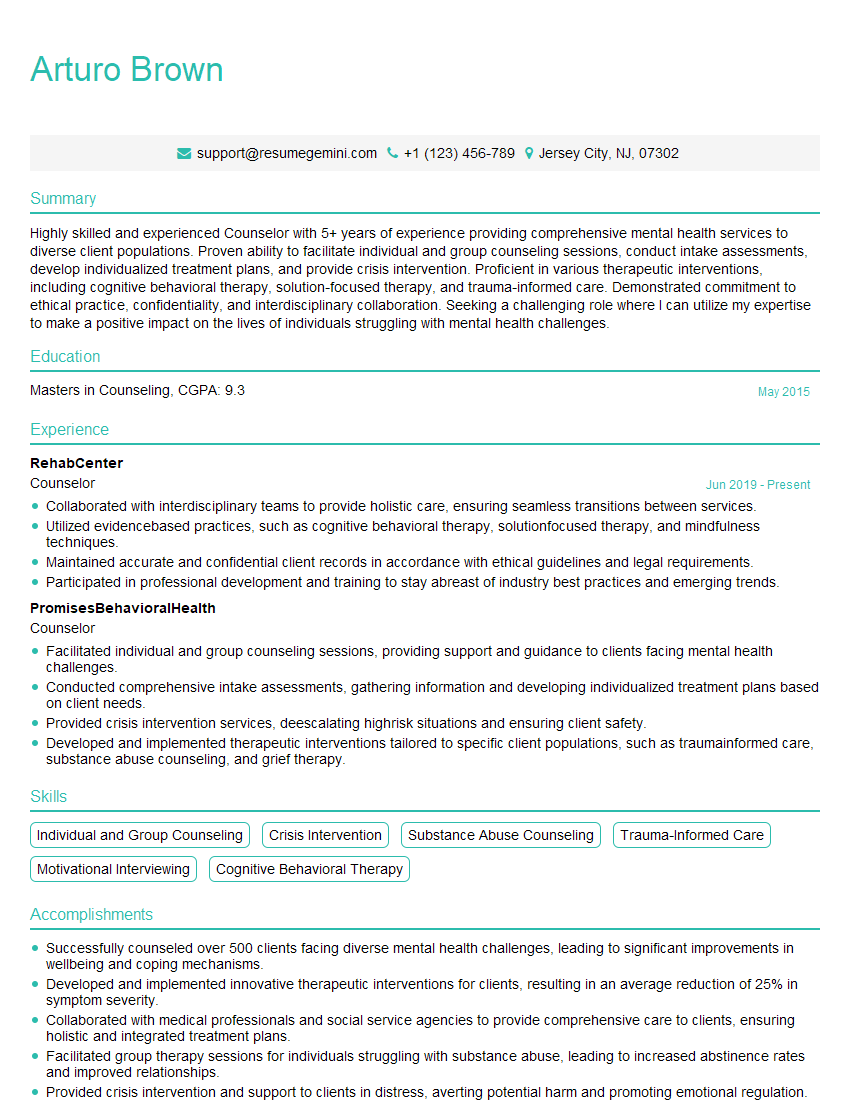
Counselor Resume Sample
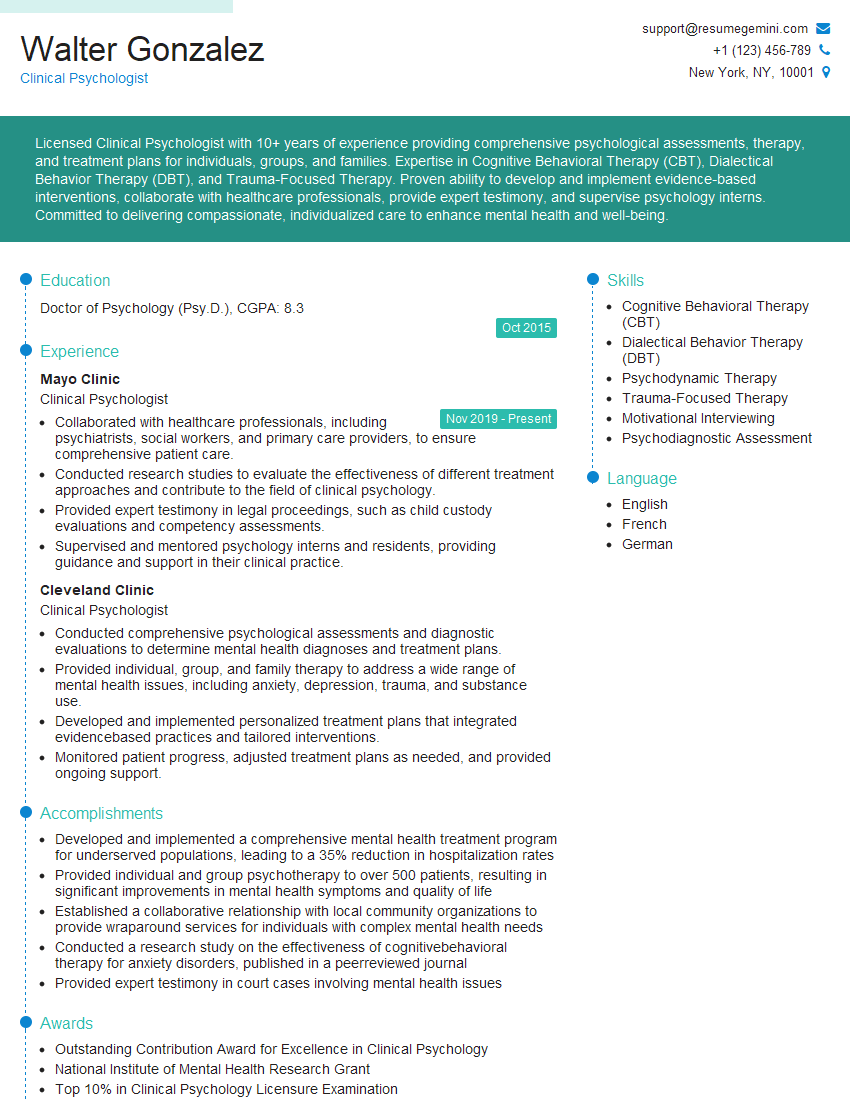
Clinical Psychologist Resume Sample
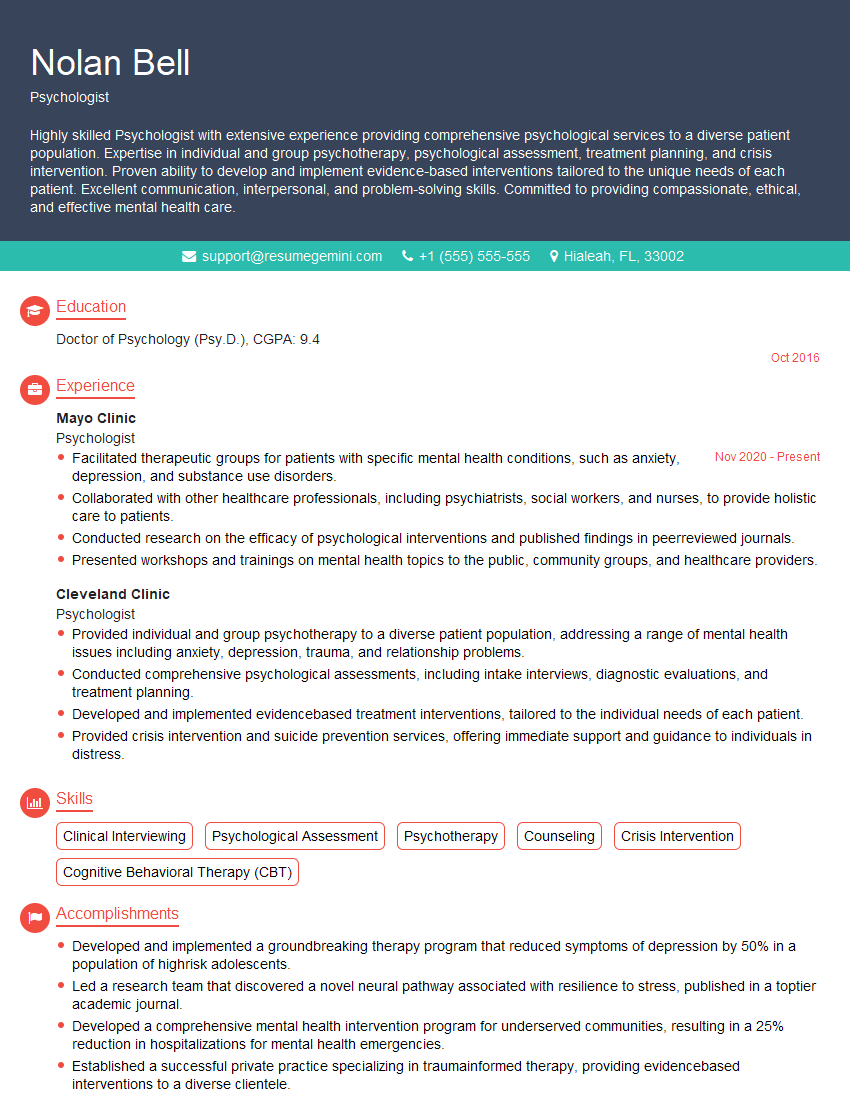
Psychologist Resume Sample
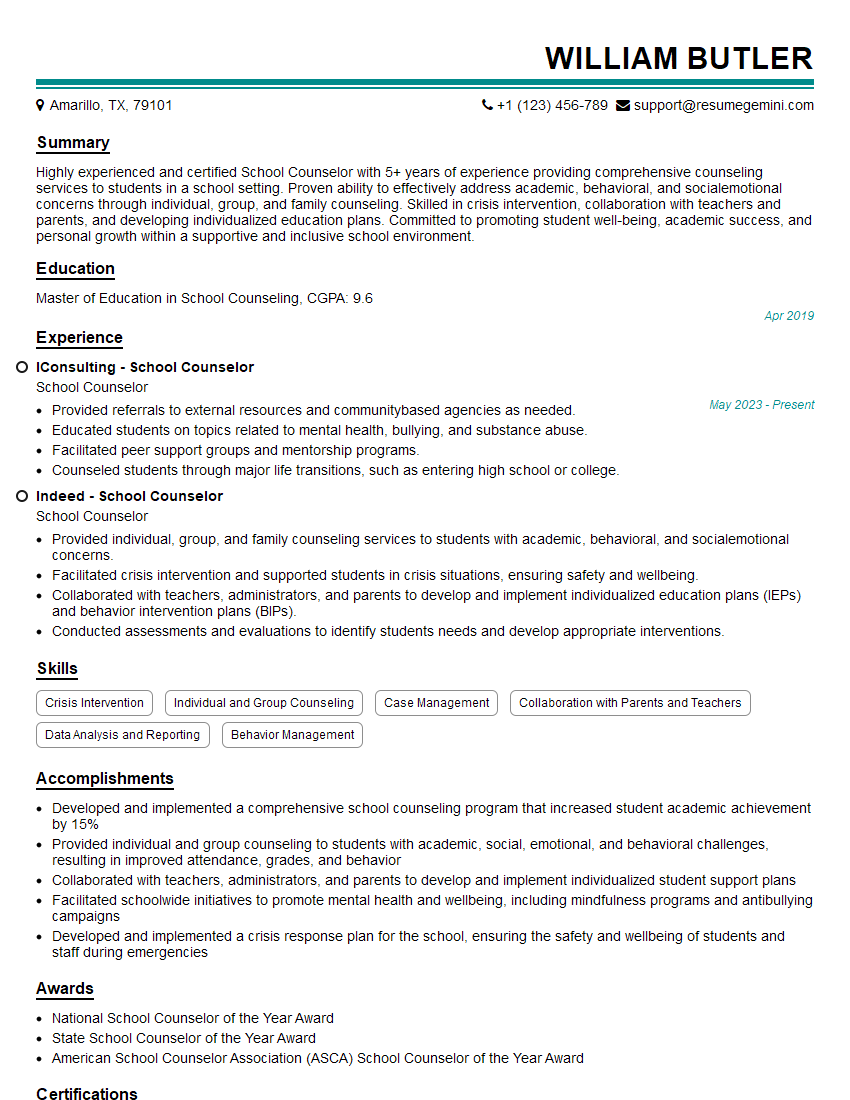
School Counselor Resume Sample
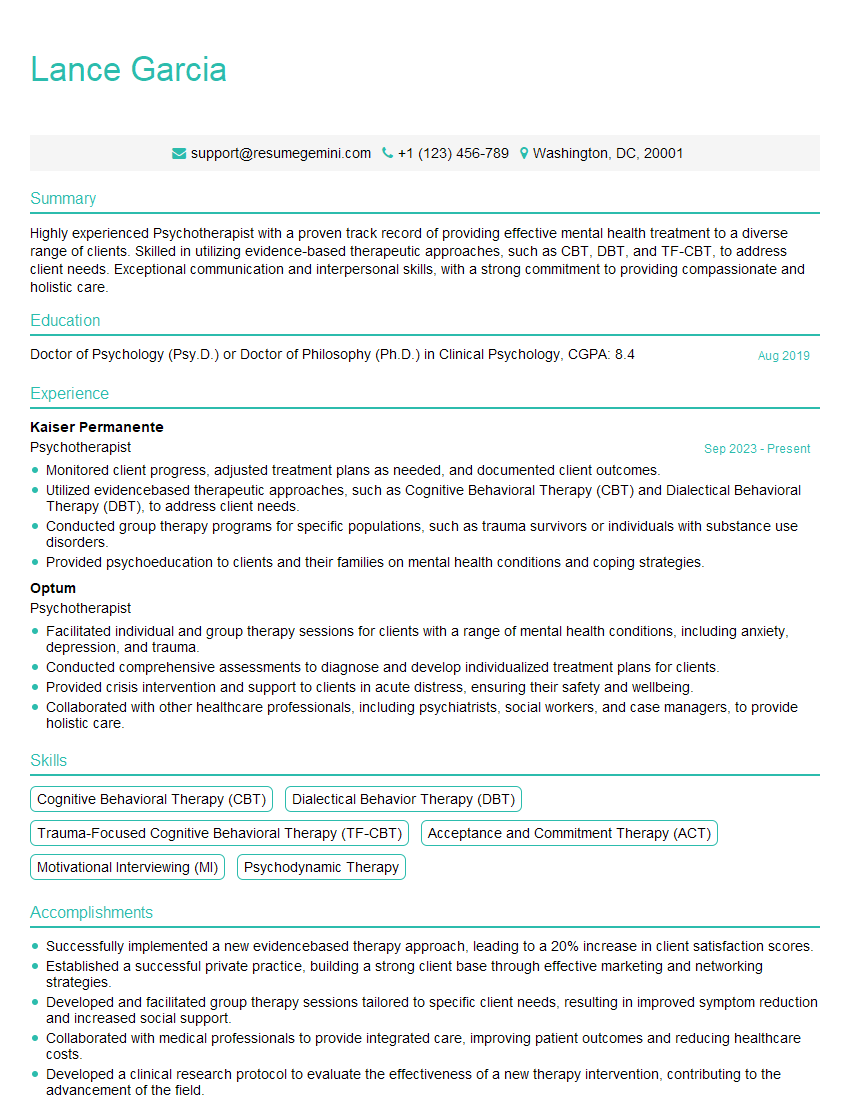
Psychotherapist Resume Sample
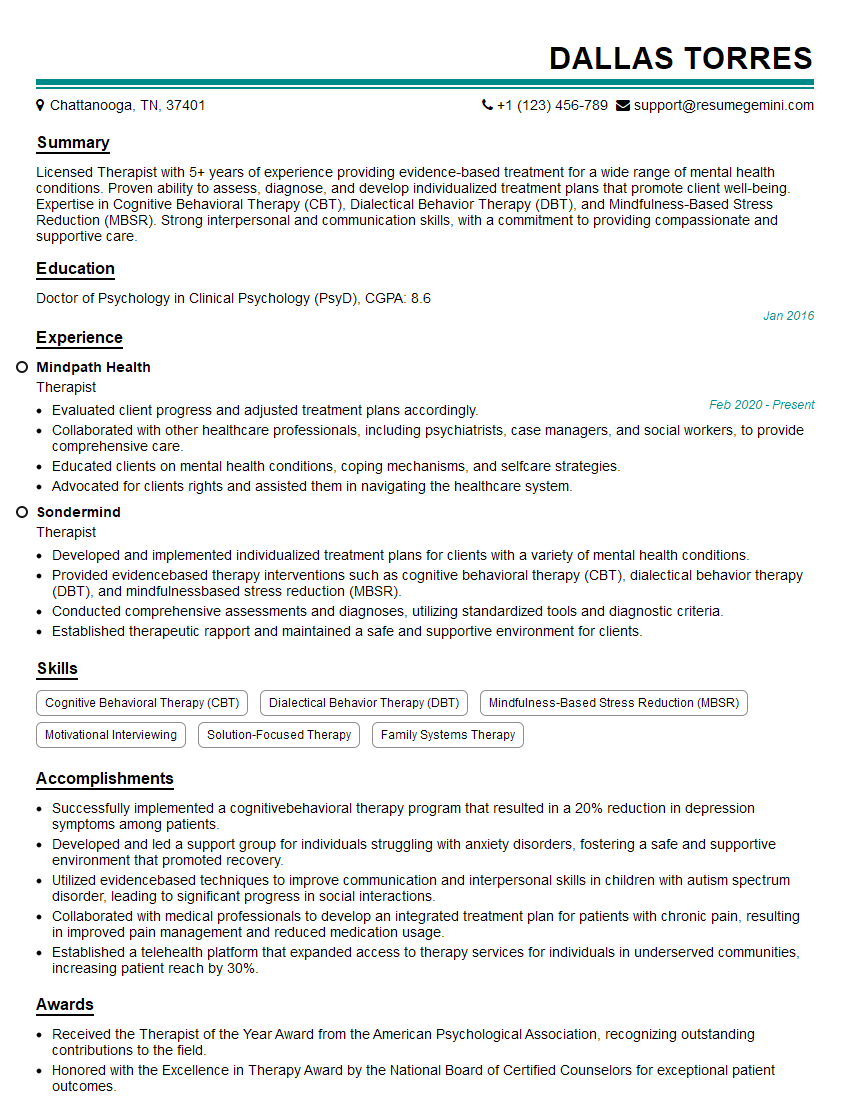
Therapist Resume Sample

Mental Health Counselor Resume Sample
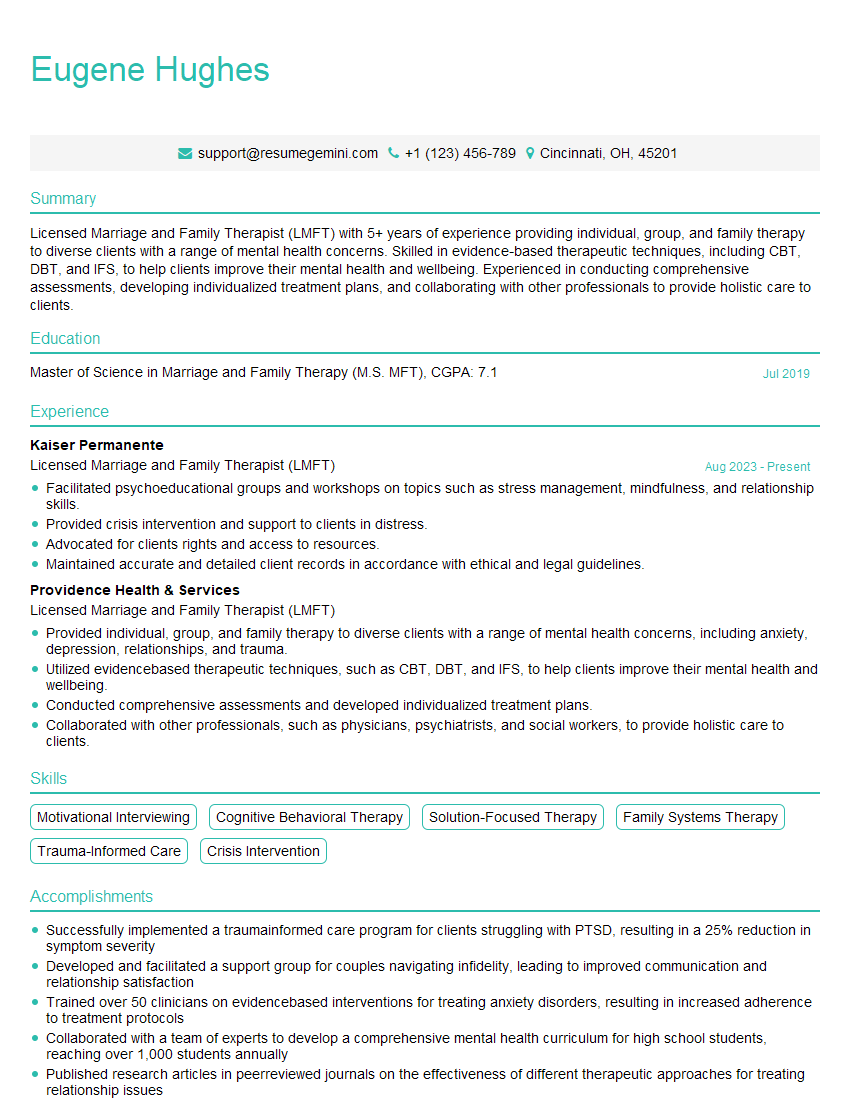
Licensed Marriage and Family Therapist (LMFT) Resume Sample

Rehabilitation Counselor Resume Sample
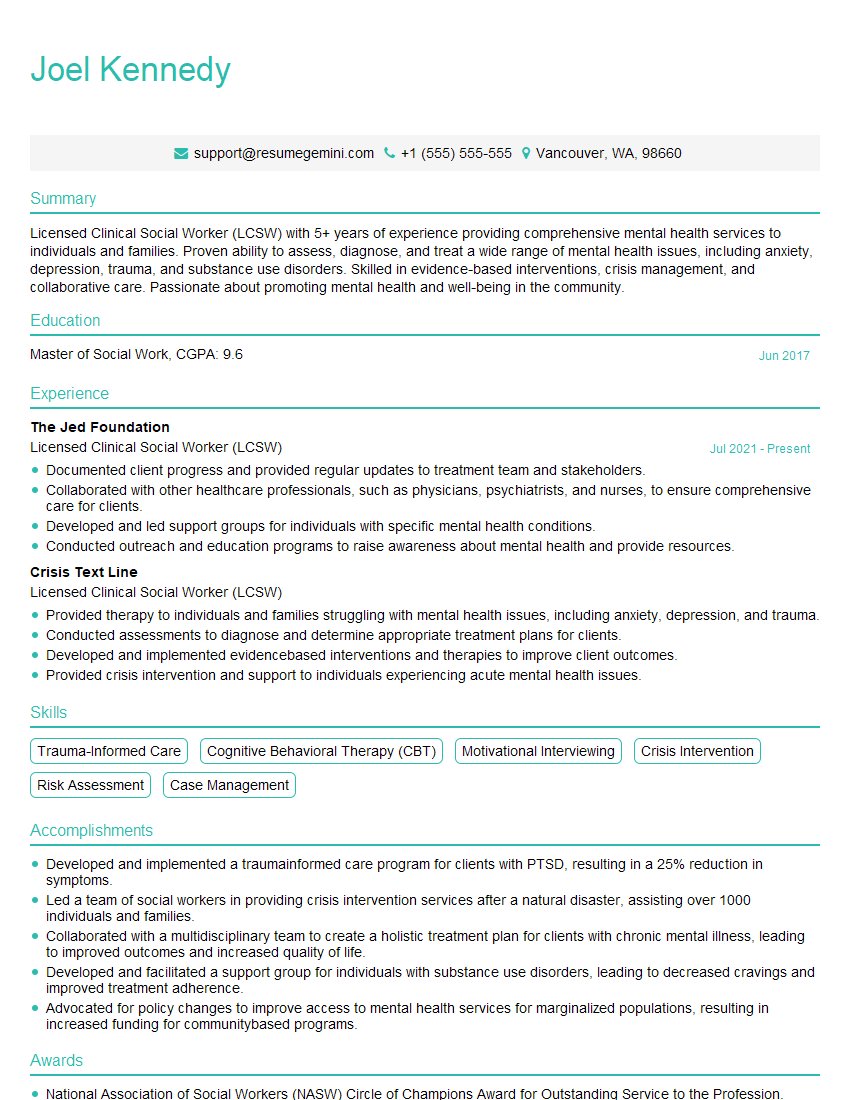
Licensed Clinical Social Worker (LCSW) Resume Sample
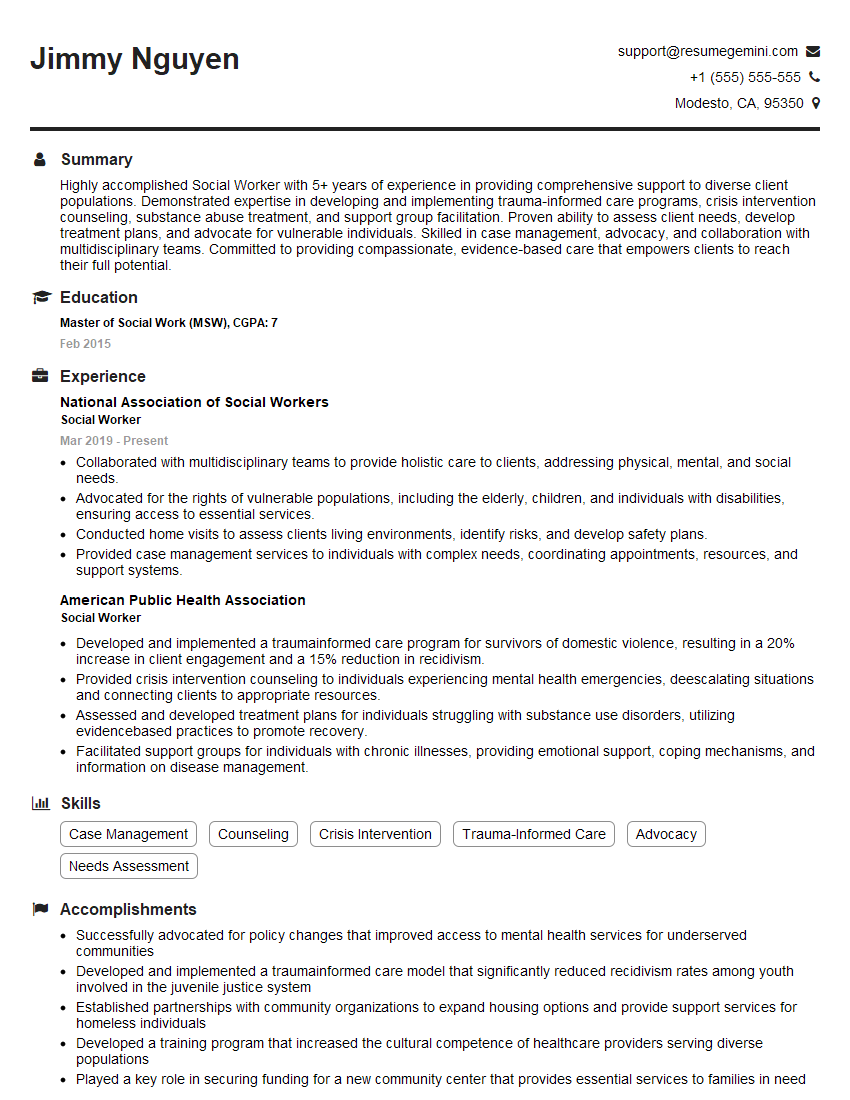
Social Worker Resume Sample

Crisis Intervention Specialist Resume Sample
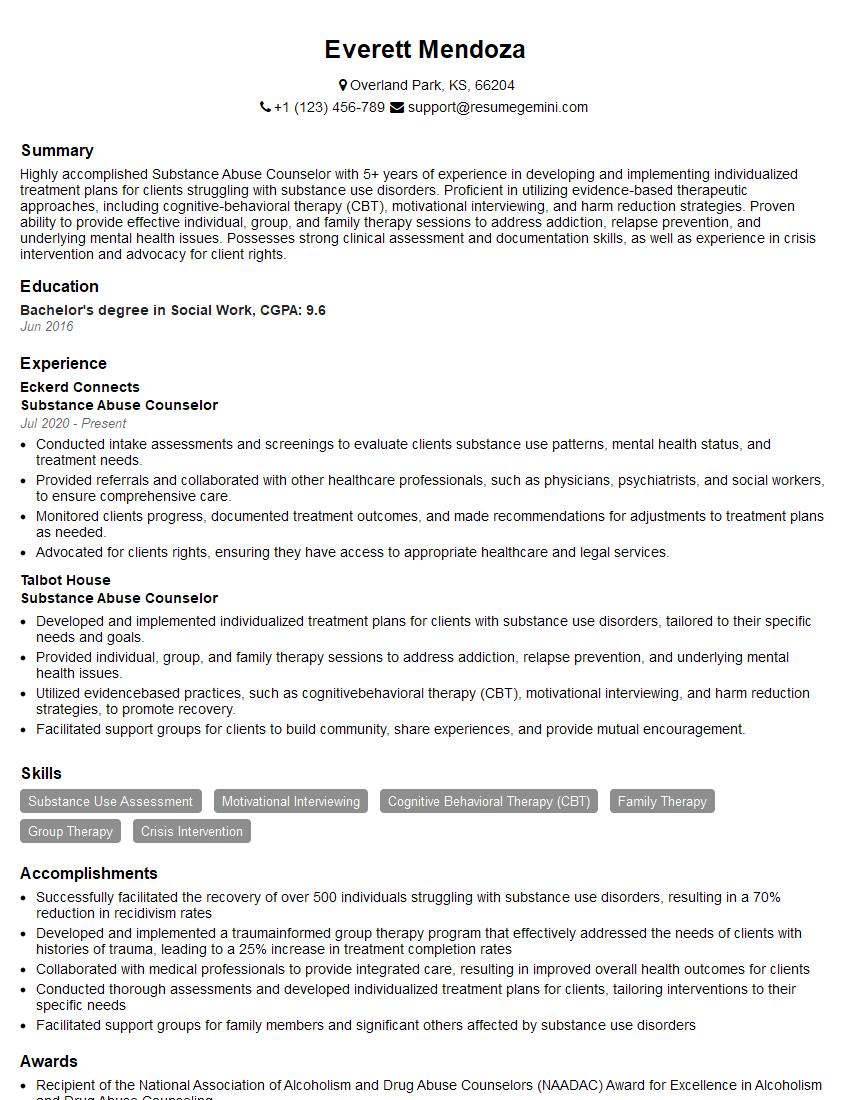
Substance Abuse Counselor Resume Sample
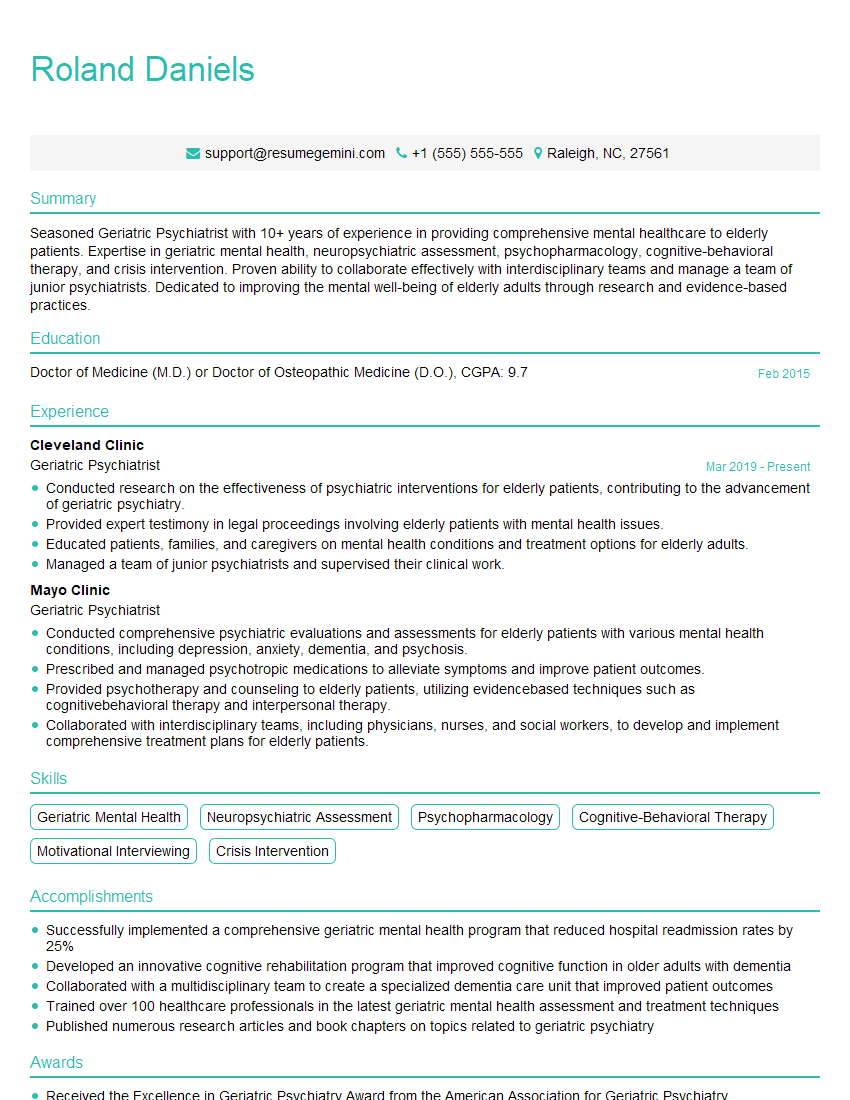
Geriatric Psychiatrist Resume Sample
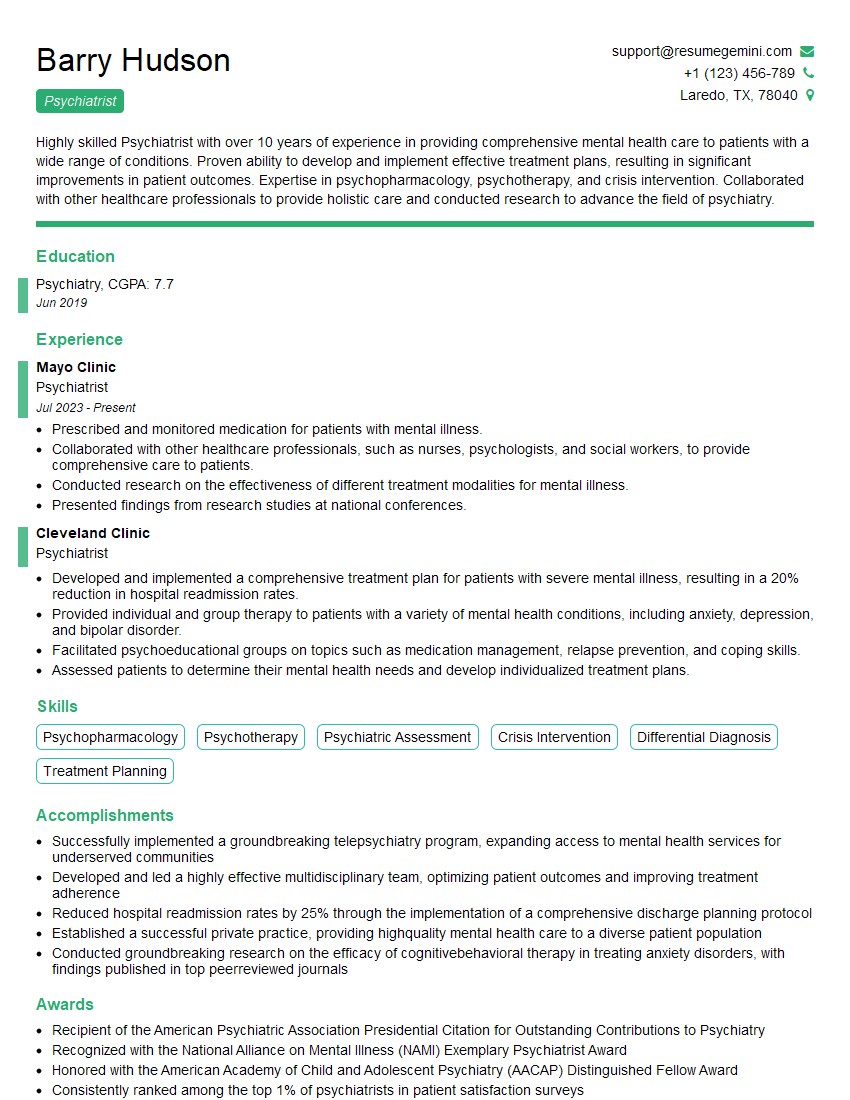
Psychiatrist Resume Sample
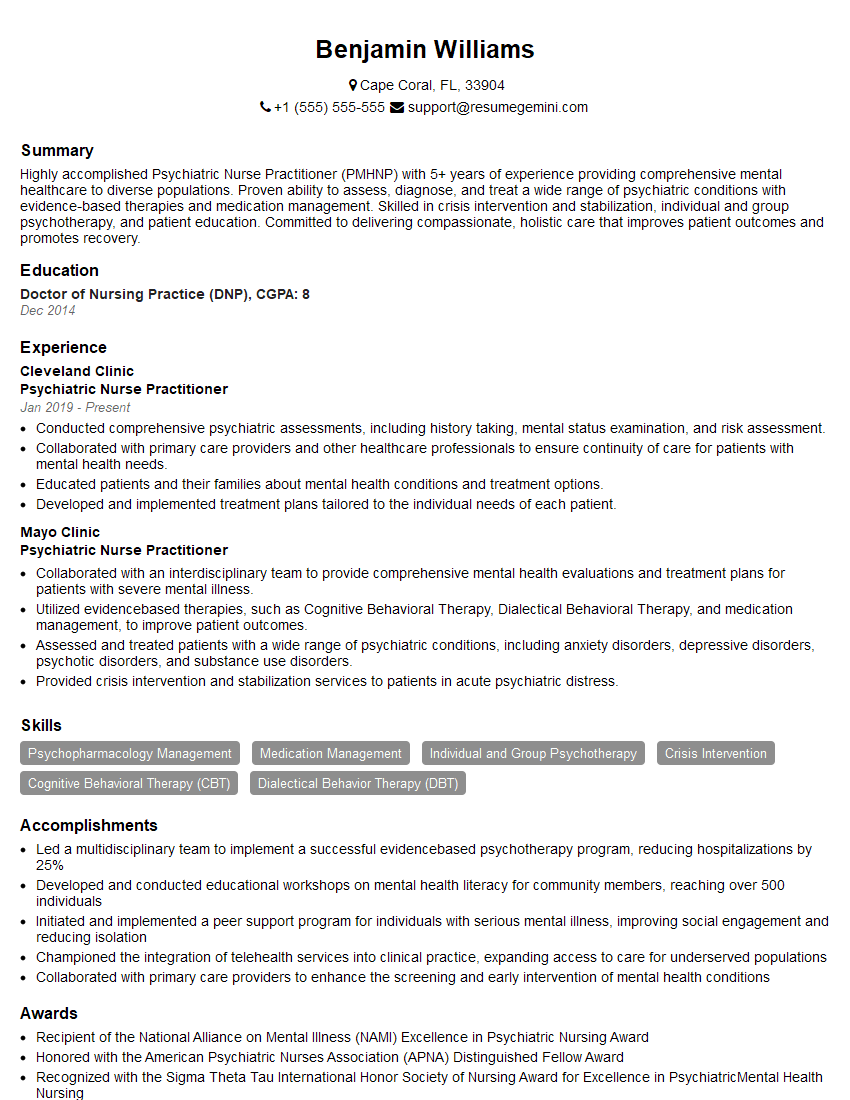
Psychiatric Nurse Practitioner Resume Sample
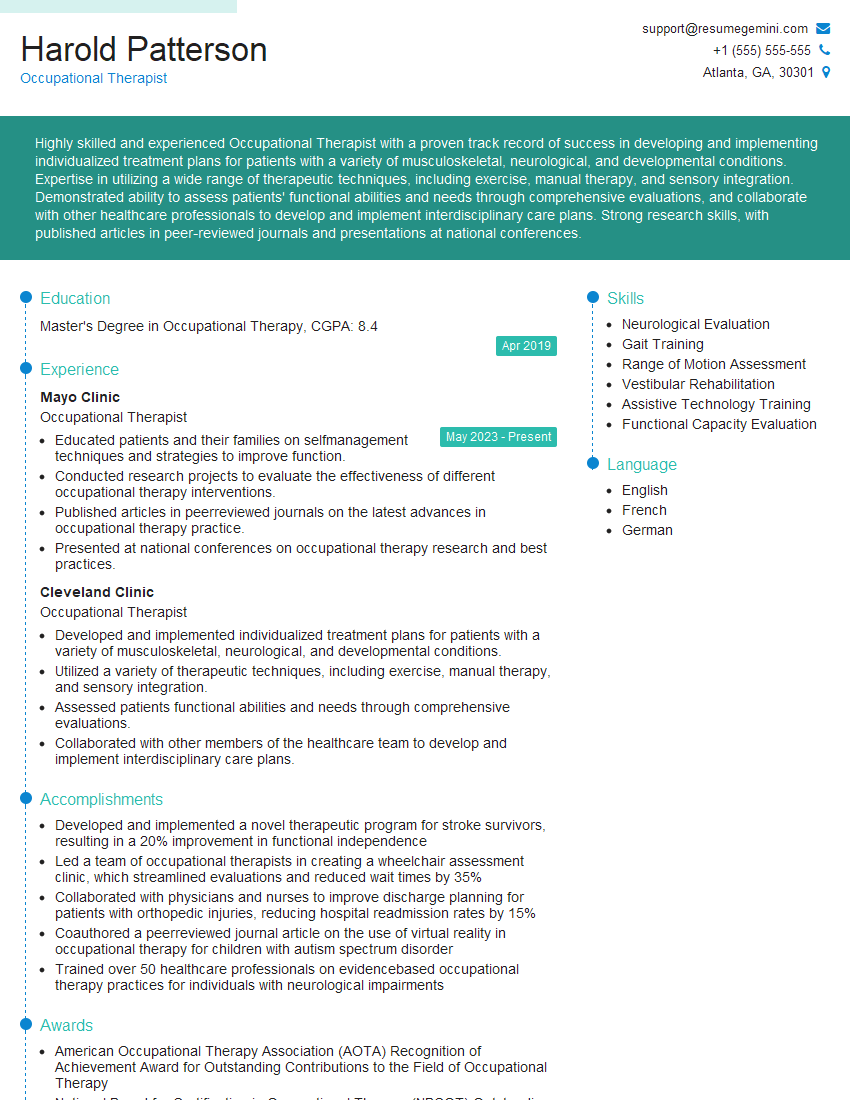
Occupational Therapist Resume Sample
- Counselor
- Clinical Psychologist
- Psychologist
- School Counselor
- Psychotherapist
- Therapist
- Mental Health Counselor
- Licensed Marriage and Family Therapist (LMFT)
- Rehabilitation Counselor
- Licensed Clinical Social Worker (LCSW)
- Social Worker
- Crisis Intervention Specialist
- Substance Abuse Counselor
- Geriatric Psychiatrist
- Psychiatrist
- Psychiatric Nurse Practitioner
- Occupational Therapist
Explore more articles
Users Rating of Our Blogs
Share Your Experience
We value your feedback! Please rate our content and share your thoughts (optional).
What Readers Say About Our Blog
To the interviewgemini.com Webmaster.
Very helpful and content specific questions to help prepare me for my interview!
Thank you
To the interviewgemini.com Webmaster.
This was kind of a unique content I found around the specialized skills. Very helpful questions and good detailed answers.
Very Helpful blog, thank you Interviewgemini team.