Interviews are more than just a Q&A session—they’re a chance to prove your worth. This blog dives into essential Knowledge of music therapy ethics and standards of practice interview questions and expert tips to help you align your answers with what hiring managers are looking for. Start preparing to shine!
Questions Asked in Knowledge of music therapy ethics and standards of practice Interview
Q 1. What are the core principles of the American Music Therapy Association (AMTA) Code of Ethics?
The AMTA Code of Ethics centers around beneficence (acting in the client’s best interest), non-maleficence (avoiding harm), autonomy (respecting client self-determination), justice (fair and equitable treatment), fidelity (maintaining trust and integrity), and veracity (truthfulness and honesty). These principles guide all aspects of music therapy practice, from assessment and treatment planning to documentation and professional relationships.
- Beneficence: This means prioritizing the well-being of our clients and actively striving to improve their quality of life through music. For example, tailoring interventions to meet individual needs and constantly evaluating the effectiveness of our approaches.
- Non-maleficence: We must avoid causing harm, both physically and emotionally. This includes careful consideration of potential risks in our interventions and having the competence to implement them safely.
- Autonomy: Clients have the right to make their own decisions about their treatment. This means providing them with sufficient information to understand their options and respecting their choices, even if we disagree.
- Justice: Providing equal access to quality music therapy services, regardless of background or socioeconomic status, is crucial. Addressing potential biases in our practice is essential.
- Fidelity: This involves building and maintaining trusting relationships with our clients, colleagues, and the community. Honoring commitments and being responsible for our actions demonstrate fidelity.
- Veracity: Being honest and transparent in our interactions, both with clients and other professionals, is vital. This includes accurately representing our qualifications and the scope of our practice.
Q 2. Describe a situation where you had to address an ethical dilemma in your music therapy practice.
I once worked with a client who expressed a strong desire to use music to process trauma related to a family member’s death. However, during our sessions, she started exhibiting signs of significant emotional distress, beyond what I felt equipped to handle alone. The ethical dilemma was whether to continue with the chosen approach, potentially exacerbating her distress, or to modify the intervention to prioritize emotional regulation.
I chose to prioritize her safety and well-being. I consulted with my supervisor and adjusted the treatment plan to focus on calming and grounding techniques through music, delaying deeper exploration of the trauma until she was better emotionally regulated. This involved open communication with the client, explaining my concerns and collaboratively choosing a new path. This experience underscored the importance of continuous self-reflection, consultation, and prioritizing client safety above all else.
Q 3. How do you ensure confidentiality in your music therapy sessions?
Confidentiality is paramount in music therapy. I adhere to strict procedures to protect client information. This includes:
- Secure storage of records: All client files, both electronic and physical, are stored in locked cabinets or password-protected systems, adhering to HIPAA guidelines (or equivalent in your jurisdiction).
- Limited access: Only authorized personnel involved in the client’s care have access to their records. This access is controlled through systems like user authentication and restricted file permissions.
- Informed consent: I clearly explain to clients how their information will be handled and obtain their consent before sharing any information with other professionals or agencies, except when legally mandated (e.g., suspected child abuse).
- Anonymity during supervision and professional discussions: When discussing cases in supervision or with colleagues, I use pseudonyms and avoid identifying information unless essential to the discussion.
- Data encryption and password protection: For electronic records, I utilize strong passwords and encrypted systems to protect against unauthorized access.
Q 4. Explain the importance of informed consent in music therapy.
Informed consent is essential for ethical and legal reasons. It ensures clients understand the nature of music therapy, the goals of treatment, the procedures involved, and potential risks and benefits. It also affirms their right to refuse treatment or withdraw from therapy at any time.
The process usually involves:
- Explaining the therapy process: Describing music therapy in simple terms, avoiding jargon, and clarifying the client’s role in the process.
- Discussing treatment goals: Collaboratively establishing measurable and achievable goals tailored to the client’s needs and preferences.
- Detailing procedures and methods: Explaining the types of music activities used, the length of sessions, and the frequency of meetings.
- Addressing potential risks and benefits: Openly discussing potential emotional or physical challenges and the expected positive outcomes.
- Answering questions: Providing ample time and opportunity for clients to ask questions and ensuring they feel comfortable and understood.
- Obtaining written consent: Documenting the client’s agreement to participate in therapy, ensuring they understand their rights and responsibilities.
Q 5. What are the legal and ethical considerations surrounding documentation in music therapy?
Accurate and thorough documentation is crucial for legal and ethical reasons. It protects both the client and the music therapist. Legally, it serves as a record of services provided, justifying billing and demonstrating adherence to professional standards. Ethically, it ensures continuity of care and facilitates appropriate communication with other professionals involved in the client’s treatment.
Key considerations include:
- Accuracy and objectivity: Recording factual information without subjective interpretations or personal opinions.
- Timely documentation: Recording sessions promptly after they occur, while details are fresh in memory.
- Clarity and completeness: Using clear and concise language, including all relevant information, such as goals, interventions, and client responses.
- Confidentiality: Protecting client information by using appropriate security measures and avoiding identifiers where possible.
- Compliance with regulations: Adhering to all relevant legal and ethical guidelines, including HIPAA (or similar) regulations and AMTA’s ethical code.
- Secure storage: Maintaining secure storage of records, both electronic and paper, to protect client confidentiality.
Q 6. How do you maintain professional boundaries with clients and their families?
Maintaining professional boundaries is vital to ensure ethical practice and protect the therapeutic relationship. This involves establishing and upholding clear limits on the nature and extent of interactions with clients and their families.
Strategies include:
- Defining the therapeutic relationship: Clearly outlining the roles and responsibilities of both the therapist and client from the outset.
- Avoiding dual relationships: Refraining from personal relationships outside the therapy context, such as socializing or engaging in business transactions.
- Appropriate self-disclosure: Limiting personal disclosure to information that is relevant to the therapeutic process and beneficial to the client.
- Physical touch: Minimizing or avoiding physical touch, except in specific and clinically justified circumstances, always with client consent.
- Gift-giving: Establishing clear guidelines regarding the acceptance of gifts, generally avoiding them to prevent blurring boundaries.
- Communication boundaries: Respecting client’s need for privacy and avoiding inappropriate communication channels (e.g., texting outside of scheduled sessions).
- Supervision and consultation: Seeking supervision or consultation when unsure about boundary issues.
Q 7. Describe your understanding of professional development in music therapy.
Professional development in music therapy is a lifelong commitment to enhancing knowledge, skills, and ethical practice. It’s not merely about accumulating continuing education credits but about a continuous process of self-improvement and staying abreast of best practices.
This involves:
- Continuing education: Regularly attending workshops, conferences, and taking courses to expand knowledge and skills in various areas of music therapy.
- Supervision: Seeking regular supervision from experienced music therapists to receive guidance, feedback, and support in challenging cases.
- Mentorship: Seeking guidance from experienced professionals who can provide advice and support for career development.
- Research: Staying current with the latest research findings in music therapy and its applications in various settings.
- Networking: Connecting with colleagues and professionals in the field to share experiences, learn from each other, and stay updated on current trends.
- Self-reflection: Regularly reflecting on practice, identifying areas for improvement, and incorporating new learning into practice.
- Advocacy: Actively advocating for the profession and ensuring quality music therapy services are accessible to all.
Q 8. How do you handle situations where a client’s needs exceed your expertise?
When a client’s needs extend beyond my expertise, my priority is their well-being and ethical practice. This isn’t a sign of failure; it’s a recognition of the limits of any individual practitioner’s skillset. I immediately initiate a referral process. This involves carefully assessing the client’s specific needs, researching specialists in the relevant field (e.g., a neuropsychologist for cognitive issues, a psychiatrist for severe mental health concerns), and discussing the referral with the client and their family (if appropriate) to ensure transparency and informed consent. I provide thorough documentation of my assessment, reasons for referral, and steps taken to facilitate the transition of care. For example, if a client is exhibiting severe trauma symptoms alongside their musical difficulties, I would refer them to a trauma-informed therapist while coordinating with them to ensure continuity of care. My role in this becomes supporting the transition and ensuring the client feels comfortable and supported throughout the process.
Q 9. What are your strategies for managing dual relationships in music therapy?
Managing dual relationships is crucial for maintaining ethical boundaries in music therapy. Dual relationships arise when multiple roles exist between the therapist and the client (e.g., therapist and friend, therapist and teacher). My strategy focuses on prevention and clear boundary setting. I avoid dual relationships whenever possible. If a situation arises where a dual relationship is unavoidable, I address it proactively with the client, discussing potential conflicts of interest and obtaining informed consent. Transparency is key. For instance, if I encounter a previous student in my practice, I would explicitly state my prior relationship, discuss the potential implications of continuing therapy, and ensure they understand their right to refuse or seek therapy elsewhere. Detailed documentation of these discussions is crucial. If any concerns emerge during therapy, I consult with supervisors or colleagues to ensure the client’s well-being and maintain professional integrity. The AMTA’s ethical guidelines are my compass, ensuring I always prioritize the client’s needs and avoid situations that could compromise their care.
Q 10. How do you ensure cultural sensitivity and competence in your practice?
Cultural sensitivity and competence are integral to ethical music therapy practice. This involves understanding and respecting the cultural backgrounds, beliefs, and practices of each client. My approach involves ongoing self-reflection, cultural humility (recognizing limitations in understanding different cultures), and continuous learning. I actively seek out resources and training that enhance my cultural competence. This includes reading relevant literature, attending workshops, and consulting with cultural experts when necessary. In my sessions, I make a conscious effort to learn about my client’s cultural preferences, beliefs, and experiences, incorporating them into the therapy process where appropriate. For example, the choice of music, instruments, or therapeutic activities might be tailored to reflect their cultural background. If I encounter challenges in understanding or working with a specific culture, I consult colleagues, supervisors, or community resources to ensure I am providing culturally sensitive care. The client’s comfort and trust are paramount, and my goal is to create a safe and respectful therapeutic space that values their unique cultural identity.
Q 11. Explain your understanding of the AMTA’s scope of practice for music therapists.
The American Music Therapy Association (AMTA) defines the scope of practice for music therapists as the use of music interventions to address a wide range of physical, cognitive, social, emotional, and spiritual needs. This involves a comprehensive assessment of the client’s strengths and weaknesses to create individualized treatment plans. The scope isn’t limited to specific diagnoses or populations; rather, it encompasses various settings (e.g., hospitals, schools, private practices) and methods (e.g., songwriting, improvisation, receptive music listening). Music therapists use music interventions within their defined scope, carefully documenting their goals, methods, and outcomes. It is imperative to operate within the legal and ethical parameters set forth by the AMTA, adhering to licensing and regulatory requirements within one’s jurisdiction. This includes recognizing the limitations of the profession, acknowledging the role of other healthcare professionals, and ensuring the client’s safety and well-being throughout the therapeutic process. The AMTA’s Code of Ethics serves as a constant reference point in navigating ethical dilemmas and ensuring responsible practice.
Q 12. How do you address conflicts of interest in your music therapy practice?
Conflicts of interest can arise in various ways in music therapy, such as personal relationships with clients, financial incentives, or research collaborations that compromise objectivity. I actively work to prevent them by being transparent and disclosing potential conflicts. For example, if a client offers a gift of significant value, I would politely decline and explain my professional boundaries. If a research opportunity emerges involving clients, I would ensure informed consent and protect their confidentiality. If I become aware of a conflict of interest, I address it immediately by consulting with supervisors or ethics committees. My primary objective is to eliminate the conflict or manage it in a way that prioritizes the client’s best interests and doesn’t compromise my professional integrity. The AMTA’s ethical guidelines provide a framework for navigating these situations and ensuring responsible and unbiased practice. Documentation is crucial to maintaining a clear record of the conflict, the steps taken to address it, and the decisions made.
Q 13. Describe your process for obtaining informed consent from clients with cognitive impairments.
Obtaining informed consent from clients with cognitive impairments requires a modified approach. The process centers on ensuring the client understands the therapy process to the best of their ability, adapting communication strategies as needed. I collaborate with caregivers, family members, and other healthcare professionals to understand the client’s cognitive capabilities and communication preferences. I use simple, clear language and visual aids to explain the therapy goals, methods, and potential risks and benefits. I adapt the process to match their cognitive capacities, focusing on visual or auditory cues that facilitate understanding. I might use simplified written materials or role-playing to clarify the process. Consent may involve nonverbal cues such as nodding or positive facial expressions, but I ensure the family or legal guardian is fully informed and involved in the decision-making process. This approach requires patience, empathy, and a deep commitment to ethical and sensitive care. Documentation of this modified consent process is crucial to ensure legal compliance and transparency.
Q 14. What are your strategies for addressing burnout and maintaining your own well-being as a music therapist?
Burnout is a significant concern in the helping professions. My strategies for preventing burnout center on self-care and maintaining healthy boundaries. This includes setting realistic workloads, prioritizing self-compassion, and practicing mindfulness. I regularly engage in activities that foster my well-being, such as exercise, spending time in nature, engaging in hobbies, and maintaining a strong support system of friends and colleagues. I utilize supervision to process challenging client cases and ensure that my practice remains within ethical and professional boundaries. Regular self-reflection helps me identify my strengths and areas that need improvement. When feeling overwhelmed, I utilize stress-management techniques like meditation or deep breathing exercises. It’s essential to recognize the importance of seeking professional support when needed. A healthy work-life balance is crucial for sustaining my passion for music therapy and providing high-quality care to my clients.
Q 15. How do you balance the client’s autonomy with their safety and well-being?
Balancing client autonomy with their safety and well-being is a cornerstone of ethical music therapy practice. It’s a delicate dance between respecting a client’s right to make their own choices and ensuring their safety from harm. Think of it like navigating a tightrope – you need to maintain balance and awareness to avoid falling on either side.
Autonomy involves honoring the client’s decisions regarding their treatment, including the choice to participate in or discontinue sessions, the types of music used, and their level of engagement. Safety and well-being, however, require a proactive approach to identify and mitigate any potential risks, including emotional distress, physical harm (e.g., during physically active music therapy), or exacerbation of existing conditions.
- Informed Consent: Before starting therapy, I thoroughly explain the treatment plan, potential risks and benefits, and the client’s right to withdraw at any time. This process ensures the client’s autonomy while informing them about safety considerations.
- Ongoing Assessment: I regularly assess the client’s emotional and physical state throughout the session. If I observe any signs of distress or risk, I adapt the session accordingly, prioritizing their safety. For example, if a client becomes overwhelmed during a highly stimulating activity, I might shift to a calmer, more grounding exercise.
- Collaboration and Boundaries: I maintain open communication with the client, family (with consent), and other professionals involved in their care to ensure a coordinated approach to their well-being. Clear boundaries are also essential – I ensure the therapeutic relationship remains professional and appropriate.
For example, if a client expresses a desire to explore intense emotional themes through music but shows signs of being overwhelmed, I’d work collaboratively to find a way to explore those themes in a paced and safe manner. This might involve using calming music in between more emotionally charged segments, or incorporating relaxation techniques.
Career Expert Tips:
- Ace those interviews! Prepare effectively by reviewing the Top 50 Most Common Interview Questions on ResumeGemini.
- Navigate your job search with confidence! Explore a wide range of Career Tips on ResumeGemini. Learn about common challenges and recommendations to overcome them.
- Craft the perfect resume! Master the Art of Resume Writing with ResumeGemini’s guide. Showcase your unique qualifications and achievements effectively.
- Don’t miss out on holiday savings! Build your dream resume with ResumeGemini’s ATS optimized templates.
Q 16. How would you handle a situation where a colleague is violating ethical standards?
Addressing ethical violations by a colleague is a challenging but crucial aspect of professional responsibility. My approach would prioritize the well-being of clients and upholding ethical standards. The first step involves careful consideration of the situation to determine whether the observed behavior actually constitutes a violation of ethical guidelines. If so, I would consult the ethical code of my professional organization (e.g., the American Music Therapy Association).
Steps I would take:
- Document Everything: Meticulously document the observed behaviors, dates, times, and any witnesses. Keeping detailed records protects both myself and the clients.
- Informal Discussion (if appropriate): If the violation seems minor and correctable through informal discussion, I might approach the colleague privately and express my concerns, emphasizing my concern for client welfare and suggesting ways to resolve the issue. The focus should be on supporting the colleague’s professional growth while upholding ethical standards.
- Formal Channels: If informal discussion fails or if the violation is serious, I would report it through the appropriate channels within my organization or professional association. This could involve contacting a supervisor, ethics committee, or licensing board, depending on the severity and nature of the violation.
- Client Safety as Priority: Throughout this process, my primary concern would be the safety and well-being of the clients who may be affected by the colleague’s actions. If immediate risk is involved, I would consider taking more direct action to protect the clients.
For example, if a colleague is consistently failing to obtain informed consent from clients, I would first attempt a private conversation. If this is ineffective, I would escalate the issue through formal channels to ensure client rights are protected.
Q 17. How do you incorporate evidence-based practices into your music therapy sessions?
Integrating evidence-based practices is critical to providing effective and responsible music therapy. This involves using interventions supported by research to achieve specific therapeutic goals. It’s not simply about using the latest ‘fad’ but rather thoughtfully selecting methods shown to be effective for particular populations and clinical issues.
How I incorporate evidence-based practices:
- Literature Review: I regularly review current research in music therapy journals and databases to stay updated on effective techniques and interventions for various client populations and clinical goals (e.g., anxiety reduction, pain management, cognitive rehabilitation).
- Assessment-Driven Treatment: I conduct thorough assessments to identify client strengths, needs, and preferences. This assessment informs the choice of evidence-based interventions tailored to the individual’s unique circumstances. For example, a client with Parkinson’s disease might benefit from rhythmic auditory stimulation, supported by research showing its effectiveness for gait improvement.
- Outcome Measurement: I utilize standardized outcome measures to track progress and evaluate the effectiveness of chosen interventions. This allows me to monitor progress, adapt treatments as needed, and demonstrate the efficacy of my work.
- Continuing Education: I participate in professional development activities to maintain and enhance my knowledge of current research and best practices. Attending conferences and workshops ensures I remain current on the latest scientific advancements in the field.
Essentially, I view evidence-based practice as an ongoing cycle of assessment, intervention, evaluation, and refinement, all based on the latest scientific findings to optimize the therapeutic process for each client.
Q 18. What are the limitations of music therapy, and how do you communicate these limitations to clients?
Music therapy, while powerful, isn’t a panacea. It has limitations that must be transparently communicated to clients. It’s important to manage expectations realistically to avoid disappointment and build a strong therapeutic alliance based on honesty.
Limitations of Music Therapy:
- Not a Replacement for Other Therapies: Music therapy is often used alongside other therapeutic approaches, not as a sole treatment. It might complement psychotherapy, medication, or physical therapy, but it doesn’t replace them.
- Individual Responses Vary: The effectiveness of music therapy differs significantly among individuals due to factors like personality, musical background, and the severity of the condition.
- Specific Conditions: While effective for many conditions, music therapy isn’t suitable for all. Certain cognitive or physical impairments might preclude its successful application.
- Time and Resource Constraints: Music therapy requires time and resources, including instruments, space, and therapist expertise. Access to these resources varies depending on the setting and individual circumstances.
Communicating Limitations: I explicitly discuss the potential limitations of music therapy with clients and their families from the outset. I use clear and accessible language to explain that music therapy is a supportive intervention that can address specific needs but won’t necessarily solve all problems. Setting realistic expectations and maintaining open communication helps foster trust and a strong working relationship.
For instance, if a client has severe depression, I might explain that music therapy can help manage symptoms like anxiety and improve mood regulation but is not a cure for depression, and would recommend integrating it with other therapeutic approaches like psychotherapy.
Q 19. Describe your understanding of supervision in music therapy and its importance.
Supervision in music therapy is an essential component of professional development and ethical practice. It’s a process where experienced music therapists guide and mentor less experienced colleagues, providing feedback, support, and guidance in their work. Think of it as a form of apprenticeship, but with a strong focus on ethics and best practice.
Importance of Supervision:
- Ethical Decision-Making: Supervisors provide guidance on navigating ethical dilemmas, ensuring adherence to professional standards and client well-being. They serve as a sounding board for complex cases and assist in making informed decisions.
- Clinical Skill Development: Supervisors provide feedback on clinical skills, including assessment, intervention planning, documentation, and client interaction. This process enhances competence and confidence in applying theoretical knowledge to practical situations.
- Case Conceptualization and Treatment Planning: Supervisors aid in the development of comprehensive case conceptualizations, treatment plans, and goal setting, ensuring a systematic and effective approach to therapy.
- Self-Reflection and Professional Growth: Supervision fosters self-awareness and encourages reflection on personal biases and professional growth areas. It’s a space for honest self-assessment and continuous learning.
- Burnout Prevention: Regular supervision provides a supportive environment to address challenges and prevent burnout, promoting the therapist’s overall well-being and capacity to effectively serve their clients.
Regular supervision is crucial for maintaining high standards of ethical practice and effective service delivery in music therapy, protecting both the therapist and their clients.
Q 20. How do you ensure the quality of your music therapy services?
Ensuring the quality of music therapy services requires a multi-faceted approach, combining adherence to ethical standards, ongoing professional development, and a commitment to client-centered care. It is a continuous process of self-reflection and improvement, not a one-time event.
Methods I use to ensure quality:
- Continuing Education: I actively participate in continuing education opportunities to update my knowledge of research, best practices, and new techniques in music therapy. This ensures I am providing the most effective and current care.
- Adherence to Ethical Guidelines: I strictly adhere to the ethical guidelines of my professional association, prioritizing client autonomy, confidentiality, and well-being in all aspects of my practice. I regularly review these guidelines to ensure ongoing compliance.
- Regular Supervision: I engage in ongoing supervision to receive feedback, discuss challenging cases, and enhance my clinical skills. This allows for external review and ongoing professional development.
- Documentation: I meticulously maintain client records, including assessments, treatment plans, session notes, and progress reports. Detailed documentation ensures accountability, clarity, and continuity of care.
- Client Feedback: I encourage client feedback through regular check-ins and evaluations to assess their satisfaction and identify areas for improvement in my service delivery.
- Self-Reflection: I regularly reflect on my practice to identify areas of strength and weakness. This self-assessment helps me to refine my approaches and provide the best possible care to my clients.
Quality music therapy is not static; it is a dynamic and evolving process that necessitates consistent self-improvement and a commitment to excellence in service delivery.
Q 21. What are the key components of a comprehensive music therapy assessment?
A comprehensive music therapy assessment is a crucial first step, forming the foundation for individualized treatment planning. It’s a process of gathering information to understand the client’s needs, strengths, preferences, and challenges related to their therapeutic goals. It’s not just about their musical abilities, but a holistic picture of the individual.
Key Components:
- Client History: Gathering detailed information about the client’s medical, psychological, social, and developmental history is essential. This includes information about diagnoses, medications, past therapies, and family dynamics.
- Musical Background and Preferences: Assessing the client’s musical experiences, preferences, skills, and comfort levels with different musical genres and instruments is vital. This ensures selecting appropriate music and instruments for therapeutic interventions.
- Cognitive and Physical Assessment: Assessing cognitive functions (attention, memory, language) and physical abilities (motor skills, dexterity) is crucial for tailoring interventions to the client’s capabilities and limitations.
- Emotional and Behavioral Assessment: Evaluating the client’s emotional state, coping mechanisms, and behavioral patterns helps identify targets for intervention. Observations during the assessment process are critical here.
- Goal Setting: Collaboratively establishing clear, measurable, achievable, relevant, and time-bound (SMART) goals ensures a focused and effective therapeutic process. This involves discussion with the client and any relevant stakeholders.
- Music-Specific Assessment: Direct observation of the client’s musical abilities and responses to various musical stimuli (improvisation, singing, listening, movement) is a core component of the music therapy assessment process.
The assessment results guide the creation of a personalized music therapy plan addressing the client’s specific needs and goals. For example, a child with autism might need an assessment focusing on communication skills and sensory preferences, while an adult with anxiety might need one that focuses on emotional regulation and stress reduction techniques through music.
Q 22. How do you utilize assessment data to inform treatment planning and goal setting?
Assessment data is the cornerstone of effective music therapy. It guides the entire therapeutic process, from initial planning to evaluating outcomes. I use a variety of assessment methods, including informal observations, standardized assessments (like the Profile of Music Perception Skills or the Music Therapy Assessment Protocol), and client interviews, to gather information about the client’s musical preferences, strengths, weaknesses, and therapeutic goals. This data helps me understand the client’s cognitive, emotional, social, and physical capabilities, informing my choice of musical interventions.
For example, if I’m working with a child with autism spectrum disorder, I might use informal observation to assess their responses to different musical stimuli, noting preferences for specific instruments, tempos, or rhythms. This information helps me choose music that is engaging and motivating for the child. Then, I might use a standardized assessment to quantify their musical skills and identify areas for improvement. Finally, I’ll collaborate with the client (and their family/caregiver when appropriate) to create goals that are both meaningful and achievable, such as increasing their ability to follow simple musical instructions or improving their social interaction skills through group music-making.
Q 23. Describe a situation where you had to modify your treatment plan due to client needs or responses.
I once worked with a young adult experiencing severe anxiety who initially responded well to calming, slow-tempo music during our relaxation sessions. However, after a few sessions, she reported feeling increasingly bored and disengaged. Her anxiety levels, while initially reduced, plateaued. This indicated that the chosen therapeutic approach wasn’t sufficiently stimulating or adaptable for her long-term needs.
I modified the treatment plan by incorporating more active music-making activities, such as songwriting and improvisation. These activities allowed her to express her anxiety more directly and creatively. We also incorporated elements of rhythmic movement and percussion to boost her energy levels and engagement. The shift towards active music therapy helped her process her anxiety in a more effective way, fostering a sense of agency and control. Regular monitoring of her responses and open communication helped us continuously refine the approach to maintain her engagement and promote positive progress.
Q 24. How do you evaluate the effectiveness of your music therapy interventions?
Evaluating the effectiveness of music therapy interventions requires a multifaceted approach. I employ both qualitative and quantitative methods. Quantitative methods might involve tracking changes in standardized assessment scores, such as improvements in cognitive skills, reduction in anxiety scores, or increased social interaction. I would also monitor physiological data where appropriate (e.g., heart rate variability during relaxation exercises). Qualitative data comes from observations of client behavior during sessions, feedback from the client and their caregivers (if applicable), and documented changes in their daily functioning.
For instance, if working with a client struggling with depression, I might track changes in their mood using self-report scales alongside observations of their participation and engagement in musical activities. A significant improvement in their mood and increased spontaneous participation in musical improvisation would suggest positive treatment effects. Regular documentation of these findings allows for a comprehensive evaluation of the intervention’s impact.
Q 25. What are the appropriate methods for documenting client progress and outcomes?
Accurate and thorough documentation is crucial for ethical and professional practice. I utilize electronic health records (EHRs) following HIPAA guidelines and maintain detailed session notes that include the date, time, duration, goals for the session, specific interventions used, client responses and progress towards goals, as well as any significant observations. This may include descriptions of the music used, the client’s emotional state, and their participation level. Progress notes aren’t just about recording facts; they also need to describe the therapeutic process and how the client’s experience is affecting their journey towards their goals.
For example, I might write: “Client exhibited increased frustration during improvisation session. Adjusted intervention to focus on rhythmic grounding exercises using a simple drumbeat, which improved their self-regulation and reduced frustration.” This provides a clear picture of the client’s progress and how I adjusted my therapeutic strategy in response. Regular summaries are provided to relevant stakeholders, always respecting confidentiality and ensuring that information is only shared with those who have legitimate need to know.
Q 26. Explain your understanding of the role of music therapists in interdisciplinary teams.
Music therapists play a vital role in interdisciplinary teams by bringing a unique perspective and skillset to the table. Our contribution is not simply about music; it’s about leveraging the power of music to achieve shared therapeutic goals. I collaborate closely with other professionals, such as occupational therapists, speech therapists, physical therapists, psychiatrists, psychologists, social workers, and educators, to create a holistic treatment plan.
For example, in a team treating a stroke patient, I might work with the occupational therapist to improve fine motor skills through adaptive music-making activities, collaborate with the speech therapist to address language deficits using melodic intonation therapy, and work with the physical therapist to enhance mobility through rhythmic movement exercises. Effective communication and shared decision-making within the team ensure that our interventions are coordinated and support the patient’s overall recovery journey.
Q 27. How do you maintain your professional competency and stay abreast of the latest developments in the field?
Maintaining professional competency requires ongoing effort and dedication. I engage in continuous professional development through several avenues: attending conferences and workshops, participating in continuing education courses offered by organizations like the American Music Therapy Association (AMTA), actively engaging in professional organizations such as the AMTA to stay updated on ethical codes, practice standards and best practices, reading peer-reviewed journals and research publications in music therapy, and actively seeking out supervision and mentorship from experienced colleagues.
Additionally, I engage in reflective practice, critically examining my own work to identify areas for improvement. This reflective process allows for continual refinement of therapeutic techniques and approaches, ensuring that I am providing the highest quality of care to my clients while maintaining the highest ethical standards. Staying informed about new research developments helps to ensure my clinical practice remains up-to-date and effective.
Key Topics to Learn for a Music Therapy Ethics and Standards of Practice Interview
- Ethical Decision-Making Models: Understand and apply various ethical frameworks (e.g., deontological, consequentialist, virtue ethics) to common dilemmas encountered in music therapy practice.
- Confidentiality and Informed Consent: Master the principles of maintaining client confidentiality, obtaining informed consent, and navigating situations involving mandated reporting.
- Professional Boundaries: Explore the complexities of establishing and maintaining healthy professional boundaries with clients, colleagues, and supervisors. Consider situations requiring boundary adjustments.
- Dual Relationships and Conflicts of Interest: Recognize and effectively manage potential conflicts of interest and avoid dual relationships that could compromise professional objectivity and client well-being.
- Cultural Competence and Sensitivity: Demonstrate understanding of cultural factors influencing music therapy practice and how to adapt approaches to meet diverse client needs while respecting cultural values.
- Supervision and Consultation: Discuss the importance of seeking supervision and consultation to enhance ethical decision-making and professional development. Understand the role of a supervisor in ethical dilemmas.
- Documentation and Record Keeping: Understand the importance of thorough and accurate documentation of client interactions, treatment plans, and progress notes, adhering to legal and ethical guidelines.
- Scope of Practice: Clearly define the limits of your competence and avoid engaging in practices outside your area of expertise. Know when to refer clients to other professionals.
- Professional Responsibility and Accountability: Understand your role in upholding the standards of the profession and taking responsibility for your actions and decisions.
- Addressing Ethical Violations: Know the procedures for reporting ethical violations and how to address them within the professional organization’s framework.
Next Steps
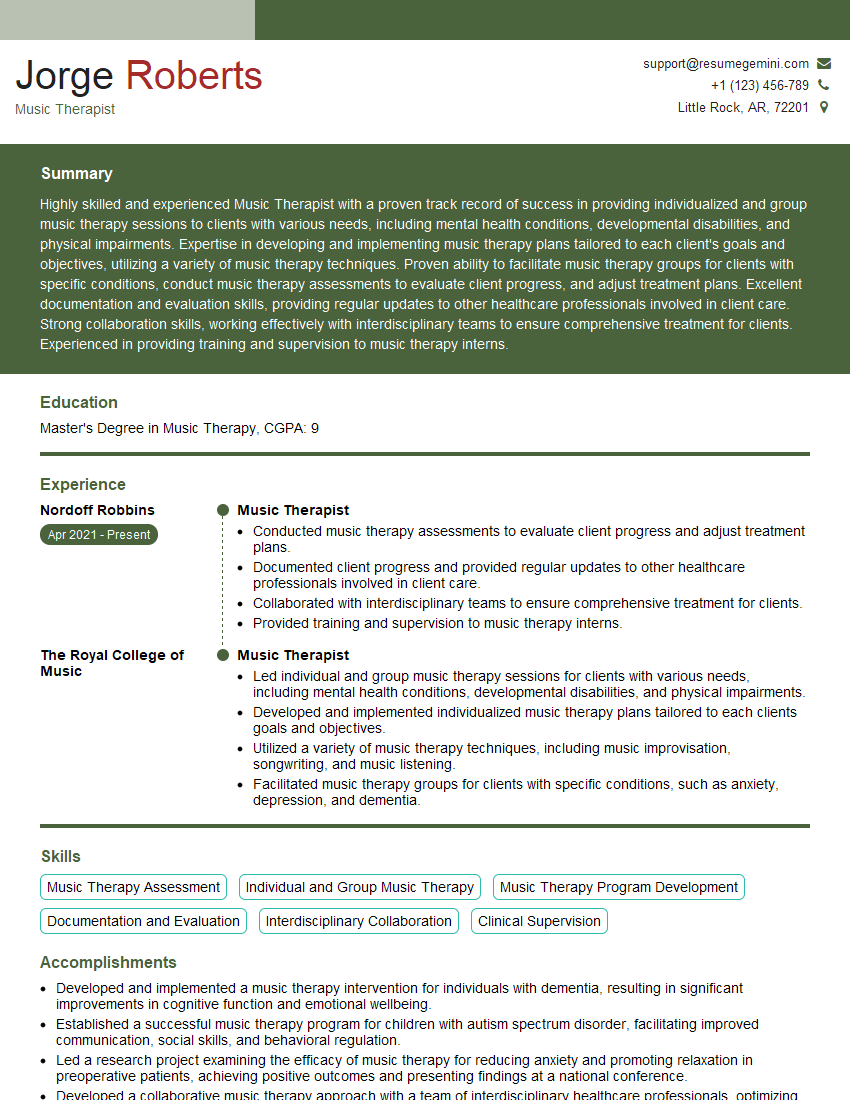
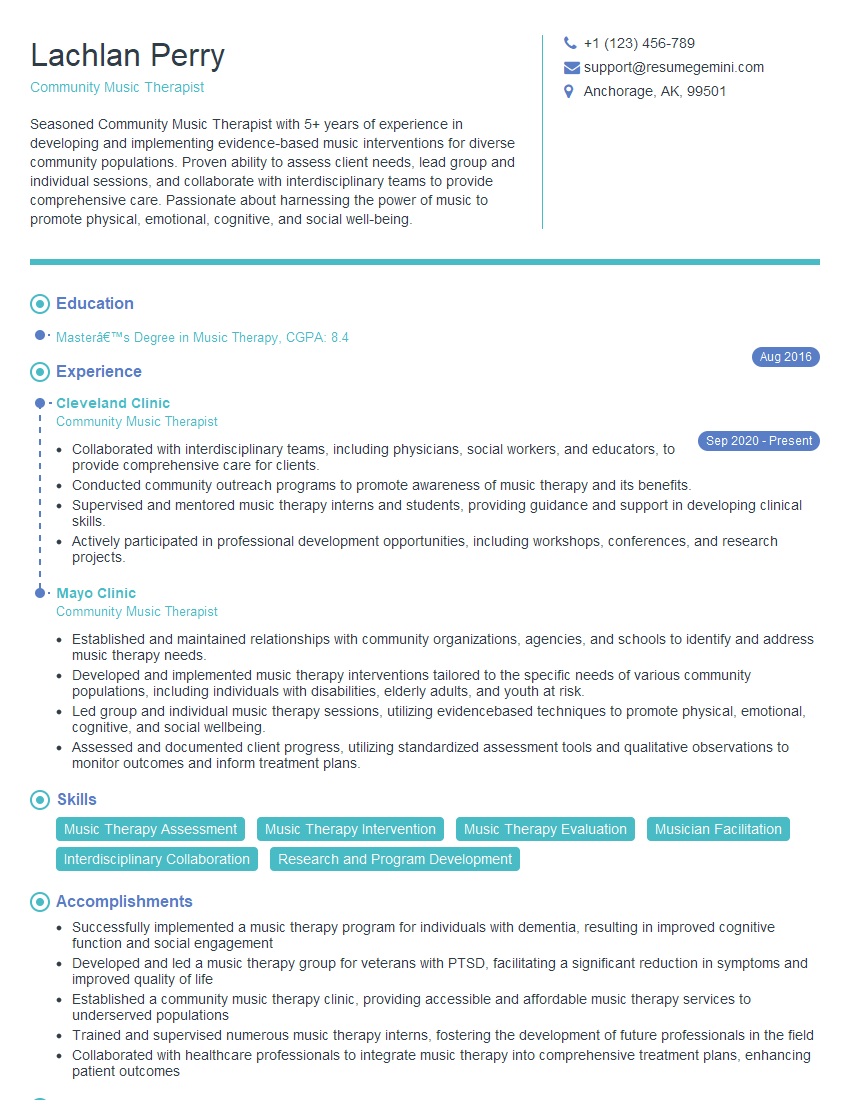
Mastering music therapy ethics and standards of practice is crucial for building a successful and ethical career. Demonstrating a strong understanding of these principles during your interview will significantly increase your chances of securing a desirable position. To further enhance your job prospects, create an ATS-friendly resume that highlights your relevant skills and experience. ResumeGemini is a trusted resource that can help you build a compelling and effective resume. Examples of resumes tailored to showcasing expertise in music therapy ethics and standards of practice are available to guide you.
Explore more articles
Users Rating of Our Blogs
Share Your Experience
We value your feedback! Please rate our content and share your thoughts (optional).
What Readers Say About Our Blog
To the interviewgemini.com Webmaster.
Very helpful and content specific questions to help prepare me for my interview!
Thank you
To the interviewgemini.com Webmaster.
This was kind of a unique content I found around the specialized skills. Very helpful questions and good detailed answers.
Very Helpful blog, thank you Interviewgemini team.