Interviews are more than just a Q&A session—they’re a chance to prove your worth. This blog dives into essential Labor Induction interview questions and expert tips to help you align your answers with what hiring managers are looking for. Start preparing to shine!
Questions Asked in Labor Induction Interview
Q 1. What are the indications for labor induction?
Labor induction is the process of artificially starting labor when it hasn’t begun on its own. Indications for induction are varied and depend on both maternal and fetal well-being. They are generally categorized into maternal and fetal reasons.
- Maternal Indications: These often involve risks to the mother’s health if pregnancy continues. Examples include gestational diabetes poorly controlled with complications, pre-eclampsia (high blood pressure during pregnancy), chronic hypertension, ruptured membranes without labor onset (increased risk of infection), post-term pregnancy (pregnancy beyond 41 weeks), and medical conditions that worsen with prolonged pregnancy.
- Fetal Indications: These are primarily focused on protecting the baby’s health. Examples include fetal growth restriction (baby is smaller than expected), oligohydramnios (low amniotic fluid), severe fetal distress, and placental insufficiency (placenta not providing adequate oxygen and nutrients).
It’s crucial to understand that induction is not always the best option, and the decision is made on a case-by-case basis, considering the benefits and risks for both mother and baby. Shared decision-making between the healthcare provider and the patient is paramount.
Q 2. Describe the Bishop score and its significance in labor induction.
The Bishop score is a system used to assess cervical ripeness, predicting the likelihood of successful vaginal delivery after induction. It assigns points based on five factors: cervical dilation, effacement (thinning), consistency (firm or soft), position (posterior, mid, or anterior), and station (fetal head position relative to the ischial spines). A higher Bishop score (typically above 8) indicates a favorable cervix and increased chances of successful induction. A lower score suggests the cervix isn’t ready, and cervical ripening methods may be needed.
Significance: The Bishop score guides the choice of induction method. For example, a low Bishop score might necessitate cervical ripening before starting oxytocin (Pitocin), while a high score might allow for direct oxytocin administration. It helps to avoid unnecessary interventions and potential complications.
Example: A woman with a Bishop score of 2 might be a candidate for cervical ripening methods like prostaglandin gel before induction with Pitocin is attempted. Conversely, a woman with a score of 9 might proceed directly to oxytocin induction.
Q 3. Explain the different methods of cervical ripening.
Cervical ripening aims to soften and dilate the cervix, making it more receptive to labor induction. Several methods exist:
- Prostaglandins: These medications, like dinoprostone (Cervidil) and misoprostol (Cytotec), are applied vaginally or cervically to soften and dilate the cervix. They mimic the natural hormones that prepare the cervix for labor.
- Mechanical methods: These involve physically manipulating the cervix. Examples include Foley catheter insertion (a balloon catheter is inserted into the cervix and inflated to dilate it) and membrane stripping (the separation of the amniotic sac from the cervix).
- Other methods: Some less frequently used methods include balloon catheters, hygroscopic dilators (which absorb fluid and expand), and herbal remedies (although evidence supporting their effectiveness is limited).
The choice of method depends on factors such as the Bishop score, the patient’s preferences, and the presence of contraindications. For instance, a patient with a history of uterine hyperstimulation might be a less suitable candidate for prostaglandins.
Q 4. What are the risks and complications associated with labor induction?
Labor induction, while often beneficial, carries potential risks and complications. These can affect both the mother and the baby.
- Maternal risks: These include uterine hyperstimulation (tachysystole), uterine rupture, postpartum hemorrhage, infection (chorioamnionitis), and increased risk of cesarean delivery.
- Fetal risks: These include fetal heart rate abnormalities (bradycardia or tachycardia), hypoxia (lack of oxygen), and meconium aspiration (baby inhales meconium into the lungs).
The risk profile varies depending on the induction method, maternal and fetal conditions, and the experience of the healthcare provider. Careful monitoring is essential to minimize these risks.
Q 5. How do you assess fetal well-being during labor induction?
Continuous electronic fetal monitoring (EFM) is crucial during labor induction to assess fetal well-being. EFM tracks the fetal heart rate (FHR) and uterine contractions. We look for reassuring patterns, such as a normal baseline FHR, moderate variability, and the absence of decelerations. Abnormal patterns, like recurrent late decelerations (indicating fetal hypoxia), require immediate intervention.
In addition to EFM, intermittent auscultation (listening to the fetal heart rate with a stethoscope) can be used, especially in low-risk inductions. Other assessment parameters include amniotic fluid analysis (to check for meconium or infection), and maternal vital signs. The overall clinical picture, incorporating these parameters, guides management decisions to ensure fetal safety.
Q 6. Describe your experience with various induction methods (e.g., Pitocin, prostaglandins, amniotomy).
In my experience, Pitocin (oxytocin) is the most common medication used for labor induction once the cervix is ripe. I carefully titrate the dose, monitoring the FHR and uterine contractions closely to avoid tachysystole. Prostaglandins (like Cervidil or Cytotec) have also been a significant part of my practice, particularly for cervical ripening in women with unfavorable Bishop scores. I carefully select the appropriate prostaglandin based on the individual patient’s characteristics. Amniotomy (artificial rupture of membranes) is often used in conjunction with other methods when the cervix is already favorably dilated and effaced to augment labor. The key is individualized care based on the patient’s specific circumstances and response to therapy.
I’ve found success using a combination of methods, tailoring the approach for each patient to optimize the chance of a safe vaginal delivery. For example, in a patient with an unfavorable cervix, I might start with prostaglandin gel followed by Pitocin once the cervix has ripened sufficiently. In another case, if the cervix is already ripe and the membranes are intact, I might begin with an amniotomy followed by Pitocin.
Q 7. How do you manage tachysystole during labor induction?
Tachysystole, or excessive uterine contractions, is a serious complication of labor induction that needs prompt management. It’s defined as more than five contractions in 10 minutes, or contractions lasting longer than 2 minutes, or less than 60 seconds of rest between contractions. This can reduce fetal oxygen supply. Management involves:
- Reducing or stopping oxytocin infusion: This is the immediate first step.
- Administering fluids intravenously: To improve maternal blood volume and placental perfusion.
- Administering tocolytic medications: Such as terbutaline or magnesium sulfate, to relax the uterus. These are used with caution and according to guidelines to avoid potential maternal side effects.
- Changing maternal position: Lateral positioning can sometimes improve uterine blood flow.
- Providing oxygen supplementation: To improve fetal oxygenation.
Continuous fetal monitoring is crucial throughout the management to assess the effectiveness of these interventions and to detect any further complications. In severe cases, cesarean delivery might be necessary to ensure fetal well-being.
Q 8. What are the contraindications for labor induction?
Contraindications for labor induction are situations where the risks of induction outweigh the benefits. These can be broadly categorized into maternal and fetal contraindications.
- Maternal Contraindications: These include active genital herpes infection (risk of neonatal infection), placenta previa (placenta covering the cervix), vasa previa (fetal blood vessels overlying the cervix), severe preeclampsia or eclampsia requiring immediate delivery, a previous classical Cesarean section (increased risk of uterine rupture), significant cardiac disease that may not tolerate the stress of labor, and severe fetal distress not amenable to conservative management.
- Fetal Contraindications: These involve situations where induction might jeopardize fetal well-being, such as a known fetal anomaly incompatible with life, severe fetal growth restriction with questionable fetal reserve, or a presentation that is mal-positioned and not amenable to external cephalic version (ECV).
- Other Contraindications: These include factors such as active infection, unexplained vaginal bleeding, and a prior uterine rupture.
It’s crucial to meticulously evaluate each patient’s specific circumstances to determine if induction is safe and appropriate. A thorough assessment involves a comprehensive history, physical exam, and potentially additional investigations like fetal monitoring and ultrasound.
Q 9. How do you counsel patients about the risks and benefits of labor induction?
Counseling patients about labor induction involves a shared decision-making process. I begin by explaining the rationale for induction, clarifying the medical indications, and detailing the potential benefits, such as preventing complications related to prolonged pregnancy or managing a high-risk condition.
Then, I transparently discuss the risks. These might include prolonged labor, increased risk of Cesarean section, uterine rupture (especially in women with prior Cesarean sections), chorioamnionitis (infection of the amniotic sac), and potential complications for the baby, such as fetal heart rate abnormalities, or the need for NICU admission. I use plain language, avoiding jargon, and encourage patients to ask questions. I often use analogies, such as comparing the process to ‘helping the body’s natural processes along’ versus ‘forcing’ something to happen. The goal is to empower the patient to make an informed choice that aligns with her values and expectations.
I’ll provide examples of successful and less successful inductions, emphasizing that every labor is unique and outcomes vary. I also explain alternative options, such as expectant management or other interventions if appropriate, allowing the patient to compare and contrast options.
Q 10. Explain the process of informed consent regarding labor induction.
Informed consent regarding labor induction is a crucial ethical and legal aspect of care. It ensures patients understand the procedure thoroughly before proceeding. This starts with a detailed explanation of the indications for induction, tailored to the patient’s specific condition and concerns.
I then explain the procedure itself – including the methods that might be used (e.g., cervical ripening methods, oxytocin administration), the potential benefits, and the possible risks and complications. I use visual aids or diagrams if needed. This is a two-way conversation, where I ensure the patient understands the information and allows for questions and clarifications.
I also discuss alternative management strategies and the option of not undergoing induction. Once the patient is comfortable with the information and has no remaining questions, I obtain written consent. This document acts as a record of the discussion, showing that the patient consented to the procedure after receiving a complete explanation of all aspects involved. Throughout, I emphasize the patient’s autonomy, ensuring they feel empowered to participate in their decisions.
Q 11. How do you monitor uterine activity during induction?
Monitoring uterine activity during labor induction is vital for ensuring both maternal and fetal safety. We employ electronic fetal monitoring (EFM) to continuously assess the fetal heart rate (FHR) and uterine contractions. EFM provides real-time information on the frequency, duration, and intensity of contractions, along with the fetal heart rate response. This information helps to identify potential problems like fetal distress or hyperstimulation of the uterus.
I assess the frequency and duration of contractions, measuring the interval between contractions and the length of each contraction. The intensity of the contractions is usually assessed by palpation, however, sometimes an intrauterine pressure catheter (IUPC) is utilized to provide a more precise quantification of contraction strength. Continuous monitoring allows for prompt intervention if there are concerns about either the maternal or fetal status. I am adept at interpreting the EFM tracing and make adjustments to medication based on uterine activity and fetal response. For example, if the contractions become too frequent or intense (hyperstimulation), we’ll adjust or stop the oxytocin infusion and may administer tocolytics to relax the uterus.
Q 12. What is your approach to managing postpartum hemorrhage after induction?
Postpartum hemorrhage (PPH) is a serious complication that can occur after any delivery, including those following induction. My approach to managing PPH after induction emphasizes prompt recognition and intervention.
Prevention is key. During induction, careful monitoring of blood loss is crucial. A thorough assessment of the uterus for atony (relaxation of the uterine muscles) is performed. Active management of the third stage of labor (the time after the baby is born until the placenta is delivered) reduces the risk of PPH. This involves giving oxytocin to help the uterus contract and minimizing uterine manipulation.
If PPH occurs, my approach is based on the ABCD’s of resuscitation: Airway, Breathing, Circulation, and Disability. Immediate management includes fundal massage to help the uterus contract, administration of uterotonics (medications that stimulate uterine contractions), and addressing any potential sources of bleeding such as lacerations of the cervix or vagina. If these measures are insufficient, I may consider additional interventions such as surgical intervention (e.g., uterine packing, embolization of uterine blood vessels) or blood transfusion. Close monitoring of vital signs, including blood pressure and heart rate, and frequent assessment of blood loss, are crucial during this phase.
Q 13. Describe your experience with managing failed induction of labor.
Managing a failed induction of labor requires careful evaluation of the reasons for failure and a reassessment of the patient’s overall condition. Common reasons for failure include unfavorable cervix (not ripe enough), inadequate contractions, or cephalopelvic disproportion (the baby’s head is too large to pass through the pelvis).
In these situations, I carefully re-evaluate the patient’s condition and discuss the risks and benefits of continued attempts at induction versus Cesarean delivery. I’ll consider the maternal and fetal well-being. If the cervix is unfavorable, additional cervical ripening methods might be attempted. If the contractions are inadequate, we may increase the oxytocin dose (carefully monitoring for hyperstimulation). If there is evidence of cephalopelvic disproportion or other factors indicating Cesarean section is safer, I would proceed with a Cesarean birth.
A key aspect of managing failed induction is clear communication with the patient. It’s important to explain the reasons for the failure, the current situation, and the recommended course of action. This collaborative approach minimizes anxiety and ensures the patient feels involved in decision-making. Every failed induction is a learning experience, prompting me to reflect on my management to continually optimize care.
Q 14. How do you differentiate between true and false labor?
Differentiating between true and false labor is crucial in managing expectant mothers. False labor, also known as Braxton Hicks contractions, are irregular, mild contractions that don’t cause cervical change. True labor, on the other hand, involves regular, progressively stronger contractions that lead to cervical dilation and effacement (thinning).
- Regularity: True labor contractions become more regular over time, while false labor contractions are irregular and unpredictable.
- Intensity: True labor contractions increase in intensity and duration as time progresses, while false labor contractions typically remain mild.
- Location: True labor pain typically starts in the back and radiates to the abdomen, whereas false labor discomfort often remains localized in the abdomen.
- Cervical Change: The most definitive difference. A vaginal examination during true labor will reveal progressive cervical dilation and effacement. In false labor, there is usually no change in cervical status.
- Relief: Walking and changes of position often relieve or lessen the pain of false labor. True labor pain usually persists despite changes in position or activity.
While these are helpful guidelines, clinical judgment plays a critical role in distinguishing true from false labor. A thorough history, physical examination, and potentially monitoring are vital to guide management decisions.
Q 15. What are the different types of prostaglandins used in cervical ripening?
Cervical ripening aims to soften and dilate the cervix, preparing it for labor. Several prostaglandins are used to achieve this. The most common are:
- Dinoprostone (PGE2): This is available in various forms, including vaginal inserts (Cervidil, Prepidil) and vaginal gel (Prostin E2). Dinoprostone works by stimulating the production of other substances that soften the cervix and encourage contractions.
- Misoprostol (PGE1): Although primarily used for ulcer treatment, misoprostol is also used off-label for cervical ripening. It’s administered orally or vaginally, and is generally more affordable than other prostaglandins. However, it carries a slightly higher risk of side effects.
The choice of prostaglandin and its administration method depends on various factors, including the patient’s medical history, cervical status, and the overall birthing plan. Careful monitoring is essential with either medication to manage potential side effects.
Career Expert Tips:
- Ace those interviews! Prepare effectively by reviewing the Top 50 Most Common Interview Questions on ResumeGemini.
- Navigate your job search with confidence! Explore a wide range of Career Tips on ResumeGemini. Learn about common challenges and recommendations to overcome them.
- Craft the perfect resume! Master the Art of Resume Writing with ResumeGemini’s guide. Showcase your unique qualifications and achievements effectively.
- Don’t miss out on holiday savings! Build your dream resume with ResumeGemini’s ATS optimized templates.
Q 16. What are the potential side effects of Pitocin?
Pitocin, or oxytocin, is a synthetic hormone used to stimulate uterine contractions. While highly effective, it’s crucial to be aware of potential side effects, which can range from mild to severe. These include:
- Uterine hyperstimulation: This is a major concern and can lead to fetal distress due to reduced blood flow to the baby. Symptoms include overly frequent or prolonged contractions.
- Postpartum hemorrhage: After delivery, Pitocin is often used to help the uterus contract and reduce bleeding. However, in rare cases, it can worsen bleeding.
- Water intoxication: Overly rapid administration can lead to fluid overload and electrolyte imbalances.
- Nausea and vomiting: These are relatively common, often manageable with anti-emetics.
- Increased blood pressure: Especially in patients with pre-existing hypertension.
Careful monitoring of the mother’s vital signs, contraction pattern, and fetal heart rate is paramount when administering Pitocin to minimize the risks. The dosage is meticulously titrated to the patient’s response.
Q 17. How do you manage fetal distress during labor induction?
Fetal distress during labor induction is a serious complication requiring immediate attention. Management depends on the cause and severity, but generally involves:
- Identifying the cause: This might involve assessing the mother’s vital signs, performing a vaginal exam, monitoring the fetal heart rate (FHR) pattern, and evaluating uterine activity.
- Reducing uterine activity: If hyperstimulation is the cause, Pitocin is immediately reduced or stopped. Tocolytics, medications that relax the uterus, may be administered.
- Improving fetal oxygenation: This often involves administering supplemental oxygen to the mother, changing maternal position, and possibly using an intrauterine pressure catheter (IUPC) for better monitoring of uterine contractions.
- Expediting delivery: In severe cases, an immediate cesarean section might be necessary to ensure the baby’s safety.
Continuous fetal monitoring and close collaboration between the obstetrician, anesthesiologist, and nursing staff are essential for optimal management. I’ve seen instances where immediate intervention prevented serious neonatal complications.
Q 18. What is your experience with amnioinfusion?
Amnioinfusion is a procedure where warm saline or other fluids are infused into the amniotic sac to help manage oligohydramnios (low amniotic fluid) or meconium-stained amniotic fluid. My experience shows it can be effective in improving fetal heart rate patterns in certain cases, particularly when variable decelerations are present. It helps cushion the umbilical cord, reducing cord compression. However, amnioinfusion is not without risks. Potential complications include:
- Uterine overdistention: Overfilling the amniotic sac can cause problems.
- Infection: There’s a slight risk of introducing infection.
- Fluid embolism: Although rare, this is a serious complication.
I carefully assess each patient to determine if the benefits outweigh the risks before proceeding with amnioinfusion. It’s not a first-line treatment for all cases of oligohydramnios.
Q 19. How do you assess the effectiveness of cervical ripening methods?
Assessing the effectiveness of cervical ripening methods involves a combination of clinical examination and objective measurements. We evaluate:
- Bishop score: This score considers cervical dilation, effacement, consistency, position, and station. A higher Bishop score indicates greater cervical ripeness. A score of 8 or more often suggests a good chance of successful vaginal delivery after induction.
- Cervical changes on examination: We palpate the cervix to assess its softening, shortening, and dilation. These changes reflect the impact of the ripening agents.
- Progress of labor: The rate of cervical dilation and descent of the fetus indicates how well the ripening has prepared the cervix for labor.
Regular monitoring and reassessment are key to optimizing the induction process and adjusting the approach as needed. For instance, if the Bishop score isn’t improving adequately, we may consider alternative methods or switch to augmentation of labor.
Q 20. Describe your experience with managing patients with preeclampsia during induction.
Managing patients with preeclampsia during labor induction requires a multidisciplinary approach and careful monitoring. Preeclampsia presents significant challenges, including an increased risk of seizures (eclampsia), placental abruption, and fetal distress. My approach involves:
- Close monitoring of blood pressure: Frequent measurements are crucial to detect and manage hypertension. Antihypertensive medications may be necessary.
- Fetal monitoring: Continuous fetal heart rate monitoring is essential to assess fetal well-being.
- Magnesium sulfate administration: This is often used to prevent seizures.
- Careful consideration of the timing of delivery: The decision of when to deliver often balances the risks of continuing pregnancy versus the risks of premature delivery. Close collaboration with a maternal-fetal medicine specialist is often essential.
In my experience, prompt recognition and management of preeclampsia are paramount to improving maternal and fetal outcomes. These cases often require a more cautious and conservative approach to induction.
Q 21. How do you handle a patient’s anxiety and fear during the induction process?
Anxiety and fear are common during labor induction. Addressing these concerns is crucial for a positive birthing experience. My approach involves:
- Providing comprehensive education: Explaining the process, potential side effects, and expected sensations helps alleviate anxiety stemming from the unknown.
- Encouraging support persons: A supportive partner, family member, or doula can provide emotional comfort and reduce stress.
- Employing relaxation techniques: Breathing exercises, meditation, and massage can help manage anxiety and pain.
- Providing pain management options: Epidurals, analgesics, or other pain relief methods can make the experience more comfortable.
- Open communication: Creating a safe space for questions and concerns allows the patient to express their feelings openly and freely.
I strive to create a trusting and supportive environment, recognizing that a patient’s emotional state significantly impacts her ability to cope with the labor process. A positive experience during induction is crucial for a positive postpartum experience.
Q 22. What is your experience with managing patients with gestational diabetes during induction?
Managing patients with gestational diabetes during labor induction requires a multi-faceted approach focused on meticulous glucose control and close monitoring to prevent both maternal and fetal complications. These women are at increased risk for several issues, including hypoglycemia, hyperglycemia, and ketoacidosis. My approach begins with a thorough assessment of their blood glucose levels prior to induction. We utilize a sliding scale insulin regimen adjusted based on frequent blood glucose checks to maintain euglycemia. Continuous fetal monitoring is essential to detect any signs of fetal distress, which may be more prevalent in this population. I carefully consider the method of induction—for example, oxytocin is usually used cautiously and in smaller doses—and the potential impact on glucose regulation. Post-induction, we continue close monitoring of both maternal glucose levels and fetal heart rate patterns. Collaboration with an endocrinologist or diabetes specialist is frequently valuable in optimizing this complex care.
For instance, I recently managed a patient with poorly controlled gestational diabetes who required induction. We implemented a strict glucose control protocol, adjusting her insulin dosage every 2 hours based on capillary blood glucose readings. Continuous fetal monitoring revealed a transient episode of late decelerations, prompting a prompt adjustment to her oxytocin infusion. Through this close monitoring and timely intervention, we successfully delivered a healthy infant without any significant complications.
Q 23. What are the key elements of a successful labor induction plan?
A successful labor induction plan hinges on several key elements: Firstly, a clear indication for induction is paramount. We must carefully consider the risks and benefits against the potential complications of both induction and expectant management. Secondly, a thorough assessment of the patient’s obstetrical history, current health status, and fetal well-being is crucial. This includes evaluating cervical ripeness, which significantly influences the success rate of induction. Thirdly, a chosen method of induction must align with the patient’s specific situation. Options range from cervical ripening methods (e.g., prostaglandins, balloon catheters) to the use of oxytocin, each with its own set of indications and contraindications. Fourthly, continuous electronic fetal monitoring is vital to detect any signs of fetal distress in real-time. Finally, the plan requires collaborative teamwork between obstetricians, midwives, and nurses to ensure coordinated and effective care. Regular reassessment and adjustment of the plan based on the patient’s response are indispensable.
Q 24. How do you document the labor induction process thoroughly?
Thorough documentation of the labor induction process is critical for legal, medical, and educational purposes. Our documentation must include a clear statement of the indication for induction, a detailed assessment of the patient’s baseline condition (including cervical assessment and fetal heart rate), the chosen induction method, dosages and timings of any medication administered, the patient’s response to the induction (cervical changes, contractions, fetal heart rate), any interventions performed (e.g., amniotomy, augmentation with oxytocin), and any complications encountered. We use standardized progress notes, flow sheets, and electronic health records to meticulously record all relevant data. This ensures clarity and continuity of care, and allows for a comprehensive review of the process.
For example, we document the exact time of medication administration, the route of administration, and the dosage. Any adverse reactions or modifications to the induction plan are meticulously recorded with rationales. This meticulous documentation helps us track the progression of labor and helps protect both the patient and the healthcare providers.
Q 25. What are the legal and ethical considerations surrounding labor induction?
Legal and ethical considerations surrounding labor induction are complex and require careful navigation. Informed consent is paramount; patients must fully understand the reasons for induction, the proposed methods, potential benefits and risks, and alternative options. The induction must be medically indicated, and the benefits should outweigh the potential risks. We must adhere to established clinical guidelines and standards of practice. Documentation is crucial to demonstrate that appropriate care was provided. Special consideration is given to situations involving high-risk pregnancies or those with potential conflicts of interest, like the patient’s desire for induction versus the clinical team’s assessment. Respecting patient autonomy and shared decision-making are central ethical tenets.
For example, in a case involving a patient requesting induction solely for convenience, a careful discussion must be had to weigh the potential risks against her desires, emphasizing that induction without medical justification could be risky.
Q 26. How do you stay updated on the latest evidence-based practices for labor induction?
Staying updated on evidence-based practices for labor induction is crucial for providing optimal patient care. I actively participate in continuing medical education courses, conferences, and workshops focused on obstetrics and labor management. I regularly review peer-reviewed journals such as the American Journal of Obstetrics and Gynecology and the Cochrane Database of Systematic Reviews to stay abreast of the latest research findings. Membership in professional organizations such as ACOG (American College of Obstetricians and Gynecologists) provides access to updated guidelines and practice advisories. Furthermore, I actively participate in departmental quality improvement initiatives and case discussions to continually assess and refine our induction protocols.
Q 27. Describe a challenging case involving labor induction and how you overcame it.
One challenging case involved a patient with a previous cesarean section (VBAC candidate) who presented with oligohydramnios (low amniotic fluid) at term. Induction was considered risky due to the increased potential for uterine rupture. My initial approach focused on careful cervical ripening with prostaglandin gel, closely monitoring for any signs of uterine hyperstimulation or fetal distress. Continuous electronic fetal monitoring and frequent assessments were crucial. Despite the slow progress, we opted against augmenting with oxytocin initially to minimize the risk of uterine rupture. Eventually, the patient began to demonstrate signs of active labor and progressed spontaneously. After a prolonged labor, the patient delivered a healthy baby vaginally. This case underscored the importance of individualized assessment, a cautious approach, and close monitoring during induction in high-risk pregnancies. The team’s close collaboration and collective decision-making ensured optimal outcomes.
Q 28. What are your strategies for preventing complications during labor induction?
Preventing complications during labor induction involves a multipronged approach. Firstly, careful patient selection is crucial; ensuring there is a valid medical indication for induction minimizes unnecessary risk. Secondly, selecting the appropriate induction method based on the patient’s cervical status is key. Thirdly, meticulous monitoring of both maternal and fetal well-being is indispensable—continuous electronic fetal monitoring, frequent assessments of uterine activity, and regular vital signs are vital. Fourthly, proper management of oxytocin (if used) is crucial to avoid uterine hyperstimulation. This includes administering the medication according to established guidelines, closely monitoring contractions, and promptly adjusting the infusion rate if necessary. Finally, a strong emphasis on teamwork and proactive identification and management of any potential complications are vital. Regular assessments, prompt adjustments based on patient response and close communication between the healthcare team are fundamental for a safe induction.
Key Topics to Learn for Labor Induction Interview
- Cervical Ripening Methods: Understand the various methods used to ripen the cervix (e.g., prostaglandins, misoprostol), their mechanisms of action, indications, contraindications, and potential side effects. Consider the practical application of choosing the most appropriate method based on patient history and risk factors.
- Induction Methods: Become proficient in the different methods of labor induction, including amniotomy, oxytocin administration, and the use of other pharmacological agents. Practice applying your knowledge to scenarios involving varying levels of cervical ripeness and fetal well-being.
- Monitoring and Assessment: Master the techniques for continuous fetal monitoring, including interpreting fetal heart rate patterns and uterine activity. Develop your skills in recognizing potential complications and implementing appropriate interventions.
- Risk Management: Gain a thorough understanding of the potential risks and complications associated with labor induction, such as uterine hyperstimulation, fetal distress, and postpartum hemorrhage. Explore strategies for minimizing these risks through careful patient selection, meticulous monitoring, and prompt intervention.
- Pain Management: Familiarize yourself with various pain management options for women undergoing labor induction, including pharmacological and non-pharmacological methods. Consider the ethical and practical aspects of pain relief during labor.
- Post-Induction Care: Understand the essential aspects of postpartum care following labor induction, including monitoring for potential complications and providing appropriate support to the mother and newborn.
- Ethical Considerations: Explore the ethical implications surrounding decisions regarding labor induction, including shared decision-making with patients and respecting their autonomy.
Next Steps
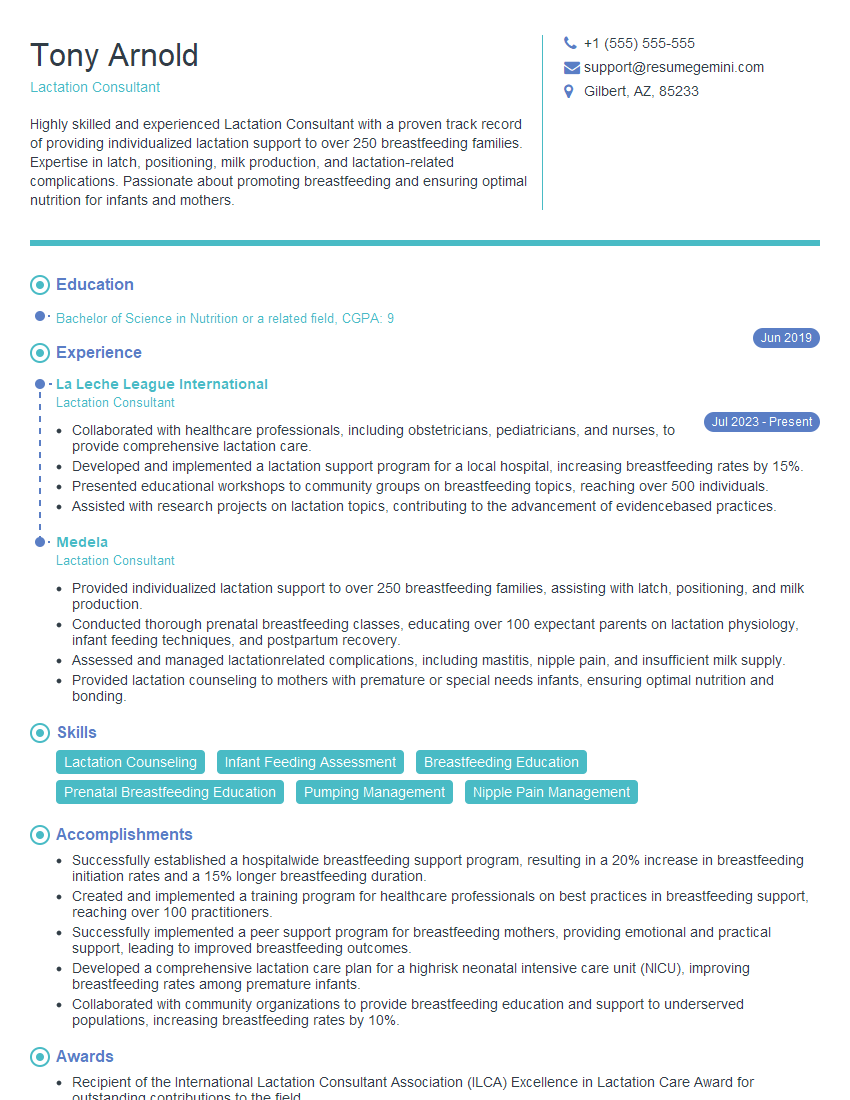
Mastering Labor Induction is crucial for advancing your career in obstetrics and gynecology. A strong understanding of these concepts will significantly enhance your clinical skills and make you a highly competitive candidate. To maximize your job prospects, create a compelling and ATS-friendly resume that highlights your skills and experience. We highly recommend using ResumeGemini to build a professional resume that showcases your expertise in Labor Induction. ResumeGemini provides valuable tools and resources, including examples of resumes tailored to Labor Induction, to help you create a document that truly stands out.

Explore more articles
Users Rating of Our Blogs
Share Your Experience
We value your feedback! Please rate our content and share your thoughts (optional).
What Readers Say About Our Blog
To the interviewgemini.com Webmaster.
Very helpful and content specific questions to help prepare me for my interview!
Thank you
To the interviewgemini.com Webmaster.
This was kind of a unique content I found around the specialized skills. Very helpful questions and good detailed answers.
Very Helpful blog, thank you Interviewgemini team.