The thought of an interview can be nerve-wracking, but the right preparation can make all the difference. Explore this comprehensive guide to Landfill Gas Groundwater Monitoring interview questions and gain the confidence you need to showcase your abilities and secure the role.
Questions Asked in Landfill Gas Groundwater Monitoring Interview
Q 1. Describe the process of installing and maintaining a landfill gas monitoring well.
Installing a landfill gas monitoring well involves careful planning and execution to ensure accurate and reliable data. First, a location is selected based on factors like proximity to potential groundwater sources and the landfill’s gas generation zones. The well is then drilled to the desired depth, usually penetrating below the landfill liner and into the underlying aquifer. A perforated screen is placed within the well to allow groundwater to enter, while preventing soil particles from clogging it. Next, a filter pack (e.g., fine sand or gravel) surrounds the screen to enhance filtration. The well is then sealed with bentonite clay, grout, or other suitable materials to prevent cross-contamination and maintain well integrity. Finally, a protective casing is installed to protect the well from surface damage and to provide a secure point for gas sampling equipment.
Maintaining the well involves regular inspection for signs of damage, leakage, or obstruction. Periodic purging and sampling are critical to ensure that collected gas represents the actual subsurface conditions. This often involves using a bailer or a pump to remove stagnant water from the well before sampling. Regular cleaning and testing of the sampling equipment are also essential to prevent errors and contamination.
For example, we once had a well damaged by heavy machinery during construction near the landfill. This led to a compromised seal and inaccurate readings. Prompt identification and repair of this damage prevented potential environmental issues and ensured continuous, reliable monitoring data.
Q 2. Explain the difference between active and passive landfill gas migration.
Landfill gas migration can be categorized as either active or passive. Passive migration refers to the movement of landfill gas due to pressure gradients created by the generation of gas within the landfill. Think of it like a balloon slowly inflating – the gas naturally seeks the path of least resistance to escape. The driving force is the pressure difference between the landfill and the surrounding environment. This can be slow and sometimes unpredictable, potentially leading to gas accumulation in subsurface areas over time.
In contrast, active migration involves the deliberate extraction of landfill gas using a system of wells and collection pipes. This system creates an artificial pressure gradient that directs the flow of gas towards the extraction wells and minimizes its potential to migrate passively. It is akin to actively deflating a balloon rather than just waiting for it to deflate gradually. This approach is more controlled and ensures a significant reduction in the risk of gas reaching groundwater.
Q 3. What are the common methods for measuring landfill gas concentrations?
Several methods are used to measure landfill gas concentrations. One common technique involves using a portable gas detector with a probe inserted directly into the monitoring well. These detectors can measure the concentrations of various gases, including methane (CH4) and carbon dioxide (CO2), providing an immediate result. Another approach is to collect a gas sample using a gas sampling bag. The collected sample is then analyzed in a laboratory using more sophisticated techniques such as Gas Chromatography (GC), which provides more precise and detailed information about the composition of the gas. Photoacoustic Spectroscopy (PAS) offers another precise method for continuous monitoring of gas concentrations. This technique relies on the absorption of light by the gas components, enabling highly sensitive detection of various greenhouse gases.
Q 4. How do you interpret landfill gas monitoring data to assess potential risks?
Interpreting landfill gas monitoring data requires a systematic approach. The first step involves comparing the measured gas concentrations to established regulatory thresholds and site-specific background levels. An increase in gas concentrations, especially methane, above background levels indicates potential migration. We assess several factors like concentration gradients, spatial distribution of gas, and the presence of specific indicator gases (e.g., volatile organic compounds – VOCs). Changes in the concentrations over time are just as important as the absolute values. For instance, a gradual increase in methane concentration could point towards a developing problem. Furthermore, we integrate the gas monitoring data with other relevant data like groundwater levels, soil properties and weather patterns for a more comprehensive analysis.
Identifying elevated methane concentrations near groundwater monitoring wells is particularly concerning, signifying the potential for groundwater contamination. Such findings trigger further investigations, such as soil gas surveys and remedial action planning, to mitigate potential risks.
Q 5. What are the regulatory requirements for landfill gas monitoring in your region?
Regulatory requirements for landfill gas monitoring vary widely depending on location. In most jurisdictions, environmental agencies specify monitoring frequencies, required parameters (gas types and concentrations), and reporting procedures. For example, the EPA in the United States has detailed regulations for landfill gas management, including monitoring and reporting requirements based on landfill size and characteristics. These often require regular submission of detailed reports, which include gas monitoring data, corrective actions taken, and compliance certifications. Penalties for non-compliance can be substantial, including fines and legal actions. It’s crucial to be thoroughly familiar with the specific local regulations to ensure compliance.
Q 6. Explain the principles of Darcy’s Law and its application to landfill gas migration.
Darcy’s Law is a fundamental principle in hydrogeology that describes the flow of fluids through porous media. It states that the flow rate (Q) is proportional to the hydraulic gradient (i) and the hydraulic conductivity (K) of the medium. The equation is expressed as: Q = -KAi, where A represents the cross-sectional area.
In the context of landfill gas migration, Darcy’s Law helps predict the movement of gas through the soil. Here, the ‘fluid’ is landfill gas, and the porous medium is the soil surrounding the landfill. Hydraulic conductivity, in this case, represents the soil’s permeability to gas. The hydraulic gradient reflects the pressure difference driving the gas movement. Therefore, by understanding the soil properties (K) and the pressure gradients (i), we can estimate the rate and direction of landfill gas migration using Darcy’s Law or its modified forms that account for the specific properties of gases. This helps in predicting potential pathways for gas migration and identifying areas at high risk of contamination.
Q 7. Describe different types of landfill liners and their impact on gas migration.
Different types of landfill liners significantly impact gas migration. Composite liners, commonly used in modern landfills, consist of a geomembrane (e.g., high-density polyethylene – HDPE) layer placed over a compacted clay liner. The geomembrane provides a low-permeability barrier, effectively preventing gas from penetrating. The clay liner adds another layer of protection and enhances the overall liner’s performance. Clay liners alone, while offering some resistance to gas flow, are less effective than composite liners. Their effectiveness is highly dependent on the clay’s properties, such as its low permeability and thickness. The performance of the liner, including its potential for gas migration, is monitored regularly through gas monitoring well data, ensuring the effectiveness and long-term integrity of the barrier. Damage or compromised areas identified during monitoring could require remedial measures.
Q 8. What are the potential environmental impacts of uncontrolled landfill gas release?
Uncontrolled landfill gas (LFG) release poses significant environmental risks. LFG, primarily composed of methane (CH₄) and carbon dioxide (CO₂), is a potent greenhouse gas. Methane, in particular, has a global warming potential many times greater than CO₂. Its release into the atmosphere contributes significantly to climate change.
Beyond climate change, uncontrolled LFG can also contaminate groundwater and soil. Methane can displace oxygen in the subsurface, creating anaerobic conditions that hinder the survival of aerobic organisms and impacting soil health. Furthermore, LFG often contains other volatile organic compounds (VOCs) and potentially harmful trace elements that can leach into the surrounding environment, contaminating water resources and posing risks to ecosystems and human health.
Imagine a scenario where LFG migrates into a nearby residential area. This could lead to explosions, as methane is highly flammable, or even health problems due to direct exposure to toxic compounds. Protecting the environment and public safety necessitate rigorous LFG management practices.
Q 9. How do you identify and address potential data anomalies in landfill gas monitoring data?
Identifying and addressing data anomalies in LFG monitoring is crucial for effective landfill management. Anomalies can stem from various sources, including instrumentation malfunctions, data entry errors, or actual changes in gas generation or migration patterns. A robust quality assurance/quality control (QA/QC) program is essential.
Initially, we visually inspect the data for obvious outliers. Statistical methods like Grubbs’ test can help identify points significantly deviating from the norm. We also consider the context: Was there recent rainfall that might impact gas pressure? Was there maintenance performed on the monitoring well? Knowing the history of the landfill is critical. If an anomaly persists after considering these factors, further investigation is warranted. This might involve: recalibrating sensors, inspecting well integrity, or conducting additional site investigations.
For example, if multiple monitoring wells show a sudden, simultaneous spike in methane concentration, it might indicate a breach in the landfill liner, whereas isolated spikes might indicate a sensor fault. Thorough investigation and root cause analysis are critical for making informed decisions and preventing future occurrences.
Q 10. What are the limitations of different landfill gas monitoring technologies?
Several technologies are used for LFG monitoring, each with its limitations. Common methods include: pressure transducers for measuring gas pressure, gas chromatographs for analyzing gas composition, and portable gas detectors for quick, on-site assessments.
- Pressure Transducers: These measure pressure but not composition. They may not detect leaks of low-pressure gases and could be affected by changes in barometric pressure.
- Gas Chromatographs (GCs): Provide detailed compositional analysis but are expensive, require laboratory facilities, and have slower response times. They may also miss less abundant compounds.
- Portable Gas Detectors: Offer rapid assessment of specific gases (e.g., methane) but provide only a snapshot at a given point in time and lack the detail of a GC.
The choice of technology depends on the specific needs of the landfill and its budget. A combination of technologies is often employed to overcome the individual limitations of each.
Q 11. Explain the concept of gas pressure gradients and their significance in landfill gas management.
Gas pressure gradients are the differences in gas pressure between various points within a landfill. These gradients drive the movement of LFG. Understanding these gradients is fundamental to effective LFG management, as they indicate the direction and rate of gas flow.
Higher pressure areas in the landfill are where gas tends to accumulate. The gas flows from high-pressure zones to low-pressure zones, potentially leading to releases into the environment if adequate collection and control systems are not in place. Monitoring pressure gradients helps pinpoint areas where LFG is accumulating, potentially indicating a liner breach or insufficient extraction capacity. This information is critical in designing effective gas extraction systems and optimizing their performance.
For instance, if a pressure monitoring network shows a consistently high-pressure zone in a specific area, it may suggest a need for an additional extraction well in that region to mitigate the risk of uncontrolled releases.
Q 12. How do you design a landfill gas monitoring network?
Designing a landfill gas monitoring network requires a thorough understanding of the site’s hydrogeology and the anticipated gas generation patterns. The network must be strategically positioned to effectively capture the spatial variability of LFG.
The design process typically involves:
- Site Characterization: Assessing the geology, topography, and existing infrastructure of the landfill.
- Gas Flow Modeling: Simulating the movement of LFG to identify potential migration pathways.
- Well Placement: Strategically locating monitoring wells to provide comprehensive coverage, considering factors such as gas generation zones, potential migration pathways, and proximity to sensitive receptors.
- Monitoring Frequency: Determining the frequency of sampling based on the site-specific risk assessment. More frequent monitoring is generally required for sites with higher risk profiles.
- Data Management System: Establishing a robust system to capture, manage, and analyze collected data. This often involves real-time monitoring systems and sophisticated data loggers.
The ultimate goal is to create a network that enables early detection of anomalies, informs decision-making, and ensures effective management of LFG.
Q 13. Describe the role of methane oxidation in landfill gas management.
Methane oxidation is a natural process where methane (CH₄) is converted to carbon dioxide (CO₂) by aerobic microorganisms. While CO₂ is also a greenhouse gas, its global warming potential is significantly lower than methane’s. Thus, promoting methane oxidation can be a valuable tool in reducing LFG’s environmental impact.
In landfill management, this can be achieved through various methods such as:
- Bioaugmentation: Introducing microorganisms that enhance methane oxidation into the landfill.
- Bioventing: Involving the controlled introduction of air into the landfill to provide oxygen to these microorganisms.
- Landfill Cover Design: Designing landfill covers that promote aerobic conditions conducive to methane oxidation.
By promoting methane oxidation, we reduce the amount of potent greenhouse gas released into the atmosphere. This bioremediation approach is a sustainable and environmentally friendly strategy for LFG management.
Q 14. What are the health risks associated with exposure to landfill gas?
Exposure to landfill gas poses several health risks, primarily due to its composition. The major components, methane and carbon dioxide, present different hazards:
- Methane (CH₄): Being a flammable gas, methane exposure in high concentrations can lead to explosions or asphyxiation due to oxygen displacement. At lower concentrations, it can cause headaches, dizziness, and nausea.
- Carbon Dioxide (CO₂): At elevated levels, CO₂ can cause asphyxiation. Symptoms of CO₂ poisoning include headaches, dizziness, shortness of breath, and loss of consciousness.
- Other Components: LFG also contains other VOCs and trace elements, some of which are toxic. These can lead to various health problems depending on the specific compounds and concentrations, ranging from respiratory issues to long-term health effects.
Protecting workers and nearby communities from these health risks requires robust LFG monitoring, effective collection systems, and emergency response plans. Proper ventilation in areas potentially affected by LFG is also critical to maintain safe levels of gas concentration.
Q 15. Explain different landfill gas collection and control systems.
Landfill gas (LFG) collection and control systems are crucial for mitigating environmental risks associated with decomposing waste. These systems aim to capture methane (CH4) and carbon dioxide (CO2), the primary components of LFG, preventing their release into the atmosphere and groundwater. Different systems exist depending on landfill size, waste characteristics, and regulatory requirements.
- Passive Systems: These rely on the natural pressure gradient within the landfill to move gas towards collection points. They are generally less expensive to install but less efficient than active systems, typically used in smaller landfills with low gas generation rates. Think of it like a natural venting system.
- Active Systems: These utilize extraction wells, blowers, and a network of pipes to actively draw LFG from the landfill. They’re more effective in capturing gas, especially in larger landfills or those with high gas generation. This is similar to a vacuum cleaner, actively sucking up the gas.
- Hybrid Systems: Combine aspects of both passive and active systems. They might use passive systems in areas with lower gas production and active systems in high-production zones. This offers a balance between cost and effectiveness.
- Gas Flare/Recovery Systems: Once collected, LFG can be flared (burned) to reduce its greenhouse gas impact. Alternatively, LFG can be processed and used as a renewable energy source (e.g., electricity generation or heating). This is like turning waste into a resource.
The choice of system depends on a site-specific assessment, considering factors like gas generation potential, soil conditions, and proximity to residential areas.
Career Expert Tips:
- Ace those interviews! Prepare effectively by reviewing the Top 50 Most Common Interview Questions on ResumeGemini.
- Navigate your job search with confidence! Explore a wide range of Career Tips on ResumeGemini. Learn about common challenges and recommendations to overcome them.
- Craft the perfect resume! Master the Art of Resume Writing with ResumeGemini’s guide. Showcase your unique qualifications and achievements effectively.
- Don’t miss out on holiday savings! Build your dream resume with ResumeGemini’s ATS optimized templates.
Q 16. How do you calculate landfill gas emissions?
Calculating landfill gas emissions involves estimating the amount of gas generated and released from a landfill. This is often done using a combination of empirical models and field measurements. Accurate estimations are vital for environmental compliance and effective management strategies.
Common methods include:
- Mass Balance Approach: This method involves tracking the amount of waste entering the landfill and estimating the gas produced based on waste composition and decomposition rates. This requires detailed information on the waste stream and its characteristics. Think of it like tracking ingredients in a recipe to predict the amount of final product.
- Direct Measurement: This involves measuring gas flow rates at extraction wells using flow meters. This provides a direct measurement of gas collected but might not capture all gas emissions (e.g., uncollected gas escaping through the landfill cover).
- Remote Sensing Techniques: Techniques such as infrared cameras or satellite imagery can be used to detect and measure fugitive emissions (uncaptured gas escaping the landfill). This provides a broader picture of the overall emissions, including what’s not captured by the collection system.
- Emission Factors: These are standardized values representing the amount of gas produced per unit of waste. These factors are used in conjunction with waste characteristics data to estimate emissions.
Combining these methods allows for a more comprehensive assessment of landfill gas emissions. Uncertainty analysis is crucial to account for the variability inherent in each method.
Q 17. What are the key factors affecting landfill gas generation?
Several key factors influence landfill gas generation. Understanding these factors is crucial for designing effective LFG management systems and predicting long-term emissions.
- Waste Composition: The type and amount of organic waste significantly impacts gas production. Waste rich in biodegradable materials (e.g., food scraps, yard waste) generates more gas than inert materials (e.g., plastics, metals).
- Moisture Content: Appropriate moisture levels are essential for microbial activity, which is responsible for gas production. Too much or too little moisture can inhibit decomposition.
- Temperature: Microbial activity and thus gas production, are temperature-dependent, with optimal temperatures ranging from 30-55°C. Lower or higher temperatures can significantly slow down the process.
- Waste Density and Compaction: Proper compaction improves gas flow and collection efficiency. Poor compaction can lead to anaerobic zones with reduced decomposition rates.
- Age of the Landfill: Gas generation rates vary over time, typically peaking after several years and declining gradually as the waste decomposes. Older landfills generally have lower generation rates.
- pH: The acidity or alkalinity of the landfill environment can affect microbial activity and therefore gas production.
By considering these factors, a more precise prediction of LFG generation can be made, which helps in designing and operating effective LFG management systems.
Q 18. What are the common methods for remediating landfill gas contamination?
Remediation of landfill gas contamination aims to prevent its migration into groundwater and the atmosphere. Several methods exist, often employed in combination.
- Improved LFG Collection and Control: The most effective approach is to enhance the existing gas collection system or install a new one to capture more gas before it can migrate. This is a proactive solution that addresses the source of contamination.
- Soil Vapor Extraction (SVE): This technology involves installing extraction wells and using vacuum pumps to remove volatile organic compounds (VOCs), including LFG components, from the soil. Think of it like vacuuming contaminants out of the ground.
- Bioventing: This technique encourages the natural biodegradation of LFG components in the soil by introducing air into the subsurface. It leverages the natural ability of microorganisms to break down contaminants.
- Bioaugmentation: This involves introducing microorganisms to the soil that are specifically designed to break down LFG components more efficiently. This accelerates the natural biodegradation process.
- Groundwater Extraction and Treatment: In cases where LFG has contaminated groundwater, wells can be used to extract contaminated water, which is then treated using techniques such as air stripping or activated carbon adsorption to remove the contaminants. This is a more direct way of treating the contaminated groundwater.
The selection of remediation methods depends on the extent and nature of the contamination, site-specific conditions, and regulatory requirements.
Q 19. Describe your experience with different types of groundwater monitoring equipment.
My experience encompasses a wide range of groundwater monitoring equipment used in landfill gas monitoring. The choice of equipment is driven by factors like the depth of the aquifer, the type of contaminants, and the desired accuracy.
- Multi-Level Monitoring Wells: These wells have multiple ports at different depths, allowing for sampling and measurement of groundwater quality at various levels within the aquifer. This provides a detailed vertical profile of groundwater conditions.
- Groundwater Monitoring Wells: Standard wells are installed to collect groundwater samples for analysis of LFG components (e.g., methane, carbon dioxide, volatile organic compounds). The design and construction must meet specific standards to prevent cross-contamination.
- Direct-Push Probes: These are useful for rapid and cost-effective assessment of groundwater contamination. They allow for in situ measurements of various parameters (e.g., pH, redox potential, dissolved oxygen). However, they may not provide the same level of detail as more traditional monitoring wells.
- Gas Detectors and Meters: Used to measure the concentrations of LFG components in groundwater samples. Portable instruments are available for field measurements, while laboratory instruments provide more accurate and precise results. Commonly used instruments include gas chromatographs (GCs) and photoionization detectors (PIDs).
- Data Loggers: These automatically record measurements from sensors installed in the wells. They provide continuous monitoring of groundwater levels, temperature, and other parameters, aiding in early detection of potential problems.
I have extensive experience in selecting, installing, calibrating, and maintaining this equipment, ensuring its accuracy and reliability in generating high-quality data.
Q 20. Explain the significance of groundwater sampling procedures in landfill gas monitoring.
Groundwater sampling procedures are critical in landfill gas monitoring because they provide direct evidence of LFG migration into the aquifer. Proper sampling techniques are essential to ensure the reliability and validity of the data obtained.
Key aspects of effective sampling procedures include:
- Well Development: This process involves purging the well of stagnant water and ensuring the sample represents the true groundwater quality. Failure to properly develop the well can lead to inaccurate results.
- Sampling Method: Appropriate sampling methods must be used to avoid contamination and ensure a representative sample is collected. This may involve using submersible pumps, bailers, or peristaltic pumps, chosen based on the well’s characteristics and the required sample volume.
- Sample Preservation: Samples must be properly preserved to prevent the degradation of LFG components before analysis. This typically involves sealing the samples in airtight containers and refrigerating them.
- Chain-of-Custody Documentation: Meticulous documentation of the sampling process, including date, time, location, personnel involved, and preservation methods, is essential to maintain the integrity of the data. This ensures traceability and accountability.
- Quality Assurance/Quality Control (QA/QC): QA/QC measures, including field blanks, duplicates, and spikes, are used to assess the accuracy and precision of the sampling and analytical procedures.
Following standardized sampling protocols and maintaining rigorous documentation are crucial for generating reliable data that can be used to make informed decisions about landfill management and remediation.
Q 21. How do you ensure the quality and reliability of landfill gas monitoring data?
Ensuring the quality and reliability of landfill gas monitoring data is paramount for effective environmental management and regulatory compliance. This requires a multifaceted approach.
- Regular Calibration and Maintenance of Equipment: All monitoring equipment needs regular calibration and maintenance to ensure accuracy. A well-maintained system provides more reliable data.
- Quality Control (QC) Procedures: Implementing rigorous QC measures during sampling, analysis, and data reporting are essential. This includes using field blanks, duplicates, and spikes to detect and correct potential errors.
- Data Validation and Verification: Data should be reviewed to identify outliers or inconsistencies. This may involve using statistical methods to identify data that falls outside acceptable ranges and investigating potential reasons for these outliers.
- Use of Standardized Methods: Adhering to established protocols and standardized methods (e.g., EPA methods) guarantees consistency and comparability of data across different sites and time periods.
- Experienced Personnel: Training and experience of the personnel involved in all aspects of monitoring are critical. Proper training ensures accurate data collection, analysis and interpretation.
- Data Management and Reporting: A well-structured data management system is crucial to organize and store data effectively. This includes clear labeling, documentation, and secure storage of data to prevent loss or corruption. Regular reports should summarize findings and identify any trends or anomalies.
A comprehensive approach to quality assurance ensures that the data generated is reliable, accurate, and suitable for informed decision-making regarding landfill gas management.
Q 22. Describe your experience with data analysis software used in landfill gas monitoring.
My experience with data analysis software in landfill gas monitoring is extensive. I’m proficient in using several industry-standard packages. For instance, I regularly utilize ArcGIS for geospatial analysis of monitoring well locations and gas plume mapping. This allows for visualization of concentration gradients and identification of potential migration pathways. I also have considerable experience with Excel and R. Excel is invaluable for initial data entry, calculation of averages, and generating basic reports. R, on the other hand, is crucial for more advanced statistical analysis, such as trend analysis, outlier detection, and the creation of predictive models for future gas generation and migration. I’ve also used specialized software like EnviroInsite for managing and analyzing large datasets from numerous monitoring wells across multiple landfills. This software streamlines data entry, quality control, and reporting processes, significantly improving efficiency.
Beyond specific software, I emphasize data quality control at every stage. This includes rigorous checks for outliers, instrument calibration records, and ensuring data integrity before analysis begins. A key aspect of my approach is the visualization of the data. Clear graphs and maps help identify patterns and anomalies that might otherwise be missed in raw data tables. This visual representation is essential for effective communication and decision-making.
Q 23. What are the reporting requirements for landfill gas monitoring results?
Reporting requirements for landfill gas monitoring results vary depending on the governing regulations and permits of the specific landfill. However, there are common elements. Typically, reports include:
- Summary of Monitoring Data: This section presents key metrics such as gas concentrations (methane, carbon dioxide, etc.) in each monitoring well, along with measurements of groundwater parameters like pH, dissolved oxygen, and redox potential.
- Data Tables: Detailed tables showing all raw data collected over the reporting period, including dates, times, and location information.
- Graphical Representations: Charts and graphs visually display trends in gas concentrations and groundwater parameters over time and across different well locations. This allows for easy identification of potential problems.
- Statistical Analysis: Reports often include basic statistical summaries (mean, median, standard deviation) of the data, as well as more advanced analyses if required to address specific concerns.
- Compliance Assessment: A crucial section demonstrating whether the monitoring results meet regulatory limits and permit requirements. Any exceedances or deviations must be clearly explained.
- Corrective Action Plans: If non-compliance is identified, the report must include a description of proposed corrective actions to address the issue and bring the landfill into compliance.
Regulatory agencies often specify the frequency of reporting (e.g., monthly, quarterly, annually), the format of the report, and the specific data elements that must be included. Non-compliance can lead to significant penalties.
Q 24. How do you communicate complex technical information to non-technical audiences?
Communicating complex technical information to non-technical audiences requires a tailored approach. I avoid using jargon and instead focus on clear, concise language and relatable analogies. For example, instead of saying “increased biogas flux,” I might say “more gas is escaping from the landfill.” I use visual aids extensively – graphs, charts, and simple diagrams – to illustrate key points. I also break down complex information into smaller, easily digestible chunks, ensuring the audience understands each step before moving to the next. In presentations, I use real-world examples to make the concepts more tangible. For example, I might compare the movement of landfill gas to the way smoke spreads in the wind to illustrate gas migration patterns. Active listening and engaging the audience through questions and discussions are critical to ensure understanding and address any concerns.
I’ve found that tailoring my communication to the specific audience is essential. A presentation to a community group will differ significantly from one to regulatory officials. Understanding their prior knowledge and their concerns allows me to frame the information in a way that resonates with them and builds trust.
Q 25. Describe a challenging situation you faced during landfill gas monitoring and how you resolved it.
During a monitoring project at a landfill, we encountered unexpectedly high methane concentrations in a monitoring well located near a newly constructed cell. Initial investigations suggested a potential breach in the liner system. This was a serious concern as it could lead to significant environmental contamination and pose safety risks. The challenge was determining the source of the elevated methane and verifying the integrity of the landfill liner without extensive and costly excavation.
To resolve this, we employed a multi-faceted approach. First, we increased the frequency of monitoring to better track the methane plume’s movement. Second, we utilized advanced geophysical techniques, including ground-penetrating radar (GPR), to assess the subsurface conditions and look for anomalies that might indicate a liner breach. Third, we conducted more detailed analyses of the groundwater samples to identify any indicators of leachate migration. The GPR survey revealed a subtle anomaly consistent with a possible liner imperfection, and the groundwater analysis showed elevated levels of organic compounds typically associated with leachate. This confirmed our suspicions. We then worked with the landfill operator to implement a comprehensive remediation plan, involving targeted liner repairs and improved gas collection systems. Regular monitoring confirmed the effectiveness of the remediation and the reduction of the methane concentration.
Q 26. What are the current advancements and challenges in landfill gas monitoring technology?
Advancements in landfill gas monitoring technology include the use of:
- Remote Sensing Technologies: These offer non-invasive methods for monitoring gas emissions and migration, such as satellite imagery and drones equipped with infrared cameras.
- Wireless Sensor Networks: These provide real-time data acquisition from multiple monitoring points, transmitting data wirelessly for immediate analysis and response. This improves the efficiency of monitoring and allows quicker responses to potential problems.
- Advanced Analytical Techniques: Improvements in gas chromatography and mass spectrometry are providing more accurate and sensitive measurements of various landfill gases.
- Machine Learning and Predictive Modeling: Algorithms can analyze historical data to predict future gas generation and migration, which is invaluable for proactive management strategies.
However, challenges remain, including:
- Data Integration and Management: Managing and analyzing data from multiple sources and technologies requires robust software and efficient data management strategies.
- Cost of New Technologies: Implementing some of the more advanced technologies can be costly, especially for smaller landfills.
- Uncertainty in Predictive Models: While machine learning is promising, the accuracy of predictive models depends heavily on the quality and quantity of historical data available.
- Regulatory Frameworks: Keeping up-to-date with the latest regulations and best practices is crucial for ensuring the effectiveness of monitoring and management strategies.
Q 27. How do you stay updated on the latest regulations and best practices in landfill gas management?
Staying updated on the latest regulations and best practices is an ongoing process that involves several strategies. I actively participate in professional organizations such as the Air & Waste Management Association (AWMA) and attend industry conferences and workshops. These events provide opportunities to learn about the latest research, technological advancements, and regulatory changes directly from experts in the field. I also subscribe to relevant journals and newsletters, including those published by regulatory bodies like the EPA. I regularly review and study updated regulatory guidance documents and participate in online courses and webinars to maintain my professional knowledge and certifications.
Networking with colleagues and experts in the field is another vital method. This includes discussions at conferences, participation in online forums and communities, and direct collaborations on projects. It’s a collaborative effort that ensures best practice is shared and knowledge gaps are addressed.
Q 28. Explain your understanding of risk assessment related to landfill gas migration.
Risk assessment related to landfill gas migration involves a systematic evaluation of the potential hazards associated with gas migration from a landfill and the likelihood of those hazards causing adverse effects. This includes a combination of qualitative and quantitative assessments.
Qualitative Assessment: This part involves identifying potential pathways for gas migration (e.g., through soil, cracks in the liner, abandoned wells), identifying vulnerable receptors (e.g., nearby buildings, groundwater sources), and determining the potential consequences if gas migration occurs. This may include an assessment of the potential for explosions, health impacts, and environmental damage.
Quantitative Assessment: This involves using monitoring data, models, and engineering calculations to quantify the potential risks. For example, gas dispersion models can be used to predict the concentration of landfill gas in the surrounding environment under different scenarios. Probabilistic risk assessments can incorporate uncertainties in model parameters to estimate the likelihood of exceeding regulatory limits or causing adverse effects.
The results of the risk assessment are then used to inform decisions regarding landfill design, operation, and monitoring. If significant risks are identified, mitigation measures may be implemented, such as installing gas collection and extraction systems, improving the landfill liner, or restricting development in the vicinity of the landfill. Regular monitoring and reassessment are crucial to ensure the effectiveness of the risk management strategies.
Key Topics to Learn for Landfill Gas Groundwater Monitoring Interview
- Landfill Gas Generation and Composition: Understanding the processes that create landfill gas (LFG), its key components (methane, carbon dioxide, etc.), and their environmental impact.
- Groundwater Hydrology: Knowledge of groundwater flow patterns, aquifer characteristics, and potential pathways for LFG migration.
- Monitoring Well Design and Installation: Understanding the principles behind well placement, construction, and the importance of proper well development techniques.
- Sampling and Analytical Methods: Familiarity with various sampling techniques (e.g., purging, bailing), laboratory analysis of LFG and groundwater samples, and quality assurance/quality control procedures.
- Data Interpretation and Reporting: Analyzing monitoring data to identify trends, assess compliance with regulatory standards, and prepare comprehensive reports.
- Regulatory Compliance and Permitting: Understanding relevant environmental regulations and permitting requirements related to LFG and groundwater monitoring.
- Mitigation Strategies: Knowledge of different LFG mitigation techniques (e.g., gas collection systems, extraction wells) and their effectiveness.
- Risk Assessment and Management: Applying risk assessment methodologies to evaluate potential hazards associated with LFG migration and develop appropriate management plans.
- Data Management and Software: Experience with database management systems and software used for LFG and groundwater data analysis and visualization.
- Troubleshooting and Problem-Solving: Demonstrating the ability to identify and address potential issues related to monitoring well integrity, data inconsistencies, and unexpected results.
Next Steps
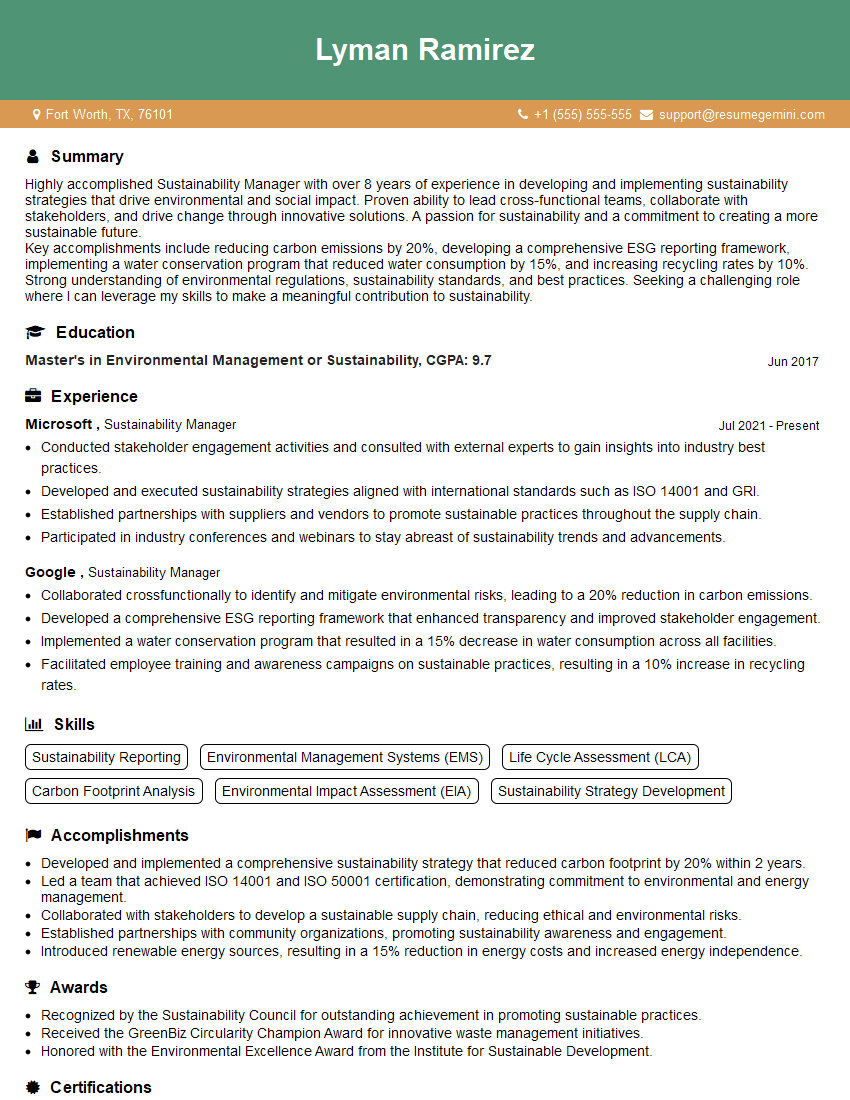
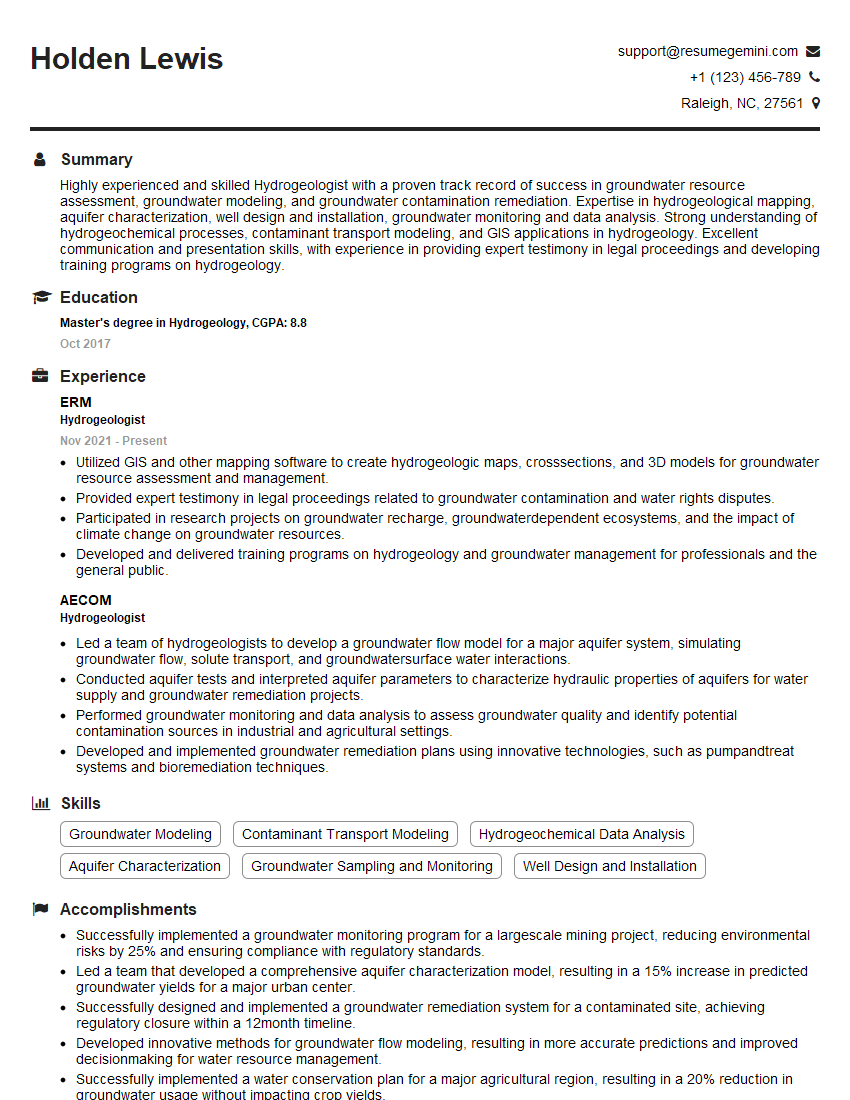
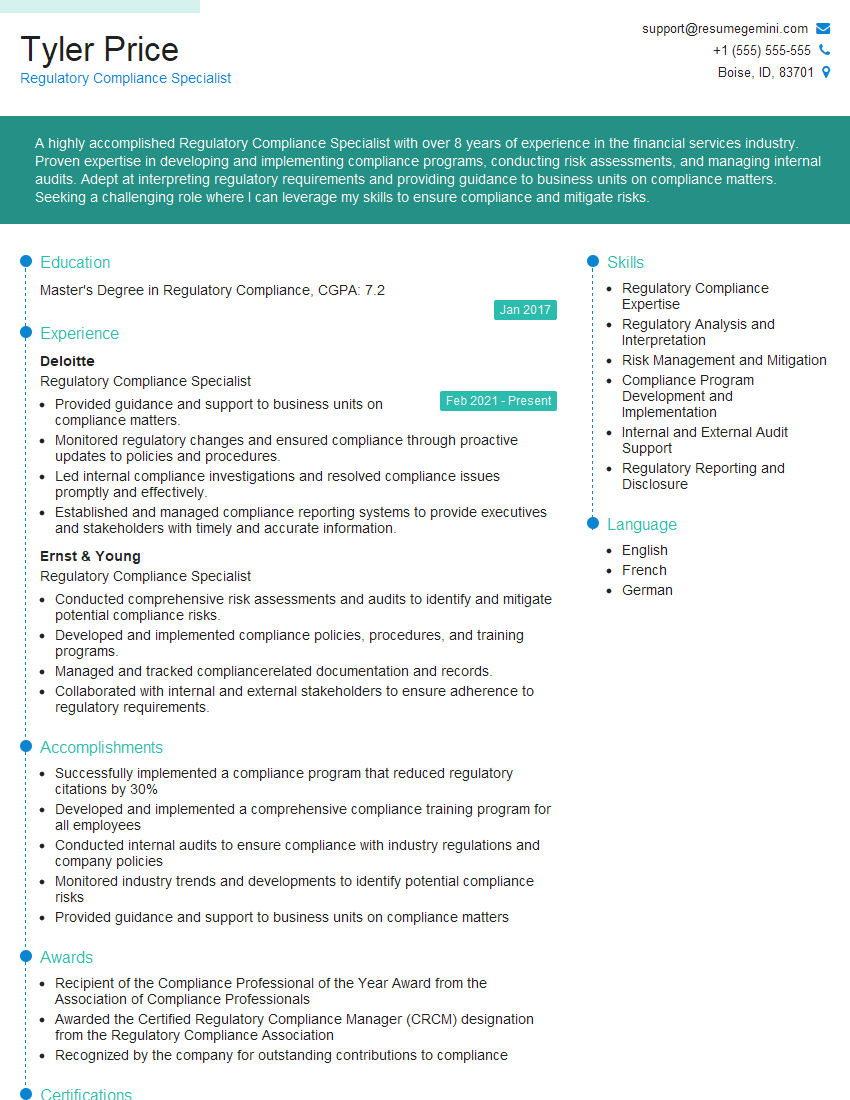
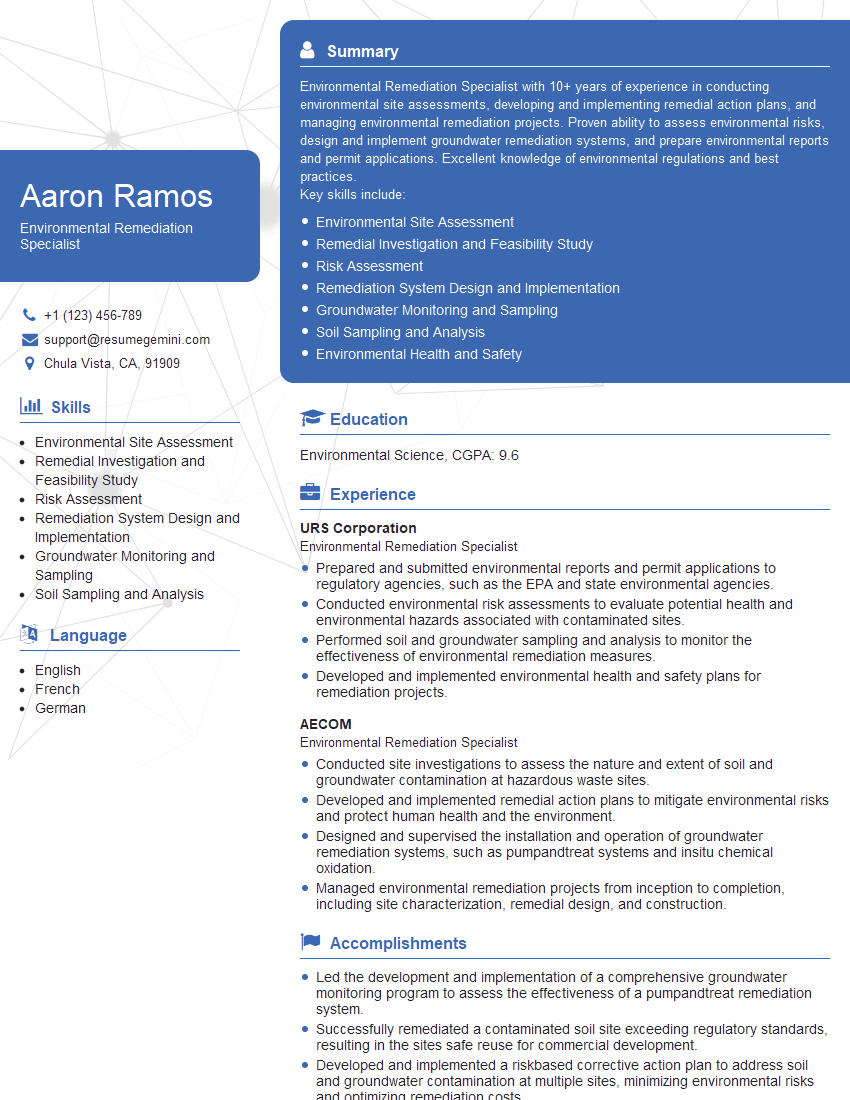
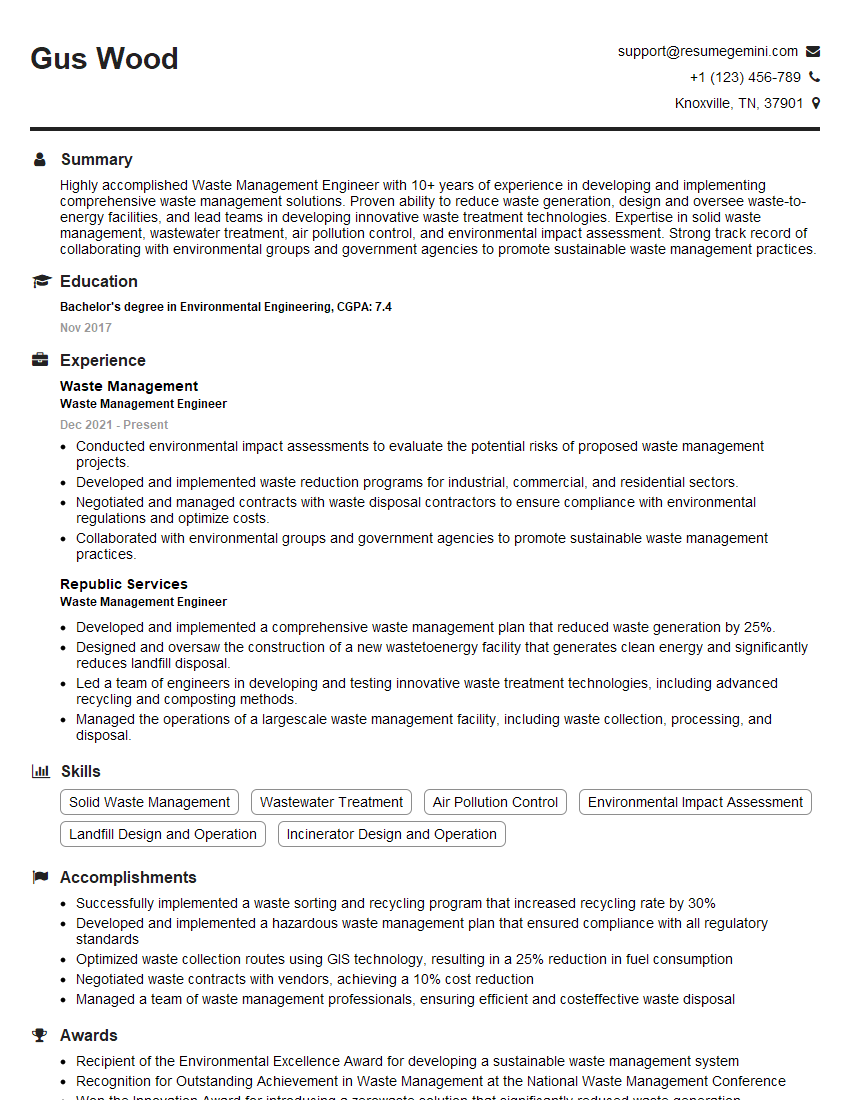
Mastering Landfill Gas Groundwater Monitoring opens doors to exciting career opportunities in environmental consulting, remediation, and regulatory agencies. A strong understanding of these concepts is highly sought after by employers. To maximize your job prospects, it’s crucial to create a resume that effectively highlights your skills and experience. An ATS-friendly resume is essential for getting past Applicant Tracking Systems and into the hands of hiring managers. We strongly recommend using ResumeGemini, a trusted resource for building professional and impactful resumes. ResumeGemini provides examples of resumes tailored to Landfill Gas Groundwater Monitoring, helping you showcase your expertise effectively.

Explore more articles
Users Rating of Our Blogs
Share Your Experience
We value your feedback! Please rate our content and share your thoughts (optional).
What Readers Say About Our Blog
To the interviewgemini.com Webmaster.
Very helpful and content specific questions to help prepare me for my interview!
Thank you
To the interviewgemini.com Webmaster.
This was kind of a unique content I found around the specialized skills. Very helpful questions and good detailed answers.
Very Helpful blog, thank you Interviewgemini team.