The right preparation can turn an interview into an opportunity to showcase your expertise. This guide to Language Comprehension interview questions is your ultimate resource, providing key insights and tips to help you ace your responses and stand out as a top candidate.
Questions Asked in Language Comprehension Interview
Q 1. Explain the difference between semantics and syntax.
Semantics and syntax are two crucial aspects of linguistics that govern how we understand and produce language, but they operate at different levels. Syntax refers to the grammatical structure of sentences – the rules that govern the order of words and phrases to create meaningful units. Think of it as the skeleton of a sentence. It dictates which word goes where and how they relate to each other grammatically. Semantics, on the other hand, deals with meaning. It’s about what the words and sentences convey, the relationship between words and the concepts they represent, and how meaning is derived from the combination of words. This is the ‘flesh’ that gives the skeletal structure meaning.
Example: Consider the sentences:
The dog chased the cat.The cat chased the dog.
Both sentences are syntactically correct; they follow the basic subject-verb-object structure of English. However, they differ semantically. The first sentence conveys a meaning different from the second, even though their syntactic structure is identical. The meaning changes depending on which noun is the subject and which is the object, even though the words remain the same.
Q 2. Describe the role of pragmatics in language understanding.
Pragmatics plays a vital role in language understanding by focusing on how context contributes to meaning. It goes beyond the literal meaning of words and sentences to explore the implied meaning, speaker’s intent, and the social context of communication. Imagine trying to interpret a sarcastic comment without understanding the speaker’s tone and the situation—that’s where pragmatics steps in. It helps us decipher indirect speech acts, understand non-verbal cues, and interpret language relative to the context in which it’s used.
Example: The sentence “It’s cold in here” can have multiple interpretations depending on the context. If said in a freezing room, it’s a statement of fact. If said to someone who has just opened a window on a warm day, it’s a subtle request to close it. Pragmatics allows us to understand these nuanced meanings.
In professional settings, pragmatics is crucial for effective communication. For instance, understanding the implicit meanings in client requests or the unspoken expectations in team meetings can significantly impact productivity and professional relationships.
Q 3. What are the key components of a successful reading comprehension strategy?
A successful reading comprehension strategy involves a multi-faceted approach. Key components include:
- Pre-reading activities: Activating prior knowledge, skimming the text for overall structure and key ideas (previewing).
- During-reading activities: Monitoring comprehension through active reading techniques like annotating the text, asking questions, summarizing paragraphs, and visualizing the content. This also includes identifying the main idea and supporting details.
- Post-reading activities: Reflecting on what was read, summarizing the text in one’s own words, making connections to other texts or personal experiences, and answering comprehension questions.
- Vocabulary development: Understanding the meaning of unfamiliar words encountered in the text is crucial for overall comprehension.
- Strategic reading behaviors: Adjusting reading speed depending on the difficulty and type of text, and rereading difficult passages for better understanding.
These strategies work together to transform the reader from a passive recipient of information into an active participant in the comprehension process, greatly enhancing understanding and retention.
Q 4. How does prior knowledge influence language comprehension?
Prior knowledge acts as a powerful lens through which we interpret new information. Our existing schema—the organized body of knowledge we have accumulated over time on a particular topic—significantly influences our understanding of new texts. When we encounter new information that aligns with our existing schema, comprehension is enhanced and we can easily integrate the new information into our existing understanding.
Example: If you’re an expert in botany, reading a text about plant physiology will be far easier than if you have no prior knowledge of the subject. Your existing knowledge will allow you to readily understand complex concepts and connect them to what you already know. Conversely, if the text contains information contradicting your prior knowledge, it might require more effort to process and potentially lead to misunderstanding or rejection of the new information unless you are willing to adapt your schema.
Therefore, activating prior knowledge before reading is a crucial step in effective reading comprehension. This can be done through pre-reading activities such as brainstorming, outlining, or reviewing relevant concepts.
Q 5. Explain the concept of ‘discourse analysis’.
Discourse analysis examines how language is used in real-world contexts beyond individual sentences. It explores the structure, organization, and interpretation of spoken or written communication, focusing on how meaning is created and negotiated through interaction. It looks at larger units of language, such as conversations, narratives, news articles, or even whole books, and investigates how those units are structured and how they create coherent meaning.
Examples of analysis might include: Examining the use of cohesive devices (e.g., pronouns, conjunctions) that link sentences together, analyzing the conversational turns in a dialogue to understand the interactional dynamics, or studying how narratives construct a particular perspective or point of view. It delves into the social, cultural, and psychological factors that shape the way language is used and interpreted in different situations.
In professional settings, discourse analysis can be applied in fields like marketing (analyzing advertising copy), law (examining witness testimonies), and education (assessing student writing).
Q 6. What are some common challenges in second language acquisition?
Second language acquisition (SLA) presents many challenges. Some common ones include:
- Interference from the first language (L1): Learners may apply grammatical rules or pronunciation patterns from their native language, leading to errors in the second language (L2).
- Difficulties with pronunciation: Mastering the sounds and intonation of a new language can be challenging, especially for sounds not present in the L1.
- Grammatical complexities: L2 grammars often differ significantly from the L1, requiring learners to acquire new grammatical rules and structures.
- Vocabulary acquisition: Building a large and diverse vocabulary takes considerable time and effort.
- Cultural differences: Language is inextricably linked to culture, and understanding the cultural context of L2 communication is vital for fluency and appropriate use.
- Lack of sufficient exposure and practice: Consistent exposure to the target language and opportunities for interaction are crucial for effective learning.
Overcoming these challenges requires a combination of effective teaching methods, immersive learning experiences, and a dedicated effort from the learner.
Q 7. How does context affect the interpretation of ambiguous sentences?
Ambiguous sentences—those with multiple possible interpretations— rely heavily on context for disambiguation. The surrounding text, the situation, and the speaker’s intentions all play crucial roles in determining the intended meaning.
Example: Consider the sentence, “I saw the man with the telescope.” This sentence is ambiguous because the prepositional phrase “with the telescope” could modify either “I” (meaning I used a telescope to see the man) or “man” (meaning the man possessed the telescope). The context would clarify which interpretation is correct. If the sentence appears in a report about an astronomer, the first interpretation is more likely. If it’s in a story about a man on a beach, the second interpretation might be favored.
Context helps us resolve ambiguity by providing clues about the speaker’s intentions, the topic under discussion, and the overall setting. This contextual information acts as a filter, allowing us to select the most plausible interpretation from among the possible readings. This is especially important in professional settings, where precise understanding of communication is crucial for avoiding misunderstandings and ensuring clarity.
Q 8. Describe different types of linguistic ambiguity.
Linguistic ambiguity arises when a sentence, phrase, or word has more than one possible meaning. This can significantly impact comprehension. There are several types:
- Lexical Ambiguity: This occurs when a word has multiple meanings. For example, the word ‘bank’ can refer to a financial institution or the side of a river. The context is crucial for disambiguation.
- Syntactic Ambiguity: This arises from the structure of a sentence, where different grammatical interpretations are possible. Consider the sentence ‘I saw the man with the telescope.’ Did I use the telescope to see the man, or was the man holding the telescope?
- Semantic Ambiguity: This involves ambiguity at the level of meaning, even when the words and syntax are clear. For instance, ‘The meeting was intense’ – intense could refer to the participants’ emotions or the length/difficulty of the meeting.
- Pragmatic Ambiguity: This relates to the context and speaker’s intention, going beyond the literal meaning. Sarcasm is a prime example. Saying ‘Oh, that’s just great!’ after something bad happens carries a very different meaning than its literal interpretation.
Understanding these types of ambiguity is essential for developing effective communication strategies and for interpreting texts accurately. In fields like natural language processing (NLP), resolving ambiguity is a major challenge.
Q 9. Explain the concept of ‘cognitive load’ in relation to language processing.
Cognitive load refers to the amount of mental effort required to perform a task. In language processing, it encompasses the effort needed to understand and process incoming linguistic information. A high cognitive load means the brain is working hard to make sense of the language, possibly leading to comprehension difficulties or even errors. Factors affecting cognitive load include:
- Sentence complexity: Long, convoluted sentences with multiple clauses impose a higher load.
- Unfamiliar vocabulary: Encountering unknown words requires extra processing time and effort.
- Ambiguity: Resolving ambiguity adds to the cognitive load.
- Prior knowledge: The more background knowledge a person has on the topic, the lower the cognitive load.
Consider reading a technical manual versus reading a novel. The manual, with its specialized vocabulary and complex sentence structures, will likely impose a higher cognitive load than the novel. Understanding cognitive load is crucial in designing user-friendly interfaces, instructional materials, and clear communication strategies.
Q 10. How do you assess a person’s language comprehension skills?
Assessing language comprehension involves a multifaceted approach, typically using a combination of methods:
- Standardized Tests: These tests, like the Peabody Picture Vocabulary Test (PPVT) or the Token Test, measure vocabulary, sentence comprehension, and following instructions. They provide quantifiable scores and norms for comparison.
- Informal Assessments: These include observing a person’s natural conversation, asking questions about a story they have read, or analyzing their responses in a casual interaction. This offers a more naturalistic view of their abilities.
- Narrative Retellings: Asking individuals to retell a story they have heard assesses their ability to comprehend and remember the key elements of the narrative.
- Reading Comprehension Tasks: Evaluating their understanding of passages through questions about main ideas, details, inferences, and vocabulary.
- Question Answering: Posing questions of varying complexity about a given text or topic.
The chosen method depends on the individual’s age, suspected language difficulties, and the specific assessment goals. A comprehensive assessment usually combines multiple techniques for a well-rounded understanding of their capabilities.
Q 11. What are some common errors in language comprehension?
Errors in language comprehension stem from various sources. Some common ones include:
- Misinterpreting ambiguous sentences: As discussed earlier, syntactic and semantic ambiguity can lead to incorrect interpretations.
- Limited vocabulary: Lack of word knowledge hinders understanding of the text.
- Difficulties with working memory: Holding and processing information while reading or listening becomes challenging.
- Inference problems: Struggling to make connections between ideas and draw conclusions from the text.
- Ignoring contextual clues: Failing to use surrounding information to clarify meaning.
- Top-down processing errors: Preconceptions and biases influencing the interpretation of the information.
These errors can manifest as misunderstandings, incorrect answers, or difficulties in following instructions. Identifying the source of the error is key to developing appropriate interventions.
Q 12. How do you differentiate between literal and figurative language?
Literal language refers to the direct, explicit meaning of words and phrases. It’s what you would find in a dictionary. Figurative language uses words or phrases in a non-literal sense, relying on imagery, metaphor, or other literary devices to convey meaning. The difference lies in the intention and interpretation.
Example:
Literal: ‘The rain was heavy.’
Figurative: ‘It was raining cats and dogs.’
The literal statement conveys a factual description, while the figurative expression uses a hyperbole (exaggeration) to emphasize the intensity of the rain. Understanding the difference is important for effective communication, especially in interpreting literature, poetry, and other forms of creative writing.
Q 13. Explain the role of working memory in language comprehension.
Working memory plays a crucial role in language comprehension as a temporary storage system for information being actively processed. It’s like a mental workspace where we hold and manipulate information needed for understanding sentences, stories, and conversations. During language comprehension, working memory:
- Holds words and phrases: Allows us to connect words and phrases to build meaning across sentences.
- Integrates information from different parts of the sentence: Facilitates understanding of complex sentences with multiple clauses.
- Maintains context: Keeps track of what has already been said or read, allowing for coherent interpretation.
- Supports inference-making: Holds information required for drawing conclusions and making predictions.
Individuals with limited working memory capacity often struggle with complex sentences, lengthy instructions, or situations requiring integrating multiple pieces of information, indicating the critical link between this cognitive function and successful language comprehension.
Q 14. Describe the difference between receptive and expressive language.
Receptive and expressive language are two fundamental aspects of language ability. They represent different components of the communication process.
- Receptive Language: This refers to the ability to understand and process incoming language. It encompasses skills such as listening comprehension, reading comprehension, and understanding nonverbal cues. A person with strong receptive language skills can understand spoken and written words, follow instructions, and grasp the meaning of complex texts.
- Expressive Language: This involves the ability to produce and convey language effectively. This includes speaking, writing, and using nonverbal communication to express thoughts, feelings, and ideas. Individuals with strong expressive language skills can articulate clearly, write effectively, and use appropriate nonverbal communication.
While related, these skills are distinct. Someone can have strong receptive language but limited expressive language (e.g., they understand a lot but struggle to articulate their thoughts). Conversely, someone might be very fluent but have difficulty understanding complex information. Assessing both is crucial for a complete picture of language abilities.
Q 15. How can you improve your own language comprehension skills?
Improving language comprehension is a continuous process that involves active engagement and strategic learning. It’s like building a muscle – the more you use it and train it, the stronger it becomes.
- Read Widely and Deeply: Explore diverse genres, from fiction and non-fiction to poetry and technical manuals. Don’t just skim; actively engage with the text, questioning the author’s claims and forming your own opinions.
- Enhance Vocabulary: Regularly learn new words and their contexts. Using flashcards, vocabulary apps, or even keeping a vocabulary journal can be immensely helpful. Understanding etymology (the origin of words) can greatly enhance comprehension.
- Practice Active Listening: Pay close attention not only to the words spoken but also to the speaker’s tone, body language, and the overall context. Try summarizing what you’ve heard to check your understanding.
- Engage in Discussions: Participate in book clubs, debates, or conversations where you can articulate your thoughts and engage with different perspectives. This helps solidify your understanding and exposes you to varied interpretations.
- Seek Feedback: Ask others to review your work, whether it’s an essay, a presentation, or a summary of a text. Constructive criticism can illuminate areas where your comprehension needs improvement.
For example, I recently improved my comprehension of legal jargon by reading legal case summaries and participating in online discussions with legal professionals. This active engagement allowed me to decipher complex legal terminology and understand the nuanced arguments presented.
Career Expert Tips:
- Ace those interviews! Prepare effectively by reviewing the Top 50 Most Common Interview Questions on ResumeGemini.
- Navigate your job search with confidence! Explore a wide range of Career Tips on ResumeGemini. Learn about common challenges and recommendations to overcome them.
- Craft the perfect resume! Master the Art of Resume Writing with ResumeGemini’s guide. Showcase your unique qualifications and achievements effectively.
- Don’t miss out on holiday savings! Build your dream resume with ResumeGemini’s ATS optimized templates.
Q 16. Explain the impact of background noise on language comprehension.
Background noise significantly impacts language comprehension, particularly when the noise is unpredictable or competes with the speech signal. Imagine trying to have a conversation in a bustling marketplace – it’s extremely challenging!
The impact can manifest in several ways:
- Reduced Speech Intelligibility: Background noise masks speech sounds, making it difficult to discern individual words and phrases. This is especially true for sounds that are similar in frequency, making it hard to distinguish between certain consonants.
- Increased Cognitive Load: The brain has to work harder to filter out irrelevant sounds and focus on the target speech. This increased cognitive load can lead to mental fatigue and reduced comprehension.
- Increased Error Rates: Listeners are more likely to make mistakes in interpreting the meaning of spoken words or sentences when background noise is present. This is because the signal-to-noise ratio is reduced, leading to misinterpretations.
In a professional setting, this could be seen in situations like noisy office environments, where productivity and communication effectiveness can suffer. The solution often involves minimizing background noise through better acoustic design or using noise-canceling headphones.
Q 17. What are some common strategies for improving reading comprehension?
Improving reading comprehension involves a combination of strategic reading techniques and consistent practice. Think of it as learning to navigate a complex map – you need the right tools and skills.
- Preview the Text: Skim the headings, subheadings, and any visual aids to get an overview of the content before diving in. This sets the stage for understanding.
- Annotate Actively: Highlight key points, underline important words, and write notes in the margins. Engaging actively with the text improves retention.
- Identify the Main Idea: After reading a section or paragraph, pause to summarize the main point in your own words. This helps in filtering out less crucial information.
- Use Context Clues: Utilize the surrounding words and sentences to understand the meaning of unfamiliar vocabulary. The context often provides valuable hints.
- Read Aloud: Reading aloud can enhance comprehension, especially for challenging texts. It helps in processing information auditorily and visually.
- Summarize and Paraphrase: Regularly summarize what you’ve read in your own words and paraphrase complex sentences into simpler ones. This tests your understanding and improves retention.
For instance, while preparing for a research paper, I employ these strategies extensively. Previewing the research articles, annotating key findings, and summarizing each article’s contribution significantly improves my understanding and ability to synthesize the information.
Q 18. How do you approach understanding complex texts?
Approaching complex texts requires a systematic and multi-faceted approach. It’s like solving a challenging puzzle – you need to break it down into manageable pieces.
- Break it Down: Divide the text into smaller, manageable sections. Focus on understanding each part before moving on to the next.
- Define Unfamiliar Terms: Look up any unfamiliar words or phrases. Use a dictionary, thesaurus or online resources.
- Identify the Author’s Purpose: What is the author trying to convey? Understanding the author’s perspective provides context for the content.
- Look for Organizational Structure: How is the text organized? Identifying the structure (e.g., chronological, comparative, argumentative) helps understand the flow of information.
- Summarize Regularly: After each section, summarize the key points in your own words. This helps consolidate your understanding.
- Seek Multiple Perspectives: If possible, look for alternative interpretations or analyses of the text. This can broaden your understanding.
For example, when dealing with academic papers in my field, I frequently break down the abstract into smaller units, focusing on each conceptual element before engaging with the main body. Summarizing each section aids in comprehending the overall argument.
Q 19. Describe the process of analyzing language structure.
Analyzing language structure involves examining how words, phrases, clauses, and sentences are combined to create meaning. It’s like dissecting a machine to understand its components and how they work together.
The process typically involves:
- Identifying Parts of Speech: Determining the grammatical function of each word (noun, verb, adjective, adverb, etc.).
- Analyzing Sentence Structure: Identifying the subject, verb, and object of a sentence; understanding the types of clauses (independent, dependent) and their relationships.
- Examining Phrase Structure: Analyzing how phrases (noun phrases, verb phrases, prepositional phrases) are formed and function within sentences.
- Understanding Syntax: Examining the rules that govern word order and sentence structure in a language. Different languages have different syntactic rules.
- Analyzing Discourse Structure: Looking at how sentences and paragraphs are organized to form a coherent text; examining cohesion and coherence mechanisms.
Example: The quick brown fox jumps over the lazy dog. In this sentence, ‘The quick brown fox’ is the subject, ‘jumps’ is the verb, and ‘over the lazy dog’ is the prepositional phrase acting as an adverbial. Analyzing this reveals the basic sentence structure and the roles of different parts of speech.
This analysis is crucial in fields like computational linguistics, natural language processing, and language acquisition research, aiding in building language models and understanding how people learn and process language.
Q 20. Explain the challenges in understanding non-native accents.
Understanding non-native accents presents several challenges because they often differ from the listener’s native accent in terms of pronunciation, intonation, and rhythm. It’s like trying to understand a dialect you’re unfamiliar with.
- Phonetic Variations: Non-native speakers may pronounce sounds differently, leading to misinterpretations. Certain sounds might be omitted, added, or altered.
- Intonation and Stress Patterns: The way speakers emphasize certain words or phrases can vary across accents, affecting the overall meaning.
- Rhythm and Tempo: Differences in speech rhythm and tempo can make it difficult to follow the flow of conversation.
- Lack of Familiarity: Listeners accustomed to only one accent may struggle to process unfamiliar sounds and patterns.
For example, a speaker with a strong regional accent may pronounce ‘r’ differently than a standard speaker, leading to misunderstanding. This challenge requires active listening, context utilization, and sometimes, asking for clarification. In professional settings, like international collaborations, patience and adaptation are key to successful communication.
Q 21. What are the key differences between spoken and written language?
Spoken and written language differ significantly in their structure, use of grammar, and communicative functions. While both serve the purpose of conveying information, they do so in distinct ways. Think of them as two different tools for the same job.
- Formality: Written language tends to be more formal and structured than spoken language, which is often more informal and spontaneous.
- Grammar: Written language adheres more strictly to grammatical rules, while spoken language allows for more grammatical flexibility and colloquialisms.
- Structure: Written language is typically more organized and linear, with clear paragraphing and sentence structure. Spoken language can be more fragmented and less organized.
- Vocabulary: Written language may use more complex and less common words than spoken language.
- Context: Written language often relies more on explicit cues to convey meaning, while spoken language uses more contextual cues, such as intonation and body language.
- Feedback: Spoken language allows for immediate feedback and clarification, while written language often involves a delay.
For example, a formal letter would employ precise language and complex sentence structures unlike a casual conversation which is likely to use contractions and informal phrases. Understanding these key differences is vital for effective communication in different contexts, whether it’s writing a research paper or giving an oral presentation.
Q 22. How do you identify and correct grammatical errors?
Identifying and correcting grammatical errors involves a multi-step process combining knowledge of grammatical rules with contextual understanding. It’s not just about spotting mistakes; it’s about understanding *why* something is incorrect and choosing the best correction.
Step 1: Identifying the Error Type: First, I pinpoint the specific type of error, such as subject-verb agreement, tense inconsistency, pronoun case errors, punctuation issues (comma splices, misplaced modifiers), or faulty parallelism. For example, in the sentence ‘The dog, wagging its tail excitedly, jumped over the fence, barking loudly.‘ there is a comma splice (two independent clauses joined by only a comma).
Step 2: Applying Grammatical Rules: Next, I apply the relevant grammatical rule. In the comma splice example, I’d consider options like adding a conjunction (e.g., ‘The dog, wagging its tail excitedly, and jumped over the fence, barking loudly.’), using a semicolon (e.g., ‘The dog, wagging its tail excitedly; jumped over the fence, barking loudly.’), or creating two separate sentences.
Step 3: Considering Context: This step is crucial. The appropriate correction depends on the surrounding text and the intended meaning. A seemingly grammatically correct sentence might sound unnatural or convey the wrong message in context. For instance, while ‘He is taller than I‘ is grammatically correct, ‘He is taller than me‘ is often preferred in informal writing.
Step 4: Refining and Revising: After making a correction, I reread the sentence to ensure it flows smoothly and accurately conveys the intended meaning. This step often involves multiple iterations of editing and revising until the text is polished and grammatically impeccable.
Q 23. Explain the importance of vocabulary in language comprehension.
Vocabulary is the cornerstone of language comprehension. A rich vocabulary enables deeper understanding, nuanced interpretation, and effective communication. Think of it like this: words are the building blocks of language. The more blocks you have, the more complex and intricate structures you can build.
Enhanced Understanding: A broad vocabulary directly improves reading comprehension. Unfamiliar words create gaps in understanding, hindering the processing of the overall meaning. A larger vocabulary facilitates faster and more accurate comprehension, allowing you to focus on interpreting the text’s overall message.
Nuance and Precision: Words have subtle differences in meaning. A robust vocabulary allows one to distinguish between similar-sounding words with different connotations. For example, ‘sad,’ ‘dejected,’ ‘melancholy,’ and ‘despondent’ all express sadness, but each has a unique shade of meaning.
Improved Communication: A strong vocabulary empowers clearer and more persuasive communication, both in writing and speaking. Being able to articulate your ideas precisely and effectively contributes to successful interactions and relationships. It’s the difference between saying something is ‘good’ versus explaining what makes it ‘excellent,’ ‘remarkable,’ or ‘exceptional.’
Q 24. How do you handle unfamiliar words or expressions?
Encountering unfamiliar words or expressions is a common challenge in language comprehension. My approach is multifaceted, leveraging various strategies to resolve the meaning without disrupting the flow of understanding.
Contextual Clues: I initially attempt to deduce the meaning from the surrounding text. The sentence structure, other words in the sentence, and the overall context often provide sufficient clues. For example, if a sentence says ‘The loquacious speaker captivated the audience,’ the context suggests that ‘loquacious’ means talkative or fluent.
Root Words, Prefixes, and Suffixes: I break down unfamiliar words into their component parts to analyze their structure and potentially infer the meaning. Knowing prefixes like ‘pre-‘ (before) or ‘anti-‘ (against) and suffixes like ‘-tion’ (action) or ‘-able’ (capable of) helps.
Dictionary and Thesaurus Use: If contextual clues and morphological analysis are insufficient, I consult a dictionary or thesaurus. This provides precise definitions and synonyms/antonyms to clarify the meaning.
Utilizing Online Resources: For specialized jargon or less common words, I use online resources like Google Search, Wikipedia, or specialized dictionaries that cater to certain fields. This allows for targeted and relevant information retrieval.
Q 25. Describe your approach to interpreting nuanced language.
Interpreting nuanced language requires a keen awareness of the subtleties of language, going beyond the literal meaning of words to grasp the implied meaning, tone, and underlying message. It’s about understanding not just *what* is said but *how* it’s said.
Identifying Figurative Language: I recognize and interpret figures of speech such as metaphors, similes, irony, and sarcasm. For example, ‘He’s got a heart of gold’ is not a literal description; it’s a metaphor highlighting kindness.
Analyzing Tone and Style: I pay close attention to the author’s or speaker’s tone (formal, informal, sarcastic, humorous, etc.) and writing style. This informs the overall interpretation. A formal tone suggests a different meaning than a casual one.
Considering Context and Background: The context in which language is used is crucial. Understanding the historical, social, and cultural background of a text enhances interpretation, especially when dealing with ambiguous or figurative language.
Recognizing Implied Meaning: I am skilled at identifying the unstated or implied meaning. This often requires reading between the lines and inferring information based on the context and clues provided by the author/speaker. For example, a statement like ‘It’s getting late’ might subtly suggest it’s time to leave.
Q 26. What are the ethical considerations in language interpretation?
Ethical considerations in language interpretation are paramount. Accuracy, fairness, and respect for the source language and culture are central to responsible interpretation.
Accuracy and Fidelity: Interpreters must strive for accuracy, conveying the meaning of the source language faithfully and completely. Adding, omitting, or changing information is unethical and can have significant consequences.
Impartiality and Objectivity: Interpreters must remain impartial and objective. Their personal beliefs or biases should not influence the interpretation, ensuring a fair representation of the original message.
Cultural Sensitivity: Language is deeply intertwined with culture. Interpreters must respect and understand cultural nuances to avoid misinterpretations and ensure sensitive and appropriate communication.
Confidentiality: In many settings, information shared during interpretation is confidential. Maintaining confidentiality is a crucial ethical responsibility.
Transparency and Disclosure: Interpreters should be transparent about their qualifications and any limitations they may have, ensuring the client is fully informed about the interpretation process.
Q 27. How would you evaluate the effectiveness of a language-learning program?
Evaluating the effectiveness of a language-learning program requires a multi-pronged approach considering various aspects of language acquisition.
Assessment of Learning Outcomes: This involves measuring learners’ progress in key areas such as vocabulary acquisition, grammar proficiency, reading comprehension, writing skills, listening comprehension, and speaking fluency. Standardized tests, formative assessments, and summative evaluations provide quantitative data.
Qualitative Feedback: Gathering qualitative data through learner surveys, interviews, and focus groups provides insights into learners’ experiences, perceptions of the program’s effectiveness, and areas for improvement. This data captures aspects not easily quantifiable, like learner motivation or perceived value of the program.
Analysis of Instructional Materials: A review of the program’s instructional materials (textbooks, online resources, etc.) is necessary to assess their quality, relevance, and suitability for the target learners. Are they engaging, accurate, and appropriate for the learner’s proficiency level?
Teacher Training and Support: The quality of instruction is crucial. Evaluation should consider the teacher’s training, expertise, and support provided to them. Highly qualified and well-supported teachers are essential for program effectiveness.
Long-Term Retention: The ultimate test of effectiveness is whether learners retain their language skills over time. Follow-up assessments after the program’s completion helps evaluate the long-term impact of the program.
Q 28. Explain how technology is changing the landscape of language comprehension
Technology is revolutionizing the landscape of language comprehension in profound ways, offering both challenges and opportunities.
Machine Translation: Machine translation tools are becoming increasingly sophisticated, offering near-human-level accuracy in translating text and speech. While not perfect, they significantly aid cross-cultural communication and access to information in multiple languages. However, the risk of misinterpretations and cultural biases remains.
Language Learning Apps and Software: Numerous apps and software programs use gamification, personalized learning pathways, and artificial intelligence to provide engaging and effective language learning experiences. This democratizes language learning, making it more accessible to a wider audience.
Natural Language Processing (NLP): NLP techniques are used to analyze large datasets of text and speech, providing insights into language use, sentiment, and meaning. This allows for more accurate and efficient language processing in various applications, such as chatbots, sentiment analysis, and text summarization.
Accessibility Tools: Technology provides tools for individuals with language-related disabilities, like speech-to-text software and text-to-speech synthesizers. This significantly increases accessibility to information and communication.
Challenges: While technology offers significant advantages, it also presents challenges, like the potential for bias in algorithms, dependence on technology, and the need for human oversight to ensure accuracy and ethical considerations in automated language processing.
Key Topics to Learn for Language Comprehension Interview
- Reading Comprehension Strategies: Understanding different reading styles (skimming, scanning, in-depth reading), identifying main ideas, supporting details, inferences, and author’s purpose. Practical application: Analyze complex texts quickly and accurately to extract relevant information.
- Vocabulary and Terminology: Expanding your lexicon, particularly within the context of your target field. Practical application: Demonstrate a sophisticated understanding of language nuances during discussions and written communications.
- Grammar and Syntax: A solid grasp of grammatical rules and sentence structure. Practical application: Construct clear, concise, and grammatically correct sentences in written and verbal responses.
- Critical Analysis and Interpretation: Evaluating arguments, identifying biases, and forming well-supported conclusions based on textual evidence. Practical application: Demonstrate analytical skills by dissecting complex information and forming insightful interpretations.
- Contextual Understanding: Recognizing how language varies depending on audience, purpose, and medium. Practical application: Adapt your communication style to different situations and effectively convey information.
- Identifying Figurative Language: Understanding metaphors, similes, analogies, and other figures of speech. Practical application: Show comprehension of implicit meanings and the author’s stylistic choices.
Next Steps
Mastering language comprehension is vital for career advancement in numerous fields, boosting your analytical, communication, and problem-solving skills. A strong command of language ensures effective communication, crucial for success in any role. To enhance your job prospects, create an ATS-friendly resume that highlights your language comprehension abilities. ResumeGemini is a trusted resource to help you build a professional resume that showcases your skills effectively. We provide examples of resumes tailored to Language Comprehension roles to guide you in crafting a compelling application.
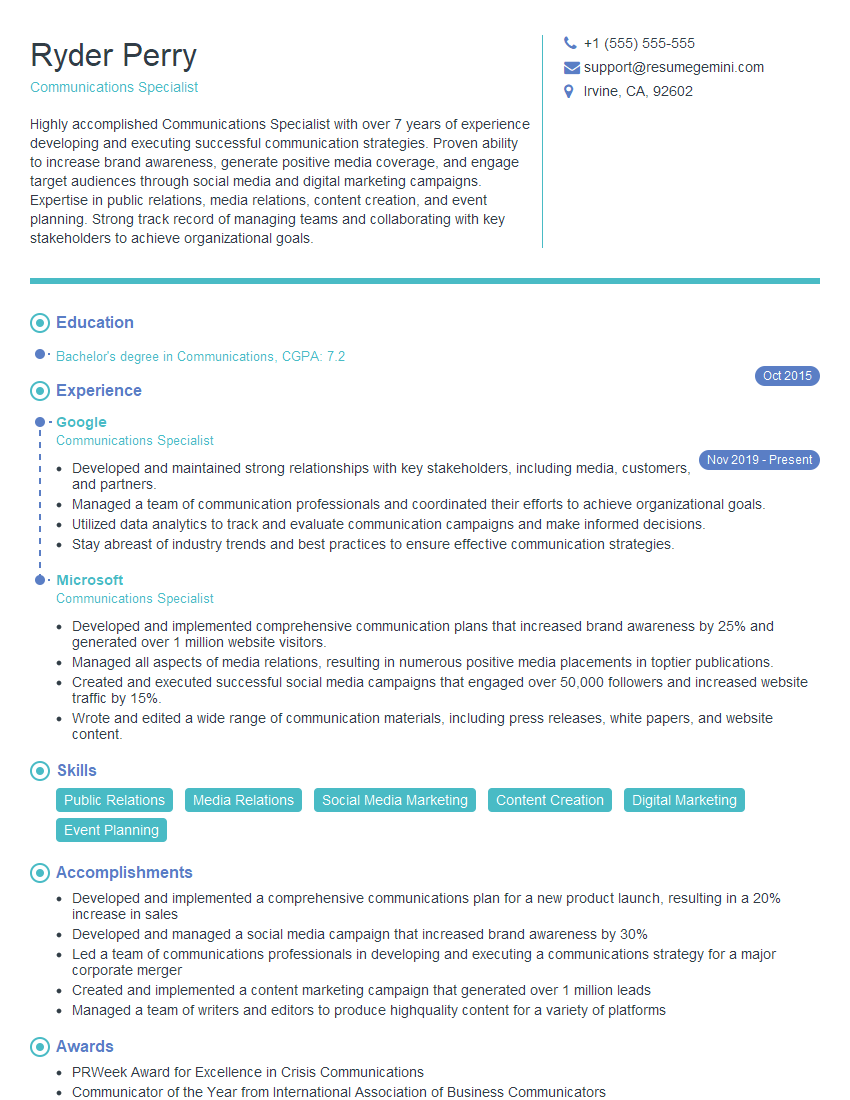
Communications Specialist Resume Sample
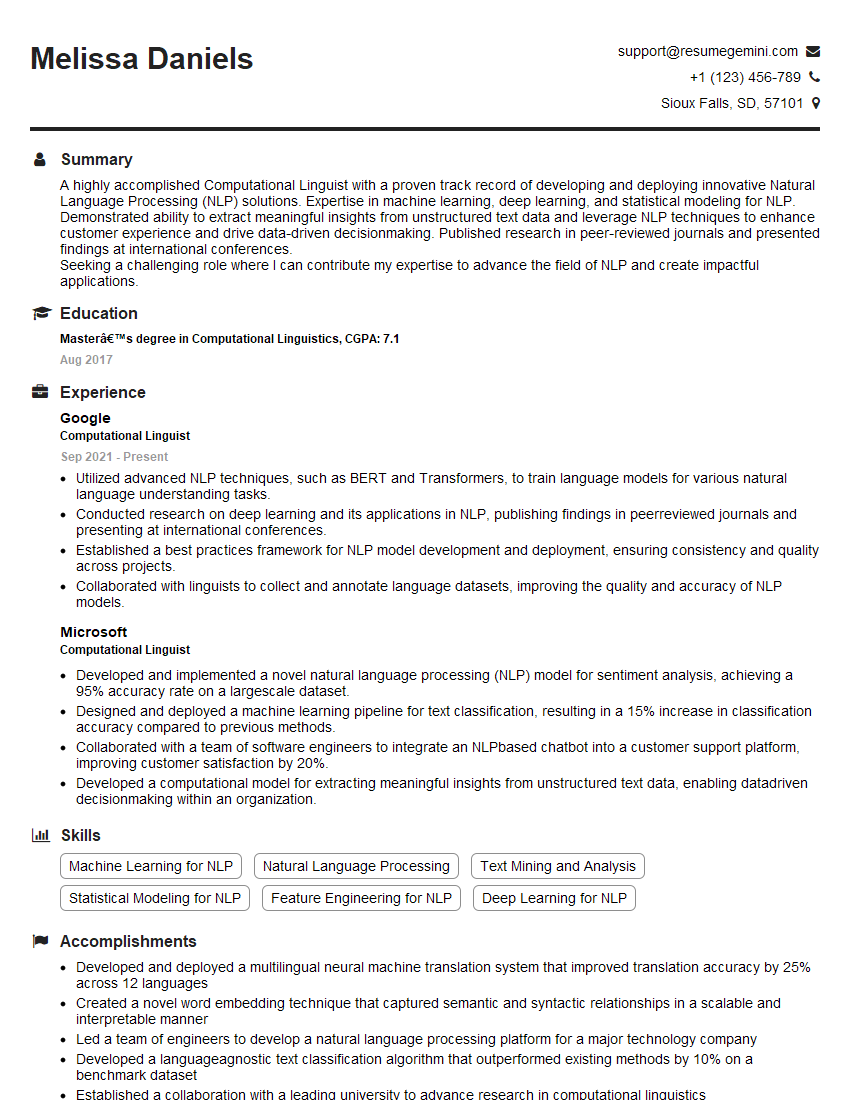
Computational Linguist Resume Sample
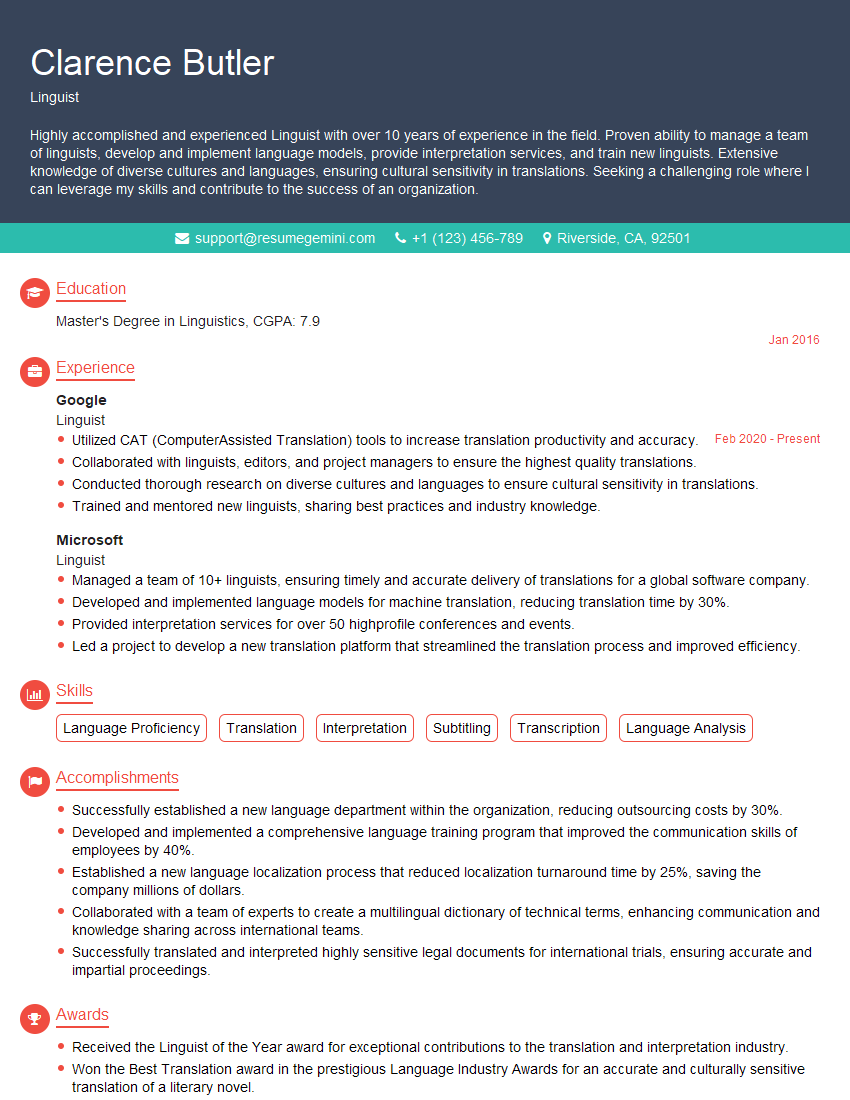
Linguist Resume Sample
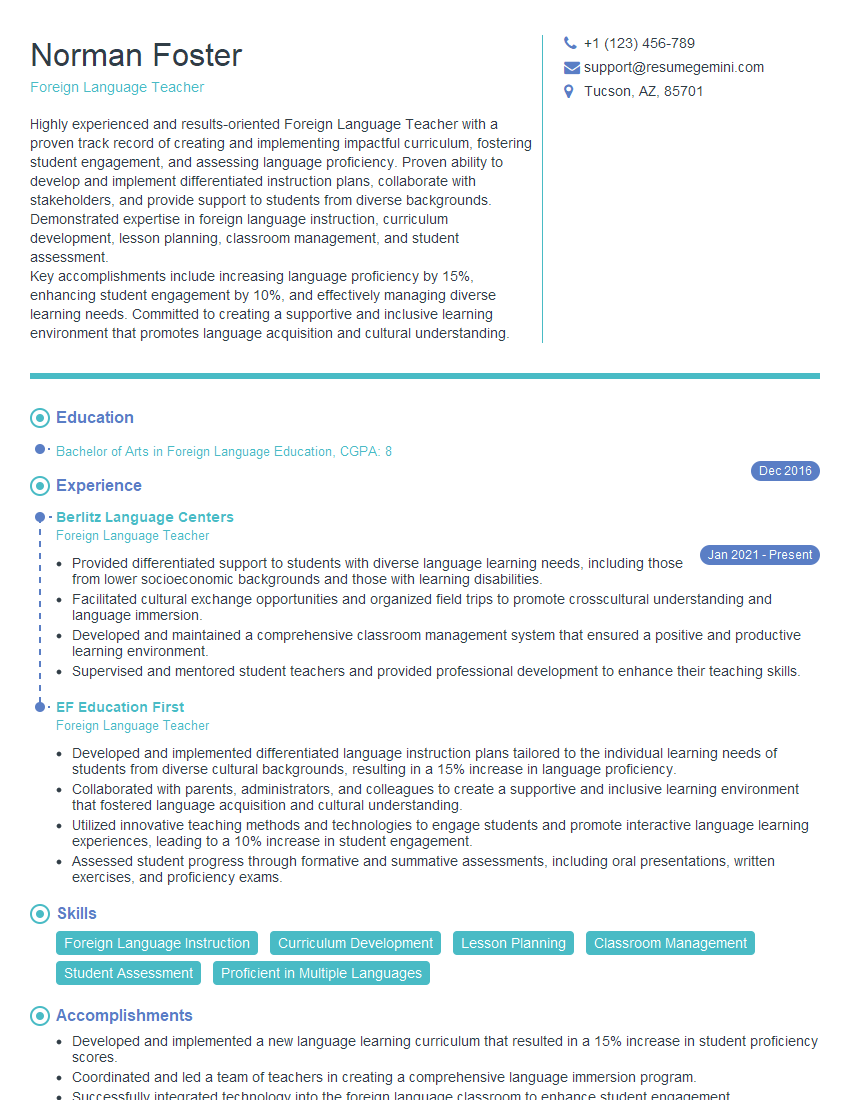
Foreign Language Teacher Resume Sample
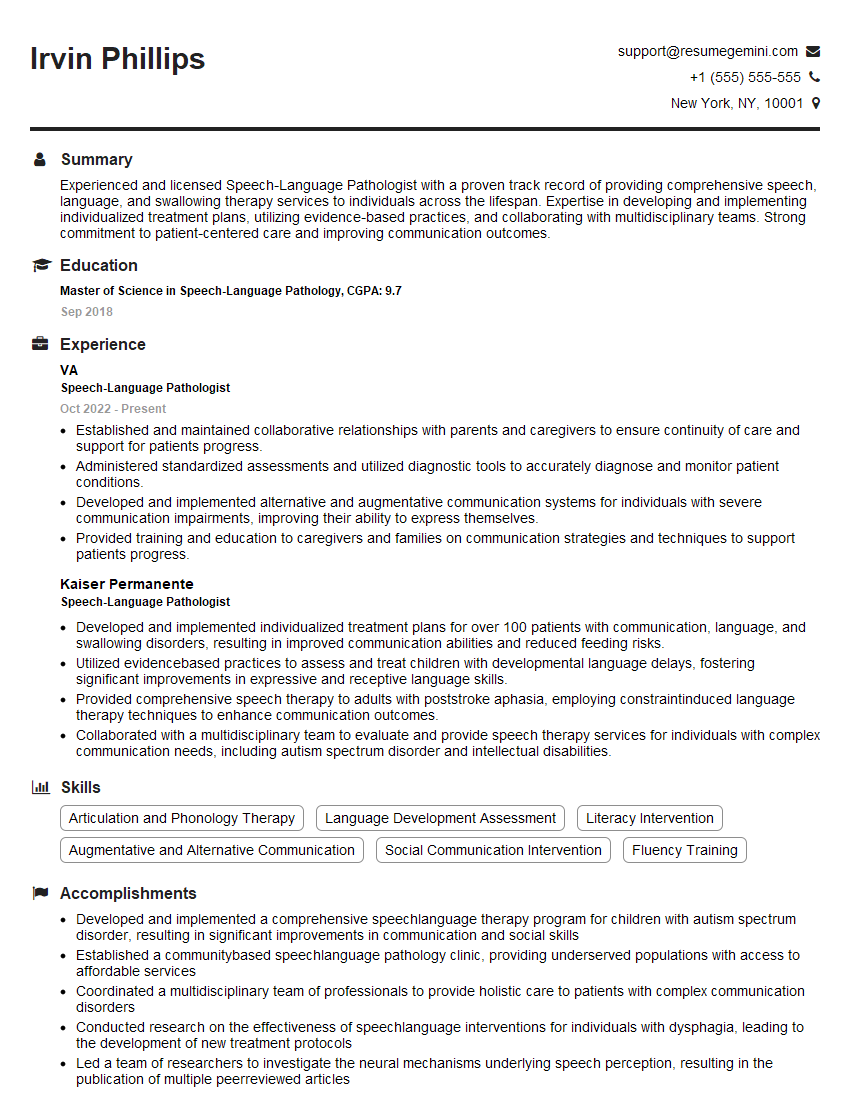
Speech-Language Pathologist Resume Sample
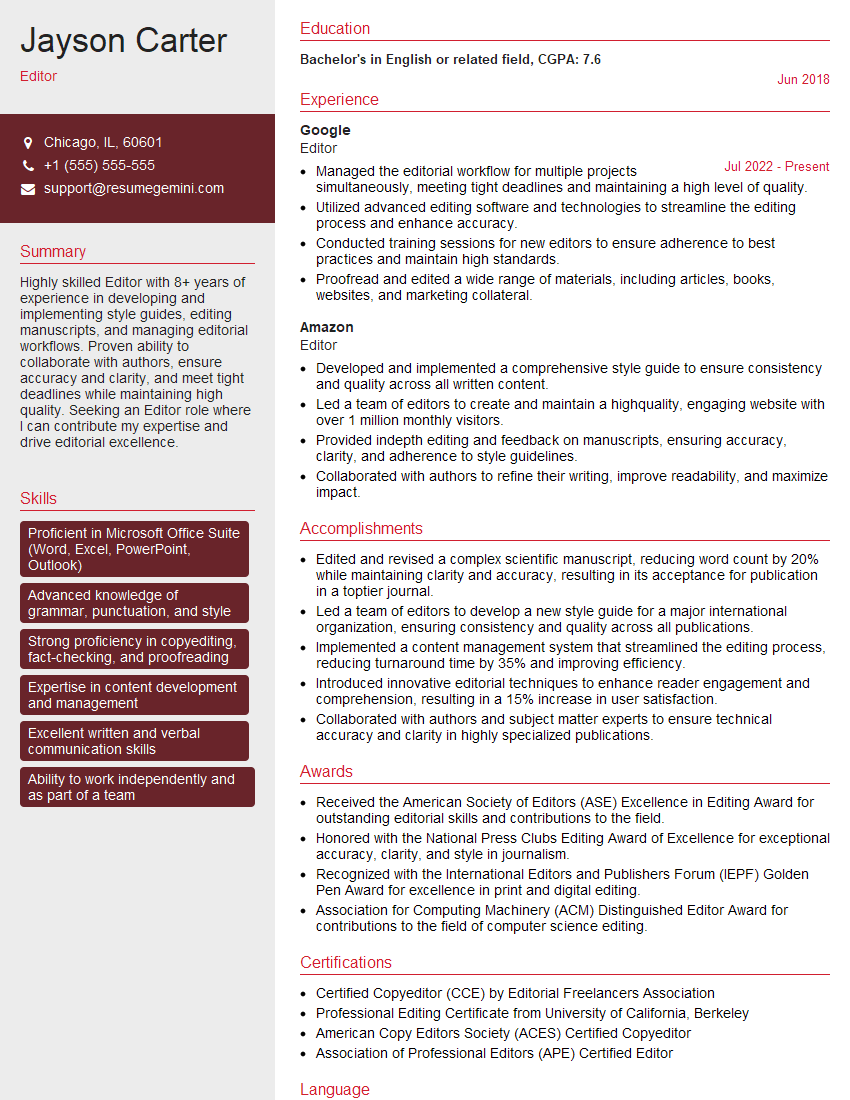
Editor Resume Sample
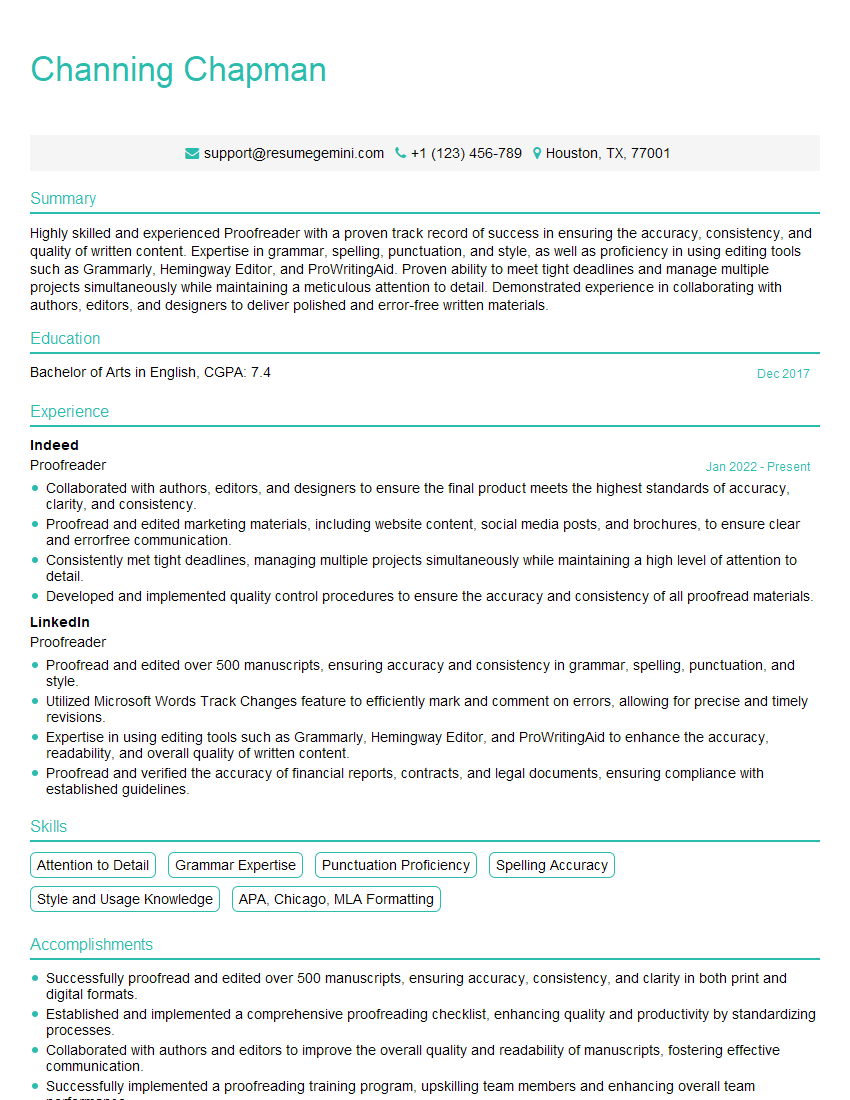
Proofreader Resume Sample
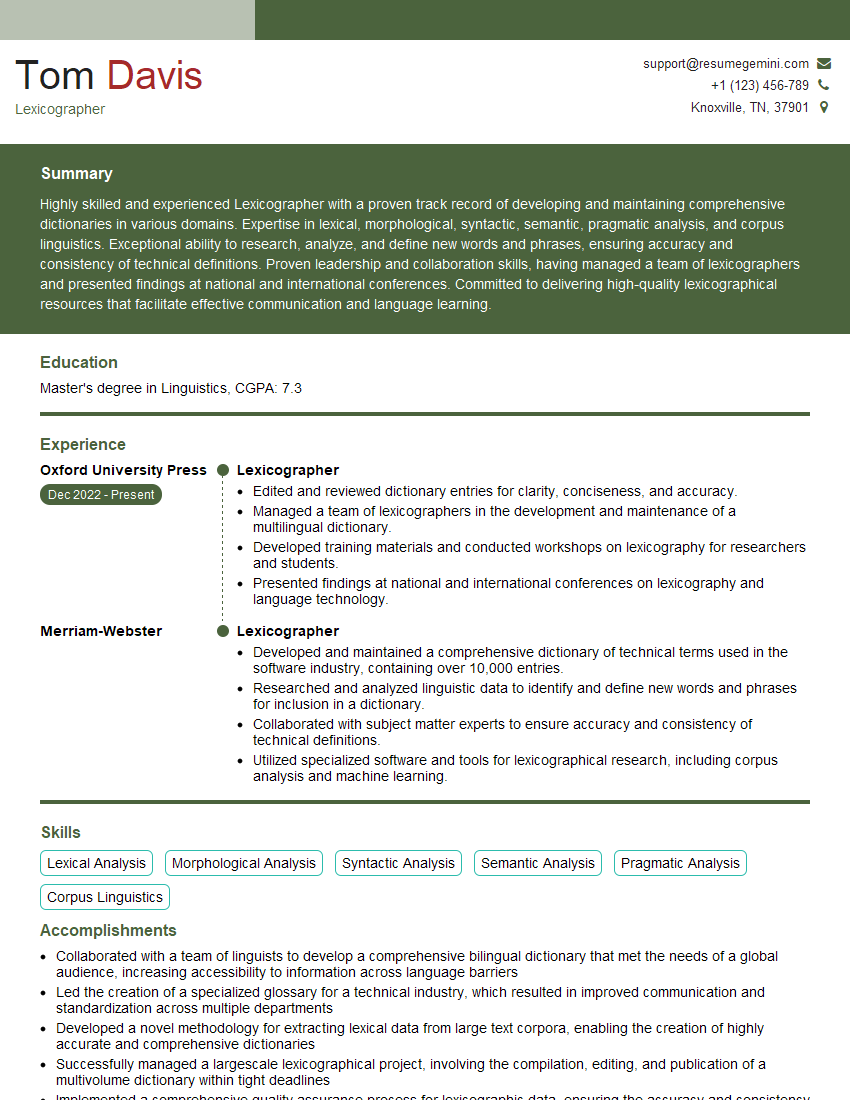
Lexicographer Resume Sample

Technical Writer Resume Sample

Copywriter Resume Sample
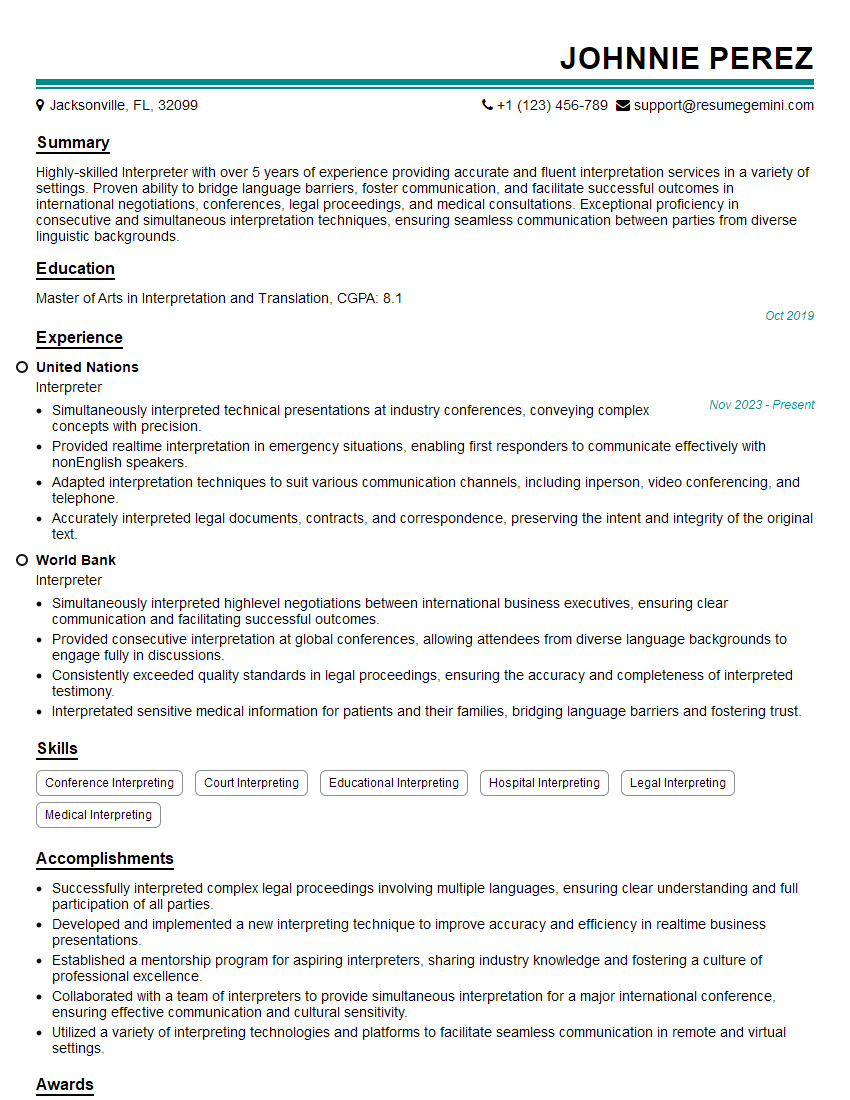
Interpreter Resume Sample
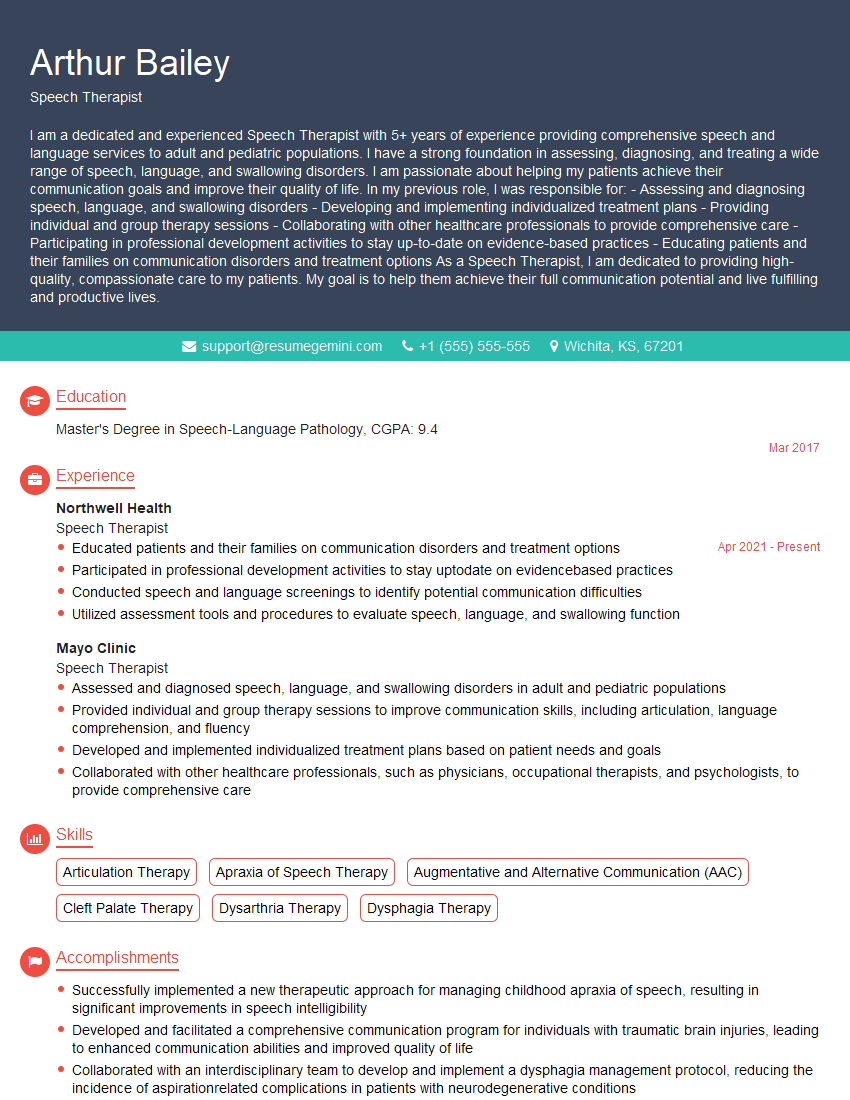
Speech Therapist Resume Sample
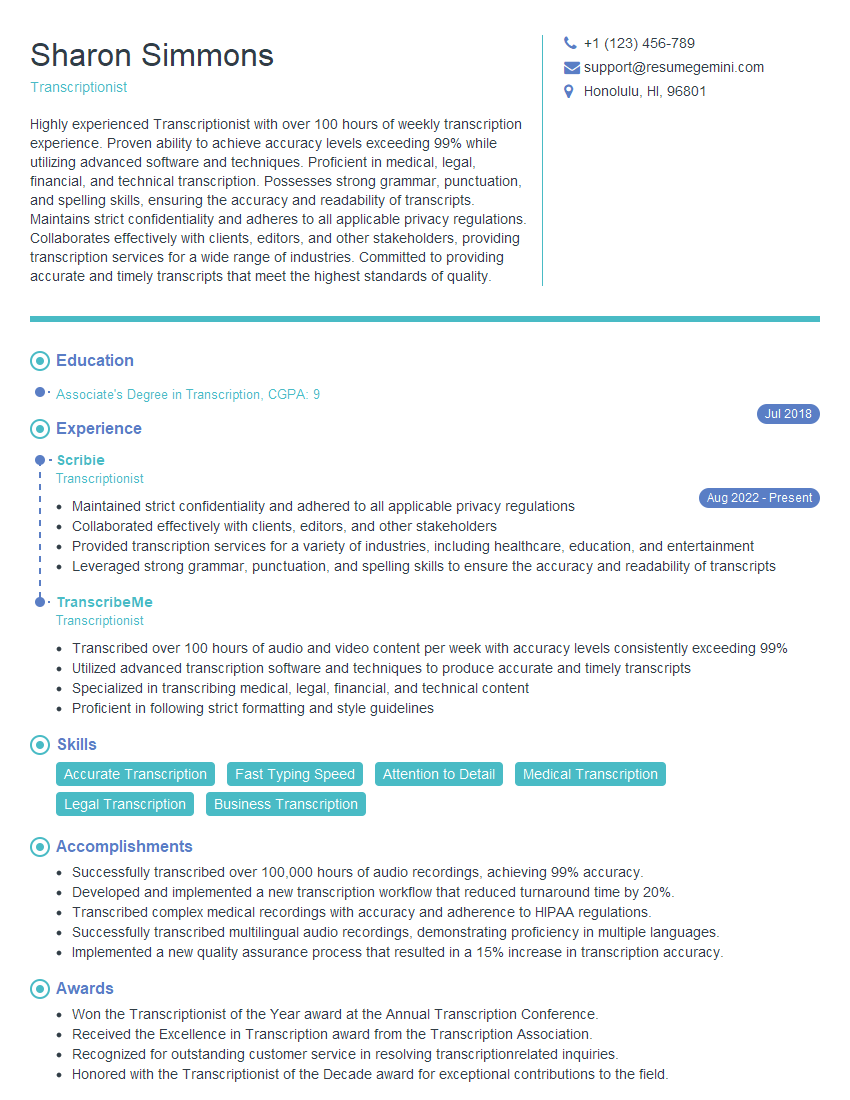
Transcriptionist Resume Sample
Explore more articles
Users Rating of Our Blogs
Share Your Experience
We value your feedback! Please rate our content and share your thoughts (optional).
What Readers Say About Our Blog
To the interviewgemini.com Webmaster.
Very helpful and content specific questions to help prepare me for my interview!
Thank you
To the interviewgemini.com Webmaster.
This was kind of a unique content I found around the specialized skills. Very helpful questions and good detailed answers.
Very Helpful blog, thank you Interviewgemini team.