The right preparation can turn an interview into an opportunity to showcase your expertise. This guide to Leak Testing and Pressure Testing interview questions is your ultimate resource, providing key insights and tips to help you ace your responses and stand out as a top candidate.
Questions Asked in Leak Testing and Pressure Testing Interview
Q 1. Explain the difference between leak testing and pressure testing.
While both leak testing and pressure testing assess the integrity of a system, they differ significantly in their approach and objectives. Pressure testing focuses on verifying the system’s ability to withstand a specified pressure without failure, identifying gross leaks or structural weaknesses. Think of inflating a tire – a pressure test checks if it holds air. Leak testing, on the other hand, is far more sensitive and aims to detect even minuscule leaks, often using specialized equipment to measure the rate of pressure loss or the escape of a tracer gas. Imagine checking for a slow leak in that same tire – that’s leak testing.
In essence, pressure testing is a ‘pass/fail’ assessment of overall strength, while leak testing provides a quantitative measure of leakage rate. Pressure testing might reveal a large hole, while leak testing might reveal a pinhole.
Q 2. What are the different types of leak testing methods?
Numerous leak testing methods exist, each suited to different applications and sensitivity requirements. Some prominent techniques include:
- Pressure Decay Testing: This simple method measures the pressure drop over time in a sealed system. It’s cost-effective but less sensitive.
- Bubble Testing: A visual method where a pressurized system is submerged in water, and leaks are identified by escaping bubbles. Simple and direct but limited to larger leaks and accessible surfaces.
- Vacuum Testing: The system is evacuated, and the rate at which pressure increases indicates the leak rate. Very effective for finding small leaks.
- Mass Spectrometer Leak Detection (MSLD): Highly sensitive method that uses a mass spectrometer to detect trace amounts of helium or other tracer gases escaping from the system (explained in more detail in the next question). This is ideal for very small leaks.
- Halogen Leak Detection: This method employs a probe that detects the presence of halogenated tracer gases, commonly used in refrigeration systems.
- Acoustic Leak Detection: This method utilizes sound to locate leaks, often very effective in large systems.
The choice of method depends on factors such as the size and type of system, the required sensitivity, and cost considerations.
Q 3. Describe the principle behind mass spectrometer leak detection.
Mass spectrometer leak detection (MSLD) is a highly sensitive technique that leverages the principles of mass spectrometry to identify and quantify leaks. A tracer gas, typically helium due to its inert nature and small molecular size, is introduced into the system under test. Any leakage is then detected by a mass spectrometer that measures the partial pressure of the helium in a vacuum chamber. The helium that escapes the system enters the vacuum chamber, where the mass spectrometer analyzes the gas composition.
The mass spectrometer separates the helium ions from other gases based on their mass-to-charge ratio. The intensity of the helium ion signal is directly proportional to the leak rate. This allows for precise quantification of even minuscule leaks that would be undetectable by other methods. Imagine it like a highly sensitive sniffer dog – it can find even the faintest trace of the tracer gas.
Q 4. How do you determine the appropriate pressure for a pressure test?
Determining the appropriate pressure for a pressure test involves considering several factors. The design pressure of the system is the primary consideration. This is the maximum pressure the system is designed to withstand safely. You would typically test at a percentage of this pressure, often 1.5 times the operating pressure or a value specified in engineering documentation. Additional factors include:
- System Material and Construction: Different materials have different pressure tolerances. Brittle materials would require lower test pressures.
- Safety Regulations: Adherence to industry standards and safety regulations is crucial. These regulations may dictate maximum test pressures.
- Test Objective: A pressure test to identify minor leaks may use a lower pressure than a test aiming to find major structural flaws.
For example, if a system’s design pressure is 100 PSI and its operating pressure is 50 PSI, a reasonable test pressure might be 75 PSI (1.5 times the operating pressure), but it’s critical to consult the engineering specifications.
Q 5. What safety precautions are necessary when performing leak and pressure tests?
Safety is paramount during leak and pressure testing. Precautions include:
- Proper PPE: Eye protection, gloves, and potentially hearing protection are essential. High-pressure systems can cause serious injuries.
- Containment: Pressure tests should ideally be performed in a contained area to prevent potential harm from escaping gas or bursting components.
- Pressure Relief Devices: Ensure pressure relief valves are functional and properly set. These safety features should be regularly checked and maintained.
- Emergency Procedures: Establish and clearly communicate emergency procedures and have appropriate emergency equipment readily available, including first aid.
- Training: Personnel involved should receive proper training on the specific equipment and procedures before performing the tests.
- Lockout/Tagout: For maintenance or repair, implement a proper lockout/tagout procedure to prevent accidental activation of equipment.
Failure to follow these safety measures can lead to serious consequences such as equipment damage, injury, or environmental hazards.
Q 6. Explain the concept of acceptance criteria in leak testing.
Acceptance criteria define the allowable leak rate for a given system during testing. These criteria vary widely depending on the application and the acceptable level of leakage. For example, a medical device might have much stricter criteria than an irrigation system. Acceptance criteria are often expressed as a leak rate in standard cubic centimeters per second (scc/s) or as a percentage of the system volume per unit time.
The criteria are typically determined through a combination of design requirements, industry standards, and regulatory compliance. These standards help ensure the system meets the necessary performance and safety levels. Failing to meet the acceptance criteria would indicate the need for repairs or further testing, potentially leading to system rejection.
Q 7. How do you interpret leak test results?
Interpreting leak test results involves comparing the measured leak rate against the predetermined acceptance criteria. A leak rate below the acceptance criteria indicates a leak-tight system meeting the required standards. Results are typically documented, including the test method used, the date and time of the test, the measured leak rate, and a clear pass/fail indication.
If the leak rate exceeds the acceptance criteria, it signifies a leak that may need to be addressed. Further investigation will be needed to locate and repair the leak. The location and size of the leak often dictate the repair method. A detailed analysis of the results might involve comparing data from multiple tests, assessing pressure fluctuations, or reviewing the system’s design and operation.
Q 8. What are the common causes of leaks in a system?
Leaks in a system can stem from a variety of sources, broadly categorized into design flaws, manufacturing defects, and operational wear and tear.
- Design flaws: Poorly designed seals, insufficient weld penetration, or inadequate material selection can create pathways for leaks. For example, a pressure vessel with insufficiently reinforced welds might crack under pressure, leading to leakage.
- Manufacturing defects: These include imperfections in welds, scratches on surfaces, incorrect assembly, or the use of damaged components. A tiny scratch on a component’s surface might seem insignificant, but under pressure, it can become a significant leak point.
- Operational wear and tear: Over time, components degrade due to corrosion, erosion, or fatigue, potentially leading to cracks or degradation of seals. Imagine a valve repeatedly exposed to high temperatures and corrosive fluids; its seals could deteriorate, causing leakage.
- External factors: Impacts or vibrations can also compromise the integrity of a system, leading to leaks. A sudden impact on a pipe can cause a crack, leading to a leak.
Identifying the root cause requires careful investigation, often involving visual inspection, non-destructive testing methods like dye penetrant testing, and pressure testing itself.
Q 9. Describe your experience with different pressure test equipment.
My experience encompasses a wide range of pressure test equipment, from simple hand-held gauges to sophisticated automated systems. I’ve worked with:
- Pneumatic pressure test systems: These use compressed air or inert gases like nitrogen to pressurize the system under test. I’m proficient in using various pressure regulators, pressure transducers, and data acquisition systems to monitor pressure changes accurately.
- Hydraulic pressure test systems: These use oil or other hydraulic fluids for pressurization, often employed for higher pressure applications. I’m familiar with different types of pumps, intensifiers, and safety interlocks used in such systems. I’ve also used specialized hydraulic test benches with data logging capabilities.
- Leak detection equipment: This includes various leak detectors, ranging from simple bubble tests to sophisticated mass spectrometers and ultrasonic leak detectors. Experience includes using helium leak detectors for high-sensitivity leak detection in vacuum systems and ultrasonic leak detectors for pressurized systems with readily audible sound leaks.
- Automated test systems: I’ve extensively worked with automated test systems that integrate pressure control, leak detection, and data logging functionalities into a single platform. These systems improve efficiency and repeatability in large-scale testing.
My experience allows me to select and utilize the most appropriate equipment for different applications and pressure ranges, always prioritizing safety and accuracy.
Q 10. How do you troubleshoot a failed pressure test?
Troubleshooting a failed pressure test involves a systematic approach. The first step is to carefully review the test procedure and ensure all parameters were correctly set. Was the pressure applied correctly? Was the system adequately isolated? Were the correct leak detection methods applied?
- Visual inspection: Begin with a thorough visual inspection of the entire system for any visible signs of leakage, such as wet spots, bubbling, or cracks. This often pinpoints the general area of the leak.
- Non-destructive testing (NDT): If the visual inspection is inconclusive, employ NDT methods such as dye penetrant testing, ultrasonic testing, or radiographic testing to locate hidden flaws or leaks.
- Leak detection methods: Utilize appropriate leak detection equipment based on the suspected leak rate and the nature of the system. This could involve anything from a simple bubble test to a sophisticated helium leak detector.
- Pressure decay analysis: Analyze the pressure decay rate to understand the nature and size of the leak. A rapid pressure drop suggests a large leak, while a slow decay indicates a smaller leak.
- Component testing: If the leak location is still uncertain, conduct component-level tests to identify the faulty component. This might involve individually pressure testing suspect parts.
Proper documentation throughout this process is vital to ensure traceability and facilitate future troubleshooting.
Q 11. What are the limitations of each leak testing method?
Each leak testing method has its own limitations. Understanding these limitations is crucial for selecting the appropriate method for a given application.
- Pressure testing: While versatile, it can be destructive if the pressure exceeds the system’s design limits. It might also not detect very small leaks.
- Bubble testing: Simple and inexpensive, it’s limited to larger leaks and requires the system to be submerged in water or a similar liquid, which is not always feasible.
- Dye penetrant testing: Excellent for surface cracks, it is limited to detecting surface defects and cannot find internal leaks.
- Helium leak detection: Extremely sensitive and capable of detecting very small leaks, but it requires specialized equipment and a vacuum system, making it expensive and not always practical for all applications.
- Ultrasonic leak detection: Useful for locating leaks in pressurized systems, it can be affected by background noise and is less effective on very small leaks.
The best method is always chosen considering factors such as sensitivity required, cost, system complexity, and ease of access.
Q 12. How do you select the appropriate leak testing method for a given application?
Selecting the right leak testing method involves considering several factors:
- Leak rate requirements: What is the acceptable leak rate for the application? A high-pressure system might need a more sensitive method than a low-pressure system.
- System complexity: A simple system can be easily pressure tested, while a complex system might necessitate a more sophisticated method like helium leak detection.
- System size and accessibility: A large system might require a portable testing setup, while a small system may permit more complex test methods. Accessibility to components also needs to be considered.
- Test environment: The testing environment’s temperature, humidity, and other factors could affect the choice of method.
- Cost and time constraints: The budget and timeframe for the testing process significantly impact the choice of method.
- Safety concerns: The method should be selected to ensure operator and equipment safety, especially when dealing with hazardous materials or high pressures.
Often, a combination of methods is used to achieve complete leak detection, like a pressure test followed by a helium leak detection to identify smaller leaks. This ensures a thorough and reliable result.
Q 13. Explain the concept of leak rate and how it’s measured.
Leak rate refers to the quantity of fluid escaping from a system per unit of time. It’s a crucial parameter in leak testing, indicating the severity of the leak. Common units for leak rate include standard cubic centimeters per second (sccm), Pascals per second (Pa/s), or liters per hour (l/h).
Measurement involves applying pressure to the system and monitoring the pressure drop over time. The rate of pressure decrease is proportional to the leak rate. More sophisticated leak detectors use various methods such as:
- Mass spectrometry (for helium leak detectors): Measures the mass-to-charge ratio of ions to detect helium tracer gas escaping the system.
- Pressure sensors: Highly accurate pressure sensors continuously measure pressure, converting the pressure decay into leak rate using known system volume and pressure data.
- Flow measurement: Some methods directly measure the flow of escaping gas or liquid.
The exact measurement method depends on the leak detection technique employed and the size of the leak. Accurate calculations require knowledge of system volume and pressure, temperature, and the properties of the gas or liquid in question.
Q 14. How do you ensure the accuracy of leak testing equipment?
Ensuring the accuracy of leak testing equipment involves regular calibration, maintenance, and verification against known standards.
- Calibration: Leak testing equipment must be calibrated against traceable standards at regular intervals. The frequency depends on the type of equipment and its usage. This typically involves using certified calibration standards with known leak rates.
- Maintenance: Regular maintenance includes cleaning, checking for any wear and tear, and ensuring all components are functioning correctly. For example, regularly checking the sensors in pressure transducers is essential for accurate readings.
- Verification: Periodically verify the equipment’s performance by conducting leak tests on known standard leaks or calibrated test specimens. This confirms that the equipment is accurately detecting leaks within the specified range.
- Environmental factors: Temperature, humidity, and other environmental factors can affect the accuracy of the readings. These factors should be considered and controlled during testing or recorded for compensation.
- Operator training: Well-trained operators are crucial for accurate and reliable leak testing. Training should encompass equipment operation, data interpretation, and troubleshooting.
By following these steps, we can ensure confidence in the accuracy and reliability of our leak testing results, safeguarding the quality and safety of the systems under test.
Q 15. Describe your experience with data acquisition and analysis in leak testing.
Data acquisition and analysis are critical in leak testing to ensure accurate and reliable results. It involves collecting pressure, vacuum, or flow rate data over time, and then using statistical methods to determine whether a component meets the leak rate specification.
In my experience, I’ve utilized various data acquisition systems, ranging from simple pressure gauges with manual data logging to sophisticated automated systems with integrated software. These systems allow me to collect large datasets and perform sophisticated analyses. For example, I’ve used software to identify trends, calculate leak rates using different methods (e.g., pressure decay, helium mass spectrometry), and generate comprehensive reports that are crucial for quality control.
One particular project involved testing a complex heat exchanger. The automated system we used collected thousands of data points over several hours for each unit. This allowed us to not only determine if each unit met the leak rate specification but also to identify subtle patterns in the data that revealed potential issues in the manufacturing process. We were able to pin-point the source of a recurring leak to a specific weld point, leading to process improvements and a significant reduction in rejects.
Career Expert Tips:
- Ace those interviews! Prepare effectively by reviewing the Top 50 Most Common Interview Questions on ResumeGemini.
- Navigate your job search with confidence! Explore a wide range of Career Tips on ResumeGemini. Learn about common challenges and recommendations to overcome them.
- Craft the perfect resume! Master the Art of Resume Writing with ResumeGemini’s guide. Showcase your unique qualifications and achievements effectively.
- Don’t miss out on holiday savings! Build your dream resume with ResumeGemini’s ATS optimized templates.
Q 16. What is the importance of proper documentation in leak and pressure testing?
Proper documentation in leak and pressure testing is paramount for several reasons: It ensures traceability, facilitates compliance with industry standards and regulations, aids in troubleshooting, and provides a historical record of the testing process. This documentation serves as a critical audit trail.
Imagine a scenario where a product fails in the field. Without proper documentation, pinpointing the cause becomes extremely difficult and time-consuming. Comprehensive documentation, however, allows us to track the specific test equipment used, the test parameters, the results obtained, any non-conformances, and the corrective actions taken. This helps identify the root cause and prevent similar issues in the future.
My approach to documentation is standardized and includes detailed test procedures, calibration records for equipment, data sheets with raw data, and formal test reports that summarize the findings and any deviations. We also maintain a digital repository for easy retrieval and analysis of historical data.
Q 17. How do you handle non-conformances during testing?
Handling non-conformances requires a structured approach that prioritizes investigation, corrective action, and prevention. When a component fails to meet the leak rate specification, the first step is to investigate the cause. This might involve re-testing the component, examining the component for physical defects, and reviewing the test procedure.
Let’s say a pressure vessel fails the leak test. We’d first verify the test setup and calibration. If everything is correct, the vessel is then carefully inspected for cracks, weld defects or other issues. Depending on the root cause, the corrective action might include repairing the defect, rejecting the component, or adjusting the manufacturing process. It’s crucial to document all steps taken and to implement preventative measures to minimize future occurrences.
A critical aspect is to follow a documented non-conformance procedure, which often involves escalating the issue to a supervisor or quality control engineer. A thorough investigation and a well-defined root cause analysis are essential for efficient problem resolution and process improvement.
Q 18. Explain your understanding of statistical process control in leak testing.
Statistical Process Control (SPC) is fundamental in leak testing because it helps monitor the consistency and stability of the testing process. By applying SPC techniques, we can identify trends and variations that indicate potential problems before they lead to significant issues.
Control charts, such as X-bar and R charts, are commonly used to track leak rates over time. These charts visually display the mean and variability of the data, allowing us to quickly identify any shifts in the process that might indicate a problem. For example, a sudden increase in the average leak rate or an increase in variability could signal a problem with the testing equipment, the manufacturing process, or even the material itself.
Using SPC allows for proactive adjustments to prevent defects. By identifying trends and variations early, we can make informed decisions to mitigate potential problems and prevent the production of defective products. This proactive approach is much more effective than relying solely on end-of-line testing.
Q 19. What is your experience with different types of pressure vessels?
My experience encompasses a wide range of pressure vessels, including cylindrical, spherical, and conical designs. I’ve worked with vessels made from various materials such as stainless steel, aluminum, and plastics, each with its own unique characteristics and potential leak points.
The design and material of the vessel significantly impact the testing methodology. For instance, a thin-walled vessel might require a more sensitive leak detection method compared to a thick-walled vessel. Similarly, the geometry of the vessel can influence the pressure distribution during testing, which needs to be considered during test planning. I’ve worked on vessels ranging in size from small medical devices to large industrial tanks, each requiring specific testing considerations.
Understanding the design and material properties of the pressure vessels is critical in selecting the appropriate testing method, pressure level, and leak detection technology to ensure the safety and reliability of the testing process.
Q 20. How do you maintain and calibrate leak testing equipment?
Maintaining and calibrating leak testing equipment is crucial to ensure the accuracy and reliability of test results. This involves a regular schedule of preventative maintenance, calibration checks, and repairs as needed. The frequency of these activities depends on the type of equipment and its usage.
For example, pressure gauges require regular calibration against traceable standards. I use certified calibration weights and equipment to verify the accuracy of the gauges. Leak detectors also require regular calibration using known leak standards. We document all calibration procedures and results to ensure traceability.
Beyond calibration, preventative maintenance includes tasks such as cleaning the equipment, checking for wear and tear, and replacing worn-out parts. A well-maintained system prevents unexpected downtime and ensures consistently reliable test results. A detailed maintenance log is crucial to track all service activities and ensure compliance with regulations.
Q 21. Describe your experience with different types of leak detectors.
I have extensive experience with various leak detectors, including pressure decay methods (for larger leaks), mass spectrometry (for extremely small leaks), bubble testing (for visual leak detection), and ultrasonic leak detection. Each technique has its strengths and limitations, and the choice of method depends on factors such as the leak rate specification, the type of product being tested, and the available resources.
Pressure decay is a simple method but is less sensitive. Mass spectrometry, on the other hand, offers superior sensitivity and is ideal for detecting very small leaks, especially when using tracer gases like helium. Bubble testing is a simple, visual method often employed for larger leaks or as a preliminary screening. Ultrasonic detectors are useful for locating leaks without direct access, which is a significant advantage.
My experience includes selecting and optimizing leak detection methods for various applications. This involves careful consideration of factors like sensitivity, cost, testing time, and the specific requirements of the tested component. Understanding the limitations of each method is essential for interpreting results accurately.
Q 22. Explain your experience with automated leak testing systems.
My experience with automated leak testing systems spans over eight years, encompassing various industries including automotive, medical device manufacturing, and aerospace. I’ve worked extensively with systems employing different leak detection methods such as mass spectrometry, pressure decay, and vacuum decay. I’m proficient in operating, maintaining, and troubleshooting these systems, including programming and calibration. For example, in my previous role at MedTech Solutions, I implemented a fully automated helium leak detection system for microfluidic devices, which increased our testing throughput by 40% and reduced the rate of false positives by 20%. This involved selecting the appropriate system based on the device’s size and sensitivity requirements, programming the test parameters, and developing robust quality control protocols. I’m also experienced in integrating automated leak testing systems with other automated manufacturing processes for seamless operation.
Further, I have hands-on experience with different types of automated leak testers, including those utilizing both pneumatic and vacuum technologies. My expertise extends to understanding and interpreting the resulting data, identifying trends, and making necessary adjustments to optimize system performance.
Q 23. How do you ensure the integrity of test specimens before testing?
Ensuring the integrity of test specimens before leak or pressure testing is paramount to obtaining reliable results. This involves a multi-step process. First, a thorough visual inspection is conducted to identify any pre-existing damage, defects, or contamination. This might include checking for cracks, scratches, or foreign material. Secondly, depending on the material and application, cleaning procedures are implemented to remove any substances that could interfere with the testing process. This could range from simple wiping with isopropyl alcohol to more sophisticated cleaning methods like ultrasonic cleaning. Thirdly, and critically, the specimen needs to be properly prepared for the specific testing method. This might involve sealing ports or applying specific fixtures to ensure a proper seal during the test. If the test involves pressurizing a component with fluid, then verifying that the fluid is clean and compatible with the material is also crucial. Finally, documentation of this entire preparation process is key for traceability and quality control. Think of it like preparing a delicate instrument before a concert – every step is crucial for a successful performance.
Q 24. Describe a time you had to troubleshoot a complex leak issue.
During a project involving pressure testing high-pressure hydraulic cylinders, we encountered an unusually high failure rate. The initial tests indicated leaks, but their location was impossible to pinpoint using standard methods. The pressure decay was too rapid to identify a specific point of leakage. Our team systematically addressed this by implementing a series of diagnostic steps. First, we employed a dye penetrant test on the exterior surfaces of the cylinders. This didn’t reveal any leaks. Next, we used acoustic leak detection to listen for subtle air escapes. This pinpointed the area of the leak to the cylinder’s weld seams, but further investigation was needed to confirm. Finally, we introduced a helium leak detection method which confirmed micro-porosity in the welds. This was a critical finding; it meant the welding process itself needed to be reevaluated and improved. By carefully analyzing the data from each method and systematically eliminating potential causes, we identified a flaw in the welding procedure and implemented corrective actions, resolving the issue and significantly reducing the failure rate.
Q 25. What are the common standards and regulations related to leak and pressure testing?
Common standards and regulations related to leak and pressure testing vary significantly depending on the industry and application. For example, in the aerospace industry, standards like ASME Section V (for welding inspection) and MIL-STD-882 (for leak detection) are often referenced. In medical device manufacturing, ISO 10360 and ISO 13485, which pertain to quality management systems, heavily influence pressure and leak testing protocols. Furthermore, industry-specific standards and guidelines, like those from the automotive sector (SAE standards), guide the methodologies used. These standards dictate aspects like test procedures, acceptable leak rates, equipment calibration, and documentation requirements. Compliance with these regulations is crucial for ensuring product safety and meeting legal requirements. Ignoring these standards can lead to product recalls, legal action, and reputational damage.
Q 26. How do you stay up-to-date with the latest technologies and techniques in leak and pressure testing?
Staying current in the field of leak and pressure testing requires a multi-pronged approach. I actively participate in industry conferences and workshops like those hosted by the American Society for Nondestructive Testing (ASNT). These provide insights into new technologies and best practices. I also subscribe to relevant industry journals and publications, and actively seek out continuing education opportunities, including online courses focused on the latest advancements in leak testing techniques. Moreover, I maintain professional networking with colleagues in the field through industry groups and online forums, which facilitates the exchange of knowledge and experience. This combined strategy ensures I remain well-informed on the latest standards, regulations, and technological developments in leak and pressure testing.
Q 27. Describe your experience working in a team environment on leak testing projects.
I thrive in team environments. On multiple occasions, particularly in troubleshooting complex leak issues, collaboration was key to success. For instance, during a project involving leak testing of a complex assembly, our team, comprising engineers, technicians, and quality control specialists, leveraged each other’s expertise. The engineers focused on the theoretical understanding of the leakage pathways, while the technicians handled the practical aspects of the testing equipment. The quality control specialists ensured proper documentation and adherence to standards. By clearly defining roles and responsibilities and fostering open communication, we were able to effectively troubleshoot the issue, ultimately leading to a successful product launch. I believe in a collaborative approach where every team member’s contributions are valued and respected.
Q 28. What are your salary expectations for this role?
Based on my experience and the requirements of this role, my salary expectations are in the range of $110,000 to $130,000 per year. This is commensurate with my skills and expertise in automated leak testing systems, my proven track record of successfully troubleshooting complex issues, and my deep understanding of industry standards and regulations. However, I am open to discussing this further based on the comprehensive compensation package, including benefits and opportunities for professional growth offered.
Key Topics to Learn for Leak Testing and Pressure Testing Interviews
- Leak Testing Fundamentals: Understanding various leak detection methods (e.g., vacuum, pressure decay, mass spectrometry), sensitivity and accuracy considerations, and selecting appropriate test methods for different applications.
- Pressure Testing Fundamentals: Mastering pressure test setup, data acquisition and interpretation, safety protocols, and the selection of appropriate pressure vessels and instrumentation.
- Practical Applications: Exploring real-world examples of leak and pressure testing across diverse industries (e.g., automotive, aerospace, pharmaceuticals). Consider case studies demonstrating problem-solving in challenging scenarios.
- Test Equipment and Instrumentation: Familiarize yourself with common equipment used in leak and pressure testing, including their operation, maintenance, and troubleshooting. Understanding the principles behind various sensors and data loggers is crucial.
- Data Analysis and Interpretation: Develop skills in analyzing test results, identifying potential leaks or weaknesses, and generating comprehensive reports. Practice interpreting graphical data and identifying trends.
- Standards and Regulations: Understand relevant industry standards and regulations pertaining to leak and pressure testing. This demonstrates a commitment to safety and quality.
- Troubleshooting and Problem Solving: Prepare to discuss common challenges encountered during leak and pressure testing and how to effectively troubleshoot and resolve issues. Focus on methodical approaches to problem diagnosis.
- Health and Safety: Demonstrate a strong understanding of safety protocols and procedures associated with high-pressure systems and leak detection techniques.
Next Steps
Mastering leak and pressure testing opens doors to exciting career opportunities in various high-tech industries. To maximize your job prospects, a well-crafted, ATS-friendly resume is essential. ResumeGemini is a trusted resource to help you build a professional resume that highlights your skills and experience effectively. We offer examples of resumes tailored to Leak Testing and Pressure Testing to help guide you. Invest the time in creating a compelling resume – it’s your first impression on potential employers.

Quality Assurance Manager Resume Sample

Production Supervisor Resume Sample

Compliance Officer Resume Sample
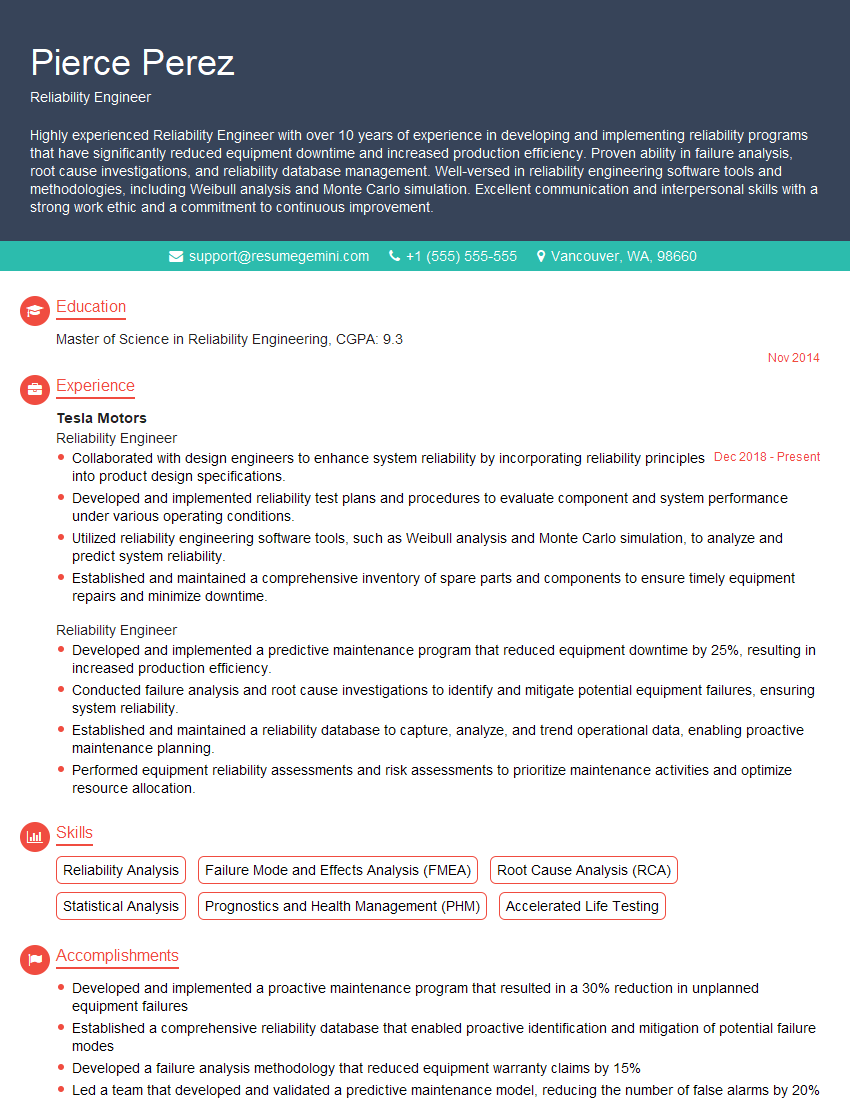
Reliability Engineer Resume Sample
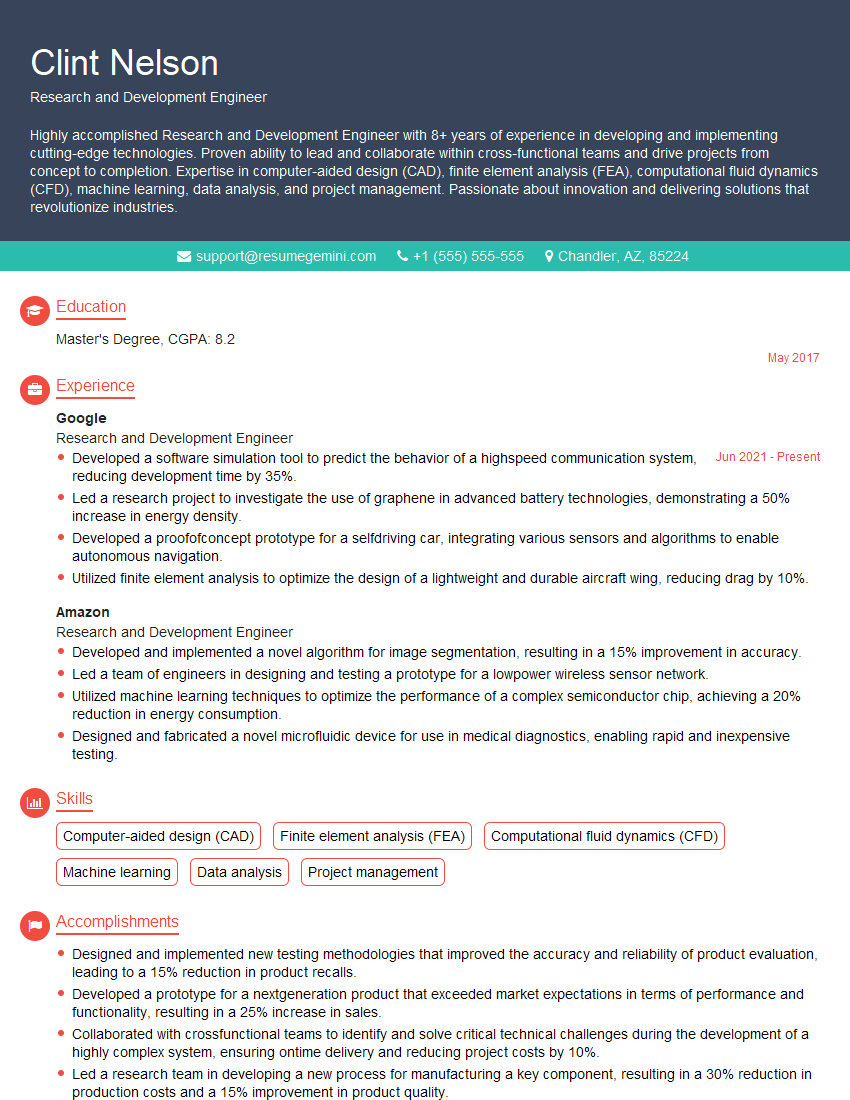
Research and Development Engineer Resume Sample

Automation Engineer Resume Sample
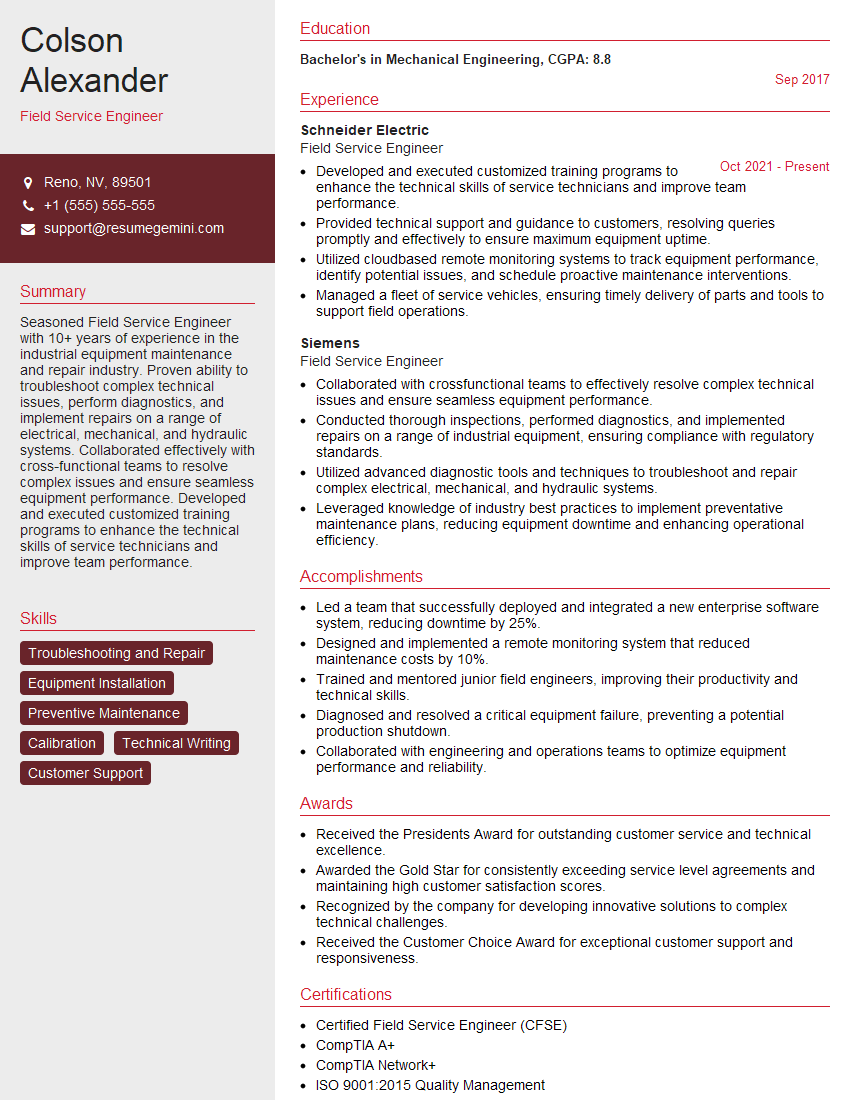
Field Service Engineer Resume Sample
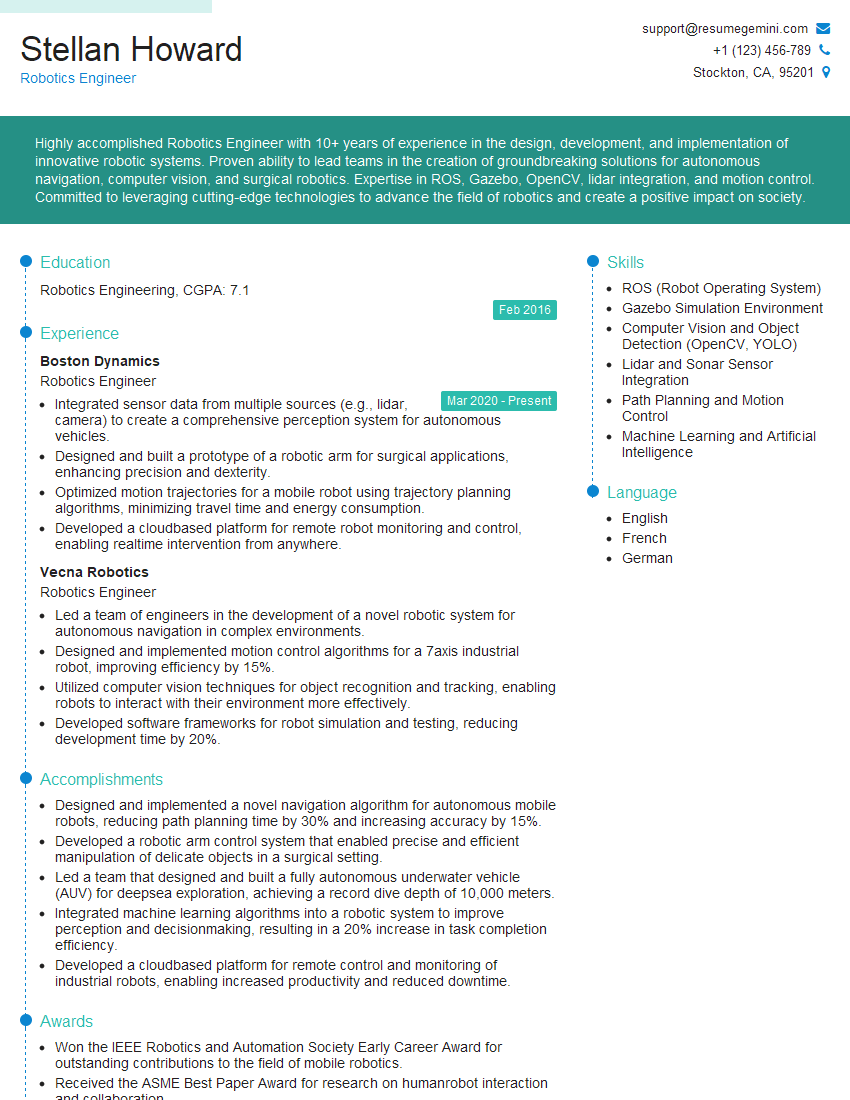
Robotics Engineer Resume Sample
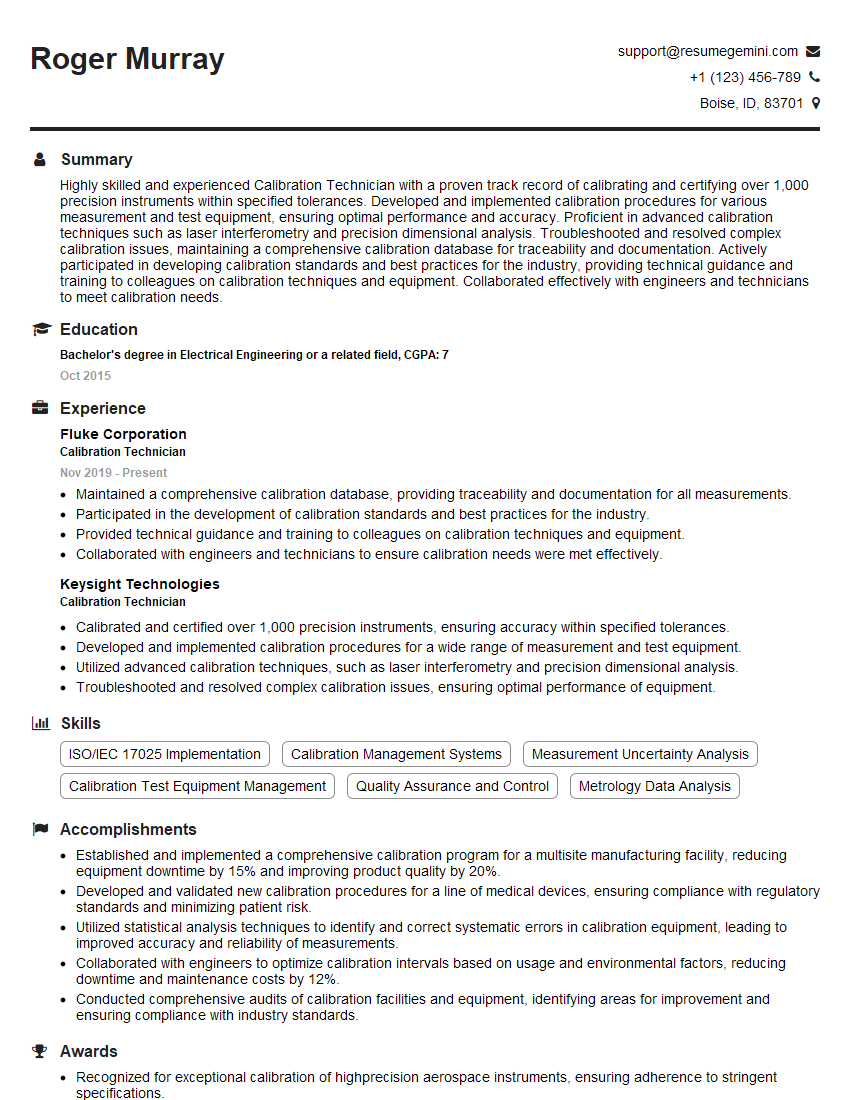
Calibration Technician Resume Sample

Metrology Technician Resume Sample
Explore more articles
Users Rating of Our Blogs
Share Your Experience
We value your feedback! Please rate our content and share your thoughts (optional).
What Readers Say About Our Blog
To the interviewgemini.com Webmaster.
Very helpful and content specific questions to help prepare me for my interview!
Thank you
To the interviewgemini.com Webmaster.
This was kind of a unique content I found around the specialized skills. Very helpful questions and good detailed answers.
Very Helpful blog, thank you Interviewgemini team.