Interviews are opportunities to demonstrate your expertise, and this guide is here to help you shine. Explore the essential Lifestyle and wellness counseling interview questions that employers frequently ask, paired with strategies for crafting responses that set you apart from the competition.
Questions Asked in Lifestyle and wellness counseling Interview
Q 1. Describe your approach to assessing a client’s current lifestyle and wellness needs.
My approach to assessing a client’s lifestyle and wellness needs is comprehensive and individualized. It begins with a thorough intake process, encompassing a detailed health history, current lifestyle habits, and wellness goals. This includes questionnaires, interviews, and sometimes even lifestyle trackers like food diaries or activity logs. I delve into various aspects, such as nutrition, physical activity, sleep patterns, stress management techniques, social connections, and emotional well-being. For example, I might ask about their typical daily routine, their stress levels, their social support network, and their current diet. This initial assessment helps me identify areas needing improvement and create a personalized plan.
I utilize evidence-based assessment tools when necessary to gain a clearer understanding of specific areas of concern, for instance, validated questionnaires to measure stress levels or sleep quality. The goal is to paint a holistic picture of their current state, highlighting both strengths and weaknesses, to build upon existing healthy habits and address areas needing change.
Q 2. Explain your understanding of holistic wellness and its various components.
Holistic wellness encompasses the interconnectedness of physical, mental, emotional, and spiritual well-being. It recognizes that these aspects influence each other profoundly. Imagine a wheel, where each spoke represents a component of wellness. If one spoke is weak, the entire wheel is compromised. The components I consider crucial include:
- Physical Wellness: This involves maintaining a healthy weight, engaging in regular physical activity, nourishing the body with nutritious food, and ensuring adequate sleep.
- Mental Wellness: This focuses on cognitive function, learning, and memory; it includes managing stress effectively, practicing mindfulness, and engaging in activities that stimulate the mind.
- Emotional Wellness: This centers on self-awareness, emotional regulation, and resilience. It involves identifying and managing emotions effectively, fostering positive relationships, and building self-esteem.
- Spiritual Wellness: This aspect focuses on finding meaning and purpose in life, connecting with something larger than oneself, practicing gratitude, and living with values and beliefs.
- Social Wellness: This includes developing and maintaining healthy relationships, building strong social connections, and feeling a sense of belonging and community.
Addressing all these components is crucial for achieving true and sustainable well-being, not just focusing on one aspect in isolation.
Q 3. How do you tailor your coaching strategies to meet diverse client needs and preferences?
Tailoring coaching strategies to meet diverse client needs is paramount. I start by actively listening to understand their unique circumstances, preferences, and learning styles. Some clients prefer structured plans, while others are more comfortable with a flexible approach. Some may be highly motivated, while others may need extra support. I adapt my communication style to resonate with each individual.
For example, a client who is tech-savvy might benefit from using apps for tracking progress, while another might prefer a more traditional journal approach. A client with a busy schedule might benefit from shorter, more frequent sessions, whereas someone with more time might prefer longer, less frequent sessions. Furthermore, cultural sensitivity and background are factored into every approach, ensuring the strategies are respectful and relevant.
I draw upon a variety of techniques, including goal setting, motivational interviewing, cognitive behavioral therapy (CBT) principles, mindfulness exercises, and behavior modification strategies, to best match the client’s needs and create an individualized plan.
Q 4. What methods do you use to set realistic and achievable goals with your clients?
Setting realistic and achievable goals is crucial for success. I collaborate with clients to establish SMART goals: Specific, Measurable, Achievable, Relevant, and Time-bound. We work together to break down larger goals into smaller, manageable steps. For instance, instead of aiming for a drastic weight loss of 20 pounds in a month, we might set a more achievable goal of losing 1-2 pounds per week.
This process often involves identifying potential obstacles and developing strategies to overcome them. We also discuss potential setbacks and create contingency plans. Regular check-ins and adjustments ensure the goals remain relevant and motivating. Visual aids, such as progress charts or calendars, can also be highly effective for tracking progress and reinforcing motivation.
Q 5. Describe your experience with motivational interviewing techniques.
Motivational interviewing (MI) is a core element of my practice. It’s a client-centered, directive method that helps individuals explore and resolve ambivalence about change. I use open-ended questions, affirmations, reflective listening, and summaries to help clients uncover their own reasons for change and develop their intrinsic motivation.
For example, instead of telling a client to exercise more, I might ask, “What are some of the benefits you see in incorporating regular physical activity into your life?” or “What are some of the challenges you foresee in making this change?” This approach empowers clients to take ownership of their goals and feel a greater sense of control over the process. MI helps overcome resistance and fosters a collaborative partnership.
Q 6. How do you build rapport and trust with clients during the initial consultation?
Building rapport and trust during the initial consultation is critical. I create a safe and non-judgmental space where clients feel comfortable sharing their thoughts and feelings. I actively listen, empathize with their experiences, and validate their concerns. I start by introducing myself and explaining my approach clearly. I then spend time understanding their needs and goals before discussing how I can assist them.
I use open-ended questions to encourage them to share their story and avoid interrupting unless to clarify points. I make sure to explain confidentiality policies and answer any questions they might have about the process. I actively mirror their body language, showing them I am present and engaged, creating a positive first impression and a strong foundation for a successful therapeutic relationship.
Q 7. What strategies do you employ to help clients overcome obstacles and setbacks?
Overcoming obstacles and setbacks is an inevitable part of the process. When a setback occurs, I work with the client to understand the cause without assigning blame. We analyze what happened, identify contributing factors, and adjust the plan accordingly. This might involve revisiting goals, modifying strategies, or exploring additional support systems.
I use cognitive restructuring techniques to help clients challenge negative self-talk and develop a more positive outlook. We brainstorm alternative solutions and celebrate small wins along the way. It’s important to emphasize that setbacks are learning opportunities rather than failures. Reframing these experiences and fostering resilience are essential for sustained progress and lasting positive change.
Q 8. Explain your process for tracking client progress and measuring outcomes.
Tracking client progress is crucial for effective lifestyle and wellness coaching. My process involves a multi-faceted approach combining quantitative and qualitative data. Initially, we collaboratively establish clear, measurable, achievable, relevant, and time-bound (SMART) goals. This forms the baseline for monitoring progress.
Quantitative data is collected through various tools: weekly check-ins using standardized questionnaires assessing mood, sleep quality, energy levels, and adherence to the wellness plan. I also utilize fitness trackers, food journaling apps, and other technology to objectively measure activity levels, dietary intake, and sleep patterns. I analyze this data to identify trends and areas needing adjustment.
Qualitative data comes from our sessions where we explore the client’s subjective experiences, challenges, and successes. I use open-ended questions and active listening to understand their perspectives and tailor the plan accordingly. This nuanced understanding supplements the objective data, providing a holistic picture of their journey.
Outcome measurement goes beyond just numbers. We regularly review the SMART goals, assessing progress toward each objective. For instance, if the goal is to improve sleep quality, we examine changes in sleep duration, sleep efficiency, and the client’s subjective experience of sleep quality. We might also look at secondary outcomes such as improved mood and energy levels, which are often correlated with better sleep. Client feedback is central to this process; it guides the adjustments we make to optimize the effectiveness of the wellness plan. I document all progress, challenges, and adjustments made in the client’s file, ensuring accountability and continuity of care.
Q 9. How do you handle conflicts or disagreements with clients?
Conflicts or disagreements are a natural part of the therapeutic relationship and can be valuable opportunities for growth and deeper understanding. My approach is rooted in respectful communication and collaboration. First, I create a safe and non-judgmental space where the client feels comfortable expressing their concerns. I actively listen to their perspective, ensuring they feel heard and understood, even if I don’t necessarily agree with their viewpoint.
I use reflective listening techniques – paraphrasing their concerns and summarizing what I’ve heard – to confirm understanding and show empathy. If there’s a disagreement regarding the wellness plan, I collaboratively explore the rationale behind the client’s resistance or concerns. This often reveals underlying beliefs, fears, or practical challenges that need to be addressed. We work together to identify compromises or alternative approaches that align with both their preferences and the overall wellness goals.
In some cases, I may gently challenge the client’s perspective if it’s hindering their progress, but I always do so with respect and sensitivity, emphasizing my role as a guide and collaborator, not an authority figure. If the conflict persists despite these efforts and is impacting the therapeutic relationship, I may explore the possibility of referring the client to another professional who might be a better fit.
Q 10. Describe your experience with different wellness modalities (e.g., mindfulness, nutrition, fitness).
My experience encompasses a broad range of wellness modalities, and I integrate them in a holistic and personalized manner. In mindfulness, I’ve trained in various techniques, including meditation, breathwork, and yoga, which I use to help clients manage stress, improve self-awareness, and cultivate inner peace. I often incorporate mindfulness practices into daily routines as a sustainable way to incorporate wellness into their lives.
Regarding nutrition, I work with clients to create balanced and sustainable eating plans, tailored to their individual preferences, health conditions, and lifestyle. I avoid restrictive diets and focus on incorporating whole foods, mindful eating habits, and a balanced approach to nutrition. This isn’t about deprivation, but about nourishing the body and understanding the relationship between food and well-being.
In fitness, I encourage clients to engage in activities they enjoy, prioritizing consistency and sustainability over intensity. We might incorporate a variety of exercises, from strength training and cardio to walking, dancing, or other activities that promote physical activity and overall well-being. The goal is not necessarily to become a fitness enthusiast, but to find ways to incorporate movement into their daily routines for both physical and mental health benefits. My approach always prioritizes integrating these elements in ways that are congruent with the client’s unique lifestyle and goals.
Q 11. How do you ensure client confidentiality and maintain ethical boundaries?
Client confidentiality and ethical boundaries are paramount in my practice. I adhere to a strict code of ethics, which includes maintaining the privacy of all client information. This means that all information shared during our sessions, whether verbal or written, is kept strictly confidential, unless mandated by law (e.g., child abuse reporting) or when the client poses a danger to themselves or others.
I obtain informed consent from clients before starting therapy, clearly outlining my policies regarding confidentiality and the limits of confidentiality. I maintain secure electronic and physical files for all client records, adhering to all relevant privacy regulations (e.g., HIPAA). My professional conduct strictly adheres to the highest ethical standards of my profession to safeguard the client’s trust and privacy.
I also maintain clear boundaries in my professional relationships with clients. This includes avoiding dual relationships (e.g., becoming friends or engaging in business dealings outside of the therapeutic context) and setting clear expectations for communication (e.g., response times to emails or phone calls). I prioritize the client’s well-being and avoid any actions that could compromise the therapeutic relationship or exploit the power imbalance inherent in the client-therapist dynamic.
Q 12. Describe your approach to crisis management and referral processes.
Crisis management and referral processes are an essential part of providing comprehensive wellness support. If a client experiences a crisis during our sessions or between sessions, my first priority is their safety and well-being. This involves assessing the immediate risk, providing immediate support and resources such as calming techniques or emergency contacts, and developing a safety plan.
If the situation requires more extensive intervention than I am equipped to provide, I initiate the referral process. This may involve referring the client to a psychiatrist, psychologist, emergency services, or other appropriate professional based on the nature of the crisis. I provide clear explanations to the client about the referral, ensure a smooth transition, and maintain communication with the referring professional to facilitate continuity of care.
I have established a network of professionals with diverse specialties to ensure I can access appropriate referrals promptly. These networks include mental health professionals, medical professionals, social workers, and other support services that can complement my coaching expertise. My crisis management protocol is documented and regularly reviewed to ensure its effectiveness and alignment with best practices.
Q 13. What are some common challenges encountered in lifestyle and wellness coaching, and how do you address them?
Several common challenges arise in lifestyle and wellness coaching. One frequent challenge is client motivation and adherence. Many individuals start with enthusiasm but struggle to maintain consistency over time. To address this, I collaborate with clients to set realistic goals, develop strategies for overcoming obstacles, and celebrate small victories along the way. Providing ongoing support and encouragement, adjusting the plan as needed, and fostering self-compassion are crucial components of this.
Another significant challenge is managing client expectations. Results take time, and clients may become discouraged if they don’t see immediate changes. I address this by setting clear expectations upfront, emphasizing the process-oriented nature of wellness, and helping clients focus on progress rather than perfection. Providing realistic timelines and celebrating incremental achievements helps maintain motivation.
Finally, external factors such as stress, relationships, financial concerns, or health issues can significantly impact a client’s progress. I help clients identify these factors and develop strategies to manage their impact. This might involve connecting them with relevant support services, teaching coping mechanisms, or adjusting the wellness plan to accommodate their circumstances. The key is to maintain flexibility and provide individualized support tailored to each client’s unique life context.
Q 14. What is your experience with using technology to support client progress (e.g., apps, tracking tools)?
Technology plays a significant role in enhancing client progress and engagement. I utilize several apps and tracking tools to support various aspects of the wellness journey. For example, I often recommend fitness tracking apps (like Fitbit or Apple Health) to monitor activity levels and promote physical activity. Food journaling apps (like MyFitnessPal or Lose It!) help clients track their dietary intake and make informed choices.
I also utilize telehealth platforms (such as Zoom or similar) for virtual coaching sessions, making it more convenient for clients to access support. Secure messaging platforms allow for efficient communication between sessions, addressing questions or concerns promptly. These technological tools enhance accessibility and provide objective data that can be used to track progress and make adjustments to the wellness plan as needed. It’s important, however, that the technology serves as a support mechanism rather than being the primary focus of the coaching relationship; the human connection remains essential.
Data privacy and security are always prioritized when selecting and using these applications. I ensure that all apps and platforms used comply with relevant privacy regulations and that client data is handled responsibly and ethically. I always inform clients about the technology used, ensuring they are comfortable and understand how their data is being used.
Q 15. How do you stay current with the latest research and best practices in the field?
Staying current in the ever-evolving field of lifestyle and wellness counseling requires a multifaceted approach. I prioritize continuous learning through several key strategies.
- Peer-reviewed journals and publications: I regularly read journals like the Journal of Consulting and Clinical Psychology and the American Journal of Health Promotion to stay abreast of the latest research findings on effective interventions and treatment approaches.
- Professional development workshops and conferences: Attending conferences and workshops offered by organizations like the American Psychological Association and the International Coaching Federation provides opportunities for networking and learning from leading experts in the field. Recently, I attended a workshop on the application of mindfulness-based interventions in stress management.
- Continuing education courses: I actively pursue continuing education credits through online platforms and university extension programs to enhance my knowledge in specific areas like nutrition counseling, sleep hygiene, and motivational interviewing.
- Networking with colleagues: Engaging with other wellness professionals through online forums and local networks allows for the exchange of best practices and insights into emerging trends. For example, I recently participated in a discussion group on integrating technology into wellness coaching.
This multi-pronged approach ensures that my practice is grounded in evidence-based practices and that I can provide the most effective and up-to-date guidance to my clients.
Career Expert Tips:
- Ace those interviews! Prepare effectively by reviewing the Top 50 Most Common Interview Questions on ResumeGemini.
- Navigate your job search with confidence! Explore a wide range of Career Tips on ResumeGemini. Learn about common challenges and recommendations to overcome them.
- Craft the perfect resume! Master the Art of Resume Writing with ResumeGemini’s guide. Showcase your unique qualifications and achievements effectively.
- Don’t miss out on holiday savings! Build your dream resume with ResumeGemini’s ATS optimized templates.
Q 16. Describe a time you had to adapt your coaching approach to a specific client’s needs.
One client, Sarah, initially presented with a goal of weight loss, primarily focusing on restrictive dieting. However, I quickly realized that her underlying issues stemmed from stress-related emotional eating. Simply focusing on calorie restriction wouldn’t address the root cause of her behavior.
I adapted my coaching approach by incorporating stress management techniques, such as mindfulness exercises and journaling, alongside dietary modifications. We explored the emotional triggers that led to her overeating and developed coping strategies to manage those feelings. Instead of solely prescribing a diet, I helped her build a holistic approach to wellness, incorporating regular exercise, improved sleep hygiene, and emotional regulation.
The shift from a purely diet-focused approach to a more comprehensive, holistic strategy proved significantly more effective. Sarah not only achieved her weight loss goals but also experienced a reduction in stress levels and an improved overall sense of well-being. This experience reinforced the importance of personalized care and the necessity of adapting coaching strategies to address each individual’s unique needs and circumstances.
Q 17. Explain your understanding of the role of nutrition in overall wellness.
Nutrition plays a foundational role in overall wellness. It’s not just about weight management; it’s about providing the body with the essential nutrients it needs to function optimally. A balanced diet supports various aspects of health, including:
- Physical health: Proper nutrition strengthens the immune system, reduces the risk of chronic diseases like heart disease and type 2 diabetes, and provides energy for daily activities.
- Mental health: Nutrient deficiencies can negatively impact brain function, mood, and cognitive performance. A balanced diet can support healthy brain function and improve mental clarity.
- Emotional well-being: The gut-brain connection highlights the significant impact of gut health (influenced by nutrition) on emotional regulation and mental well-being.
Understanding macronutrients (carbohydrates, proteins, and fats) and micronutrients (vitamins and minerals) is crucial. A well-balanced diet consists of a variety of whole foods, including fruits, vegetables, lean proteins, and whole grains, while minimizing processed foods, added sugars, and unhealthy fats. It’s essential to consider individual dietary needs, preferences, and any existing health conditions when planning a personalized nutritional approach.
Q 18. How do you educate clients about healthy eating habits and mindful eating?
Educating clients about healthy eating habits and mindful eating involves a multi-step process focused on building sustainable practices, not quick fixes.
- Nutrition education: I start by providing information on balanced nutrition, portion control, and reading food labels. I avoid strict dietary rules, instead focusing on making informed food choices. This often includes interactive sessions where we analyze their current diets and identify areas for improvement.
- Mindful eating practices: I teach techniques like eating slowly, paying attention to hunger and fullness cues, and minimizing distractions while eating. This includes guided meditations and journaling prompts to improve their awareness of eating patterns.
- Practical application: We work together to create personalized meal plans and grocery lists, tailored to their preferences and dietary needs. We track progress and address any challenges they encounter. For example, I might help a client identify healthier alternatives to their favorite processed snacks.
- Long-term habit formation: I emphasize the importance of sustainable lifestyle changes, rather than short-term diets. This includes setting realistic goals, celebrating small victories, and having a plan for managing setbacks.
I encourage self-compassion and avoid judgment, recognizing that building healthy habits is a journey, not a race. My goal is to empower clients to make informed food choices and build a positive relationship with food.
Q 19. What is your approach to addressing stress management and coping mechanisms with clients?
Addressing stress management and coping mechanisms is a cornerstone of holistic wellness. My approach is multifaceted, incorporating several evidence-based strategies.
- Identifying stressors: We begin by identifying the sources of stress in the client’s life, whether it’s work, relationships, or financial pressures. This involves active listening and collaborative brainstorming.
- Coping skills training: I teach various coping mechanisms, including relaxation techniques (deep breathing, progressive muscle relaxation), mindfulness practices (meditation, yoga), and cognitive behavioral techniques (identifying and challenging negative thought patterns).
- Time management: For clients struggling with overwhelming schedules, I guide them in developing effective time management strategies and prioritizing tasks.
- Stress reduction activities: I encourage clients to incorporate enjoyable activities into their routines, such as hobbies, spending time in nature, or engaging in social connections. These activities can act as buffers against stress.
- Referral to professionals: If the stress is severe or related to underlying mental health conditions, I make referrals to mental health professionals for appropriate treatment.
The key is to personalize the approach, tailoring the techniques to each client’s unique preferences, resources, and coping styles. It’s a collaborative process of discovery and empowerment, helping clients develop resilience and manage stress effectively.
Q 20. Describe your experience with promoting physical activity and exercise.
Promoting physical activity and exercise involves more than simply suggesting a workout routine; it’s about helping clients find enjoyable and sustainable forms of movement that fit into their lifestyle.
- Assessing current activity levels: I begin by assessing the client’s current activity level and identifying potential barriers to exercise.
- Goal setting: We work together to set realistic and achievable goals, starting small and gradually increasing intensity and duration. This avoids overwhelming the client and enhances motivation.
- Finding enjoyable activities: I encourage exploration of different activities until the client finds something they genuinely enjoy. This could range from walking, swimming, dancing, to team sports or group fitness classes. The key is to make exercise fun and engaging.
- Overcoming barriers: We address common barriers, such as lack of time, motivation, or access to facilities, by exploring solutions such as incorporating short bursts of activity throughout the day, finding online workout videos, or joining a local fitness group.
- Tracking progress and celebrating successes: Regularly tracking progress and celebrating small victories reinforces motivation and builds confidence.
My role is to be a supportive guide, not a drill sergeant. I help clients discover the joy of movement and build a lasting habit of physical activity that enhances their overall well-being.
Q 21. How do you address sleep hygiene and its importance in overall health?
Sleep hygiene is often overlooked, but it’s critical for overall health. Poor sleep impacts mood, energy levels, cognitive function, and even physical health. My approach to addressing sleep hygiene includes:
- Education on sleep needs: I start by educating clients about the importance of sleep and their individual sleep requirements. I dispel common myths and provide accurate information about sleep cycles.
- Sleep hygiene assessment: We review their current sleep habits, identifying factors that might be disrupting their sleep, such as caffeine intake, screen time before bed, irregular sleep schedules, or an unsuitable sleep environment.
- Developing a sleep routine: We collaboratively create a relaxing bedtime routine, including activities such as taking a warm bath, reading a book, or listening to calming music. We focus on consistency to regulate the body’s natural sleep-wake cycle.
- Creating a conducive sleep environment: This includes ensuring the bedroom is dark, quiet, and cool, with a comfortable bed and pillows. We might discuss the use of white noise machines or eye masks.
- Addressing underlying issues: If sleep problems are severe or persistent, I make referrals to medical professionals to rule out underlying medical or psychological conditions.
Improving sleep hygiene is a gradual process. I emphasize consistency and patience, guiding clients towards creating a supportive and restorative sleep environment that promotes restful sleep and enhances their overall well-being.
Q 22. How do you help clients identify and address underlying emotional or psychological factors influencing their lifestyle choices?
Identifying and addressing the emotional and psychological factors driving lifestyle choices is crucial for lasting behavior change. It’s not simply about willpower; it’s about understanding the why behind the choices.
I utilize a holistic approach, combining various techniques. We start with a thorough assessment, exploring the client’s history, current lifestyle, and emotional well-being. This might involve exploring past traumas, current stressors, or ingrained beliefs that contribute to unhealthy habits. For example, someone struggling with overeating might be unconsciously using food to cope with anxiety or loneliness.
- Cognitive Behavioral Therapy (CBT) techniques: We identify negative thought patterns and unhelpful beliefs that reinforce unhealthy behaviors. We then work together to challenge and replace these thoughts with more positive and realistic ones.
- Mindfulness practices: Mindfulness helps clients become more aware of their thoughts, feelings, and bodily sensations, allowing them to identify triggers and make conscious choices rather than reacting automatically.
- Motivational Interviewing: This client-centered approach helps clients explore their own reasons for change and build intrinsic motivation. I don’t tell them what to do; I guide them to discover their own solutions.
The process is collaborative and personalized. It’s about empowering clients to understand their own emotional landscape and develop strategies to manage their responses to stress, emotions, and difficult situations in healthier ways.
Q 23. Describe your experience with working with clients with specific health conditions (e.g., diabetes, heart disease).
I have extensive experience working with clients managing chronic conditions like diabetes and heart disease. Lifestyle plays a significant role in managing these conditions, and my role is to support clients in making sustainable lifestyle modifications.
For example, with a client with type 2 diabetes, we would focus on creating a personalized nutrition plan that aligns with their dietary needs and preferences, incorporating regular physical activity into their routine, stress management techniques, and medication adherence. It’s not just about giving them a list of dos and don’ts; it’s about understanding their individual circumstances and barriers, and working collaboratively to create a plan they can stick with.
With heart disease, we’d focus on a similar holistic approach, prioritizing heart-healthy diets, regular exercise appropriate to their physical capabilities, stress reduction, and smoking cessation (if applicable). I collaborate closely with their physicians and other healthcare professionals to ensure a coordinated care approach. A key part of this is building self-efficacy – helping them believe they can manage their condition and take control of their health.
Q 24. What is your understanding of the role of community support in lifestyle change?
Community support is absolutely essential for sustained lifestyle changes. Human beings are social creatures, and we thrive when we have a supportive network. When individuals attempt to make changes in isolation, they’re more likely to relapse.
I often encourage clients to tap into existing support systems, such as family and friends. If necessary, I also help them find additional resources like support groups, online communities, or fitness classes. The feeling of belonging and shared experience is incredibly motivating.
For instance, I might suggest a client join a diabetes support group where they can share experiences and learn from others facing similar challenges. Or, if someone is trying to improve their fitness, I might suggest joining a running club or finding a workout buddy. The shared accountability and encouragement can make a significant difference.
Q 25. How do you foster self-empowerment and self-efficacy in your clients?
Fostering self-empowerment and self-efficacy is central to my approach. It’s about helping clients believe in their ability to make changes and achieve their goals. This is an ongoing process that requires consistent reinforcement.
I use several strategies:
- Goal setting: We collaboratively set realistic and achievable goals, breaking down larger objectives into smaller, manageable steps. This builds confidence through incremental successes.
- Positive reinforcement: I celebrate every milestone, no matter how small, focusing on the client’s progress rather than setbacks. This reinforces their sense of accomplishment.
- Problem-solving skills: I equip clients with the skills to identify and overcome obstacles they might encounter along the way. This builds resilience and reinforces their ability to handle challenges independently.
- Self-monitoring techniques: Using journals, apps, or other tools to track their progress helps clients see tangible evidence of their efforts and strengthens their belief in their capabilities.
The overall aim is to help clients develop a sense of inner strength and belief in their capacity to manage their own well-being.
Q 26. What are your professional development goals in the field of Lifestyle and Wellness counseling?
My professional development goals focus on continually expanding my expertise and refining my skills in lifestyle and wellness counseling. I aim to deepen my knowledge of specific areas like:
- Integrative approaches: Exploring how to better integrate various therapeutic modalities to offer a more comprehensive approach.
- Technology integration: Utilizing telehealth platforms and digital health tools more effectively to reach a wider client base and provide more accessible services.
- Specialized training: Pursuing advanced training in areas such as trauma-informed care and working with diverse populations.
- Research and evidence-based practices: Staying current with the latest research to ensure I’m providing the most effective and evidence-based interventions.
I believe ongoing learning is essential to provide the highest quality of care to my clients.
Q 27. How do you manage your own stress and maintain your own well-being as a wellness professional?
As a wellness professional, it’s crucial for me to prioritize my own well-being. Burnout is a real risk in this field, and self-care isn’t a luxury—it’s a necessity.
My self-care practices include:
- Regular exercise: This is vital for both my physical and mental health.
- Mindfulness and meditation: These practices help me manage stress and stay grounded.
- Healthy diet: Nourishing my body with wholesome foods fuels my energy levels and overall well-being.
- Setting boundaries: I prioritize work-life balance and avoid overcommitment. This ensures I have adequate time for rest and rejuvenation.
- Seeking support: I also have a strong support network of colleagues and friends who understand the demands of this profession.
Practicing what I preach is not only crucial for my own health but also allows me to be a more effective and empathetic counselor for my clients.
Q 28. What is your fee structure and payment policies?
My fee structure is transparent and based on a per-session rate. I offer various payment options, including cash, check, and credit cards. I can also provide information about insurance coverage, depending on individual plans. I believe in open communication about fees, ensuring clients understand the cost of services before we begin.
To ensure a seamless payment process, I provide detailed invoices and clear payment schedules, which are tailored to each client’s needs and circumstances. A detailed explanation of my fee structure and payment options is provided during our initial consultation, enabling clients to make informed decisions.
Key Topics to Learn for Lifestyle & Wellness Counseling Interviews
- Holistic Wellness Models: Understanding various approaches like the biopsychosocial model and their application in creating personalized wellness plans.
- Behavior Change Techniques: Mastering motivational interviewing, cognitive behavioral therapy (CBT) techniques, and goal-setting strategies for effective client engagement.
- Nutrition and Dietary Counseling: Knowledge of basic nutritional principles and the ability to guide clients towards healthy eating habits. This includes understanding dietary restrictions and allergies.
- Stress Management and Mindfulness Techniques: Familiarity with relaxation methods, mindfulness practices, and stress reduction strategies for promoting mental well-being.
- Physical Activity and Exercise Prescription: Understanding the benefits of physical activity and the ability to recommend appropriate exercise programs based on individual needs and capabilities. Consider adapting exercises for various fitness levels and limitations.
- Sleep Hygiene and Importance of Sleep: Knowledge of the importance of sleep for overall health and well-being, and strategies to improve sleep quality.
- Client Assessment and Goal Setting: Developing effective methods for assessing client needs, establishing realistic goals, and tracking progress.
- Ethical Considerations and Professional Boundaries: Understanding the ethical implications of the profession and maintaining appropriate professional boundaries with clients.
- Communication and Interpersonal Skills: Demonstrating effective communication, empathy, and active listening skills to build rapport and trust with clients.
- Case Management and Referral Networks: Understanding the process of coordinating care with other healthcare professionals when necessary.
Next Steps
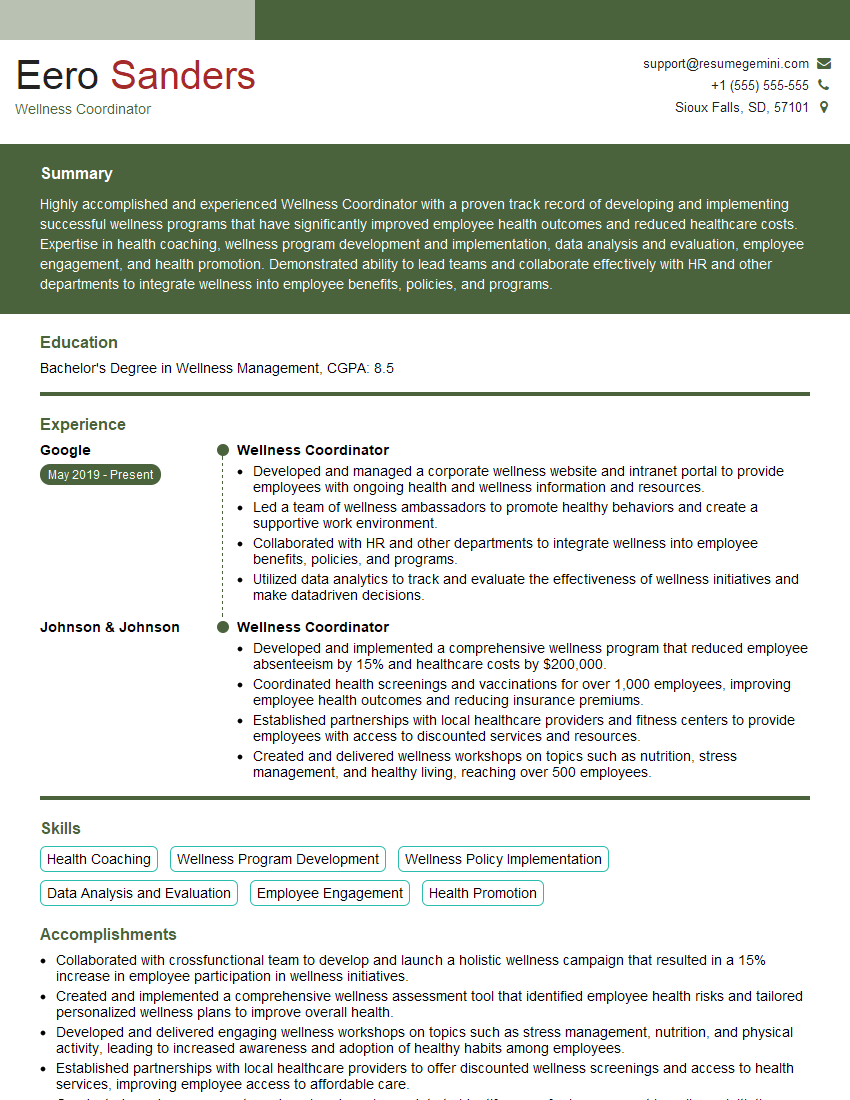
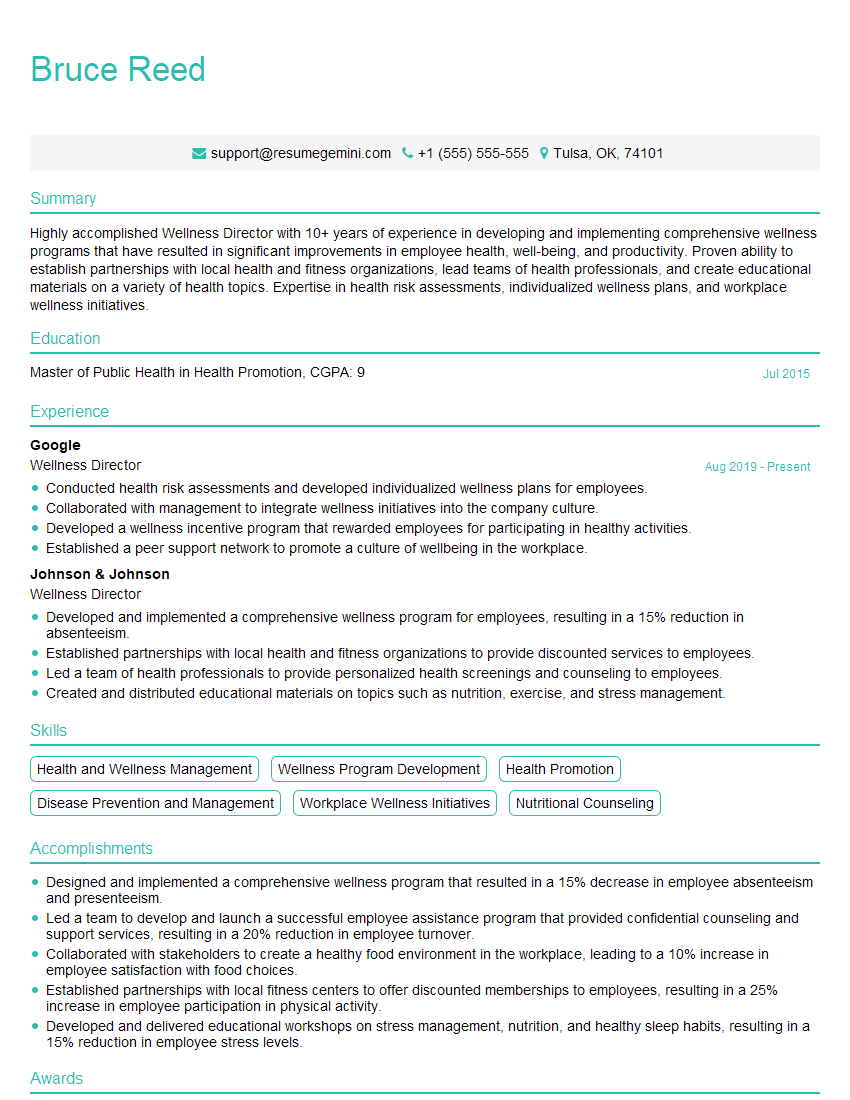
Mastering lifestyle and wellness counseling opens doors to a rewarding career with significant growth potential. The demand for qualified professionals in this field is consistently high. To maximize your job prospects, create a compelling and ATS-friendly resume that highlights your skills and experience. ResumeGemini is a trusted resource for building professional resumes, and we offer examples specifically tailored to Lifestyle and Wellness Counseling to help you showcase your qualifications effectively. Invest time in crafting a strong resume – it’s your first impression with potential employers.
Explore more articles
Users Rating of Our Blogs
Share Your Experience
We value your feedback! Please rate our content and share your thoughts (optional).
What Readers Say About Our Blog
To the interviewgemini.com Webmaster.
Very helpful and content specific questions to help prepare me for my interview!
Thank you
To the interviewgemini.com Webmaster.
This was kind of a unique content I found around the specialized skills. Very helpful questions and good detailed answers.
Very Helpful blog, thank you Interviewgemini team.