Cracking a skill-specific interview, like one for Lifestyle Management, requires understanding the nuances of the role. In this blog, we present the questions you’re most likely to encounter, along with insights into how to answer them effectively. Let’s ensure you’re ready to make a strong impression.
Questions Asked in Lifestyle Management Interview
Q 1. Describe your experience managing complex schedules and itineraries.
Managing complex schedules and itineraries requires meticulous planning and exceptional organizational skills. It’s akin to orchestrating a symphony – each event, appointment, and task is a note, and the goal is to create a harmonious and efficient whole. My approach involves a multi-step process:
- Detailed Intake: I begin by thoroughly understanding the client’s needs, preferences, and priorities. This includes gathering all relevant information, such as appointments, travel plans, deadlines, and personal commitments.
- Calendar Consolidation: I utilize digital calendar platforms (like Google Calendar or Outlook Calendar) to consolidate all information into a single, comprehensive schedule. This allows for easy visualization of potential conflicts and efficient scheduling.
- Prioritization and Sequencing: I meticulously prioritize tasks based on urgency, importance, and potential impact. This often involves applying time-blocking techniques to allocate specific time slots for different activities.
- Contingency Planning: I always include buffer time in the schedule to account for unexpected delays or changes. This proactive approach minimizes disruptions and allows for flexibility.
- Regular Review and Adjustment: I regularly review and update the schedule to reflect any changes or new developments. This iterative process ensures the schedule remains current and accurate.
For example, I recently managed the schedule for a client attending a week-long conference abroad. This involved coordinating flights, accommodations, meetings, and social events, ensuring seamless transitions between each activity. The result was a stress-free experience for the client, allowing them to focus on the conference itself.
Q 2. How do you prioritize tasks and manage competing demands in a high-pressure environment?
Prioritization in high-pressure environments necessitates a strategic approach. Imagine a tightrope walker – they must focus on balance and precise movements to maintain equilibrium. Similarly, I employ a system that combines urgency, importance, and impact:
- Eisenhower Matrix: I utilize the Eisenhower Matrix (urgent/important) to categorize tasks and allocate resources accordingly. Urgent and important tasks receive immediate attention. Important but not urgent tasks are scheduled proactively. Urgent but unimportant tasks are delegated or eliminated where possible. Unimportant and not urgent tasks are deferred or removed.
- Time Blocking: I allocate specific blocks of time for focused work on high-priority tasks, minimizing distractions and maximizing productivity. This prevents task-switching and improves concentration.
- Delegation: I effectively delegate tasks where appropriate to optimize my time and leverage the skills of others. This is especially crucial when dealing with competing demands.
- Communication: Clear and proactive communication with clients and team members is critical to manage expectations and avoid conflicts. This ensures everyone is informed and aligned on priorities.
For instance, during a period of multiple overlapping projects, I successfully managed competing demands by using the Eisenhower Matrix to prioritize crucial deadlines, delegating less critical tasks, and proactively communicating with all stakeholders. This ensured that all projects were completed on time and to the client’s satisfaction.
Q 3. Explain your process for handling confidential information and maintaining client privacy.
Confidentiality and client privacy are paramount in lifestyle management. It’s like holding a sacred trust – the information shared must be handled with utmost care and discretion. My approach includes:
- Strict Confidentiality Agreements: I always require and adhere to strict confidentiality agreements with all clients to ensure their sensitive information is protected.
- Secure Data Storage and Management: I utilize password-protected systems and encrypted storage for all client data. Access is strictly limited to authorized personnel only.
- Data Minimization: I only collect and retain necessary information, minimizing the risk of potential breaches or misuse.
- Secure Communication Channels: I utilize encrypted communication channels (e.g., secure email, encrypted messaging apps) to protect sensitive information during transmission.
- Regular Security Audits: I conduct regular security audits to identify and address any potential vulnerabilities.
For example, I never discuss a client’s personal information with anyone outside the relevant team, and I always ensure any digital documents containing sensitive information are appropriately protected.
Q 4. Describe your experience with travel planning and logistics, including international travel.
Travel planning and logistics, especially international travel, demand a high level of detail and attention. Think of it as directing a complex film production – every aspect needs careful orchestration. My process entails:
- Destination Research: I thoroughly research the destination, including visa requirements, local customs, transportation options, and potential risks.
- Flight and Accommodation Bookings: I book flights and accommodations, considering factors such as cost, comfort, and location. I utilize various online travel agencies and booking platforms.
- Itinerary Development: I develop a detailed itinerary that includes all planned activities, appointments, and travel arrangements.
- Ground Transportation: I arrange ground transportation, including airport transfers, car rentals, and local transportation options.
- Visa and Documentation Management: I assist with visa applications and ensure all necessary travel documents are in order.
- Contingency Planning: I develop contingency plans to address potential travel disruptions, such as flight cancellations or delays.
For instance, I recently arranged a multi-city trip to Europe for a client, including flights, accommodations, and private guided tours in three different countries. The trip was executed flawlessly, with all arrangements precisely timed and executed without hiccups.
Q 5. How do you handle unexpected events or emergencies?
Handling unexpected events and emergencies requires composure, quick thinking, and a proactive mindset. It’s like being a firefighter – rapid response and efficient problem-solving are crucial. My approach is:
- Proactive Risk Assessment: I anticipate potential problems and develop contingency plans to minimize their impact.
- Rapid Response: I react swiftly and decisively to unexpected events, prioritizing the safety and well-being of my clients.
- Effective Communication: I communicate effectively with all relevant parties to keep them informed and coordinated.
- Problem-Solving Skills: I use my problem-solving skills to identify and implement solutions to resolve the situation efficiently.
- Documentation: I meticulously document all events and actions taken to ensure accountability and facilitate future learning.
For example, I once had to quickly rearrange a client’s entire itinerary when a major storm caused flight cancellations. Through swift communication and resourceful rebooking, I minimized the disruption to their plans.
Q 6. How do you build and maintain strong relationships with clients and vendors?
Building and maintaining strong relationships with clients and vendors is the cornerstone of successful lifestyle management. It’s like cultivating a garden – nurturing relationships requires consistent effort and care. My strategies include:
- Clear Communication: I maintain open and honest communication, providing regular updates and actively listening to client needs and feedback.
- Building Trust: I establish trust by being reliable, responsive, and consistently meeting my commitments.
- Proactive Problem Solving: I anticipate and resolve problems before they escalate, demonstrating my commitment to client satisfaction.
- Professional Network: I cultivate a strong network of reliable vendors to ensure high-quality services.
- Regular Check-ins: I schedule regular check-ins with clients to discuss progress, address concerns, and strengthen the relationship.
I regularly reach out to my network of vendors to maintain strong relationships, ensuring that I have access to the best services for my clients. This allows me to provide seamless and high-quality service consistently.
Q 7. What software and tools are you proficient in using for lifestyle management?
Proficiency in various software and tools is essential for efficient lifestyle management. These tools act as extensions of my capabilities, allowing me to manage complex tasks and information effectively. I am proficient in:
- Calendar Management Software: Google Calendar, Outlook Calendar, Calendly
- Project Management Software: Asana, Trello, Monday.com
- Communication Platforms: Email (Gmail, Outlook), Slack, WhatsApp
- Travel Booking Platforms: Expedia, Booking.com, Kayak
- CRM Software: Salesforce, Zoho CRM (depending on client needs)
I am also adept at using various productivity apps and tools, such as note-taking apps (Evernote, OneNote), password managers (LastPass, 1Password), and document management systems (Dropbox, Google Drive).
Q 8. Describe your experience managing household staff or contractors.
Managing household staff and contractors requires a blend of organizational skills, clear communication, and a focus on building positive working relationships. It’s about more than just assigning tasks; it’s about fostering a productive and respectful environment.
- Recruitment and Onboarding: I meticulously vet potential candidates, conducting thorough interviews and reference checks. Once hired, a comprehensive onboarding process ensures they understand their roles, responsibilities, and expectations, including company policies and procedures. For example, I developed a detailed checklist for new cleaning staff, outlining cleaning schedules, product usage, and safety protocols.
- Task Management and Delegation: I utilize project management tools to assign tasks, set deadlines, and track progress. Regular check-ins and feedback sessions ensure tasks are completed efficiently and to the required standard. For instance, when managing renovations, I created a detailed timeline with assigned contractors and milestones, using a Gantt chart to visualize the project’s progress and identify potential delays.
- Performance Management: Regular performance evaluations provide constructive feedback, identify areas for improvement, and recognize outstanding contributions. This includes setting clear performance goals and providing ongoing support and training to enhance their skills. For instance, I implemented a performance review system for the gardeners, providing training on new techniques to improve the overall garden’s aesthetic appeal.
- Conflict Resolution: I proactively address any conflicts or misunderstandings, promoting open communication and finding mutually agreeable solutions. A key example is mediating a disagreement between the chef and the housekeeper regarding kitchen cleanliness standards, resulting in a clear protocol for maintaining hygiene.
Q 9. How do you manage household budgets and expenses?
Effective household budget management requires a detailed understanding of all expenses, careful tracking of spending, and proactive financial planning. It’s about balancing needs and wants while ensuring financial stability.
- Budgeting Software/Spreadsheet: I use budgeting software or spreadsheets to track income and expenses meticulously. This provides a clear overview of where money is being spent and identifies areas for potential savings. I often categorize expenses (e.g., groceries, utilities, entertainment) to gain insights into spending patterns.
- Regular Reviews: Monthly budget reviews allow for adjustments based on actual spending versus planned budget. This helps stay on track and adapt to unforeseen circumstances, like unexpected home repairs. For example, a review may show that utility costs are higher than expected, prompting an investigation into energy efficiency measures.
- Forecasting: Anticipating future expenses, such as annual insurance premiums or property taxes, is crucial for effective budgeting. This helps avoid unexpected financial shocks and allows for adequate savings. I create a yearly financial calendar noting all anticipated expenses.
- Savings and Investment Strategies: A part of the budget should allocate funds towards savings and investments. This secures financial stability for unexpected events or future goals. For example, a portion of the budget may be automatically transferred to a savings account for future home maintenance.
Q 10. How do you ensure the smooth running of a household or estate?
Ensuring the smooth running of a household or estate involves meticulous planning, proactive problem-solving, and efficient coordination of resources. It’s about anticipating needs and addressing challenges before they disrupt daily life.
- Scheduling and Organization: Creating detailed schedules for household tasks (cleaning, maintenance, etc.) and employing scheduling tools optimizes efficiency and prevents overlaps. For example, I would coordinate the cleaning schedule with the gardener’s schedule to avoid conflicts.
- Preventative Maintenance: Regular inspections and preventative maintenance of appliances, systems, and property minimize the risk of breakdowns and costly repairs. For example, scheduling annual HVAC servicing helps avoid unexpected heating or cooling problems during extreme weather conditions.
- Vendor Management: Maintaining strong relationships with reliable vendors for various services (landscaping, plumbing, security) ensures prompt and efficient service when needed. This involves regularly reviewing vendor contracts and performance.
- Emergency Preparedness: Having a comprehensive emergency plan for situations such as power outages, natural disasters, or medical emergencies is critical. This plan includes contact information for essential services and outlines procedures for various scenarios.
Q 11. Describe your experience with event planning and execution.
Event planning and execution requires detailed planning, meticulous organization, and excellent communication. From intimate gatherings to large-scale events, successful execution involves managing various vendors and ensuring seamless coordination.
- Concept Development: I begin by understanding the client’s vision, budget, and guest list. This stage involves brainstorming ideas, researching venues, and developing a detailed concept that aligns with their expectations. For example, for a birthday party, we might decide on a specific theme, like a 1920s Gatsby party.
- Budgeting and Vendor Management: Creating a detailed budget, securing necessary vendors (caterers, photographers, florists, etc.), and negotiating contracts are essential for staying within the allocated funds. Tracking all vendor payments is crucial for managing finances effectively.
- Logistics and Timeline: Developing a comprehensive timeline with assigned tasks and responsibilities for all involved parties ensures smooth execution. This involves coordinating vendor deliveries, setting up the venue, and managing the guest list.
- On-site Management: On the day of the event, I oversee all aspects, ensuring everything runs smoothly according to plan. This involves addressing any unexpected issues, managing the flow of events, and ensuring the client and guests have a positive experience.
Q 12. How do you manage client expectations and ensure their satisfaction?
Managing client expectations and ensuring their satisfaction is paramount in lifestyle management. It involves clear communication, proactive problem-solving, and consistent follow-through.
- Clear Communication: Regular communication, whether through email, phone calls, or in-person meetings, ensures clients are kept informed about progress, challenges, and any necessary decisions. I use project management software to share updates and track progress.
- Proactive Problem-Solving: Identifying and addressing potential problems before they impact the client’s experience is key. For example, anticipating potential traffic delays for an event and suggesting alternative transportation options showcases proactive thinking.
- Regular Check-ins and Feedback: Regular check-ins allow for ongoing feedback and adjustments based on the client’s needs and preferences. Open communication encourages feedback, helping to identify areas for improvement and ensure satisfaction.
- Post-Event Follow-up: Following up after an event or project to gather feedback and address any lingering issues demonstrates commitment to client satisfaction. This demonstrates professionalism and builds trust.
Q 13. How do you identify and address potential risks and problems?
Identifying and addressing potential risks and problems is a proactive approach that minimizes disruptions and ensures smooth operations. It’s about thinking ahead and having contingency plans.
- Risk Assessment: Regularly assess potential risks associated with various tasks and projects. This could include security risks, financial risks, or operational risks. For example, a risk assessment for a home security system might identify vulnerabilities and suggest solutions.
- Contingency Planning: Developing backup plans for various scenarios helps mitigate potential issues. For instance, having a backup caterer in case of a last-minute cancellation avoids event disruptions.
- Security Measures: Implementing security protocols for the home or estate, such as security systems, regular checks, and access controls, is crucial for protecting property and people.
- Insurance and Legal Compliance: Ensuring adequate insurance coverage and adherence to all relevant legal and regulatory requirements helps protect against potential liabilities.
Q 14. Explain your experience with personal shopping and styling.
Personal shopping and styling involves understanding a client’s individual style, lifestyle, and needs to curate a wardrobe that reflects their personality and enhances their image.
- Style Consultation: I begin with a detailed style consultation to understand the client’s preferences, body type, lifestyle, and wardrobe needs. This involves discussing their current wardrobe, identifying style gaps, and determining their personal style.
- Shopping and Selection: I leverage my knowledge of current fashion trends and brands to select appropriate items that align with the client’s style, budget, and needs. This could include shopping in-store, online, or a combination of both. I always consider fabric quality, fit, and overall style coherence.
- Wardrobe Organization: I can assist with organizing and streamlining the client’s existing wardrobe, eliminating unnecessary items and creating a more functional and stylish collection. This might involve removing outdated or ill-fitting clothes.
- Styling and Image Enhancement: I advise clients on how to best utilize their wardrobe pieces to create different looks, taking into consideration occasions, settings, and personal preferences. This is about making clients feel confident and comfortable in their clothes.
Q 15. How do you stay organized and manage your workload effectively?
Effective workload management is the cornerstone of successful lifestyle management. I utilize a combination of strategies to stay organized. This includes employing a robust digital calendar system, like Google Calendar, meticulously scheduling appointments and tasks, setting realistic deadlines, and prioritizing tasks based on urgency and importance using methods like the Eisenhower Matrix (urgent/important). I also break down large projects into smaller, manageable steps to prevent feeling overwhelmed. For example, if I’m planning a client’s relocation, I’d create a detailed checklist encompassing every step from finding movers to coordinating utilities transfer. Regularly reviewing my schedule and adjusting as needed helps maintain flexibility and prevents unexpected bottlenecks.
Beyond scheduling, I leverage project management tools like Trello or Asana for visual task organization and collaboration. These tools allow me to track progress, delegate tasks (if applicable), and maintain clear communication with clients and relevant vendors. Finally, I dedicate specific time blocks for focused work, minimizing interruptions to maximize productivity. This structured approach ensures that I can efficiently handle multiple clients and their diverse needs.
Career Expert Tips:
- Ace those interviews! Prepare effectively by reviewing the Top 50 Most Common Interview Questions on ResumeGemini.
- Navigate your job search with confidence! Explore a wide range of Career Tips on ResumeGemini. Learn about common challenges and recommendations to overcome them.
- Craft the perfect resume! Master the Art of Resume Writing with ResumeGemini’s guide. Showcase your unique qualifications and achievements effectively.
- Don’t miss out on holiday savings! Build your dream resume with ResumeGemini’s ATS optimized templates.
Q 16. Describe your experience with property management or maintenance.
My experience with property management and maintenance is extensive. I’ve overseen everything from routine upkeep and landscaping to more complex projects like renovations and repairs. I’ve managed contractors, sourced materials, and ensured all work was completed to the highest standards and within budget. For example, I recently managed a kitchen renovation for a client, coordinating with architects, designers, contractors, and appliance suppliers. This involved meticulous scheduling, budget tracking, and quality control, ensuring the project was completed on time and without exceeding the client’s budget. I’m also adept at handling emergencies, such as plumbing leaks or appliance malfunctions, efficiently sourcing reliable service providers and overseeing prompt repairs.
I understand the importance of preventative maintenance to avoid larger, costlier issues down the line. I develop proactive maintenance schedules for clients’ properties, ensuring regular inspections and timely addressing of any potential problems. This preventative approach significantly reduces the likelihood of unexpected and costly repairs.
Q 17. How do you handle difficult clients or challenging situations?
Handling difficult clients or challenging situations requires a calm, empathetic, and professional approach. My strategy involves active listening to understand their concerns, validating their feelings, and then collaboratively finding solutions. I always aim to maintain a positive and respectful dialogue, even when faced with criticism. For instance, if a client is upset about a delay in a service, I’d first apologize for the inconvenience, explain the reasons for the delay transparently, and then offer alternative solutions or compensation if appropriate.
In more challenging scenarios, I rely on clear communication, detailed documentation, and a structured problem-solving process. This includes clearly defining the problem, brainstorming possible solutions, evaluating the pros and cons of each, selecting the best solution, and implementing it while monitoring progress. I also prioritize building strong relationships with clients based on trust and mutual respect, proactively addressing potential issues before they escalate. This preventative approach strengthens the client relationship and minimizes the likelihood of conflicts.
Q 18. What are your strengths and weaknesses in a lifestyle management role?
My strengths in a lifestyle management role include my exceptional organizational skills, strong communication abilities, proactive problem-solving capabilities, and my ability to build rapport with diverse individuals. I’m detail-oriented, ensuring every aspect of a project is meticulously handled. I’m also highly adaptable and capable of handling unexpected situations with grace and efficiency. For example, I recently had to rearrange a client’s entire travel itinerary due to an unforeseen flight cancellation. I quickly sourced alternative flights, accommodations, and transportation, ensuring minimal disruption to their trip.
One area I’m constantly working on is delegation. While I can manage a significant workload independently, I recognize the efficiency gains that come from delegating tasks appropriately. I’m actively refining my skills in this area to better leverage the expertise of others and improve overall team performance. I actively seek opportunities to improve this skill and enhance my leadership capabilities.
Q 19. Describe your experience with wellness planning and coordination.
Wellness planning and coordination are integral aspects of my lifestyle management services. I work with clients to develop personalized wellness plans that align with their individual needs and goals. This includes coordinating fitness regimens, scheduling health check-ups, recommending nutritional guidance, and facilitating mindfulness practices. For example, I’ve helped clients design customized workout routines, connecting them with personal trainers and arranging for nutritional consultations with registered dieticians. I also arrange for things like spa days, meditation retreats, or yoga classes, creating opportunities for relaxation and stress reduction.
My approach is holistic, recognizing the interconnectedness of physical, mental, and emotional well-being. I integrate wellness strategies into clients’ daily routines seamlessly, promoting a sustainable and enjoyable approach to health and well-being. I view wellness planning as an ongoing process, regularly reviewing and adjusting plans to reflect clients’ evolving needs and progress.
Q 20. How do you ensure the security and safety of a client’s home or property?
Ensuring the security and safety of a client’s home or property is a top priority. This involves implementing a multi-layered approach encompassing preventative measures and emergency preparedness. This includes recommending and coordinating the installation of security systems (alarms, security cameras), ensuring adequate lighting, and advising on landscaping that minimizes potential hiding places. I also advise on safe practices, like locking doors and windows properly and being cautious about sharing personal information.
Beyond preventative measures, I develop emergency preparedness plans, ensuring clients know what to do in various scenarios, from power outages to natural disasters. This might involve identifying safe evacuation routes, creating emergency contact lists, and stocking emergency supplies. Regularly reviewing and updating these plans ensures they remain relevant and effective. My aim is to create a secure and reassuring environment for my clients, giving them peace of mind.
Q 21. How do you research and recommend appropriate services and vendors?
Researching and recommending appropriate services and vendors is a crucial aspect of my role. I use a multi-faceted approach that combines online research, client referrals, and professional networking. I start by identifying the client’s needs and specifications, then utilize online platforms and review sites to find potential vendors. I carefully vet each vendor, considering factors like reputation, experience, licensing, and insurance.
Beyond online research, I leverage my professional network and client referrals to gather firsthand recommendations and insights. I often personally contact vendors to discuss their services in detail, ensuring they are a good fit for the client’s requirements. Finally, I provide clients with a detailed comparison of different vendors, allowing them to make informed decisions based on their budget, preferences, and needs. This process ensures that I am recommending high-quality, reliable, and trustworthy services.
Q 22. Describe your experience with managing a team or delegating tasks.
Managing a team in lifestyle management requires a blend of delegation, mentorship, and collaborative leadership. My approach focuses on clearly defining roles, responsibilities, and expected outcomes. I start by understanding each team member’s strengths and weaknesses, then delegate tasks accordingly, ensuring individuals are challenged but not overwhelmed. This involves setting realistic deadlines and providing necessary resources and support.
For example, when launching a new client onboarding process, I delegated research on best practices to one team member, designing the process flow to another, and implementation and training to a third. Regular check-ins, open communication channels, and constructive feedback loops are crucial for maintaining team cohesion and ensuring projects stay on track. I believe in fostering a collaborative environment where team members feel empowered to contribute their ideas and expertise.
Q 23. How do you adapt to changing client needs and preferences?
Adaptability is paramount in lifestyle management, as client needs and preferences are constantly evolving. My approach involves proactive communication and a willingness to embrace change. I regularly solicit feedback from clients, actively listening to their concerns and suggestions. This allows me to identify shifts in their priorities and adjust my strategies accordingly.
For instance, if a client initially prioritizes travel planning but later expresses increased interest in wellness and fitness, I seamlessly integrate these new preferences into their lifestyle plan, perhaps introducing a personal trainer or incorporating wellness retreats into their travel itinerary. This requires flexibility, resourcefulness, and a commitment to providing customized solutions tailored to their ever-changing needs.
Q 24. How familiar are you with different cultural norms and customs?
Cultural sensitivity is fundamental to my approach. I’ve worked with clients from diverse cultural backgrounds and understand the importance of respecting individual customs and preferences. This involves researching cultural norms relevant to each client, demonstrating an awareness of potential sensitivities, and adapting my communication style accordingly.
For example, when working with a client from Japan, I researched appropriate etiquette for gift-giving and communication styles to ensure a respectful and comfortable working relationship. Understanding the nuances of different cultures allows me to provide highly personalized and effective lifestyle management services, building trust and strong client relationships.
Q 25. Explain your approach to problem-solving in a fast-paced environment.
My approach to problem-solving in a fast-paced environment utilizes a structured, systematic approach. I start by clearly defining the problem, gathering all relevant information, and analyzing potential causes. I then brainstorm various solutions, evaluating their feasibility and potential impact.
I prioritize solutions that are efficient, effective, and aligned with the client’s overall goals. This might involve prioritizing tasks using methods like Eisenhower Matrix (urgent/important) or applying root cause analysis to identify and address underlying issues. Regular communication with clients and team members is crucial during this process, ensuring everyone is informed and aligned on the chosen solution and its implementation.
Q 26. Describe a time you had to make a quick decision under pressure.
During a high-profile client event, a critical vendor unexpectedly cancelled less than 24 hours before the event. Under immense pressure, I had to quickly secure a replacement. I immediately contacted several backup vendors, assessed their availability and capabilities, and negotiated favorable terms.
I leveraged my existing network and industry contacts, and within a few hours, secured a suitable replacement who could meet the client’s needs. While stressful, this situation highlighted the importance of proactive planning, maintaining strong industry relationships, and possessing the ability to make decisive decisions under pressure. The event was ultimately a success, thanks to quick thinking and decisive action.
Q 27. How do you handle conflicts between clients and service providers?
Conflict resolution is a key skill in lifestyle management. My approach is to act as a neutral mediator, actively listening to both the client and service provider to understand their perspectives and concerns. I strive to create a safe and collaborative space for open communication.
I focus on identifying the root cause of the conflict, clarifying misunderstandings, and finding mutually acceptable solutions. This may involve negotiating compromises, setting clear expectations, or recommending alternative solutions. Documentation throughout the process is crucial to ensure transparency and accountability. The goal is to restore a positive working relationship, maintaining the highest level of client satisfaction.
Q 28. What strategies do you employ to proactively anticipate client needs?
Proactive anticipation of client needs is achieved through a combination of meticulous planning, ongoing communication, and a keen understanding of client lifestyles and priorities. I regularly review client profiles, schedules, and past interactions, identifying potential needs or challenges before they arise.
For instance, if a client is planning an extensive business trip, I’d proactively research local transportation options, book accommodations tailored to their preferences, and schedule meetings and appointments in advance, anticipating their needs before they even articulate them. I use technology to help with this—setting reminders, utilizing scheduling tools, and maintaining detailed client records. This proactive approach ensures clients receive seamless, stress-free experiences and strengthens the client-manager relationship.
Key Topics to Learn for Lifestyle Management Interview
- Client Relationship Management: Understanding client needs, building rapport, and maintaining professional boundaries.
- Time Management & Prioritization: Developing efficient scheduling systems, mastering delegation, and handling competing priorities for multiple clients.
- Event Planning & Coordination: Managing logistics, budgets, and vendor relationships for various events – from intimate gatherings to large-scale productions.
- Budgeting & Financial Management: Tracking expenses, creating budgets, and providing transparent financial reporting to clients.
- Travel Planning & Concierge Services: Researching and booking travel arrangements, securing accommodations, and arranging other travel-related services.
- Personal Shopping & Styling: Understanding personal style, sourcing products, and providing personalized fashion advice (if applicable to the role).
- Home Management & Organization: Streamlining household operations, coordinating home maintenance, and managing household staff (if applicable).
- Problem-Solving & Conflict Resolution: Identifying and addressing client concerns, anticipating potential problems, and resolving conflicts effectively.
- Communication & Interpersonal Skills: Maintaining clear and professional communication with clients, vendors, and other stakeholders.
- Technology & Software Proficiency: Demonstrating familiarity with relevant software and tools for scheduling, budgeting, communication, and project management.
Next Steps
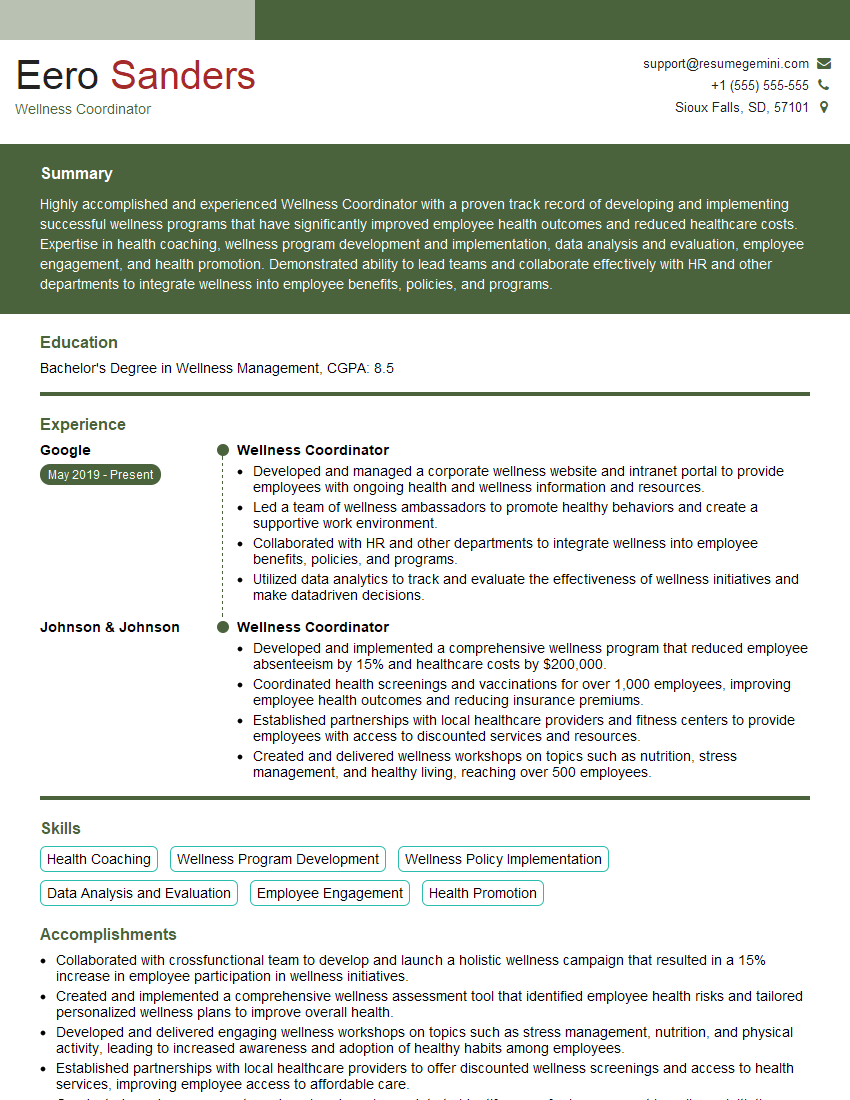
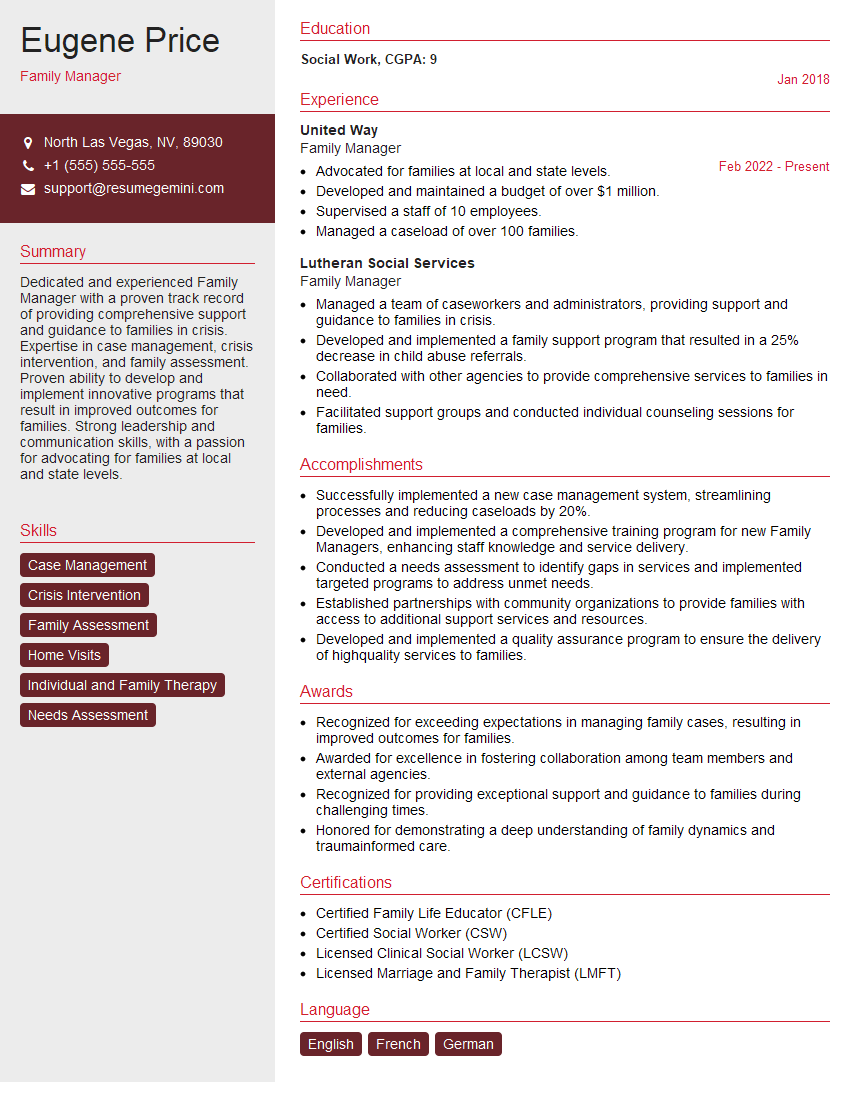
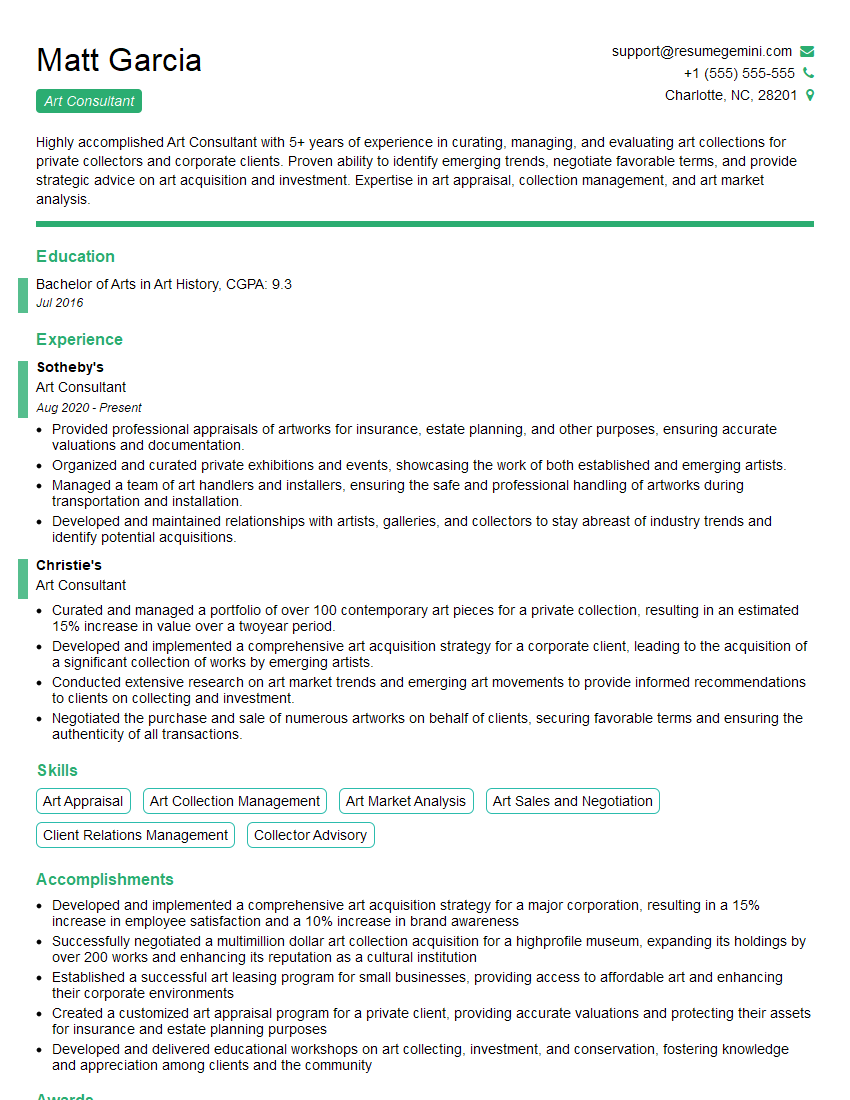
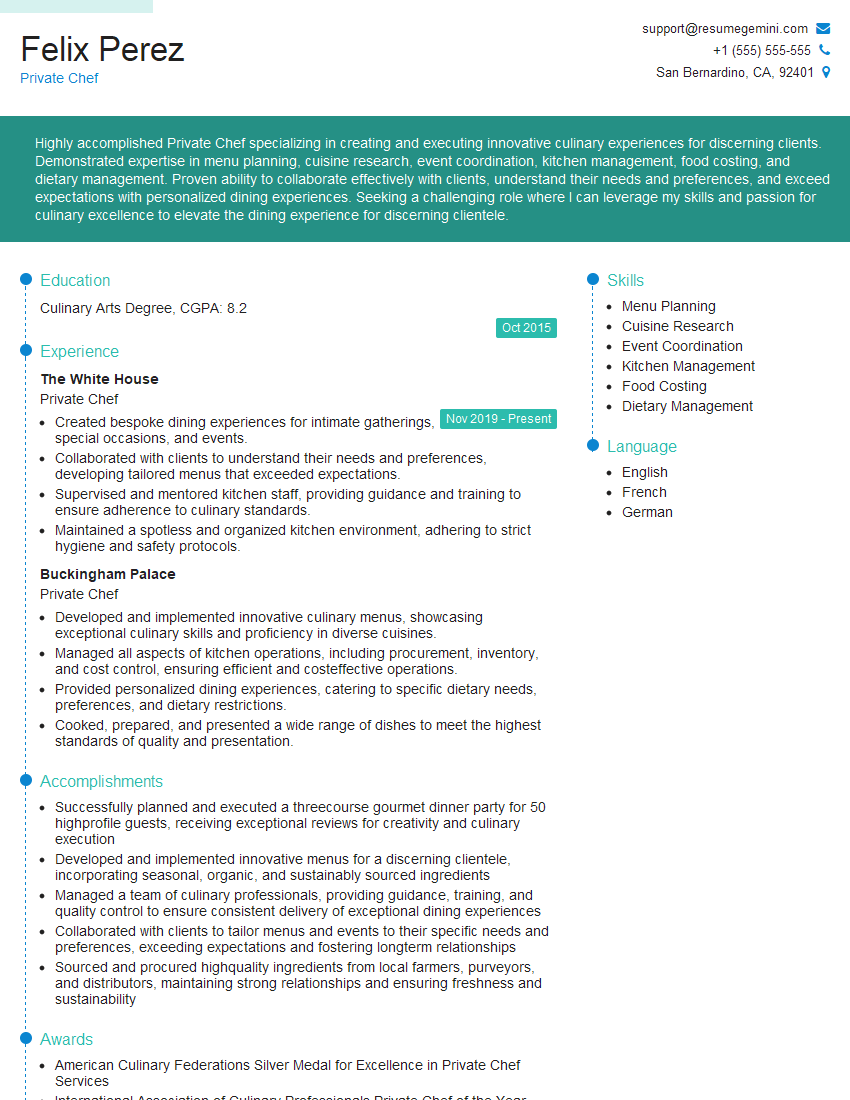
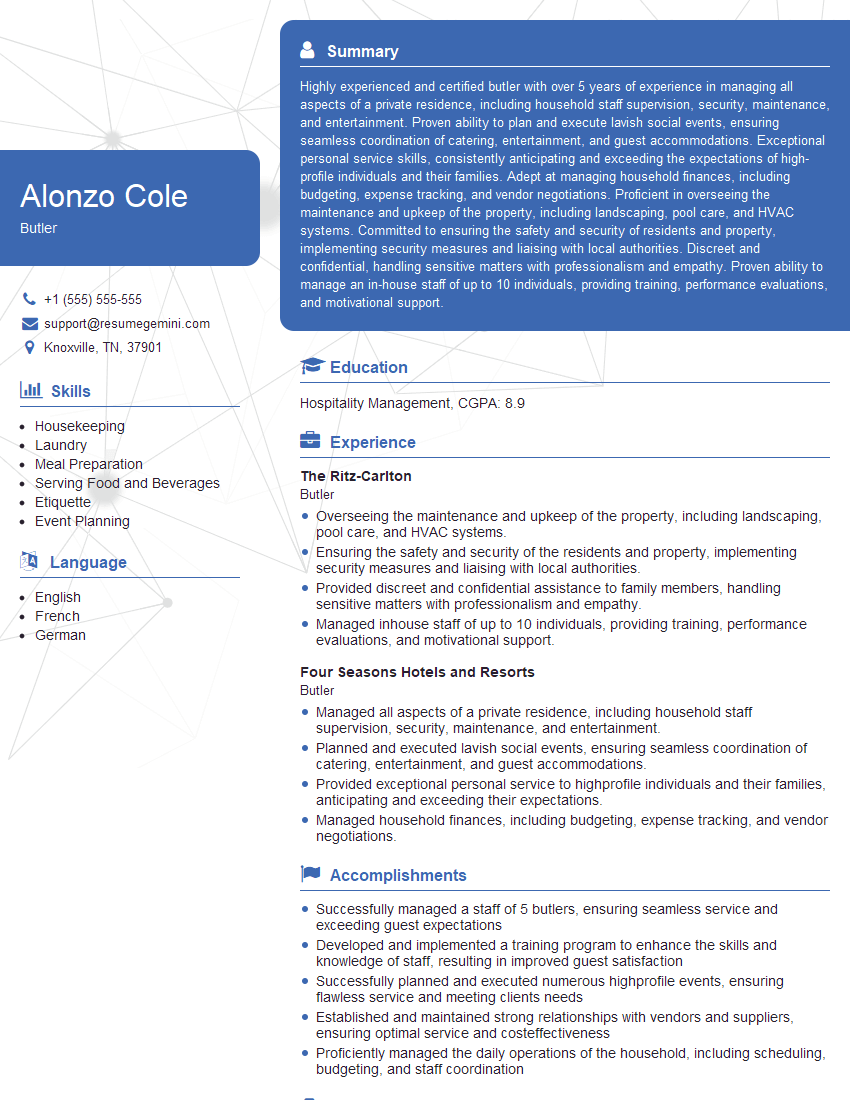
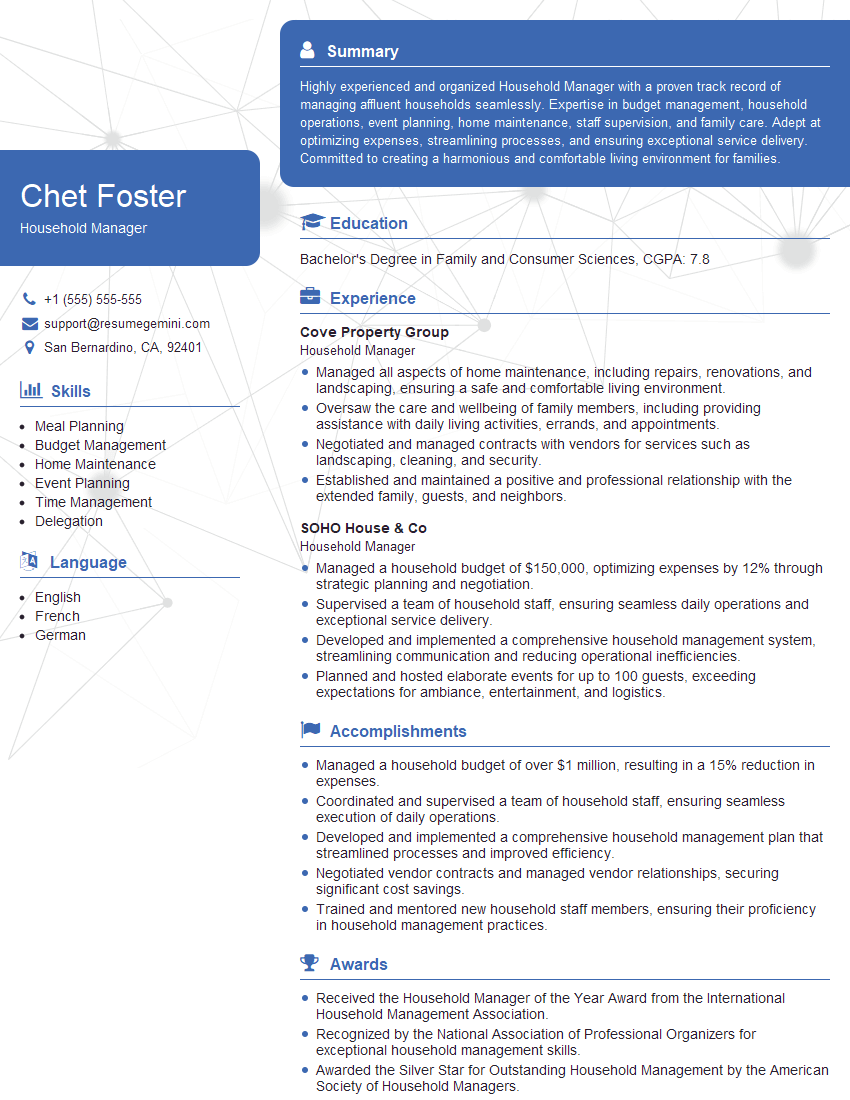
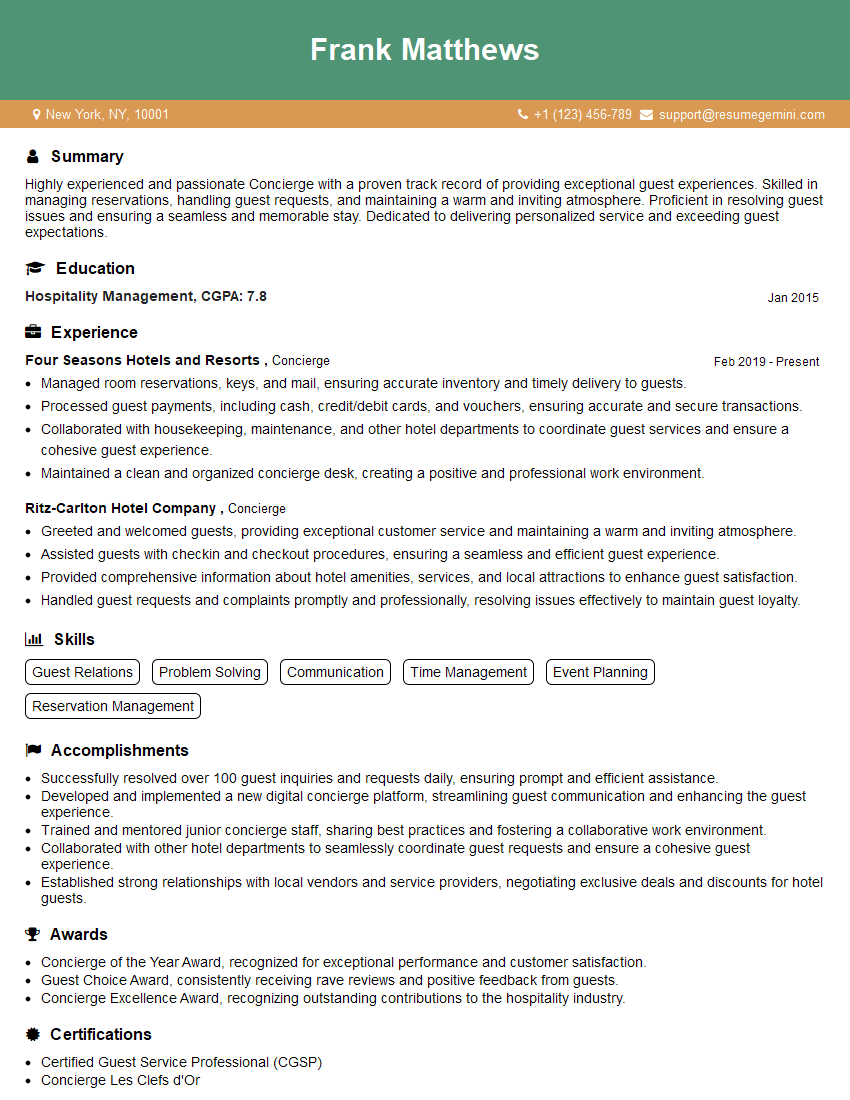
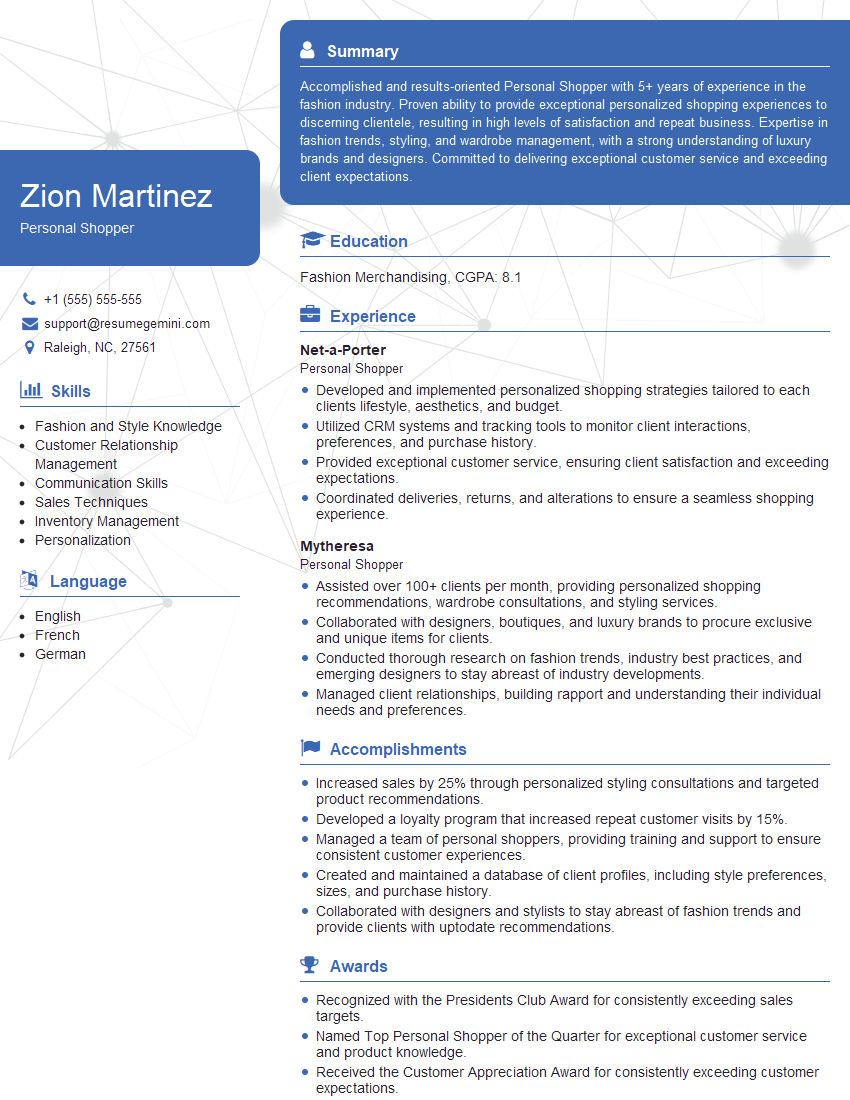
Mastering Lifestyle Management opens doors to a rewarding career offering flexibility, high earning potential, and the chance to make a real difference in people’s lives. A strong resume is crucial for showcasing your skills and experience to potential employers. Creating an ATS-friendly resume significantly improves your chances of getting noticed by recruiters. We strongly recommend using ResumeGemini to build a professional and impactful resume tailored to the Lifestyle Management field. ResumeGemini provides examples of resumes specifically designed for this industry, ensuring your application stands out.
Explore more articles
Users Rating of Our Blogs
Share Your Experience
We value your feedback! Please rate our content and share your thoughts (optional).
What Readers Say About Our Blog
To the interviewgemini.com Webmaster.
Very helpful and content specific questions to help prepare me for my interview!
Thank you
To the interviewgemini.com Webmaster.
This was kind of a unique content I found around the specialized skills. Very helpful questions and good detailed answers.
Very Helpful blog, thank you Interviewgemini team.