The right preparation can turn an interview into an opportunity to showcase your expertise. This guide to Management of tracheostomies interview questions is your ultimate resource, providing key insights and tips to help you ace your responses and stand out as a top candidate.
Questions Asked in Management of tracheostomies Interview
Q 1. Describe the procedure for tracheostomy suctioning.
Tracheostomy suctioning is a crucial procedure to remove secretions from the airway of a patient with a tracheostomy tube. It’s vital to perform this carefully to avoid injury and ensure effective airway clearance. Think of it like clearing a clogged drain – you need the right tools and technique to do it safely and efficiently.
Preparation: Gather supplies including sterile gloves, suction catheter (appropriate size for the patient’s tracheostomy tube), suction machine with appropriate pressure settings (typically 80-120 mmHg), sterile saline or water, and oxygen source if needed. Always practice meticulous hand hygiene.
Procedure: Hyperoxygenate the patient with 100% oxygen for several breaths before suctioning to minimize hypoxia. Insert the suction catheter gently into the tracheostomy tube, no further than the length of the tube to avoid trauma. Apply intermittent suction while withdrawing the catheter. Rotate the catheter as you withdraw to maximize secretion removal. Avoid prolonged suctioning (less than 10 seconds) as it can cause hypoxia.
Post-Suctioning: Hyperoxygenate again and assess the patient’s respiratory status, including oxygen saturation and respiratory rate. Document the procedure, noting the amount and character of secretions.
Example: Imagine a patient who’s post-operative and producing thick, tenacious secretions. We’d use a larger bore suction catheter and might need to perform suctioning more frequently than a patient with thinner secretions. The key is to observe the patient’s response and adjust the procedure accordingly.
Q 2. Explain the indications for tracheostomy.
A tracheostomy is a surgical procedure creating an opening in the trachea (windpipe) to allow for mechanical ventilation or to bypass an upper airway obstruction. It’s a life-saving intervention in many cases.
Acute Respiratory Failure: Patients who have severe respiratory distress or failure that can’t be managed with other methods might require a tracheostomy to maintain airway patency and facilitate mechanical ventilation. Think of it as providing a direct route for the breathing machine to work effectively.
Airway Obstruction: Conditions like tumors, severe trauma, or swelling can obstruct the upper airway. A tracheostomy bypasses this obstruction allowing the patient to breathe.
Long-Term Ventilator Support: Patients requiring prolonged mechanical ventilation, such as those with neuromuscular disease, might benefit from a tracheostomy to allow for more comfortable and efficient ventilation. It replaces the need for prolonged endotracheal intubation.
Secretion Management: In patients with copious or thick secretions that are difficult to clear otherwise, a tracheostomy can make secretion management easier. Think of it as creating a more accessible route for cleaning the airways.
Example: A patient with a severe head injury causing airway swelling would benefit from a tracheostomy to maintain airway patency and oxygenation. Similarly, a patient with amyotrophic lateral sclerosis (ALS) who requires prolonged ventilation might have a tracheostomy for comfort and long-term respiratory support.
Q 3. What are the common complications of tracheostomy?
Tracheostomy, while life-saving, carries potential complications. Early identification and prompt management are crucial to minimize negative outcomes.
Bleeding: Minor bleeding is common, but significant hemorrhage is a serious complication requiring immediate intervention.
Infection: Tracheitis (infection of the trachea) or pneumonia are common. Diligent tracheostomy care, including regular cleaning and suctioning, is essential for prevention.
Tube Obstruction: Mucus plugs can obstruct the tube, leading to respiratory distress. Regular suctioning helps prevent this.
Granulation Tissue Formation: Excess granulation tissue around the stoma can cause stenosis (narrowing) of the airway. Treatment may involve cautery or surgical revision.
Tracheal Stenosis: Narrowing of the trachea can occur due to inflammation or injury, sometimes requiring surgical repair.
Pneumothorax: Air leaking into the pleural space (the space around the lungs) during the procedure is a risk.
Example: A patient develops a fever and increased respiratory distress after a tracheostomy. This could indicate infection, requiring prompt antibiotic therapy and supportive care.
Q 4. How do you manage tracheostomy cuff pressure?
Cuff pressure management for tracheostomy tubes with cuffs is crucial to prevent tracheal injury while maintaining a seal to facilitate mechanical ventilation. The goal is to find the optimal balance.
Ideally, cuff pressure should be regularly monitored and maintained between 20-30 cm H2O. Pressures exceeding 30 cm H2O increase the risk of tracheal ischemia (reduced blood flow) and mucosal damage. Regularly checking cuff pressure is essential, ideally every 8 hours or more frequently depending on the patient’s condition and clinical context.
We typically use a manometer to measure cuff pressure. If the pressure is too high, we can deflate the cuff slightly by removing air. Conversely, if the pressure is too low, we can carefully inflate it further to ensure an adequate seal.
Example: If a patient’s cuff pressure is consistently above 30 cm H2O, we would deflate the cuff slightly and check for any leaks. If a leak is detected we would consider a smaller sized cuff or a different type of tube.
Q 5. Describe the different types of tracheostomy tubes.
Several types of tracheostomy tubes are available, each designed for specific patient needs and clinical situations.
Cuffed Tubes: These tubes have an inflatable cuff that seals the airway, preventing air leaks and allowing for mechanical ventilation. They are commonly used in patients requiring ventilation.
Uncuffed Tubes: These tubes lack an inflatable cuff. They are typically used in patients who do not require mechanical ventilation and have adequate cough mechanisms to clear secretions.
Fenestrated Tubes: These tubes have a small hole (fenestra) that allows for airflow through the upper airway. This permits speech and reduces the risk of aspiration while allowing for intermittent ventilation.
Silicone Tubes: These tubes are biocompatible, less irritating to the tracheal mucosa, and generally preferred for long-term use. Their smooth surface minimizes the risk of granuloma formation.
Metal Tubes: These are usually used in emergency situations and are less comfortable and more likely to cause tissue irritation compared to silicone or PVC tubes.
The choice of tube depends on various factors such as the patient’s condition, the need for ventilation, and the anticipated duration of tracheostomy.
Q 6. What are the signs and symptoms of tracheostomy tube obstruction?
Obstruction of a tracheostomy tube is a serious complication that requires immediate attention. Early recognition is key to prevent respiratory compromise.
Increased Work of Breathing: The patient may exhibit increased respiratory effort, retractions (sucking in of the chest wall during inspiration), or use of accessory muscles.
Decreased Breath Sounds: Auscultation (listening with a stethoscope) may reveal diminished or absent breath sounds on one or both sides of the chest.
Restlessness and Agitation: The patient may become increasingly anxious or restless due to hypoxia (lack of oxygen).
Cyanosis: A bluish discoloration of the skin and mucous membranes indicates low blood oxygen levels.
Changes in Oxygen Saturation: A sudden drop in SpO2 (oxygen saturation) readings is a critical sign.
Example: A patient with a tracheostomy suddenly becomes agitated, with increased respiratory rate and diminished breath sounds. This strongly suggests tracheostomy tube obstruction and necessitates immediate action, such as suctioning.
Q 7. How do you assess for proper tracheostomy tube placement?
Proper tracheostomy tube placement is critical to ensure effective ventilation and prevent complications. Assessment should be done immediately after placement and regularly thereafter.
Auscultation: Listen for bilateral breath sounds with a stethoscope to confirm that air is entering both lungs. Absence of breath sounds on one side suggests possible misplacement or pneumothorax.
Chest X-Ray: A chest X-ray confirms the tube’s position in relation to the tracheal wall and rules out pneumothorax or other complications. This is a crucial step after tracheostomy placement.
Capnography: This monitors end-tidal carbon dioxide (ETCO2) levels, providing objective confirmation of proper tube placement and effective ventilation.
Clinical Assessment: Observe the patient for signs of respiratory distress or difficulty breathing. This includes assessment of respiratory rate, effort, and oxygen saturation.
Example: After tracheostomy placement, a chest X-ray will show the tube’s location in the trachea, confirming proper placement and ensuring that it’s not in the esophagus or partially obstructing a bronchus.
Q 8. Explain the process of tracheostomy decannulation.
Tracheostomy decannulation is the process of removing the tracheostomy tube. It’s a gradual process, not a sudden event, and requires careful assessment of the patient’s readiness. The goal is to allow the tracheostomy tract to heal and the patient to breathe normally through their natural airway.
The process typically involves a series of steps:
- Assessment: Thorough assessment of the patient’s respiratory status, including airway patency, cough strength, and ability to manage secretions. We look for signs of adequate airway protection and sufficient respiratory muscle strength.
- Tube Downsizing: Gradually reducing the size of the tracheostomy tube over time. This allows the tracheal mucosa to heal and the airway to narrow progressively.
- Cuff Deflation (if applicable): If the tube has a cuff, it’s gradually deflated to allow the airway to begin to close around the tube. This stage is very closely monitored for signs of airway compromise.
- Tube Removal: Once the patient is deemed ready (often after a trial without the inner cannula), the tube is carefully removed. We’re always prepared to re-insert the tube if complications arise.
- Post-Decannulation Care: Close monitoring of the patient’s breathing and airway. Suctioning might be required initially, and we closely watch for signs of respiratory distress or airway obstruction.
Example: I recently managed a patient who had a tracheostomy for several months following a complex throat surgery. We started the decannulation process by downsizing the tube over several weeks, observing their respiratory function meticulously at each step. Once the patient demonstrated consistent breathing and a strong cough, we successfully removed the tube. They were closely monitored overnight and discharged the following day with instructions on respiratory care.
Q 9. How do you manage tracheostomy stoma care?
Tracheostomy stoma care is crucial to prevent infection and maintain airway patency. It involves meticulous cleaning and monitoring of the stoma site.
The process usually includes:
- Hand Hygiene: Always start and end with thorough handwashing.
- Sterile Technique: Use sterile gloves and supplies to minimize the risk of infection.
- Wound Cleaning: Gently clean the stoma site with a saline solution or as per physician’s orders, using a circular motion from the inside out, to remove crusts and secretions. Avoid harsh scrubbing.
- Assessment: Regularly assess the stoma for any signs of infection (redness, swelling, purulent drainage), inflammation, or bleeding.
- Dressing Change (if applicable): Change dressings according to the physician’s orders and the patient’s need. We typically aim for a dry, clean environment around the stoma.
- Documentation: Meticulous charting of the stoma’s appearance, any intervention performed and the patient’s response.
Example: A patient with a new tracheostomy might require more frequent stoma care, possibly every two hours initially, to ensure the stoma remains clean and unobstructed. As the stoma heals, the frequency of care usually decreases.
Q 10. What are the nursing interventions for a patient with a new tracheostomy?
Nursing interventions for a patient with a new tracheostomy focus on maintaining a patent airway, preventing complications, and promoting patient comfort.
- Airway Management: Frequent monitoring of respiratory status, including SpO2, respiratory rate, and breath sounds. Suctioning as needed to clear secretions.
- Secretion Management: This is crucial. We use appropriate suctioning techniques to clear secretions effectively without causing trauma. We also ensure proper humidification to help thin secretions.
- Wound Care: Meticulous stoma care as described above.
- Oxygen Therapy: Providing supplemental oxygen as required to maintain adequate oxygen saturation.
- Patient Positioning: Regular turning and repositioning to promote lung expansion and prevent atelectasis.
- Infection Prevention: Strict adherence to infection control protocols to prevent ventilator-associated pneumonia and other infections.
- Pain Management: Addressing any discomfort related to the tracheostomy or the underlying medical condition.
- Patient and Family Education: Providing comprehensive education on tracheostomy care, including suctioning, stoma care, and emergency procedures.
Example: For a patient post-tracheostomy surgery, we’d prioritize immediate assessment of respiratory function. This includes continuous pulse oximetry monitoring, assessing lung sounds, and providing humidified oxygen as prescribed. We would also teach the patient and family the basics of stoma care and suctioning before discharge, ensuring they can safely manage these critical tasks.
Q 11. Describe your experience with different tracheostomy tube types and sizes.
My experience encompasses a wide range of tracheostomy tubes. The choice of tube depends heavily on the patient’s individual needs and the specific clinical situation.
- Size: Tube sizes are measured in millimeters (mm) and are selected based on the patient’s age, size, and the anatomy of their airway. Smaller tubes are generally used for children and infants.
- Type: There are various types, including cuffed and uncuffed tubes, fenestrated and non-fenestrated tubes, and tubes with different inner cannula designs. Cuffed tubes are used to create an airtight seal around the airway to assist ventilation and prevent aspiration. Fenestrated tubes have an opening in the tube that allows airflow through the natural airway, facilitating speech and weaning from mechanical ventilation.
- Material: Tubes are usually made of materials like silicone or PVC, each with its own properties regarding biocompatibility and durability.
Example: A patient post-laryngectomy might require a longer, cuffed tracheostomy tube for airway protection. In contrast, a patient with a temporary tracheostomy due to airway obstruction might only need a smaller, uncuffed tube, facilitating a quicker transition back to the natural airway. I’ve had extensive experience working with all these types, adapting my care to each patient’s unique circumstances.
Q 12. How do you address patient and family education regarding tracheostomy care?
Patient and family education is a cornerstone of successful tracheostomy management. It empowers individuals to actively participate in their care, improving outcomes and reducing anxiety.
My approach involves:
- Individualized Teaching Plans: Tailoring teaching to the patient’s and family’s learning styles and understanding. We use visual aids and demonstrations to ensure information is easily grasped.
- Hands-on Training: Giving the patient and their family opportunities to practice tracheostomy care, including suctioning and stoma care, under supervision. This builds confidence and proficiency.
- Written Materials: Providing clear and concise written instructions to reinforce the teachings. We also make sure the materials are easy to understand and are written in a language they can easily comprehend.
- Repeat Instruction: Repeating and clarifying information as often as necessary. We encourage them to ask questions and address any concerns they have.
- Follow-up Support: Providing ongoing support and answering any questions after discharge, whether it’s over the phone, video calls or during follow-up appointments.
Example: I always make sure to demonstrate tracheostomy suctioning to the patient and family, allowing them to practice under close observation. This hands-on experience empowers them to confidently manage their loved ones care at home and significantly enhances their comfort levels. We always leave our contact information so they can call us with questions.
Q 13. How do you handle emergencies related to tracheostomy, such as dislodgement or bleeding?
Emergencies related to tracheostomies, such as tube dislodgement or bleeding, require immediate and decisive action.
Tube Dislodgement:
- Immediate Assessment: Assess the patient’s respiratory status. If the patient is struggling to breathe, call for immediate assistance.
- Attempt Re-insertion (if trained): If trained and comfortable, attempt to re-insert the tube or an emergency tracheostomy tube. Always prioritize a calm approach; panicked actions can be counterproductive.
- Oxygen Support: Provide supplemental oxygen via mask or bag-valve mask ventilation (if appropriate and the nurse is trained).
- Call for Help: Alert the medical team immediately.
Bleeding:
- Control Bleeding: Apply gentle pressure to the stoma site, but avoid occluding the airway completely.
- Assess Severity: If bleeding is profuse, call for immediate help.
- Monitoring: Continuously monitor vital signs, paying close attention to blood pressure, heart rate, and oxygen saturation.
Example: I once encountered a situation where a tracheostomy tube became partially dislodged in a patient. I acted swiftly, assessing the situation and providing immediate oxygen support while simultaneously notifying the respiratory team. We managed to re-insert the tube while maintaining the patient’s airway, avoiding a potentially life-threatening situation.
Q 14. Explain the role of humidification in tracheostomy care.
Humidification plays a vital role in tracheostomy care by preventing the drying and thickening of secretions. Dry air passing through the tracheostomy can cause significant irritation and can make it difficult to remove secretions, increasing the risk of infection and airway obstruction. Humidification adds moisture to the air, making secretions thinner and easier to remove.
Methods of humidification include:
- Humidified Air: Using a humidifier to add moisture to the air delivered to the patient’s lungs via a ventilator or tracheostomy collar. This is particularly important for patients on mechanical ventilation.
- Humidification Cannula: Attaching a heated humidifier to the tracheostomy tube to directly humidify the inspired air.
- Normal Saline Nebulization: Delivering normal saline via a nebulizer to help thin secretions.
Example: Patients with prolonged tracheostomies often experience thick, tenacious secretions. Humidification is critical in these cases to prevent airway blockage and reduce the need for frequent and potentially traumatic suctioning. We routinely assess the patient’s response to humidification and adjust the method and level of humidification as needed.
Q 15. What are the potential respiratory complications associated with tracheostomy?
Respiratory complications associated with tracheostomy are unfortunately common and range in severity. Think of the trachea as a new entry point for the air – it’s vulnerable. The most significant risks include:
- Infection: Ventilator-associated pneumonia (VAP) is a major concern. The tube itself provides a pathway for bacteria to enter the lungs. Other infections like tracheitis (inflammation of the trachea) and pneumonia can also occur.
- Obstruction: Mucus plugs, bleeding, or the tube itself can become dislodged or obstructed, leading to hypoxia (low blood oxygen). Imagine a straw getting clogged – it restricts the flow of air.
- Bleeding: Bleeding can occur at the site of tracheostomy placement or within the airway itself. This is particularly concerning if it’s significant and leads to airway compromise.
- Pneumothorax: During tracheostomy placement, there’s a risk of accidentally puncturing the lung, leading to a collapsed lung. This is a serious complication requiring immediate medical attention.
- Tracheal stenosis: Long-term tracheostomy can cause scarring and narrowing of the trachea, making it difficult to breathe. This is similar to a pipe gradually becoming narrower.
- Tracheomalacia: Weakening of the tracheal wall can occur, leading to airway collapse. Imagine the trachea losing its structural support.
Careful monitoring and preventative measures are vital to mitigate these risks.
Career Expert Tips:
- Ace those interviews! Prepare effectively by reviewing the Top 50 Most Common Interview Questions on ResumeGemini.
- Navigate your job search with confidence! Explore a wide range of Career Tips on ResumeGemini. Learn about common challenges and recommendations to overcome them.
- Craft the perfect resume! Master the Art of Resume Writing with ResumeGemini’s guide. Showcase your unique qualifications and achievements effectively.
- Don’t miss out on holiday savings! Build your dream resume with ResumeGemini’s ATS optimized templates.
Q 16. How do you prevent ventilator-associated pneumonia (VAP) in patients with tracheostomies?
Preventing VAP in tracheostomy patients is a multi-pronged approach involving meticulous adherence to infection control protocols. It’s all about minimizing bacterial load and promoting effective airway clearance. Here’s a breakdown:
- Hand Hygiene: Diligent handwashing by all healthcare personnel is paramount – it’s the cornerstone of infection prevention.
- Subglottic Suctioning: Regular suctioning of secretions below the cuff of the tracheostomy tube helps prevent accumulation and bacterial growth. Imagine removing the sludge from a drainpipe.
- Oral Care: Frequent oral hygiene reduces the bacterial load in the mouth, limiting aspiration of organisms into the lungs. A clean mouth equals a cleaner airway.
- Elevation of Head of Bed: Keeping the patient’s head elevated at least 30 degrees helps prevent aspiration of secretions. Gravity is your friend here.
- Ventilator Management: Optimal ventilator settings, including appropriate tidal volumes and PEEP (positive end-expiratory pressure), can minimize lung injury and reduce the risk of infection.
- Early Mobility: Getting the patient mobile, as tolerated, helps improve lung expansion and reduce the risk of infection. Movement helps clear secretions naturally.
- Appropriate Antibiotic Use: Antibiotics should be used judiciously and only when clinically indicated to prevent antibiotic resistance.
Following established VAP prevention bundles greatly enhances successful outcomes.
Q 17. Describe your experience with tracheostomy weaning protocols.
Tracheostomy weaning protocols are highly individualized and depend on numerous patient factors such as underlying disease, respiratory status, and overall health. There’s no one-size-fits-all approach. In my experience, a successful protocol relies on careful monitoring and a gradual decrease in ventilatory support. This typically involves:
- Assessment: Thorough assessment of respiratory function, including oxygenation, ventilation, and secretion management, is crucial before even considering weaning.
- Gradual Reduction of Ventilatory Support: This might involve reducing ventilator settings, such as decreasing the fraction of inspired oxygen (FiO2) or pressure support, in small increments. We might even try spontaneous breathing trials.
- Trial of Decannulation: A trial of cap removal or temporary decannulation, always with careful monitoring, is often implemented to evaluate the patient’s ability to maintain adequate ventilation without the tube.
- Close Monitoring: During the weaning process, vital signs, including oxygen saturation, respiratory rate, and heart rate, are meticulously monitored. This is done every minute, then increasing the interval slowly.
- Secretion Management: Secretion management techniques, including suctioning and postural drainage, are crucial to maintain a clear airway.
I always prioritize patient safety and tailor the weaning strategy to the individual’s needs. A collaborative approach with the respiratory therapist and other members of the healthcare team ensures the best possible outcome. For example, a patient with COPD will have a much slower weaning protocol than one with acute respiratory distress.
Q 18. What are the key aspects of assessing a patient’s readiness for tracheostomy decannulation?
Assessing readiness for tracheostomy decannulation is a critical step that requires a comprehensive evaluation of several key aspects. It’s not just about numbers, but overall patient stability. Key aspects include:
- Respiratory Function: The patient needs to demonstrate adequate respiratory function, including sufficient oxygen saturation, respiratory rate, and tidal volume, without ventilator support.
- Secretion Management: The patient must be able to effectively manage their own secretions. We want to make sure they are able to cough and clear their secretions independently.
- Swallowing Ability: Assessment of swallowing function is essential to prevent aspiration, especially if there has been neurological involvement.
- General Medical Status: The patient should be medically stable, without any other acute or chronic conditions that could compromise their ability to breathe independently.
- Patient’s Understanding and Cooperation: Patient cooperation is critical. They need to understand the procedure and be able to follow instructions.
A thorough assessment, often involving multiple disciplines, ensures a safe and successful decannulation process. A failed decannulation can be psychologically damaging to patients.
Q 19. How do you manage secretions in a patient with a tracheostomy?
Managing secretions in a tracheostomy patient is vital to prevent complications like airway obstruction and infection. This involves a combination of techniques, tailored to the individual’s needs:
- Suctioning: Suctioning removes accumulated secretions from the airway. Sterile technique is paramount to avoid introducing infection. The suctioning needs to be carefully performed to prevent trauma to the airway, this is a learned skill.
- Hydration: Adequate hydration helps thin secretions, making them easier to clear. Think of it like adding water to honey – it makes it less sticky.
- Humidification: Adding moisture to the inspired air helps keep secretions from becoming thick and tenacious. This is similar to using a humidifier in dry climates.
- Postural Drainage: Positioning the patient to promote gravity-assisted drainage of secretions can be very beneficial. Different positions help drain different areas of the lungs.
- Cough Augmentation Techniques: These techniques can help patients who have difficulty coughing effectively on their own. This might involve using an incentive spirometer or assisted coughing.
The frequency and type of secretion management will depend on the patient’s individual needs. Regular assessment is essential to adjust the approach as necessary.
Q 20. Explain the importance of monitoring oxygen saturation levels in patients with tracheostomies.
Monitoring oxygen saturation levels (SpO2) in tracheostomy patients is crucial for assessing their respiratory status and ensuring adequate oxygenation. SpO2 is a non-invasive way to quickly gauge how well the lungs are delivering oxygen to the blood. A low SpO2 can indicate many problems including:
- Hypoxia: Low SpO2 indicates inadequate oxygen in the blood, potentially leading to tissue damage. Early identification allows timely intervention.
- Airway Obstruction: A sudden drop in SpO2 can signal an obstructed airway, requiring immediate action. This could be caused by mucus plugs, kinking of the tube, or other obstructions.
- Ventilator Malfunction: A decrease in SpO2 can indicate a problem with the ventilator or its settings. This might require troubleshooting or adjustment of ventilator parameters.
- Respiratory Distress: Persistent low SpO2 can be a sign of respiratory distress, possibly requiring supplemental oxygen or mechanical ventilation.
Continuous or frequent SpO2 monitoring provides critical information about the patient’s respiratory status and allows for prompt intervention in case of any deterioration.
Q 21. What are the early warning signs of tracheostomy tube obstruction?
Early warning signs of tracheostomy tube obstruction can be subtle, but recognizing them promptly is critical. These signs might include:
- Increased respiratory rate: The patient may breathe faster as the body struggles to compensate for reduced airflow.
- Increased work of breathing: The patient may show signs of distress, such as retractions (sucking in of the skin around the ribs and collarbone) or use of accessory muscles (muscles in the neck and shoulders) to breathe.
- Decreased SpO2: As mentioned previously, a sudden drop in oxygen saturation is a significant warning sign.
- Wheezing or stridor: These sounds indicate narrowing of the airway, often due to mucus buildup or obstruction.
- Restlessness or anxiety: The patient may become increasingly anxious or restless as they struggle to breathe adequately.
- Changes in breath sounds: Diminished or absent breath sounds on one side of the chest might indicate a unilateral obstruction.
- Coughing without productive sputum: This could indicate an ineffective cough and an inability to clear the obstruction.
Prompt recognition of these signs and immediate action to clear the obstruction are essential to prevent serious complications, including respiratory arrest.
Q 22. How do you ensure proper hygiene and infection control when managing a tracheostomy?
Maintaining meticulous hygiene and infection control around a tracheostomy is paramount to prevent serious complications. Think of it like this: the tracheostomy tube bypasses the body’s natural defenses in the upper airway, creating a direct pathway for germs to reach the lungs.
- Hand Hygiene: Before and after any interaction with the tracheostomy site, rigorous handwashing with soap and water for at least 20 seconds or using an alcohol-based hand rub is essential. This is the single most important step.
- Sterile Technique: Procedures like tracheostomy tube changes and suctioning should always be performed using strict sterile technique. This involves using sterile gloves, drapes, and equipment to minimize the risk of introducing bacteria.
- Wound Care: The area around the tracheostomy site should be inspected regularly for signs of infection (redness, swelling, purulent drainage). Gentle cleaning with sterile saline solution is usually sufficient. We avoid harsh cleansers or scrubbing.
- Moisture Control: Excessive moisture around the stoma can promote bacterial growth. We use appropriate dressings to keep the area dry and clean, changing them as needed based on the amount of secretion.
- Regular Monitoring: Close monitoring of vital signs and respiratory status helps detect early signs of infection such as increased heart rate, fever, or changes in respiratory rate and character.
For instance, I once cared for a patient whose tracheostomy site developed signs of infection due to inadequate hand hygiene. Prompt intervention with antibiotics and meticulous wound care prevented a more serious outcome. This highlighted the critical need for strict adherence to infection control protocols.
Q 23. What is your experience with using different suction catheters?
My experience encompasses a wide range of suction catheters, each with its own advantages and disadvantages. The choice depends on factors like the patient’s size, the viscosity of secretions, and the presence of any airway sensitivity.
- Open-ended catheters: These are the most common type, offering simplicity and efficiency for removing secretions. However, they can cause trauma to the tracheal mucosa if used aggressively.
- Closed-system catheters: These systems reduce the risk of infection by minimizing exposure to the environment. They’re particularly useful for patients with thick secretions or fragile airways.
- Whirling catheters: These catheters are designed to provide more effective secretion removal with less trauma, though they may require a gentler touch.
- Catheter sizes: Catheter size selection is crucial. A catheter that’s too large can cause trauma, while one that’s too small may be ineffective. Proper sizing is guided by the inner diameter of the tracheostomy tube.
In my practice, I often assess the patient’s individual needs and adjust my catheter selection accordingly. For example, a patient with thick, tenacious secretions might benefit from a larger, whirling catheter within a closed system, while a patient with sensitive airways might require a smaller, open-ended catheter used with gentle suctioning techniques. Regular evaluation of catheter effectiveness and potential patient discomfort is necessary.
Q 24. Explain the different methods of tracheostomy tube securement.
Tracheostomy tube securement methods are critical to prevent accidental dislodgement, which could have life-threatening consequences. Several methods exist:
- Tracheostomy ties: Traditional ties made of soft material are wrapped around the neck and secured to the tracheostomy tube. Careful knotting and regular adjustment are essential to prevent excessive pressure or slippage.
- Tracheostomy holders: These devices offer a more secure and potentially less irritating alternative. They typically incorporate a system of straps or clips that securely hold the tube in place, minimizing the risk of accidental dislodgement.
- Combination methods: Some clinicians combine ties and holders, providing a double layer of security. This would typically involve a tracheostomy holder placed between the tube and the patient’s neck followed by appropriately positioned ties.
The ideal method varies based on the patient’s condition, age, and the specific tracheostomy tube used. Proper placement and adjustments are key to ensuring comfort and preventing skin breakdown. Regular inspection for skin irritation or signs of pressure sores is a crucial aspect of tracheostomy care. For instance, in elderly patients with fragile skin, it is important to select and adjust materials to minimize pressure and friction.
Q 25. How do you assess the patient’s tolerance to suctioning?
Assessing a patient’s tolerance to suctioning requires careful observation and attention to detail. We want to remove secretions effectively but must avoid causing distress or injury.
- Monitoring vital signs: Changes in heart rate, blood pressure, and oxygen saturation during and after suctioning can indicate intolerance. A sudden drop in oxygen saturation is a clear sign to stop immediately.
- Observing for signs of distress: Increased respiratory rate, coughing, facial grimacing, or other signs of discomfort are all indicators of poor tolerance. A patient’s verbal or non-verbal cues are vital.
- Adjusting suction parameters: The suction pressure and duration should be adjusted based on the patient’s response. Lower pressures and shorter suctioning times are generally preferred.
- Pre-oxygenation: Providing supplemental oxygen before suctioning helps minimize hypoxia, reducing the risk of complications.
For example, a patient might initially tolerate suctioning well, but with repeated procedures or increased suction pressure, their tolerance might diminish. Recognizing these subtle signs of distress is crucial for adjusting the procedure and protecting the patient.
Q 26. How do you manage a patient experiencing a tracheostomy tube leak?
A tracheostomy tube leak, meaning air is escaping around the tube, can be a serious problem causing decreased ventilation and potentially hypoxemia. The immediate action depends on the severity of the leak.
- Assessment: First, we assess the severity of the leak – is it a small leak or is a significant amount of air escaping? We also check the patient’s respiratory status and oxygen saturation.
- Temporary measures: For minor leaks, tightening the tracheostomy ties or adjusting the tube may suffice. We might also try different securement methods.
- Immediate intervention: If the leak is severe and compromising the patient’s airway, immediate intervention may be required. This could involve replacing the tracheostomy tube with a different size or type, or in extreme cases, requiring emergency surgical intervention.
- Underlying cause: Identifying the underlying cause of the leak is critical. Possible causes include tube displacement, incorrect tube size, or damage to the tracheostomy site. Addressing the underlying cause prevents recurrence.
I once managed a patient whose tracheostomy tube developed a significant leak due to an accidental dislodgement. Quick intervention involved repositioning the tube and tightening the ties, resolving the immediate issue. Further investigation revealed the underlying cause to be insufficient securement, prompting a change to a more secure tracheostomy holder.
Q 27. What is your experience with using a speaking valve for tracheostomy?
Speaking valves are remarkable devices that allow patients with tracheostomies to breathe and speak through their natural airway. My experience with them has been largely positive, although careful patient selection is crucial.
- Patient suitability: Not all patients are suitable for speaking valves. Factors like adequate cough strength, the absence of excessive secretions, and sufficient respiratory muscle strength are essential considerations. We carefully assess each patient to determine suitability.
- Gradual introduction: Speaking valves are often introduced gradually, starting with short periods of use and progressively increasing the duration as the patient adapts.
- Monitoring: Close monitoring of respiratory status, including oxygen saturation, is essential throughout the process. If difficulty breathing arises, the valve should be removed immediately.
- Patient education: Thorough patient education is crucial to ensure successful use and management of the speaking valve. This includes proper cleaning and maintenance techniques.
For example, I’ve observed improved quality of life in patients who successfully used speaking valves. The ability to speak naturally can significantly impact psychological well-being and social interaction. However, it’s important to understand that not all patients will successfully tolerate or benefit from a speaking valve, emphasizing the need for careful patient selection and monitoring.
Q 28. How do you identify and address psychological aspects of living with a tracheostomy?
Addressing the psychological impact of living with a tracheostomy is just as crucial as managing the physical aspects of care. The loss of normal breathing and speech can be profoundly distressing.
- Open communication: Creating a safe space for patients to express their feelings and concerns is paramount. Active listening and empathetic responses build trust and facilitate open communication.
- Emotional support: Providing emotional support and connecting patients with appropriate support groups or counseling can significantly help them cope with the psychological challenges of living with a tracheostomy.
- Realistic expectations: Helping patients set realistic expectations for recovery and rehabilitation is crucial. Openly discussing the challenges and potential limitations fosters a sense of realistic hope.
- Rehabilitation: Speech therapy and respiratory therapy can play a significant role in helping patients regain their voice and improve respiratory function. These therapies also address the psychological impact of functional limitations.
I often incorporate psychological support into my treatment plans. For instance, a patient might experience anxiety related to their inability to speak normally. In such cases, I would involve speech therapy and potentially refer the patient to a psychologist or psychiatrist for further support. Addressing these emotional needs is an integral part of holistic tracheostomy care.
Key Topics to Learn for Management of Tracheostomies Interview
- Tracheostomy Anatomy and Physiology: Understand the structure and function of the tracheostomy tube and its surrounding tissues. Consider the implications of different tube types and sizes.
- Tracheostomy Care: Master the techniques of suctioning, cleaning, and changing tracheostomy tubes. Be prepared to discuss proper hygiene practices and infection control protocols.
- Complications and Management: Familiarize yourself with potential complications such as bleeding, infection, tube obstruction, and dislodgement. Know how to identify, assess, and manage these situations effectively.
- Ventilator Management (if applicable): If the role involves ventilator management, demonstrate a solid understanding of ventilator settings, weaning protocols, and troubleshooting common ventilator problems in patients with tracheostomies.
- Patient Assessment and Monitoring: Explain your approach to assessing a patient’s respiratory status, including oxygen saturation, respiratory rate, and breath sounds. Describe how you monitor for signs of distress or complications.
- Medication Administration via Tracheostomy: Understand the techniques and precautions involved in administering medications through a tracheostomy tube.
- Communication and Collaboration: Discuss the importance of effective communication with patients, families, and other healthcare professionals involved in the patient’s care. Highlight your teamwork skills.
- Ethical and Legal Considerations: Be prepared to discuss ethical dilemmas related to tracheostomy care, such as end-of-life decisions and patient autonomy.
- Emergency Response: Outline your procedure for managing tracheostomy tube emergencies, such as accidental decannulation or severe airway obstruction.
Next Steps
Mastering the management of tracheostomies is crucial for career advancement in respiratory therapy, nursing, and other healthcare fields. It demonstrates a high level of clinical skill and expertise, opening doors to specialized roles and increased responsibility. To maximize your job prospects, create an ATS-friendly resume that highlights your relevant skills and experience. ResumeGemini is a trusted resource to help you build a professional and impactful resume that gets noticed. Examples of resumes tailored to Management of Tracheostomies are available to guide you.

Medical Director Resume Sample
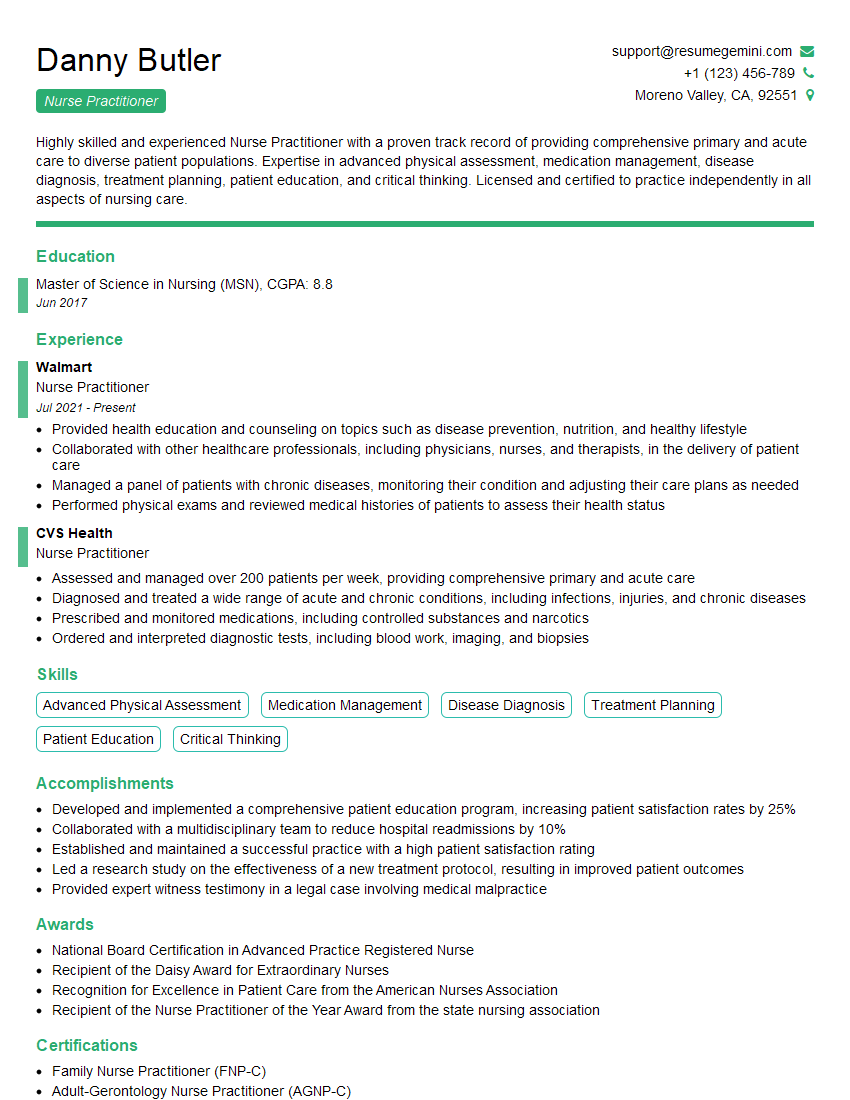
Nurse Practitioner Resume Sample
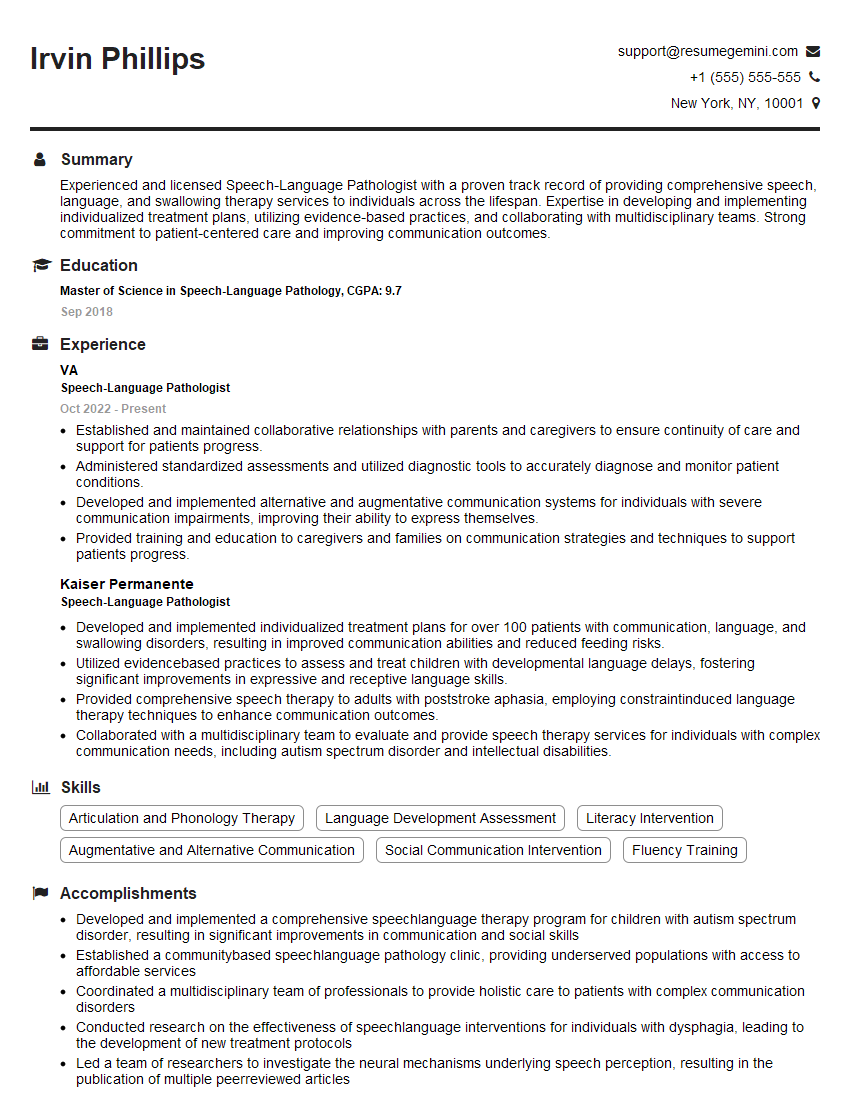
Speech-Language Pathologist Resume Sample

Physician Assistant Resume Sample
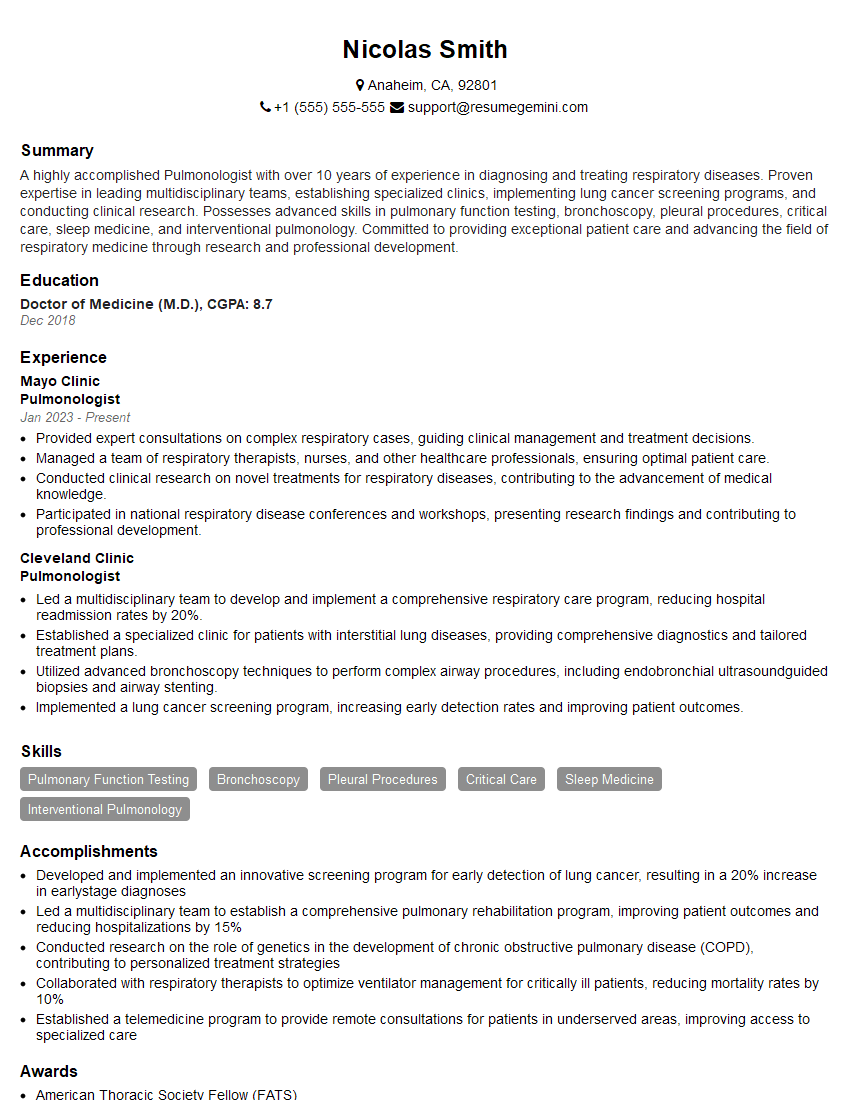
Pulmonologist Resume Sample
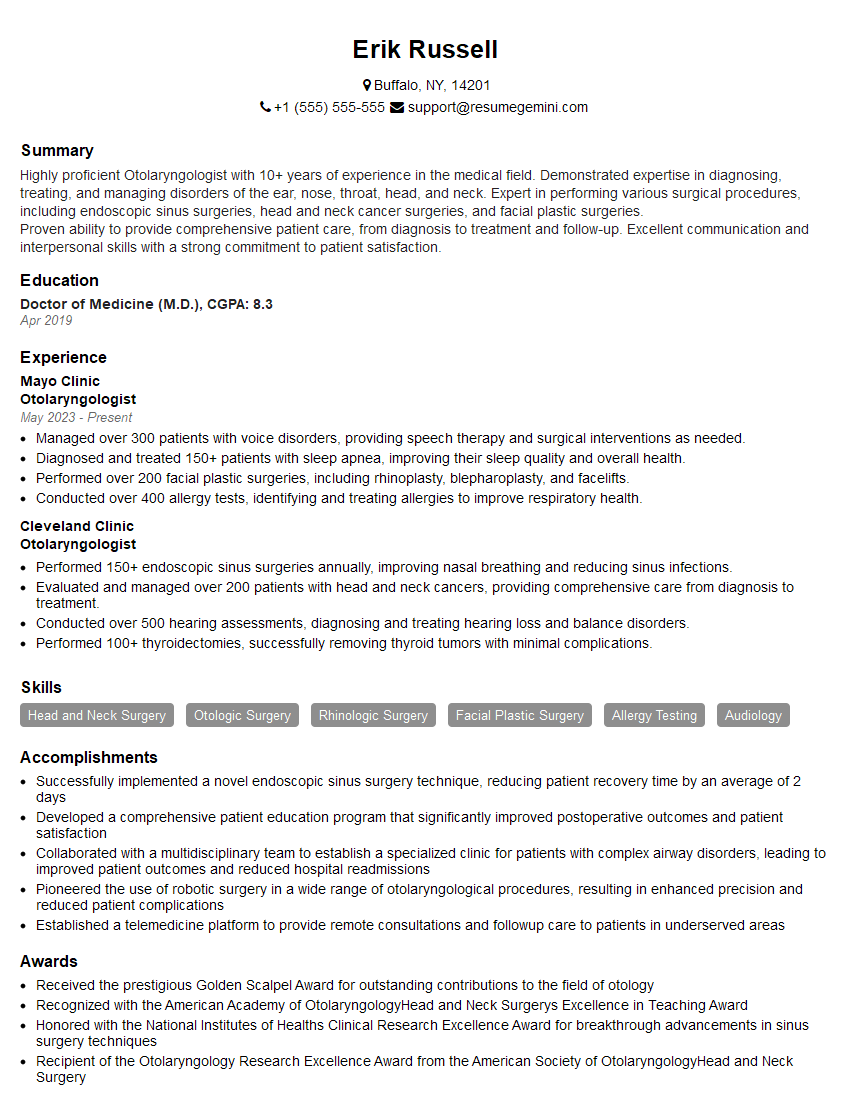
Otolaryngologist Resume Sample
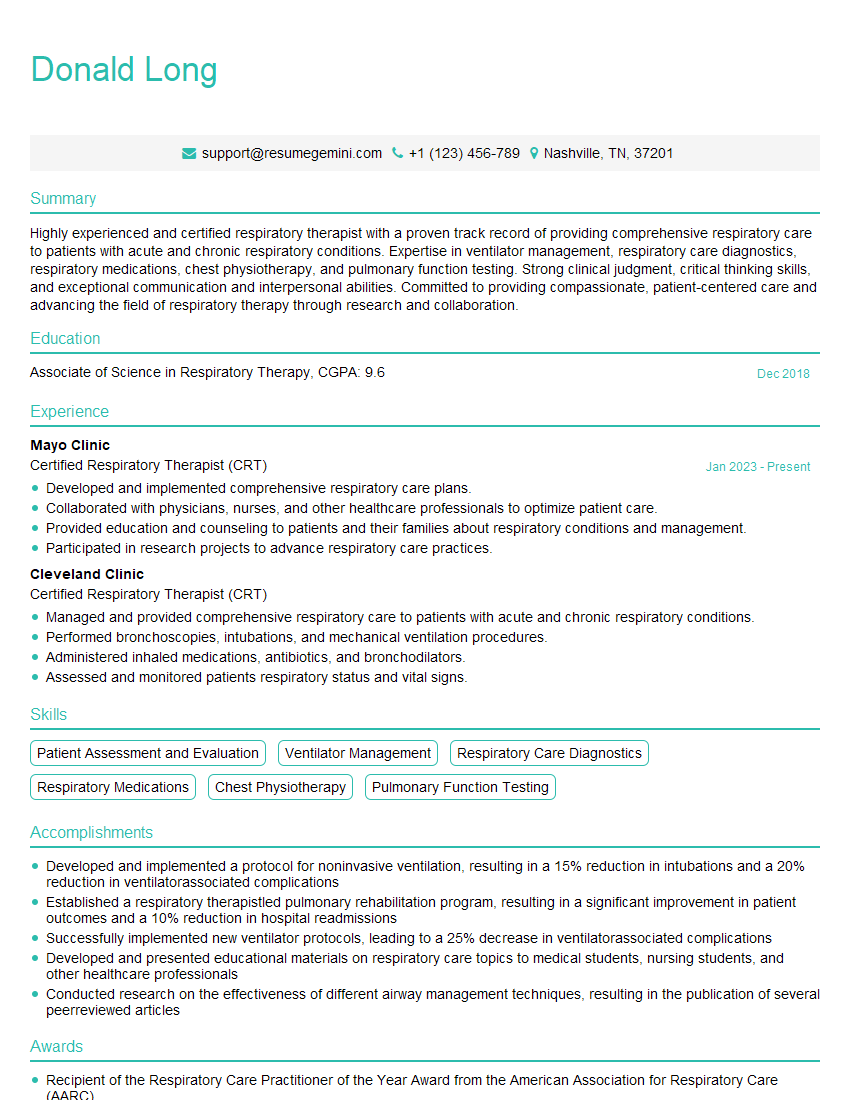
Certified Respiratory Therapist (CRT) Resume Sample
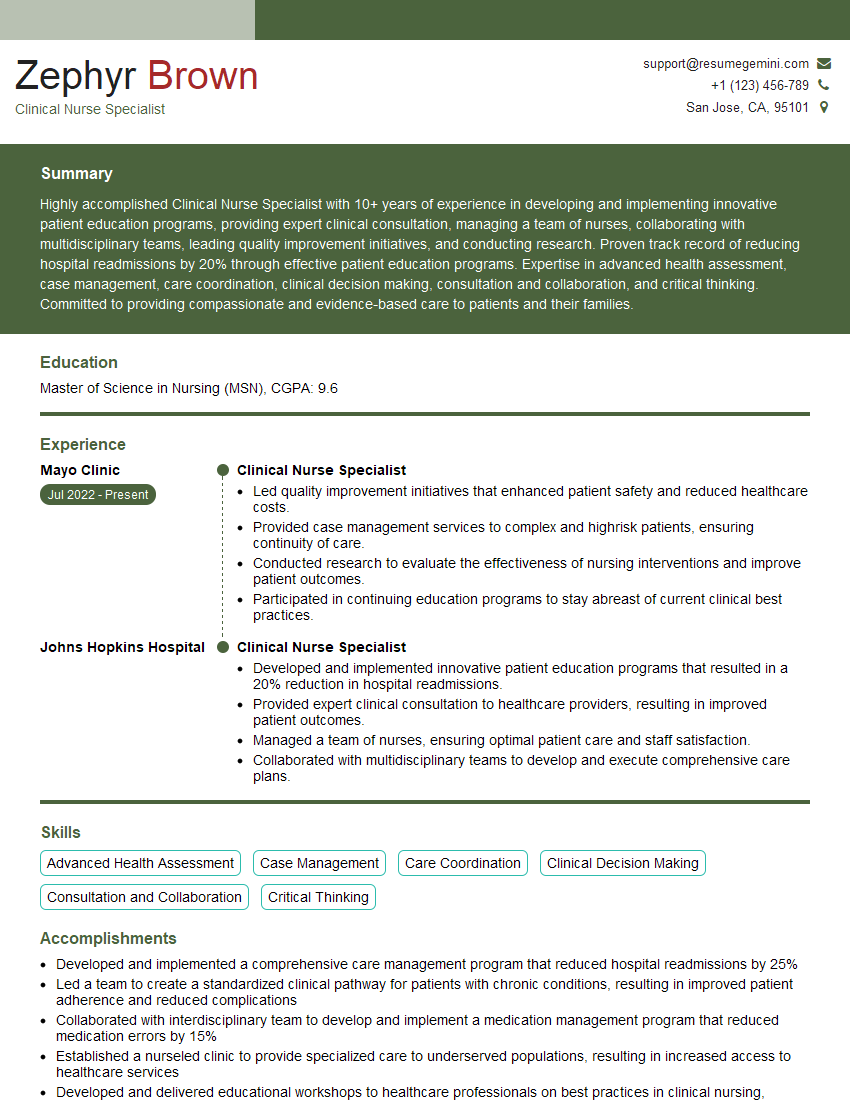
Clinical Nurse Specialist Resume Sample

Neonatal Nurse Resume Sample
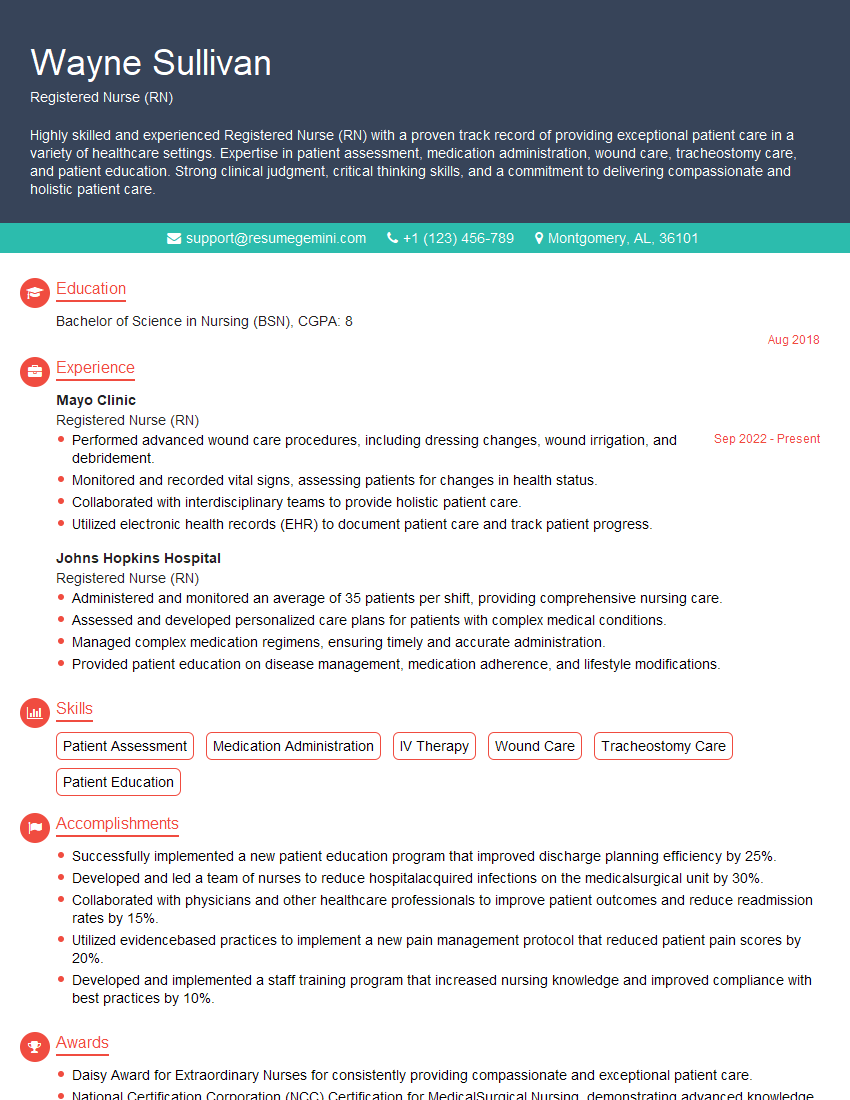
Registered Nurse (RN) Resume Sample
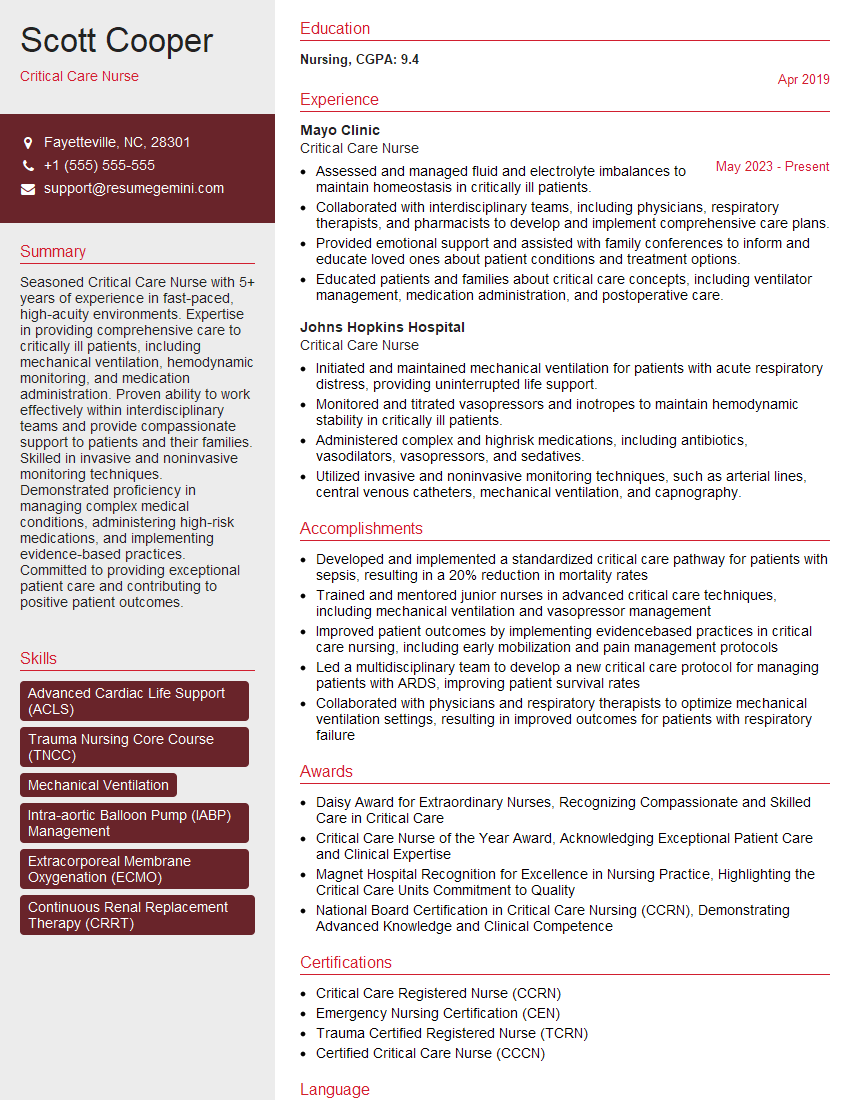
Critical Care Nurse Resume Sample
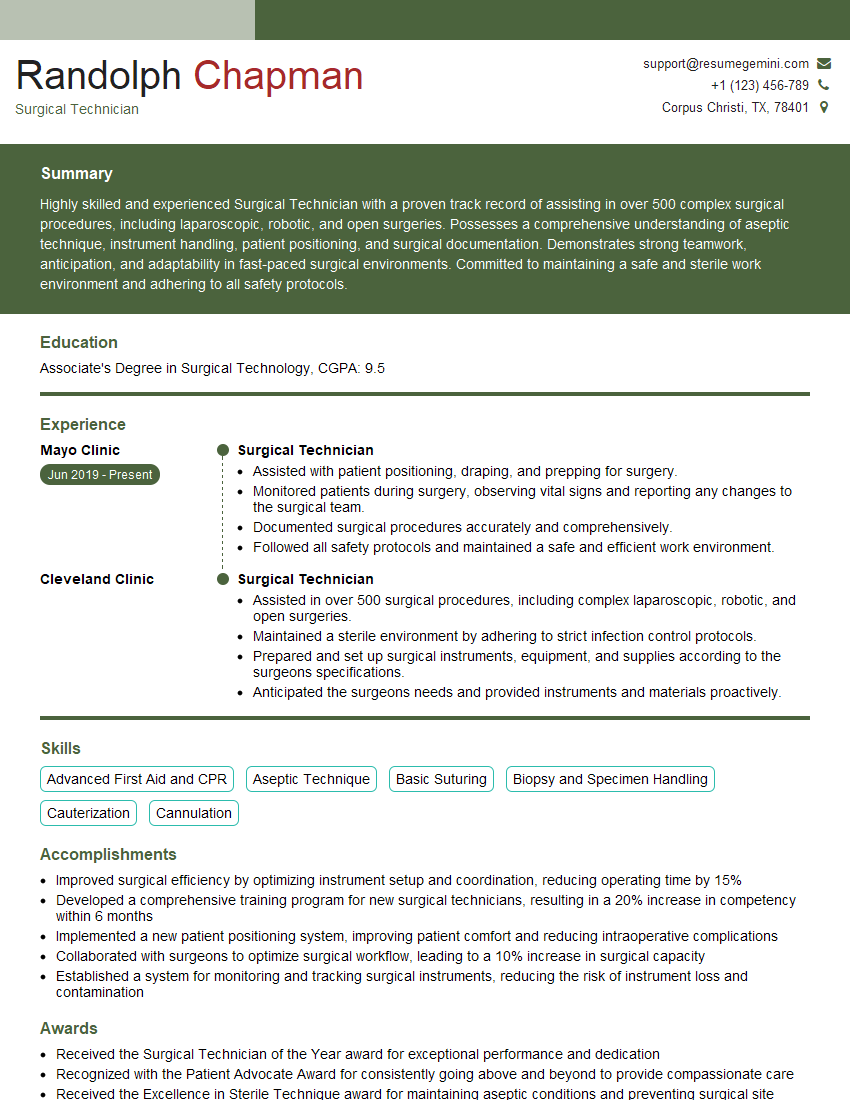
Surgical Technician Resume Sample
Explore more articles
Users Rating of Our Blogs
Share Your Experience
We value your feedback! Please rate our content and share your thoughts (optional).
What Readers Say About Our Blog
To the interviewgemini.com Webmaster.
Very helpful and content specific questions to help prepare me for my interview!
Thank you
To the interviewgemini.com Webmaster.
This was kind of a unique content I found around the specialized skills. Very helpful questions and good detailed answers.
Very Helpful blog, thank you Interviewgemini team.