Cracking a skill-specific interview, like one for Managing Group Dynamics, requires understanding the nuances of the role. In this blog, we present the questions you’re most likely to encounter, along with insights into how to answer them effectively. Let’s ensure you’re ready to make a strong impression.
Questions Asked in Managing Group Dynamics Interview
Q 1. Describe your experience in facilitating group discussions and decision-making processes.
Facilitating effective group discussions and decision-making requires a blend of structured processes and interpersonal skills. My approach centers around creating a safe and inclusive environment where all voices are heard and valued. I begin by clearly defining the objectives and desired outcomes of the discussion, ensuring everyone understands the goal. Then, I employ various techniques depending on the group’s size and the complexity of the issue. For instance, with smaller groups, brainstorming sessions followed by structured problem-solving frameworks like SWOT analysis (Strengths, Weaknesses, Opportunities, Threats) can be very effective. For larger groups, I might use techniques such as nominal group technique (NGT) which involves individual idea generation followed by group discussion and ranking, ensuring that even quieter members contribute meaningfully. Finally, I always ensure a clear process for reaching a consensus or decision, which might involve voting, prioritization matrices, or other methods appropriate to the context.
For example, in a recent project involving a cross-functional team designing a new software feature, I utilized a modified Delphi technique. This involved a series of anonymous questionnaires followed by group feedback rounds, allowing us to effectively integrate diverse perspectives and reach a well-supported decision without getting bogged down in personality conflicts.
Q 2. How do you identify and address conflicting perspectives within a team?
Conflicting perspectives are inevitable in team settings, but they can also be a source of innovation if managed constructively. My approach to addressing these conflicts involves active listening, empathy, and a focus on understanding the underlying reasons for disagreement. I start by creating a safe space for open communication, encouraging team members to express their viewpoints without interruption. I then focus on reframing the conflict as a difference in perspectives rather than a personal attack, highlighting common ground and shared goals. Often, a simple process of clearly defining the problem, identifying all relevant perspectives, exploring the assumptions underlying each perspective, and evaluating the implications of different solutions can help the team reach a shared understanding and potentially a compromise.
For instance, if two team members disagree on the best approach for a marketing campaign, I would encourage them to present their arguments clearly, outlining the data and rationale behind their preferred strategies. Through facilitated discussion, we would work to identify the common objectives and explore how each approach contributes to those objectives, often finding a synthesis that incorporates the best aspects of both proposals. Using visual aids such as mind maps can also help clarify complex ideas and bridge disagreements.
Q 3. Explain your approach to managing group dynamics in virtual team environments.
Managing group dynamics in virtual environments requires a proactive and structured approach. Regular communication is paramount; I utilize a combination of tools such as video conferencing, instant messaging, and project management software to maintain transparency and keep team members engaged. Establishing clear communication protocols, including response times and preferred methods of contact, is crucial. I also place significant emphasis on building relationships and fostering trust within the virtual team, often scheduling virtual social events or team-building activities to cultivate a sense of community and camaraderie. Additionally, I use virtual collaboration tools effectively; using shared documents, online whiteboards, and collaborative project management platforms enables easy information sharing and allows for asynchronous work.
For example, in a remote project I managed, we used a combination of daily stand-up meetings via video conferencing and a project management tool like Asana to track progress and tasks. This ensured transparency, efficient communication and accountability, and successfully maintained team cohesion across geographical locations.
Q 4. What strategies do you employ to foster collaboration and teamwork?
Fostering collaboration and teamwork involves creating an environment where individuals feel safe, respected, and empowered to contribute their unique skills and perspectives. I achieve this by establishing clear roles and responsibilities from the outset, ensuring that everyone understands their contribution to the overall team goal. I also prioritize open and honest communication, encouraging feedback and constructive criticism. Utilizing team-building exercises, both in person and virtually, can significantly strengthen team bonds and improve collaboration. Employing various collaborative tools and assigning projects that leverage individual strengths foster both efficient work and enhanced team morale. Finally, regular recognition and appreciation for individual and team achievements is crucial in reinforcing positive behaviors and boosting motivation.
For instance, I once divided a team into smaller, cross-functional groups to work on different aspects of a project. This approach not only fostered collaboration within the smaller groups but also encouraged knowledge sharing and a deeper understanding of the project’s overall goals.
Q 5. How do you motivate team members with diverse personalities and work styles?
Motivating team members with diverse personalities and work styles requires a personalized and inclusive approach. Understanding individual strengths, weaknesses, and preferences is key. I achieve this through regular one-on-one meetings where I actively listen to their concerns, aspirations, and feedback. I tailor my communication style and expectations to match individual preferences, recognizing that some thrive in a structured environment while others prefer more autonomy. Providing regular feedback, both positive and constructive, helps employees understand their progress and areas for improvement. Delegating tasks that align with individual skills and interests not only increases productivity but also boosts morale and motivation. Finally, celebrating successes, both big and small, acknowledges contributions and reinforces team spirit.
For example, I had a team member who was a highly creative individual but struggled with deadlines. Instead of imposing strict deadlines, I agreed on a flexible schedule and provided regular check-ins to ensure the project was progressing well. This approach allowed her to harness her creativity while meeting the project’s objectives.
Q 6. Describe a situation where you had to mediate a conflict within a group. What was your approach, and what was the outcome?
In a previous project, two team members had a significant disagreement over the design specifications of a key component. The conflict threatened to derail the entire project. My approach involved facilitating a structured meeting where each team member was given the opportunity to explain their point of view without interruption. I actively listened, seeking to understand the underlying reasons for the disagreement. It turned out that the conflict stemmed from differing interpretations of the project requirements and a lack of clarity in the initial design brief. I then facilitated a collaborative brainstorming session, guiding them towards finding common ground and developing a design that incorporated the best elements of both perspectives. The outcome was a revised design that met the project requirements and improved team morale. The conflict resolution not only led to a better product design but also strengthened the team’s communication and problem-solving skills.
Q 7. How do you handle disruptive behavior or negativity within a group setting?
Addressing disruptive behavior or negativity requires a firm yet empathetic approach. I begin by privately addressing the individual’s behavior, focusing on specific actions rather than making personal attacks. I aim to understand the root cause of the disruptive behavior – is it due to stress, frustration, or a lack of clarity? Once I have a better understanding, I can then work with the individual to develop strategies to address the underlying issue. If the behavior persists, despite private interventions, I may need to involve higher management, but this is always done in a way that is fair and consistent with company policies. In group settings, maintaining clear ground rules and expectations from the beginning, and ensuring that everyone understands the consequences of disruptive behavior, is vital in minimizing the need for direct intervention.
For example, if a team member consistently interrupts others during meetings, I would first address the issue privately, highlighting the impact of their behavior on the team’s productivity and dynamics. I might suggest specific strategies to improve their listening and communication skills. If the behavior continues, I would then work with higher management to implement appropriate disciplinary action.
Q 8. What techniques do you use to build consensus and reach a shared understanding amongst team members?
Building consensus requires a collaborative approach focused on understanding diverse perspectives and finding common ground. It’s not about forcing agreement, but about creating a shared understanding and commitment to a chosen path. My techniques involve several key steps:
Structured Discussion: I facilitate discussions using frameworks like Nominal Group Technique (NGT) or brainstorming sessions. This ensures everyone has a chance to contribute their ideas before discussion and evaluation begin.
Active Listening and Summarization: I actively listen to each team member, paraphrasing their points to ensure understanding and demonstrating that their contributions are valued. This prevents misunderstandings and fosters a sense of being heard.
Identifying Common Ground: Once all ideas are on the table, I help the team identify areas of agreement and shared goals. This forms the foundation for finding a solution everyone can support.
Negotiation and Compromise: Where disagreements persist, I guide the team through a collaborative negotiation process, encouraging compromise and finding mutually acceptable solutions. This might involve prioritizing key objectives or exploring creative alternatives.
Visual Aids and Documentation: Using mind maps or whiteboards to visually represent ideas and progress can be extremely helpful in creating a shared understanding and ensuring everyone is on the same page. Documenting decisions and agreed-upon actions is crucial.
For example, in a recent project involving website redesign, we used a modified Delphi technique to gather initial opinions on design direction. Then, through structured discussions and iterative feedback, we converged on a design that everyone felt represented the team’s collective vision.
Q 9. How do you ensure all voices are heard and valued during group discussions?
Ensuring all voices are heard requires creating a safe and inclusive environment where everyone feels comfortable sharing their ideas without fear of judgment or dismissal. This involves both proactive strategies and reacting to the dynamics of the group.
Establish Ground Rules: Before any discussion, I clearly establish ground rules, emphasizing respectful communication, active listening, and the value of diverse perspectives. This sets the tone for the interaction.
Rotate Speaking Opportunities: I intentionally rotate speaking opportunities, ensuring that quieter members have a chance to contribute. Techniques like round-robin discussions can be beneficial.
Use Visual Cues: I might use visual aids like a ‘talking stick’ or a simple signal to indicate who has the floor, preventing interruptions and ensuring equal opportunity to speak.
Address Dominating Personalities: If one or two individuals dominate the conversation, I tactfully redirect their contributions and encourage others to participate. I might gently remind them that everyone has valuable insights.
Anonymous Feedback Mechanisms: Sometimes, using anonymous feedback methods, such as online surveys or suggestion boxes, can allow individuals to express their views more freely if they feel uncomfortable speaking directly in a group setting.
For instance, in a project team where one individual was consistently dominating the meetings, I introduced a round-robin discussion format where each member had a pre-defined time to share their thoughts, leading to a more balanced and inclusive discussion.
Q 10. Explain your experience with delegating tasks and managing workloads within a team.
Delegating tasks effectively involves understanding individual strengths and weaknesses, assigning responsibilities appropriately, and providing the necessary support for success. I follow a structured approach:
Assess Team Member Skills: I start by assessing each team member’s skills, experience, and interests. This allows me to match tasks with individual capabilities.
Clearly Define Tasks and Expectations: I ensure clear, concise task descriptions, including deadlines, deliverables, and performance metrics. Ambiguity is the enemy of successful delegation.
Provide Necessary Resources and Support: I make sure team members have the resources, tools, and information they need to complete their tasks. I’m also available for guidance and support as needed.
Establish Accountability and Monitoring Mechanisms: Regular check-ins and progress updates are essential to track progress and address any challenges early on. This fosters accountability and keeps the project on track.
Recognize and Reward Contributions: Acknowledging and appreciating individual contributions boosts morale and motivates the team to continue performing well.
In a previous project, I used a Kanban board to visualize workflows and track task assignments, allowing team members to self-manage their workloads and see the overall progress. This promoted transparency and accountability.
Q 11. Describe your approach to providing constructive feedback to team members.
Constructive feedback is about helping individuals improve their performance and achieve their goals. My approach is based on the principles of specificity, balance, and focus on behavior rather than personality.
Be Specific and Provide Examples: I avoid vague statements and instead focus on specific behaviors or actions. I use concrete examples to illustrate my points, making the feedback more impactful.
Balance Positive and Negative Feedback: I always start by highlighting positive aspects of their performance before addressing areas for improvement. This maintains a positive and encouraging tone.
Focus on Behavior, Not Personality: I focus on observable behaviors rather than making personal judgments. For example, instead of saying “You’re lazy,” I might say, “I’ve noticed your deadlines have been consistently missed. Let’s discuss how we can work together to address this.”
Collaboratively Identify Solutions: After providing feedback, I engage in a collaborative discussion with the team member to brainstorm solutions and develop a plan for improvement.
Follow Up and Provide Support: I follow up regularly to monitor progress and offer continued support. This demonstrates my commitment to their development.
For instance, when providing feedback on a presentation, I might comment on the strong data visualization while suggesting improvements to the narrative flow and concluding remarks. This allows the individual to focus on improvement without feeling overly criticized.
Q 12. How do you measure the effectiveness of your group management strategies?
Measuring the effectiveness of group management strategies requires a multifaceted approach, combining quantitative and qualitative data. I use various methods to assess the success of my strategies:
Project Outcomes: This is the most direct measure of success. Did the team meet its goals on time and within budget? Were the deliverables of high quality?
Team Satisfaction Surveys: Anonymous surveys provide valuable insights into team morale, collaboration effectiveness, and perceived fairness. This allows for identification of areas for improvement.
Individual Performance Reviews: Regular performance reviews offer individual feedback on task completion, teamwork, and overall contribution. This helps identify trends and patterns.
Observation and Informal Feedback: Regular observation of team interactions and informal feedback from team members provide insights into team dynamics and communication effectiveness.
Process Metrics: Metrics such as time to completion, defect rates, or customer satisfaction scores provide quantitative data on project efficiency and quality.
Combining these methods helps build a comprehensive picture of team performance and allows for data-driven adjustments to management strategies. For example, consistently low scores on team collaboration in a satisfaction survey might indicate a need to revisit the team-building activities or communication protocols.
Q 13. What tools or techniques do you use to track progress and manage team performance?
Tracking progress and managing team performance relies on a combination of tools and techniques. My selection depends on the project’s size and complexity, but common tools include:
Project Management Software: Tools like Jira, Asana, or Trello are invaluable for task management, progress tracking, and communication. They provide a central hub for project information.
Collaboration Platforms: Tools such as Microsoft Teams or Slack facilitate communication, file sharing, and real-time collaboration, keeping everyone connected.
Spreadsheet Software: Spreadsheets (Excel, Google Sheets) are useful for tracking key metrics, budgets, and resource allocation.
Kanban Boards: These provide a visual representation of workflow, allowing for easy monitoring of task progress and identification of bottlenecks.
Regular Meetings and Reporting: Consistent status meetings and regular progress reports ensure everyone is informed and any issues are addressed promptly.
For example, in a recent agile project, we used Jira to manage sprints, track tasks, and measure velocity. This provided real-time visibility into the project’s progress, enabling us to make adjustments as needed.
Q 14. How do you build trust and rapport within a team?
Building trust and rapport is fundamental to effective team management. It’s an ongoing process that involves fostering open communication, demonstrating empathy, and creating a positive and supportive team environment.
Open and Honest Communication: I encourage open and honest communication, fostering a culture where team members feel comfortable sharing their thoughts, concerns, and ideas without fear of retribution.
Empathy and Understanding: I demonstrate empathy and understanding by acknowledging team members’ perspectives and challenges. This shows that I value their contributions and well-being.
Team Building Activities: Regular team-building activities, both formal and informal, help foster camaraderie and improve relationships. These can range from social gatherings to collaborative problem-solving exercises.
Lead by Example: I lead by example, demonstrating integrity, transparency, and accountability in my own actions. This builds trust and inspires confidence.
Celebrate Successes: Acknowledging and celebrating team accomplishments, both big and small, reinforces positive relationships and motivates the team.
For example, I once organized a team-building retreat that included problem-solving challenges and informal social events. This allowed team members to bond outside of the typical work environment and build stronger relationships, significantly boosting trust and collaboration.
Q 15. How do you handle situations where team members are underperforming?
Addressing underperformance requires a multi-faceted approach focused on understanding the root cause, providing support, and setting clear expectations. It’s rarely a matter of simply blaming the individual; instead, we need to diagnose the problem.
- Initial Assessment: I begin with a private conversation, focusing on active listening to understand their perspective and any challenges they might be facing. This could involve workload, unclear expectations, lack of resources, or even personal issues affecting their work.
- Identifying Root Causes: Is it a skill gap? A lack of motivation? Burnout? I use a combination of observation, performance data, and direct conversation to pinpoint the issue. For example, if someone consistently misses deadlines, I’d explore whether it’s due to poor time management, unrealistic deadlines, or an overwhelming workload.
- Collaborative Problem-Solving: Once the root cause is identified, we work together to develop a plan of action. This might involve providing additional training, adjusting responsibilities, offering mentorship, or providing more resources. It’s crucial to involve the team member in creating the plan, fostering a sense of ownership and commitment.
- Monitoring Progress and Providing Feedback: Regular check-ins are crucial to monitor progress and provide ongoing support and constructive feedback. Celebrating small wins along the way reinforces positive behavior and motivates further improvement.
- Performance Improvement Plan (PIP): In severe cases of persistent underperformance despite interventions, a formal PIP might be necessary. This document outlines specific goals, timelines, and consequences, providing a structured approach to improvement.
For instance, in a previous role, a team member was consistently missing deadlines due to poor time management. After several conversations, we identified this as the core problem. We implemented a time-management training program, and I worked with them to break down large tasks into smaller, more manageable chunks. With consistent support and monitoring, they significantly improved their performance.
Career Expert Tips:
- Ace those interviews! Prepare effectively by reviewing the Top 50 Most Common Interview Questions on ResumeGemini.
- Navigate your job search with confidence! Explore a wide range of Career Tips on ResumeGemini. Learn about common challenges and recommendations to overcome them.
- Craft the perfect resume! Master the Art of Resume Writing with ResumeGemini’s guide. Showcase your unique qualifications and achievements effectively.
- Don’t miss out on holiday savings! Build your dream resume with ResumeGemini’s ATS optimized templates.
Q 16. Describe a time you had to adapt your group management style to fit a particular situation.
My management style is adaptable, shifting between directive, supportive, and participative approaches depending on the team’s needs and the situation. A great example was leading a project during a company-wide restructuring.
Initially, the team was highly anxious and uncertain about the future. A directive leadership style would have been counterproductive, so I adopted a supportive approach, focusing on open communication, active listening, and providing reassurance. I held regular team meetings to address concerns, actively sought feedback, and ensured everyone felt heard. This helped build trust and maintain morale during a period of significant change.
As the restructuring progressed and the team gained clarity, we transitioned to a more participative style, empowering them to take ownership of their tasks and contribute to decision-making. This fostered greater engagement and efficiency. It was vital to adapt to the team’s emotional state and informational needs at each stage.
Q 17. How do you manage expectations and deadlines within a team setting?
Managing expectations and deadlines effectively requires clear communication, collaborative planning, and consistent monitoring. I employ several strategies:
- Clear Goal Setting: At the outset of any project, we collaboratively define specific, measurable, achievable, relevant, and time-bound (SMART) goals. This ensures everyone understands the objectives and their individual contributions.
- Realistic Scheduling: We create realistic project timelines, factoring in potential challenges and contingencies. This often involves breaking down large tasks into smaller, manageable milestones. We use project management tools to track progress and identify potential roadblocks proactively.
- Regular Progress Monitoring: Regular team meetings and progress reports keep everyone informed and accountable. This allows us to identify potential issues early on and adjust the plan as needed.
- Open Communication: Open and honest communication is paramount. I encourage team members to flag potential delays or challenges promptly so we can address them collaboratively.
- Contingency Planning: We always develop a contingency plan to address potential setbacks. This might involve identifying alternative solutions or allocating additional resources.
For example, in a previous project, we used a Kanban board to visualize the workflow, track progress, and identify bottlenecks. This proved highly effective in managing expectations and ensuring timely delivery.
Q 18. How do you foster a positive and inclusive team environment?
Fostering a positive and inclusive team environment is crucial for success. I focus on several key areas:
- Respect and Trust: I actively promote a culture of mutual respect and trust, where everyone feels valued and heard. This involves creating a safe space for open communication and feedback.
- Diversity and Inclusion: I celebrate the diversity of perspectives and experiences within the team, recognizing that different backgrounds bring unique strengths and insights. I actively work to create an inclusive environment where everyone feels they belong. This includes actively combating any bias and ensuring equal opportunities for everyone.
- Team Building Activities: I incorporate team-building activities that promote collaboration and camaraderie. This helps to build relationships and strengthen the team’s cohesion.
- Recognition and Appreciation: I regularly recognize and appreciate individual and team accomplishments, both big and small. This helps to boost morale and motivate continued high performance.
- Conflict Resolution: I address conflicts promptly and fairly, facilitating constructive discussions and finding mutually acceptable solutions.
In a past team, we held regular social events outside of work hours to build stronger relationships and create a more informal and relaxed environment. This significantly improved team cohesion and fostered a greater sense of belonging.
Q 19. What are your strategies for managing group dynamics in high-pressure situations?
Managing group dynamics in high-pressure situations requires a calm, decisive, and supportive approach. My strategies include:
- Clear Communication: Maintaining clear, concise, and frequent communication is vital to reduce ambiguity and anxiety. I ensure everyone understands the situation, their roles, and the expectations.
- Strong Leadership: Providing strong, confident leadership is critical to maintain focus and direction during stressful times. This involves remaining calm, making decisive decisions, and providing clear guidance.
- Empowerment and Support: Empowering team members to take ownership of their tasks and providing them with the support they need is crucial. I ensure they have the resources and authority to make decisions and act quickly.
- Stress Management Techniques: I encourage the use of stress-management techniques such as mindfulness, deep breathing exercises, or short breaks. This can help to reduce anxiety and improve team performance.
- Debriefing: After a high-pressure situation, conducting a debriefing session allows the team to reflect on their experiences, identify lessons learned, and improve future performance.
For instance, during a critical project launch, we experienced a major technical glitch. By remaining calm, communicating clearly, and empowering the team to troubleshoot the problem, we were able to resolve the issue quickly and successfully launch the project.
Q 20. How do you ensure accountability and responsibility within a team?
Ensuring accountability and responsibility involves setting clear expectations, providing the necessary resources, and establishing a system for tracking progress and addressing shortcomings.
- Clearly Defined Roles and Responsibilities: Each team member needs a clear understanding of their individual roles and responsibilities. A well-defined responsibility matrix helps to avoid confusion and overlaps.
- Regular Progress Reports: Establishing a system for tracking progress, such as regular meetings, project management software, or status reports, helps to keep everyone informed and accountable.
- Open Feedback and Recognition: Providing regular feedback, both positive and constructive, is essential for driving performance. Recognizing and rewarding contributions promotes accountability and encourages continued good performance.
- Addressing Shortcomings: When issues arise, addressing them promptly and fairly is crucial. This involves identifying the root cause of the problem and working with the individual to develop a plan for improvement.
- Consequences for Non-Performance: In cases of persistent non-performance, appropriate consequences must be implemented, in line with company policy.
In a past project, we used a project management tool to track progress, assign tasks, and identify potential bottlenecks. This helped ensure everyone was accountable for their tasks and allowed us to address any issues promptly.
Q 21. Describe your experience with mentoring or coaching team members.
Mentoring and coaching have been integral parts of my approach to team management. I’ve mentored junior team members, helping them develop their skills, navigate career challenges, and build confidence. I’ve also coached more senior members to enhance their leadership and communication skills.
My approach is collaborative and individualized. I begin by understanding the individual’s goals, strengths, and areas for improvement. Then, I develop a personalized plan that includes targeted training, on-the-job opportunities, and regular feedback sessions. I focus on active listening, providing constructive criticism, and celebrating successes along the way. I also create a safe space for them to share their concerns and seek guidance.
For example, I once mentored a junior team member who was struggling with public speaking. We developed a plan that included attending workshops, practicing presentations, and receiving constructive feedback on their delivery. Through this process, they not only improved their public speaking skills but also gained increased confidence and a better understanding of their strengths.
Q 22. How do you handle disagreements regarding project priorities or resources?
Disagreements about project priorities or resources are inevitable in team settings. My approach centers on structured discussion and collaborative problem-solving, prioritizing transparency and clear communication. First, I facilitate a discussion where each team member clearly articulates their perspective and the rationale behind their prioritization. This involves active listening and ensuring everyone feels heard. Then, we collaboratively analyze the project goals, timelines, and resource constraints. We might use a prioritization matrix, such as a MoSCoW method (Must have, Should have, Could have, Won’t have) to objectively assess the relative importance of different tasks. Finally, we reach a consensus-based decision, ensuring that everyone understands the rationale behind the chosen priorities. If complete consensus is impossible, I strive to ensure that a fair and equitable solution is implemented, even if it means making some compromises. For example, in a previous project, two teams were vying for the same developer. By using a MoSCoW matrix and a clear timeline, we prioritized features based on client needs and deadlines, ultimately assigning the developer to the higher-priority task.
Q 23. How do you identify and develop leadership potential within a team?
Identifying and developing leadership potential involves actively observing team members and providing opportunities for growth. I look for individuals who consistently demonstrate initiative, problem-solving skills, effective communication, and a commitment to the team’s success. I actively seek feedback from team members and utilize 360-degree feedback to gain a comprehensive perspective on individual strengths and weaknesses. I then provide tailored development opportunities, such as assigning challenging projects that allow them to showcase their abilities, mentoring them on specific leadership skills (delegation, conflict resolution, decision making), and providing opportunities for training and professional development. For example, in one team, I noticed a member consistently offering helpful solutions during brainstorming sessions. I provided her with the opportunity to lead a sub-team, which fostered her leadership skills. I also ensured she had access to leadership training and regularly checked in to offer support and guidance.
Q 24. What is your approach to celebrating team successes and acknowledging individual contributions?
Celebrating successes and acknowledging individual contributions is crucial for team morale and motivation. I believe in a multi-faceted approach. Firstly, I ensure that we publicly acknowledge team achievements – this could be a team lunch, a celebratory email, or a presentation to stakeholders. It’s important to highlight the collective effort and the overall impact of the project. Simultaneously, I also make a point of recognizing individual contributions publicly, specifying what each person brought to the table. This could be in the form of specific praise during team meetings, individual emails of appreciation, or even small tokens of appreciation. For example, after a successful project launch, we organized a team dinner to celebrate our collective accomplishment. I also sent individual emails to each team member, specifically mentioning their unique contributions and thanking them personally. This creates a positive reinforcement cycle, motivating individuals to contribute even further.
Q 25. How do you navigate cultural differences within a diverse team?
Navigating cultural differences requires sensitivity, understanding, and a proactive approach. I begin by fostering a culture of inclusivity and respect. This involves creating a safe space where everyone feels comfortable sharing their perspectives and experiences, without fear of judgment. I encourage team members to learn about each other’s cultures, fostering a better understanding of diverse communication styles, work ethics, and values. I utilize inclusive communication strategies, actively seeking clarification and ensuring everyone understands project goals and expectations. Where misunderstandings arise, I facilitate open dialogue and encourage empathy. For example, I have implemented team-building activities that focus on cultural exchange and understanding. I also ensure communication is clear and concise, avoiding colloquialisms or culturally-specific language that may be misunderstood. I actively seek feedback to ensure everyone feels included and valued.
Q 26. Describe your experience with using technology to improve group communication and collaboration.
Technology plays a vital role in improving group communication and collaboration. I utilize a variety of tools depending on the project’s needs. For example, project management software like Jira or Asana helps streamline task management, track progress, and facilitate collaboration. Communication platforms like Slack or Microsoft Teams enable efficient communication and real-time updates. Video conferencing tools like Zoom or Google Meet facilitate remote collaboration and allow for face-to-face interactions. Cloud storage solutions like Google Drive or Dropbox enable seamless document sharing and collaboration. The choice of tools depends on the team size, project complexity, and team members’ technical skills. Before implementing any technology, I ensure adequate training is provided to team members to maximize its effectiveness and adoption. For example, on a recent project, we used Slack for daily updates, Jira for task management, and Zoom for weekly team meetings. This helped us to maintain effective communication and collaboration despite being geographically dispersed.
Q 27. How do you balance individual needs and team goals?
Balancing individual needs and team goals requires empathy, clear communication, and a fair approach. I begin by ensuring that individual goals and aspirations are understood and acknowledged. This often involves individual check-ins where team members can express their concerns, needs, and career aspirations. I then work with each team member to create clear and achievable individual goals that are aligned with the overall team objectives. This often involves adjusting project responsibilities and tasks to match individual skill sets and interests. Where conflicts arise, I facilitate open and honest discussions, seeking mutually agreeable solutions. For example, if a team member feels overwhelmed, I might adjust their workload or provide them with additional support. If a team member has a strong interest in a specific aspect of the project, I might assign them a greater role in that area. This ensures that individual needs are met while still driving progress towards team goals.
Key Topics to Learn for Managing Group Dynamics Interview
- Understanding Group Dynamics: Explore Tuckman’s stages of group development (forming, storming, norming, performing, adjourning) and their practical implications in diverse team settings. Consider how individual personalities and communication styles impact group cohesion and productivity.
- Conflict Resolution and Negotiation: Learn various conflict resolution strategies (e.g., compromising, collaborating, accommodating) and their appropriate application based on the situation and personalities involved. Practice active listening and effective communication techniques to navigate disagreements constructively.
- Team Leadership and Motivation: Develop your understanding of different leadership styles (e.g., transformational, transactional, laissez-faire) and their impact on team morale and performance. Explore motivational theories (e.g., Maslow’s hierarchy of needs, Herzberg’s two-factor theory) and how to apply them to foster a high-performing team.
- Decision-Making Processes in Groups: Analyze different group decision-making models (e.g., brainstorming, nominal group technique, Delphi technique) and their strengths and weaknesses. Understand how to facilitate effective decision-making processes while managing group biases and potential conflicts.
- Building Trust and Collaboration: Learn techniques for fostering a collaborative and trusting environment within a team. Discuss the importance of clear communication, shared goals, and mutual respect in achieving team objectives. Explore strategies for overcoming communication barriers and building strong interpersonal relationships.
- Performance Management and Feedback: Understand how to provide constructive feedback, conduct performance reviews, and address underperformance within a group setting. Explore best practices for recognizing and rewarding individual and team achievements.
Next Steps
Mastering group dynamics is crucial for career advancement. Strong interpersonal skills and the ability to effectively lead and manage teams are highly valued in virtually every industry. To maximize your job prospects, create an ATS-friendly resume that showcases your relevant skills and experience. ResumeGemini is a trusted resource for building professional resumes that help you stand out from the competition. Examples of resumes tailored to Managing Group Dynamics are available to help you get started. Investing time in crafting a compelling resume significantly increases your chances of securing an interview and landing your dream job.
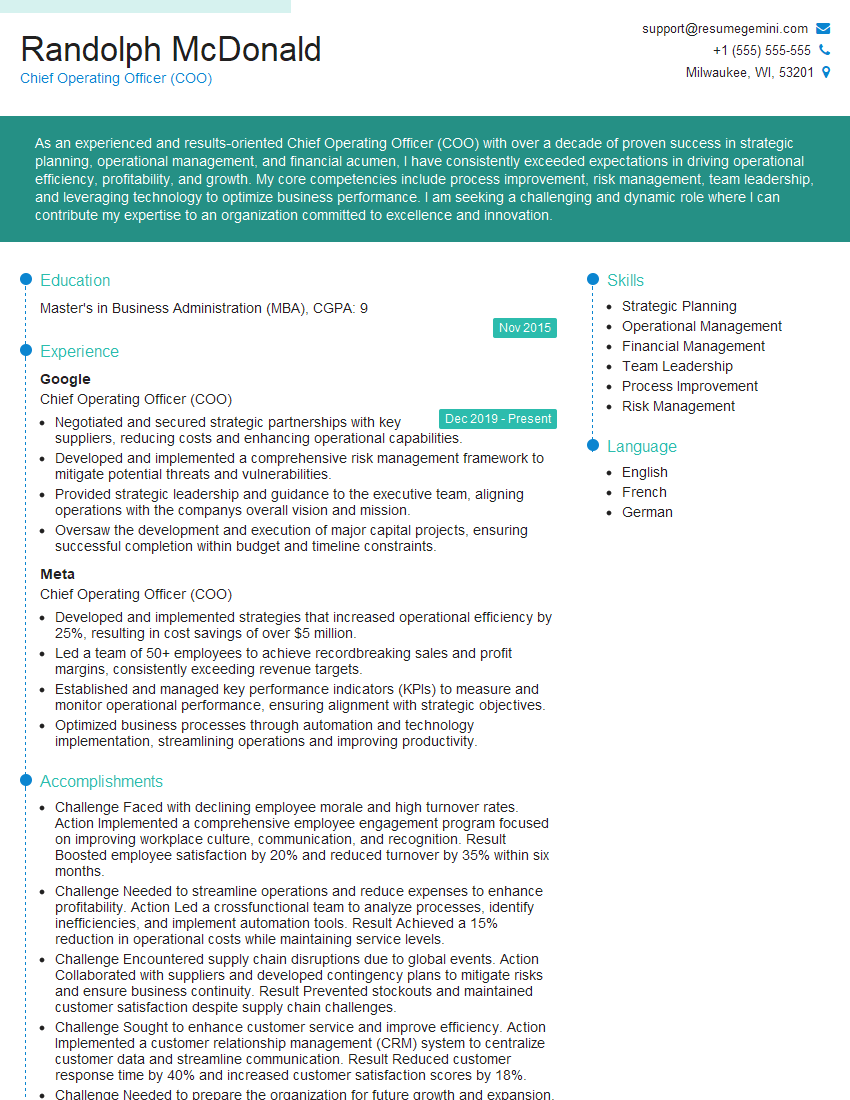
Chief Operating Officer (COO) Resume Sample
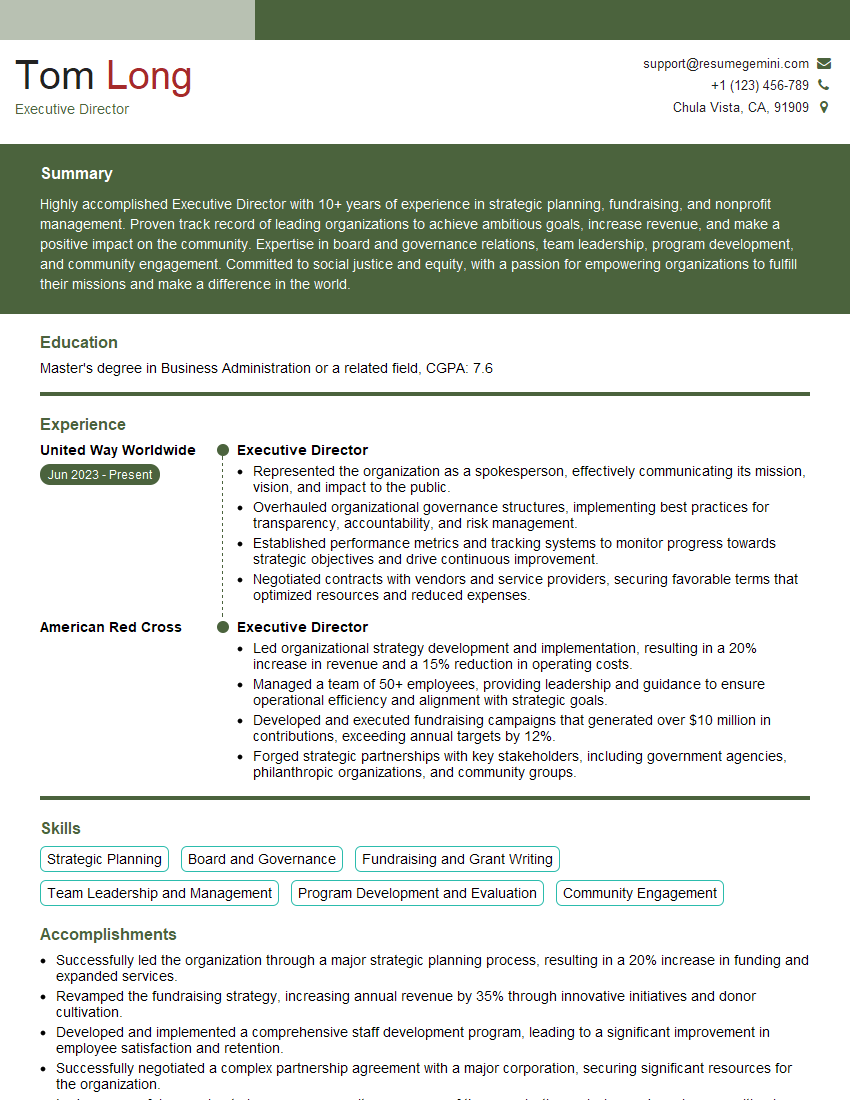
Executive Director Resume Sample
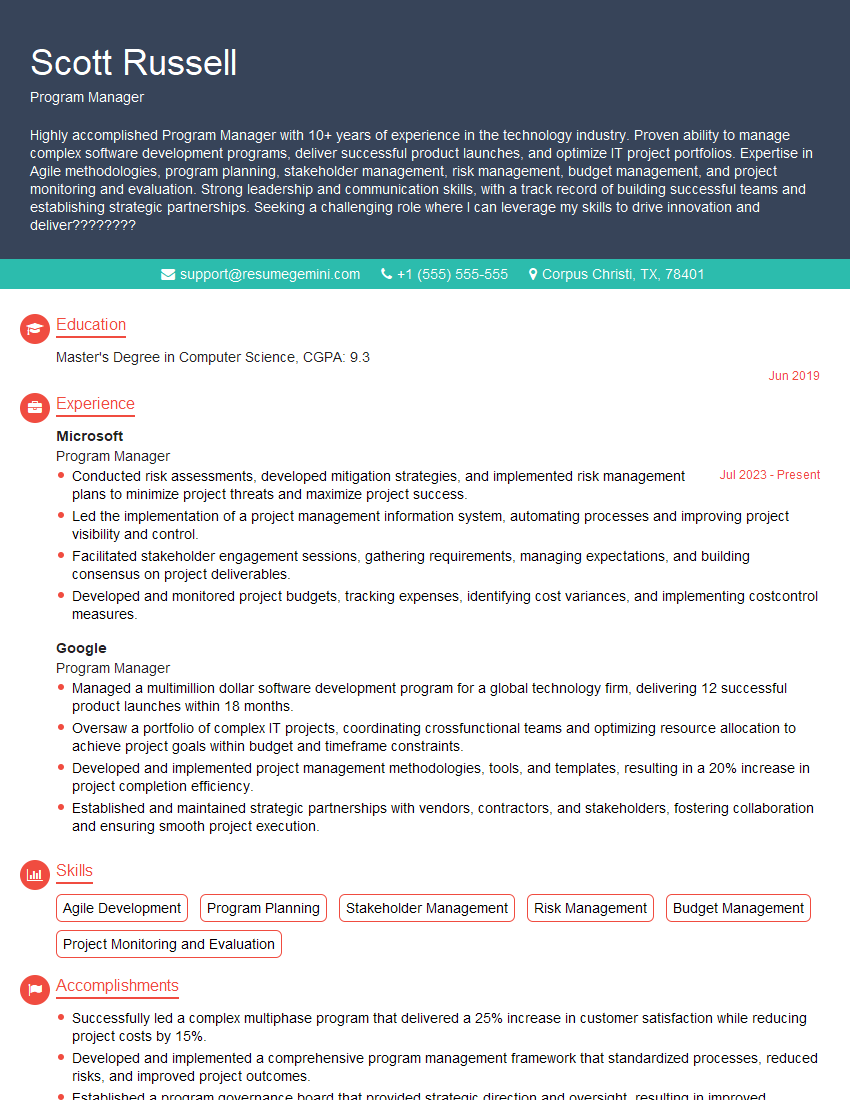
Program Manager Resume Sample
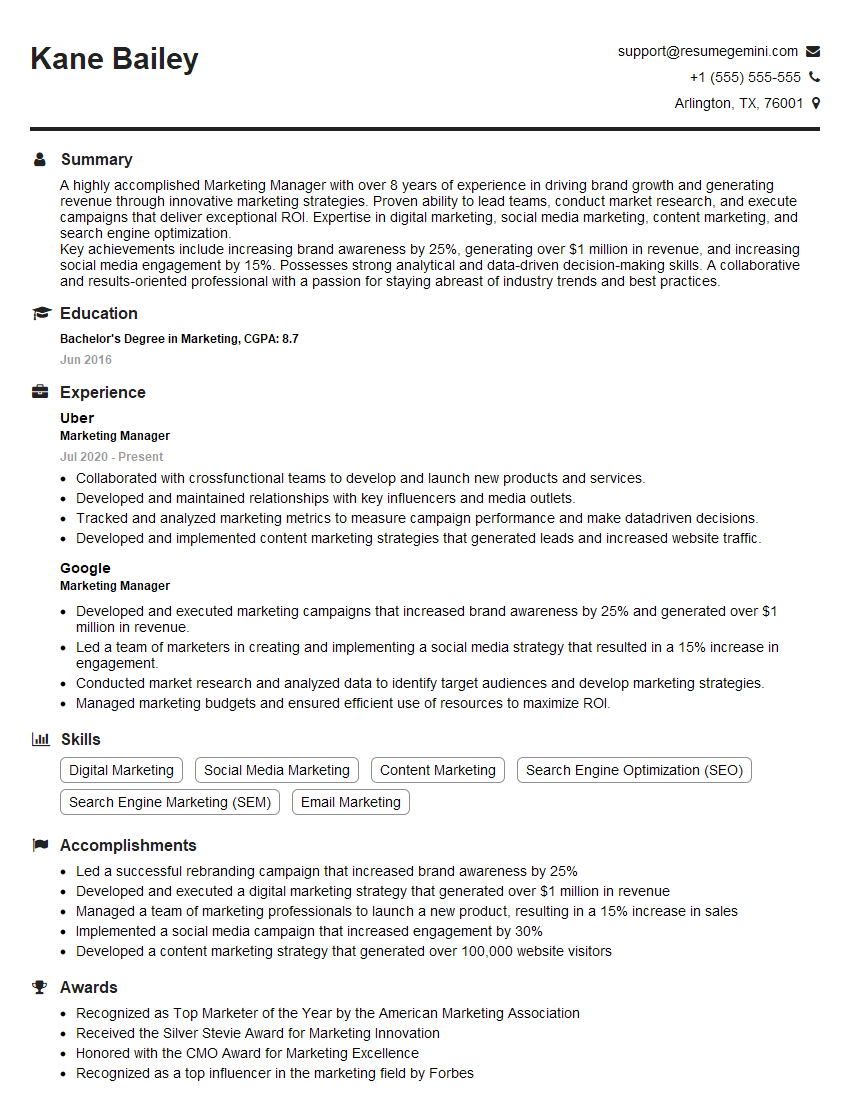
Marketing Manager Resume Sample
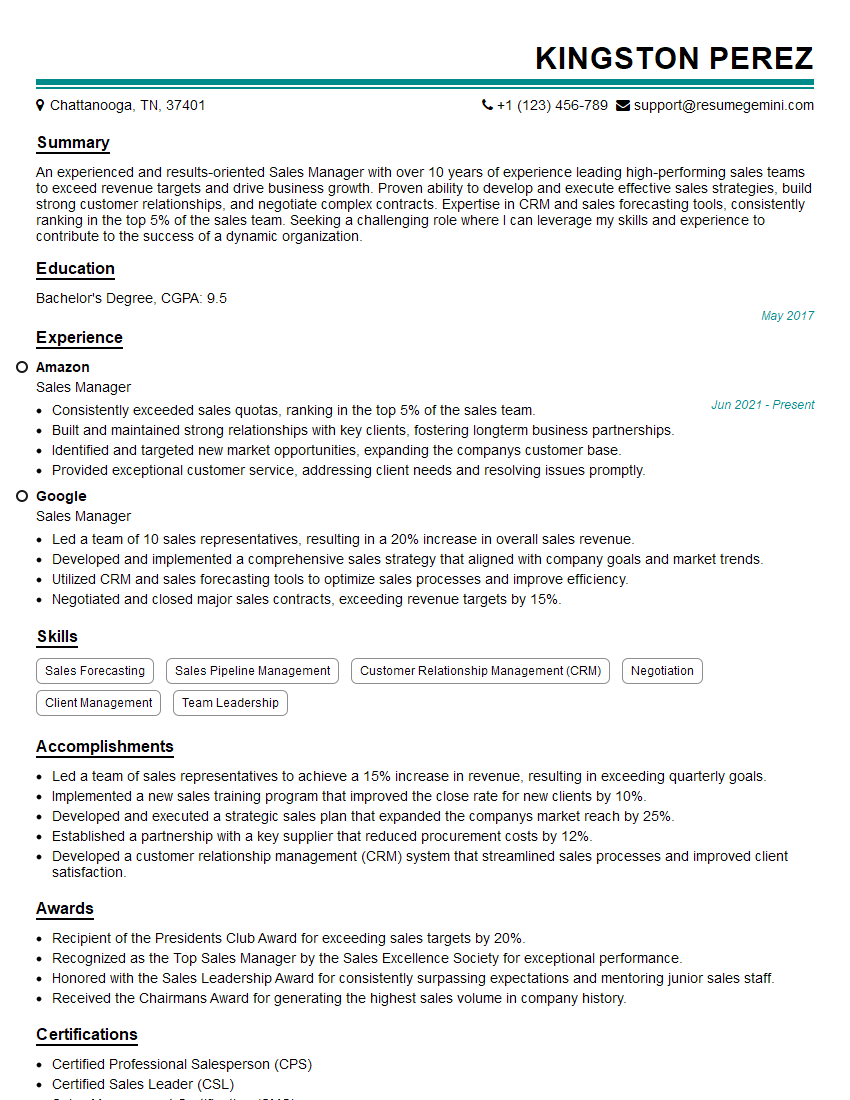
Sales Manager Resume Sample
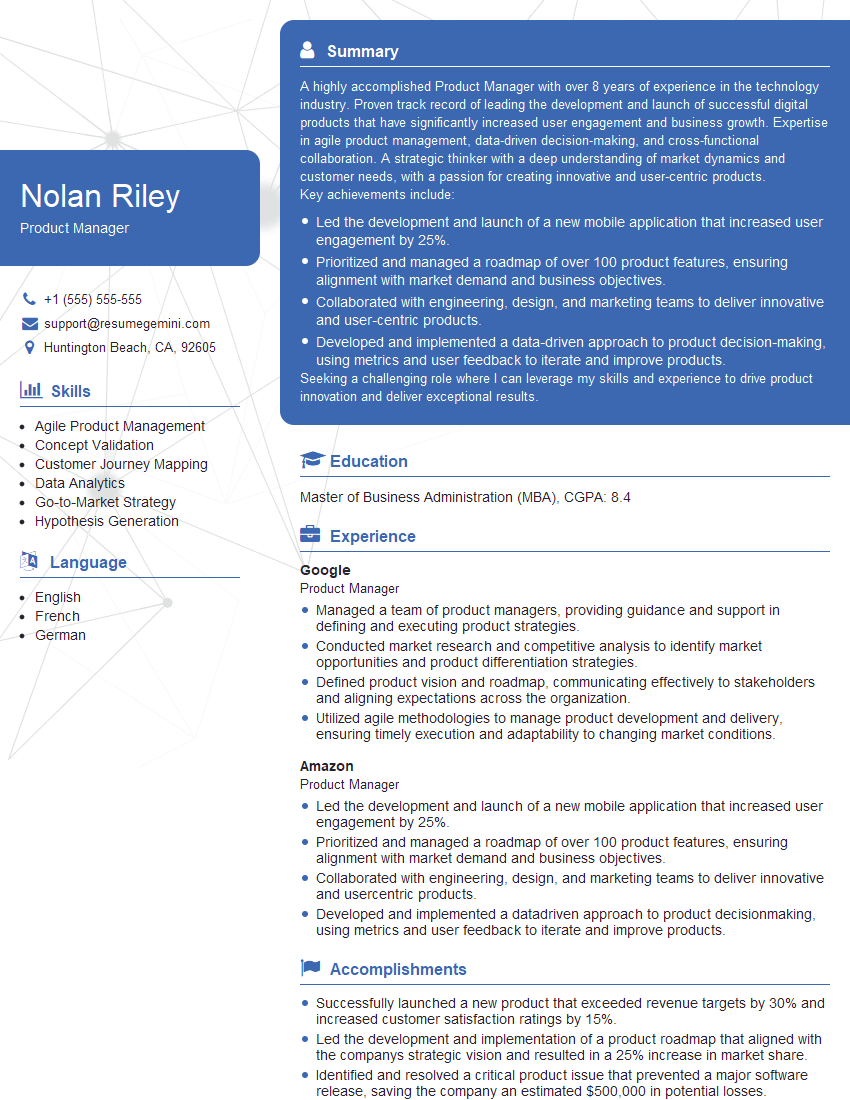
Product Manager Resume Sample

Division Head Resume Sample
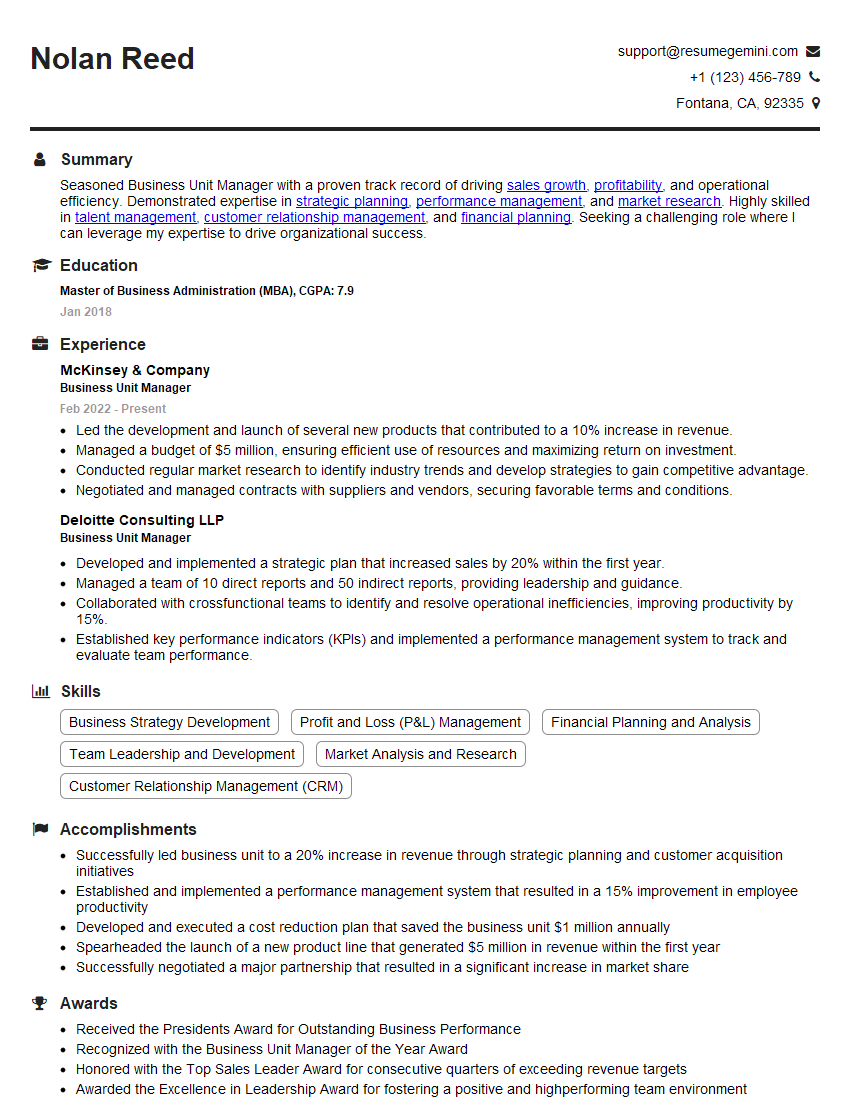
Business Unit Manager Resume Sample
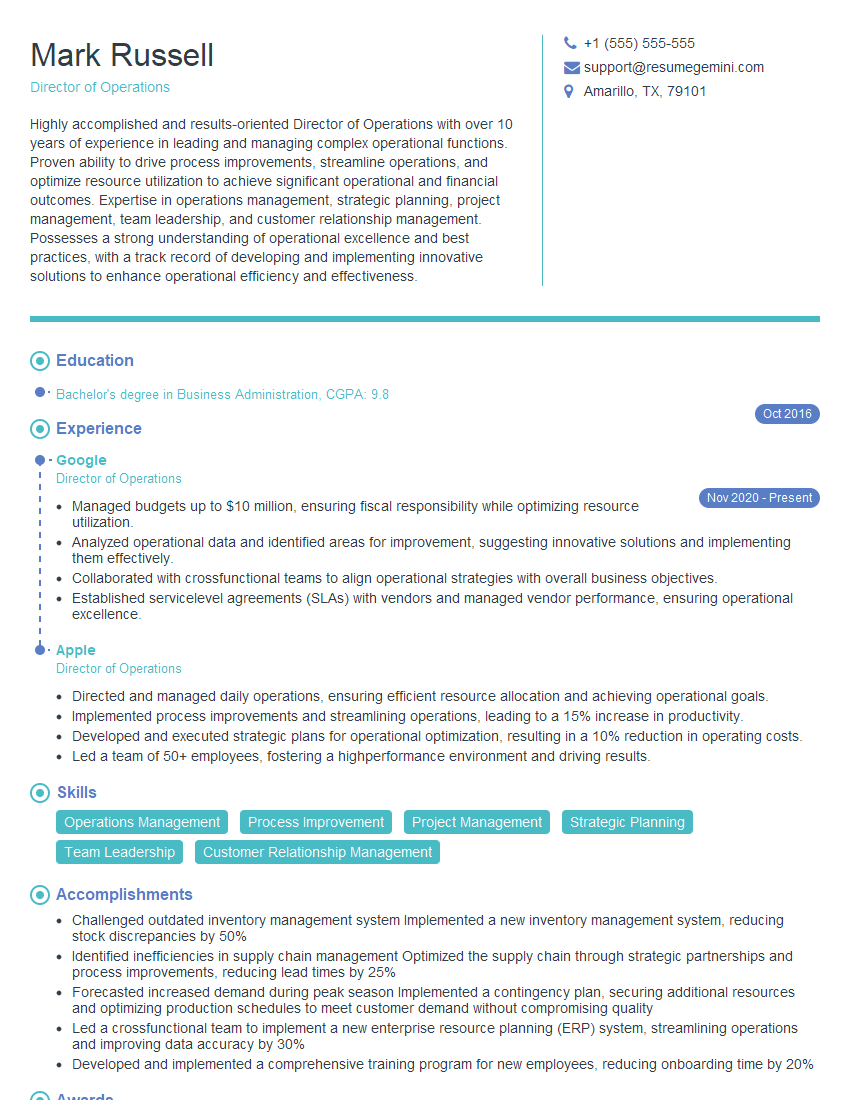
Director of Operations Resume Sample
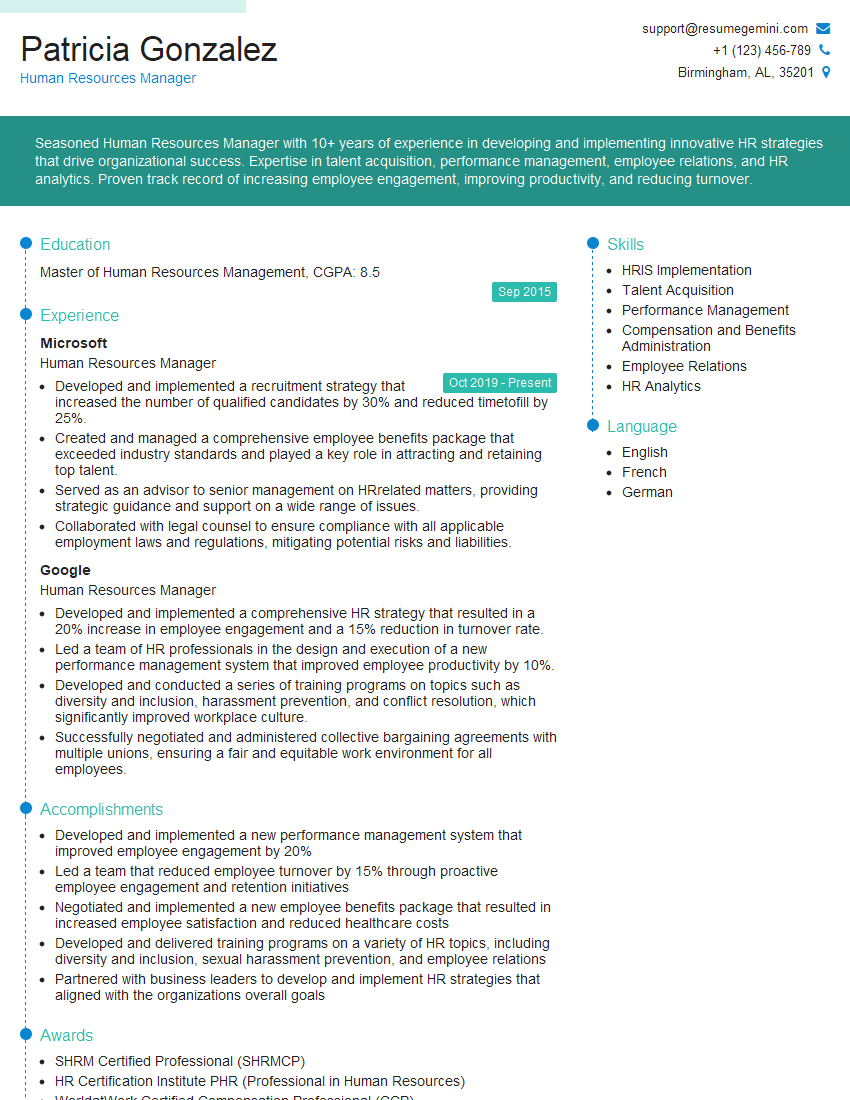
Human Resources Manager Resume Sample
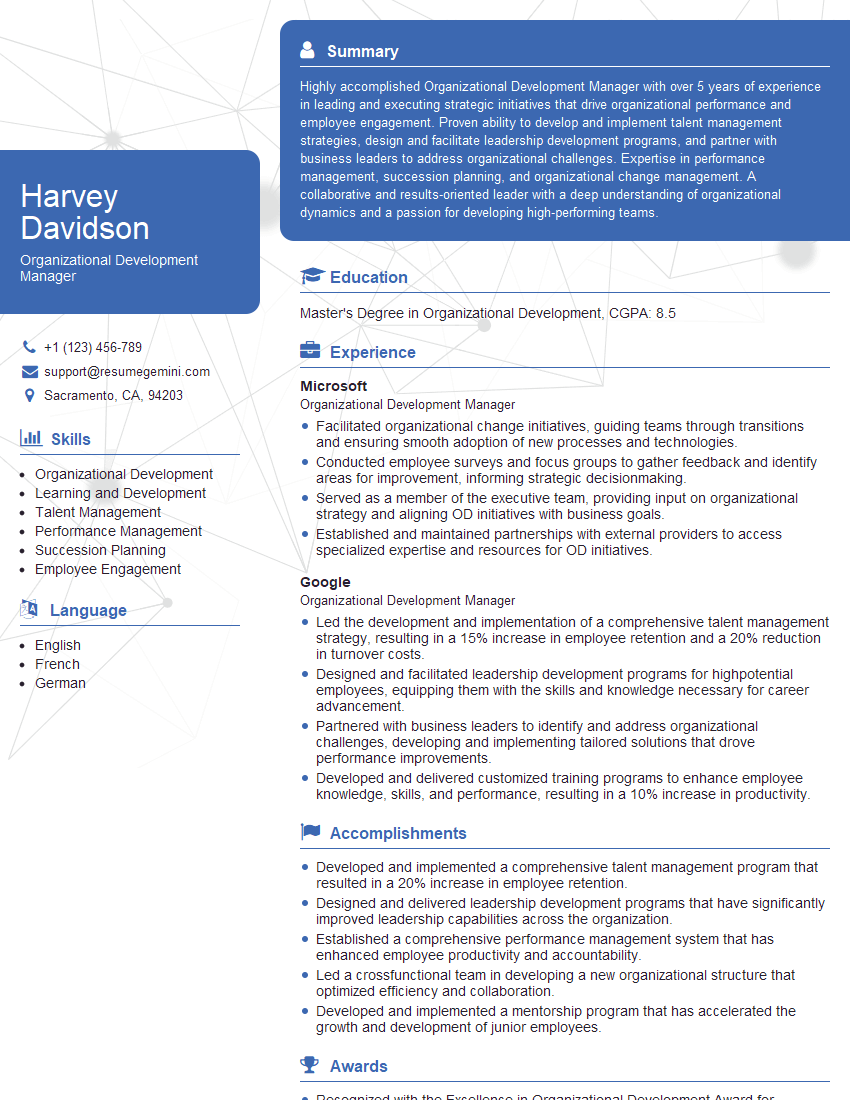
Organizational Development Manager Resume Sample
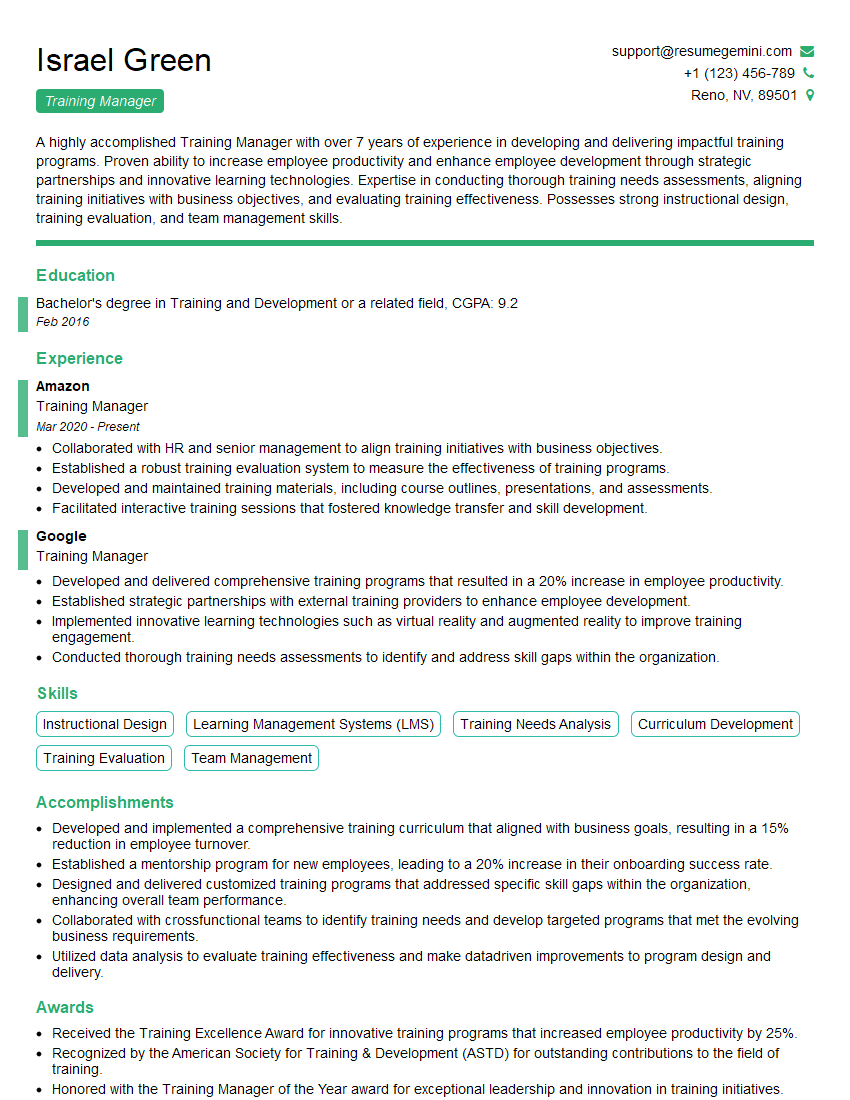
Training Manager Resume Sample
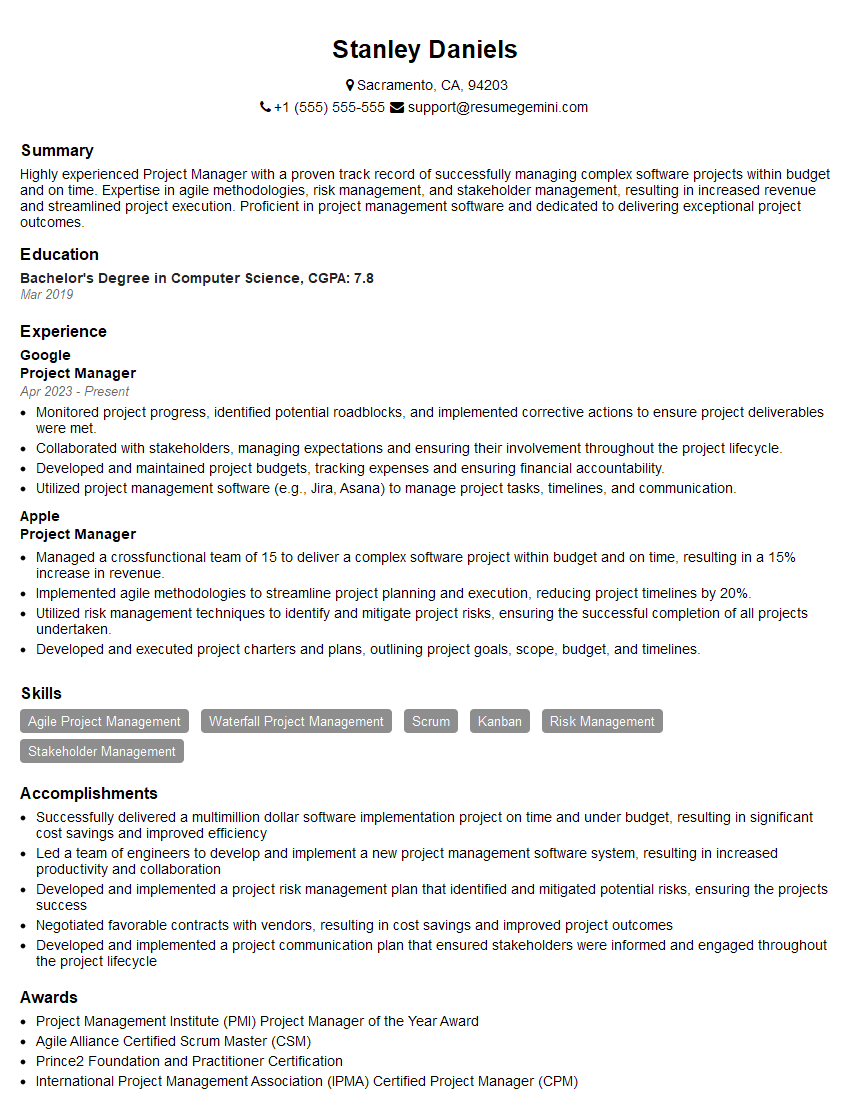
Project Manager Resume Sample
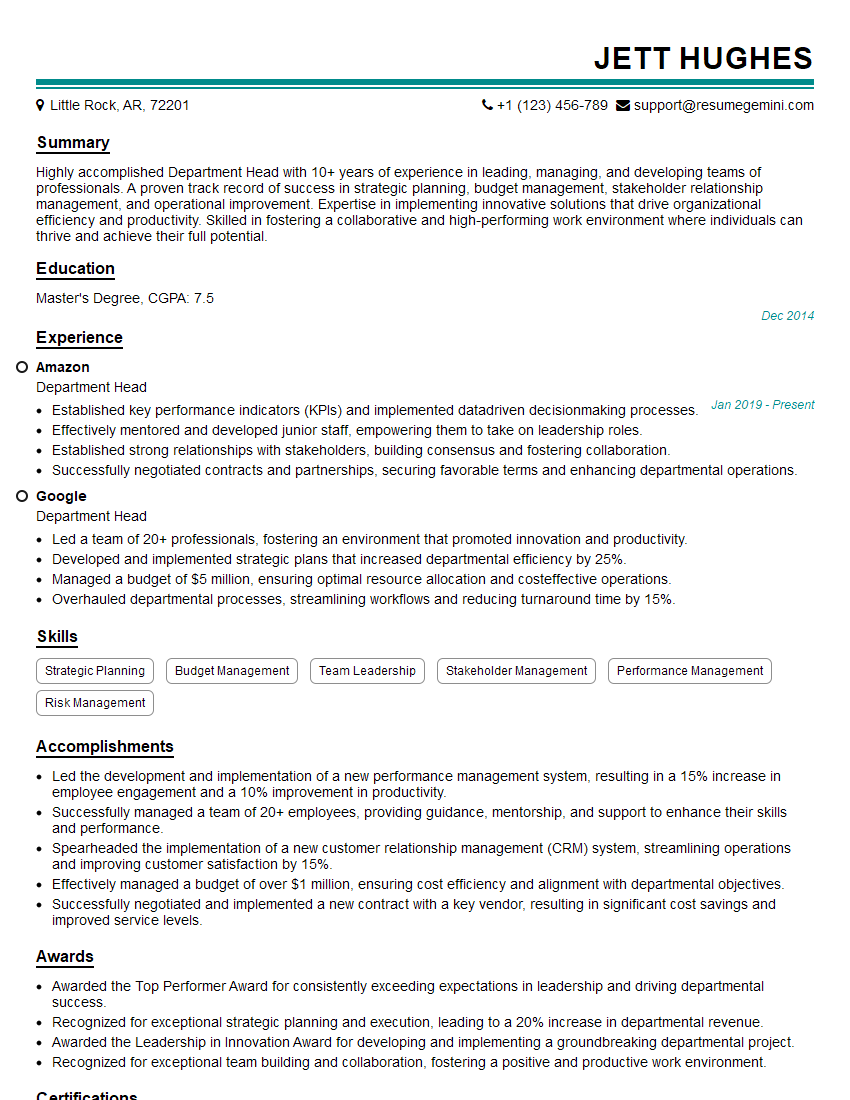
Department Head Resume Sample
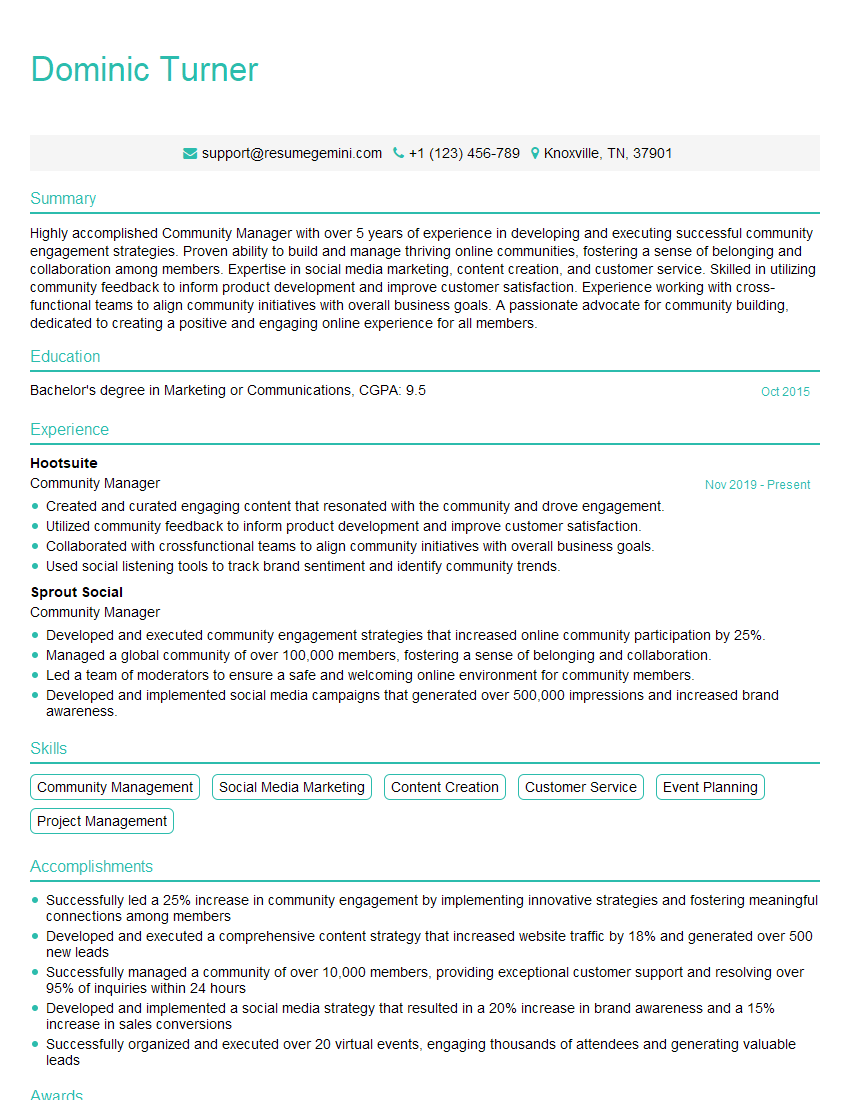
Community Manager Resume Sample
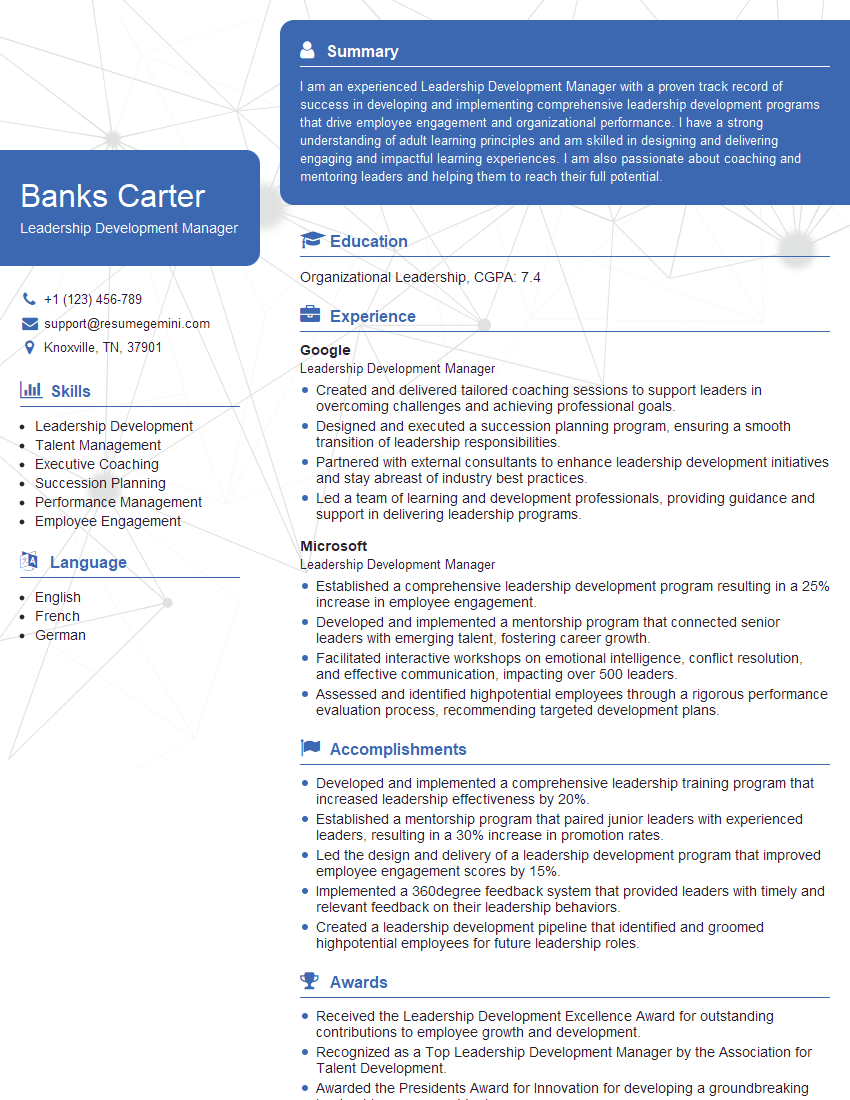
Leadership Development Manager Resume Sample
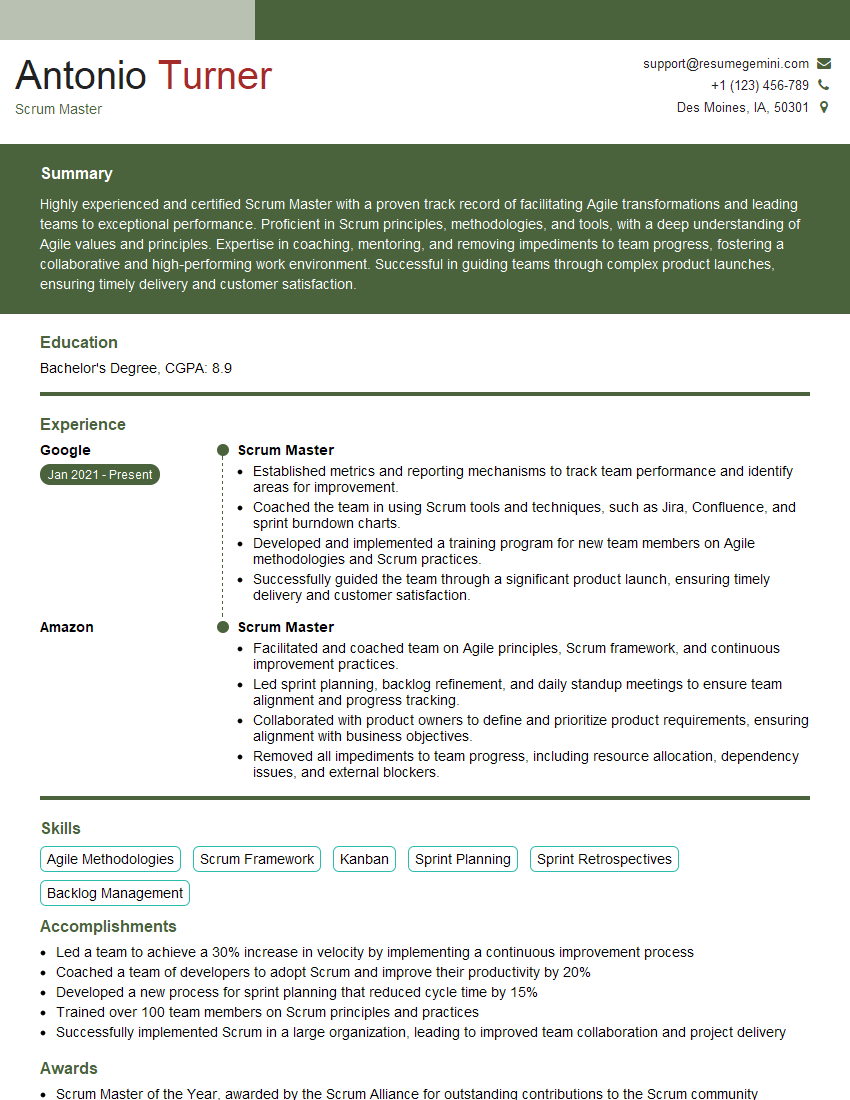
Scrum Master Resume Sample
- Chief Operating Officer (COO)
- Executive Director
- Program Manager
- Marketing Manager
- Sales Manager
- Product Manager
- Division Head
- Business Unit Manager
- Director of Operations
- Human Resources Manager
- Organizational Development Manager
- Training Manager
- Project Manager
- Department Head
- Community Manager
- Leadership Development Manager
- Scrum Master
Explore more articles
Users Rating of Our Blogs
Share Your Experience
We value your feedback! Please rate our content and share your thoughts (optional).
What Readers Say About Our Blog
To the interviewgemini.com Webmaster.
Very helpful and content specific questions to help prepare me for my interview!
Thank you
To the interviewgemini.com Webmaster.
This was kind of a unique content I found around the specialized skills. Very helpful questions and good detailed answers.
Very Helpful blog, thank you Interviewgemini team.