Interviews are opportunities to demonstrate your expertise, and this guide is here to help you shine. Explore the essential Maritime Logistics Management interview questions that employers frequently ask, paired with strategies for crafting responses that set you apart from the competition.
Questions Asked in Maritime Logistics Management Interview
Q 1. Explain the Incoterms 2020 rules and their impact on maritime logistics.
Incoterms® 2020 rules are a set of internationally standardized trade terms published by the International Chamber of Commerce (ICC). They define the responsibilities of buyers and sellers in international trade transactions, specifically clarifying who is responsible for costs and risks associated with the transportation of goods. These rules are crucial in maritime logistics as they clearly delineate the point at which responsibility for the cargo shifts from the seller to the buyer, impacting insurance, freight costs, and liability.
For instance, FOB (Free On Board) means the seller is responsible for delivering the goods to the named port of shipment. The buyer then assumes responsibility from that point onwards, including freight costs and insurance. Conversely, CIF (Cost, Insurance, and Freight) means the seller is responsible for the goods until they reach the named port of destination, including freight and insurance costs. Understanding these rules avoids costly disputes and ensures smoother transactions. The impact on maritime logistics is significant; it dictates the documentation required, the choice of freight forwarder, and the overall cost structure of the shipment. Misinterpretations can lead to substantial financial losses and delays.
- Key Incoterms to understand in Maritime Logistics: FOB, CIF, CFR (Cost and Freight), FCA (Free Carrier), DAP (Delivered at Place), DPU (Delivered at Place Unloaded).
Q 2. Describe the process of booking cargo space on a container vessel.
Booking cargo space involves several steps. First, you’ll need to identify your cargo’s specifications (size, weight, type of goods, hazardous or not), origin and destination ports, and desired delivery date. Then, you’ll contact a shipping line directly or, more commonly, a freight forwarder who acts as an intermediary, negotiating rates and handling the logistics. The freight forwarder will check for available space on suitable vessels based on your requirements and provide a quote. Once the quote is accepted, the booking is confirmed, usually via a booking confirmation number. Essential information like container type, sealing instructions, and cargo details is then communicated to the shipping line. Finally, you’ll receive a shipping instruction document with all the necessary details for cargo pickup and delivery.
Think of it like booking a flight; you need to specify your destination, date, and passenger details. Similarly, in maritime logistics, accurate and timely information is crucial for securing the necessary space and avoiding delays.
Q 3. How do you manage risks associated with international shipping, such as delays and damage?
Managing risks in international shipping necessitates a proactive approach encompassing various strategies. Delays can stem from port congestion, bad weather, or bureaucratic hurdles. Damage can arise from improper handling, inadequate packaging, or unforeseen events at sea. To mitigate these, we utilize risk assessment tools, identifying potential threats and their likelihood. This involves checking weather forecasts, assessing port infrastructure capabilities, and understanding the specific risks associated with the cargo itself.
Risk mitigation strategies include purchasing adequate cargo insurance (covering loss or damage), using reliable shipping lines with a proven track record, employing robust packaging techniques, and including detailed instructions for handling sensitive cargo. Regular communication with all stakeholders (shippers, carriers, customs agents) is crucial for early detection and prompt resolution of potential problems. For instance, we might use real-time tracking systems to monitor the shipment’s progress and anticipate potential delays. Furthermore, having contingency plans in place (alternative routes, storage options) is crucial in case unforeseen events disrupt the shipment schedule.
Q 4. What are the key performance indicators (KPIs) you use to measure the efficiency of maritime logistics operations?
Several KPIs measure the efficiency of maritime logistics operations. These metrics provide insights into areas for improvement and overall operational effectiveness. Key KPIs include:
- On-time delivery rate: Percentage of shipments delivered as scheduled.
- Freight cost per unit: Measures the efficiency of freight spending.
- Inventory turnover rate: How quickly inventory moves through the supply chain.
- Cargo damage rate: Percentage of damaged goods during transit.
- Port dwell time: Time spent by a vessel in port.
- Order fulfillment cycle time: Time taken from order placement to delivery.
Monitoring these KPIs allows for data-driven decision-making, identifying bottlenecks, and improving operational efficiency. For example, a consistently low on-time delivery rate might indicate problems with port congestion or scheduling, prompting a review of logistics strategies.
Q 5. Explain the different types of shipping documents and their importance.
Various shipping documents are crucial for international shipments. These documents provide evidence of the transaction, ownership, and cargo details. Key documents include:
- Bill of Lading (B/L): A contract of carriage between the shipper and the carrier, acting as a receipt for goods, evidence of the contract of carriage, and a document of title.
- Commercial Invoice: A detailed description of the goods, their value, and the terms of sale.
- Packing List: A detailed list of the contents of each package in the shipment.
- Certificate of Origin (COO): Certifies the origin of the goods, often required for customs clearance.
- Insurance Certificate: Proof of cargo insurance.
Each document plays a vital role in the smooth flow of goods through the supply chain. For example, the Bill of Lading is essential for releasing the goods at the destination port; without it, the consignee cannot claim the cargo.
Q 6. How do you handle customs clearance procedures for international shipments?
Customs clearance procedures vary by country but generally involve submitting the necessary documentation to the customs authorities at the port of entry. This process aims to ensure compliance with import regulations, assess duties and taxes, and prevent the illegal movement of goods. We prepare the required documentation (import license, commercial invoice, packing list, Bill of Lading, COO, etc.) well in advance, ensuring all information is accurate and complete. This proactive approach minimizes delays. We often utilize customs brokers, who are experts in navigating the complexities of customs regulations in different countries. They act as intermediaries, facilitating communication with customs officials and ensuring timely clearance. Effective communication and accurate documentation are key to efficient customs clearance, preventing delays and potential penalties.
Imagine customs as a checkpoint; having all your travel documents ready (similar to our shipping documents) allows for a smoother and faster passage.
Q 7. Describe your experience with different modes of transportation in maritime logistics.
My experience encompasses various modes of transportation within maritime logistics, recognizing that optimal solutions often involve a multimodal approach. This includes:
- Sea Freight: The core of maritime logistics, using container ships, bulk carriers, and tankers for transporting cargo across oceans.
- Inland Waterways: Utilizing rivers and canals for transporting goods to and from ports, often a more cost-effective solution for specific routes.
- Rail Transport: Efficient for long distances, connecting ports to inland destinations and enhancing supply chain efficiency.
- Road Transport: Essential for the first and last mile of a shipment, connecting ports and inland terminals to final destinations.
Selecting the most appropriate mode depends on several factors, including cost, transit time, cargo characteristics, and infrastructure availability. For example, transporting heavy machinery might involve a combination of sea freight and rail transport for cost-effectiveness and efficient inland distribution. A multimodal approach offers flexibility and optimization for each specific scenario.
Q 8. How do you optimize freight costs and routes for maximum efficiency?
Optimizing freight costs and routes involves a multi-faceted approach that blends strategic planning with real-time data analysis. Think of it like planning a road trip – you wouldn’t just pick the first route you see; you’d consider distance, traffic, tolls, and even weather conditions. Similarly, in maritime logistics, we leverage various tools and techniques.
Route Optimization Software: We use specialized software that analyzes numerous factors like vessel availability, port congestion, canal transit times, and fuel costs to identify the most efficient routes. These systems often employ algorithms to compare thousands of potential routes, considering real-time data like weather and traffic updates.
Consolidation and Load Optimization: Maximizing container utilization is crucial. We strategically group shipments to fully utilize container space, reducing the number of shipments and therefore costs. Imagine packing a suitcase – you wouldn’t leave half the space empty. This same principle applies to container loading.
Negotiation with Carriers: Strong relationships with shipping carriers are essential for securing favorable rates and contract terms. We leverage volume discounts and negotiate contracts that provide flexibility and price stability.
Fuel Efficiency Strategies: Fuel is a significant expense. We optimize vessel speeds, taking into account the balance between speed and fuel consumption. We also explore alternative fuels and technologies to enhance efficiency and reduce our environmental footprint.
For example, during peak season, we might shift to slightly longer but less congested routes to avoid exorbitant port fees and delays. During periods of lower demand, we can prioritize speed to ensure faster delivery times, even if it means slightly higher fuel costs.
Q 9. Explain your understanding of the concept of Just-in-Time (JIT) delivery in maritime logistics.
Just-in-Time (JIT) delivery in maritime logistics aims to minimize inventory holding costs by receiving goods only when needed for production or sale. This is similar to ordering groceries only for the week instead of stocking up for a month. It requires precise forecasting, reliable supply chains, and exceptional coordination.
In a maritime context, JIT relies heavily on accurate scheduling, efficient port operations, and strong communication between all parties involved – from the supplier to the manufacturer or retailer. Delays in any part of the process can disrupt the entire system, highlighting the critical need for real-time visibility and responsiveness.
Implementing JIT successfully in maritime logistics demands a high degree of trust and collaboration throughout the supply chain. It’s not a simple solution, but when done correctly, it significantly reduces warehousing and inventory costs while improving cash flow.
Q 10. How do you manage inventory and warehouse operations in a maritime context?
Managing inventory and warehouse operations in maritime logistics requires a sophisticated system encompassing several key aspects.
Warehouse Management Systems (WMS): We leverage WMS to track inventory levels in real-time, manage storage space efficiently, and automate processes like order picking and packing. These systems provide visibility into our inventory, allowing for proactive management of stock levels and preventing shortages or overstocking.
Inventory Control Techniques: We employ methods like ABC analysis (categorizing inventory based on value and demand), FIFO (First-In, First-Out) and LIFO (Last-In, First-Out) to optimize stock rotation and minimize waste.
Port and Terminal Management: Efficient coordination with ports and terminals is vital. This includes planning for container storage, handling, and customs clearance procedures. Delays at these points can significantly impact overall inventory management.
Security and Safety: Implementing rigorous security measures is crucial, including access control, surveillance, and inventory tracking to prevent theft and damage.
For example, using WMS, we can easily identify slow-moving items and make informed decisions about pricing, promotion, or disposal. This prevents unnecessary storage costs and improves cash flow.
Q 11. What are the challenges of managing a global supply chain in the maritime industry?
Managing a global supply chain in the maritime industry presents several unique challenges:
Geopolitical Risks: International trade is subject to political instability, trade wars, and sanctions, which can disrupt supply chains and impact delivery timelines.
Regulatory Compliance: Navigating diverse customs regulations, import/export laws, and environmental regulations across various countries is complex and requires specialized expertise.
Infrastructure Limitations: Port congestion, inadequate infrastructure in certain regions, and limited inland transportation networks can create bottlenecks and delays.
Visibility and Communication: Tracking cargo across various modes of transport and geographies requires robust communication and real-time visibility systems to ensure transparency and responsiveness.
Natural Disasters and Extreme Weather: Maritime transport is inherently vulnerable to disruptions from natural disasters like hurricanes, earthquakes, or extreme weather conditions.
Successfully navigating these challenges requires proactive risk management strategies, strong partnerships with stakeholders throughout the supply chain, and a flexible approach to adapting to changing circumstances.
Q 12. Describe your experience with using Transportation Management Systems (TMS).
I have extensive experience utilizing Transportation Management Systems (TMS) throughout my career. TMS are essential for optimizing transportation operations, providing real-time visibility into shipments, and streamlining logistics processes. I’ve worked with several leading TMS platforms, including (example: Oracle Transportation Management, Blue Yonder Luminate Transportation Management).
My experience encompasses:
Route planning and optimization: Using TMS to identify optimal routes, considering factors such as distance, time, cost, and capacity.
Carrier selection and negotiation: Leveraging TMS to compare carrier rates and select the most cost-effective options based on service requirements.
Shipment tracking and monitoring: Using real-time tracking functionalities to monitor shipment progress, identify potential delays, and proactively address disruptions.
Documentation and reporting: Generating reports on key performance indicators (KPIs) such as on-time delivery, cost per shipment, and overall transportation efficiency.
Through proficient use of TMS, I have consistently improved efficiency, reduced costs, and enhanced transparency throughout our supply chains.
Q 13. How do you handle conflicts or disputes with shipping carriers or customers?
Handling conflicts or disputes involves a structured approach focused on communication and collaboration.
Open Communication: The first step is to clearly understand the nature of the conflict, actively listening to all parties involved. This often involves reviewing contracts, shipping documents, and other relevant information.
Mediation and Negotiation: We attempt to resolve the dispute amicably through negotiation and mediation, focusing on finding mutually agreeable solutions. Sometimes, bringing in a neutral third party can facilitate productive discussions.
Formal Dispute Resolution: If negotiation fails, we may escalate the dispute through formal channels, such as arbitration or litigation. This approach is a last resort and should only be considered after exhausting all other options.
Documentation: Maintaining meticulous records of all communications, agreements, and decisions is crucial for protecting our interests and supporting any future legal proceedings.
My approach prioritizes maintaining strong relationships with our partners, even during disagreements. Fair and transparent communication is key to resolving conflicts efficiently and preserving long-term business relationships.
Q 14. How do you ensure the security and safety of cargo during transit?
Ensuring cargo security and safety during transit is paramount. This involves a multi-layered approach that begins before the cargo even leaves the warehouse.
Pre-Shipment Security Checks: We conduct thorough inspections of cargo to identify and mitigate potential risks, such as hazardous materials or counterfeit goods.
Secure Packaging and Handling: Proper packaging is crucial to prevent damage during transit. We also implement secure handling procedures at each stage of the supply chain.
Container Security: We utilize tamper-evident seals and tracking devices to monitor the integrity of containers and prevent unauthorized access. We also collaborate with port authorities and other stakeholders to ensure secure handling at ports and terminals.
Insurance and Risk Management: We secure comprehensive cargo insurance to protect against loss or damage. We also implement risk management strategies to identify and mitigate potential threats.
Real-time Tracking and Monitoring: Utilizing GPS tracking and other monitoring technologies allows us to track the location and condition of cargo throughout its journey.
For instance, we might use specialized containers for high-value or sensitive goods that provide additional security features. This commitment to security ensures the safe and timely delivery of our customers’ cargo.
Q 15. Explain your understanding of maritime regulations and compliance.
Maritime regulations and compliance are crucial for safe and efficient global trade. They cover a wide range of aspects, from the safety and security of vessels and crews to environmental protection and customs procedures. Non-compliance can lead to significant penalties, delays, and reputational damage.
My understanding encompasses key conventions like the International Maritime Organization (IMO) regulations, the International Ship and Port Facility Security (ISPS) Code, and various national and regional laws. For example, the IMO’s MARPOL convention dictates strict standards for preventing pollution from ships, while the ISPS Code mandates security measures to protect against terrorism.
In practice, compliance involves meticulous documentation, regular audits, and proactive risk management. This includes ensuring vessels are properly crewed and maintained, cargo is secured according to regulations, and all necessary permits and certifications are in place. We routinely conduct internal audits and utilize specialized software to track compliance across various jurisdictions and regulations. A recent example involved implementing stricter ballast water management practices to comply with new IMO guidelines, which required investment in new technology and crew training.
Career Expert Tips:
- Ace those interviews! Prepare effectively by reviewing the Top 50 Most Common Interview Questions on ResumeGemini.
- Navigate your job search with confidence! Explore a wide range of Career Tips on ResumeGemini. Learn about common challenges and recommendations to overcome them.
- Craft the perfect resume! Master the Art of Resume Writing with ResumeGemini’s guide. Showcase your unique qualifications and achievements effectively.
- Don’t miss out on holiday savings! Build your dream resume with ResumeGemini’s ATS optimized templates.
Q 16. How do you track and trace shipments throughout their journey?
Tracking and tracing shipments is fundamental to maritime logistics. It involves monitoring the cargo’s journey from origin to destination, providing real-time visibility to stakeholders. This is achieved through a combination of technology and manual processes.
We leverage several systems. Firstly, the Bill of Lading (B/L) acts as the primary document, detailing the cargo specifics and journey. Secondly, we use container tracking systems, utilizing GPS and RFID technology embedded in containers or attached to them. This allows us to pinpoint the container’s location at various stages – at the port, on the vessel, and during inland transportation.
Thirdly, we integrate with shipping lines’ systems for port-to-port updates, and with trucking companies for inland movements. This data is consolidated in our centralized tracking platform, accessible to all parties involved (shipper, consignee, forwarder, and insurer). Real-time alerts notify us of potential delays, allowing us to proactively address issues and minimize disruptions. For example, if a vessel faces unforeseen delays, our tracking system immediately flags this, allowing us to adjust our expectations and communicate this to the stakeholders.
Q 17. Describe your experience with different types of cargo handling equipment.
My experience includes familiarity with a vast array of cargo handling equipment. This spans from the large-scale equipment used in ports to smaller handling tools on vessels.
- Port Equipment: I’m proficient with gantry cranes (both ship-to-shore and rubber-tired gantry cranes), straddle carriers, reach stackers, and forklifts. Understanding their capabilities and limitations is crucial for efficient port operations. For example, the choice between a reach stacker and a straddle carrier depends on the layout of the yard and the type of cargo being handled.
- Vessel Equipment: I’m also familiar with onboard cranes, derricks, and specialized lifting gear used for loading and unloading diverse cargo types, from breakbulk to heavy-lift items. Safety procedures and regulations for operating this equipment are critical.
- Specialized Equipment: I’ve worked with specialized equipment for handling oversized and heavy cargo, refrigerated containers (reefers), and dangerous goods. Each requires specific handling protocols and safety precautions.
My experience includes overseeing the selection and coordination of appropriate equipment, ensuring its optimal use, and monitoring its maintenance and safety standards.
Q 18. How do you manage port congestion and delays?
Port congestion and delays are major challenges in maritime logistics. They can cause significant financial losses and disruptions to supply chains.
Our approach involves a multi-pronged strategy: proactive planning, strong communication, and contingency planning. This includes:
- Predictive Analytics: Utilizing data analytics to forecast potential congestion based on historical data, seasonal trends, and predicted vessel arrivals. This allows for preemptive measures.
- Optimized Scheduling: Working closely with port authorities and shipping lines to optimize vessel scheduling and berthing to minimize waiting times.
- Alternative Routing: Exploring alternative ports or transport modes when necessary to bypass congested areas.
- Real-time Monitoring: Continuously monitoring the situation using real-time data from ports and vessels, allowing for immediate adjustments.
- Strong Communication: Maintaining clear and frequent communication with all stakeholders, ensuring transparency and proactive updates about potential delays.
For instance, during peak seasons, we use predictive analytics to anticipate congestion and adjust our shipment schedules, potentially rerouting containers through less congested ports. Open communication with clients helps manage their expectations and ensures they are kept well informed.
Q 19. How do you utilize technology to improve efficiency in maritime logistics?
Technology plays a pivotal role in improving efficiency in maritime logistics. We utilize various technological solutions to optimize processes and reduce costs.
- Container Tracking Systems (GPS, RFID): Real-time tracking of containers improves visibility and allows for proactive issue resolution.
- Electronic Data Interchange (EDI): Automates document exchange between stakeholders, reducing paperwork and improving communication speed.
- Port Community Systems (PCS): Integrate various stakeholders involved in port operations, streamlining processes and improving coordination.
- Big Data and Analytics: Analyze large datasets to identify trends, predict disruptions, and optimize logistics strategies. This allows for data-driven decision-making.
- Blockchain Technology: Offers improved security and transparency in supply chain processes, enhancing trust and traceability.
For example, implementing EDI significantly reduced our document processing time, leading to smoother customs clearances and faster delivery. The use of a PCS has also allowed for better coordination with port authorities, improving overall port operations.
Q 20. Explain your experience with various types of shipping containers.
I have extensive experience with various shipping container types. The most common are:
- Dry Containers: Standard containers for general cargo. Variations include high-cube containers for increased capacity and open-top containers for oversized cargo.
- Refrigerated Containers (Reefers): Temperature-controlled containers for perishable goods, requiring specialized handling and power connections.
- Tank Containers: Used for transporting liquids and gases, requiring stringent safety regulations.
- Flatrack Containers: Used for oversized and heavy cargo, offering open sides and a low profile.
- Open-Top Containers: Used for cargo that requires top-loading, such as heavy machinery.
- Special Purpose Containers: Include insulated containers, ventilated containers, and hazardous material containers, each designed for specific cargo types.
Understanding the different types and their suitability for different cargo is crucial for efficient and safe transportation. Choosing the wrong type of container can lead to damage, delays, and increased costs.
Q 21. How do you negotiate freight rates with shipping carriers?
Negotiating freight rates with shipping carriers involves a strategic approach based on market analysis, volume, and relationship building.
Here’s a breakdown of my process:
- Market Research: I begin by analyzing current market conditions, including fuel surcharges, demand, and carrier availability. Various online resources and industry publications provide relevant data.
- Volume Negotiation: Negotiating higher volumes often leads to lower per-unit rates. This requires careful forecasting of shipping needs.
- Contract Negotiation: Establishing long-term contracts with preferred carriers can secure favorable rates and stable service levels. These contracts usually involve guaranteed minimum volumes and service level agreements (SLAs).
- Relationship Building: Building strong relationships with carriers is crucial for securing better rates and handling unexpected situations efficiently. This involves open communication and mutual trust.
- Alternative Options: Exploring various shipping options, including different carriers, routes, and vessel types, is important for securing competitive prices.
A recent successful negotiation involved securing a long-term contract with a major carrier, leveraging our consistent volume and building a strong relationship with their sales team. This resulted in a significant reduction in our freight costs compared to spot market rates. Effective negotiation requires a balance of commercial acumen, industry knowledge, and strong negotiation skills.
Q 22. Explain your understanding of the different types of marine insurance.
Marine insurance is crucial in mitigating risks associated with maritime transport. Several types exist, each offering different levels of coverage. Think of it like car insurance – you choose the level of protection based on your needs and the value of your cargo.
- Hull and Machinery Insurance: This covers damage to the vessel itself, including its engines and other machinery. Imagine a container ship colliding with a reef; this insurance would cover the repair costs.
- Cargo Insurance: This protects the goods being shipped. It can be further categorized into Institute Cargo Clauses (ICC), with ICC A offering the broadest coverage (all risks except those specifically excluded), ICC B covering named perils, and ICC C offering the most limited coverage.
- Protection and Indemnity (P&I) Insurance: This covers third-party liabilities, such as damage to other vessels, cargo loss, or pollution caused by the insured vessel. It’s essentially liability insurance for the shipping company. For example, if your ship causes an oil spill, P&I insurance will cover the cleanup costs and compensation to affected parties.
- Freight Insurance: This covers the loss of freight charges if the shipment is damaged or lost. It protects the shipowner’s revenue.
- Liability Insurance: This covers potential lawsuits arising from maritime accidents or other incidents. If a dock worker is injured on your vessel, this insurance would step in.
The choice of insurance depends on factors such as the value of the cargo, the type of vessel, the route, and the inherent risks involved. A high-value, fragile cargo would naturally require broader coverage than a shipment of bulk grains.
Q 23. Describe your experience with import and export regulations.
My experience with import and export regulations spans over a decade, encompassing diverse products and global destinations. Navigating these regulations requires meticulous attention to detail and a proactive approach. I’ve handled everything from obtaining necessary permits and licenses to ensuring compliance with customs regulations and trade agreements.
For example, I was once involved in a project shipping specialized medical equipment to Japan. We had to ensure compliance with stringent Japanese pharmaceutical regulations and obtain the necessary certifications well in advance of the shipment to avoid delays. This included understanding and adhering to specific packaging, labeling, and documentation requirements. Another project involved navigating the complexities of EU trade regulations for agricultural products originating from South America.
My expertise extends to utilizing electronic data interchange (EDI) systems for efficient customs clearance, understanding Incoterms (International Commercial Terms) to manage risk allocation and responsibilities clearly between buyers and sellers, and staying abreast of changes in global trade policy that might impact shipping timelines and costs.
Q 24. How do you ensure timely delivery of cargo to the final destination?
Ensuring timely delivery involves meticulous planning and proactive risk management. It’s like orchestrating a complex symphony where each instrument (step) must play its part precisely.
- Route Optimization: Selecting the most efficient routes, considering factors like weather patterns, canal availability (Suez Canal, Panama Canal), and port congestion. We use sophisticated route planning software to achieve this.
- Vessel Scheduling: Coordinating with shipping lines to secure timely vessel bookings and ensure that the vessel arrives at the loading port as scheduled. This might involve negotiating with multiple carriers to secure a vessel with sufficient capacity.
- Port Operations Management: Efficiently managing cargo handling at loading and unloading ports, minimizing delays due to paperwork or infrastructure limitations. This includes smooth communication with terminal operators.
- Real-time Tracking and Monitoring: Utilizing GPS tracking and other technologies to monitor cargo location and status in real-time, allowing us to anticipate and address potential issues proactively. Any delays are communicated immediately to the relevant parties.
- Strong Communication: Maintaining open communication channels with all stakeholders – shippers, carriers, customs officials, and the consignee. Keeping everyone informed, no matter the situation, is vital.
Proactive communication, along with constant monitoring and efficient planning, is the cornerstone of timely delivery. We constantly review our processes to identify and eliminate bottlenecks.
Q 25. Explain your experience with different types of vessels used in maritime transportation.
My experience encompasses a wide range of vessels used in maritime transportation. Each vessel type is tailored to specific cargo types and operational needs. It’s important to match the cargo with the appropriate vessel for efficiency and safety.
- Container Ships: These are the workhorses of global trade, transporting standardized containers carrying a vast array of goods. Their sizes vary greatly, from smaller feeder vessels to massive mega-ships.
- Bulk Carriers: These specialize in transporting unpackaged goods like grains, coal, and ore in large quantities. Their design is specifically adapted to the cargo being carried.
- Tankers: Designed to carry liquids, such as crude oil, petroleum products, and chemicals. Different tanker types exist, such as crude oil tankers, product tankers, and chemical tankers.
- General Cargo Ships: These can handle various types of cargo that don’t fit into standard containers. They often require more manual handling.
- Ro-Ro (Roll-on/Roll-off) Ships: Designed to carry wheeled cargo, such as cars, trucks, and trailers, which can be driven directly onto the ship. This method is highly efficient for vehicles.
- LNG Carriers: Specialized vessels designed to transport liquefied natural gas (LNG) at extremely low temperatures.
Understanding the capabilities and limitations of each vessel type is essential for efficient planning and cost optimization. Choosing the wrong vessel type could result in increased costs or delays.
Q 26. How do you address unexpected issues or disruptions in the shipping process?
Unexpected issues are inevitable in maritime logistics. Preparation and a proactive response are key to minimizing their impact. My approach follows a structured process:
- Identify the Problem: Quickly assess the nature and severity of the disruption. Is it a port strike, bad weather, vessel malfunction, or a regulatory issue?
- Assess the Impact: Determine the potential consequences of the disruption on the delivery schedule, costs, and other stakeholders.
- Develop Solutions: Explore alternative solutions, such as rerouting the cargo, chartering an alternative vessel, or negotiating with relevant parties to find a solution.
- Implement the Solution: Select and implement the best solution while keeping all stakeholders informed.
- Monitor and Evaluate: Monitor the effectiveness of the solution and make adjustments as needed. Document the incident and learnings for future improvements.
For instance, I once encountered a major port strike in a key transit hub. We quickly rerouted the cargo through an alternative port, incurring additional costs, but preventing significant delays. Open communication with the client was crucial during this process.
Q 27. How would you improve the efficiency of a current maritime logistics operation?
Improving the efficiency of a maritime logistics operation requires a holistic approach focusing on several key areas:
- Technology Integration: Implementing advanced technologies such as blockchain for enhanced supply chain transparency and traceability, AI for predictive analytics to anticipate potential issues, and IoT (Internet of Things) sensors for real-time cargo monitoring.
- Process Optimization: Streamlining operational processes to reduce unnecessary steps and eliminate bottlenecks. This might include improving documentation processes, optimizing cargo handling procedures, or implementing Lean principles.
- Data Analytics: Utilizing data analytics to identify areas for improvement in efficiency and cost reduction. This involves analyzing data on shipping times, costs, and other relevant metrics to pinpoint opportunities for optimization.
- Collaboration and Communication: Enhancing collaboration and communication among all stakeholders, including shippers, carriers, and port authorities, to improve coordination and reduce delays.
- Sustainable Practices: Incorporating sustainable practices, such as reducing fuel consumption, improving waste management, and using eco-friendly technologies, can enhance operational efficiency and reduce environmental impact.
By focusing on these areas, organizations can significantly improve the efficiency of their maritime logistics operations, reducing costs and improving customer satisfaction. It’s about a continuous improvement cycle; always looking for ways to do better.
Key Topics to Learn for Maritime Logistics Management Interview
- Global Supply Chains: Understand the intricacies of international shipping routes, port operations, and the role of various stakeholders (shippers, carriers, freight forwarders, customs brokers).
- Containerization and Cargo Handling: Learn about different container types, handling equipment, and the processes involved in loading, unloading, and securing cargo. Consider the impact of container size and weight on logistics planning.
- Incoterms and Documentation: Master the understanding and application of Incoterms rules, and the crucial role of various shipping documents (Bill of Lading, commercial invoice, packing list) in ensuring smooth cargo movement and compliance.
- Maritime Law and Regulations: Familiarize yourself with key international maritime regulations, safety standards (SOLAS, MARPOL), and their impact on logistics operations. Understand the implications of liability and insurance.
- Risk Management and Mitigation: Explore potential risks in maritime logistics (e.g., piracy, weather disruptions, port congestion) and strategies for their mitigation, including contingency planning and insurance.
- Logistics Technology and Optimization: Learn about the use of software and technology (e.g., TMS, GPS tracking) in improving efficiency, visibility, and cost-effectiveness in maritime logistics operations. Discuss optimization techniques for route planning and vessel scheduling.
- Supply Chain Finance: Understand the financial aspects of maritime logistics, including payment terms, letters of credit, and other financing mechanisms involved in international trade.
- Sustainability and Environmental Concerns: Discuss the environmental impact of shipping and the industry’s efforts towards sustainable practices, such as reducing carbon emissions and improving fuel efficiency.
Next Steps
Mastering Maritime Logistics Management opens doors to exciting career opportunities in a dynamic and globally interconnected industry. To stand out from the competition and secure your dream role, a strong, ATS-friendly resume is essential. ResumeGemini can help you craft a compelling resume that highlights your skills and experience effectively. Take advantage of ResumeGemini’s tools and resources to create a professional document that showcases your potential. Examples of resumes tailored to Maritime Logistics Management are available to guide you.
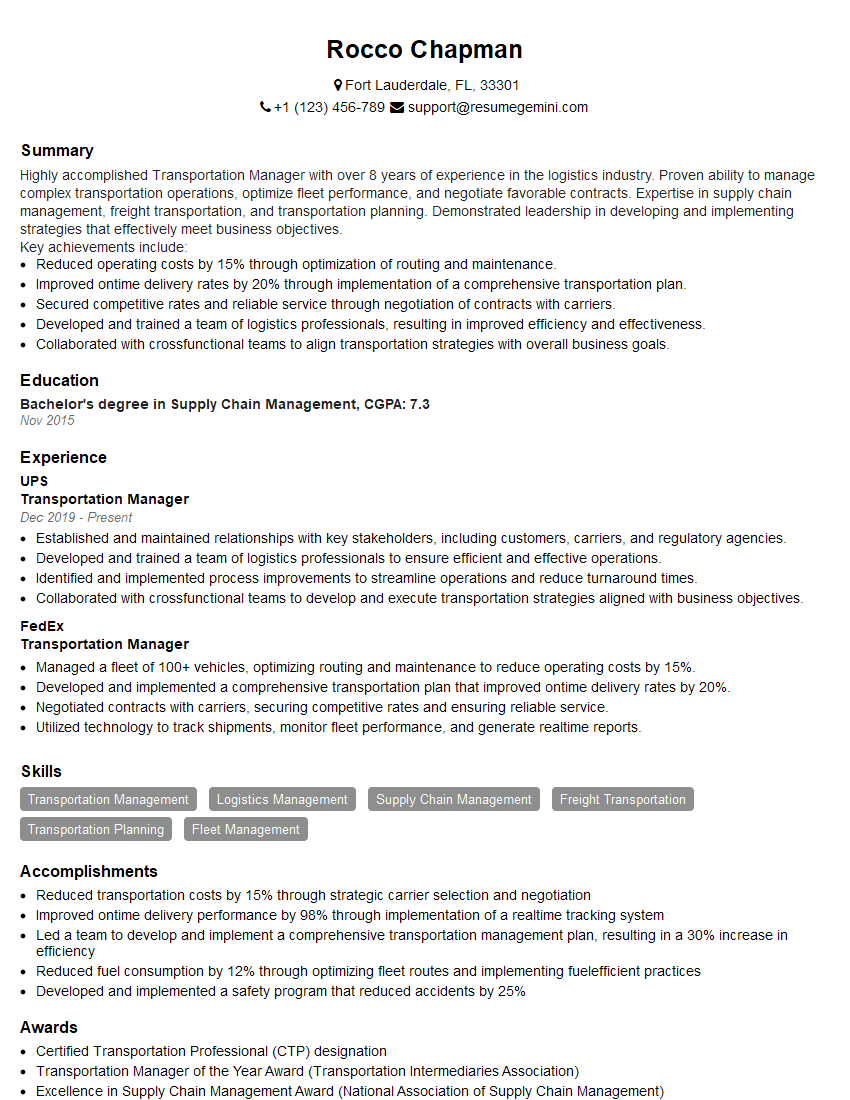
Transportation Manager Resume Sample
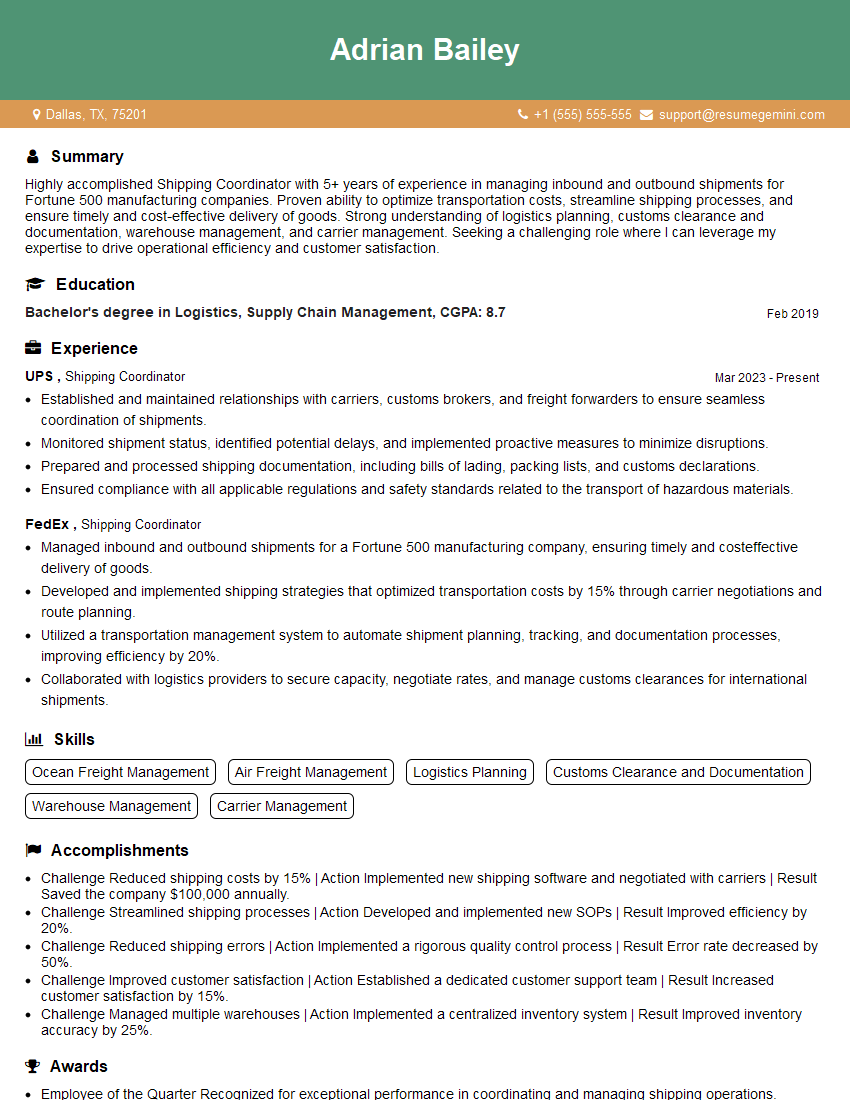
Shipping Coordinator Resume Sample
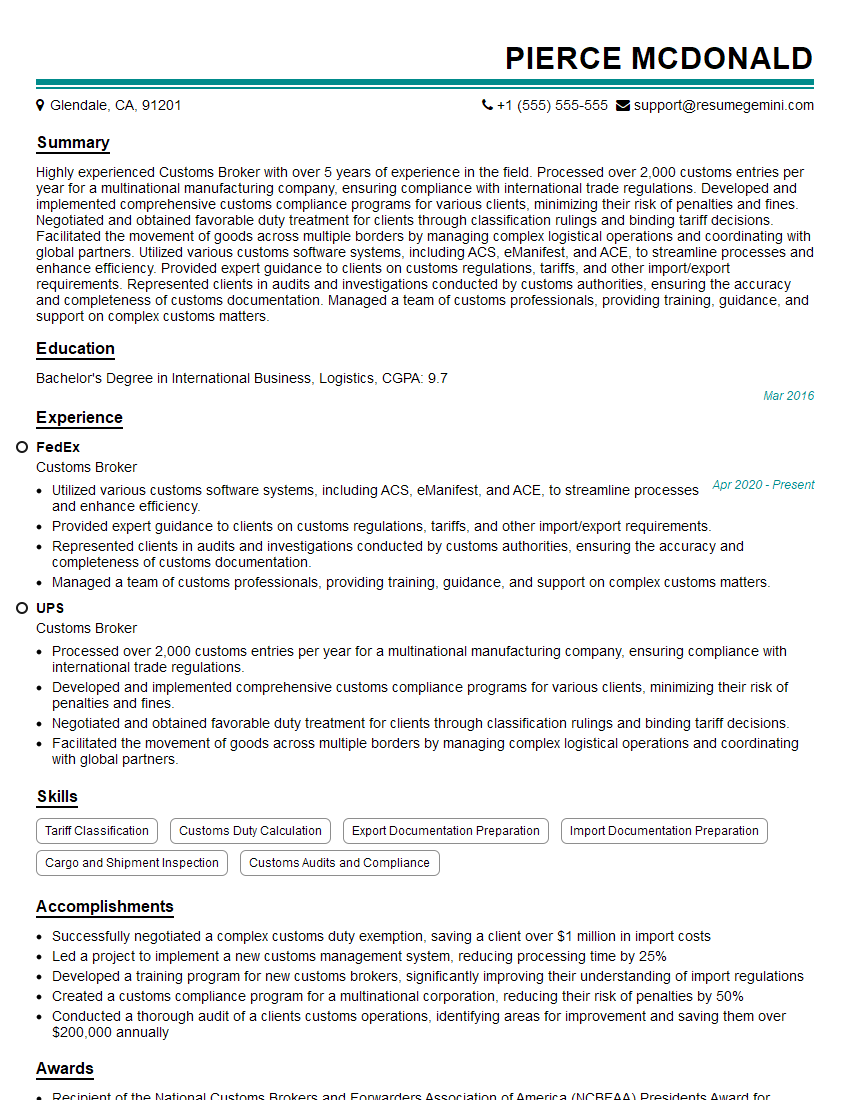
Customs Broker Resume Sample
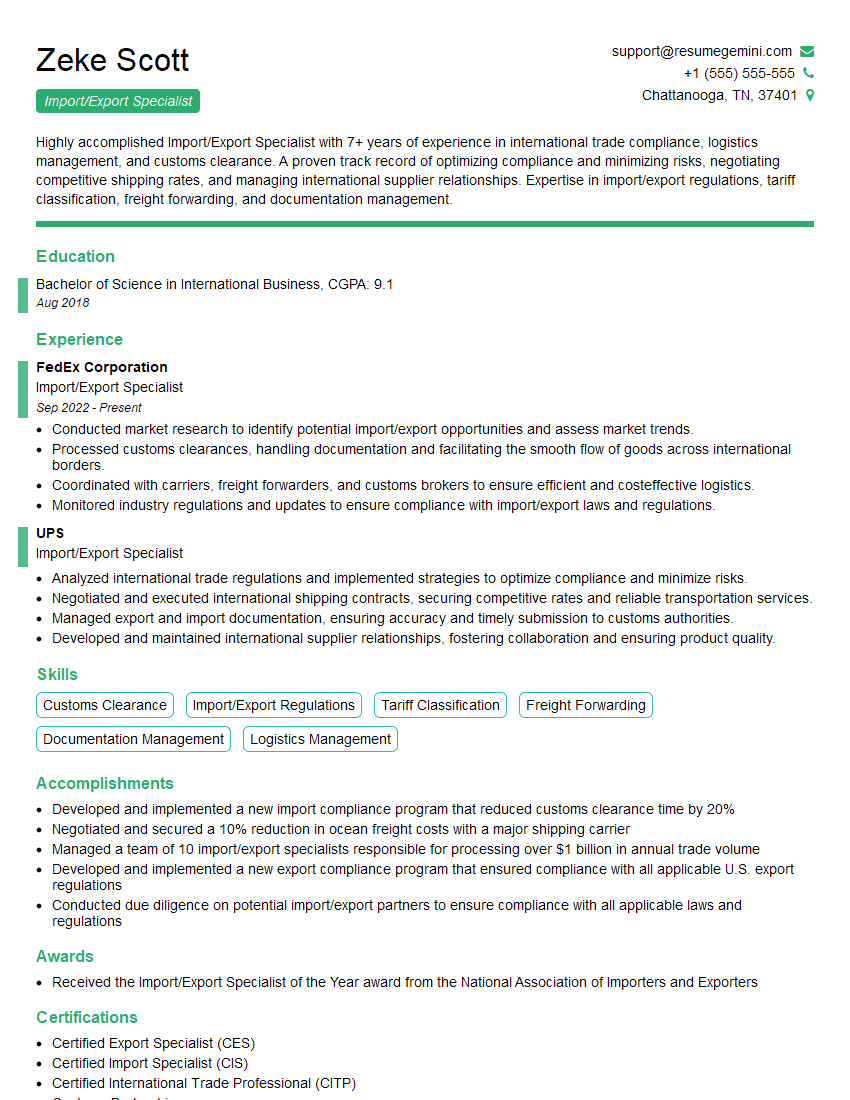
Import/Export Specialist Resume Sample
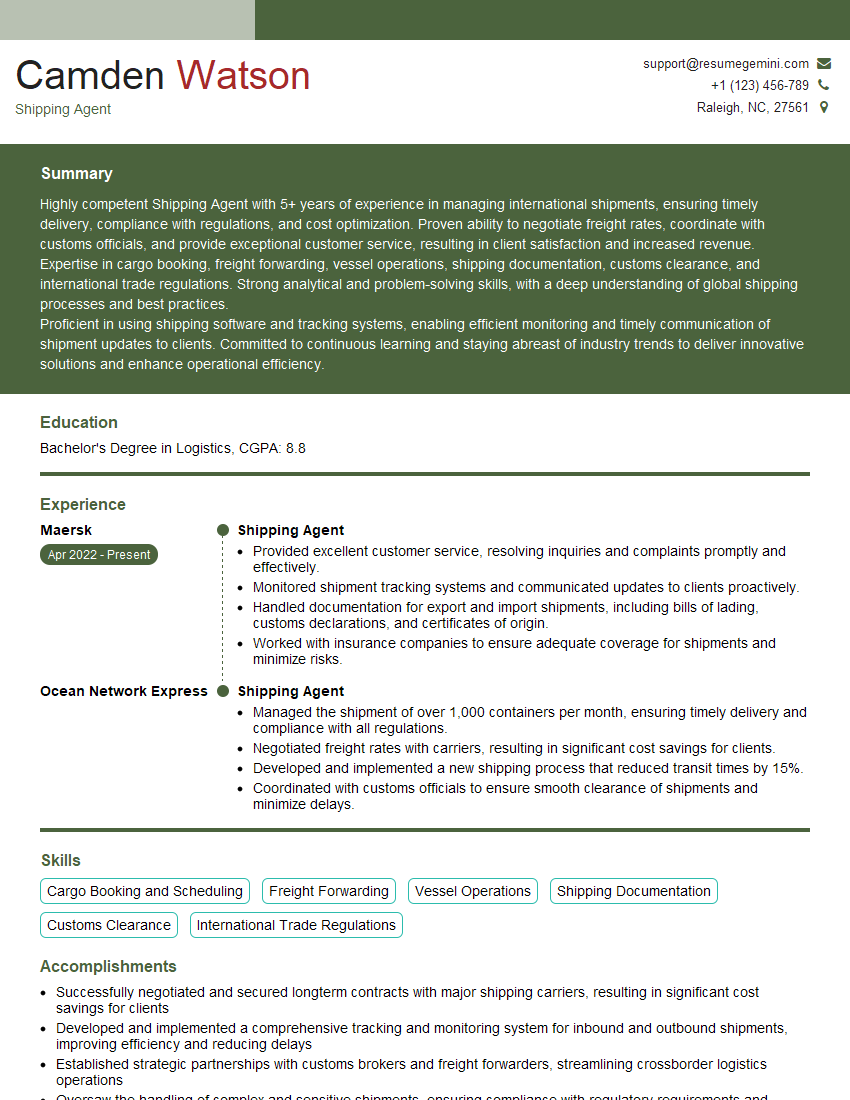
Shipping Agent Resume Sample
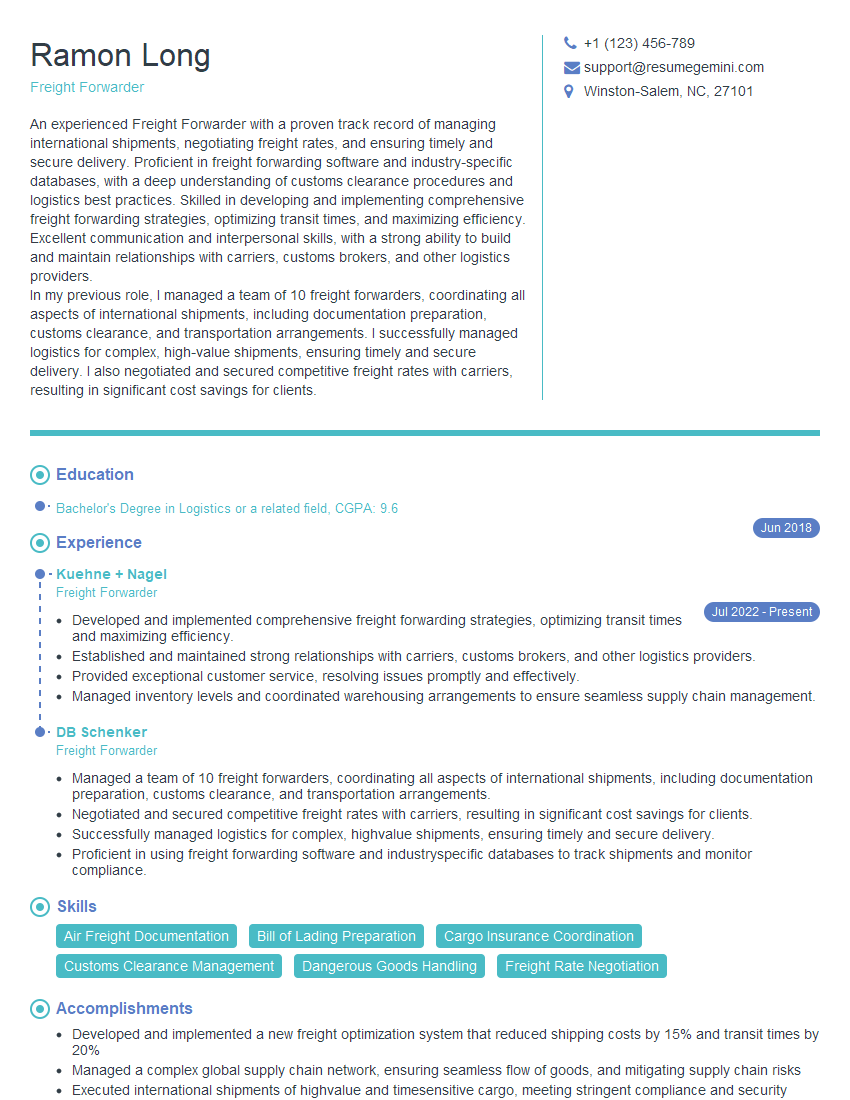
Freight Forwarder Resume Sample
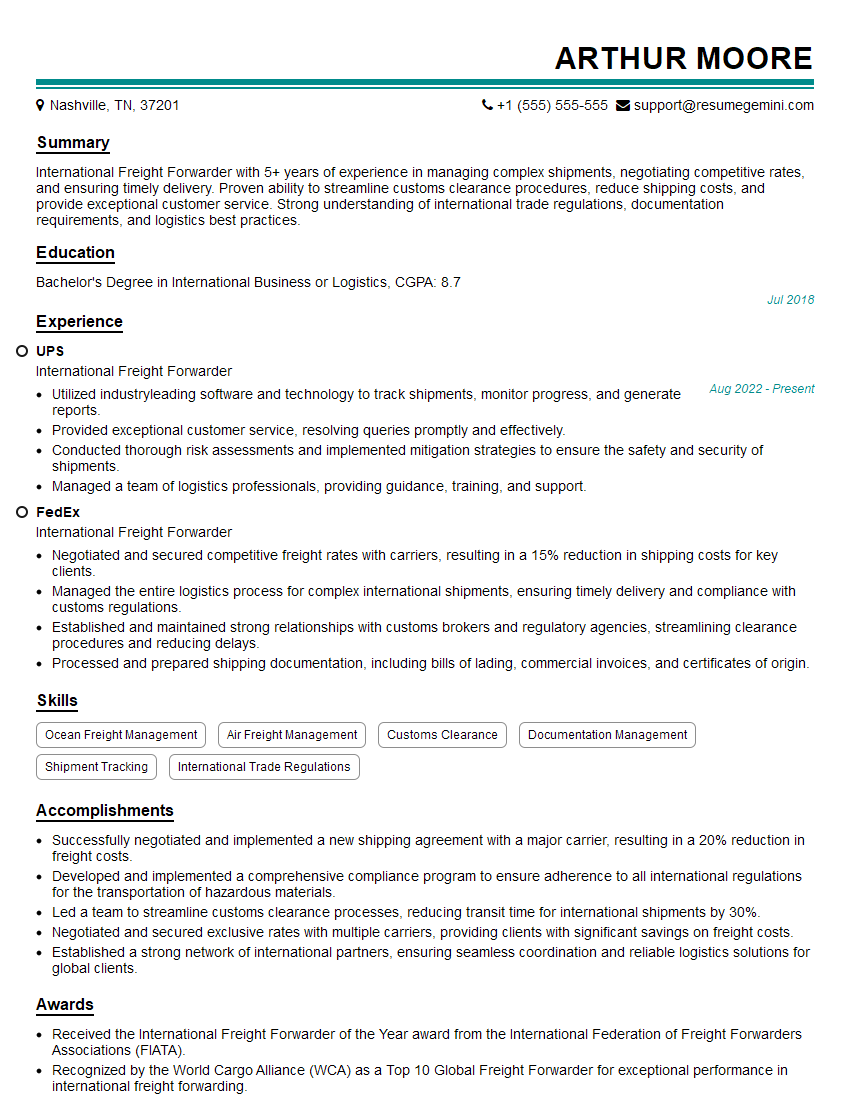
International Freight Forwarder Resume Sample
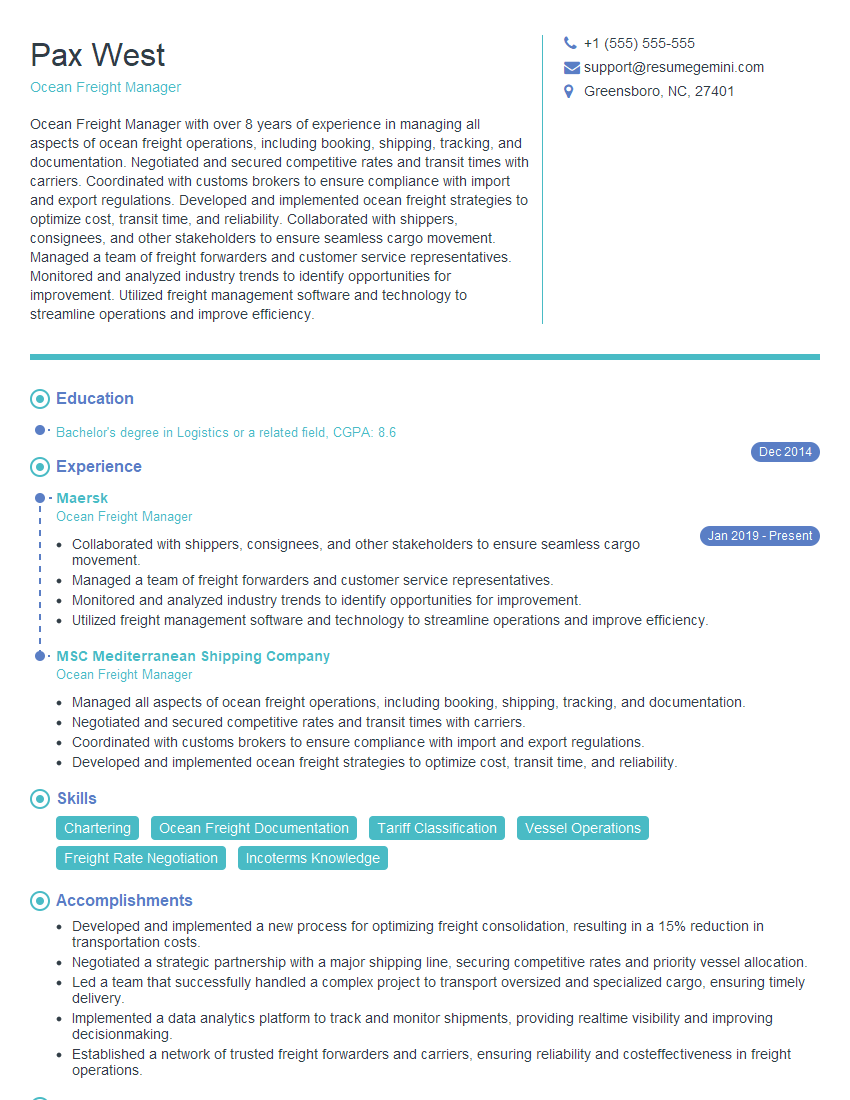
Ocean Freight Manager Resume Sample
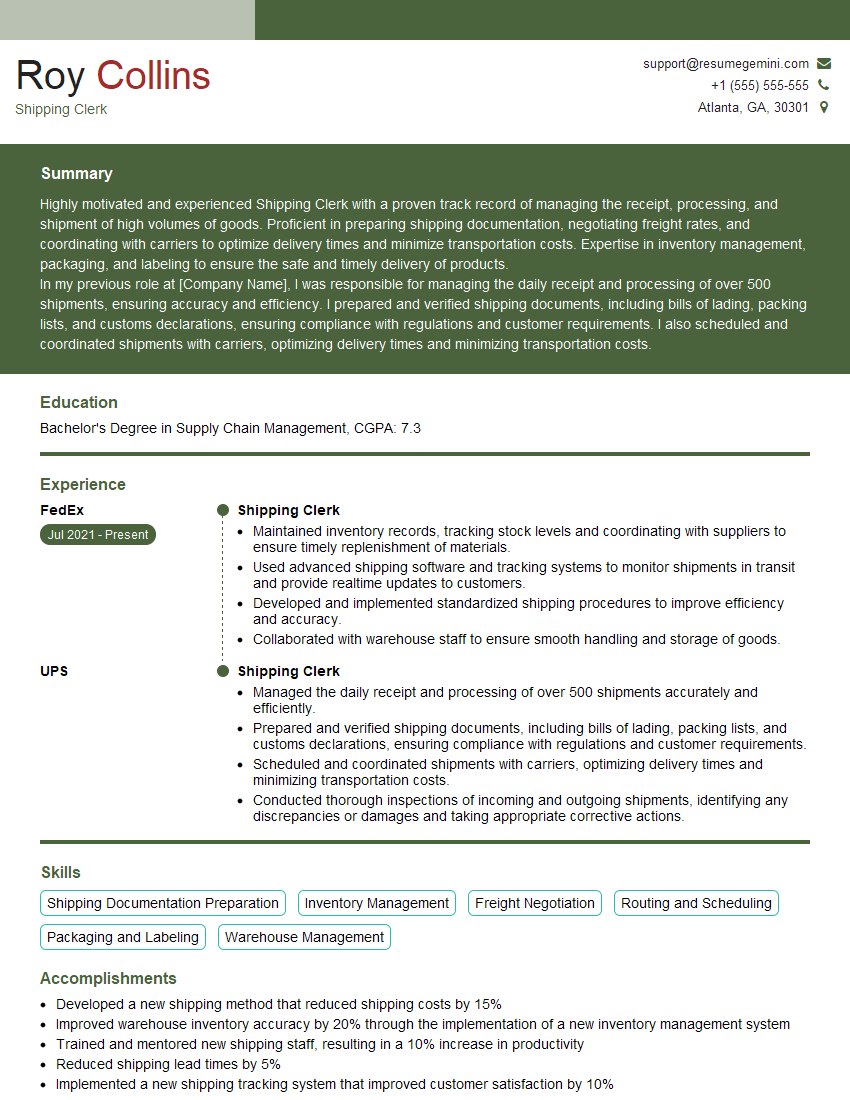
Shipping Clerk Resume Sample
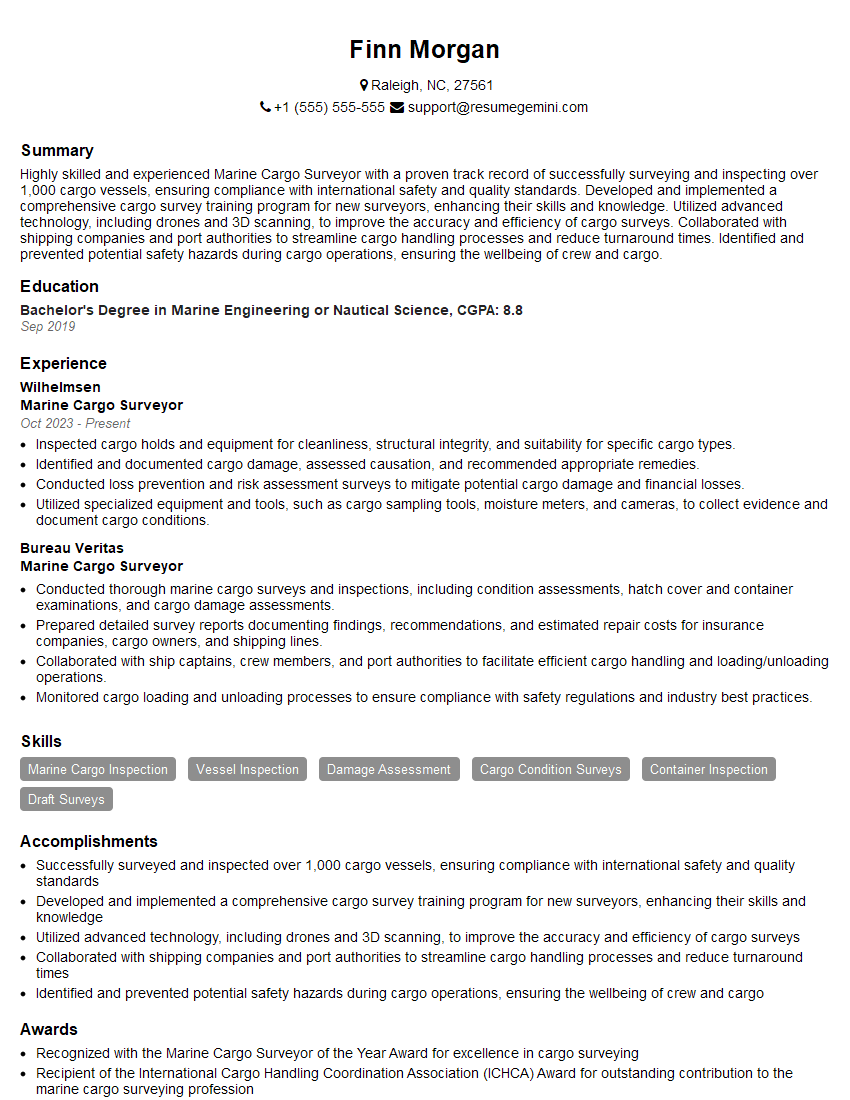
Marine Cargo Surveyor Resume Sample
Explore more articles
Users Rating of Our Blogs
Share Your Experience
We value your feedback! Please rate our content and share your thoughts (optional).
What Readers Say About Our Blog
To the interviewgemini.com Webmaster.
Very helpful and content specific questions to help prepare me for my interview!
Thank you
To the interviewgemini.com Webmaster.
This was kind of a unique content I found around the specialized skills. Very helpful questions and good detailed answers.
Very Helpful blog, thank you Interviewgemini team.