Unlock your full potential by mastering the most common MATLAB or Python Programming for Data Analysis interview questions. This blog offers a deep dive into the critical topics, ensuring you’re not only prepared to answer but to excel. With these insights, you’ll approach your interview with clarity and confidence.
Questions Asked in MATLAB or Python Programming for Data Analysis Interview
Q 1. Explain the difference between NumPy arrays and Python lists.
NumPy arrays and Python lists are both used to store collections of data, but they differ significantly in their functionality and performance. Think of a Python list as a versatile toolbox holding various items – each item can be a different data type (integer, string, another list, etc.). NumPy arrays, on the other hand, are like specialized containers holding only items of the same data type (e.g., all integers or all floating-point numbers). This homogeneity allows NumPy to perform vectorized operations – calculations applied simultaneously to all elements of the array – resulting in dramatically faster computation compared to lists.
For example, if you want to add two lists element-wise, you’d need to iterate through each element. With NumPy arrays, you simply use the + operator.
import numpy as np
list1 = [1, 2, 3]
list2 = [4, 5, 6]
# List addition requires a loop:
list_sum = [x + y for x, y in zip(list1, list2)]
print(list_sum) # Output: [5, 7, 9]

arr1 = np.array([1, 2, 3])
arr2 = np.array([4, 5, 6])
# NumPy array addition is vectorized:
arr_sum = arr1 + arr2
print(arr_sum) # Output: [5 7 9]
In essence, NumPy arrays are optimized for numerical computation, making them the preferred choice for data analysis tasks in Python due to their speed and efficiency.
Q 2. How would you handle missing data in a dataset using Python/MATLAB?
Missing data, often represented as NaN (Not a Number) in numerical datasets or empty cells in tabular data, is a common challenge in data analysis. Ignoring it can lead to biased results. There are several strategies to handle it, depending on the context and the extent of missingness:
- Deletion: This involves removing rows or columns with missing values. This is simple but can lead to information loss if a substantial portion of the data is missing. Use this only if the missing data is minimal and random.
- Imputation: This replaces missing values with estimated values. Common methods include:
- Mean/Median/Mode imputation: Replace missing values with the mean (average), median (middle value), or mode (most frequent value) of the respective column. Simple, but may not be suitable for non-linear relationships.
- K-Nearest Neighbors (KNN) imputation: Uses the values of the ‘k’ nearest data points to estimate the missing value. Better for handling non-linear relationships but computationally expensive for large datasets.
- Regression imputation: Predicts missing values based on other features using regression models. Effective if there’s a clear relationship between the missing feature and other features, but can overfit the data if not used cautiously.
- Advanced Techniques: In complex scenarios, more sophisticated techniques such as multiple imputation or model-based imputation might be necessary.
In Python, libraries like pandas and scikit-learn provide functions for various imputation methods. MATLAB also offers tools for handling missing data, such as using functions that implicitly handle NaNs in calculations.
#Example in Python using pandas
import pandas as pd
df = pd.DataFrame({'A': [1, 2, np.nan, 4], 'B': [5, np.nan, 7, 8]})
# Imputing with the mean
df_imputed = df.fillna(df.mean())
print(df_imputed)
Q 3. Describe different methods for data normalization or standardization.
Data normalization and standardization are crucial preprocessing steps that scale data to a similar range. This ensures that features with larger values don’t dominate machine learning models.
- Min-Max Scaling (Normalization): Scales features to a specific range, typically between 0 and 1. It’s useful when you want to maintain the original distribution shape and the feature’s relative magnitude.
Formula:x_scaled = (x - x_min) / (x_max - x_min) - Z-score Standardization: Transforms data to have a mean of 0 and a standard deviation of 1. It’s less sensitive to outliers than min-max scaling and is commonly used in machine learning algorithms that assume normally distributed data.
Formula:x_scaled = (x - mean) / std - Robust Scaling: Similar to Z-score standardization but uses the median and interquartile range (IQR) instead of the mean and standard deviation. This is more robust to outliers than Z-score standardization.
The choice of method depends on the data distribution and the algorithm used. Min-max scaling is good for algorithms sensitive to feature scaling (e.g., k-NN), while Z-score standardization works well with many machine learning models. Robust scaling is useful when outliers are a significant concern.
# Example in Python using scikit-learn
from sklearn.preprocessing import MinMaxScaler, StandardScaler
import numpy as np
x = np.array([[1, 2], [3, 4], [5, 6]])
# Min-Max scaling
scaler_minmax = MinMaxScaler()
x_minmax = scaler_minmax.fit_transform(x)
# Z-score standardization
scaler_zscore = StandardScaler()
x_zscore = scaler_zscore.fit_transform(x)
Q 4. What are your preferred methods for data visualization in Python/MATLAB?
For data visualization in Python, I prefer matplotlib for its flexibility and control, supplemented by seaborn for statistically informative plots and plotly for interactive visualizations. In MATLAB, I utilize its built-in plotting capabilities, which are powerful and intuitive.
The best choice depends on the type of data and the insights you want to convey. For example, histograms or box plots show data distribution; scatter plots reveal relationships between variables; and heatmaps display correlation matrices. Interactive plots are useful for exploring large datasets. Choosing the right visualization enhances data understanding and facilitates communication of findings.
I always aim to create clear, concise, and well-labeled plots that avoid unnecessary clutter. This involves carefully choosing appropriate scales, colors, and annotations to guide the viewer towards the key takeaways.
Q 5. How do you perform exploratory data analysis (EDA)?
Exploratory Data Analysis (EDA) is the initial investigation of data to discover patterns, identify anomalies, test hypotheses, and check assumptions using summary statistics and graphical representations. It’s a crucial step before applying any advanced machine learning techniques.
My typical EDA process includes:
- Data Inspection: Examining the data’s structure, data types, and summary statistics (mean, median, standard deviation, etc.) to get a general understanding. Checking for missing values and outliers.
- Data Cleaning: Handling missing values and outliers using appropriate techniques (as discussed earlier).
- Univariate Analysis: Analyzing individual variables using histograms, box plots, and density plots to understand their distribution and identify potential problems.
- Bivariate Analysis: Exploring relationships between pairs of variables using scatter plots, correlation matrices, and contingency tables.
- Multivariate Analysis: Investigating the relationships among multiple variables using techniques like principal component analysis (PCA) or clustering.
- Hypothesis Testing: Testing specific hypotheses regarding the data using statistical tests.
Through EDA, you gain insights about your data that inform decisions on feature engineering, model selection, and ultimately the interpretation of results. It’s a creative and iterative process – the initial findings often lead to further exploration and refinement of the analysis.
Q 6. Explain the concept of overfitting and how to prevent it.
Overfitting occurs when a model learns the training data too well, including its noise and outliers, leading to poor generalization to unseen data. Imagine a student memorizing the answers to a practice test instead of understanding the underlying concepts – they’ll ace the practice test but fail the real exam.
Preventing overfitting involves:
- Simplifying the model: Using a model with fewer parameters or less complexity. For example, choosing a linear regression instead of a complex neural network if a linear relationship suffices.
- Data augmentation: Increasing the amount of training data by creating modified versions of existing data. This helps the model learn more robust features.
- Cross-validation: Evaluating the model’s performance on multiple subsets of the data to get a better estimate of its generalization ability. Techniques like k-fold cross-validation are common.
- Regularization: Adding penalty terms to the model’s loss function to discourage overly complex models. Techniques like L1 (LASSO) and L2 (Ridge) regularization are effective.
- Early stopping: Monitoring the model’s performance on a validation set during training and stopping the training when performance starts to decrease on the validation set (indicating overfitting).
The best approach often involves a combination of these techniques. Careful selection of the model and hyperparameters (parameters that control the learning process), along with appropriate evaluation metrics, are crucial in mitigating overfitting.
Q 7. What are some common machine learning algorithms you’ve used, and when are they most appropriate?
I’ve worked extensively with several machine learning algorithms. The choice depends heavily on the problem’s nature and the data’s characteristics:
- Linear Regression: For predicting continuous target variables when there’s a linear relationship between the features and the target. Suitable for simple problems and interpretability is important.
- Logistic Regression: For binary or multi-class classification problems. Relatively simple and interpretable.
- Support Vector Machines (SVM): Effective for both classification and regression problems, particularly with high-dimensional data. Can be computationally expensive for very large datasets.
- Decision Trees and Random Forests: Decision trees are easy to understand and visualize, but prone to overfitting. Random forests address this by aggregating multiple decision trees, improving accuracy and robustness.
- Neural Networks: Powerful models capable of learning complex patterns, but require significant computational resources and careful tuning. Best for tasks with large datasets and intricate relationships.
- K-Nearest Neighbors (KNN): Simple, non-parametric algorithm for classification and regression. Computationally expensive for large datasets.
For example, I’d choose linear regression for predicting house prices based on features like size and location. For image classification, I’d likely opt for a convolutional neural network. The decision is always data-driven and context-specific.
Q 8. How would you evaluate the performance of a classification model?
Evaluating a classification model’s performance involves assessing its ability to correctly categorize data points. We primarily use metrics that consider both the true positives (correctly predicted positive cases), true negatives (correctly predicted negative cases), false positives (incorrectly predicted positive cases), and false negatives (incorrectly predicted negative cases).
Accuracy: The simplest metric, representing the overall correctness ( (TP + TN) / (TP + TN + FP + FN) ). However, it’s less useful with imbalanced datasets (where one class significantly outweighs the other).
Precision: Measures the proportion of correctly predicted positive cases out of all predicted positive cases (TP / (TP + FP)). It answers: Of all the instances predicted as positive, what percentage were actually positive?
Recall (Sensitivity): Measures the proportion of correctly predicted positive cases out of all actual positive cases (TP / (TP + FN)). It answers: Of all the actual positive instances, what percentage did the model correctly identify?
F1-Score: The harmonic mean of precision and recall, providing a balanced measure (2 * (Precision * Recall) / (Precision + Recall)). It’s useful when you need a single metric balancing both precision and recall.
ROC Curve (Receiver Operating Characteristic) and AUC (Area Under the Curve): Illustrates the trade-off between the true positive rate (recall) and the false positive rate at various classification thresholds. A higher AUC indicates better performance.
In practice, I’d choose the metrics based on the specific problem. For instance, in medical diagnosis (detecting a disease), high recall is crucial to minimize missing positive cases, even if it means some false positives. In spam detection, high precision might be prioritized to avoid legitimate emails being marked as spam.
Q 9. How would you evaluate the performance of a regression model?
Evaluating a regression model focuses on how well its predictions match the actual values. Key metrics quantify the difference between predicted and actual values.
Mean Squared Error (MSE): The average of the squared differences between predicted and actual values. It penalizes larger errors more heavily.
MSE = (1/n) * Σ(yi - ŷi)²where yi is the actual value and ŷi is the predicted value.Root Mean Squared Error (RMSE): The square root of MSE. It’s easier to interpret as it’s in the same units as the target variable.
Mean Absolute Error (MAE): The average of the absolute differences between predicted and actual values. It’s less sensitive to outliers than MSE.
R-squared (R²): Represents the proportion of variance in the dependent variable explained by the model. A higher R² (closer to 1) indicates a better fit. However, it doesn’t always reflect model performance; a high R² can be misleading with overfitting.
The choice of metric depends on the specific application. For example, in finance forecasting, RMSE might be preferred because larger errors can have significant financial consequences. In other scenarios, MAE’s robustness to outliers might be more desirable.
Beyond these metrics, visual inspection of the model’s predictions plotted against the actual values (residual plots) helps identify patterns and potential issues like heteroscedasticity (non-constant variance of errors).
Q 10. Explain the bias-variance tradeoff.
The bias-variance tradeoff is a fundamental concept in machine learning that describes the conflict between model complexity and its ability to generalize.
Bias refers to the error introduced by approximating a real-world problem with a simplified model. A high-bias model makes strong assumptions about the data, potentially missing important relationships and leading to underfitting (poor performance on both training and test data). Imagine trying to fit a straight line to a highly curved dataset – the line will miss many data points.
Variance refers to the model’s sensitivity to fluctuations in the training data. A high-variance model is overly complex and learns the training data too well, including its noise, leading to overfitting (good performance on training data, poor performance on unseen data). Think of a very wiggly curve that perfectly fits every point in the training data but fails miserably on new data.
The goal is to find a sweet spot – a model with low bias and low variance. This often involves techniques like regularization (penalizing complex models), cross-validation (evaluating generalization ability), and feature selection (choosing relevant features).
A simple analogy is aiming at a target: high bias is consistently missing to one side, high variance is all over the place, while low bias and low variance means hitting the target consistently.
Q 11. What is the difference between supervised and unsupervised learning?
The core difference lies in how the models are trained:
Supervised learning uses labeled data – data where the input features are paired with the desired output (target variable). The algorithm learns a mapping from inputs to outputs. Examples include image classification (input: image pixels, output: object class) and regression tasks (input: house features, output: house price).
Unsupervised learning uses unlabeled data – data without target variables. The algorithm aims to discover hidden patterns, structures, or relationships within the data. Examples include clustering (grouping similar data points) and dimensionality reduction (reducing the number of variables while preserving important information).
In essence, supervised learning is like learning with a teacher providing correct answers, while unsupervised learning is like exploring the data without explicit guidance.
Q 12. What is cross-validation and why is it important?
Cross-validation is a resampling technique used to evaluate a model’s performance and prevent overfitting. It involves splitting the data into multiple subsets (folds), training the model on some folds, and testing it on the remaining folds. This process is repeated multiple times, with different folds used for training and testing each time.
k-fold cross-validation: The data is split into k folds. The model is trained on k-1 folds and tested on the remaining fold. This is repeated k times, with each fold serving as the test set once.
Leave-one-out cross-validation (LOOCV): A special case of k-fold cross-validation where k equals the number of data points. Each data point is used as the test set once. Computationally expensive but provides a very accurate estimate of generalization performance.
Cross-validation is crucial because it provides a more robust estimate of the model’s performance on unseen data compared to a simple train-test split. It helps to choose the best model parameters (hyperparameter tuning) and gives a better understanding of how well the model will generalize to new data.
Q 13. Describe your experience with different types of data (structured, unstructured, etc.).
I have extensive experience working with various data types:
Structured data: This is neatly organized data in tables or databases with clearly defined columns and rows. Examples include CSV files, SQL databases, and data from relational databases. I am proficient in using SQL for data manipulation and retrieval from structured sources. I’ve used this type of data extensively for tasks like predictive modeling using features extracted from tables.
Unstructured data: This lacks a predefined format and includes text, images, audio, and video. I have experience processing text data using techniques like Natural Language Processing (NLP), including tokenization, stemming, and sentiment analysis. I’ve also worked with image data using techniques like image recognition and feature extraction with libraries like OpenCV (Python) or Image Processing Toolbox (MATLAB). My projects involved topic modeling, sentiment analysis, and object detection in images.
Semi-structured data: This falls between structured and unstructured. Examples include JSON and XML files. I’ve parsed and processed this type of data using dedicated libraries in both Python and MATLAB to extract relevant information for analysis.
My experience spans various data cleaning, preprocessing, and feature engineering tasks tailored to the specific data types. I understand the challenges associated with handling missing values, outliers, and dealing with different data scales for effective modeling.
Q 14. How familiar are you with version control systems (e.g., Git)?
I’m very familiar with Git and utilize it extensively for version control in all my projects. I understand branching strategies, merging, conflict resolution, and the importance of committing code frequently with clear and concise commit messages. I use Git for collaboration on projects, tracking changes, and easily reverting to previous versions if needed. I am comfortable using Git through the command line and various graphical user interfaces. My experience includes working with remote repositories like GitHub and GitLab for collaborative coding and code review.
Q 15. Explain your experience with SQL and databases.
My experience with SQL and databases is extensive. I’m proficient in writing complex queries to extract, transform, and load (ETL) data from various relational database management systems (RDBMS) like MySQL, PostgreSQL, and SQL Server. I understand database design principles, including normalization and indexing, and can optimize queries for performance. For example, in a recent project analyzing customer purchasing behavior, I used SQL to join multiple tables containing customer demographics, purchase history, and product information. This allowed me to identify key trends and patterns, ultimately leading to more effective marketing strategies. I’m also comfortable with NoSQL databases, having used MongoDB for projects requiring flexible schema and high scalability. My expertise extends to database administration tasks such as user management, backup and recovery, and performance tuning.
I often use SQL alongside programming languages like Python for more advanced data manipulation and analysis. For instance, I might use Python’s Pandas library to clean and preprocess data extracted via SQL, before feeding it into machine learning models. This combined approach leverages the strengths of both SQL (efficient data retrieval from large databases) and Python (powerful data manipulation and analysis capabilities).
Career Expert Tips:
- Ace those interviews! Prepare effectively by reviewing the Top 50 Most Common Interview Questions on ResumeGemini.
- Navigate your job search with confidence! Explore a wide range of Career Tips on ResumeGemini. Learn about common challenges and recommendations to overcome them.
- Craft the perfect resume! Master the Art of Resume Writing with ResumeGemini’s guide. Showcase your unique qualifications and achievements effectively.
- Don’t miss out on holiday savings! Build your dream resume with ResumeGemini’s ATS optimized templates.
Q 16. How would you handle outliers in your data?
Handling outliers is crucial for robust data analysis. Ignoring them can skew results and lead to inaccurate conclusions. My approach is multifaceted and depends on the context and the nature of the outliers. I typically start by visualizing the data using box plots, scatter plots, or histograms to identify potential outliers. Then, I investigate the cause of these outliers. Are they due to measurement errors, data entry mistakes, or do they represent legitimate but extreme values?
If outliers are due to errors, I’ll correct or remove them. If they represent legitimate extreme values, I might use robust statistical methods that are less sensitive to outliers, such as median instead of mean, or interquartile range instead of standard deviation. Alternatively, I might employ techniques like winsorizing or trimming, which cap or remove the most extreme values. For example, I might replace outliers with values at the 5th and 95th percentiles. More sophisticated approaches involve using robust regression or machine learning algorithms that are inherently resistant to outliers. The choice depends on the specific analysis and the nature of the data. Finally, I always document my outlier handling decisions, ensuring transparency and reproducibility.
Q 17. What are some common challenges you face in data analysis projects?
Data analysis projects often present several challenges. One common issue is data quality. Data can be incomplete, inconsistent, or contain errors. Cleaning and preprocessing data can be time-consuming and require significant effort. Another challenge is data volume and velocity. Dealing with large datasets necessitates efficient algorithms and tools, and handling streaming data requires real-time processing capabilities. Furthermore, understanding the business context and formulating the right questions are essential for deriving meaningful insights. Misinterpreting the data or drawing incorrect conclusions due to a lack of domain knowledge is a frequent pitfall. Finally, communicating findings effectively to a non-technical audience can be surprisingly difficult, requiring clear visualizations and concise explanations.
Q 18. How do you ensure the reproducibility of your analysis?
Reproducibility is paramount in data analysis. To ensure this, I meticulously document every step of my analysis, from data acquisition and cleaning to model building and interpretation. I utilize version control systems like Git to track changes in my code and data. I strive to use reproducible research practices such as creating Jupyter notebooks or R Markdown documents that combine code, output, and explanations. This allows others to easily replicate my analysis and verify my results. I also employ containerization technologies like Docker to ensure consistent environments across different machines. Furthermore, I always use seeds for random number generators in my code, so that the results are consistent across multiple runs.
For example, I might use a Jupyter Notebook to clearly document each stage of a data analysis project, including data loading, cleaning, feature engineering, model training, and evaluation. This allows colleagues or future versions of myself to understand the decisions made in each step, thus ensuring reproducible results.
Q 19. Describe your experience with big data technologies (e.g., Hadoop, Spark).
My experience with big data technologies is primarily focused on Spark. I’ve used PySpark (the Python API for Spark) to process and analyze large datasets that wouldn’t fit comfortably in the memory of a single machine. I’m familiar with Spark’s distributed computing capabilities, including its ability to perform parallel computations across a cluster of machines. This allows for efficient handling of massive datasets. I’ve used Spark for tasks such as data cleaning, transformation, feature engineering, and model training using machine learning libraries like MLlib. For example, I’ve used Spark to build a recommendation system using collaborative filtering on a dataset of millions of user-item interactions.
While I haven’t worked extensively with Hadoop directly, my understanding of distributed file systems (like HDFS) and MapReduce programming paradigms is solid, providing a good foundation for working with big data frameworks. The concepts underpinning both Hadoop and Spark are very similar, and so my experience with Spark readily translates.
Q 20. What is your experience with cloud computing platforms (e.g., AWS, Azure, GCP)?
I have experience with AWS (Amazon Web Services), specifically using services like EC2 (for compute), S3 (for storage), and EMR (for running Spark clusters). I’m comfortable setting up and managing cloud-based resources for data analysis projects. I appreciate the scalability and cost-effectiveness that cloud platforms offer, particularly for handling large datasets or computationally intensive tasks. I understand the importance of security and compliance when working with cloud-based data, implementing best practices to protect sensitive information. My experience extends to using cloud-based databases such as Amazon RDS, enabling integration of cloud storage and processing capabilities within my data analysis workflows.
While I haven’t worked extensively with Azure or GCP, I understand their core functionalities and believe my experience with AWS would allow me to quickly adapt to these other platforms. The underlying concepts are quite similar, and the transition would mostly involve familiarizing myself with the specific APIs and services offered by each provider.
Q 21. What are your preferred methods for feature engineering?
Feature engineering is a crucial step in data analysis, as it involves creating new features from existing ones that improve the performance of machine learning models. My preferred methods depend on the specific problem and the nature of the data. I frequently employ techniques such as:
- One-hot encoding: Converting categorical variables into numerical representations.
- Scaling and normalization: Transforming features to have a similar range, preventing features with larger values from dominating the model.
- Creating interaction terms: Combining features to capture non-linear relationships.
- Feature extraction from text data using techniques like TF-IDF or word embeddings.
- Time-based features: Extracting features like day of week, month, or time of day from timestamps.
- Aggregation: Creating summary statistics (e.g., mean, median, sum) of features over time or groups.
For example, in a project predicting customer churn, I created features like average transaction value, frequency of purchases, and days since last purchase. These features, derived from raw transaction data, proved much more effective predictors of churn than using raw transaction data directly. The choice of feature engineering techniques is iterative. I usually experiment with various methods and assess their impact on model performance using appropriate metrics.
Q 22. How would you approach a problem where you have imbalanced classes?
Imbalanced classes, where one class significantly outnumbers others in a dataset, are a common challenge in machine learning. This can lead to biased models that perform poorly on the minority class, which is often the class of most interest. To address this, we employ several strategies:
- Resampling Techniques: This involves either oversampling the minority class (creating duplicates or synthetic samples using techniques like SMOTE – Synthetic Minority Over-sampling Technique) or undersampling the majority class (removing samples randomly or strategically). The goal is to achieve a more balanced class distribution.
- Cost-Sensitive Learning: We can assign different misclassification costs to different classes. For instance, misclassifying a minority class instance might be assigned a higher penalty than misclassifying a majority class instance. This encourages the model to pay more attention to the minority class.
- Algorithm Selection: Some algorithms are inherently less sensitive to class imbalance than others. Decision trees, for example, often handle imbalanced datasets better than others like logistic regression. Ensemble methods like Random Forests and Gradient Boosting also generally perform well.
- Anomaly Detection Techniques: If the minority class represents anomalies or outliers, techniques specifically designed for anomaly detection might be more appropriate than standard classification methods.
Choosing the best approach depends on the specific dataset and the problem. For example, in a fraud detection system (where fraudulent transactions are the minority class), oversampling and cost-sensitive learning are often effective. In contrast, in a spam detection system, where spam emails are the minority, undersampling might work well if the dataset is extremely large.
Q 23. Explain your understanding of different types of data distributions.
Understanding data distributions is crucial for effective data analysis. Different distributions exhibit different characteristics and require different analytical approaches. Some common distributions include:
- Normal Distribution (Gaussian): Bell-shaped, symmetrical around the mean. Many natural phenomena follow this distribution (height, weight).
- Uniform Distribution: Each value within a given range has an equal probability of occurrence. Think of rolling a fair six-sided die – each number has a 1/6 probability.
- Binomial Distribution: Represents the probability of getting a certain number of successes in a fixed number of independent Bernoulli trials (e.g., coin flips).
- Poisson Distribution: Models the probability of a given number of events occurring in a fixed interval of time or space, given the average rate of occurrence. Useful for modeling events like the number of customers arriving at a store per hour.
- Exponential Distribution: Describes the time between events in a Poisson process. For example, the time between customer arrivals.
Identifying the distribution of your data helps you choose appropriate statistical tests and models. For example, the t-test assumes normality, while non-parametric tests are used when data is not normally distributed.
Q 24. Explain your understanding of hypothesis testing.
Hypothesis testing is a formal procedure for making inferences about a population based on sample data. It involves formulating a null hypothesis (H0), which represents the status quo, and an alternative hypothesis (H1), which represents the claim we want to test. We then collect data, calculate a test statistic, and determine the probability of observing the data (or more extreme data) if the null hypothesis is true (the p-value). If the p-value is below a pre-defined significance level (alpha, typically 0.05), we reject the null hypothesis in favor of the alternative hypothesis. Otherwise, we fail to reject the null hypothesis.
Example: Let’s say we want to test if a new drug reduces blood pressure. Our null hypothesis would be that the drug has no effect, and our alternative hypothesis would be that the drug reduces blood pressure. We would collect data on blood pressure before and after administering the drug to a sample of patients, calculate a t-statistic (or other appropriate test statistic), and determine the p-value. If the p-value is less than 0.05, we would conclude that there is statistically significant evidence that the drug reduces blood pressure.
It’s crucial to understand that failing to reject the null hypothesis doesn’t prove the null hypothesis is true; it simply means we don’t have enough evidence to reject it.
Q 25. What are some common data structures used in data analysis (e.g., dictionaries, lists, matrices)?
Data structures are fundamental for organizing and manipulating data effectively. In data analysis, several structures are commonly used:
- Lists (Python) / Arrays (MATLAB): Ordered collections of items. Can contain different data types (Python) or require homogeneous data types (MATLAB).
- Dictionaries (Python) / Structures (MATLAB): Key-value pairs. Allow for efficient data retrieval using keys. Useful for representing data with attributes.
- Matrices (MATLAB) / NumPy arrays (Python): Two-dimensional arrays. Essential for linear algebra operations, image processing, and many other data analysis tasks.
- DataFrames (Pandas in Python): Tabular data structures with labeled rows and columns. Highly versatile for data manipulation and analysis.
- Tables (MATLAB): Similar to Pandas DataFrames but built within the MATLAB environment.
The choice of data structure depends on the specific needs of the analysis. For example, if you need to quickly access data by a specific attribute, a dictionary or structure would be appropriate. If you need to perform matrix operations, a matrix or NumPy array is necessary.
Q 26. Describe your experience with data cleaning and preprocessing techniques.
Data cleaning and preprocessing are critical steps in any data analysis project. They ensure the data is accurate, consistent, and suitable for analysis. My experience encompasses several techniques:
- Handling Missing Values: This can involve imputation (filling in missing values using methods like mean/median imputation or more sophisticated techniques like k-Nearest Neighbors), or removal of rows/columns with excessive missing data.
- Outlier Detection and Treatment: Outliers can skew results. I use techniques like box plots, scatter plots, or Z-score to identify outliers and then decide to remove them, transform them (e.g., winsorizing or log transformation), or keep them depending on the context and impact.
- Data Transformation: Techniques like scaling (standardization or normalization), log transformation, or one-hot encoding for categorical variables are used to prepare the data for algorithms that require specific data distributions or representations.
- Data Consistency: I ensure data consistency by checking for inconsistencies in data entry (e.g., different spellings for the same value) and correcting them.
- Feature Engineering: This involves creating new features from existing ones to improve model performance. This may involve combining variables, creating interaction terms, or generating derived variables based on domain knowledge.
The choice of techniques depends heavily on the data and the analysis goals. I always document the preprocessing steps thoroughly to maintain reproducibility and transparency.
Q 27. Write a MATLAB/Python function to calculate the mean and standard deviation of a dataset.
Here’s a Python function using NumPy and a MATLAB function to calculate the mean and standard deviation:
Python (NumPy):
import numpy as np
def calculate_stats(data):
    """Calculates the mean and standard deviation of a dataset.
    Args:
        data: A NumPy array or a list of numbers.
    Returns:
        A tuple containing the mean and standard deviation.
    """
    data_array = np.array(data)
    mean = np.mean(data_array)
    std_dev = np.std(data_array)
    return mean, std_dev

#Example Usage:
data = [1, 2, 3, 4, 5]
mean, std_dev = calculate_stats(data)
print(f"Mean: {mean}, Standard Deviation: {std_dev}")
MATLAB:
function [mean, stdDev] = calculateStats(data)
  % Calculates the mean and standard deviation of a dataset.
  mean = mean(data);
  stdDev = std(data);
end

% Example Usage:
data = [1, 2, 3, 4, 5];
[mean, stdDev] = calculateStats(data);
fprintf('Mean: %f, Standard Deviation: %f\n', mean, stdDev);
Q 28. Explain your process for choosing the right statistical test for a given scenario.
Selecting the right statistical test depends on several factors: the type of data (continuous, categorical), the number of groups being compared, the research question (comparing means, proportions, or associations), and the assumptions about the data (e.g., normality). My process involves the following steps:
- Define the Research Question: Clearly state the objective of the analysis. Are you comparing means, proportions, or looking for associations?
- Identify the Data Type: Determine whether your data is continuous (e.g., height, weight) or categorical (e.g., gender, color).
- Determine the Number of Groups: How many groups are you comparing? Are you comparing two groups or more than two?
- Assess Data Assumptions: Check if the data meets the assumptions of the statistical tests (e.g., normality, independence). If the assumptions are violated, consider non-parametric alternatives.
- Choose the Appropriate Test: Based on the answers to the above steps, choose the appropriate statistical test. Examples include t-tests (comparing two group means), ANOVA (comparing means of three or more groups), chi-square test (analyzing categorical data), correlation analysis (measuring the association between two variables).
A decision tree or flowchart can be helpful in guiding this process. Consulting statistical textbooks or online resources can also be very beneficial.
Key Topics to Learn for MATLAB or Python Programming for Data Analysis Interview
- Data Structures and Algorithms: Understanding fundamental data structures (arrays, matrices, lists, dictionaries) and algorithms for efficient data manipulation is crucial. Practical application includes optimizing code for large datasets.
- Data Wrangling and Preprocessing: Mastering techniques like data cleaning, handling missing values, feature scaling, and data transformation is essential for preparing data for analysis. This includes using libraries like Pandas (Python) or equivalent MATLAB tools.
- Exploratory Data Analysis (EDA): Develop proficiency in visualizing data using histograms, scatter plots, box plots, etc., to identify patterns, trends, and outliers. Practice interpreting these visualizations to draw meaningful conclusions.
- Statistical Analysis: Gain a strong understanding of descriptive statistics, hypothesis testing, regression analysis, and other statistical methods relevant to your field. Practice applying these techniques using statistical libraries.
- Machine Learning Fundamentals (if applicable): Depending on the role, familiarity with basic machine learning algorithms (linear regression, logistic regression, decision trees) and their implementation in MATLAB or Python is beneficial. Focus on understanding the underlying principles rather than complex implementations.
- Data Visualization and Reporting: Learn to create compelling visualizations and reports to communicate findings effectively. Practice using libraries like Matplotlib and Seaborn (Python) or MATLAB’s built-in plotting tools.
- Version Control (Git): Demonstrate familiarity with Git for collaborative coding and managing code changes. This is a highly valued skill in any software development role.
- Debugging and Problem-Solving: Develop strong debugging skills and the ability to systematically approach and solve problems related to data analysis tasks. Practice working through errors and identifying inefficiencies in your code.
Next Steps
Mastering MATLAB or Python for data analysis opens doors to exciting careers in various fields. To maximize your job prospects, invest time in crafting a compelling, ATS-friendly resume that showcases your skills and experience effectively. ResumeGemini is a trusted resource that can help you build a professional resume that stands out from the competition. Examples of resumes tailored to MATLAB and Python programming for data analysis are available to guide you, ensuring your application makes a strong first impression.
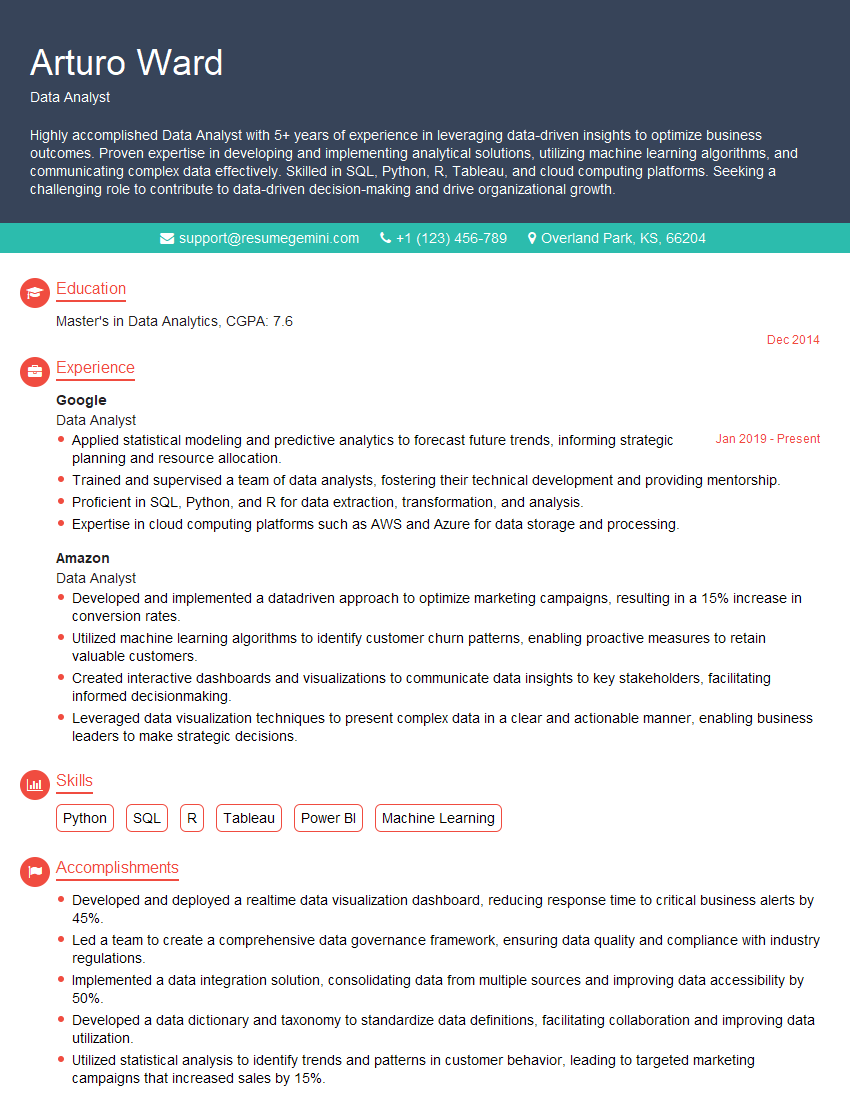
Data Analyst Resume Sample
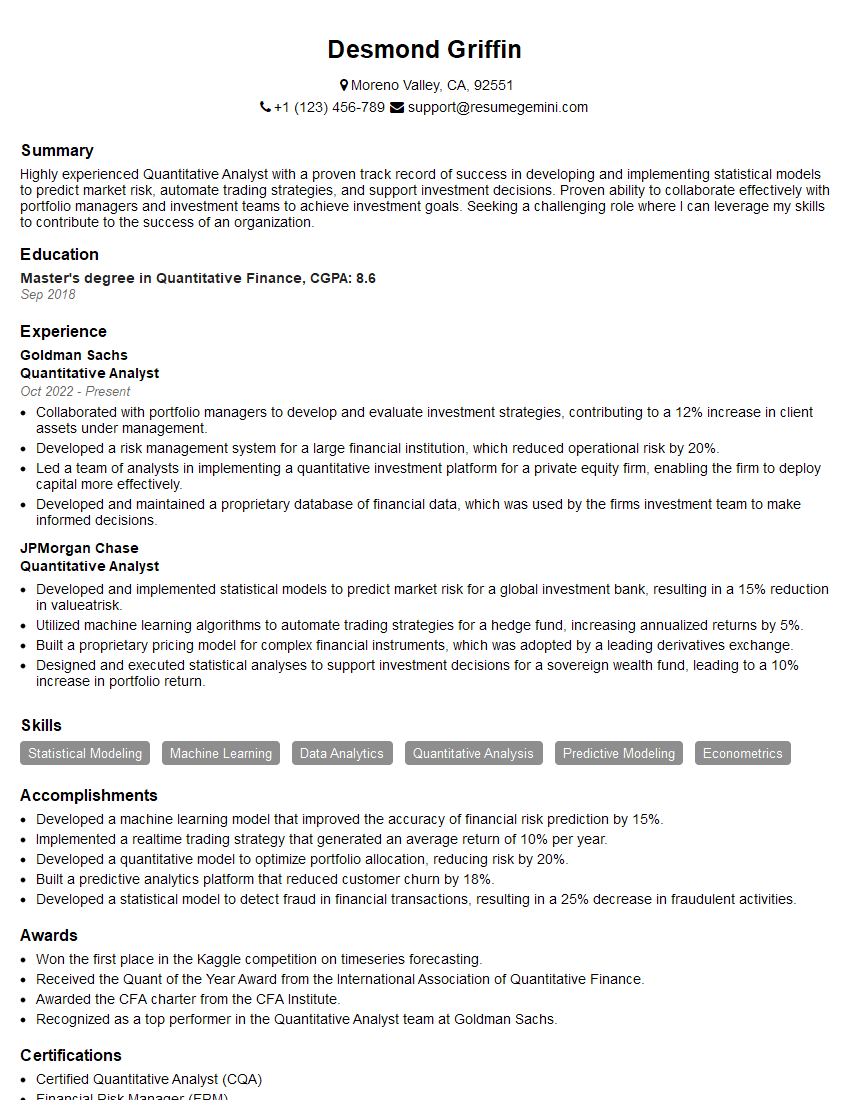
Quantitative Analyst Resume Sample
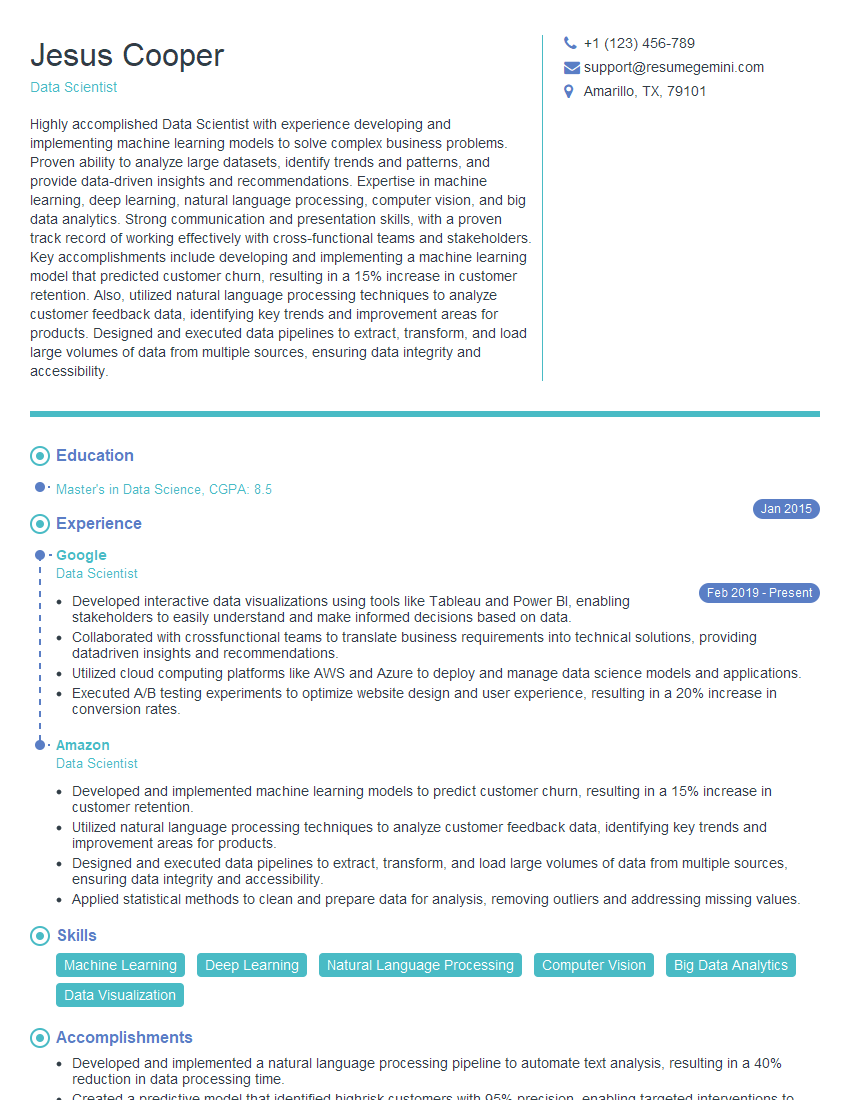
Data Scientist Resume Sample

Research Scientist Resume Sample
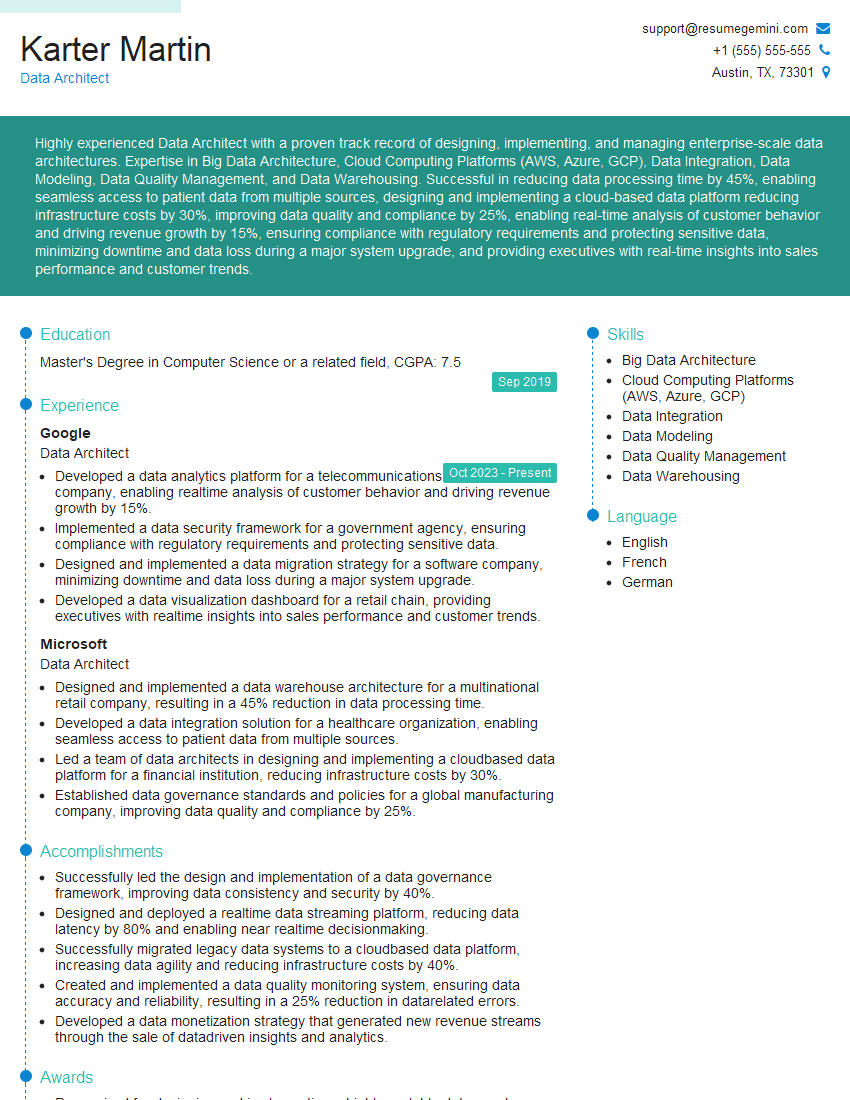
Data Architect Resume Sample
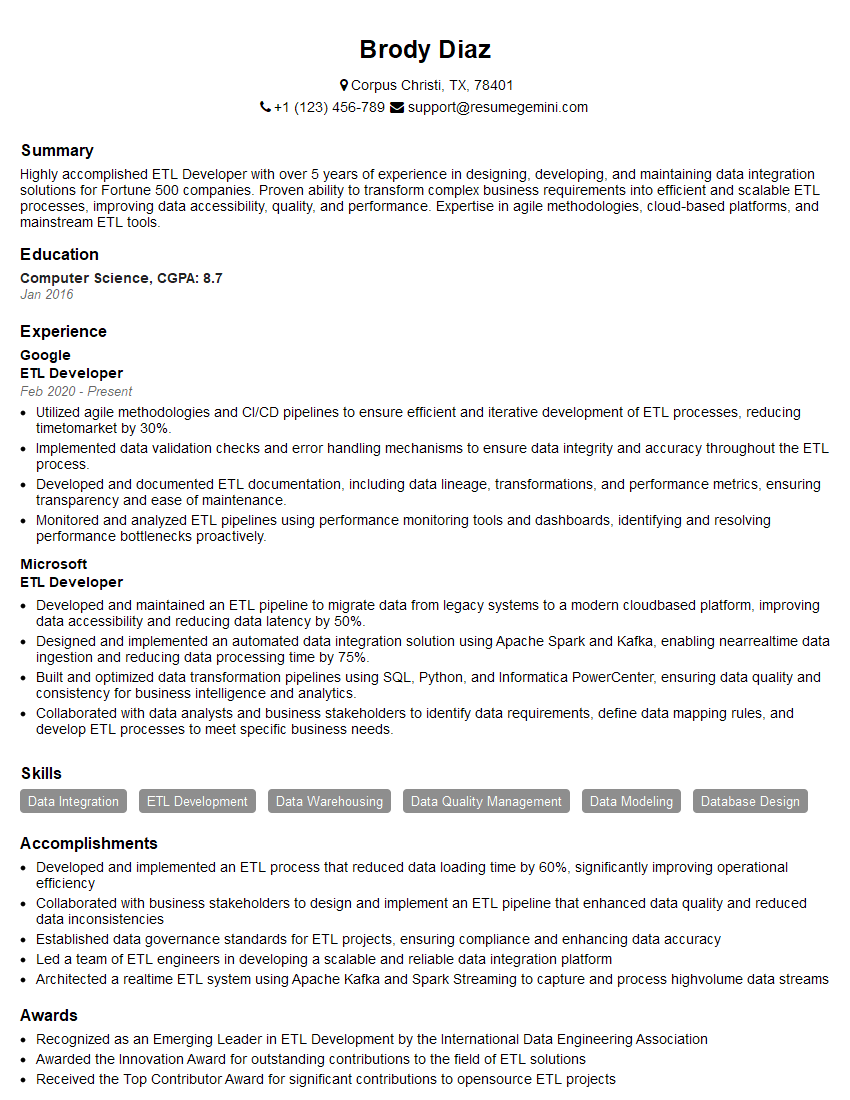
ETL Developer Resume Sample
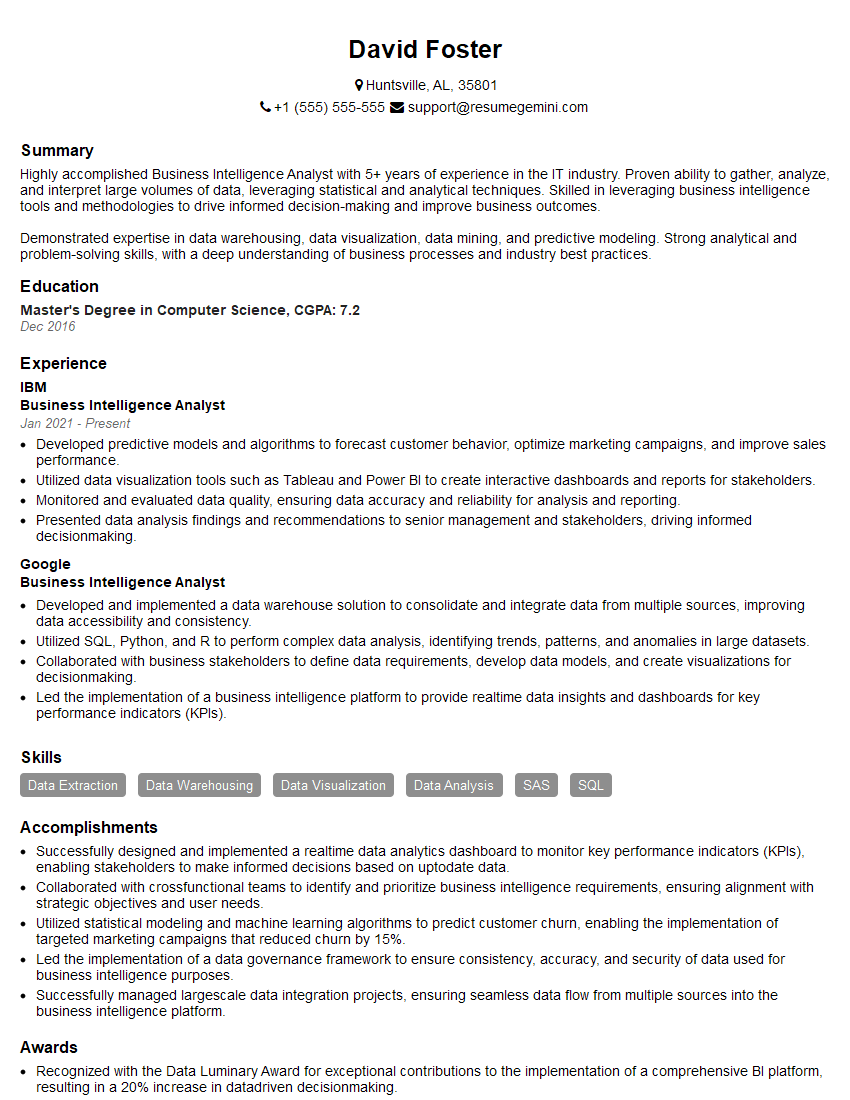
Business Intelligence Analyst Resume Sample
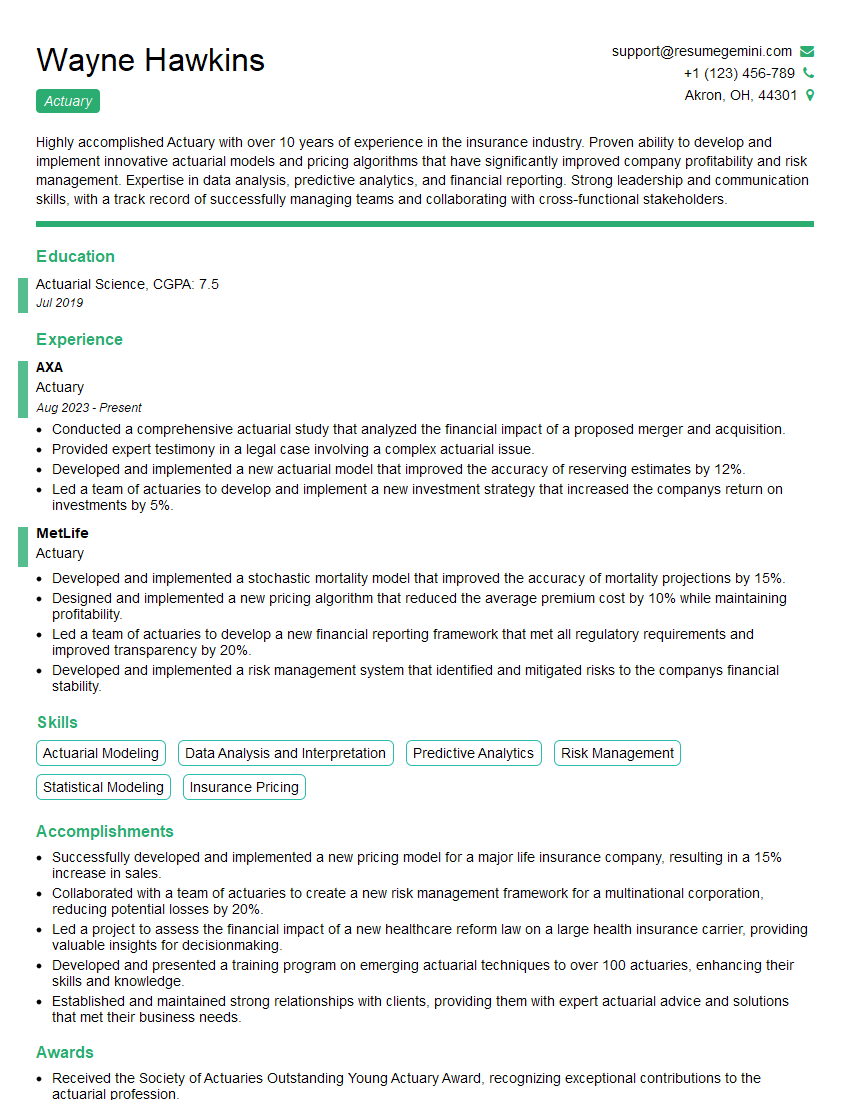
Actuary Resume Sample
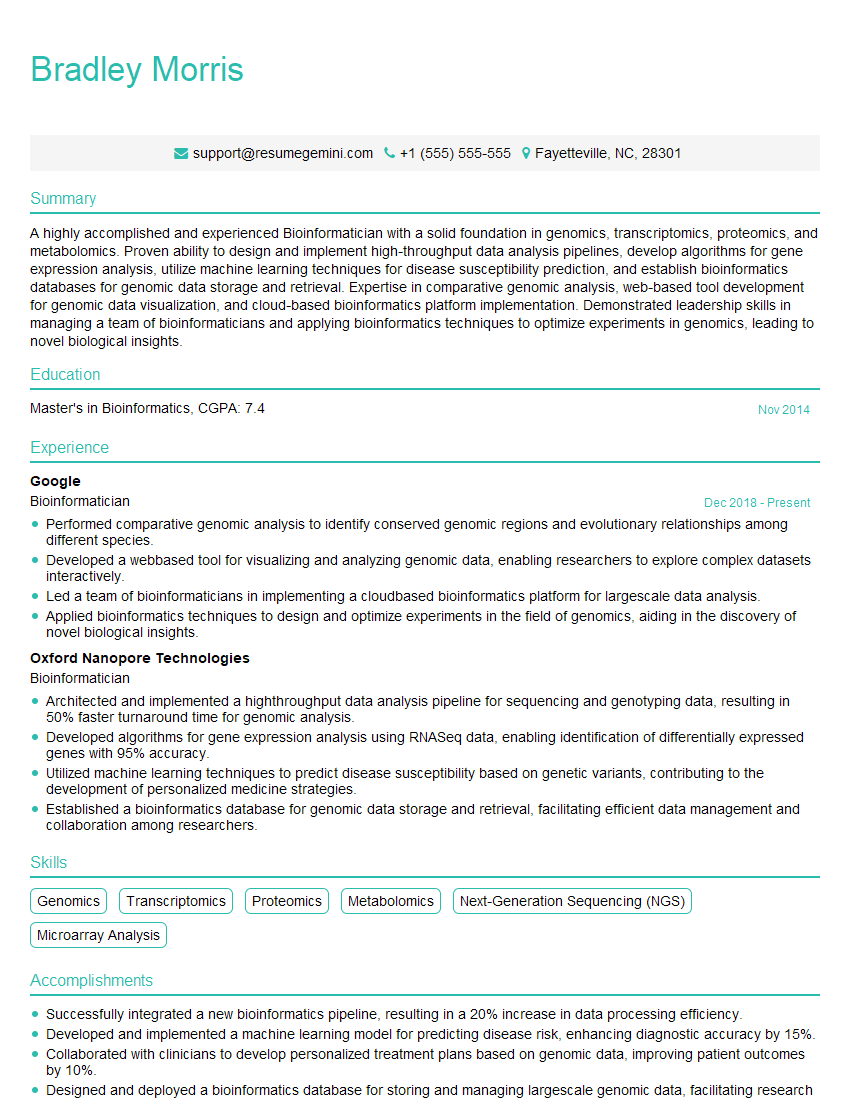
Bioinformatician Resume Sample
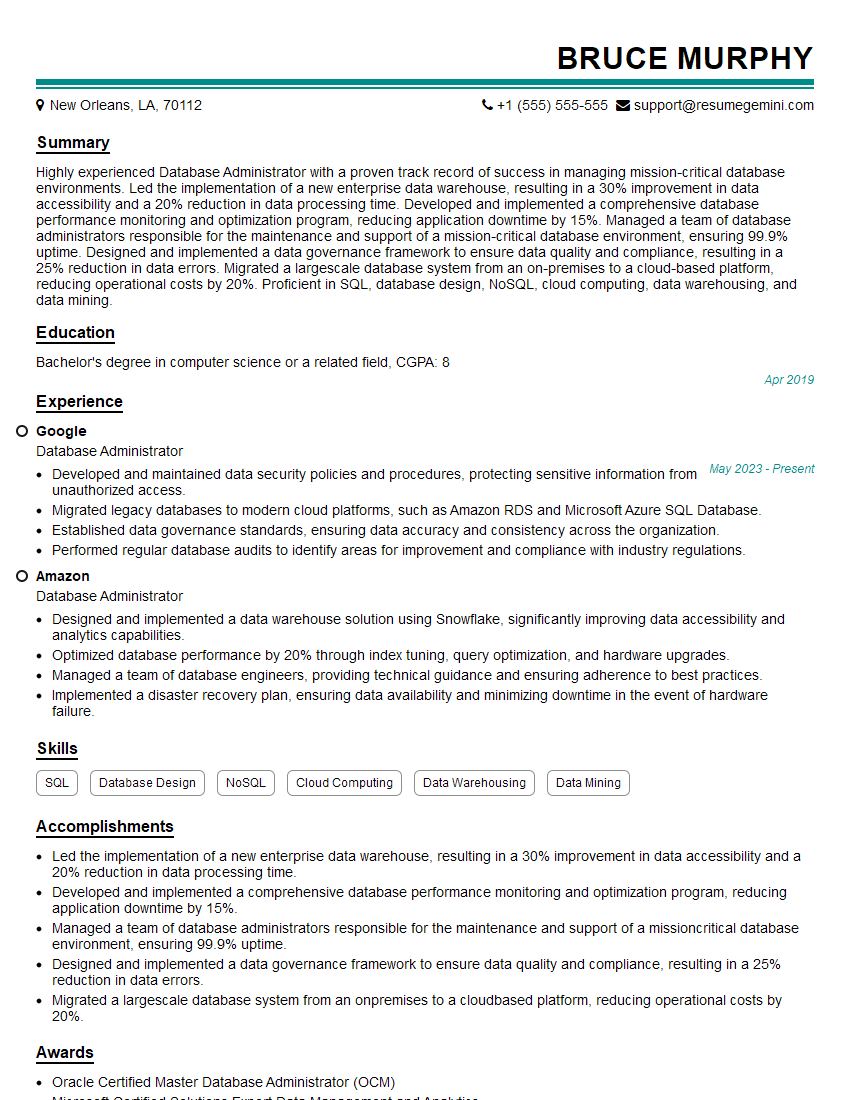
Database Administrator Resume Sample
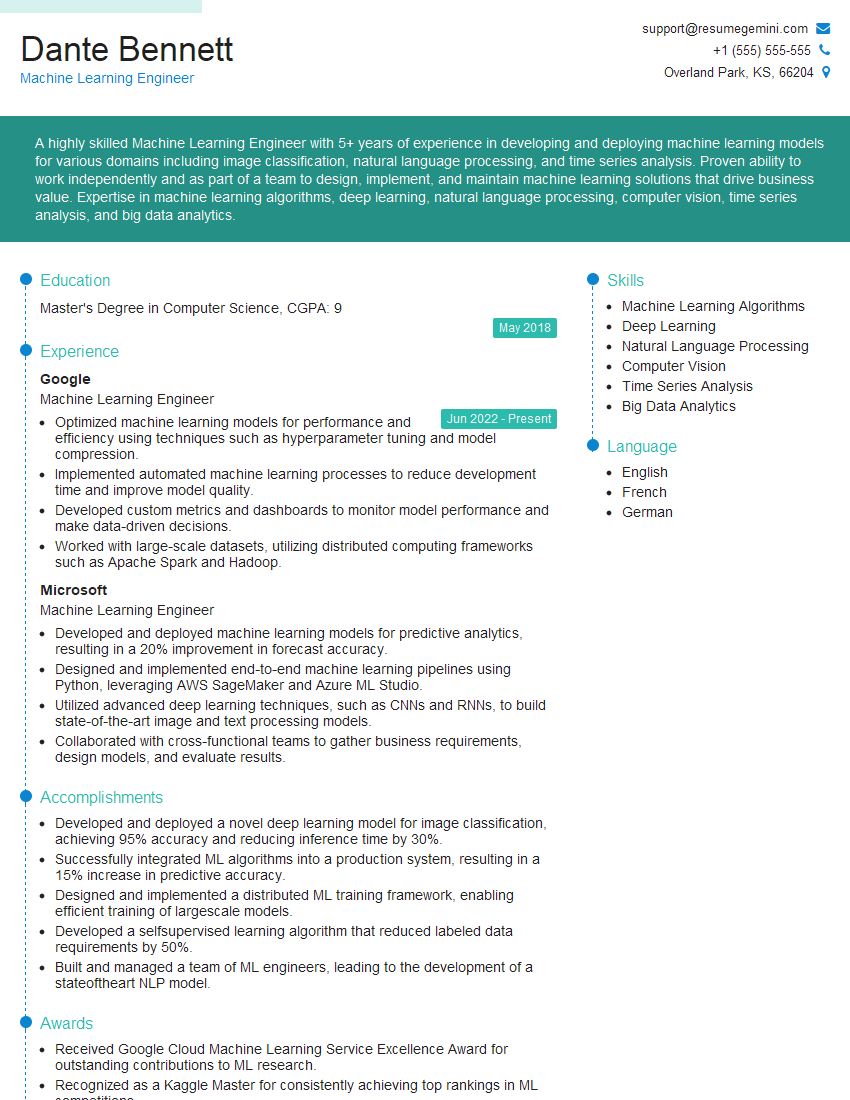
Machine Learning Engineer Resume Sample
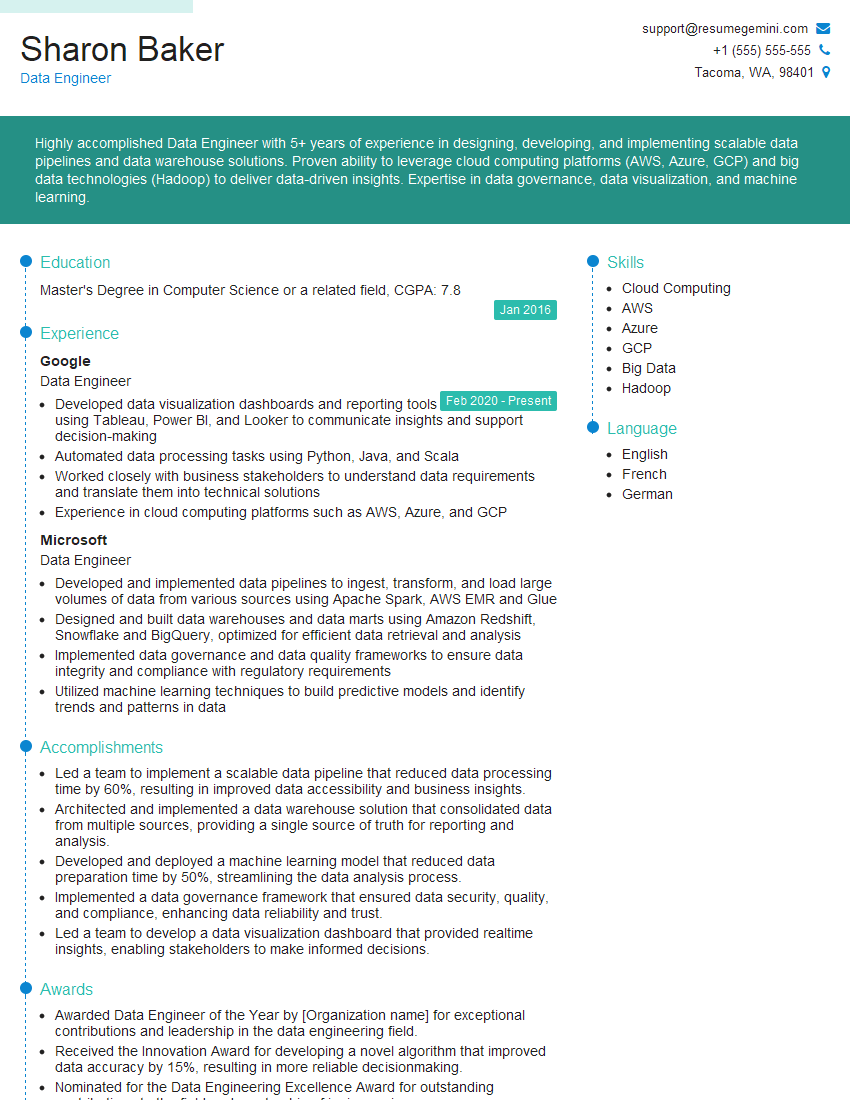
Data Engineer Resume Sample
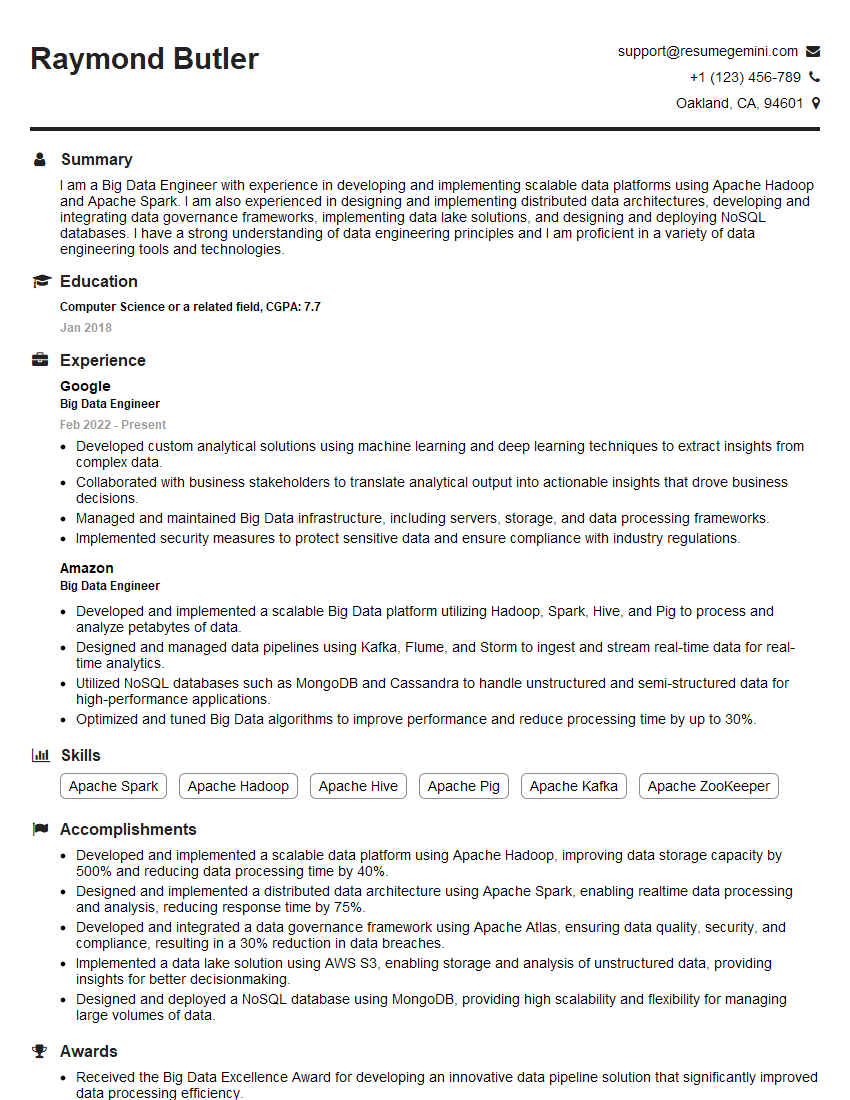
Big Data Engineer Resume Sample
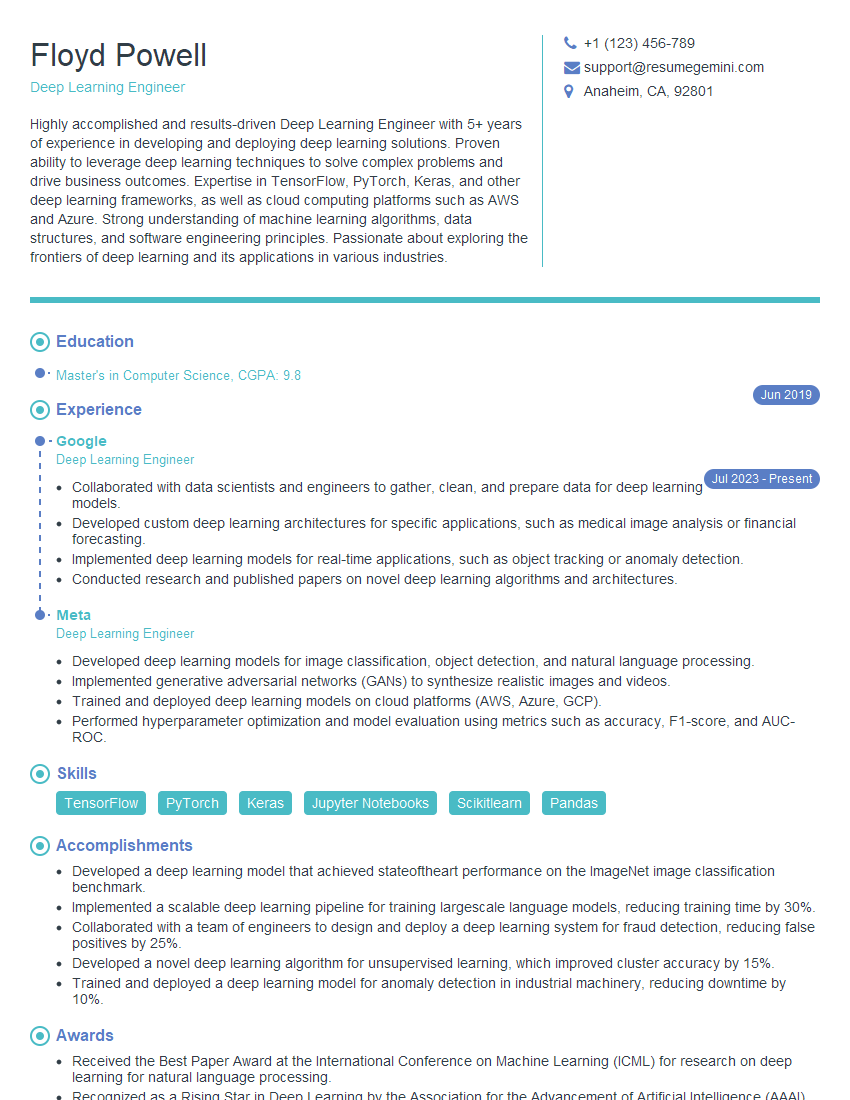
Deep Learning Engineer Resume Sample
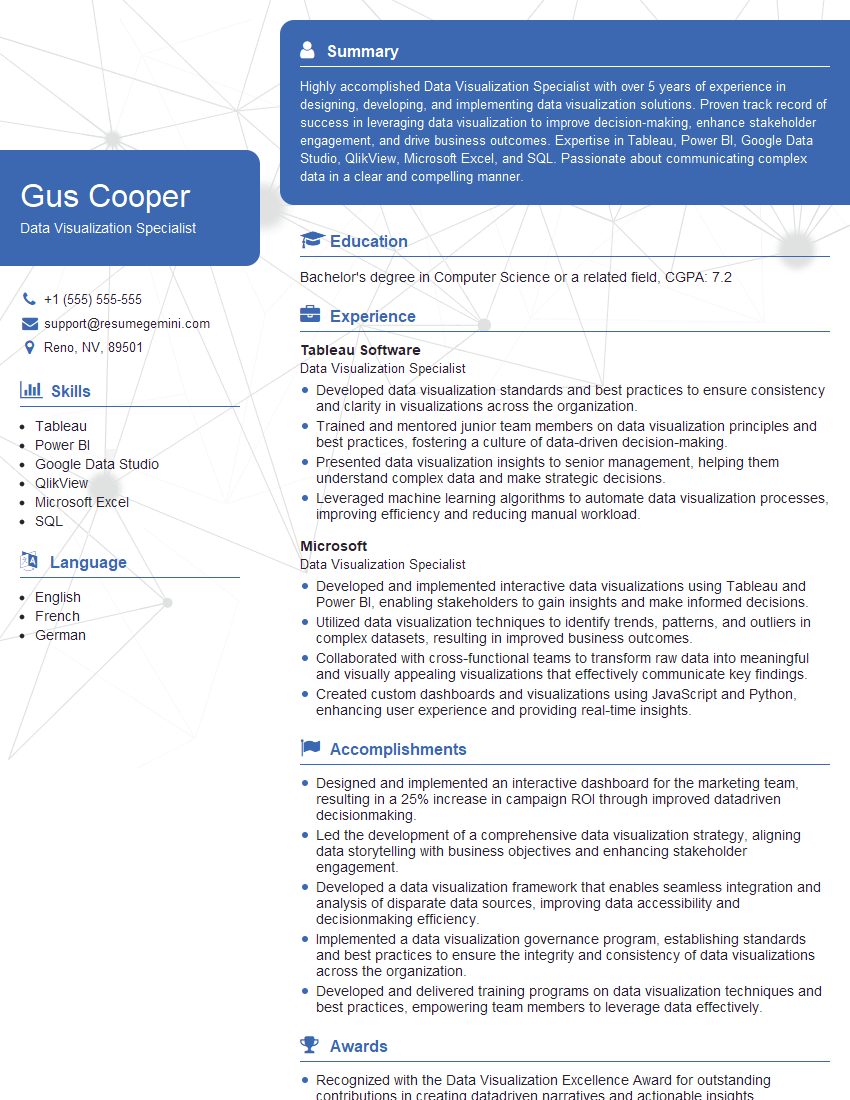
Data Visualization Specialist Resume Sample
Explore more articles
Users Rating of Our Blogs
Share Your Experience
We value your feedback! Please rate our content and share your thoughts (optional).
What Readers Say About Our Blog
To the interviewgemini.com Webmaster.
Very helpful and content specific questions to help prepare me for my interview!
Thank you
To the interviewgemini.com Webmaster.
This was kind of a unique content I found around the specialized skills. Very helpful questions and good detailed answers.
Very Helpful blog, thank you Interviewgemini team.