Unlock your full potential by mastering the most common Medication-Assisted Treatment (MAT) interview questions. This blog offers a deep dive into the critical topics, ensuring you’re not only prepared to answer but to excel. With these insights, you’ll approach your interview with clarity and confidence.
Questions Asked in Medication-Assisted Treatment (MAT) Interview
Q 1. Describe the different medications used in MAT for opioid use disorder.
Medication-Assisted Treatment (MAT) for opioid use disorder utilizes several medications, each with a unique mechanism of action. The primary medications are methadone, buprenorphine (often combined with naloxone), and naltrexone. These medications work to reduce cravings, withdrawal symptoms, and the euphoric effects of opioids, making it easier for individuals to abstain from illicit opioid use and focus on recovery.
- Methadone: A full opioid agonist, meaning it binds to the same receptors as heroin and other opioids, but it acts more slowly and has a longer duration of action. This helps to prevent withdrawal and reduce cravings.
- Buprenorphine: A partial opioid agonist/antagonist. It binds to opioid receptors but produces a weaker effect than full agonists, reducing the risk of overdose and making it less likely to cause euphoria. It’s often combined with naloxone (an opioid antagonist) to deter injection abuse.
- Naltrexone: A pure opioid antagonist. It blocks opioid receptors, preventing opioids from having an effect. This makes it difficult to get high on opioids, and is an important treatment for individuals committed to abstinence.
Q 2. Explain the mechanism of action for buprenorphine and naltrexone.
Buprenorphine’s mechanism involves partial agonism at mu-opioid receptors. It attaches to these receptors, partially activating them and mitigating withdrawal symptoms and cravings without producing the same level of euphoria as full agonists like heroin. The combination with naloxone prevents injection abuse since the naloxone causes withdrawal if injected.
Naltrexone acts as a pure opioid antagonist. It binds competitively to mu-opioid receptors, blocking them from being activated by other opioids. This prevents the user from experiencing the pleasurable effects of opioids, essentially negating the reward pathway.
Think of it like this: buprenorphine is like a gentle hand holding onto a receptor, partially activating it to help the individual feel more stable; naltrexone acts like a lock on the receptor, preventing other opioids from even accessing it.
Q 3. What are the common side effects of methadone, and how are they managed?
Methadone, while highly effective, does have potential side effects. Common ones include nausea, vomiting, constipation, drowsiness, dizziness, and sweating. More serious, though less common, side effects include QT prolongation (a heart rhythm issue), respiratory depression (slowed breathing), and seizures.
Managing these side effects requires careful monitoring and titration of the dose. Nausea and vomiting often subside with time, but antiemetics may be prescribed initially. Constipation can be managed with increased fluid and fiber intake and possibly stool softeners. Drowsiness may require adjustments to the timing of the dose. For serious side effects, immediate medical attention is crucial.
Regular blood tests to monitor liver function are essential, and electrocardiograms (ECGs) might be performed, especially in individuals with pre-existing cardiac conditions.
Q 4. Discuss the importance of patient counseling in MAT.
Patient counseling is the cornerstone of successful MAT. It’s not simply about prescribing medication; it’s about providing comprehensive support to address the multiple facets of opioid use disorder. Counseling helps patients develop coping mechanisms for cravings and triggers, understand their condition, and establish long-term recovery goals.
Counseling addresses issues like relapse prevention, addressing co-occurring disorders (like depression or anxiety), developing social support networks, and working through the psychological trauma that often underlies substance abuse. Individual, group, and family therapy can all be incorporated to provide tailored support.
For example, a patient might discover through therapy that stressful work situations trigger their opioid use. Counseling would help them develop stress management strategies, potentially involving job adjustments or seeking alternative employment.
Q 5. How do you assess a patient’s readiness for MAT?
Assessing a patient’s readiness for MAT involves a thorough evaluation of their physical and psychological state, including their level of motivation, their understanding of MAT, and their ability to adhere to treatment guidelines. This assessment is not a one-time event; it’s an ongoing process.
We consider several factors, such as the patient’s opioid use history, current level of withdrawal, stability of their living situation, and the presence of other mental health issues. Motivational interviewing techniques are often used to gauge their readiness and commitment to recovery. A patient who is in active withdrawal might need stabilization before initiating MAT.
For instance, if a patient is ambivalent about treatment or lacks a stable support system, we might focus on addressing those concerns before initiating medication. A well-structured treatment plan incorporating social work and supportive interventions is key for success.
Q 6. What are the contraindications for initiating MAT?
Several contraindications exist for initiating MAT. These include acute or severe medical conditions such as severe liver or kidney disease, certain heart conditions, and untreated acute infections. Pregnancy and breastfeeding require special consideration and careful management. Patients with a history of severe opioid-induced respiratory depression might also be unsuitable for certain MAT medications like methadone.
Pregnant patients might be considered for buprenorphine, as it carries a lower risk of respiratory depression compared to methadone. However, careful monitoring is vital. A patient with severe liver damage might not be a good candidate for methadone due to its hepatic metabolism. Each patient’s condition should be thoroughly evaluated to determine the most suitable medication and management strategy.
Q 7. Explain the process of tapering a patient off MAT medications.
Tapering a patient off MAT medications is a gradual process, tailored to the individual’s needs and response to treatment. It should never be abrupt, as this can trigger severe withdrawal symptoms and increase the risk of relapse. The rate of tapering is determined based on several factors, including the patient’s stability, length of treatment, and overall progress in recovery.
Typically, the dose is reduced incrementally over weeks or months, with close monitoring for withdrawal symptoms. The process involves regular check-ups, dose adjustments as needed, and close communication between the patient and clinician. Patients are also educated on managing potential withdrawal symptoms and relapse prevention strategies.
For example, if a patient is on a stable dose of buprenorphine, we might reduce it by a small amount each week, continuously observing for any negative effects. The patient’s feedback is crucial, so open communication is vital. If they show signs of discomfort, adjustments may be made to ensure a slow, safe, and comfortable process.
Q 8. How do you address patient non-compliance in MAT?
Addressing patient non-compliance in Medication-Assisted Treatment (MAT) requires a multifaceted approach focusing on understanding the underlying reasons for non-compliance. It’s rarely a matter of simple defiance; instead, it often stems from complex factors such as medication side effects, lack of social support, mental health challenges, or a lack of understanding of the treatment goals.
- Open Communication: Regular check-ins and open dialogue are crucial. I actively encourage patients to share their concerns, struggles, and challenges with the medication. This fosters trust and allows me to tailor the treatment plan accordingly.
- Addressing Side Effects: Many medications used in MAT have side effects. By proactively addressing these, through medication adjustments, supportive care, or alternative strategies, we can improve adherence. For example, if a patient experiences significant nausea from buprenorphine, we might adjust the dose or explore antiemetic medication.
- Behavioral Interventions: Techniques like motivational interviewing can help patients identify their personal reasons for wanting to remain abstinent and align their behavior with these goals. Setting realistic, achievable goals is also key, avoiding overwhelming patients with impossible expectations.
- Social Support System: Connecting patients with support groups, family counseling, or other social services strengthens their support network, which is vital for sustained recovery.
- Medication Adherence Strategies: We explore practical solutions to enhance compliance such as pill organizers, text message reminders, or even having a trusted friend or family member involved in medication management (with the patient’s consent).
For instance, I once worked with a patient who struggled with buprenorphine due to intense cravings. After open communication revealed underlying anxiety, we introduced a low-dose anti-anxiety medication alongside his MAT, leading to improved compliance and successful recovery.
Q 9. Describe your experience managing withdrawal symptoms during MAT initiation.
Managing withdrawal symptoms during MAT initiation is a critical aspect of successful treatment. The goal is to mitigate the severity of withdrawal while safely initiating the medication. The process varies depending on the substance of abuse and the chosen medication. For opioid withdrawal, for example, a careful titration of buprenorphine or methadone is usually employed.
- Careful Titration: This involves gradually increasing the medication dosage over time to minimize discomfort. The rate of increase is determined by the patient’s individual response and the severity of their withdrawal symptoms.
- Symptom Management: Over-the-counter medications such as ibuprofen for muscle aches, loperamide for diarrhea, and antihistamines for sleep disturbances can help manage some withdrawal symptoms. In more severe cases, prescription medications may be needed to address specific symptoms like anxiety or insomnia.
- Close Monitoring: Frequent monitoring of vital signs (heart rate, blood pressure) is crucial, especially during the initial stages of medication initiation. This helps identify any potential complications.
- Supportive Care: Providing a supportive and empathetic environment is essential. This includes providing education about the withdrawal process, reassurance, and encouragement.
I remember one patient experiencing severe opioid withdrawal. We used a slow, incremental buprenorphine induction, alongside supportive care, which gradually alleviated his discomfort while minimizing risks. He was able to initiate treatment comfortably and ultimately achieve long-term recovery.
Q 10. How do you monitor for medication diversion in MAT patients?
Monitoring for medication diversion in MAT patients is a crucial aspect of responsible treatment. It requires a combination of strategies to ensure the medication is being used as prescribed and not misused or sold.
- Urine Drug Testing: Regular urine drug screens are essential to verify the presence of the prescribed medication and the absence of other illicit substances.
- Pill Counts: Periodic pill counts help assess whether the patient is taking the medication as prescribed.
- Observed Medication Taking (OMT): In some cases, particularly during early stages of treatment or if there are concerns about diversion, OMT may be implemented, where the patient takes the medication under direct observation by a healthcare professional.
- Open Communication: Building a strong therapeutic alliance with the patient helps establish trust and allows for open discussion about any challenges the patient may be facing. This can often help prevent diversion before it occurs.
- Collaboration with Other Providers: If there is concern, collaboration with other healthcare providers or law enforcement might be necessary.
It’s important to remember that these monitoring strategies need to be implemented ethically and with sensitivity to the patient’s autonomy. The goal is to ensure safe and effective treatment, not to create an atmosphere of mistrust or suspicion.
Q 11. What are the key elements of a comprehensive MAT treatment plan?
A comprehensive MAT treatment plan goes beyond simply prescribing medication; it integrates several key elements crucial for sustained recovery.
- Individualized Assessment: A thorough assessment of the patient’s substance use history, medical and psychiatric history, and social support systems is the foundation of any effective MAT plan. This ensures personalized treatment.
- Medication Management: Choosing the appropriate medication (e.g., methadone, buprenorphine, naltrexone) and carefully managing its dosage are essential. Regular adjustments might be necessary based on the patient’s response.
- Psychosocial Interventions: This includes individual and group therapy, counseling, and participation in support groups like Narcotics Anonymous or SMART Recovery. These address underlying psychological and behavioral issues contributing to substance use.
- Co-occurring Disorder Treatment: Addressing any co-occurring mental health disorders (e.g., depression, anxiety) or medical conditions is vital. This might involve referring the patient to a psychiatrist or other specialist.
- Case Management: A case manager can coordinate the different aspects of treatment, provide support and connect the patient to necessary resources.
- Relapse Prevention Planning: Developing a plan to address potential triggers and relapse is crucial. This includes identifying early warning signs and strategies for coping with high-risk situations.
Imagine a treatment plan tailored to an individual struggling with opioid addiction and severe depression. It might include buprenorphine for opioid dependence, antidepressant medication, individual therapy to address trauma, and participation in a peer support group.
Q 12. Describe your experience working with patients with co-occurring disorders.
Working with patients with co-occurring disorders (CODs) — the presence of both a substance use disorder and a mental health disorder — requires a holistic approach. These conditions often exacerbate each other, making treatment more complex.
- Integrated Treatment: This approach addresses both the substance use disorder and the mental health condition simultaneously, rather than treating them separately. This is often more effective than treating them in isolation.
- Medication Management: Careful consideration of medication interactions is crucial. Certain medications used for mental health conditions can interact with MAT medications, requiring close monitoring.
- Therapeutic Interventions: Therapy needs to address both the substance use and mental health issues, often involving trauma-informed care, cognitive behavioral therapy (CBT), or dialectical behavior therapy (DBT).
- Collaboration: Close collaboration with mental health professionals, such as psychiatrists and therapists, is essential to coordinate care and ensure comprehensive treatment.
I had a patient with both opioid addiction and severe anxiety. Through integrated treatment – including buprenorphine for opioid use and an anti-anxiety medication, along with CBT – she was able to achieve significant progress in managing both conditions. The success highlights how essential coordinated care is in managing CODs within MAT.
Q 13. How do you integrate psychosocial interventions into MAT?
Integrating psychosocial interventions into MAT is crucial for long-term recovery. Medication alone is rarely sufficient; it needs to be combined with therapies that address the underlying psychological and social factors that contribute to substance use.
- Individual Therapy: Provides a safe space for patients to explore their thoughts, feelings, and behaviors related to substance use. This can involve various therapeutic approaches like CBT, motivational interviewing, or trauma-informed care.
- Group Therapy: Offers a supportive environment where patients can share their experiences, learn from others, and develop coping mechanisms. This fosters a sense of community and reduces feelings of isolation.
- Family Therapy: Addresses the impact of substance use on family relationships and helps families develop strategies for supporting the patient’s recovery.
- Support Groups: Connecting patients with peer support groups (e.g., Narcotics Anonymous, SMART Recovery) provides ongoing social support and a sense of community.
- Life Skills Training: This can include job training, housing assistance, and other skills needed to build a stable and healthy life.
For example, a patient might benefit from CBT to learn to identify and manage triggers for relapse, while group therapy provides peer support and fosters a sense of community crucial for maintaining abstinence.
Q 14. Discuss your understanding of the SAMHSA’s National Helpline.
The Substance Abuse and Mental Health Services Administration’s (SAMHSA) National Helpline is a confidential, free, 24/7, 365-day-a-year information service, in English and Spanish, for individuals and family members facing mental and/or substance use disorders.
- Information and Referral: The helpline provides information about treatment options, referral services, and support groups in a person’s local area. It acts as a crucial entry point to the treatment system.
- Confidential Support: It offers confidential support and guidance to individuals and their families, helping them navigate the challenges of mental health and substance use disorders.
- Resource Directory: It acts as a gateway to a vast network of resources, including treatment facilities, support groups, and community-based organizations.
- Crisis Intervention: While not a crisis hotline, the helpline can provide initial support and guidance for individuals in crisis and connect them with appropriate crisis services.
I often recommend the SAMHSA National Helpline to patients and their families as a readily accessible resource for information, support, and referrals. It plays a vital role in connecting individuals to appropriate care and support systems.
Q 15. What are the ethical considerations involved in providing MAT?
Ethical considerations in Medication-Assisted Treatment (MAT) are multifaceted and require careful navigation. Central to this is the principle of autonomy – respecting the patient’s right to make informed decisions about their treatment, even if those decisions aren’t what we, as clinicians, might recommend. This includes ensuring they understand the risks and benefits of MAT medications, alternative treatments, and the implications of refusing treatment.
Beneficence and non-maleficence are also key. We must strive to do good and avoid harm. This involves carefully monitoring patients for side effects, adjusting medication as needed, and providing comprehensive support to minimize risks associated with both the addiction and the medication itself. We also need to be mindful of potential for stigma and discrimination, ensuring all patients receive respectful, non-judgmental care. Justice requires equitable access to MAT regardless of socioeconomic status, race, or other factors. This means advocating for policies that expand access and address disparities in treatment availability. Finally, confidentiality is paramount, safeguarding patient privacy at all times in line with HIPAA regulations.
For example, a patient might initially refuse a specific medication due to concerns about side effects. Our ethical responsibility is to thoroughly discuss these concerns, provide accurate information, and explore alternative options before deciding on the best course of action. The patient retains the ultimate decision-making power.
Career Expert Tips:
- Ace those interviews! Prepare effectively by reviewing the Top 50 Most Common Interview Questions on ResumeGemini.
- Navigate your job search with confidence! Explore a wide range of Career Tips on ResumeGemini. Learn about common challenges and recommendations to overcome them.
- Craft the perfect resume! Master the Art of Resume Writing with ResumeGemini’s guide. Showcase your unique qualifications and achievements effectively.
- Don’t miss out on holiday savings! Build your dream resume with ResumeGemini’s ATS optimized templates.
Q 16. How do you handle patient relapse during MAT?
Relapse is a common occurrence in the journey to recovery from substance use disorder, and it’s crucial to view it not as a failure, but as an opportunity for learning and adjustment. When a relapse occurs during MAT, my approach involves a non-judgmental conversation with the patient to understand the circumstances leading to the relapse. This might involve exploring triggers, stressors, or gaps in the treatment plan.
We will conduct a thorough assessment of the patient’s physical and psychological state, addressing any immediate health concerns. The treatment plan may need to be revised, perhaps adjusting medication dosages, adding or modifying counseling sessions, or involving additional support systems like family or peer support groups. It’s vital to reinforce the patient’s strengths and progress made, emphasizing that one setback doesn’t negate their overall journey. Continuing engagement and maintaining a collaborative relationship are key to fostering renewed commitment to recovery.
For example, a patient might relapse due to a stressful life event. We would work with them to develop coping mechanisms, potentially linking them to additional support services to address the underlying issue and reinforce their recovery strategies.
Q 17. Explain your approach to building rapport with patients in MAT.
Building rapport with patients in MAT is foundational to successful treatment. It begins with active listening and demonstrating empathy and understanding. I strive to create a safe and non-judgmental environment where patients feel comfortable sharing their experiences without fear of criticism or rejection. This involves employing motivational interviewing techniques, focusing on the patient’s own goals and aspirations for recovery.
I ensure consistent communication, keeping patients informed about their progress and treatment plan. I also acknowledge their strengths and resilience, celebrating their achievements along the way. This approach emphasizes collaboration rather than a purely authoritative model. Building trust takes time, and I understand that developing a strong therapeutic alliance is an ongoing process requiring patience and consistent effort.
An example might be regularly asking about aspects of their lives outside of treatment, showing a genuine interest in their overall well-being. This could be discussing family life, work, hobbies, or other interests to help them feel connected and understood beyond their addiction.
Q 18. Describe your experience with different MAT delivery models (e.g., outpatient, inpatient).
My experience encompasses both outpatient and inpatient MAT delivery models. Outpatient MAT typically involves regular clinic visits for medication dispensing, counseling, and monitoring. This approach offers flexibility and allows patients to maintain their daily routines, while still receiving the necessary support. Inpatient MAT, on the other hand, provides a more intensive, structured environment suitable for patients requiring a higher level of support, such as those experiencing severe withdrawal symptoms or co-occurring mental health conditions.
Inpatient models offer more immediate supervision and access to a range of therapeutic services. Both models have their advantages and disadvantages. The choice depends largely on the patient’s individual needs and clinical presentation. I have found that an integrated approach, where patients transition from inpatient to outpatient care as they stabilize, often provides the most effective continuum of care.
For instance, a patient with a severe opioid use disorder might begin in an inpatient setting for detoxification and stabilization, then transition to outpatient care for ongoing medication management and counseling once their acute symptoms are controlled.
Q 19. What are the legal and regulatory requirements for prescribing MAT medications?
Legal and regulatory requirements for prescribing MAT medications are stringent and vary by jurisdiction. Generally, clinicians must have the appropriate medical license and undergo specialized training in addiction medicine. Prescribing controlled substances, such as buprenorphine or methadone, requires obtaining a specific DEA license and adhering to state-specific regulations related to patient registration, record-keeping, and dispensing protocols.
The Substance Use-Disorder Treatment and Patient Protection Act (referred to as the ‘X-waiver’) allows some clinicians, such as physician assistants and nurse practitioners, to prescribe buprenorphine under specific conditions after completing additional training. Regular monitoring, periodic reviews of patient progress, and adherence to treatment guidelines are essential aspects of legal compliance. It is imperative to maintain detailed and accurate patient records to demonstrate adherence to all applicable regulations. Staying updated on any changes in federal and state laws and guidelines is critical to ensuring legal and ethical practice.
Q 20. How do you ensure patient safety and confidentiality in MAT?
Ensuring patient safety and confidentiality in MAT is a top priority. Safety involves careful medication management, monitoring for adverse effects, and addressing potential drug interactions. This includes regular assessments of the patient’s physical and psychological well-being and tailoring the treatment plan accordingly. We work to identify and mitigate any risks associated with substance use or co-occurring disorders.
Confidentiality is upheld through strict adherence to HIPAA regulations, protecting patient information from unauthorized access or disclosure. This includes secure storage of medical records, encryption of electronic communications, and training staff on proper handling of confidential information. We use coded identifiers to maintain patient anonymity in program data and aggregate reporting. Patients are thoroughly informed about their rights to privacy and the limitations of confidentiality.
For example, we might employ a system where patient records are stored in locked cabinets and accessed only by authorized personnel. All electronic records are password-protected and encrypted. Regular training sessions remind our staff of the importance of confidentiality and the potential consequences of breaches.
Q 21. What are the key performance indicators (KPIs) you track in MAT programs?
Key performance indicators (KPIs) tracked in MAT programs are designed to evaluate effectiveness and identify areas for improvement. These include retention rates (percentage of patients remaining in treatment), medication adherence (measured by pill counts, urine drug screens, or electronic medication monitoring devices), reduction in opioid use (through self-report or objective biomarkers), and improvements in mental health symptoms (using standardized questionnaires).
Other relevant KPIs include reductions in criminal justice involvement, increased employment rates, improved housing stability, and overall quality of life indicators. Data from these KPIs are essential to understanding how our programs are performing and ensuring that we are providing effective and efficient care. We regularly analyze this data to identify trends and make necessary adjustments to our treatment strategies. This continuous quality improvement process is crucial for enhancing outcomes for our patients.
For instance, a high retention rate suggests that patients are engaged and satisfied with the program. A low rate might indicate the need for adjustments in program design or accessibility.
Q 22. Explain your experience with data collection and reporting in MAT.
Data collection and reporting in MAT are crucial for monitoring patient progress, evaluating treatment effectiveness, and ensuring compliance with regulatory requirements. My experience involves using both electronic health records (EHRs) and paper-based systems, depending on the specific setting. I’m proficient in entering and extracting data related to medication dosage, urinalysis results, attendance at counseling sessions, and overall patient well-being. This data is then used to generate reports for internal quality assurance, external audits, and research purposes. For instance, I’ve used aggregated data to identify trends in relapse rates among specific patient populations, leading to improvements in our treatment protocols. I also understand the importance of data privacy and HIPAA compliance, ensuring all data is handled securely and ethically.
For example, in a previous role, I developed a customized reporting system that tracked patient retention rates and identified factors associated with successful treatment completion. This data-driven approach allowed us to optimize our outreach strategies and improve patient outcomes. I’m also experienced with using statistical software (like SPSS or R) to analyze data and create meaningful visualizations.
Q 23. How do you utilize evidence-based practices in providing MAT?
Evidence-based practices are the cornerstone of effective MAT. This means relying on scientific research and clinical trials to guide our treatment decisions. For example, I consistently utilize the SAMHSA’s National Helpline resources and stay updated on the latest research published in peer-reviewed journals like the Journal of Substance Abuse Treatment. This keeps me abreast of best practices for medication selection, dosage adjustments, and co-occurring disorder treatment. I also leverage guidelines from organizations like the American Society of Addiction Medicine (ASAM) to inform my approach. In practice, this translates into tailoring treatment plans to individual patient needs based on the best available evidence, not solely on personal preferences or anecdotal experiences.
Specifically, when choosing between different medications like methadone, buprenorphine, or naltrexone, I consider the patient’s specific opioid use history, co-occurring conditions, and personal preferences. However, the final decision is always grounded in evidence-based guidelines to maximize the chances of successful treatment.
Q 24. Describe your understanding of the stages of change model in the context of addiction.
The stages of change model, also known as the transtheoretical model, is a valuable framework for understanding and addressing the process of addiction recovery. It recognizes that individuals progress through different stages of readiness for change, rather than making a sudden, complete shift. These stages include:
- Precontemplation: The individual is unaware or unwilling to acknowledge they have a problem.
- Contemplation: The individual acknowledges the problem and starts considering change but hasn’t committed to action.
- Preparation: The individual actively plans to make a change in the near future.
- Action: The individual actively takes steps to change their behavior.
- Maintenance: The individual works to maintain the changes they have made and avoid relapse.
- Relapse: A setback where the individual returns to previous behaviors. This is viewed not as failure, but as a learning opportunity.
Understanding these stages allows me to tailor my approach to each patient’s individual needs and level of readiness. For example, someone in the precontemplation stage may benefit from motivational interviewing techniques to help them recognize the problem, whereas someone in the action stage may need support with finding resources and coping strategies.
Q 25. How do you collaborate with other members of the healthcare team in MAT?
Collaboration is key to successful MAT. I work closely with a multidisciplinary team, including psychiatrists, counselors, nurses, case managers, and peer support specialists. Communication is crucial; we regularly hold case conferences to discuss patient progress, treatment challenges, and adjust plans as needed. For example, I might consult with a psychiatrist to adjust medication dosages based on patient response and any emerging side effects. I also work closely with counselors to ensure a coordinated approach to addressing both substance use and co-occurring mental health conditions. The case manager plays a crucial role in connecting the patient with necessary social services, such as housing, employment assistance, and financial aid, which are all critical components of successful recovery.
Effective communication, through regular meetings and shared electronic health records, ensures everyone on the team is informed and coordinated, resulting in the best possible care for the patient. We utilize a collaborative, patient-centered approach, respecting the patient’s input and preferences, ensuring their needs remain central to all our efforts.
Q 26. Explain your understanding of the role of motivational interviewing in MAT.
Motivational interviewing (MI) is a patient-centered, directive counseling style designed to elicit and strengthen motivation for change. It’s a crucial tool in MAT because it helps patients explore their ambivalence towards change, identify their own reasons for wanting to recover, and develop their own plans for achieving their goals. I use MI techniques to build rapport, create a collaborative relationship with the patient, and help them clarify their values and goals. It’s not about pushing patients into change, but empowering them to make their own informed decisions.
For example, I might use open-ended questions, reflective listening, and affirmations to help a patient explore their concerns about starting medication and address any potential barriers to treatment. By guiding the patient to consider the pros and cons of recovery in their own terms, the patient is more likely to make a positive change and stick to it.
Q 27. What are some challenges you’ve encountered in providing MAT, and how did you overcome them?
One of the biggest challenges in MAT is navigating patient non-compliance. Patients may miss appointments, skip doses of medication, or engage in substance use despite being in treatment. To overcome this, I utilize a combination of strategies. First, I strive to build a strong therapeutic relationship based on trust and empathy. Open communication and actively listening to the patient’s concerns are crucial here. Second, I collaborate closely with the patient’s support system, involving family members or significant others when appropriate, to reinforce treatment adherence. Third, I adjust the treatment plan as needed, potentially modifying medication or adding additional support services. This might involve adding counseling sessions focusing on relapse prevention or connecting the patient with a peer support group.
Another challenge is managing opioid withdrawal symptoms, which can be intense and uncomfortable. I always have an established protocol for managing withdrawal, adjusting medication dosages as needed, and providing supportive care. For severe cases, I coordinate with the hospital to ensure adequate medical support.
Q 28. Describe a situation where you had to make a difficult clinical decision related to MAT.
I once had a patient who was struggling with severe depression and suicidal ideation while on buprenorphine for opioid use disorder. The patient was showing signs of improvement in their opioid use but their mental health was deteriorating. This presented a complex clinical decision: adjusting the buprenorphine dosage risked potentially triggering opioid withdrawal and worsening their overall state; however, increasing the dosage without addressing the mental health crisis wasn’t an effective solution either. After careful consideration, and in close consultation with the psychiatrist and the patient’s therapist, we decided to add an antidepressant medication while closely monitoring both their mental health status and their response to the buprenorphine. We also increased the frequency of therapy sessions and provided additional support through our case management team. This multipronged approach allowed us to successfully address both the patient’s opioid use disorder and their co-occurring mental health condition. This situation highlighted the importance of a holistic and integrated approach to MAT, emphasizing the necessity of considering the whole person rather than focusing solely on one aspect of their health.
Key Topics to Learn for Medication-Assisted Treatment (MAT) Interview
- Understanding the Basics of MAT: Define MAT, its core principles, and the different medication options used (e.g., methadone, buprenorphine, naltrexone).
- Patient Assessment and Treatment Planning: Discuss the process of evaluating a patient’s needs, developing individualized treatment plans, and setting realistic goals.
- Medication Management and Dosage Adjustments: Explain the importance of careful monitoring, appropriate dosage adjustments based on patient response, and addressing potential side effects.
- Counseling and Behavioral Therapies in MAT: Describe the role of individual and group therapy, relapse prevention strategies, and addressing co-occurring disorders.
- Ethical and Legal Considerations: Understand the ethical implications of MAT, patient confidentiality, and adherence to relevant regulations and guidelines.
- Monitoring and Evaluation of Treatment Outcomes: Discuss methods for assessing treatment progress, identifying potential challenges, and making necessary adjustments to the treatment plan.
- Addressing Relapse: Develop strategies for managing relapse, providing support, and reinforcing the treatment plan.
- Collaboration with Interdisciplinary Teams: Highlight the importance of working effectively with physicians, nurses, counselors, and social workers within a multidisciplinary team.
- Understanding Different Populations and Their Needs: Discuss the unique challenges and considerations for treating diverse populations (e.g., pregnant women, individuals with mental health disorders).
Next Steps
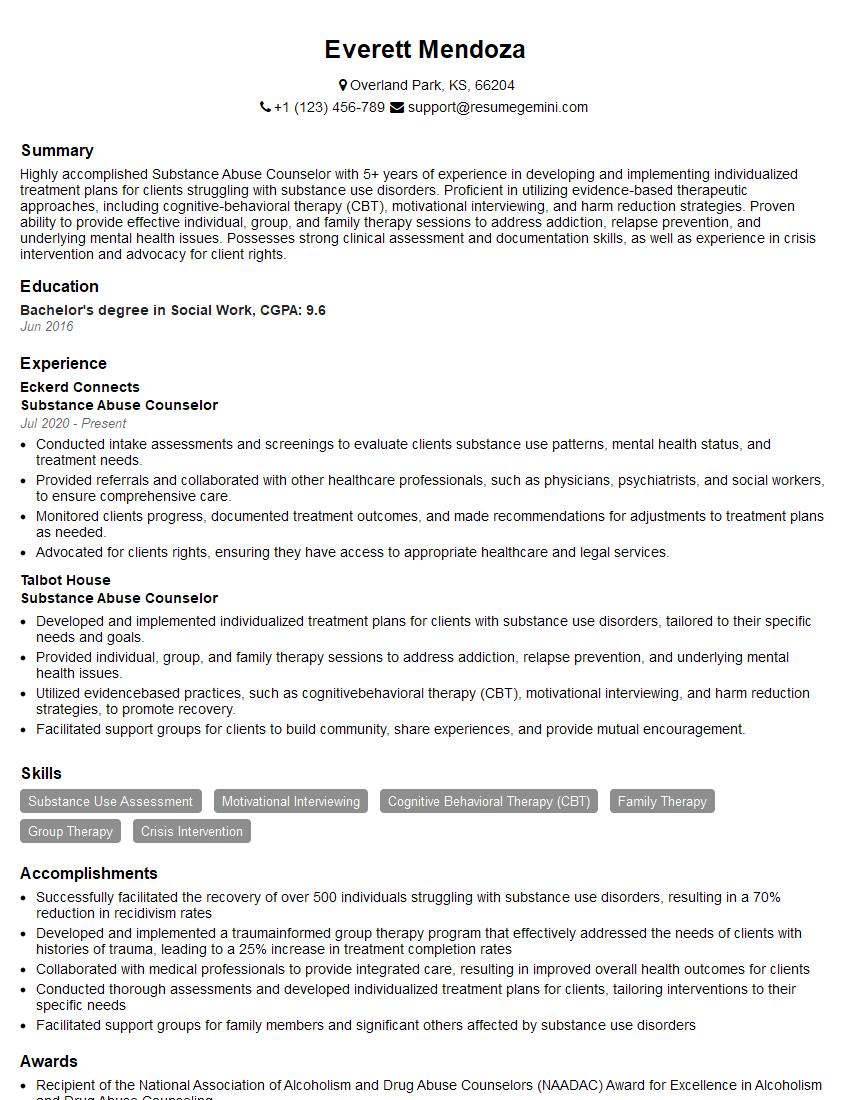
Mastering Medication-Assisted Treatment (MAT) is crucial for a successful and fulfilling career in the healthcare field. A strong understanding of MAT principles and practices demonstrates your commitment to evidence-based care and positions you as a valuable asset to any team. To maximize your job prospects, it’s essential to create a compelling and ATS-friendly resume that effectively showcases your skills and experience. ResumeGemini is a trusted resource that can help you build a professional resume that stands out. They offer examples of resumes tailored to Medication-Assisted Treatment (MAT) roles, ensuring your application makes a lasting impression on potential employers.
Explore more articles
Users Rating of Our Blogs
Share Your Experience
We value your feedback! Please rate our content and share your thoughts (optional).
What Readers Say About Our Blog
To the interviewgemini.com Webmaster.
Very helpful and content specific questions to help prepare me for my interview!
Thank you
To the interviewgemini.com Webmaster.
This was kind of a unique content I found around the specialized skills. Very helpful questions and good detailed answers.
Very Helpful blog, thank you Interviewgemini team.