Are you ready to stand out in your next interview? Understanding and preparing for Monitoring Food Temperatures interview questions is a game-changer. In this blog, we’ve compiled key questions and expert advice to help you showcase your skills with confidence and precision. Let’s get started on your journey to acing the interview.
Questions Asked in Monitoring Food Temperatures Interview
Q 1. What are the critical control points (CCPs) for temperature control in food handling?
Critical Control Points (CCPs) in food handling are steps in the process where hazards can be prevented, eliminated, or reduced to acceptable levels. When it comes to temperature control, CCPs are points where temperature significantly impacts food safety. These vary depending on the specific food and process, but common examples include:
- Receiving: Checking the temperature of incoming food deliveries to ensure they haven’t been subjected to unsafe temperatures during transport.
- Storage: Maintaining correct refrigeration or freezing temperatures for raw and cooked foods. This prevents bacterial growth.
- Cooking: Achieving and maintaining sufficient internal temperatures to kill harmful microorganisms. This ensures food is thoroughly cooked.
- Cooling: Rapidly cooling cooked food to safe temperatures to inhibit bacterial growth. This is crucial after cooking large batches.
- Serving: Holding cooked food at the appropriate temperature to prevent re-contamination and bacterial growth.
- Reheating: Ensuring food is reheated to a high enough temperature to kill any bacteria that may have multiplied during storage.
Identifying and controlling these CCPs is paramount to preventing foodborne illnesses.
Q 2. Explain the temperature danger zone and its significance.
The temperature danger zone is the range of temperatures (40°F to 140°F or 4°C to 60°C) where bacteria multiply rapidly. Think of it as the ‘danger zone’ for food safety. Within this temperature range, bacteria can double their numbers in as little as 20 minutes. This rapid growth significantly increases the risk of foodborne illnesses like salmonellosis or E. coli infections. Keeping food outside of this zone is crucial. For example, leaving cooked chicken at room temperature for more than two hours places it squarely in the danger zone, allowing bacteria to proliferate unchecked. Always ensure food remains either below 40°F or above 140°F to minimize risks.
Q 3. What are the safe temperature ranges for storing and serving different food types?
Safe temperature ranges vary depending on the type of food. It’s crucial to use a calibrated thermometer for accurate measurements:
- Refrigeration (Storage): Most foods should be stored at 40°F (4°C) or lower. Exceptions include some foods like honey or certain fruit preserves which can be kept at room temperature.
- Freezing (Storage): Freezing at 0°F (-18°C) or lower ensures food safety. Remember that freezing does not kill bacteria, it simply slows down their growth.
- Cooking (Internal Temperature): Poultry needs to reach 165°F (74°C), while ground meats need to hit 160°F (71°C). Other meats, such as steaks, can be cooked to lower temperatures, depending on preference, but ensure the center is thoroughly cooked to prevent bacterial contamination.
- Holding (Serving): Hot foods should be kept at 135°F (57°C) or above, while cold foods should be kept at 40°F (4°C) or below.
These temperatures are guidelines, and always refer to official food safety resources for the most up-to-date recommendations for specific foods.
Q 4. Describe the proper use of a thermometer for food temperature monitoring.
Using a food thermometer correctly is essential for ensuring food safety. Here’s how:
- Choose the right thermometer: Use a calibrated digital thermometer that’s specifically designed for food. Avoid using glass thermometers in professional settings due to breakage risks.
- Calibration: Regularly check and calibrate your thermometer according to the manufacturer’s instructions to ensure accuracy. A thermometer out of calibration can lead to significant errors.
- Placement: Insert the thermometer probe into the thickest part of the food, avoiding bones and fat. For large cuts of meat, check multiple points.
- Reading: Ensure the thermometer reading is stable before removing it from the food. Make sure to clean and sanitize the thermometer after each use.
- Thermometer Type: Consider using thermistor-based thermometers; they are fast, accurate, and durable compared to thermocouple-based types.
Remember, accuracy is key. A misreading can lead to food being undercooked or overcooked, both posing significant risks.
Q 5. How frequently should food temperatures be checked during different stages of food preparation?
The frequency of temperature checks depends on the stage of food preparation and the potential for temperature abuse. Here’s a guideline:
- Receiving: Check temperatures of incoming foods immediately upon delivery.
- Storage: Check temperatures of refrigerated and frozen food at least once a day.
- Cooking: Check the internal temperature of foods multiple times during the cooking process, especially for large batches, ensuring the internal temperature reaches the safe minimum and stays there.
- Cooling: Check temperatures regularly during the cooling process, especially the first two hours after cooking. For large quantities, check more frequently.
- Holding: Check the temperature of hot-held foods at least every four hours, and cold-held foods every two hours.
- Reheating: Check the internal temperature of reheated foods to ensure they reach the safe minimum temperature.
More frequent monitoring is necessary when dealing with high-risk foods or large quantities. Think of it like this: the more time and potential for temperature abuse, the more often you should check.
Q 6. What actions should be taken if food temperature exceeds the safe range?
If food temperature exceeds the safe range, immediate action is required to minimize the risk of foodborne illness. Here’s a step-by-step process:
- Identify the Problem: Pinpoint the food item and the temperature discrepancy.
- Isolate the Food: Separate the affected food from other food items to prevent cross-contamination.
- Discard or Remediate: If the temperature is significantly outside the safe range (especially if it’s been in the danger zone for extended periods), discard the food. If the temperature is only slightly outside the range and the food hasn’t been in the danger zone for too long, you may be able to remediate the issue by immediately reheating or cooling the food, monitoring the temperature carefully.
- Document: Record the incident, including the time, temperature, food item, and actions taken.
- Staff Training: Review staff training to identify potential gaps in procedure.
- Root Cause Analysis: Investigate the reason for the temperature failure to prevent future occurrences. Was it equipment malfunction, inadequate staff training, or a lapse in procedure?
Preventing foodborne illness is paramount, and sometimes discarding a batch of food is a necessary precaution.
Q 7. Explain the principles of HACCP and its relevance to temperature control.
Hazard Analysis and Critical Control Points (HACCP) is a systematic preventive approach to food safety. It focuses on identifying and controlling biological, chemical, and physical hazards that can cause foodborne illness. Temperature control is a critical component of HACCP.
The HACCP principles directly relate to temperature control:
- Principle 1 (Hazard Analysis): Identify potential hazards associated with temperature, such as bacterial growth in the danger zone.
- Principle 2 (Critical Control Point (CCP) Identification): Determine the stages in food processing where temperature control is crucial (e.g., cooking, cooling, storage).
- Principle 3 (Critical Limits): Establish the specific temperature limits for each CCP (e.g., 165°F for poultry).
- Principle 4 (Monitoring): Regularly monitor temperatures at each CCP using accurate thermometers.
- Principle 5 (Corrective Actions): Define steps to take if temperatures deviate from critical limits (e.g., discarding food, reheating).
- Principle 6 (Verification): Verify that the HACCP plan is effectively controlling temperature-related hazards through regular audits and record keeping.
- Principle 7 (Record Keeping): Maintain accurate records of temperature monitoring and corrective actions taken.
Implementing HACCP principles ensures consistent and effective temperature control, minimizing the risk of foodborne illness in all stages of food handling.
Q 8. What are the common causes of foodborne illnesses related to improper temperature control?
Improper temperature control is a leading cause of foodborne illnesses. Bacteria, viruses, and parasites thrive in certain temperature ranges, known as the “danger zone,” generally between 40°F (4°C) and 140°F (60°C). Food left in this zone for extended periods allows harmful microorganisms to multiply rapidly, leading to illness.
- Insufficient Cooling: Leaving large quantities of cooked food at room temperature for too long before refrigeration allows bacteria to multiply exponentially.
- Inadequate Holding Temperatures: Serving food that hasn’t been kept hot enough (below 140°F) during service or cold enough (below 40°F) in a buffet setting provides an ideal environment for pathogens.
- Thawing at Room Temperature: Allowing frozen food to thaw at room temperature allows a perfect breeding ground for bacteria. Always thaw food safely in the refrigerator, under cold running water, or in the microwave.
- Reheating to Improper Temperatures: Not reheating food thoroughly to an internal temperature of 165°F (74°C) will leave potentially harmful bacteria alive.
Imagine a large pot of chili left out on a picnic table on a warm day. The bacteria in the chili would multiply dramatically in the danger zone, leading to a high risk of food poisoning if someone were to eat it later.
Q 9. How do you calibrate a thermometer for accurate readings?
Calibrating a thermometer ensures accurate temperature readings, which is critical for food safety. The process involves comparing the thermometer’s reading to a known accurate standard, typically an ice bath (32°F or 0°C) or boiling water (212°F or 100°C at sea level).
- Ice Bath Calibration: Fill a container with crushed ice and add enough cold water to cover the ice. Submerge the thermometer’s probe completely. Wait for a few minutes until the reading stabilizes. The reading should be 32°F (0°C). If not, adjust the thermometer according to its manufacturer’s instructions. Some thermometers have a calibration nut or screw for this purpose.
- Boiling Water Calibration: For higher temperature accuracy, use boiling water. Ensure the water is at a rolling boil. Submerge the thermometer probe. The reading should be 212°F (100°C) at sea level. Adjust if necessary, following manufacturer’s instructions. Note that the boiling point of water varies with altitude.
Regular calibration (at least once a month or more frequently depending on use) is crucial to ensure you’re relying on accurate temperature data for food safety decisions.
Q 10. What are the different types of thermometers used in food service?
Several types of thermometers are used in food service, each with its strengths and weaknesses:
- Thermocouples: Fast-reading thermometers ideal for checking the internal temperature of various foods quickly. They offer a fast response time and good accuracy.
- Thermistor Thermometers: Similar to thermocouples in speed and accuracy, these are widely used in various food service applications.
- Bimetallic Stem Thermometers: These are simple and durable, displaying temperature on a dial. They’re less precise than digital options, and slower to read.
- Infrared (IR) Thermometers: Used for surface temperature checks of equipment or food. They are non-contact, offering speed and convenience. However, they are not ideal for measuring internal temperature.
- Digital Thermometers: These offer high accuracy and ease of reading. They are available in various types (instant-read, penetration, air probes) and offer superior performance to analog counterparts.
Choosing the right thermometer depends on its application. For instance, an instant-read thermometer is perfect for checking the internal temperature of a steak, while an air probe thermometer is ideal for monitoring oven temperature.
Q 11. What are the legal requirements for food temperature monitoring in your region?
Legal requirements for food temperature monitoring vary by region and are often dictated by local health codes and food safety regulations. These regulations usually mandate specific temperature ranges for holding, cooling, and reheating food and often require the use of calibrated thermometers. There are penalties for non-compliance which can range from warnings and fines to temporary or permanent closure of the establishment.
Disclaimer: I cannot provide specific legal requirements for your region. You must consult your local health department or relevant regulatory body for the exact and up-to-date legal requirements concerning food temperature monitoring in your area.
Q 12. How do you document food temperatures and maintain records?
Maintaining accurate and detailed temperature records is crucial for demonstrating compliance with food safety regulations and for tracing potential contamination sources if a foodborne illness occurs. Documentation should include:
- Date and Time: Precise recording of when the temperature was taken.
- Location: Identification of the specific food item, equipment, or area.
- Temperature: The recorded temperature in both °F and °C.
- Staff Member Initial: The person taking the temperature.
- Corrective Actions (if necessary): Steps taken if temperature readings fall outside the acceptable ranges.
Records can be kept in a variety of ways, from manual logbooks to digital temperature monitoring systems. No matter the method, records must be legible, easily accessible, and stored securely for the legally required duration. Digital systems offer advantages such as automated data logging, easy retrieval, and the potential to generate reports.
Q 13. Explain the importance of proper cooling procedures to prevent bacterial growth.
Proper cooling procedures are paramount to prevent bacterial growth. The goal is to rapidly reduce the temperature of cooked food to below 40°F (4°C) within four hours. This slows down or stops bacterial multiplication significantly.
- Divide large quantities: Break down large portions of food into smaller, shallower containers to facilitate faster cooling.
- Ice-water bath: Place food containers in an ice-water bath, ensuring the food is submerged and stirring occasionally.
- Rapid chilling methods: Blast chillers and ice-baths are the most effective methods for rapid cooling.
- Refrigeration: After initial rapid cooling, refrigerate the food promptly to maintain a temperature of 40°F (4°C) or below.
Imagine leaving a large pot of soup to cool at room temperature. The outer layers might cool quickly, but the inner portions remain in the danger zone for hours, providing ample time for bacterial growth. Rapid cooling significantly reduces this risk.
Q 14. What are the best practices for reheating food safely?
Safe reheating ensures that food reaches a temperature that kills any remaining harmful bacteria. The key is to reheat food thoroughly to an internal temperature of 165°F (74°C). This should be done quickly to minimize the time spent in the danger zone.
- Microwave: Reheat food in a microwave-safe dish, stirring frequently to ensure even heating. Cover the food to prevent moisture loss.
- Stovetop or Oven: Use a stovetop or oven to reheat food evenly and thoroughly. Stir or rotate food periodically. Utilize a food thermometer to verify that the internal temperature reaches 165°F (74°C).
- Do not reheat more than once: Avoid reheating leftover food multiple times.
Never partially reheat food and consume it at a later time. If the food hasn’t reached 165°F (74°C) internally, you run the risk of consuming harmful bacteria.
Q 15. How do you handle food that has been left at unsafe temperatures?
Food left at unsafe temperatures – above 40°F (4°C) or below 40°F (4°C) for extended periods – presents a significant risk of bacterial growth, potentially leading to foodborne illness. My approach is based on a risk assessment.
- Time-Temperature Abuse Assessment: I first determine how long the food was at the unsafe temperature. The longer the duration, the higher the risk.
- Food Type: High-risk foods like meat, poultry, seafood, dairy, and eggs are more susceptible to rapid bacterial growth and require immediate action.
- Visual Inspection: I visually inspect the food for signs of spoilage – changes in texture, odor, or appearance.
Based on this assessment, I follow established guidelines:
- Discard: If the food has been at unsafe temperatures for too long, or shows signs of spoilage, it’s immediately discarded. Safety is paramount.
- Reheat: If the time at unsafe temperature was relatively short, and no spoilage signs are present, the food can be reheated to an internal temperature of 165°F (74°C) for at least 15 seconds. This kills most harmful bacteria.
- Documentation: Every instance of unsafe temperature exposure and the action taken (discard or reheat) is meticulously documented, along with the time and responsible party. This supports traceability and helps prevent future incidents.
For example, if a large batch of chicken was left out at room temperature for more than two hours, I would immediately discard it, regardless of its appearance. The risk of foodborne illness is simply too high.
Career Expert Tips:
- Ace those interviews! Prepare effectively by reviewing the Top 50 Most Common Interview Questions on ResumeGemini.
- Navigate your job search with confidence! Explore a wide range of Career Tips on ResumeGemini. Learn about common challenges and recommendations to overcome them.
- Craft the perfect resume! Master the Art of Resume Writing with ResumeGemini’s guide. Showcase your unique qualifications and achievements effectively.
- Don’t miss out on holiday savings! Build your dream resume with ResumeGemini’s ATS optimized templates.
Q 16. Describe your experience with using temperature monitoring software or systems.
I have extensive experience using temperature monitoring software and systems, ranging from simple digital thermometers to sophisticated systems with data logging and alarm capabilities. I’ve worked with both wired and wireless systems, including those that integrate with existing point-of-sale (POS) systems.
- Data Logging Systems: These systems automatically record temperature readings at set intervals, generating detailed reports that are crucial for compliance audits and identifying trends.
- Alarm Systems: Systems with temperature alarms provide real-time alerts when temperatures deviate from safe ranges, allowing for immediate corrective action and minimizing food safety risks.
- Remote Monitoring: Some advanced systems allow remote monitoring of temperature data via mobile apps or web portals, enabling oversight even when not on-site.
For example, I implemented a system where refrigerators and freezers were equipped with wireless sensors that transmit data to a central server. The system automatically generates alerts if temperatures exceed pre-set thresholds, and the data is used to generate comprehensive reports for quality control and regulatory compliance.
Q 17. How do you ensure staff compliance with food temperature regulations?
Ensuring staff compliance is achieved through a multifaceted approach that combines training, monitoring, and positive reinforcement:
- Comprehensive Training: All staff receive thorough training on food safety regulations, proper temperature monitoring techniques, and the use of temperature monitoring equipment. This training includes hands-on practice and regular refresher courses.
- Clear Procedures: Standard operating procedures (SOPs) for temperature monitoring are clearly defined and readily accessible to all staff. These SOPs detail the frequency of temperature checks, the correct procedures for using equipment, and the actions to take when temperature deviations occur.
- Regular Monitoring and Supervision: Supervisors regularly monitor staff performance and provide feedback. This includes spot checks of temperature logs and direct observation of staff performing temperature checks.
- Positive Reinforcement: Recognizing and rewarding staff for consistently adhering to food temperature regulations fosters a culture of food safety compliance.
We use a combination of checklists, daily temperature logs, and regular staff meetings to reinforce the importance of these regulations and to address any questions or concerns promptly. For instance, staff who consistently demonstrate exemplary food safety practices are recognized in staff meetings, creating a positive and encouraging environment.
Q 18. What is your experience with conducting temperature audits?
I have extensive experience conducting temperature audits, both internal and external. These audits are critical for ensuring food safety compliance and identifying areas for improvement.
- Review of Records: I thoroughly review temperature logs, calibration records, and maintenance records to ensure accuracy and completeness.
- On-Site Temperature Checks: I use calibrated thermometers to verify the accuracy of temperature readings recorded by staff. This includes checking refrigerators, freezers, hot holding units, and other equipment.
- Equipment Inspection: I inspect the condition of temperature monitoring equipment and ensure it is properly calibrated and maintained.
- Staff Observation: I observe staff performing temperature checks to assess their understanding and adherence to procedures.
- Report Generation: I prepare a detailed report that summarizes audit findings, identifies non-compliances, and recommends corrective actions.
For instance, during a recent audit, I discovered that a freezer’s temperature was consistently fluctuating, potentially jeopardizing food safety. The audit report led to the replacement of the freezer’s thermostat, preventing potential food spoilage and ensuring continued compliance.
Q 19. How do you identify and address potential temperature-related hazards?
Identifying and addressing temperature-related hazards involves a proactive and systematic approach:
- Hazard Analysis and Critical Control Points (HACCP): This systematic approach helps identify potential hazards at each stage of food handling, from receiving to service. Temperature control is a critical control point.
- Temperature Monitoring: Regular and accurate temperature monitoring is essential for detecting deviations from safe ranges. This includes checking both equipment and food temperatures.
- Equipment Maintenance: Regular maintenance of temperature-control equipment (refrigerators, freezers, ovens) is critical. Malfunctioning equipment can lead to unsafe temperatures.
- Staff Training: Well-trained staff are more likely to identify and address temperature-related issues promptly and effectively.
- Corrective Actions: A well-defined process for implementing corrective actions is crucial when temperature deviations occur. This may involve discarding food, adjusting equipment settings, or retraining staff.
Imagine a scenario where a refrigerator’s temperature rises unexpectedly. Our system will alert us, allowing us to investigate the cause (faulty compressor, door left ajar, etc.), take corrective action (repair or replace the equipment), and potentially discard affected food to prevent illness. Documentation of the entire process is crucial.
Q 20. Describe a time you had to troubleshoot a temperature monitoring issue.
During a busy lunch service, the temperature alarm on one of our walk-in coolers malfunctioned. Initially, we suspected a sensor failure. However, after systematically troubleshooting, we discovered that the alarm was triggered not by a temperature issue, but by a loose wire connection within the alarm system itself.
My troubleshooting steps involved:
- Visual Inspection: I carefully examined the alarm unit and its wiring for any visible damage or loose connections.
- Temperature Verification: I used a calibrated thermometer to confirm the actual temperature inside the cooler was within the safe range.
- Testing: I carefully checked all connections, working my way from the sensor to the alarm box.
- Documentation: Once the issue was identified and resolved, I documented the problem, the troubleshooting steps, and the solution in the maintenance log.
This incident highlighted the importance of both regular equipment maintenance and having a systematic approach to troubleshooting. The quick resolution prevented potential food spoilage and ensured continuous safe food handling.
Q 21. How do you communicate food temperature information to staff and management?
Communicating food temperature information effectively is crucial for maintaining food safety. My approach involves multiple methods:
- Daily Temperature Logs: Clear and easily accessible temperature logs serve as a record of daily readings and are reviewed by staff and management.
- Staff Briefings: Regular briefings highlight any temperature deviations and corrective actions taken. These briefings are used as opportunities to reinforce best practices.
- Visual Aids: We use posters and signage to remind staff of safe temperature ranges and proper handling procedures.
- Training Sessions: Regular training sessions provide updates on food safety regulations and best practices for temperature monitoring.
- Alert Systems: Our temperature monitoring system uses alerts to notify staff immediately of any temperature deviations, allowing for prompt corrective action.
- Management Reports: Detailed reports summarizing temperature data and any deviations are provided to management for review and decision-making.
For example, if a refrigerator temperature deviation is detected, an immediate alert is sent to staff, followed by a written report to management outlining the incident, the corrective action, and the steps taken to prevent recurrence.
Q 22. What training have you received regarding food safety and temperature control?
My food safety training is extensive. I hold a ServSafe Manager certification, demonstrating a comprehensive understanding of food safety principles, including temperature control. Beyond that, I’ve participated in numerous continuing education courses and workshops focusing on HACCP (Hazard Analysis and Critical Control Points) principles and advanced temperature monitoring techniques. This includes training on the use of various types of thermometers, data loggers, and temperature monitoring software. I’ve also received hands-on training in proper thermometer calibration and maintenance, ensuring accurate and reliable temperature readings.
For example, a recent workshop covered the specific challenges of maintaining temperature control in large-scale catering events, focusing on preventative measures to avoid foodborne illnesses.
Q 23. What are the limitations of different types of food thermometers?
Different thermometers have varying limitations. For instance, dial thermometers are inexpensive and easy to use, but they lack the precision of digital thermometers and can be less accurate, especially at extreme temperatures. Digital thermometers offer higher precision but can be more fragile and require battery replacement. Thermocouples and thermistors, often used in data loggers, provide very accurate readings but are more complex to use and usually require calibration by a professional.
Infrared thermometers are convenient for surface temperature checks but can be inaccurate if the surface is not clean or if there’s significant ambient temperature difference. Finally, the response time of a thermometer is crucial – some take longer than others to reach a stable reading, especially in high-volume situations where quick decisions are required. Choosing the right thermometer depends on the application and the required accuracy.
Q 24. Explain the importance of maintaining proper sanitation practices in conjunction with temperature control.
Maintaining proper sanitation is just as vital as temperature control; they work synergistically to prevent foodborne illness. Even if food is kept at the correct temperature, contamination from unclean surfaces or utensils can lead to spoilage and food poisoning. Think of it like this: temperature control prevents the growth of bacteria, while sanitation prevents the initial introduction of bacteria.
For example, a cutting board used to prepare raw chicken must be thoroughly cleaned and sanitized before preparing vegetables to prevent cross-contamination. Similarly, hands must be washed frequently and thermometers sanitized before each use.
- Sanitation procedures should be meticulously followed to minimize the risk of bacterial contamination.
- Regular cleaning of equipment and surfaces is essential.
- Proper handwashing techniques should be employed by all food handlers.
Q 25. How do you ensure the accuracy of temperature readings across different equipment?
Ensuring accurate temperature readings requires a multi-faceted approach. First, all equipment needs regular calibration against a known accurate standard, usually a calibrated thermometer traceable to a national standard. This should be done according to manufacturer’s recommendations, and records of calibration should be maintained. Secondly, we use a variety of check methods. For example, we may compare readings from multiple thermometers to identify any outliers, and we routinely conduct temperature checks on equipment like refrigerators and freezers to ensure they are functioning properly. Finally, using data loggers provides a continuous record of temperatures, allowing for trends and potential issues to be identified.
Imagine a scenario where different refrigerators display inconsistent temperatures. Calibration and cross-checking would promptly identify a faulty refrigerator, preventing food spoilage and ensuring customer safety.
Q 26. Describe your understanding of food spoilage and its relationship to temperature.
Food spoilage is the process where food deteriorates and becomes unfit for consumption. Temperature plays a critical role in this process. Most spoilage is caused by microbial growth—bacteria, yeasts, and molds—whose growth rates are heavily influenced by temperature. The ‘danger zone’, generally considered to be between 40°F (4°C) and 140°F (60°C), is where bacteria multiply rapidly. Below 40°F, bacterial growth is slowed significantly, while above 140°F, most harmful bacteria are killed.
Consider leaving a piece of chicken at room temperature; rapid bacterial growth will lead to spoilage, potentially causing foodborne illness. Refrigeration slows this process, while freezing virtually halts it, extending the shelf life of the food.
Q 27. What measures can be taken to prevent cross-contamination related to temperature issues?
Preventing cross-contamination related to temperature issues requires strict adherence to protocols. This includes using separate cutting boards and utensils for raw and cooked foods. Raw meat, poultry, and seafood should be stored on lower shelves in refrigerators to prevent drips onto other foods. Furthermore, ensuring adequate chilling time for cooked foods is crucial. Rapid cooling minimizes the time food spends in the danger zone, reducing bacterial growth and cross-contamination risks.
Think of a scenario where cooked chicken is left at room temperature for too long. If the chicken comes into contact with a salad, cross-contamination occurs, posing a significant food safety risk.
Q 28. How do you stay updated on current food safety regulations and best practices?
Staying updated is paramount in food safety. I regularly review publications from reputable organizations like the FDA and USDA. I participate in industry conferences and webinars to learn about the latest regulations and best practices. Subscribing to food safety newsletters and online resources helps me remain informed about emerging threats and advancements in temperature control technology. Furthermore, I actively participate in professional associations related to food safety, where knowledge sharing and ongoing education are encouraged.
For example, recent changes in temperature guidelines for specific food types are routinely reviewed, and I incorporate this knowledge into our operational procedures.
Key Topics to Learn for Monitoring Food Temperatures Interview
- Temperature Danger Zone: Understanding the temperature range (40°F – 140°F) where bacteria multiply rapidly and the implications for food safety.
- Thermometer Usage and Calibration: Proper techniques for using different types of thermometers (digital, thermocouple, bimetallic) and ensuring their accuracy through regular calibration.
- Time-Temperature Control for Safe Food Handling: Applying the principles of time and temperature to various food preparation methods (cooking, cooling, reheating) to prevent bacterial growth.
- HACCP Principles and Food Safety Regulations: Familiarity with Hazard Analysis and Critical Control Points (HACCP) and relevant food safety regulations and their application to temperature monitoring.
- Documentation and Record Keeping: Maintaining accurate and complete temperature logs, understanding the importance of traceability, and complying with regulatory requirements for documentation.
- Troubleshooting Temperature Issues: Identifying and resolving issues related to inaccurate readings, equipment malfunctions, and deviations from established temperature control procedures.
- Food Spoilage Indicators: Recognizing visual and sensory cues that suggest food spoilage despite proper temperature monitoring, and understanding the importance of discarding unsafe food.
- Different Food Types and Temperature Requirements: Understanding the specific temperature requirements for various food categories (meat, poultry, dairy, etc.) and their impact on safe handling.
Next Steps
Mastering food temperature monitoring is crucial for advancing your career in the food service industry, demonstrating your commitment to food safety, and ensuring consumer protection. A strong resume is your key to unlocking these opportunities. Creating an ATS-friendly resume will significantly increase your chances of getting noticed by potential employers. We recommend using ResumeGemini to build a professional and impactful resume. ResumeGemini provides tools and resources to help you craft a compelling narrative that highlights your skills and experience. Examples of resumes tailored to Monitoring Food Temperatures are available to help you get started.
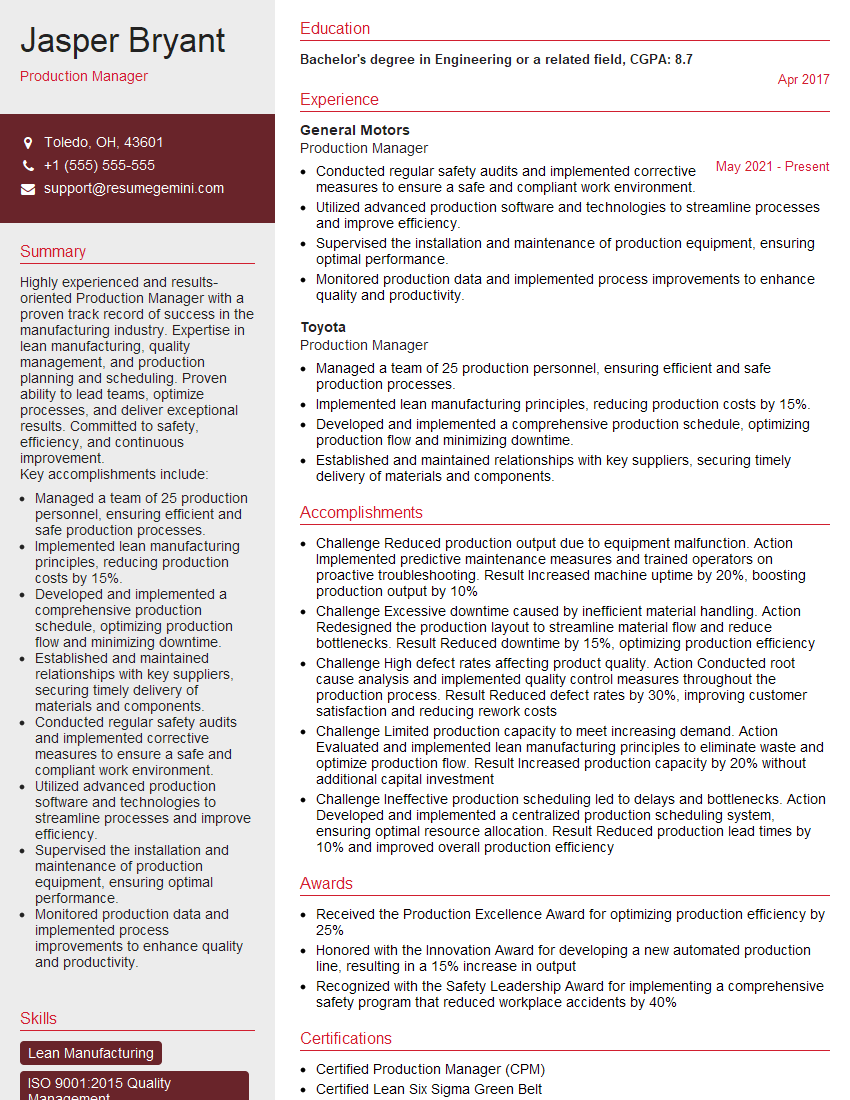
Production Manager Resume Sample

Quality Assurance Manager Resume Sample
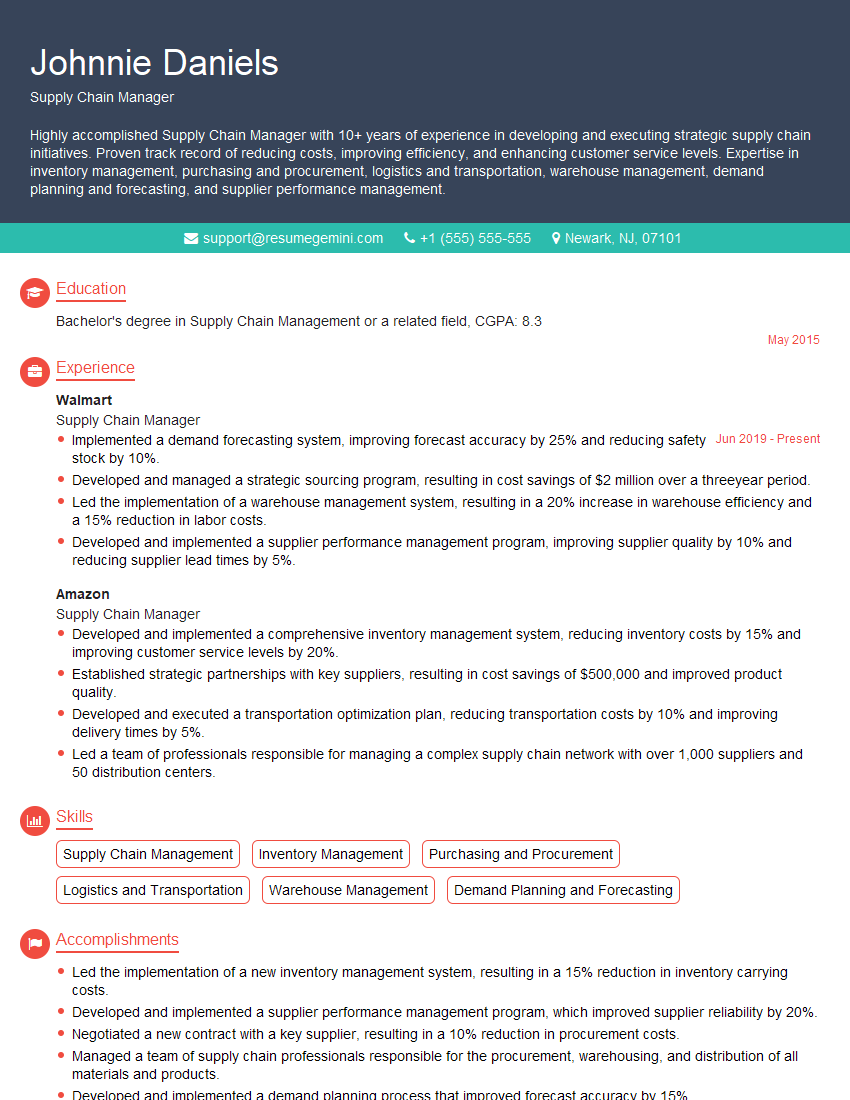
Supply Chain Manager Resume Sample
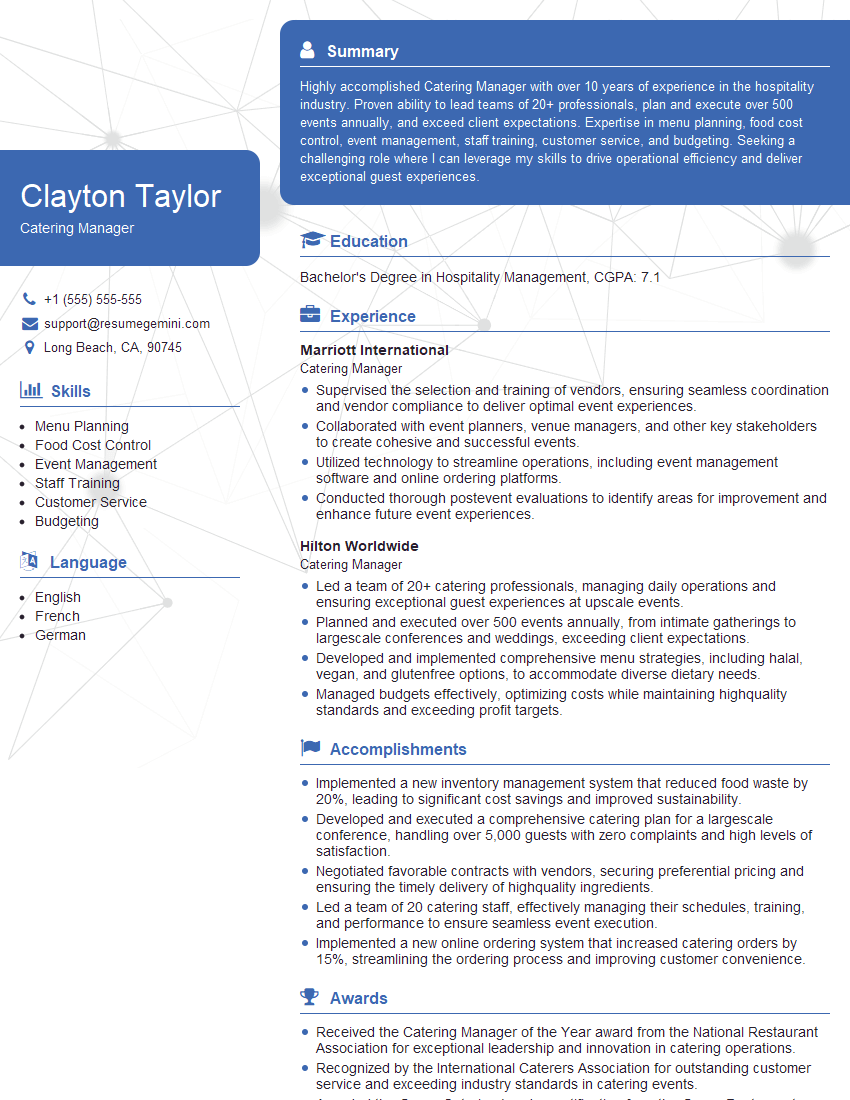
Catering Manager Resume Sample
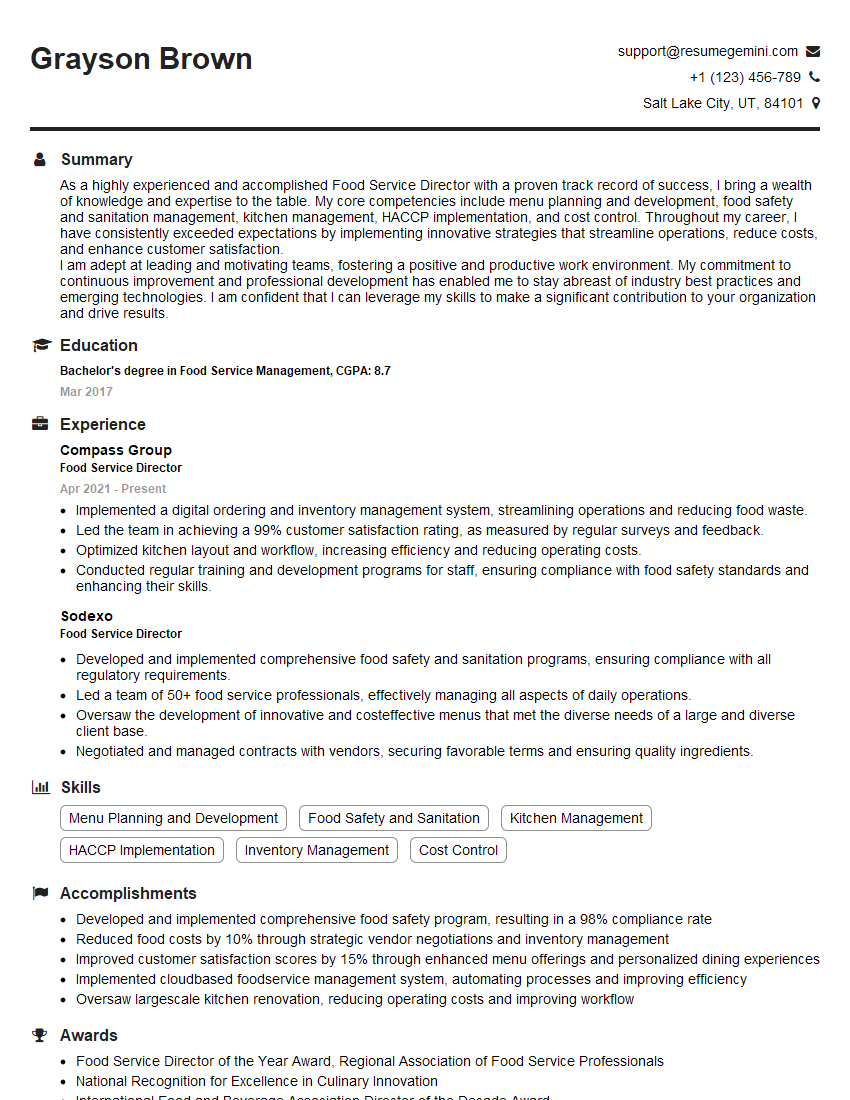
Food Service Director Resume Sample
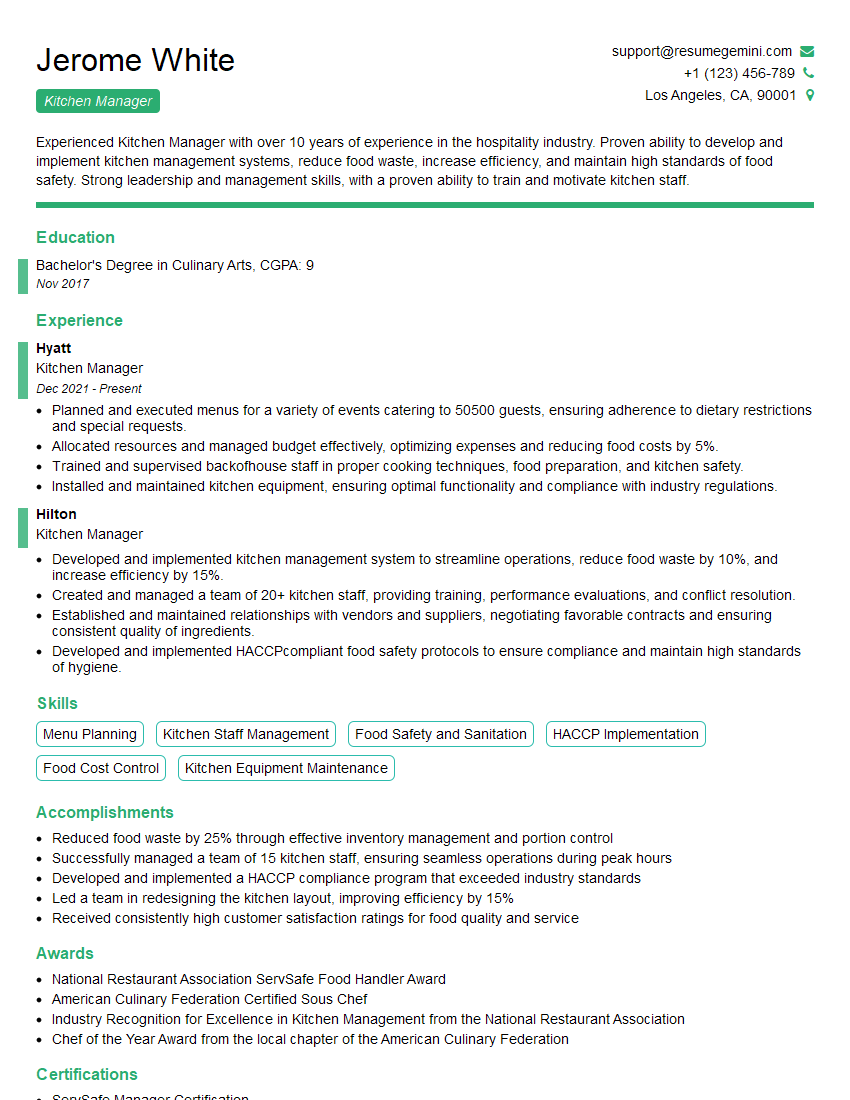
Kitchen Manager Resume Sample
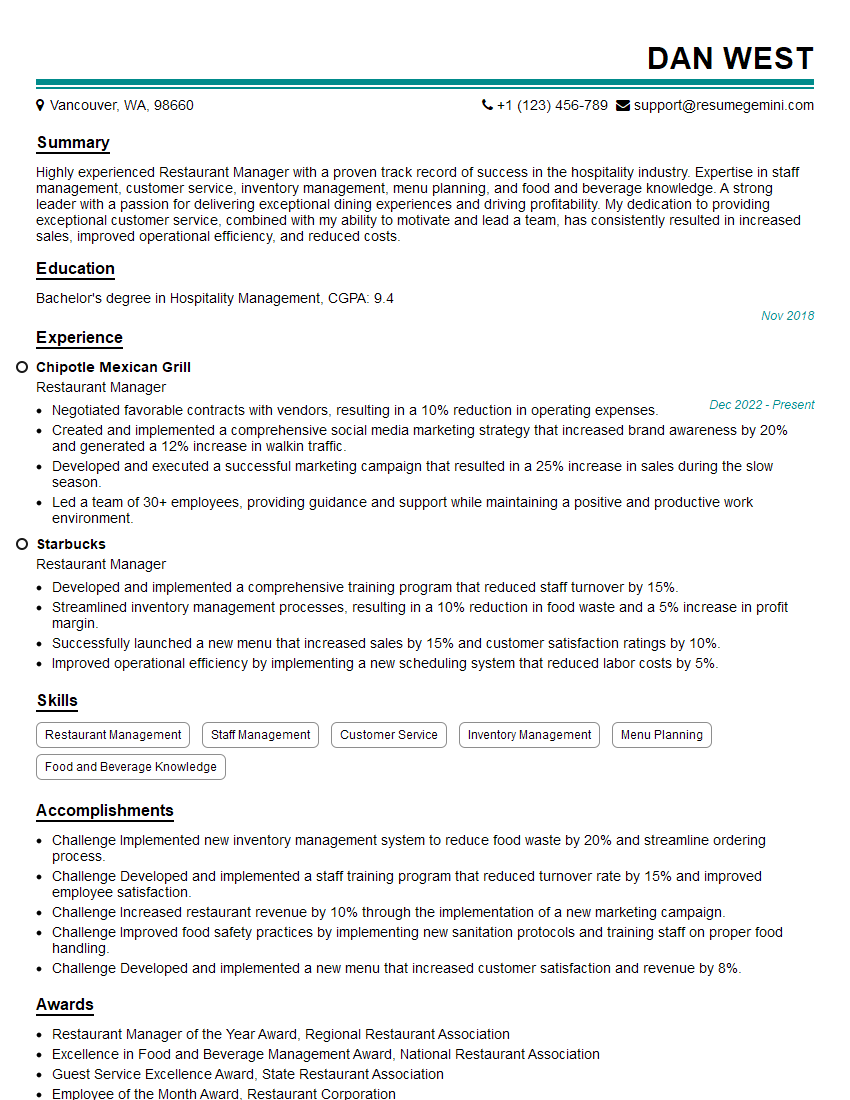
Restaurant Manager Resume Sample

Compliance Officer Resume Sample
Regulatory Affairs Specialist Resume Sample
Quality Control Specialist Resume Sample

Food Technologist Resume Sample
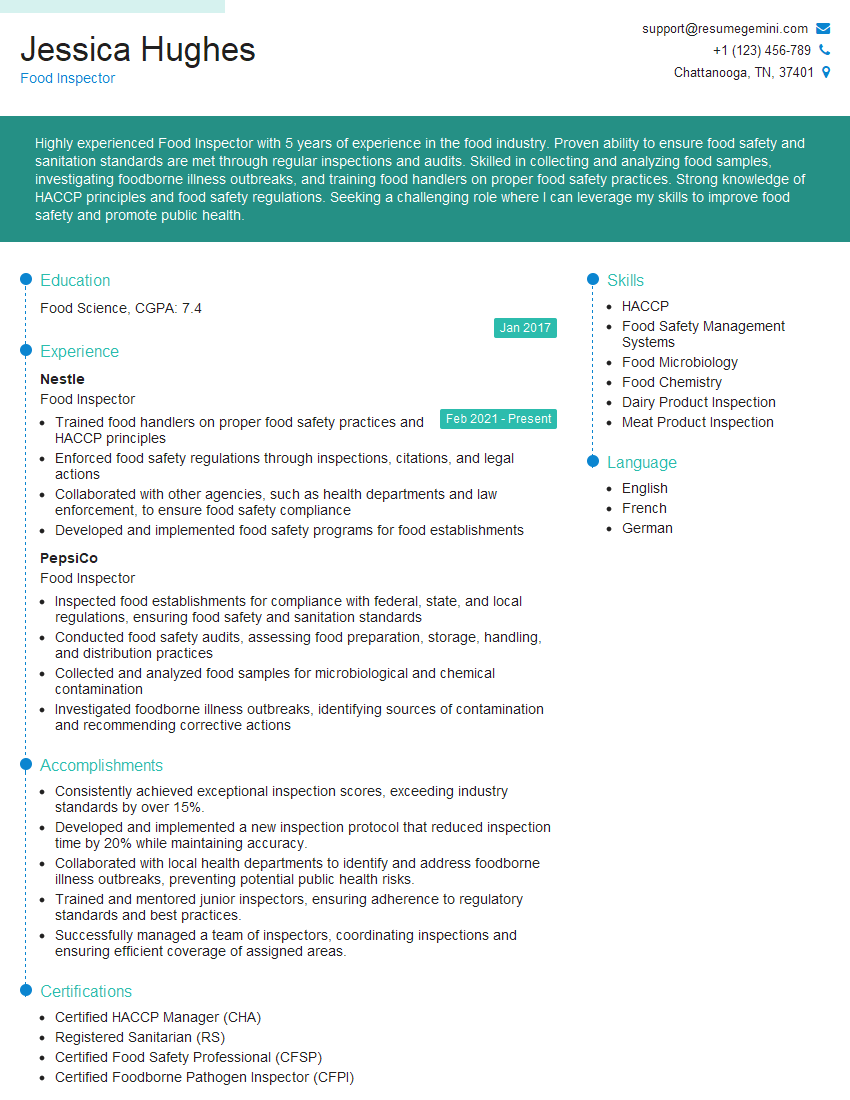
Food Inspector Resume Sample
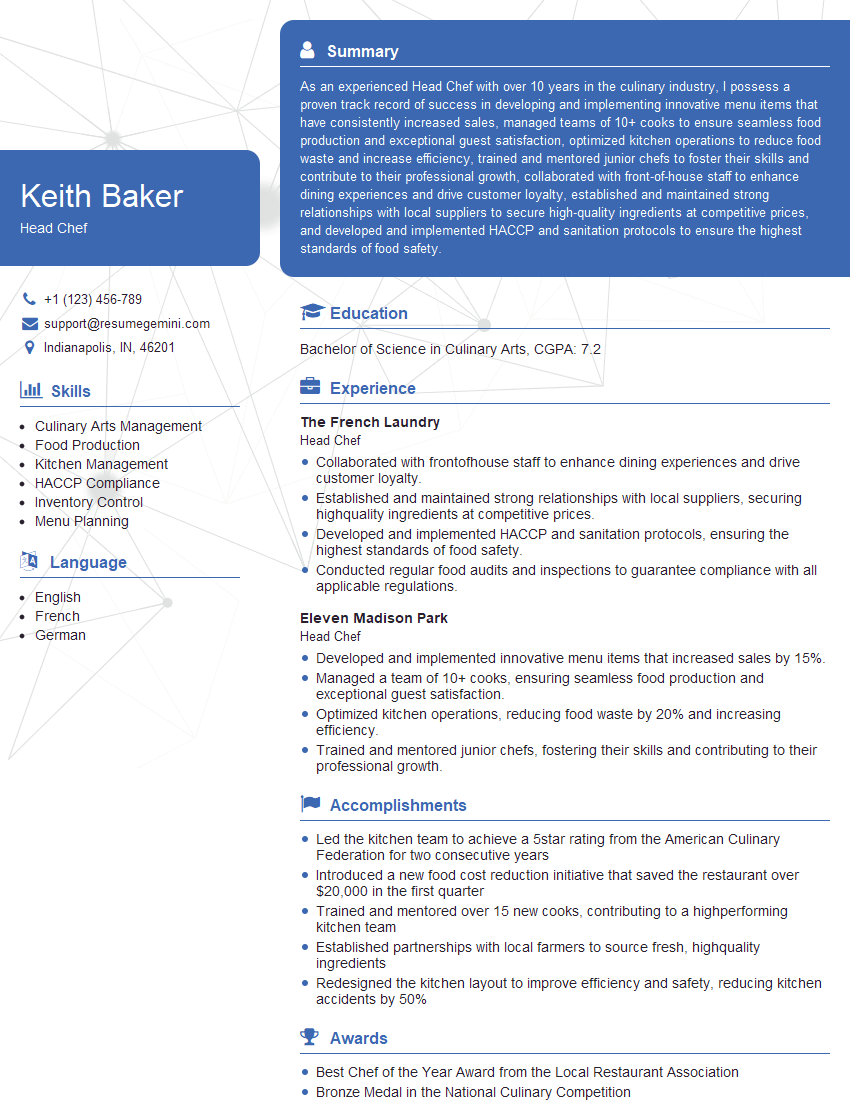
Head Chef Resume Sample
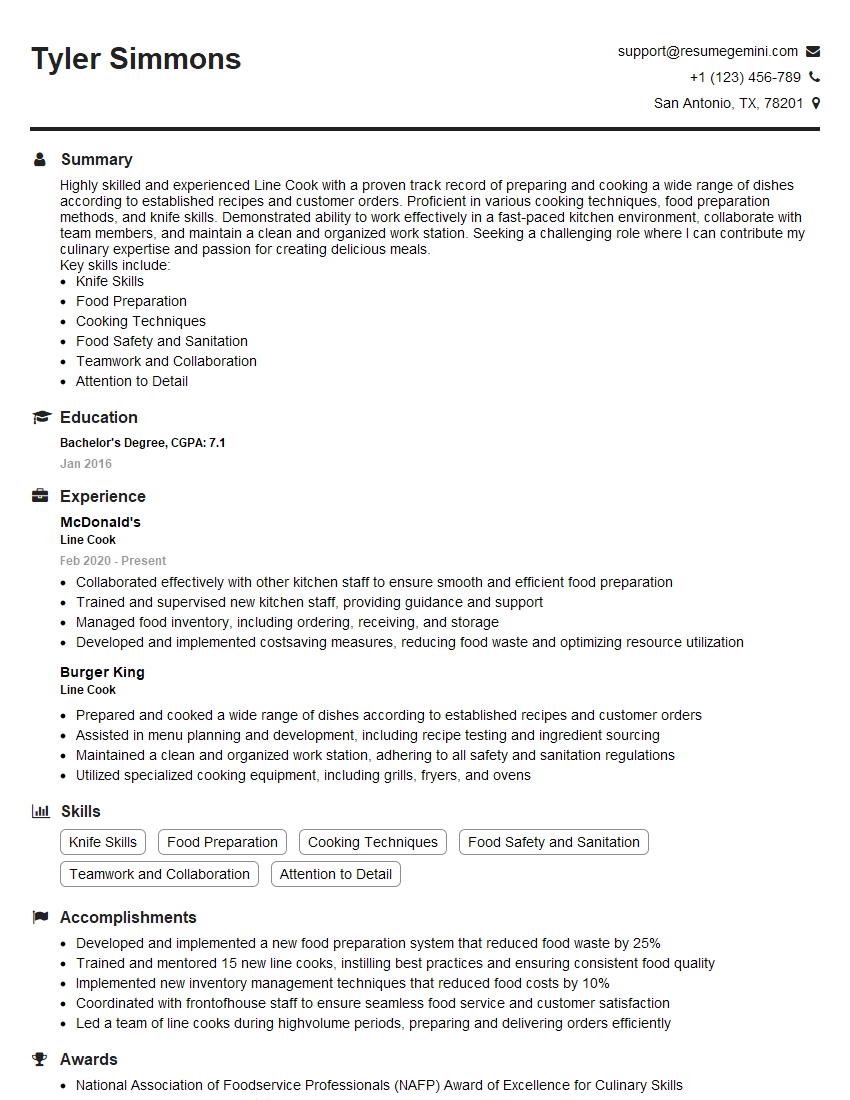
Line Cook Resume Sample
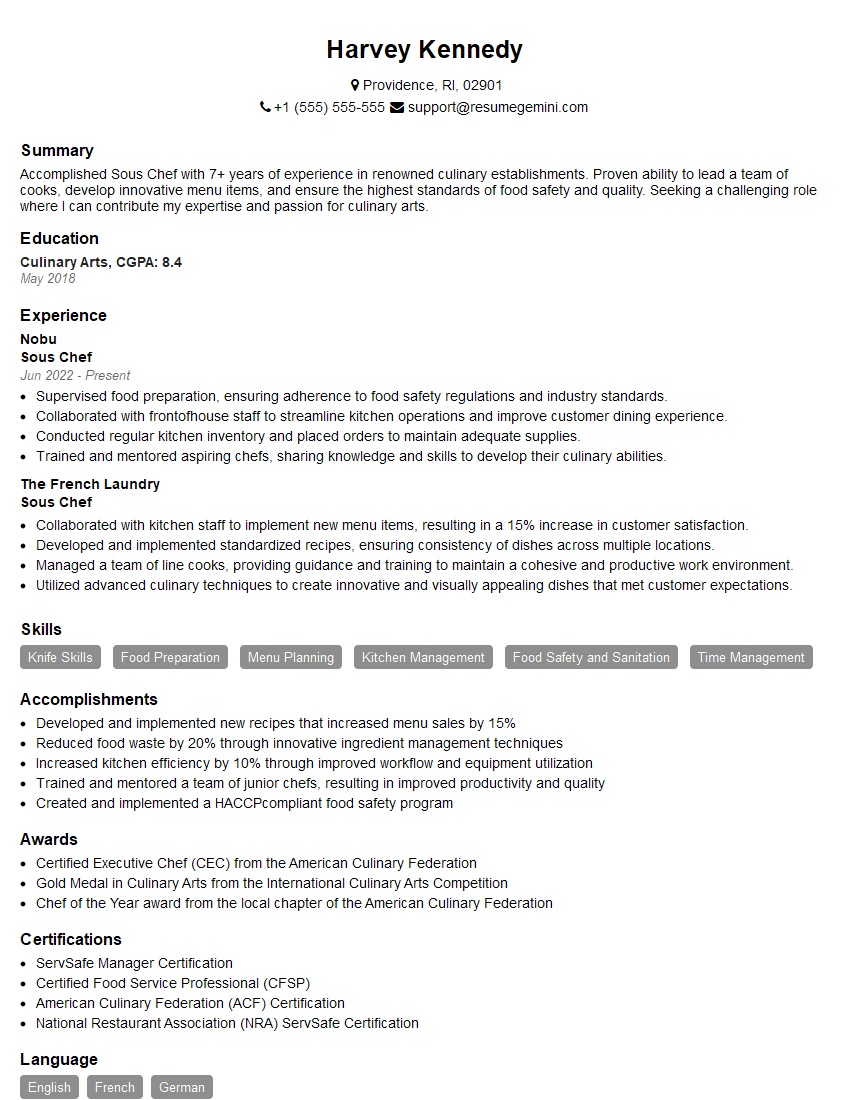
Sous Chef Resume Sample
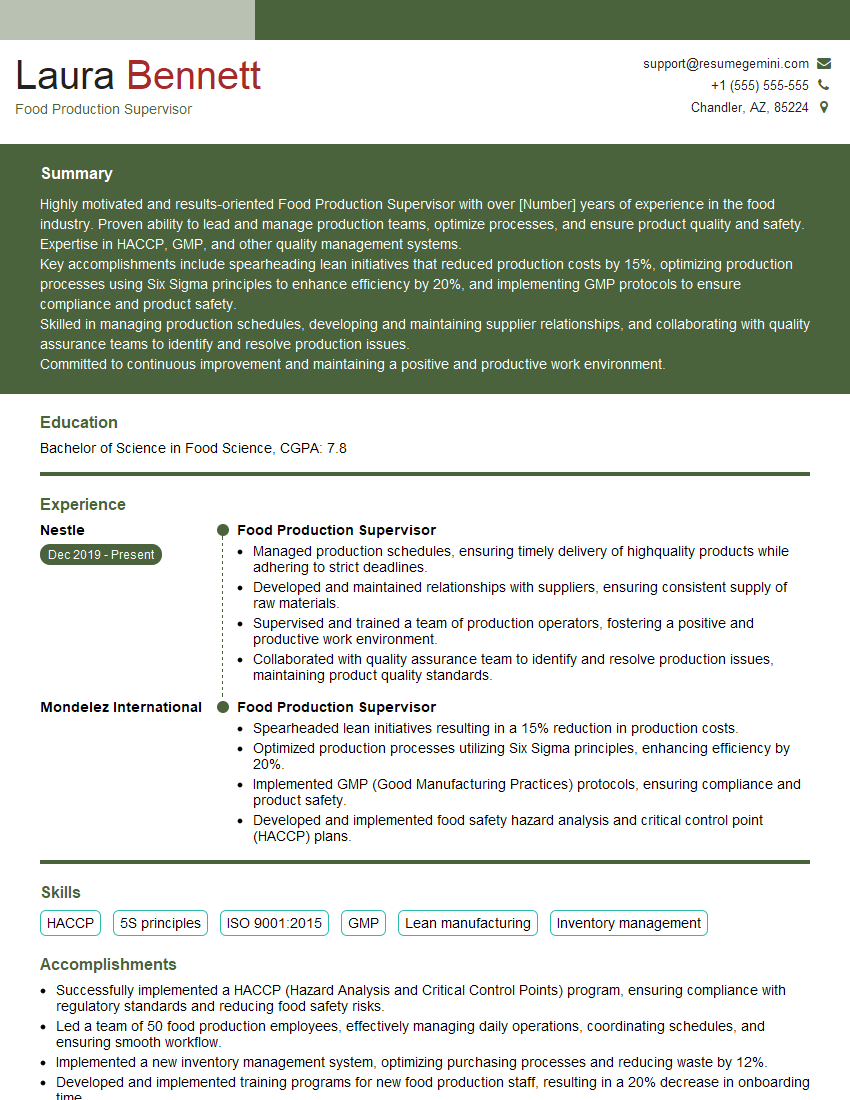
Food Production Supervisor Resume Sample
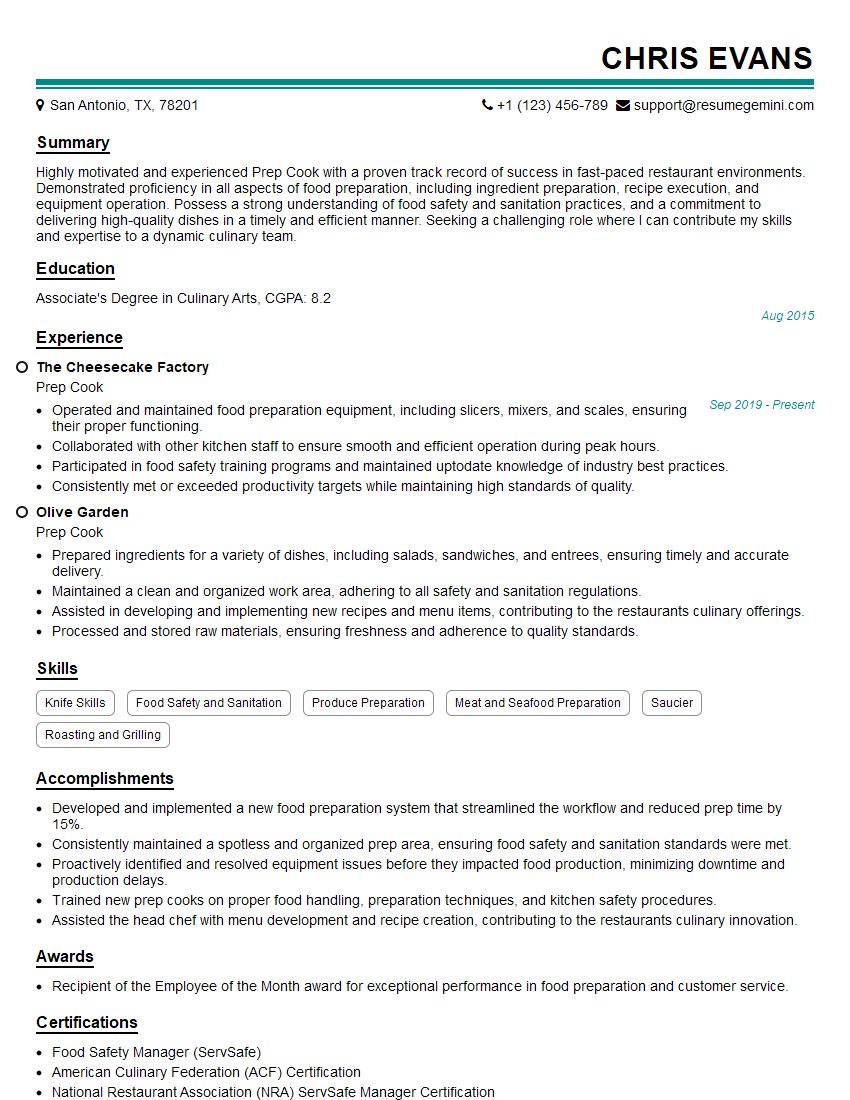
Prep Cook Resume Sample
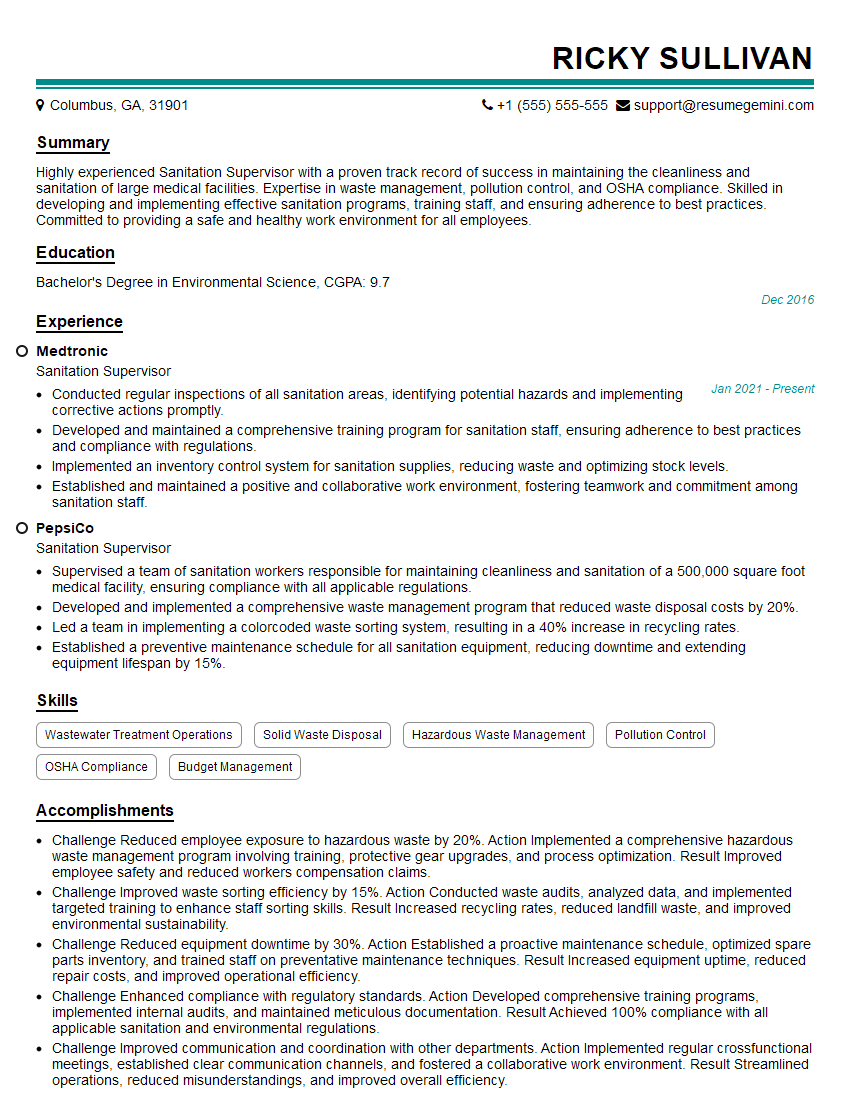
Sanitation Supervisor Resume Sample
- Production Manager
- Quality Assurance Manager
- Supply Chain Manager
- Catering Manager
- Food Service Director
- Kitchen Manager
- Restaurant Manager
- Compliance Officer
- Regulatory Affairs Specialist
- Quality Control Specialist
- Food Technologist
- Food Inspector
- Head Chef
- Line Cook
- Sous Chef
- Food Production Supervisor
- Prep Cook
- Sanitation Supervisor
Explore more articles
Users Rating of Our Blogs
Share Your Experience
We value your feedback! Please rate our content and share your thoughts (optional).
What Readers Say About Our Blog
To the interviewgemini.com Webmaster.
Very helpful and content specific questions to help prepare me for my interview!
Thank you
To the interviewgemini.com Webmaster.
This was kind of a unique content I found around the specialized skills. Very helpful questions and good detailed answers.
Very Helpful blog, thank you Interviewgemini team.