The right preparation can turn an interview into an opportunity to showcase your expertise. This guide to Mortar Mixing and Pouring interview questions is your ultimate resource, providing key insights and tips to help you ace your responses and stand out as a top candidate.
Questions Asked in Mortar Mixing and Pouring Interview
Q 1. What are the different types of mortar mixes and their applications?
Mortar mixes are classified primarily by their strength and intended application. The key components are cement, lime, sand, and water, but the ratios vary greatly.
- Type M Mortar: The strongest type, ideal for high-strength applications like foundation walls and retaining walls where significant compressive strength is required. It’s less workable than other types, requiring more skill to apply.
- Type S Mortar: A general-purpose mortar suitable for most masonry work, offering a good balance of strength and workability. Commonly used in above-ground applications like brick veneer and block walls.
- Type N Mortar: A medium-strength mortar suitable for less demanding applications like interior partitions or non-load-bearing walls. It provides good workability.
- Type O Mortar: The lowest strength mortar, best suited for interior non-load-bearing walls where aesthetic considerations outweigh extreme strength requirements. It’s very workable but less durable.
- Specialty Mortars: There are also specialty mortars formulated for specific applications, such as those with increased resistance to freeze-thaw cycles, or those containing additives for improved bonding or color.
Choosing the right mortar type is critical to the longevity and structural integrity of the masonry project. Using Type O mortar for a foundation would be a significant error, while using Type M for interior walls might be an unnecessary expense.
Q 2. Explain the proper mixing ratios for different mortar types.
Mixing ratios are crucial for achieving the desired mortar properties. They’re typically expressed as volumetric ratios of cement, lime, and sand. These ratios change significantly based on the type of mortar. You will almost always use a pre-mixed bag from a supplier rather than mixing the components yourself, but understanding the ratios is important to understand the resulting properties.
Example: A common Type N mortar mix might be a 1:1:6 ratio of cement:lime:sand. This means one part cement, one part lime, and six parts sand by volume. The exact quantities depend on the project’s scale. A bag will clearly denote this ratio. It’s crucial to accurately measure these ingredients; inconsistent ratios lead to inconsistent mortar.
Important Note: Water is added gradually during mixing, achieving a workable consistency. Too much water weakens the mortar, while too little makes it difficult to work with. The water’s impact on the final mix is immense and understanding this is crucial for project success.
Q 3. How do you ensure the consistency of the mortar mix?
Ensuring consistent mortar mix involves careful attention to detail throughout the mixing process. This starts with accurately measuring the dry ingredients. Using a mortar mixer is key to ensuring thorough mixing and consistency. If mixing by hand, vigorous mixing is critical. We check consistency throughout.
Visual Inspection: The mortar should have a uniform color and texture, without any clumps of dry ingredients. A slump test (measuring the slump of a cone of mortar) can provide a quantitative measure of consistency. A proper slump is key; too much and it’s too wet; too little and it’s too dry.
Regular Checks: Monitor the mix as you work, adding small amounts of water if necessary to maintain consistency. If the mix starts to stiffen, it’s usually best to discard it and mix a fresh batch. Inconsistent mortar leads to uneven bonding and a weakened structure.
Q 4. Describe the process of loading and operating a mortar mixer.
Loading and operating a mortar mixer is straightforward but requires attention to safety. Most mortar mixers are drum-type mixers, although paddle mixers do exist. The process is similar for both.
- Loading: Add the dry ingredients (cement, lime, and sand) to the mixer drum. Ensure even distribution to prevent clumping. I usually add the sand first, followed by the cement and lime. Don’t overload the mixer.
- Adding Water: Slowly add water while the mixer is running. This prevents large clumps of mortar from forming. Monitor the mix’s consistency to make adjustments.
- Mixing Time: Mix for the recommended time specified by the mortar manufacturer. Typically, this takes between 5 and 10 minutes. Over-mixing can introduce air and weaken the mortar.
- Discharging: Once the mortar is mixed, turn off the mixer and allow it to rest briefly. Then discharge the mortar carefully.
Regular maintenance, including cleaning the mixer after each use, is critical for extending its lifespan and preventing contamination of future batches.
Q 5. What safety precautions are necessary when working with mortar?
Safety is paramount when working with mortar. It’s an alkaline substance that can cause skin and eye irritation. Furthermore, mortar dust can be harmful if inhaled.
- Eye Protection: Wear safety glasses or goggles to protect your eyes from splashes or dust.
- Respiratory Protection: Use a dust mask or respirator, especially when working in confined spaces or with dry mortar.
- Skin Protection: Wear gloves to protect your hands from irritation and to prevent skin contact with cement.
- Proper Clothing: Wear long sleeves and long pants to protect your skin.
- Handling Injuries: Know how to handle skin or eye irritation; immediately wash affected areas with plenty of water and consult medical advice if needed.
Always follow the manufacturer’s safety recommendations provided with the mortar. Remember, safety is not optional, it’s mandatory.
Q 6. How do you handle variations in weather conditions during mortar application?
Weather conditions significantly impact mortar application and curing. Extreme temperatures and precipitation can affect the mortar’s properties and the final result.
- Hot Weather: In hot weather, the mortar dries too quickly, potentially leading to cracking and reduced strength. Shade the work area and use a misting system to prevent rapid drying.
- Cold Weather: In freezing temperatures, water in the mortar can freeze, expanding and damaging the mortar. Use frost-resistant mortar and avoid application when temperatures are near freezing or below. Consider using heated water in the mix.
- Rain: Rain can wash away the mortar before it sets properly. Protect the work area with tarps or postpone work until the rain stops. Ensure proper drying before applying new coats.
Careful planning and adapting to the conditions are essential for successful mortar work in varying weather.
Q 7. Explain the importance of proper curing time for mortar.
Proper curing is vital for achieving the desired strength and durability of the mortar. Curing involves maintaining adequate moisture and temperature to allow the hydration of the cement.
Curing Time: The required curing time varies depending on the mortar type, temperature, and humidity. Generally, a minimum of 7 days is recommended for most applications, but longer curing periods are usually beneficial. The bag will indicate the proper time. Early exposure to direct sunlight, wind, or freezing temperatures will negatively impact the curing process and should be avoided.
Curing Methods: Methods to ensure proper curing include keeping the mortar moist using water spraying or covering the surface with wet burlap. Some projects use curing compounds.
Insufficient curing leads to weaker, more porous mortar, increasing susceptibility to damage and reducing longevity.
Q 8. What are the signs of improper mortar mixing or application?
Improper mortar mixing or application manifests in several ways, often compromising the structural integrity and aesthetic appeal of the finished masonry. Think of mortar as the glue holding your bricks or blocks together – if the glue is bad, the whole structure suffers.
- Weak Mortar: This often results from incorrect water-to-cement ratio, leading to a crumbly, easily-eroded mortar that doesn’t adequately bond with the masonry units. You might see crumbling mortar even shortly after application.
- Uneven Mortar Joints: Inconsistent joint thickness (too thick or too thin) indicates poor application technique, potentially leading to uneven pressure distribution and structural weakness. Imagine a poorly-built wall – some parts might be stronger than others, creating instability.
- Mortar Cracking: Cracks in the mortar, whether immediately after setting or later, suggest issues with the mix design, application, or curing process. These cracks can allow water penetration, leading to frost damage and long-term structural problems.
- Bleeding: Excess water rising to the surface of the mortar, leaving a whitish film, often points to too much water in the mix or improper compaction during application. This weakens the mortar and affects its appearance.
- Poor Adhesion: If the mortar doesn’t adhere properly to the masonry units, it can lead to loose bricks or blocks, posing a significant safety hazard. This typically happens because of a dirty substrate, improper mixing, or incorrect curing practices.
Q 9. How do you troubleshoot common problems during mortar application?
Troubleshooting mortar application problems requires a systematic approach. First, identify the problem, then investigate potential causes, and finally implement corrective actions.
- Weak Mortar: Re-mix the mortar with the correct water-to-cement ratio, checking the manufacturer’s instructions meticulously. If the problem persists, consider using a different type of mortar appropriate for the application.
- Uneven Mortar Joints: Use consistent pressure and tooling techniques to ensure even joint thickness. A skilled mason uses tools like a jointer to create uniform and aesthetically pleasing joints. Practice makes perfect; consistent application is key.
- Mortar Cracking: This could be due to rapid drying, improper curing (allowing the mortar to dry too quickly or unevenly), or unsuitable mortar for the application. Ensure proper curing techniques, using water to keep the mortar moist for the specified period. Consider adding plasticizers to the mix to improve workability and reduce cracking.
- Bleeding: Reduce the amount of water in the mix, ensuring the mix is still workable. Over-mixing can also contribute to bleeding, so adjust the mixing time.
- Poor Adhesion: Clean the substrate thoroughly to remove dust, dirt, or other contaminants that might interfere with bonding. Use a bonding agent if needed to ensure proper adhesion to the substrate.
Sometimes, the root cause is something as simple as using the wrong type of mortar for the given environment or substrate. Always check the manufacturer’s specifications before starting any project.
Q 10. Describe your experience with different types of masonry units (brick, block, stone).
My experience encompasses working with a wide range of masonry units, each presenting unique challenges and requiring specific mortar application techniques.
- Bricks: I’ve worked with various brick types – from standard clay bricks to more specialized facing bricks – each having a different absorption rate. This affects the mortar’s setting time and adhesion. With porous bricks, you might need to wet them slightly before applying the mortar to prevent rapid water absorption.
- Blocks: Concrete blocks are commonly used, particularly in commercial construction. They often require a slightly stronger mortar mix due to their higher compressive strength. Ensuring consistent bedding is crucial to avoid voids.
- Stone: Natural stone masonry is a specialized area. The irregular shapes and sizes of natural stones demand meticulous attention to detail in mortar application, ensuring complete coverage of the surfaces for optimal adhesion and structural stability. The porosity of the stone also influences the mortar selection.
Understanding the properties of each masonry unit – its porosity, compressive strength, and shape – is fundamental to choosing the correct mortar and application technique to ensure the project’s structural integrity and longevity.
Q 11. How do you determine the required amount of mortar for a project?
Determining the required mortar quantity involves careful calculation and consideration of several factors. Simply guessing can lead to shortages or excessive waste.
The most common method involves calculating the volume of mortar needed per unit area of the wall, then multiplying by the total wall area. This calculation takes into account the size of the masonry units, joint thickness, and mortar coverage requirements.
For example, a common approach for brickwork is to estimate a volume of mortar of approximately 0.2 cubic feet per square foot of wall area, assuming a standard joint thickness. However, this is a general estimate; factors such as the size and type of brick can influence this significantly. Detailed plans and specifications, along with experienced judgment, help in precise calculation.
Experienced masons often use their knowledge and past experiences as a ‘rule of thumb’ to refine this estimation, but written calculations are crucial for larger projects and accurate budgeting.
Q 12. What tools and equipment are used for efficient mortar application?
Efficient mortar application demands the right tools and equipment. The selection depends on the scale and complexity of the project, but here’s a general overview:
- Mortar Mixer: A crucial tool for achieving a consistent mortar mix, ranging from small hand-held mixers for small jobs to larger, motorized mixers for larger projects.
- Wheelbarrow: For transporting mixed mortar to the application site.
- Hawk and Trowel: The hawk is a flat, handheld platform for holding mortar, while the trowel is used for applying and shaping the mortar. These are essential for precise application.
- Bricklayer’s Level: Used to ensure the wall remains plumb (vertical) and level (horizontal).
- Jointing Tools: Various tools are used for creating different joint profiles, improving both aesthetics and water resistance.
- Measuring Tools: Measuring tapes, levels, and plumb bobs are important for precise work.
- Safety Gear: Gloves, safety glasses, and respirators protect against dust, chemicals, and injuries.
Investing in good quality tools is essential for efficiency and a professional finish. A well-equipped mason is a safe and productive mason.
Q 13. What are the different techniques for applying mortar to various surfaces?
Applying mortar effectively requires adapting techniques to different surfaces and situations. Here are a few common methods:
- Full Bed Method: The entire surface of the masonry unit is covered with mortar. This is used where maximum adhesion is crucial or for larger, heavier units.
- Head Joint Method: Mortar is applied only to the vertical edges, often used for speed in situations where strength isn’t the utmost priority.
- Stretcher Bond Method: Suitable for brickwork, only the sides and bottom edges are covered with mortar.
- Pointing: This is a technique of filling in or re-filling mortar joints already in place. This is often done for restoration work or for aesthetic improvement.
Choosing the right method depends on the type of masonry unit, the wall design, and the required strength and aesthetics. Understanding the strengths and weaknesses of each method enables the mason to make informed decisions.
Q 14. How do you ensure proper adhesion of the mortar to the substrate?
Ensuring proper mortar adhesion involves a multi-faceted approach. It’s more than just slapping mortar onto a surface; it’s about creating a strong bond.
- Clean Substrate: Thoroughly cleaning the substrate (the surface to which the mortar is applied) to remove dust, debris, oil, or any contaminants that could prevent proper adhesion is paramount. Imagine trying to glue two dusty surfaces together – it simply won’t work effectively.
- Proper Mortar Mix: Using the correct mortar mix for the substrate and environmental conditions is crucial. The mix ratio, type of cement and aggregate are crucial elements. Incorrect mixing drastically affects adhesion.
- Appropriate Mortar Application: Using the right application technique, as outlined above, is key. Correctly placing and pressing the mortar into place forms the necessary bond.
- Proper Curing: Protecting the newly placed mortar from rapid drying and temperature fluctuations during the curing process prevents cracking and ensures the mortar reaches its full strength. Keeping the mortar moist during the early curing stage is vital.
- Bonding Agents: In challenging situations with particularly smooth or non-porous surfaces, a bonding agent can enhance adhesion. These agents improve the surface’s ability to grip the mortar.
By paying attention to all these aspects, you can ensure the mortar adheres effectively, providing long-lasting, structurally sound masonry.
Q 15. Explain the importance of joint tooling in mortar work.
Joint tooling is crucial in mortar work because it dictates the aesthetic appeal, weather resistance, and structural integrity of the final product. Proper tooling ensures a consistent joint profile, promoting uniform water runoff and preventing water penetration, which can lead to damage and deterioration over time. Think of it like caulking a bathtub – a poorly tooled joint is like a gap, allowing water to seep in.
- Strength: Correct tooling compresses the mortar, increasing its strength and durability. A poorly tooled joint can be weak and prone to cracking.
- Water Resistance: A well-tooled joint sheds water effectively, minimizing moisture absorption which can lead to freeze-thaw damage in colder climates or mold and mildew growth in humid conditions.
- Appearance: Tooled joints contribute significantly to the overall appearance of the masonry. A consistent joint profile creates a clean, professional finish, enhancing the curb appeal of any structure. Different tooling techniques create different aesthetic effects, allowing for tailored finishes to match design specifications.
For example, a concave joint is often preferred for its strength and water shedding capabilities, while a weathered joint provides a more rustic appearance. The choice of tooling depends on the project’s specific requirements and the desired aesthetic outcome. I’ve found that using the right tools and techniques, such as a jointing tool with a slightly rounded edge for concave joints or a pointing tool for crisp, straight joints, significantly impacts the final result.
Career Expert Tips:
- Ace those interviews! Prepare effectively by reviewing the Top 50 Most Common Interview Questions on ResumeGemini.
- Navigate your job search with confidence! Explore a wide range of Career Tips on ResumeGemini. Learn about common challenges and recommendations to overcome them.
- Craft the perfect resume! Master the Art of Resume Writing with ResumeGemini’s guide. Showcase your unique qualifications and achievements effectively.
- Don’t miss out on holiday savings! Build your dream resume with ResumeGemini’s ATS optimized templates.
Q 16. How do you maintain the cleanliness of tools and equipment when working with mortar?
Maintaining clean tools and equipment is paramount to efficient and high-quality mortar work. Mortar residue, if left to dry, becomes incredibly difficult to remove, potentially contaminating subsequent batches and affecting the mortar’s properties. Plus, clean tools are simply safer and more efficient.
- Immediate Cleaning: The most effective method is immediate cleaning. As soon as a tool is finished, I rinse it thoroughly with water, scrubbing away any hardened mortar with a brush. For particularly stubborn residue, I might use a wire brush or a specialized mortar cleaning tool.
- Soaking: For tools that have dried mortar, I let them soak in water for a while to loosen the hardened material before scrubbing.
- Specialized Cleaners: While water is usually sufficient, there are specialized mortar cleaning agents available that can help break down hardened residue more effectively. These should be used according to the manufacturer’s instructions.
- Regular Maintenance: Beyond cleaning after each use, regular maintenance is key. This includes lubricating moving parts of tools like trowels and checking for any damage that needs repair or replacement.
I once learned a valuable lesson on a large project: neglecting tool cleaning led to inefficient work the next day as I spent valuable time cleaning instead of working. Now, I always emphasize immediate and thorough cleaning as part of my workflow.
Q 17. Describe your experience with different types of bonding agents for mortar.
Bonding agents significantly improve the adhesion and overall performance of mortar. I’ve worked with a range of bonding agents, each suited for different situations and materials.
- Polymer-modified Mortars: These are increasingly common and offer enhanced bonding strength, flexibility, and water resistance compared to traditional mortars. They’re especially useful in situations where there’s a risk of movement or vibration. I’ve used them extensively in seismic zones.
- Latex Additives: Latex-based bonding agents improve workability and adhesion, particularly on smooth surfaces like concrete. They also improve the mortar’s overall strength and durability.
- Acrylic Bonding Agents: These offer excellent adhesion to various substrates, including brick, concrete, and stone. They’re particularly effective in bridging gaps between materials and improving water resistance. I recall using acrylic bonding agent on a restoration project where we were patching deteriorated mortar on an old brick wall. The adhesion was outstanding.
- Epoxy Resins: For critical applications requiring the highest level of bonding strength, epoxy resins are employed. These offer excellent durability and chemical resistance, but they often require specialized application techniques and safety precautions due to their strong adhesive properties.
Choosing the right bonding agent depends on factors like substrate material, environmental conditions, and the desired properties of the final mortar. Understanding the properties of each type is crucial for successful application.
Q 18. What are the environmental considerations related to mortar disposal?
Environmental considerations related to mortar disposal are increasingly important. Improper disposal can lead to soil and water contamination.
- Waste Minimization: The most effective approach is to minimize waste through careful planning and precise mixing. Accurate calculations help avoid excess material.
- Proper Disposal: Hardened mortar should be disposed of in designated construction waste containers. Never dump it in waterways or on land where it can contaminate the soil. Many areas have regulations about disposal of construction and demolition waste, including mortar, so check your local regulations.
- Recycling: In some instances, depending on the composition of the mortar, recycling may be possible. Consult local recycling facilities to explore this option.
- Hazardous Waste: If the mortar contains hazardous materials, special handling and disposal procedures must be followed, in accordance with local and national regulations.
Environmental responsibility is not merely a trend but a crucial aspect of professional practice. Sustainable construction practices, including responsible waste management, are essential to minimize the industry’s environmental footprint. I always strive to educate my crew on the importance of proper disposal.
Q 19. How do you ensure the structural integrity of mortar joints?
Ensuring structural integrity of mortar joints is critical for the overall stability of the masonry structure. Weak or improperly filled joints can significantly compromise the strength and longevity of a wall or other masonry structures.
- Proper Mortar Mix: Using the correct mortar mix proportions is fundamental. The mix should be consistent with the building code requirements and appropriate for the application and materials.
- Full Joint Filling: The mortar joints must be completely filled, without any voids. Voids weaken the joint and create pathways for water penetration.
- Consistent Joint Size and Profile: Maintaining a consistent joint size and profile throughout the structure is essential for uniform load distribution and strength.
- Proper Curing: Allowing the mortar to cure properly is critical for achieving its full strength and durability. This typically involves keeping the mortar moist for a certain period to prevent rapid drying and cracking.
- Quality Control: Regular inspections during and after the application are needed to identify and address any issues such as voids or weak joints.
A poorly executed joint can lead to serious structural problems, potentially affecting the safety and stability of the entire building. Therefore, careful attention to detail and adherence to best practices are essential.
Q 20. Explain the process of preparing the surface for mortar application.
Surface preparation is a critical step before mortar application, significantly influencing the adhesion and longevity of the mortar. A poorly prepared surface can lead to poor bonding, cracking, and ultimately, structural failure.
- Cleaning: The surface must be thoroughly cleaned to remove any loose debris, dust, dirt, oil, or other contaminants that could hinder proper adhesion. A wire brush, pressure washer (used cautiously), or other appropriate cleaning methods can be used.
- Moisture Content: The surface should be adequately dry. Excessive moisture can weaken the bond and hinder the mortar’s curing process. Conversely, extremely dry surfaces can draw moisture out of the fresh mortar too quickly, causing cracking. I often use a moisture meter to ensure the optimal moisture content before application.
- Roughening: For smooth surfaces like concrete, roughening the surface can significantly improve adhesion. Methods include using a wire brush, a surface grinder, or even an acid wash (in some cases). This creates a mechanical bond between the mortar and substrate.
- Priming: In some cases, a primer may be applied to enhance adhesion. The type of primer depends on the substrate material.
- Repairing Existing Damage: Any damaged areas or cracks in the existing surface must be repaired before applying the new mortar.
Thorough preparation is always worth the extra time and effort; it prevents costly rework and ensures a durable, long-lasting result. I’ve seen firsthand how neglecting this crucial step can lead to significant problems later on.
Q 21. How do you address issues like efflorescence or cracking in mortar?
Efflorescence and cracking are common issues in mortar work, but understanding their causes allows for effective solutions.
- Efflorescence (White Powdery Deposits): This is caused by soluble salts within the mortar migrating to the surface and crystallizing as the water evaporates. Solutions involve cleaning the affected area with water and a stiff brush. In severe cases, special cleaning agents may be required. Preventing efflorescence involves using low-salt mortar and ensuring proper curing to minimize water penetration.
- Cracking: Cracking can stem from various factors, including improper mixing, insufficient curing, movement in the substrate, thermal expansion and contraction, or poor surface preparation. Solutions depend on the cause. Small, superficial cracks might require simple patching. More severe cracking may indicate underlying structural issues requiring more extensive repairs, potentially involving structural engineers.
Addressing these issues requires careful diagnosis. Is the cracking localized or widespread? What are the environmental conditions? Understanding the root cause is essential for effective and lasting repair. I always recommend a thorough inspection and investigation before attempting any repairs.
Q 22. What is the appropriate method for cleaning up excess mortar?
Cleaning up excess mortar is crucial for maintaining a clean and safe worksite, and for preventing material waste. The best approach depends on how fresh the mortar is.
Fresh Mortar: For recently applied mortar, the key is to remove it before it sets. A stiff-bristled brush, a putty knife, or even a damp sponge (for very small amounts) can effectively remove excess mortar. The goal is to gently lift the material without gouging the surrounding surface. For larger spills, a pointed trowel might be necessary.
Hardened Mortar: Once mortar hardens, removal becomes significantly more challenging. Mechanical methods are often required. A chisel and hammer can be used carefully to chip away hardened mortar, but this carries a risk of damaging the underlying surface. For delicate surfaces, a grinder with a diamond blade may be a more suitable option, but always practice caution to avoid unintended damage.
Important Considerations: Always wear appropriate personal protective equipment (PPE), including safety glasses and gloves, when cleaning up mortar. Dispose of the removed mortar properly (see question 2).
Q 23. How do you manage the disposal of waste mortar?
Mortar disposal is subject to local regulations and environmental considerations. Improper disposal can lead to significant fines and environmental damage. Therefore, it’s critical to understand and follow all applicable rules.
Cured Mortar: Once completely cured and dry, mortar is generally considered inert and can often be disposed of in a construction debris landfill. However, always check with your local waste management authority for specific guidelines. Some regions may require separate disposal for specific mortar components.
Wet/Fresh Mortar: Wet or fresh mortar must be handled differently. Never pour it down drains or into waterways. It should be allowed to fully cure before disposal. For smaller amounts, it can often be allowed to dry and then disposed of as cured mortar. Large quantities may require a specialized waste disposal contractor.
Hazardous Additives: If the mortar contains any hazardous additives (e.g., certain chemicals), disposal becomes more complex and may require adherence to strict hazardous waste protocols.
In short, always consult local regulations and waste disposal companies for appropriate methods before discarding any mortar waste.
Q 24. What are the common causes of mortar failure and how can they be prevented?
Mortar failure can stem from several sources, often preventable with careful planning and execution. Understanding these causes is vital for ensuring the longevity and structural integrity of any masonry project.
Improper Mixing: Incorrect water-cement ratio is a frequent culprit. Too much water weakens the mortar, leading to reduced strength and increased shrinkage. Too little water results in poor workability and can compromise bond strength.
Poor Substrate Preparation: A clean, sound substrate (the surface the mortar is applied to) is essential. Dust, debris, oil, or moisture on the surface can prevent proper adhesion, resulting in debonding and failure.
Incorrect Application Techniques: Inadequate compaction, insufficient mortar coverage, or improper tooling can weaken the bond and create points of weakness. Applying mortar in extreme weather conditions (extreme heat or cold) can also affect its performance.
Use of Incompatible Materials: Using mortar that’s not suitable for the specific application or the masonry material being used can cause compatibility issues, leading to failure. For instance, using the wrong type of mortar for a particular climate can lead to rapid degradation.
Environmental Factors: Exposure to freeze-thaw cycles, moisture ingress (water getting in), and chemical attack can weaken the mortar over time.
Prevention: Careful adherence to best practices, proper material selection, and diligent quality control during the application process can mitigate these risks. Regular inspection and maintenance are also crucial to identify and address potential problems early on.
Q 25. Describe your experience with different types of mortar additives.
Mortar additives are used to enhance specific properties of the mortar mix. My experience includes working with a wide range of additives, each impacting different aspects of the final product.
Accelerators: These speed up the setting and hardening time, which is useful in cold weather or when a rapid turnaround is needed. I’ve used calcium chloride-based accelerators, but always carefully followed manufacturer’s recommendations to avoid excessive heat generation which can compromise the mortar.
Retarders: These slow down the setting time, ideal for hot weather or large-scale projects where extended working time is necessary. I’ve found that using retarders allows for better control and improved finish quality, especially in intricate detailing.
Water-Reducing Admixtures: These enhance the workability of the mortar without increasing the water content. They help achieve a stronger and more durable final product. These are particularly beneficial when dealing with difficult-to-work-with mixes.
Air-Entraining Admixtures: These incorporate air bubbles into the mortar, improving its freeze-thaw resistance. This is crucial in climates subject to significant temperature fluctuations. I’ve used these extensively on exterior applications to enhance longevity.
Bonding Agents: These are often polymers that improve adhesion between different materials, such as old and new masonry.
The selection of additives always depends on the specific requirements of the project, environmental conditions, and the type of mortar being used. I always refer to the manufacturer’s data sheets to understand the properties of each additive and how they interact with other components of the mortar mix.
Q 26. How do you ensure proper ventilation while working with mortar?
Proper ventilation is essential when working with mortar, primarily due to the potential release of airborne dust and the potential for the generation of harmful fumes from certain additives. Ignoring ventilation can create hazardous working conditions.
Dust Control: Dry mixing processes generate significant dust, which can be irritating to the respiratory system. Using appropriate dust masks and providing ample ventilation through open windows, fans, or industrial exhaust systems is crucial. Wet mixing is often preferred to reduce dust generation.
Additive Fumes: Some mortar additives can release fumes, especially during the mixing and application processes. These fumes can cause respiratory irritation, eye irritation, or even more severe health effects. Adequate ventilation is therefore vital to dilute these fumes to safe levels. Always refer to the Safety Data Sheets (SDS) of any additives used.
Working Conditions: Good ventilation improves the overall comfort and safety of the workers. It prevents overheating and improves air quality, enhancing productivity and reducing the risk of accidents caused by discomfort or lack of concentration.
In practice, we ensure adequate ventilation by assessing the site beforehand, planning the work to minimize dust generation, employing appropriate PPE, and utilizing mechanical ventilation systems as needed.
Q 27. Describe a time you had to troubleshoot a problem with mortar application.
On a recent large-scale bricklaying project, we encountered unexpected issues with mortar adhesion on a specific section of the wall. The mortar appeared to be setting too quickly and wasn’t adhering properly to the bricks. Initial investigations pointed toward improper mixing, but after verifying the water-cement ratio, the problem persisted.
After systematic troubleshooting, we identified the cause: unusually high ambient temperature on that side of the building due to prolonged direct sunlight. The accelerated setting time wasn’t due to incorrect mixing but rather to the heat impacting the chemical reactions within the mortar. The solution was to work on that section during cooler parts of the day (morning or late afternoon) and to use a mortar retarder to extend the setting time.
We also implemented temporary shading structures to reduce the direct sunlight on the affected area. This multi-pronged approach resolved the adhesion issue, highlighting the importance of carefully considering environmental factors in mortar application and the need for adaptive problem-solving techniques.
Key Topics to Learn for Mortar Mixing and Pouring Interview
- Mortar Composition and Properties: Understanding the different types of cement, aggregates, and admixtures used in mortar mixes, and how these components affect the final product’s strength, workability, and durability.
- Mixing Techniques and Equipment: Mastering both manual and mechanical mixing methods, including the proper use of mixers, ensuring consistent mortar consistency, and identifying potential issues during the mixing process.
- Pouring and Placement Techniques: Learning proper techniques for pouring mortar, ensuring even distribution and avoiding segregation, and understanding the impact of environmental factors (temperature, humidity) on the process.
- Quality Control and Testing: Familiarizing yourself with standard quality control measures for mortar, including slump tests and compressive strength testing, and understanding how to interpret the results to ensure the mortar meets specifications.
- Safety Procedures and Regulations: Understanding and adhering to all relevant safety regulations and procedures related to handling mortar materials, using mixing and pouring equipment, and working at heights.
- Troubleshooting Common Issues: Developing problem-solving skills to identify and address common issues such as air pockets, cracking, segregation, and inadequate strength in poured mortar.
- Different Mortar Applications: Understanding the various applications of mortar, such as bricklaying, blocklaying, plastering, and rendering, and how the mortar mix may need to be adjusted for each application.
- Environmental Considerations: Understanding the environmental impact of mortar production and disposal and best practices for sustainable construction techniques.
Next Steps
Mastering Mortar Mixing and Pouring is crucial for career advancement in the construction industry, opening doors to specialized roles and increased earning potential. A well-crafted resume is your key to unlocking these opportunities. Building an ATS-friendly resume is essential to get noticed by employers. To help you create a professional and impactful resume, we strongly recommend using ResumeGemini. ResumeGemini provides a user-friendly platform and examples of resumes tailored to Mortar Mixing and Pouring are available to help guide you. Invest time in creating a strong resume – it’s your first impression on potential employers.

Bricklayer Resume Sample
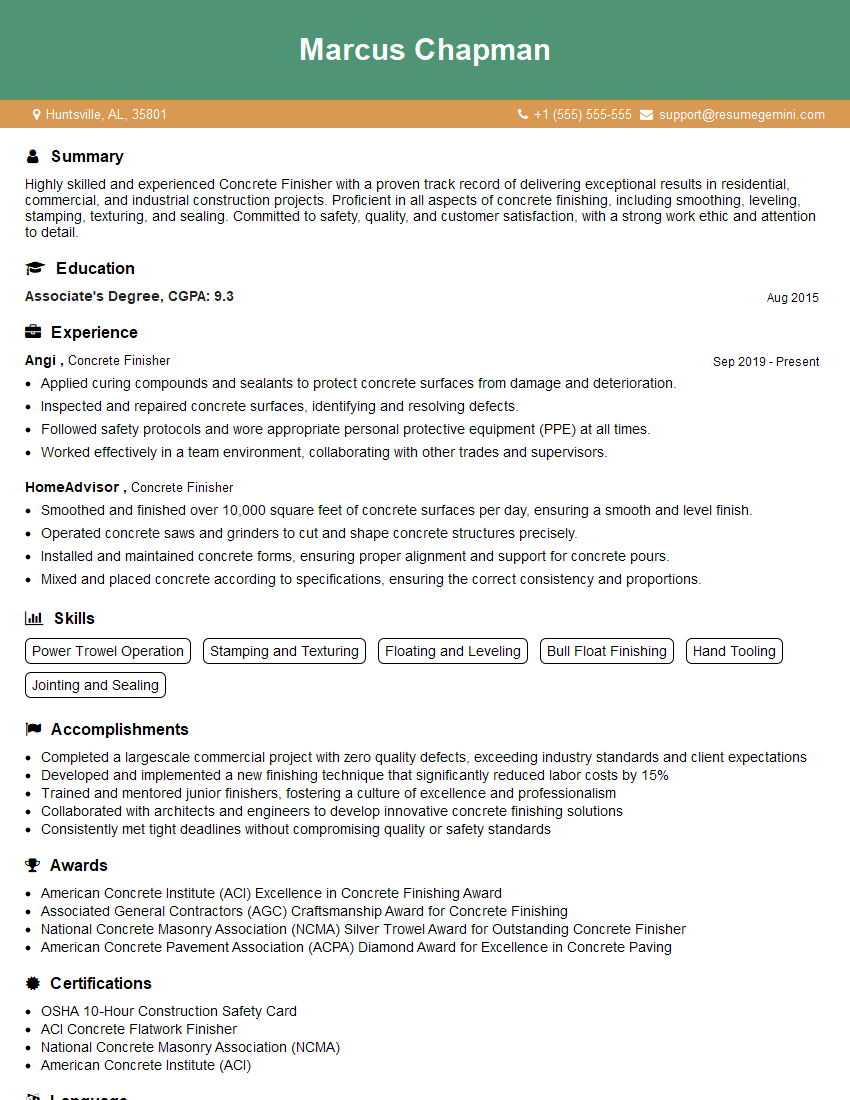
Concrete Finisher Resume Sample
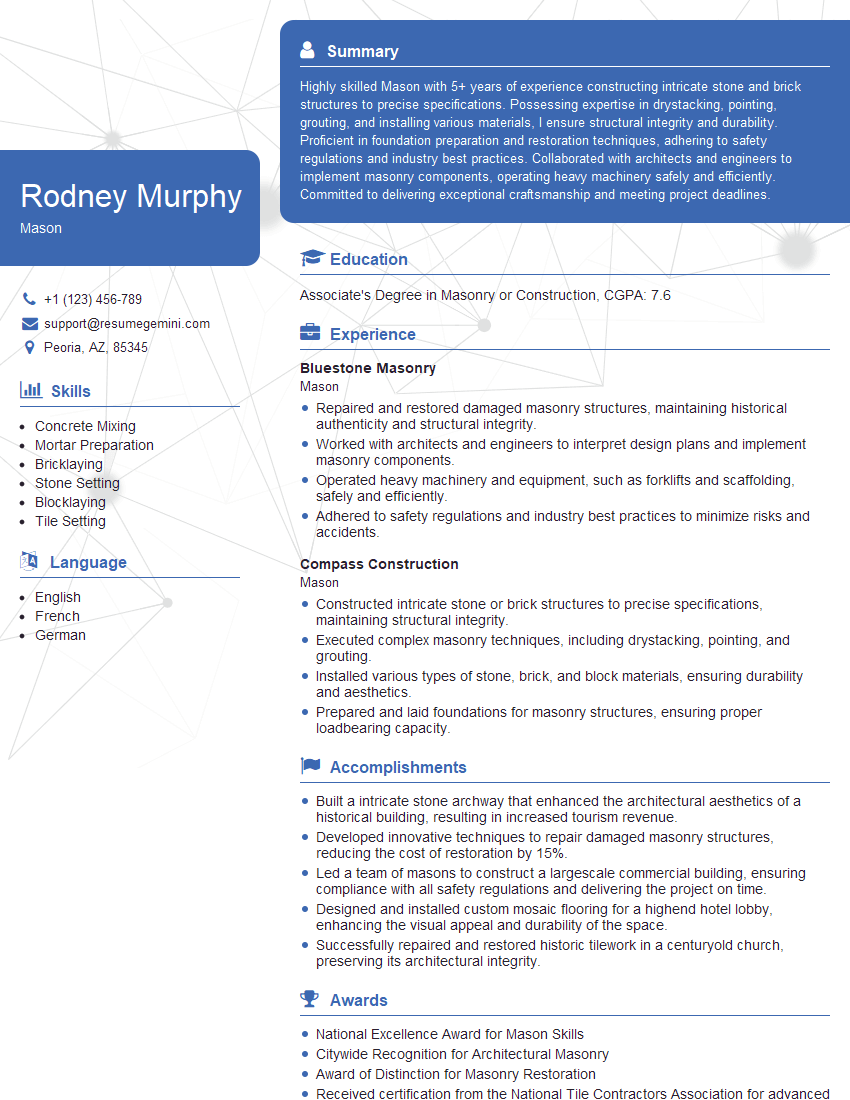
Mason Resume Sample
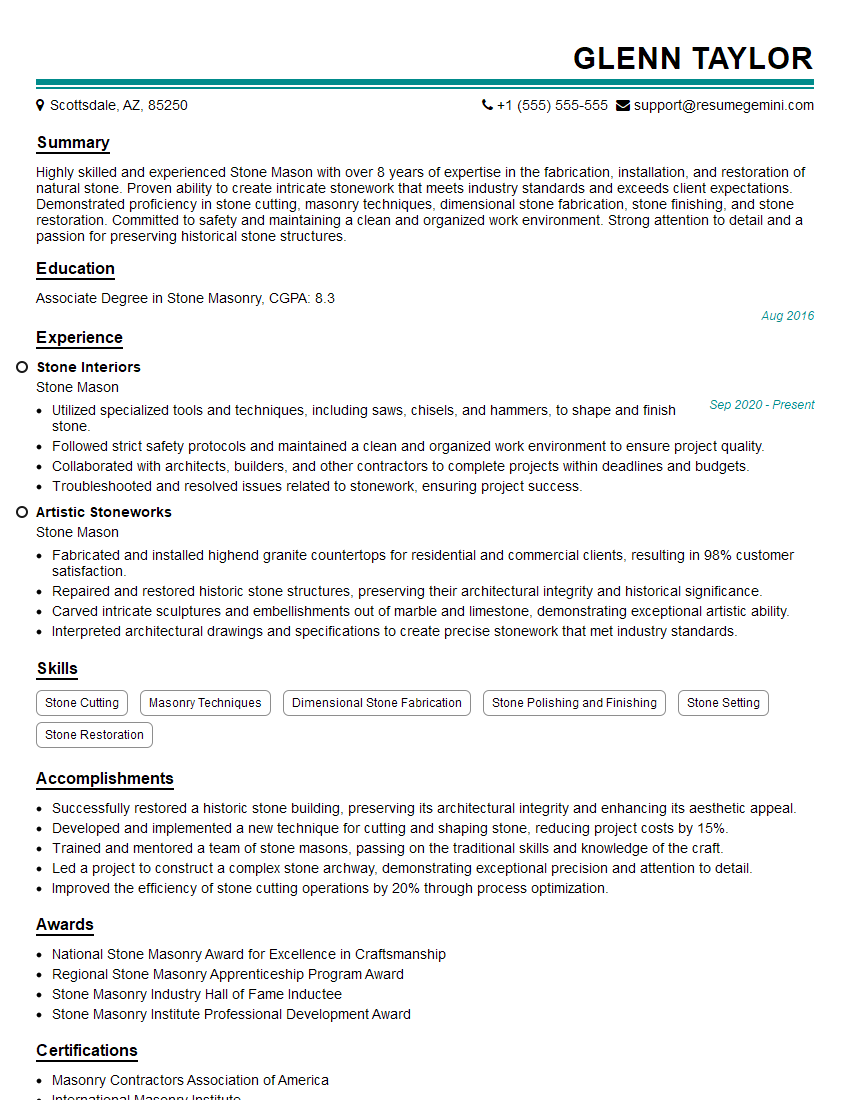
Stone Mason Resume Sample

Construction Worker Resume Sample
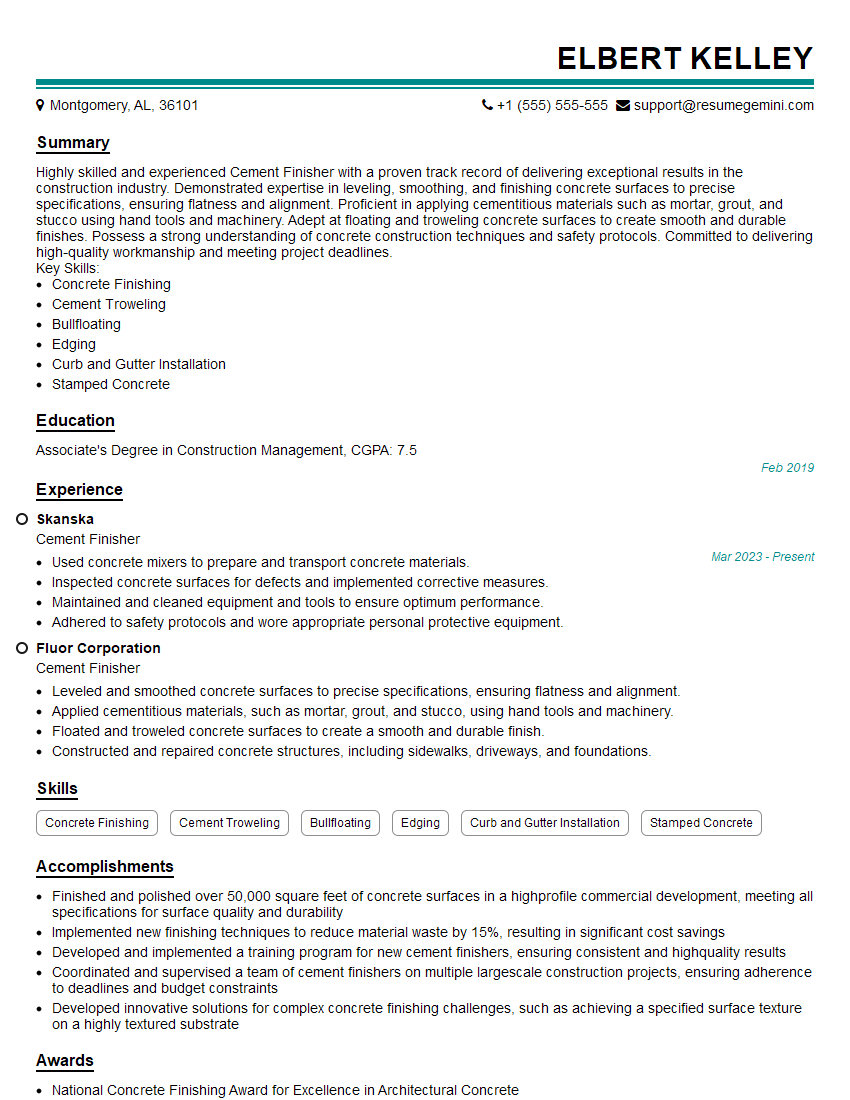
Cement Finisher Resume Sample
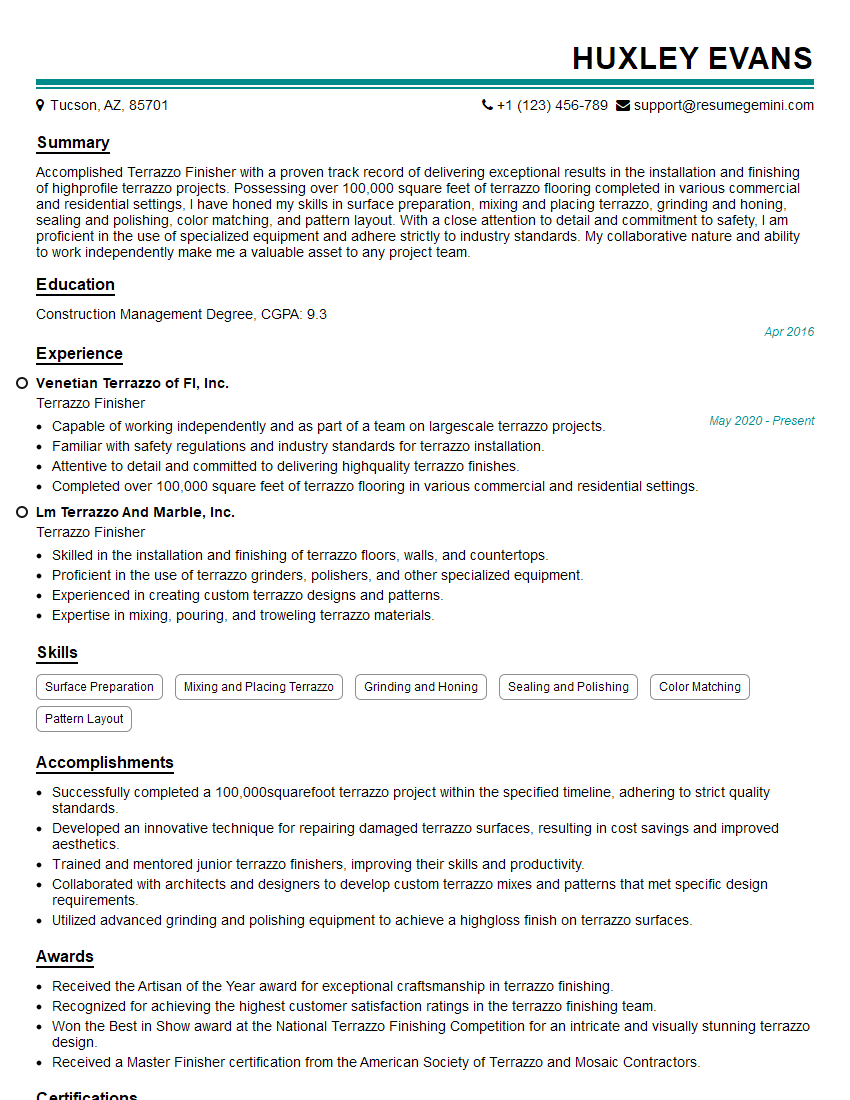
Terrazzo Finisher Resume Sample
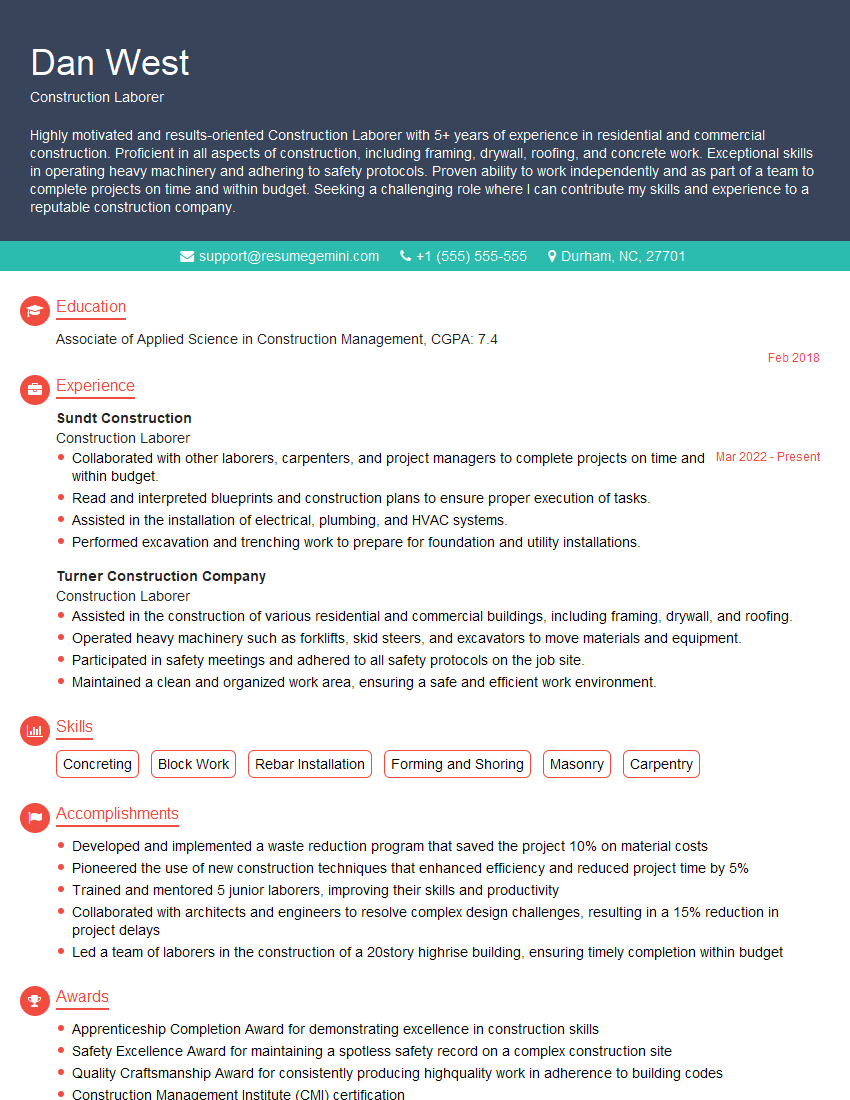
Construction Laborer Resume Sample
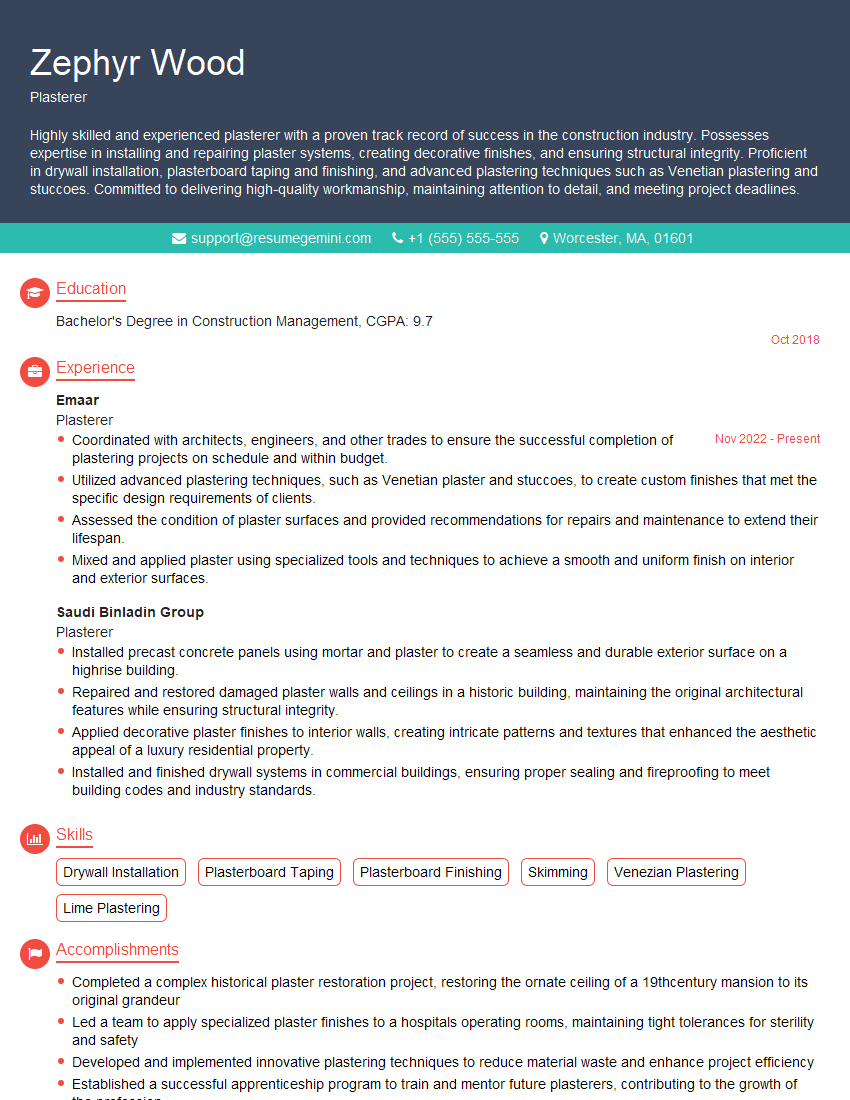
Plasterer Resume Sample

Mortar Mixer Operator Resume Sample
Explore more articles
Users Rating of Our Blogs
Share Your Experience
We value your feedback! Please rate our content and share your thoughts (optional).
What Readers Say About Our Blog
To the interviewgemini.com Webmaster.
Very helpful and content specific questions to help prepare me for my interview!
Thank you
To the interviewgemini.com Webmaster.
This was kind of a unique content I found around the specialized skills. Very helpful questions and good detailed answers.
Very Helpful blog, thank you Interviewgemini team.