Interviews are opportunities to demonstrate your expertise, and this guide is here to help you shine. Explore the essential Music in Cancer interview questions that employers frequently ask, paired with strategies for crafting responses that set you apart from the competition.
Questions Asked in Music in Cancer Interview
Q 1. Describe your experience using music therapy interventions in oncology settings.
My experience in music therapy within oncology settings spans over a decade, encompassing work in hospitals, hospices, and private practice. I’ve worked with a diverse patient population, from those diagnosed with early-stage cancers to those facing end-of-life care. My interventions have ranged from individual sessions focusing on relaxation and pain management to group sessions promoting social interaction and emotional expression. For instance, I remember working with a young woman battling leukemia. Through guided imagery and songwriting, we explored her anxieties and hopes, leading to a significant reduction in her reported anxiety levels and an improvement in her overall mood.
I’ve also collaborated with medical teams, providing feedback on patient progress and integrating music therapy into their comprehensive care plans. This collaborative approach is crucial for optimal patient outcomes. For example, I’ve worked closely with oncologists to manage patients’ pain levels, using music to complement pharmacological interventions. The synergy between medical and music therapy approaches significantly enhances the treatment effectiveness.
Q 2. Explain the theoretical frameworks you apply in your music therapy practice with cancer patients.
My music therapy practice draws upon several theoretical frameworks. The most prominent are the psychodynamic approach, focusing on the unconscious expression of emotions through music, and the humanistic approach, emphasizing self-actualization and personal growth. I also incorporate elements of cognitive behavioral therapy (CBT), using music to challenge negative thought patterns and promote relaxation techniques.
For example, a patient struggling with feelings of hopelessness might be encouraged to compose a piece of music expressing these feelings. Through the creative process, they can begin to process and understand their emotions more effectively. In other cases, I’ve used guided imagery with music to help patients visualize themselves overcoming challenges and achieving their goals, aligning with the CBT principles of cognitive restructuring. The choice of theoretical framework is always tailored to the individual needs and preferences of the patient.
Q 3. How do you adapt music therapy interventions for patients with different cancer diagnoses and stages?
Adapting music therapy interventions requires sensitivity to the specific challenges posed by different cancer diagnoses and stages. Patients undergoing chemotherapy, for instance, might experience fatigue and nausea, requiring gentler, more restorative music interventions. I would select calming music and focus on relaxation techniques. Conversely, patients in earlier stages might benefit from more active interventions, such as songwriting or playing instruments, to foster self-expression and empowerment.
The physical limitations of the disease also play a crucial role. For example, a patient with limited mobility might not be able to participate in active music-making, so I would instead focus on receptive music therapy, involving listening and guided imagery. The key is to create a personalized approach that accommodates the patient’s physical, emotional, and cognitive abilities at any given stage of their treatment.
Q 4. What are the ethical considerations involved in providing music therapy to cancer patients?
Ethical considerations are paramount in music therapy with cancer patients. Maintaining confidentiality is crucial, especially as patients often share deeply personal information during sessions. Informed consent is essential, ensuring patients understand the nature of the interventions and their potential benefits and limitations.
Another crucial aspect is setting appropriate boundaries. While building rapport is important, maintaining a professional therapeutic relationship is vital. I also ensure that my interventions do not interfere with other medical treatments or create unrealistic expectations about the potential of music therapy to cure cancer. Music therapy is a complementary therapy, not a replacement for medical treatment.
Q 5. How do you assess the effectiveness of your music therapy interventions?
Assessing the effectiveness of music therapy interventions involves a multifaceted approach. I regularly use standardized questionnaires to measure changes in pain levels, anxiety, depression, and quality of life. For example, I frequently use the Hospital Anxiety and Depression Scale (HADS) and the Brief Pain Inventory (BPI). These tools provide quantitative data to track progress.
In addition to quantitative measures, I also rely on qualitative data gathered through observation and clinical notes. Changes in patient mood, engagement, and verbal feedback all contribute to a holistic assessment. Furthermore, I actively seek feedback from the patients themselves and their families, recognizing their perspectives are vital in evaluating the overall impact of my interventions.
Q 6. Describe your experience working with patients experiencing pain and anxiety related to cancer.
Pain and anxiety are prevalent among cancer patients and significantly impact their overall well-being. My approach involves utilizing music to manage these symptoms through various techniques. For pain management, I often employ slow-tempo music with ambient soundscapes to promote relaxation and reduce pain perception.
Techniques such as guided imagery with music can also be particularly helpful. I guide patients to visualize peaceful and calming scenes while listening to soothing music, diverting their attention from the pain. For anxiety, I might use music-based relaxation exercises or incorporate mindfulness meditation with music to help patients regulate their breathing and reduce their stress response. The goal is to help them find moments of calm and peace amidst the turmoil of their illness.
Q 7. Explain how you address the emotional and psychological needs of cancer patients through music therapy.
Music therapy offers a powerful avenue for addressing the emotional and psychological needs of cancer patients. It provides a non-verbal means of expression, allowing patients to communicate feelings they may find difficult to articulate verbally. Through music, they can explore grief, anger, fear, and hope in a safe and supportive environment.
For example, songwriting can be a cathartic experience, helping patients process their emotions and make sense of their experiences. Improvisation can foster a sense of control and agency, enabling them to express themselves spontaneously and creatively. Listening to music that evokes positive emotions can also uplift mood and foster a sense of optimism. The personalized nature of music therapy allows it to become a powerful tool in helping patients navigate the complex emotional landscape of their cancer journey.
Q 8. How do you incorporate family and caregivers into your music therapy sessions with cancer patients?
Incorporating family and caregivers into music therapy sessions is crucial for holistic patient care. It acknowledges the significant role they play in the patient’s emotional and social well-being, especially during the challenging journey of cancer treatment.
My approach involves several strategies. First, I conduct an initial assessment to understand the family dynamic and the caregiver’s role. This helps me tailor sessions to their involvement level, comfort, and preferences. Some families prefer active participation, joining in singing or playing instruments, while others prefer a more observational role.
Second, I often use music as a shared experience. For example, we might listen to the patient’s favorite music together, prompting shared memories and strengthening family bonds. This can create a safe space for emotional expression and support.
Third, I provide education to family members on the benefits of music therapy and how they can continue supportive music practices at home. This might include simple techniques like singing lullabies, playing calming instrumental music, or engaging in shared musical activities.
Finally, I offer separate sessions for caregivers to address their unique emotional and physical needs, acknowledging the burden they often carry. This can include guided relaxation techniques using music or simply creating a space for them to process their emotions.
Q 9. Describe your experience using various music therapy techniques (e.g., improvisation, songwriting, receptive music listening).
My music therapy practice utilizes a range of techniques, adapted to each patient’s individual needs and preferences. Improvisation, for example, offers a spontaneous and expressive outlet. I often use improvisational techniques on instruments like the guitar or keyboard, mirroring the patient’s emotional state and facilitating non-verbal communication. A patient experiencing anxiety might find comfort in a slow, flowing improvisation, while someone expressing anger might find release in more dynamic, energetic music.
Songwriting provides a powerful tool for self-expression and narrative building. Patients can create songs to process their feelings, share their experiences, or even to celebrate small victories during their treatment. This can be a collaborative process, with me offering guidance on melody, lyrics, and structure.
Receptive music listening is equally valuable. Selecting music tailored to the patient’s mood and preferences—whether it’s classical, jazz, or pop—can promote relaxation, reduce stress, and improve overall mood. I often use guided imagery with music listening, helping patients visualize peaceful scenes or positive outcomes, strengthening coping mechanisms. I always discuss the patient’s musical preferences before beginning any of these techniques.
Q 10. How do you maintain appropriate boundaries and professional conduct when providing music therapy to cancer patients?
Maintaining appropriate boundaries and professional conduct is paramount in music therapy, particularly when working with vulnerable populations like cancer patients. This involves adhering to a strict code of ethics, as defined by professional organizations like the American Music Therapy Association (AMTA).
Key elements include: informed consent, ensuring patients understand the process and purpose of therapy; maintaining professional distance, avoiding dual relationships or personal disclosures; respecting confidentiality; and carefully documenting all interactions.
I carefully avoid any behaviors that could be perceived as inappropriate, such as discussing personal details unrelated to the therapy, engaging in physical touch beyond a therapeutic handshake, or making promises I cannot keep. Regular supervision and peer consultation are essential to help maintain these boundaries and ensure ethical practice. Should boundary crossing occur (such as unintended emotional entanglement), I would immediately consult with my supervisor and work towards restoring professional boundaries.
Q 11. Explain your understanding of the physiological effects of music on cancer patients.
Music’s physiological effects on cancer patients are multifaceted and well-documented. Music can influence the autonomic nervous system, impacting heart rate, blood pressure, and respiration. Calming music can lower heart rate and blood pressure, reducing stress and anxiety.
Furthermore, music can modulate the endocrine system, affecting the release of hormones like cortisol (stress hormone) and endorphins (pain-relieving hormones). Reduced cortisol levels translate to decreased stress and improved immune function, while endorphins provide pain relief and a sense of well-being. Music therapy can also influence brainwave activity, promoting relaxation and potentially improving sleep quality—crucial for patients undergoing demanding treatments.
It’s important to note that while the physiological effects are significant, music therapy is not a cure for cancer or a replacement for medical treatment. However, it can be a valuable adjunct therapy, improving quality of life and supporting the patient’s physical and emotional well-being throughout their journey.
Q 12. How do you collaborate with other members of the healthcare team (e.g., oncologists, nurses, social workers)?
Collaboration is integral to providing effective and holistic care for cancer patients. I actively collaborate with oncologists, nurses, social workers, and other members of the healthcare team to ensure a coordinated approach.
This collaboration involves regular communication and information sharing. I regularly attend care team meetings to discuss the patient’s progress and any relevant observations from music therapy sessions. I also maintain written communication, documenting the music therapy plan, interventions, and outcomes for the benefit of the entire team.
For example, if a patient is experiencing significant pain, I might discuss this with the oncologist to explore if adjustments to medication are needed. If a patient displays signs of depression, I might coordinate with the social worker to provide additional emotional support. This integrated approach ensures that the patient’s holistic needs are addressed comprehensively.
Q 13. What are your strategies for managing challenging behaviors or emotional responses in cancer patients?
Managing challenging behaviors or emotional responses is a common aspect of working with cancer patients. The disease itself, along with its treatment side effects, can lead to a range of emotional and behavioral challenges, including anxiety, depression, anger, and pain.
My strategies focus on creating a safe and supportive therapeutic environment. This starts with building a strong therapeutic relationship based on trust and empathy. I adapt my music therapy interventions to the patient’s emotional state. For example, if a patient is anxious, I might use calming music and relaxation techniques. If they are expressing anger, I might encourage a safe outlet through rhythmic drumming or improvisational music.
It’s also crucial to remain calm and patient, validating the patient’s feelings and offering reassurance. If behaviors become significantly disruptive or pose a safety risk, I collaborate with the healthcare team to implement necessary modifications to the treatment plan, which may include seeking additional support from psychology or psychiatry.
Q 14. Describe your experience documenting and reporting your music therapy interventions.
Accurate and thorough documentation of music therapy interventions is essential for accountability, continuity of care, and research purposes. My documentation follows a structured format, typically including the date, time, setting, and patient’s overall condition at the beginning of the session.
I detail the specific music therapy techniques used (e.g., improvisation, songwriting, receptive listening), including the type of music selected, the patient’s responses and engagement level, and any observed changes in mood, behavior, or physiological responses (such as heart rate or respiration). I note any challenges encountered and how they were addressed, and the overall goals for the session and plans for future sessions.
This documentation is shared with the healthcare team as needed, contributing to a comprehensive understanding of the patient’s progress and informing ongoing care decisions. I maintain strict confidentiality, complying with all relevant HIPAA regulations and institutional policies regarding record-keeping.
Q 15. Explain how you adapt your music therapy approach based on cultural differences and patient preferences.
Adapting music therapy to diverse cultural backgrounds and individual preferences is paramount. It’s not a one-size-fits-all approach. My approach involves a thorough initial assessment, understanding the patient’s musical background, cultural heritage, and personal tastes. This includes exploring their preferred genres, instruments, and even their comfort level with singing or active participation. For example, a patient from a culture where singing is less common might respond better to instrumental music, or a patient raised on classical music might prefer that genre over pop.
- Genre Selection: I carefully select music that resonates with the patient’s cultural background and preferences. This might involve choosing traditional folk songs, specific religious music, or instrumental pieces from their region.
- Instrumentation: Similarly, the choice of instrument can also reflect cultural nuances. Using instruments familiar and culturally relevant to the patient can foster a stronger connection and engagement.
- Active vs. Receptive Participation: Some cultures encourage active participation, while others may be more comfortable with a receptive role. I adjust my approach accordingly, offering options that feel comfortable and respectful.
- Communication: Nonverbal cues are often crucial, and I strive to be acutely aware of body language and emotional expressions. A trusting therapeutic relationship is built on mutual understanding and respect for cultural differences.
Ultimately, the goal is to create a safe and comfortable therapeutic space where the patient feels empowered and heard, ensuring the music therapy experience is both relevant and meaningful.
Career Expert Tips:
- Ace those interviews! Prepare effectively by reviewing the Top 50 Most Common Interview Questions on ResumeGemini.
- Navigate your job search with confidence! Explore a wide range of Career Tips on ResumeGemini. Learn about common challenges and recommendations to overcome them.
- Craft the perfect resume! Master the Art of Resume Writing with ResumeGemini’s guide. Showcase your unique qualifications and achievements effectively.
- Don’t miss out on holiday savings! Build your dream resume with ResumeGemini’s ATS optimized templates.
Q 16. How do you handle situations where a patient is unable or unwilling to participate in music therapy sessions?
Not all patients are able or willing to actively participate in music therapy, and that’s perfectly acceptable. My approach focuses on adaptability and respect for individual limitations. If a patient is physically unable to participate actively, we might focus on receptive music therapy, where I play calming music, and we engage in quiet contemplation or relaxation techniques. This can still have significant benefits, reducing anxiety and promoting relaxation.
For patients who are unwilling to participate, I start with gentle conversation, exploring the reasons for their hesitation. It might be fear, pain, fatigue, or simply a lack of interest at that moment. Building trust and rapport is vital. Sometimes, simply having music playing softly in the background during other treatments, such as massage or aromatherapy, can be beneficial. I also provide opportunities for passive listening or choosing music from a pre-selected playlist curated specifically for relaxation or mood elevation. Respecting the patient’s boundaries and choices is paramount. The goal is not to force participation but to provide a supportive environment where music can play a beneficial role, even in passive ways.
Q 17. What are the contraindications for using music therapy with cancer patients?
While generally safe and well-tolerated, there are situations where music therapy might not be appropriate for cancer patients. These are usually related to the patient’s physical or psychological state. Contraindications include:
- Severe cognitive impairment: Patients with severe dementia or other conditions affecting cognitive function may not benefit from or even understand the therapeutic intent of music therapy.
- Acute psychosis or severe anxiety: Certain types of music might exacerbate symptoms in patients experiencing acute mental health crises. A careful assessment of the patient’s psychological state is crucial before initiating music therapy.
- Uncontrolled pain: Intense pain can make it difficult for a patient to engage in music therapy. Pain management must be addressed first.
- Certain medical conditions: Patients with certain medical conditions affecting hearing, speech, or motor skills may require adapted approaches or might not be suitable candidates.
It’s crucial to collaborate with the medical team, including oncologists, nurses, and psychologists, to determine whether music therapy is appropriate and to adjust the approach based on the patient’s individual needs and limitations.
Q 18. How do you ensure the safety and well-being of your cancer patients during music therapy sessions?
Ensuring patient safety and well-being is my top priority. This involves a multi-faceted approach:
- Careful Assessment: Before each session, I assess the patient’s physical and emotional state, taking into account their current treatment plan and any potential side effects.
- Physical Comfort: I make sure the patient is comfortable during the session, providing pillows, blankets, or other support as needed. The environment is kept calm and relaxing.
- Medical Collaboration: I maintain close communication with the medical team, informing them of the patient’s response to therapy and any concerns.
- Flexibility: I adapt the session as needed, if the patient experiences pain, fatigue, or other discomfort. The session length and intensity might be adjusted.
- Emergency Preparedness: I am trained to handle medical emergencies and know how to contact medical staff immediately if needed.
- Informed Consent: Patients are fully informed about the purpose and process of music therapy and give their consent before participating.
By following these protocols, I strive to create a safe and therapeutic environment that supports the patient’s physical and emotional well-being.
Q 19. What are the potential benefits and limitations of music therapy in cancer care?
Music therapy offers a range of potential benefits for cancer patients, but it’s important to acknowledge its limitations.
Potential Benefits:
- Pain Management: Music can help reduce pain perception and improve pain tolerance.
- Anxiety Reduction: Calming music can help alleviate anxiety and stress associated with cancer diagnosis and treatment.
- Mood Elevation: Upbeat music can improve mood and reduce feelings of depression.
- Improved Sleep Quality: Relaxing music can promote better sleep, reducing fatigue.
- Enhanced Quality of Life: Overall, music therapy can contribute to an improved sense of well-being and enhanced quality of life.
Limitations:
- Not a Cure: Music therapy is not a cure for cancer, but a supportive therapy to improve well-being.
- Individual Variability: The effectiveness of music therapy varies greatly among individuals. Some patients may respond better than others.
- Limited Scientific Evidence: While growing, the body of scientific evidence supporting the efficacy of music therapy in cancer care is still developing.
- Accessibility: Access to qualified music therapists can be limited, depending on geographical location and resources.
It’s crucial to view music therapy as a complementary intervention, used in conjunction with other medical and psychosocial treatments.
Q 20. Describe your experience using technology in music therapy interventions for cancer patients (e.g., virtual sessions, music apps).
Technology has significantly enhanced music therapy interventions for cancer patients. I’ve incorporated several technological tools into my practice:
- Virtual Sessions: Telehealth platforms allow me to conduct sessions remotely, providing access to patients who are geographically isolated, homebound due to illness, or have mobility issues. This is particularly crucial for patients undergoing intense treatment or experiencing significant fatigue.
- Music Apps and Streaming Services: I frequently use curated playlists on platforms like Spotify or Apple Music. These playlists are tailored to meet specific therapeutic needs, such as relaxation, pain management, or mood elevation. The apps allow for easy access to a diverse range of music for both active and passive listening.
- Interactive Music Software: In some cases, I use interactive music software that allows patients to create or modify music, enhancing their sense of agency and self-expression.
While technology offers greater flexibility and reach, it’s important to consider the potential limitations such as technological literacy, internet access, and the potential for reduced personal connection. I ensure patients have adequate support and training to use the technology effectively. For example, I’ll provide step-by-step instructions or conduct a tech tutorial prior to their first virtual session. The human connection remains paramount, even in a virtual setting.
Q 21. How do you measure and evaluate the impact of music therapy on patients’ quality of life?
Measuring and evaluating the impact of music therapy on patient quality of life requires a multi-faceted approach combining both quantitative and qualitative data. I utilize several methods:
- Standardized Questionnaires: I use validated questionnaires to assess patient-reported outcomes, including pain levels, anxiety levels, mood, and overall quality of life. Examples include the Brief Pain Inventory and the Hospital Anxiety and Depression Scale. These questionnaires provide quantifiable data to track changes over time.
- Clinical Observations: Throughout the sessions, I make detailed observations of the patient’s verbal and nonverbal behaviors, noting changes in mood, engagement, and relaxation. These observations provide valuable qualitative insights into the therapeutic process.
- Patient Interviews: Regular interviews allow patients to share their experiences and perspectives on the impact of music therapy on their physical and emotional well-being. This qualitative data complements the quantitative data from questionnaires.
- Physiological Measures: In some cases, depending on the patient’s condition and availability of equipment, I might incorporate physiological measures such as heart rate variability or blood pressure to monitor the effects of music on physiological parameters. This can provide objective data supporting subjective reports.
By combining these various methods, I build a comprehensive picture of the impact of music therapy, allowing me to fine-tune the intervention and ensure it aligns with individual needs and goals. The data is also used to further refine my approach and contribute to the growing body of knowledge in music therapy and cancer care.
Q 22. What are the current trends and research findings in the field of Music Therapy in Oncology?
Current research in Music Therapy in Oncology is incredibly exciting, focusing on expanding its application and solidifying its efficacy. Trends show a move towards more personalized and targeted interventions, moving beyond generalized approaches. For instance, we’re seeing a rise in research exploring the use of specific musical elements – like tempo, rhythm, or mode – to address particular symptoms, such as anxiety, pain, or fatigue. There’s also increased interest in integrating music therapy into various stages of cancer care, from diagnosis and treatment to survivorship and palliative care. Recent findings highlight the positive impact of music therapy on mood, quality of life, and even physiological markers like heart rate and blood pressure in cancer patients. One specific area of focus is neuro-oncology, where music therapy is being explored for its potential to improve cognitive function and motor skills affected by brain tumors or their treatment. Finally, there is growing emphasis on rigorous research methodologies, including randomized controlled trials, to establish the efficacy of different music therapy approaches.
For example, one study demonstrated that tailored music interventions significantly reduced anxiety levels in patients undergoing chemotherapy, while another showed improvements in sleep quality among cancer survivors through the use of guided imagery and music.
Q 23. Describe your understanding of the evidence-based practice guidelines for music therapy in cancer care.
Evidence-based practice guidelines in music therapy for cancer care emphasize the importance of a strong therapeutic relationship, individualized treatment plans based on patient needs and preferences, and the use of measurable outcomes to assess effectiveness. These guidelines highlight the need for qualified and experienced music therapists with specific training in oncology. They suggest using established assessment tools to measure patient needs and progress. The interventions themselves should be grounded in theoretical frameworks that inform the selection of musical elements and techniques. Furthermore, regular supervision and documentation are crucial aspects of responsible and ethical practice. Clinicians should always consider the patient’s medical history, current treatment, and overall well-being when developing and implementing music therapy interventions, and ideally collaborate with the oncology team.
These guidelines are essential for ensuring that music therapy in oncology is delivered safely, effectively, and ethically. They provide a framework for best practices, promoting both the patient’s well-being and the integrity of the profession.
Q 24. How do you stay current with the latest developments and research in music therapy?
Staying current in this rapidly evolving field requires a multifaceted approach. I regularly attend national and international conferences, such as those hosted by the American Music Therapy Association (AMTA) or the World Federation of Music Therapy (WFMT), to learn about the latest research findings and clinical practices. I actively subscribe to and read peer-reviewed journals specializing in music therapy and oncology, and I participate in continuing education workshops and webinars. I also maintain a strong network of colleagues through professional organizations, allowing for ongoing dialogue and knowledge exchange. Additionally, I consistently review updated clinical guidelines and treatment protocols related to cancer care, ensuring my interventions are evidence-based and aligned with current medical best practices. This constant process of learning and adaptation is vital to providing the highest quality care for my patients.
Q 25. What professional development activities have you undertaken to enhance your expertise in music therapy with cancer patients?
I have undertaken several professional development activities to specifically enhance my expertise in working with cancer patients. This includes completing specialized training in the application of music therapy within palliative care settings. I’ve participated in workshops focused on trauma-informed care and the impact of cancer diagnosis and treatment on the emotional and psychological well-being of individuals and their families. I’ve also attended training sessions on pain management strategies using music therapy techniques and workshops on working effectively within interdisciplinary healthcare teams. Furthermore, I’ve presented my clinical work at professional conferences, contributing to the shared knowledge base of the field and refining my own practices through feedback and peer review. Continuous learning is essential, and I actively seek opportunities to build upon my foundational knowledge.
Q 26. Describe your experience with supervision and mentorship in music therapy practice.
Supervision and mentorship have played a crucial role in my professional development. Throughout my career, I have engaged in regular supervision with experienced music therapists, receiving guidance on case conceptualization, clinical decision-making, and ethical considerations in working with vulnerable populations like cancer patients. This supervision has been invaluable for refining my clinical skills, fostering self-reflection, and ensuring the quality and safety of my interventions. I have also actively sought out mentorship from senior colleagues in oncology and other relevant fields, learning about the broader healthcare context and expanding my understanding of the challenges and opportunities within cancer care. This collaborative approach, combining both clinical and professional mentorship, has been instrumental in shaping my current practice.
Q 27. What are your salary expectations for this position?
My salary expectations for this position are commensurate with my experience, qualifications, and the demands of the role. Considering my advanced training in music therapy with an emphasis on oncology, my extensive clinical experience, and my commitment to ongoing professional development, I am seeking a competitive salary that reflects the value I bring to your team. I am happy to discuss my salary expectations in more detail during a personal conversation, taking into consideration the full compensation package and benefits offered.
Key Topics to Learn for Music in Cancer Interview
- The Therapeutic Effects of Music: Explore the physiological and psychological mechanisms through which music impacts patients experiencing cancer. Understand the difference between active and passive music therapy.
- Music Therapy Techniques in Oncology: Learn about various music therapy approaches used in cancer care, such as songwriting, improvisation, receptive music listening, and guided imagery, and their applications in different cancer stages and patient populations.
- Assessment and Treatment Planning: Understand the process of assessing a patient’s musical preferences, cognitive abilities, and emotional state to develop individualized music therapy treatment plans. Consider how to adapt techniques based on the patient’s condition.
- Ethical and Professional Considerations: Familiarize yourself with ethical guidelines and professional standards within music therapy, particularly in the context of cancer care. Understand issues of patient confidentiality, informed consent, and scope of practice.
- Research in Music and Cancer: Explore current research on the efficacy of music therapy in various cancer-related outcomes, including pain management, anxiety reduction, mood improvement, and quality of life enhancement. Understand how to critically evaluate research findings.
- Collaboration with the Healthcare Team: Discuss the importance of effective communication and collaboration with oncologists, nurses, social workers, and other healthcare professionals involved in a patient’s care. Understand your role within a multidisciplinary team.
- Practical Application in Different Settings: Consider how music therapy techniques might be applied in various settings, such as hospitals, hospices, rehabilitation centers, and private practice. Be ready to discuss challenges and adaptations needed for diverse environments.
Next Steps
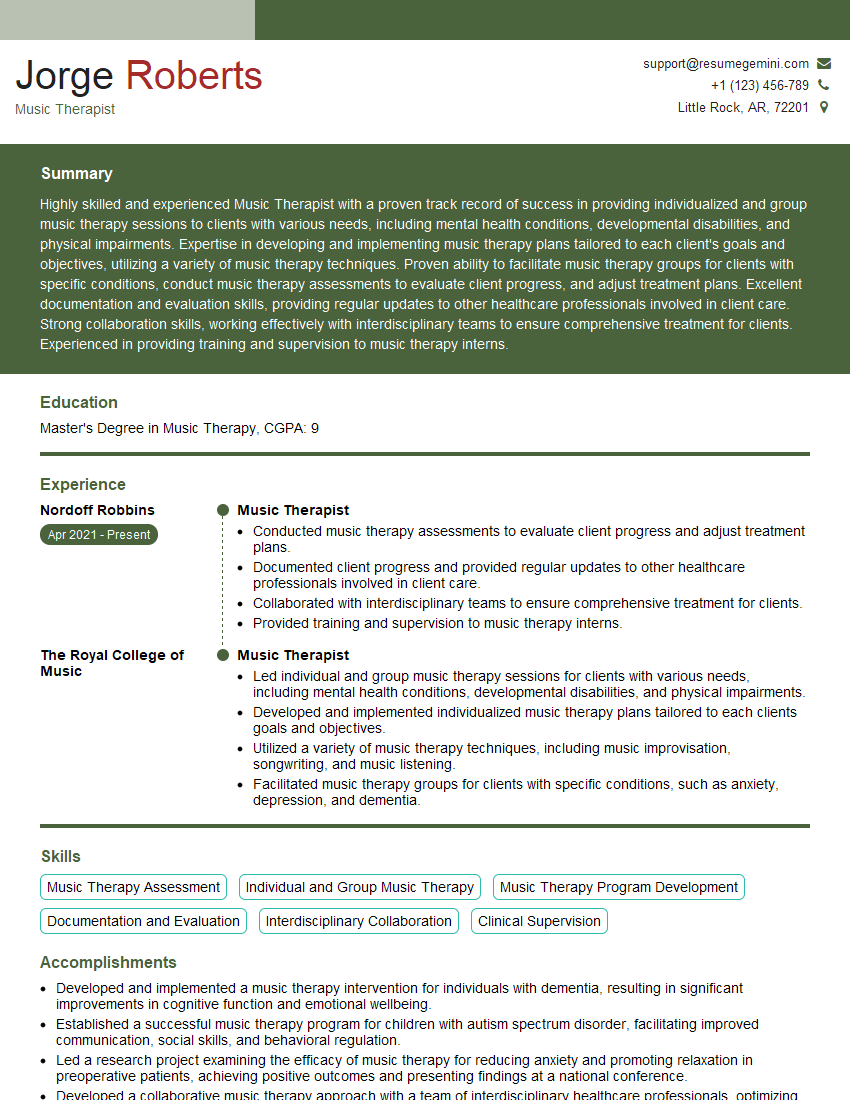
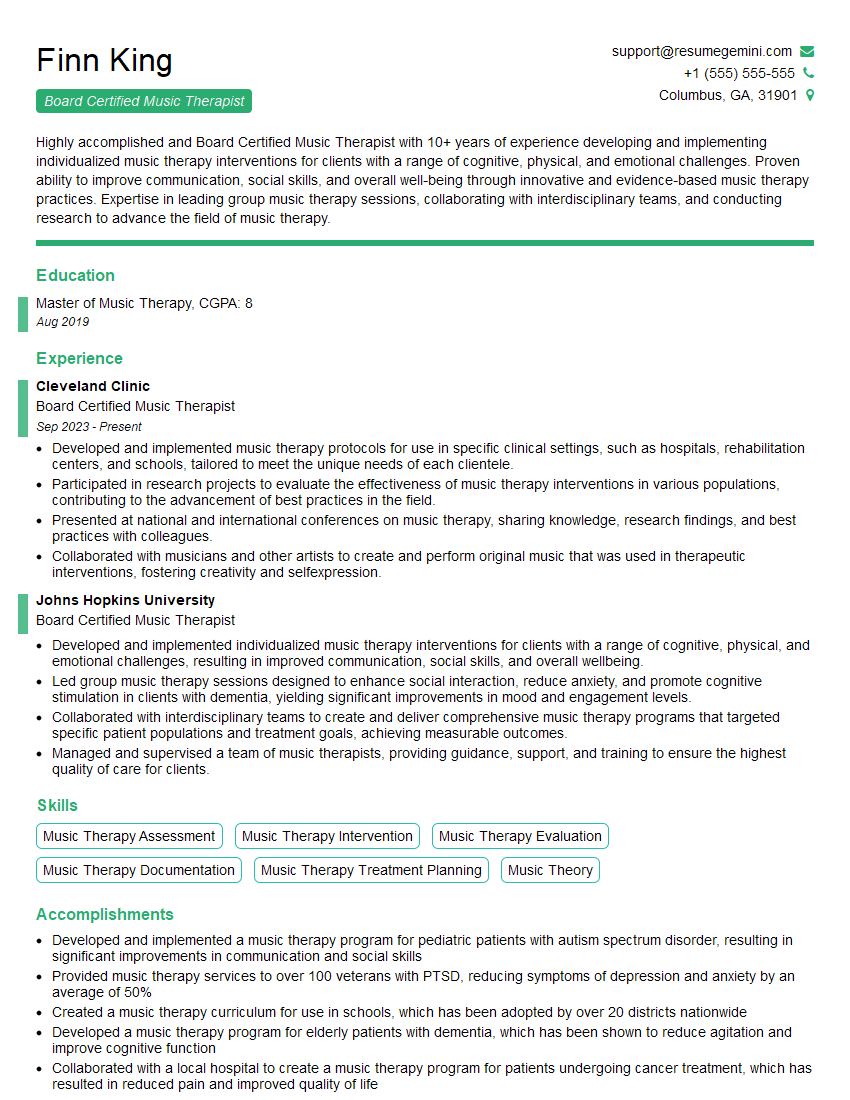
Mastering the nuances of Music in Cancer significantly enhances your career prospects in this growing field. A strong understanding of the therapeutic applications of music, combined with excellent communication and interpersonal skills, will set you apart. To maximize your job search success, invest time in creating an ATS-friendly resume that highlights your relevant skills and experience. ResumeGemini is a trusted resource that can help you build a professional and impactful resume tailored to your specific career goals. Examples of resumes tailored to Music in Cancer are provided to guide you. Take the next step towards your dream career – build a winning resume today!
Explore more articles
Users Rating of Our Blogs
Share Your Experience
We value your feedback! Please rate our content and share your thoughts (optional).
What Readers Say About Our Blog
To the interviewgemini.com Webmaster.
Very helpful and content specific questions to help prepare me for my interview!
Thank you
To the interviewgemini.com Webmaster.
This was kind of a unique content I found around the specialized skills. Very helpful questions and good detailed answers.
Very Helpful blog, thank you Interviewgemini team.