Interviews are more than just a Q&A session—they’re a chance to prove your worth. This blog dives into essential Music Intervention Implementation interview questions and expert tips to help you align your answers with what hiring managers are looking for. Start preparing to shine!
Questions Asked in Music Intervention Implementation Interview
Q 1. Describe your experience implementing music interventions for individuals with autism spectrum disorder.
My experience with implementing music interventions for individuals with Autism Spectrum Disorder (ASD) spans over ten years. I’ve worked with children and adolescents across a range of ASD severity levels, tailoring interventions to address specific challenges like communication difficulties, emotional regulation, and social interaction deficits. For example, I worked with a non-verbal child who, through improvisational drumming, began to express emotions and communicate basic needs. We started with simple rhythm activities, gradually incorporating more complex patterns and instruments as his confidence grew. Another successful case involved a teenager struggling with anxiety. Using calming instrumental music and guided imagery techniques within a structured music therapy session helped reduce his anxiety levels significantly, improving his participation in school and social settings.
These interventions often focus on sensory integration, building communication skills, and enhancing social engagement. We use a variety of musical approaches, selecting activities based on the individual’s strengths and preferences. The focus is always on creating a safe and supportive environment where the individual feels comfortable exploring their musical abilities and expressing themselves.
Q 2. Explain your understanding of evidence-based music therapy practices.
Evidence-based music therapy practices are those supported by rigorous scientific research demonstrating their effectiveness in achieving specific therapeutic goals. This involves controlled studies, randomized clinical trials, and meta-analyses that evaluate the impact of music therapy interventions on various populations and conditions. For example, research consistently shows the effectiveness of music therapy in reducing anxiety and improving mood in individuals with depression. These evidence-based practices are crucial for ensuring the quality and efficacy of our interventions. They allow us to make informed decisions about the techniques and approaches we utilize, maximizing the positive impact on our clients.
My practice is heavily guided by this research. I stay updated on the latest findings in music therapy journals and conferences, incorporating evidence-based techniques into my sessions. This might involve utilizing specific musical elements like tempo and rhythm to influence mood or employing specific improvisational techniques to enhance communication skills, all while carefully documenting the outcomes and comparing them against established research findings.
Q 3. How do you assess a client’s musical abilities and preferences before designing an intervention?
Assessing a client’s musical abilities and preferences is a crucial first step in designing an effective intervention. This involves a thorough evaluation that goes beyond simply asking what kind of music they like. It’s a holistic process that considers their sensory sensitivities, motor skills, cognitive abilities, and emotional responses to music.
- Sensory Assessment: We observe how they respond to different sounds, instruments, and rhythms, noting any signs of over-stimulation or under-stimulation.
- Motor Skills Assessment: We assess their fine and gross motor skills to determine their ability to play instruments or engage in rhythmic activities. This might involve observing their ability to hold a shaker, follow simple rhythms, or participate in body percussion.
- Cognitive Assessment: We assess their attention span, memory, and ability to follow instructions, which helps us tailor the complexity of musical activities.
- Musical Preference Assessment: We explore their preferences through informal observation and structured activities, using a variety of music genres and instruments. I might use a rating scale, preference checklists, or free exploration sessions to understand their responses.
By combining these assessments, I develop a comprehensive profile of the client’s musical strengths and challenges, informing the design of a tailored intervention.
Q 4. What specific music therapy techniques are you proficient in using?
I’m proficient in a wide range of music therapy techniques, adapting my approach based on the individual’s needs. These include:
- Improvisation: This fosters creativity, self-expression, and communication, especially useful for clients with communication difficulties.
- Guided Imagery and Music (GIM): This combines music listening with guided imagery to access unconscious emotional material and promote relaxation and self-awareness.
- Rhythmic Auditory Stimulation (RAS): This uses rhythmic sounds to regulate physiological functions, often helpful for individuals with motor difficulties or sensory processing challenges.
- Songwriting and Composition: This allows for creative expression and communication of thoughts and feelings, particularly beneficial for those struggling with verbal expression.
- Active Listening and Music Analysis: Incorporating active listening skills helps us understand client’s nonverbal communication and musical engagement. Analyzing their musical expression provides valuable insights into their inner world.
My proficiency in these diverse techniques allows me to create dynamic and engaging sessions that cater to a wide range of needs and preferences.
Q 5. Describe your experience adapting music interventions to meet the diverse needs of a client population.
Adapting music interventions requires flexibility and creativity. I regularly modify techniques to address diverse needs, considering factors like age, cognitive abilities, sensory sensitivities, and cultural backgrounds. For instance, a client with significant cognitive impairments might benefit from simple, repetitive rhythmic activities using percussion instruments, while a highly verbal client might engage in songwriting or music analysis. A client with visual impairments would require adaptations focusing on auditory elements, while a client with physical limitations would need modified instrument choices and physical adaptations.
I’ve worked with clients who have co-occurring diagnoses like anxiety disorders or ADHD, requiring me to integrate strategies from other therapeutic approaches. For example, combining music therapy with mindfulness techniques can help manage anxiety during sessions. The key is to maintain a collaborative and personalized approach, ensuring that the intervention is engaging, challenging, and respectful of the individual’s unique characteristics.
Q 6. How do you measure the effectiveness of your music interventions?
Measuring the effectiveness of music interventions involves both qualitative and quantitative methods. Quantitative methods include standardized assessments that measure specific outcomes, such as anxiety levels, communication skills, or social interaction abilities. For example, I might use pre- and post-intervention assessments measuring anxiety using a standardized scale like the State-Trait Anxiety Inventory (STAI). These tools provide objective data on the intervention’s impact.
Qualitative data, on the other hand, provides a deeper understanding of the client’s experience and progress. This might involve observations of behavior during sessions, feedback from the client and their caregivers, and analysis of the client’s musical expression. Qualitative data can reveal subtle changes in behavior or emotional state that might not be captured by quantitative measures. Combining both qualitative and quantitative data creates a well-rounded picture of the intervention’s effectiveness. It allows us to understand not only the measurable changes but also the client’s subjective experience and overall well-being.
Q 7. Explain your process for documenting music therapy sessions and progress.
My documentation process is meticulous and adheres to professional standards. Each session is documented using a structured format that includes the date, time, duration, goals, objectives, activities, client’s responses, observations, and overall progress. I utilize electronic health record (EHR) systems to ensure secure and organized storage of information. Specific details regarding the chosen instruments, musical styles, techniques, and client’s behavioral and emotional responses are recorded. This detailed documentation is essential for tracking progress, making informed decisions about future sessions, and ensuring continuity of care.
I also include any relevant contextual information, such as changes in the client’s medication or life events, as these may impact their participation and progress in therapy. Regular progress reports are generated for clients and their families, summarizing achievements, challenges, and planned future interventions. This transparent approach fosters open communication and ensures everyone is informed about the client’s progress in the music therapy process.
Q 8. How do you collaborate with other healthcare professionals to ensure comprehensive client care?
Effective music intervention requires a collaborative approach. I believe in building strong relationships with other healthcare professionals, such as therapists, doctors, and social workers, to ensure holistic client care. This involves regular communication, shared goal setting, and integrated treatment planning. For example, if I’m working with a client with Parkinson’s disease, I would collaborate with a physical therapist to ensure the music therapy exercises complement their physical therapy, avoiding any conflicting movements or exertion levels. We might jointly create a schedule where music therapy sessions are strategically placed before or after physical therapy for optimal impact. This interdisciplinary collaboration ensures that the client receives a comprehensive and coordinated plan of care, maximizing the potential for improvement.
- Regular Team Meetings: Scheduling regular meetings to discuss client progress, challenges, and adjustments to the treatment plan.
- Shared Documentation: Utilizing a secure platform for sharing client information, progress notes, and treatment plans among team members.
- Joint Goal Setting: Collaboratively establishing measurable and achievable goals that align with the overall treatment objectives.
Q 9. Describe a situation where you had to modify a music intervention plan due to unexpected challenges.
During a music therapy session with a young client diagnosed with autism spectrum disorder, I initially planned to use structured improvisation exercises to improve communication skills. However, the client displayed significant anxiety and resistance towards the structured approach. Instead of forcing the plan, I recognized the need for flexibility and modified the session. I introduced a sensory-based approach using calming instrumental music and incorporating movement activities that the client enjoyed. This allowed me to build rapport and trust. We gradually transitioned to simpler improvisation exercises incorporating their preferred instruments and musical styles. The unexpected challenge highlighted the importance of adapting the intervention to the individual’s needs and responses in real-time. This adaptive approach ultimately resulted in better engagement and therapeutic progress.
Q 10. How do you address ethical considerations in music therapy practice?
Ethical considerations are paramount in music therapy. I adhere strictly to the American Music Therapy Association (AMTA) code of ethics. This includes maintaining client confidentiality (as discussed later), obtaining informed consent before any intervention, respecting client autonomy, avoiding conflicts of interest, and ensuring cultural sensitivity in my practice. For instance, I always thoroughly explain the therapy process, its potential benefits and limitations, and address any questions or concerns a client or their guardian might have before initiating treatment. Ensuring accurate record-keeping and maintaining professional boundaries are also crucial aspects of ethical practice. Any instance of potential harm or ethical dilemma necessitates consultation with a supervisor or mentor.
Q 11. What are your strategies for managing challenging behaviors during music therapy sessions?
Managing challenging behaviors requires a calm, understanding, and adaptable approach. I begin by assessing the triggers and underlying causes of the behavior, which might include frustration, anxiety, or sensory overload. Strategies I employ include:
- Environmental Modifications: Adjusting the session’s setting, such as reducing stimuli or providing a calming environment.
- Sensory Regulation Techniques: Utilizing music and sound to regulate sensory input and promote calmness.
- Communication Strategies: Employing clear and concise communication, using nonverbal cues when necessary, and providing choices to promote a sense of control.
- Positive Reinforcement: Rewarding positive behaviors and providing encouragement.
- Collaboration: Working closely with caregivers and other professionals to develop a consistent management plan.
If a behavior poses a risk to the client or others, I prioritize safety and may need to temporarily suspend the session or seek support from other team members.
Q 12. How do you maintain client confidentiality and adhere to HIPAA regulations?
Client confidentiality and HIPAA compliance are crucial. I follow strict protocols to protect client information. This involves using secure electronic health records, storing physical files in locked cabinets, and only discussing client information with authorized individuals involved in their care. I never share personal details with unauthorized personnel and ensure all electronic communication adheres to HIPAA standards, including password protection and encryption. I obtain written consent before releasing any information, even to other healthcare professionals, unless legally mandated to disclose (e.g., reporting suspected child abuse). Training on HIPAA regulations is essential and ongoing to ensure compliance.
Q 13. Describe your experience working with clients from diverse cultural backgrounds.
Working with clients from diverse cultural backgrounds enriches my practice. I recognize that music has different meanings and functions across cultures. I make it a point to learn about my client’s cultural background, including their musical preferences, traditions, and values, to tailor the intervention appropriately. This might involve incorporating culturally relevant music, instruments, or songs into the sessions. For example, I’ve used traditional West African drumming techniques to promote rhythm and coordination in a client’s physical rehabilitation. Cultural sensitivity and respect are essential in creating a safe and effective therapeutic environment for all clients, regardless of their background.
Q 14. Explain your understanding of the role of music in cognitive rehabilitation.
Music plays a significant role in cognitive rehabilitation. Music’s structure, patterns, and emotional impact can stimulate various cognitive functions. For instance, rhythmic activities can enhance motor skills and coordination. Singing and playing instruments can improve memory, attention, and language skills. Listening to music can evoke emotions and memories, facilitating emotional processing and personal expression. The specific music therapy techniques used depend on the client’s cognitive deficits and overall goals. For example, a client with aphasia (language disorder) might benefit from melodic intonation therapy, where they use melodic patterns to improve speech fluency. In cognitive rehabilitation, music becomes a tool to stimulate, strengthen, and retrain cognitive functions.
Q 15. How do you use music to improve emotional regulation in clients?
Music therapy offers powerful tools for improving emotional regulation. We utilize music’s inherent ability to evoke emotions and facilitate self-expression to help clients understand and manage their feelings. This is achieved through various techniques.
- Active Music Making: Composing, improvising, or playing instruments can provide a healthy outlet for emotional release. For example, a client experiencing anger might find catharsis in playing a powerful drum rhythm.
- Receptive Music Listening: Carefully selected music can evoke specific emotions, helping clients identify and process their feelings. A calming piece of classical music could help someone manage anxiety, for instance.
- Music-Assisted Relaxation Techniques: Combining music with relaxation techniques like deep breathing or guided imagery enhances the calming effect and promotes emotional stability.
- Lyric Analysis and Discussion: Exploring the themes and emotions expressed in songs can help clients connect with their own experiences and gain new perspectives.
The key is to tailor the approach to the individual client’s needs and preferences, creating a personalized musical journey that supports their emotional growth.
Career Expert Tips:
- Ace those interviews! Prepare effectively by reviewing the Top 50 Most Common Interview Questions on ResumeGemini.
- Navigate your job search with confidence! Explore a wide range of Career Tips on ResumeGemini. Learn about common challenges and recommendations to overcome them.
- Craft the perfect resume! Master the Art of Resume Writing with ResumeGemini’s guide. Showcase your unique qualifications and achievements effectively.
- Don’t miss out on holiday savings! Build your dream resume with ResumeGemini’s ATS optimized templates.
Q 16. What are your strategies for engaging clients with limited musical experience?
Engaging clients with limited musical experience requires a sensitive and adaptable approach. The focus should be on participation and enjoyment, not technical proficiency.
- Non-instrumental Activities: We can start with receptive music therapy, using listening exercises to explore emotions and personal responses to different musical styles.
- Body Percussion: Simple rhythmic activities like clapping, tapping, and stomping are accessible to everyone and can be a fun way to explore musicality without needing an instrument.
- Simple Instruments: Instruments like shakers, drums, or xylophones are easy to learn and encourage creative expression without requiring extensive training.
- Collaborative Music Making: Group sessions can reduce pressure; the focus shifts from individual performance to shared musical experience.
- Focus on Process, Not Product: The emphasis is on the therapeutic process of self-expression and emotional release, not achieving a perfect musical performance.
The goal is to build confidence and a positive relationship with music, gradually increasing the complexity of activities as the client’s comfort level grows.
Q 17. Describe your experience using technology in music therapy interventions (e.g., digital audio workstations, apps).
Technology plays a significant role in modern music therapy. Digital Audio Workstations (DAWs) like GarageBand or Ableton Live, and various music therapy apps, have greatly expanded the possibilities.
- DAWs for Composition and Improvisation: DAWs allow for creating and manipulating sounds in ways that are not possible with traditional instruments. This is particularly helpful for clients who want to express themselves through composing or improvising music.
- Music Therapy Apps: There are apps that provide access to a vast library of music, guided meditation exercises with music, and tools for creating personalized playlists. This expands accessibility and provides tailored interventions.
- Assistive Technology Integration: DAWs and apps can be adapted to be used by clients with physical limitations using alternative input methods.
- Data Collection and Analysis: Technology can aid in tracking client progress, providing quantifiable data for evaluation.
Ethical considerations regarding data privacy and client confidentiality must always be prioritised when using technology.
Q 18. How do you create a safe and therapeutic environment for music therapy sessions?
Creating a safe and therapeutic environment is paramount. This involves physical and emotional aspects.
- Physical Space: A comfortable, private, and clutter-free space is essential. The room should be well-lit, temperature-controlled, and free from distractions.
- Emotional Safety: Building trust and rapport is critical. This requires creating a non-judgmental, accepting environment where clients feel comfortable expressing themselves without fear of criticism. Confidentiality is of utmost importance.
- Clear Boundaries: Establishing clear expectations and boundaries regarding session structure and behavior ensures a safe and productive therapeutic experience.
- Flexibility and Adaptability: The therapist needs to remain flexible and adaptable to the client’s emotional state and needs during the session.
A safe environment fosters a sense of trust, allowing clients to engage fully in the therapeutic process.
Q 19. Explain your experience with different music therapy approaches (e.g., neurologic music therapy, receptive music therapy).
My experience encompasses various music therapy approaches.
- Neurologic Music Therapy (NMT): This approach uses music to address cognitive, sensory, and motor deficits in clients with neurological conditions such as stroke, traumatic brain injury, or Parkinson’s disease. I have used rhythmic auditory stimulation to improve gait in stroke patients, for instance.
- Receptive Music Therapy: This focuses on listening to music to facilitate emotional processing, relaxation, and stress reduction. I’ve used this approach to help clients manage anxiety and depression.
- Bonny Method of Guided Imagery and Music (BMGIM): This involves using music to access and process unconscious material, promoting self-discovery and personal growth.
- Improvisational Music Therapy: This involves spontaneous music creation as a means of emotional expression and communication.
The choice of approach depends on the client’s specific needs, goals, and diagnosis. Often, a combination of techniques is employed for a holistic approach.
Q 20. Describe a time when you had to adapt your music therapy approach to a specific client’s needs.
I once worked with a young client diagnosed with autism who had significant sensory sensitivities. Initially, my planned improvisational music therapy session using a variety of instruments proved too overwhelming. He became agitated and withdrawn. I adapted my approach by removing the variety of instruments and focusing on a single, quiet instrument he showed some interest in – a rain stick.
We began by simply listening to the calming sounds of the rain stick together. Gradually, I encouraged gentle tapping and exploration of its texture. The session transformed from one of potential sensory overload to a shared experience of calm and focused attention. This experience underscored the importance of continuous assessment and adaptability in music therapy. The successful outcome highlighted the need to be responsive to a client’s individual needs and preferences, demonstrating flexibility rather than adhering rigidly to a pre-planned approach.
Q 21. How do you ensure the safety of your clients during music therapy sessions?
Client safety is a top priority. Several measures ensure a safe therapeutic environment:
- Risk Assessment: A thorough assessment is conducted before initiating therapy, identifying potential risks and developing strategies to mitigate them. This includes understanding the client’s medical history, emotional state, and any potential self-harming behaviors.
- Appropriate Instrument Selection: Instruments are carefully chosen to be safe and age-appropriate, avoiding sharp edges or small parts that could be a choking hazard.
- Supervision and Monitoring: Clients are closely monitored during sessions, especially those who might be at risk of self-harm or impulsive behavior.
- Emergency Procedures: Clear emergency procedures are in place to handle unexpected situations, including access to emergency services if needed. The client’s support network should be informed about the therapy process.
- Professional Boundaries: Strict adherence to professional boundaries and ethical guidelines safeguards both the client and the therapist.
Continual vigilance and proactive risk management ensure a safe and supportive therapeutic space for all clients.
Q 22. What are some common challenges in implementing music interventions, and how do you overcome them?
Implementing music interventions, while incredibly rewarding, presents several challenges. One common hurdle is resource limitations, including funding constraints for instruments, materials, and sufficient staffing. This can severely impact the quality and reach of the program. Another significant challenge is client variability. Individuals respond differently to music, and adapting interventions to meet diverse needs (e.g., cognitive abilities, physical limitations, emotional states) requires flexibility and creativity. Finally, measuring outcomes can be complex. Demonstrating the effectiveness of music interventions requires robust data collection and analysis, often requiring specialized training and statistical expertise.
To overcome these, I employ a multi-pronged approach. For resource limitations, I actively seek grant funding, collaborate with community partners to leverage existing resources, and prioritize cost-effective methods, such as using readily available percussion instruments or adapting songs to existing equipment. Addressing client variability involves utilizing a range of musical approaches and assessment tools to personalize interventions. This includes adjusting tempo, song selection, instrumentation, and even the physical structure of the session to match client preferences and needs. For example, a client with limited mobility might benefit from a session focused on singing and listening, while a more physically active client might thrive with a drumming circle. Finally, rigorous outcome measurement is key. I use both qualitative (e.g., observations, client feedback) and quantitative (e.g., standardized assessments, pre-post measures) methods to track progress and demonstrate program effectiveness. This data is crucial for securing continued funding and refining intervention strategies.
Q 23. How do you handle situations where a client is resistant to participating in music therapy?
Resistance to music therapy can stem from various factors, including past negative experiences, discomfort with self-expression, or simply a lack of understanding of the intervention’s benefits. My approach focuses on building rapport and trust. I begin by actively listening to the client’s concerns, validating their feelings, and explaining the therapy process in clear, non-technical terms. I emphasize client choice and autonomy, ensuring they feel empowered throughout the process. Instead of forcing participation, I offer a variety of musical options, allowing the client to select activities that resonate with them. This might involve simply listening to music, passive movement to music, or choosing their preferred instrument. It’s crucial to be patient and respectful; progress is often gradual. For example, a client who initially resists singing might be comfortable starting by simply listening to music and gradually progress to vocalizations. If the resistance persists, I would collaborate with the client’s other care providers to understand the underlying reasons for their resistance and to adapt the intervention accordingly.
Q 24. How do you integrate family members into the music therapy process?
Family involvement significantly enhances the impact of music therapy. I proactively engage family members by inviting them to participate in sessions, providing them with information about the therapy process, and involving them in setting goals. This could involve family members playing instruments alongside the client, singing together, or simply observing. I tailor the communication style to meet the family’s needs and preferences. Depending on the client’s and family’s comfort level, this could range from attending a session to regular informal updates and collaborative goal setting. For instance, if a child is receiving music therapy for anxiety, the family could be involved in selecting music, practicing coping techniques at home, and creating a relaxing home environment that complements the therapy. Regular feedback from the family provides valuable insights into the client’s progress in different contexts, allowing for a more holistic and effective intervention.
Q 25. Describe your knowledge of relevant legislation and regulations pertaining to music therapy.
My understanding of relevant legislation and regulations is paramount to ethical and legal practice. This includes adherence to HIPAA (Health Insurance Portability and Accountability Act) regarding client confidentiality, licensing requirements specific to my state for music therapists, and adherence to the ethical guidelines set forth by professional organizations like the American Music Therapy Association (AMTA). I understand the importance of maintaining accurate client records, obtaining informed consent, and reporting any suspected abuse or neglect. I am familiar with state laws pertaining to the use of music in therapeutic settings and ensure all my practices remain compliant. Maintaining professional liability insurance is also a vital aspect of my commitment to responsible practice.
Q 26. How do you stay current with the latest research and best practices in music therapy?
Staying current in music therapy requires ongoing professional development. I actively participate in professional organizations such as the AMTA, attending conferences, workshops, and webinars to learn about the latest research findings and best practices. I regularly review peer-reviewed journals and relevant publications to stay informed about new techniques and emerging trends in the field. I also seek out mentorship and collaboration opportunities with experienced music therapists to learn from their expertise. Engaging in continuing education courses is crucial in maintaining my competency and ensuring I’m utilizing evidence-based practices in my work.
Q 27. What are your long-term career goals within the field of music intervention?
My long-term career goals involve further specializing in the application of music therapy for individuals with neurological conditions. I envision developing and leading specialized music therapy programs in a hospital or rehabilitation setting. I am also committed to contributing to the body of knowledge in this field through research and publications. My ambition is to become a recognized expert and mentor aspiring music therapists. Ultimately, I aim to significantly impact the lives of those who benefit from the healing power of music.
Q 28. Describe your experience with program development and evaluation in music therapy.
I have extensive experience in program development and evaluation in music therapy. This includes designing, implementing, and evaluating the effectiveness of music interventions targeting diverse populations and conditions. My approach to program development involves clearly defining program goals, identifying target populations, selecting appropriate assessment tools, and developing detailed intervention plans. Evaluation involves utilizing both quantitative and qualitative methods to collect data on client outcomes, program effectiveness, and client satisfaction. For example, in a program for children with autism spectrum disorder, I might measure improvements in social skills using standardized assessments and gather qualitative data through observations and parent feedback. Data analysis informs program refinement and ensures the intervention remains relevant and impactful. I am proficient in using statistical software packages to analyze data and present findings clearly and concisely in reports and presentations.
Key Topics to Learn for Music Intervention Implementation Interview
- Theoretical Foundations: Understanding the neurobiological and psychological effects of music on various populations (e.g., therapeutic benefits, emotional regulation).
- Program Design & Development: Creating structured music intervention programs tailored to specific needs and goals, including assessment tools and outcome measures.
- Practical Application: Experience with diverse music therapy techniques (e.g., improvisation, songwriting, receptive music listening) and their application in different settings (e.g., schools, hospitals, community centers).
- Client Interaction & Communication: Building rapport with clients, adapting techniques to individual needs, and effectively communicating progress and challenges to relevant stakeholders.
- Ethical Considerations: Understanding and adhering to professional ethical guidelines, maintaining client confidentiality, and navigating challenging situations ethically.
- Data Collection & Analysis: Collecting and analyzing data to evaluate program effectiveness, using appropriate quantitative and qualitative methods.
- Collaboration & Teamwork: Working effectively with interdisciplinary teams (e.g., therapists, educators, medical professionals) to ensure comprehensive client care.
- Adaptation & Innovation: Ability to adapt interventions to various settings and populations, and to creatively problem-solve when encountering unexpected challenges.
- Technology Integration: Familiarity with music technology and its potential applications within music intervention programs (e.g., assistive technology, digital music creation tools).
Next Steps
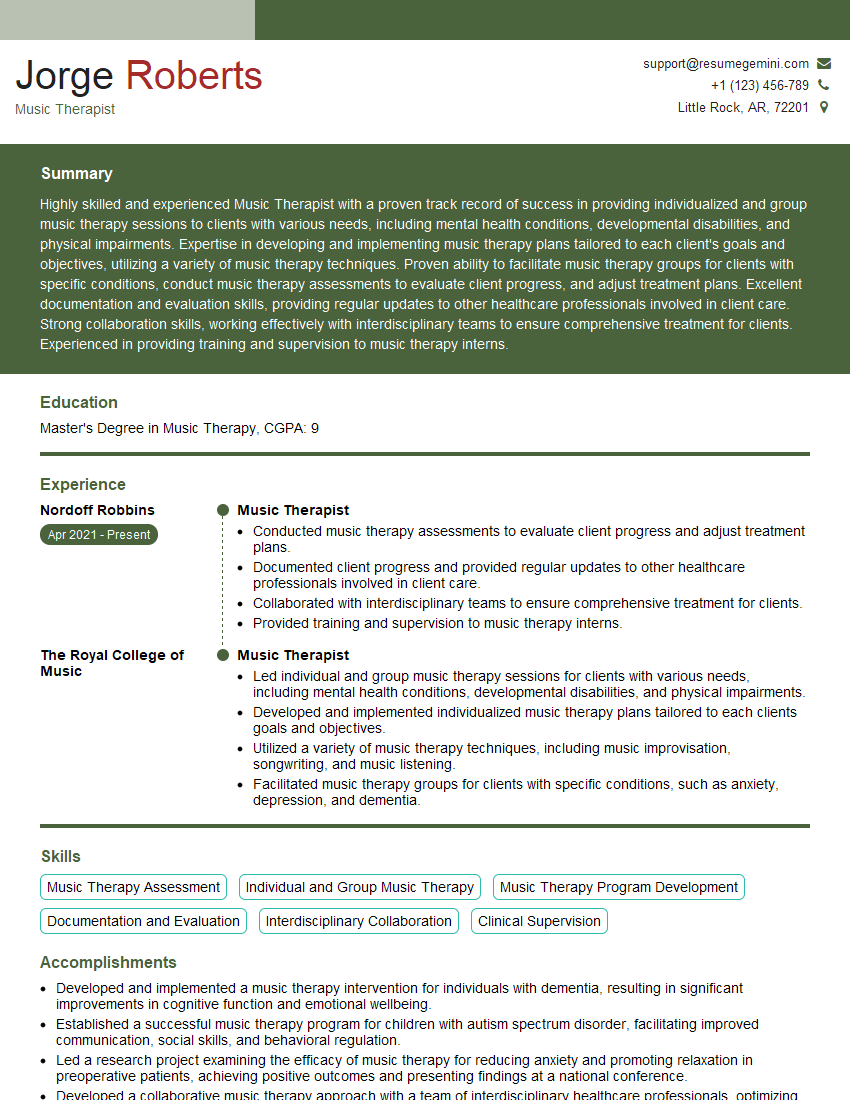
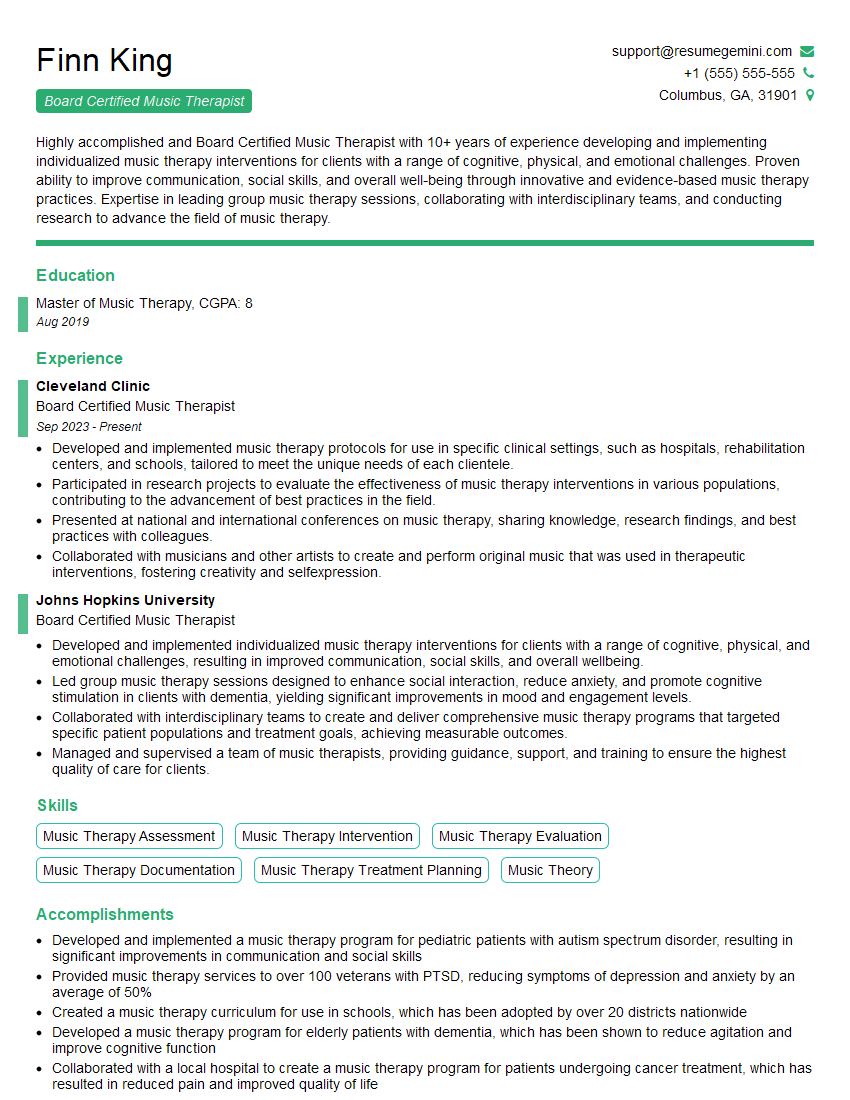
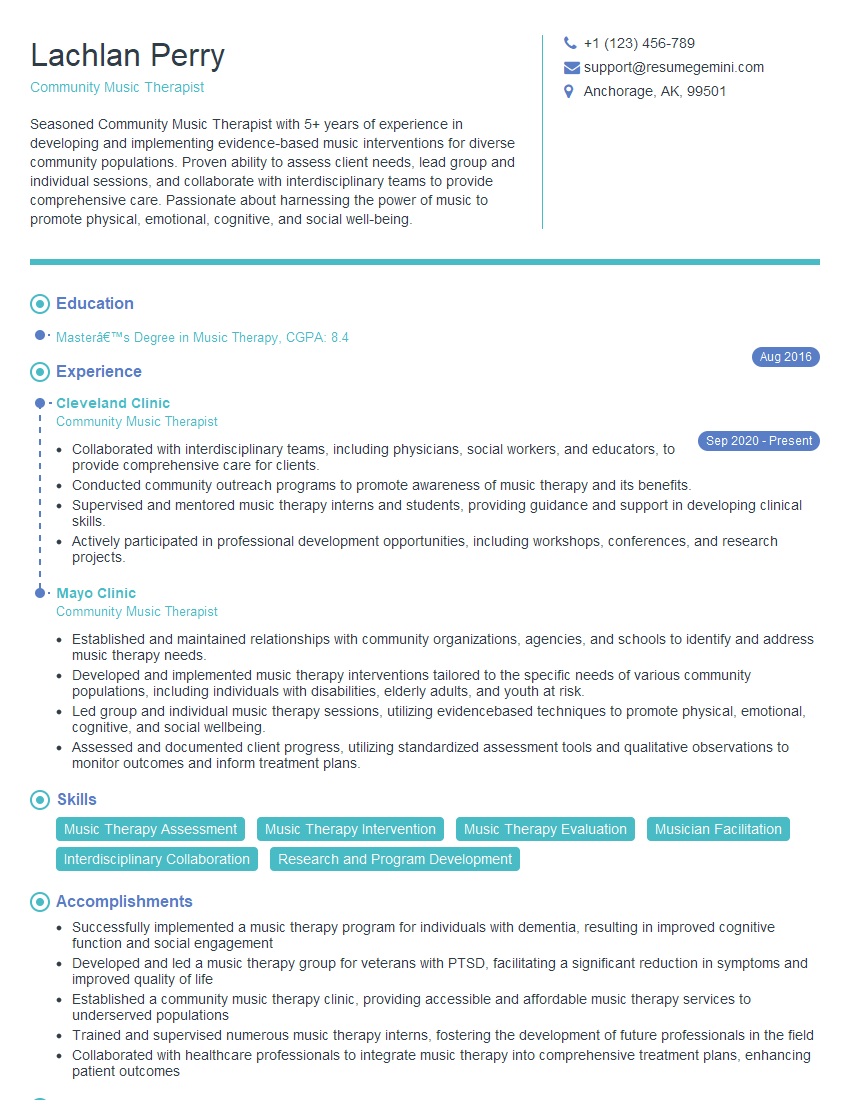
Mastering Music Intervention Implementation opens doors to rewarding careers with significant positive impact on individuals and communities. To maximize your job prospects, crafting an ATS-friendly resume is crucial. A well-structured resume highlights your skills and experience effectively, increasing your chances of landing an interview. We strongly encourage you to utilize ResumeGemini, a trusted resource for building professional resumes. ResumeGemini provides examples of resumes tailored to Music Intervention Implementation, helping you showcase your qualifications effectively. Take the next step towards your dream career – build a compelling resume that reflects your expertise and passion for making a difference.
Explore more articles
Users Rating of Our Blogs
Share Your Experience
We value your feedback! Please rate our content and share your thoughts (optional).
What Readers Say About Our Blog
To the interviewgemini.com Webmaster.
Very helpful and content specific questions to help prepare me for my interview!
Thank you
To the interviewgemini.com Webmaster.
This was kind of a unique content I found around the specialized skills. Very helpful questions and good detailed answers.
Very Helpful blog, thank you Interviewgemini team.