Interviews are opportunities to demonstrate your expertise, and this guide is here to help you shine. Explore the essential Nasal Polyp Removal interview questions that employers frequently ask, paired with strategies for crafting responses that set you apart from the competition.
Questions Asked in Nasal Polyp Removal Interview
Q 1. Describe the different surgical techniques used for nasal polyp removal.
Nasal polyp removal surgery, also known as polypectomy, can be performed using several techniques, chosen based on the size, location, and number of polyps, as well as the patient’s overall health. These techniques range from minimally invasive office procedures to more extensive surgeries performed in an operating room.
- Microdebrider Polypectomy: This is a common technique using a powered instrument to precisely remove polyps. Think of it like a tiny, controlled vacuum cleaner that shaves away the polyp tissue. It’s particularly useful for larger or multiple polyps.
- Endoscopic Polypectomy: This involves inserting a thin, flexible tube with a camera (endoscope) into the nasal passages to visualize and remove polyps. Small polyps can often be removed with specialized forceps or snares through the endoscope. It is minimally invasive and often preferred for smaller, easily accessible polyps.
- Open Surgery: In cases of very large or difficult-to-reach polyps, or when there is significant nasal structural abnormality, open surgery may be necessary. This involves a larger incision to access the affected area more directly. This is less common now due to advancements in minimally invasive techniques.
- Functional Endoscopic Sinus Surgery (FESS): While not solely focused on polyp removal, FESS often involves removing polyps as part of a broader procedure to improve sinus drainage and ventilation. It addresses the underlying causes of polyp formation, often involving removing bone and tissue obstructing the sinuses.
The choice of technique is a collaborative decision between the surgeon and the patient, taking into account individual factors and risks.
Q 2. What are the indications for surgical removal of nasal polyps?
Surgical removal of nasal polyps is indicated when conservative treatments like nasal corticosteroids and saline rinses fail to provide adequate relief. The decision to proceed with surgery is based on the severity of symptoms and the impact on the patient’s quality of life.
- Recurrent or persistent nasal obstruction: If the polyps cause significant blockage that interferes with breathing or sleep.
- Loss of smell (anosmia): Polyps can physically obstruct the olfactory nerves, leading to a diminished or absent sense of smell.
- Facial pain or pressure: Persistent sinus pain or pressure is a strong indication.
- Frequent or severe sinusitis: Polyps often contribute to chronic sinusitis and recurrent infections.
- Sleep apnea: Large polyps can obstruct airflow significantly, contributing to sleep apnea.
- Polyps impacting vision: In rare cases, polyps can extend into the eye socket and compromise vision.
Essentially, surgery aims to improve nasal airflow, reduce inflammation, restore the sense of smell, and alleviate associated symptoms.
Q 3. What are the contraindications for nasal polyp surgery?
While nasal polyp surgery is generally safe, there are certain contraindications that may make it inadvisable or require careful consideration.
- Uncontrolled bleeding disorders: Patients with conditions that impair blood clotting are at increased risk of significant bleeding during and after surgery.
- Severe cardiovascular disease: Patients with unstable heart conditions may not tolerate the procedure.
- Active infections: Surgery should be postponed if the patient has an active upper respiratory infection or other infection.
- Pregnancy (depending on the stage): Surgery might be delayed until after delivery.
- Unrealistic patient expectations: It’s important that patients have a realistic understanding of the procedure’s limitations and potential for recurrence.
A thorough pre-operative assessment is crucial to identify and manage any contraindications and minimize risks.
Q 4. Explain the pre-operative assessment and preparation for a patient undergoing nasal polyp removal.
Pre-operative assessment and preparation involve a comprehensive evaluation to ensure the patient is a suitable candidate for surgery and to minimize risks.
- Medical history review: A detailed review of the patient’s medical history, including allergies, medications, and past surgical experiences.
- Physical examination: A thorough examination of the nose and sinuses, often including nasal endoscopy to visualize the polyps.
- Imaging studies: CT scans of the sinuses may be done to better assess the extent of polyp involvement and the anatomy of the sinuses. This helps the surgeon plan the surgery.
- Blood tests: Blood tests may be conducted to assess clotting function and overall health.
- Pre-operative counseling: The patient is educated about the procedure, potential risks, and post-operative expectations. This includes discussing anesthesia options and pain management strategies.
- Medications: The surgeon may adjust or discontinue certain medications, such as blood thinners, before surgery.
Preparation also includes instructions on fasting before surgery and arranging for transportation home afterward.
Q 5. Describe the post-operative care instructions for patients after nasal polyp removal.
Post-operative care is critical for a successful outcome and involves several key instructions:
- Pain management: Pain medication is prescribed to manage post-operative discomfort. This might include over-the-counter pain relievers or stronger prescription medications.
- Nasal saline irrigations: Regular nasal saline washes are essential to keep the nasal passages clean and prevent crusting and infection. This is often done multiple times per day.
- Nasal packing: Depending on the surgical technique, nasal packing might be used for a short period to control bleeding. Removal is usually done within a few days.
- Medication regimen: Patients may be prescribed nasal corticosteroids or antibiotics to reduce inflammation and prevent infection.
- Follow-up appointments: Regular follow-up visits with the surgeon are crucial to monitor healing progress and address any complications.
- Avoid strenuous activity: Patients are advised to avoid strenuous activity to prevent bleeding and promote healing.
- Avoid blowing nose forcefully: Forceful nose blowing should be avoided to prevent dislodging blood clots or injuring the surgical site.
Careful adherence to these instructions helps ensure optimal healing and minimizes the risk of complications.
Q 6. What are the potential complications of nasal polyp removal?
While nasal polyp removal is generally safe, potential complications can occur, though they are relatively uncommon with experienced surgeons.
- Bleeding: Post-operative bleeding is the most common complication, but usually minor and easily managed.
- Infection: Infection can occur, but is usually prevented with proper post-operative care including antibiotic use if necessary.
- Persistent or recurrent polyps: Polyps can unfortunately recur in some cases, even after successful surgery.
- Damage to surrounding structures: In rare cases, damage to nearby structures such as the eye or the skull base can happen, but it’s a very rare occurrence with modern techniques.
- CSF leak: Although very rare, a cerebrospinal fluid leak can occur if the surgery involves work near the skull base.
- Hyposmia or anosmia (loss of smell): While surgery aims to improve smell, it can sometimes be affected, either temporarily or permanently.
Understanding these potential complications is important for informed decision-making and allows for proactive management.
Q 7. How do you manage post-operative bleeding after nasal polyp removal?
Post-operative bleeding after nasal polyp removal is typically managed conservatively. The first step involves careful observation and gentle pressure to the bleeding site. Nasal packing may be used if bleeding is significant. If conservative measures are ineffective, more advanced techniques such as cauterization (using heat or chemicals to seal blood vessels) or surgical intervention may be necessary.
In severe cases, a blood transfusion might be required. However, severe post-operative bleeding is rare with proper surgical technique and post-operative care. Prompt attention to any bleeding is essential; if excessive bleeding occurs, the patient should immediately contact their surgeon.
Regular monitoring of vital signs, such as blood pressure and heart rate, is an essential component of managing post-operative bleeding. The patient’s overall health status is also carefully assessed to ensure early detection and treatment of any complications related to blood loss.
Q 8. How do you differentiate between nasal polyps and other nasal masses?
Differentiating nasal polyps from other nasal masses requires a careful clinical evaluation and often, imaging studies. Nasal polyps are typically pale, grayish-white, smooth, and teardrop-shaped, hanging from the nasal mucosa. They are usually soft and non-tender. In contrast, other nasal masses can have a variety of appearances. For example, a nasal tumor might be firm, irregular in shape, and possibly ulcerated or bleeding. Infections, like granulomas, can be more localized and inflamed. A deviated septum, though not a mass itself, can mimic a mass and cause similar symptoms. The key is to consider the patient’s history (allergies, chronic sinusitis), the physical exam findings (size, shape, consistency of the mass), and the results of imaging studies to reach a precise diagnosis.
Think of it like this: if you see a smooth, pale, teardrop hanging from a tree (the nasal mucosa), it’s more likely a polyp. If you see something rough, irregular, or oddly colored, it could be something else entirely, requiring further investigation.
Q 9. What imaging modalities are used in the diagnosis of nasal polyps?
Imaging plays a crucial role in diagnosing nasal polyps and differentiating them from other nasal lesions. The most commonly used modality is computed tomography (CT) scan of the paranasal sinuses. A CT scan provides detailed cross-sectional images of the sinuses, allowing visualization of the size, location, and extent of the polyps. It can also reveal other findings such as sinus opacification (fluid buildup), bony changes, and the presence of other nasal masses. In certain cases, magnetic resonance imaging (MRI) may be used, particularly if there’s a suspicion of a more complex or aggressive lesion. MRI offers excellent soft tissue contrast, allowing better differentiation between different tissue types. However, CT is generally preferred due to its wider availability and faster scan time.
Q 10. What are the common causes of nasal polyp recurrence?
Nasal polyp recurrence is a common problem, frustrating for both the patient and the physician. Several factors contribute to this: incomplete polyp removal during surgery, underlying chronic inflammatory conditions such as asthma or allergic rhinitis, continued exposure to irritants (e.g., pollutants, allergens), and inadequate post-operative medical management. Often, the underlying cause of the polyps is not fully addressed, leading to their reappearance. For instance, if a patient has severe allergic rhinitis and doesn’t effectively manage their allergies after surgery, new polyps are likely to form. Similarly, if only the visible polyps are removed and not the underlying inflammatory disease, recurrence is highly probable.
- Incomplete surgical removal
- Uncontrolled allergies or asthma
- Environmental irritants
- Inadequate post-operative care
Q 11. How do you counsel patients about the risk of recurrence after nasal polyp removal?
Counseling patients about recurrence is crucial for managing expectations and ensuring compliance with post-operative care. I typically explain that while surgery aims to remove the polyps, it doesn’t address the underlying inflammatory process that caused them in the first place. Therefore, recurrence is a possibility, and its likelihood depends on several factors like the severity of their underlying conditions and their adherence to medical therapy. I stress the importance of continued medical management, including nasal corticosteroids and saline irrigation, to minimize the risk of recurrence. I often use analogies – imagine weeding a garden. Surgery removes the weeds (polyps), but if the soil conditions (underlying inflammation) aren’t improved, new weeds will grow. Open communication is key to patient satisfaction and successful long-term management.
Q 12. What medical management strategies are used to prevent nasal polyp recurrence?
Medical management plays a vital role in preventing nasal polyp recurrence. This usually involves a combination of strategies. Topical nasal corticosteroids are the cornerstone of treatment, reducing inflammation and preventing polyp regrowth. Oral corticosteroids are sometimes used for severe cases, but their long-term use carries significant side effects, so it’s typically short-term. Allergen avoidance and control of asthma or other allergic conditions are crucial, as these are often major contributors to polyp formation. Finally, regular saline irrigation helps to cleanse the nasal passages, removing irritants and mucus and improving mucociliary clearance – the natural process that helps move mucus out of the sinuses.
Q 13. Discuss the role of corticosteroids in the management of nasal polyps.
Corticosteroids are the mainstay of medical management for nasal polyps, both before and after surgical removal. They work by reducing inflammation in the nasal mucosa, the underlying cause of polyp formation. Topical nasal corticosteroids, such as fluticasone or mometasone, are the first-line treatment. These are administered as nasal sprays, delivering the medication directly to the affected area, minimizing systemic side effects. In severe cases or when topical corticosteroids are ineffective, oral corticosteroids may be used, but only for short courses due to the risk of significant side effects, including increased blood sugar, weight gain, and bone thinning. The goal is to reduce inflammation and shrink the polyps, improving nasal breathing and reducing symptoms.
Q 14. Explain the use of saline irrigation in the management of nasal polyps.
Saline irrigation is a simple yet effective adjunct to medical therapy for nasal polyps. It involves rinsing the nasal passages with a solution of salt and water, helping to remove mucus, allergens, and irritants. This improves mucociliary clearance, the natural mechanism for clearing debris from the nasal passages. Regular saline irrigation can help reduce inflammation, improve sinus drainage, and prevent recurrence of polyps. It’s a safe and readily available home remedy that complements other treatments like corticosteroids. Patients are usually instructed on the proper technique to ensure effective nasal cleansing without causing discomfort or injury. It’s like regularly flushing a drain to prevent clogs. In this case, the drain is your nasal passages, and the clogs are the mucus and irritants that contribute to polyp formation.
Q 15. Describe your experience with image-guided surgery for nasal polyp removal.
Image-guided surgery significantly enhances the precision and safety of nasal polyp removal. It allows for a minimally invasive approach, reducing the risk of complications. My experience involves using techniques like navigation systems that employ CT scans or intraoperative endoscopy. This allows me to visualize the polyp’s extent and its relationship to surrounding critical structures like the optic nerve and internal carotid artery, ensuring complete removal while minimizing damage to healthy tissue. For example, in a case involving a large polyp extending close to the orbit, the navigation system helped me precisely target the polyp and remove it without compromising the patient’s vision. The system essentially acts as a GPS for the surgical site, guiding instrument placement and minimizing the need for extensive exploration.
Career Expert Tips:
- Ace those interviews! Prepare effectively by reviewing the Top 50 Most Common Interview Questions on ResumeGemini.
- Navigate your job search with confidence! Explore a wide range of Career Tips on ResumeGemini. Learn about common challenges and recommendations to overcome them.
- Craft the perfect resume! Master the Art of Resume Writing with ResumeGemini’s guide. Showcase your unique qualifications and achievements effectively.
- Don’t miss out on holiday savings! Build your dream resume with ResumeGemini’s ATS optimized templates.
Q 16. How do you assess the success of nasal polyp removal surgery?
Assessing the success of nasal polyp removal surgery is multifaceted and involves a combination of objective and subjective measures. Objective measures include improved endoscopic visualization of the sinuses, demonstrating complete polyp removal and patency of the ostiomeatal complexes (the natural drainage pathways of the sinuses). We also look for a reduction in the inflammatory markers like eosinophils in post-operative nasal secretions. Subjectively, we assess improvements in the patient’s symptoms. This includes a reduction in nasal congestion, improved sense of smell, less facial pressure and pain, and a decrease in postnasal drip. Patient-reported outcome measures (PROMs) using validated questionnaires are crucial for quantifying the improvement in their quality of life. A successful surgery leads to long-term symptom relief, but we emphasize the importance of post-operative management, including medications and possibly immunotherapy to prevent recurrence.
Q 17. What are the key differences between functional endoscopic sinus surgery (FESS) and other techniques for nasal polyp removal?
Functional Endoscopic Sinus Surgery (FESS) is the gold standard for nasal polyp removal. It’s a minimally invasive technique utilizing endoscopes to visualize and access the sinuses through the natural openings. In contrast, older techniques might have involved more extensive external approaches, leading to greater trauma and longer recovery times. FESS offers several advantages: it’s less invasive, resulting in faster recovery, reduced scarring, and a lower risk of complications such as bleeding and infection. Other techniques may include polypectomy using various instruments, but they often lack the ability to comprehensively address underlying sinus disease that contributes to polyp formation. FESS allows for the simultaneous treatment of both polyps and underlying sinus pathology, enhancing long-term success rates. For instance, a patient with chronic sinusitis and multiple polyps would benefit greatly from FESS which allows for complete removal of polyps and improved sinus ventilation.
Q 18. How do you manage patients with allergic rhinitis who also have nasal polyps?
Managing patients with both allergic rhinitis and nasal polyps requires a comprehensive approach targeting both conditions. Allergic rhinitis is a major contributing factor to polyp development. Therefore, we focus on controlling the underlying allergic inflammation with allergen avoidance strategies, immunotherapy (allergy shots or sublingual immunotherapy), and medications such as intranasal corticosteroids. These medications aim to reduce inflammation and shrink the polyps. In some cases, particularly if the polyps are large or causing significant symptoms, surgical removal might be necessary. However, surgical intervention alone is often insufficient without ongoing medical management to address the underlying allergic inflammation and prevent recurrence. This integrated approach improves both immediate and long-term outcomes.
Q 19. How do you manage patients with cystic fibrosis who have nasal polyps?
Nasal polyps in patients with cystic fibrosis pose unique challenges. In these patients, polyps are often larger and more difficult to manage due to the underlying thick mucus that characterises the disease. Treatment focuses on aggressive management of the cystic fibrosis itself, using therapies like inhaled hypertonic saline and mucolytic agents to thin the mucus. Surgical removal of polyps may be necessary, but recurrence is more common in this population. Post-operative management includes long-term medication to control inflammation and improve mucus clearance. Close monitoring and multidisciplinary care, involving pulmonologists and cystic fibrosis specialists, is essential for optimal outcomes. The goal is not just to remove the polyps but to improve overall respiratory function and prevent recurrence in the context of cystic fibrosis.
Q 20. Describe your experience with different types of endoscopic instruments used in nasal polyp surgery.
My experience encompasses a wide range of endoscopic instruments used in nasal polyp surgery. This includes various sizes and types of endoscopes, providing optimal visualization of the surgical field, depending on the anatomy and the complexity of the case. We use microdebriders to precisely remove polyp tissue, minimizing damage to healthy structures. Other instruments include specialized forceps, scissors, and suction devices for efficient tissue removal and hemostasis. The choice of instrument depends on the size, location, and consistency of the polyps. For example, a smaller polyp might be easily removed with forceps, while a large, deeply seated polyp may require the use of a microdebrider and specialized irrigation. The selection process is always tailored to the specific needs of the patient and the surgical situation.
Q 21. What are the advantages and disadvantages of using different anesthetic techniques for nasal polyp removal?
The choice of anesthetic technique for nasal polyp removal depends on factors such as the extent of the surgery, the patient’s medical history, and their preference. Local anesthesia with sedation is often sufficient for smaller procedures and patients with minimal medical comorbidities. This technique offers the advantages of avoiding the risks associated with general anesthesia, allowing for patient cooperation and immediate post-operative assessment. However, it may not be suitable for extensive surgeries or patients with anxiety or claustrophobia. General anesthesia provides a more comfortable experience and allows for a more comprehensive surgical approach, particularly in complex cases. It minimizes patient discomfort and allows for greater precision. However, general anesthesia carries inherent risks, including respiratory and cardiovascular complications. The decision to use local or general anesthesia is made on a case-by-case basis following careful evaluation of the patient’s individual circumstances and needs, involving careful risk-benefit analysis.
Q 22. How do you manage patients with bleeding disorders who require nasal polyp removal?
Managing patients with bleeding disorders who need nasal polyp removal requires a multi-faceted approach prioritizing safety. We begin with a thorough pre-operative assessment, including a complete blood count (CBC) and coagulation studies to understand the extent of their bleeding risk. This helps us tailor the surgical approach. For patients with mild bleeding disorders, we might opt for minimally invasive techniques like microdebrider polypectomy, which minimizes bleeding compared to traditional techniques. We might also use topical hemostatic agents during the procedure to help control any bleeding that does occur. For patients with more severe bleeding disorders, a consultation with a hematologist is crucial. They may recommend specific pre-operative medications or adjustments to their existing medication regimen to help improve clotting factors. In some cases, a less invasive approach, such as medical management with corticosteroids, might be considered instead of surgery. Post-operatively, careful monitoring for bleeding, and the use of appropriate post-operative medications such as nasal packing with absorbable materials, are critical. The key is meticulous planning and close collaboration with other specialists to ensure patient safety and a successful outcome. It’s not a one-size-fits-all approach; each case needs careful individual consideration.
Q 23. What are the ethical considerations involved in the decision to perform nasal polyp removal surgery?
Ethical considerations in nasal polyp removal surgery revolve around informed consent, beneficence, non-maleficence, and justice. Informed consent means ensuring the patient fully understands the procedure, its risks, benefits, and alternatives – including the possibility of managing symptoms medically without surgery. Beneficence guides us to act in the patient’s best interest, considering the potential for symptom relief and improved quality of life versus the risks. Non-maleficence emphasizes avoiding harm; this involves minimizing the risks of bleeding, infection, and other potential complications through careful surgical technique and post-operative care. Justice requires fairness in access to care, ensuring that all patients, regardless of their socioeconomic status or insurance coverage, have equal opportunity to benefit from this procedure if it’s medically appropriate. Occasionally, patients may have unrealistic expectations about the outcomes of surgery. Openly discussing these expectations and managing them honestly is a crucial ethical consideration.
Q 24. Describe your experience with minimally invasive techniques for nasal polyp removal.
My experience with minimally invasive techniques for nasal polyp removal is extensive. I routinely use techniques like microdebrider polypectomy. This allows for precise removal of polyps with minimal trauma to the surrounding nasal mucosa, reducing bleeding and improving recovery times. Another technique I often utilize is balloon sinuplasty, particularly for patients with more diffuse polyposis affecting multiple sinuses. This is less invasive than traditional functional endoscopic sinus surgery (FESS). Compared to traditional surgical techniques, these approaches often lead to shorter operative times, less post-operative pain, reduced swelling, and faster recovery. I find that patient satisfaction is significantly higher with these minimally invasive methods. I carefully select the optimal technique based on the individual patient’s anatomy, the extent of polyp involvement, and their overall health. For example, a patient with significant inflammation might benefit from balloon sinuplasty initially, followed by microdebrider polypectomy if needed. The goal is always to achieve the best outcome with the least invasive approach possible.
Q 25. How do you address patient concerns and anxieties before and after nasal polyp removal?
Addressing patient concerns and anxieties is a crucial part of my practice. Before the procedure, I spend time discussing the procedure in detail, using clear and simple language to explain the process, the potential benefits, and the risks involved. I encourage patients to ask questions and address any anxieties they might have. I might show them videos or diagrams to help them visualize the procedure. Many patients are apprehensive about pain or discomfort; I explain my pain management strategies, including the use of local anesthesia and post-operative pain medication. After the surgery, I provide detailed post-operative instructions and answer any questions they may have. I also schedule follow-up appointments to monitor their recovery and address any concerns that arise. For example, I often reassure patients that some nasal stuffiness and discomfort are normal after surgery, and I provide guidance on managing these symptoms. Establishing a strong patient-physician relationship based on trust and open communication is essential for positive outcomes.
Q 26. Describe a challenging case involving nasal polyp removal and how you overcame the difficulties.
One particularly challenging case involved a young patient with extensive nasal polyposis and severe allergic rhinitis. The polyps were obstructing nearly all of his nasal passages, leading to significant breathing difficulties. Initially, I attempted minimally invasive microdebrider polypectomy, but the polyps were so extensive and interconnected that complete removal proved difficult. Repeated attempts led to significant bleeding, which made the situation even more complex. To overcome this challenge, I carefully evaluated the extent of the involvement and decided to perform a more extensive, yet still minimally invasive, functional endoscopic sinus surgery (FESS) with the support of image guidance. This allowed for more precise removal of the polyps without damaging crucial structures. We used advanced endoscopic instruments combined with careful surgical technique to achieve complete polyp removal while minimizing bleeding. Post-operatively, we also implemented a robust regimen of nasal corticosteroid sprays and saline irrigation to help prevent recurrence. The patient responded well to the treatment, experienced marked improvement in breathing, and his quality of life improved significantly. This case highlighted the importance of adaptability and the use of advanced techniques to manage complex situations.
Q 27. What are the latest advances in the treatment of nasal polyps?
Recent advances in nasal polyp treatment focus on improving surgical techniques, developing new medications, and refining diagnostic tools. Minimally invasive techniques, as mentioned earlier, are at the forefront of surgical advancements. In the realm of medications, there’s ongoing research into novel biologics targeting specific inflammatory pathways implicated in nasal polyp formation. These show promise in reducing polyp size and improving symptoms. Additionally, there is increasing use of sophisticated imaging techniques such as CT scans with 3D reconstruction to better visualize the extent of polyp involvement and guide surgical planning. These advancements improve the precision and efficacy of treatment, minimizing complications and improving patient outcomes. The development of personalized treatment strategies, accounting for individual patient characteristics and polyp characteristics (size, location, histology), is also a growing trend. This means that treatments are tailored to the specific needs of each patient, maximizing efficacy and minimizing risks.
Q 28. How do you stay current with the latest research and developments in nasal polyp removal?
Staying current in this rapidly evolving field requires a multi-pronged approach. I regularly attend national and international conferences and workshops focused on rhinology and sinus surgery, where experts share the latest research findings and clinical experiences. I actively participate in continuing medical education (CME) programs and read peer-reviewed journals like the American Journal of Rhinology & Allergy, and the Laryngoscope. I also follow key opinion leaders in the field through professional organizations such as the American Academy of Otolaryngology – Head and Neck Surgery. I actively participate in research studies and collaborate with other specialists, exchanging knowledge and insights. This multifaceted approach ensures that I stay abreast of the latest advancements and best practices in the field of nasal polyp removal and provide the most effective and safest treatment options to my patients.
Key Topics to Learn for Nasal Polyp Removal Interview
- Anatomy and Physiology of the Nasal Cavity: Understanding the structure and function of the nasal passages, including the paranasal sinuses, is crucial for diagnosing and treating nasal polyps.
- Pathophysiology of Nasal Polyps: Mastering the underlying mechanisms of polyp formation, including inflammation and immune responses, will demonstrate a strong theoretical foundation.
- Diagnostic Techniques: Become proficient in describing various diagnostic methods, such as rhinoscopy, CT scans, and allergy testing, and their role in identifying and characterizing nasal polyps.
- Surgical Techniques for Polyp Removal: Familiarize yourself with different surgical approaches, including endoscopic sinus surgery (ESS) and their associated risks and benefits. Practice explaining the rationale behind choosing a specific technique for different patient presentations.
- Medical Management of Nasal Polyps: Discuss the role of medical therapies, such as corticosteroids and antihistamines, in managing nasal polyps and preventing recurrence.
- Post-operative Care and Complications: Be prepared to discuss post-operative management strategies, potential complications, and how to address them effectively. This includes infection management and addressing post-surgical bleeding.
- Patient Communication and Counseling: Demonstrate your understanding of effective communication strategies when discussing diagnosis, treatment options, and managing patient expectations.
- Ethical Considerations and Informed Consent: Understand the ethical implications of surgical interventions and the importance of obtaining informed consent from patients.
Next Steps
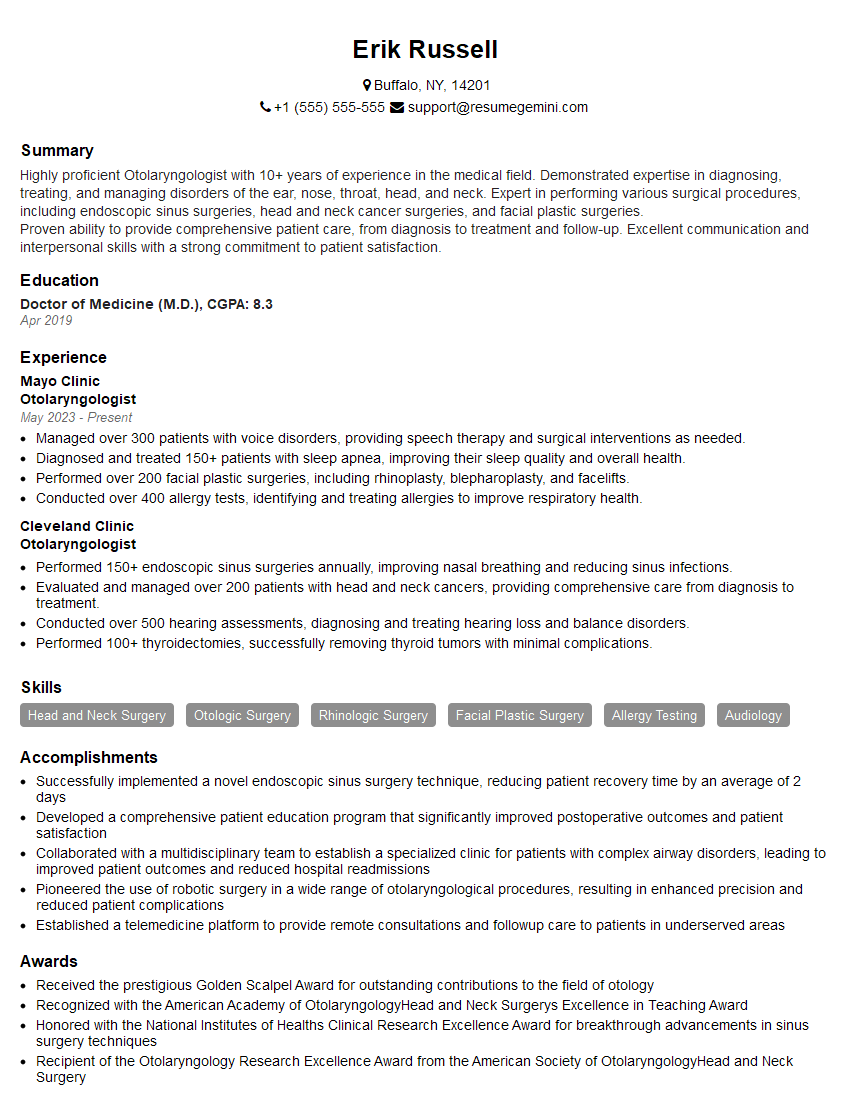
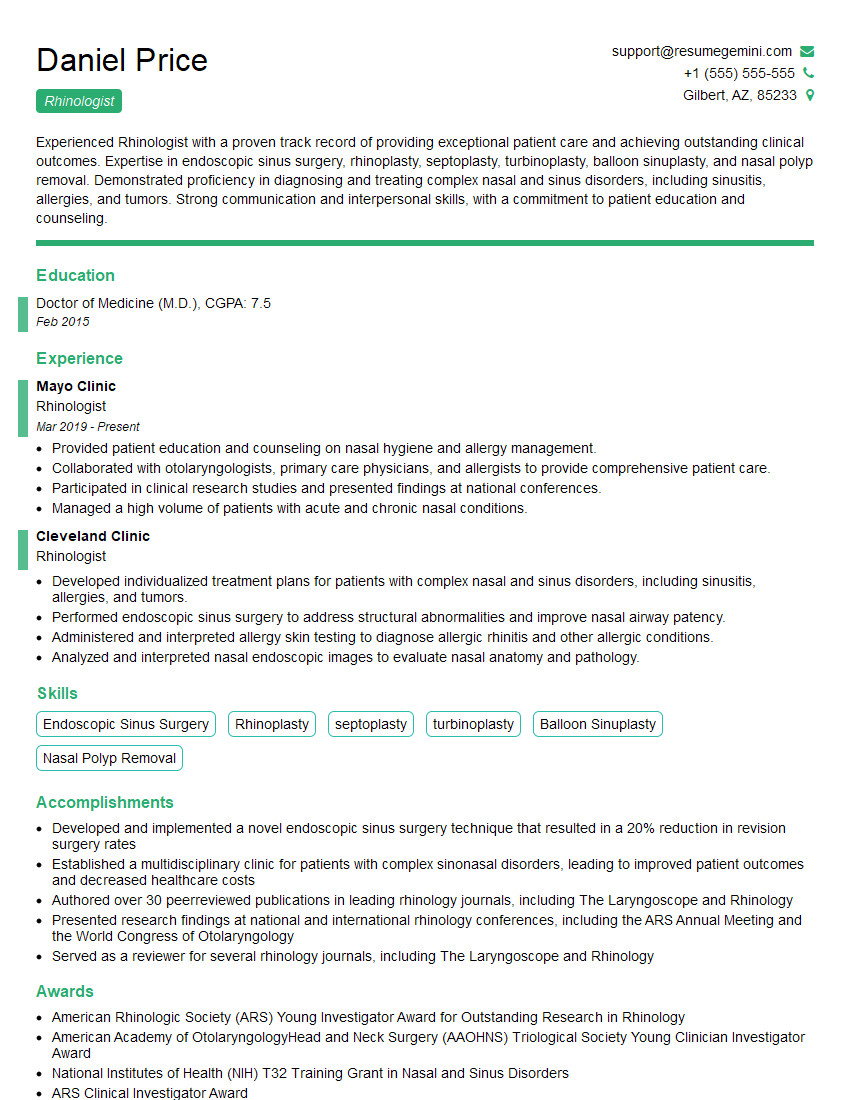
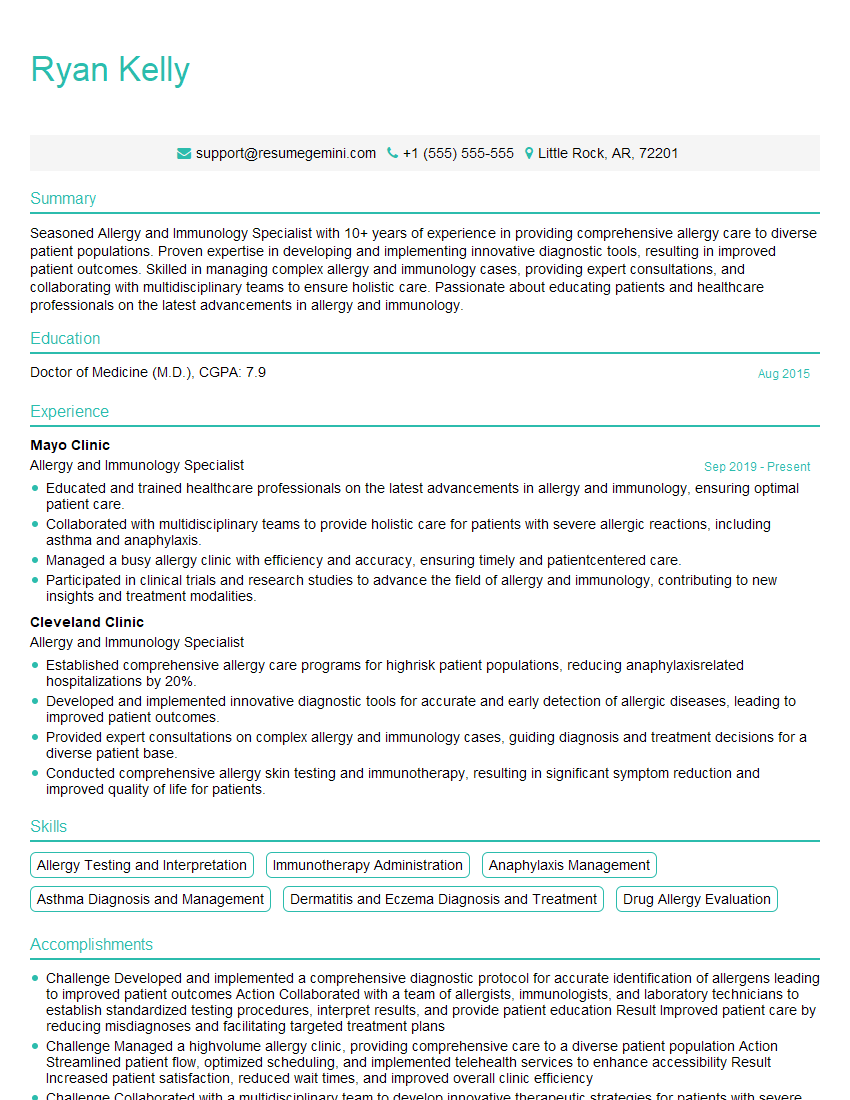
Mastering Nasal Polyp Removal techniques significantly enhances your career prospects in otolaryngology and related fields. A strong understanding of this area demonstrates a high level of clinical competence and problem-solving ability, making you a highly desirable candidate. To maximize your chances of securing your dream role, creating an ATS-friendly resume is essential. ResumeGemini is a trusted resource that can help you build a professional and impactful resume tailored to highlight your expertise in Nasal Polyp Removal. Examples of resumes specifically designed for this area are available through ResumeGemini to help you build your own compelling application.
Explore more articles
Users Rating of Our Blogs
Share Your Experience
We value your feedback! Please rate our content and share your thoughts (optional).
What Readers Say About Our Blog
To the interviewgemini.com Webmaster.
Very helpful and content specific questions to help prepare me for my interview!
Thank you
To the interviewgemini.com Webmaster.
This was kind of a unique content I found around the specialized skills. Very helpful questions and good detailed answers.
Very Helpful blog, thank you Interviewgemini team.