The thought of an interview can be nerve-wracking, but the right preparation can make all the difference. Explore this comprehensive guide to Natural Resources Policy interview questions and gain the confidence you need to showcase your abilities and secure the role.
Questions Asked in Natural Resources Policy Interview
Q 1. Explain the difference between sustainable development and environmental protection.
While both sustainable development and environmental protection aim to safeguard the planet, they differ significantly in scope and approach. Environmental protection focuses primarily on preserving the natural environment and its components – air, water, land – from pollution and degradation. It’s a reactive approach, often responding to existing damage. Think of cleaning up an oil spill: that’s environmental protection. Sustainable development, on the other hand, takes a broader, more proactive stance. It seeks to meet the needs of the present generation without compromising the ability of future generations to meet their own needs. This encompasses environmental, economic, and social considerations. It’s about finding ways to use resources responsibly, ensuring economic growth doesn’t come at the expense of the environment, and promoting social equity. Imagine building a new city that incorporates green energy, efficient waste management, and affordable housing – that’s sustainable development.
In essence, environmental protection is a subset of sustainable development. Sustainable development integrates environmental protection with economic and social goals to create a more holistic and future-oriented approach to resource management.
Q 2. Describe the role of cost-benefit analysis in natural resource policy decision-making.
Cost-benefit analysis (CBA) is a crucial tool in natural resource policy decision-making. It provides a structured framework for evaluating the economic merits of different policy options by comparing the costs and benefits of each. This involves quantifying both monetary and non-monetary impacts. Monetary impacts are relatively straightforward – the direct costs of implementing a policy (e.g., building a dam) and the market value of the benefits (e.g., increased agricultural production). Non-monetary impacts, like improved air quality or reduced risk of flooding, require careful assessment using techniques like contingent valuation or hedonic pricing to estimate their economic value.
For example, when deciding whether to build a new hydroelectric dam, a CBA would weigh the costs of construction, land acquisition, and potential environmental damage against the benefits of increased electricity generation, flood control, and recreational opportunities. A positive net present value (NPV) – total benefits exceeding total costs – usually indicates a financially sound project. However, it’s crucial to acknowledge the limitations of CBA, especially when dealing with complex environmental issues where quantifying all costs and benefits (particularly long-term ones) is challenging. Ethical and social considerations, often difficult to quantify, should also be factored into the overall decision-making process.
Q 3. How do you evaluate the effectiveness of a specific environmental policy?
Evaluating the effectiveness of an environmental policy requires a multi-faceted approach. It’s not enough to simply look at the stated goals; we must measure actual outcomes against those goals. This typically involves several key steps:
- Setting clear, measurable targets: The policy should define specific, quantifiable objectives with associated timelines (e.g., reducing greenhouse gas emissions by X% by year Y).
- Monitoring and data collection: Regular monitoring is crucial. This may involve collecting data on air and water quality, species populations, resource consumption, or economic indicators, depending on the policy’s focus.
- Comparative analysis: We need to compare conditions before and after policy implementation to gauge its impact. This could involve comparing trends in pollution levels, analyzing changes in resource use patterns, or conducting surveys to assess public perceptions.
- Impact assessment: Beyond simple comparisons, we need to evaluate the broader impacts of the policy, including unintended consequences, its effect on different stakeholder groups, and its overall cost-effectiveness.
- Adaptive management: Policies should be flexible and adapt to new information and changing circumstances. Regular evaluation allows us to modify or refine policies to maximize their effectiveness.
For instance, evaluating the effectiveness of a policy aimed at reducing deforestation might involve monitoring deforestation rates, assessing changes in forest cover using satellite imagery, and analyzing economic indicators related to timber production and alternative livelihoods.
Q 4. What are the key challenges in managing water resources in arid regions?
Managing water resources in arid regions presents unique and formidable challenges. The scarcity of water intensifies competition among various users (agriculture, industry, households), making equitable allocation a major concern. Here are some key challenges:
- Water scarcity: The limited availability of water necessitates efficient use and careful management to ensure sufficient supplies for all essential needs.
- Water quality: Salinization (salt accumulation) and contamination from industrial or agricultural sources can render water unsuitable for human consumption or irrigation, further exacerbating scarcity.
- Over-extraction of groundwater: Over-reliance on groundwater can lead to depletion of aquifers, causing land subsidence and reducing long-term water availability.
- Climate change: Arid regions are particularly vulnerable to climate change impacts, including increased temperatures, altered rainfall patterns, and more frequent droughts, all of which worsen water stress.
- Infrastructure limitations: Developing and maintaining efficient water infrastructure (dams, pipelines, irrigation systems) in challenging geographical and climatic conditions is costly and complex.
- Conflict and governance: Competition for scarce water resources can lead to conflicts between different user groups or even between nations sharing transboundary water resources. Effective governance and international cooperation are crucial.
Sustainable water management in arid regions requires integrated approaches that consider all these factors, including water conservation techniques, improved irrigation efficiency, rainwater harvesting, desalination technologies, and conflict resolution mechanisms.
Q 5. Discuss the economic impacts of deforestation.
Deforestation has profound and far-reaching economic impacts. The immediate impacts are often felt in the timber industry, with short-term economic gains from logging. However, the long-term consequences are largely negative and often outweigh any immediate benefits.
- Loss of timber resources: While logging initially provides revenue, the unsustainable depletion of forests reduces the long-term availability of timber and other forest products.
- Reduced agricultural productivity: Deforestation leads to soil erosion, reduced soil fertility, and desertification, all of which negatively impact agricultural yields and food security.
- Decreased tourism revenue: Forests provide significant opportunities for ecotourism and recreation; deforestation can lead to a significant loss in tourism revenue.
- Increased healthcare costs: Deforestation can increase the risk of infectious diseases, leading to higher healthcare costs.
- Climate change impacts: Forests play a critical role in carbon sequestration; deforestation contributes significantly to climate change, which has widespread and costly impacts across many sectors (agriculture, infrastructure, etc.).
- Loss of biodiversity: Forests support a vast array of plant and animal species; deforestation reduces biodiversity, leading to the potential loss of valuable genetic resources and ecosystem services.
The economic costs of deforestation are often underestimated, especially when considering the long-term environmental and social consequences. Sustainable forest management practices are essential to balance economic development with environmental protection.
Q 6. Explain the principles of the precautionary principle in environmental policy.
The precautionary principle is a cornerstone of modern environmental policy. It essentially states that when an activity raises threats of harm to human health or the environment, precautionary measures should be taken even if some cause-and-effect relationships are not fully established scientifically. This principle emphasizes proactive risk management, prioritizing prevention over waiting for conclusive scientific evidence of harm before acting.
It doesn’t advocate for inaction; rather, it encourages taking measures to prevent potential harm. The burden of proof lies on those proposing an activity to demonstrate that it won’t cause significant harm. This principle is particularly important when dealing with complex systems and irreversible environmental damage, where the cost of inaction might be far greater than the cost of preventative measures. For example, the precautionary principle was invoked in the regulation of genetically modified organisms (GMOs), where potential risks to human health and biodiversity warranted caution and careful assessment before widespread adoption.
The application of the precautionary principle often involves a thorough risk assessment, considering the potential magnitude and likelihood of harm, and choosing the most appropriate preventative measures based on available information and cost-benefit considerations.
Q 7. How can GIS technology be used to support natural resource management?
Geographic Information Systems (GIS) technology is a powerful tool for supporting natural resource management. It allows for the spatial analysis and visualization of vast amounts of data related to natural resources, enabling more effective planning and decision-making.
- Mapping and spatial analysis: GIS can be used to create maps showing the distribution of different natural resources (forests, water bodies, mineral deposits), their condition, and their proximity to human settlements or infrastructure.
- Monitoring and change detection: By integrating satellite imagery and other remotely sensed data, GIS can monitor changes in land cover (deforestation, urbanization), water quality, or species populations over time.
- Modeling and prediction: GIS can be used to build models to predict the impact of various factors (climate change, land use changes) on natural resources, helping to anticipate potential problems and develop appropriate management strategies.
- Decision support: GIS provides a platform for integrating multiple datasets and evaluating different management scenarios, facilitating more informed decision-making in areas such as protected area planning, watershed management, or resource allocation.
- Public participation: GIS-based tools can facilitate public engagement in natural resource management by making data and maps easily accessible and understandable.
For instance, GIS can be used to map areas at high risk of forest fires, identify optimal locations for protected areas, or analyze the impact of different irrigation schemes on water availability. The integration of GIS with other technologies (remote sensing, GPS) further enhances its potential for effective natural resource management.
Q 8. What are the major international agreements related to climate change?
Several international agreements are crucial in addressing climate change. These agreements aim to set targets, foster collaboration, and promote the adoption of climate-friendly policies globally. Key examples include:
- The United Nations Framework Convention on Climate Change (UNFCCC): This is the foundational treaty, adopted in 1992, aiming to stabilize greenhouse gas concentrations to prevent dangerous anthropogenic interference with the climate system. It provides the framework for international cooperation.
- The Kyoto Protocol: An amendment to the UNFCCC, it set legally binding emission reduction targets for developed countries. While significant, its limitations included the absence of binding commitments for developing nations and the relatively short timeframe of its targets.
- The Paris Agreement: A landmark agreement adopted in 2015, it aims to limit global warming to well below 2 degrees Celsius, preferably to 1.5 degrees Celsius, compared to pre-industrial levels. It involves nationally determined contributions (NDCs) – self-defined emission reduction targets set by each country, promoting a more inclusive and participatory approach.
These agreements, while differing in approach and effectiveness, highlight the global acknowledgment of the climate change challenge and the need for coordinated international action. Their success relies heavily on the commitment and implementation efforts of individual nations.
Q 9. How do you assess the environmental impact of a proposed infrastructure project?
Assessing the environmental impact of an infrastructure project requires a systematic and multi-faceted approach, typically involving an Environmental Impact Assessment (EIA). This process aims to identify, predict, evaluate, and mitigate the potential environmental consequences of the project. Here’s how it’s done:
- Scoping: Identifying the potential environmental impacts based on the project’s nature and location. This includes considering factors like air and water quality, biodiversity, and habitat disruption.
- Baseline Study: Gathering data on the existing environmental conditions to understand the project’s context. This forms the benchmark against which changes can be measured.
- Impact Prediction: Using various models and expert judgment to forecast the likely environmental changes resulting from the project’s construction and operation.
- Impact Evaluation: Assessing the significance of the predicted impacts, considering factors such as severity, duration, and geographic extent. This often involves comparing the predicted impacts to environmental standards and regulations.
- Mitigation and Monitoring: Developing measures to reduce or eliminate adverse impacts and establishing a monitoring program to track the effectiveness of these measures and the overall environmental performance of the project.
For example, a proposed highway project would need to consider impacts on wildlife corridors, air quality from increased vehicle emissions, and potential water pollution from construction activities. The EIA would help identify and mitigate these negative impacts through measures such as wildlife crossings, emission control technologies, and sediment control measures.
Q 10. Explain the concept of ecosystem services and their economic valuation.
Ecosystem services are the myriad benefits that humans derive from ecosystems. These services are essential for human well-being and underpin our economies. Examples range from clean water and air provided by forests to the pollination of crops by insects. Economically valuing these services is crucial for informing policy decisions and demonstrating the economic rationale for conservation.
Economic valuation methods can be broadly classified into:
- Direct market valuation: This involves assessing the market prices of ecosystem goods and services, such as timber or fisheries.
- Indirect market valuation: This considers the impact of ecosystem changes on market values. For instance, the impact of forest degradation on property values near a recreational area.
- Non-market valuation: This uses techniques like contingent valuation (surveys to determine willingness to pay) or hedonic pricing (analyzing how environmental attributes affect market prices) to estimate the value of non-market ecosystem services, such as aesthetic value or recreational benefits.
For instance, the economic valuation of a mangrove forest might include the direct value of timber, the indirect value of its role in protecting coastal communities from storm surges, and the non-market value of its recreational and aesthetic benefits. These valuations help demonstrate the true economic worth of conservation efforts and the potential cost of ecosystem degradation.
Q 11. Discuss the challenges of balancing economic development with environmental conservation.
Balancing economic development with environmental conservation presents a significant challenge, often described as a trade-off. This necessitates finding sustainable solutions that ensure economic progress without compromising the environment. Key challenges include:
- Conflicting Priorities: Economic development often prioritizes short-term gains, while environmental conservation requires long-term planning and investment.
- Externalities: Environmental damage often imposes costs on society (e.g., pollution) that are not reflected in the market prices of goods and services produced by development activities.
- Lack of Information: Incomplete understanding of ecosystem services and their economic value can lead to underestimation of the costs of environmental degradation.
- Weak Governance and Enforcement: Inadequate regulations and enforcement mechanisms can fail to adequately address environmental concerns.
Effective solutions require integrating environmental considerations into economic planning, promoting sustainable development practices, implementing robust environmental regulations, and internalizing environmental costs into market mechanisms. For instance, carbon pricing can incentivize emission reductions while promoting the development of renewable energy sources. Sustainable tourism can balance economic development with conservation efforts by preserving natural resources while benefiting local communities.
Q 12. What are the different types of environmental regulations and their enforcement mechanisms?
Environmental regulations aim to protect the environment and human health by setting limits on pollution and promoting sustainable resource management. Types include:
- Emission Standards: These set limits on the amount of pollutants that can be released into the air or water.
- Resource Management Regulations: These govern the use and extraction of natural resources, such as timber, minerals, and water.
- Environmental Impact Assessment (EIA) Requirements: These mandate assessment of the potential environmental impacts of projects before approval.
- Environmental Protection Acts: These are comprehensive laws that create a framework for environmental protection.
Enforcement mechanisms are crucial for the effectiveness of regulations. They include:
- Monitoring and Inspections: Regular checks to ensure compliance with regulations.
- Penalties and Sanctions: Fines, legal action, and other penalties for violations.
- Citizen Enforcement: Enabling individuals or groups to report violations and participate in enforcement.
- Public Disclosure: Making information on compliance readily available to the public.
The Clean Air Act in the US, for example, sets emission standards for various pollutants and employs a system of monitoring, penalties, and citizen reporting to ensure compliance. The effectiveness of enforcement mechanisms greatly influences a regulation’s impact.
Q 13. How can public participation be effectively incorporated into natural resource policy development?
Effective public participation is essential for developing natural resource policies that are both effective and socially acceptable. Several strategies facilitate this:
- Public Forums and Consultations: Organizing meetings and workshops to gather public input.
- Surveys and Online Feedback Mechanisms: Utilizing technology to collect broader input from a wider geographic area.
- Citizen Advisory Boards and Committees: Establishing bodies that provide ongoing input and advice to policymakers.
- Participatory Geographic Information Systems (GIS): Involving the public in mapping and analyzing spatial data relevant to natural resource management.
It’s crucial to ensure that participation is inclusive, accessible, and meaningful. This includes providing relevant information, considering diverse viewpoints, and ensuring that public input is actively considered in policy development. For instance, involving local communities in forest management decisions can ensure sustainable practices aligned with their needs and traditional knowledge.
Q 14. Describe the role of stakeholder engagement in environmental decision-making.
Stakeholder engagement is critical for effective environmental decision-making. Stakeholders are any individuals or groups with an interest in or are affected by environmental decisions. This includes government agencies, industry representatives, local communities, environmental organizations, and scientific experts.
The role of stakeholder engagement includes:
- Identifying Interests and Concerns: Understanding the perspectives and priorities of all relevant stakeholders.
- Building Consensus and Collaboration: Facilitating communication and finding common ground among stakeholders with potentially conflicting interests.
- Improving Decision Quality: Incorporating diverse perspectives and expertise into decision-making processes.
- Enhancing Acceptance and Legitimacy: Decisions made with meaningful stakeholder input are more likely to be accepted and implemented successfully.
- Promoting Transparency and Accountability: Open engagement processes improve transparency and enhance the accountability of decision-makers.
For example, in the development of a protected area, engaging local communities is vital. Their knowledge of the area, its resources, and their livelihoods must be considered to ensure the success and sustainability of the protected area.
Q 15. What are the key ethical considerations in managing natural resources?
Ethical considerations in natural resource management are paramount, ensuring fairness, sustainability, and responsibility towards present and future generations. They revolve around several key principles:
- Intergenerational Equity: This principle emphasizes the responsibility to leave sufficient resources for future generations, preventing depletion or irreversible damage. Think of it like leaving a well-stocked pantry for your children and grandchildren.
- Intragenerational Equity: This ensures fair distribution of resources among different societal groups within the current generation, addressing issues of access and benefit-sharing. For example, ensuring that marginalized communities aren’t disproportionately affected by resource extraction.
- Precautionary Principle: This dictates that in the face of uncertainty about potential harm, actions should err on the side of caution. If a mining project carries a risk of water contamination, even if the probability is low, strong measures should be put in place to mitigate that risk.
- Common but Differentiated Responsibilities: Recognizing that developed nations have historically contributed more to environmental degradation, this principle argues for a shared but unequal responsibility in addressing climate change and resource depletion, with wealthier nations playing a larger role.
- Rights of Nature: A growing movement acknowledges the intrinsic rights of ecosystems and natural entities, independent of human needs, influencing policy toward greater conservation and protection.
Ignoring these ethical considerations can lead to environmental degradation, social unrest, and economic instability.
Career Expert Tips:
- Ace those interviews! Prepare effectively by reviewing the Top 50 Most Common Interview Questions on ResumeGemini.
- Navigate your job search with confidence! Explore a wide range of Career Tips on ResumeGemini. Learn about common challenges and recommendations to overcome them.
- Craft the perfect resume! Master the Art of Resume Writing with ResumeGemini’s guide. Showcase your unique qualifications and achievements effectively.
- Don’t miss out on holiday savings! Build your dream resume with ResumeGemini’s ATS optimized templates.
Q 16. Explain the concept of environmental justice and its relevance to policy.
Environmental justice focuses on the fair treatment and meaningful involvement of all people regardless of race, color, national origin, or income, with respect to the development, implementation, and enforcement of environmental laws, regulations, and policies. It acknowledges that environmental harms often disproportionately affect marginalized communities.
Its relevance to policy is crucial because it pushes for equitable resource distribution and environmental protection, addressing historical injustices and promoting inclusivity in decision-making processes. For example, policies might include provisions ensuring that polluting industries are not located near low-income or minority neighborhoods, or that communities have a voice in projects affecting their environment.
Failure to consider environmental justice principles in policy can lead to the exacerbation of existing inequalities, further marginalizing vulnerable populations and undermining public trust in governmental institutions.
Q 17. Describe the challenges of managing shared natural resources (e.g., transboundary water resources).
Managing shared natural resources like transboundary water resources presents unique challenges because multiple stakeholders with potentially conflicting interests are involved. These challenges include:
- Lack of Cooperation: Countries or regions may disagree on how the resource should be allocated, leading to conflicts and inefficient use.
- Data Scarcity and Uncertainty: Accurate and reliable data on resource availability and usage might be limited, hindering effective management.
- Asymmetrical Power Dynamics: Unequal power relationships between stakeholders can influence resource allocation, potentially disadvantaging less powerful actors.
- Enforcement Difficulties: Agreements reached may be difficult to enforce, leading to non-compliance and resource degradation.
- Climate Change Impacts: Variations in rainfall and water flow caused by climate change exacerbate existing stresses on shared resources.
International treaties, collaborative governance mechanisms, and transparent data-sharing are crucial for overcoming these challenges and ensuring sustainable management of shared resources. The Nile River Basin, for example, is a classic case study of both cooperation and conflict in managing a transboundary water resource.
Q 18. How can technology improve the efficiency of natural resource management?
Technology plays a transformative role in improving the efficiency of natural resource management:
- Remote Sensing and GIS: Satellites and geographic information systems provide data for monitoring deforestation, assessing biodiversity, and mapping resource distribution, leading to more informed decisions.
- Precision Agriculture: Technologies like GPS and sensors optimize fertilizer and water use, minimizing environmental impact and maximizing yields.
- Drone Technology: Drones are increasingly used for surveying, monitoring, and even targeted interventions like reforestation efforts.
- Predictive Modeling: Sophisticated models can forecast resource availability, predict environmental hazards, and simulate the impacts of various management strategies.
- Blockchain Technology: Can enhance transparency and traceability in supply chains, combating illegal logging and other forms of resource exploitation.
The integration of these technologies requires investments in infrastructure, training, and data management, but their potential for improving sustainability and efficiency is immense.
Q 19. What are the key indicators for measuring progress toward sustainable development goals?
Measuring progress towards Sustainable Development Goals (SDGs) requires a suite of indicators that cover economic, social, and environmental dimensions. Key indicators include:
- Poverty Reduction (SDG 1): Measures like the poverty headcount ratio and income inequality indicators.
- Food Security (SDG 2): Prevalence of undernourishment, child wasting rates.
- Good Health and Well-being (SDG 3): Life expectancy, maternal mortality rate, prevalence of infectious diseases.
- Clean Water and Sanitation (SDG 6): Access to safe drinking water and sanitation facilities.
- Climate Action (SDG 13): Greenhouse gas emissions, renewable energy consumption, carbon intensity.
- Life on Land (SDG 15): Forest cover change, protected areas, species extinction rates.
These indicators, along with many others, are used to track progress and identify areas needing further attention. It’s important to use a combination of quantitative and qualitative data to get a complete picture of progress.
Q 20. Describe the role of environmental impact assessments in mitigating environmental risks.
Environmental Impact Assessments (EIAs) are systematic processes designed to identify, predict, evaluate, and mitigate the biophysical, social, and other relevant effects of development proposals prior to major decisions being taken and commitments made. They aim to prevent or minimize adverse environmental impacts.
EIAs involve a detailed analysis of potential impacts, including air and water pollution, habitat loss, and impacts on human health and well-being. The process typically includes public consultation to incorporate diverse perspectives. The findings of the EIA inform decision-making, often leading to modifications in the project design or even its rejection if the potential harm is deemed unacceptable.
Well-conducted EIAs are crucial for mitigating environmental risks and promoting sustainable development. However, their effectiveness depends on the quality of the assessment, the independence of the assessors, and the willingness of decision-makers to act on the findings.
Q 21. Explain the concept of adaptive management in natural resource policy.
Adaptive management is a structured, iterative process of learning by doing. It involves implementing management actions, monitoring their effects, and adapting future actions based on what is learned. This approach explicitly acknowledges uncertainty and recognizes that our understanding of complex ecological systems is often incomplete.
Instead of relying on a single, static management plan, adaptive management embraces flexibility and experimentation. It uses a cyclical process of planning, implementation, monitoring, evaluation, and adaptation.
Consider a forestry management plan: Adaptive management would involve testing different harvesting techniques, closely monitoring the impacts on forest health and biodiversity, and adjusting future management actions based on the observed results. This allows for a continuous improvement process and greater resilience to unforeseen changes or surprises.
Q 22. What are the challenges in implementing environmental policies in developing countries?
Implementing effective environmental policies in developing countries presents unique challenges. These nations often face a complex interplay of factors hindering progress. Fundamentally, it boils down to competing priorities: economic development often takes precedence over environmental protection, especially when poverty and immediate survival needs are paramount.
- Limited Resources: Developing countries often lack the financial resources, technological capacity, and skilled personnel necessary for robust environmental monitoring and enforcement. Think of the cost of advanced air quality monitoring equipment versus the immediate need for improved sanitation infrastructure.
- Weak Governance and Institutional Capacity: Corruption, lack of transparency, and weak enforcement mechanisms can hinder the effective implementation of environmental laws and regulations. This includes difficulties in prosecuting environmental crimes due to lack of resources or political will.
- Rapid Population Growth and Urbanization: These factors place immense pressure on natural resources and lead to increased pollution and environmental degradation. Consider the strain on water resources in rapidly growing cities.
- Lack of Public Awareness and Education: A lack of understanding about environmental issues and the importance of conservation among the population can hamper the effectiveness of policies. Promoting environmental literacy is essential.
- Conflict with other development goals: Environmental protection measures might sometimes clash with development initiatives, such as mining or agriculture. Finding a balance is crucial, and often a lack of well-defined sustainable development plans exacerbates the problem.
For example, a developing country might struggle to enforce regulations on deforestation due to a lack of funding for forest rangers or the influence of powerful logging companies. Addressing these challenges requires a multifaceted approach involving international cooperation, capacity building, community engagement, and sustainable development strategies that integrate environmental concerns.
Q 23. How do you assess the effectiveness of environmental monitoring programs?
Assessing the effectiveness of environmental monitoring programs requires a rigorous and multi-faceted approach. It goes beyond simply collecting data; it involves analyzing that data to determine whether the program is achieving its goals and identifying areas for improvement.
- Clearly Defined Objectives: A successful program starts with clearly defined, measurable, achievable, relevant, and time-bound (SMART) objectives. What specific environmental issues is the program aiming to address? What indicators will be used to measure success? For example, an objective might be to reduce air pollution levels by 20% within five years, measured by monitoring particulate matter concentration.
- Data Quality and Reliability: The data collected must be accurate, reliable, and consistent. This includes careful consideration of sampling methods, data analysis techniques, and quality control procedures. Consider calibration and maintenance schedules for monitoring equipment.
- Indicators and Metrics: The selection of appropriate indicators is critical. For water quality, this might include dissolved oxygen levels, pH, and nutrient concentrations. For biodiversity, it might include species richness, abundance, and habitat quality. These should align with the program’s objectives.
- Baseline Data and Trend Analysis: Effective monitoring programs establish baseline data against which changes can be measured over time. Trends and patterns in the data can reveal the program’s effectiveness and identify areas needing adjustment.
- Cost-effectiveness analysis: Comparing the costs of a monitoring program to its benefits and effectiveness is a crucial element in evaluating its success. If the program is very expensive but yields little useful information, its success is questionable.
- Adaptive Management: Effective monitoring programs are adaptive. The monitoring plan should be regularly reviewed and adjusted based on the findings and new scientific understanding.
For instance, if a water quality monitoring program reveals a persistent increase in nutrient levels despite implemented regulations, it suggests that the regulatory measures are ineffective and require revision.
Q 24. Explain the role of market-based instruments in environmental policy.
Market-based instruments (MBIs) are economic tools used in environmental policy to incentivize environmentally friendly behavior. They work by internalizing the environmental costs of pollution or resource depletion, making polluters pay for the damage they cause and rewarding those who adopt environmentally sustainable practices. Think of them as creating a market for environmental goods and services.
- Emissions Trading Schemes (ETS): These schemes create a market for pollution permits (e.g., carbon credits). Businesses are allocated or auctioned permits allowing them to emit a certain amount of pollutants. They can trade these permits, creating an incentive to reduce emissions to save money or sell excess permits.
- Carbon Taxes: A carbon tax directly charges polluters for each unit of carbon dioxide emitted. This encourages businesses and individuals to reduce their carbon footprint by switching to cleaner energy sources or improving energy efficiency.
- Pigovian Taxes: These taxes are levied on activities that generate negative externalities (costs imposed on others). A tax on plastic bags to reduce their use is a good example.
- Subsidies for Green Technologies: Government subsidies can make renewable energy sources or environmentally friendly technologies more affordable, promoting their adoption. Examples include subsidies for solar panels or electric vehicles.
- Payments for Ecosystem Services (PES): This mechanism compensates landowners or communities for managing their land in ways that provide environmental benefits, such as protecting forests, maintaining biodiversity, or improving water quality.
For example, the European Union Emissions Trading System (EU ETS) is a prominent example of an ETS that has helped reduce greenhouse gas emissions in Europe. These instruments offer a cost-effective and flexible way to achieve environmental goals, often more efficient than traditional command-and-control regulations.
Q 25. Discuss the potential impacts of climate change on specific natural resources.
Climate change poses significant threats to various natural resources, causing widespread and interconnected impacts. The effects vary depending on the specific resource and geographic location.
- Water Resources: Changes in precipitation patterns (more intense rainfall and prolonged droughts), glacier melt, and sea-level rise are disrupting water availability and quality. This can lead to water scarcity in some regions and increased flooding in others. Agricultural productivity suffers, especially in rain-fed systems.
- Forests: Increased frequency and intensity of wildfires, changes in temperature and precipitation, and pest outbreaks are damaging forest ecosystems. This leads to deforestation, biodiversity loss, and reduced carbon sequestration capacity.
- Fisheries: Ocean acidification, warming ocean temperatures, and changes in ocean currents are affecting marine ecosystems, causing shifts in fish populations and disrupting fisheries. Coral bleaching is a striking example of this.
- Agriculture: Changes in temperature and precipitation patterns, increased frequency of extreme weather events, and altered pest and disease dynamics are reducing crop yields and impacting livestock production. Increased droughts can cause crop failure.
- Mineral Resources: Climate change can impact the accessibility and extraction of mineral resources, especially in areas experiencing increased melting permafrost or extreme weather.
For instance, the melting of glaciers in the Himalayas threatens water security for millions of people in downstream countries reliant on glacial meltwater for irrigation and drinking water. The interconnectedness of these impacts highlights the need for integrated approaches to climate change adaptation and mitigation.
Q 26. Describe different approaches to managing biodiversity loss.
Biodiversity loss is a critical environmental challenge requiring diverse management approaches. These approaches aim to conserve existing biodiversity, restore degraded ecosystems, and prevent further loss.
- Protected Areas: Establishing national parks, wildlife sanctuaries, and other protected areas is a cornerstone of biodiversity conservation. These areas safeguard habitats and species from human activities.
- Habitat Restoration: Restoring degraded habitats, such as wetlands, forests, and grasslands, can enhance biodiversity by providing suitable environments for species to thrive. This could involve reforestation, wetland rehabilitation or removal of invasive species.
- Species-Specific Conservation: Targeted conservation efforts for threatened or endangered species, such as captive breeding programs, habitat management, and anti-poaching measures, are crucial for their survival.
- Sustainable Land and Resource Management: Adopting sustainable practices in agriculture, forestry, and fisheries can minimize impacts on biodiversity. This includes reducing deforestation, promoting sustainable agriculture, and managing fisheries to prevent overfishing.
- Combating Invasive Species: Invasive species often outcompete native species, leading to biodiversity loss. Controlling and eradicating invasive species is essential for maintaining biodiversity.
- Community-Based Conservation: Involving local communities in conservation efforts is essential for long-term success. This creates a sense of ownership and stewardship.
- Policy and Legislation: Strong environmental laws and regulations are needed to protect biodiversity and enforce sustainable practices. This includes international treaties like the Convention on Biological Diversity.
For example, the reintroduction of wolves to Yellowstone National Park had cascading positive effects on the entire ecosystem, highlighting the importance of restoring keystone species.
Q 27. How do you prioritize competing demands for natural resources?
Prioritizing competing demands for natural resources is a complex challenge requiring careful consideration of multiple factors. There’s no one-size-fits-all answer, but several frameworks can help.
- Economic Valuation: Assessing the economic value of different uses of a resource can help in making informed decisions. This includes considering both market and non-market values (e.g., recreational value of a forest).
- Environmental Impact Assessment: Conducting thorough environmental impact assessments for different resource use options helps identify potential environmental consequences and compare the relative impacts.
- Multi-criteria Decision Analysis (MCDA): MCDA is a structured approach that allows for the simultaneous consideration of multiple criteria, including economic, environmental, social, and cultural aspects. It facilitates a more holistic evaluation of different options.
- Stakeholder Engagement: Involving all stakeholders in the decision-making process is vital. This includes local communities, businesses, government agencies, and NGOs. This ensures that diverse perspectives are considered and can lead to more equitable outcomes.
- Adaptive Management: Recognizing that priorities can shift over time, adopting an adaptive management approach allows for adjustments to resource allocation strategies based on new information and changing circumstances.
- Sustainability Principles: Prioritizing options that align with sustainability principles (e.g., intergenerational equity, precautionary principle) ensures that future generations have access to the resources they need.
For example, a decision on whether to build a dam (hydropower) versus preserving a river ecosystem for tourism and fisheries would require a comprehensive assessment weighing economic benefits against environmental impacts and social implications.
Q 28. What are your views on the role of government in environmental regulation?
The role of government in environmental regulation is crucial. Government intervention is often necessary to address market failures (such as pollution externalities) and ensure environmental protection. However, the approach should be balanced and effective.
- Setting Environmental Standards and Regulations: Governments set environmental quality standards (e.g., air and water quality standards), and develop regulations to control pollution and resource use. This provides a baseline framework for environmental protection.
- Enforcing Environmental Laws: Effective enforcement mechanisms are needed to deter violations and ensure compliance with environmental regulations. This includes inspections, penalties, and legal actions.
- Providing Information and Incentives: Governments play a key role in providing information on environmental issues, promoting public awareness, and developing incentive programs to encourage sustainable practices (like tax breaks for renewable energy).
- Investing in Research and Monitoring: Government investment in environmental research and monitoring is essential for understanding environmental problems, developing effective policies, and tracking progress.
- International Cooperation: Addressing transboundary environmental problems requires international cooperation, with governments working together to develop and implement global environmental agreements.
- Promoting Sustainable Development: Integrating environmental considerations into economic and social planning is crucial for achieving sustainable development goals. This can include using environmental impact assessments for projects.
However, overregulation can stifle economic growth and innovation. The key is finding the right balance between environmental protection and economic development. This often involves collaborative approaches involving various stakeholders, including businesses, communities, and NGOs.
Key Topics to Learn for Natural Resources Policy Interview
- Environmental Economics and Valuation: Understanding the economic principles behind natural resource management, including cost-benefit analysis and the valuation of ecosystem services. Practical application: Analyzing the economic impacts of different conservation strategies.
- Sustainable Resource Management: Exploring principles of sustainable yield, adaptive management, and integrated resource management. Practical application: Developing strategies for sustainable forestry or fisheries management.
- Environmental Law and Policy: Familiarizing yourself with key legislation, regulations, and international agreements related to natural resources. Practical application: Analyzing the legal implications of a proposed mining project.
- Climate Change and Natural Resources: Understanding the impacts of climate change on various resources (water, forests, etc.) and policy responses to mitigate these impacts. Practical application: Developing adaptation strategies for water resource management in a changing climate.
- Stakeholder Engagement and Collaboration: Mastering techniques for effective communication and negotiation with diverse stakeholders (e.g., government agencies, industry, communities). Practical application: Facilitating collaborative decision-making processes for land-use planning.
- Policy Analysis and Evaluation: Developing skills in analyzing policy effectiveness, identifying policy gaps, and designing robust evaluation frameworks. Practical application: Assessing the success of a conservation program.
- Spatial Analysis and GIS: Utilizing Geographic Information Systems (GIS) for visualizing and analyzing spatial data related to natural resources. Practical application: Mapping biodiversity hotspots or analyzing land-use change patterns.
Next Steps
Mastering Natural Resources Policy opens doors to impactful careers addressing critical environmental challenges. To maximize your job prospects, crafting an ATS-friendly resume is crucial. A well-structured resume highlights your skills and experience effectively, increasing your chances of getting noticed by recruiters and making it past Applicant Tracking Systems. ResumeGemini is a trusted resource to help you build a professional and compelling resume that showcases your unique qualifications. Examples of resumes tailored to the Natural Resources Policy field are available to guide you. Invest the time in crafting a strong resume – it’s your first impression and a key to unlocking your career aspirations.
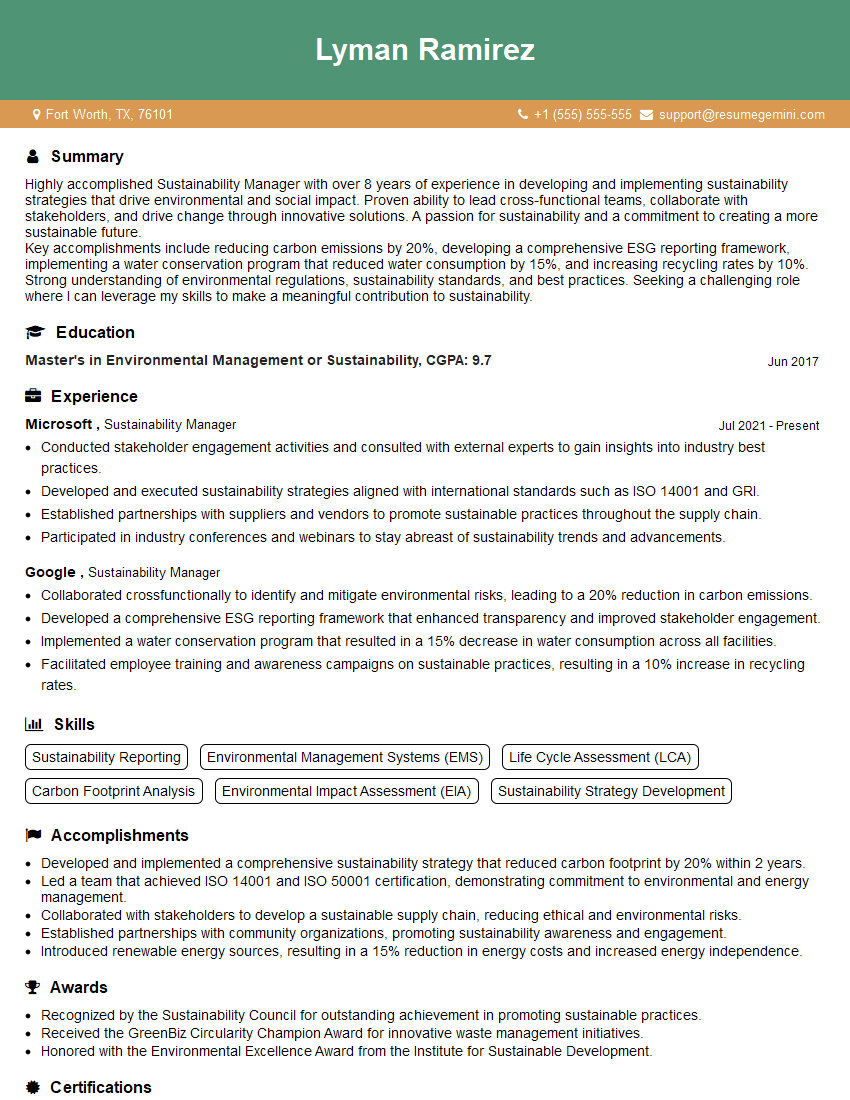
Sustainability Manager Resume Sample
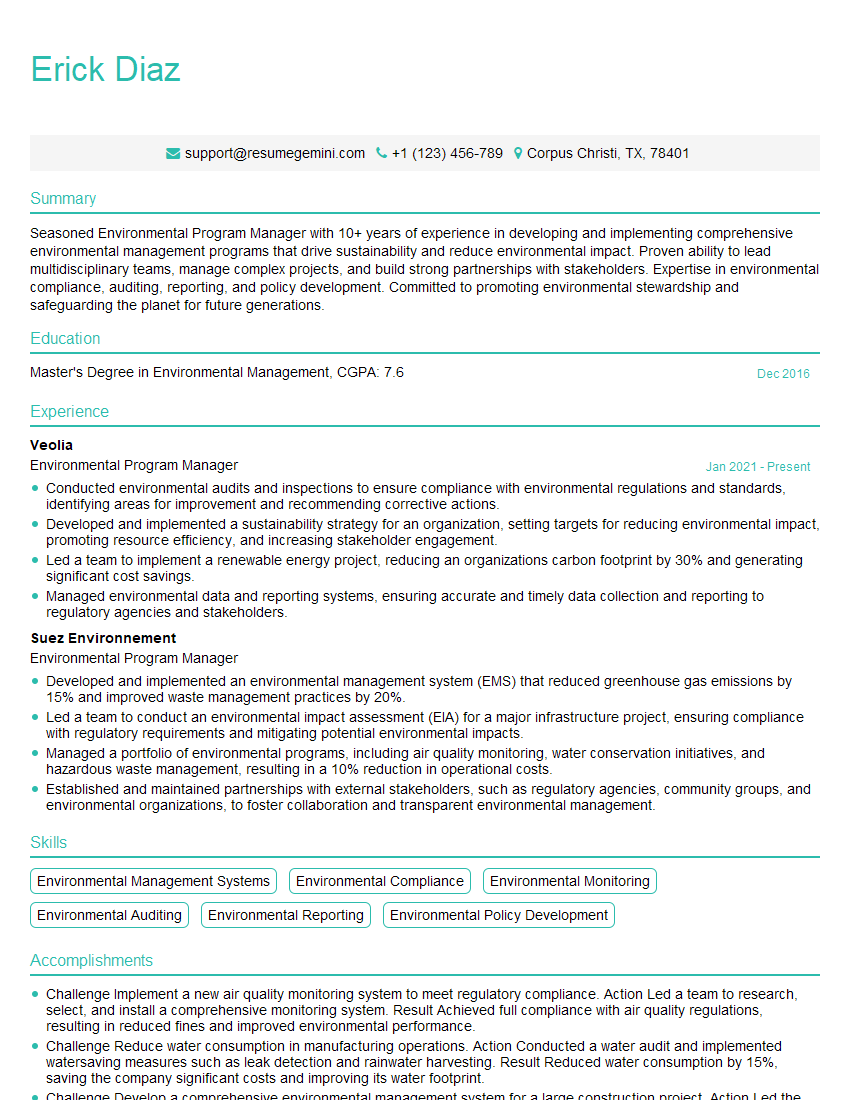
Environmental Program Manager Resume Sample
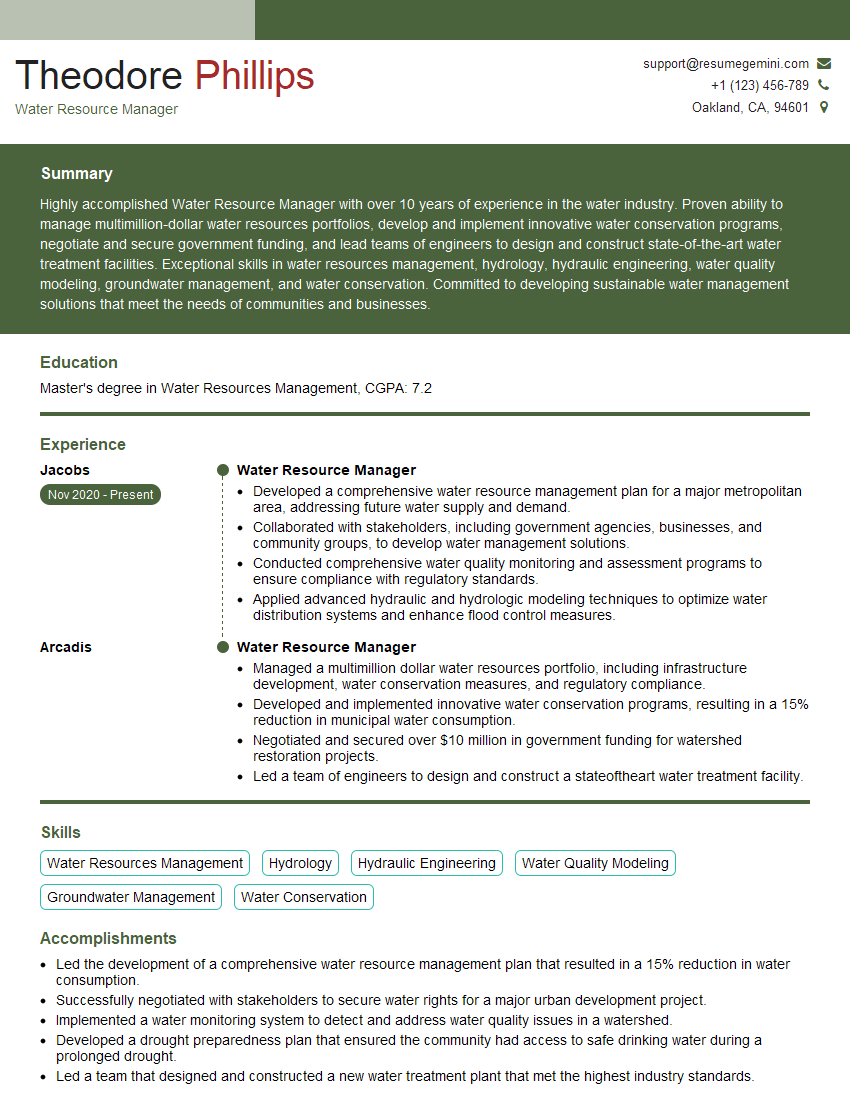
Water Resource Manager Resume Sample
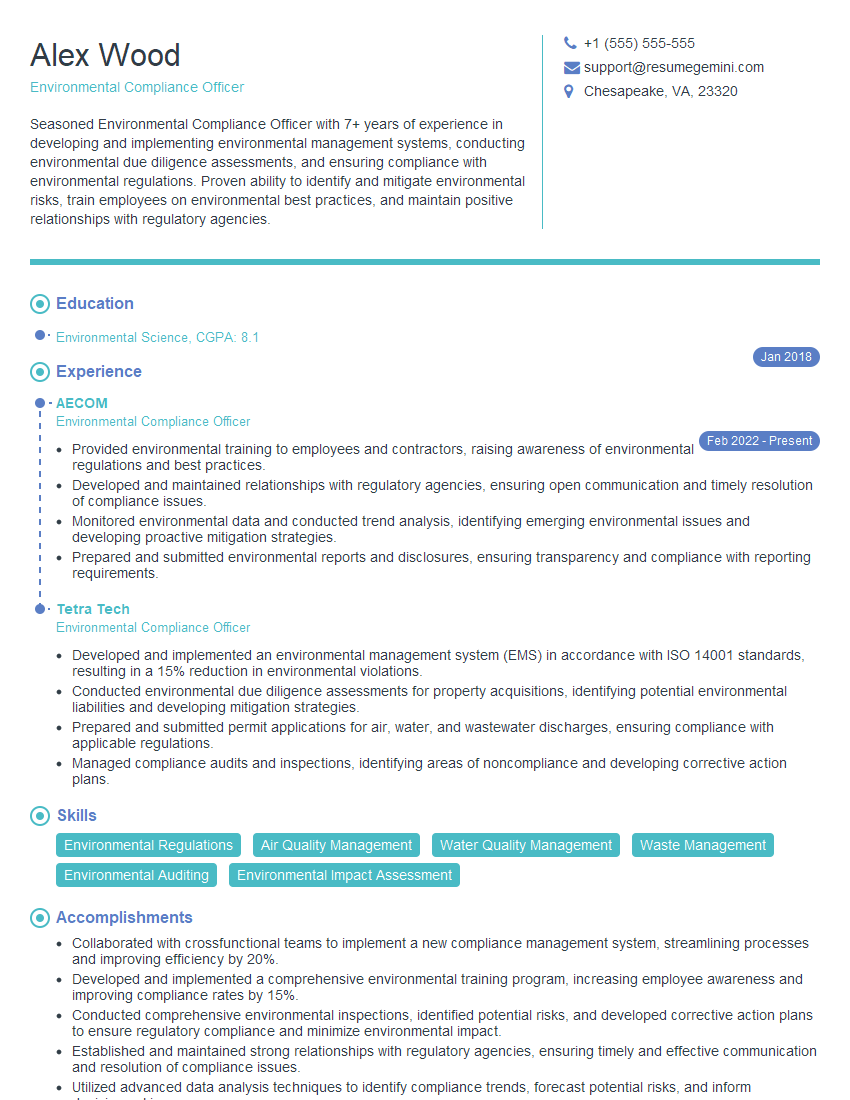
Environmental Compliance Officer Resume Sample
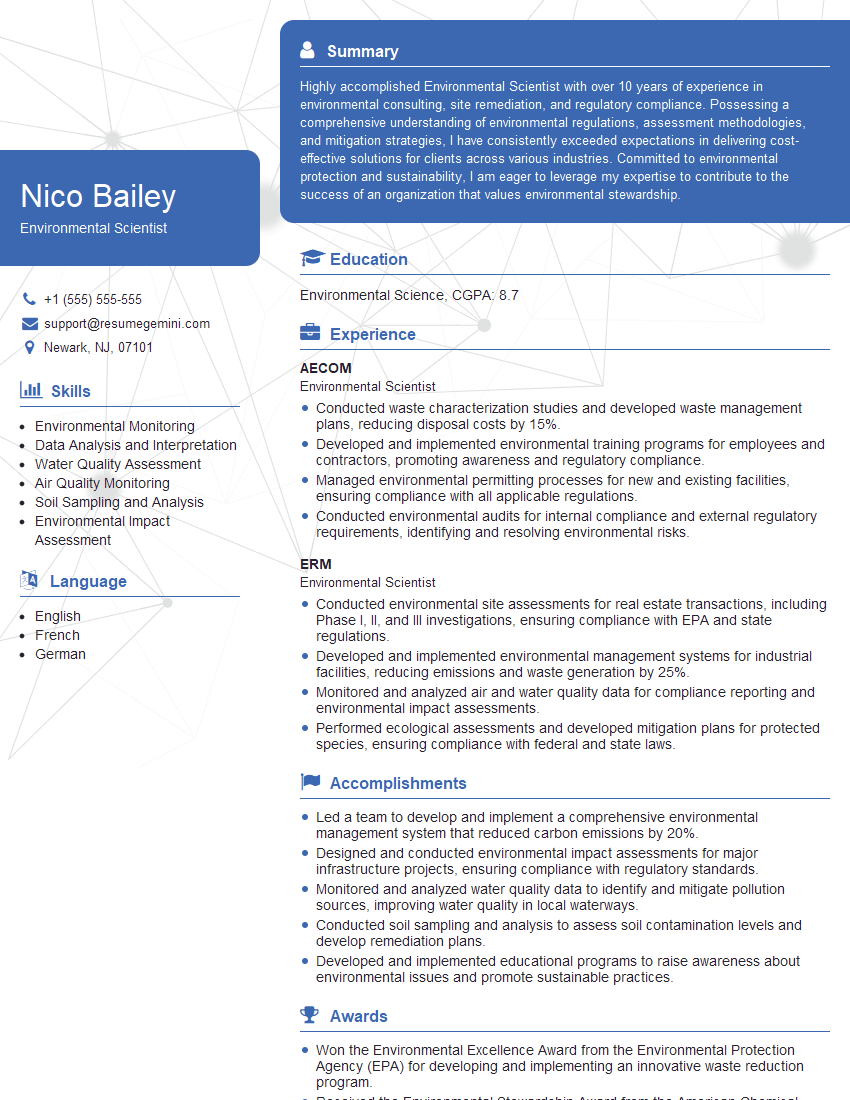
Environmental Scientist Resume Sample

Sustainability Consultant Resume Sample
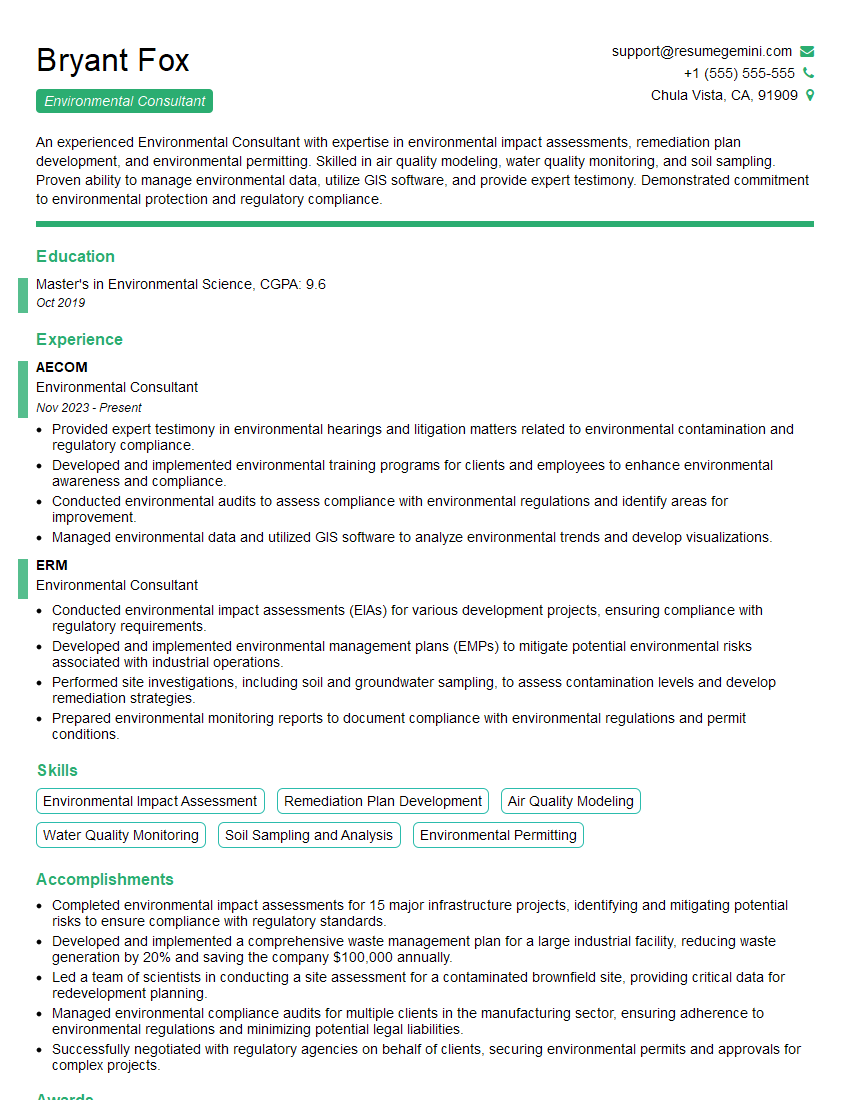
Environmental Consultant Resume Sample

Wildlife Biologist Resume Sample
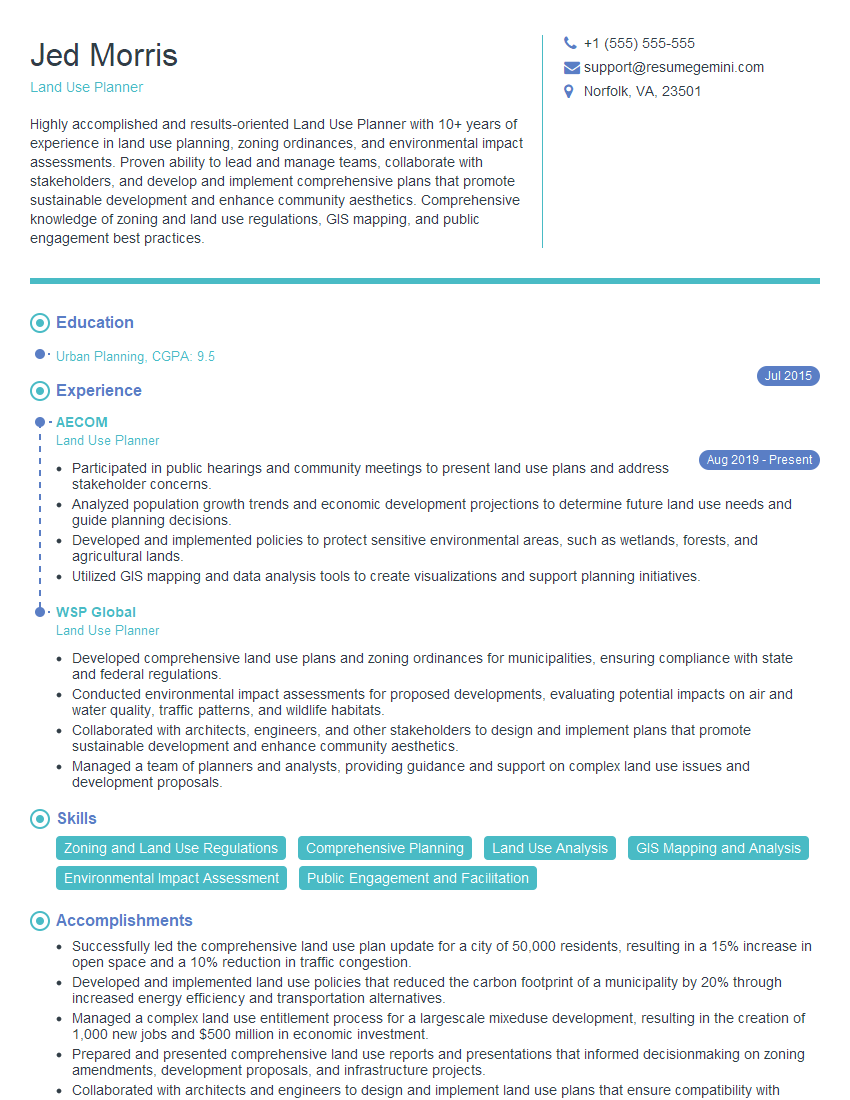
Land Use Planner Resume Sample
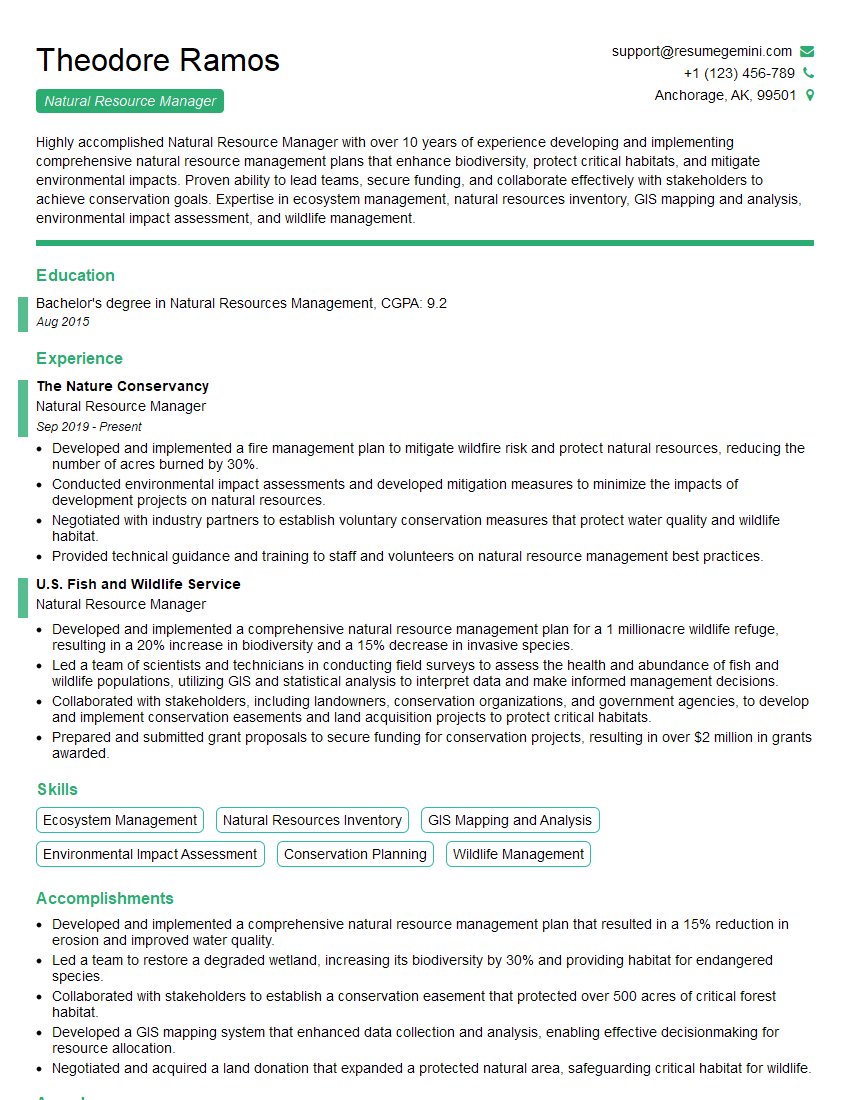
Natural Resource Manager Resume Sample

Conservation Planner Resume Sample
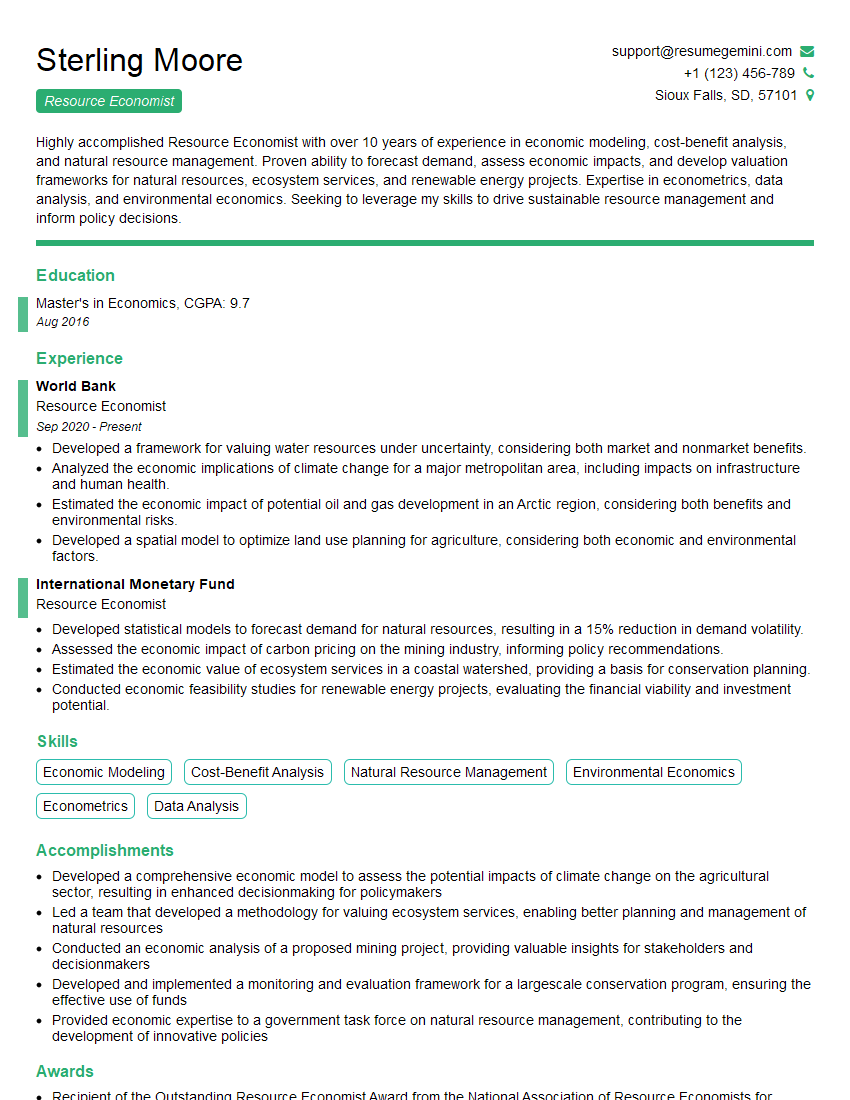
Resource Economist Resume Sample
Explore more articles
Users Rating of Our Blogs
Share Your Experience
We value your feedback! Please rate our content and share your thoughts (optional).
What Readers Say About Our Blog
To the interviewgemini.com Webmaster.
Very helpful and content specific questions to help prepare me for my interview!
Thank you
To the interviewgemini.com Webmaster.
This was kind of a unique content I found around the specialized skills. Very helpful questions and good detailed answers.
Very Helpful blog, thank you Interviewgemini team.