Every successful interview starts with knowing what to expect. In this blog, we’ll take you through the top New Construction and Remodeling interview questions, breaking them down with expert tips to help you deliver impactful answers. Step into your next interview fully prepared and ready to succeed.
Questions Asked in New Construction and Remodeling Interview
Q 1. Explain your experience with different construction methods (e.g., stick-built, modular).
My experience encompasses both stick-built and modular construction methods. Stick-built construction, the traditional method, involves building the structure on-site, piece by piece. This offers great design flexibility but can be time-consuming and susceptible to weather delays. I’ve overseen numerous stick-built projects, from small residential additions to large commercial buildings, managing everything from foundation pouring to final finishings. For example, on a recent luxury home project, we used stick-building to achieve a highly customized design with intricate architectural details that wouldn’t have been feasible with a modular approach.
Modular construction, on the other hand, involves prefabricating sections of the building in a factory and then assembling them on-site. This method significantly reduces construction time and is less susceptible to weather disruptions. I’ve worked on several modular projects, primarily multi-family dwellings, where the speed and efficiency of this method were crucial in meeting tight deadlines and budget constraints. One project involved assembling pre-fabricated modules for a three-story apartment complex; the precision of the factory-built components led to a much smoother and faster on-site assembly than a traditional stick-built approach.
Ultimately, the best method depends on the project’s specific requirements, budget, and timeline. My experience allows me to assess these factors and recommend the most appropriate approach.
Q 2. Describe your experience managing budgets and schedules on construction projects.
Budget and schedule management are critical aspects of successful construction projects. My approach involves meticulous planning from the outset. This begins with a detailed cost breakdown, incorporating material costs, labor, permits, and contingency funds. I utilize project management software (like Procore, which I’ll discuss later) to track expenses in real-time, ensuring we stay within budget. Regular budget reviews with clients are vital to transparency and proactive problem-solving.
Similarly, scheduling is approached strategically using critical path methods (CPM) and Gantt charts. These tools help identify tasks with the longest durations and dependencies, allowing for efficient resource allocation and the identification of potential scheduling conflicts. For example, on a recent renovation project, a detailed Gantt chart allowed us to see that plumbing installation was critical path, allowing us to expedite that process to avoid delays in other areas. Any schedule changes or delays are promptly communicated to the client, along with potential mitigation strategies.
I’ve successfully delivered projects on time and within budget consistently, even under challenging circumstances. My strong organizational skills and proactive approach to financial and time management have been instrumental in achieving this.
Q 3. How do you handle unexpected challenges or changes during a construction project?
Unexpected challenges are inevitable in construction. My approach to handling them emphasizes proactive problem-solving and clear communication. First, I assess the issue thoroughly, identifying its impact on the project schedule and budget. Then, I brainstorm potential solutions with my team, taking into account the risks and benefits of each approach.
For instance, we encountered unexpected soil conditions during the excavation phase of a residential project. This required adjusting the foundation design and ordering specialized materials. I immediately convened a meeting with the engineering team, the contractor, and the client to discuss the situation, present the options (and their cost implications), and obtain approval for the revised plan. Transparent and timely communication ensured the client remained informed and collaborative throughout the process.
Furthermore, I maintain strong relationships with subcontractors and suppliers to ensure prompt access to resources and expertise. This allows for a rapid response to any unforeseen event, minimizing disruptions to the project.
Q 4. What software programs are you proficient in (e.g., AutoCAD, Revit, Procore)?
I’m proficient in several software programs essential to efficient construction management. My expertise includes AutoCAD for 2D drafting and design, Revit for 3D modeling and BIM (Building Information Modeling), and Procore for project management.
AutoCAD allows me to create detailed construction drawings, ensuring accuracy and clarity in design communication. Revit is crucial for visualizing and coordinating complex building systems, particularly useful in large-scale projects where effective coordination between different trades is paramount. Finally, Procore is vital for tracking project progress, managing documents, and facilitating collaboration among team members, clients, and subcontractors.
My skills in these programs empower me to manage projects effectively, enhance communication, and minimize errors, resulting in higher quality deliverables and project efficiency.
Q 5. What is your experience with building codes and regulations?
A deep understanding of building codes and regulations is crucial for ensuring project compliance and safety. I’m familiar with the International Building Code (IBC) and local ordinances relevant to each project’s location. This knowledge is applied throughout the design and construction phases, starting with initial plan review and extending to final inspections.
During the design phase, I collaborate with architects and engineers to ensure the design adheres to all applicable codes. I also work closely with the permitting department to secure the necessary approvals. During construction, I conduct regular site inspections to verify compliance with building codes, safety regulations, and environmental standards.
My experience includes navigating complex code requirements, such as those related to accessibility (ADA compliance), fire safety, and energy efficiency. A comprehensive understanding of these regulations is paramount to avoiding costly delays and potential legal issues.
Q 6. Explain your knowledge of different types of building materials and their applications.
My knowledge of building materials is extensive, covering various types and their appropriate applications. This includes understanding their structural properties, durability, cost-effectiveness, and environmental impact.
For example, I’m well-versed in different framing materials – from traditional lumber to engineered wood products like I-joists and LVLs. I understand the advantages and disadvantages of each material based on the project’s requirements, budget, and environmental considerations. Similarly, I have experience working with a wide range of concrete mixes, masonry materials (brick, block), roofing systems (shingles, metal), and various insulation options.
My material selection process always prioritizes performance, sustainability, and budget constraints. I consider factors like the project’s location, climate, and the client’s preferences in order to make informed decisions about material selection. This holistic approach leads to improved building performance and longer-lasting, more sustainable structures.
Q 7. How do you ensure quality control on a construction project?
Quality control is a continuous process, starting from design and continuing through construction completion. My approach involves multiple layers of checks and balances. This begins with careful material selection, ensuring materials meet required standards and specifications.
Regular site inspections are critical. These inspections, which are documented with photos and reports, assess the quality of workmanship, adherence to plans, and compliance with building codes. I employ checklists and quality control protocols tailored to each phase of construction. For instance, a plumbing inspection would focus on leak testing and proper installations, whereas an electrical inspection would verify proper wiring and grounding.
Furthermore, maintaining clear communication with subcontractors and conducting regular meetings are vital for identifying and addressing potential quality issues promptly. Using technology, such as project management software with integrated quality control modules, improves documentation and makes it easier to track issues and monitor progress. Ultimately, a robust quality control system ensures that the final product meets the highest standards of quality and safety.
Q 8. Describe your experience with subcontractor management.
Subcontractor management is the backbone of successful construction projects. It involves more than just hiring; it’s about fostering strong relationships, clear communication, and effective oversight to ensure timely and quality work. My experience spans over 15 years, managing diverse teams of subcontractors across various project types, from high-end residential renovations to large-scale commercial builds.
- Pre-selection process: I meticulously vet subcontractors, checking references, insurance coverage, licensing, and past performance. This includes reviewing their previous work, ensuring they align with project specifications, and confirming their capacity to meet deadlines.
- Contract negotiation and management: I’m adept at negotiating fair and legally sound contracts, ensuring all expectations (scope of work, payment schedules, liability) are clearly defined. Regular progress meetings and thorough documentation keep everyone on the same page.
- Performance monitoring: I employ a robust system of tracking progress, quality control checks, and regular communication. This ensures subcontractors meet deadlines and adhere to project specifications. This often involves on-site visits and detailed progress reports.
- Dispute resolution: When conflicts arise, I employ a proactive, collaborative approach focusing on open communication and finding mutually agreeable solutions. My experience has shown that early intervention prevents escalating issues.
For example, on a recent high-rise project, I successfully managed 12 subcontractors with overlapping schedules, ensuring minimal disruption and maintaining the project timeline. This required careful planning, proactive communication, and a firm yet fair management style.
Q 9. What is your experience with safety protocols and procedures on construction sites?
Safety is paramount on any construction site. My experience encompasses implementing and enforcing comprehensive safety protocols aligned with OSHA standards and best practices. This goes beyond simply posting signs; it involves creating a safety-conscious culture where every team member takes ownership.
- Pre-construction planning: Before any work begins, I conduct thorough site safety analyses, identifying potential hazards and developing detailed safety plans. This often includes creating site-specific safety plans that address unique risks.
- Regular safety meetings and training: I conduct regular toolbox talks and provide ongoing training to subcontractors on specific safety procedures, relevant regulations, and the use of personal protective equipment (PPE).
- Hazard identification and mitigation: I encourage a proactive approach where everyone is empowered to identify and report potential hazards, and we immediately address any issues. I consistently monitor the site for compliance and implement corrective actions when necessary.
- Incident reporting and investigation: We have a robust system for documenting and investigating any incidents, however minor, ensuring lessons are learned and prevent future occurrences. This ensures continuous improvement in safety practices.
On a recent residential remodeling project, my proactive safety measures prevented a serious fall by ensuring proper scaffolding and fall protection were always in place.
Q 10. How do you handle conflicts between different tradespeople?
Conflicts between tradespeople are inevitable, but how they’re handled determines project success. My approach prioritizes open communication, collaboration, and a focus on finding mutually agreeable solutions.
- Open Communication: I initiate a meeting with all involved parties to understand each perspective fully. I act as a neutral facilitator, ensuring everyone feels heard and respected.
- Identify the Root Cause: I delve into the specifics of the conflict, identifying the underlying issues. Is it a scheduling problem? A misunderstanding of specifications? Or a personality clash?
- Collaborative Problem-Solving: We collaboratively brainstorm solutions. Sometimes this means adjusting schedules, clarifying specifications, or mediating disagreements. Compromise is key.
- Document the Agreement: Once a resolution is reached, I document the agreement in writing and distribute it to all parties. This ensures clarity and accountability.
- Follow Up: I follow up to ensure the agreed-upon solution is implemented and working effectively. I monitor the situation to prevent recurrence.
In one instance, a disagreement between the electrician and plumber over access to a shared space nearly caused a significant delay. Through mediation, I helped them find a workable schedule that accommodated both trades without impacting the project timeline.
Q 11. Explain your experience with estimating costs for construction projects.
Accurate cost estimating is crucial for project profitability and client satisfaction. My experience encompasses detailed quantity take-offs, material pricing, labor costing, and contingency planning. I leverage both traditional and modern methods.
- Detailed Plans and Specifications: I meticulously review architectural and engineering plans and specifications to ensure nothing is missed. The accuracy of the estimate hinges on complete information.
- Quantity Take-Offs: I perform detailed quantity take-offs to determine the precise amount of materials required for each phase of the project. This involves using both manual methods and specialized software for larger projects.
- Material and Labor Pricing: I utilize current market pricing data from reliable sources for materials and labor costs, factoring in potential price fluctuations. I regularly update my pricing databases to reflect market trends.
- Contingency Planning: I always incorporate contingency allowances to account for unforeseen circumstances or potential price increases. The size of the contingency depends on the project’s complexity and risk level.
- Software Utilization: I’m proficient in various estimating software packages, which enhance accuracy and efficiency. These tools can automate many aspects of cost estimation, helping to reduce human error.
For example, on a recent project, my meticulous cost estimation helped secure the project within budget, saving the client over 10% of the initial projection, improving their ROI and strengthening our relationship.
Q 12. Describe your experience with project planning and scheduling.
Effective project planning and scheduling are essential for on-time and within-budget completion. My process involves creating detailed schedules, coordinating resources, and actively monitoring progress to ensure adherence to the plan.
- Work Breakdown Structure (WBS): I begin by developing a Work Breakdown Structure (WBS), breaking down the project into smaller, manageable tasks. This allows for better control and tracking of individual components.
- Critical Path Method (CPM): I utilize the Critical Path Method (CPM) to identify the most critical tasks affecting the overall project schedule. This helps in prioritizing resources and managing potential delays effectively.
- Resource Allocation: I strategically allocate resources including labor, equipment, and materials, taking into account the dependencies between different tasks and the availability of resources.
- Scheduling Software: I leverage project scheduling software such as Microsoft Project or Primavera P6 to create detailed Gantt charts, visualizing the timeline for each task and the overall project. These charts provide a clear picture of progress and any potential conflicts.
- Progress Monitoring and Updates: I regularly monitor the project’s progress, comparing actual progress to the schedule. I communicate any deviations from the plan and implement corrective actions to keep the project on track.
A recent project involved coordinating multiple subcontractors with complex dependencies. Through careful scheduling and communication, I managed to complete the project two weeks ahead of schedule, which significantly pleased the client.
Q 13. What is your experience with risk management in construction?
Risk management is a proactive process identifying and mitigating potential problems that could jeopardize the project’s success. My approach involves identifying potential risks, assessing their likelihood and impact, and developing strategies to minimize their effects.
- Risk Identification: I start by identifying potential risks throughout the project lifecycle. These could include weather delays, material shortages, subcontractor issues, or unforeseen site conditions.
- Risk Assessment: I assess each risk’s likelihood and potential impact on the project’s schedule, budget, and quality. This often involves using a risk matrix to prioritize risks based on their severity.
- Risk Mitigation Strategies: I develop strategies to mitigate identified risks. These could involve contingency plans, insurance, alternative sourcing, or risk transfer to subcontractors.
- Risk Monitoring and Control: I regularly monitor the identified risks throughout the project lifecycle. This allows for prompt adjustments to mitigation strategies as circumstances change.
- Documentation: I meticulously document all aspects of risk management, including the identification, assessment, mitigation strategies, and monitoring process. This allows for lessons learned and improvements in future projects.
For example, on a project with potential soil instability, I included geotechnical testing in the early stages and developed contingency plans for potential foundation issues. This proactive approach prevented significant cost overruns and delays.
Q 14. Explain your familiarity with different types of contracts (e.g., lump sum, cost-plus).
Understanding different contract types is crucial for managing construction projects effectively. Each type has its own advantages and disadvantages, and choosing the right one is key to a successful project.
- Lump Sum Contracts: In a lump sum contract, the contractor provides a fixed price for the entire project scope. This provides certainty for the client regarding the final cost. However, it requires careful planning and detailed specifications from the outset, since changes can be costly.
- Cost-Plus Contracts: In a cost-plus contract, the contractor is reimbursed for all actual costs incurred plus a predetermined fee or percentage. This offers more flexibility to deal with unforeseen circumstances, but it can lead to increased costs if not managed carefully. Different variations exist, such as Cost-Plus-Fixed-Fee and Cost-Plus-Percentage-Fee.
- Unit Price Contracts: Unit price contracts specify a price per unit of work (e.g., price per square foot of flooring). This is suitable for projects with variable quantities of work but requires careful quantity take-offs.
- Time and Materials Contracts: These contracts are typically used for smaller projects or repairs where the scope of work is not fully defined. The contractor is paid for the time spent and materials used.
Choosing the right contract type depends on the project’s complexity, the level of detail in design, the client’s risk tolerance, and the contractor’s capabilities. I have extensive experience negotiating and managing all these contract types and advise clients on the most suitable option based on their needs and the project’s specifics.
Q 15. How do you maintain effective communication with clients and stakeholders?
Maintaining effective communication is paramount in construction. I employ a multi-pronged approach, prioritizing clarity, frequency, and accessibility. This includes regular on-site meetings with the construction team, weekly progress reports emailed to the client with photos and detailed updates, and readily available communication channels like email and project management software. For instance, on a recent residential remodel, I instituted a weekly video conference call with the client, allowing them to visually see progress and ask questions directly. This proactive approach minimizes misunderstandings and keeps everyone informed and aligned, fostering a collaborative environment.
Furthermore, I tailor my communication style to each stakeholder. With subcontractors, clear and concise instructions, and detailed drawings are crucial. With clients, I focus on explaining complex technical details in simple terms, using visuals and analogies whenever possible. Open communication, where concerns are addressed transparently and promptly, is critical to project success.
Career Expert Tips:
- Ace those interviews! Prepare effectively by reviewing the Top 50 Most Common Interview Questions on ResumeGemini.
- Navigate your job search with confidence! Explore a wide range of Career Tips on ResumeGemini. Learn about common challenges and recommendations to overcome them.
- Craft the perfect resume! Master the Art of Resume Writing with ResumeGemini’s guide. Showcase your unique qualifications and achievements effectively.
- Don’t miss out on holiday savings! Build your dream resume with ResumeGemini’s ATS optimized templates.
Q 16. Describe your experience resolving disputes on construction sites.
Dispute resolution on construction sites requires a calm, professional, and methodical approach. My experience shows that proactive communication is key to preventing disputes. However, when conflicts do arise, I follow a structured process. First, I identify the root cause of the conflict, thoroughly documenting everything involved. Then, I facilitate a discussion between all involved parties, actively listening and seeking a mutually agreeable solution. I emphasize collaboration and finding common ground, rather than assigning blame.
For example, on a recent commercial project, a dispute arose regarding the quality of installed flooring. By reviewing the contract specifications, comparing them to the actual installation, and involving the flooring subcontractor, we identified a miscommunication regarding the type of underlayment required. We collaboratively agreed on a solution that involved redoing a small section of the flooring using the correct materials, avoiding costly delays and legal action. I believe in building strong relationships with subcontractors to proactively prevent and efficiently resolve conflicts.
Q 17. What is your experience with change orders?
Change orders are an inevitable part of construction projects. My process involves a formal request from the client or a justified need from the project team, followed by a detailed assessment of the impact on the schedule, budget, and project scope. I then create a comprehensive change order document that outlines the proposed changes, their associated costs, and the revised timeline. This document is reviewed and approved by all relevant parties before implementation. Transparency is crucial here; I ensure the client fully understands the implications of any changes before approval.
For instance, during a recent kitchen renovation, the client decided to upgrade their countertop material after demolition revealed unexpected structural issues requiring additional framing. I prepared a formal change order detailing the cost increase, the rationale for the changes, and an updated timeline. This meticulous approach ensured a clear understanding and agreement between the client and the project team, preventing future disputes.
Q 18. Explain your experience with LEED or other sustainable building practices.
I have extensive experience incorporating sustainable building practices into my projects. While I haven’t worked directly with LEED certification, I am familiar with its principles and regularly incorporate sustainable materials and techniques into new construction and remodeling projects. This includes specifying energy-efficient windows and appliances, using recycled content materials, optimizing building orientation for natural light, and implementing water-saving plumbing fixtures. I believe in creating projects that minimize environmental impact while ensuring quality and functionality.
In a recent project, we used reclaimed wood for flooring, significantly reducing the project’s carbon footprint. We also incorporated a rainwater harvesting system, reducing the reliance on municipal water supplies. My approach is to seamlessly integrate sustainable practices into the project design and construction process, making them an integral part of the overall plan, rather than an afterthought.
Q 19. How do you manage project documentation?
Effective project documentation is crucial for efficient project management and risk mitigation. I employ a combination of digital and physical methods. We utilize cloud-based project management software for document storage, version control, and easy access for all stakeholders. This allows for real-time collaboration and easy tracking of changes. Physically, I maintain organized binders for drawings, specifications, and permits. A comprehensive filing system with clearly labeled folders is essential.
Every document, from contracts and change orders to daily logs and inspection reports, is carefully filed and easily retrievable. We also utilize digital photography and videography to document progress, especially for complex or dispute-prone aspects of the project, creating a valuable visual record. This comprehensive documentation strategy ensures transparency, accountability, and facilitates seamless project handover to the client upon completion.
Q 20. What is your approach to problem-solving in a fast-paced construction environment?
Problem-solving in a fast-paced construction environment demands a proactive and decisive approach. My strategy involves a methodical, five-step process: (1) Identify the problem – accurately and comprehensively; (2) Analyze the root cause – considering all contributing factors; (3) Develop potential solutions – brainstorming multiple options; (4) Evaluate and select the best solution – considering time, cost, and risk; (5) Implement and monitor the solution – ensuring its effectiveness and making necessary adjustments.
For instance, during a recent project, a critical material delivery was delayed, potentially jeopardizing the project timeline. By quickly identifying the delay’s cause (supplier issue), I explored alternative suppliers, evaluated their capabilities, and selected a viable replacement, minimizing the overall impact on the schedule. Proactive communication with the client kept them informed throughout the process.
Q 21. Describe your experience with various types of foundations.
My experience encompasses a variety of foundation types, each suited to specific soil conditions and project requirements. I am familiar with: slab-on-grade foundations, suitable for stable soil conditions and simpler projects; crawl space foundations, offering accessibility for utilities and storage; basement foundations, maximizing usable space; and pile foundations, ideal for unstable or weak soil conditions. The selection process involves a thorough geotechnical investigation to determine the soil’s bearing capacity and potential issues.
For example, in a recent project on a steep hillside, a retaining wall was necessary to provide adequate support for the foundation and prevent soil instability. The selection of the appropriate foundation type always begins with a detailed analysis of the site conditions and the project’s specific needs, including structural requirements, budget constraints, and environmental considerations. This ensures a structurally sound and durable foundation tailored to the specific project requirements.
Q 22. What is your knowledge of different roofing systems?
My knowledge of roofing systems encompasses a wide range, from traditional asphalt shingle roofs to more advanced systems like tile, metal, and membrane roofing. Each system has unique properties and considerations.
- Asphalt Shingles: The most common and cost-effective option, offering a variety of styles and colors. However, they have a shorter lifespan compared to other materials and are susceptible to damage from severe weather.
- Tile Roofs: Durable and aesthetically pleasing, tile roofs offer excellent longevity and fire resistance. They are heavier than other options and require a stronger roof structure. Clay and concrete are the most common types.
- Metal Roofs: Known for their exceptional durability, longevity, and resistance to extreme weather conditions. They can be more expensive upfront but often pay for themselves in reduced maintenance and repair costs over time. Standing seam metal roofs are particularly popular for their sleek appearance and watertight performance.
- Membrane Roofing (EPDM, TPO, PVC): These single-ply roofing systems are popular for flat or low-sloped roofs. They are known for their seamless installation, waterproofing capabilities, and relatively low maintenance requirements. The choice among EPDM, TPO, and PVC depends on factors like budget, climate, and building specifics.
In my experience, selecting the right roofing system depends heavily on factors like budget, climate, building style, and the client’s aesthetic preferences. I always advise clients on the pros and cons of each option before making a decision, ensuring they understand the long-term implications of their choice.
Q 23. Explain your experience with interior finishes and details.
My experience with interior finishes and details is extensive, covering a wide spectrum of materials, styles, and techniques. I have worked on projects ranging from traditional to modern, incorporating various elements to create unique and functional spaces.
- Flooring: I have experience installing and working with hardwood, tile, carpet, laminate, and engineered wood flooring. Understanding substrate preparation is crucial for ensuring longevity and a quality finish.
- Wall Finishes: My expertise extends to various wall treatments, including painting, wallpapering, drywall installation, and the installation of paneling or other specialized wall coverings. I always prioritize proper surface preparation to achieve a flawless finish.
- Cabinetry and Millwork: I have worked extensively with custom and pre-fabricated cabinetry, ensuring proper installation, alignment, and functionality. I am familiar with a variety of wood types, finishes, and hardware.
- Trim and Molding: Attention to detail is crucial when installing trim and molding. I ensure precise measurements and cuts to create a clean, professional look. I am familiar with various profiles and materials.
One project I’m particularly proud of involved designing and installing a custom built-in library with intricate millwork details for a client. It was challenging but the final result, a stunning focal point of the home, perfectly reflects the client’s refined taste and our collaborative design process.
Q 24. How do you ensure the timely completion of a construction project?
Ensuring timely project completion involves meticulous planning, proactive communication, and efficient resource management. My approach is based on a structured process that begins well before construction starts.
- Detailed Scheduling: I utilize project management software to create a comprehensive schedule with clear milestones and deadlines. This allows for proactive identification of potential delays.
- Regular Progress Meetings: I hold regular meetings with the team and the client to track progress, address any issues, and make adjustments as needed. Open communication is key.
- Risk Management: I anticipate potential problems and develop contingency plans to mitigate their impact on the schedule. This includes factoring in unexpected delays due to weather or material shortages.
- Efficient Resource Allocation: I ensure that the right materials and personnel are available at the right time to maintain momentum. This involves close coordination with subcontractors.
For example, on a recent renovation project, we encountered an unexpected delay due to a supply chain issue with a specific type of tile. By proactively identifying the problem early on, we were able to source an alternative material and adjust the schedule, minimizing the overall impact on the project timeline.
Q 25. Describe your experience with working with different types of clients.
I have had the pleasure of working with a diverse range of clients, from individual homeowners to developers and property management companies. Each client brings a unique set of needs and expectations, and I adapt my approach accordingly.
- Individual Homeowners: These projects often involve close collaboration, focusing on personalized design and meticulous attention to detail. Building trust and rapport is essential.
- Developers: These projects typically involve larger-scale developments and require efficient management of budgets and timelines. Meeting deadlines and adhering to strict specifications are critical.
- Property Management Companies: These projects often involve the renovation or maintenance of multiple properties, requiring efficient scheduling and cost-effective solutions.
Working with different client types has broadened my understanding of various project scales and demands. I’ve learned to tailor my communication style and approach to each client’s needs, ensuring a positive and productive working relationship.
Q 26. What is your understanding of different permit processes?
My understanding of permit processes is thorough and practical. I know that navigating local building codes and obtaining necessary permits is crucial for legal and safe construction. The process varies depending on the project’s scope and location.
- Understanding Local Codes: I am familiar with researching and understanding local building codes and zoning regulations. This involves reviewing plans and specifications to ensure compliance.
- Permit Applications: I’m experienced in preparing and submitting complete and accurate permit applications, including detailed plans, specifications, and other required documents.
- Inspections: I coordinate and facilitate all necessary inspections with the relevant authorities, ensuring that the work meets all regulatory standards.
- Permitting Challenges: I know how to navigate potential hurdles during the permitting process, such as addressing concerns raised by inspectors or resolving discrepancies in documentation.
In one instance, a project encountered delays due to an oversight in the initial permit application. By promptly identifying the issue and working with the local building department, we were able to amend the application and secure the necessary permits without significant project disruption.
Q 27. How do you prioritize tasks and manage multiple projects simultaneously?
Prioritizing tasks and managing multiple projects simultaneously requires a robust organizational system and efficient time management. I utilize a combination of strategies to ensure that all projects stay on track.
- Project Prioritization: I prioritize projects based on deadlines, client needs, and project complexity. This ensures that urgent tasks receive the attention they require.
- Task Breakdown: I break down large projects into smaller, manageable tasks, which allows for better tracking of progress and allocation of resources.
- Project Management Software: I use project management software to track progress, manage deadlines, and assign tasks. This ensures transparency and accountability.
- Regular Review and Adjustment: I regularly review project schedules and make adjustments as needed based on unforeseen circumstances or changing priorities.
For instance, I recently managed three concurrent projects – a new home construction, a kitchen remodel, and a small commercial space renovation. By utilizing project management software and holding regular team meetings, I successfully managed the different priorities and deadlines, resulting in the successful completion of all three projects within the allocated timeframes.
Q 28. Describe your experience with using technology to improve construction efficiency.
Technology plays a vital role in enhancing construction efficiency and accuracy. I leverage various technological tools to streamline workflows and improve communication across all aspects of projects.
- Building Information Modeling (BIM): I utilize BIM software to create 3D models of projects, allowing for better visualization, coordination, and conflict detection during the design phase. This reduces errors and delays during construction.
- Project Management Software: Software such as Asana, Trello, or Monday.com helps in task management, tracking progress, and facilitating communication among team members and clients. This improves transparency and accountability.
- Drone Technology: Drones are used for site surveys, progress monitoring, and capturing high-resolution images and videos. This is particularly useful for large-scale projects.
- Cloud-Based Collaboration Tools: Cloud-based platforms ensure seamless access to project documents and information for all stakeholders. This improves coordination and reduces reliance on physical documents.
In a recent project, using BIM software helped us identify a potential clash between the HVAC system and the electrical conduit during the design phase. This allowed us to make necessary adjustments in the design, avoiding costly rework during construction. The use of cloud-based collaboration improved communication and reduced delays related to document sharing and revisions.
Key Topics to Learn for New Construction and Remodeling Interview
- Building Codes and Regulations: Understanding local, state, and national building codes is crucial for ensuring safe and compliant construction practices. Practical application includes interpreting blueprints and specifications to meet code requirements.
- Project Management Fundamentals: Mastering scheduling, budgeting, and resource allocation is essential for successful project completion. This includes understanding critical path analysis and risk management techniques.
- Blueprint Reading and Interpretation: Proficiency in reading and interpreting architectural and engineering drawings is paramount. Practical application involves identifying dimensions, materials, and construction details.
- Construction Materials and Methods: Familiarize yourself with various building materials (e.g., lumber, concrete, steel) and their properties, along with different construction techniques (e.g., framing, foundation, finishing). Problem-solving involves selecting appropriate materials for specific applications and addressing potential challenges.
- Health and Safety Regulations: Demonstrate a strong understanding of OSHA regulations and safe work practices to ensure a safe jobsite for everyone involved. Practical application includes identifying and mitigating potential hazards.
- Estimating and Cost Control: Develop skills in accurately estimating project costs and implementing effective cost control measures throughout the project lifecycle. Problem-solving involves managing unforeseen expenses and staying within budget.
- Remodeling Specific Challenges: Understand the unique considerations of remodeling projects, such as dealing with existing structures, unforeseen issues, and working within occupied spaces. This includes understanding historical preservation techniques where applicable.
- Sustainable Building Practices: Familiarity with green building concepts and sustainable construction materials demonstrates forward-thinking and environmentally responsible practices.
Next Steps
Mastering New Construction and Remodeling principles significantly enhances your career prospects, opening doors to diverse and rewarding roles within the industry. A strong understanding of these areas positions you for increased responsibility and higher earning potential. To maximize your chances of landing your dream job, creating an ATS-friendly resume is critical. ResumeGemini is a trusted resource that can help you build a professional and impactful resume, ensuring your qualifications shine through applicant tracking systems. We provide examples of resumes tailored to the New Construction and Remodeling industry to guide you in crafting a compelling application.
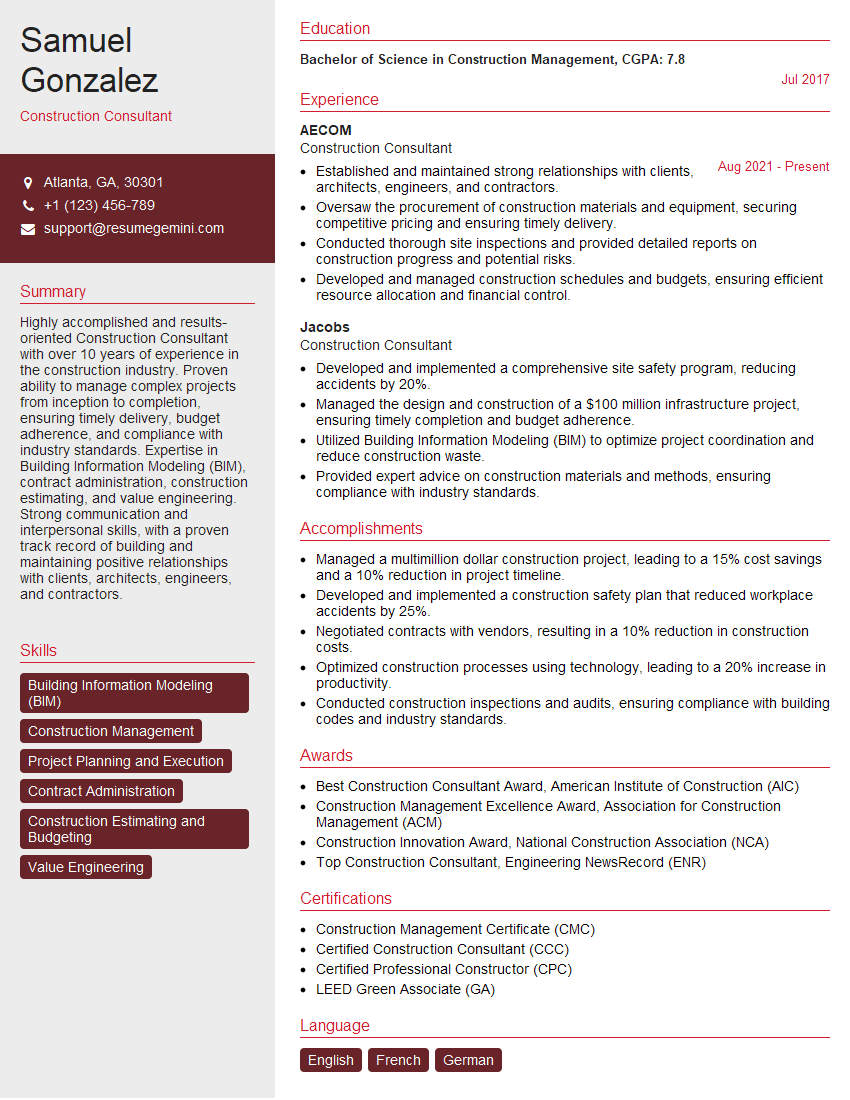
Construction Consultant Resume Sample
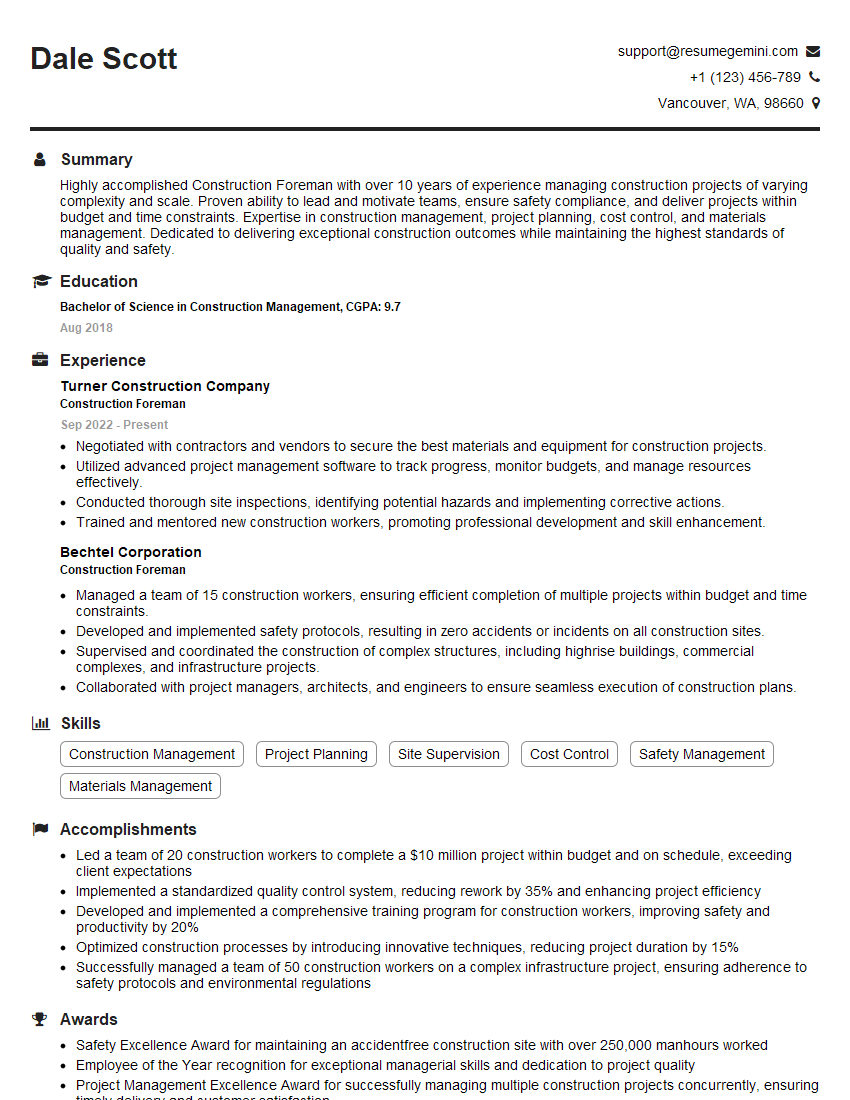
Construction Foreman Resume Sample

Construction Superintendent Resume Sample
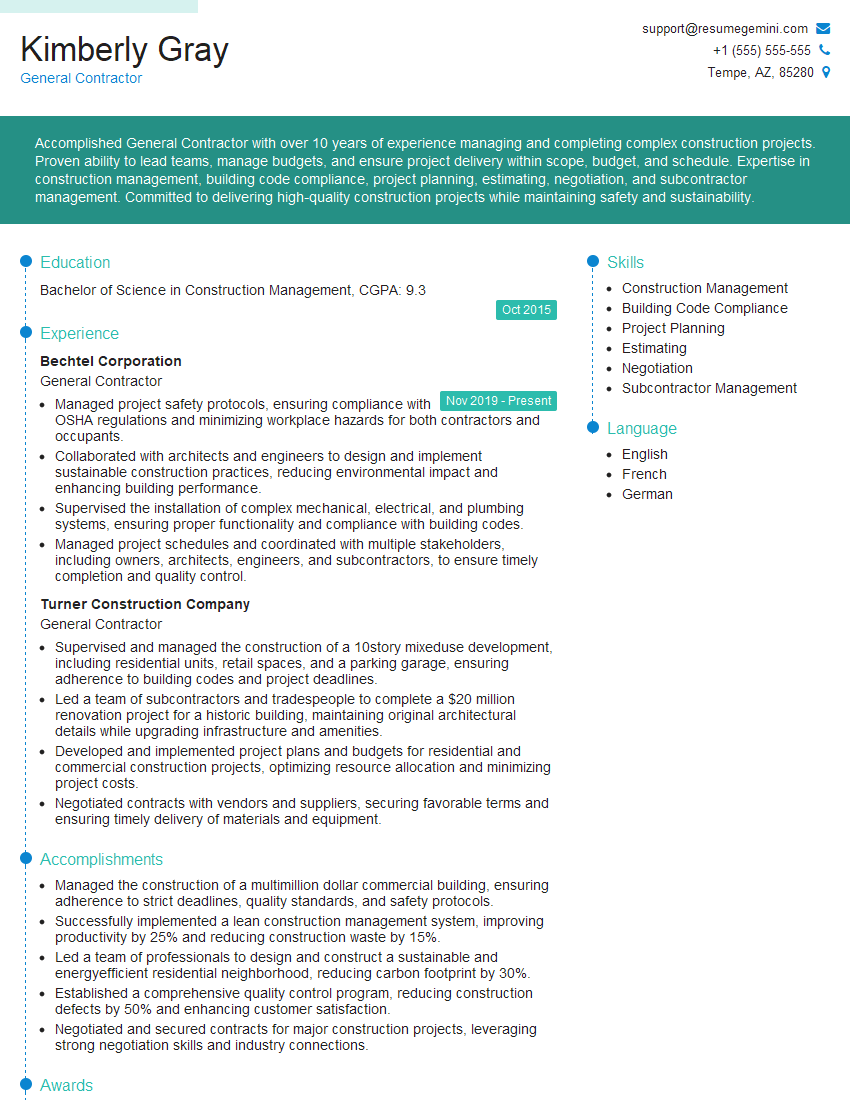
General Contractor Resume Sample
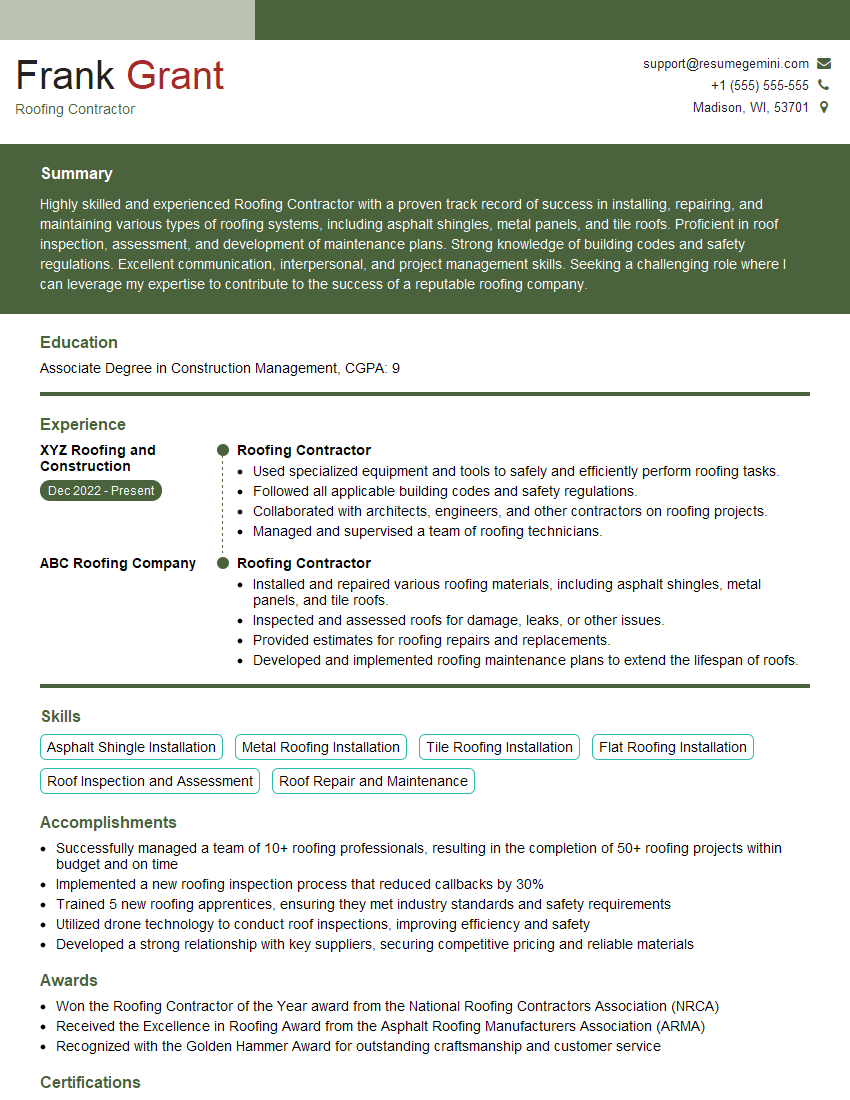
Roofing Contractor Resume Sample

Project Engineer Resume Sample
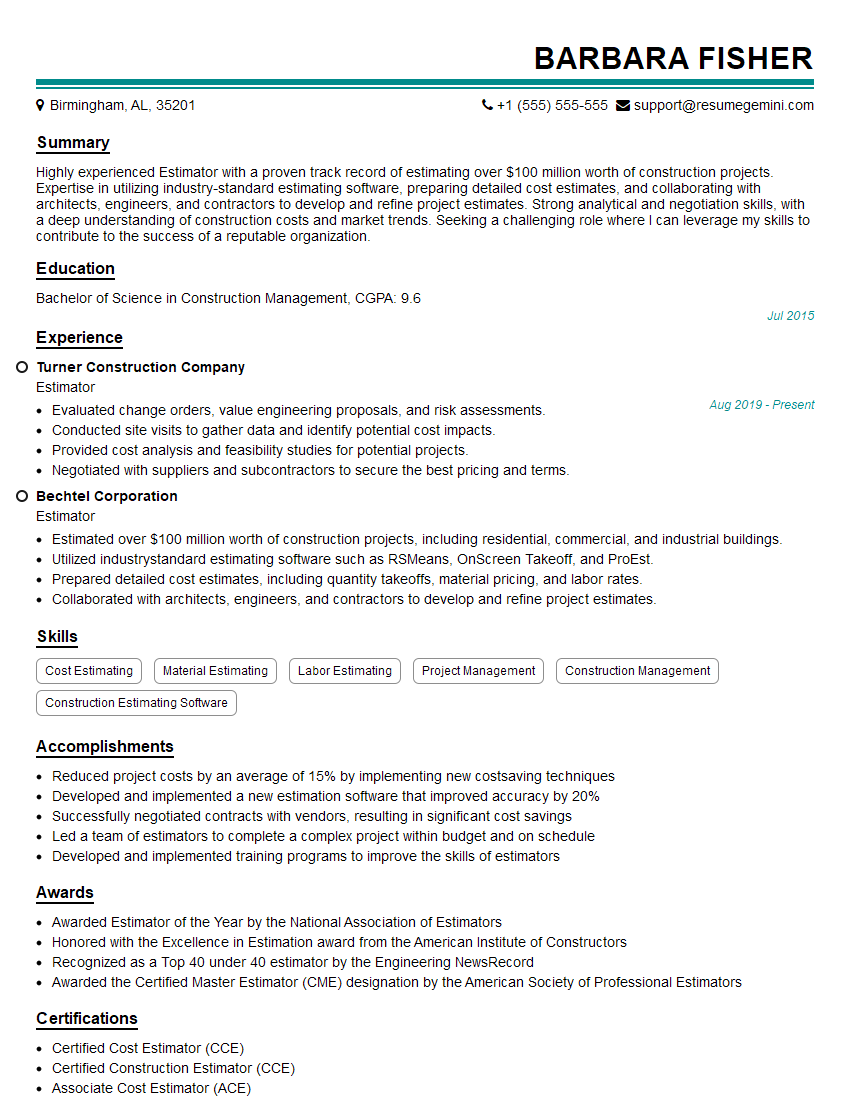
Estimator Resume Sample
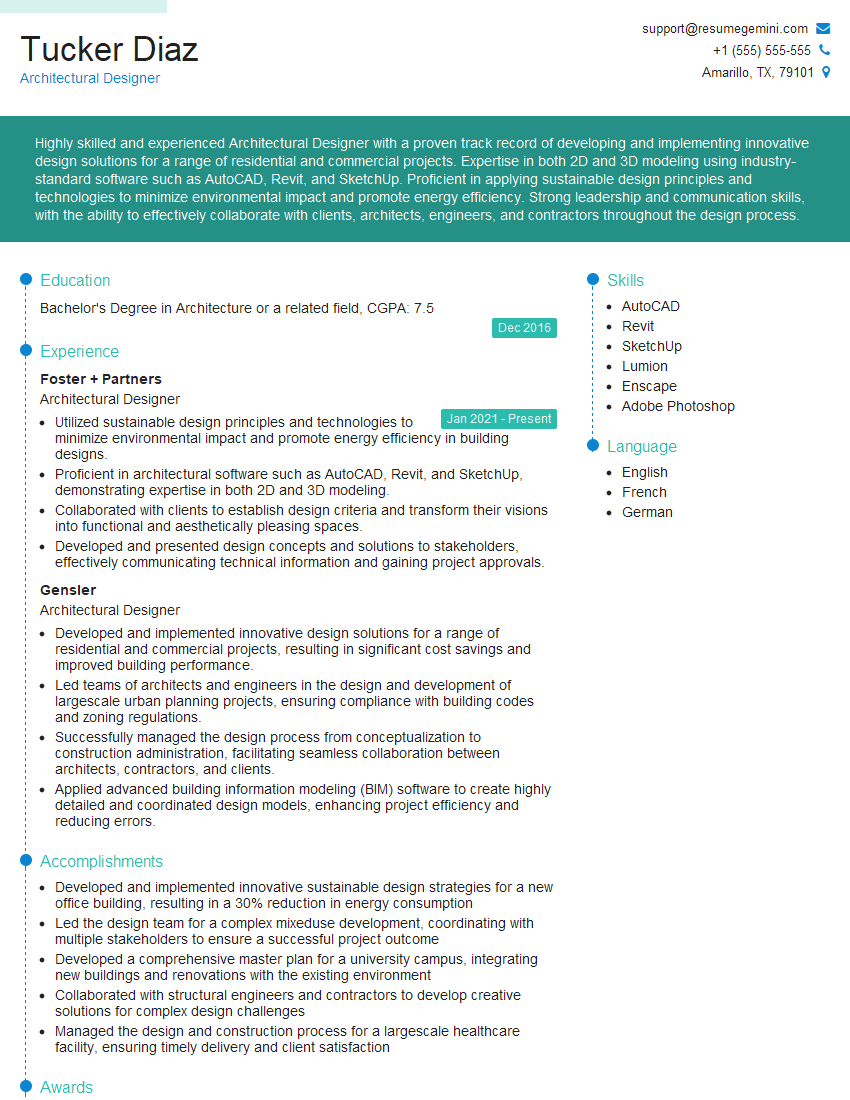
Architectural Designer Resume Sample
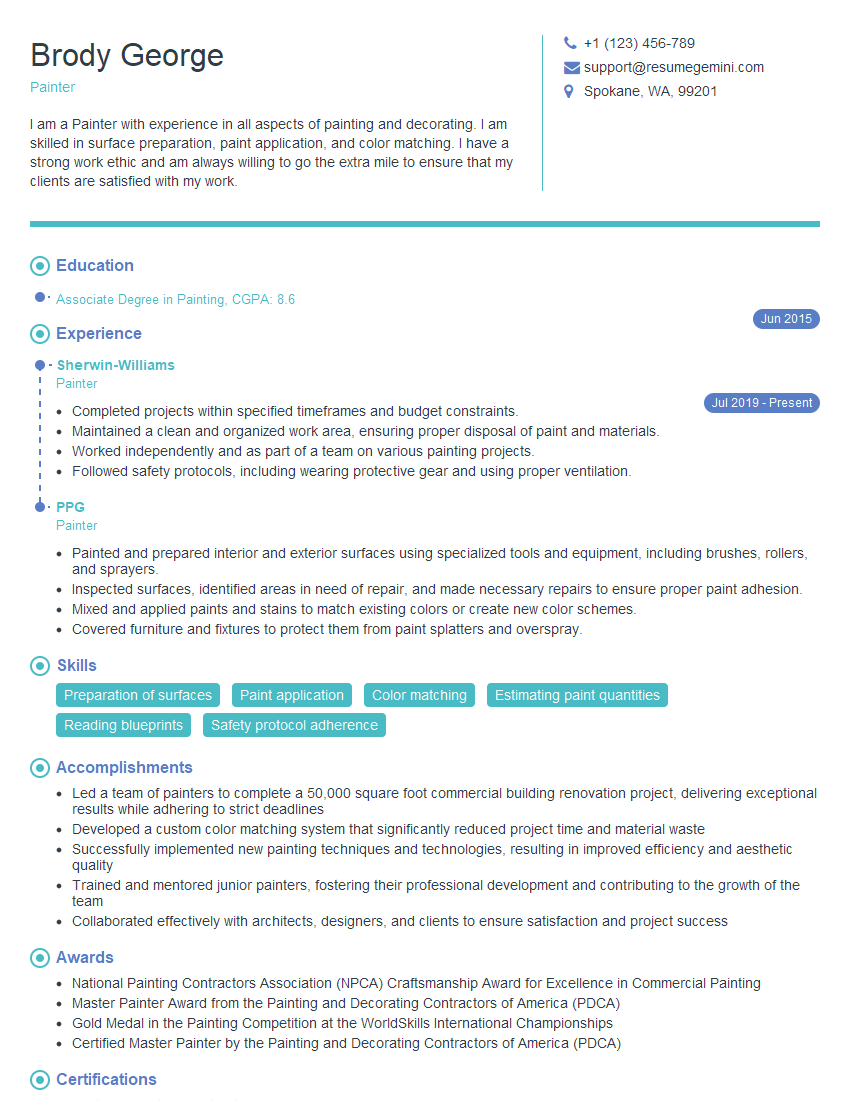
Painter Resume Sample
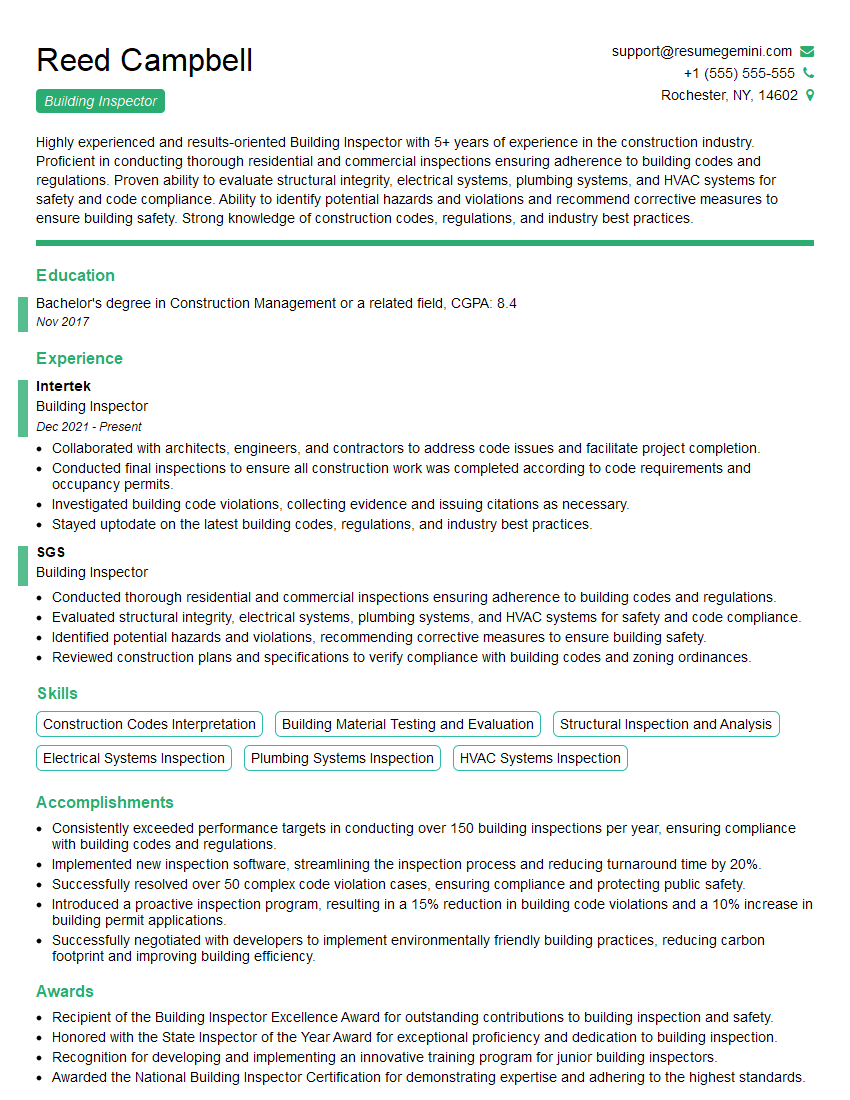
Building Inspector Resume Sample
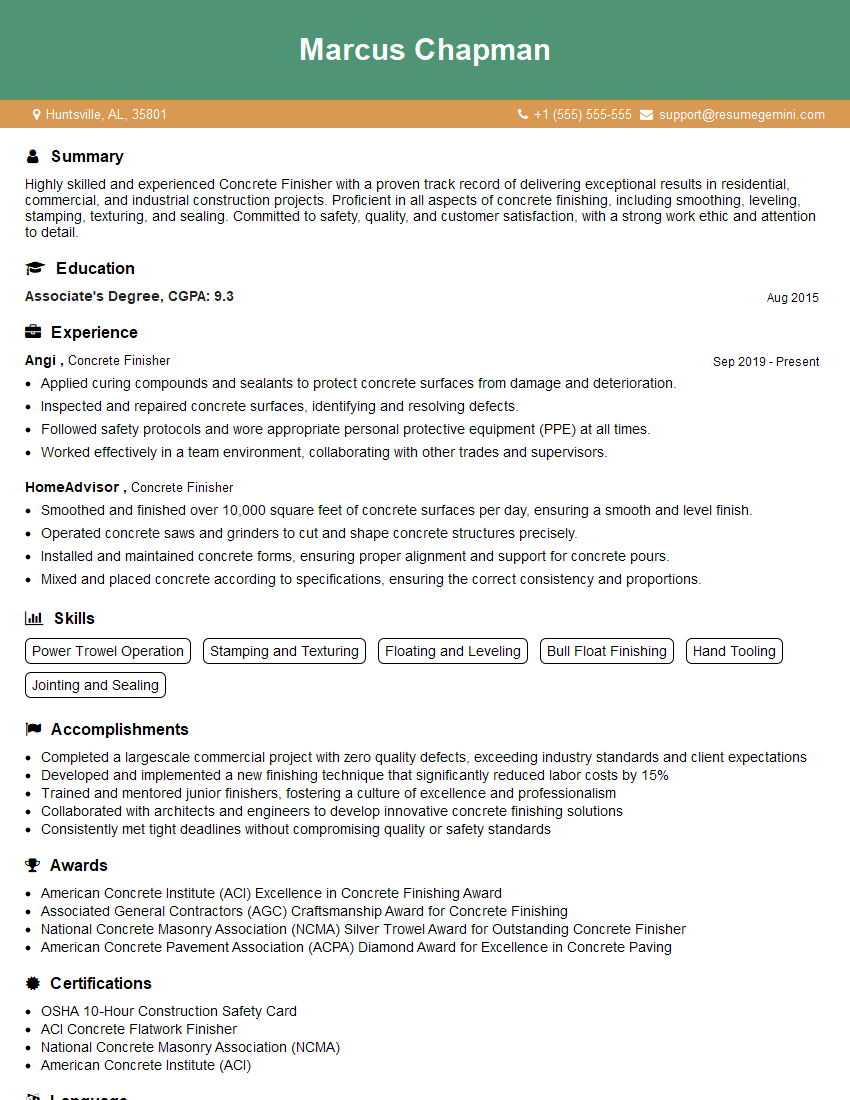
Concrete Finisher Resume Sample
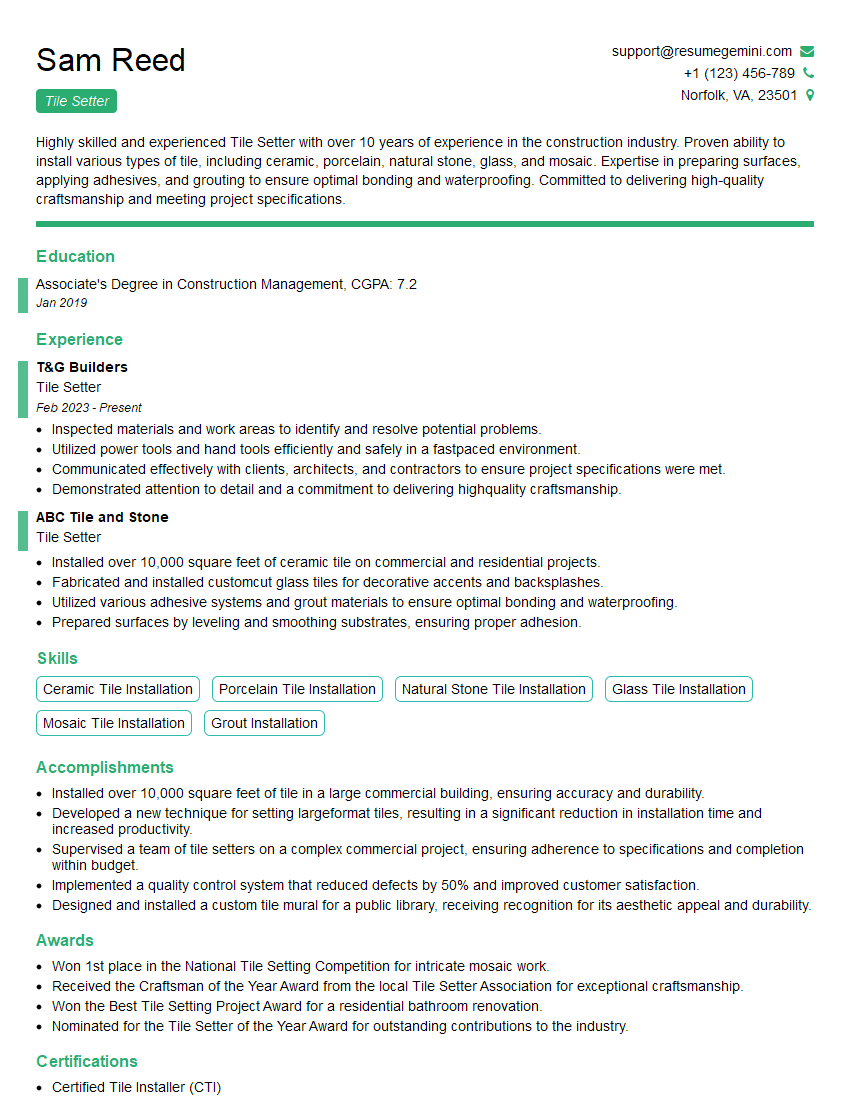
Tile Setter Resume Sample
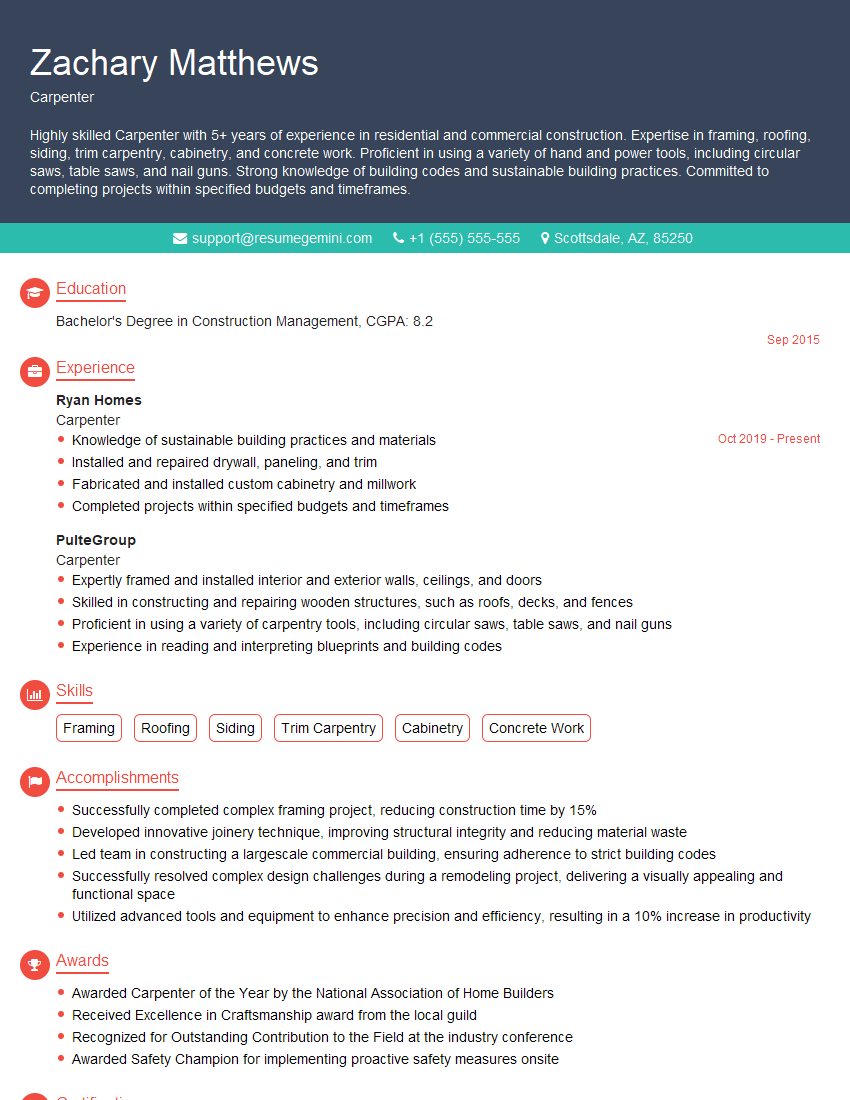
Carpenter Resume Sample
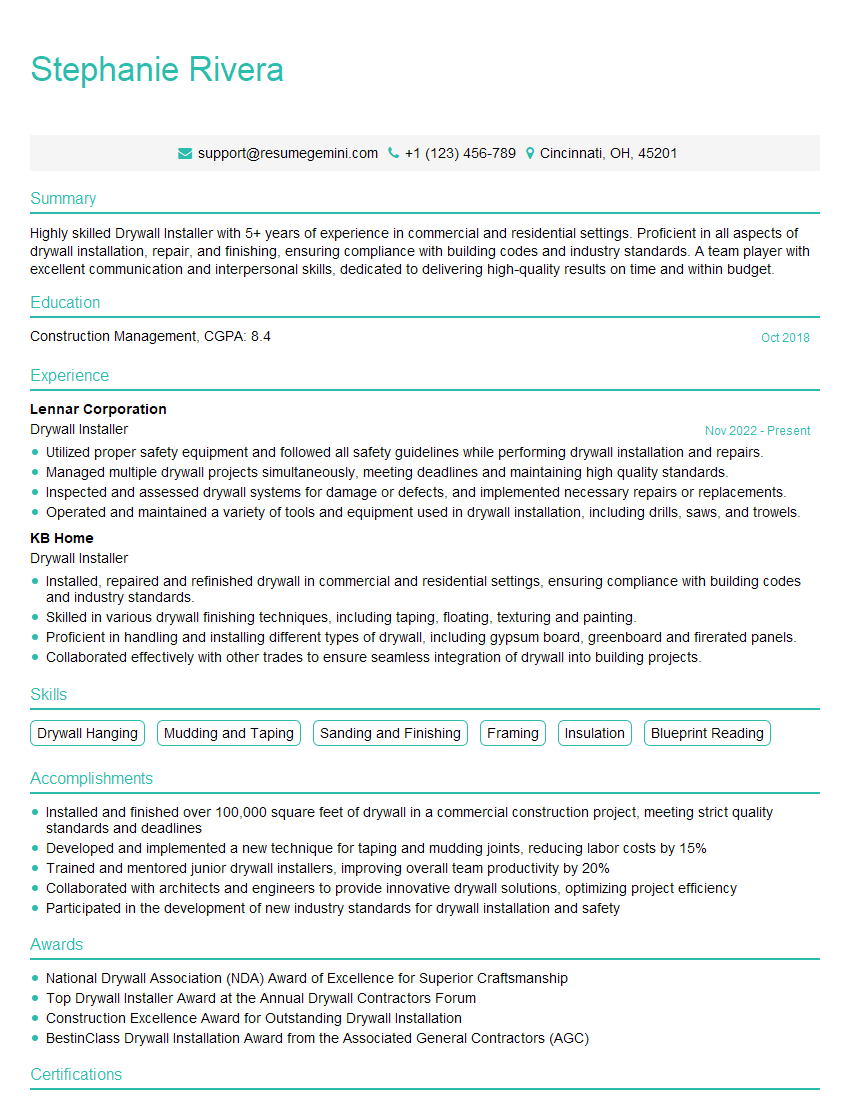
Drywall Installer Resume Sample
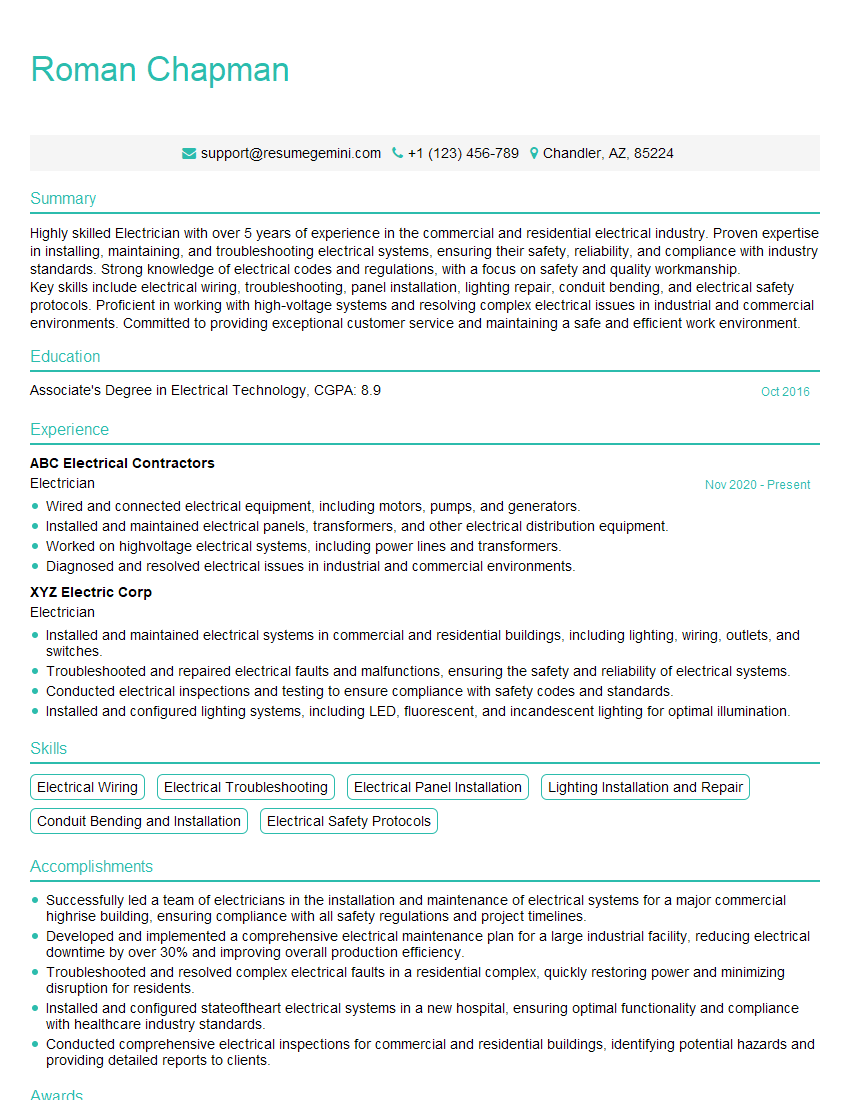
Electrician Resume Sample
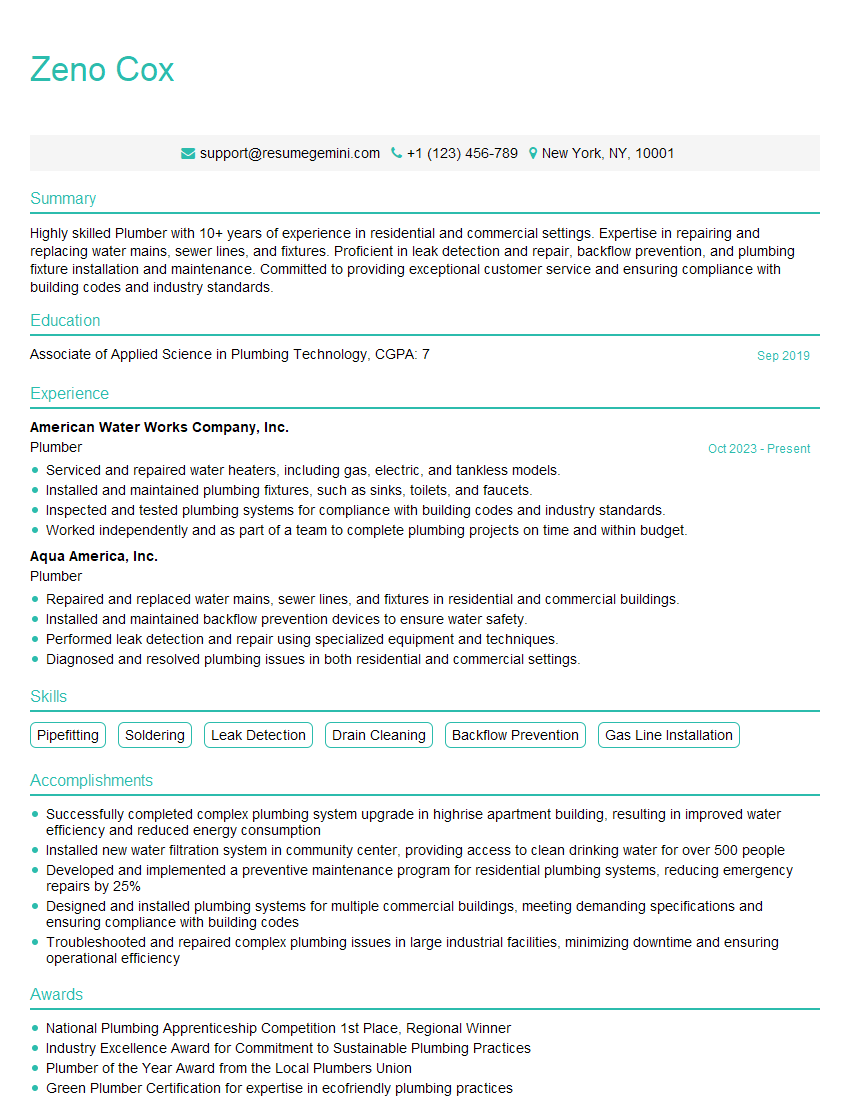
Plumber Resume Sample
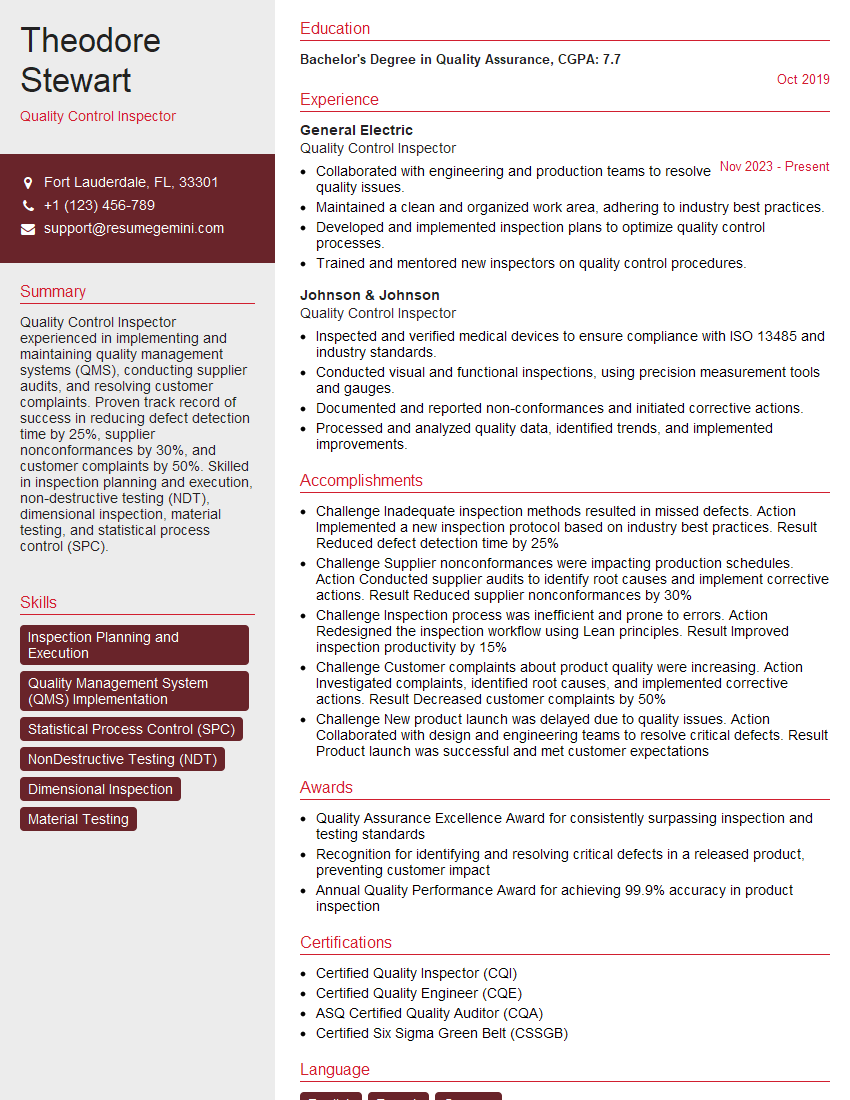
Quality Control Inspector Resume Sample
Explore more articles
Users Rating of Our Blogs
Share Your Experience
We value your feedback! Please rate our content and share your thoughts (optional).
What Readers Say About Our Blog
To the interviewgemini.com Webmaster.
Very helpful and content specific questions to help prepare me for my interview!
Thank you
To the interviewgemini.com Webmaster.
This was kind of a unique content I found around the specialized skills. Very helpful questions and good detailed answers.
Very Helpful blog, thank you Interviewgemini team.