Interviews are opportunities to demonstrate your expertise, and this guide is here to help you shine. Explore the essential Non-Judgmental Communication interview questions that employers frequently ask, paired with strategies for crafting responses that set you apart from the competition.
Questions Asked in Non-Judgmental Communication Interview
Q 1. Define non-judgmental communication.
Non-judgmental communication, also known as compassionate communication, is a way of interacting that prioritizes understanding and empathy over evaluation and criticism. It focuses on expressing oneself honestly and respectfully while actively listening to and seeking to understand the other person’s perspective, regardless of whether you agree with it. The core is separating observations from evaluations and focusing on needs rather than blame.
Q 2. Explain the difference between judgment and observation.
The key difference lies in the presence or absence of evaluation. An observation is a factual statement about something you perceive. For example, ‘The glass is half empty’ is an observation. A judgment adds an evaluation or interpretation to that observation, implying a value judgment. For example, ‘The glass is half empty, which is so careless of them’ is a judgment. Observations are neutral; judgments are subjective and often carry emotional weight.
Q 3. How do you practice active listening in a challenging conversation?
Active listening in challenging conversations requires heightened awareness and intentional effort. It involves focusing fully on the speaker, minimizing internal distractions, and demonstrating that you’re truly hearing them. Techniques include:
- Mirroring and Paraphrasing: Reflecting back what you’ve heard to ensure understanding, e.g., ‘So, if I understand correctly, you’re feeling frustrated because…’
- Summarizing: Condensing the main points of what was said to check comprehension.
- Empathetic responses: Acknowledging the other person’s feelings without judgment, e.g., ‘That sounds incredibly difficult.’
- Asking clarifying questions: Seeking further information to gain a deeper understanding, e.g., ‘Can you tell me more about that?’
- Maintaining non-verbal cues: Using body language like open posture, eye contact, and nodding to show engagement.
In highly charged situations, it’s crucial to create a safe space for expression by validating their feelings before attempting to offer solutions. Patience and a willingness to listen deeply are paramount.
Q 4. Describe a time you successfully used empathy to de-escalate a tense situation.
During a team meeting, a colleague erupted in anger over a missed deadline, blaming others and raising their voice. Instead of reacting defensively, I acknowledged his feelings: ‘I can see you’re incredibly upset about the missed deadline; it sounds incredibly frustrating.’ I then listened without interruption, allowing him to vent his frustrations. Once he had calmed down somewhat, I asked clarifying questions to understand his perspective, focusing on the underlying needs: ‘What specifically is causing you the most stress?’ and ‘What resources would help you prevent this in the future?’ By empathizing with his frustration and validating his feelings, I helped him feel heard, and we moved to collaboratively address the root causes of the issue.
Q 5. How would you respond to someone expressing strong negative emotions without judgment?
Responding to strong negative emotions without judgment hinges on acknowledging and validating those emotions. For instance, if someone says, ‘I’m furious! This project is a complete disaster!’, I wouldn’t offer immediate solutions or counterarguments. Instead, I would respond with something like: ‘It sounds like you’re feeling really angry and frustrated right now. That’s understandable given the situation.’ This acknowledges their feelings without agreeing or disagreeing with their assessment of the project. The focus is on their emotional experience, creating space for them to process before moving towards problem-solving.
Q 6. What techniques do you use to understand someone’s perspective without agreeing with it?
Understanding someone’s perspective without agreeing requires a shift in mindset. It’s about curiosity and seeking to grasp their reasoning, not about whether or not you share it. Key techniques include:
- Active listening: Paying close attention to their words, tone, and body language.
- Empathetic inquiry: Asking open-ended questions designed to help them elaborate on their feelings and reasoning, like ‘What led you to that conclusion?’ or ‘Can you help me understand your perspective better?’
- Summarizing their point of view: Paraphrasing their perspective to confirm understanding. This shows you’re actively listening and demonstrates respect even if you don’t agree.
- Identifying underlying needs: Exploring the underlying needs driving their perspective. Often, disagreements stem from differing needs, not necessarily conflicting values.
The goal isn’t necessarily to agree, but to genuinely understand where the other person is coming from. This fosters mutual respect and can lay the groundwork for constructive dialogue.
Q 7. How do you handle disagreement without resorting to criticism or blame?
Handling disagreement without resorting to criticism or blame involves focusing on the issue itself, not the person. This means:
- Identifying the core of the disagreement: Clearly define the point of contention without assigning blame.
- Focusing on interests, not positions: Explore the underlying needs and goals driving each person’s viewpoint. What are they hoping to achieve?
- Brainstorming solutions collaboratively: Approach problem-solving as a joint effort, seeking solutions that meet everyone’s needs as much as possible.
- Finding common ground: Look for areas of agreement to build a foundation for compromise.
- Using ‘I’ statements: Expressing your own feelings and perspective without blaming or accusing others.
Remember that disagreements are opportunities for growth and understanding. Approaching them constructively can strengthen relationships and lead to more effective solutions.
Q 8. Can you provide an example of how you’ve used non-violent communication (NVC) principles in a workplace scenario?
Nonviolent Communication (NVC), also known as Compassionate Communication, helped me navigate a challenging situation at work. A team member, let’s call him Mark, consistently missed deadlines, causing frustration amongst the team. Instead of directly blaming him (‘You always miss deadlines!’), I used the four components of NVC: observations, feelings, needs, and requests.
Observation: ‘Mark, I noticed the project report was submitted late again this week, it was due on Friday, and it was submitted Monday.’ (This avoids judgment by sticking to the facts).
Feeling: ‘This makes me feel concerned about meeting our overall project goals and slightly anxious about the potential impact on the team’s morale.’ (This expresses my emotional response without blaming).
Need: ‘My need here is to have reliable, timely submissions so we can effectively collaborate and meet our deadlines, and for the team to feel confident in the process.’ (This clarifies the underlying need).
Request: ‘Could we schedule a brief meeting to discuss potential challenges you’re facing and explore solutions together? Perhaps we can find ways to improve time management or offer support.’ (This makes a clear, specific request for cooperation).
This approach allowed for open dialogue, helping Mark feel heard and understood. It fostered collaboration, identified the root cause of his lateness (he was overwhelmed), and facilitated a solution.
Q 9. Explain how you differentiate between needs and strategies in a communication setting.
The difference between needs and strategies is crucial in NVC. Needs are universal human requirements—things we need to feel fulfilled and alive. They are inherent and often emotional (e.g., connection, autonomy, security, meaning). Strategies, on the other hand, are the specific actions we take to meet those needs. They are often conditional and can vary greatly depending on context.
For example, if my need is for ‘connection,’ a strategy might be to ‘have a coffee with a colleague.’ However, another strategy might be to ‘attend a team-building event.’ Both strategies aim to meet the same need, but they are different approaches.
In communication, identifying the underlying need rather than focusing solely on the strategy is key. If someone says, ‘I need you to finish this report by 5 pm,’ that’s a strategy. The underlying need might be ‘completion,’ ‘efficiency,’ or ‘recognition.’ Addressing the strategy alone might create conflict, while addressing the underlying need leads to greater understanding and a more collaborative solution.
Q 10. How do you maintain professional boundaries while practicing empathy and understanding?
Maintaining professional boundaries while practicing empathy is a balance. Empathy involves understanding another’s perspective without necessarily agreeing with it or taking on their emotions as your own. It’s about acknowledging their feelings and experiences with compassion.
To maintain boundaries, I use several techniques:
- Setting clear limits: Defining clear professional boundaries prevents over-involvement. For example, I might say, ‘I’m happy to listen and offer support, but I’m not able to take on additional responsibilities outside my role.’
- Self-care: Prioritizing my own well-being prevents emotional burnout. This ensures I have the capacity to engage with others empathetically without compromising my own mental health.
- Focus on behavior, not personality: When addressing concerns, I focus on specific actions and their impact, rather than making general judgments about a person’s character. Instead of ‘You’re lazy,’ I might say, ‘I’ve noticed several deadlines have been missed recently, which impacts the team.’ This keeps the focus on the problem, not the person.
- Seeking supervision: For especially challenging cases, seeking guidance from a supervisor or mentor helps ensure professional conduct and prevents ethical breaches.
By combining empathy with these strategies, I ensure I’m being supportive while staying within the realm of professional conduct.
Q 11. Describe your process for identifying underlying needs in a conversation.
Identifying underlying needs involves careful listening and questioning. It’s a process of peeling back the layers of expressed emotions and actions to get to the core desires. I usually follow these steps:
- Active listening: I pay close attention to the other person’s words, tone, and body language, seeking to fully understand their message.
- Reflecting feelings: I paraphrase their emotions to ensure understanding (‘So you’re feeling frustrated and disappointed?’).
- Exploring the ‘why’: I ask open-ended questions to understand the reasons behind their feelings (‘What’s important to you in this situation? What would make you feel better?’).
- Identifying universal needs: I look for patterns in the responses that connect with fundamental human needs (connection, autonomy, security, etc.).
- Collaboratively verifying needs: I check my understanding with the person by saying something like ‘Based on what you’ve said, it seems your main need here is for respect and recognition. Is that accurate?’
This iterative process gradually reveals the underlying needs that are driving the conversation.
Q 12. How do you handle interruptions or distractions during a crucial conversation?
Handling interruptions during a crucial conversation requires tact and respect. My approach involves:
- Acknowledging the interruption: Politely acknowledge the interruption (‘I’ll be with you in a moment, let’s just finish this point’).
- Briefly summarizing progress: Quickly summarize the current discussion point to maintain context when returning to it.
- Requesting a time-out if needed: If the interruption is significant, I might politely request a short break to address the issue and return to the conversation later, setting a time to resume.
- Gentle redirection: If the interruption is minor, I gently redirect the person involved back to the main point (‘Let’s save that for later. We need to finish this discussion first’).
The key is to handle the interruption with grace and firmness, ensuring the crucial conversation remains the priority without alienating those involved in the interruption.
Q 13. How do you respond to criticism without becoming defensive?
Responding to criticism without becoming defensive requires a shift in perspective. Instead of viewing criticism as a personal attack, I view it as an opportunity for growth and understanding. I use these steps:
- Active listening: I listen without interrupting to truly understand the other person’s perspective.
- Empathy: I try to understand the other person’s feelings and the reasons behind their criticism.
- Summarizing and clarifying: I summarize their criticism to confirm my understanding (‘So, you’re saying that you felt the report lacked clarity in section three?’).
- Asking clarifying questions: I ask questions to gain a deeper understanding of their feedback (‘Can you give me some specific examples?’).
- Expressing appreciation: I express appreciation for their feedback (‘Thank you for bringing this to my attention. I value your input.’).
- Focusing on solutions: I focus on how to improve based on the feedback instead of defending my actions.
By focusing on learning and improvement, I transform criticism from a threat to an opportunity.
Q 14. How would you address a conflict between two colleagues using non-judgmental communication?
Addressing a conflict between two colleagues using NVC involves facilitating a conversation that focuses on needs and requests, not blame or judgment. My approach would be:
- Separate the individuals initially: Privately speak with each colleague to hear their perspectives without interruption. Use active listening, reflecting feelings, and identifying needs.
- Facilitate a joint conversation: Create a safe and neutral space for both colleagues to be heard. Guide them to express their observations and feelings without blaming.
- Focus on underlying needs: Help them identify and express their underlying needs. What do they really need from each other and from the situation?
- Collaboratively brainstorm solutions: Guide them to collaboratively brainstorm solutions that meet the needs of both parties. The focus should be on finding mutually acceptable outcomes.
- Agree on action steps: Once a solution is reached, establish clear action steps and a timeframe for implementation.
- Follow-up: Check in with both individuals afterward to ensure the agreement is working and address any remaining concerns.
The goal is not to determine who is ‘right’ or ‘wrong,’ but to help them understand each other’s perspectives and find a way to move forward constructively.
Q 15. Explain how you ensure your body language aligns with your non-judgmental communication.
Non-judgmental communication isn’t just about words; it’s a holistic approach encompassing body language. To ensure alignment, I consciously cultivate an open and receptive posture. This involves maintaining relaxed but attentive eye contact, avoiding crossed arms or legs (which can signal defensiveness), and using mirroring techniques subtly to build rapport – reflecting the other person’s posture and pace (without being overtly imitative). My facial expressions remain neutral and encouraging, allowing for the free expression of emotions from the other person without triggering defensiveness. For example, if someone is sharing a challenging experience, I might gently nod, offer a soft smile of empathy, and maintain an open posture to show I’m actively listening and accepting of their feelings, rather than judging or interrupting.
Imagine a conversation with a colleague who’s frustrated with a project. Crossed arms and a furrowed brow would suggest disapproval, hindering open communication. Instead, an open posture, soft gaze, and a slight nod demonstrate understanding and encourage them to continue.
Career Expert Tips:
- Ace those interviews! Prepare effectively by reviewing the Top 50 Most Common Interview Questions on ResumeGemini.
- Navigate your job search with confidence! Explore a wide range of Career Tips on ResumeGemini. Learn about common challenges and recommendations to overcome them.
- Craft the perfect resume! Master the Art of Resume Writing with ResumeGemini’s guide. Showcase your unique qualifications and achievements effectively.
- Don’t miss out on holiday savings! Build your dream resume with ResumeGemini’s ATS optimized templates.
Q 16. How do you adapt your communication style to diverse individuals?
Adapting my communication style involves understanding that individuals process information and express themselves differently. I prioritize active listening to identify their communication preferences – some may be direct, others indirect; some prefer concise statements, others detailed explanations. I pay close attention to their verbal and nonverbal cues (tone of voice, body language, cultural expressions) to gauge their comfort level and adjust accordingly. For example, with someone from a high-context culture (where unspoken cues are crucial), I’ll pay more attention to subtleties than with someone from a low-context culture (where explicit communication is preferred). With individuals who are visually impaired, I’ll provide clear verbal descriptions, and with those who are hearing-impaired, I’ll ensure clear visual communication and written support.
In a team setting with diverse members, I might use visual aids for some individuals and detailed explanations for others, recognizing different learning styles and ensuring inclusivity.
Q 17. Describe your approach to clarifying misunderstandings.
My approach to clarifying misunderstandings centers on empathy and seeking clarification rather than assigning blame. I start by paraphrasing what I heard to ensure understanding, using phrases like, “So, if I understand correctly, you’re saying…” or “It sounds like you’re feeling…” This avoids assumptions and encourages the other person to correct any misinterpretations. I then ask open-ended questions, focusing on their perspective, to gain a deeper understanding of their feelings and needs. This iterative process of paraphrasing, clarifying, and seeking further information continues until mutual understanding is reached. It’s crucial to avoid interrupting and maintain a non-judgmental, accepting stance throughout the process.
For instance, if a client misunderstands a project deadline, I wouldn’t immediately defend my position. Instead, I’d ask, “Help me understand your concern about the deadline. What aspects are causing you the most difficulty?” This fosters collaboration rather than conflict.
Q 18. How do you manage your own emotions during emotionally charged conversations?
Managing my emotions during charged conversations is critical for maintaining non-judgmental communication. I use several strategies: Self-awareness – recognizing my emotional triggers; mindful breathing – calming my nervous system; empathy – connecting with the other person’s emotions; and self-compassion – acknowledging that it’s okay to feel overwhelmed sometimes. If I notice my emotions escalating, I might take a brief pause to center myself, perhaps using a short mindfulness exercise before continuing the conversation. It’s also essential to recognize that my emotional state influences communication, and I prioritize self-regulation to ensure a productive and respectful exchange.
If I find myself becoming defensive or frustrated during a disagreement, I might say something like, “I’m feeling a bit overwhelmed right now. Could we take a short break to allow us both to gather our thoughts?” This shows self-awareness and respect for the other person’s space.
Q 19. How do you handle situations where you disagree with someone’s values or beliefs?
Disagreements are inevitable, but respectful communication is always possible. My approach is to focus on understanding the other person’s perspective, recognizing that their values and beliefs, even if different from mine, are valid within their own framework. I strive to express my own viewpoint respectfully, focusing on my observations and needs rather than labeling or judging their beliefs. For example, instead of saying, “That’s a wrong belief,” I would say, “I understand you hold that belief, but I see it differently because of my experiences.” The goal is not necessarily to reach agreement, but to create a safe space for mutual respect and understanding.
In a professional setting, if a colleague holds opposing values about a work project, instead of confrontation, I might say, “I appreciate your perspective on this, and I understand we have differing opinions. Perhaps we can focus on finding common ground to achieve our shared objectives.” This fosters collaboration over conflict.
Q 20. How do you know when to seek help or escalate a situation?
Knowing when to escalate or seek help involves assessing the situation’s complexity and my ability to manage it effectively. If the conflict is escalating beyond my ability to de-escalate it, if safety is compromised, or if the issue requires specialized expertise (e.g., legal, medical), I seek help. This might involve mediation, involving a supervisor, or seeking professional assistance. I constantly evaluate the conversation’s progress – is mutual understanding growing, or is it becoming more polarized and unproductive? My own emotional state is also a key factor – if I feel consistently stressed or unable to manage the situation effectively, it’s a clear signal to seek support.
For example, if workplace harassment occurs, I wouldn’t attempt to manage it alone; I’d immediately report it to the appropriate authorities. If a conflict among team members hinders productivity beyond my ability to mediate, I’d involve a project manager or HR to facilitate a constructive resolution.
Q 21. What are your strengths and weaknesses in non-judgmental communication?
My strengths in non-judgmental communication lie in active listening, empathy, and patience. I’m skilled at paraphrasing to ensure understanding and employing open-ended questions to explore different perspectives. My ability to maintain composure and self-awareness in emotionally charged situations allows for constructive dialogue. However, a weakness can be occasionally over-emphasizing empathy to the detriment of assertiveness, particularly when dealing with manipulative behavior. I actively work on balancing empathy with clear boundary-setting and self-advocacy.
I’m continuously refining my skills through professional development opportunities and self-reflection to address this weakness and maintain a healthy balance between empathy and effective communication.
Q 22. Describe your experience in mediating difficult conversations.
Mediating difficult conversations requires a deep understanding of Non-Judgmental Communication (NVC), also known as Compassionate Communication. It’s about creating a safe space where all parties feel heard and understood, regardless of their differing viewpoints. My approach centers around actively listening, empathetically reflecting feelings, and collaboratively seeking solutions. I avoid interrupting or imposing my opinions. Instead, I focus on understanding the needs underlying each person’s words and actions.
For example, in a workplace conflict between two team members, I wouldn’t jump to solutions. Instead, I’d guide them through expressing their observations, feelings, needs, and requests. I might ask: “Can you tell me more about what happened?” or “What were you feeling at that moment?” By creating this structure, I help them move beyond blame and toward mutual understanding. The emphasis is on connecting with each other’s human experience, rather than focusing solely on the problem itself. I then collaboratively guide them towards identifying solutions that meet the underlying needs of everyone involved.
Q 23. How do you maintain confidentiality during sensitive conversations?
Confidentiality is paramount in my work. I establish clear boundaries at the beginning of any interaction, explicitly stating that our conversation is confidential unless legally required to be disclosed. I never discuss details with others, even colleagues or supervisors, without explicit permission. Furthermore, I don’t share information online or in any way that could compromise the privacy of the individuals involved. This includes being mindful of my own digital footprint and avoiding any casual discussions that might reveal sensitive information.
In instances where I’m working with multiple parties, I clarify that information shared in one session will remain confidential with respect to others unless all parties agree otherwise. This transparency builds trust and ensures everyone feels comfortable being honest and open.
Q 24. How do you use open-ended questions to facilitate deeper understanding?
Open-ended questions are essential for facilitating deeper understanding in NVC. They encourage detailed responses that go beyond simple “yes” or “no” answers, allowing individuals to fully express their thoughts and feelings. Instead of asking, “Did you like the project?” I might ask, “What was your experience working on the project?” The latter invites a richer response, revealing more about their perspective.
Other examples of effective open-ended questions include: “Tell me more about that,” “What needs are important to you in this situation?”, and “How did that make you feel?” These questions encourage exploration and self-reflection, helping individuals connect with their emotions and needs. The goal is not to interrogate, but to genuinely understand their inner world.
Q 25. Describe a time you had to overcome a communication barrier.
I once worked with a client who had significant difficulty expressing their feelings directly. Their communication style was heavily indirect, relying on passive-aggressive behaviors rather than clear statements. This presented a significant communication barrier. To overcome this, I adopted a particularly patient and empathetic approach, using reflective listening to understand the underlying emotions behind their indirect expressions. I avoided confronting their behavior directly, focusing instead on validating their feelings and helping them articulate those feelings in a more direct way.
I used gentle, supportive prompts, such as, “It sounds like you’re feeling frustrated,” or “I sense there’s something more you want to say.” Gradually, with consistent reassurance and validation, they began to feel more comfortable sharing their feelings directly. It required considerable patience and persistence, but eventually, we were able to break through the communication barrier, establishing a foundation of mutual understanding and trust.
Q 26. How do you use reflective listening to clarify meaning?
Reflective listening is a cornerstone of NVC. It involves actively listening to someone’s words, both verbal and nonverbal, and then reflecting back to them what you’ve heard, both their content and their feelings. This clarifies meaning by ensuring both parties are on the same page and prevents misunderstandings. Instead of simply responding, I summarize and rephrase what the speaker has said, using phrases like, “So, it sounds like you’re saying…” or “It seems like you’re feeling…”
For example, if someone says, “This project is a disaster!,” I wouldn’t offer a solution immediately. Instead, I’d reflect: “This project feels like a disaster to you, and you’re feeling overwhelmed and frustrated.” This demonstrates that I’ve understood not only their words but also the emotions behind them. This process allows the speaker to correct any misinterpretations and ensures everyone shares the same understanding before moving towards problem-solving.
Q 27. How do you handle requests that conflict with your values?
Handling requests that conflict with my values requires careful consideration and clear communication. My first step is to acknowledge the request and express gratitude for their consideration. Then, I respectfully explain why I’m unable to fulfill the request, focusing on my values and professional boundaries rather than making the other person feel wrong. I strive to be assertive yet empathetic.
For instance, if asked to do something that compromises confidentiality, I would respond with something like: “Thank you for considering me. However, due to my commitment to client confidentiality, I am unable to fulfill this request.” If I’m asked to provide services beyond my area of expertise, I would say something like: “I appreciate you reaching out. While I value your trust, this falls outside my area of specialization. I can however refer you to someone who can offer you more appropriate support.”
The key is to be firm and direct while preserving respect and dignity. The goal is not to win an argument, but to find a mutually respectful resolution.
Key Topics to Learn for Non-Judgmental Communication Interview
- Empathy and Active Listening: Understanding the speaker’s perspective without interruption, using reflective listening techniques, and demonstrating genuine care.
- Identifying and Managing Biases: Recognizing personal biases that may impact communication and developing strategies to mitigate their influence. Practical application: Role-playing scenarios involving challenging conversations.
- Using “I” Statements: Expressing personal feelings and needs clearly and responsibly, avoiding accusatory or judgmental language. Practical application: Crafting “I” statements to address difficult situations in professional settings.
- Nonverbal Communication: Understanding the impact of body language, tone of voice, and facial expressions and maintaining congruent nonverbal cues. Practical application: Analyzing nonverbal cues in hypothetical scenarios.
- Responding to Difficult Conversations: Techniques for de-escalating conflict, managing emotions, and fostering mutual understanding in tense situations. Practical application: Developing strategies for navigating disagreements with colleagues or clients.
- Effective Feedback Delivery: Providing constructive feedback in a way that is supportive, specific, and focuses on behavior rather than character. Practical application: Constructing feedback examples for different professional situations.
- Conflict Resolution Strategies: Exploring various approaches to conflict resolution, including negotiation, mediation, and collaboration. Practical application: Identifying suitable conflict resolution strategies based on different scenarios.
Next Steps
Mastering Non-Judgmental Communication is crucial for building strong professional relationships, navigating complex workplace dynamics, and achieving career success. It demonstrates emotional intelligence and fosters trust, making you a valuable asset to any team. To significantly enhance your job prospects, creating an ATS-friendly resume that highlights your skills in this area is essential. ResumeGemini is a trusted resource to help you build a compelling and effective resume that showcases your abilities. We provide examples of resumes tailored to Non-Judgmental Communication to help you craft your own.

Customer Service Manager Resume Sample
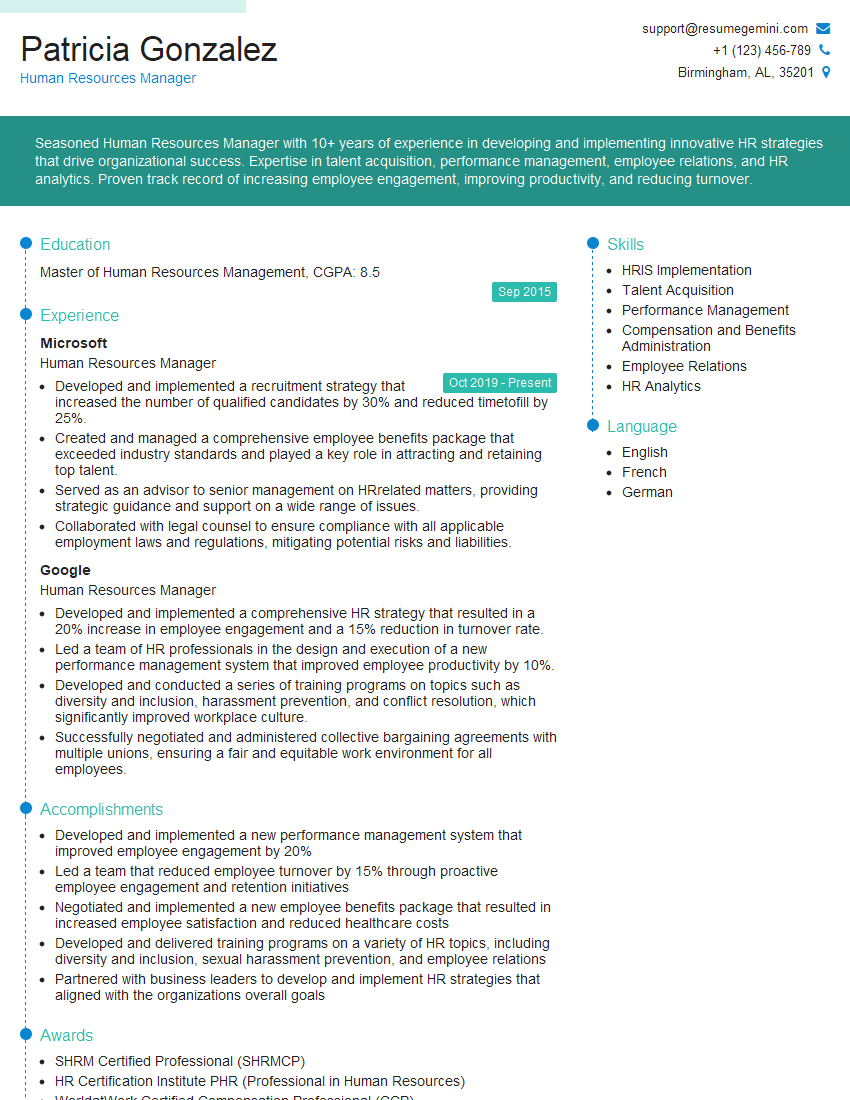
Human Resources Manager Resume Sample

Project Manager Resume Sample
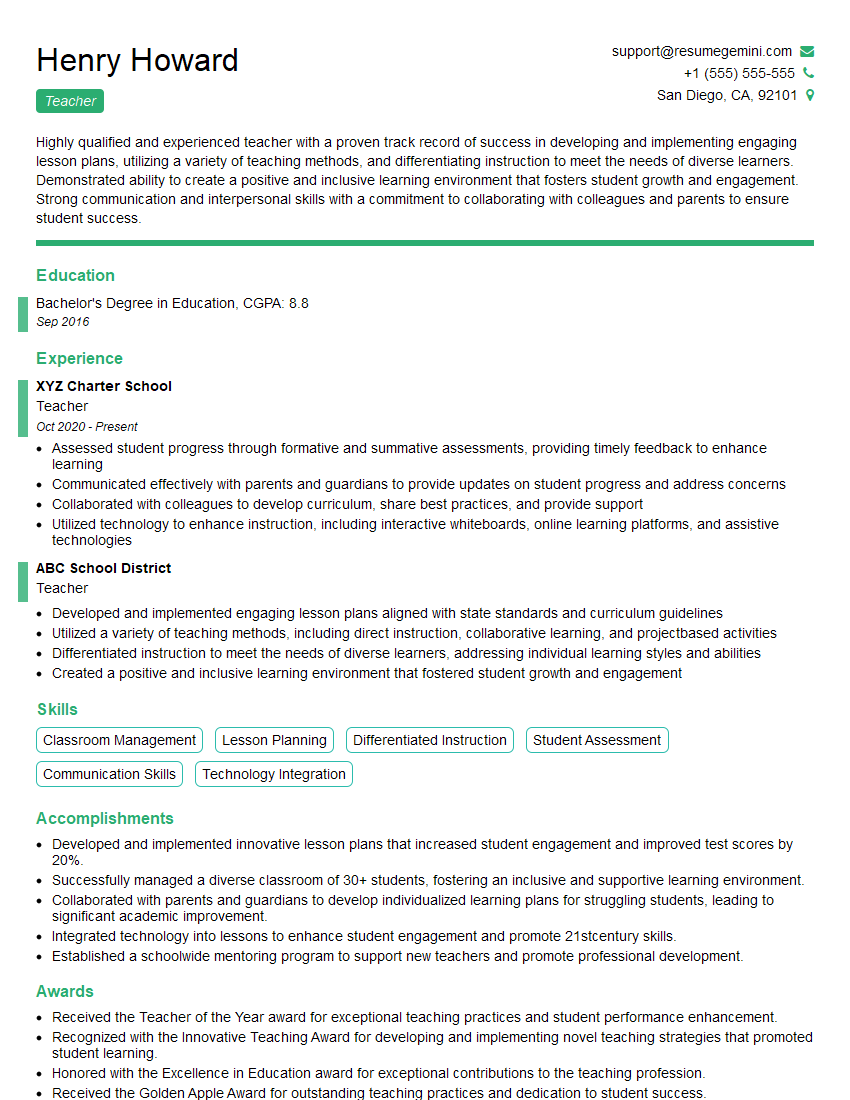
Teacher Resume Sample

Professor Resume Sample
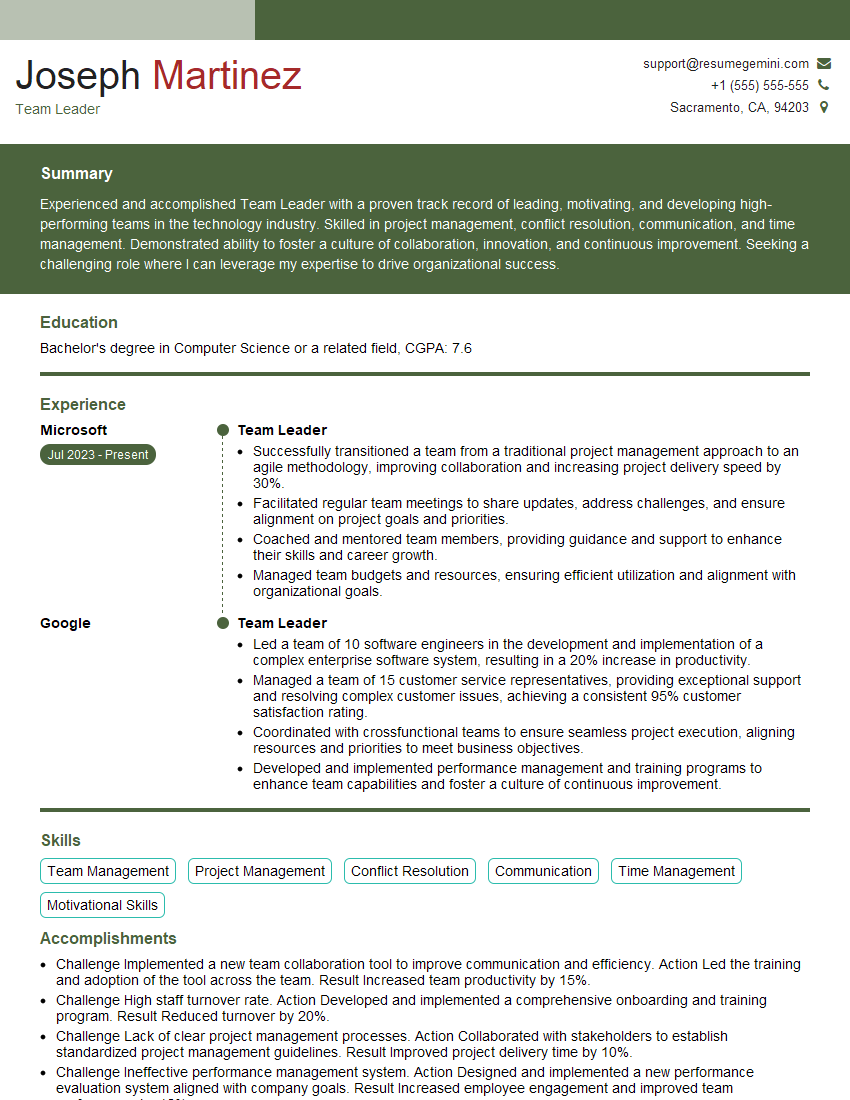
Team Leader Resume Sample
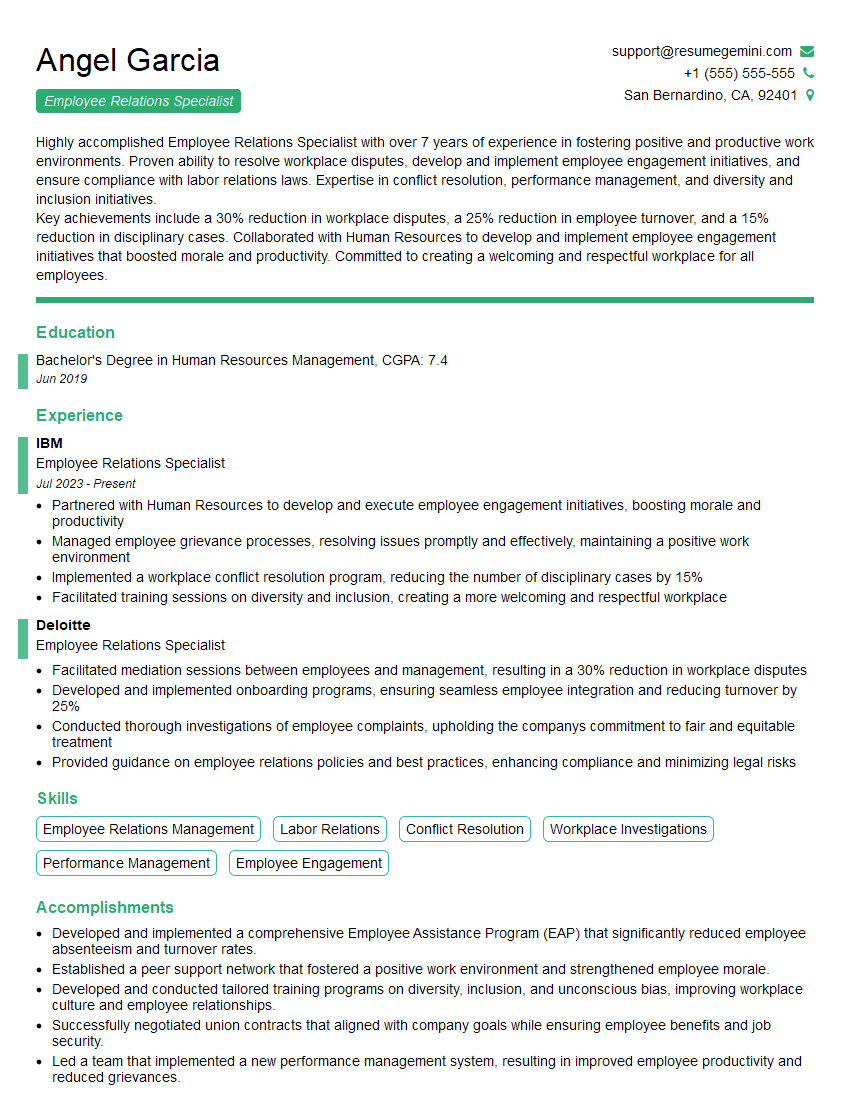
Employee Relations Specialist Resume Sample
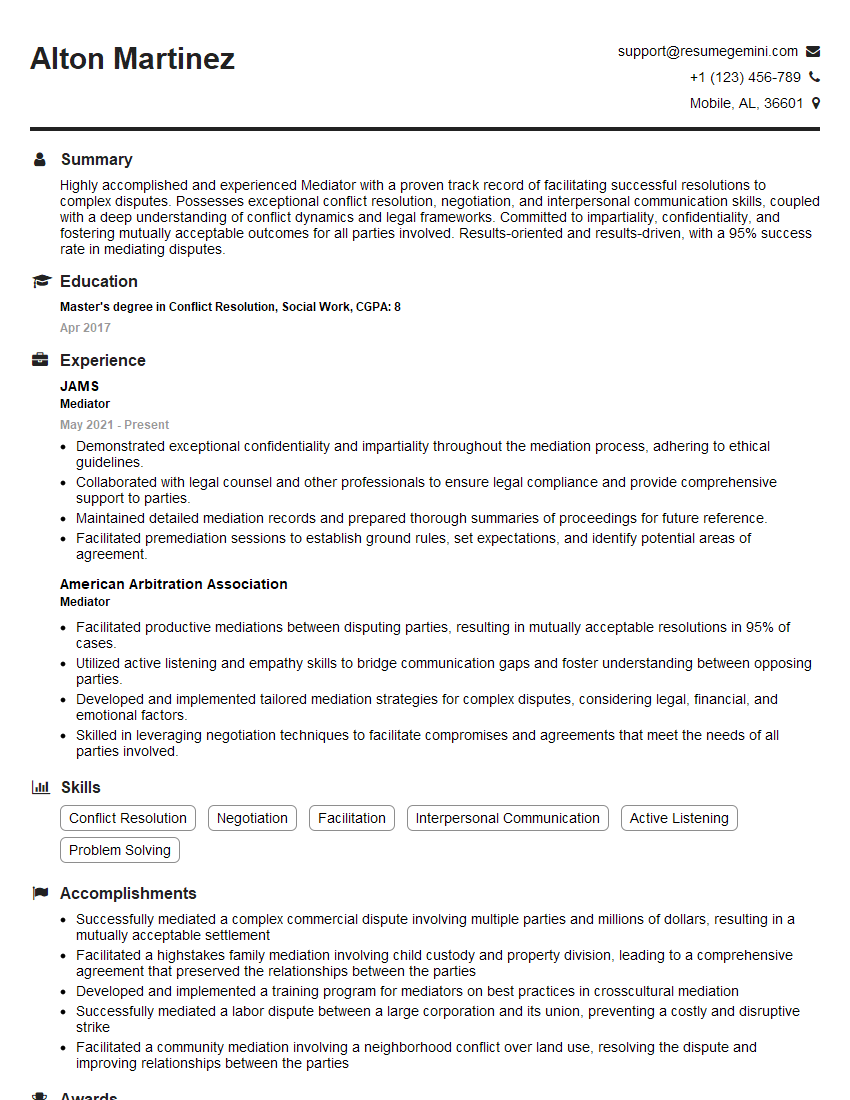
Mediator Resume Sample
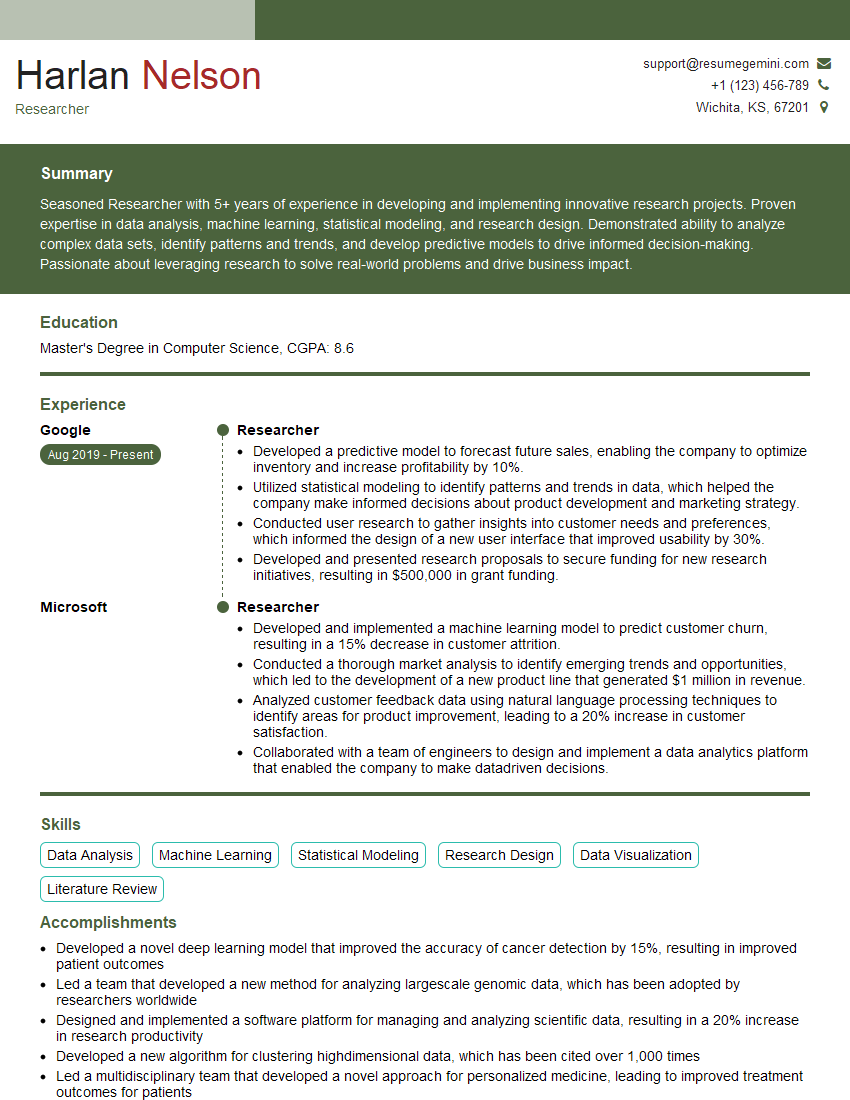
Researcher Resume Sample
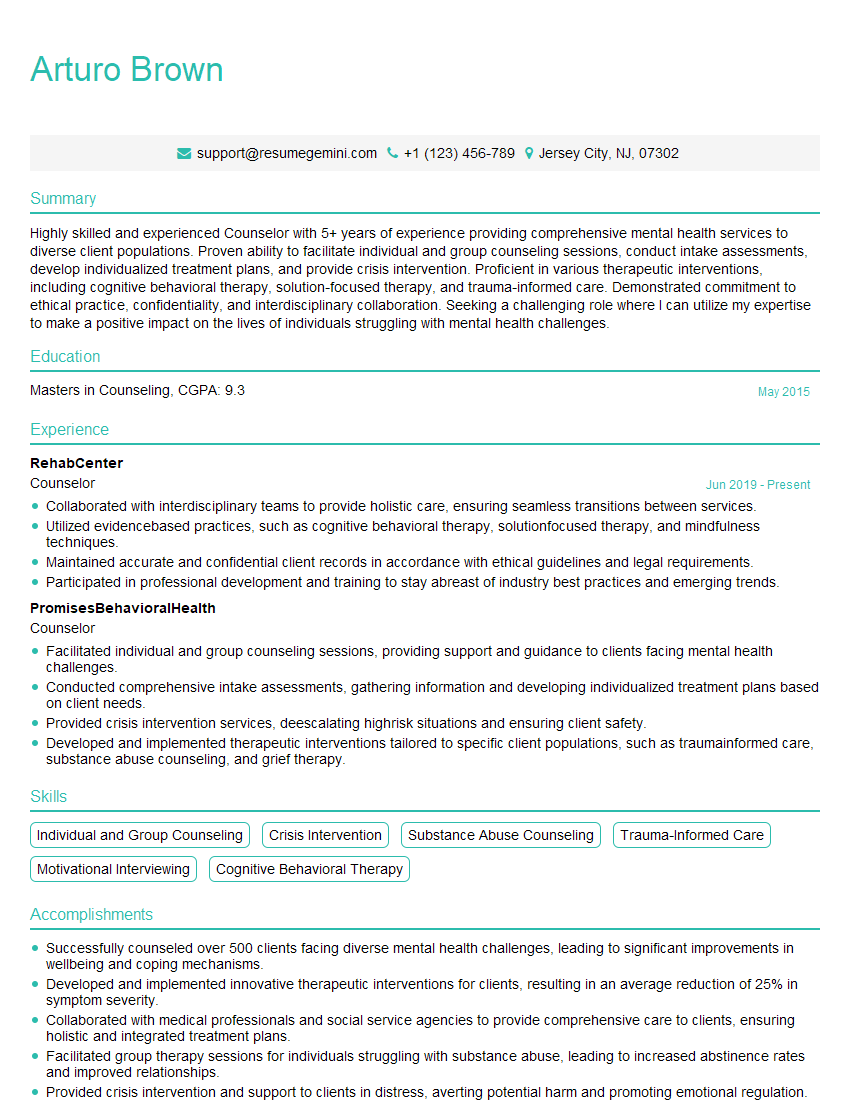
Counselor Resume Sample
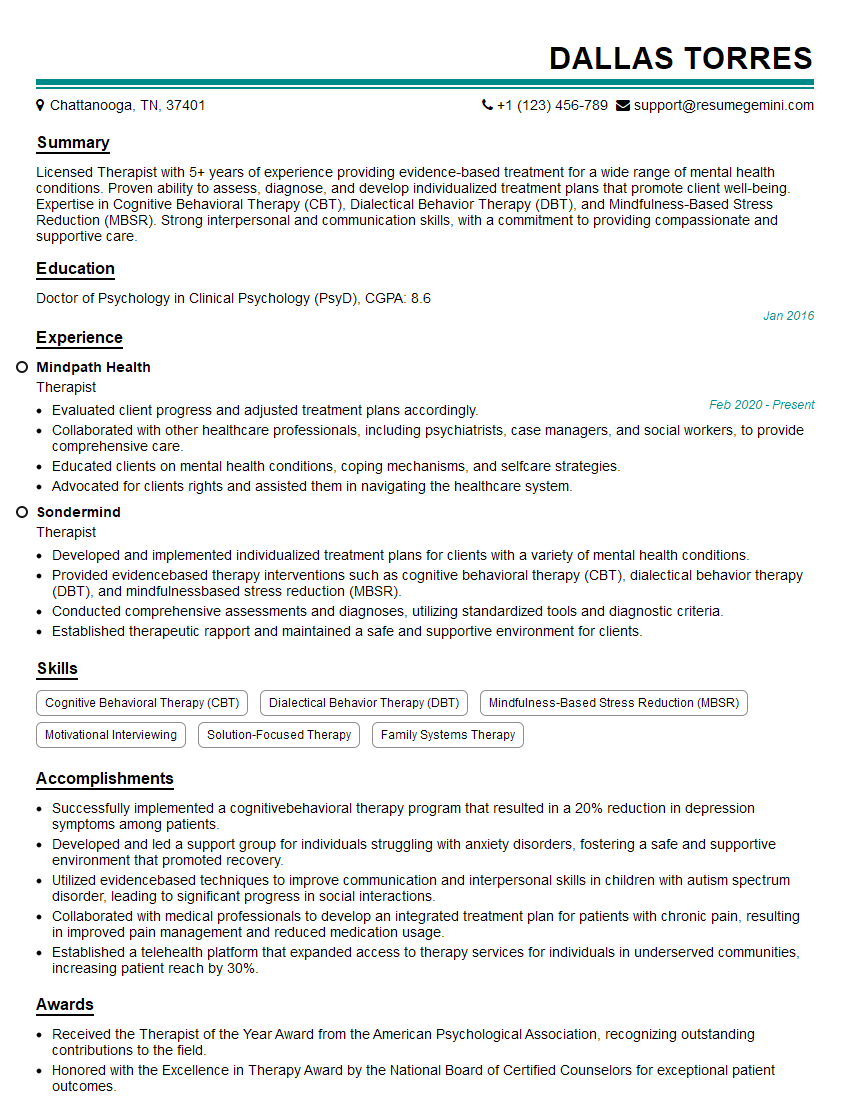
Therapist Resume Sample

Community Organizer Resume Sample
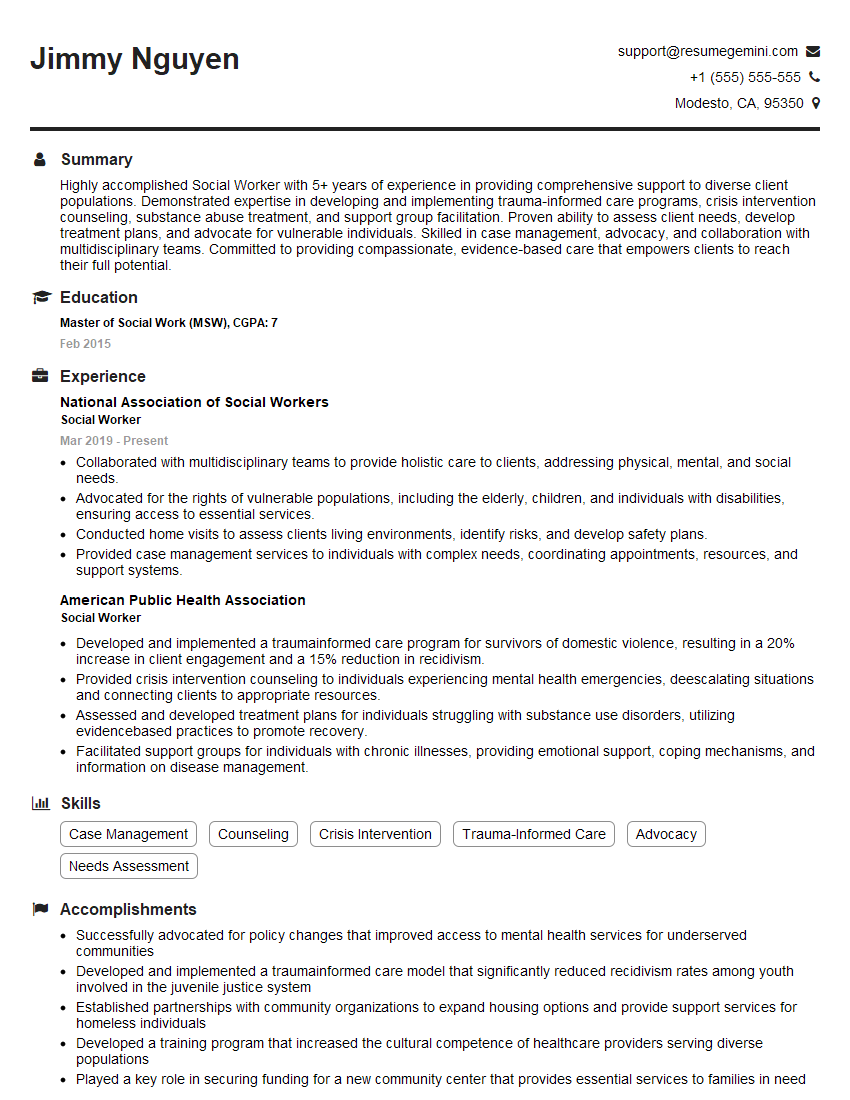
Social Worker Resume Sample
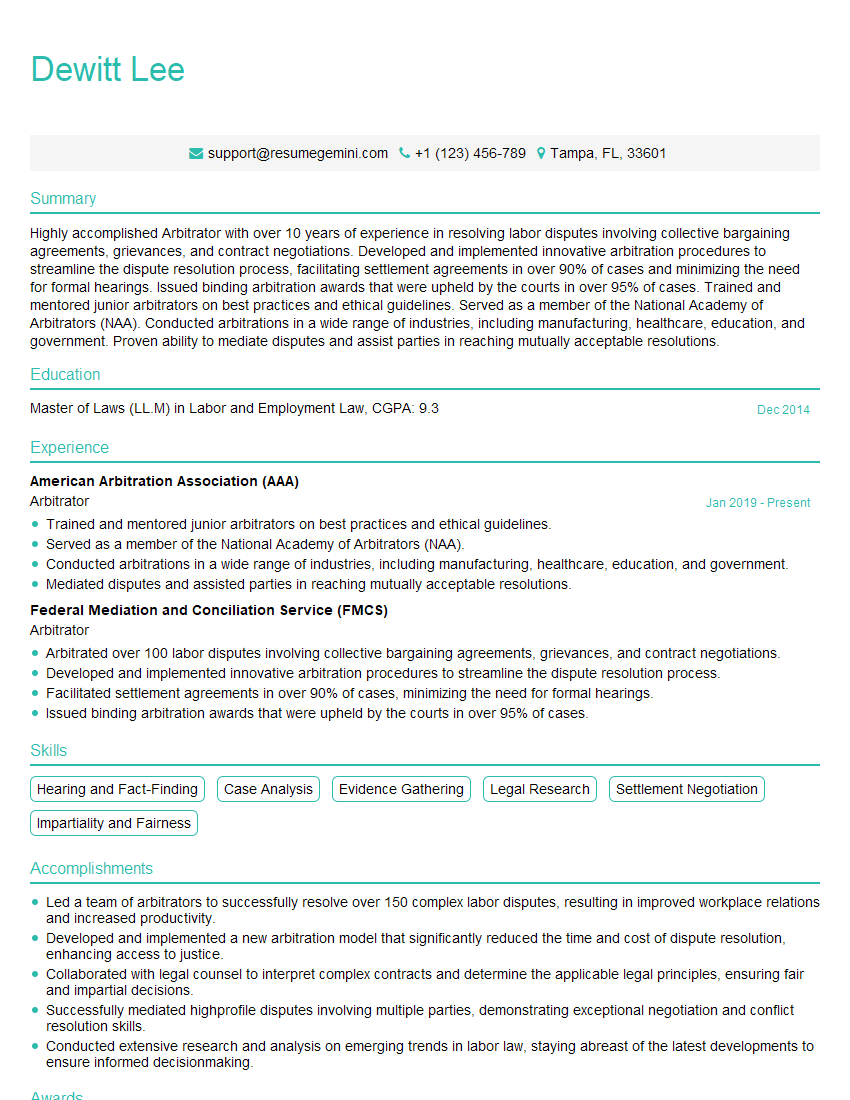
Arbitrator Resume Sample
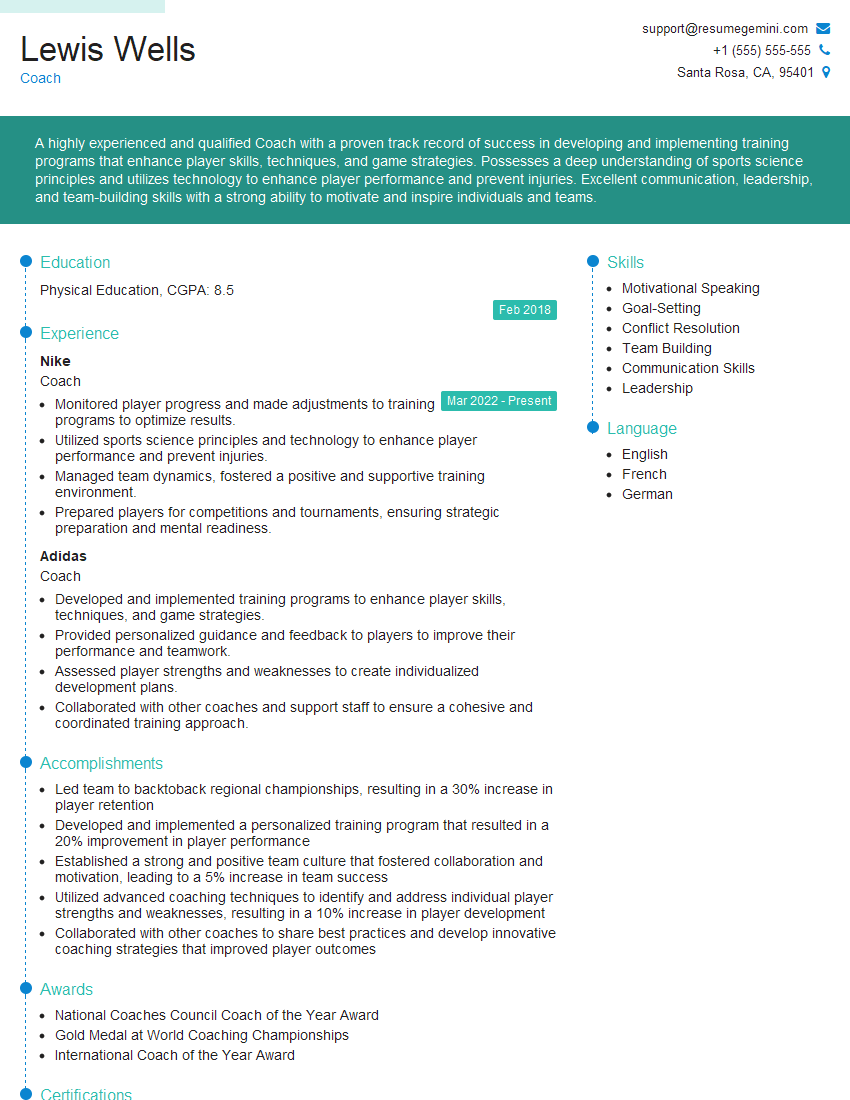
Coach Resume Sample
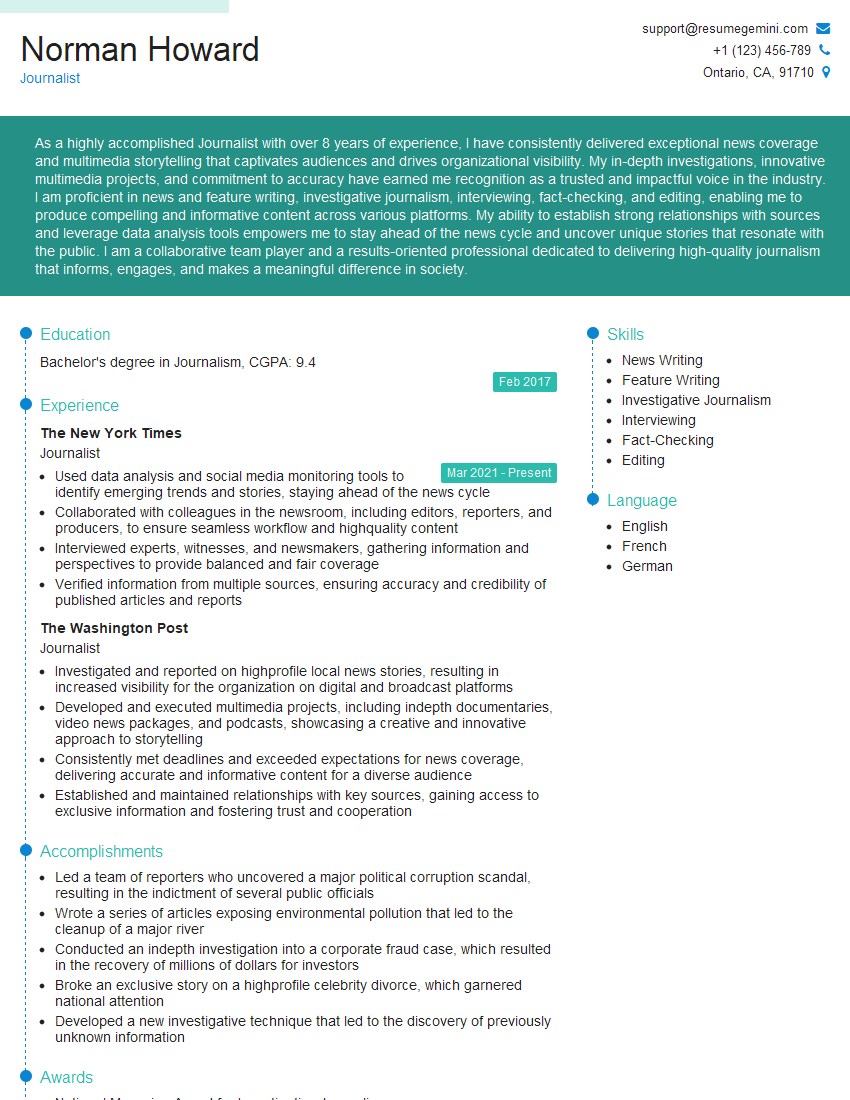
Journalist Resume Sample
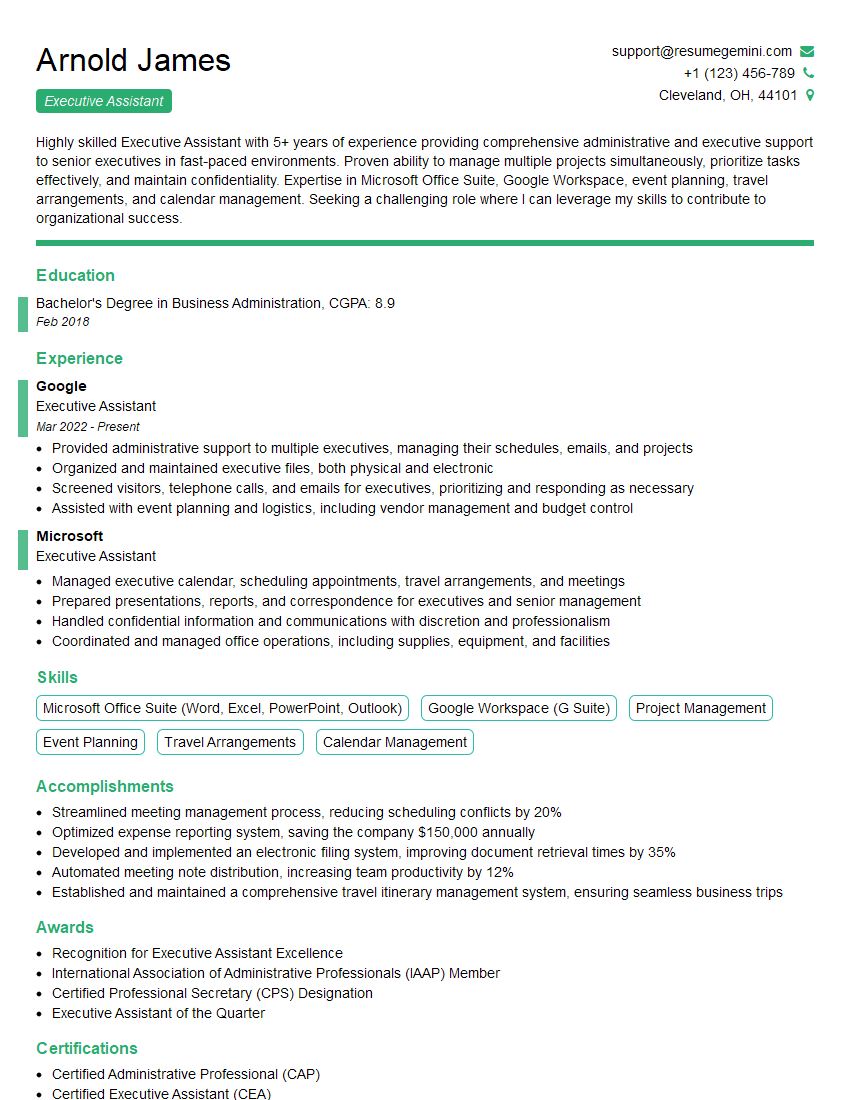
Executive Assistant Resume Sample
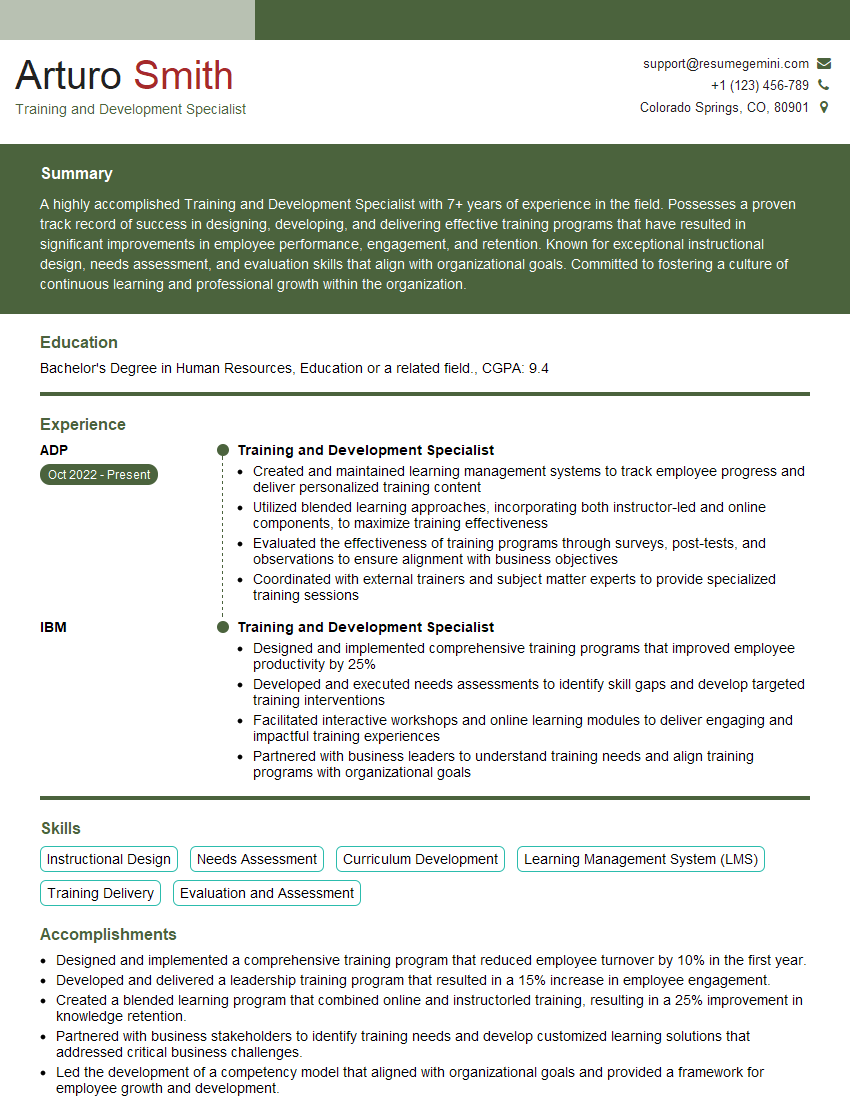
Training and Development Specialist Resume Sample
Explore more articles
Users Rating of Our Blogs
Share Your Experience
We value your feedback! Please rate our content and share your thoughts (optional).
What Readers Say About Our Blog
To the interviewgemini.com Webmaster.
Very helpful and content specific questions to help prepare me for my interview!
Thank you
To the interviewgemini.com Webmaster.
This was kind of a unique content I found around the specialized skills. Very helpful questions and good detailed answers.
Very Helpful blog, thank you Interviewgemini team.