Cracking a skill-specific interview, like one for Nuclear Industry Codes and Standards, requires understanding the nuances of the role. In this blog, we present the questions you’re most likely to encounter, along with insights into how to answer them effectively. Let’s ensure you’re ready to make a strong impression.
Questions Asked in Nuclear Industry Codes and Standards Interview
Q 1. Explain the significance of ASME Section III, Division 1 in nuclear power plant design.
ASME Section III, Division 1, is the cornerstone of nuclear power plant design, providing the rules for the construction of Class 1, 2, and 3 components. These components are critical to the safety and reliable operation of the plant. Think of it as the ultimate rulebook for building the pressure vessels, piping, and other crucial equipment that contain and manage the radioactive materials. It dictates stringent requirements for materials, fabrication, examination, testing, and quality assurance, ensuring structural integrity and preventing failures that could lead to accidents. For example, the code specifies allowable stresses for different materials at various temperatures and pressures, ensuring that components can withstand the demanding conditions within a reactor. Failure to adhere to Section III, Division 1 would be unacceptable and could lead to significant safety and regulatory issues.
The code is incredibly detailed, covering aspects like welding procedures, non-destructive examination techniques, and even the documentation required throughout the entire lifecycle of the component. Imagine the level of scrutiny involved in building something as vital as a reactor pressure vessel – every weld, every material selection, every inspection is meticulously documented and verified according to the code’s stringent requirements.
Q 2. Describe the role of the Nuclear Regulatory Commission (NRC) in regulating nuclear power plants.
The Nuclear Regulatory Commission (NRC) is the independent U.S. government agency tasked with regulating the civilian use of nuclear materials to protect public health and safety, as well as the environment. In essence, they are the safety overseers of the nuclear industry. For nuclear power plants, this involves licensing, inspection, and enforcement of regulations outlined in Title 10, Code of Federal Regulations (10 CFR), Part 50. They review design documentation, conduct inspections throughout the construction and operational phases, and ensure ongoing compliance with all applicable regulations. Their role is not merely administrative; they actively participate in the evaluation of safety analyses, review the qualifications of personnel, and even oversee the decommissioning process at the end of a plant’s lifecycle.
Think of the NRC as the stringent inspector ensuring your house is built according to code. But instead of a house, it’s a nuclear power plant, and the consequences of non-compliance are far more significant. They utilize a robust inspection and enforcement program, involving both routine and special inspections, and issue violations and fines to address non-compliance.
Q 3. What are the key differences between ASME Section VIII and ASME Section III?
ASME Section VIII and ASME Section III are both parts of the ASME Boiler and Pressure Vessel Code (BPVC), but they address different types of pressure vessels. ASME Section VIII covers pressure vessels used in non-nuclear applications, while ASME Section III focuses specifically on nuclear power plant components. The key difference lies in the level of scrutiny and detail. Section III has far more stringent requirements concerning design, fabrication, testing, inspection, and quality assurance due to the safety-critical nature of nuclear applications. For example, Section III requires comprehensive documentation, rigorous material testing, and specialized non-destructive examination (NDE) techniques, exceeding the requirements found in Section VIII. Section VIII is suitable for applications where failure might cause property damage, but Section III is designed to minimize the risk of catastrophic events with significant health and environmental consequences.
An analogy would be building a regular house versus a hospital. Section VIII is like the building codes for a house, while Section III is akin to the highly specialized and rigorous standards required for a hospital, where the consequences of failure are far greater. This difference is reflected in the level of design analysis, testing protocols, and the frequency of inspections.
Q 4. How do you ensure compliance with 10 CFR Part 50?
Ensuring compliance with 10 CFR Part 50, which governs the licensing and operation of nuclear power plants, is a multifaceted and ongoing process. It begins with the design certification process, where the NRC reviews all design documentation, safety analyses, and quality assurance plans to ensure the plant meets safety requirements. This involves submitting detailed documentation, responding to NRC requests for additional information, and completing rigorous inspections and tests. Once operational, compliance is maintained through a robust quality assurance program that encompasses all aspects of plant operation, maintenance, and modifications. This includes regular inspections, surveillance testing, and adherence to detailed procedures.
Moreover, the plant must maintain detailed records of all operations, maintenance activities, and inspections to demonstrate ongoing compliance. Any deviations from the approved design or operational procedures must be reported to the NRC. Regular training and qualification programs for personnel are also crucial to ensure competency in operating and maintaining the plant safely and according to regulations. It’s a continuous process of planning, execution, documentation, and verification to guarantee adherence to this essential part of the regulations.
Q 5. Explain the importance of quality assurance (QA) and quality control (QC) in nuclear projects.
Quality Assurance (QA) and Quality Control (QC) are intertwined yet distinct aspects essential for nuclear projects. QA focuses on the overall system – the processes, procedures, and management systems used to ensure consistent quality. It’s about proactively preventing defects through meticulous planning and oversight. Think of QA as the overall blueprint ensuring the project is built correctly. QC, on the other hand, is the reactive element focusing on verifying that the work performed conforms to the specified requirements. This involves inspections, tests, and audits to identify and correct any deviations. QC is like verifying each step of the construction aligns with the blueprint.
In nuclear projects, the consequences of even minor quality deficiencies can be severe, hence the rigorous QA/QC programs. This involves extensive documentation, rigorous inspection and testing protocols, and a highly trained and qualified workforce. The QA/QC program typically addresses all aspects of the project lifecycle, from design and procurement to construction and operation, ensuring that all processes are meticulously controlled and monitored. The emphasis on QA/QC in the nuclear industry underscores the paramount importance of safety and reliability.
Q 6. What are the main requirements of the ASME Boiler and Pressure Vessel Code (BPVC)?
The ASME Boiler and Pressure Vessel Code (BPVC) is a comprehensive set of standards for the design, fabrication, inspection, and testing of boilers and pressure vessels. Its main requirements focus on safety, reliability, and preventing catastrophic failures. Key requirements include:
- Design rules: These dictate the allowable stresses, materials selection, and calculations necessary to ensure the structural integrity of the vessel under various operating conditions.
- Material specifications: Strict requirements are in place for the selection and testing of materials to guarantee their properties meet the demands of the application.
- Fabrication requirements: Detailed instructions cover welding procedures, heat treatments, and other fabrication processes to ensure consistent and high-quality construction.
- Non-destructive examination (NDE): This involves using various techniques to detect flaws in the vessel without causing damage, ensuring early detection of potential problems.
- Testing: Pressure tests, hydrostatic tests, and other tests are conducted to verify that the vessel meets design specifications and can withstand operating conditions.
- Inspection and quality assurance: Throughout the entire process, regular inspections and audits are performed to ensure compliance with the code’s requirements.
Adherence to the BPVC is crucial for ensuring the safety and reliability of pressure vessels, and the specific division and sections apply depending on the intended use and risk level of the equipment.
Q 7. Describe your experience with conducting Non-Destructive Examination (NDE) in nuclear applications.
My experience with Non-Destructive Examination (NDE) in nuclear applications spans over [Number] years and includes various techniques such as radiography, ultrasonic testing, liquid penetrant testing, and magnetic particle testing. I’ve been involved in the inspection of various components, including piping, pressure vessels, and reactor internals. I’ve worked on both new construction projects and in-service inspections of operating plants, adhering to stringent codes and standards like ASME Section XI and industry best practices.
For example, I was part of a team that used ultrasonic testing to inspect the welds of a reactor pressure vessel during a scheduled outage. This involved meticulous planning, precise execution, and detailed documentation to ensure the integrity of the weldments. We utilized advanced ultrasonic techniques and carefully analyzed the results to detect any flaws and ensure the vessel’s continued safe operation. My experience also encompasses preparing NDE procedures, interpreting results, generating reports, and training other NDE personnel. Ensuring the accuracy and reliability of NDE results is crucial in maintaining the safety and integrity of nuclear power plants; any flaw overlooked can have significant consequences.
Q 8. Explain the process of obtaining a license for nuclear materials.
Obtaining a license for nuclear materials is a rigorous process, varying slightly depending on the country and the type of material. It generally involves a multi-stage application to the relevant regulatory body (e.g., the Nuclear Regulatory Commission in the US or the Office for Nuclear Regulation in the UK). This process emphasizes safety and security, ensuring responsible handling of these potentially hazardous substances.
Application Submission: A detailed application is submitted, including information on the intended use of the materials, proposed security measures, radiation safety protocols, and the applicant’s qualifications and experience. This often involves extensive documentation.
Regulatory Review: The regulatory body thoroughly reviews the application, scrutinizing every aspect for compliance with relevant codes and standards (e.g., ASME, IEEE, ANSI). They might conduct site inspections and background checks.
Public Comment Period: In many jurisdictions, there’s a public comment period allowing stakeholders to voice concerns or support for the application. This fosters transparency and accountability.
Licensing Decision: Based on the review and public comments, the regulatory body makes a decision – granting, denying, or requesting further information. The license specifies permitted activities, quantities of material, and safety requirements.
Ongoing Compliance: Even after receiving a license, ongoing compliance with regulations and reporting requirements is mandatory. Regular inspections and audits ensure sustained safety and security.
For instance, a research facility applying for a license to handle low-enriched uranium for research reactors would need to demonstrate strict adherence to radiation safety protocols, physical protection measures to prevent theft or sabotage, and comprehensive emergency response plans.
Q 9. How do you handle discrepancies found during a nuclear project audit?
Discrepancies found during a nuclear project audit are treated with utmost seriousness. A structured approach ensures thorough investigation and corrective action. The process typically follows these steps:
Identification and Documentation: The discrepancy is clearly identified, documented with photographic or video evidence, and its potential impact assessed. This stage is crucial for understanding the severity of the issue.
Root Cause Analysis: A thorough root cause analysis is conducted to understand why the discrepancy occurred. Techniques like Fishbone diagrams or 5 Whys can be used to identify underlying causes, preventing recurrence.
Corrective Actions: Based on the root cause analysis, corrective actions are defined, implemented, and verified. These might include repairs, procedural changes, or staff retraining.
Preventive Actions: Preventive actions are implemented to prevent similar discrepancies from happening in the future. This could involve process improvements, enhanced training, or better quality control.
Reporting and Documentation: All findings, corrective actions, and preventive actions are thoroughly documented and reported to the relevant authorities. This includes updating audit reports and notifying the project management.
For example, if an audit reveals a discrepancy in the calibration of a radiation monitoring device, the corrective action might involve recalibrating the device and retraining personnel on proper calibration procedures. The preventive action could be implementing a more robust calibration schedule and tracking system.
Q 10. What are the key safety features incorporated in nuclear reactor designs?
Nuclear reactor designs incorporate multiple layers of safety features to prevent accidents and mitigate their consequences. These features can be broadly categorized as:
Passive Safety Systems: These systems rely on natural forces like gravity and convection, requiring minimal external power. Examples include natural circulation cooling systems and gravity-driven safety injection systems.
Active Safety Systems: These systems require external power and active components, such as pumps and valves. Examples include emergency core cooling systems (ECCS) and reactor shutdown systems.
Containment Structures: Robust containment buildings are designed to prevent the release of radioactive materials to the environment in case of an accident. They are designed to withstand various internal and external pressures.
Redundancy and Diversity: Critical safety systems are designed with redundancy and diversity, meaning multiple independent systems are available to perform the same function. This reduces the likelihood of system failure.
Instrumentation and Control: Extensive instrumentation and control systems monitor reactor parameters, providing early warning of anomalies and facilitating timely responses.
For instance, the passive safety systems in some advanced reactor designs significantly enhance safety by reducing reliance on active systems during an accident. This is especially important in scenarios where external power might be lost.
Q 11. Describe your understanding of radiation protection principles and practices.
Radiation protection principles and practices aim to minimize exposure to ionizing radiation, protecting workers, the public, and the environment. The core principles are:
Time: Minimize the time spent near a radiation source. The shorter the exposure time, the lower the dose.
Distance: Increase the distance from a radiation source. Radiation intensity decreases rapidly with distance.
Shielding: Use shielding materials (like lead, concrete, or water) to absorb radiation.
Practical applications include using personal protective equipment (PPE) like dosimeters and protective clothing, implementing controlled access zones, and employing engineering controls like shielding and remote handling techniques. Regular monitoring of radiation levels and individual doses is also crucial. Failure to follow these principles can lead to radiation sickness or long-term health problems.
Imagine working near a radioactive source; you’d want to minimize your time near it, stand as far away as possible, and use protective shielding, all in accordance with established procedures and regulatory requirements.
Q 12. Explain the concept of ALARA (As Low As Reasonably Achievable).
ALARA, or As Low As Reasonably Achievable, is a fundamental principle in radiation protection. It emphasizes keeping radiation exposure as low as reasonably achievable, taking into account economic and social factors. It’s not about eliminating all radiation exposure, but rather optimizing radiation protection efforts to achieve a balance between safety and practicality.
ALARA isn’t a specific numerical limit but a guiding philosophy that encourages continuous improvement in radiation protection practices. Implementing ALARA involves:
Assessing Existing Exposures: Determining current radiation exposure levels for workers and the public.
Identifying Reduction Opportunities: Exploring ways to lower exposure, such as improving shielding, optimizing work procedures, or using remote handling technologies.
Cost-Benefit Analysis: Evaluating the costs and benefits of implementing different exposure reduction measures. The reduction should be reasonably achievable, considering the expense and feasibility.
Implementation and Monitoring: Putting the chosen measures into practice and continuously monitoring their effectiveness.
For example, a nuclear power plant might use ALARA principles to optimize the design of a new shielding wall, balancing cost effectiveness with improved radiation protection for workers.
Q 13. What are the different types of nuclear radiation and their effects?
Nuclear radiation encompasses several types, each with distinct properties and effects:
Alpha particles: Relatively large, heavy particles with a positive charge. They have low penetrating power and can be stopped by a sheet of paper or skin. However, internal exposure from alpha emitters is dangerous.
Beta particles: High-energy electrons or positrons. They have higher penetrating power than alpha particles, passing through several millimeters of aluminum. They can cause skin burns and internal damage.
Gamma rays: High-energy electromagnetic radiation. They have high penetrating power and can only be effectively stopped by thick layers of lead or concrete. They can damage cells and cause serious health problems.
Neutron radiation: Uncharged particles; highly penetrating, and can cause significant damage by interacting with atomic nuclei. Shielding neutrons requires materials like water, polyethylene, or boron.
X-rays: Electromagnetic radiation similar to gamma rays, but produced by electronic transitions in atoms rather than nuclear processes. The penetrating power depends on the energy.
The effects of radiation depend on several factors, including the type and energy of the radiation, the duration of exposure, and the portion of the body exposed. Effects can range from mild skin reddening to severe radiation sickness, genetic mutations, and cancer.
Q 14. Explain the process of nuclear waste management.
Nuclear waste management is a complex process focusing on the safe and secure handling, storage, and disposal of radioactive materials resulting from nuclear activities. The process involves several steps:
Waste Characterization: Identifying the type, radioactivity level, and chemical composition of the waste. This is critical for selecting appropriate management strategies.
Waste Treatment and Conditioning: Processing the waste to reduce volume, immobilize radioactivity, or convert it into a more stable form. This might involve vitrification (converting to glass) or cementation.
Interim Storage: Storing the treated waste temporarily until a permanent disposal solution is implemented. Storage facilities are designed to prevent leakage and maintain safety.
Disposal: The ultimate goal is safe and permanent disposal. Options include deep geological repositories for high-level waste and near-surface disposal for low-level waste. Geological repositories are designed to isolate the waste for thousands of years.
Monitoring and Surveillance: Continuous monitoring of storage and disposal sites is crucial to ensure long-term safety and prevent environmental contamination.
For example, spent nuclear fuel from reactors is considered high-level waste and requires long-term geological disposal, while low-level waste from hospitals or research laboratories can be disposed of in near-surface facilities.
Q 15. What are the challenges associated with decommissioning nuclear power plants?
Decommissioning nuclear power plants is a complex and challenging undertaking, significantly more intricate than constructing them. The challenges stem from several key factors:
- High levels of radioactivity: Spent nuclear fuel, reactor components, and even building materials become highly radioactive, necessitating specialized handling, shielding, and disposal techniques. This requires extensive safety protocols and meticulous planning.
- Long timelines: Decommissioning can span decades, requiring long-term financial planning, regulatory compliance, and workforce management across multiple generations of personnel.
- Technological challenges: The process often involves dismantling large, complex structures in a highly radioactive environment, necessitating the development and application of specialized tools and robots. Cutting, dismantling, and decontamination processes are highly technical and expensive.
- Waste management: Managing radioactive waste is paramount. This includes the secure storage, transportation, and ultimate disposal of high-level waste, which requires robust geological repositories and ongoing monitoring.
- Regulatory compliance: Decommissioning must strictly adhere to national and international regulations, involving extensive documentation, licensing, and oversight from regulatory bodies. This process is heavily scrutinized and involves intricate procedures.
- Public perception and stakeholder engagement: Ensuring public trust and transparent communication with stakeholders (local communities, environmental groups, etc.) is crucial throughout the entire decommissioning process.
For instance, the decommissioning of Chernobyl involved an immense sarcophagus to contain the reactor, a testament to the scale of challenges involved. Each site presents unique challenges based on the reactor type, operating history, and environmental context.
Career Expert Tips:
- Ace those interviews! Prepare effectively by reviewing the Top 50 Most Common Interview Questions on ResumeGemini.
- Navigate your job search with confidence! Explore a wide range of Career Tips on ResumeGemini. Learn about common challenges and recommendations to overcome them.
- Craft the perfect resume! Master the Art of Resume Writing with ResumeGemini’s guide. Showcase your unique qualifications and achievements effectively.
- Don’t miss out on holiday savings! Build your dream resume with ResumeGemini’s ATS optimized templates.
Q 16. Describe your experience with implementing and maintaining a nuclear safety management system.
In my previous role at [Company Name], I was instrumental in implementing and maintaining a comprehensive nuclear safety management system (SMS) based on IAEA Safety Standards Series No. GS-G-1.1. This involved:
- Developing and implementing safety procedures and protocols: We created detailed procedures for all critical operations, encompassing radiation protection, emergency response, and maintenance activities. These were tailored to our specific plant configuration and operations.
- Conducting regular safety audits and inspections: I oversaw internal and external audits to assess our SMS effectiveness and identify areas for improvement. This included regular safety assessments based on probabilistic risk assessments (PRA) to proactively address potential threats.
- Training and competency assurance: I developed and delivered comprehensive training programs to ensure all personnel were proficient in their safety roles and responsibilities, including emergency preparedness and response drills.
- Performance monitoring and reporting: We established a robust system for tracking key safety indicators, identifying trends, and generating regular reports for management and regulatory authorities. Key performance indicators (KPIs) were regularly monitored to track success of implemented safety systems.
- Continuous improvement: We adopted a proactive approach to safety, continuously seeking opportunities to improve our SMS based on lessons learned, new technologies, and evolving regulatory expectations. For example, we implemented a system of near-miss reporting and hazard identification using bow-tie analysis.
The success of our SMS was reflected in our consistently strong safety performance record, including zero lost-time accidents and prompt resolution of any safety concerns.
Q 17. Explain the importance of maintaining accurate records and documentation in nuclear projects.
Maintaining accurate records and documentation in nuclear projects is paramount for several critical reasons:
- Regulatory compliance: Nuclear regulations demand meticulous record-keeping. This includes operational data, maintenance logs, safety audits, and personnel training records. Incomplete or inaccurate documentation can lead to non-compliance and significant penalties.
- Safety assurance: Accurate records are essential for tracking the performance of equipment, identifying potential safety issues, and ensuring that maintenance is performed according to schedule. This forms the basis for the defense-in-depth strategy for reactor safety.
- Decommissioning planning: Detailed records are crucial for planning and executing decommissioning activities. This information is critical for safely dismantling and disposing of radioactive materials and components.
- Liability and insurance: Accurate records can protect operators from liability in the event of an accident. They provide essential evidence in legal proceedings and insurance claims.
- Historical data and knowledge transfer: Comprehensive records serve as a valuable repository of operational data and lessons learned, aiding in the safe operation of existing plants and the design of future facilities.
Imagine a scenario where maintenance records for a critical component are missing. This could lead to equipment failure, potentially resulting in a serious accident. Similarly, incomplete decommissioning documentation can significantly complicate and prolong the process.
Q 18. How do you handle emergency situations related to radiation exposure?
Handling emergency situations involving radiation exposure requires a swift and coordinated response. The primary focus is on protecting personnel and mitigating further spread of contamination. This involves:
- Immediate evacuation and isolation: The contaminated area must be promptly evacuated, with personnel moved to safety. The area is then isolated to prevent further exposure.
- Radiation monitoring and assessment: Radiation levels are assessed using various instruments to determine the extent of contamination and guide decontamination efforts.
- Decontamination procedures: Individuals potentially exposed to radiation undergo immediate decontamination procedures, which can range from simple washing to more complex techniques depending on the extent of exposure.
- Medical treatment: Those affected may require medical attention, ranging from monitoring to specialized treatment depending on the severity of the exposure. This requires highly trained medical personnel and facilities.
- Emergency response team coordination: A well-rehearsed emergency response team is essential, involving fire departments, medical personnel, and regulatory bodies. This includes internal plant emergency response as well as broader community emergency response efforts.
- Reporting and investigation: A comprehensive investigation is conducted to determine the root cause of the incident, prevent similar occurrences, and enhance emergency preparedness.
In all instances, the overarching principle is to minimize exposure, prioritize safety, and follow established emergency procedures diligently. Effective training and regular drills are vital for competent response to any such incidents.
Q 19. What are the key provisions of the International Atomic Energy Agency (IAEA) safety standards?
The IAEA safety standards provide a comprehensive framework for nuclear safety, security, and safeguards worldwide. Key provisions include:
- Fundamental safety principles: These principles underpin all aspects of nuclear activities, emphasizing protection of workers, the public, and the environment. This includes the concept of ‘as low as reasonably achievable’ (ALARA) radiation exposure.
- Safety requirements for nuclear facilities: Detailed safety requirements are specified for various types of nuclear facilities, covering design, construction, operation, and decommissioning. These encompass all aspects from radiation protection to waste disposal.
- Emergency preparedness and response: The standards outline requirements for planning and responding to nuclear emergencies, including the development of emergency plans, training of personnel, and international cooperation. This includes the International Nuclear Event Scale (INES) for consistent incident reporting.
- Radiation protection: The standards establish dose limits for radiation exposure and detail requirements for radiation protection measures, including monitoring, control, and decontamination procedures. This is crucial for worker and public safety.
- Nuclear security: The IAEA standards address nuclear security, aiming to prevent unauthorized access to nuclear material and facilities, protecting against theft, sabotage, and terrorist attacks. This also includes physical protection measures and cybersecurity considerations.
- Nuclear safeguards: The standards support the verification of nuclear material accounting and control, preventing the diversion of nuclear materials for unauthorized purposes. This is a key aspect for preventing nuclear proliferation.
These standards are widely adopted by member states and provide a common basis for ensuring nuclear safety globally. Compliance with these standards is essential for demonstrating responsible management of nuclear activities.
Q 20. Explain the concept of defense-in-depth in nuclear safety.
Defense-in-depth is a fundamental safety principle in nuclear safety. It involves multiple layers of protection to prevent accidents and mitigate their consequences, even if one layer fails. Think of it like a castle with multiple walls and defenses – even if one is breached, others remain to protect the core.
- Prevention: This involves design features and operating procedures to prevent accidents from occurring in the first place. Examples include robust reactor designs, redundant safety systems, and stringent quality control measures.
- Mitigation: If an accident occurs despite preventative measures, mitigation strategies reduce the consequences. These include safety systems such as emergency core cooling systems (ECCS), containment structures, and emergency shutdown systems.
- Containment: Containment systems limit the release of radioactive materials to the environment should an accident occur. This includes physical barriers like containment buildings and engineered safety features.
- Emergency Response: This involves well-defined emergency plans, trained personnel, and resources to manage accidents effectively. This includes plans for worker protection, public evacuation, and environmental remediation.
Each layer acts as a backup to the previous one. The principle ensures that even if one safety mechanism fails, others are in place to prevent a serious accident. This is crucial in the nuclear industry given the potential severity of consequences.
Q 21. What are the different types of nuclear reactors and their design considerations?
Nuclear reactors can be broadly classified into several types, each with unique design considerations:
- Pressurized Water Reactor (PWR): The most common type globally, using water as both coolant and moderator. Design considerations include high-pressure containment, sophisticated control systems, and robust safety systems to prevent overheating. The high pressure necessitates robust materials selection and fatigue analysis.
- Boiling Water Reactor (BWR): Similar to PWRs, but steam is generated directly in the reactor core. Design considerations focus on managing steam separation and ensuring stable operation at high power levels. This requires detailed understanding of two-phase flow dynamics.
- CANDU Reactor (Canada Deuterium Uranium): Uses heavy water as both coolant and moderator, allowing for natural uranium fuel. Design considerations include managing the unique properties of heavy water and the ability to refuel the reactor online. This design is specific to the use of natural uranium.
- Gas-Cooled Reactor (GCR): Uses gas as a coolant, offering high thermal efficiency. Design considerations include managing high gas temperatures and pressures, requiring advanced materials and robust containment. This design is less prevalent due to design complexity.
- Fast Breeder Reactor (FBR): Uses fast neutrons to breed more fissile fuel. Design considerations focus on managing high neutron fluxes, specialized fuels, and sophisticated control systems. This design is more complex and less frequently utilized.
The choice of reactor type depends on factors like power output requirements, fuel availability, safety considerations, and economic viability. Each design must meet stringent safety and regulatory requirements to ensure safe and reliable operation.
Q 22. Describe your familiarity with different nuclear fuel types and their characteristics.
Nuclear fuel types vary significantly in their composition and performance characteristics. Understanding these differences is crucial for reactor design, operation, and safety. The most common type is Uranium dioxide (UO2), typically enriched to increase the proportion of the fissile isotope U-235. This enrichment process is critical because natural uranium contains only about 0.7% U-235, insufficient for sustained chain reactions in most reactor designs.
Low-Enriched Uranium (LEU) fuels, with enrichment levels typically below 5%, are widely used in Light Water Reactors (LWRs), the most prevalent reactor type globally. High-Enriched Uranium (HEU), with higher U-235 concentrations, was historically used in research reactors but is now being phased out due to proliferation concerns.
- MOX fuel (Mixed Oxide fuel): This fuel combines plutonium oxide (PuO2) with uranium dioxide (UO2). It’s used to recycle plutonium from spent nuclear fuel, reducing the long-term waste management challenges.
- Thorium-based fuels: Thorium (Th-232) is a fertile material, meaning it can be converted into fissile uranium-233 through neutron capture. Thorium fuels offer potential advantages in terms of proliferation resistance and reduced waste, but their widespread adoption is still under development.
Each fuel type has distinct characteristics regarding burnup (the amount of energy produced before needing replacement), neutronic properties affecting reactor criticality and power output, and physical properties influencing fuel rod design and performance. For instance, MOX fuel has a higher thermal conductivity than UO2, impacting fuel rod temperature profiles.
Q 23. How do you assess and mitigate risks associated with nuclear power plant operations?
Risk assessment and mitigation in nuclear power plant operations are paramount. It’s a multi-layered process involving proactive measures and robust response mechanisms. We utilize a combination of techniques, including:
- Probabilistic Risk Assessment (PRA): PRA uses quantitative methods to estimate the likelihood and consequences of potential accidents. This involves identifying initiating events, analyzing accident sequences, and estimating the probability and severity of each consequence. This data then informs safety enhancements.
- Hazard Analysis: This process systematically identifies potential hazards, evaluates their likelihood and severity, and determines necessary controls. Methods like Failure Modes and Effects Analysis (FMEA) and Fault Tree Analysis (FTA) are commonly employed.
- Defense in Depth: This strategy incorporates multiple layers of safety systems to prevent accidents and mitigate their consequences. This approach ensures that even if one safety system fails, others are in place to prevent a catastrophic event. Examples include redundant safety systems, diverse safety functions, and physical barriers.
- Operational Experience Feedback: Lessons learned from past incidents, both globally and within the specific plant, are critically analyzed to identify weaknesses and improve safety procedures. This includes root cause analysis to understand the underlying reasons for events and develop preventive measures.
Mitigation strategies are implemented based on the risk assessment findings. These include design improvements, procedural modifications, operator training enhancements, and the implementation of advanced safety technologies. For example, the installation of advanced instrumentation and control systems, improved emergency planning, and regular maintenance programs contribute to risk reduction.
Q 24. Explain the importance of human factors in nuclear safety.
Human factors are central to nuclear safety. They encompass the cognitive, physical, and organizational aspects that can influence human performance and contribute to accidents. Recognizing that people are integral components of the system, and not just external factors, is crucial.
Neglecting human factors can lead to errors in design, operation, and maintenance. Poorly designed interfaces, inadequate training, fatigue, stress, and communication breakdowns can all contribute to accidents. Therefore, a comprehensive human factors engineering approach must be integrated throughout the entire nuclear lifecycle.
- Human Reliability Analysis (HRA): HRA techniques assess the probability of human error in specific tasks. This allows us to identify critical tasks where human errors are more likely and develop strategies to mitigate the risk. This might involve procedural improvements, improved training, and changes in the work environment.
- Human-Machine Interface (HMI) Design: User-friendly and intuitive HMIs are crucial for reducing human error. Clear displays, logical controls, and effective alarm management systems can minimize operator workload and enhance decision-making.
- Training and Qualification: Rigorous training and qualification programs are essential to ensure that operators possess the necessary skills and knowledge to operate the plant safely. This includes regular refresher training, simulator-based training, and realistic emergency drills.
- Organizational Factors: The organization’s culture, communication practices, and safety management systems all play critical roles. A strong safety culture, where safety is a top priority, is essential to prevent accidents.
In short, neglecting human factors in nuclear safety is akin to neglecting a vital component of the system. It leads to increased risks, reduced operational efficiency, and potentially catastrophic consequences. Prioritizing human factors is vital to maintain a strong safety culture.
Q 25. Describe your experience with using specific nuclear codes and standards (e.g., IEEE, ANSI).
My experience with nuclear codes and standards is extensive, encompassing various aspects of design, construction, operation, and maintenance. I’ve worked extensively with standards from organizations such as IEEE, ANSI, ASME, and NRC (Nuclear Regulatory Commission).
For example, I have used IEEE Std 7-4.1-2013 (IEEE Standard for the Design and Installation of Electric Power Substations) in the design and testing of safety-related electrical systems in nuclear power plants. This standard ensures that electrical systems are robust and reliable under both normal operating conditions and during accidents.
Another example is my involvement in applying ASME Section III, Division 1 (Rules for Construction of Nuclear Power Plant Components) in the design, fabrication, and inspection of nuclear pressure vessels and piping. This code provides stringent requirements to ensure the structural integrity of these critical components.
I am familiar with the regulatory requirements defined by the NRC, including those related to design certification, licensing, and operational safety. My knowledge of these standards extends beyond simple application; I understand the underlying rationale for their requirements, helping in problem-solving and making sound engineering judgments. This allows me to contribute effectively to safety reviews, audits, and regulatory compliance efforts.
Q 26. What are the different types of nuclear licenses and permits?
Nuclear licensing and permitting is a complex process, varying by jurisdiction but generally following a similar pattern. The specific licenses and permits depend on the facility’s purpose and activities. Generally, categories include:
- Construction Permits: These authorize the construction of nuclear facilities, after extensive review of the design and safety analysis reports. They ensure compliance with regulatory requirements before any construction commences.
- Operating Licenses: These permits allow the operation of a nuclear facility upon completion of construction and successful demonstration of compliance with all safety requirements. They are subject to ongoing regulatory oversight and inspections.
- Material Licenses: These licenses are required to possess, use, and handle nuclear materials, including fuel, waste, and other radioactive substances. The type of license depends on the quantity and nature of the material.
- Export/Import Licenses: These permits are necessary for the international transfer of nuclear materials and technologies, subject to national and international non-proliferation agreements.
- Decommissioning Licenses: These licenses govern the process of safely shutting down and dismantling a nuclear facility at the end of its operational life. They often include provisions for waste management and site restoration.
The process of obtaining these licenses is rigorous, involving detailed applications, safety analyses, environmental impact assessments, public hearings, and inspections. Each license is tailored to the specific facility and its operations, ensuring compliance with regulatory requirements to safeguard public health and the environment.
Q 27. How do you ensure the integrity of nuclear pressure vessels?
Ensuring the integrity of nuclear pressure vessels is critical for nuclear plant safety. These vessels contain the reactor core under high pressure and temperature. Failure could lead to a severe accident. Maintaining integrity relies on a multi-faceted approach:
- Design and Manufacturing: Nuclear pressure vessels are designed and manufactured to stringent standards, such as ASME Section III, Division 1, which specifies material properties, fabrication techniques, and rigorous quality control measures. Advanced non-destructive examination (NDE) techniques are crucial during manufacturing to detect any flaws.
- Regular Inspection and Testing: Periodic inspections are conducted throughout the vessel’s lifetime, using advanced NDE methods such as ultrasonic testing and acoustic emission monitoring, to detect any degradation or flaws. This allows for timely repairs or replacement before they become critical.
- Material Surveillance Program: Samples of the pressure vessel steel are periodically tested to monitor material properties over time, accounting for radiation damage and aging. This ensures that the material retains its structural integrity and continues to meet safety requirements.
- Preventative Maintenance: Regular maintenance programs address potential issues proactively. This may include addressing corrosion, controlling environmental conditions within the vessel, and implementing optimized operating procedures.
- Fracture Mechanics Analysis: Advanced analyses predict crack growth under operating conditions, assessing the remaining life of the pressure vessel and enabling timely replacement or repair decisions based on risk.
These measures, together with rigorous regulatory oversight, ensure the long-term structural integrity of nuclear pressure vessels, minimizing the risk of failure and safeguarding public safety.
Q 28. Explain the process of conducting a risk assessment for a nuclear facility.
Conducting a risk assessment for a nuclear facility is a systematic process involving several key steps:
- Hazard Identification: This initial step involves identifying all potential hazards that could lead to accidents. This includes initiating events like equipment failures, human errors, external events (earthquakes, floods), and internal events (fires, pipe breaks). Brainstorming sessions, HAZOP (Hazard and Operability) studies, and fault tree analysis are typically used.
- Event Frequency and Consequence Analysis: Once hazards are identified, their likelihood (frequency) and potential consequences are analyzed. This often involves probabilistic risk assessment (PRA) techniques, which quantitatively estimate the probability of accident sequences and their severity. The consequences could include radiation releases, equipment damage, and potential environmental impacts.
- Risk Characterization: The risk is characterized by combining frequency and consequence data. This may involve the use of risk matrices or quantitative risk curves to visualize and compare the relative risks of different hazards.
- Risk Evaluation and Ranking: The risks are then evaluated and ranked to prioritize mitigation efforts. This involves considering factors such as the severity of the consequences, the likelihood of the event, and societal implications.
- Risk Reduction Strategies: Based on the risk assessment, cost-effective strategies to reduce the risk are developed and implemented. This may include improving equipment reliability, enhancing safety systems, implementing procedural changes, and improving operator training.
- Verification and Validation: The effectiveness of risk reduction measures is verified and validated through testing, simulations, and ongoing monitoring.
Throughout the process, it’s crucial to maintain transparency and effectively communicate the findings to stakeholders, including regulators, the public, and plant personnel. The process is iterative, with continuous monitoring and improvement based on operational experience feedback.
Key Topics to Learn for Nuclear Industry Codes and Standards Interview
- Regulatory Framework: Understanding the overarching regulatory landscape governing nuclear operations, including key agencies and their roles (e.g., NRC in the US).
- Code Interpretation and Application: Applying relevant codes and standards (e.g., ASME Section III, ASME B31.1) to practical engineering problems. This includes demonstrating proficiency in interpreting code requirements and applying them to design, fabrication, and inspection processes.
- Quality Assurance and Quality Control: Deep understanding of QA/QC principles within the nuclear industry, including documentation, audits, and non-conformance management. This is crucial for ensuring safety and regulatory compliance.
- Material Selection and Properties: Knowledge of material properties and their behavior under nuclear conditions, including radiation effects and degradation mechanisms. This often involves using specific codes and standards to guide material selection.
- Nuclear Safety Analysis: Understanding the principles and methodologies involved in performing safety analyses, such as Probabilistic Risk Assessment (PRA) or deterministic safety analyses. Familiarity with relevant codes and standards related to safety analysis is essential.
- Inspection and Testing: Proficiency in non-destructive examination (NDE) techniques and their applications in ensuring the integrity of nuclear components. This includes understanding the relevant codes and standards governing inspection methods and acceptance criteria.
- Design Codes and Standards: A thorough understanding of relevant design codes and standards specific to nuclear power plant components, including pressure vessels, piping systems, and other critical equipment.
- Problem-Solving & Critical Thinking: Demonstrate your ability to analyze complex problems, apply your knowledge of codes and standards to develop solutions, and justify your approach. Practice working through hypothetical scenarios and explaining your reasoning process.
Next Steps
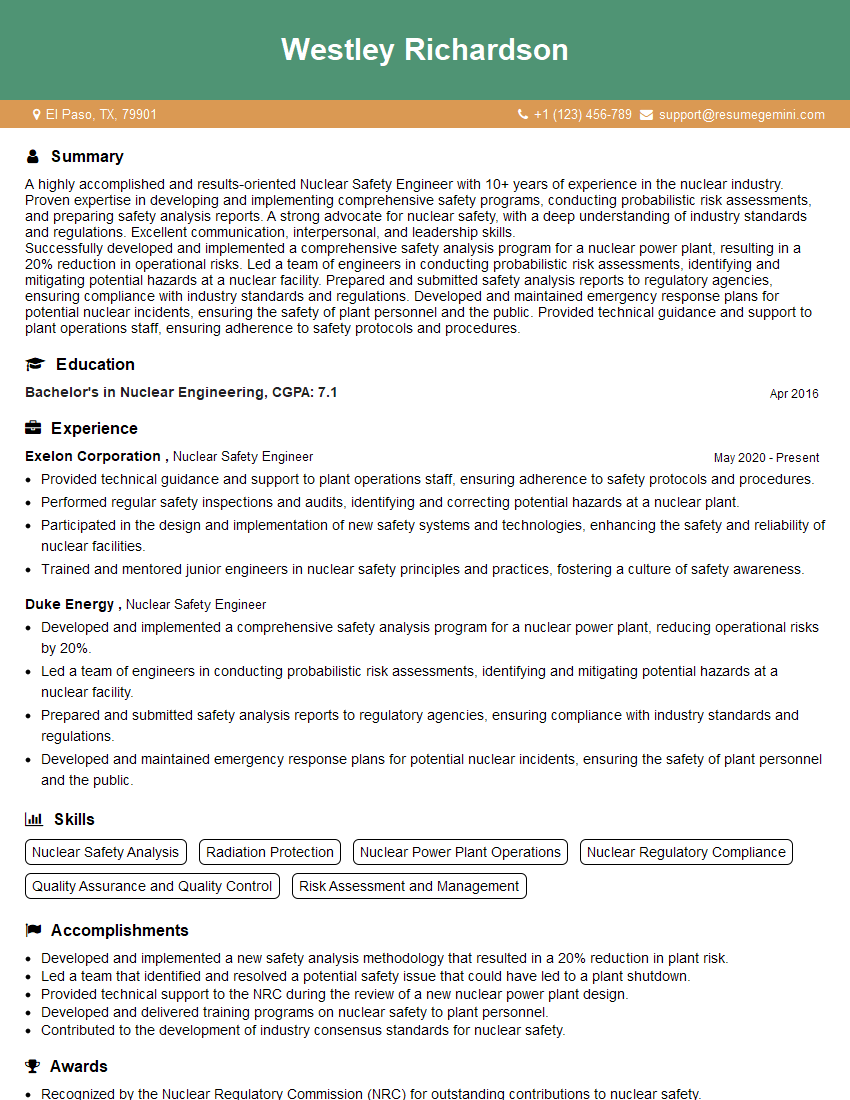
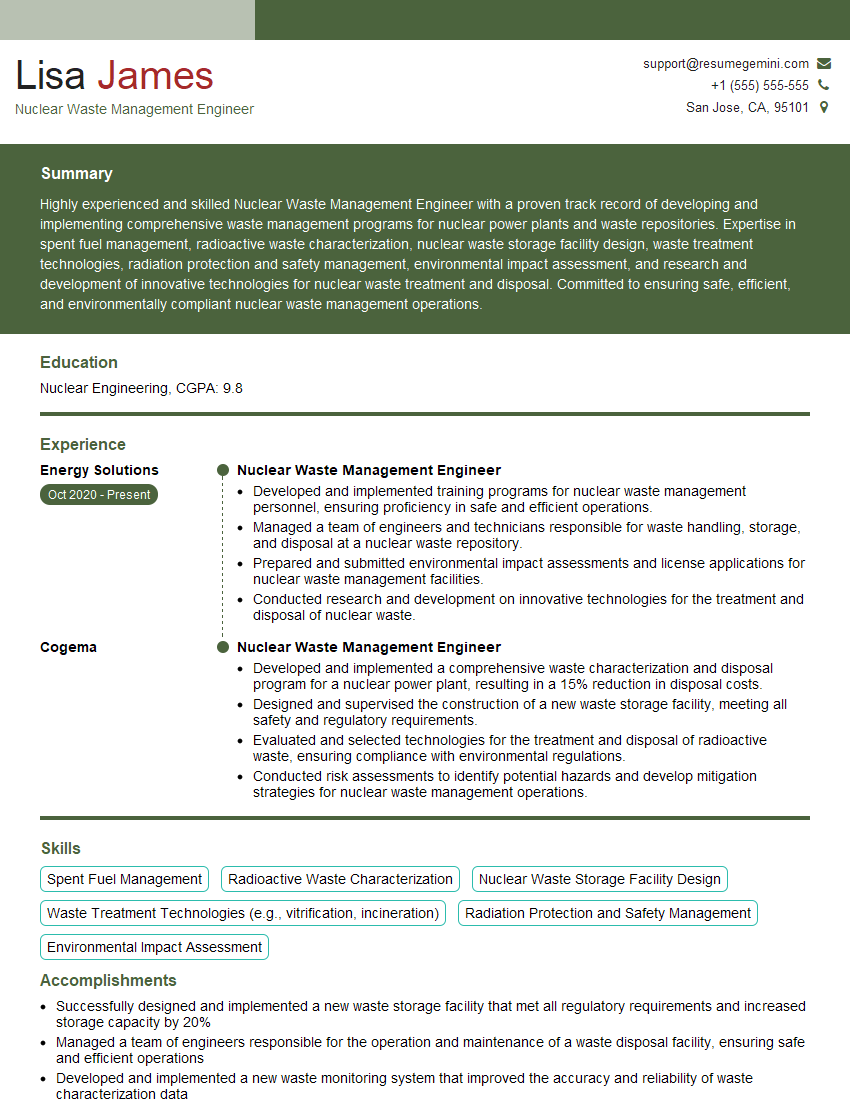
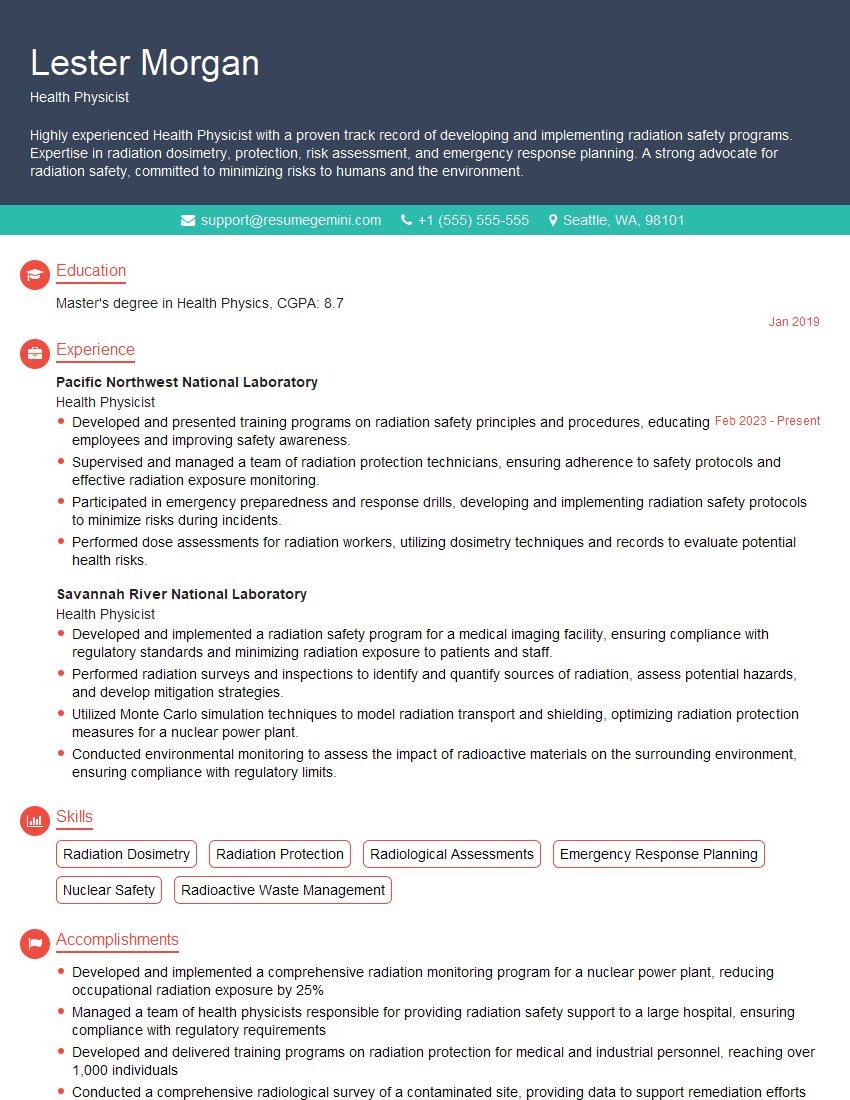
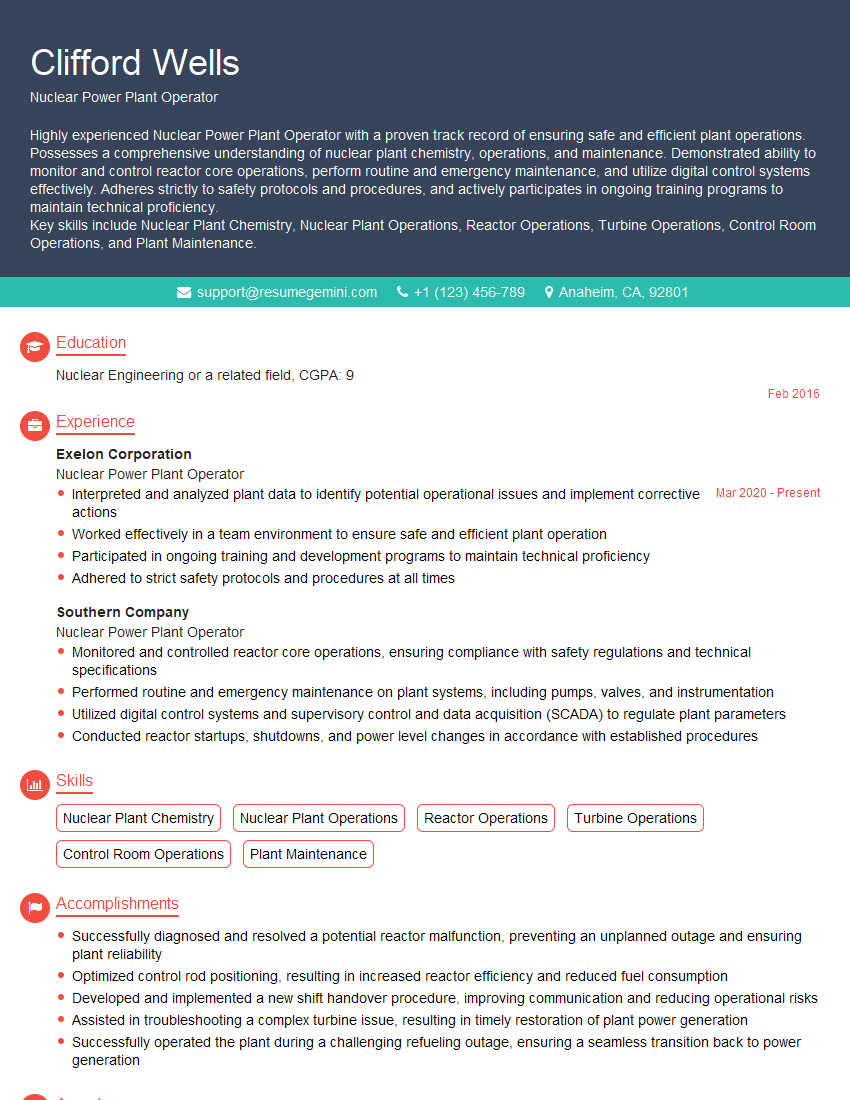
Mastering Nuclear Industry Codes and Standards is paramount for career advancement in this critical field. A strong understanding of these regulations demonstrates your commitment to safety and compliance, opening doors to higher-level positions and greater responsibilities. To enhance your job prospects, create an ATS-friendly resume that effectively showcases your skills and experience. ResumeGemini is a trusted resource that can help you build a professional and impactful resume. Examples of resumes tailored to Nuclear Industry Codes and Standards are available to help guide your creation. Invest the time to build a compelling resume – it’s your first impression on potential employers.
Explore more articles
Users Rating of Our Blogs
Share Your Experience
We value your feedback! Please rate our content and share your thoughts (optional).
What Readers Say About Our Blog
To the interviewgemini.com Webmaster.
Very helpful and content specific questions to help prepare me for my interview!
Thank you
To the interviewgemini.com Webmaster.
This was kind of a unique content I found around the specialized skills. Very helpful questions and good detailed answers.
Very Helpful blog, thank you Interviewgemini team.