The thought of an interview can be nerve-wracking, but the right preparation can make all the difference. Explore this comprehensive guide to Nuclear Power Plant Operations (if applicable) interview questions and gain the confidence you need to showcase your abilities and secure the role.
Questions Asked in Nuclear Power Plant Operations (if applicable) Interview
Q 1. Describe the process of reactor startup.
Reactor startup is a meticulously controlled process that brings a nuclear reactor from a shutdown state to a stable, operational condition. It’s a multi-stage procedure, prioritizing safety at every step. Think of it like carefully starting a powerful engine – you wouldn’t just turn the key and floor it.
- Pre-startup checks: Extensive checks verify all systems are functioning correctly, including safety systems, instrumentation, and coolant pumps. This is crucial because these systems are safety lifelines.
- Initial fuel loading (if applicable): Fresh fuel assemblies are loaded into the reactor core. This process is performed with extreme precision and under strict radiation protection protocols. It is critical to load in the correct arrangement for optimal efficiency and core stability.
- Control rod insertion: Control rods, which absorb neutrons and regulate the nuclear chain reaction, are fully inserted into the core. They act like the brakes of a car, preventing the reaction from happening until it’s safe.
- Coolant circulation: The primary coolant system begins circulating, removing heat generated during the reaction. This is vital for managing reactor temperature.
- Criticality approach: Control rods are slowly withdrawn in a carefully controlled manner. This increases the neutron population and initiates the chain reaction. Operators constantly monitor neutron flux (the rate of neutron activity) to precisely control the reactor power.
- Power ascension: The reactor power is gradually increased to the desired operational level, with continuous monitoring of various parameters to ensure stability and safety. This gradual increase prevents thermal stresses and safeguards against rapid power excursions.
- Steady-state operation: Once the desired power level is reached, the reactor is maintained at that level through continuous monitoring and adjustment of control rods and coolant flow. This is akin to maintaining a car at a constant speed.
Throughout the entire process, rigorous safety protocols and multiple layers of redundancy are in place to prevent accidents. Any deviation from expected parameters triggers immediate corrective actions or automatic shutdown mechanisms.
Q 2. Explain the function of the Emergency Core Cooling System (ECCS).
The Emergency Core Cooling System (ECCS) is a crucial safety system designed to prevent overheating and core damage in the event of a loss-of-coolant accident (LOCA). Imagine it as the fire suppression system for a nuclear reactor. A LOCA is a serious event, where coolant is lost from the reactor core.
The ECCS rapidly injects coolant into the reactor core to keep the fuel rods cool, preventing meltdown. It comprises several components, including:
- High-pressure injection system: This system uses pumps to inject coolant into the reactor core at high pressure during the initial phase of an accident.
- Low-pressure injection system: If the high-pressure system fails, or the accident is more severe, this system takes over.
- Accumulators: These are high-pressure tanks filled with coolant that are automatically injected into the reactor vessel immediately upon detection of a LOCA.
- Core spray system: This system sprays coolant onto the fuel assemblies to maintain cooling.
The ECCS is designed with multiple redundancies and independent pathways to ensure that even in case of a component failure, core cooling is maintained. It’s an essential part of a nuclear power plant’s multi-layered safety systems to protect against the worst-case scenarios.
Q 3. What are the different types of nuclear reactors?
Several types of nuclear reactors exist, each with its own design and operating characteristics. The most common types are:
- Pressurized Water Reactors (PWRs): These reactors use water under high pressure to prevent boiling and transfer heat to a secondary loop where steam is generated to drive turbines.
- Boiling Water Reactors (BWRs): In BWRs, the water in the reactor core boils, producing steam directly to drive turbines.
- CANDU reactors (CANada Deuterium Uranium): These use heavy water (D2O) as both moderator and coolant and are known for their natural uranium fuel capability and on-power refueling.
- Gas-cooled reactors (GCRs): These reactors use a gas, such as carbon dioxide, as a coolant.
- Fast breeder reactors (FBRs): These reactors operate at higher neutron energies, potentially allowing them to produce more fissile material than they consume.
The choice of reactor type depends on various factors, including economics, safety considerations, and the availability of resources.
Q 4. How does a Pressurized Water Reactor (PWR) work?
A Pressurized Water Reactor (PWR) works by using water under high pressure to prevent it from boiling in the reactor core. The high pressure keeps the water liquid even at high temperatures. The heat generated by the nuclear fission reaction in the fuel rods is transferred to the primary coolant loop (water under high pressure).
This heated water then flows through a steam generator, where it transfers its heat to a secondary loop containing water. The secondary loop water boils, producing steam that drives turbines connected to generators to produce electricity.
After passing through the steam generator, the primary coolant water returns to the reactor core, continuing the cycle. The steam in the secondary loop is condensed after passing through the turbine and is recycled back to the steam generator. This closed-loop system maintains a constant flow of coolant through the reactor core and enhances safety by preventing the release of radioactive water.
Q 5. What are the safety features of a Boiling Water Reactor (BWR)?
Boiling Water Reactors (BWRs) have several inherent safety features:
- Negative Void Coefficient: As the water in the reactor core boils (forming steam voids), the reactor power tends to decrease. This negative feedback mechanism inherently limits power surges.
- Natural Circulation: In the event of pump failure, natural circulation can assist in maintaining core cooling, relying on density differences to drive coolant flow.
- Pressure Suppression System: This system is designed to contain radioactive material in the event of a LOCA (Loss-of-Coolant Accident). It consists of a pool of water (suppression pool) which condenses the released steam and prevents excessive pressure buildup.
- Redundant Safety Systems: Like all nuclear reactors, BWRs feature multiple redundant safety systems, including emergency core cooling systems, and multiple independent monitoring and control systems.
These safety features work together to minimize the risk of accidents and to ensure the reactor can be safely shut down in an emergency. The inherent negative void coefficient is particularly important as it provides a natural means of power control.
Q 6. Explain the concept of criticality in a nuclear reactor.
Criticality in a nuclear reactor refers to the state where a sustained nuclear chain reaction is achieved. It’s the point where the rate of neutron production equals or exceeds the rate of neutron loss. Think of it as a self-sustaining fire – once it’s critical, it will continue to burn unless actively stopped.
A chain reaction occurs when a uranium or plutonium nucleus undergoes fission, releasing neutrons. These neutrons then strike other nuclei, causing further fission events, releasing more neutrons, and so on. To achieve criticality, a sufficient number of neutrons must be available to cause a self-sustaining reaction.
The control rods play a vital role in regulating criticality. By absorbing neutrons, they control the rate of fission, allowing operators to precisely adjust the reactor’s power level. If too many neutrons are absorbed (subcritical state), the reaction dies out. If not enough neutrons are absorbed (supercritical state), the reaction accelerates exponentially, which is precisely what the control rods prevent.
Q 7. Describe the process of refueling a nuclear reactor.
Refueling a nuclear reactor is a complex and carefully planned operation, typically performed every 12-24 months, depending on the reactor design and fuel burnup. The process involves removing spent fuel assemblies (which have been used for generating power) from the reactor core and replacing them with fresh fuel assemblies.
The process includes:
- Reactor shutdown: The reactor is carefully shut down, and the decay heat removal systems are activated to ensure the reactor core cools down to a safe temperature.
- Spent fuel removal: Spent fuel assemblies are removed from the core using a specially designed refueling machine. This process is highly precise to ensure the removal of the correct assemblies without damaging the core.
- Fresh fuel insertion: Fresh fuel assemblies are then loaded into the reactor core, following a carefully planned arrangement optimized for power generation and core stability.
- Inspection and maintenance: During refueling, various inspections and maintenance tasks are performed, including checking for any fuel assembly damage or structural issues within the reactor vessel.
- Criticality check: Once the refueling is complete, the control rods are adjusted to bring the reactor to criticality, and the power ascension process begins.
Refueling requires specialized equipment and highly trained personnel due to the highly radioactive nature of spent fuel and the need for precise handling of fuel assemblies. Stringent safety protocols are implemented throughout the entire process to minimize the risk of accidents or radiation exposure.
Q 8. What are the different types of radiation and their effects?
Nuclear radiation comes in several forms, each with unique characteristics and effects. The three main types are alpha, beta, and gamma radiation. There’s also neutron radiation, significant in reactor environments.
- Alpha radiation consists of two protons and two neutrons (a helium nucleus). It’s relatively heavy and easily stopped by a sheet of paper or even the outer layer of skin. However, if ingested or inhaled, alpha emitters are highly damaging to internal organs.
- Beta radiation is a stream of high-energy electrons or positrons. It’s more penetrating than alpha, requiring a thin sheet of aluminum or plastic for shielding. Beta radiation can burn the skin and cause internal damage if exposure is significant.
- Gamma radiation is high-energy electromagnetic radiation, similar to X-rays but with shorter wavelengths and higher energy. It’s highly penetrating, requiring thick lead or concrete shielding. Gamma radiation can damage cells and DNA, leading to long-term health effects including cancer.
- Neutron radiation is emitted during nuclear fission. Neutrons are uncharged particles, making them very penetrating. They can cause significant damage to biological tissue and induce radioactivity in materials they interact with. Shielding against neutron radiation typically involves materials like water, concrete, or boron.
The effects of radiation exposure depend on the type and amount of radiation, the duration of exposure, and the part of the body exposed. High doses can lead to acute radiation sickness, including nausea, vomiting, and potentially death. Lower doses can increase the risk of long-term health problems like cancer.
Q 9. Explain the principle of radiation shielding.
Radiation shielding protects personnel and equipment from harmful ionizing radiation. The principle is to interpose a material between the radiation source and the object being shielded. The effectiveness of the shielding depends on the type of radiation, the material’s density and thickness, and the energy of the radiation.
Different materials are used for different types of radiation. For example:
- Alpha radiation: Easily shielded by a few centimeters of air, paper, or clothing.
- Beta radiation: Requires thicker shielding, such as aluminum or plastic.
- Gamma radiation: Needs very dense materials like lead, concrete, or depleted uranium.
- Neutron radiation: Often shielded with materials containing hydrogen, such as water or polyethylene, or with materials that absorb neutrons, such as boron or cadmium.
The thickness of the shielding is calculated based on the radiation intensity and the required level of protection. Shielding design is a complex process that considers factors such as the radiation source’s geometry, its activity, and the distance between the source and the shielded object. For instance, a spent fuel pool will have significantly more shielding than a low-level waste storage area.
Q 10. What are the regulations governing nuclear power plant operations?
Nuclear power plant operations are governed by a stringent set of regulations designed to ensure safety and prevent environmental damage. These regulations vary by country but share common themes.
Regulations typically cover:
- Reactor design and construction: Stringent standards dictate materials, safety systems, and quality control to minimize the risk of accidents.
- Operational procedures: Detailed protocols govern every aspect of plant operation, including startup, shutdown, refueling, and maintenance. These procedures are rigorously tested and reviewed.
- Radiation protection: Limits on radiation exposure for workers and the public are strictly enforced through monitoring and control programs.
- Emergency planning: Comprehensive plans must be in place to handle various emergency scenarios, including accidents, natural disasters, and terrorist attacks. Regular drills and exercises ensure preparedness.
- Waste management: Strict regulations govern the handling, storage, and disposal of radioactive waste, emphasizing long-term safety and environmental protection.
- Security: Robust security measures are implemented to prevent unauthorized access and sabotage.
Regulatory bodies, such as the Nuclear Regulatory Commission (NRC) in the United States, play a critical role in overseeing plant operations, conducting inspections, and enforcing regulations. Non-compliance can lead to significant penalties and even plant shutdown.
Q 11. Describe your experience with radiation monitoring and control.
My experience with radiation monitoring and control spans over [Number] years in various roles within the nuclear industry. I’ve been directly involved in implementing and maintaining comprehensive radiation protection programs. This includes:
- Routine monitoring: Using various instruments such as Geiger counters, ionization chambers, and thermoluminescent dosimeters (TLDs) to measure radiation levels in different areas of the plant.
- Personal dosimetry: Ensuring all personnel working in radiation areas wear dosimeters to track their individual radiation exposure, meticulously analyzing the data and taking corrective actions if exposure limits are approached.
- Environmental monitoring: Regularly monitoring the environment surrounding the plant to detect any releases of radioactivity.
- Contamination control: Implementing procedures to prevent and control radioactive contamination, including the use of protective clothing, equipment, and decontamination facilities. This involved developing and executing specific procedures for handling radioactive materials and waste.
- Radiation safety training: Delivering training to personnel on radiation safety practices, procedures, and emergency response.
I am proficient in interpreting radiation monitoring data, identifying potential hazards, and implementing corrective actions to ensure compliance with regulatory limits and maintain a safe working environment. A specific example includes successfully mitigating a minor contamination incident by quickly identifying the source, implementing containment procedures, and decontaminating the affected area, preventing any personnel exposure.
Q 12. How do you handle a nuclear emergency situation?
Handling a nuclear emergency requires a well-coordinated and immediate response following a pre-determined emergency plan. The first step involves activating the emergency response organization and notifying the relevant authorities. My role would focus on:
- Assessment: Quickly assessing the situation to determine the nature and extent of the emergency, the potential consequences, and the necessary actions.
- Mitigation: Implementing emergency procedures designed to mitigate the consequences of the accident, such as shutting down the reactor, deploying emergency safety systems, and controlling radioactive releases.
- Evacuation and sheltering: Coordinating the evacuation of personnel and the public from the affected area if necessary, ensuring the public is sheltered adequately based on prevailing wind and radiation levels.
- Communication: Maintaining clear and effective communication with all stakeholders, including personnel, the public, and regulatory authorities.
- Recovery: Collaborating in the post-accident recovery phase, including decontamination, damage assessment, and restoration of normal operations.
Effective communication and clear, concise reporting to regulatory bodies is crucial. Regular drills and simulations are paramount in ensuring preparedness and efficient response. Each individual within the plant will have a clearly defined role and responsibility within the emergency plan.
Q 13. Explain the importance of maintaining reactor pressure and temperature.
Maintaining reactor pressure and temperature within specified limits is critical for the safe and efficient operation of a nuclear power plant. These parameters directly influence the nuclear chain reaction and the integrity of the reactor vessel and other components.
Pressure: Maintaining proper pressure within the reactor primary coolant system prevents boiling and ensures effective heat transfer. Excessive pressure can cause structural damage to the reactor vessel, leading to potential breaches and radioactive releases. Conversely, low pressure could lead to insufficient cooling, potentially resulting in fuel damage and a loss of reactor control.
Temperature: Reactor temperature must be carefully controlled to maintain the desired rate of the nuclear chain reaction. High temperatures can damage fuel rods and lead to the release of fission products. Low temperatures can cause the chain reaction to slow or stop, requiring adjustments to maintain power output. Temperature control also influences the efficiency of the steam generation process for electricity production.
Various safety systems and control mechanisms are in place to monitor and regulate both pressure and temperature. These include pressure relief valves, emergency cooling systems, and sophisticated control systems using sensors and actuators. Deviations from normal operating parameters trigger automatic safety actions to prevent damage and ensure plant safety.
Q 14. What are the different types of nuclear waste and their disposal methods?
Nuclear waste comes in various forms, categorized by its level of radioactivity and the duration it remains hazardous. Management and disposal methods differ greatly depending on the type of waste.
- High-level waste (HLW): This is the most dangerous type, containing highly radioactive materials with long half-lives (thousands of years). It primarily originates from spent nuclear fuel. Current disposal strategies focus on deep geological repositories, burying the waste deep underground in geologically stable formations.
- Low-level waste (LLW): This is less radioactive and includes contaminated tools, clothing, and resins. Disposal methods include shallow land burial, incineration, or compaction.
- Intermediate-level waste (ILW): This is moderately radioactive and includes components from the reactor and other plant equipment. Treatment methods involve conditioning (e.g., cementation) followed by storage and eventual disposal.
- Transuranic waste (TRU): This contains alpha-emitting transuranic elements with long half-lives. Management usually involves treatment to reduce volume, followed by disposal in geological repositories designed for high-level waste.
The disposal of nuclear waste is a complex challenge requiring long-term solutions. Extensive research is ongoing into innovative approaches, including advanced fuel cycles and partitioning and transmutation to reduce the volume and toxicity of HLW. The focus remains on ensuring the long-term safety and protection of the environment.
Q 15. What is your understanding of the nuclear fuel cycle?
The nuclear fuel cycle encompasses all the stages involved in utilizing nuclear fuel, from mining uranium ore to the final disposal of spent fuel. Think of it like a closed-loop system, although perfect closure is a long-term goal.
- Uranium Mining and Milling: Uranium ore is extracted from the earth and processed to concentrate uranium oxide (U3O8), also known as yellowcake.
- Conversion and Enrichment: Yellowcake is converted into uranium hexafluoride (UF6), which is then enriched to increase the proportion of uranium-235 (235U), the fissile isotope necessary for nuclear reactions. Natural uranium is only about 0.7% 235U; reactors typically require 3-5%.
- Fuel Fabrication: Enriched uranium is fabricated into fuel assemblies, which are bundles of fuel rods containing uranium dioxide (UO2) pellets. This is a crucial step ensuring the fuel can withstand the high temperatures and pressures inside the reactor.
- Reactor Operation: The fuel assemblies are loaded into a nuclear reactor where nuclear fission generates heat. This heat is used to produce steam, which drives turbines to generate electricity.
- Spent Fuel Management: After a period of operation, the fuel assemblies become spent and are removed from the reactor. They contain highly radioactive fission products and transuranic elements. Spent fuel is currently stored in on-site pools or dry storage casks, pending development of long-term geological repositories.
- Reprocessing (Optional): Some countries reprocess spent fuel to recover uranium and plutonium, which can be reused in new fuel assemblies. This process is complex and raises proliferation concerns.
- Waste Disposal: The final stage involves the disposal of high-level radioactive waste (HLW), which requires long-term geological isolation to protect the environment.
Understanding the entire fuel cycle is critical for managing nuclear waste, ensuring nuclear security, and optimizing the efficiency and sustainability of nuclear power.
Career Expert Tips:
- Ace those interviews! Prepare effectively by reviewing the Top 50 Most Common Interview Questions on ResumeGemini.
- Navigate your job search with confidence! Explore a wide range of Career Tips on ResumeGemini. Learn about common challenges and recommendations to overcome them.
- Craft the perfect resume! Master the Art of Resume Writing with ResumeGemini’s guide. Showcase your unique qualifications and achievements effectively.
- Don’t miss out on holiday savings! Build your dream resume with ResumeGemini’s ATS optimized templates.
Q 16. Describe your experience with plant maintenance and troubleshooting.
My experience in plant maintenance and troubleshooting encompasses preventative maintenance schedules, predictive maintenance using data analytics, and reactive maintenance during equipment failures. I’ve led teams in both routine and complex maintenance tasks, including steam generator inspections, pump overhauls, and reactor coolant system maintenance.
A significant challenge involved a turbine trip caused by a faulty pressure sensor. The initial diagnosis was hampered by conflicting data from different instrumentation systems. By systematically analyzing sensor readings, comparing them against historical data, and consulting manufacturer specifications, we pinpointed the faulty sensor and prevented a potential cascade of failures. The solution involved meticulous data analysis, cross-referencing various diagnostic tools, and precise replacement of the defective component.
My approach emphasizes root cause analysis to prevent recurrence. For instance, after a minor coolant leak, we implemented a more rigorous inspection schedule of critical welds and improved our training programs on leak detection to enhance early detection of issues.
Q 17. Explain the role of the control rods in reactor operation.
Control rods are crucial for regulating the nuclear chain reaction within a reactor. Think of them as the reactor’s ‘brake pedal.’ They absorb neutrons, thus reducing the rate of fission.
Made of neutron-absorbing materials like boron carbide or cadmium, they are inserted into the reactor core. Raising the control rods into the core increases neutron absorption, slowing down the reaction and reducing power output. Lowering them increases the reaction rate and power output. Precise control rod manipulation is essential for maintaining a stable, safe, and efficient reactor operation. Automatic control systems constantly monitor reactor parameters and adjust control rod position to compensate for changes in reactivity. Incorrect manipulation can lead to reactor instability or even a shutdown, highlighting the importance of meticulous operation and maintenance.
Q 18. How does the containment building protect the environment?
The containment building is a robust structure designed to prevent the release of radioactive materials into the environment in case of an accident. Imagine it as a sealed, reinforced shell surrounding the reactor core.
Its design incorporates multiple layers of protection. These include thick concrete walls, steel liners, and various pressure-relief systems. In the event of a reactor accident, the containment building would confine radioactive material, preventing its spread to the surrounding environment. The integrity of this building is regularly tested and monitored to maintain its effectiveness. Different reactor designs employ varied containment strategies, but the core principle of preventing radioactive release remains the same. The design considerations include pressure and temperature resistance, leak tightness, and structural integrity against various potential threats.
Q 19. What is your experience with reactor instrumentation and control systems?
My experience with reactor instrumentation and control systems is extensive. I’m proficient in using various sensors and instrumentation to monitor key parameters like reactor power, temperature, pressure, neutron flux, and coolant flow. This data is crucial for safe and efficient reactor operation.
I’ve worked with a range of control systems, from older analog systems to modern digital systems with advanced safety features and sophisticated monitoring capabilities. Troubleshooting issues in these systems requires a deep understanding of the underlying physics, instrumentation principles, and control algorithms. One instance involved a malfunctioning neutron detector that initially resulted in inconsistent power readings. Using diagnostic tools and system logs, we identified a faulty signal processing unit, effectively restoring accurate monitoring. Regular calibration, preventative maintenance, and thorough understanding of these intricate systems are vital for safe and reliable reactor operation.
Q 20. Explain the principle of nuclear fission.
Nuclear fission is the process of splitting a heavy atomic nucleus into two lighter nuclei, releasing a tremendous amount of energy in the process. Think of it as breaking a large, unstable object into smaller, more stable pieces.
This process typically involves bombarding a fissile nucleus, such as uranium-235 (235U), with a neutron. The neutron’s impact causes the nucleus to become unstable and split into two smaller nuclei, called fission fragments. These fragments are highly radioactive. Additionally, this splitting process releases more neutrons, which can then trigger further fission events, creating a self-sustaining chain reaction. The energy released during fission appears as kinetic energy of the fission fragments and emitted neutrons, as well as gamma radiation. This energy is then converted into heat in a nuclear reactor, driving the electricity generation process.
Q 21. What are the different types of nuclear power plant accidents?
Nuclear power plant accidents can be categorized based on their severity and cause. While numerous incidents have occurred, some major categories include:
- Fuel Handling Accidents: These involve malfunctions during the handling, storage, or transportation of nuclear fuel. These could range from minor leaks to more significant incidents with potential radiation release. Proper safety protocols and regular inspections are crucial here.
- Loss-of-Coolant Accidents (LOCAs): These involve a significant loss of coolant from the reactor core, potentially leading to overheating and core damage. Safety systems, like emergency core cooling systems (ECCS), are designed to mitigate this.
- Reactivity Transients: These are events that cause a sudden increase in the rate of the nuclear chain reaction, leading to a power surge. Control rod systems are designed to prevent or mitigate these. Chernobyl and Fukushima accidents are stark examples of the catastrophic consequences possible if these safety mechanisms fail.
- Steam Generator Tube Leaks/Failures: This involves leaks in the steam generators, reducing efficiency and potentially compromising the reactor’s ability to cool itself.
- External Events: These include earthquakes, tsunamis, floods, fires, and acts of sabotage, highlighting the importance of robust design and emergency preparedness.
Each type of accident has its own unique characteristics, and thorough understanding is crucial for effective safety management and prevention.
Q 22. Describe your understanding of the ALARA principle.
ALARA, which stands for As Low As Reasonably Achievable, is a fundamental principle in radiation protection. It dictates that all exposures to ionizing radiation should be kept as far below regulatory limits as is reasonably achievable, taking into account economic and social factors. It’s not about eliminating all radiation exposure, which is impossible in a nuclear power plant environment, but about optimizing radiation protection practices to minimize unnecessary exposure.
For example, in a nuclear power plant, ALARA might be applied by using robotics for tasks in high-radiation areas, implementing shielding to reduce radiation levels, optimizing work schedules to minimize time spent in high-radiation zones, or using advanced monitoring equipment to provide real-time feedback on radiation levels. The principle balances the need for safety with the practicalities of plant operation and maintenance.
Q 23. How do you ensure the safety and security of a nuclear power plant?
Ensuring the safety and security of a nuclear power plant is a multifaceted process requiring rigorous adherence to multiple layers of defense. This involves robust physical security measures such as perimeter fencing, access control systems, surveillance cameras, and armed guards to prevent unauthorized access or sabotage.
- Multiple safety systems: Nuclear power plants incorporate redundant and diverse safety systems, like emergency core cooling systems (ECCS) and containment structures, designed to prevent and mitigate accidents. These systems undergo rigorous testing and maintenance.
- Regulatory compliance: Strict adherence to national and international regulations and standards, such as those set by the Nuclear Regulatory Commission (NRC) in the US, is paramount. Regular inspections and audits ensure compliance.
- Personnel training: Highly skilled and well-trained personnel are crucial. Extensive training programs cover safety procedures, emergency response protocols, and radiation protection measures. Regular drills and simulations ensure preparedness.
- Cybersecurity: Protecting the plant’s control systems and data from cyberattacks is vital. Robust cybersecurity measures include firewalls, intrusion detection systems, and regular security assessments.
- Emergency planning: Comprehensive emergency plans outline procedures for handling various scenarios, from equipment malfunctions to natural disasters. Regular emergency drills and exercises ensure preparedness.
Think of it like a layered defense system; each layer provides a level of protection, and even if one fails, others remain to ensure overall safety.
Q 24. What are the key performance indicators (KPIs) for a nuclear power plant?
Key Performance Indicators (KPIs) for a nuclear power plant are designed to track operational efficiency, safety, and financial performance. Some critical KPIs include:
- Capacity Factor: The percentage of time the plant operates at its maximum power output. A higher capacity factor indicates greater efficiency.
- Plant Availability: The percentage of time the plant is available to generate power, considering planned and unplanned outages.
- Radiation Exposure Levels: Tracking collective radiation dose received by personnel. Lower levels indicate effective radiation protection measures.
- Fuel Efficiency: The amount of energy produced per unit of fuel consumed. Higher efficiency reduces operating costs.
- Safety System Performance: Reliability and effectiveness of safety systems, measured through testing and inspection data.
- Environmental Compliance: Adherence to environmental regulations regarding emissions and waste disposal.
- Operational Costs: Monitoring operating expenses to identify areas for optimization.
These KPIs are regularly monitored and analyzed to identify trends, potential problems, and areas for improvement, ensuring safe, efficient, and cost-effective operation.
Q 25. Explain the importance of regular inspections and maintenance.
Regular inspections and maintenance are absolutely critical for the safe and reliable operation of a nuclear power plant. These activities prevent equipment failures, detect potential problems early, and ensure the continued effectiveness of safety systems. Neglecting this could lead to costly repairs, extended outages, and potentially even safety hazards.
Inspections involve visual checks, non-destructive testing (NDT) techniques like ultrasonic and radiographic testing to assess the condition of components, and performance testing to verify that systems are functioning correctly. Maintenance activities include preventative maintenance to prevent issues and corrective maintenance to fix existing problems. A well-defined maintenance schedule based on manufacturers’ recommendations and operational experience guides this process. The goal is to catch small problems before they escalate into major incidents, keeping the plant running safely and efficiently.
Imagine a car – regular oil changes, tire rotations, and inspections prevent major breakdowns. Similarly, in a nuclear power plant, proactive maintenance prevents potentially catastrophic failures.
Q 26. How do you manage stress and pressure in a high-stakes environment?
Working in a nuclear power plant demands resilience and coping strategies for managing stress and pressure. The high-stakes nature of the work requires a disciplined approach. My strategies include:
- Effective time management: Prioritizing tasks and managing my workload efficiently reduces stress.
- Strong communication: Open communication with colleagues and supervisors helps to resolve issues promptly and prevents escalation of problems.
- Teamwork: Collaboration and support from colleagues creates a supportive environment.
- Self-care: Maintaining a healthy work-life balance through regular exercise, sufficient sleep, and relaxation techniques is essential for reducing stress and burnout.
- Professional development: Continuous learning and skill development enhances confidence and competence, reducing anxiety in challenging situations.
Recognizing the importance of mental well-being and having access to appropriate support services is paramount in this high-pressure setting.
Q 27. Describe your experience with teamwork and communication in a nuclear power plant setting.
Teamwork and communication are paramount in a nuclear power plant setting. Effective teamwork relies on clear communication, mutual respect, and a shared commitment to safety. My experience includes participating in multidisciplinary teams, collaborating with engineers, technicians, and operators to solve complex problems and execute critical tasks.
Examples include participating in emergency drills, collaborating on maintenance projects, and contributing to safety reviews. Clear, concise, and timely communication is essential in these situations. We utilize various communication tools, including shift handovers, standardized operating procedures, and daily briefings, to ensure everyone is aware of the plant’s status and potential risks. Clear communication is critical to preventing errors and ensuring safety.
I’ve always found that strong teamwork is fueled by mutual trust and respect. A strong team dynamic is crucial for effective response to unexpected events.
Q 28. How do you stay updated on the latest advancements in nuclear technology?
Staying updated on advancements in nuclear technology is a continuous process. I leverage several methods to maintain my knowledge:
- Professional organizations: Active participation in professional organizations like the American Nuclear Society (ANS) provides access to conferences, publications, and networking opportunities.
- Industry publications and journals: Regularly reading industry-specific journals and publications keeps me abreast of the latest research and developments.
- Conferences and workshops: Attending conferences and workshops allows me to learn from experts and engage with industry peers.
- Online resources and training: Utilizing online courses and training programs offered by reputable organizations and universities helps update technical skills and knowledge.
- Collaboration and knowledge sharing: Discussing advancements and challenges with colleagues and experts in the field provides valuable insights.
Continuous learning in this field is not just desirable, it’s essential for maintaining operational safety and efficiency.
Key Topics to Learn for Nuclear Power Plant Operations Interview
- Reactor Physics and Thermal Hydraulics: Understanding reactor core behavior, heat transfer mechanisms, and the principles of nuclear fission. Practical application includes analyzing reactor parameters to ensure safe and efficient operation.
- Radiation Protection and Safety: Knowledge of radiation sources, shielding techniques, ALARA principles, and emergency procedures. Practical application includes ensuring worker safety and environmental protection.
- Instrumentation and Control Systems: Familiarity with reactor control systems, instrumentation sensors, data acquisition, and alarm systems. Practical application involves troubleshooting malfunctions and maintaining optimal plant performance.
- Plant Systems and Components: Comprehensive understanding of the various systems within a nuclear power plant (e.g., cooling systems, steam generators, turbines). Practical application includes diagnosing system failures and ensuring plant reliability.
- Emergency Preparedness and Response: Knowledge of emergency procedures, accident scenarios, and regulatory requirements. Practical application includes participation in drills and contributing to a safe and secure operation.
- Nuclear Regulatory Commission (NRC) Regulations and Procedures: Understanding relevant regulations and compliance procedures is crucial for safe and legal operation. Practical application involves implementing and adhering to these regulations.
- Problem-solving and Critical Thinking: Ability to analyze complex situations, identify root causes, and develop effective solutions under pressure. This is crucial across all aspects of nuclear power plant operations.
Next Steps
Mastering Nuclear Power Plant Operations opens doors to a rewarding and impactful career, offering opportunities for advancement and specialized roles within the industry. To maximize your job prospects, creating a compelling and ATS-friendly resume is critical. ResumeGemini can help you build a professional resume that showcases your skills and experience effectively. We offer examples of resumes tailored to Nuclear Power Plant Operations to guide you, ensuring your application stands out. Use ResumeGemini to transform your application materials and confidently pursue your career aspirations.
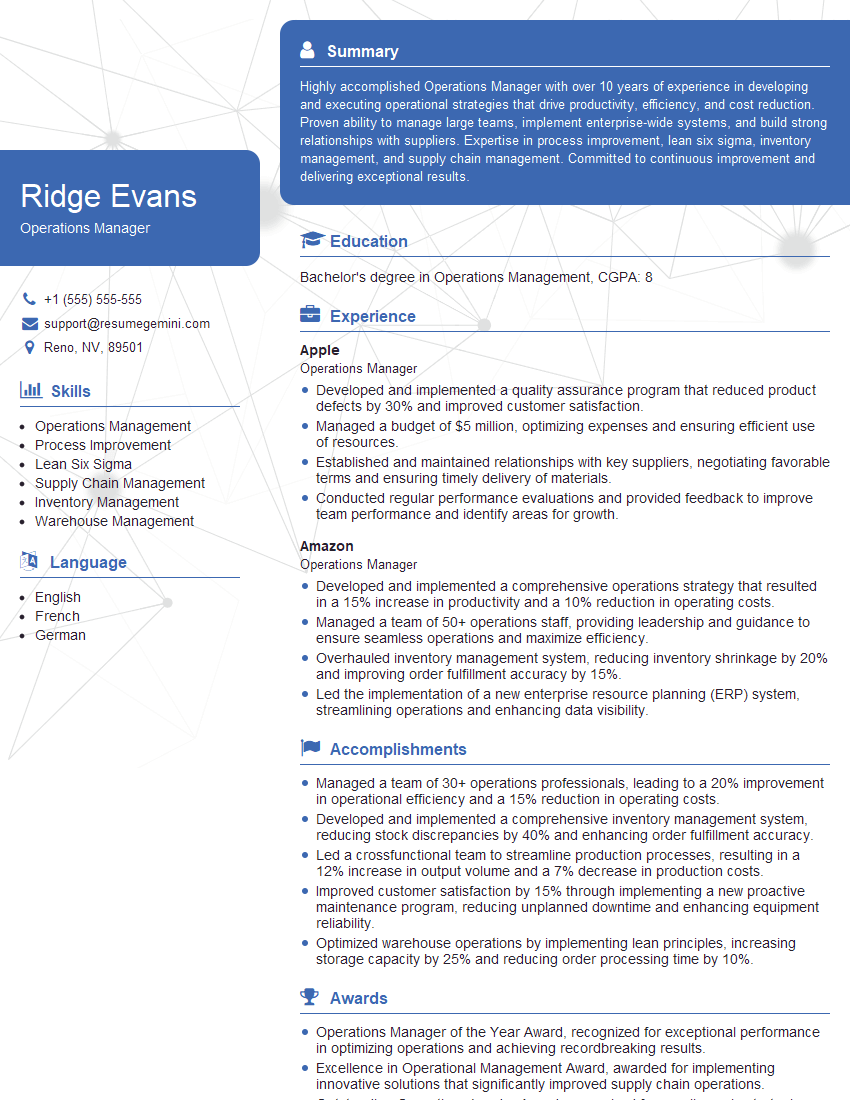
Operations Manager Resume Sample
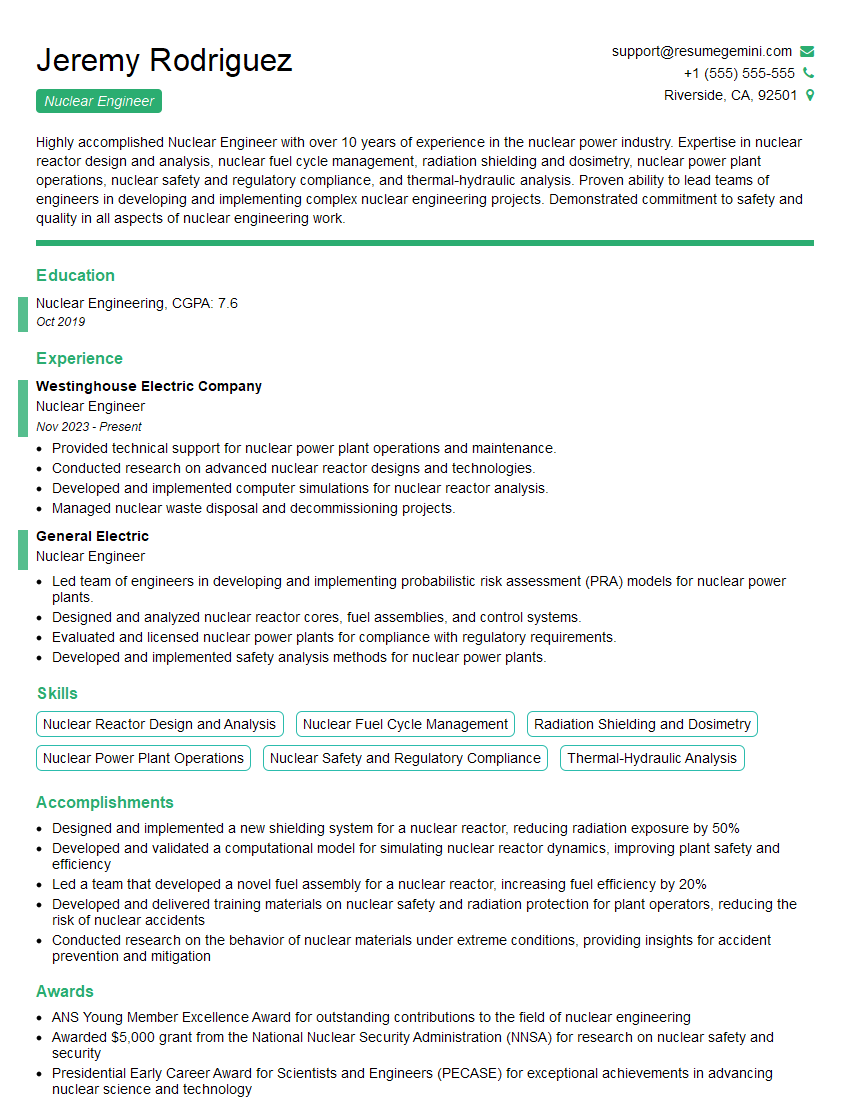
Nuclear Engineer Resume Sample
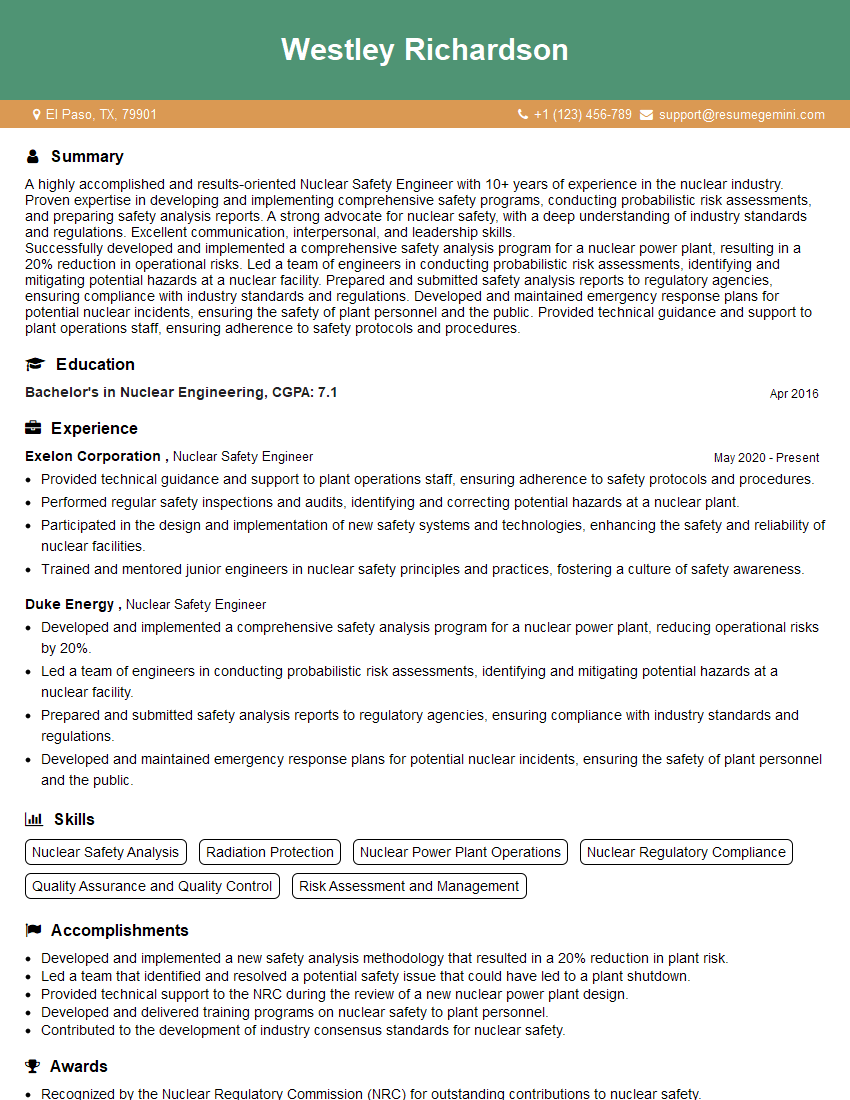
Nuclear Safety Engineer Resume Sample
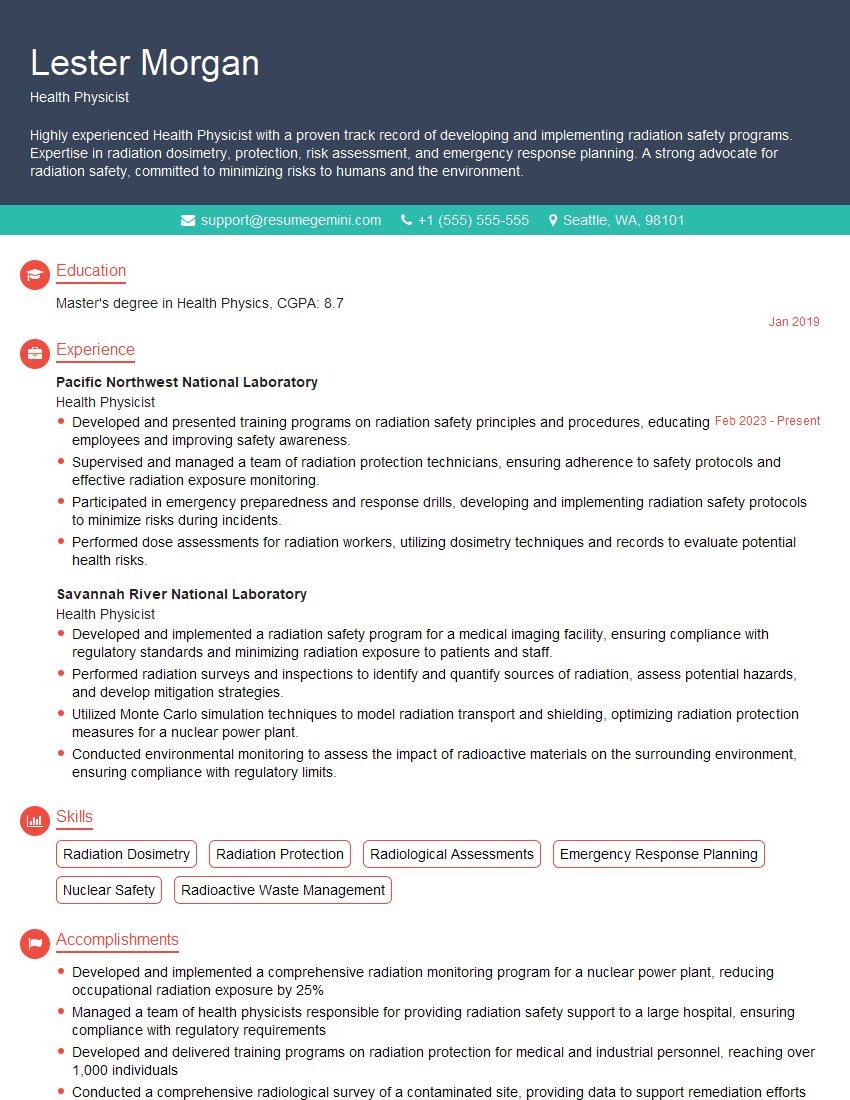
Health Physicist Resume Sample
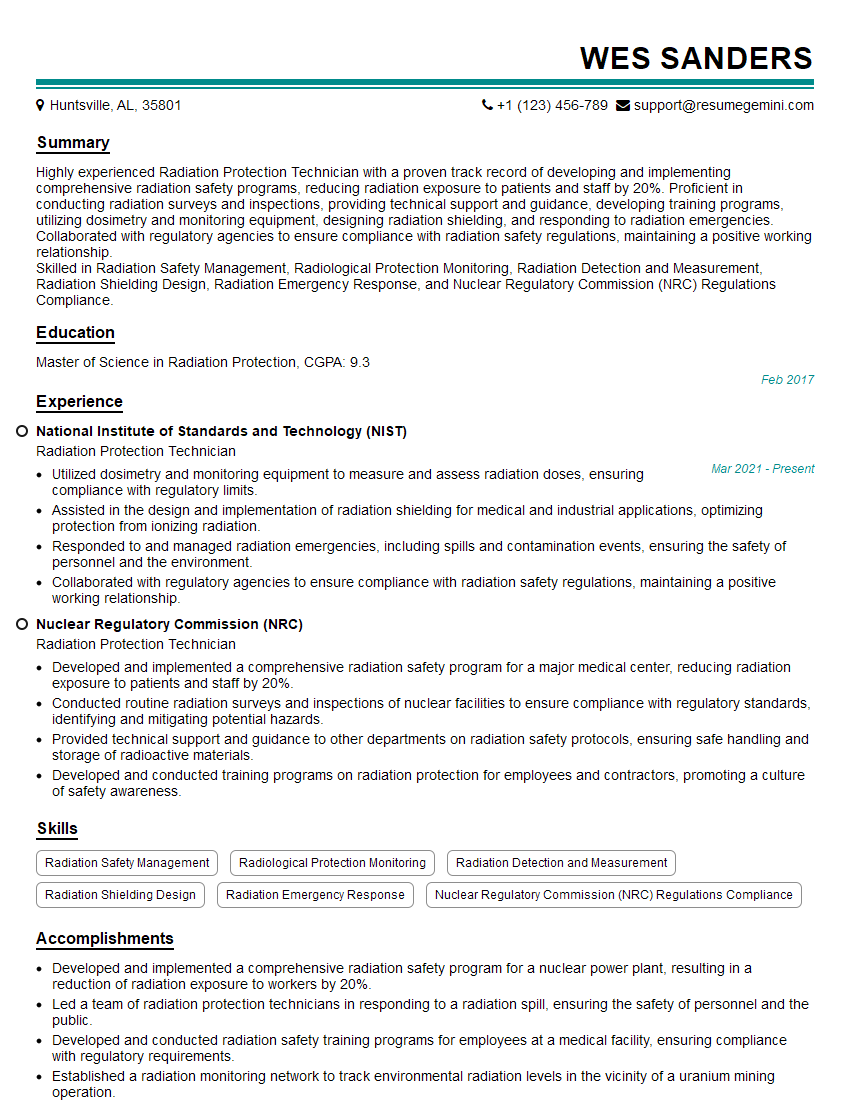
Radiation Protection Technician Resume Sample
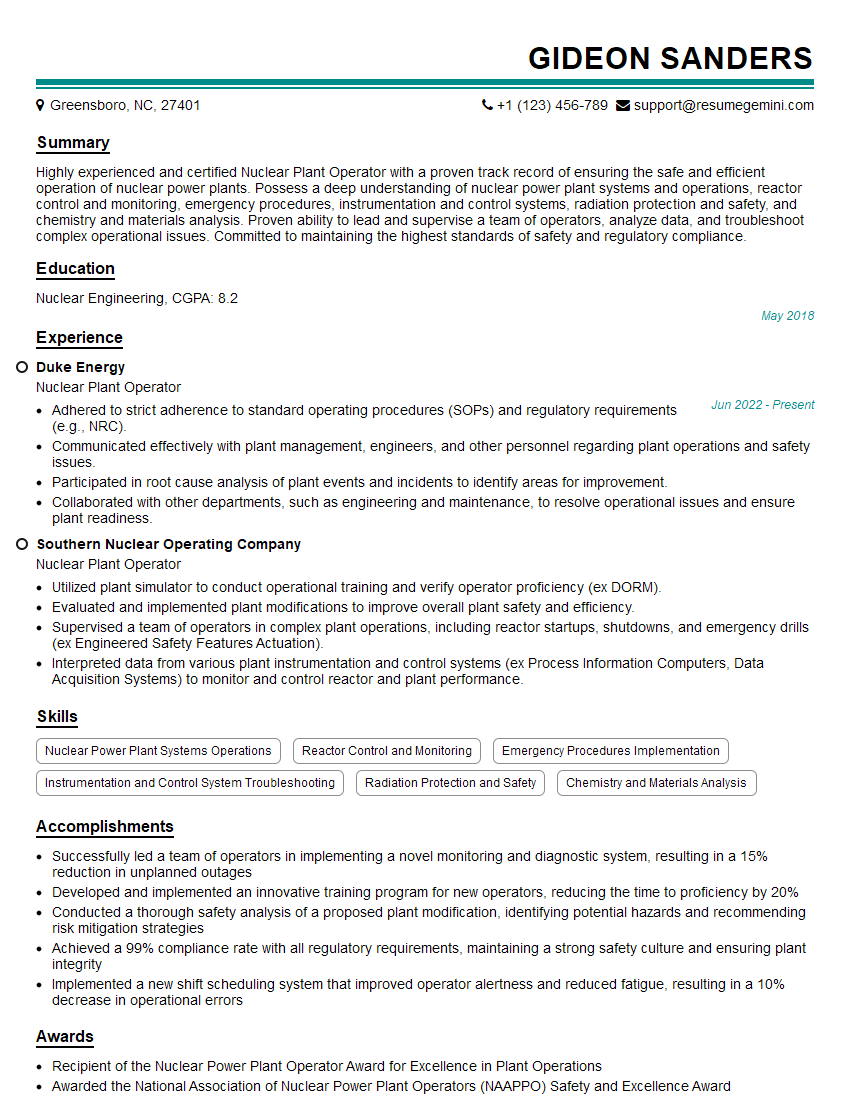
Nuclear Plant Operator Resume Sample
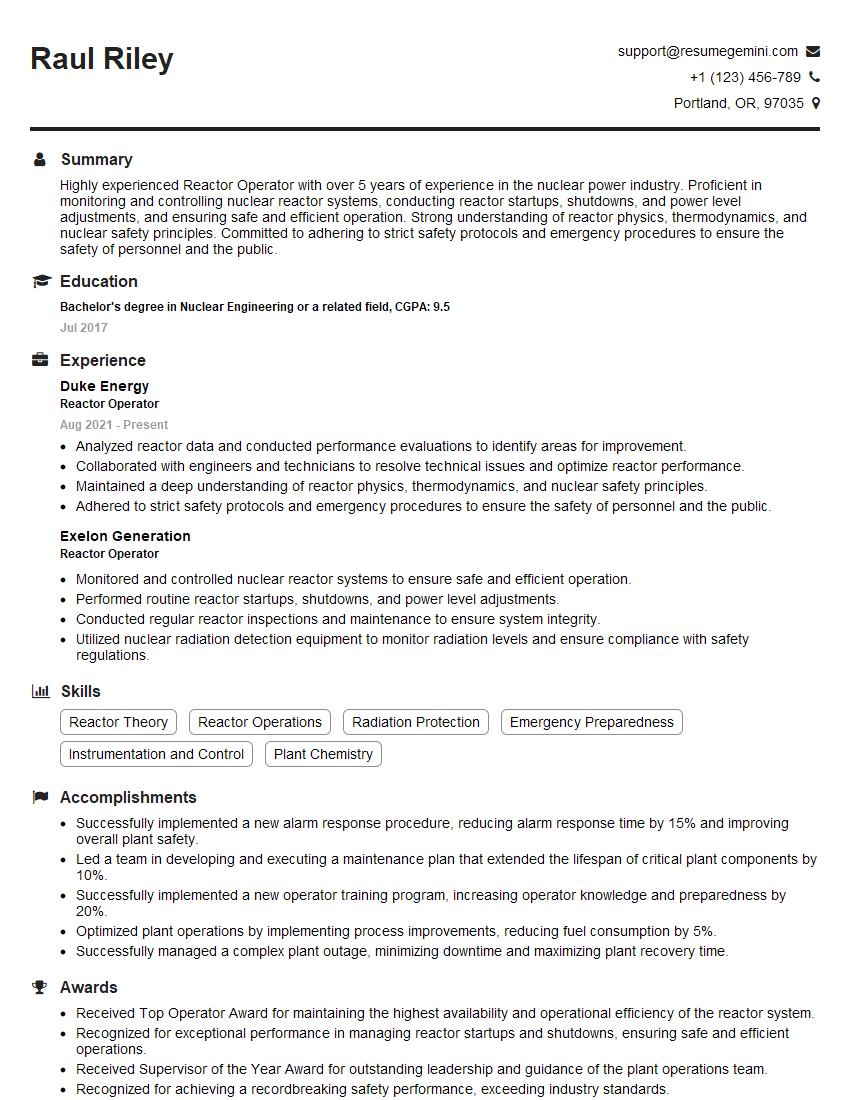
Reactor Operator Resume Sample
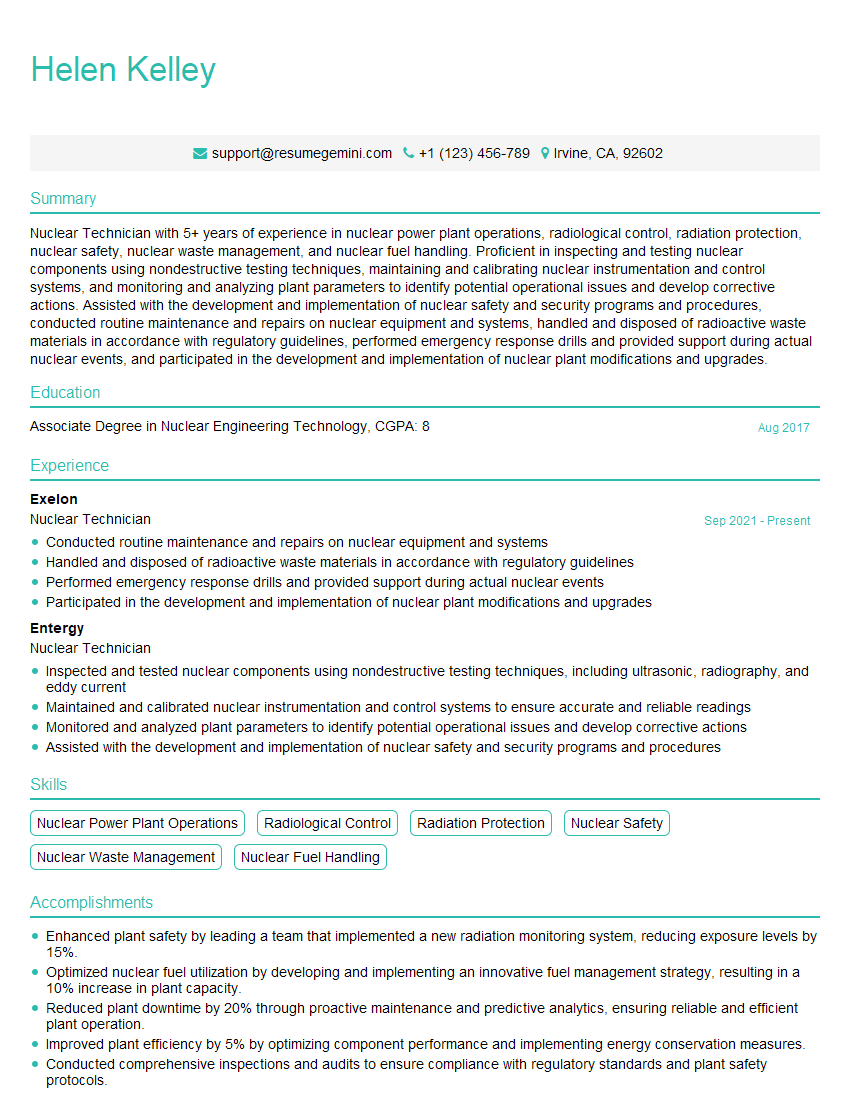
Nuclear Technician Resume Sample
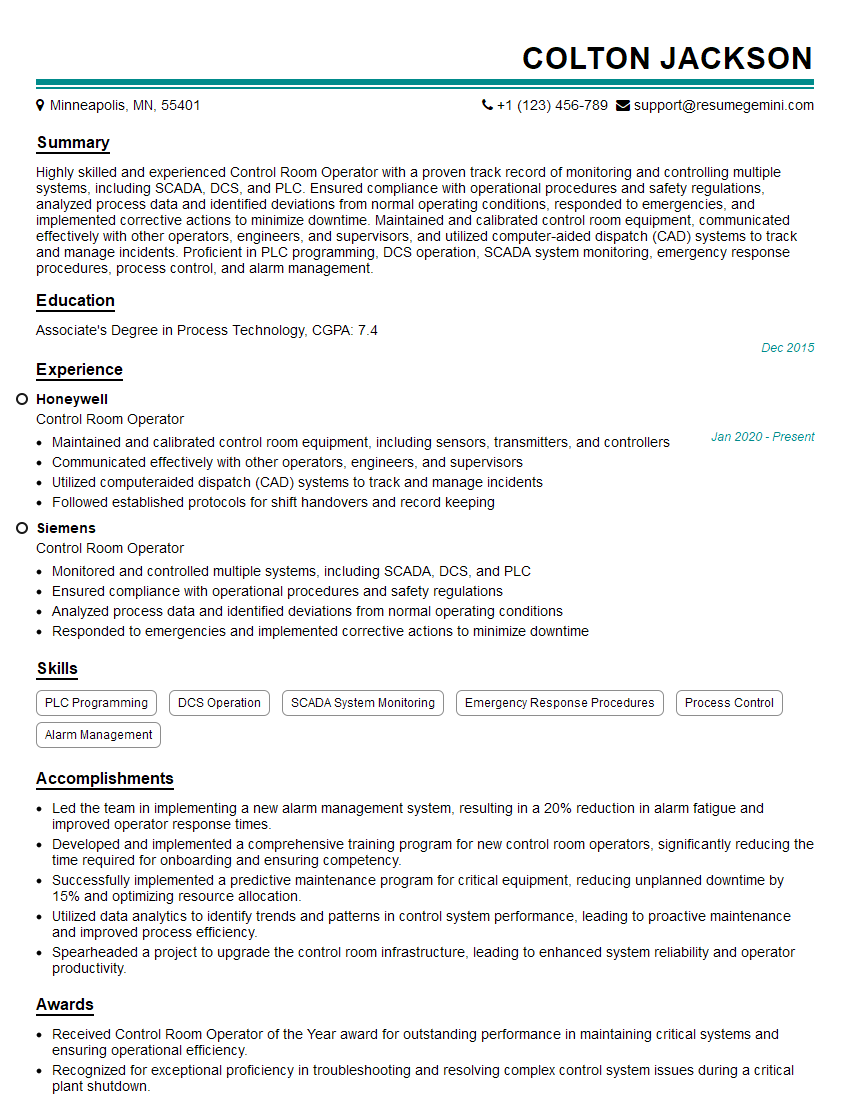
Control Room Operator Resume Sample
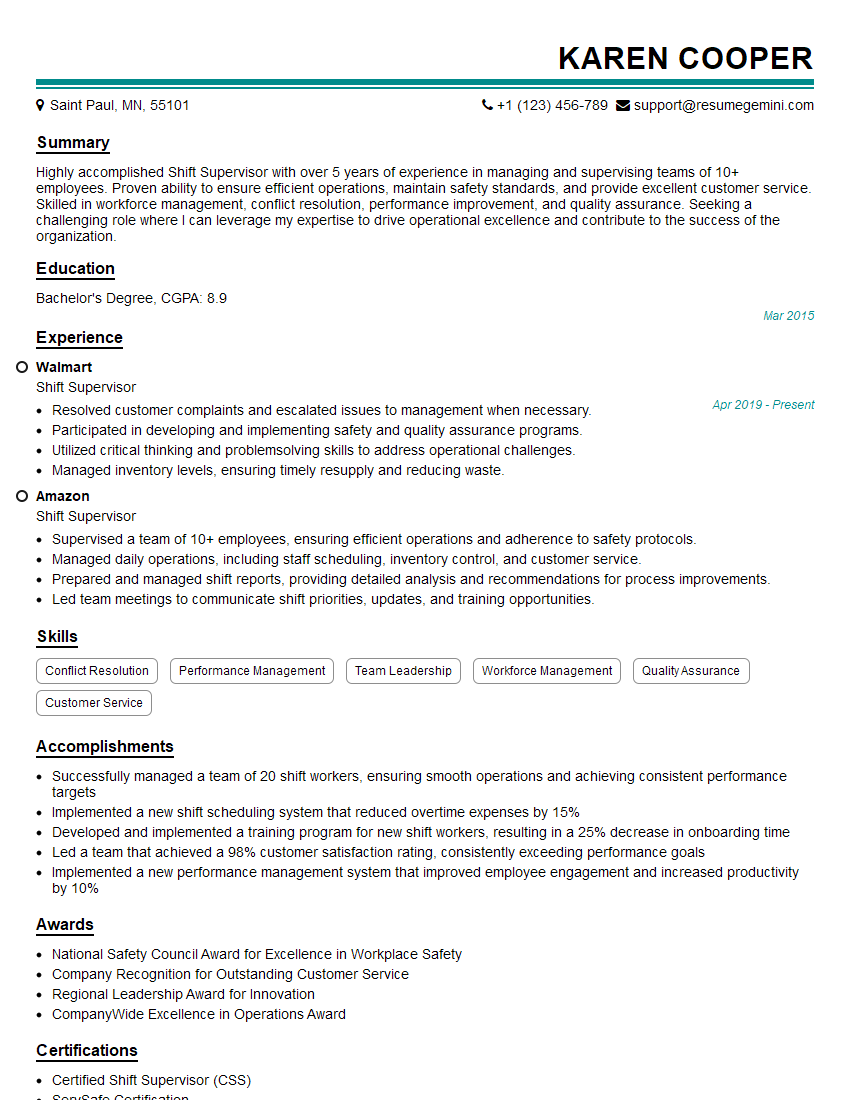
Shift Supervisor Resume Sample
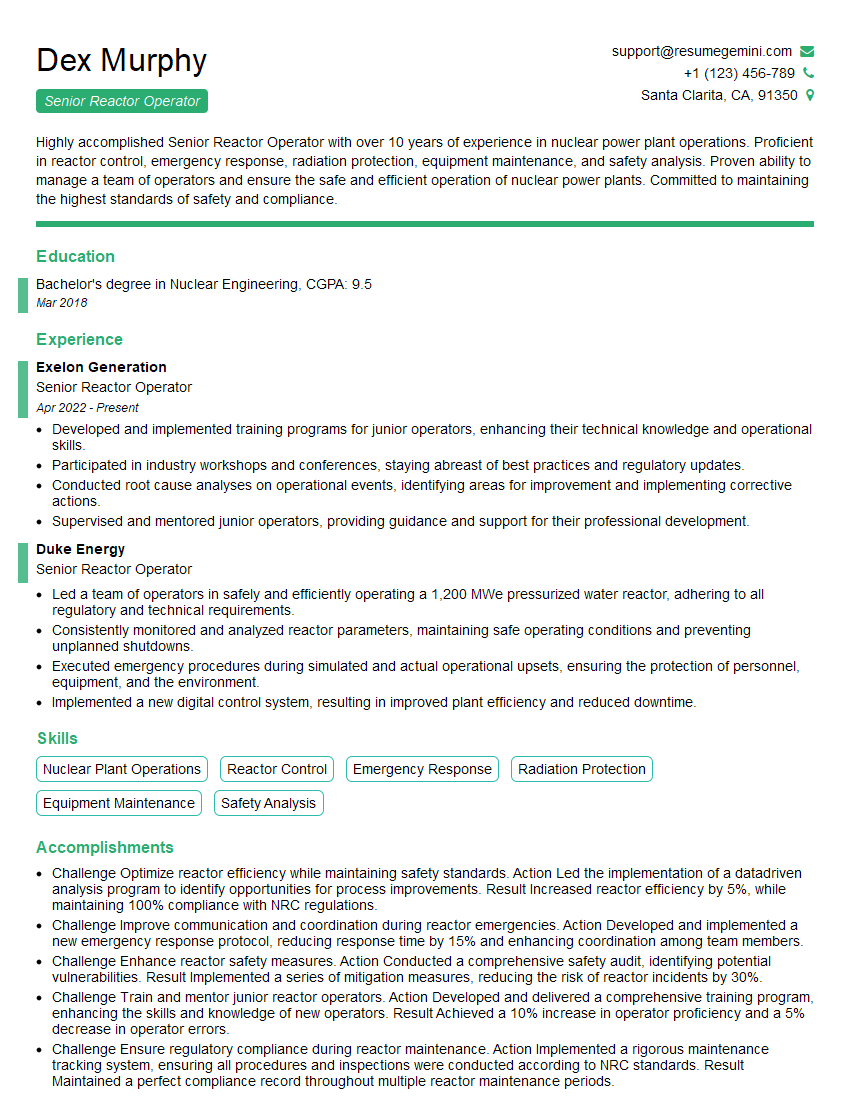
Senior Reactor Operator Resume Sample
Explore more articles
Users Rating of Our Blogs
Share Your Experience
We value your feedback! Please rate our content and share your thoughts (optional).
What Readers Say About Our Blog
To the interviewgemini.com Webmaster.
Very helpful and content specific questions to help prepare me for my interview!
Thank you
To the interviewgemini.com Webmaster.
This was kind of a unique content I found around the specialized skills. Very helpful questions and good detailed answers.
Very Helpful blog, thank you Interviewgemini team.