Are you ready to stand out in your next interview? Understanding and preparing for Observing and Interpreting Client Art interview questions is a game-changer. In this blog, we’ve compiled key questions and expert advice to help you showcase your skills with confidence and precision. Let’s get started on your journey to acing the interview.
Questions Asked in Observing and Interpreting Client Art Interview
Q 1. Describe your approach to analyzing a client’s artwork.
Analyzing a client’s artwork is a multifaceted process that goes beyond simply appreciating the aesthetic qualities. My approach involves a systematic, multi-stage process focusing on both formal and contextual elements. First, I conduct a thorough formal analysis, meticulously documenting the artwork’s composition, color palette, line quality, texture, and use of space. This provides a baseline understanding of the artwork’s visual structure. Second, I explore the contextual aspects, considering the client’s background, the circumstances surrounding the artwork’s creation (e.g., therapeutic setting, personal crisis), and any specific instructions or prompts given. Finally, I integrate these observations to generate a comprehensive interpretation, always keeping in mind that the art is a reflection of the client’s inner world.
For example, a client’s painting dominated by dark, muted colors and sharp, angular lines might suggest feelings of anger or isolation, while a vibrant piece filled with flowing lines could indicate joy and freedom. However, understanding the context is crucial; a dark painting could also represent a period of grief or introspection, depending on the client’s situation.
Q 2. How do you identify the emotional content expressed in a client’s art?
Identifying emotional content in client art relies heavily on understanding the symbolism inherent in the artwork. This involves recognizing visual metaphors, recurring motifs, and the emotional impact of color choices and composition. For instance, recurring imagery of water might suggest feelings of fluidity or emotional depth, depending on how the water is depicted (calm or turbulent). Similarly, the use of bright colors often suggests positivity, while darker colors frequently suggest negativity, although this is not a hard and fast rule.
It’s important to note that interpretation is subjective. I don’t impose my own interpretations; rather, I guide the client towards self-discovery by asking open-ended questions. I might ask questions like: “What emotions come to mind when you look at this piece?” or “What was going on in your life when you created this?” This collaborative approach allows the client to articulate their own experience of the artwork and its meaning.
Q 3. Explain your understanding of different art mediums and their symbolic meanings.
Different art mediums inherently carry symbolic weight. For example, painting allows for a wide range of emotional expression through color and texture. A client’s choice of specific colors can reveal much about their emotional state, as can their brushstrokes (e.g., delicate brushstrokes might suggest sensitivity, while bold strokes might represent confidence or aggression). Sculpture provides a three-dimensional representation of ideas and emotions, offering insights into how a client perceives their world and themselves within it. Drawing, often considered more intimate, can reflect the client’s level of control and their ability to express emotions directly. Finally, collage can symbolize the integration or fragmentation of different aspects of the client’s self.
Understanding these symbolic nuances is key. For instance, a client who consistently uses sharp, jagged lines across mediums might be indicating inner conflict or anxiety. However, context is always crucial. This should be understood within the broader context of the client’s life and personal history.
Q 4. How do you differentiate between intentional and unintentional elements in a client’s artwork?
Differentiating between intentional and unintentional elements requires careful observation and a nuanced understanding of the client’s artistic process. Intentional elements are consciously chosen and placed within the artwork; they typically reflect the client’s conscious awareness of their feelings or experiences. Unintentional elements, on the other hand, are often subconscious manifestations of underlying emotions or anxieties. These might be subtle details, such as accidental smudges or unusual color combinations that the client may not have consciously chosen.
Identifying these unintentional elements requires a close look at the artwork’s details and a collaborative conversation with the client. I might ask questions about specific elements of the artwork, especially those that seem out of place or unexpected, to understand whether these were intentional choices or unconscious expressions.
Q 5. Discuss the ethical considerations of interpreting client art.
Ethical considerations are paramount when interpreting client art. Maintaining client confidentiality is crucial, ensuring all information shared during the analysis remains private and protected. It’s also essential to avoid imposing my own interpretations or biases onto the artwork. My role is to facilitate the client’s self-discovery, not to offer definitive diagnoses or judgments.
Further, it’s important to be sensitive to the client’s emotional state. The process of analyzing artwork can be emotionally revealing, and I must always be mindful of the client’s vulnerability. Should the artwork raise significant concerns about the client’s well-being (e.g., self-harm ideation), I have a professional responsibility to report this to the relevant authorities, while carefully balancing confidentiality with the client’s safety.
Q 6. How would you handle a client’s artwork that depicts disturbing or controversial themes?
Handling artwork depicting disturbing or controversial themes requires a delicate and sensitive approach. My first priority is to ensure the client feels safe and supported. I would create a safe and non-judgmental space for them to discuss their work. I wouldn’t shy away from difficult content, but would approach it with empathy and respect. I would use open-ended questions to facilitate a conversation about the themes depicted, aiming to understand the client’s perspective and emotional processing of those themes.
If the artwork indicates a potential risk to the client or others, I would follow established protocols to address safety concerns, while maintaining the client’s dignity and confidentiality. This may involve consultation with supervisors or other mental health professionals.
Q 7. What are the limitations of relying solely on art analysis to understand a client?
Relying solely on art analysis to understand a client would be incomplete and potentially misleading. Art provides valuable insights into a client’s inner world, but it’s only one piece of the puzzle. Other crucial factors such as verbal communication, behavioral observations, and medical history should be considered alongside art analysis. Art analysis should be part of a holistic assessment, not the sole basis for understanding a client.
Over-reliance on art analysis could lead to inaccurate or biased interpretations. A client’s artwork can be affected by various factors beyond their emotional state, such as their artistic skill, cultural background, and the specific materials available. Integrating multiple sources of information provides a more comprehensive and accurate picture of the client’s well-being.
Q 8. How do you integrate art interpretation with other clinical data or information?
Integrating art interpretation with other clinical data is crucial for a holistic understanding of the client. It’s not about the art in isolation, but how it reflects and interacts with other aspects of their life. I treat the artwork as another data point alongside their verbalizations, behavioral observations, and any diagnostic information available. For example, a client might describe feelings of anxiety, but their artwork might reveal a surprising level of control and meticulous detail, suggesting a coping mechanism. Conversely, a client who presents as calm might create chaotic and aggressive artwork, revealing underlying suppressed emotions. I meticulously cross-reference these different perspectives, looking for consistencies and discrepancies that enrich the overall assessment.
Consider a client diagnosed with depression who talks about feelings of hopelessness but creates vibrant, colourful paintings. The artwork, despite the diagnosis, might indicate a resilient spirit or a hidden desire for change, a point I’d discuss with them, potentially leading to more effective therapeutic interventions.
Q 9. Explain your process for documenting and reporting your observations of client artwork.
My documentation process is systematic and thorough. I begin by describing the artwork objectively: the medium, size, colours used, composition, and any notable techniques. Then, I move to a more subjective interpretation, noting the emotional tone, symbolic elements, and recurring themes. I always support my interpretations with specific examples from the artwork itself. For instance, instead of saying ‘the artwork expresses anger,’ I would write something like ‘The sharp, jagged lines and aggressive use of red in the central figure suggest feelings of intense anger and frustration.’ I also include details about the client’s behaviour during the art-making process—were they hesitant, focused, or agitated? This contextual information is essential. Finally, I record my initial hypotheses about the potential psychological meanings, clearly differentiating between objective description and subjective interpretation. This detailed record allows for consistent tracking of the client’s progress over time and ensures continuity of care if another professional needs to access the information.
Q 10. How would you explain your findings from an art analysis session to a client?
Explaining art analysis findings to a client requires sensitivity and collaboration. I avoid using jargon and instead frame my interpretations in terms that are accessible and relevant to their life. I begin by summarizing the objective aspects of their artwork – ‘You chose to use a lot of blues and greens in this piece. I noticed…’ Then, I gently introduce my interpretations, always emphasizing that these are possibilities, not definitive statements. For example, instead of saying ‘This represents your repressed anger,’ I might say ‘The strong lines and dark colours might reflect some intense feelings you’re working through right now. What do you think?’ I create a space for the client to share their own perspective and engage in a dialogue about their artwork, validating their feelings and experiences. The goal is not to offer diagnoses but to facilitate self-discovery and emotional processing. The session becomes a collaborative journey of understanding.
Q 11. Describe a time you had to adapt your approach to interpreting a client’s artwork.
I once worked with a client who refused to use traditional art materials, opting instead to create ‘sculptures’ using scraps of fabric and found objects. My initial approach, based on conventional art therapy techniques, wasn’t effective. I had to adapt my approach by focusing on the process and the client’s experience, rather than trying to interpret the final product. Instead of focusing on symbolic meaning, I asked questions about their choices of materials, their creation process, and what feelings the activity evoked. This shift in focus allowed the client to express themselves freely, and I discovered crucial information about their resourcefulness, sense of self-worth, and how they constructed meaning from their environment. This experience highlighted the importance of flexibility and adapting to the individual needs and preferences of each client.
Q 12. What is your understanding of the impact of cultural background on artistic expression?
Cultural background significantly influences artistic expression. Symbolism, colour choices, and even preferred art forms can vary greatly across cultures. For example, the colour white signifies purity in some cultures and mourning in others. A specific symbol might have a profoundly different meaning depending on the client’s cultural heritage. Understanding a client’s cultural context is crucial to avoid misinterpretations. I always endeavour to learn about my clients’ backgrounds and approach art interpretation with cultural sensitivity. It’s not just about avoiding stereotypes; it’s about appreciating the richness and diversity of human expression and using that knowledge to better understand and support my clients.
Q 13. How can art therapy techniques be integrated into observing and interpreting art?
Art therapy techniques can be seamlessly integrated into the observation and interpretation process. For example, using guided imagery or active listening during the art-making process can provide valuable insights into the client’s emotional state. Furthermore, specific art therapy prompts, such as creating a ‘self-portrait’ or a ‘feelings collage,’ can elicit targeted information. These techniques provide structured avenues for expression, making the interpretation process more focused and meaningful. After the creation process, I might engage in further dialogue with the client using techniques like metaphors or storytelling. For example, if a client uses mostly dark colours, I might ask them to explain which dark colour ‘speaks’ to them most, and what they might tell me if they were that color. This conversation further illuminates the symbolic meaning the client attaches to their artistic choices.
Q 14. Discuss the relationship between art and psychological processes.
Art and psychological processes are deeply intertwined. Art provides a non-verbal outlet for expressing emotions, thoughts, and experiences that might be difficult to articulate verbally. The creative process itself can be therapeutic, allowing for emotional release and self-discovery. Analyzing the artwork provides a window into the client’s unconscious mind, revealing underlying patterns, conflicts, and coping mechanisms. For example, recurring themes in a client’s artwork might suggest unresolved issues or dominant personality traits. The use of specific colours, lines, and symbols can also offer clues to emotional states, such as anxiety, depression, or trauma. Essentially, art serves as a powerful tool for understanding the complex interplay between the conscious and unconscious mind, offering a rich source of information for psychological assessment and intervention.
Q 15. How would you identify symbolic representations in an artwork?
Identifying symbolic representations in artwork requires a nuanced understanding of both art history and psychological principles. We look beyond the literal to understand the potential underlying meaning. This involves considering the context of the art, the client’s personal narrative, and common symbolic interpretations. For example, a recurring image of a bird might symbolize freedom for one client, but loss or escape for another.
My approach is multi-faceted. First, I carefully observe the artwork, noting recurring motifs, specific objects, and their placement within the composition. Then, I engage the client in a conversation about their creation process, encouraging them to describe their feelings and intentions. This dialogue reveals crucial connections between their lived experiences and the symbols they’ve chosen. Finally, I consult relevant literature and resources on symbolism in art and psychology to cross-reference my observations and the client’s insights.
For instance, if a client repeatedly depicts locked doors, I might initially hypothesize about feelings of confinement or restriction. However, a conversation could reveal that the doors represent a protective barrier rather than a prison. This illustrates the importance of collaborative interpretation, moving beyond pre-conceived notions.
Career Expert Tips:
- Ace those interviews! Prepare effectively by reviewing the Top 50 Most Common Interview Questions on ResumeGemini.
- Navigate your job search with confidence! Explore a wide range of Career Tips on ResumeGemini. Learn about common challenges and recommendations to overcome them.
- Craft the perfect resume! Master the Art of Resume Writing with ResumeGemini’s guide. Showcase your unique qualifications and achievements effectively.
- Don’t miss out on holiday savings! Build your dream resume with ResumeGemini’s ATS optimized templates.
Q 16. What are some common indicators of trauma or stress within artwork?
Artwork can be a powerful window into a person’s inner world, offering valuable clues about their emotional state. Indicators of trauma or stress often manifest as a disruption in usual artistic expression or through symbolic imagery. These can be subtle or overt.
- Disordered Composition: A chaotic or fragmented composition, lacking a clear focal point, can suggest internal disorganization or distress. Think of a landscape painting where elements are oddly juxtaposed or overlapping.
- Dark or Muted Colors: The prevalent use of dark, muted, or dull colors, particularly black, brown, or gray, often signals feelings of sadness, depression, or hopelessness.
- Sharp Lines and Aggressive Strokes: Intense, sharp lines or aggressive brushstrokes may represent anger, frustration, or a sense of being overwhelmed.
- Recurring Themes of Violence or Destruction: Depictions of violence, destruction, or self-harm can be particularly significant indicators of trauma, requiring careful and sensitive exploration.
- Repetitive Motifs: Repeated imagery or patterns might represent obsessive thoughts or anxieties. For instance, repetitive circles could symbolize a feeling of being trapped.
It’s crucial to remember that these are indicators, not definitive diagnoses. Interpreting such signs requires careful consideration of the entire artwork and the client’s personal history. A thorough interview and a collaborative approach are paramount.
Q 17. Describe your understanding of different artistic styles and their psychological implications.
Different artistic styles often reflect underlying psychological states or coping mechanisms. Understanding these styles and their implications is fundamental to interpreting client artwork.
- Abstract Expressionism: Often associated with intense emotions and a need for self-expression. The chaotic or gestural nature of the art can indicate a struggle with internal conflicts or emotional turmoil.
- Surrealism: May point to a tendency towards fantasy, dreamlike states, or a disconnect from reality, potentially suggesting issues with coping or dissociation.
- Minimalism: Might reflect a desire for control, order, or emotional restraint, potentially masking underlying anxiety or repression.
- Realism/Hyperrealism: Could indicate a strong need for control and precision, possibly reflecting a perfectionistic personality or a compulsion to meticulously document experience.
- Naive Art/Childlike Style: While often associated with innocence, it can also suggest a desire to regress to a simpler time, potentially indicating a coping mechanism for trauma or stress.
It’s important to remember that stylistic choices are rarely absolute indicators of psychological states but are valuable insights when combined with other observational data and the client’s narrative.
Q 18. How do you determine the significance of color choice in a client’s artwork?
Color is a powerful tool for non-verbal communication, and its use in artwork carries significant psychological weight. The meaning of color is not universal; individual associations and cultural contexts play a significant role. However, some general associations are common:
- Warm Colors (reds, oranges, yellows): Often associated with energy, excitement, anger, or passion. Their intensity can reflect emotional intensity.
- Cool Colors (blues, greens, purples): Often associated with calmness, peace, sadness, or introspection. Their muted nature might represent withdrawn emotions.
- Black: Often symbolizes power, mystery, death, or depression, depending on its context within the artwork.
- White: Can represent purity, innocence, or emptiness.
In analysis, I don’t just note the colors used, but also their placement, saturation, and how they interact with each other. For example, a bright red dominating a mostly blue piece might suggest underlying anger struggling for expression amidst feelings of sadness.
To understand the significance of color choice, I carefully consider the client’s explanations, exploring personal color preferences and associations. The context of their life experiences and the symbolism within the piece is critical in making any interpretation.
Q 19. How do you interpret the use of line and form in a client’s artwork?
Lines and forms are fundamental building blocks of artwork, communicating much about the artist’s emotional state and approach to the world.
- Sharp, angular lines: Often suggest tension, aggression, or anxiety. The sharp edges reflect a lack of fluidity, possibly representing rigidity in thinking or emotional processing.
- Soft, curved lines: Frequently associated with fluidity, relaxation, and nurturing emotions. These can represent a more emotionally balanced or accepting state.
- Geometric forms: Often signal a desire for order, control, or structure. This can point to a need for stability and possibly perfectionism.
- Organic forms: Tend to represent free-flowing emotions and natural rhythms. The irregularity of the forms can suggest creativity and adaptability.
- Size and Scale: The size and scale of forms can indicate the relative importance of emotions or objects within the client’s experience. Larger forms might represent emotions deemed more significant.
I observe how lines and forms interact with each other, how they create space, and how they lead the viewer’s eye. This holistic approach helps me understand the interplay between form and emotion within the artwork. A combination of direct observation and discussion with the client will assist in understanding the intent behind the choice of line and form.
Q 20. How do you approach the analysis of abstract art?
Analyzing abstract art presents a unique challenge, as there’s no readily apparent representational subject matter. The focus shifts towards the process, the elements, and the emotional impact of the work.
My approach relies heavily on a careful observation of the formal elements: color, line, texture, composition, and the overall impact. For example, a dense, chaotic composition might suggest inner turmoil, while a more balanced piece could suggest a greater sense of control.
I then engage the client in conversation, seeking to understand their creative process. What feelings or ideas inspired the work? What emotions does the artist hope to evoke in the viewer? Their descriptions help bridge the gap between the abstract forms and their underlying meaning.
Understanding the artist’s personal symbolism is also vital. An abstract form that resembles nothing concrete to me may hold deep significance for the client, representing a feeling, memory, or experience.
Finally, I may reference art historical and theoretical contexts related to abstract art to understand broader trends and interpretations, but the client’s personal narrative remains the primary lens through which I understand the abstract work.
Q 21. How do you assess the level of skill and technical proficiency in a client’s artwork?
Assessing a client’s artistic skill and technical proficiency involves a balanced approach, separating objective evaluation from subjective interpretation. I avoid making judgments based solely on adherence to traditional artistic standards.
My assessment considers several factors:
- Mastery of Medium: Does the client demonstrate competence in handling the chosen materials? Are the techniques used appropriate to the chosen medium? For example, a watercolor painting with muddy colors might suggest a lack of understanding of the medium’s properties.
- Compositional Skills: Does the artwork exhibit a sense of balance, unity, and visual harmony? Are elements arranged effectively to lead the viewer’s eye?
- Use of Line, Shape, and Form: Does the client demonstrate control over line quality, shape variations, and three-dimensionality? The sophistication of these elements reflects technical skills.
- Use of Color and Value: Does the client effectively use color and value to create depth, contrast, and mood? Skillful color mixing and blending indicate a higher degree of mastery.
- Overall Execution: How well are the elements integrated into a cohesive whole? Does the piece exhibit a consistent level of craftsmanship? Inconsistencies might reveal a lack of focus or experience.
This assessment isn’t about judging the client’s ‘talent’ but rather understanding their current level of skill and identifying areas for potential growth or exploration. It’s important to frame this feedback constructively, focusing on strengths and offering suggestions for improvement without discouraging the client.
Q 22. How do you maintain confidentiality and professional boundaries when interpreting client art?
Maintaining confidentiality and professional boundaries is paramount in interpreting client art. It’s akin to a doctor-patient relationship; the client’s artistic expressions are deeply personal and must be treated with utmost respect.
- Informed Consent: Before any interpretation begins, I ensure the client understands the process, the limits of confidentiality (e.g., mandated reporting of abuse), and how their art will be used. I obtain their explicit consent in writing.
- Data Security: Client art and interpretations are stored securely, either physically in locked cabinets or digitally with password protection and encryption. I never share interpretations with anyone without the client’s express permission.
- Professional Distance: While empathy is crucial, I maintain professional distance to avoid blurring boundaries. I avoid offering personal opinions or advice unrelated to the art itself. My role is to facilitate self-discovery through their art, not to become their therapist or friend.
- Objectivity: I focus on the formal elements of the artwork – color, line, composition – before venturing into symbolic interpretations. This helps prevent my own biases from overshadowing the client’s unique expression.
Q 23. What resources do you use to aid in the interpretation of client art?
Interpreting client art is a multifaceted process aided by several resources. It’s not solely about intuition; a solid foundation in art therapy theory and practice is essential.
- Art Therapy Literature: I regularly consult books and journals on art therapy techniques, symbolic interpretation, and relevant developmental psychology. This keeps my knowledge current and grounded in established practice.
- Developmental Psychology Resources: Understanding the developmental stages of children and adults is key to interpreting age-appropriate symbolic language. References on child development inform my approach to working with children.
- Case Studies and Supervision: Reviewing case studies and discussing challenging cases with experienced art therapists provides valuable insights and perspectives. Supervision helps refine my skills and ethical decision-making.
- Art History and Theory: Knowledge of art history and theoretical frameworks allows me to place the client’s art within a broader context, understanding styles, influences, and potential symbolic meanings across cultures.
Q 24. Describe a time you had to explain a difficult concept to a client regarding their art.
I once worked with a client who created extremely dark and violent artwork. He struggled to understand why he was expressing such aggression.
Explaining this required sensitivity and a gradual approach. I started by acknowledging the intensity of his emotions reflected in the art. Instead of directly labeling the imagery, I used open-ended questions like, “What feelings come up when you look at this piece?” and “Can you tell me more about what happened in this scene?” We explored the artwork piece by piece, focusing on the colors, shapes and textures before delving into the potential symbolic meaning. I carefully avoided imposing interpretations and instead helped him understand his own feelings and experiences reflected in the art. Ultimately, he realized that the art was a safe space to express his anger stemming from a traumatic event, a realization that opened the door to deeper healing.
Q 25. How do you ensure you are not imposing your personal biases into your interpretation?
Minimizing personal biases is crucial for objective interpretation. It’s like wearing a clear pair of glasses that allow you to perceive the art as it is, without distortion from your own lens.
- Self-Reflection: Regular self-reflection helps identify my personal biases and how they might influence my interpretations. This includes reflecting on my own experiences, cultural background, and personal beliefs.
- Structured Approach: Following a structured approach to interpretation – focusing on formal elements first, then exploring potential symbolic meanings within a theoretical framework – minimizes subjectivity.
- Seeking Feedback: Discussing interpretations with colleagues or supervisors helps identify potential blind spots and provides alternative perspectives, ensuring the interpretation is as objective as possible.
- Focus on Client’s Experience: The ultimate goal is to understand the client’s perspective, not to impose my own. I always prioritize the client’s narrative and feelings associated with the artwork.
Q 26. How do you navigate the challenges of interpreting nonverbal communication through art?
Art is a powerful form of nonverbal communication, offering access to emotions and experiences often hidden in words. Interpreting this requires keen observation and a deep understanding of symbolic language.
- Observing Formal Elements: Analyzing elements like color, line, texture, and composition provides initial insights. For instance, dark, muted colors might suggest sadness, while vibrant colors could indicate joy or excitement.
- Identifying Symbols and Metaphors: Many images hold symbolic meaning – a recurring symbol of a tree might represent growth and stability, while a recurring image of a cage could point to feelings of confinement.
- Considering Context: The context in which the art was created – the client’s life circumstances, emotional state – is vital to interpretation. An image of fire might represent destruction in one context, but warmth and passion in another.
- Collaboration and Open Dialogue: Asking the client about their creative process, their feelings about the art, and the symbols they used helps verify interpretations and ensures the process is collaborative and client-centered.
Q 27. What are the key differences in interpreting child vs. adult art?
Interpreting child art differs significantly from interpreting adult art, largely due to developmental differences in cognitive abilities and symbolic expression.
- Developmental Stages: Understanding developmental milestones is crucial. A child’s art reflects their cognitive and emotional development, whereas adult art is generally more self-aware and nuanced.
- Symbolic Language: Children often use more literal and concrete symbols, while adults’ symbolism may be more abstract and complex. For example, a child might draw a sun to represent happiness, while an adult might use more subtle imagery to convey the same emotion.
- Expression vs. Representation: Child art is often more focused on the process of creation and self-expression, while adult art may prioritize representational accuracy and skillful technique.
- Narrative and Context: Understanding the context of a child’s drawing is particularly important. Asking questions about the drawing can help reveal the narrative and emotions behind it. With adults, the narrative can often be inferred from the artwork itself, given their more developed self-awareness.
Q 28. What are some common pitfalls to avoid when interpreting client art?
Avoiding pitfalls in interpreting client art requires careful consideration and a commitment to ethical practice. Overinterpretation and imposing personal beliefs are major risks.
- Overinterpretation: Avoiding reading too much into an artwork is vital. It’s crucial to stay grounded in the client’s narrative and avoid making assumptions or projecting one’s own experiences onto the work.
- Imposing Personal Biases: Remaining mindful of personal biases, assumptions, and cultural perspectives is crucial to objective interpretation. Regular self-reflection and seeking feedback can help mitigate this risk.
- Labeling and Diagnosis: It’s essential to avoid making clinical diagnoses based solely on artwork. The artwork is only one piece of the puzzle, and other assessments are necessary for a comprehensive understanding.
- Ignoring Context: Failing to consider the client’s life circumstances, emotional state, and cultural background can lead to inaccurate interpretations. A thorough understanding of context is essential for meaning-making.
- Lack of Collaboration: Interpretations should always be a collaborative process involving the client. Encouraging client participation, actively seeking their insights and perspectives enhances the accuracy and validity of the process.
Key Topics to Learn for Observing and Interpreting Client Art Interview
- Visual Analysis Techniques: Understanding foundational art historical principles, including composition, color theory, and symbolism, to effectively interpret client artwork.
- Client Communication & Empathy: Developing strong communication skills to actively listen to clients, understand their artistic intentions, and provide constructive feedback.
- Identifying Artistic Styles & Movements: Recognizing diverse artistic styles and movements to accurately contextualize and interpret client artwork within a broader historical and cultural framework.
- Art Materials & Techniques: Demonstrating familiarity with various art materials, techniques, and processes to accurately assess the quality and craftsmanship of client work.
- Ethical Considerations: Understanding the ethical responsibilities involved in critiquing and interpreting client art, ensuring respectful and constructive feedback.
- Practical Application: Case Studies: Analyzing specific examples of client artwork, identifying strengths and weaknesses, and offering insightful interpretations based on learned techniques.
- Problem-Solving & Conflict Resolution: Developing strategies to address challenging client interactions, navigating disagreements, and providing solutions-oriented feedback.
- Adaptability & Flexibility: Demonstrating the ability to adapt to different artistic styles, client personalities, and project requirements.
Next Steps
Mastering the art of Observing and Interpreting Client Art is crucial for career advancement in the creative industries. It demonstrates your critical thinking skills, communication prowess, and deep understanding of art. To significantly boost your job prospects, invest time in creating an ATS-friendly resume that showcases your unique skills and experience effectively. ResumeGemini is a trusted resource that can help you build a professional and impactful resume tailored to your specific career goals. We provide examples of resumes specifically designed for roles involving Observing and Interpreting Client Art to guide you through the process. Take advantage of these resources and significantly increase your chances of securing your dream job.
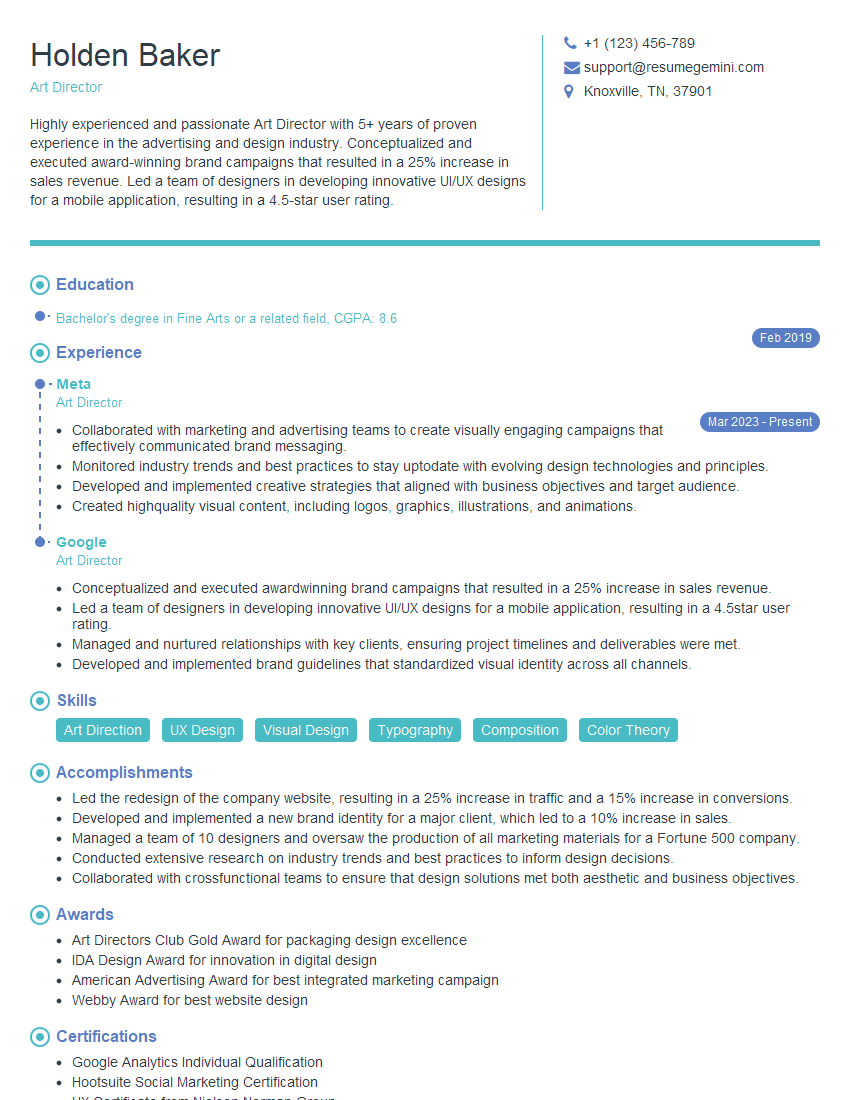
Art Director Resume Sample

Creative Director Resume Sample
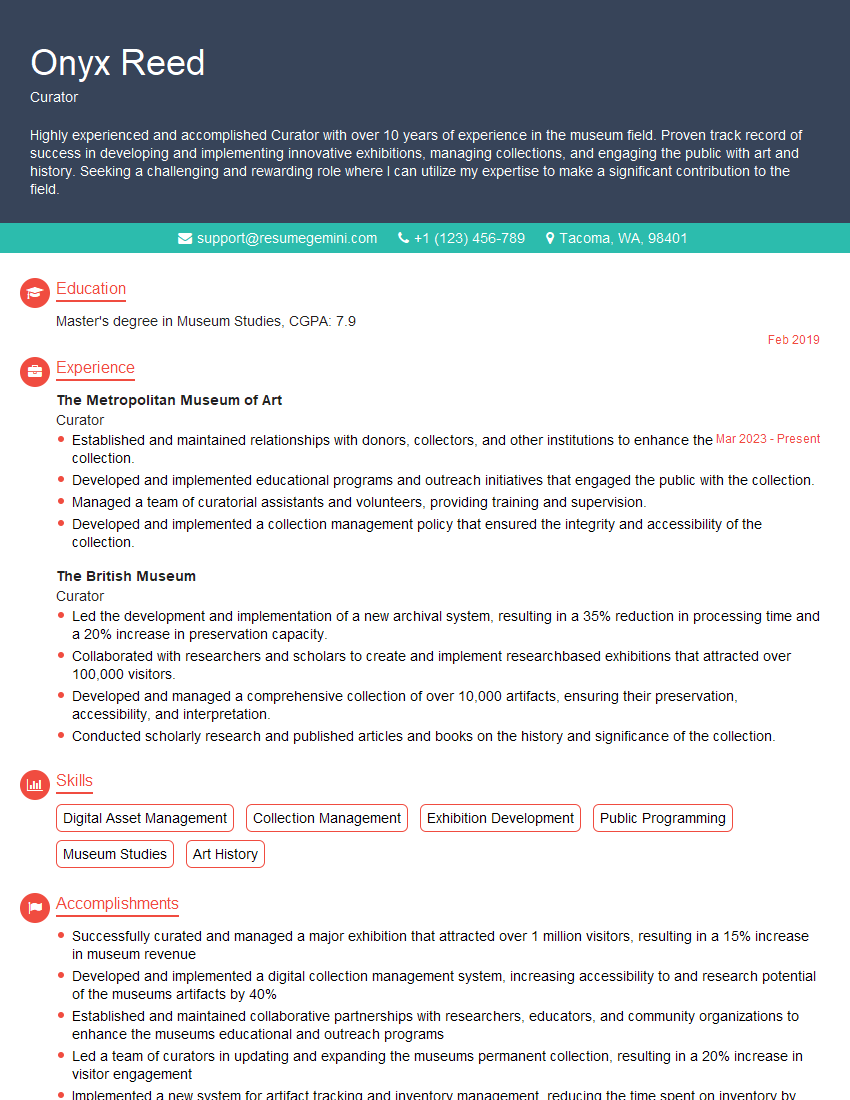
Curator Resume Sample
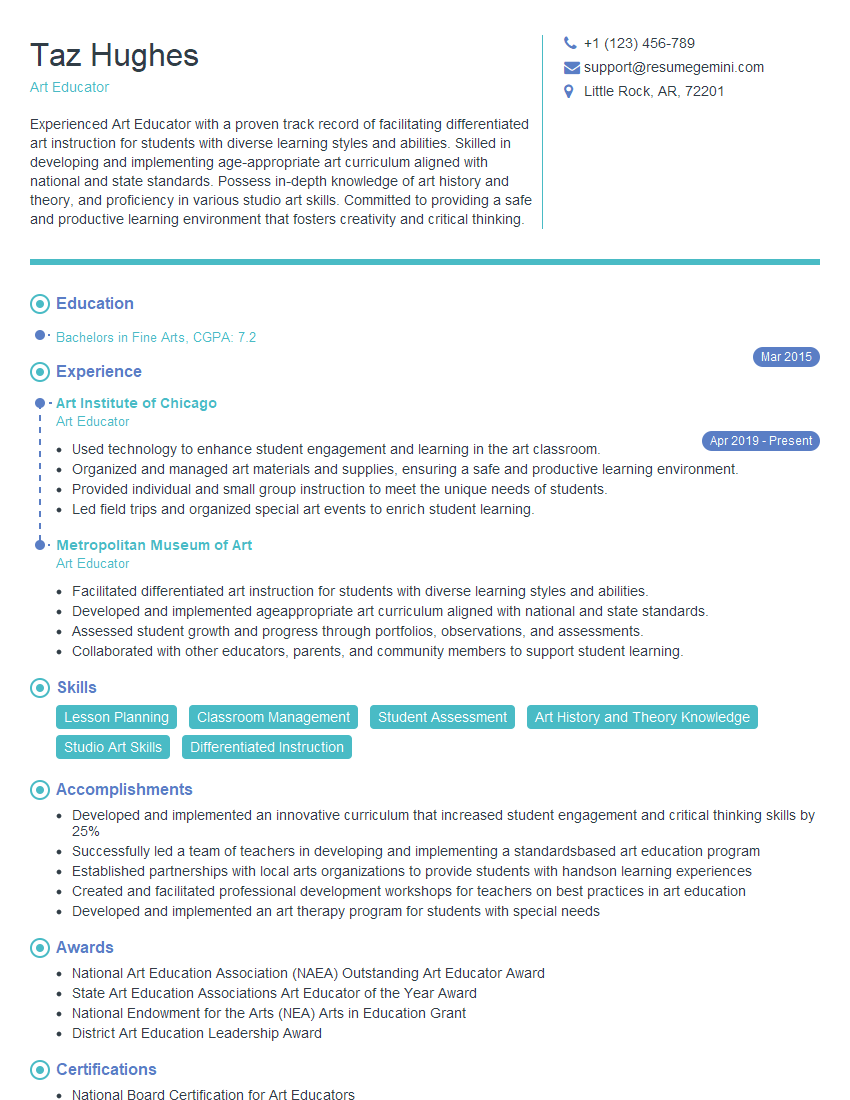
Art Educator Resume Sample
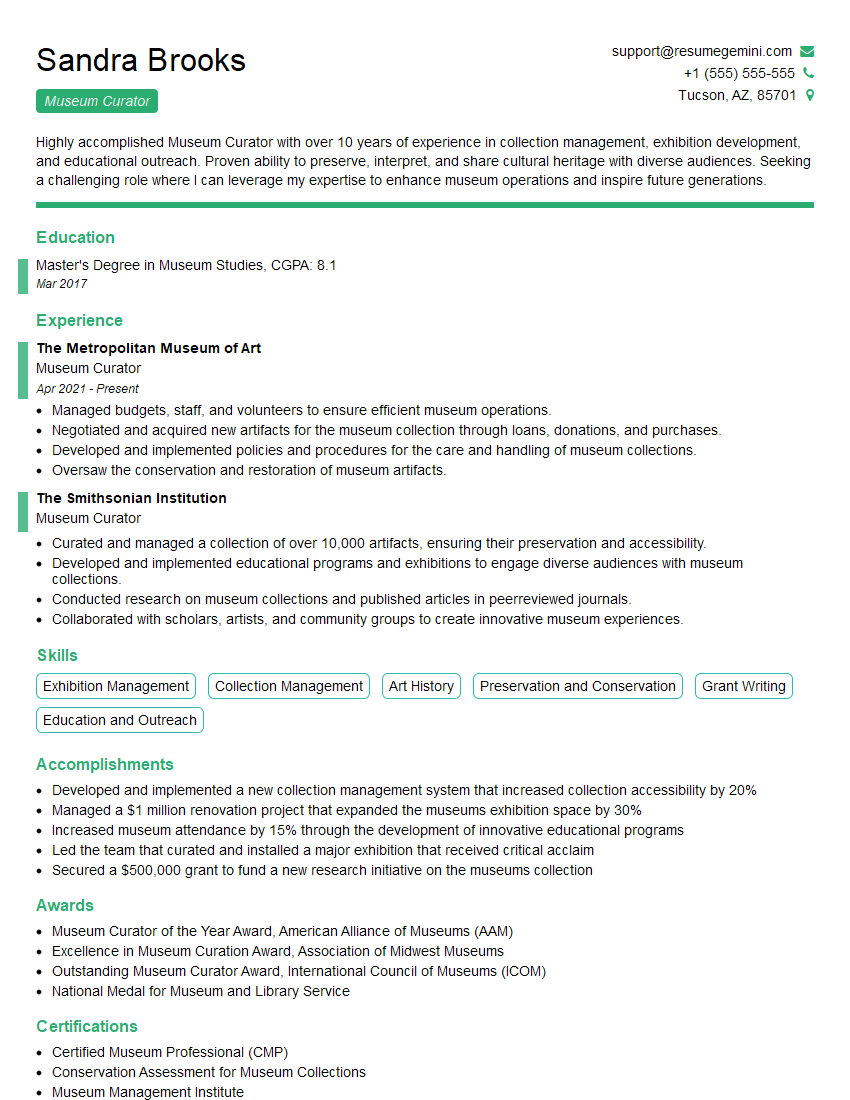
Museum Curator Resume Sample
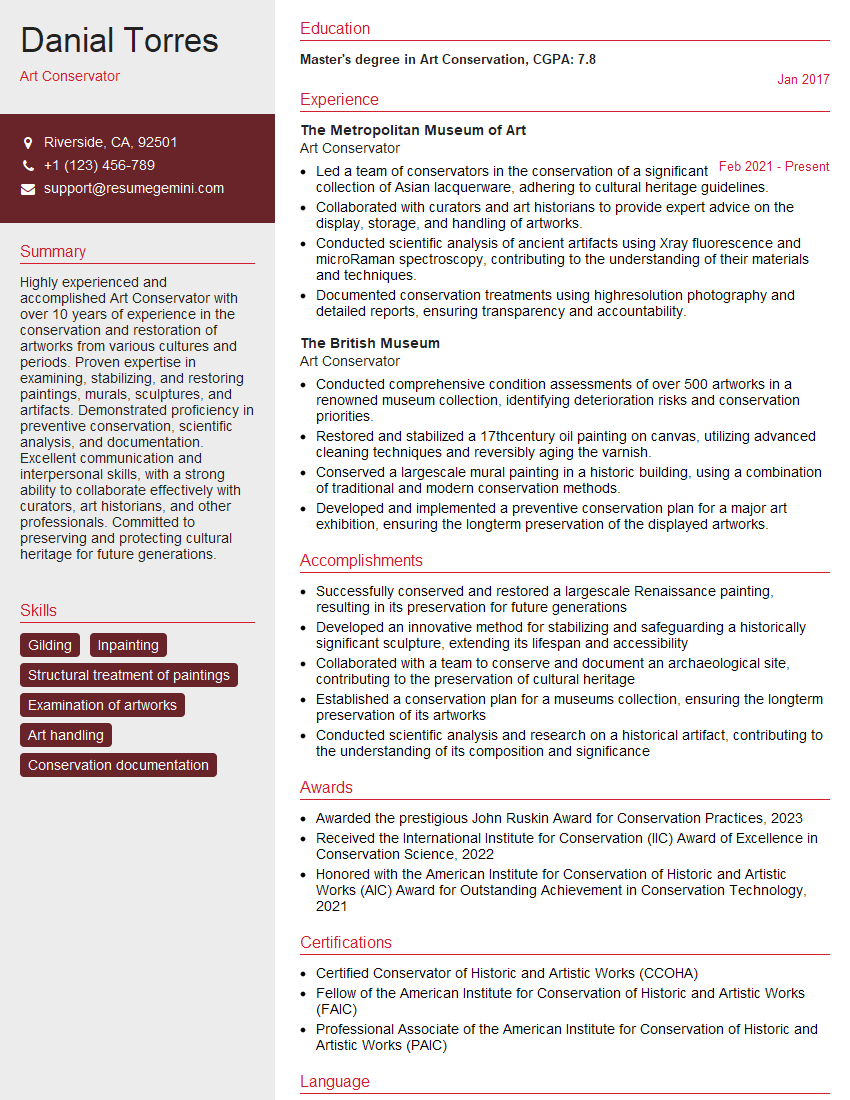
Art Conservator Resume Sample
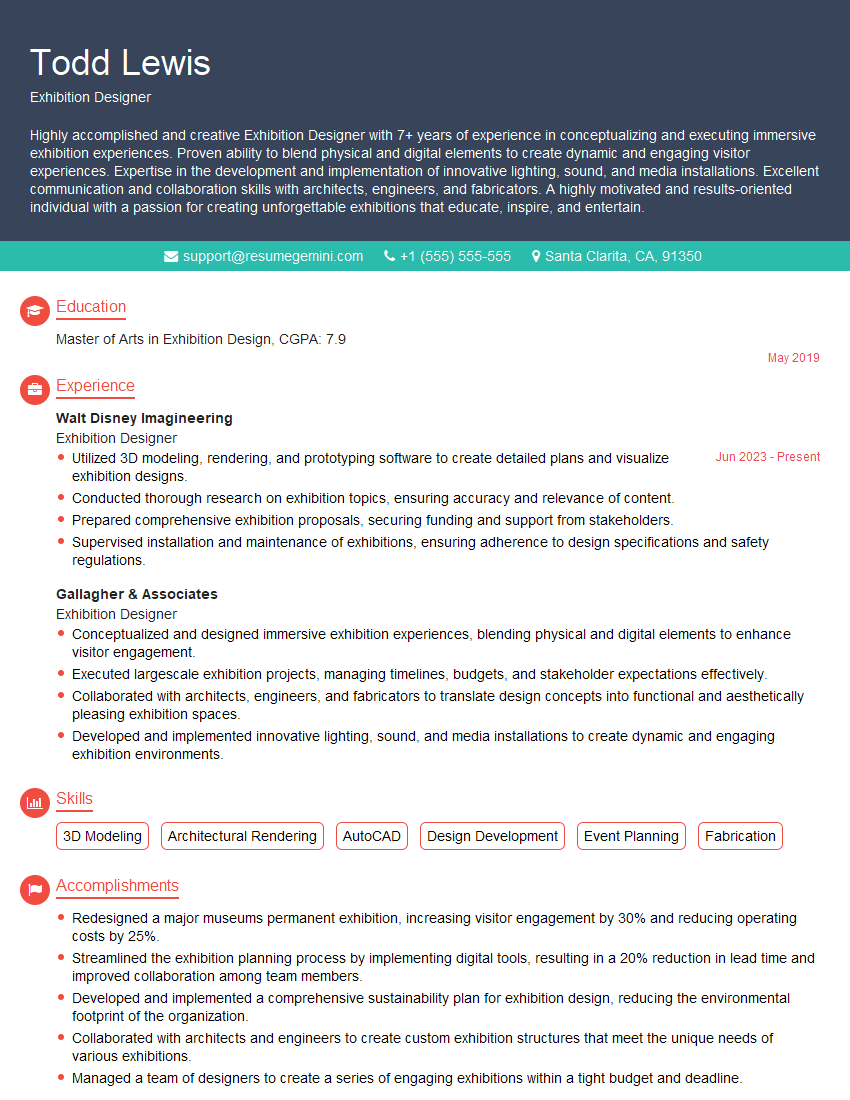
Exhibition Designer Resume Sample
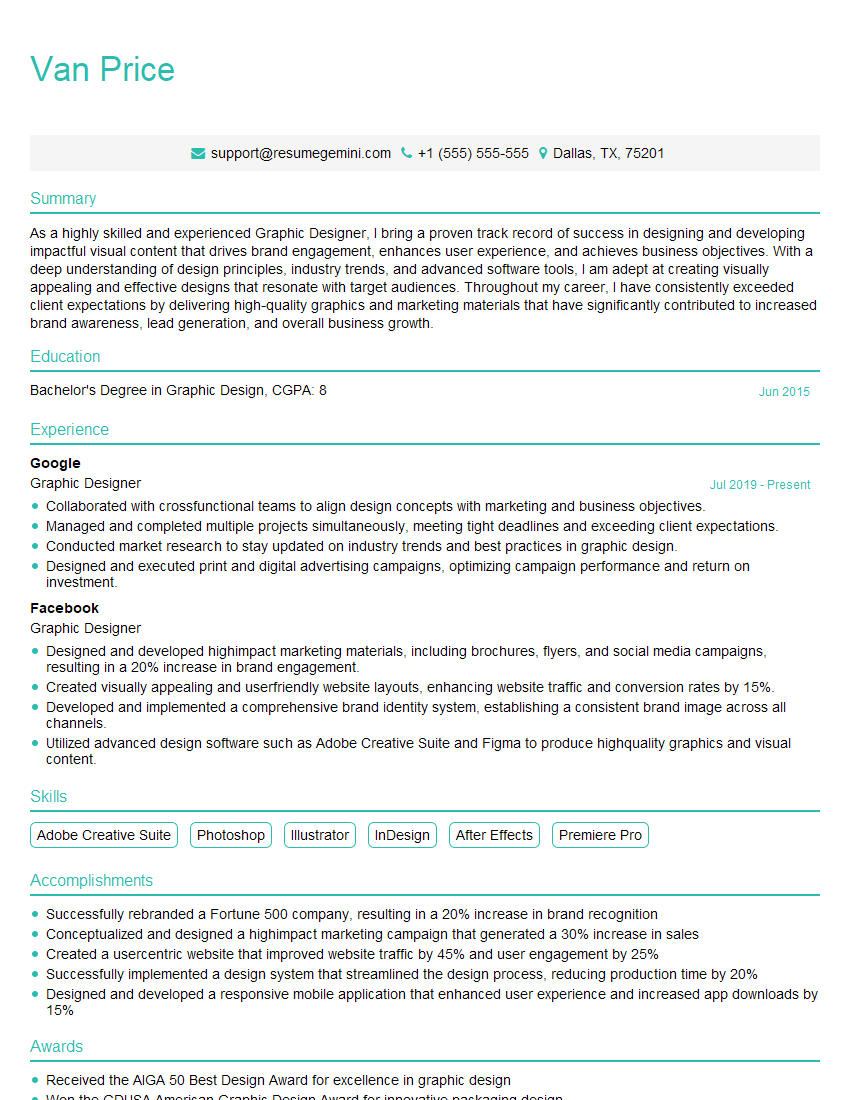
Graphic Designer Resume Sample
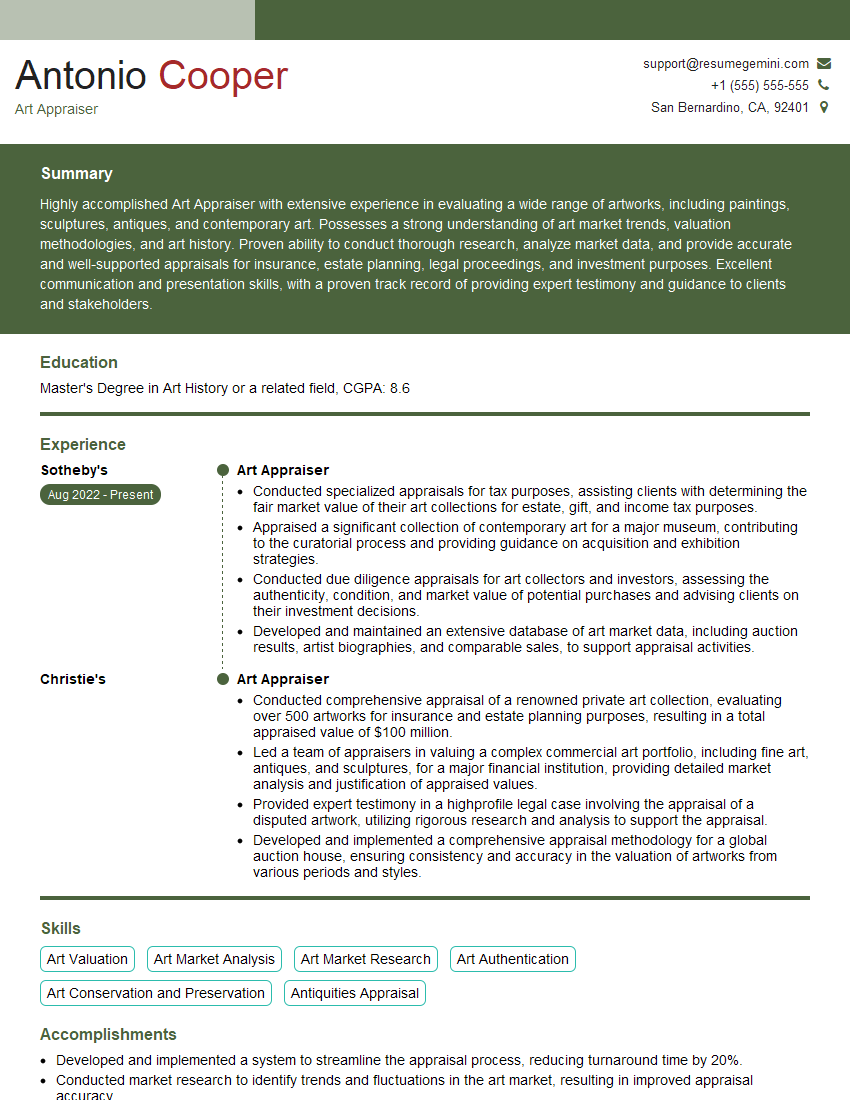
Art Appraiser Resume Sample
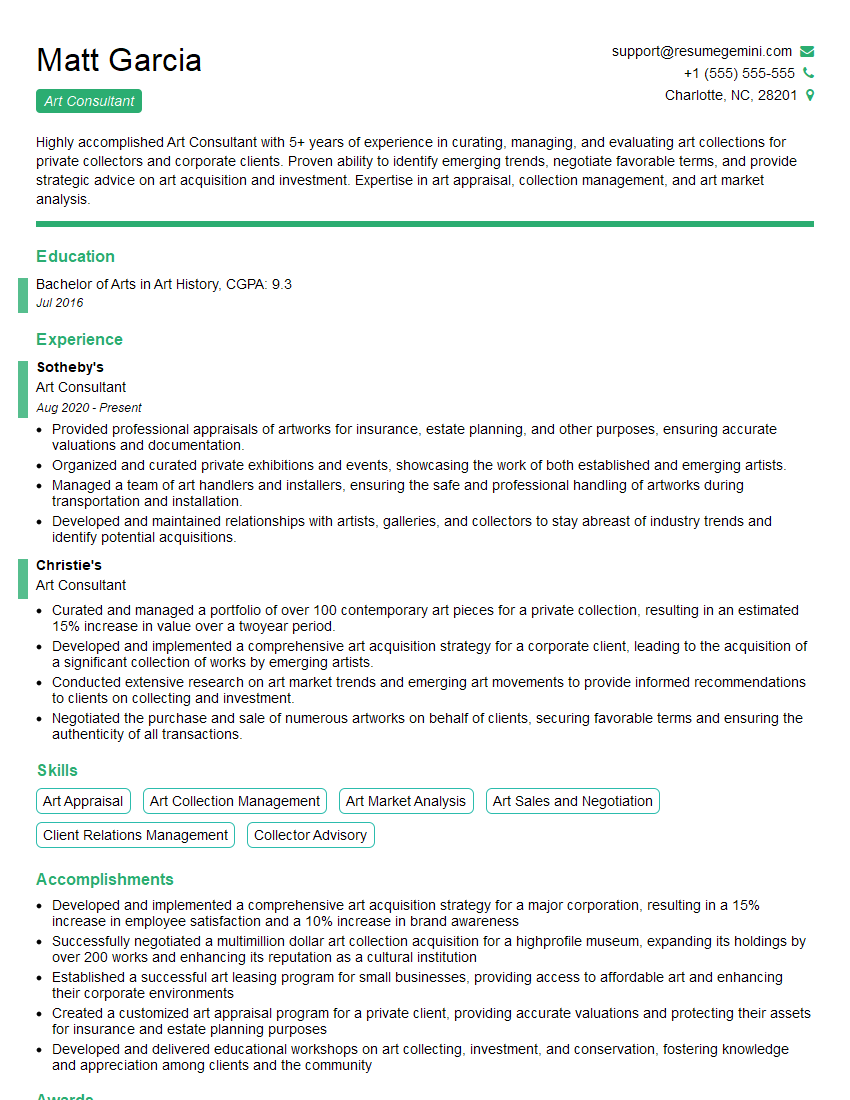
Art Consultant Resume Sample

Design Consultant Resume Sample
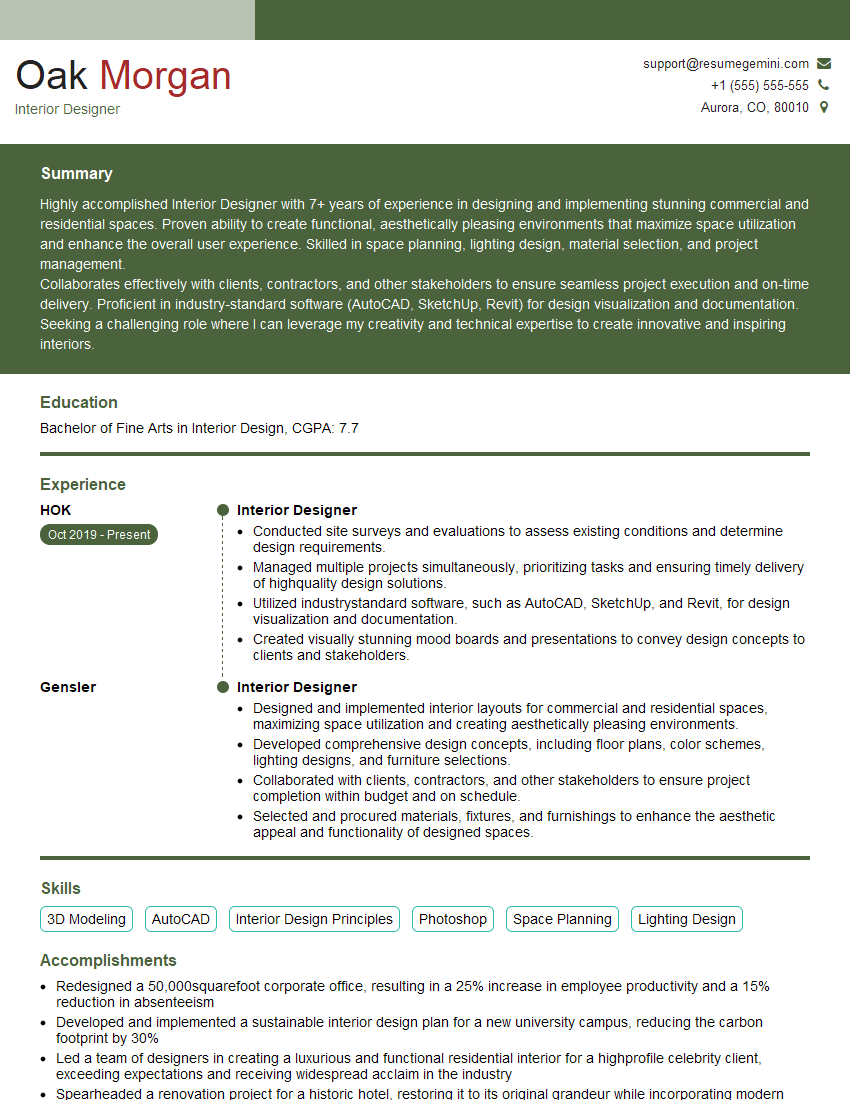
Interior Designer Resume Sample
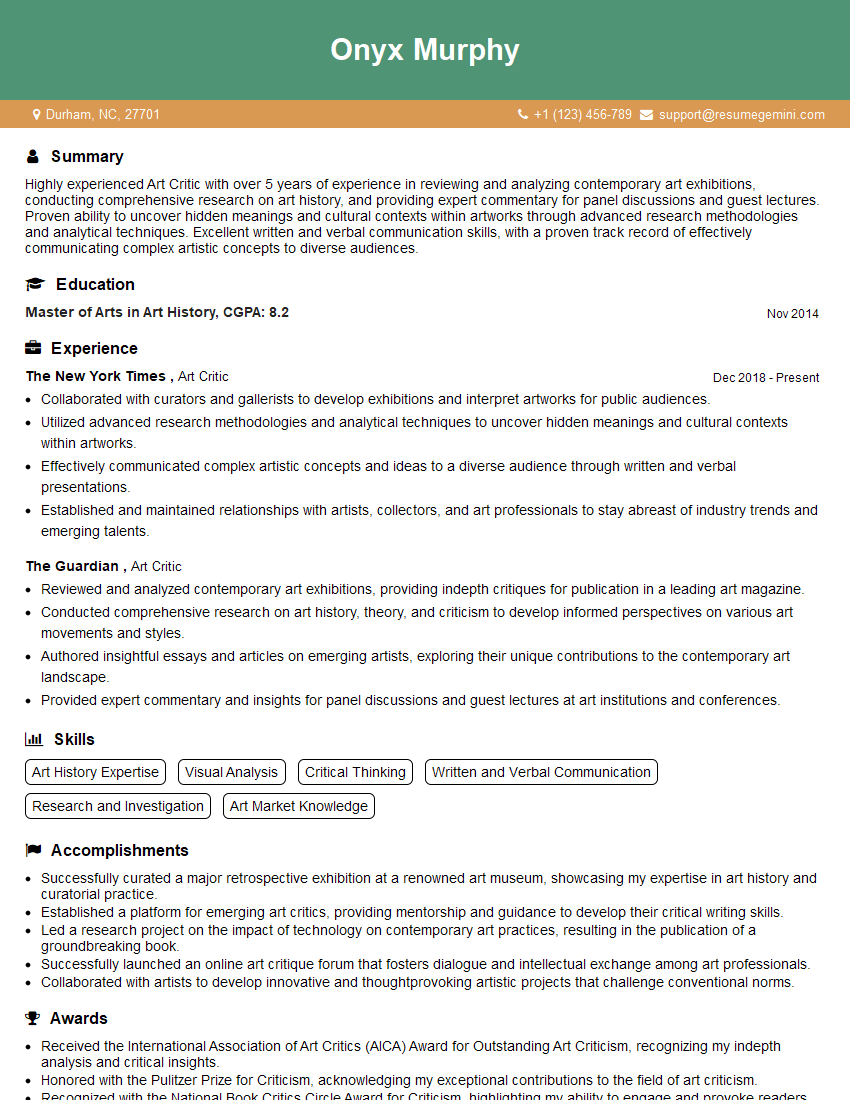
Art Critic Resume Sample
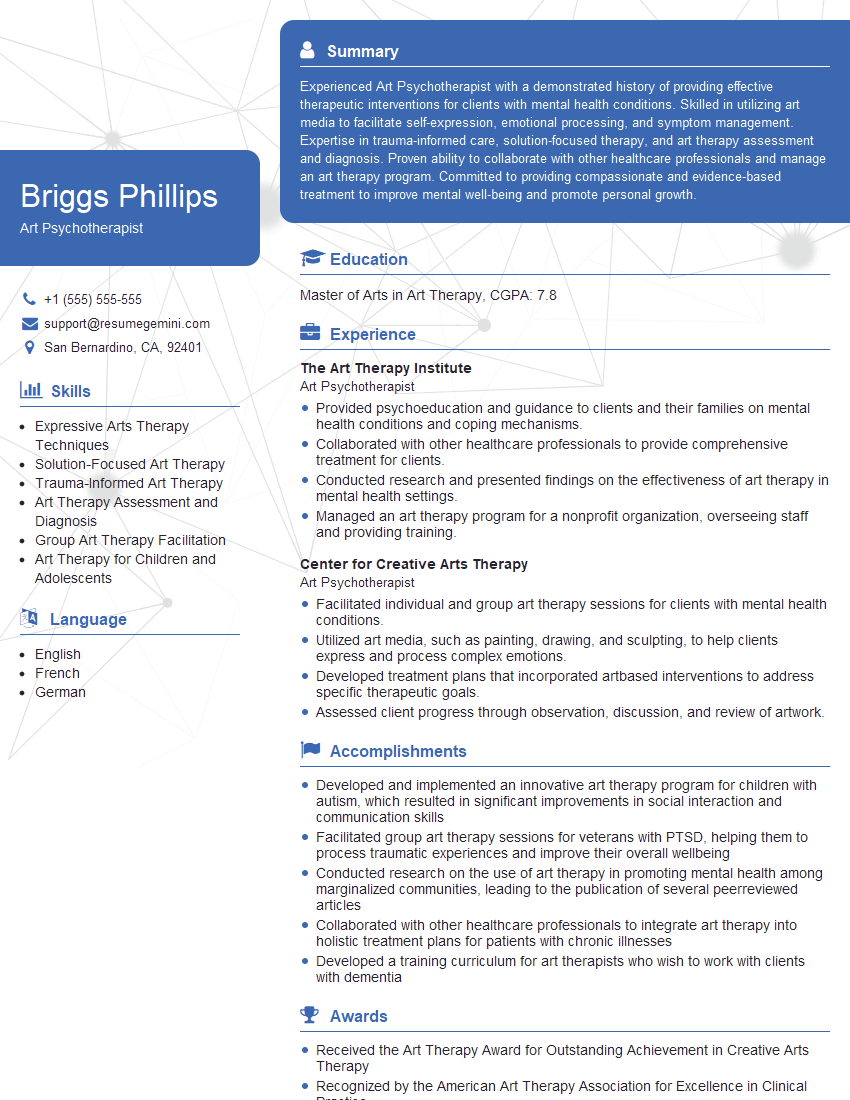
Art Psychotherapist Resume Sample
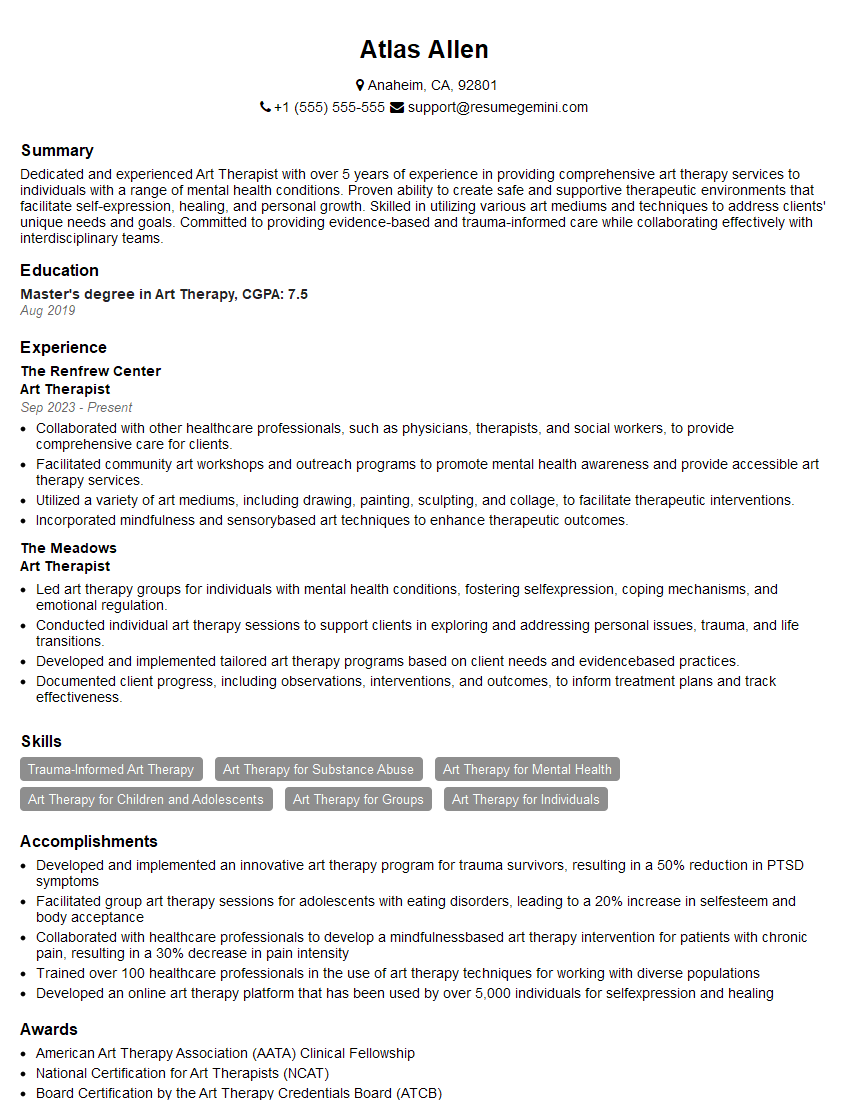
Art Therapist Resume Sample
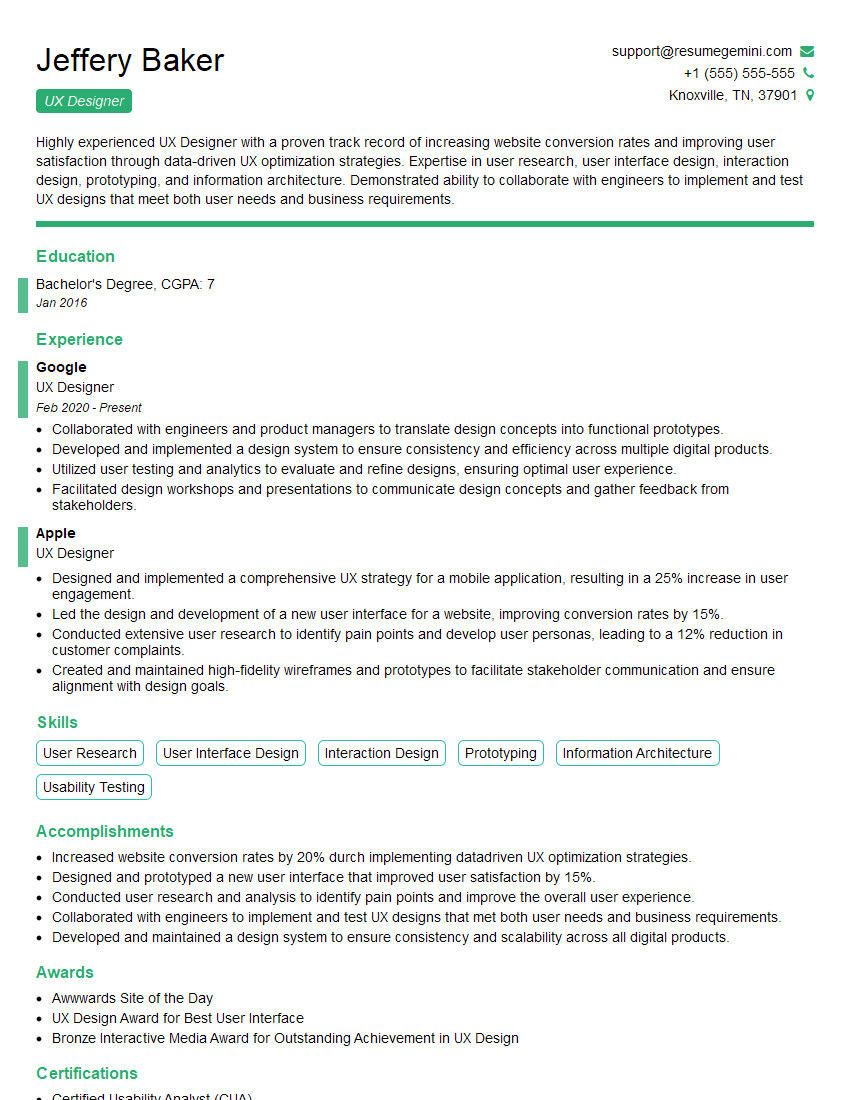
UX Designer Resume Sample
Explore more articles
Users Rating of Our Blogs
Share Your Experience
We value your feedback! Please rate our content and share your thoughts (optional).
What Readers Say About Our Blog
To the interviewgemini.com Webmaster.
Very helpful and content specific questions to help prepare me for my interview!
Thank you
To the interviewgemini.com Webmaster.
This was kind of a unique content I found around the specialized skills. Very helpful questions and good detailed answers.
Very Helpful blog, thank you Interviewgemini team.