Interviews are opportunities to demonstrate your expertise, and this guide is here to help you shine. Explore the essential Oil Petrochemicals interview questions that employers frequently ask, paired with strategies for crafting responses that set you apart from the competition.
Questions Asked in Oil Petrochemicals Interview
Q 1. Explain the different types of crude oil and their properties.
Crude oil is a complex mixture of hydrocarbons, varying significantly in composition depending on its geological origin. These variations lead to different types of crude oil, each with unique properties influencing its processing and value.
- Light Sweet Crude: This type has a low density (API gravity above 31.1°) and low sulfur content. It’s highly desirable as it requires less processing and produces more high-value products like gasoline. Think of it as the ‘premium’ grade – easier to refine and yielding more valuable end products. Examples include West Texas Intermediate (WTI) and Brent crude.
- Heavy Sour Crude: This is denser (API gravity below 22°) and contains a high concentration of sulfur and other impurities. It’s more challenging to refine, resulting in lower yields of valuable products and requiring more extensive processing to meet environmental regulations. Imagine it as needing more ‘work’ to become usable, yielding less of the desirable products.
- Medium Crude: This falls between light sweet and heavy sour in terms of density and sulfur content. Its properties vary widely depending on the specific reservoir.
These properties – API gravity (a measure of density), sulfur content, and viscosity (resistance to flow) – significantly affect the refining process, cost, and the types of products obtained. For example, a higher sulfur content necessitates more extensive desulfurization, increasing refining costs.
Q 2. Describe the process of fractional distillation in a refinery.
Fractional distillation is the cornerstone of petroleum refining. It’s a physical separation process that leverages the different boiling points of hydrocarbons present in crude oil. Think of it as separating a mixed bag of candies by their melting points, with those that melt first separated first.
The process begins with heating the crude oil to a high temperature (around 370°C). This vaporizes the lighter hydrocarbons. The vapor then enters a tall fractionating column, a structure with multiple trays or packing materials. As the vapor rises, it cools gradually. Each tray or packing section is at a slightly lower temperature. The heavier hydrocarbons condense (turn back into liquid) at higher temperatures and are collected at lower sections of the column. Lighter components like gasoline condense at lower temperatures and are collected higher up.
This results in fractions of hydrocarbons with similar boiling ranges, including:
- Petroleum Gas (LPG): Used in cooking and heating.
- Gasoline: Motor fuel.
- Kerosene: Jet fuel and heating oil.
- Diesel Fuel: Used in vehicles and heavy machinery.
- Fuel Oil: For power generation and industrial heating.
- Lubricating Oils: For machinery lubrication.
- Asphalt: Used in road construction.
The specific composition of each fraction varies depending on the type of crude oil processed.
Q 3. What are the key challenges in reservoir management?
Reservoir management faces numerous challenges aimed at maximizing hydrocarbon recovery while minimizing environmental impact and operating costs. These challenges can be broadly categorized:
- Pressure Depletion: As oil is extracted, reservoir pressure declines, reducing the flow rate of hydrocarbons and making further extraction more difficult. This is a fundamental challenge necessitating techniques like pressure maintenance.
- Water and Gas Coning: The influx of water or gas into the production wells can reduce the oil production rate and contaminate the produced oil. Effective well placement and completion strategies are vital to mitigate this.
- Heterogeneity: Reservoirs are rarely homogeneous (uniform in properties). Variations in permeability and porosity cause uneven flow of fluids and hinder efficient recovery. Advanced reservoir simulation techniques are crucial to understand and manage heterogeneity.
- Uncertainty: The geological properties and fluid behavior in a reservoir are often not perfectly known. Dealing with this uncertainty requires sophisticated models and data analysis.
- Environmental Regulations: Stricter environmental regulations place constraints on the operation and disposal of produced fluids, demanding environmentally friendly technologies.
- Economic Factors: Fluctuations in oil prices and operating costs influence the economic viability of different recovery strategies.
Effective reservoir management involves integrating geological data, reservoir simulation, production optimization, and economic analysis to develop and implement optimal production strategies.
Q 4. Explain the principles of enhanced oil recovery (EOR).
Enhanced Oil Recovery (EOR) techniques are employed when primary and secondary recovery methods become insufficient to extract economically viable quantities of oil. These techniques aim to increase the oil displacement efficiency from the reservoir by improving the mobility ratio of oil and water or gas.
Several EOR methods exist:
- Waterflooding: Injecting water into the reservoir to displace the oil towards the production wells. This is a widely used secondary recovery method. Think of it as pushing the oil out with water.
- Gas Injection: Injecting gas (e.g., natural gas or carbon dioxide) to maintain reservoir pressure and improve oil mobility. This can improve the flow of oil to production wells.
- Chemical Injection: This involves injecting chemicals like polymers (to increase water viscosity), surfactants (to reduce interfacial tension between oil and water), or alkaline agents (to alter the wettability of the rock). This changes the way the fluids interact improving oil movement towards production wells.
- Thermal Recovery: Methods that use heat to reduce oil viscosity, making it easier to flow. This includes steam injection and in-situ combustion.
The selection of an appropriate EOR technique depends on reservoir characteristics, oil properties, and economic factors. EOR methods often significantly increase the ultimate recovery factor, making previously uneconomical reservoirs profitable.
Q 5. What are the different types of drilling rigs and their applications?
Drilling rigs are complex machinery used to drill wells for oil and gas extraction. Different rig types are suited for specific applications based on factors like water depth, well depth, and terrain.
- Land Rigs: Used on land, these vary in size and capacity. Smaller rigs may be used for shallow wells, while larger ones are needed for deeper, more challenging formations. Think of them as your standard workhorse on land.
- Offshore Jack-up Rigs: These rigs have legs that are raised above the water surface, supporting the drilling platform. They’re suitable for relatively shallow water depths and stable sea conditions. Imagine it as a tripod that elevates above the waves.
- Offshore Semi-submersible Rigs: These are floating platforms that use pontoons for buoyancy and are stabilized by columns and ballast systems. They can operate in deeper water than jack-up rigs and have better stability in rough seas. Think of it as a floating island with support legs.
- Offshore Drill Ships: Highly mobile platforms that use dynamic positioning systems to maintain their position. These are used in the deepest water depths and harshest conditions, equipped to handle the most challenging sea states. This is the ultimate exploration platform.
The choice of rig type depends on the specific project requirements and conditions. For instance, deepwater drilling invariably demands the use of a drillship or semi-submersible.
Q 6. Describe the process of well completion and testing.
Well completion and testing are crucial steps following drilling to prepare a well for production and assess its productivity. Well completion involves equipping the wellbore to efficiently produce hydrocarbons. Testing evaluates the well’s capacity and the properties of the reservoir.
Well Completion: This involves installing various components in the wellbore to control the flow of fluids, prevent damage to the formation, and optimize production. Key aspects include:
- Casing and Cementing: Steel pipes (casing) are lowered into the wellbore to provide structural support and isolate different formations. Cement is used to secure the casing and prevent fluid migration.
- Perforating: Creating holes in the casing to allow hydrocarbons to flow into the wellbore.
- Completion Techniques: This varies and includes openhole completions (no casing in the productive zone), gravel packing (to prevent sand production), and slotted liners (with pre-drilled holes in the casing).
- Artificial Lift Systems: Sometimes necessary to enhance production if natural reservoir pressure isn’t enough, methods include pumps or gas lift.
Well Testing: This aims to determine the reservoir’s properties and the well’s production capacity. Testing methods include:
- Production Testing: Measuring the flow rate of hydrocarbons under different conditions.
- Pressure Build-up Tests: Assessing reservoir pressure and permeability by shutting in the well and monitoring pressure changes.
- Drill Stem Tests (DST): Evaluating reservoir properties and fluid composition by temporarily isolating a zone and measuring fluid flow.
The results of these tests are used to optimize the production strategy, which includes determining how many and what type of production equipment should be used.
Q 7. Explain the concept of pressure depletion in reservoir engineering.
Pressure depletion is the reduction in reservoir pressure due to the extraction of fluids (oil and gas). This is a fundamental phenomenon in reservoir engineering and significantly impacts hydrocarbon production. Think of it like letting air out of a balloon: as you remove fluids, the pressure decreases.
As pressure decreases, several effects are observed:
- Reduced Drive Mechanisms: Reservoir pressure provides the driving force for hydrocarbon flow to the wellbore. Depletion weakens this force, slowing down production.
- Increased Water or Gas Coning: Lower pressure can lead to the influx of water or gas into production wells, reducing oil production and potentially contaminating the produced fluids. Water and gas are less valuable than oil.
- Changes in Relative Permeability: The relative permeability of oil, water, and gas (the ability of each fluid to flow through the porous medium) varies with pressure. Depletion can reduce the relative permeability of oil, making it harder to extract. The rock becomes less conducive to oil flow.
- Formation Damage: Significant pressure depletion can lead to rock compaction, reducing permeability and making oil extraction more difficult.
Understanding and managing pressure depletion are crucial aspects of reservoir management. Techniques like pressure maintenance (e.g., water or gas injection) are employed to mitigate the negative effects of pressure decline and maximize hydrocarbon recovery. Managing pressure depletion is like pacing yourself; careful control maintains effective extraction without compromising the long-term viability.
Q 8. What are the safety measures involved in offshore drilling operations?
Offshore drilling is inherently risky, demanding stringent safety protocols. These measures are multifaceted, addressing potential hazards from well control to evacuation procedures. A robust safety management system (SMS) forms the bedrock, encompassing risk assessments, emergency response plans, and regular safety training.
- Well Control: This is paramount. Preventative measures include using blowout preventers (BOPs), sophisticated drilling mud systems to manage pressure, and regular equipment inspections. Emergency shut-down procedures are meticulously practiced. Imagine a BOP as a giant valve, capable of instantly sealing off a well in case of a pressure surge.
- Emergency Response: Comprehensive plans detail procedures for various scenarios—fires, explosions, spills, medical emergencies, and evacuations. Regular drills ensure crews are well-rehearsed. Escape routes, lifeboats, and emergency communication systems are meticulously maintained.
- Personal Protective Equipment (PPE): All personnel are equipped with appropriate PPE based on their roles and tasks—helmets, safety glasses, fire-retardant clothing, and specialized equipment like respirators in hazardous environments.
- Environmental Protection: Measures are in place to minimize environmental impact, including oil spill response plans, containment booms, and procedures for handling waste.
- Safety Training: Continuous training and competency assessments are mandatory. This includes not just operational procedures but also emergency response, hazard recognition, and working at heights.
For example, the Deepwater Horizon disaster highlighted the devastating consequences of inadequate safety procedures. Subsequent regulatory changes have strengthened safety requirements, emphasizing risk management and emergency preparedness.
Q 9. Discuss the environmental impact of oil and gas extraction.
Oil and gas extraction carries significant environmental consequences, affecting air, water, and land. The environmental impact varies depending on extraction methods and location. Minimizing these impacts requires careful planning, stringent regulations, and ongoing technological advancements.
- Greenhouse Gas Emissions: The burning of fossil fuels contributes significantly to climate change. Methane leaks during extraction and processing also contribute to this problem. The industry is actively pursuing methods to capture and utilize these emissions.
- Water Pollution: Drilling fluids, produced water (water extracted alongside oil and gas), and accidental spills can contaminate surface and groundwater resources. Effective waste management and spill prevention are crucial. Imagine the scale of damage if a significant amount of produced water were to enter a nearby river system.
- Habitat Destruction: Extraction activities can disrupt ecosystems, leading to habitat loss and biodiversity reduction. Careful site selection, environmental impact assessments, and habitat restoration efforts are essential. Consider the potential disruption to wildlife populations in areas with active drilling operations.
- Land Degradation: Drilling sites, pipelines, and associated infrastructure can cause land degradation. Land reclamation and restoration practices are employed to minimize the impact after operations cease.
Mitigation efforts involve employing cleaner extraction methods, improving waste management, and investing in technologies that reduce emissions. For instance, carbon capture and storage (CCS) projects are gaining traction as a means to mitigate greenhouse gas emissions from fossil fuel operations.
Q 10. Explain the role of pipeline integrity management.
Pipeline integrity management (PIM) is a systematic approach to ensuring the safe and reliable operation of pipelines. It involves a combination of proactive and reactive measures aimed at preventing incidents like leaks and ruptures. Think of it as a comprehensive health check-up for pipelines.
- Risk Assessment: Identifying and assessing potential hazards affecting pipeline integrity. This includes factors like corrosion, soil conditions, third-party damage, and material degradation.
- Inspection and Monitoring: Regular inspections using various methods like in-line inspection (ILI) tools, aerial surveys, and remote sensing technology. Data analysis helps to identify potential weaknesses.
- Data Management: A robust system for managing pipeline data, including inspection results, maintenance records, and operational parameters. This is crucial for proactive maintenance.
- Repair and Maintenance: Addressing identified issues through timely repairs and preventive maintenance. This includes coating repairs, cathodic protection upgrades, and other corrective actions.
- Emergency Response Planning: Establishing protocols and procedures to respond effectively to pipeline incidents. This often includes leak detection systems and emergency shutdown mechanisms.
Effective PIM minimizes the risk of pipeline failures, protecting the environment and ensuring the continued safe and efficient transportation of oil and gas. Failing to adequately maintain pipelines can result in environmental disasters, significant economic losses, and reputational damage.
Q 11. How do you manage risks associated with pipeline transportation?
Managing risks associated with pipeline transportation requires a multi-layered approach that combines robust engineering, proactive monitoring, and rigorous safety protocols.
- Pipeline Design and Construction: Pipelines must be designed and constructed to withstand the pressures and environmental conditions they will experience. Material selection and welding techniques are crucial. Regular inspections during construction ensure adherence to standards.
- Right-of-Way Management: Protecting the pipeline’s right-of-way from damage caused by third parties, such as excavation activities. This involves working with landowners, contractors, and regulatory agencies.
- Corrosion Control: Implementing measures such as cathodic protection to prevent corrosion, a major cause of pipeline failures. Regular monitoring of corrosion rates is necessary.
- Leak Detection Systems: Installing sophisticated leak detection systems to quickly identify and locate leaks, minimizing environmental damage and enabling prompt repairs.
- Emergency Response and Spill Control: Developing and testing emergency response plans to address spills or ruptures efficiently. This involves training personnel and providing adequate equipment.
Imagine a scenario where a pipeline is damaged by a nearby construction project. Robust right-of-way management and effective communication with contractors would prevent such an incident. If a leak does occur, a swift response and effective spill containment strategy will minimize the environmental consequences.
Q 12. Describe the different types of petrochemical products and their applications.
Petrochemical products are derived from petroleum and natural gas through refining and cracking processes. They form the basis for countless everyday products.
- Ethylene: A key building block for plastics, including polyethylene (PE) used in films, bottles, and packaging, and polypropylene (PP) used in fibers, containers, and automotive parts.
- Propylene: Used to make polypropylene (PP), acrylic fibers, and other polymers.
- Benzene: A precursor to many chemicals, including styrene (used in polystyrene), phenol (used in resins and adhesives), and nylon.
- Paraxylene: Used to make polyester fibers and plastics, essential for clothing and packaging materials.
- Ethylene Glycol: Used as an antifreeze agent and in the production of polyester fibers and plastics.
- Polyethylene Terephthalate (PET): Used to make plastic bottles, films, and fibers.
These are just a few examples; petrochemicals are incredibly versatile and form the foundation of a vast range of consumer products, from clothing and packaging to electronics and construction materials.
Q 13. Explain the process of cracking in petroleum refining.
Cracking is a crucial process in petroleum refining that breaks down large hydrocarbon molecules (like long chains) found in crude oil into smaller, more valuable molecules. This involves breaking the carbon-carbon bonds. This is necessary because the demand for smaller molecules (like gasoline, kerosene, and diesel) is much higher than for the larger molecules found in crude oil.
- Thermal Cracking: This involves heating the hydrocarbon feedstock to high temperatures (500-700°C) without a catalyst. It’s a relatively less controlled process and produces a wider range of products.
- Catalytic Cracking: This uses catalysts (typically zeolites) to facilitate the cracking process at lower temperatures (450-550°C). It offers better control over the product distribution and yields more valuable gasoline components. Think of catalysts as helpers that speed up the reaction without being consumed themselves.
- Fluid Catalytic Cracking (FCC): A specific type of catalytic cracking using a fluidized catalyst bed. This is highly efficient and widely used in modern refineries. The catalyst is continuously circulated, enhancing efficiency.
The products of cracking vary depending on the type of cracking and the feedstock used. They often include gasoline, diesel, heating oil, and various petrochemical feedstocks like ethylene and propylene. The selection of the cracking method depends on economic considerations, the desired product mix, and refinery capabilities.
Q 14. What are the key performance indicators (KPIs) for a refinery?
Key Performance Indicators (KPIs) for a refinery are used to assess its operational efficiency, profitability, and safety performance. These KPIs are closely monitored and analyzed to identify areas for improvement.
- Yields: The amount of desired products (like gasoline, diesel, etc.) produced from a given amount of crude oil. Higher yields are generally better, reflecting efficient processing.
- Operating Costs: Costs associated with running the refinery, including energy consumption, maintenance, and labor. Minimizing these costs is essential for profitability.
- Throughput: The amount of crude oil processed per day or per year. This reflects the refinery’s capacity utilization.
- Energy Efficiency: The amount of energy consumed per unit of product produced. Improved energy efficiency reduces operating costs and environmental impact.
- Safety Performance: The number of safety incidents (fires, spills, injuries) per unit of operation. A strong safety record is crucial for any refinery operation.
- Environmental Performance: Measures like greenhouse gas emissions, water consumption, and waste generation. Minimizing environmental impact is increasingly important.
- Product Quality: Adherence to specifications and standards for refined products. Maintaining product quality is essential for meeting customer requirements.
For example, consistently low yields of gasoline might indicate problems with the cracking process, prompting investigations and adjustments. Similarly, a high number of safety incidents would require immediate attention, focusing on identifying the root causes and implementing corrective measures.
Q 15. Discuss the importance of process safety management (PSM).
Process Safety Management (PSM) is a systematic approach to proactively identify, evaluate, and control hazards associated with chemical processes. It’s crucial in the oil and petrochemical industry because of the inherent risks involved – dealing with flammable, toxic, and highly reactive substances. Think of it as a comprehensive safety net, aiming to prevent incidents before they occur rather than just reacting to them.
Effective PSM involves several key elements: hazard identification and risk assessment (like HAZOP studies, which we’ll discuss later), engineering controls (such as implementing safety instrumented systems or SIS), administrative controls (safe work permits, training programs), and emergency response planning. A strong PSM program is built on a culture of safety, where every employee understands their role in preventing accidents and feels empowered to speak up about potential hazards.
For example, a poorly maintained pressure relief valve on a distillation column could lead to a catastrophic overpressure event. PSM helps ensure such valves are regularly inspected, tested, and maintained, minimizing this risk. Failure to implement robust PSM can result in significant environmental damage, loss of life, and substantial financial penalties.
Career Expert Tips:
- Ace those interviews! Prepare effectively by reviewing the Top 50 Most Common Interview Questions on ResumeGemini.
- Navigate your job search with confidence! Explore a wide range of Career Tips on ResumeGemini. Learn about common challenges and recommendations to overcome them.
- Craft the perfect resume! Master the Art of Resume Writing with ResumeGemini’s guide. Showcase your unique qualifications and achievements effectively.
- Don’t miss out on holiday savings! Build your dream resume with ResumeGemini’s ATS optimized templates.
Q 16. Explain the principles of HAZOP studies.
HAZOP (Hazard and Operability Study) is a systematic and comprehensive method for identifying potential hazards and operability problems in a process. It’s a structured brainstorming session where a team of experts, with diverse backgrounds, systematically review each process step, considering deviations from the intended design or operation. Think of it as a highly organized ‘what if’ analysis.
The core principle involves using ‘guide words’ – words that represent potential deviations such as ‘no,’ ‘more,’ ‘less,’ ‘part of,’ ‘reverse,’ ‘other than,’ etc. These guide words are applied to each process parameter (temperature, pressure, flow rate, composition, etc.) at each process stage. The team then discusses the consequences of each deviation, considering its impact on safety, operability, and environmental aspects.
For example, in a refinery’s cracking unit, applying the guide word ‘more’ to ‘temperature’ might reveal a potential hazard of exceeding the maximum operating temperature, which could lead to equipment failure or even an explosion. The HAZOP process would then lead to the identification of mitigating measures, such as installing temperature sensors and alarms.
A HAZOP study generates a detailed report documenting identified hazards, their potential consequences, and recommended safety measures. This report serves as a critical input for the design and operation of the process.
Q 17. How do you manage a project within budget and schedule constraints?
Managing projects within budget and schedule requires a proactive and organized approach. My strategy begins with thorough planning. This includes a detailed work breakdown structure (WBS), a realistic project schedule, and a comprehensive budget, all meticulously reviewed and approved.
I use Earned Value Management (EVM) techniques to track progress and identify potential issues early on. EVM allows you to compare planned vs. actual progress, cost, and schedule, providing a clear picture of the project’s health. Regular progress meetings with the team and stakeholders are critical to maintain transparency and address challenges promptly.
Risk management is also paramount. We identify potential risks during the planning phase and develop contingency plans. This might involve buffer time in the schedule or reserving funds to address unexpected challenges. If unforeseen circumstances arise (like equipment delays or material shortages), I utilize change management procedures, ensuring any adjustments to the scope, schedule, or budget are documented, approved, and tracked.
In essence, successful project management involves meticulous planning, consistent monitoring, proactive risk management, and effective communication with the team and stakeholders.
Q 18. What is your experience with different types of process simulation software?
I have extensive experience with various process simulation software packages, including Aspen Plus, HYSYS, and Pro/II. My experience spans across steady-state and dynamic simulations, encompassing various applications such as process design, optimization, and troubleshooting.
Aspen Plus, for example, is powerful for thermodynamic calculations and complex process simulations, particularly useful for designing new units or optimizing existing ones. HYSYS excels in its user-friendly interface and its capabilities for dynamic modeling, useful for studying process upsets and safety systems. Pro/II is robust and reliable, often used for steady-state simulations in the refining industry.
My expertise extends beyond simply running simulations. I understand the underlying principles of thermodynamics, fluid mechanics, and chemical reactions that drive these models. This allows me to interpret the results accurately, validate the models against real-world data, and make informed decisions based on the simulations. For example, I used Aspen Plus to model the optimization of a crude distillation unit, significantly improving energy efficiency and yield.
Q 19. Describe your experience with data analysis and reporting in the oil and gas industry.
Data analysis and reporting are critical aspects of my work in the oil and gas industry. I’m proficient in using various statistical tools and software packages like Excel, Python (with libraries like Pandas and NumPy), and specialized process historian software (e.g., OSIsoft PI System).
My work often involves analyzing large datasets from process sensors, historical production data, and laboratory analysis. This data analysis allows me to identify trends, detect anomalies, optimize operational parameters, and improve overall process efficiency. For example, I used statistical process control (SPC) techniques to identify and address a recurring problem in a refinery’s catalytic cracking unit, resulting in significant cost savings.
I create comprehensive reports summarizing my findings and recommendations, utilizing graphs, charts, and other visual aids to effectively communicate the information to both technical and non-technical audiences. These reports form the basis for decision-making, contributing to improved performance and safety within the organization.
Q 20. How do you handle conflicts and disagreements within a team?
Handling conflicts and disagreements within a team requires a collaborative and respectful approach. My strategy prioritizes open communication and active listening. I encourage team members to express their opinions and concerns in a safe environment, free from judgment.
I strive to understand the root causes of the conflict, identifying differing perspectives or underlying issues. I then facilitate a constructive dialogue, encouraging team members to find common ground and explore potential solutions together. Compromise and collaboration are key in reaching mutually acceptable outcomes.
If the conflict persists, I might mediate the discussion, guiding the team towards a resolution. In rare instances, if the conflict significantly impacts the project or team dynamics, I may involve higher management to assist in finding a resolution. The goal is always to maintain a positive and productive work environment while respecting the individual needs of all team members.
Q 21. Explain your experience with root cause analysis and problem solving.
Root cause analysis (RCA) is essential for effective problem-solving. I have extensive experience using various RCA techniques, including the ‘5 Whys’ method, fishbone diagrams (Ishikawa diagrams), and Fault Tree Analysis (FTA).
The ‘5 Whys’ method involves repeatedly asking ‘why’ to uncover the underlying causes of a problem. This approach is simple yet effective for identifying the root cause quickly. Fishbone diagrams help visualize potential causes, categorizing them into different factors (e.g., people, equipment, materials, environment). FTA is a more structured approach used for complex problems, mapping out potential failure modes and their combinations.
For example, if a process unit experienced an unexpected shutdown, I would use a combination of these techniques. The ‘5 Whys’ might reveal the immediate cause, while the fishbone diagram helps systematically explore contributing factors like equipment malfunction, operator error, or process deviations. The solution then focuses on addressing the root cause, not just treating the symptom.
Beyond identifying the root cause, I focus on implementing effective corrective actions, verifying their effectiveness, and documenting the entire RCA process to prevent similar issues from occurring in the future. Continuous improvement is a key element of my problem-solving approach.
Q 22. Describe your knowledge of relevant industry regulations and standards (e.g., OSHA, API).
My understanding of industry regulations and standards is extensive, encompassing key players like OSHA (Occupational Safety and Health Administration) and API (American Petroleum Institute). OSHA sets the baseline for workplace safety, mandating procedures to minimize hazards like explosions, fires, and chemical exposure. Their regulations cover everything from personal protective equipment (PPE) requirements to emergency response plans. I have a deep familiarity with OSHA’s Process Safety Management (PSM) standard, which dictates rigorous risk assessment and management protocols for hazardous processes.
API, on the other hand, provides industry-specific recommendations and standards. I’m particularly well-versed in API RP 14C (Recommended Practice for Analysis, Design, Installation, and Testing of Pressure-Relieving Systems in Refineries) which guides the design and implementation of safety relief systems, crucial for preventing catastrophic equipment failures. I’ve also worked extensively with API standards related to well control, pipeline integrity, and environmental protection. Understanding and adhering to both OSHA and API standards is paramount to ensuring safe and compliant operations.
- Example: In a previous role, I was directly involved in implementing a new API recommended practice for reducing fugitive emissions, resulting in a significant decrease in volatile organic compound (VOC) releases.
- Example: I’ve led numerous safety audits ensuring our operations meet both OSHA and API requirements, leading to the identification and remediation of several potential hazards.
Q 23. How do you ensure compliance with environmental regulations?
Ensuring compliance with environmental regulations is a core responsibility in the oil and gas industry, and I approach it with a multifaceted strategy. This begins with a thorough understanding of the relevant legislation, such as the Clean Air Act, Clean Water Act, and Resource Conservation and Recovery Act (RCRA) in the US, or equivalent regulations in other jurisdictions. I have extensive experience in implementing and maintaining environmental management systems (EMS) that align with ISO 14001 standards. These EMS encompass aspects like waste management, emissions control, and spill prevention and response.
My approach includes:
- Proactive Monitoring: Regular monitoring of emissions, wastewater discharges, and soil conditions to ensure we stay within regulatory limits. This often involves sophisticated monitoring equipment and regular reporting.
- Spill Prevention and Response: Development and implementation of robust spill prevention and response plans, incorporating regular drills and training to ensure preparedness for any eventuality. This includes understanding the environmental impact of different hydrocarbons and appropriate clean-up procedures.
- Permitting and Reporting: Meticulous management of all environmental permits and reporting requirements. I ensure all reports are accurate, timely, and compliant with all applicable regulations.
- Technology Integration: Leveraging technology to optimize environmental performance. This includes adopting best-available technologies for emissions reduction and implementing automated monitoring systems.
Example: In a prior project, I led the implementation of a new wastewater treatment system that drastically reduced the environmental impact of our operations, resulting in significant cost savings and enhanced environmental compliance.
Q 24. What is your experience with different types of well testing?
My experience with well testing encompasses a wide range of techniques, each designed to gather specific information about a reservoir. These tests are crucial in determining the productivity of a well and optimizing its production potential.
- Drill Stem Tests (DSTs): I’ve been involved in numerous DSTs, which provide information about reservoir pressure, permeability, and fluid composition at different depths. These tests involve running specialized tools down the wellbore to isolate and test specific reservoir intervals.
- Production Tests: These tests measure the well’s flow rate under different operating conditions, providing valuable data on productivity index and reservoir pressure decline. Analyzing this data helps in optimizing production strategies.
- Pressure Build-Up Tests (PBU): I’ve analyzed numerous PBU tests, which involve shutting in a well and monitoring the pressure increase. The data obtained is critical for determining reservoir properties such as permeability and skin factor. This data is crucial in reservoir modeling and simulation.
- Injection Tests: I’ve supervised injection tests, where fluids (e.g., water, gas) are injected into the reservoir to enhance oil recovery (EOR). Analyzing the pressure response helps assess reservoir injectivity and optimize injection strategies.
Example: I once used data from a DST and PBU test to identify a previously unknown high-permeability zone, leading to a significant increase in the well’s production rate.
Q 25. Explain your understanding of different types of reservoir simulation software.
My understanding of reservoir simulation software is comprehensive. These sophisticated tools are essential for predicting reservoir behavior and optimizing production strategies. I have experience with industry-leading software packages like:
- ECLIPSE (Schlumberger): A powerful, industry-standard simulator capable of handling complex reservoir geometries and fluid properties. I’ve used ECLIPSE for history matching, forecasting production, and evaluating different development scenarios.
- CMG (Computer Modelling Group): Another widely used simulator with a range of modules for reservoir simulation, including compositional simulation, thermal simulation, and reservoir management optimization. I’ve leveraged CMG’s capabilities for complex reservoir modeling.
- Petrel (Schlumberger): While not solely a reservoir simulator, Petrel integrates seamlessly with simulation workflows, providing a comprehensive platform for geological modeling, reservoir characterization, and simulation setup. I am proficient in using Petrel to build geological models and manage simulation inputs.
Each software package has its strengths and weaknesses, and the choice depends on the specific reservoir characteristics and the objectives of the simulation study. I’m proficient in selecting the appropriate software and setting up the simulation model to accurately reflect the reservoir’s geology, fluid properties, and production history.
Q 26. Describe your experience in using reservoir simulation results for decision making.
I’ve extensively used reservoir simulation results for decision-making throughout my career. These simulations provide crucial insights that guide key operational decisions, maximizing economic returns and optimizing resource recovery. My approach involves a rigorous workflow:
- History Matching: I first calibrate the simulation model by matching its predictions to historical production data. This ensures the model accurately reflects the reservoir’s behavior.
- Sensitivity Analysis: I conduct sensitivity analyses to understand how different parameters (e.g., permeability, porosity) affect production forecasts. This helps identify uncertainties and prioritize data acquisition efforts.
- Scenario Planning: I use the model to evaluate various development scenarios, such as different well placement strategies, production rates, and water injection schemes. This enables informed decision-making on the optimal development plan.
- Economic Evaluation: I integrate reservoir simulation results with economic models to assess the profitability of different development scenarios. This ensures that decisions are economically sound.
Example: In one project, reservoir simulation helped us identify a more efficient well placement strategy, leading to a 15% increase in cumulative oil recovery.
Q 27. How do you stay updated with the latest technologies and advancements in the oil and gas industry?
Staying updated with the latest technologies and advancements is crucial in this rapidly evolving industry. I employ a multi-pronged approach:
- Industry Conferences and Events: Attending major industry conferences like SPE (Society of Petroleum Engineers) events allows me to network with peers and learn about cutting-edge technologies.
- Professional Publications and Journals: I regularly read industry publications such as SPE Journal, OnePetro, and Oil & Gas Journal to keep abreast of new research and technological developments.
- Online Courses and Webinars: I actively participate in online courses and webinars offered by reputable organizations to enhance my technical skills and knowledge in areas like digital oilfield technologies and advanced reservoir simulation.
- Mentorship and Networking: Engaging with experienced professionals and networking within the industry provides invaluable insights and exposure to innovative practices.
This continuous learning ensures my skills remain relevant and I can contribute effectively to addressing emerging challenges and opportunities in the oil and gas sector.
Q 28. Describe your experience in managing and mitigating risks in an oil and gas environment.
Managing and mitigating risks in the oil and gas industry requires a proactive and systematic approach. My experience involves a risk management framework that encompasses:
- Risk Identification: I utilize various techniques, such as HAZOP (Hazard and Operability Study) and What-If analysis, to identify potential hazards and risks across all phases of operations – from exploration to production and decommissioning.
- Risk Assessment: I employ quantitative and qualitative methods to assess the likelihood and potential consequences of each identified risk. This involves considering factors like environmental impact, safety, and economic consequences.
- Risk Mitigation: Based on the risk assessment, I develop and implement strategies to mitigate identified risks. This may include engineering controls, administrative controls, and safety procedures. Examples include implementing improved safety protocols, upgrading equipment, and investing in advanced monitoring systems.
- Emergency Response Planning: I have extensive experience in developing and regularly updating emergency response plans for various scenarios, including oil spills, fires, and equipment failures. This includes training personnel and conducting regular drills to ensure preparedness.
- Continuous Improvement: I advocate for a culture of continuous improvement, utilizing lessons learned from incidents and near misses to enhance risk management practices and prevent future occurrences.
Example: In a previous role, I played a key role in implementing a new safety management system that reduced the frequency and severity of incidents significantly. This involved introducing new training programs, improving equipment maintenance procedures, and establishing a more robust reporting system.
Key Topics to Learn for Oil Petrochemicals Interview
- Upstream Operations: Exploration & Production – Understanding reservoir characterization, drilling techniques, well completion, and production optimization. Consider practical applications like analyzing production data to identify bottlenecks or proposing solutions to enhance recovery rates.
- Midstream Operations: Transportation & Storage – Familiarize yourself with pipeline networks, storage facilities, and the challenges of transporting crude oil and refined products. Think about the logistical and safety considerations involved in managing these complex systems.
- Downstream Operations: Refining & Petrochemicals – Learn about refining processes (fractional distillation, cracking, etc.), petrochemical production, and the various products derived from crude oil. Explore case studies analyzing the efficiency of refining processes or the impact of changing market demands on production strategies.
- Health, Safety, and Environment (HSE): Understand the stringent HSE regulations within the industry and best practices for risk management and environmental protection. Prepare to discuss examples of HSE incidents and how they could have been prevented.
- Process Control & Instrumentation: Grasp the principles of process control and the role of instrumentation in monitoring and controlling operations in refineries and petrochemical plants. Be ready to discuss various control strategies and their applications.
- Project Management & Engineering: Understanding project lifecycle management, cost estimation, and risk assessment within the context of large-scale oil and gas projects is crucial. Consider examples of successful project management approaches and the challenges involved in managing complex projects.
- Economic Evaluation & Market Analysis: Develop an understanding of oil and gas economics, including pricing models, market forecasting, and investment appraisal techniques. Think about how market dynamics can impact production decisions.
Next Steps
Mastering these Oil & Petrochemicals concepts significantly boosts your career prospects, opening doors to exciting and rewarding roles within this dynamic industry. Landing your dream job requires a strong first impression, and that starts with a compelling resume. An ATS-friendly resume is critical for getting your application noticed by recruiters. To create a powerful resume that showcases your skills and experience effectively, leverage the expertise of ResumeGemini. ResumeGemini offers a user-friendly platform to build professional resumes, and we provide examples of resumes tailored to the Oil & Petrochemicals sector to help you get started. Invest in your future – craft a resume that truly reflects your potential.

Operations Manager Resume Sample
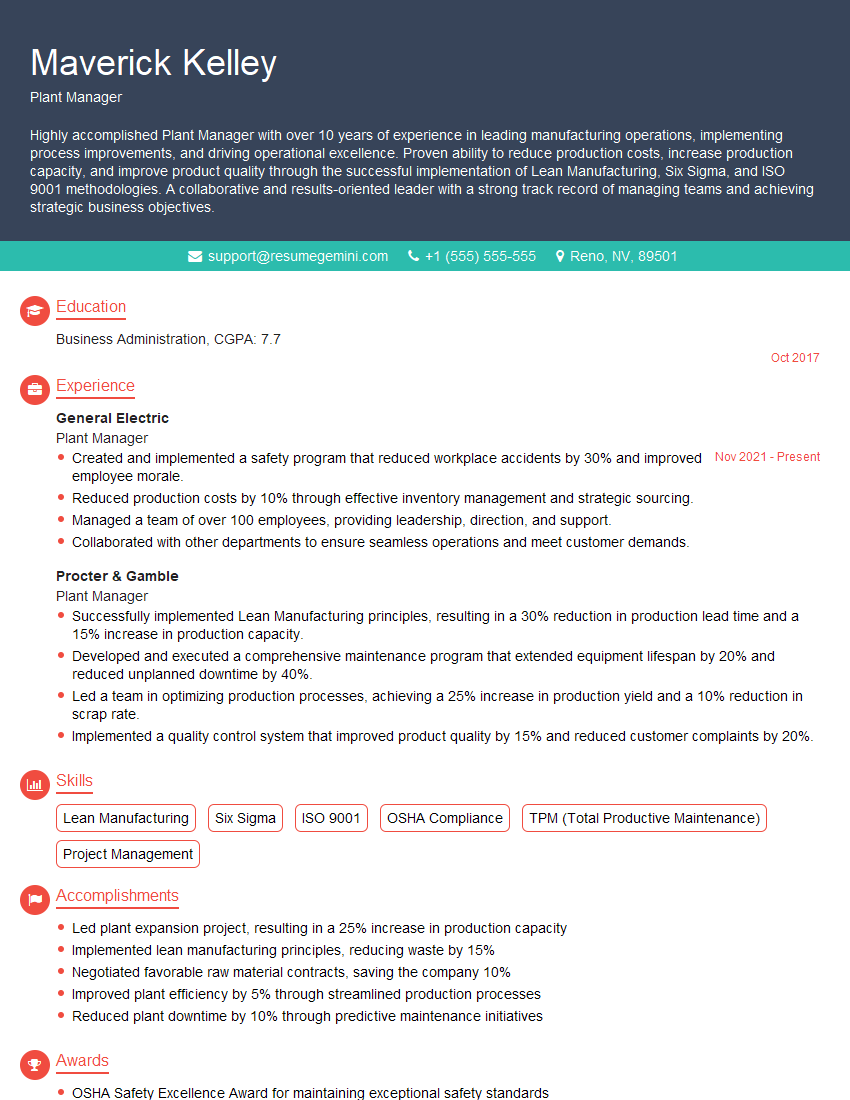
Plant Manager Resume Sample
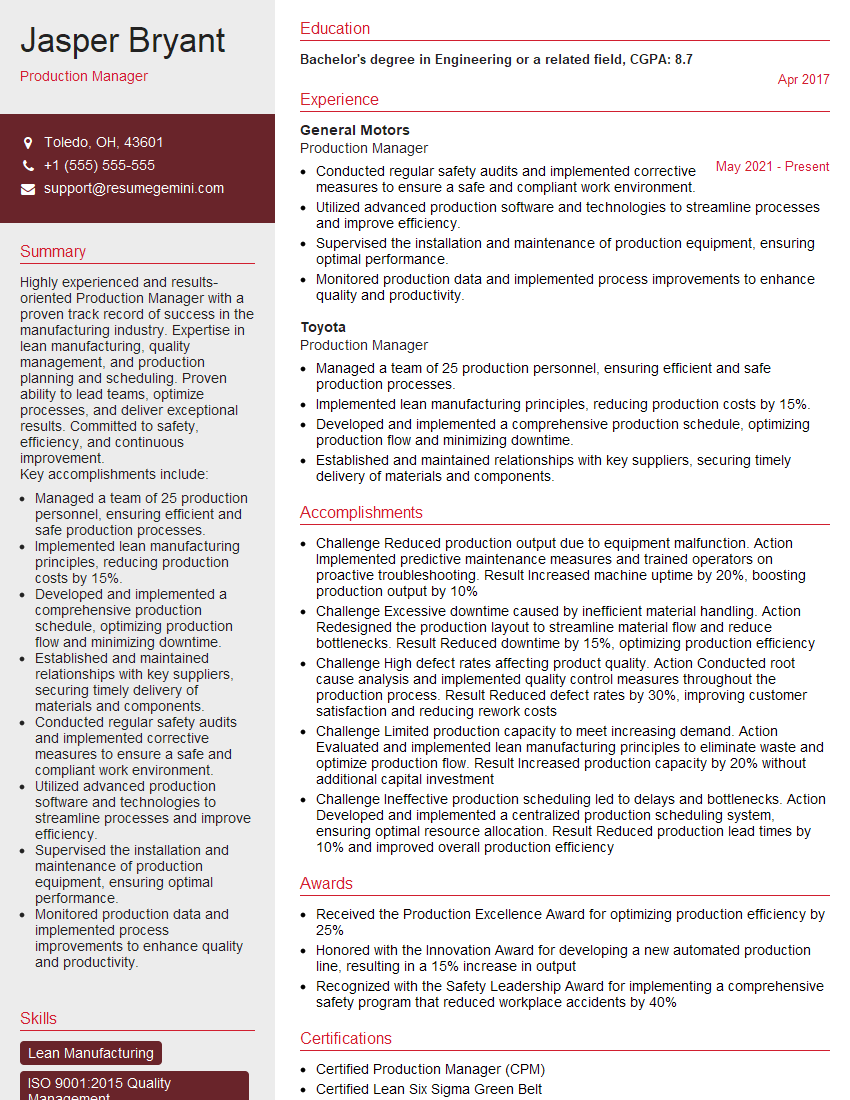
Production Manager Resume Sample
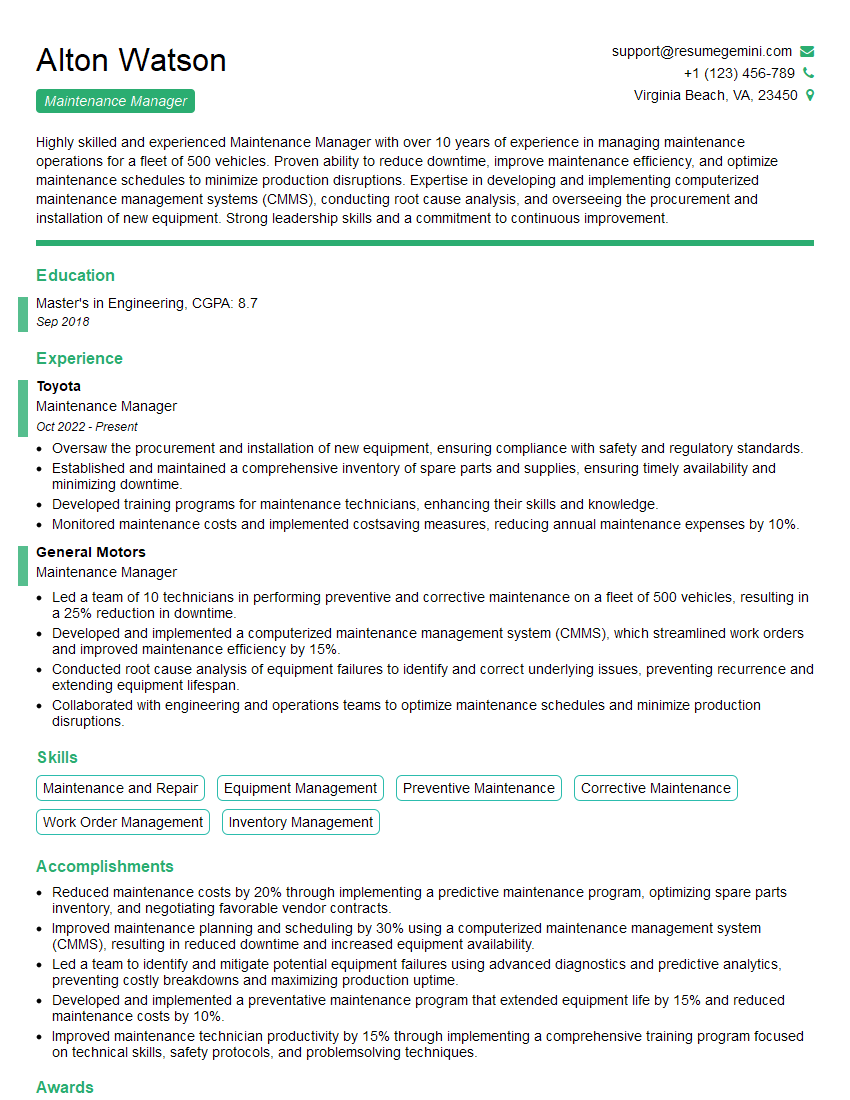
Maintenance Manager Resume Sample
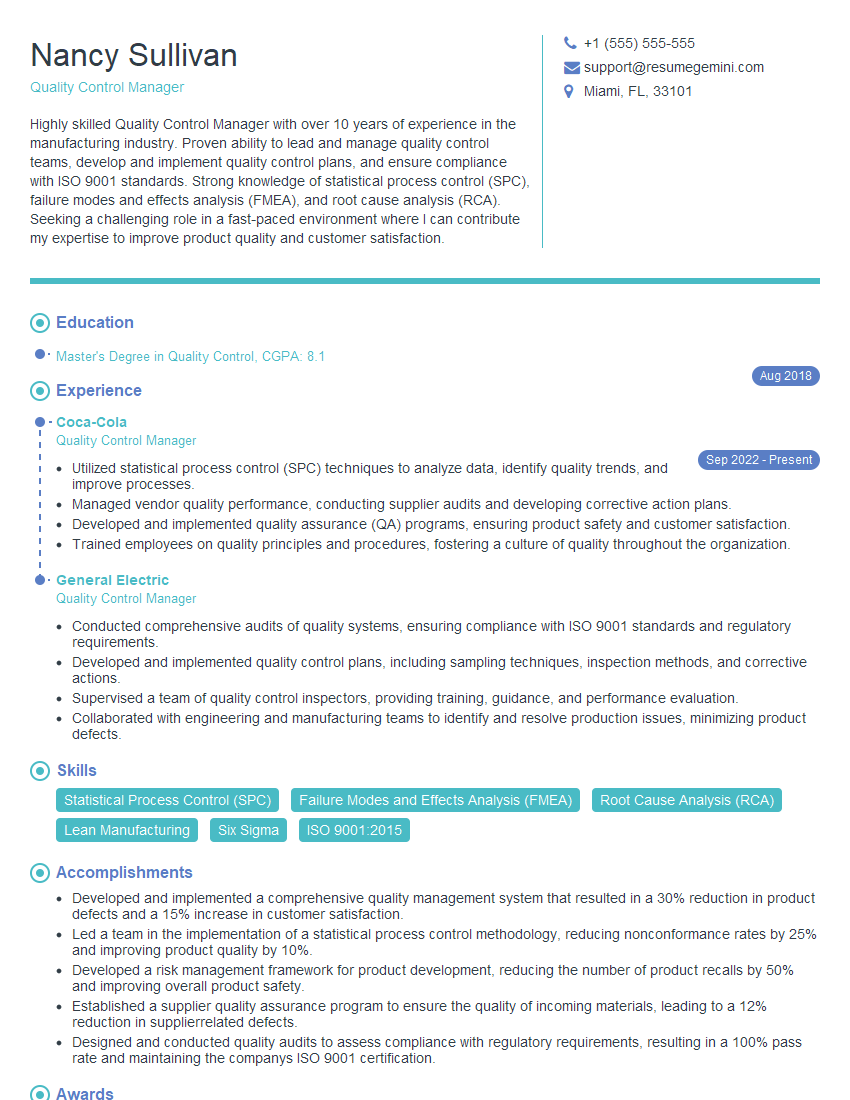
Quality Control Manager Resume Sample
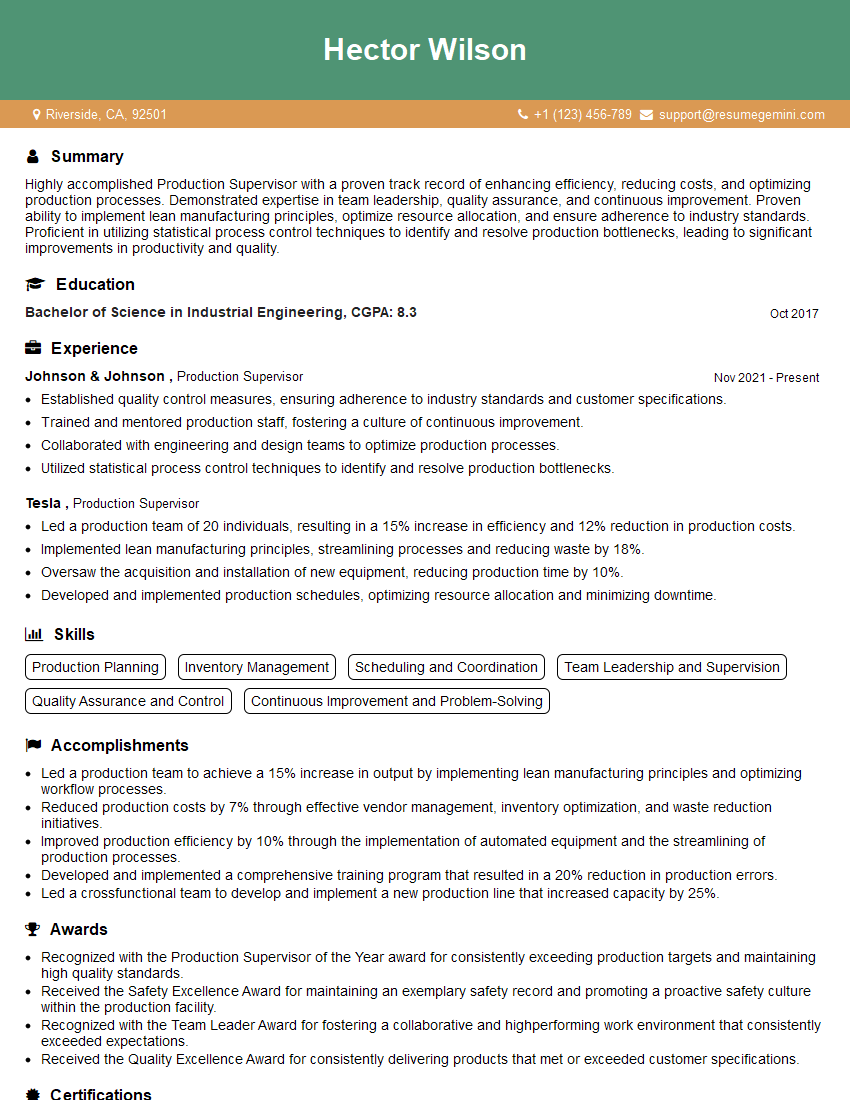
Production Supervisor Resume Sample
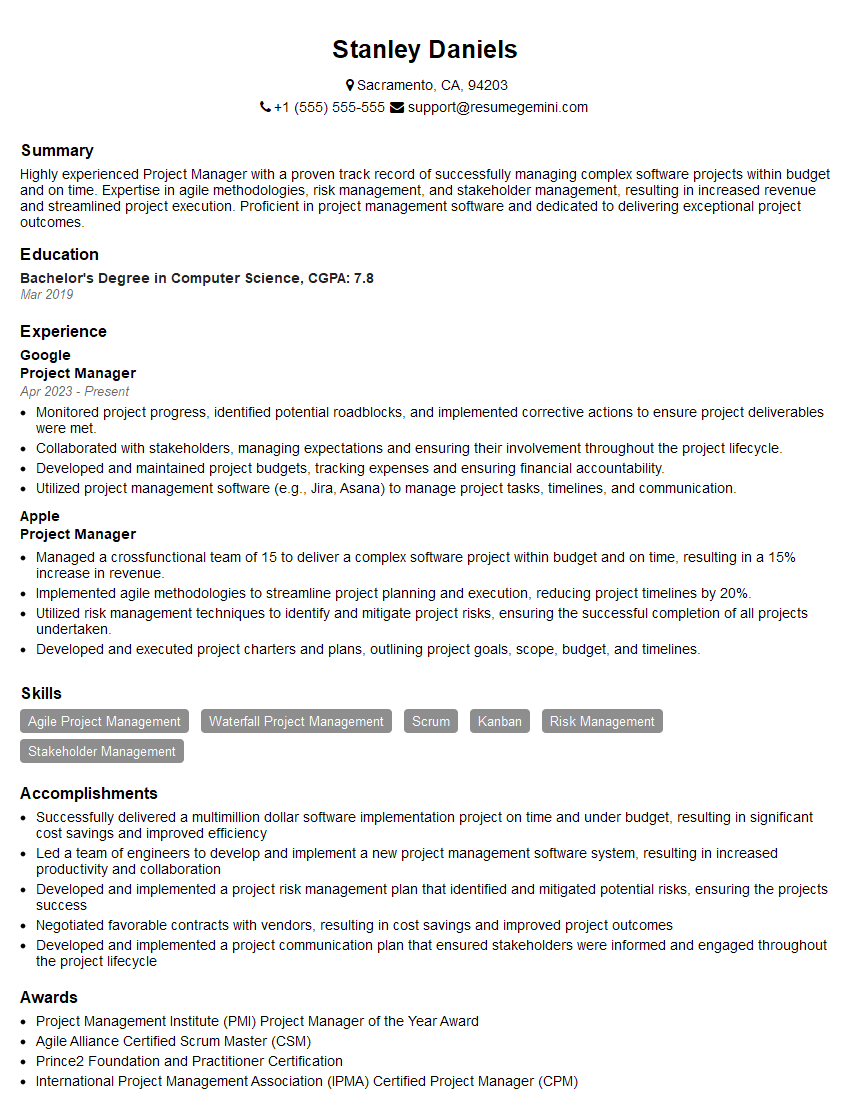
Project Manager Resume Sample

Project Engineer Resume Sample
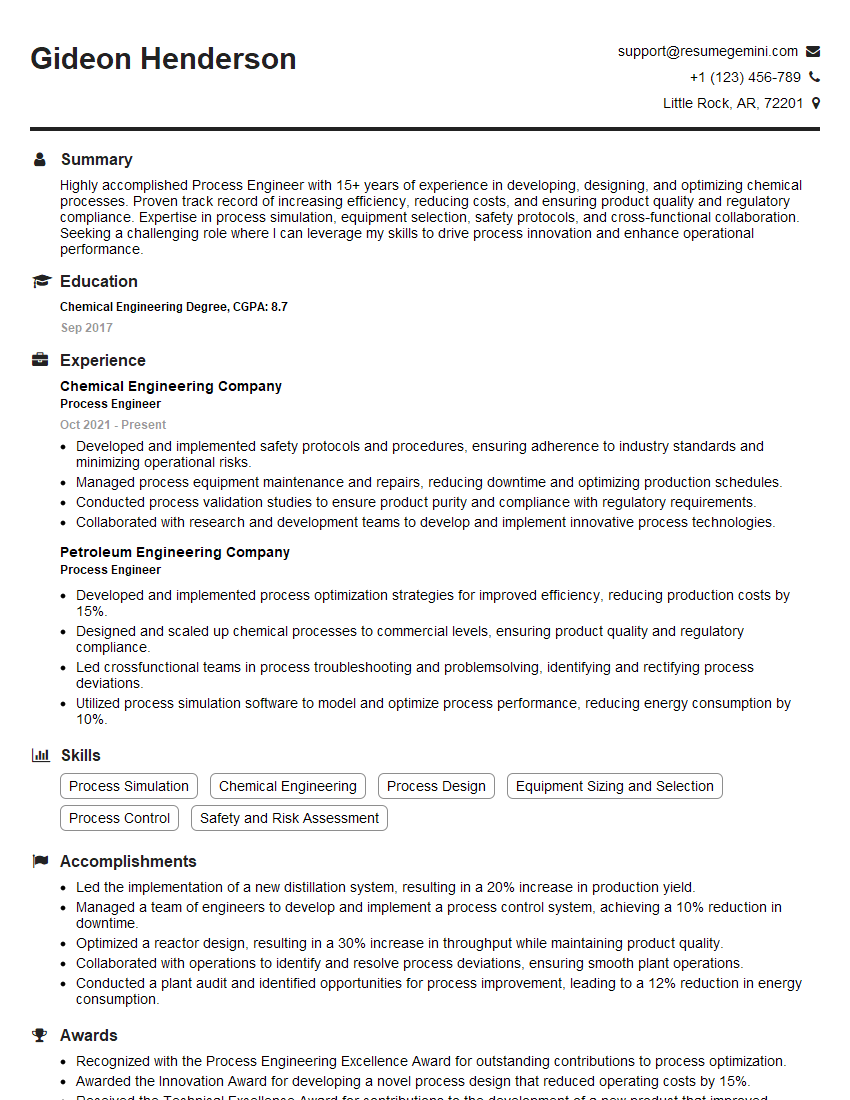
Process Engineer Resume Sample
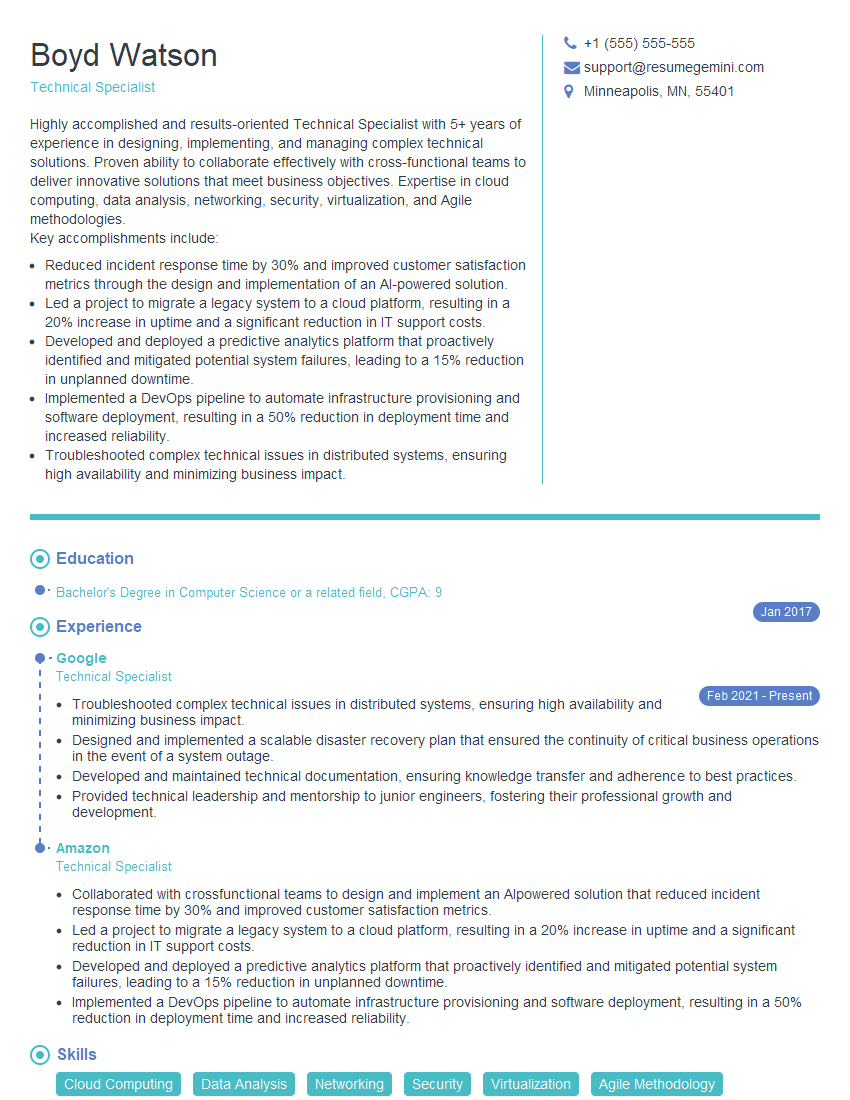
Technical Specialist Resume Sample
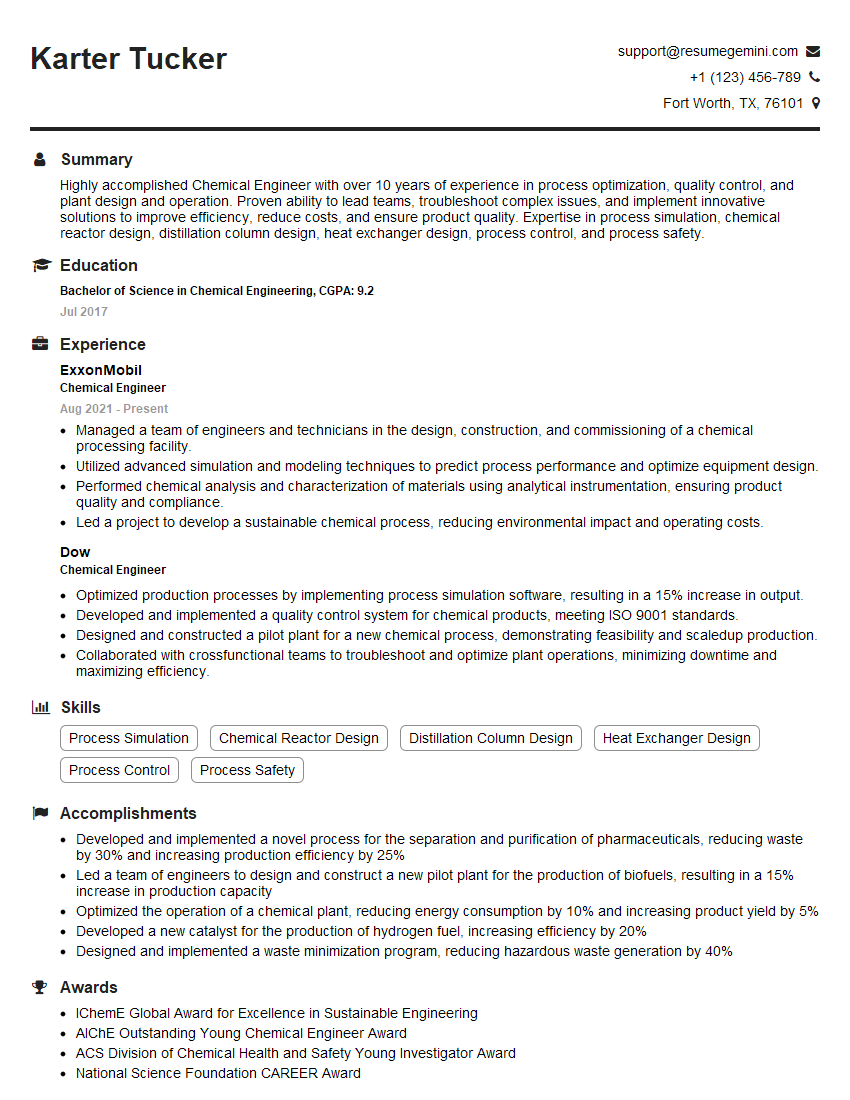
Chemical Engineer Resume Sample

Reservoir Engineer Resume Sample
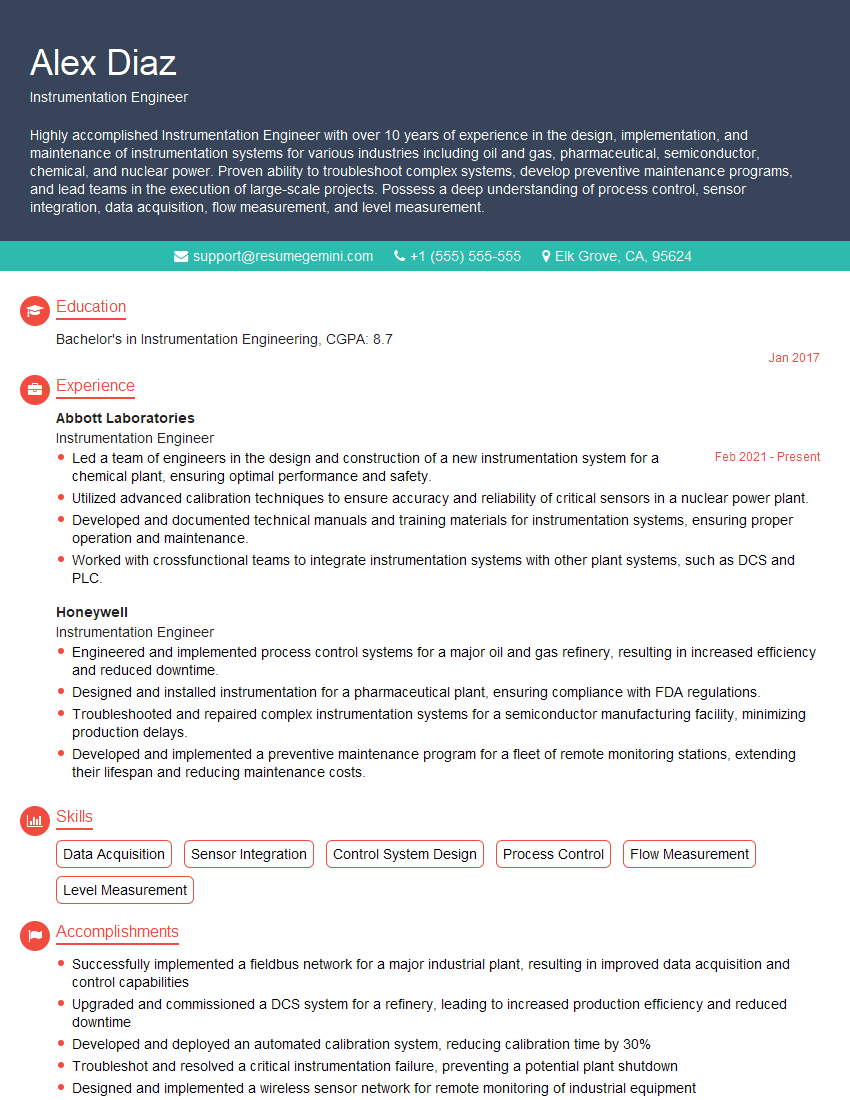
Instrumentation Engineer Resume Sample
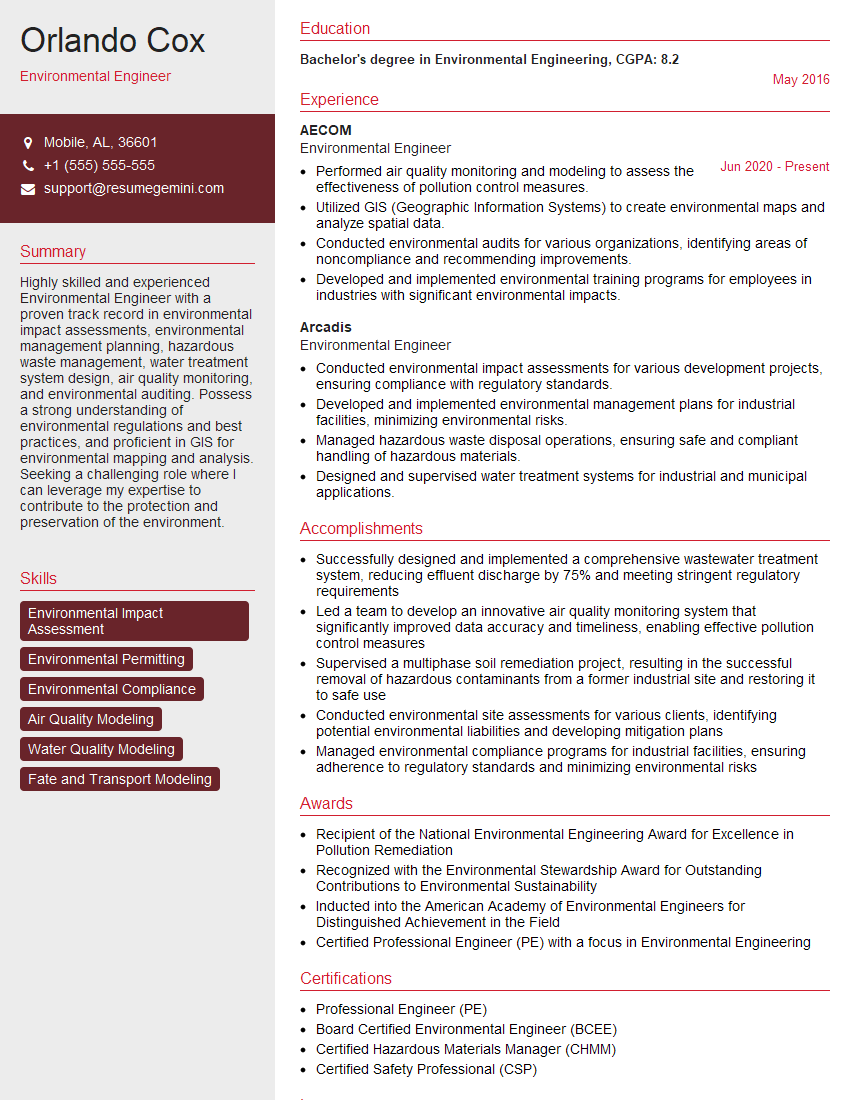
Environmental Engineer Resume Sample
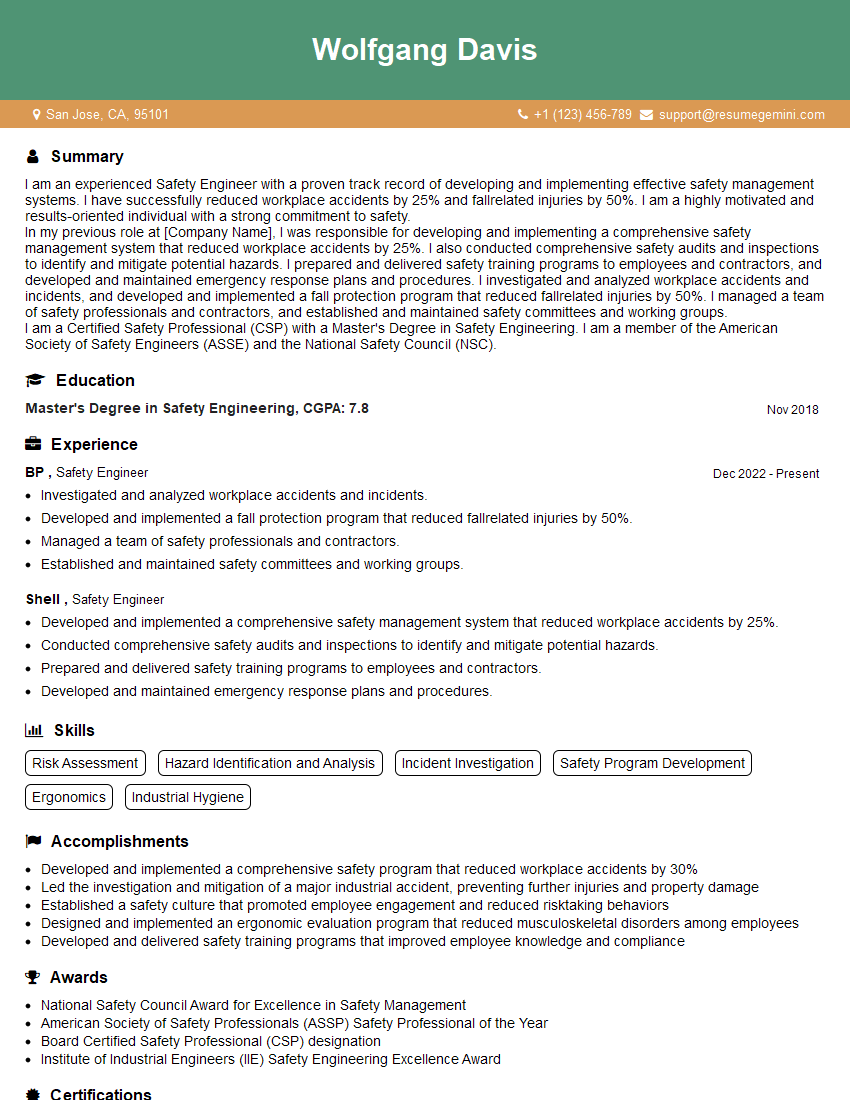
Safety Engineer Resume Sample
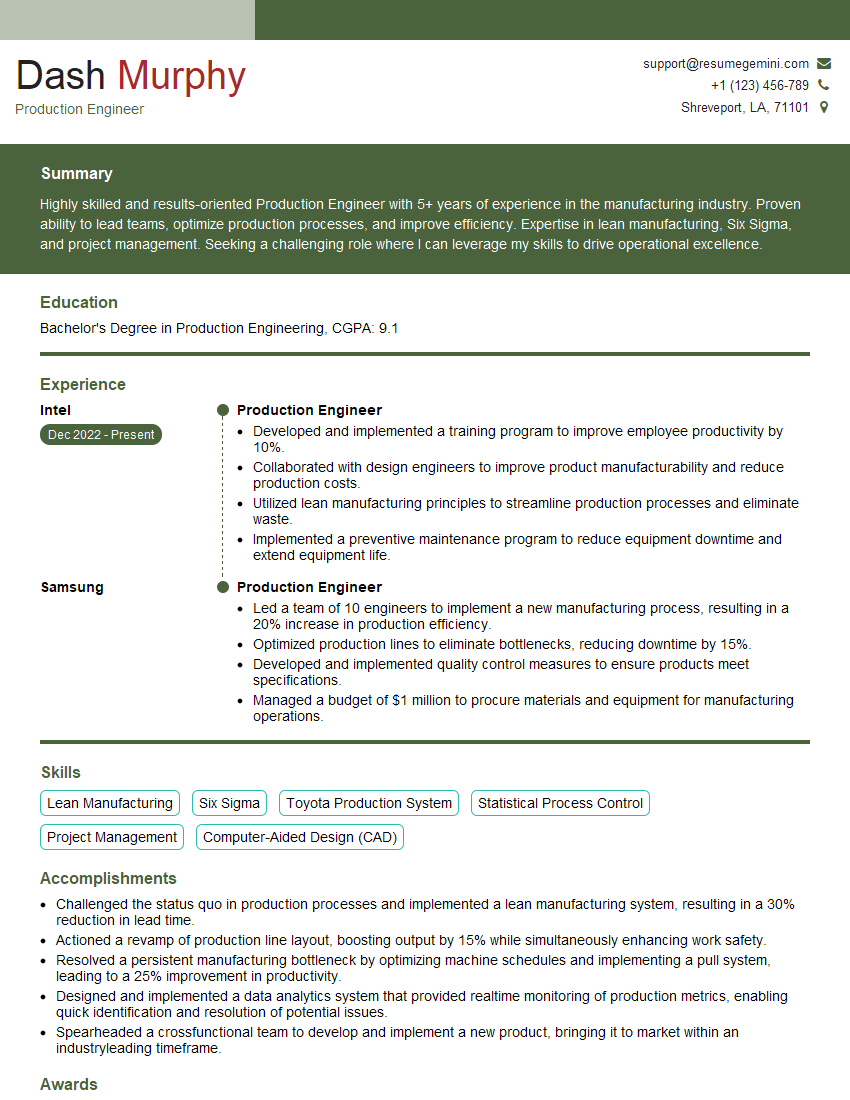
Production Engineer Resume Sample
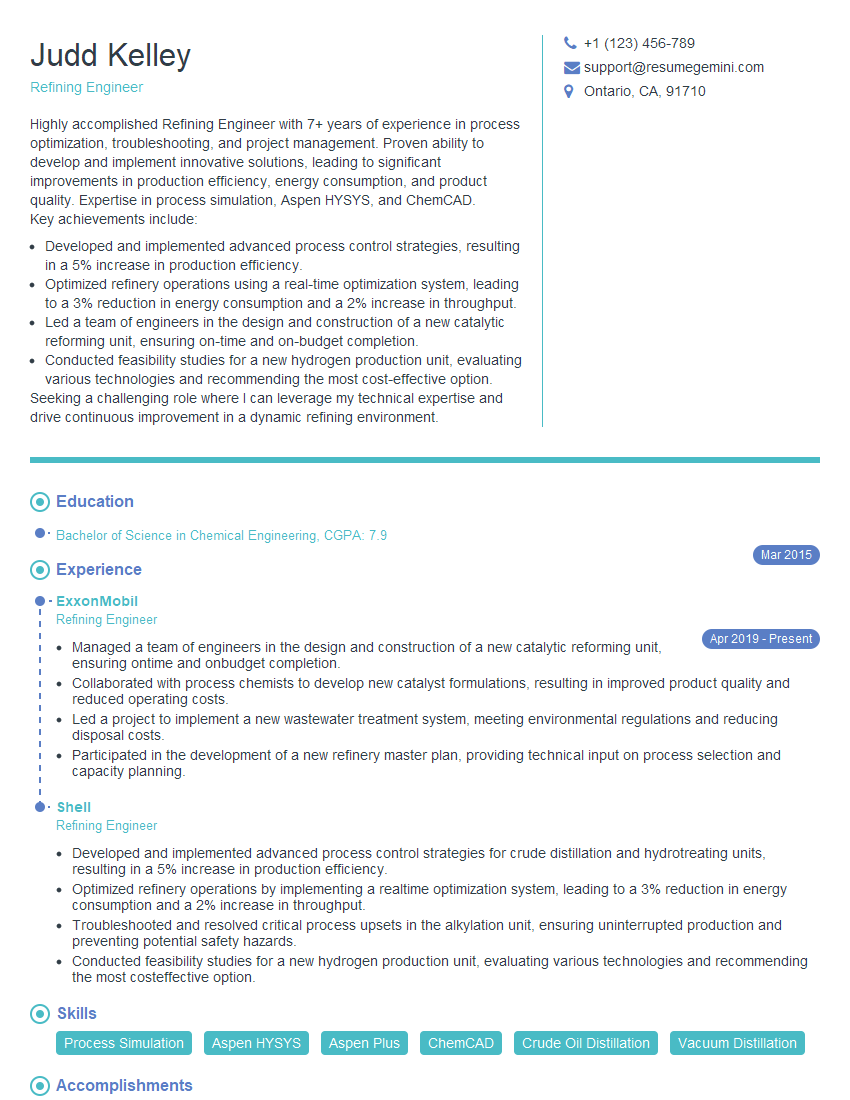
Refining Engineer Resume Sample
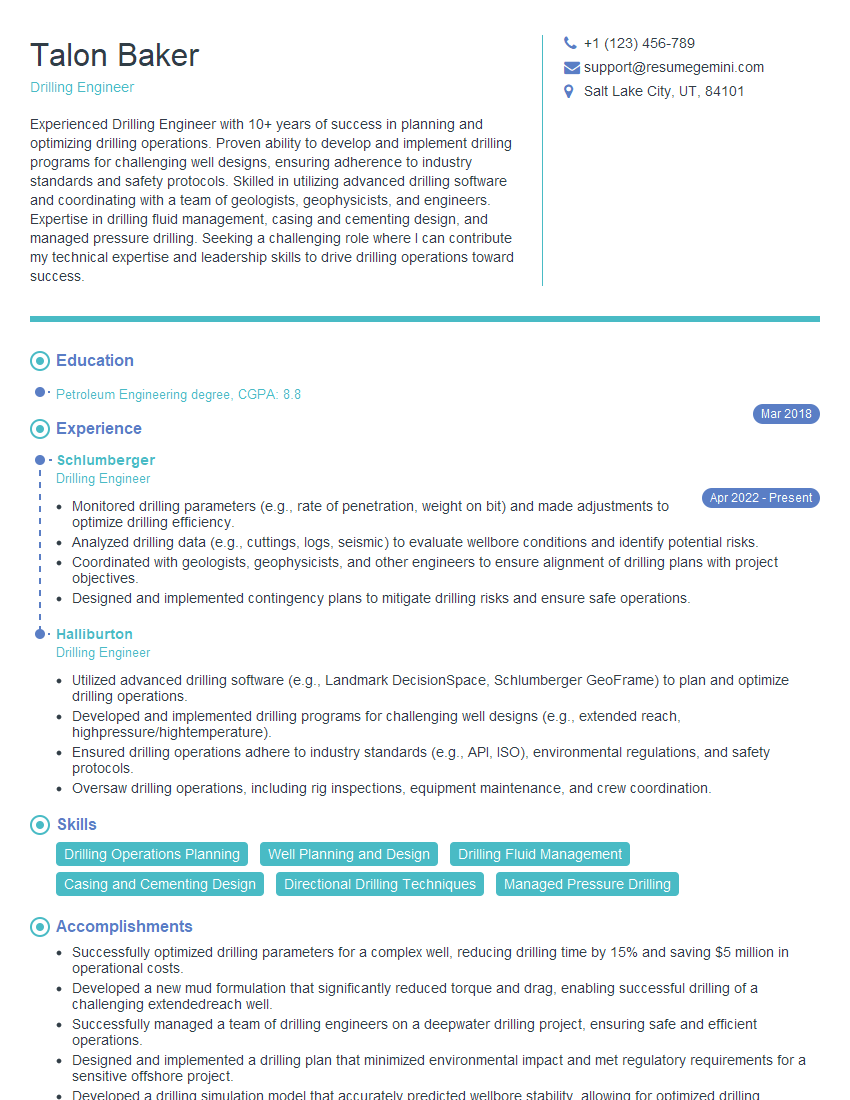
Drilling Engineer Resume Sample
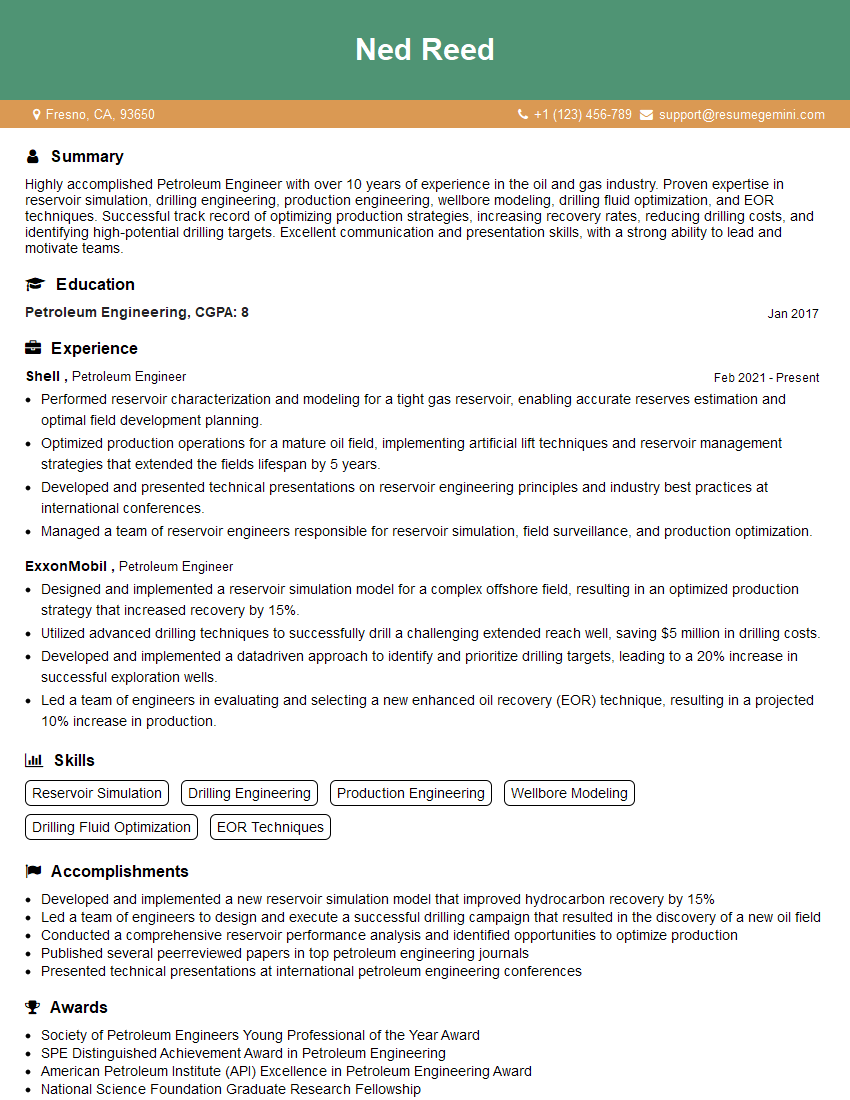
Petroleum Engineer Resume Sample
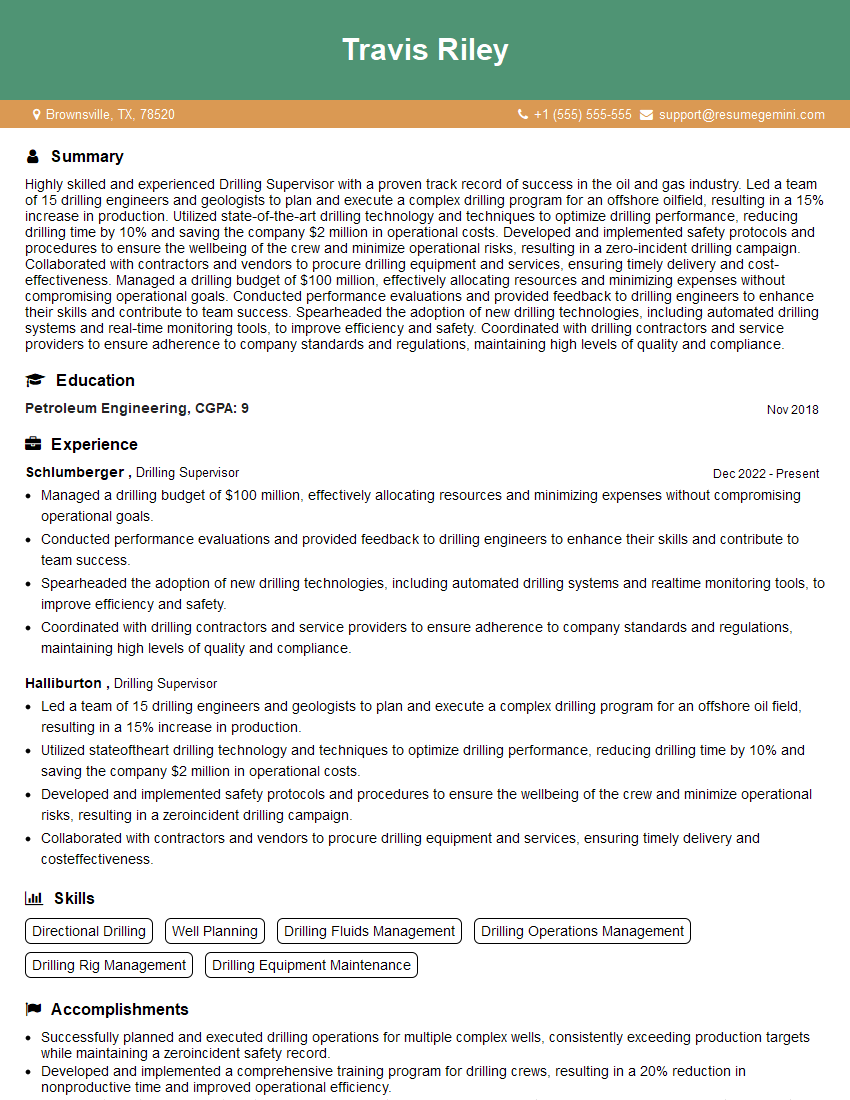
Drilling Supervisor Resume Sample
- Operations Manager
- Plant Manager
- Production Manager
- Maintenance Manager
- Quality Control Manager
- Production Supervisor
- Project Manager
- Project Engineer
- Process Engineer
- Technical Specialist
- Chemical Engineer
- Reservoir Engineer
- Instrumentation Engineer
- Environmental Engineer
- Safety Engineer
- Production Engineer
- Refining Engineer
- Drilling Engineer
- Petroleum Engineer
- Drilling Supervisor
Explore more articles
Users Rating of Our Blogs
Share Your Experience
We value your feedback! Please rate our content and share your thoughts (optional).
What Readers Say About Our Blog
To the interviewgemini.com Webmaster.
Very helpful and content specific questions to help prepare me for my interview!
Thank you
To the interviewgemini.com Webmaster.
This was kind of a unique content I found around the specialized skills. Very helpful questions and good detailed answers.
Very Helpful blog, thank you Interviewgemini team.