The thought of an interview can be nerve-wracking, but the right preparation can make all the difference. Explore this comprehensive guide to Oil Well Production interview questions and gain the confidence you need to showcase your abilities and secure the role.
Questions Asked in Oil Well Production Interview
Q 1. Explain the different types of oil wells and their characteristics.
Oil wells are classified based on several factors, primarily the type of reservoir they tap into and the pressure conditions. Think of it like choosing the right tool for the job – different wells require different approaches.
- Conventional Oil Wells: These wells produce oil from traditional reservoirs where the oil is naturally found under pressure and flows to the surface without significant assistance. These are often the easiest to produce from initially.
- Unconventional Oil Wells: These wells tap into resources that require more advanced extraction techniques. Examples include:
- Tight Oil Wells: Oil trapped in low-permeability rock formations, requiring hydraulic fracturing (fracking) to enhance production. Imagine squeezing a sponge – fracking creates fissures to release the oil.
- Heavy Oil Wells: Wells producing very viscous oil, requiring methods like steam injection or in-situ combustion to reduce viscosity and facilitate flow. Think of heating honey to make it flow easier.
- Oil Sands Wells: These wells extract bitumen, a very thick and heavy oil found mixed with sand. Extraction involves extensive surface processing.
- Offshore Oil Wells: Located in oceans, these wells present unique challenges due to the harsh environment and complex logistics. This is like working in a high-stakes environment with stricter safety regulations.
Each type presents different technical and economic considerations, impacting production methods, costs, and overall profitability.
Q 2. Describe the process of well completion.
Well completion is the process of preparing a newly drilled well for oil production. It’s like setting up a sophisticated water fountain – you need all the parts working together effectively. The key steps include:
- Running and Cementing Casing: Steel pipes (casing) are placed down the wellbore and cemented in place to protect the formation and provide structural support. This is like building the foundation and walls of the fountain.
- Perforating: Creating openings in the casing and cement to allow the oil to flow into the wellbore. Imagine punching holes in the fountain’s basin to allow the water to flow out.
- Installing Production Tubing: Placing smaller diameter tubing inside the casing to transport oil to the surface. This is like installing the pipes that direct the water.
- Installing Downhole Equipment: Installing various tools like packers (to isolate zones), valves, and sensors to control and monitor production. These are the mechanisms that regulate and control the flow.
- Testing and Flowback: Testing the well to ensure proper flow and removing drilling fluids and other debris from the wellbore. This is like testing the fountain and clearing away any debris to ensure a proper flow.
The specific completion techniques depend on the well’s characteristics (e.g., reservoir type, pressure, and formation properties).
Q 3. What are the common methods for artificial lift in oil production?
Artificial lift methods are employed when the natural reservoir pressure is insufficient to bring the oil to the surface efficiently. It’s like providing extra support for a sluggish pump.
- Rod Pumps: A subsurface pump driven by a surface-mounted pumping unit. This is a very common and reliable method, like a traditional water pump.
- Submersible Pumps (ESP): Electrically powered pumps submerged in the wellbore. They are highly efficient but more complex and expensive, like an electric water pump for a high-pressure system.
- Gas Lift: Injecting gas into the wellbore to reduce the density of the oil column and improve flow. This is like using air pressure to assist the flow of liquid.
- Hydraulic Lift: Using high-pressure fluid to lift oil to the surface. This is a robust method but requires significant energy input.
The selection of the optimal artificial lift method depends on factors such as well depth, oil viscosity, production rate, and cost considerations.
Q 4. How do you calculate the production rate of an oil well?
Calculating oil well production rate involves measuring the volume of oil produced over a specific period, usually a day or a month. It’s like tracking the amount of water a fountain produces.
The basic formula is:
Production Rate (bbl/day) = Total Oil Produced (barrels) / Production Time (days)To obtain accurate measurements, flow meters or tank gauging are commonly used. Factors like water and gas production need to be accounted for to determine the net oil production rate. In practice, frequent monitoring and adjustments are crucial to optimize production.
Q 5. Explain the concept of reservoir pressure and its impact on production.
Reservoir pressure is the pressure exerted by the fluids (oil, gas, and water) within the reservoir. It’s the driving force behind oil production; like the pressure in a water balloon. A high reservoir pressure pushes the oil towards the wellbore, resulting in higher production rates. As the oil is produced, the reservoir pressure declines, leading to a decrease in production rates. This decline is a natural phenomenon that necessitates the implementation of artificial lift methods as explained previously.
Maintaining reservoir pressure, or even improving it with techniques like water or gas injection, is a crucial aspect of reservoir management to maximize oil recovery.
Q 6. What are the key factors influencing oil well productivity?
Several factors significantly influence oil well productivity. Think of it like influencing the flow of water in a fountain: the size and shape of the basin, the pressure of the pump, and the condition of the pipes all play a role.
- Reservoir Properties: Permeability (how easily fluids flow), porosity (how much space is available for fluids), and fluid properties (oil viscosity, gas saturation). These are inherent characteristics of the reservoir, analogous to the size and shape of the fountain’s basin.
- Wellbore Conditions: Well diameter, completion methods, and the presence of any restrictions. This is like the pipes carrying the water – any obstruction reduces flow.
- Reservoir Pressure: As discussed, it’s the driving force behind production. Like the pump, a higher pressure translates into more effective flow.
- Operating Practices: Artificial lift methods, production strategies, and well testing and maintenance. This is like regularly maintaining and calibrating the fountain.
Optimizing these factors through careful planning and monitoring is essential for maximizing oil recovery and profitability.
Q 7. Describe different types of drilling fluids and their functions.
Drilling fluids, also known as mud, are crucial in drilling operations. They serve multiple critical functions, like the lifeblood of the drilling process.
- Water-Based Muds: The most common type, consisting of water, clay, and various additives to control properties like viscosity and density. They are cost-effective but may not always be suitable for high-temperature or high-pressure conditions. This is like a basic lubricant in a machine.
- Oil-Based Muds: Use oil as the base fluid, offering better lubricity and stability at high temperatures. However, they are more expensive and pose environmental concerns. This is like using a specialized lubricant for high-temperature applications.
- Synthetic-Based Muds: Employ synthetic fluids that combine the advantages of both water-based and oil-based muds, offering better performance with reduced environmental impact. This is like a premium, environmentally friendly lubricant.
The key functions of drilling fluids include:
- Wellbore Stabilization: Preventing wellbore collapse.
- Lubrication: Reducing friction during drilling.
- Coolant: Removing heat generated during drilling.
- Waste Removal: Carrying cuttings to the surface.
- Pressure Control: Preventing formation fluids from entering the wellbore.
The choice of drilling fluid depends on the specific geological conditions and the requirements of the drilling operation.
Q 8. What are the common challenges in oil well production and how are they addressed?
Oil well production faces numerous challenges, broadly categorized into geological, operational, and economic factors. Geologically, we can encounter issues like low reservoir permeability (the rock’s ability to allow fluids to flow), complex reservoir heterogeneity (variations in rock properties), and the presence of significant amounts of water or gas alongside the oil. Operationally, challenges include equipment failure (pumps, valves, etc.), wellbore instability (collapse or damage to the well), and the complexities of managing multiphase flow (oil, water, and gas flowing simultaneously). Economically, fluctuating oil prices, high capital expenditures, and regulatory hurdles significantly impact profitability.
Addressing these challenges involves a multi-faceted approach. Improved reservoir characterization techniques, such as advanced seismic imaging and well logging, help us better understand the reservoir’s properties, enabling optimized well placement and completion strategies. For instance, horizontal drilling and hydraulic fracturing are employed to enhance production from low-permeability reservoirs. Robust maintenance schedules, advanced monitoring systems (like downhole sensors), and the use of corrosion-resistant materials minimize operational issues. Finally, sophisticated reservoir simulation models and production optimization strategies assist in maximizing recovery and mitigating economic risks.
- Example: A low-permeability reservoir might necessitate hydraulic fracturing to create artificial fractures, increasing the flow area and boosting oil production.
- Example: Regular inspections and preventative maintenance of surface and downhole equipment helps prevent costly downtime and environmental hazards.
Q 9. Explain the importance of well testing in oil production.
Well testing is crucial in oil production as it provides critical data for reservoir characterization and production forecasting. It’s essentially a controlled experiment conducted on a producing well to obtain information about the reservoir’s properties, such as permeability, porosity, and pressure. This information is essential for determining the optimal production strategy, estimating recoverable reserves, and monitoring the reservoir’s performance over time.
Imagine trying to understand the flow of water from a hidden underground spring; you wouldn’t just start pumping without knowing the spring’s capacity. Well testing gives us that understanding of the ‘spring’ (reservoir).
Data obtained from well testing guides key decisions, including the design of production facilities, the selection of artificial lift methods (if needed), and the economic evaluation of the field. Without it, we’d be blindly operating, potentially resulting in suboptimal production and significant financial losses.
Q 10. How do you interpret well test data?
Interpreting well test data involves analyzing pressure and flow rate data obtained during the test. This often involves specialized software and expertise in pressure transient analysis. The process generally involves:
- Data Cleaning and Validation: Removing spurious data points and ensuring data quality.
- Type Curve Matching: Comparing the pressure data to theoretical type curves to identify the reservoir’s flow regime (e.g., radial flow, linear flow).
- Derivative Analysis: Using mathematical derivatives of the pressure data to highlight key features and identify reservoir boundaries.
- Modeling and Simulation: Constructing a numerical model of the reservoir based on the test data to simulate its behavior under different production scenarios.
The interpretation aims to determine parameters such as permeability, skin factor (a measure of near-wellbore damage or stimulation), reservoir pressure, and drainage area. Different types of well tests (e.g., drawdown tests, buildup tests, interference tests) provide different information, often requiring a combined interpretation to obtain a complete picture.
Example: A sharp pressure drop during a drawdown test followed by a slow recovery during a buildup test might indicate a high-permeability reservoir with little near-wellbore damage. Conversely, a slow pressure response could suggest a low-permeability reservoir or significant skin effects.
Q 11. What are the different types of reservoir simulation models?
Reservoir simulation models are numerical tools used to predict the performance of oil and gas reservoirs under various operating conditions. Several types exist, each with its own level of complexity and application:
- Black Oil Simulators: These are relatively simple models that assume oil, gas, and water are in thermodynamic equilibrium. They are suitable for early-stage reservoir studies and screening evaluations.
- Compositional Simulators: More complex models that track the individual components of the hydrocarbon mixture. They are essential for modeling volatile oil and gas condensates where fluid properties change significantly with pressure and temperature.
- Thermal Simulators: These account for the heat transfer within the reservoir, crucial for heavy oil recovery methods involving steam injection or in-situ combustion.
- Geomechanical Simulators: Coupled models considering both fluid flow and rock deformation. They’re particularly important for reservoirs prone to subsidence or fracturing.
The choice of simulator depends on the complexity of the reservoir and the specific questions being addressed. Black oil simulators are simpler and faster, suitable for initial assessments. Compositional and thermal simulators are needed for more detailed studies of specific recovery mechanisms.
Q 12. Describe your experience with reservoir management techniques.
My experience in reservoir management encompasses various techniques aimed at maximizing hydrocarbon recovery while minimizing environmental impact and operating costs. This includes:
- Production Optimization: Using data analytics and reservoir simulation to optimize well rates, pressures, and injection strategies to maximize overall field production.
- Waterflooding Management: Designing and implementing water injection programs to maintain reservoir pressure and displace oil towards production wells.
- Enhanced Oil Recovery (EOR) Techniques: Evaluating and implementing advanced recovery methods like chemical injection, gas injection, or thermal recovery techniques to extract additional oil from mature reservoirs. I’ve been involved in projects evaluating the feasibility and effectiveness of polymer flooding to improve sweep efficiency.
- Reservoir Surveillance: Utilizing production data, well testing, and seismic monitoring to continuously assess reservoir performance and adapt management strategies as needed. This often involves integrating data from diverse sources to develop an integrated understanding of the reservoir.
Example: In one project, by analyzing production data and implementing a smart waterflooding strategy, we were able to significantly improve the oil recovery factor by 15% compared to the initial plan.
Q 13. Explain the concept of water cut and its impact on production.
Water cut refers to the percentage of water in the total fluid produced from an oil well. It’s expressed as a volume fraction: Water Cut (%) = (Volume of Water Produced / Total Volume of Fluid Produced) * 100
Initially, water cut is typically low, but it gradually increases over the life of a well as the reservoir depletes. A high water cut has several negative impacts:
- Reduced Oil Production: Water replaces oil in the produced fluid, reducing the overall oil rate.
- Increased Operating Costs: Water handling and disposal require significant infrastructure and expense.
- Corrosion and Scaling: Water can be corrosive to equipment and can lead to scale formation, affecting production efficiency.
- Emulsion Formation: Water can form emulsions with oil, making separation and processing difficult.
Managing water cut involves careful reservoir management practices, including optimized waterflooding strategies, timely well interventions (like workovers to isolate water zones), and efficient water separation techniques at the surface. Careful monitoring of water cut is crucial for making informed decisions to prolong the economic life of the well.
Q 14. How do you manage gas production in an oil well?
Gas production in an oil well presents several challenges, primarily due to its potential to cause operational issues such as reduced oil flow, wellbore instability, and increased equipment wear.
Managing gas production involves several strategies:
- Gas Lift: Injecting gas into the wellbore to reduce pressure and help lift the oil to the surface. This is a common method for boosting production from wells with high gas-oil ratios.
- Artificial Lift Optimization: Selecting appropriate artificial lift methods (e.g., ESPs, PCPs) that are designed to handle the presence of gas efficiently.
- Choke Management: Using chokes (flow restrictors) at the wellhead to regulate flow rates and manage pressure, optimizing the balance between oil and gas production.
- Gas Compression and Processing: Compressing and processing the produced gas to meet pipeline specifications, making it commercially viable.
- Well Completion Design: Choosing appropriate well completion techniques that account for the gas-oil ratio and minimize gas influx into the wellbore.
Effective gas management relies on careful monitoring of well pressures, flow rates, and gas composition. Regular maintenance and inspection of equipment are essential to prevent damage and avoid costly downtime.
Example: In a high-gas-oil-ratio well, implementing a gas lift system might increase oil production significantly while managing gas effectively for later processing.
Q 15. What are the safety procedures you follow during oil well operations?
Safety is paramount in oil well operations. We adhere to a comprehensive safety management system, encompassing pre-job hazard analyses (JSA), regular safety meetings, and strict adherence to company and regulatory safety procedures. This includes:
- Personal Protective Equipment (PPE): Mandatory use of hard hats, safety glasses, steel-toe boots, flame-resistant clothing, and other appropriate PPE based on the specific task.
- Permit-to-Work Systems: All high-risk activities require a permit-to-work, ensuring proper risk assessment, control measures, and authorization before commencing work. This is especially crucial for tasks involving confined spaces, hot work, or hazardous materials.
- Emergency Response Planning: Detailed emergency response plans are in place for various scenarios, including well control incidents, fires, and medical emergencies. Regular drills ensure personnel are well-trained and prepared to respond effectively.
- Lockout/Tagout Procedures: Strict lockout/tagout procedures are followed to prevent accidental energy release during maintenance or repair work on equipment. This ensures the safety of personnel working on machinery and prevents catastrophic events.
- Gas Detection and Monitoring: Continuous gas monitoring is essential, especially in areas with potential for hydrogen sulfide (H2S) or other toxic gases. Alarms and evacuation procedures are in place to protect personnel from exposure.
For instance, during a well completion operation, we’d meticulously follow JSA procedures, ensuring proper isolation of the wellbore and the utilization of specialized blowout preventers (BOPs) to prevent uncontrolled well flow.
Career Expert Tips:
- Ace those interviews! Prepare effectively by reviewing the Top 50 Most Common Interview Questions on ResumeGemini.
- Navigate your job search with confidence! Explore a wide range of Career Tips on ResumeGemini. Learn about common challenges and recommendations to overcome them.
- Craft the perfect resume! Master the Art of Resume Writing with ResumeGemini’s guide. Showcase your unique qualifications and achievements effectively.
- Don’t miss out on holiday savings! Build your dream resume with ResumeGemini’s ATS optimized templates.
Q 16. Explain the role of downhole tools in oil production.
Downhole tools are essential for various aspects of oil and gas production, from drilling to completion and production enhancement. They perform crucial functions within the wellbore, often operating under extreme pressure and temperature conditions. Some examples include:
- Drill Bits: Used to create the wellbore by drilling through rock formations.
- Bottomhole Assemblies (BHAs): Composed of drill bits, stabilizers, and other components to steer the well and maintain hole stability.
- Production Tubing: Used to transport the produced hydrocarbons (oil and gas) from the reservoir to the surface.
- Pumps (ESP, PCP): Artificial lift systems used to pump fluids from the well when natural reservoir pressure is insufficient.
- Packers: Used to isolate different zones within the wellbore, for example, during selective completion operations.
- Gravel Packs: Used to prevent formation sand from entering the wellbore and damaging the production equipment.
- Perforating Guns: Used to create holes in the well casing to allow hydrocarbons to flow from the reservoir into the wellbore.
Imagine a situation where a well is producing poorly due to low reservoir pressure. Installing a downhole pump, such as an Electrical Submersible Pump (ESP), increases productivity by artificially lifting fluids to the surface, significantly impacting the overall production of the well.
Q 17. Describe different types of pumps used in artificial lift systems.
Artificial lift systems are crucial when natural reservoir pressure is insufficient to bring oil and gas to the surface. Various pump types are used, each with its own strengths and limitations:
- Rod Pumps: A relatively simple and reliable system using a surface-driven pump connected to a subsurface pump via a series of sucker rods. Suitable for shallow to moderately deep wells with relatively low production rates.
- Electrical Submersible Pumps (ESPs): Electrically powered pumps submerged in the wellbore. Highly efficient for high-volume, high-pressure wells. They offer greater efficiency and are better suited for high-production wells compared to rod pumps.
- Progressive Cavity Pumps (PCPs): Positive displacement pumps using a rotating screw to pump fluids. Suitable for high viscosity fluids, gas-lifted wells and wells with abrasive fluids.
- Gas Lift: Uses injected gas to reduce the pressure in the wellbore and lift fluids to the surface. Cost-effective for wells with high gas-oil ratios but may require significant gas injection.
The choice of pump depends on factors like well depth, fluid properties, production rate, and cost considerations. For example, in a deep, high-production well with low viscosity oil, an ESP would likely be the most efficient choice. A mature field might switch from rod pumps to ESPs to improve production rates over time.
Q 18. How do you optimize production from a mature oil field?
Optimizing production from a mature oil field requires a multi-faceted approach focusing on maximizing recovery while managing declining reservoir pressure and production rates. Strategies include:
- Improved Water Management: Careful monitoring and management of water production to maintain wellbore integrity and optimize fluid flow.
- Enhanced Oil Recovery (EOR) Techniques: Employing techniques such as waterflooding, gas injection, or chemical injection to displace remaining oil and improve recovery factors.
- Well Intervention and Stimulation: Performing operations such as acidizing, fracturing, or workovers to improve well productivity.
- Reservoir Simulation and Modeling: Using advanced reservoir simulation techniques to understand reservoir behavior and optimize production strategies.
- Data Analytics and Automation: Leveraging real-time data analysis and automation to optimize production parameters and reduce operational costs.
For instance, implementing a waterflood project in a mature field can significantly increase oil recovery by displacing oil towards production wells. Moreover, regularly analyzing production data allows for prompt identification of underperforming wells or changes in reservoir characteristics that allow for timely interventions.
Q 19. What is your experience with different types of well logging techniques?
I have extensive experience with various well logging techniques used to characterize the subsurface formations and evaluate well productivity. These include:
- Openhole Logs: These logs are run in the open wellbore before the casing is installed. Examples include gamma ray, neutron porosity, density, and resistivity logs, which provide information about lithology, porosity, and fluid saturation.
- Cased Hole Logs: These logs are run after the well has been cased. Examples include nuclear magnetic resonance (NMR), production logging tools (PLT), and cement bond logs, which assess the formation properties, fluid movement and cement integrity around the casing.
- Formation Testing: These tests provide information about the pressure, fluid saturation, and permeability of the reservoir formation.
- Vertical Seismic Profiling (VSP): This technique involves acquiring seismic data downhole to image the surrounding subsurface formations and detect fractures.
In one project, we used a combination of openhole and cased-hole logs to identify and delineate the productive zones in a newly drilled well. The data acquired provided the foundation for designing a completion strategy that optimized production and reduced water production.
Q 20. Explain your experience with well control procedures.
Well control is a critical aspect of oil and gas operations, aiming to prevent uncontrolled flow of formation fluids. I possess significant experience in well control procedures, encompassing:
- Well Control Equipment Familiarization: Comprehensive understanding of blowout preventers (BOPs), choke manifolds, kill lines, and other crucial well control equipment.
- Well Control Procedures: Proficient in applying well control techniques such as kicks, well killing procedures, and emergency shut-in operations.
- Troubleshooting and Problem Solving: Ability to diagnose well control issues and formulate effective solutions.
- Emergency Response: I have participated in multiple well control simulations and emergency response drills, enabling me to react efficiently under pressure.
In one instance, during a drilling operation, we experienced a sudden influx of formation fluids (a kick). By swiftly implementing well control procedures, including closing the BOPs and initiating a well kill operation, we safely controlled the situation and prevented a potential blowout. This scenario emphasized the importance of continuous training, meticulous planning and rigorous adherence to safety protocol.
Q 21. What are the environmental considerations in oil well production?
Environmental considerations are crucial in oil well production. Minimizing the environmental impact requires a proactive approach, focusing on:
- Wastewater Management: Proper treatment and disposal of produced water to prevent contamination of surface and groundwater resources.
- Air Emissions Control: Implementing measures to reduce emissions of greenhouse gases (GHGs) and other pollutants.
- Spill Prevention and Response: Developing and implementing robust spill prevention plans and response procedures to mitigate the impact of potential oil spills.
- Soil and Land Reclamation: Implementing measures to minimize soil erosion, protect topsoil, and restore land disturbed by oil and gas activities.
- Compliance with Regulations: Adhering to all applicable environmental regulations and permits.
For example, we utilize advanced wastewater treatment technologies to reduce the concentration of pollutants before discharging produced water, thus protecting our surrounding ecosystems. Additionally, we meticulously monitor GHG emissions and implement energy-efficient technologies to lower our carbon footprint.
Q 22. How do you manage production downtime and optimize uptime?
Production downtime is the enemy of profitability in oil well production. Managing it effectively involves a proactive, multi-pronged approach focused on prevention and rapid response. We utilize a combination of predictive maintenance, real-time monitoring, and robust emergency response plans.
Predictive Maintenance: This involves using data analytics (discussed further in the next question) to predict potential equipment failures before they occur. For example, analyzing vibration data from a pump can identify wear and tear, allowing for scheduled maintenance before a catastrophic failure shuts down the well. This is far more cost-effective than reactive repairs.
Real-time Monitoring: We use SCADA (Supervisory Control and Data Acquisition) systems to constantly monitor well parameters like pressure, flow rate, and temperature. Any deviation from normal operating conditions triggers alerts, allowing for immediate intervention and minimizing downtime. Think of it like a sophisticated early warning system.
Emergency Response Plans: Having well-defined procedures for handling various emergencies – equipment malfunctions, power outages, well control issues – is crucial. Regular drills and training ensure everyone knows their roles and responsibilities, minimizing response time and ensuring a swift return to production.
Optimizing uptime is not just about avoiding downtime; it’s about maximizing production efficiency during operational periods. This involves regular inspections, efficient operations management, and continuous improvement initiatives.
Q 23. Describe your experience with data analysis in oil well production.
Data analysis is the backbone of modern oil well production. My experience encompasses using various analytical techniques to optimize production, predict failures, and improve decision-making. I’m proficient in using software like Petrel, Spotfire, and Power BI to analyze large datasets from various sources.
Reservoir Simulation: I use reservoir simulation software to model reservoir behavior, predict future production, and optimize well placement and completion strategies. This allows for better resource allocation and maximizing recovery.
Production Optimization: I analyze production data (flow rates, pressures, etc.) to identify bottlenecks and inefficiencies. For instance, I might identify a partially plugged wellbore causing reduced flow, prompting intervention to restore full production. This often involves using statistical methods like regression analysis and time series forecasting.
Predictive Maintenance: As mentioned earlier, I use machine learning algorithms to analyze sensor data and predict equipment failures. This allows for proactive maintenance, minimizing downtime and extending equipment lifespan. For example, I might predict the remaining useful life of a pump based on its vibration signature and operating conditions.
In my previous role, I led a project using machine learning to improve the accuracy of production forecasts by 15%, resulting in significant cost savings and improved planning.
Q 24. How familiar are you with different types of production facilities?
My experience covers a range of production facilities, from simple wellhead installations to complex offshore platforms. I’m familiar with the design, operation, and maintenance of various types of facilities, including:
Onshore Wellheads: These are the simplest facilities, typically found in land-based operations. They are relatively easy to access and maintain.
Offshore Platforms: These are complex structures, often located in harsh environments, which require specialized expertise to operate and maintain. They can range from smaller jack-up rigs to large, fixed platforms.
Early Production Facilities (EPFs): These are temporary facilities used in the early stages of field development, typically designed for quick deployment and later removal.
Central Processing Facilities (CPFs): These larger facilities process production from multiple wells, offering economies of scale and enhanced efficiency.
My experience includes working on projects involving both brownfield (upgrading existing facilities) and greenfield (constructing new facilities) developments.
Q 25. Explain your experience with pipeline management and maintenance.
Pipeline management and maintenance are crucial for safe and efficient oil transportation. My experience involves planning, executing, and supervising pipeline integrity management programs. This includes:
Pipeline Integrity Assessment: This involves using various techniques, such as in-line inspection (ILI) tools, to identify and assess potential pipeline issues like corrosion, cracks, and dents.
Pipeline Maintenance and Repair: This includes planning and executing repairs, conducting regular inspections, and managing preventative maintenance programs to ensure pipeline integrity and operational efficiency.
Pipeline Safety Management: This involves implementing and adhering to safety regulations, developing emergency response plans, and ensuring compliance with industry best practices.
I have hands-on experience with pipeline pigging operations, which involve using specialized tools to clean and inspect pipelines. In one instance, I successfully managed the repair of a section of pipeline experiencing significant corrosion, preventing a potential environmental incident and significant production loss.
Q 26. What are the key performance indicators (KPIs) for oil well production?
Key Performance Indicators (KPIs) for oil well production are crucial for monitoring performance, identifying areas for improvement, and ensuring profitability. Some of the most important KPIs include:
Production Rate (Oil, Gas, Water): This measures the volume of hydrocarbons produced over a specific period.
Operating Days/Uptime: This indicates the percentage of time a well is actively producing, highlighting the effectiveness of downtime management.
Wellhead Pressure and Flow Rate: These parameters help assess well performance and identify potential issues like reservoir depletion or equipment malfunction.
Operating Costs per Barrel: This KPI tracks the efficiency of production, identifying areas where costs can be reduced without compromising safety or production.
Net Present Value (NPV): This is a crucial financial indicator that helps evaluate the overall profitability of a well or project over its lifetime.
Return on Investment (ROI): This assesses the profitability of the investment in the well or production project.
By carefully tracking these KPIs, we can identify trends, optimize processes, and make data-driven decisions to enhance profitability and efficiency.
Q 27. Describe a time you had to troubleshoot a production problem. What was the solution?
In one instance, a well experienced a significant drop in production. Initial investigations pointed towards a potential reservoir issue, but after careful analysis of the data, we discovered a problem with the downhole pump.
Troubleshooting Steps:
Data Analysis: We thoroughly reviewed production data, pressure readings, and temperature logs to identify the root cause. The data pointed to a reduced pump efficiency.
Well Testing: We conducted a series of well tests, including pressure build-up tests, to confirm our suspicions and further characterize the problem.
Inspection: A thorough review of available downhole logs helped pinpoint the location and cause of the malfunction.
Intervention: A workover rig was mobilized to perform a downhole repair, which involved retrieving and repairing the faulty pump components.
Solution: Replacing the damaged pump components restored the well’s production to its previous levels. The timely identification and repair prevented further production losses and potential environmental damage.
Q 28. How do you stay updated with the latest advancements in oil well production technology?
Staying updated in this rapidly evolving field is essential. I employ several strategies to stay abreast of the latest advancements:
Industry Publications and Journals: I regularly read publications like SPE Journal, Journal of Petroleum Technology, and Oil & Gas Journal to keep up with the latest research and technological breakthroughs.
Industry Conferences and Workshops: Attending conferences and workshops offers opportunities to network with other professionals and learn about new technologies and best practices. This also allows access to the latest research and development presented by various industry leaders.
Online Courses and Webinars: Numerous online platforms offer courses and webinars on various aspects of oil well production technology, providing a convenient way to enhance my knowledge.
Professional Networks: Being an active member of professional organizations such as SPE (Society of Petroleum Engineers) provides access to resources and networking opportunities that are crucial for continuous learning.
This continuous learning ensures that I remain at the forefront of the industry and can apply the latest advancements to enhance operational efficiency and maximize production.
Key Topics to Learn for Oil Well Production Interview
- Reservoir Engineering Fundamentals: Understanding reservoir properties, fluid flow mechanisms (e.g., Darcy’s Law), and pressure depletion analysis. Practical application: Analyzing production data to optimize well performance and predict future production.
- Drilling and Completion Techniques: Knowledge of drilling methods (e.g., vertical, horizontal, directional), well completion strategies (e.g., artificial lift methods), and well testing procedures. Practical application: Evaluating the effectiveness of different completion methods to maximize hydrocarbon recovery.
- Production Optimization: Techniques for maximizing oil and gas production, including artificial lift systems (e.g., ESPs, gas lift), flow assurance (e.g., hydrate prevention, wax management), and production monitoring. Practical application: Troubleshooting production issues and implementing solutions to improve efficiency.
- Production Facilities and Equipment: Understanding the operation and maintenance of surface facilities, including separators, pipelines, and processing units. Practical application: Diagnosing equipment malfunctions and implementing preventative maintenance strategies.
- Health, Safety, and Environment (HSE): Adherence to safety protocols, environmental regulations, and risk management strategies in oil and gas operations. Practical application: Contributing to a safe and environmentally responsible work environment.
- Data Analysis and Interpretation: Proficiency in using software and tools to analyze production data, identify trends, and make informed decisions. Practical application: Utilizing data analytics to optimize production processes and improve decision-making.
- Economic Evaluation of Oil and Gas Projects: Understanding the financial aspects of oil and gas production, including cost analysis, profitability calculations, and return on investment. Practical application: Contributing to sound financial decision-making for oil and gas projects.
Next Steps
Mastering Oil Well Production principles is crucial for a successful and rewarding career in the energy industry. It opens doors to diverse roles with increasing responsibility and higher earning potential. To significantly boost your job prospects, create a compelling and ATS-friendly resume that showcases your skills and experience effectively. ResumeGemini is a trusted resource to help you build a professional and impactful resume tailored to the specific demands of the Oil Well Production sector. We provide examples of resumes tailored to this field to help you get started.

Operations Manager Resume Sample

Production Supervisor Resume Sample
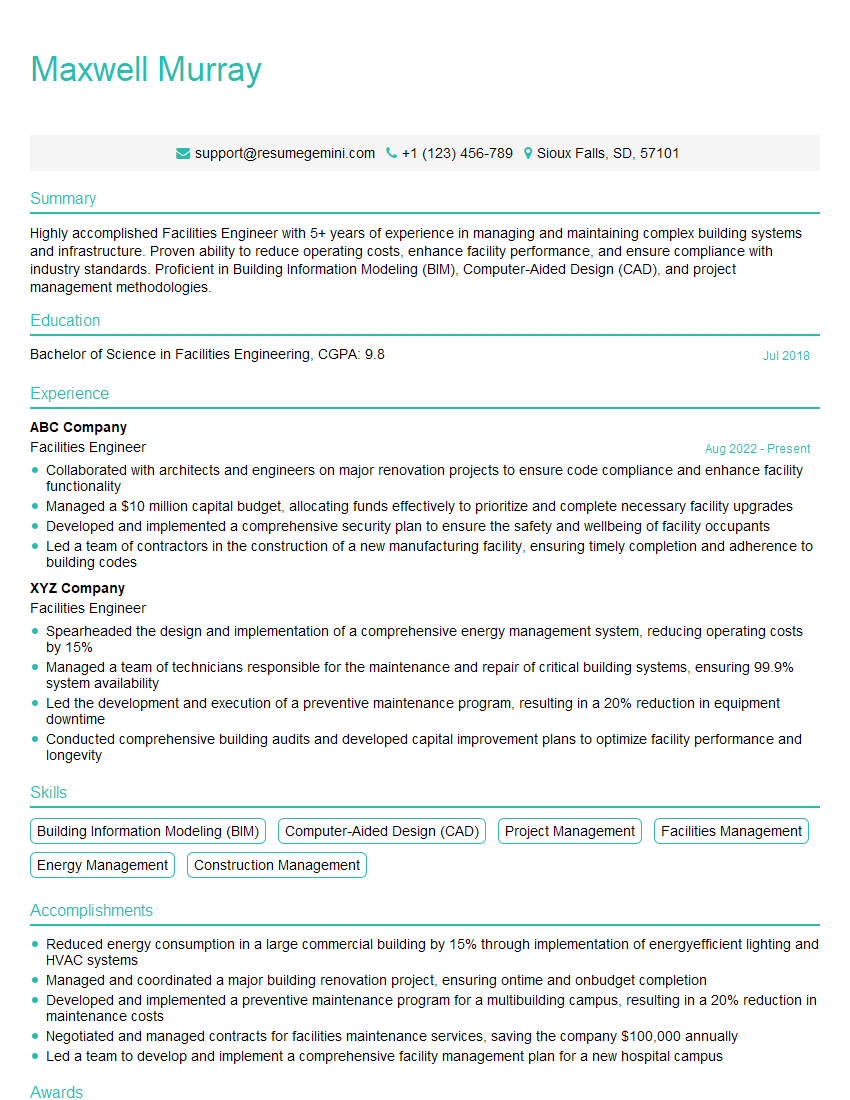
Facilities Engineer Resume Sample

Reservoir Engineer Resume Sample
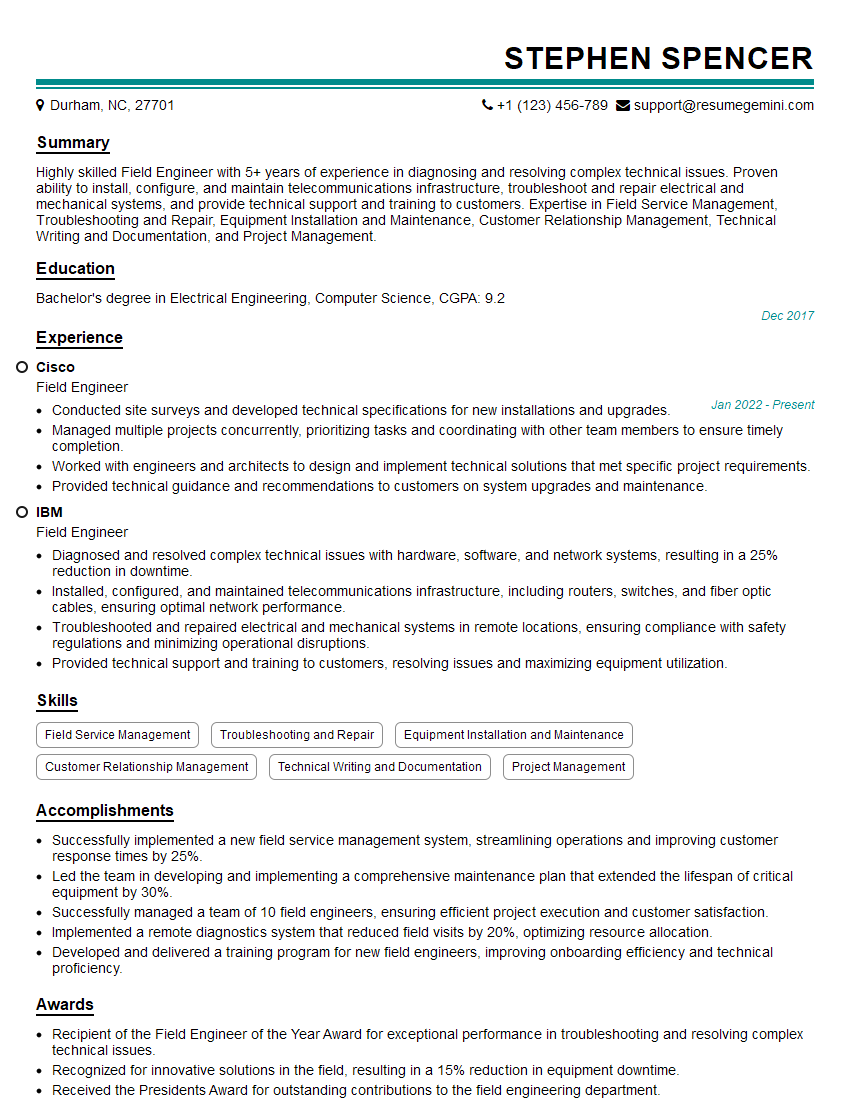
Field Engineer Resume Sample
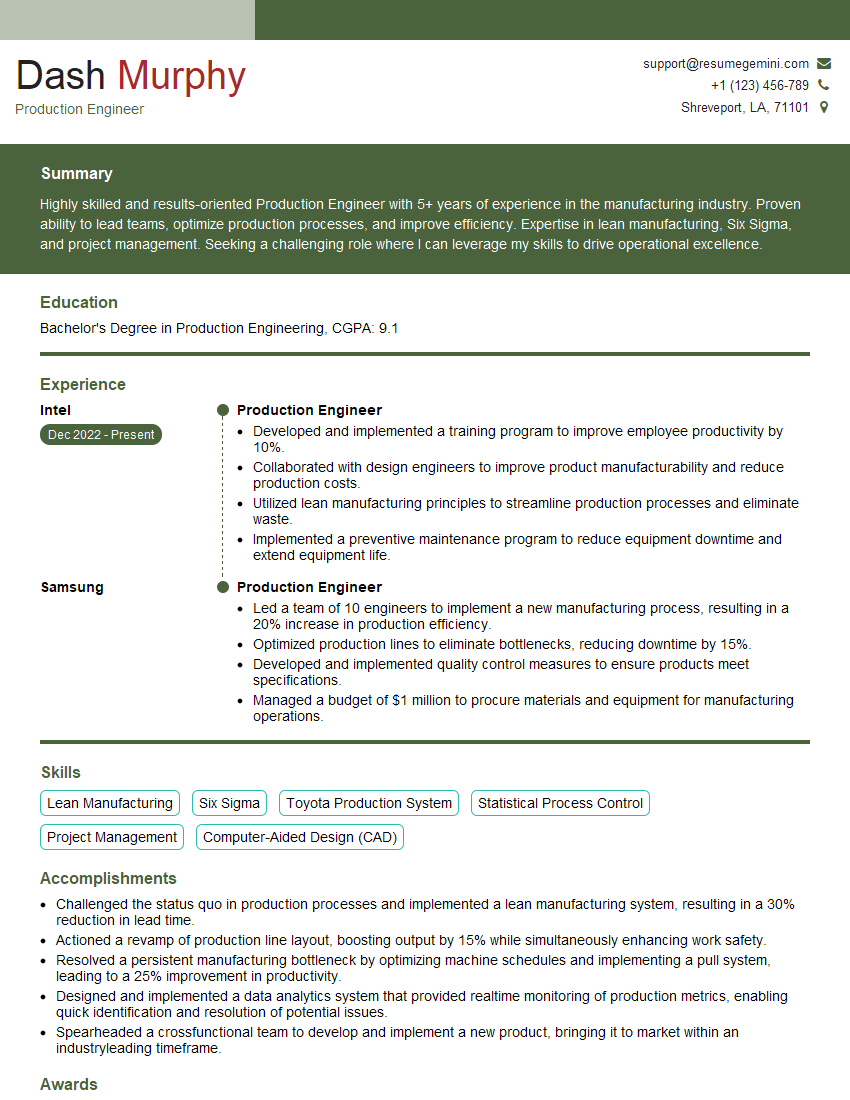
Production Engineer Resume Sample
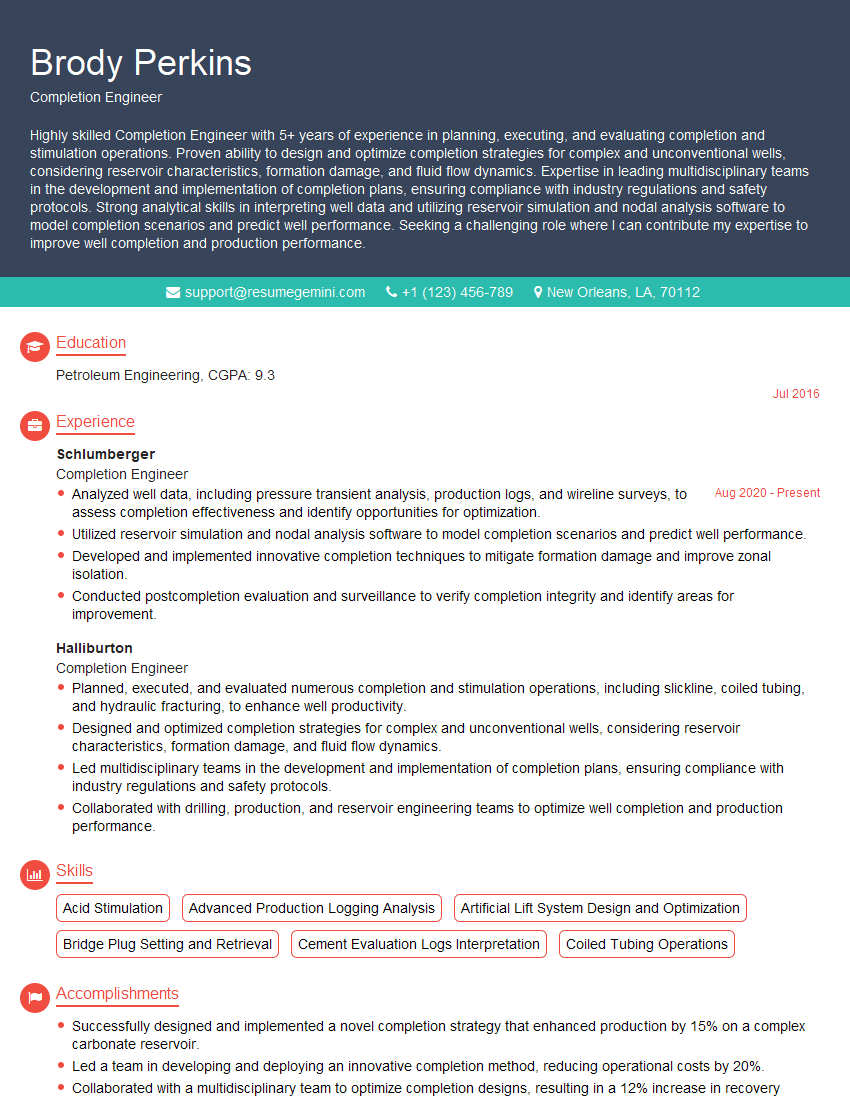
Completion Engineer Resume Sample
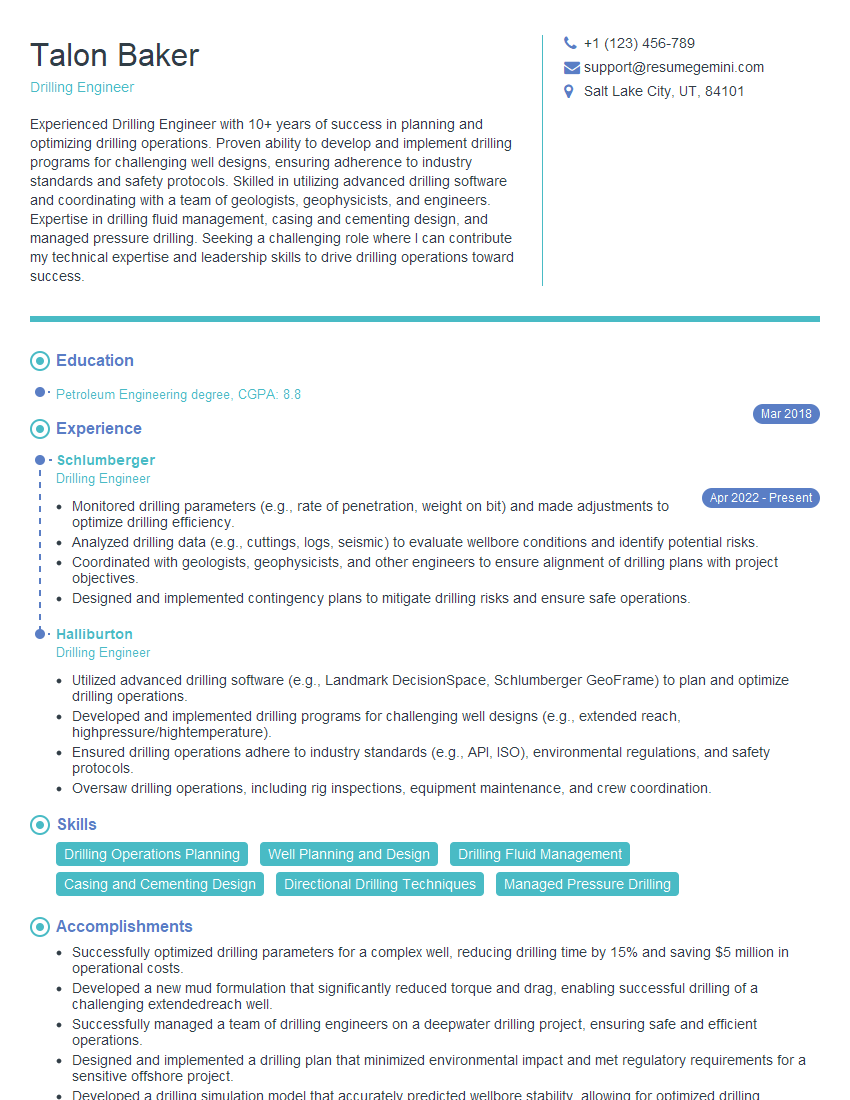
Drilling Engineer Resume Sample

Mud Engineer Resume Sample

Petroleum Engineer Resume Sample
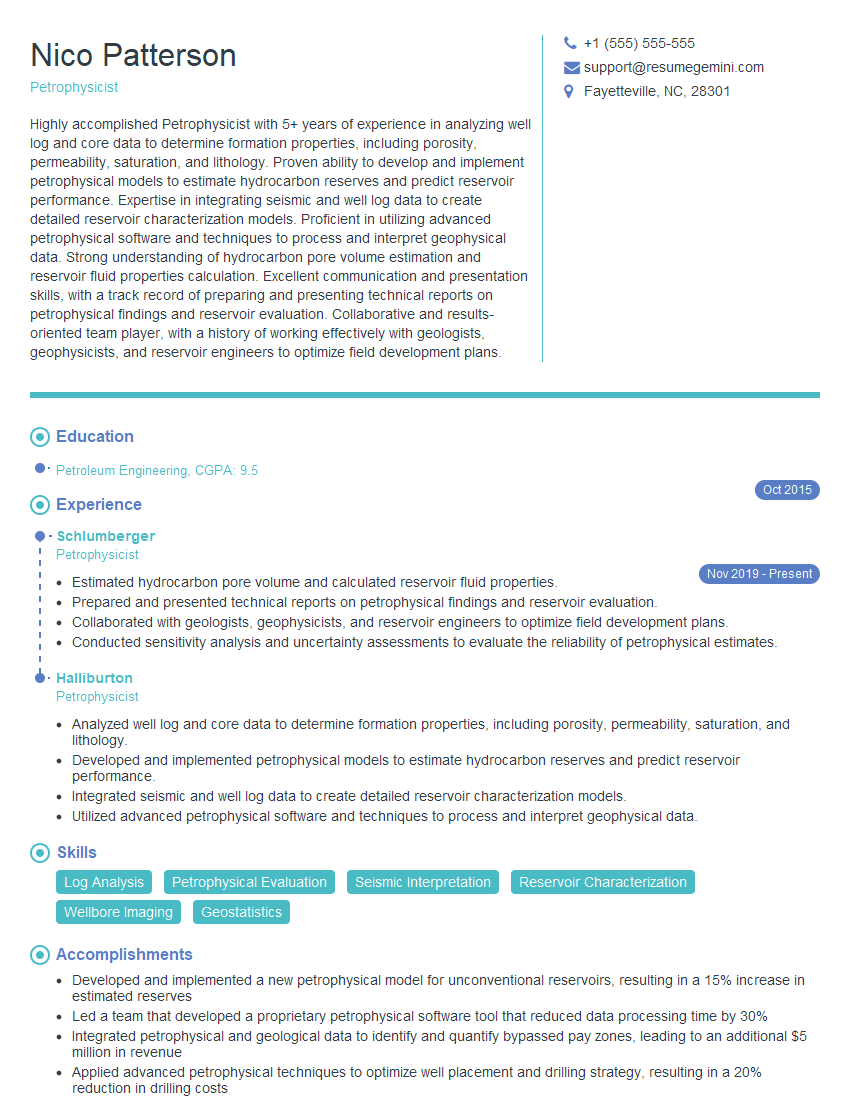
Petrophysicist Resume Sample
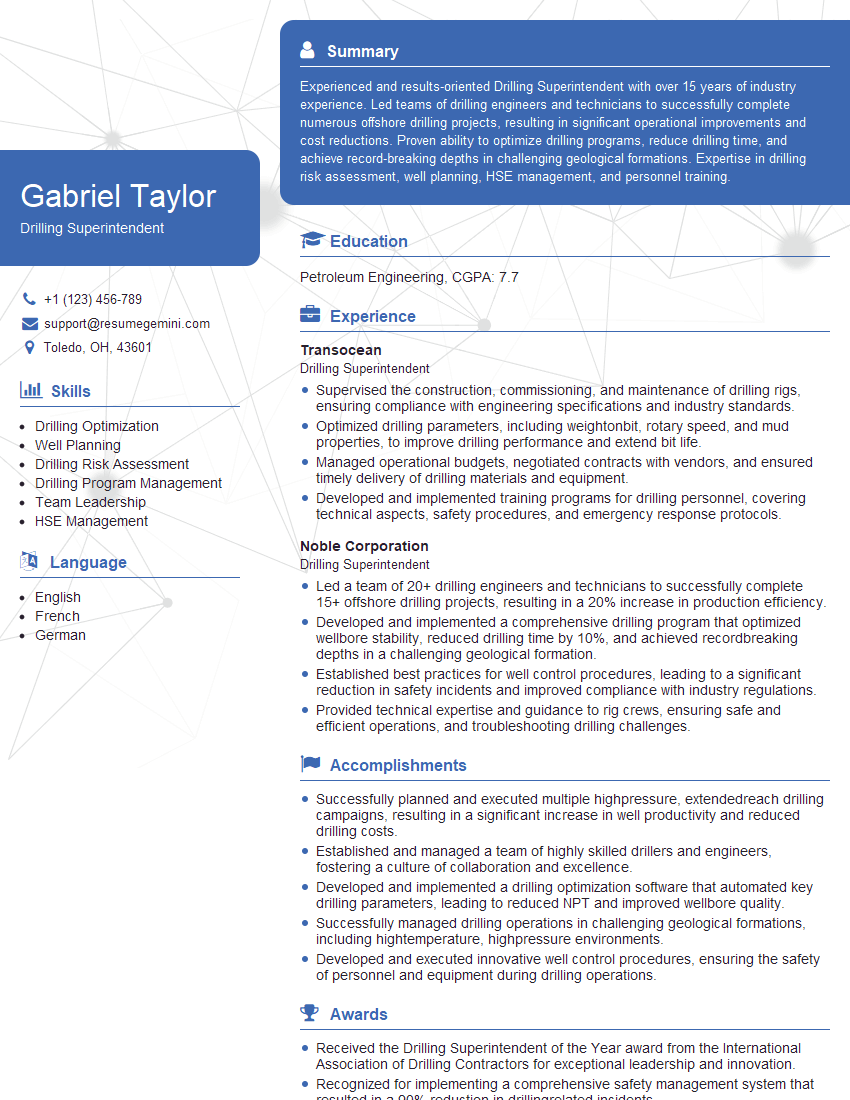
Drilling Superintendent Resume Sample

Drilling Supervisor Resume Sample

Production Technologist Resume Sample
Explore more articles
Users Rating of Our Blogs
Share Your Experience
We value your feedback! Please rate our content and share your thoughts (optional).
What Readers Say About Our Blog
To the interviewgemini.com Webmaster.
Very helpful and content specific questions to help prepare me for my interview!
Thank you
To the interviewgemini.com Webmaster.
This was kind of a unique content I found around the specialized skills. Very helpful questions and good detailed answers.
Very Helpful blog, thank you Interviewgemini team.