Preparation is the key to success in any interview. In this post, we’ll explore crucial Oilfield Experience interview questions and equip you with strategies to craft impactful answers. Whether you’re a beginner or a pro, these tips will elevate your preparation.
Questions Asked in Oilfield Experience Interview
Q 1. Describe your experience with different types of drilling fluids and their applications.
Drilling fluids, also known as mud, are crucial in well drilling. They serve multiple purposes, from cleaning the wellbore to stabilizing the formation. The type of mud used depends heavily on the specific geological conditions and the challenges presented by the formation.
Water-based muds (WBM): The most common type, economical and environmentally friendly. Suitable for less challenging formations, but additives are needed to control properties like viscosity and density. I’ve extensively used WBMs in onshore operations, particularly in areas with readily available freshwater sources.
Oil-based muds (OBM): Provide better lubricity and shale inhibition, making them ideal for drilling unstable formations prone to swelling or collapsing. However, they are more expensive and environmentally sensitive, requiring careful handling and disposal. I’ve worked with OBMs in challenging offshore environments where shale instability was a major concern. We used synthetic-based oils (SBO) to mitigate environmental impact.
Synthetic-based muds (SBM): A compromise between WBM and OBM, offering superior performance in shale inhibition and lubricity with less environmental impact. They are more expensive than WBM but cheaper than OBM. These are becoming increasingly popular due to stricter environmental regulations. I’ve seen firsthand the benefits of SBMs in reducing wellbore instability issues compared to WBMs in specific shale formations.
Air/Gas drilling: This technique uses air or gas instead of liquid mud. It’s faster and cheaper but poses challenges related to well control and cuttings removal. It is typically used in shallower wells or specific geological contexts.
Selecting the right mud type involves careful consideration of factors such as formation pressure, temperature, lithology, and environmental regulations. Incorrect mud selection can lead to costly complications, including wellbore instability, stuck pipe, and environmental damage.
Q 2. Explain the process of well completion and the different types of completion techniques.
Well completion is the process of preparing a newly drilled well for production. It involves installing equipment and infrastructure to control flow, protect the formation, and optimize production.
Openhole Completion: The simplest method, involving perforating the casing and allowing hydrocarbons to flow directly into the wellbore. Suitable for formations with good reservoir strength and minimal risk of sand production. I’ve used this method in several projects where the reservoir was relatively consolidated.
Cased-hole Completion: The wellbore is lined with casing, and perforations are created to allow hydrocarbon flow. This method provides better zonal isolation and protection against formation collapse. This is often the preferred method for complex reservoirs and challenging formations.
Gravel Pack Completion: A gravel pack is placed around the perforations to prevent sand production while maintaining permeability. This is crucial in unconsolidated formations prone to sand influx. We implemented this on a project where we were concerned about sand production and potential wellbore damage.
Fractured Completion: This involves stimulating the reservoir by creating fractures in the rock to increase permeability and production. Hydraulic fracturing is a common fracturing technique (discussed more in Question 6). This is widely used for unconventional reservoirs, such as shale gas and tight oil.
The choice of completion technique depends on reservoir characteristics, wellbore conditions, and production objectives. A poorly designed completion can lead to reduced production, formation damage, and increased operational costs.
Q 3. How would you handle a well control incident?
Well control incidents, such as a kick (unexpected influx of formation fluids), require immediate and decisive action. Safety is paramount. My approach follows a structured procedure:
Shut-in the well: Immediately close the wellhead valves to prevent further influx of fluids.
Isolate the zone: Identify the source of the kick and isolate it using appropriate tools and techniques.
Circulate the well: Remove the influx of formation fluids from the wellbore using the mud pumps. This is done by increasing the mud weight if needed.
Increase mud weight: If circulation is not effective, increase the mud weight to overbalance the formation pressure and stop the influx.
Well control equipment: Ensure that all well control equipment (e.g., blowout preventers (BOPs)) is functioning correctly and ready to be used.
Emergency response team: Coordinate with the emergency response team and follow established emergency procedures. This includes notifying relevant authorities and ensuring personnel safety.
Documentation: Meticulous documentation of all steps taken during the incident is crucial for post-incident analysis and preventing future occurrences.
Failure to act quickly and decisively can lead to significant environmental damage, loss of life, and financial consequences. During my career, I have personally managed several well control incidents, each requiring a unique approach adapted to the specific circumstances. Thorough training and adherence to safety protocols are essential in these situations.
Q 4. What are the key factors to consider when designing a wellbore trajectory?
Designing a wellbore trajectory involves planning the path of the well from the surface location to the target reservoir. Several crucial factors must be considered:
Reservoir location and geometry: The well must reach the target reservoir efficiently and effectively.
Surface location constraints: Obstacles such as pipelines, roads, and other infrastructure must be avoided.
Formation characteristics: The trajectory must avoid unstable formations and geological hazards.
Drilling challenges: The chosen trajectory should minimize drilling risks and difficulties such as dog legs, hole deviation, and equipment limitations.
Directional drilling techniques: The trajectory must be feasible using available directional drilling tools and technologies.
Environmental considerations: Minimize environmental impact, such as surface disturbance and potential contamination.
Economic factors: The trajectory should be optimized for cost-effectiveness, minimizing drilling time and equipment costs.
Software tools are extensively used to simulate and optimize wellbore trajectories, considering all these factors. I routinely use such software for planning and analyzing well paths to ensure optimal results and minimize risks.
Q 5. Explain your understanding of reservoir simulation and its applications.
Reservoir simulation is a powerful tool for predicting and optimizing reservoir performance. It involves using mathematical models to represent the complex physical processes occurring within a reservoir.
Applications:
Predicting reservoir behavior: Simulating pressure, temperature, and fluid flow to forecast production rates and ultimate recovery.
Optimizing well placement: Determining the best locations to drill wells to maximize production.
Evaluating Enhanced Oil Recovery (EOR) techniques: Assessing the effectiveness of different EOR methods, such as waterflooding, gas injection, and chemical injection.
Managing reservoir pressure: Predicting and managing reservoir pressure to maintain production and prevent formation damage.
Uncertainty analysis: Assessing the uncertainty associated with reservoir parameters and predictions.
I have extensive experience using reservoir simulation software (e.g., Eclipse, CMG) to analyze reservoir performance, design optimal production strategies, and guide decision-making in various projects. For example, in one project, reservoir simulation helped us to optimize well placement, leading to a significant increase in oil recovery.
Q 6. Describe your experience with hydraulic fracturing.
Hydraulic fracturing, or fracking, is a well stimulation technique used to enhance hydrocarbon production from low-permeability reservoirs. It involves injecting high-pressure fluid into the formation to create fractures, increasing the reservoir’s permeability and allowing hydrocarbons to flow more easily to the wellbore.
Process:
Well preparation: The well is completed with perforations or other methods to provide access to the reservoir.
Fracturing fluid preparation: A fracturing fluid (typically water, sand, and additives) is prepared and pumped into the well.
Fracturing treatment: The fracturing fluid is injected at high pressure, creating fractures in the formation.
Proppant placement: Proppants (usually sand or ceramic beads) are carried by the fluid and placed within the fractures to keep them open after the pressure is reduced.
Production monitoring: The well’s production is monitored to assess the effectiveness of the fracturing treatment.
I’ve been involved in numerous hydraulic fracturing operations, from designing the treatment plan to overseeing field execution. Challenges include selecting appropriate fracturing fluids and proppants, optimizing injection parameters, and managing environmental concerns. One project I managed involved optimizing the proppant type and concentration, which resulted in a substantial increase in production compared to previous treatments.
Q 7. How do you monitor and control production from a well?
Monitoring and controlling production from a well involves continuously tracking key parameters and adjusting operations to maximize production and prevent problems.
Methods:
Production logging: Using specialized tools to measure flow rates, pressures, and fluid compositions within the wellbore.
Reservoir monitoring: Tracking reservoir pressure, temperature, and fluid saturation using sensors and other monitoring techniques.
Artificial lift systems: Employing methods such as pumps or gas lift to assist in lifting hydrocarbons from the reservoir to the surface, particularly in low-pressure reservoirs.
Data acquisition and analysis: Collecting and analyzing data from various sources (e.g., production meters, sensors, and logging tools) to understand well performance and identify potential problems.
Well testing: Conducting periodic tests to assess well productivity and identify potential issues, such as formation damage or changes in reservoir properties.
Real-time data analysis is critical for efficient production management. We use sophisticated software and control systems to monitor well performance, identify potential problems early, and make necessary adjustments to maximize production and prevent downtime. For example, in one instance, real-time monitoring revealed a decline in production due to a partial blockage in the flow path, allowing us to schedule timely intervention and restore production.
Q 8. What are the different types of artificial lift methods?
Artificial lift methods are employed when the natural reservoir pressure is insufficient to bring oil and gas to the surface at an economically viable rate. There are several categories, each suited to different reservoir conditions and well characteristics:
- Electrosubmersible Pumps (ESP): These are electric pumps submerged in the wellbore, ideal for high-volume, low-viscosity fluids. Think of them as underwater submersible pumps, but significantly more robust and designed for the harsh conditions of a well. I’ve personally overseen the installation and optimization of several ESP systems, significantly improving production in mature fields.
- Rod Pumps: A surface-driven reciprocating pump connected to a subsurface pump via a series of sucker rods. These are a workhorse of the industry, reliable but less efficient for very deep wells or high-production rates. I’ve troubleshooted numerous rod pump failures, identifying issues like rod fatigue and pump wear.
- Gas Lift: High-pressure gas is injected into the wellbore to reduce the hydrostatic pressure and aid fluid flow. This is effective for wells with sufficient gas availability and suitable reservoir characteristics. We used gas lift successfully on a project with a significant gas cap, optimizing injection pressure to maximize production.
- Progressive Cavity Pumps (PCP): These use a rotating helical rotor to pump fluid, effective for high-viscosity fluids and challenging well conditions. Their positive displacement nature makes them suitable for viscous crudes where other methods may struggle.
- Hydraulic Jet Pumps: These use a high-velocity jet of fluid to lift the produced fluids. Less common than others, but can be suitable in specific applications.
The selection of the optimal artificial lift method depends on factors such as fluid properties, well depth, production rate, and cost considerations. A thorough reservoir simulation and economic analysis are crucial for making the right decision.
Q 9. Explain your understanding of formation evaluation techniques.
Formation evaluation involves determining the properties of the subsurface rock formations to assess their hydrocarbon potential. This is crucial for making informed decisions regarding drilling, completion, and production optimization. Key techniques include:
- Wireline Logging: Various sensors are lowered into the wellbore to measure properties like porosity, permeability, water saturation, and lithology. Gamma ray logs, resistivity logs, and neutron porosity logs are commonly used, providing a continuous profile of the formation. I’ve personally analyzed thousands of well logs, integrating data from multiple tools to build detailed reservoir models. For instance, a low resistivity reading coupled with a high porosity indicated a potentially high hydrocarbon saturation.
- Mud Logging: Real-time analysis of drilling mud samples provides information about the formations being drilled, including gas shows, lithology, and drilling parameters. This helps detect potential hydrocarbon zones and adjust drilling plans accordingly. I remember one instance where mud logging helped us identify a previously unknown gas-bearing zone, leading to a significant production increase.
- Core Analysis: Physical samples of the rock are extracted from the wellbore and tested in a laboratory to determine porosity, permeability, and other key reservoir properties. This provides more detailed and accurate information compared to wireline logs, especially when dealing with complex formations.
- Pressure Testing: Pressure measurements are taken to determine reservoir pressure, fluid properties, and the extent of the hydrocarbon reservoir. I used pressure transient analysis to estimate reservoir permeability and drainage area on a project I worked on.
Integrating data from these different techniques is essential for building a comprehensive understanding of the reservoir. Modern software allows for sophisticated data interpretation and modeling, enabling more accurate predictions of reservoir performance.
Q 10. How do you ensure the safety of personnel and equipment on a drilling rig?
Safety is paramount in the oil and gas industry. On a drilling rig, safety protocols are implemented at every level, starting with comprehensive risk assessments and extending to daily operational procedures. Key aspects include:
- Rig-site safety meetings: Daily meetings address potential hazards, review safety procedures, and discuss any incidents. I always insisted on rigorous participation and open communication in these meetings.
- Personal Protective Equipment (PPE): Rig workers are required to wear appropriate PPE, including hard hats, safety glasses, steel-toed boots, and hearing protection. Regular inspections ensure equipment is in good working order.
- Emergency Response Plans: Comprehensive plans are in place to handle various emergencies, including fires, explosions, and well control incidents. Regular drills ensure that personnel are trained and prepared.
- Permit-to-work systems: These systems ensure that high-risk activities are carefully planned and executed, with all necessary safety precautions in place. I’ve implemented and managed permit-to-work systems on numerous drilling projects.
- Hazard identification and risk assessment (HIRA): Conducting thorough HIRAs to proactively identify potential hazards and implement risk mitigation strategies. Using a systematic approach, we identify potential risks and put measures to avoid or mitigate them.
Furthermore, strict adherence to industry regulations and best practices is essential. Regular training and competency assessments for all personnel ensure that everyone understands and follows safety procedures. A culture of safety, where everyone takes personal responsibility for their own safety and the safety of their colleagues, is crucial.
Q 11. What are the common causes of wellbore instability?
Wellbore instability is a major concern in drilling operations, leading to costly delays and potential safety hazards. Common causes include:
- Formation pressure changes: Sudden changes in formation pressure, often caused by drilling fluids that are incompatible with the formation, can lead to fracturing or swelling of the wellbore. This is especially problematic in shale formations.
- In-situ stresses: High horizontal stresses in the formation can cause the wellbore to collapse or fracture. This is more likely in areas with tectonic activity.
- Fluid interactions: The interaction between drilling fluids and the formation can lead to clay swelling, shale instability, or formation weakening. I’ve seen cases where using the incorrect drilling fluid led to significant wellbore instability issues.
- Temperature gradients: Significant temperature differences between the formation and the drilling fluid can cause thermal stress, leading to wellbore instability. This is a more significant issue in deep wells.
- Weak formations: Some formations are naturally weak or prone to instability. This often requires specialized drilling techniques and wellbore strengthening measures. Working with soft, unconsolidated formations always presented special challenges.
Mitigating wellbore instability requires careful planning, including the selection of appropriate drilling fluids, wellbore strengthening techniques (such as casing and cementing), and real-time monitoring of wellbore conditions. Understanding the geological properties of the formation is crucial for effective prevention.
Q 12. Describe your experience with different types of drilling bits and their applications.
Drilling bits are crucial for efficient and safe drilling operations. Different bit types are selected based on the formation being drilled, drilling parameters, and the desired rate of penetration (ROP).
- Roller Cone Bits: These bits use rotating cones with teeth or inserts to crush and cut the formation. They are robust and effective in hard, abrasive formations, but their ROP can be lower in softer formations. I’ve extensively used these bits in various hard rock formations.
- Polycrystalline Diamond Compact (PDC) Bits: These bits use synthetic diamonds embedded in a matrix to cut the formation. They provide high ROP in a wide range of formations and are less prone to wear than roller cone bits. We have seen significantly improved ROP using PDC bits in soft shale formations, significantly reducing drilling time and cost.
- Diamond bits: These bits use natural or synthetic diamonds to cut the formation. They provide extremely high ROP in hard, abrasive formations and are suitable for directional drilling. I’ve utilized diamond bits effectively in highly abrasive carbonate reservoirs.
The choice of bit type involves considering factors such as formation hardness, abrasiveness, and desired ROP. Careful bit selection can significantly impact drilling efficiency and cost-effectiveness. I’ve found that optimizing bit selection based on real-time data and geological information leads to the best outcomes.
Q 13. Explain your understanding of pressure transient analysis.
Pressure transient analysis (PTA) is a technique used to determine reservoir properties, such as permeability, porosity, and skin factor, from pressure changes observed in a well during production or injection. It involves analyzing the pressure response of a reservoir to a change in flow rate. This analysis provides crucial insights into the reservoir’s characteristics.
The process generally involves:
- Pressure buildup test: The well is shut-in after a period of production, and the pressure is monitored over time. The pressure buildup data is analyzed to determine reservoir properties.
- Drawdown test: The flow rate is changed (e.g., increased or decreased), and the pressure response is monitored. This test also provides valuable data for reservoir characterization.
- Multiple rate testing: This approach involves varying the flow rate during testing to gain additional information.
Data analysis typically uses specialized software to model the pressure response and extract reservoir parameters. I have personally used PTA to assess reservoir productivity, estimate reserves, and optimize well completion strategies. For example, using PTA data, we identified a significant skin effect around a wellbore that was restricting production, guiding intervention to improve flow.
Q 14. How do you interpret well logs?
Well log interpretation is a crucial aspect of reservoir characterization. It involves analyzing data from various wireline logs to determine the petrophysical properties of the formations, including porosity, permeability, water saturation, and lithology. This information is then used for reservoir modeling and production forecasting.
The process involves:
- Data Quality Control: First, a thorough review of the data to identify and correct any errors. Noisy or incomplete data can lead to inaccurate interpretations.
- Log editing: Correcting or removing spurious data points, and using various techniques to enhance the data signal for increased clarity.
- Petrophysical calculations: Applying established equations and correlations to calculate petrophysical properties like porosity, permeability, and water saturation from the log data. Different models can be used and their applicability needs to be judged carefully depending on the type of rock and the data quality. I usually rely on several techniques to cross validate our results and use independent measures of formation parameters whenever available.
- Lithology identification: Determining the type of rock based on the log responses. This is crucial for selecting the appropriate petrophysical models. I routinely employ cross-plots and other analytical techniques to ascertain the lithology of the reservoirs from the logs.
- Reservoir modeling: Integrating well log data with other geological and geophysical information to build a 3D model of the reservoir. This allows for volumetric calculations of hydrocarbons in place.
Modern software packages facilitate the interpretation process, providing advanced visualization tools and analysis capabilities. However, experience and expertise are crucial for accurate interpretation, requiring a thorough understanding of the geological context and the limitations of the logging tools. I’ve consistently used this knowledge to optimize reservoir management strategies and production optimization.
Q 15. What are the key factors to consider when designing a production facility?
Designing a production facility is a multifaceted process requiring careful consideration of numerous factors to ensure optimal efficiency, safety, and environmental responsibility. It’s like building a complex machine – every part needs to work harmoniously.
- Reservoir Characteristics: Understanding the reservoir’s pressure, temperature, fluid composition, and production rate is paramount. This dictates the type of equipment needed (e.g., high-pressure pumps for a depleted reservoir).
- Production Capacity: The facility’s design must accommodate the anticipated oil and gas production rates, with provisions for future expansion. Underestimating this can lead to bottlenecks and lost revenue.
- Processing Requirements: Depending on the crude oil’s properties, the facility needs appropriate separation, dehydration, and stabilization equipment. For example, high-sulfur crude requires more extensive processing.
- Environmental Regulations: Compliance with local and international environmental standards is critical. This includes minimizing emissions, managing waste, and preventing spills. For instance, choosing environmentally friendly technologies and implementing robust monitoring systems is crucial.
- Infrastructure and Logistics: Access to pipelines, roads, power grids, and water sources significantly influences the facility’s design and location. Remote locations often necessitate more complex logistical solutions.
- Safety and Security: Robust safety systems are vital to prevent accidents and ensure worker protection. This includes emergency shutdown systems, fire suppression, and access control.
- Economic Factors: The design must balance capital costs with operational efficiency and projected revenue. A thorough cost-benefit analysis is essential.
For example, in a project I worked on in the North Sea, we had to design a production facility capable of handling high-pressure, high-temperature fluids while adhering to stringent environmental regulations. We optimized the facility layout to minimize pipeline lengths and utilized advanced separation technologies to improve efficiency.
Career Expert Tips:
- Ace those interviews! Prepare effectively by reviewing the Top 50 Most Common Interview Questions on ResumeGemini.
- Navigate your job search with confidence! Explore a wide range of Career Tips on ResumeGemini. Learn about common challenges and recommendations to overcome them.
- Craft the perfect resume! Master the Art of Resume Writing with ResumeGemini’s guide. Showcase your unique qualifications and achievements effectively.
- Don’t miss out on holiday savings! Build your dream resume with ResumeGemini’s ATS optimized templates.
Q 16. Explain your experience with pipeline design and construction.
My experience encompasses the entire pipeline lifecycle, from initial design and engineering to construction and commissioning. I’ve worked on projects ranging from onshore gathering pipelines to complex offshore flowlines.
Pipeline design involves intricate calculations to determine pipe diameter, wall thickness, and material selection based on factors like pressure, temperature, fluid properties, and environmental conditions. For example, in a deepwater project, we needed to account for the effects of water depth, currents, and seabed conditions. This often involves using specialized software to model pipeline behavior and conduct stress analysis.
Construction oversight requires meticulous planning and execution. This involves coordinating multiple contractors, managing logistics, ensuring safety compliance, and meticulously documenting all stages of the process. I have a strong understanding of welding procedures, quality control measures, and hydrotesting protocols. One project involved supervising the construction of a 100km onshore pipeline across challenging terrain, necessitating the use of advanced trenchless techniques.
My expertise also extends to pipeline integrity management, including regular inspections, maintenance, and repair strategies. This ensures the long-term safety and reliability of the pipelines.
Q 17. Describe your understanding of subsea production systems.
Subsea production systems are complex, underwater installations used to extract hydrocarbons from subsea reservoirs. They are essentially underwater production facilities, and their design is more intricate than their onshore counterparts due to the hostile environment.
My understanding includes the various components of a subsea production system, including subsea trees (controlling the flow of hydrocarbons), manifolds (collecting and distributing fluids from multiple wells), pipelines (transporting hydrocarbons to a host facility), and control systems (monitoring and managing the entire system).
I’m familiar with different types of subsea systems, such as rigid and flexible risers, and their advantages and disadvantages in various scenarios. For instance, flexible risers offer greater flexibility in deepwater operations, but they require careful consideration of fatigue and stress issues.
Furthermore, I have experience with the design and implementation of subsea control systems, including remote operation and monitoring techniques. This requires a detailed understanding of instrumentation, control algorithms, and data communication protocols. A significant part of the design involves redundancy and fail-safe mechanisms, crucial for ensuring safe and uninterrupted operations in such harsh environments.
One project I was involved in required the design and installation of a complex subsea system in ultra-deep water, requiring careful analysis of factors such as pressure, temperature, and corrosion.
Q 18. How do you manage and mitigate environmental risks in oilfield operations?
Environmental risk management in oilfield operations is paramount. It’s not just a legal requirement, but an ethical imperative. We employ a multi-pronged approach to minimize impact.
- Pre-Operational Assessments: Conducting thorough environmental impact assessments (EIAs) before any operation begins. This involves identifying potential risks, assessing their likelihood and severity, and devising mitigation strategies.
- Spill Prevention and Response: Implementing robust spill prevention measures, such as regular equipment inspections, and having emergency response plans in place, including pre-positioned equipment and trained personnel. This involves regular drills and simulations.
- Waste Management: Developing comprehensive waste management strategies, including proper disposal of drilling muds, produced water, and other hazardous materials. This often includes treating and recycling waste to minimize environmental impact.
- Emission Control: Utilizing technologies to reduce greenhouse gas emissions, such as improved combustion techniques and gas flaring reduction measures. This also includes minimizing air pollutants through the use of appropriate equipment and monitoring.
- Water Management: Implementing efficient water management strategies to minimize water usage and prevent contamination of water sources. This might involve water reuse and recycling.
- Biodiversity Protection: Taking measures to protect sensitive habitats and species. This might involve marine mammal monitoring, bird surveys and habitat restoration.
- Regulatory Compliance: Ensuring strict adherence to all relevant environmental regulations and permits.
For example, in a recent project, we used advanced modeling techniques to predict the potential impact of a pipeline leak and developed a comprehensive spill response plan. We also implemented a water management system that reduced water consumption by 30%.
Q 19. What are the common challenges associated with offshore drilling?
Offshore drilling presents unique challenges compared to onshore operations, primarily due to the harsh and unpredictable marine environment.
- Weather Conditions: Severe weather, including storms and high waves, can significantly disrupt operations, causing delays and potentially jeopardizing safety.
- Remote Location: Offshore platforms are often located far from shore, making logistics, supply chain management, and emergency response more complex and expensive.
- Subsea Conditions: Unpredictable seabed conditions, underwater currents, and potential subsea hazards can complicate drilling operations and increase the risk of equipment failure.
- Safety Concerns: The inherent risks associated with working in a marine environment necessitate stringent safety protocols and emergency response capabilities.
- Environmental Regulations: Stricter environmental regulations apply to offshore operations, requiring careful planning and mitigation of potential environmental impacts.
- Cost: Offshore drilling is inherently more expensive than onshore operations due to the increased complexities and logistical challenges.
One specific challenge I encountered involved a sudden storm that forced us to evacuate the platform, resulting in significant downtime and additional costs. This reinforced the importance of meticulous weather forecasting and emergency preparedness.
Q 20. Explain your experience with data acquisition and analysis in oilfield operations.
Data acquisition and analysis are integral to optimizing oilfield operations. It’s like having a sophisticated diagnostic tool for the entire operation. This involves collecting vast amounts of data from various sources, and then interpreting that data to improve performance.
My experience includes working with various data acquisition systems, including downhole sensors, surface instrumentation, and remote monitoring systems. This data can include pressure, temperature, flow rates, and other crucial parameters. I’m proficient in using specialized software to process and analyze this data. This includes identifying trends, anomalies, and potential issues. I understand reservoir simulation, production forecasting, and optimization techniques.
One project involved implementing a real-time data monitoring system that allowed us to optimize production rates and prevent equipment failures, resulting in significant cost savings.
My expertise also extends to the use of advanced analytics techniques, such as machine learning and artificial intelligence, to identify patterns and predict future performance. We used predictive modeling to anticipate equipment failures and optimize maintenance schedules, minimizing downtime and improving overall efficiency. This data-driven decision-making significantly enhances efficiency and reduces risks.
Q 21. How do you manage conflicts and communicate effectively in a team environment?
Effective communication and conflict resolution are vital in a team environment, especially in the high-pressure oilfield industry. It’s about building trust and ensuring everyone works towards a common goal.
My approach focuses on open and transparent communication. I encourage team members to express their opinions and concerns freely. I believe in active listening, ensuring that everyone feels heard and understood. This often involves using clear, concise language, avoiding jargon where possible and tailoring my communication style to the audience.
When conflicts arise, I address them promptly and directly. I facilitate discussions and encourage collaborative problem-solving. My strategy focuses on finding mutually agreeable solutions, rather than imposing decisions. I emphasize finding common ground and focusing on shared goals to overcome conflicts.
For instance, during a project with conflicting priorities among different engineering teams, I facilitated a series of meetings where each team presented their perspectives and concerns. We collaborated to create a revised plan that addressed everyone’s key priorities, ultimately leading to a successful project completion.
Q 22. Describe your experience with project management in oilfield projects.
My project management experience in oilfield projects spans over 10 years, encompassing various roles from junior engineer to project lead. I’ve consistently delivered projects on time and within budget, focusing on meticulous planning, risk mitigation, and effective team management. This involved everything from well completion projects to facility upgrades.
For instance, on a recent well intervention project, I successfully implemented a critical path method (CPM) to schedule tasks, identify potential delays, and proactively mitigate risks. This involved coordinating multiple contractors, managing material procurement, and ensuring strict adherence to safety protocols. Regular progress meetings, clear communication, and utilizing project management software like MS Project were key to success. We finished the project two weeks ahead of schedule, and under budget, significantly contributing to the client’s production goals.
In another project, a pipeline repair, I employed Agile methodologies, adapting to unexpected challenges and incorporating stakeholder feedback throughout the lifecycle. This iterative approach proved vital when encountering unforeseen geological issues during the excavation phase, ensuring we could adapt our strategy without significant delays or cost overruns.
Q 23. Explain your understanding of different types of drilling rigs and their capabilities.
Drilling rigs are classified into various types based on their mobility, power source, and operational capabilities. The most common types include land rigs, offshore rigs (jack-ups, semisubmersibles, drillships), and platform rigs. Each type has unique strengths and limitations.
- Land Rigs: These are used for onshore drilling and vary significantly in size and capacity, from smaller rigs for shallow wells to massive rigs for deepwater and high-pressure wells. They are relatively mobile but dependent on accessible land.
- Jack-up Rigs: These offshore rigs use legs to elevate the drilling platform above the water, providing stability in relatively shallow waters. They offer cost-effectiveness but are limited by water depth.
- Semisubmersibles: These floating rigs utilize large pontoons and columns for stability in deeper waters. They are more versatile than jack-ups, able to operate in rougher seas, but are more complex and expensive.
- Drillships: These dynamically positioned rigs use advanced technology to maintain their position, allowing them to operate in the deepest waters. They offer the highest mobility and capability but are very expensive to operate.
- Platform Rigs: These are permanently fixed structures, either onshore or offshore, offering a stable platform for prolonged drilling operations. They are typically used for large-scale projects.
The capabilities of each rig type are determined by factors such as drilling depth, wellbore size, and hoisting capacity. Choosing the right rig for a specific project is crucial for optimizing cost and efficiency.
Q 24. How do you use different software tools in oilfield engineering?
Several software tools are indispensable in oilfield engineering. These tools range from data analysis and visualization to reservoir simulation and well planning.
- Petrel: This is a widely used reservoir modeling and simulation software, critical for understanding subsurface geology, predicting reservoir performance, and optimizing production strategies. I’ve used Petrel extensively for building geological models, running reservoir simulations, and designing well trajectories.
- Landmark DecisionSpace: This suite of integrated software provides a comprehensive platform for managing subsurface data, planning wells, and analyzing production performance. Its capabilities include well design, hydraulic fracturing simulation, and production optimization.
- Roxar RMS: Another reservoir simulation software, Roxar RMS allows for detailed modeling of complex reservoir behavior. I’ve employed this for evaluating Enhanced Oil Recovery (EOR) techniques.
- WellCAD: This software is frequently used for well logging data interpretation and wellbore design, offering visualization tools that are critical for optimizing completion strategies.
- Microsoft Office Suite (Excel, Word, PowerPoint): These remain essential for data management, documentation, and reporting.
My proficiency in these tools allows me to efficiently manage and analyze vast amounts of data, improving decision-making across the entire project lifecycle. For example, I used Petrel to optimize the placement of horizontal wells in a mature field, leading to a significant increase in production.
Q 25. What are your strategies for optimizing production from mature fields?
Optimizing production from mature fields requires a multifaceted approach focusing on several key areas.
- Improved Reservoir Management: This includes advanced reservoir simulation to understand remaining oil distribution, and implementing strategies like infill drilling to access bypassed reserves.
- Enhanced Oil Recovery (EOR) Techniques: Techniques like waterflooding, polymer flooding, gas injection, and thermal recovery can significantly improve oil recovery from mature reservoirs. Selecting the optimal EOR technique depends on reservoir characteristics and economic considerations.
- Well Intervention and Workovers: Addressing wellbore issues like scaling, water coning, and sand production can improve well productivity. This requires effective well diagnostics and targeted interventions.
- Production Optimization: This involves continuous monitoring of well performance, adjusting production parameters (e.g., flow rates, bottomhole pressure), and implementing artificial lift technologies to maximize production efficiency.
- Data Analytics and Machine Learning: Leveraging data analytics and machine learning algorithms can help identify patterns and anomalies in production data, leading to proactive interventions and optimized production strategies.
For example, I successfully implemented a waterflooding project in a mature field, leading to a 15% increase in oil production within six months. This involved detailed reservoir modeling, well placement optimization, and careful monitoring of injection and production rates.
Q 26. Describe a time you had to troubleshoot a complex technical problem in the oilfield.
During a well completion operation, we encountered an unexpected influx of high-pressure formation water, posing a serious safety risk and threatening to damage the well. The initial pressure control measures were ineffective. The problem stemmed from a misinterpretation of the geological data prior to drilling.
My first step was to assemble a team of experienced engineers and immediately implement emergency shutdown procedures to stabilize the well. Then, we initiated a thorough review of all available data—logging data, pressure measurements, and geological models—to identify the root cause. We discovered a previously undetected fault zone in the formation, responsible for the unexpected water influx.
We then developed a solution involving a multi-stage intervention: First, deploying specialized cementing techniques to seal off the offending zone. Second, implementing a more robust wellhead pressure control system. Finally, we conducted a thorough post-intervention pressure test to confirm the integrity of the well. This systematic approach, coupled with clear communication, averted a potentially catastrophic incident and minimized downtime.
Q 27. How do you stay up-to-date with the latest technologies and advancements in the oil and gas industry?
Staying current in the oil and gas industry requires a multi-pronged approach.
- Industry Publications and Journals: I regularly read industry publications such as SPE Journal, Oil & Gas Journal, and others to stay abreast of new technologies and research findings.
- Conferences and Workshops: Attending industry conferences and workshops allows direct engagement with experts and the opportunity to learn about the latest advancements. Networking with peers is also invaluable.
- Online Resources and Webinars: Various online platforms offer webinars and courses covering the latest technologies and industry trends. I actively participate in these learning opportunities.
- Professional Organizations: Membership in professional organizations like the Society of Petroleum Engineers (SPE) provides access to valuable resources, publications, and networking opportunities.
- Continuous Learning: I actively pursue professional development courses and certifications to enhance my skillset and knowledge in emerging areas such as digitalization and data analytics in oil and gas.
For example, I recently completed a course on digital oilfield technologies, which has enabled me to integrate data-driven decision-making into my workflow and improve operational efficiency.
Q 28. Explain your experience with risk assessment and mitigation in oilfield operations.
Risk assessment and mitigation are paramount in oilfield operations, where hazards are inherent. My approach involves a systematic process.
- Hazard Identification: This initial step involves identifying all potential hazards associated with a given operation. This can include HSE risks (health, safety, and environment) but also operational risks like equipment failure, production loss, and cost overruns. Techniques like HAZOP (Hazard and Operability Study) are employed.
- Risk Analysis: Once hazards are identified, a risk assessment is performed, evaluating the likelihood and severity of each hazard. This often involves quantitative techniques to assign risk scores.
- Risk Mitigation: Based on the risk assessment, mitigation strategies are developed and implemented. These strategies may involve engineering controls (e.g., installing safety equipment), administrative controls (e.g., implementing stricter procedures), or a combination of both.
- Risk Monitoring and Review: Risks are continuously monitored throughout the project lifecycle, and the effectiveness of mitigation strategies is reviewed and adjusted as needed.
For example, during a well drilling operation in a remote location, we identified a high risk of equipment failure due to extreme weather conditions. Our mitigation strategy included procuring redundant equipment, establishing robust communication systems for emergency response, and developing detailed contingency plans. This proactive approach ensured safe and efficient operation despite challenging environmental circumstances.
Key Topics to Learn for Oilfield Experience Interview
- Drilling Operations: Understanding drilling techniques (rotary, directional, horizontal), well control procedures, and the role of various drilling equipment. Practical application: Explain your experience with mud engineering, or describe a situation requiring quick thinking to prevent a well control incident.
- Production Operations: Knowledge of reservoir engineering principles, artificial lift methods (pumping units, ESPs), production optimization techniques, and facility operations. Practical application: Discuss your experience with troubleshooting production issues or optimizing well performance.
- Well Completion & Workover: Understanding well completion methods (casing, cementing, perforating), workover operations, and the challenges involved in maintaining well integrity. Practical application: Describe your experience with a specific well completion or workover procedure, highlighting any problem-solving you undertook.
- Health, Safety, and Environment (HSE): Demonstrate a strong understanding of HSE regulations and best practices within the oilfield environment. Practical application: Describe a situation where you prioritized safety or mitigated an environmental risk.
- Oilfield Equipment & Technology: Familiarity with various types of oilfield equipment (drilling rigs, pumps, pipelines) and the latest technologies used in the industry. Practical application: Explain your experience with specific equipment and how you ensured its proper operation and maintenance.
- Data Analysis & Interpretation: Ability to analyze production data, interpret well logs, and use data-driven insights to optimize operations. Practical application: Describe your experience using software or tools to analyze oilfield data and make informed decisions.
Next Steps
Mastering Oilfield Experience is crucial for career advancement in this dynamic and rewarding industry. A strong understanding of these core concepts will significantly enhance your interview performance and open doors to exciting opportunities. To maximize your chances, focus on crafting an ATS-friendly resume that clearly showcases your skills and accomplishments. We highly recommend using ResumeGemini, a trusted resource, to build a professional and impactful resume. Examples of resumes tailored to Oilfield Experience are available to guide you.

Production Supervisor Resume Sample

Project Engineer Resume Sample
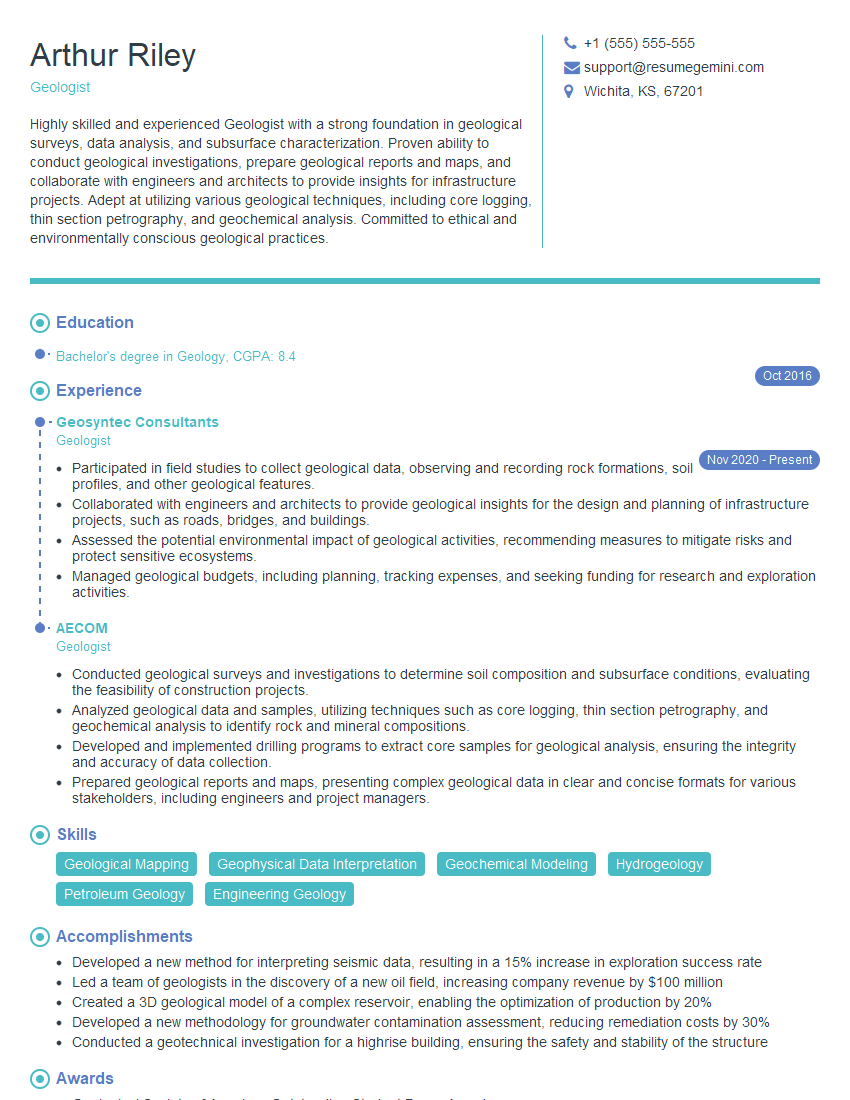
Geologist Resume Sample
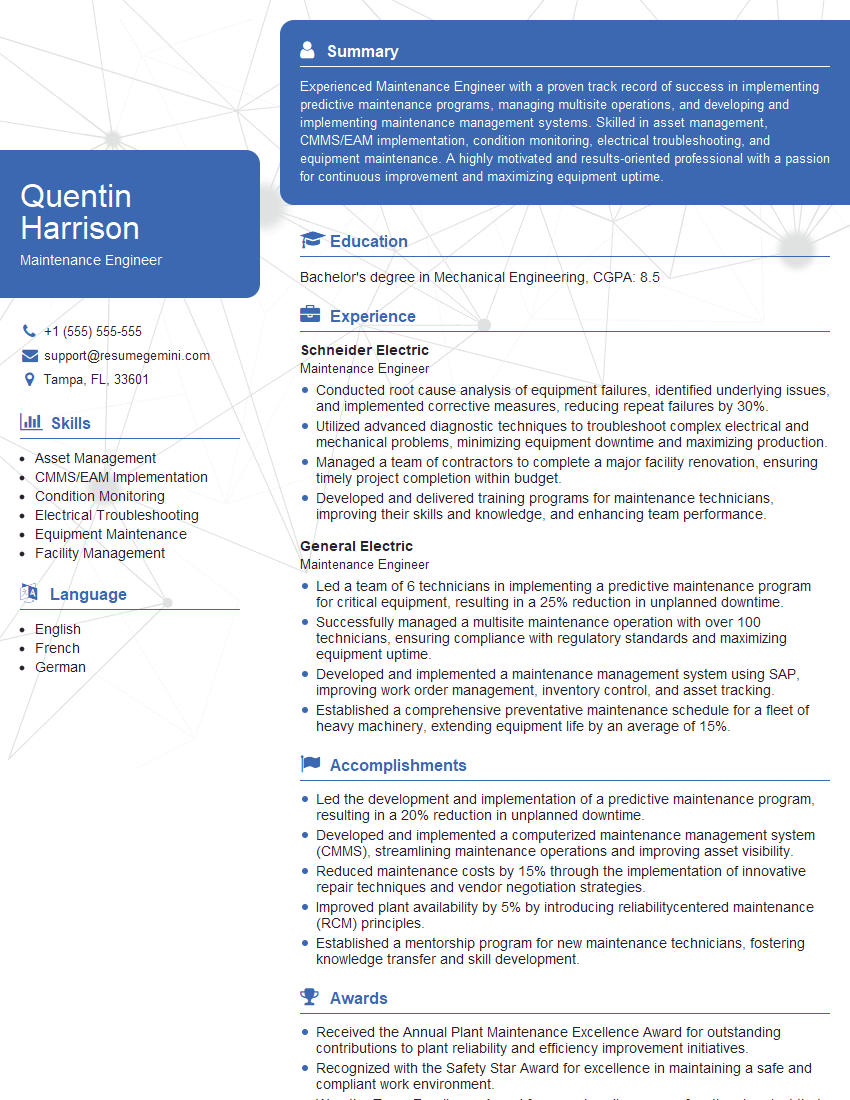
Maintenance Engineer Resume Sample

Reservoir Engineer Resume Sample
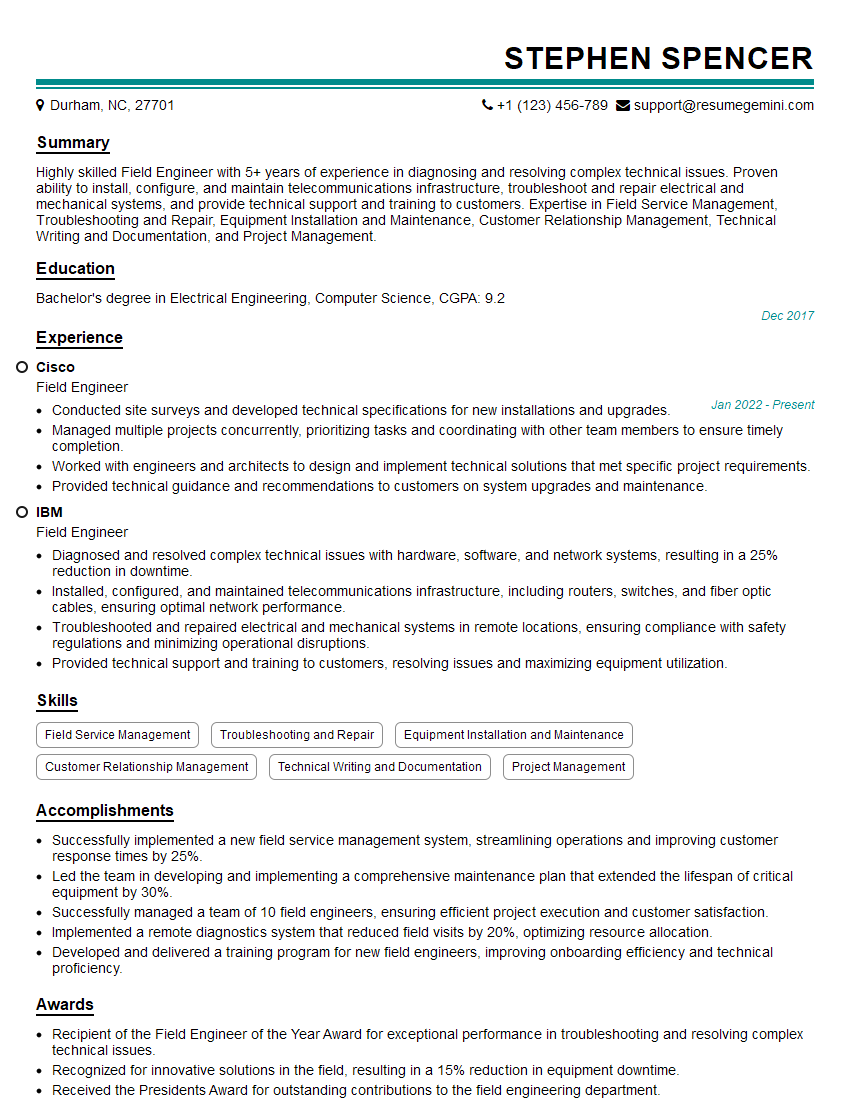
Field Engineer Resume Sample
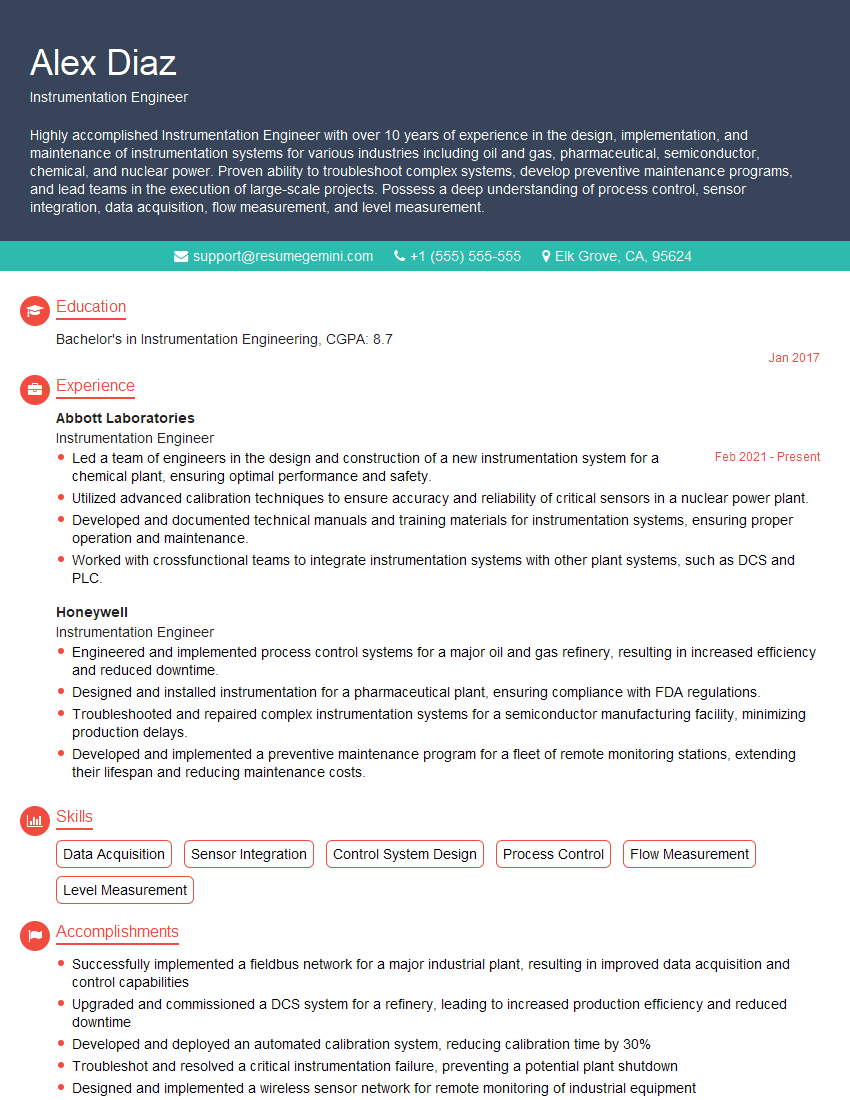
Instrumentation Engineer Resume Sample
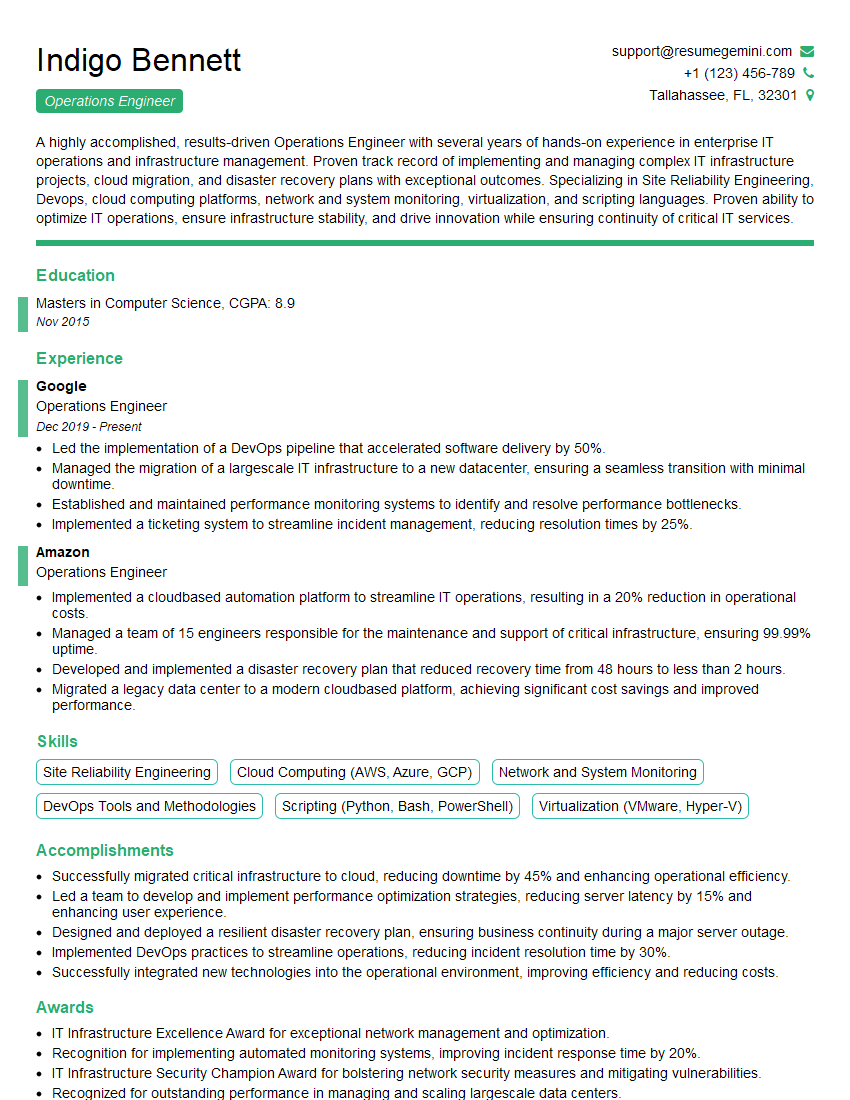
Operations Engineer Resume Sample
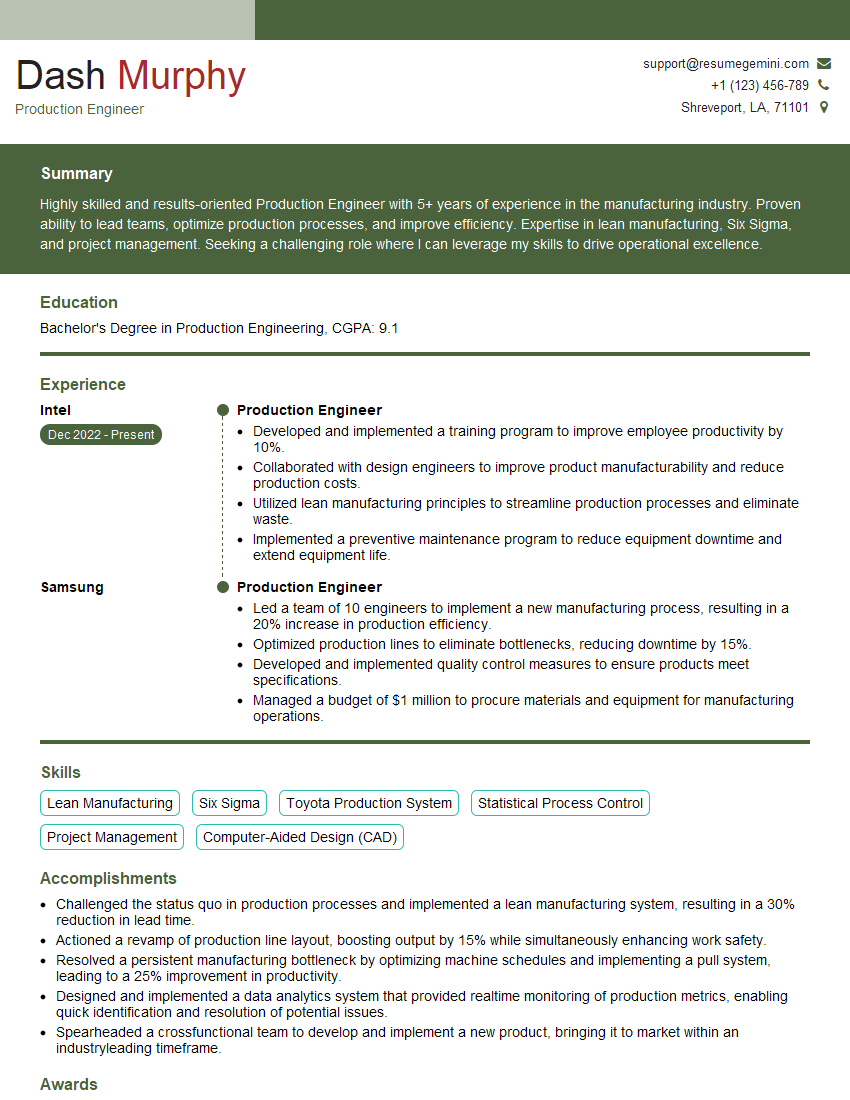
Production Engineer Resume Sample
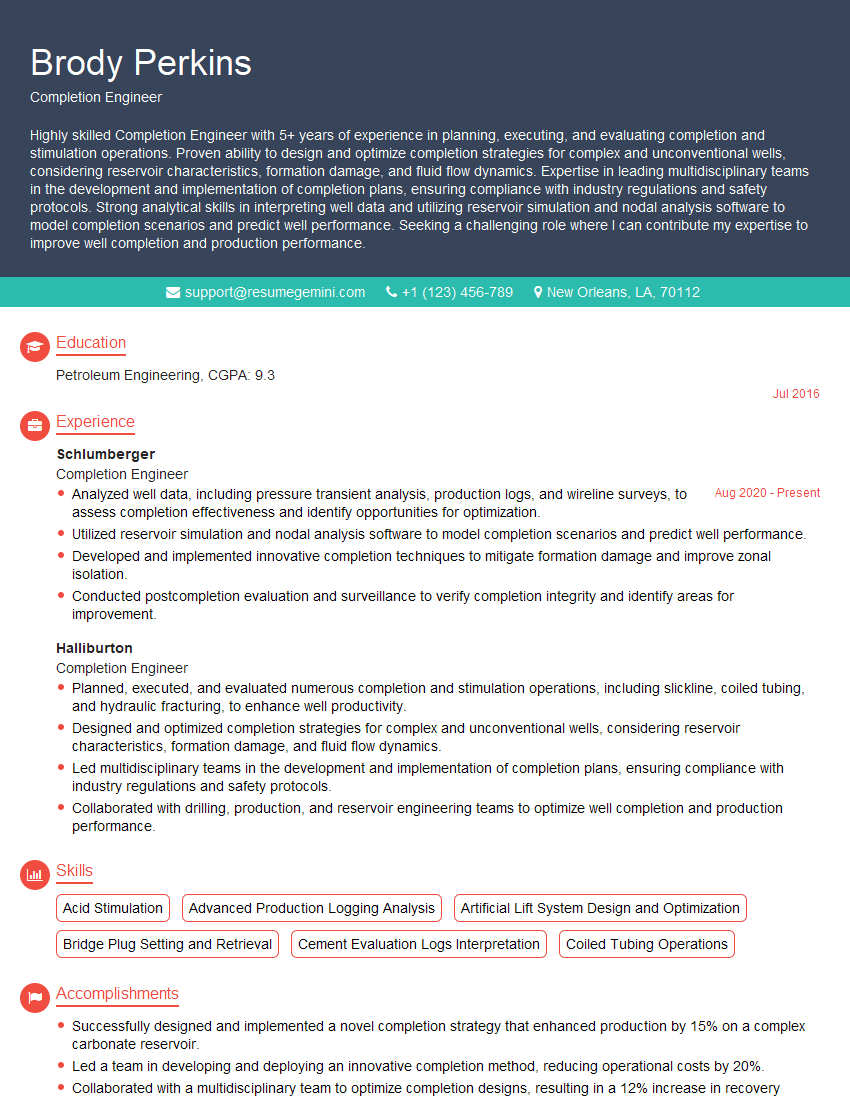
Completion Engineer Resume Sample
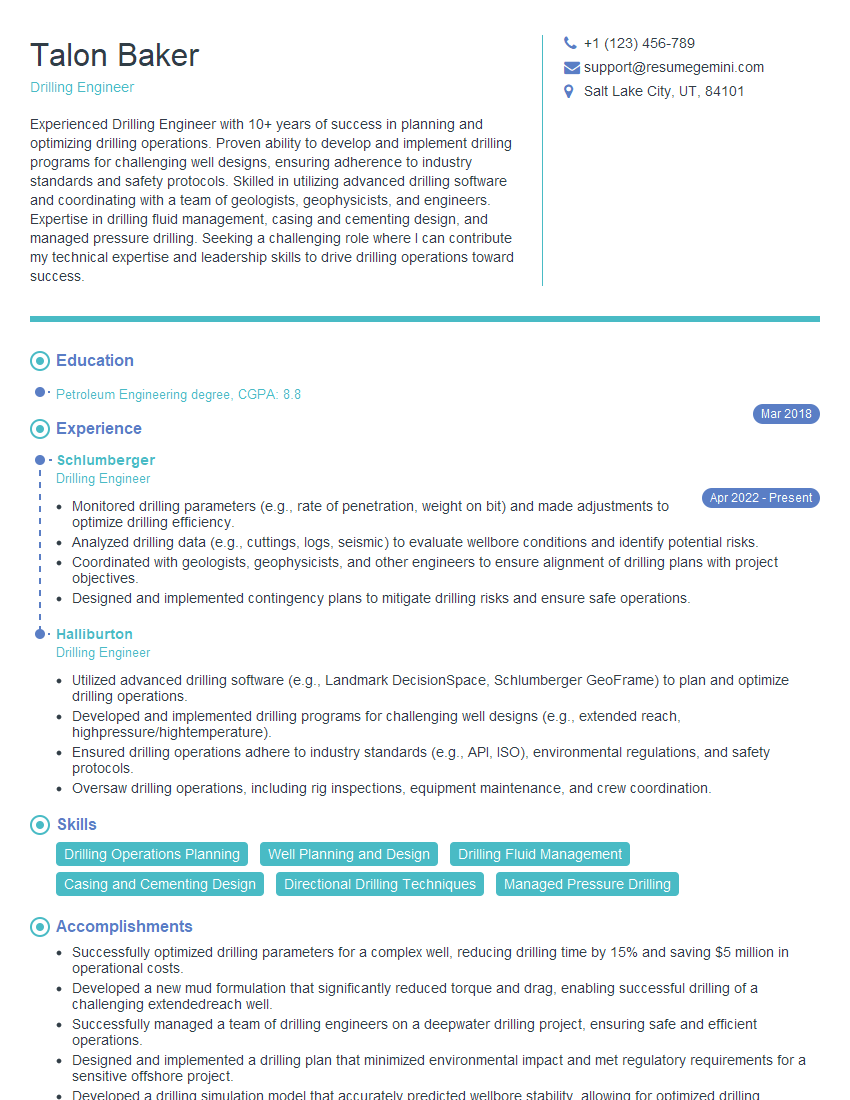
Drilling Engineer Resume Sample

Mud Engineer Resume Sample
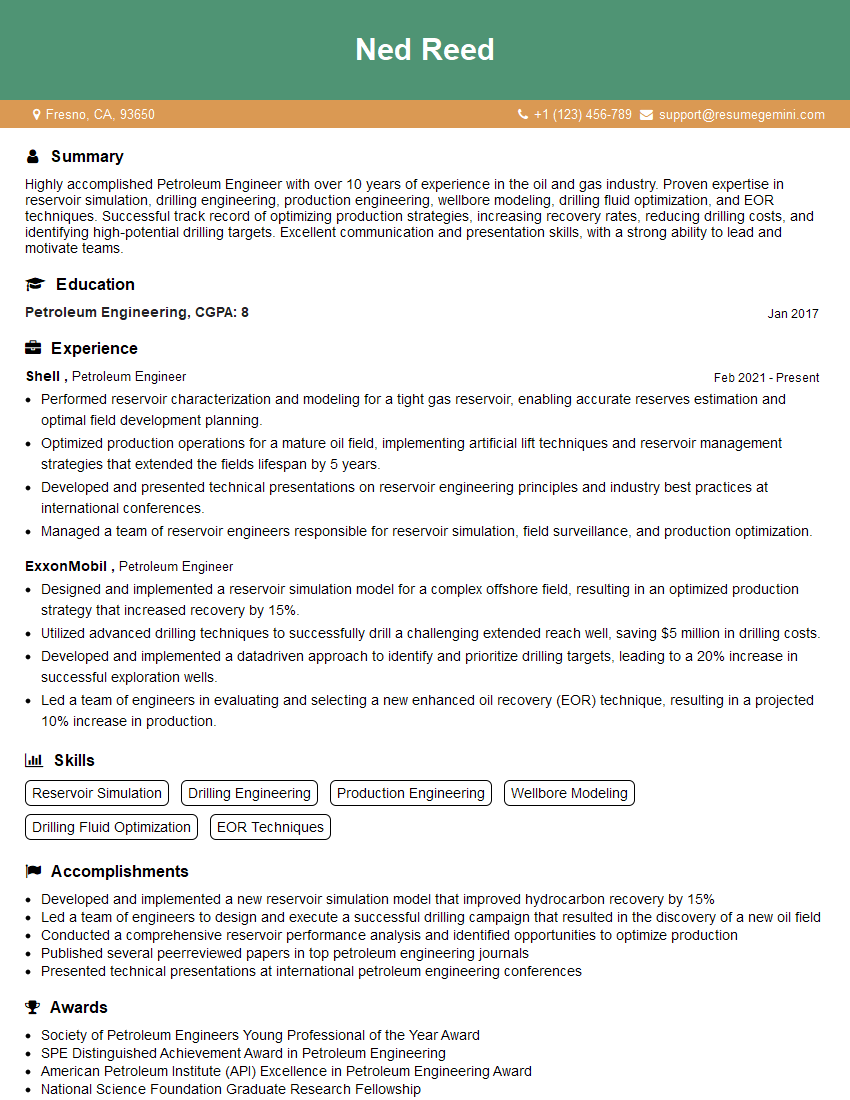
Petroleum Engineer Resume Sample
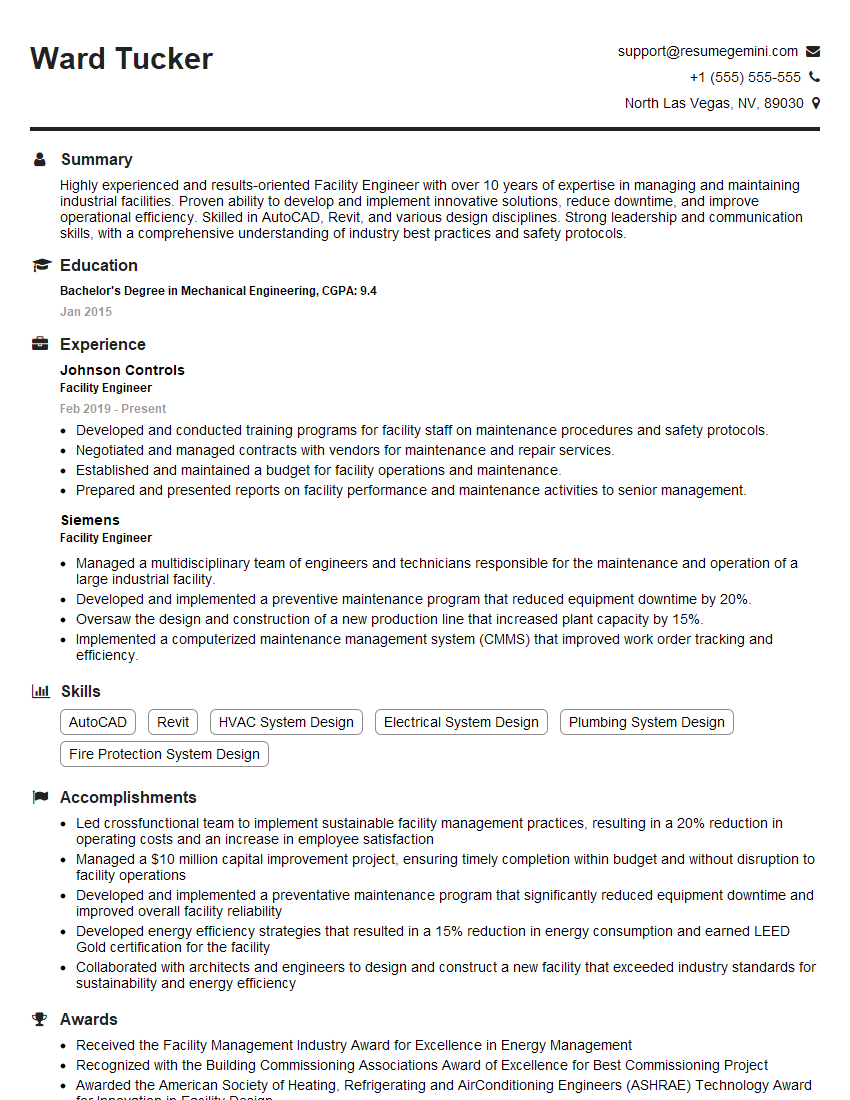
Facility Engineer Resume Sample
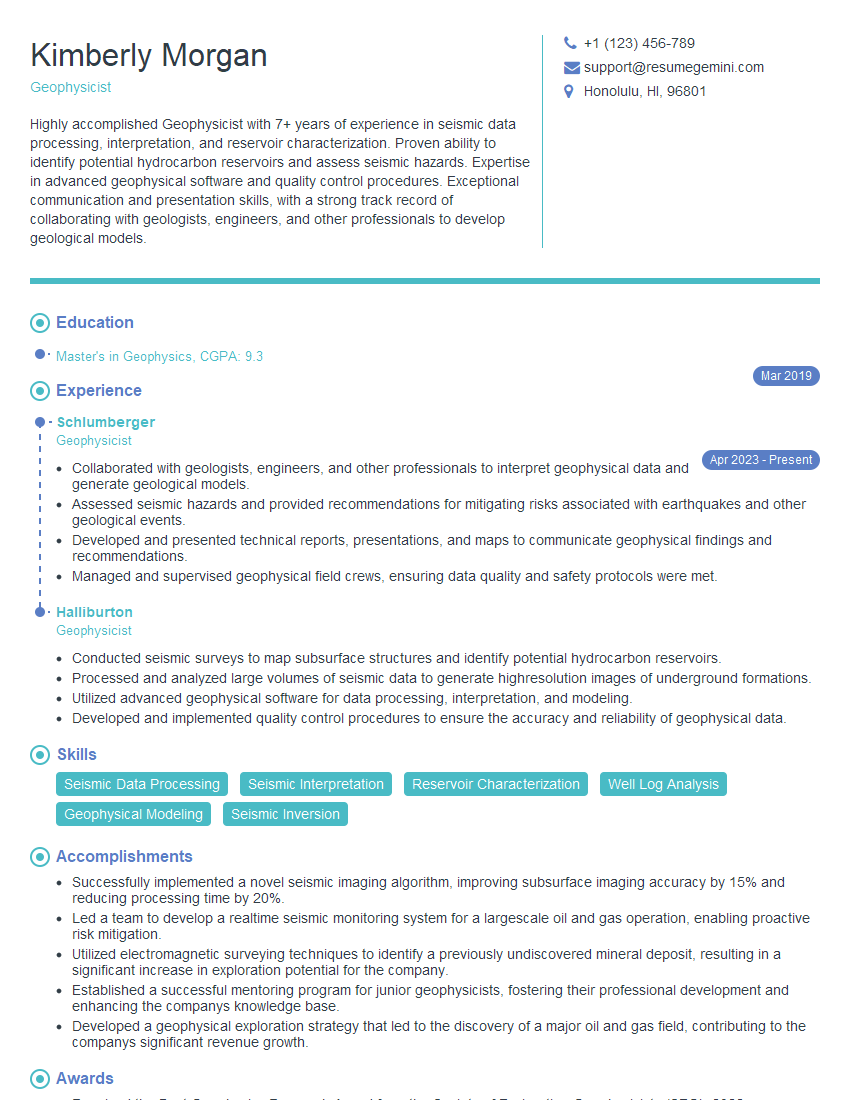
Geophysicist Resume Sample
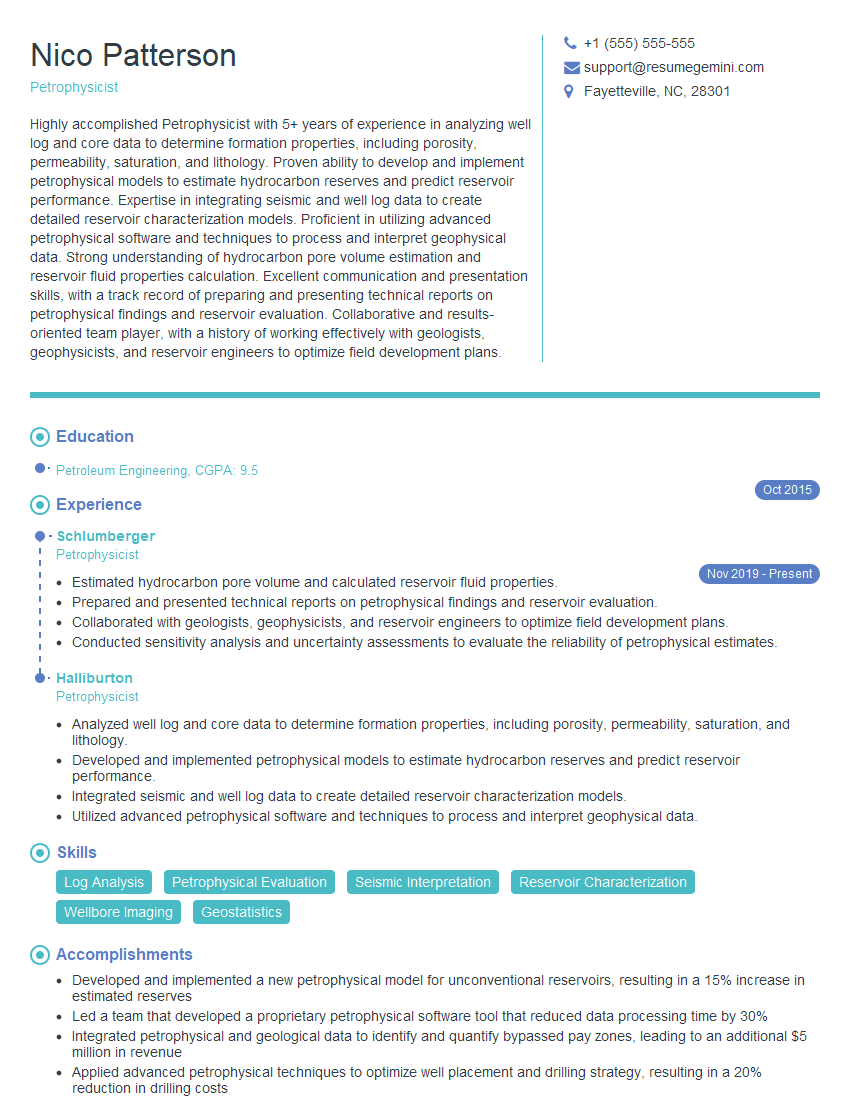
Petrophysicist Resume Sample

Directional Driller Resume Sample

Drilling Supervisor Resume Sample
- Production Supervisor
- Project Engineer
- Geologist
- Maintenance Engineer
- Reservoir Engineer
- Field Engineer
- Instrumentation Engineer
- Operations Engineer
- Production Engineer
- Completion Engineer
- Drilling Engineer
- Mud Engineer
- Petroleum Engineer
- Facility Engineer
- Geophysicist
- Petrophysicist
- Directional Driller
- Drilling Supervisor
Explore more articles
Users Rating of Our Blogs
Share Your Experience
We value your feedback! Please rate our content and share your thoughts (optional).
What Readers Say About Our Blog
To the interviewgemini.com Webmaster.
Very helpful and content specific questions to help prepare me for my interview!
Thank you
To the interviewgemini.com Webmaster.
This was kind of a unique content I found around the specialized skills. Very helpful questions and good detailed answers.
Very Helpful blog, thank you Interviewgemini team.