The right preparation can turn an interview into an opportunity to showcase your expertise. This guide to Online Survey Design and Analysis interview questions is your ultimate resource, providing key insights and tips to help you ace your responses and stand out as a top candidate.
Questions Asked in Online Survey Design and Analysis Interview
Q 1. Explain the difference between probability and non-probability sampling.
Probability sampling and non-probability sampling are two fundamentally different approaches to selecting participants for a survey. The core distinction lies in whether every member of the population has a known, non-zero chance of being selected.
Probability Sampling: In probability sampling, every member of the population has a calculable probability of being included in the sample. This allows for generalizations about the population based on the sample’s characteristics. Common methods include:
- Simple Random Sampling: Every member has an equal chance of selection (e.g., drawing names from a hat).
- Stratified Sampling: The population is divided into strata (groups) based on relevant characteristics, and random samples are drawn from each stratum (e.g., sampling men and women separately to ensure representation).
- Cluster Sampling: The population is divided into clusters (e.g., geographical areas), and a random sample of clusters is selected. All members within the selected clusters are then included (e.g., surveying households within randomly selected city blocks).
Non-probability Sampling: In non-probability sampling, the probability of selection is unknown, and therefore, generalizations to the larger population are less reliable. This is often due to convenience or other factors limiting the selection process. Examples include:
- Convenience Sampling: Selecting participants who are readily available (e.g., surveying students in a university cafeteria).
- Quota Sampling: Similar to stratified sampling, but selection within strata is not random (e.g., selecting a predetermined number of participants from each age group without random selection).
- Snowball Sampling: Participants refer other potential participants (e.g., recruiting participants for a study on a rare disease).
Choosing between probability and non-probability sampling depends heavily on the research goals and resources available. Probability sampling offers greater generalizability but can be more expensive and time-consuming.
Q 2. What are the key considerations when designing a survey questionnaire for online administration?
Designing an effective online survey questionnaire requires careful consideration of several key aspects. The goal is to create a survey that is easy to understand, engaging, and yields reliable data.
- Clear and Concise Questions: Avoid jargon and ambiguity. Use simple language appropriate for your target audience. Each question should focus on a single concept.
- Logical Question Flow: Organize questions logically, grouping related topics together and using branching logic (showing or hiding questions based on previous answers) where appropriate. Start with easy, engaging questions to encourage completion.
- Appropriate Question Types: Choose question types suited to the type of data you need (e.g., multiple choice for categorical data, Likert scales for attitudes, open-ended questions for in-depth feedback). Avoid leading questions.
- Response Options: Provide clear, mutually exclusive, and exhaustive response options for multiple-choice questions. Use a consistent response scale for Likert-type questions (e.g., strongly agree to strongly disagree).
- Visual Appeal: Use a visually appealing design with sufficient white space and clear formatting. A cluttered or visually unappealing survey can lead to low response rates and incomplete responses.
- Pilot Testing: Always pilot test your survey on a small group before launching it to identify any issues with clarity, flow, or question design.
- Accessibility: Ensure the survey is accessible to individuals with disabilities. This includes using appropriate screen reader compatible formats and providing alternative text for images.
- Length: Keep the survey as short as possible while still collecting the necessary information. A long survey can lead to respondent fatigue and low completion rates.
For example, instead of asking, “How satisfied are you?”, consider a more specific question such as, “How satisfied are you with the customer service you received?” Then, follow up with a Likert scale from 1 (Very Dissatisfied) to 5 (Very Satisfied).
Q 3. How do you handle missing data in survey responses?
Missing data is a common challenge in survey research. The best approach depends on the extent of missing data, the reason for missingness, and the nature of the data. Simply ignoring missing data can lead to biased results.
Here are several strategies for handling missing data:
- Listwise Deletion: The simplest approach, where respondents with any missing data are excluded from the analysis. This is only appropriate if the missing data is minimal and random (missing completely at random – MCAR).
- Pairwise Deletion: Analysis is performed using only the available data for each pair of variables. This can lead to inconsistencies in the results.
- Imputation: This involves replacing missing values with estimated values. Methods include:
- Mean/Mode Imputation: Replacing missing values with the mean (for numerical data) or mode (for categorical data). This is simple but can distort the distribution of the data.
- Regression Imputation: Predicting missing values based on other variables using regression analysis. This is more sophisticated than mean/mode imputation but still has limitations.
- Multiple Imputation: Creating multiple plausible datasets with imputed values and then combining the results. This is a more robust approach that accounts for the uncertainty in the imputed values.
Before choosing a method, it’s crucial to assess the pattern of missing data. If the missing data is non-random (e.g., due to specific demographic characteristics or responses to sensitive questions), more sophisticated methods like multiple imputation are needed. It’s always recommended to analyze the impact of missing data on the results and to clearly report the methods used in the analysis.
Q 4. Describe different types of survey questions (e.g., Likert scale, multiple choice, open-ended).
Survey questions can be categorized into several types, each serving a different purpose:
- Multiple Choice Questions: Offer a predefined set of options for respondents to choose from. Example:
What is your age range?
 a) 18-25
 b) 26-35
 c) 36-45
d) 45+ - Likert Scale Questions: Measure attitudes or opinions using a scaled response format, typically ranging from strongly agree to strongly disagree. Example:
On a scale of 1 to 5 (1 = Strongly Disagree, 5 = Strongly Agree), how much do you agree with the statement: "Online surveys are convenient." - Rating Scale Questions: Similar to Likert scales, but often used for assessing satisfaction or importance on a numerical scale. Example:
Rate your satisfaction with our product (1 = Very Dissatisfied, 5 = Very Satisfied). - Open-Ended Questions: Allow respondents to provide free-form text answers. Example:
What are your suggestions for improving our product?These questions provide rich qualitative data, but can be time-consuming to analyze. - Dichotomous Questions: Offer only two response options (e.g., yes/no, true/false). Example:
Have you ever used our website before? (Yes/No) - Ranking Questions: Require respondents to rank items in order of preference or importance. Example:
Rank the following features in order of importance (1 = Most Important, 3 = Least Important): Price, Quality, Customer Service.
The choice of question type depends on the research objective and the type of data needed. Careful consideration of the question type and response options is critical for obtaining valid and reliable data.
Q 5. What are the advantages and disadvantages of using online surveys versus other data collection methods?
Online surveys and other data collection methods each have their own strengths and weaknesses:
Online Surveys:
- Advantages: Cost-effective, geographically dispersed sampling, fast data collection, ease of automation, efficient data processing, use of branching logic, enhanced visual presentation, accessibility.
- Disadvantages: Potential for sampling bias (if not carefully designed), low response rates, technical difficulties for some respondents, difficulty in verifying respondent identity, difficulty in probing responses, not suitable for all populations.
Other Data Collection Methods:
- Telephone Surveys: Allows for more personal interaction but can be expensive and have low response rates.
- Mail Surveys: Low cost but slow data collection and very low response rates.
- In-Person Interviews: High response rates but expensive and time-consuming.
The optimal method depends on factors such as budget, time constraints, target population characteristics, and the nature of the research questions. For example, a study requiring in-depth interviews with a small, specific group might benefit from in-person interviews, whereas a broad opinion poll might be best suited for an online survey.
Q 6. How do you ensure the reliability and validity of your survey instrument?
Ensuring the reliability and validity of a survey instrument is crucial for producing meaningful results. Reliability refers to the consistency of the measure, while validity refers to whether the instrument actually measures what it is intended to measure.
Reliability:
- Test-Retest Reliability: Administering the survey to the same group at different times and correlating the results.
- Internal Consistency Reliability (Cronbach’s alpha): Assessing the consistency of responses to different items measuring the same construct.
- Inter-rater Reliability: Assessing the agreement between multiple raters when scoring open-ended questions.
Validity:
- Content Validity: Ensuring that the survey items adequately cover the entire domain of the construct being measured.
- Criterion Validity: Correlating survey scores with an external criterion (e.g., comparing survey scores with actual behaviour).
- Construct Validity: Assessing whether the survey measures the intended theoretical construct.
Techniques like pilot testing, expert review, and statistical analysis are employed to assess reliability and validity. A reliable and valid survey instrument is critical to minimize errors and ensure the accuracy of the research findings.
Q 7. Explain the concept of sampling bias and how to mitigate it.
Sampling bias occurs when the sample selected for a survey does not accurately represent the population of interest. This leads to inaccurate inferences about the population because the sample characteristics are skewed.
Sources of Sampling Bias:
- Non-response Bias: When a significant portion of the selected sample does not participate in the survey (e.g., only highly motivated individuals respond).
- Selection Bias: When the selection process systematically excludes certain segments of the population (e.g., excluding individuals without internet access in an online survey).
- Coverage Bias: When the sampling frame (list of potential participants) does not accurately reflect the target population (e.g., using a phone book as the sampling frame, which excludes people without landlines).
Mitigation Strategies:
- Careful Sampling Design: Employing appropriate probability sampling techniques to ensure every member of the population has a known chance of selection.
- Maximizing Response Rates: Using incentives, multiple contact attempts, and shorter surveys to encourage participation.
- Weighting: Adjusting the sample weights to account for differences between the sample and population characteristics.
- Stratification: Dividing the population into relevant subgroups and sampling from each subgroup to ensure representation.
- Careful Consideration of the Sampling Frame: Ensuring the sampling frame accurately reflects the target population.
Addressing potential biases during the design and analysis phases of the survey is critical to enhance the generalizability and validity of the findings.
Q 8. What statistical methods are commonly used to analyze survey data?
Analyzing survey data often involves a blend of descriptive and inferential statistical methods. Descriptive statistics summarize the data, while inferential statistics allow us to draw conclusions about a larger population based on the sample data.
Descriptive Statistics: These methods describe the main features of the data. Common techniques include:
- Frequencies and Percentages: Showing the distribution of responses for each question (e.g., 60% of respondents agreed with statement X).
- Measures of Central Tendency: Mean, median, and mode, indicating the typical response (e.g., the average age of respondents was 35).
- Measures of Dispersion: Standard deviation and range, showing the spread or variability of the responses (e.g., the age of respondents ranged from 18 to 65).
Inferential Statistics: These methods help us generalize findings from the sample to the broader population. Examples include:
- t-tests: Comparing the means of two groups (e.g., comparing satisfaction scores between male and female respondents).
- ANOVA (Analysis of Variance): Comparing the means of three or more groups (e.g., comparing satisfaction scores across three different age groups).
- Chi-square tests: Analyzing the association between categorical variables (e.g., determining if there’s a relationship between gender and product preference).
- Correlation analysis: Examining the relationship between two continuous variables (e.g., determining the correlation between age and income).
- Regression analysis: Predicting the value of one variable based on the value of another (e.g., predicting customer satisfaction based on product usage).
The choice of statistical method depends heavily on the research question, the type of data collected (categorical, ordinal, or continuous), and the sample size.
Q 9. How do you determine the appropriate sample size for a survey?
Determining the appropriate sample size is crucial for accurate and reliable survey results. It depends on several factors:
- Margin of error: The acceptable level of uncertainty in the results (e.g., ±5%). A smaller margin of error requires a larger sample size.
- Confidence level: The probability that the results fall within the margin of error (e.g., 95%). Higher confidence levels require larger sample sizes.
- Population size: The total number of individuals in the target population. For very large populations, the sample size becomes less sensitive to the population size itself.
- Population variability: How much the responses are expected to vary. Higher variability requires larger sample sizes.
There are several methods to calculate sample size, including using online sample size calculators or applying statistical formulas. For instance, the formula for a simple random sample with a known population proportion is quite complex. However, many free online calculators allow inputting the desired margin of error, confidence level, and an estimated population proportion to quickly obtain the necessary sample size. For complex survey designs, consulting a statistician is recommended.
For example, if we need a 95% confidence level with a 5% margin of error for a large population and expect a population proportion of around 50% (maximum variability), we’d need a sample size significantly larger than 400. This is a simplified example; actual sample size calculations require more rigorous consideration of the variables involved.
Q 10. Describe your experience with survey data cleaning and preparation.
Data cleaning and preparation are essential steps before analysis. My experience involves several key stages:
- Identifying and Handling Missing Data: This involves determining the reason for missing data (e.g., random, systematic) and choosing an appropriate imputation method or removal strategy. Simple imputation might replace missing values with the mean or median, while more sophisticated techniques like multiple imputation may be used for complex data sets. Removal should only be used if the amount of missing data is minimal and unlikely to significantly bias the results.
- Dealing with Outliers: Outliers, which are extreme values, can skew the results. Methods for handling outliers include careful examination to determine if they are errors (and correcting them), transforming the data (e.g., using logarithmic transformations), or using robust statistical methods less sensitive to outliers.
- Checking for Consistency and Accuracy: This includes verifying the data for inconsistencies or errors and cleaning inconsistencies.
- Data Transformation: This may involve recoding variables (e.g., combining response categories), creating new variables (e.g., calculating scores from multiple items), or transforming variables (e.g., standardizing variables).
- Data Validation: Before any analysis, it is essential to validate that data cleaning and preparation procedures were successful and have not introduced bias.
In a recent project, I encountered a significant number of missing values in a question about income. Instead of simply removing the data, I used multiple imputation techniques to create plausible values, accounting for the relationships between income and other variables in the dataset. This approach preserved more data and provided more robust results than simply removing the incomplete responses.
Q 11. What software or tools are you familiar with for online survey design and analysis (e.g., Qualtrics, SurveyMonkey, SPSS, R)?
I’m proficient in several software tools for online survey design and analysis:
- Qualtrics: A comprehensive platform for creating, distributing, and analyzing surveys. I’m experienced in building complex surveys with branching logic, using its built-in reporting features, and exporting data for advanced analysis in other software.
- SurveyMonkey: A user-friendly platform ideal for simpler surveys. I’m familiar with its interface and capabilities for data collection and basic analysis.
- SPSS: A powerful statistical software package. I use SPSS for conducting advanced statistical analyses, including regression analysis, ANOVA, and factor analysis on survey data exported from other platforms.
- R: A flexible and open-source programming language and environment for statistical computing. I leverage R’s extensive statistical libraries for complex data manipulation, visualization, and advanced statistical modeling. I can write custom scripts for data cleaning, analysis, and report generation.
My choice of software depends on the complexity of the survey and the desired level of analysis. For simple surveys, SurveyMonkey might suffice; however, for more complex designs and analysis, I usually prefer Qualtrics or R, with SPSS for tasks requiring a specific statistical test.
Q 12. How do you handle outliers in your survey data?
Handling outliers requires a cautious approach. Simply removing them can introduce bias if they are not errors. My strategy usually involves:
- Identifying Outliers: I use visual methods (box plots, scatter plots) and statistical methods (z-scores, interquartile range) to identify potential outliers.
- Investigating the Cause: I carefully examine the outliers to determine if they are genuine responses or data entry errors. If they are errors, they are corrected or removed.
- Transforming the Data: If outliers are genuine but are skewing the results, I might transform the data (e.g., using logarithmic transformation). This reduces the influence of outliers without removing them entirely.
- Using Robust Statistical Methods: I often use robust statistical methods, which are less sensitive to outliers (e.g., median instead of mean, robust regression). These techniques provide more reliable results when dealing with outliers.
- Reporting Outliers: Even if handled, I always document how outliers were addressed and their potential impact on the results. Transparency is key.
For instance, in analyzing customer satisfaction scores, I might find a few exceptionally low scores. Before removing them, I would investigate if these were caused by a specific event or issue. If not, I would consider using the median instead of the mean to report the average satisfaction score, as the median is less affected by extreme values.
Q 13. Explain the difference between descriptive and inferential statistics.
Descriptive and inferential statistics serve different purposes in data analysis.
Descriptive Statistics: Summarize and describe the main features of a dataset. They don’t make inferences beyond the data at hand. Examples include:
- Calculating the average age of respondents.
- Determining the percentage of respondents who chose a particular option.
- Creating graphs to visually represent data distribution.
Inferential Statistics: Go beyond summarizing the data to make inferences about a larger population based on the sample data. They involve hypothesis testing and estimating population parameters. Examples include:
- Testing if there’s a significant difference in satisfaction scores between two groups.
- Estimating the average income of a population based on a sample survey.
- Determining the correlation between two variables.
Imagine you’re analyzing survey data on customer satisfaction. Descriptive statistics would tell you the average satisfaction score, the range of scores, and the percentage of customers who rated satisfaction as high, medium, or low. Inferential statistics would allow you to test whether the satisfaction scores differ significantly between male and female customers or across different age groups. This helps to make broader generalizations about customer satisfaction based on the survey data.
Q 14. How do you interpret and present survey results effectively?
Effective interpretation and presentation of survey results are crucial for conveying findings clearly and accurately. My approach involves:
- Clear and Concise Summary: Start with a brief summary of the main findings, highlighting key results and implications.
- Visualizations: Use charts and graphs (bar charts, pie charts, line graphs, etc.) to present data visually. Choose appropriate visualizations to represent the data effectively.
- Tables: For detailed results, use tables to present numerical data in an organized and easy-to-understand format.
- Contextualization: Relate findings to the research question and the broader context. Discuss the limitations of the study and any potential biases.
- Plain Language: Avoid technical jargon and use simple language that is easily understood by the target audience.
- Storytelling: Weave a narrative around the results, connecting the findings to a broader story or message.
- Data-Driven Insights: Focus on providing actionable insights based on the findings.
For example, instead of simply stating “70% of respondents were satisfied,” I might present a bar chart showing the distribution of satisfaction scores, alongside a narrative that explains the implications of this finding for the company and suggests potential actions to improve customer satisfaction.
Q 15. How do you ensure the confidentiality and anonymity of survey respondents?
Ensuring confidentiality and anonymity in online surveys is paramount for ethical data collection and respondent participation. It’s achieved through a multi-layered approach. Firstly, we avoid collecting personally identifiable information (PII) unless absolutely necessary and with explicit consent. When PII is required, it’s crucial to secure it with robust encryption methods during transmission and storage. Secondly, we use unique identifiers instead of names or email addresses to track responses. This helps link responses to the survey without revealing personal details. Thirdly, data is anonymized as soon as possible after collection, either by removing identifiers or using advanced anonymization techniques. Finally, we employ strict access control measures to limit who can access the raw data, ensuring only authorized personnel involved in analysis have access. Consider a medical survey: Instead of asking for names, we assign each participant a random ID. Their responses are linked to this ID, but the ID itself doesn’t reveal any personal details. We then destroy or securely delete all identifying information once the analysis is complete.
Career Expert Tips:
- Ace those interviews! Prepare effectively by reviewing the Top 50 Most Common Interview Questions on ResumeGemini.
- Navigate your job search with confidence! Explore a wide range of Career Tips on ResumeGemini. Learn about common challenges and recommendations to overcome them.
- Craft the perfect resume! Master the Art of Resume Writing with ResumeGemini’s guide. Showcase your unique qualifications and achievements effectively.
- Don’t miss out on holiday savings! Build your dream resume with ResumeGemini’s ATS optimized templates.
Q 16. What is the process of conducting A/B testing on survey questions?
A/B testing in survey design allows us to compare different versions of questions (or even entire surveys) to optimize response rates and data quality. The process typically involves creating two or more versions of a question or survey section. For instance, one version might use a Likert scale (strongly agree to strongly disagree), while another uses a rating scale (1-7). These versions are then randomly assigned to different groups of respondents. After data collection, we analyze the results to see which version yielded better results in terms of completion rates, response consistency, and data clarity. Statistical tests like chi-square tests or t-tests can determine if differences between versions are statistically significant. For example, if version A has a significantly higher completion rate than version B, we’d choose version A. This iterative process allows for continuous improvement in survey design.
Q 17. Describe your experience with creating visualizations of survey data.
Visualizing survey data is essential for effective communication of findings. My experience encompasses a range of visualization tools and techniques, including bar charts, pie charts, histograms, scatter plots, and network graphs. I’m proficient in using software like Tableau, R, and Python (with libraries like Matplotlib and Seaborn) to create clear, insightful visualizations. For example, I’ve used bar charts to show the distribution of responses across different demographic groups, and scatter plots to explore the correlation between two variables. When creating visualizations, I prioritize clarity and accessibility. I avoid cluttering charts with unnecessary details and use clear labels and legends. I also ensure the visuals are accessible to individuals with visual impairments. The choice of visualization depends heavily on the type of data and the message to be conveyed. A simple bar chart might suffice for showing response frequencies, whereas a more complex network graph might be needed to display relationships between concepts or ideas.
Q 18. How do you choose appropriate statistical tests for different types of data?
Selecting appropriate statistical tests is crucial for accurate analysis. The choice depends heavily on the type of data (categorical, ordinal, or continuous) and the research question. For categorical data (e.g., gender, favorite color), chi-square tests are commonly used to compare proportions or frequencies across groups. For ordinal data (e.g., Likert scale responses), non-parametric tests like the Mann-Whitney U test or the Kruskal-Wallis test are suitable. For continuous data (e.g., age, income), parametric tests like t-tests (for comparing means of two groups) or ANOVA (for comparing means of three or more groups) are often used, provided the data meets the assumptions of normality and equal variance. If these assumptions aren’t met, non-parametric alternatives are preferred. Always consider the level of measurement of your data before applying a statistical test. Misapplication can lead to inaccurate or misleading conclusions.
Q 19. What is your approach to identifying and addressing potential response bias?
Addressing response bias is critical for ensuring data validity. My approach involves a multi-pronged strategy. Firstly, I carefully design the survey to minimize bias through clear and unbiased question wording, avoiding leading questions or loaded language. Secondly, I pre-test the survey with a small group to identify any potential sources of bias before launching the full study. This allows for revisions and improvements to eliminate biases early on. Thirdly, I analyze the data for patterns that might indicate response bias. For instance, if a particular demographic group consistently provides extreme responses, it signals a potential bias. Finally, I employ statistical techniques to adjust for bias if it is detected. For example, weighting the data to adjust for unequal sampling representation can help mitigate some biases. Identifying and correcting for response bias is an iterative process that starts during the design phase and continues throughout the analysis stage.
Q 20. How would you evaluate the success of a survey based on its objectives?
Evaluating survey success hinges on aligning the findings with the predefined objectives. Before initiating the survey, clear, measurable, achievable, relevant, and time-bound (SMART) objectives must be established. For instance, an objective might be: ‘Determine customer satisfaction with a new product, with a target response rate of 50% and an average satisfaction score of at least 4 out of 5.’ After data collection, we compare the actual results against these objectives. Did we reach the target response rate? Did we achieve the desired satisfaction score? Qualitative data from open-ended questions also provides valuable context for interpreting quantitative results. If the objectives aren’t met, we analyze the reasons for the shortfall, which might involve reviewing the survey design, sampling method, or data analysis techniques. This allows for continuous learning and improvement for future surveys.
Q 21. What are some ethical considerations in conducting online surveys?
Ethical considerations are paramount in online survey research. Informed consent is crucial, ensuring respondents understand the purpose of the survey, how their data will be used, and their right to withdraw at any time. Maintaining respondent confidentiality and anonymity, as discussed earlier, is vital. Transparency about the research sponsor and potential conflicts of interest is also essential. Avoiding deception or coercion is critical; respondents should never feel pressured to participate. Data privacy and security must be prioritized, complying with all relevant regulations (like GDPR or CCPA). Finally, all analyses should be conducted with integrity, accurately reflecting the data and avoiding manipulation to achieve a desired outcome. Ethical conduct ensures trust and fosters a positive research environment.
Q 22. How do you adapt survey design based on the target population?
Adapting survey design to the target population is crucial for maximizing response rates and data quality. It’s like tailoring a suit – a one-size-fits-all approach rarely works well. You need to consider the demographics, cultural background, technological proficiency, and language preferences of your audience.
- Language and Translation: If your target population is diverse linguistically, translating the survey into multiple languages is essential. Simply using Google Translate isn’t enough; professional translation ensures accuracy and avoids misinterpretations.
- Literacy Levels: For populations with lower literacy levels, you might need to simplify the language, use shorter sentences, and incorporate visuals. Consider using a read-aloud feature.
- Cultural Sensitivity: Certain questions or phrasing might be offensive or misinterpreted across different cultures. Thorough cultural review is a must. For example, questions about income or personal details might require a more sensitive approach in some cultures.
- Technological Proficiency: Consider your target audience’s familiarity with technology. If you’re surveying an older population, a simpler online interface or even a phone-based survey might be more appropriate than a complex web-based survey.
- Length and Format: The attention span of the target audience should influence the survey length and structure. Shorter surveys are generally better, and breaking up lengthy surveys with visually appealing elements helps maintain engagement.
For instance, when designing a survey for elderly participants, I would prioritize clear fonts, large buttons, and a simple navigation structure. In contrast, a survey aimed at tech-savvy young adults could utilize more interactive elements and a visually modern design.
Q 23. Explain your understanding of different survey question scales (e.g., interval, ratio, ordinal).
Survey question scales are crucial for collecting meaningful data. They dictate the type of data you collect and the analyses you can perform.
- Nominal Scale: This scale assigns categories to responses, with no inherent order. Example: Gender (Male, Female, Other). Analysis is limited to frequencies and proportions.
- Ordinal Scale: This scale presents categories with a meaningful order. Example: Education level (High School, Bachelor’s, Master’s, Doctorate). We know the order but not the distance between categories.
- Interval Scale: This scale has ordered categories with equal intervals between them, but it lacks a true zero point. Example: Temperature in Celsius. The difference between 10°C and 20°C is the same as between 20°C and 30°C, but 0°C doesn’t mean the absence of temperature.
- Ratio Scale: This scale has ordered categories with equal intervals and a true zero point. Example: Age, Income. A ratio of 2:1 is meaningful (one person is twice as old as another).
Choosing the appropriate scale is vital. For instance, using an interval scale for measuring customer satisfaction allows for more robust statistical analysis compared to using an ordinal scale, providing a more nuanced understanding of customer sentiment.
Q 24. Describe your experience with longitudinal studies using surveys.
Longitudinal studies using surveys involve tracking the same group of individuals over an extended period. This allows for the examination of changes and trends in attitudes, behaviors, or other variables over time.
I have experience designing and implementing longitudinal surveys in several projects. One involved tracking changes in employee satisfaction within a company over three years. We used the same survey instrument at three different time points, allowing us to identify factors contributing to shifts in satisfaction levels. Analyzing this data involved statistical techniques like repeated measures ANOVA to assess changes over time and regression analysis to identify predictors of changes in employee satisfaction.
Challenges in longitudinal studies include participant attrition (people dropping out of the study) and the need for consistent data collection methods across time points. To minimize attrition, we employed strategies like personalized reminders and incentives. Maintaining consistent methodologies ensures that changes observed are genuine and not artifacts of the data collection process.
Q 25. How do you manage and troubleshoot technical issues with online survey platforms?
Technical issues in online survey platforms are inevitable. My approach involves proactive measures and efficient troubleshooting.
- Platform Choice: Selecting a reliable and well-supported platform is the first step. I prefer platforms with robust features, good documentation, and responsive customer support.
- Testing: Thorough testing before launching the survey is critical. This includes testing across different browsers, devices, and screen sizes to identify and resolve compatibility issues.
- Monitoring: Closely monitoring the survey during data collection helps identify technical issues promptly. I set up email alerts for error messages and low response rates.
- Troubleshooting: When issues arise, I systematically investigate the problem. This involves checking server status, browser compatibility, and survey code for errors. I also consult platform documentation and contact technical support when needed.
- Data Backup: Regular data backups are essential to prevent data loss due to technical glitches or unforeseen circumstances.
For instance, if I encounter a problem with a specific question not displaying correctly on mobile devices, I would investigate the question’s code, try different formatting, and ultimately, if necessary, re-write the code or provide an alternative solution (for example, simpler question or formatting).
Q 26. What strategies do you employ to improve survey response rates?
Improving survey response rates requires a multi-pronged approach focusing on incentives, engagement, and convenience.
- Incentives: Offering small rewards, like gift cards or lottery entries, can significantly boost response rates. The incentive should be relevant to the target audience.
- Personalization: Personalizing the invitation and survey itself increases engagement. Using the respondent’s name and tailoring the introduction to their specific context makes them feel valued.
- Brevity and Clarity: Keeping the survey short and easy to understand is crucial. Respondents are more likely to complete a concise survey.
- Pilot Testing: Testing the survey with a small group before launch allows for identifying any issues that might deter participation.
- Multiple Contact Methods: Using multiple channels for contacting participants (email, SMS, etc.) broadens the reach and improves response rates. Sending reminders also significantly helps.
- Pre-notification: Sending a pre-notification email to let respondents know about the upcoming survey can enhance response rates.
For example, in one study, offering a small Amazon gift card increased the response rate by 20%. Another approach involves using short videos explaining the value of the study and what participants can contribute.
Q 27. How do you ensure the accessibility of your online surveys for people with disabilities?
Ensuring accessibility is crucial for inclusive research. It’s about creating a survey that is usable by everyone, regardless of their abilities.
- WCAG Compliance: Designing the survey according to Web Content Accessibility Guidelines (WCAG) is essential. This includes using sufficient color contrast, providing alternative text for images, and ensuring keyboard navigation.
- Screen Reader Compatibility: The survey should work correctly with screen readers used by visually impaired individuals. This requires proper coding and tagging of survey elements.
- Keyboard Navigation: All elements should be accessible using only the keyboard, without needing a mouse.
- Alternative Input Methods: Providing options for alternative input methods, such as text-to-speech, can enhance accessibility for individuals with motor impairments.
- Font Size and Style: Using a clear font with adjustable size and style accommodates diverse visual needs.
For example, using ARIA attributes within the code to ensure the correct labeling and navigation of elements is critical. Tools and automated checkers can help validate WCAG compliance, but manual testing is equally important to ensure true accessibility for all users.
Q 28. How would you address a significant drop in survey response rates during data collection?
A significant drop in response rates is a serious issue that demands immediate investigation. A systematic approach is vital.
- Identify the Cause: The first step is to investigate the reasons for the drop. This could involve reviewing response data, checking for technical issues, analyzing feedback from participants, and examining the survey itself for potential problems (length, complexity, timing).
- Technical Troubleshooting: Rule out technical glitches as the cause. Check the survey platform, website, and email delivery for errors.
- Review the Survey: Carefully examine the survey for potential flaws. Is it too long? Are the questions unclear or sensitive? Is the incentive inadequate?
- Improve Communication: Communicate with potential respondents. Send personalized reminder emails. Explain the importance of the research and reiterate the value of their participation. If possible, conduct informal interviews to understand why participants are not responding.
- Adjust the Survey: Based on the identified issues, make necessary changes to the survey. This might involve shortening it, clarifying questions, improving the design, or increasing the incentive.
- Consider Alternative Approaches: If the response rate remains low, consider using alternative data collection methods, such as phone interviews or in-person surveys, for specific subgroups.
For instance, if a drop in responses is linked to a poorly worded question, I would revise it for clarity. If the issue is low incentive, I would offer a higher-value incentive or perhaps a lottery-style draw. If the timing of the survey is off, I would shift it to a more favorable timeframe.
Key Topics to Learn for Online Survey Design and Analysis Interview
- Survey Design Fundamentals: Understanding different question types (multiple choice, Likert scales, open-ended), response bias, and the crucial role of pilot testing. Practical application: Designing a survey to measure customer satisfaction with a new product, considering potential biases and testing for clarity.
- Sampling Techniques: Mastering probability and non-probability sampling methods, understanding sample size determination, and the implications of sampling error. Practical application: Selecting an appropriate sample to represent a target population for a market research study, justifying the chosen sampling method and sample size.
- Data Cleaning and Preparation: Identifying and handling missing data, outliers, and inconsistencies in survey responses. Practical application: Implementing data cleaning techniques in R or Python to prepare survey data for analysis, ensuring data accuracy and reliability.
- Statistical Analysis Techniques: Proficiency in descriptive statistics (mean, median, mode, standard deviation), inferential statistics (t-tests, ANOVA, chi-square tests), and correlation analysis. Practical application: Interpreting statistical results to draw meaningful conclusions from survey data and present findings effectively.
- Data Visualization: Creating clear and informative charts and graphs (bar charts, histograms, scatter plots) to communicate survey results effectively to both technical and non-technical audiences. Practical application: Designing visually appealing and insightful visualizations to highlight key findings from a survey on employee engagement.
- Survey Platforms and Software: Familiarity with popular online survey platforms (e.g., Qualtrics, SurveyMonkey) and data analysis software (e.g., SPSS, R, Python). Practical application: Demonstrating experience with using survey platforms to create and distribute surveys and utilizing data analysis software to process and interpret the results.
- Ethical Considerations: Understanding and applying ethical principles related to survey research, including informed consent, confidentiality, and data privacy. Practical application: Designing surveys that protect respondent anonymity and obtain informed consent while adhering to ethical guidelines.
Next Steps
Mastering online survey design and analysis is crucial for career advancement in market research, data science, and various other fields requiring data-driven decision making. To significantly boost your job prospects, create an ATS-friendly resume that highlights your skills and experience effectively. ResumeGemini is a trusted resource for building professional, impactful resumes. They provide examples of resumes tailored to Online Survey Design and Analysis, helping you showcase your expertise to potential employers.

Market Research Manager Resume Sample

Director of Research Resume Sample
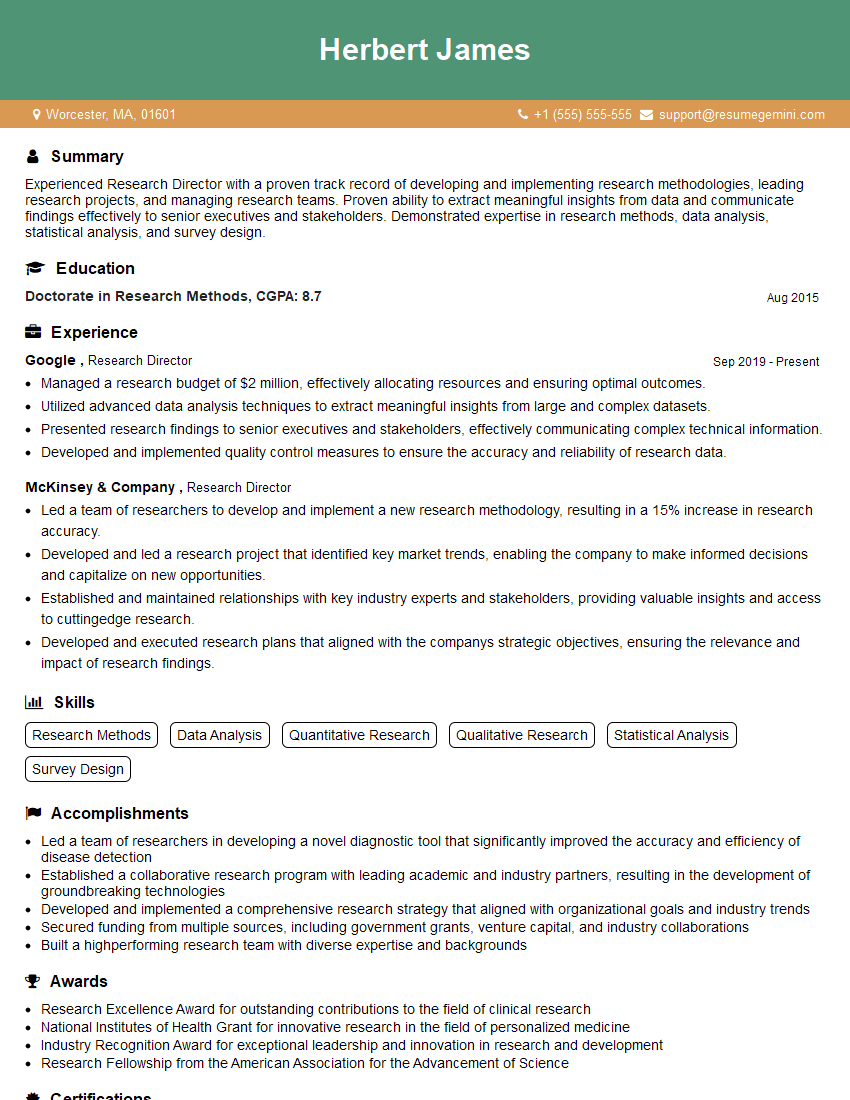
Research Director Resume Sample
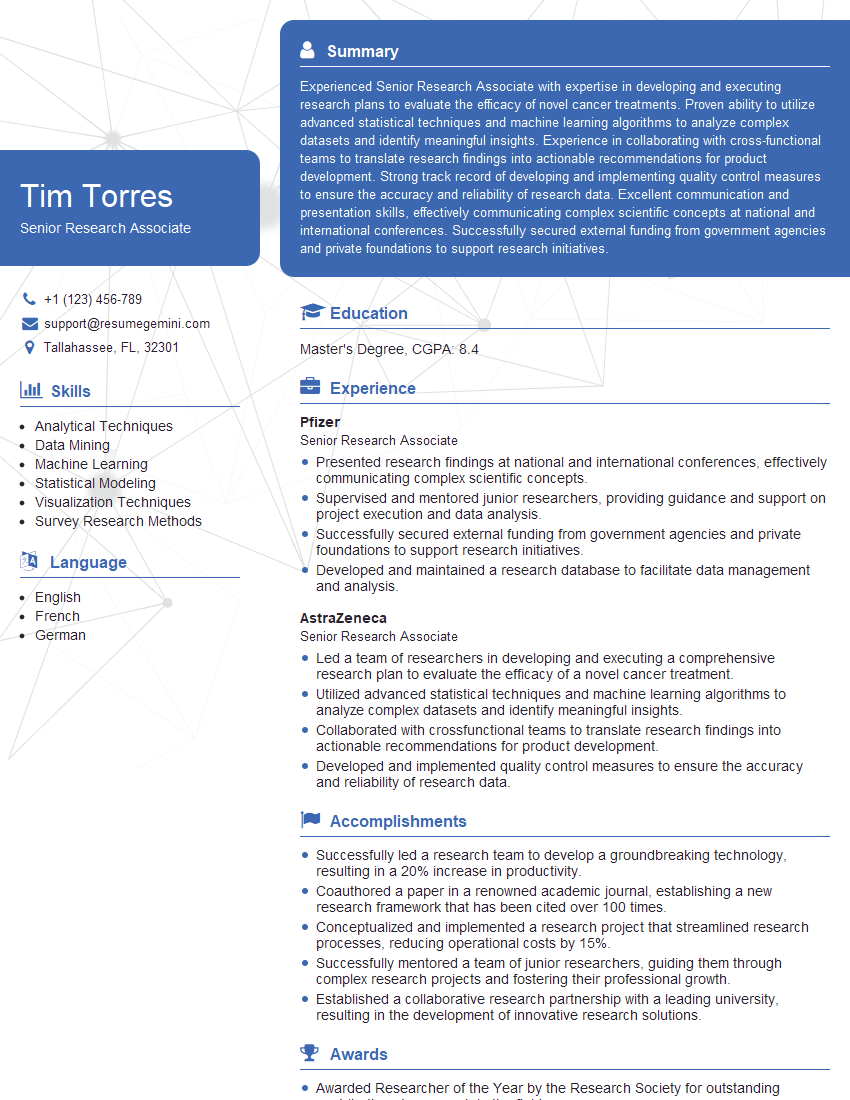
Senior Research Associate Resume Sample
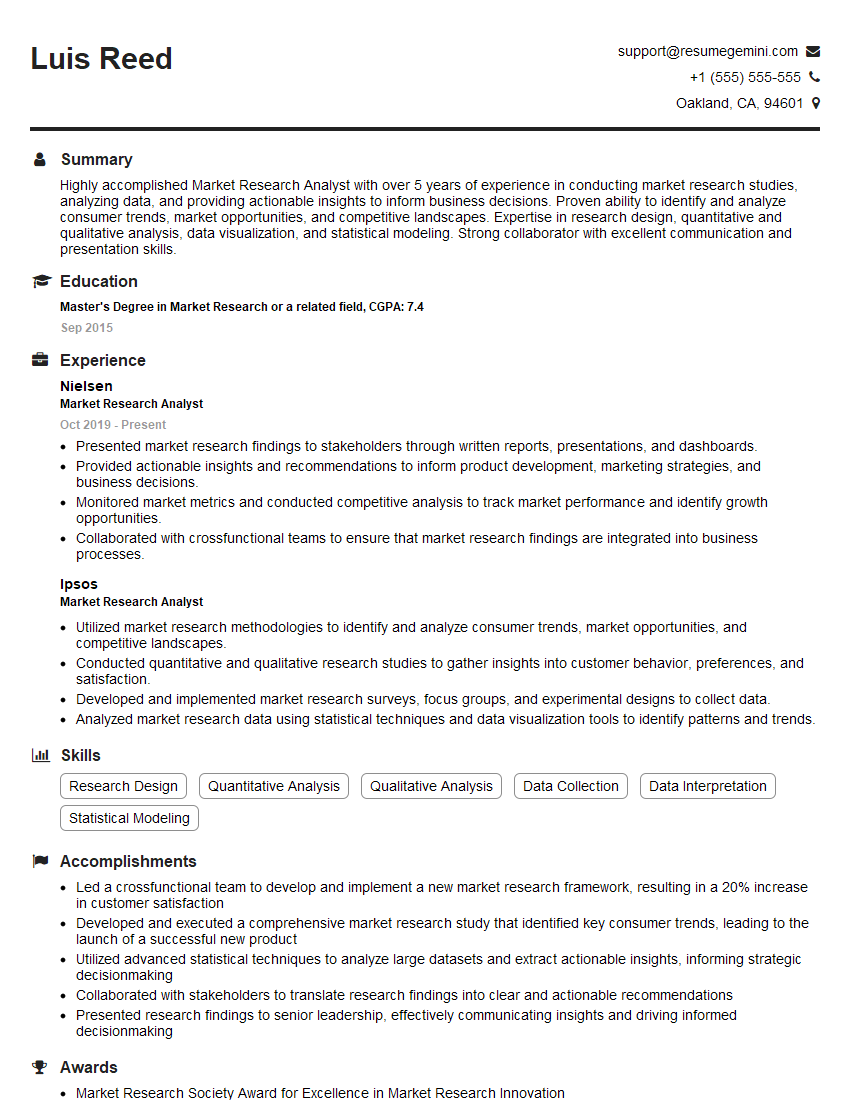
Market Research Analyst Resume Sample
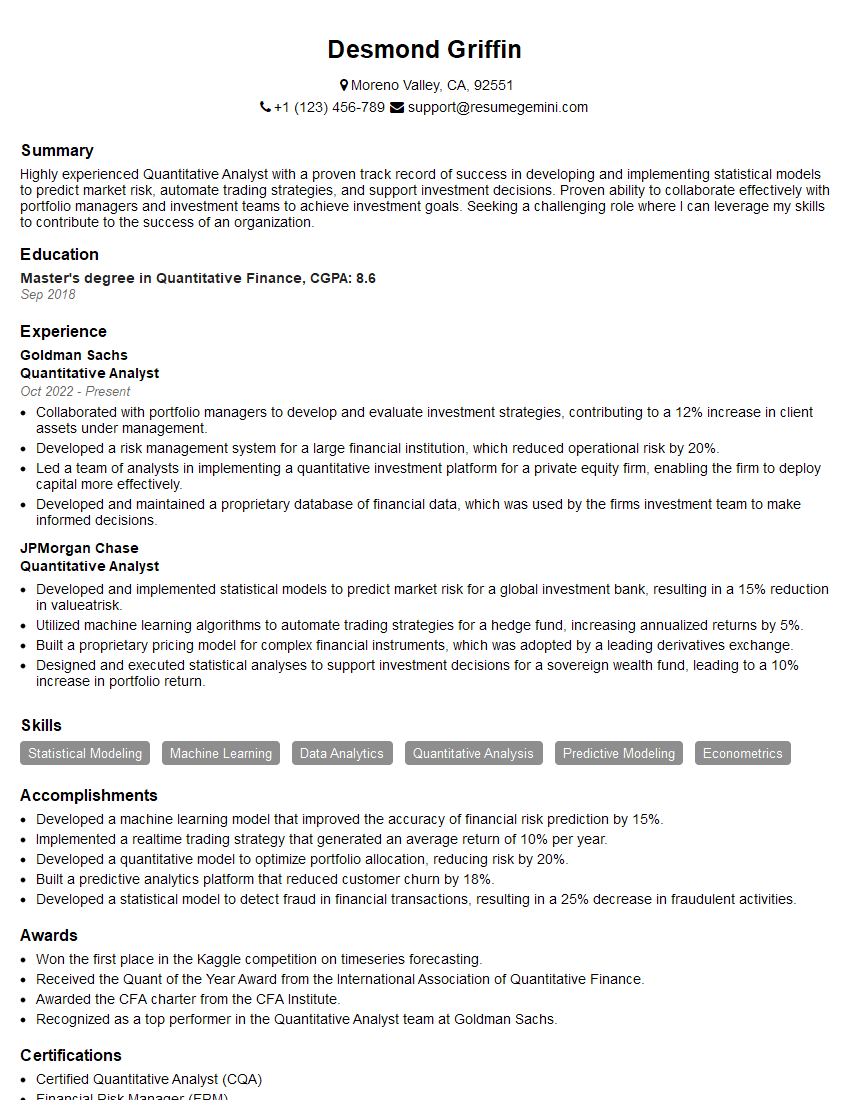
Quantitative Analyst Resume Sample
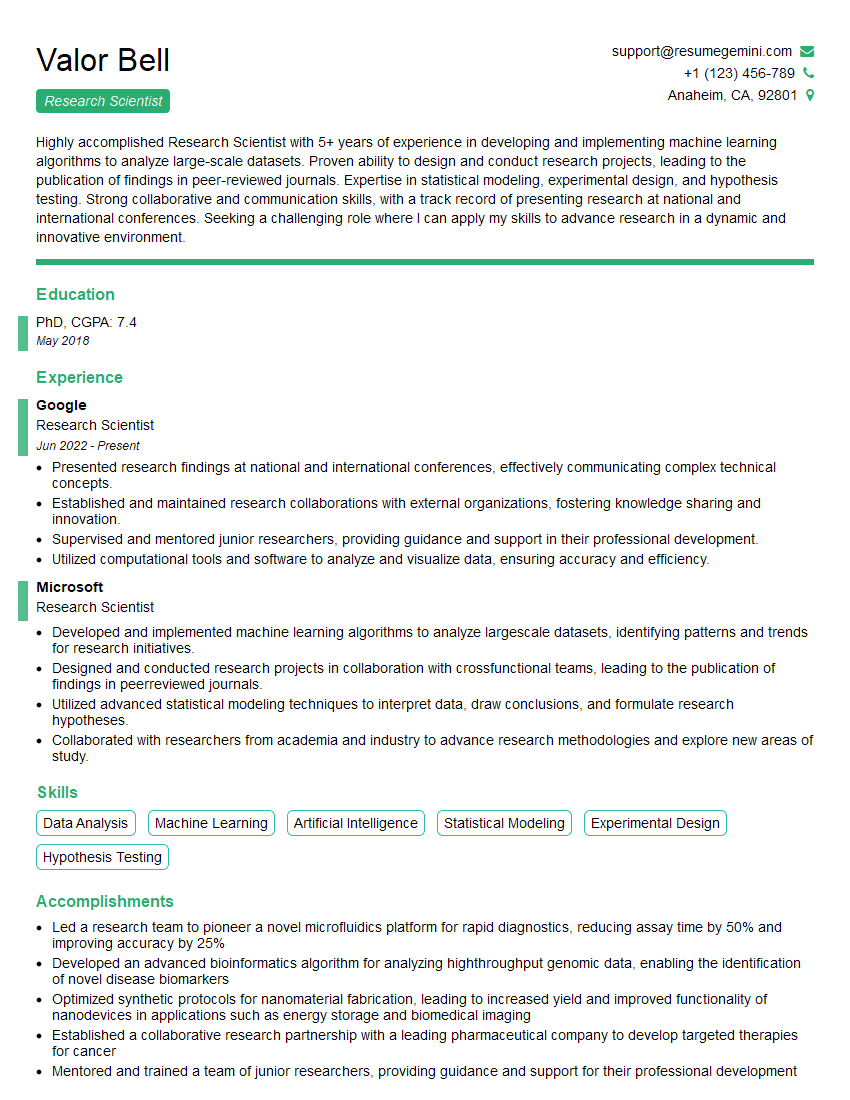
Research Scientist Resume Sample

Statistical Analyst Resume Sample
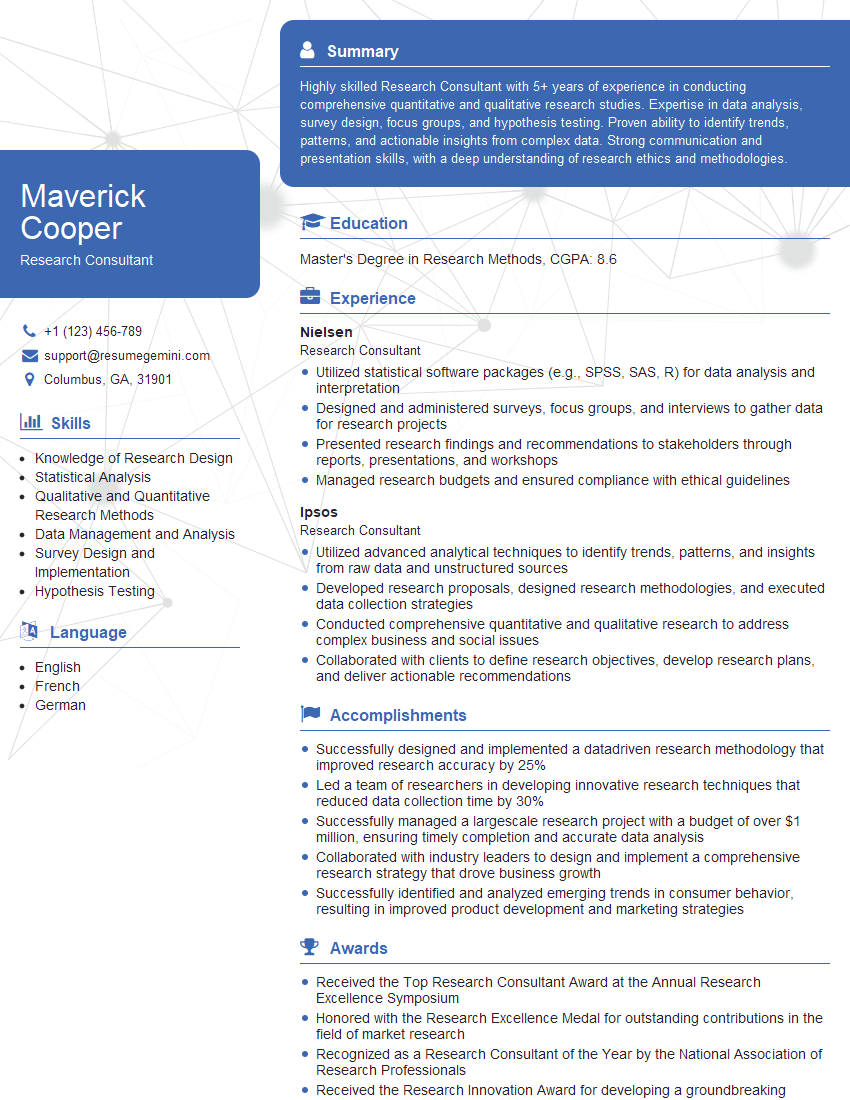
Research Consultant Resume Sample
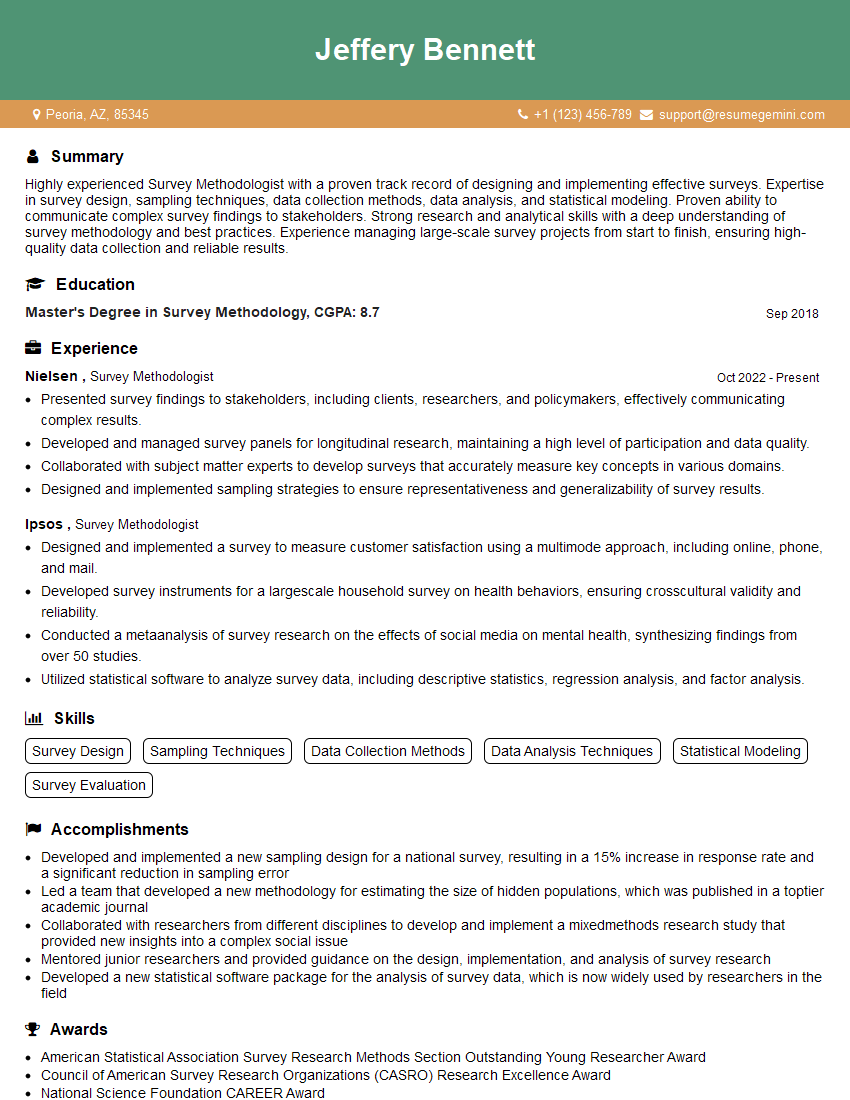
Survey Methodologist Resume Sample
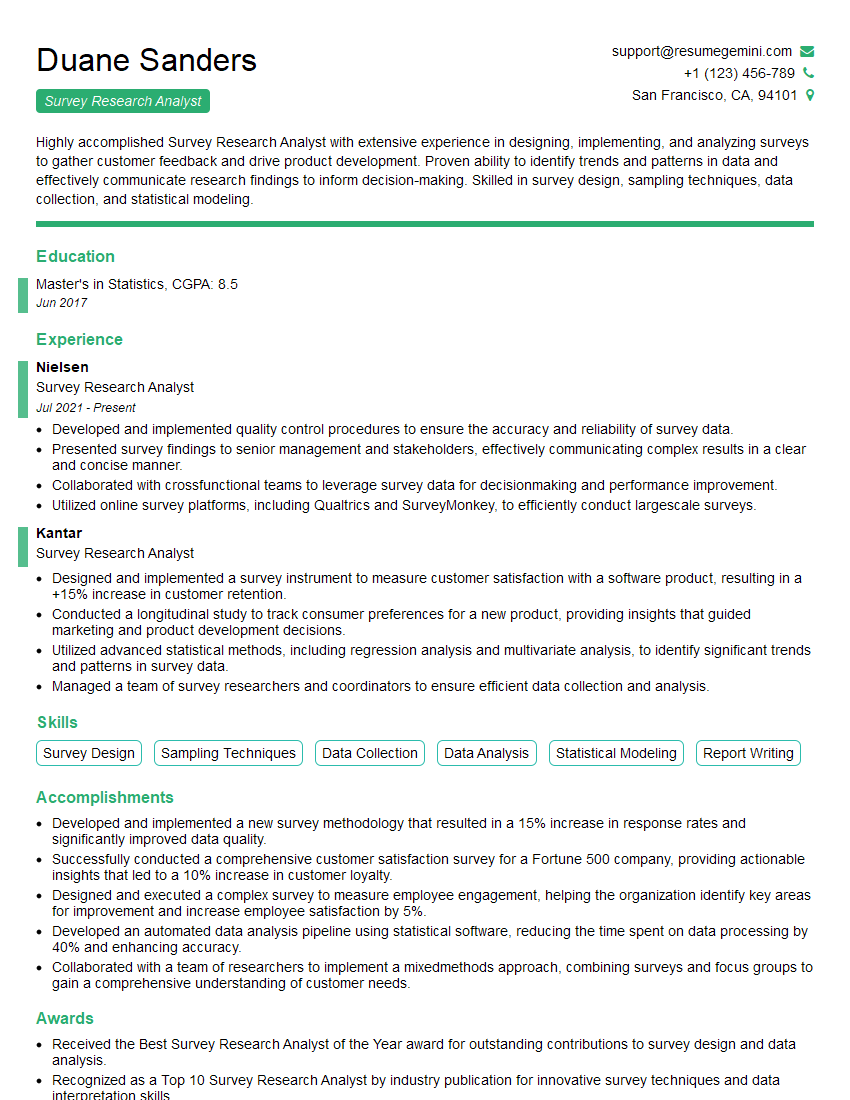
Survey Research Analyst Resume Sample
Explore more articles
Users Rating of Our Blogs
Share Your Experience
We value your feedback! Please rate our content and share your thoughts (optional).
What Readers Say About Our Blog
To the interviewgemini.com Webmaster.
Very helpful and content specific questions to help prepare me for my interview!
Thank you
To the interviewgemini.com Webmaster.
This was kind of a unique content I found around the specialized skills. Very helpful questions and good detailed answers.
Very Helpful blog, thank you Interviewgemini team.