Interviews are opportunities to demonstrate your expertise, and this guide is here to help you shine. Explore the essential Operating Room Environment interview questions that employers frequently ask, paired with strategies for crafting responses that set you apart from the competition.
Questions Asked in Operating Room Environment Interview
Q 1. Describe your experience with sterile field maintenance.
Maintaining a sterile field is paramount in the OR to prevent surgical site infections. It involves a meticulous approach to prevent contamination of sterile instruments, drapes, and the surgical site itself. This begins with proper hand hygiene and the donning of sterile gowns and gloves. All items brought into the sterile field must be sterile and handled appropriately. For example, when opening a sterile pack, the outer wrapper is discarded, and the inner contents are carefully unfolded, ensuring the outside of the pack never touches the sterile contents. Any break in the sterile technique, such as a glove tear or a non-sterile item touching a sterile surface, immediately requires intervention, including changing contaminated items and potentially repeating the entire prep process.
Think of it like baking a cake – you wouldn’t use a dirty spoon to mix ingredients if you wanted a perfect result. Maintaining sterility is similarly about precision to achieve the best surgical outcome, avoiding potentially life-threatening infections.
Q 2. Explain the role of a circulating nurse during a surgical procedure.
The circulating nurse is a vital member of the surgical team, responsible for the overall coordination and management of the OR outside the sterile field. Their duties are multifaceted, including patient advocacy, maintaining the surgical environment, and managing supplies and equipment. Before the surgery, they verify the patient’s identity, confirm the surgical site, and ensure all necessary documents and consent forms are complete. During the procedure, they manage equipment, monitor the patient’s vital signs (often delegating this to other support staff), anticipate the surgeon’s needs by supplying appropriate instruments and materials, and maintain communication with the surgical team and anesthesia team.
In essence, the circulating nurse is the quarterback of the operating room, coordinating everyone and everything to ensure a smooth and safe surgical procedure. I’ve personally found that anticipating the surgeons’ needs and having supplies readily available dramatically reduces procedure time and stress.
Q 3. What are the key differences between a scrub nurse and a circulating nurse?
The scrub nurse and circulating nurse work together, but their roles are distinct and require different skill sets. The scrub nurse is entirely within the sterile field, directly assisting the surgeon. They prepare and organize the sterile instruments and supplies, pass instruments to the surgeon, maintain the sterility of the field, and assist with wound closure. They require a deep knowledge of surgical instruments and procedures. The circulating nurse, as discussed earlier, manages the non-sterile aspects of the procedure, acting as a liaison between the surgical team and the rest of the hospital, coordinating everything outside the sterile field.
Think of it as a sports team; the scrub nurse is the player directly involved in the action on the field, while the circulating nurse is the coach, managing the team from the sidelines.
Q 4. How do you handle unexpected emergencies in the operating room?
Unexpected emergencies in the OR demand quick thinking and decisive action. My approach follows a structured protocol. First, I immediately assess the situation to determine the nature of the emergency and the immediate threat to the patient. This might involve anything from a sudden drop in blood pressure to a reaction to anesthesia. Then, I alert the surgical team and other appropriate personnel, such as anesthesia or the rapid response team, depending on the situation. This involves clear, concise communication about the emergency to enable a swift response.
Following this, I assist the surgical team by preparing any necessary medications or equipment needed for resuscitation or stabilization. My experience has taught me the importance of remaining calm and focused during these critical moments and executing my duties efficiently to support the surgeon and the anesthesiologist. Post-emergency, a thorough debriefing ensures learning from the event and identifying any areas for improvement in our processes.
Q 5. Describe your experience with surgical instrument identification and handling.
Surgical instrument identification and handling are crucial for effective surgical procedures and patient safety. I have extensive experience identifying and handling a wide range of surgical instruments, from basic retractors and forceps to more specialized instruments used in complex procedures. This involves knowing their names, uses, and proper sterilization techniques. For instance, I understand the differences between different types of clamps, such as Kocher clamps, Allis clamps, and Babcock clamps, and I know which is appropriate for specific tissues and procedures. Proper handling includes ensuring instruments are clean, functional, and appropriately passed to the surgeon, minimizing any delays during surgery.
A thorough understanding of instrument names and function is critical, and I regularly utilize resources such as instrument trays which are already set up to ensure proper handling. Improper handling can damage instruments or, more seriously, injure the patient.
Q 6. Explain your knowledge of surgical draping techniques.
Surgical draping techniques are essential for maintaining a sterile surgical field. The goal is to create a barrier between the sterile field and the unsterile environment, preventing contamination and protecting the patient from infection. This begins with preparing the patient’s skin with an antiseptic solution. Then, the drapes are applied in a methodical manner, ensuring they cover the surgical site completely and overlap onto sterile areas. Drapes often feature impermeable materials to further enhance the barrier. The process should be performed smoothly and efficiently, avoiding unnecessary movement to maintain sterility. There are various draping techniques for different surgical procedures, and I’m proficient in applying those techniques safely and efficiently.
Incorrect draping can expose the surgical site to contamination, leading to potential infections. So, it’s crucial to follow established protocols, ensuring that no unsterile areas are exposed.
Q 7. How do you ensure patient safety within the operating room environment?
Patient safety in the OR is my top priority. It encompasses various aspects, starting with proper patient identification and surgical site verification before the procedure begins – the ‘time out’ process. Throughout the procedure, I closely monitor the patient’s vital signs, ensuring they are within acceptable ranges. I pay close attention to details such as fluid management and maintaining the sterility of the surgical field to prevent infections. I also ensure all equipment is functioning correctly and that there’s appropriate lighting. Furthermore, I actively communicate with the surgical team and promptly report any concerns or changes in the patient’s condition.
Beyond the technical aspects, patient safety also involves clear communication with the patient and family and actively advocating for their needs and preferences. It’s a holistic approach that prioritizes the patient’s well-being at every stage of the surgical journey.
Q 8. Describe your experience with various types of surgical equipment.
My experience encompasses a wide range of surgical equipment, from basic instruments like scalpels, forceps, and retractors to sophisticated devices such as laparoscopic instruments, surgical lasers, and robotic surgical systems. I’m proficient in the proper handling, sterilization, and maintenance of all equipment used in various surgical specialties, including general surgery, orthopedics, and cardiovascular surgery. For example, I’m familiar with the nuances of using different types of endoscopic cameras and their associated accessories, understanding the importance of image quality and proper lighting in minimally invasive procedures. Furthermore, I possess a strong understanding of the functionality and limitations of power-driven instruments and their safety mechanisms. I’m comfortable assisting surgeons with the setup and operation of these complex systems, ensuring that they are functioning optimally throughout the procedure.
- Example 1: I’ve extensively worked with the da Vinci Surgical System, assisting in numerous robotic-assisted procedures, ensuring the appropriate setup, instrument exchange, and camera control as needed.
- Example 2: I’m experienced in preparing and maintaining a variety of energy sources used in surgery including monopolar and bipolar electrosurgical units, ultrasonic scalpels, and lasers, always adhering to strict safety protocols.
Q 9. What is your understanding of surgical asepsis and its importance?
Surgical asepsis is the practice of maintaining a sterile field to prevent infection. It’s paramount to patient safety and the success of the surgical procedure. This involves meticulously following protocols to eliminate or reduce the number of microorganisms to an acceptable level. Think of it like creating a ‘bubble’ of sterility around the surgical site, protecting the patient from potentially harmful bacteria.
The importance cannot be overstated. A breach in surgical asepsis can lead to serious postoperative infections, such as surgical site infections (SSIs), which can prolong hospital stays, increase healthcare costs, and even cause mortality. My understanding includes strict adherence to hand hygiene protocols, proper gowning and gloving techniques, maintaining sterile instrument trays and drapes, and vigilant monitoring of the sterile field for any potential contamination. This includes recognizing and immediately addressing any breaches in aseptic technique, such as a glove perforation or a drop of non-sterile fluid onto a sterile field.
For example, I consistently perform a thorough hand scrub before every procedure, carefully monitoring my technique to ensure complete coverage and prevention of cross-contamination. I always double-check the sterility indicators on surgical packs and immediately report any discrepancies to the surgical team.
Q 10. How do you prioritize tasks in a fast-paced OR setting?
Prioritizing tasks in the OR is crucial given the fast-paced and dynamic nature of the environment. I use a combination of techniques, primarily focusing on urgency and importance. First, I assess the immediate needs of the surgical team, prioritizing tasks that directly support the surgeon and ensure patient safety. This involves anticipating their needs and proactively providing necessary instruments and supplies. I utilize situational awareness to identify any emerging issues that may impact the workflow.
Next, I organize tasks based on urgency. Tasks critical for the ongoing procedure, like preparing medications or handling specimens, take precedence over tasks that can be handled later, such as restocking supplies. I utilize a mental checklist and sometimes physical lists for more complex or longer cases. Visual cues like color-coded containers or labelled trays assist in organizing and quickly accessing supplies. Finally, effective communication is key – I always communicate proactively with the surgical team about my actions and any potential delays.
For instance, during a complex cardiac surgery, I’d prioritize assembling the cardiopulmonary bypass circuit before preparing the less time-sensitive instruments for later stages of the procedure. This ensures the uninterrupted smooth functioning of the surgery, enhancing efficiency and minimizing the risk of complications.
Q 11. What is your experience with monitoring patient vital signs during surgery?
Monitoring patient vital signs during surgery is a critical aspect of my role, directly impacting patient safety. I’m proficient in using various monitoring devices including electrocardiograms (ECGs), pulse oximeters, blood pressure cuffs, and temperature probes. I understand the normal ranges for these parameters and can recognize deviations that may indicate complications. Continuous vigilance is essential, and I’m adept at quickly identifying and reporting any significant changes to the anesthesia team.
Beyond simply recording the data, I understand the physiological implications of changes in vital signs and can anticipate potential needs. For example, a sudden drop in blood pressure may signal hemorrhage, requiring immediate intervention. I am trained to respond appropriately, alerting the surgical team and assisting in managing the situation. My experience allows me to understand the context of vital sign changes within the surgical procedure, which helps in differentiating normal fluctuations from potentially dangerous trends. Precise and timely documentation of vital signs is crucial for creating a complete medical record for post-operative review.
Q 12. How do you communicate effectively with surgical teams?
Effective communication is the cornerstone of a successful surgical team. I prioritize clear, concise, and respectful communication with all team members. I use a combination of verbal and non-verbal cues, ensuring that messages are accurately conveyed and understood. I avoid using jargon and explain complex information in simple terms, keeping all team members informed throughout the procedure.
This involves proactive reporting of any potential issues, clearly stating the nature of the problem and possible solutions. Active listening is equally important; I make sure I understand instructions and requests from the surgical team before acting. In situations where urgent action is needed, I communicate this clearly and assertively, ensuring the urgency is understood. A calm and professional demeanor fosters a collaborative environment that improves the efficiency and safety of the surgical procedure. Non-verbal communication such as clear body language and eye contact also play a crucial role in ensuring the effectiveness of my communications.
For example, instead of saying ‘the suction is clogging,’ I’d say ‘Doctor, the suction has become ineffective; I’m changing the canister now.’ This shows initiative and offers a practical solution instead of simply pointing out a problem.
Q 13. How do you manage stressful situations in the operating room?
Stressful situations are inevitable in the OR. My approach involves maintaining composure, focusing on the task at hand, and prioritizing patient safety. I employ several strategies to manage stress effectively. First, I rely on my training and experience to handle unexpected events calmly and methodically. This involves following established protocols and procedures, using a systematic approach to problem-solving.
Secondly, I maintain open and transparent communication with the team. By communicating my concerns and challenges openly and directly, I promote a collaborative approach to addressing the situation. This can involve verbal debriefing with the team during breaks or a quick, nonverbal check-in for silent reassurance. Finally, I understand the importance of self-care, including appropriate breaks and avoiding burnout. By prioritizing my mental and physical well-being, I can perform at my best and effectively manage stress within the high-pressure environment of the OR.
For example, during an unexpected complication, I would remain calm, report the issue promptly, and focus on performing my duties accurately and efficiently, ensuring that my actions directly contribute to resolving the crisis. Post-procedure, I make it a point to debrief with the team, discussing what went well and areas for potential improvement.
Q 14. Explain your knowledge of different types of anesthesia.
Anesthesia is a crucial aspect of surgery, inducing a state of unconsciousness, analgesia (pain relief), and muscle relaxation. There are various types, each suited to different surgical scenarios and patient needs. I’m familiar with the common types, including:
- General Anesthesia: This involves a complete loss of consciousness, often achieved through a combination of intravenous and inhaled agents. It’s used for extensive and complex procedures where complete relaxation and pain relief are essential.
- Regional Anesthesia: This involves blocking nerve impulses in a specific region of the body, resulting in numbness and pain relief in that area. Examples include epidurals (for lower body procedures) and nerve blocks (for specific limbs or areas). The patient remains conscious, but the targeted area is insensitive to pain.
- Local Anesthesia: This involves numbing a specific area of the body using local anesthetic injections. It’s frequently used for minor procedures. The patient usually remains awake.
- Monitored Anesthesia Care (MAC): This involves sedation and analgesia, but the patient maintains some level of consciousness. It’s often used for less invasive procedures.
Understanding the different types of anesthesia and their implications is crucial for assisting the anesthesia team and ensuring patient safety. For instance, I know the proper preparation and handling of anesthetic agents, ensuring the appropriate concentrations are used and adhering to strict safety protocols. I’m also aware of potential complications associated with each type, such as respiratory depression or allergic reactions, and know how to react to such emergencies in collaboration with the anesthesia team.
Q 15. Describe your experience with post-operative care procedures.
Post-operative care encompasses the crucial period after surgery, focusing on patient recovery and minimizing complications. My experience involves a multifaceted approach, starting with assessing the patient’s vital signs – heart rate, blood pressure, respiratory rate, and oxygen saturation – immediately after surgery. This initial assessment is vital for identifying any immediate post-operative issues. Pain management is a key component; I’m proficient in administering and monitoring analgesics, tailoring the approach based on the patient’s response and the type of surgery. Furthermore, I meticulously monitor the surgical site for signs of infection, bleeding, or other complications. Wound care is also a significant part of my role, ensuring proper dressing changes and assessing wound healing progress. Finally, patient education is critical; I provide clear instructions regarding medication, activity levels, and follow-up appointments, empowering the patient to participate actively in their recovery.
For example, during a laparoscopic cholecystectomy (gallbladder removal), I’d focus on monitoring for signs of bile leak, ensuring adequate pain control to facilitate early ambulation, and educating the patient about dietary restrictions and potential complications. In cases of major abdominal surgeries, post-operative care might also involve bowel management, close monitoring for paralytic ileus (intestinal obstruction), and managing intravenous fluids.
Career Expert Tips:
- Ace those interviews! Prepare effectively by reviewing the Top 50 Most Common Interview Questions on ResumeGemini.
- Navigate your job search with confidence! Explore a wide range of Career Tips on ResumeGemini. Learn about common challenges and recommendations to overcome them.
- Craft the perfect resume! Master the Art of Resume Writing with ResumeGemini’s guide. Showcase your unique qualifications and achievements effectively.
- Don’t miss out on holiday savings! Build your dream resume with ResumeGemini’s ATS optimized templates.
Q 16. How familiar are you with electronic health records (EHRs) in the OR setting?
I’m highly proficient with electronic health records (EHRs) in the operating room setting. My experience includes using various EHR systems to chart patient data during surgical procedures, document medication administration, and update the patient’s progress notes. I’m familiar with functionalities such as charting vital signs in real-time, documenting intra-operative findings, and managing medication orders within the EHR. Using EHRs allows for accurate and efficient documentation, which is essential for maintaining a comprehensive patient record and coordinating care among healthcare providers. It also aids in reducing medical errors by providing quick access to critical patient information.
For instance, in a complex cardiac surgery, I’d use the EHR to record the patient’s hemodynamic parameters, fluid balance, and any administered blood products. Immediate access to the patient’s medical history, allergies, and previous surgical procedures within the EHR ensures a safer and smoother surgical process.
Q 17. What is your experience with inventory management of surgical supplies?
Effective inventory management of surgical supplies is crucial for ensuring the smooth operation of the OR and avoiding delays. My experience involves various aspects of this, including participating in regular stock checks to identify low inventory levels, assisting in ordering new supplies, and adhering to strict inventory control procedures. I understand the importance of maintaining a balanced inventory to minimize waste while ensuring availability of critical supplies during procedures. This requires careful planning and coordination, often involving advanced forecasting techniques to predict the need for specific items. I am also familiar with tracking the use of expensive implants and instruments and have experience in identifying opportunities to reduce costs through efficient use and optimal ordering practices.
For instance, during a large-scale surgery, we might pre-prepare a surgical tray according to the surgeon’s preferences and the procedure’s requirements, ensuring all necessary equipment and consumables are available without disrupting the surgical flow. We also utilize barcode scanning systems and other digital tools to monitor inventory levels and maintain a comprehensive record of surgical supplies.
Q 18. How do you contribute to maintaining a safe and efficient operating room environment?
Maintaining a safe and efficient operating room environment is paramount. My contribution involves adhering to strict sterile techniques, meticulous preparation of surgical instruments and equipment, and ensuring a properly functioning surgical suite. I actively participate in regular equipment checks, pre-operative room set-up, and post-operative clean-up, adhering to infection control protocols. Furthermore, I assist in monitoring the surgical field, ensuring a sterile environment and reporting any breaches in aseptic technique immediately. I prioritize patient safety through careful attention to detail, adherence to safety protocols, and by collaborating effectively with the surgical team. Effective communication with the surgical team is also vital for maintaining efficiency.
For example, noticing a malfunctioning piece of equipment during the set-up will allow for its replacement before the procedure begins. Or, if a potential contamination is noticed, quick action helps prevent delays and protects the patient from infection.
Q 19. Describe your experience with different surgical procedures.
My experience encompasses a wide range of surgical procedures, including general surgery, orthopedic surgery, and cardiovascular surgery. This exposure has provided me with a comprehensive understanding of diverse surgical techniques, instrument requirements, and post-operative care protocols. I’ve assisted in procedures such as laparoscopic cholecystectomies, appendectomies, hip replacements, and coronary artery bypass grafts. This broad experience allows me to adapt quickly to different surgical settings and procedures. Each procedure requires specific preparations, understanding of potential risks and complications, and specialized knowledge of postoperative monitoring.
For example, while assisting in an orthopedic surgery, my focus would be on the precise placement and preparation of implants and instruments. In contrast, during a cardiac surgery, meticulous attention to detail is required in handling blood products and monitoring hemodynamic parameters.
Q 20. What are the signs and symptoms of surgical site infection (SSI)?
Surgical site infection (SSI) is a serious complication that can significantly impact patient recovery. The signs and symptoms can vary depending on the location and severity of the infection but commonly include redness, swelling, pain, tenderness, warmth at the surgical site, purulent drainage (pus), fever, and chills. Other signs might include increased white blood cell count and systemic signs of infection. Early detection is critical for prompt treatment and preventing severe complications. The appearance of any of these signs necessitates immediate notification of the surgical team and initiation of appropriate measures such as wound culture and antibiotic treatment.
For example, a patient presenting with increasing pain, redness, and swelling around an abdominal incision site several days post-surgery would be considered a high-risk case for SSI. Immediate action is crucial to prevent the infection from spreading.
Q 21. How do you ensure proper disposal of biohazardous waste?
Proper disposal of biohazardous waste is crucial for maintaining a safe and healthy operating room environment and preventing the spread of infectious diseases. This involves a strict adherence to established protocols that vary slightly based on location and regulations. Generally, this includes segregating biohazardous waste, such as blood-soaked dressings, contaminated sharps, and other potentially infectious materials, into designated containers clearly marked with biohazard symbols. These containers are then sealed and handled according to specific procedures before being transported by authorized personnel for appropriate disposal or sterilization.
For instance, sharps such as needles and scalpels are disposed of in puncture-resistant containers. All biohazardous materials are handled using appropriate personal protective equipment (PPE) such as gloves, gowns, and masks to minimize exposure risk. Proper documentation of waste disposal is crucial for compliance and traceability.
Q 22. Describe your understanding of Universal Precautions.
Universal Precautions are a set of infection control practices designed to prevent transmission of bloodborne pathogens and other infectious agents. They’re based on the principle that all patients should be treated as if they are potentially infectious. This means employing specific safety measures regardless of a patient’s known infection status.
- Hand Hygiene: This is the cornerstone, involving thorough handwashing with soap and water or the use of an alcohol-based hand rub before and after each patient interaction, and anytime hands become contaminated.
- Personal Protective Equipment (PPE): Using appropriate PPE such as gloves, gowns, masks, and eye protection to prevent contact with bodily fluids. The specific PPE used depends on the anticipated level of exposure. For example, during a procedure with a high risk of splash, a face shield would be added to the standard mask and gloves.
- Sharps Safety: Using safety-engineered sharps and disposing of them properly in designated containers immediately after use. This prevents accidental needle sticks and other injuries.
- Environmental Decontamination: Regularly disinfecting surfaces and equipment that may be contaminated with blood or other bodily fluids. This involves using appropriate disinfectants according to hospital protocols.
- Respiratory Hygiene/Cough Etiquette: Encouraging patients and staff to cover their mouths and noses when coughing or sneezing, and practicing proper disposal of tissues. This minimizes the spread of airborne pathogens.
For example, during a procedure, I always don gloves and a gown, and if there’s a risk of splashing, I add a face shield. After the procedure, I meticulously remove and dispose of the PPE correctly, and then thoroughly wash my hands before documenting and moving on to my next task. Failure to adhere to Universal Precautions can have serious consequences, leading to the spread of infections among patients and healthcare workers.
Q 23. What are your skills in using surgical equipment, such as a laparoscope?
My skills in using surgical equipment are extensive. I have significant experience with a wide range of instruments, including laparoscopes. I’m proficient in the setup, operation, and maintenance of laparoscopic equipment. This includes:
- Trocar Insertion: Precise and safe insertion of trocars, minimizing the risk of injury to surrounding tissues and organs.
- Camera Manipulation: Expertly maneuvering the laparoscope to provide optimal visualization of the surgical field, adjusting camera angle and focus as needed.
- Instrument Handling: Skillful manipulation of laparoscopic instruments, providing the surgeon with the necessary precision and dexterity for complex procedures.
- Troubleshooting: Identifying and resolving technical issues with the laparoscopic system, such as camera malfunctions or insufflation problems. This includes recognizing issues and potentially repairing or replacing faulty components, under guidance where necessary.
For instance, during a laparoscopic cholecystectomy (gallbladder removal), I’m responsible for ensuring clear visualization for the surgeon, anticipating their needs, and handing instruments smoothly and efficiently. My experience includes work with both 2D and 3D laparoscopic systems, and I’m comfortable with a range of accessory devices used in minimally invasive surgery.
Q 24. How do you handle difficult patients or family members in the OR setting?
Handling difficult patients or family members requires patience, empathy, and effective communication. The OR environment can be stressful for everyone involved. My approach centers on:
- Active Listening: Truly listening to their concerns and validating their feelings. This shows respect and builds trust.
- Clear and Concise Communication: Explaining procedures and potential risks in a way that is easy to understand, avoiding medical jargon. I tailor my communication style to the specific individual’s understanding and emotional state.
- Empathy and Compassion: Recognizing and acknowledging their anxiety, fear, or frustration. A simple gesture of understanding can go a long way.
- Collaboration with the Surgical Team: Working closely with the surgical team, including the anesthesiologist, surgeon, and nurses, to address concerns and provide coordinated care. In some situations, bringing in a social worker or psychologist might be beneficial.
- Setting Boundaries: While maintaining empathy, it’s important to set clear boundaries to ensure a safe and efficient surgical environment. This might involve redirecting inappropriate behavior or asking for assistance from other staff members.
I recall a situation where a patient’s family member was extremely anxious. By patiently explaining the procedure step-by-step and answering their questions honestly and reassuringly, I was able to ease their fears and foster a more collaborative atmosphere. It’s crucial to remember that managing these situations is a team effort; everyone’s contributions are vital.
Q 25. What is your experience with the use of surgical robots?
I have experience assisting with procedures utilizing surgical robots, specifically the da Vinci Surgical System. My experience includes:
- Instrument and Console Setup: Preparing and setting up the robotic arms and console according to manufacturer instructions and adhering to strict sterile techniques.
- Assisting the Surgeon: Providing the surgeon with the necessary instruments and materials during the robotic-assisted procedure. This requires precision and anticipation.
- Maintaining Sterility: Ensuring the entire robotic system remains sterile throughout the procedure, adhering to strict aseptic techniques.
- Troubleshooting: Understanding the system’s functionalities and capable of addressing minor technical issues under the guidance of experienced personnel.
Working with robotic systems requires a high level of precision and attention to detail. I understand the importance of maintaining sterility and ensuring the smooth operation of the system. For example, I’ve assisted in robotic-assisted prostatectomies, where the dexterity and precision offered by the robot are crucial for optimal outcomes. The experience has deepened my appreciation for minimally invasive techniques and the role of technology in modern surgery.
Q 26. How familiar are you with different types of surgical drains?
My familiarity with surgical drains encompasses various types, each designed for specific purposes. Some common examples include:
- Jackson-Pratt (JP) Drains: Closed-suction drains frequently used to remove fluid accumulation from surgical sites. I know how to properly connect them to drainage bags, monitor drainage output, and ensure correct placement.
- Penrose Drains: Open-ended drains used to passively drain fluid. I understand their limitations compared to closed-suction drains and the importance of proper dressing changes to prevent infection.
- Hemovac Drains: Another type of closed-suction drain, often used for larger surgical wounds or areas with significant fluid accumulation.
- T-Tube Drains: Specifically used following biliary tract surgery to facilitate drainage of bile. I’m aware of the proper care and management of these tubes to minimize complications.
The choice of drain depends on the type of surgery, the location, and the anticipated volume and type of drainage. I understand how to assess drainage characteristics, like color and volume, and report any abnormalities to the surgeon. Proper management of surgical drains is critical to preventing complications such as infection and hematoma formation.
Q 27. Describe your understanding of surgical counts and their importance.
Surgical counts are a critical procedure performed before, during, and after any surgical procedure involving instruments, sponges, and needles. Their importance lies in preventing retained foreign bodies (surgical items left inside the patient) a potentially life-threatening complication.
- Preoperative Count: Before the incision, the circulating nurse and scrub nurse independently count all instruments, needles, and sponges on the sterile field. This establishes a baseline.
- Intraoperative Count: Counts are repeated at intervals during the procedure, typically after each closure of a cavity. This ensures that any lost items are identified and retrieved promptly.
- Postoperative Count: A final count is performed after the wound is closed and before the patient leaves the operating room. All items should match the initial count.
Any discrepancy requires an immediate and thorough search of the surgical field. The importance of accurate counts can’t be overstated. Leaving a sponge or instrument inside a patient can cause serious infections, abscesses, and even death. My experience includes participating in surgical counts for a variety of procedures, ensuring rigorous adherence to protocols and maintaining the highest standards of patient safety.
Key Topics to Learn for Operating Room Environment Interview
- Sterile Technique and Aseptic Practices: Understanding and applying principles of surgical asepsis, including proper gowning and gloving procedures, instrument handling, and maintaining a sterile field. Consider scenarios where breaches in sterility might occur and how to mitigate them.
- Surgical Instrumentation and Equipment: Familiarize yourself with common surgical instruments, their uses, and proper care. Practice identifying instruments and describing their function. Think about troubleshooting scenarios involving malfunctioning equipment.
- Surgical Workflow and Procedures: Gain a general understanding of the typical flow of a surgical procedure, from pre-operative preparation to post-operative clean-up. Consider the roles of different team members and how they interact.
- Safety Protocols and Emergency Procedures: Master emergency response protocols within the OR, including fire safety, medication errors, and handling of unexpected complications. Develop your problem-solving skills in high-pressure situations.
- Infection Control and Prevention: Learn about the various methods used to prevent and control infections in the operating room, including proper hand hygiene, environmental cleaning, and the use of personal protective equipment (PPE).
- Medical Terminology and Anatomy: Develop a strong understanding of relevant medical terminology and anatomical structures frequently encountered in surgical procedures. Being able to confidently discuss surgical sites and procedures is crucial.
- Patient Care and Communication: Understand the importance of patient-centered care within the OR setting. Consider how to effectively communicate with surgeons, nurses, and other team members to ensure a safe and efficient procedure.
Next Steps
Mastering the intricacies of the Operating Room environment is crucial for career advancement in this dynamic and demanding field. A strong understanding of these key areas will significantly improve your interview performance and open doors to exciting opportunities. To maximize your job prospects, focus on crafting a compelling and ATS-friendly resume that highlights your skills and experience. ResumeGemini is a trusted resource to help you build a professional and impactful resume. We provide examples of resumes tailored to the Operating Room Environment to guide you through the process, ensuring your application stands out from the competition.
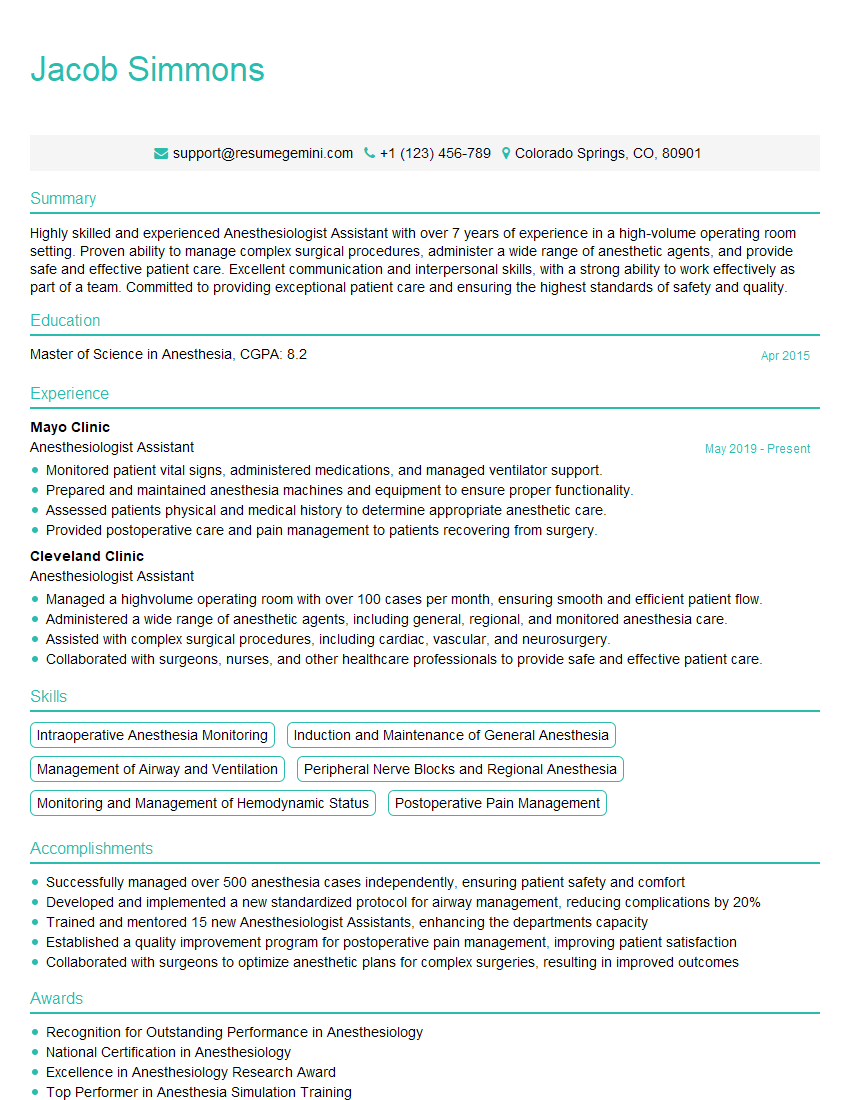
Anesthesiologist Assistant Resume Sample
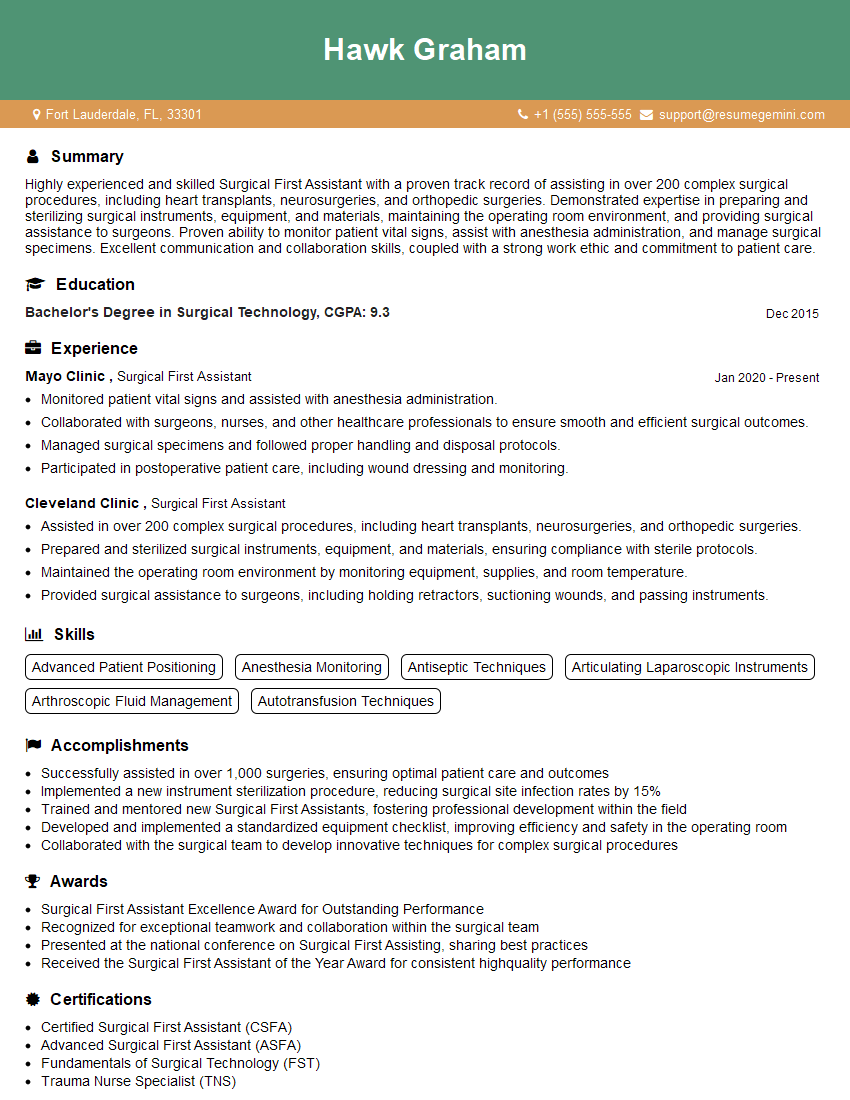
Surgical First Assistant Resume Sample
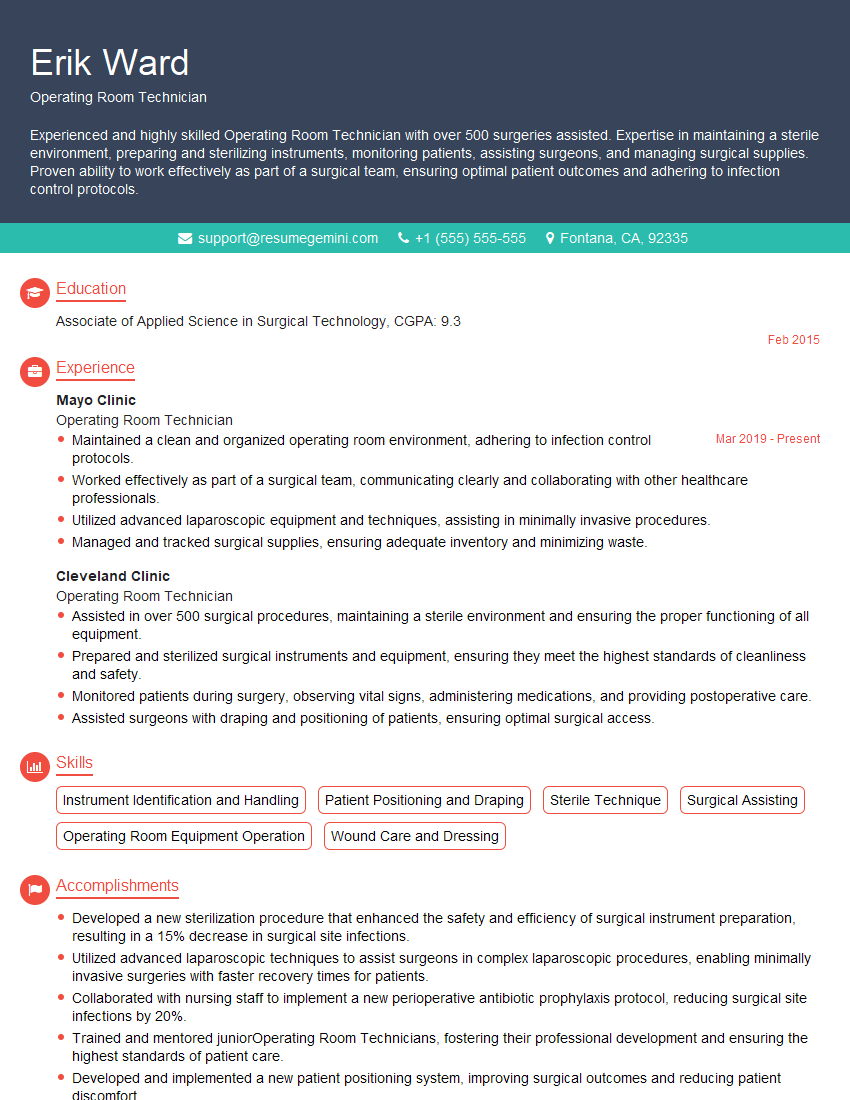
Operating Room Technician Resume Sample
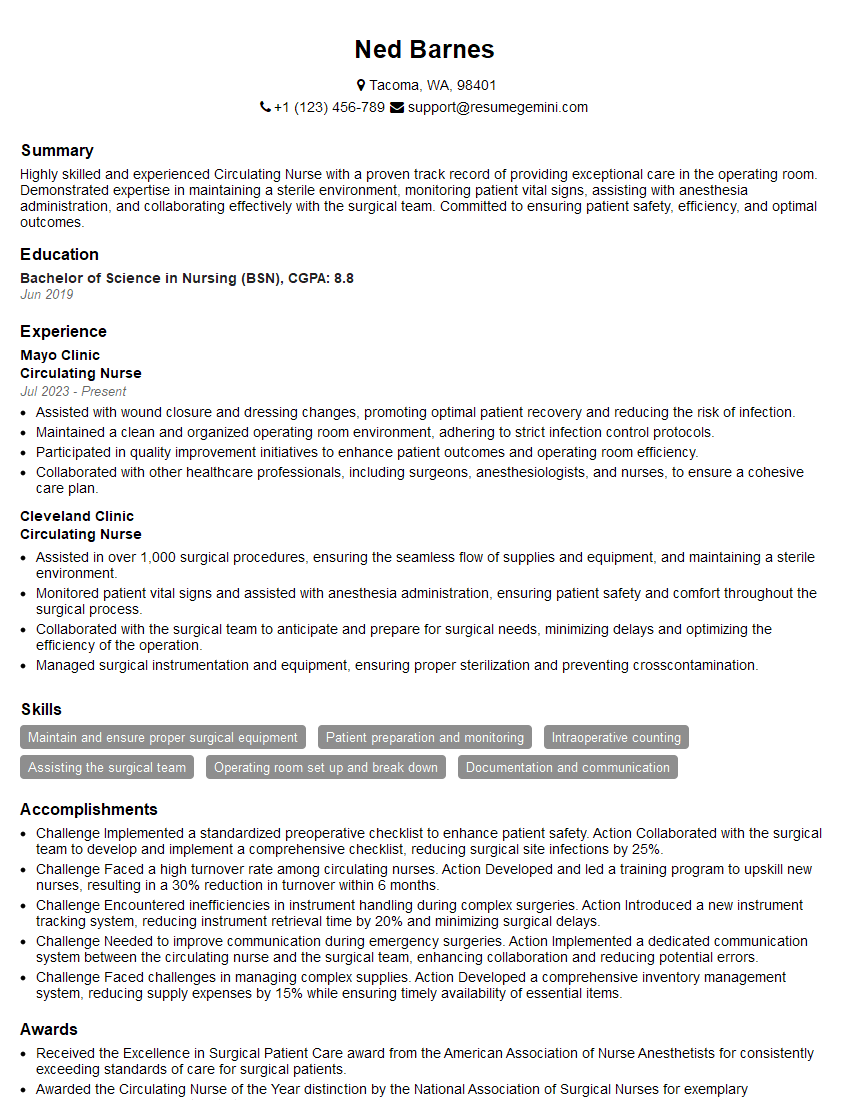
Circulating Nurse Resume Sample
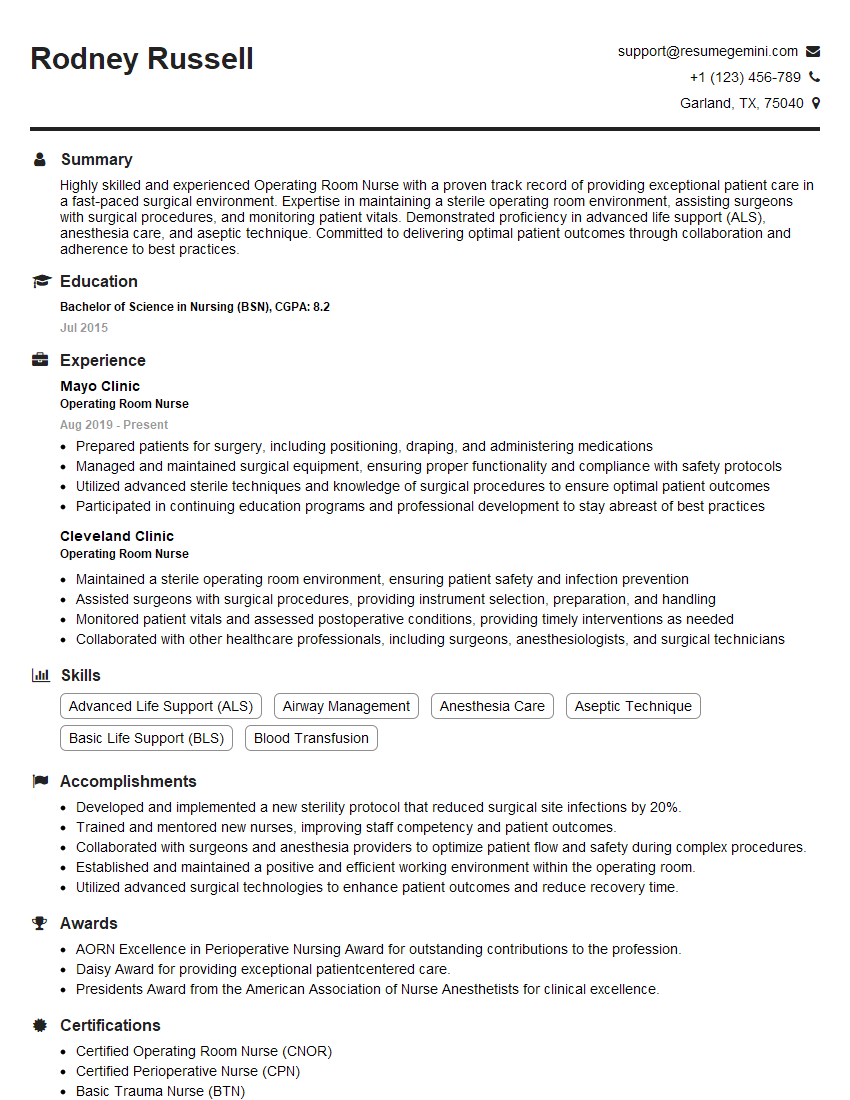
Operating Room Nurse Resume Sample
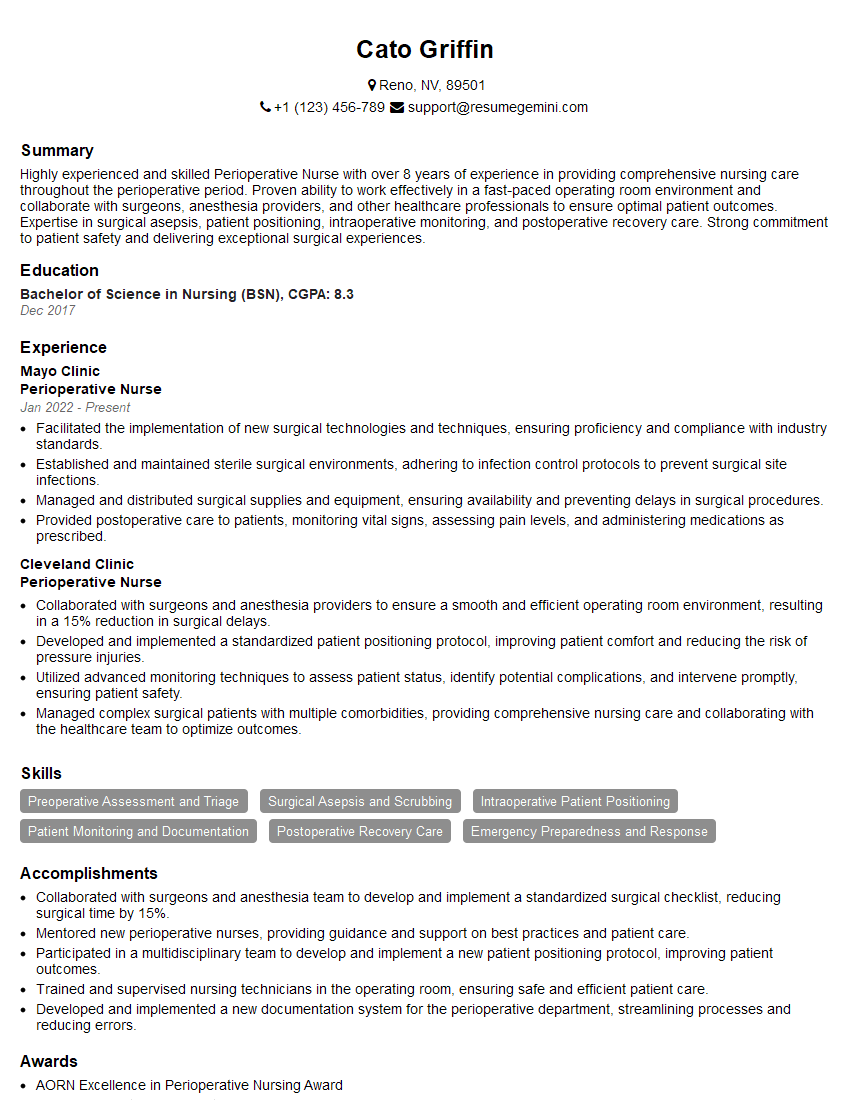
Perioperative Nurse Resume Sample
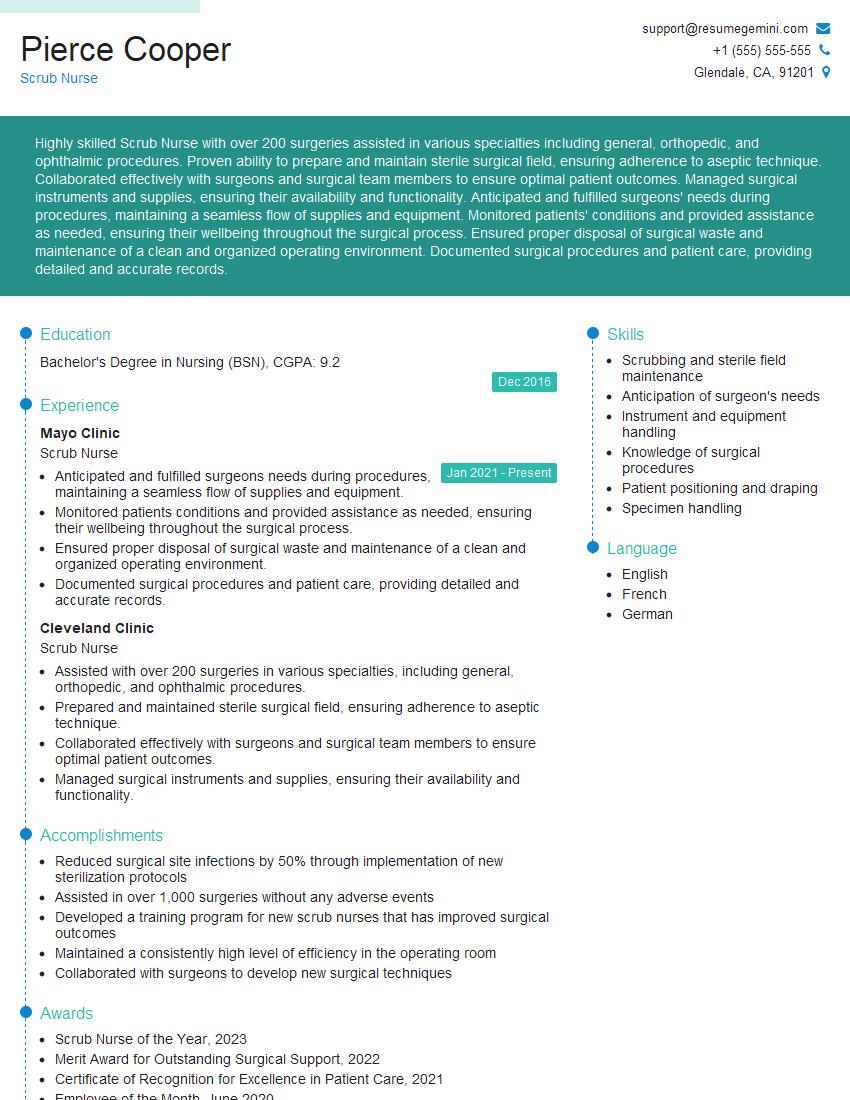
Scrub Nurse Resume Sample
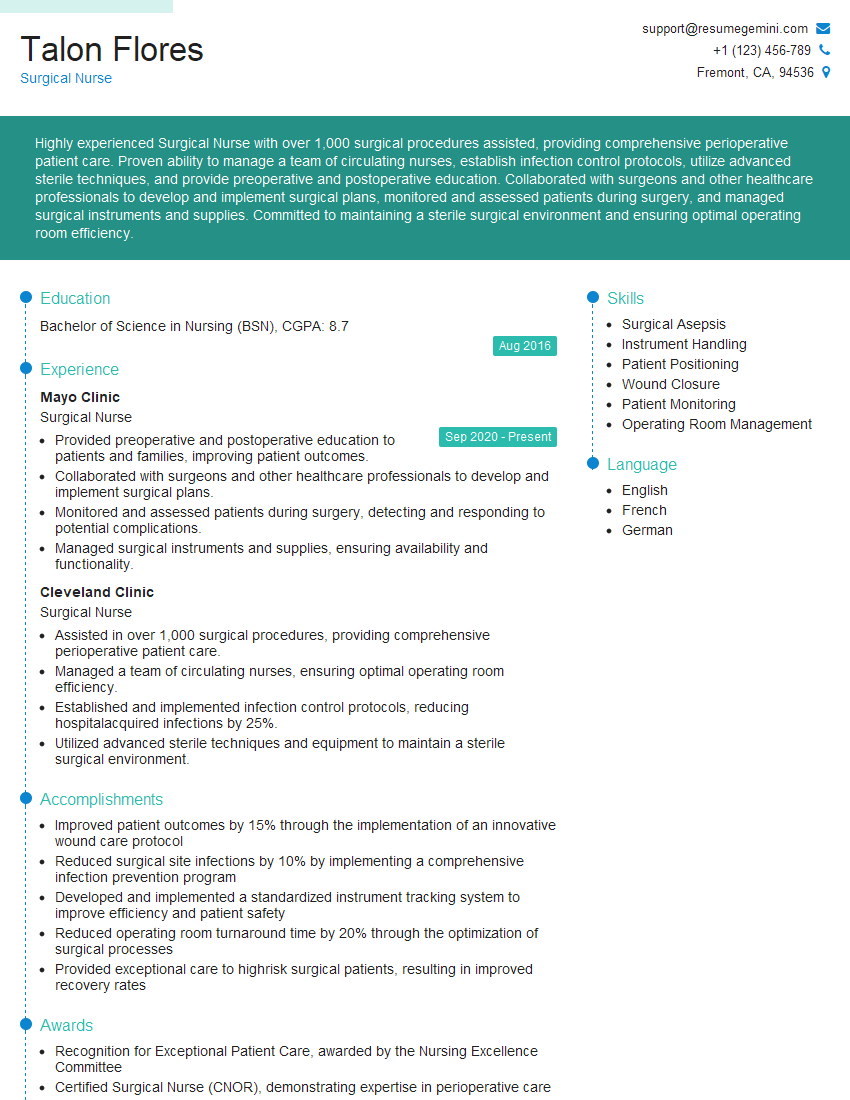
Surgical Nurse Resume Sample
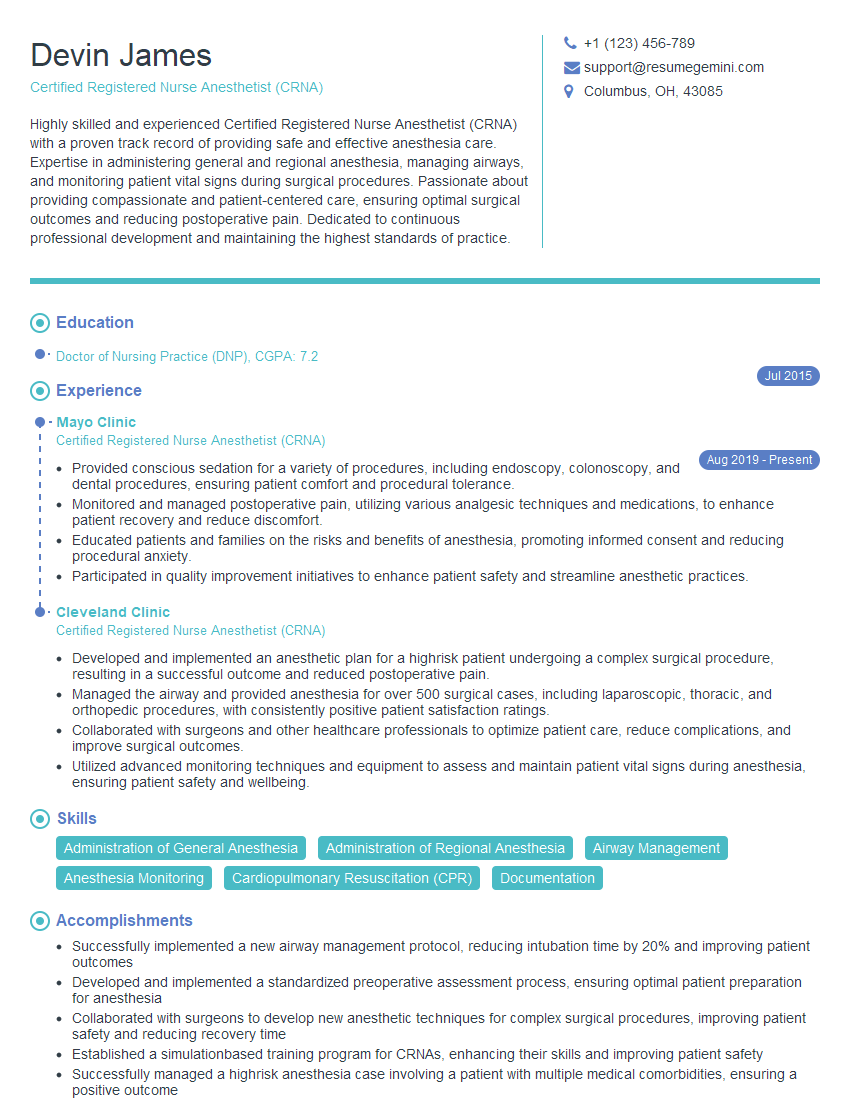
Certified Registered Nurse Anesthetist (CRNA) Resume Sample
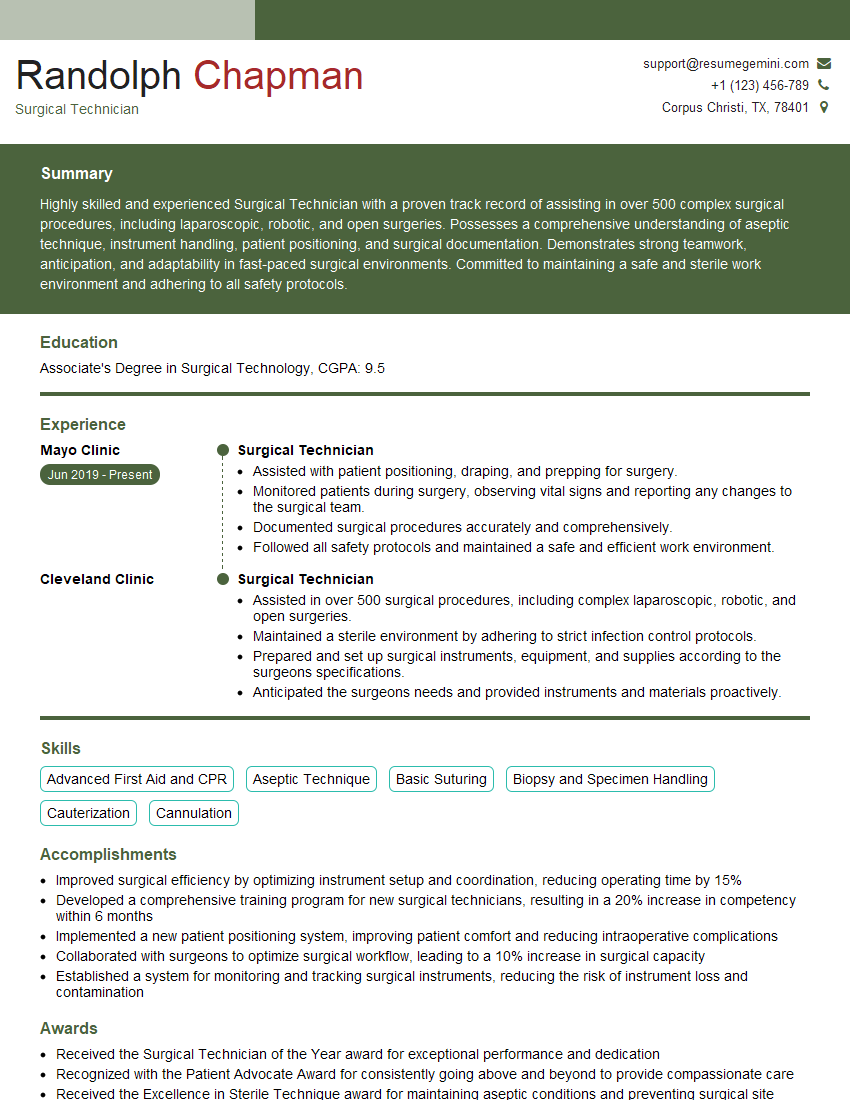
Surgical Technician Resume Sample
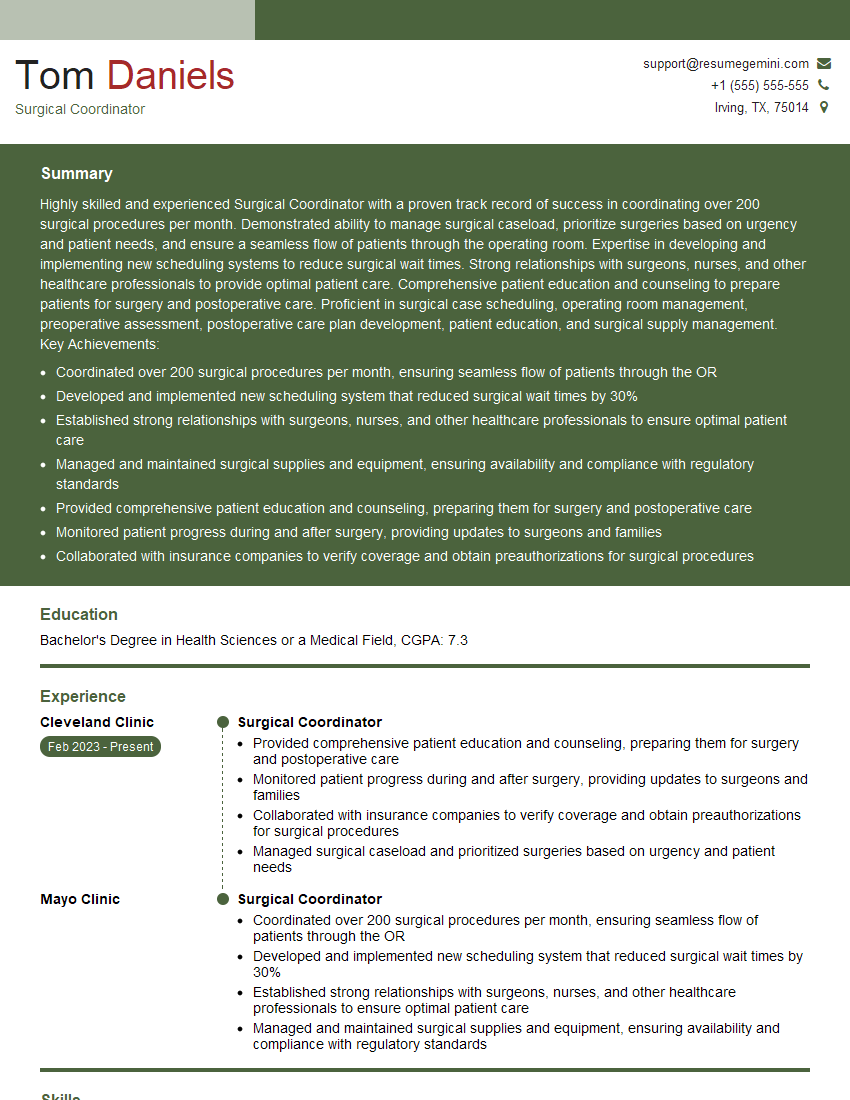
Surgical Coordinator Resume Sample
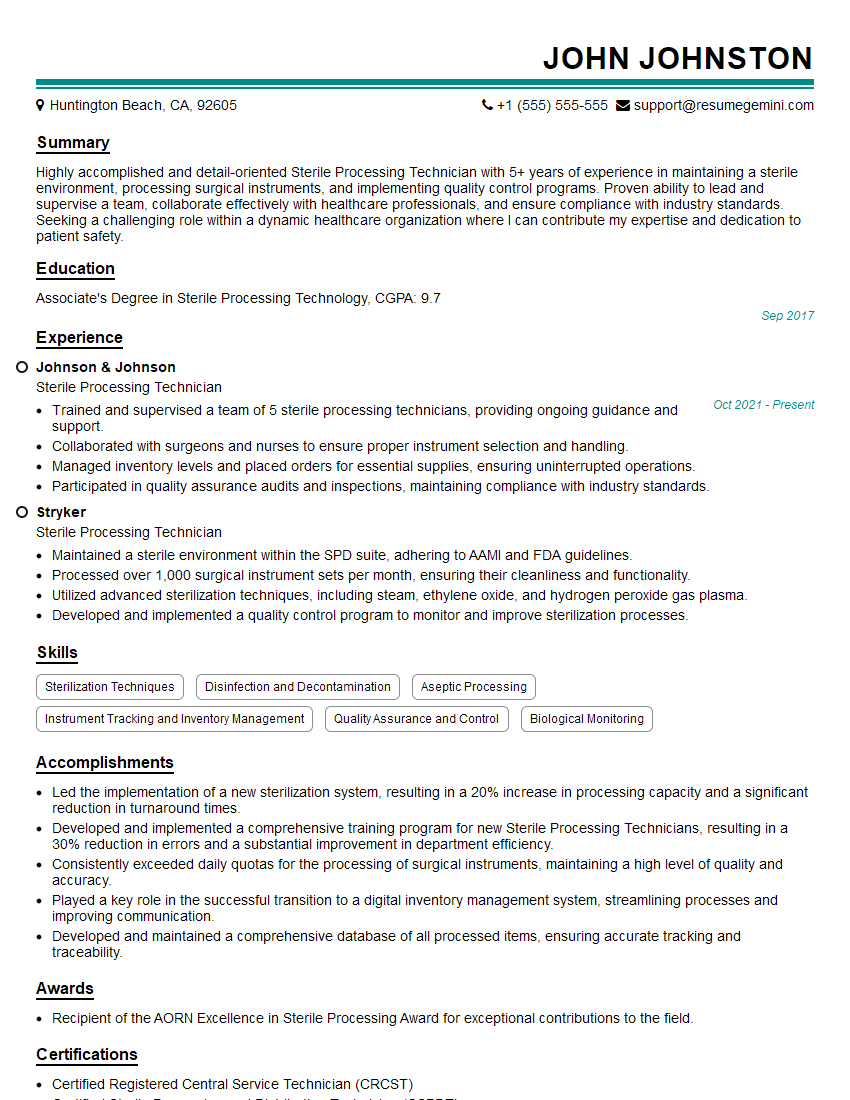
Sterile Processing Technician Resume Sample
Explore more articles
Users Rating of Our Blogs
Share Your Experience
We value your feedback! Please rate our content and share your thoughts (optional).
What Readers Say About Our Blog
To the interviewgemini.com Webmaster.
Very helpful and content specific questions to help prepare me for my interview!
Thank you
To the interviewgemini.com Webmaster.
This was kind of a unique content I found around the specialized skills. Very helpful questions and good detailed answers.
Very Helpful blog, thank you Interviewgemini team.