Feeling uncertain about what to expect in your upcoming interview? We’ve got you covered! This blog highlights the most important Oral Motor Assessment and Intervention interview questions and provides actionable advice to help you stand out as the ideal candidate. Let’s pave the way for your success.
Questions Asked in Oral Motor Assessment and Intervention Interview
Q 1. Describe the different methods used for assessing oral motor skills in infants.
Assessing oral motor skills in infants requires a gentle and observational approach. We use a combination of methods focusing on both structure and function.
Observation of feeding behaviors: This is crucial. We observe the infant’s latch, suck, swallow, and breathe coordination during feeding. We look for signs of difficulty, such as fatigue, choking, or inefficient suck. For example, a weak suck might indicate underlying oral motor weakness.
Intraoral examination: A careful examination of the oral cavity assesses the structure and function of the lips, tongue, palate, and jaw. We look for things like a high or cleft palate, tongue-tie (ankyloglossia), or unusual frenulum attachments. We also assess the size and shape of the oral structures.
Reflex assessment: Newborns exhibit primitive reflexes like the rooting, sucking, and Moro reflexes. Assessing these reflexes helps determine the integrity of the neurological pathways involved in oral motor function. A diminished or absent reflex could indicate neurological impairment.
NNS (Non-Nutritive Suck): Observing the infant’s sucking on a pacifier or finger provides information about the strength, rhythm, and coordination of their suck. A disorganized or weak suck on a pacifier might indicate a need for further assessment.
These methods, used in conjunction, provide a holistic picture of the infant’s oral motor skills and help identify any potential areas of concern.
Q 2. Explain the difference between oral motor assessment and oral motor intervention.
Oral motor assessment and intervention are two distinct, yet interconnected, processes.
Oral motor assessment is the systematic evaluation of the structures and functions of the oral motor system. It’s like taking a detailed inventory: observing the structure of the mouth and evaluating its functional capabilities. This includes assessing the strength, range of motion, coordination, and sensory aspects of the lips, tongue, jaw, and palate.
Oral motor intervention, on the other hand, is the targeted treatment plan designed to address identified deficits. It’s like providing the necessary tools and exercises to improve functionality. This may include exercises to improve strength, range of motion, coordination, and sensory awareness. It’s tailored to the individual’s specific needs, identified during the assessment phase.
Think of it this way: the assessment is the diagnosis, and the intervention is the treatment. A comprehensive assessment informs the creation of an effective intervention plan.
Q 3. What are the key components of a comprehensive oral motor assessment?
A comprehensive oral motor assessment encompasses several key components:
Structural examination: This includes a visual inspection of the lips, tongue, teeth, hard and soft palate, and jaw. We look for any anatomical variations or abnormalities that might impact function.
Functional assessment: This evaluates the movement and coordination of the oral structures. We assess the strength and range of motion of the lips (e.g., lip closure, puckering), tongue (e.g., protrusion, retraction, lateralization), and jaw (e.g., opening, closing). We also assess the coordination of these movements during tasks like chewing and swallowing.
Sensory assessment: This evaluates the child’s sensitivity to different textures and temperatures in the mouth. We test their response to various stimuli to identify any sensory sensitivities or defensiveness.
Feeding observation: Observing the child’s feeding behavior provides crucial information about their oral motor skills in a functional context. This includes assessing their suck, swallow, and breathe coordination, as well as their ability to manage different food consistencies.
Cognitive and behavioral factors: A child’s overall cognitive development and behavior can significantly impact their oral motor skills. For example, attention deficits or sensory processing difficulties can affect their ability to participate in oral motor exercises. This assessment is often done by a collaborative team.
By combining these elements, we gain a thorough understanding of the child’s oral motor abilities and identify areas that require intervention.
Q 4. How do you assess oral sensitivity and tactile defensiveness in children?
Assessing oral sensitivity and tactile defensiveness involves a careful and gradual approach. We use a variety of stimuli and observe the child’s responses.
Sensory testing: We use different textures (e.g., smooth, rough, soft, hard) and temperatures (e.g., cold, warm) to test the child’s response to tactile stimulation within the mouth. We start with gentle stimuli and gradually increase intensity as tolerated.
Observation during feeding: The child’s reaction to different food textures and temperatures provides valuable insight into their oral sensory processing. For example, a child who avoids certain textures might be exhibiting oral tactile defensiveness.
Behavioral observations: We observe the child’s overall behavior during sensory testing, noting any signs of discomfort, avoidance, or distress. This might manifest as gagging, crying, pulling away, or increased muscle tension.
For example, a child who strongly resists having their mouth wiped might be showing signs of tactile defensiveness. Understanding this sensitivity is crucial for selecting appropriate interventions and introducing new food textures.
Q 5. Describe your approach to assessing lip closure, tongue movement, and jaw stability.
Assessing lip closure, tongue movement, and jaw stability requires a systematic approach focusing on both structure and function.
Lip closure: We observe the child’s ability to maintain lip closure at rest and during various tasks, such as blowing bubbles or drinking from a straw. Weakness in lip closure can lead to drooling or difficulty with feeding.
Tongue movement: We assess the tongue’s range of motion, including protrusion, retraction, lateralization, and elevation. We look for any limitations in movement or unusual patterns. Tongue thrust, where the tongue protrudes during swallowing, is a common issue that we assess.
Jaw stability: We evaluate the jaw’s stability and strength during chewing and swallowing. We assess its ability to open and close smoothly and efficiently. Jaw instability can affect the child’s bite and chewing pattern, leading to difficulty with food consistency management.
We use various clinical tools and observation techniques to assess these aspects. The assessment helps us identify the underlying cause of any difficulties and tailor interventions accordingly. For instance, exercises to strengthen the muscles involved in lip closure might be recommended for a child struggling with drooling.
Q 6. How do you identify and address oral-motor challenges that impact feeding and swallowing?
Identifying and addressing oral-motor challenges impacting feeding and swallowing involves a multi-faceted approach.
Comprehensive assessment: This is the foundation. We thoroughly assess the child’s oral motor skills, feeding behaviors, and swallowing patterns. This includes a structural examination of the oral cavity, a functional assessment of oral motor skills, and an observation of their feeding performance.
Collaboration: We collaborate with other healthcare professionals, such as pediatricians, gastroenterologists, and occupational therapists, to provide a holistic approach. A team approach ensures a comprehensive understanding of the child’s needs.
Intervention strategies: Intervention techniques may include oral motor exercises to improve muscle strength and coordination, sensory integration therapy to address sensory sensitivities, and dietary modifications to adapt food textures and consistency to the child’s capabilities.
Feeding therapy: This provides direct support and guidance to the child and parents on appropriate feeding techniques and strategies. It’s designed to help them develop skills needed for safe and efficient feeding and swallowing.
For instance, a child with poor lip closure might benefit from exercises to strengthen the perioral muscles. A child with difficulty managing different food consistencies might require dietary modifications and specific strategies to improve their chewing and swallowing.
Q 7. What are some common oral motor difficulties you encounter in your practice?
In my practice, I frequently encounter various oral motor difficulties. Some of the most common include:
Tongue-tie (ankyloglossia): This is a condition where the frenulum, the tissue connecting the tongue to the floor of the mouth, is too short or tight, restricting tongue movement.
Low muscle tone (hypotonia): This can lead to weak sucking, poor lip closure, and difficulty with chewing.
Oral sensory defensiveness: This involves heightened sensitivity to touch and textures in the mouth, resulting in food refusal or difficulty with accepting different textures.
Poor oral-motor coordination: This affects the coordination of the lips, tongue, and jaw, leading to difficulties with sucking, chewing, and swallowing.
Premature birth related challenges: Premature infants often experience oral-motor delays due to immature neurological development.
Each of these conditions requires a tailored approach to intervention, emphasizing the importance of a thorough assessment to determine the underlying causes and the best course of action for each child.
Q 8. How do you differentiate between oral motor dysfunction and other contributing factors to feeding problems?
Differentiating oral motor dysfunction from other feeding challenges requires a thorough assessment. Oral motor dysfunction refers to difficulties with the muscles and structures involved in eating and drinking, such as the lips, tongue, jaw, and palate. These difficulties can manifest as poor sucking, chewing, or swallowing. Other contributing factors can be sensory sensitivities (e.g., aversion to certain textures), neurological conditions impacting coordination, gastrointestinal issues, or behavioral factors like food selectivity.
For example, a child might refuse food not because of a weak tongue but due to a sensory aversion to its texture. To differentiate, I observe the child’s oral motor skills during feeding, noting tongue movement, lip seal, jaw strength, and swallowing patterns. I also consider the child’s medical history, developmental milestones, and the feeding environment. A comprehensive assessment encompassing medical history, behavioral observations, and structured oral motor examination is key to distinguish oral motor issues from other underlying conditions.
Q 9. Explain the role of reflexes in oral motor development and how you assess them.
Reflexes are crucial in early oral motor development; they form the foundation for voluntary movements later on. Primitive reflexes like the rooting reflex (turning the head towards a stimulus on the cheek), sucking reflex, and Moro reflex (startle response) are essential for newborn feeding. As the child grows, these reflexes integrate (become inhibited) and are replaced by voluntary control.
Assessing reflexes involves observing the child’s response to specific stimuli. For example, to assess the rooting reflex, I gently stroke the child’s cheek. A positive response would be the child turning their head towards the stimulus and opening their mouth. I assess the sucking reflex by gently touching the roof of the mouth. Abnormal reflexes or the persistence of primitive reflexes beyond their expected age of integration can indicate neurological issues and significantly affect oral motor development. I document the presence, strength, and symmetry of these reflexes.
Q 10. Describe various intervention techniques you use to improve oral motor skills.
Intervention techniques are highly individualized, tailored to the specific needs of each child. They may include:
- Oral motor exercises: These target specific muscles, such as lip strengthening exercises (e.g., blowing bubbles, pucker-smile exercises), tongue strengthening (e.g., licking pudding off a spoon, pushing a tongue depressor with the tongue), and jaw exercises (e.g., chewing on different textures).
- Sensory integration techniques: These address sensory sensitivities that might impact feeding. For example, introducing varied textures and temperatures of food gradually can desensitize the child’s mouth.
- Positioning strategies: Proper posture during feeding is critical. I may use specialized seating or positioning aids to optimize the child’s head and body alignment.
- Feeding techniques: Modifications to the feeding environment, such as using specialized spoons or bottles, adapting food consistency, or changing the feeding pace, can improve feeding efficiency and comfort.
- Myofunctional therapy: This addresses atypical oral postures, such as tongue thrust, and aims to improve tongue placement and function.
The specific techniques chosen depend on the child’s individual oral motor challenges and overall developmental status.
Q 11. How do you adapt interventions based on a child’s age, developmental level, and diagnosis?
Adaptation is paramount. Interventions for a young infant with poor sucking will be different from those for a preschooler with chewing difficulties. For example, a newborn with a weak suck might benefit from a specialized nipple, while a preschooler with poor chewing might need exercises to improve jaw strength and coordination. A child with Down syndrome will have different developmental considerations than a child with cerebral palsy. The child’s diagnosis influences the approach, as specific conditions often present unique challenges. For instance, children with cerebral palsy might need adaptive equipment and assistance with positioning, whereas children with autism may benefit from structured, predictable feeding routines. Age appropriateness is crucial; we use age-appropriate activities and motivational strategies.
Q 12. What are some strategies for improving lip strength and coordination?
Improving lip strength and coordination involves a multi-pronged approach. Exercises focus on strengthening the lip muscles and improving their coordination. Examples include:
- Lip pucker and smile exercises: Alternating between tightly puckering the lips (like whistling) and smiling widely strengthens the orbicularis oris muscle.
- Blowing exercises: Blowing bubbles, blowing pinwheels, or blowing through straws improves lip strength and breath control.
- Lip retractions: Pulling the lips back in a wide grin improves lip mobility.
- Holding a straw between the lips: Encourages lip closure and strength.
The exercises are gradually progressed in difficulty and duration as the child’s strength improves. Positive reinforcement and playful activities are vital for motivation and compliance.
Q 13. How do you address tongue thrust and other atypical oral postures?
Tongue thrust, where the tongue protrudes excessively during swallowing or at rest, and other atypical oral postures can significantly impact feeding and speech development. My approach focuses on retraining the tongue to its correct position and promoting proper swallowing patterns. This may involve:
- Oral-motor exercises: Strengthening the muscles around the mouth and tongue helps improve tongue posture and control.
- Myofunctional therapy: This involves a series of exercises and techniques to correct the tongue thrust and improve oral posture. This might include activities like teaching correct tongue placement during swallowing and speech.
- Awareness training: The child is made aware of their tongue posture and encouraged to maintain a more neutral position through mirrors and tactile cues.
- Behavioral modification: Positive reinforcement and strategies to reduce tongue thrust are used.
It’s essential to involve a speech-language pathologist to rule out any underlying speech or language difficulties that might contribute to the atypical oral posture.
Q 14. Explain your approach to managing drooling in children with oral motor challenges.
Managing drooling in children with oral motor challenges requires a multifaceted approach. Excessive drooling often stems from reduced lip closure, poor swallowing coordination, or low muscle tone. Interventions might include:
- Oral motor exercises: Strengthening lip muscles improves lip closure, which reduces drooling.
- Swallowing therapy: Improving swallowing patterns helps decrease the amount of saliva spilling over.
- Behavioral strategies: Regular reminders to swallow, and the use of positive reinforcement, can be helpful.
- Medications: In some cases, medications might be considered to reduce saliva production (this should always be done under the guidance of a physician).
- Adaptive strategies: Using bibs, absorbent cloths, or specialized products can help manage drooling and protect clothing.
It’s crucial to address the underlying oral motor issues contributing to drooling rather than solely focusing on managing the symptom itself. A thorough evaluation by a medical professional is important to rule out any medical causes of excessive drooling.
Q 15. How do you teach parents and caregivers to support oral motor development at home?
Teaching parents and caregivers to support oral motor development at home requires a collaborative and individualized approach. We begin by assessing the child’s current oral motor skills and identifying specific areas needing improvement. Then, we translate those clinical findings into practical, age-appropriate activities that parents can easily incorporate into their daily routines.
For infants, this might involve strategies to encourage proper latch during breastfeeding or bottle-feeding, promoting tongue movement through various textures, and facilitating lip closure exercises. For example, I often suggest gentle lip massages with a soft cloth, offering pacifiers with different shapes and sizes for exploration, and providing varied textures for sucking (e.g., a chilled, soft silicone teether).
For toddlers and preschoolers, we might focus on strengthening chewing muscles, improving jaw stability, and increasing oral sensitivity. This could involve offering a variety of textures and consistencies of food, encouraging self-feeding, and engaging in fun oral-motor activities like blowing bubbles, blowing pinwheels, or playing with textured toys. For instance, I may recommend gradually introducing crunchy foods or thicker liquids, making mealtimes a fun sensory experience.
Consistent communication and follow-up are crucial. I provide parents with written instructions, visual aids, and regular opportunities to ask questions and share their progress. This ongoing support ensures they feel empowered to continue the therapy at home and reinforces the importance of consistency.
Career Expert Tips:
- Ace those interviews! Prepare effectively by reviewing the Top 50 Most Common Interview Questions on ResumeGemini.
- Navigate your job search with confidence! Explore a wide range of Career Tips on ResumeGemini. Learn about common challenges and recommendations to overcome them.
- Craft the perfect resume! Master the Art of Resume Writing with ResumeGemini’s guide. Showcase your unique qualifications and achievements effectively.
- Don’t miss out on holiday savings! Build your dream resume with ResumeGemini’s ATS optimized templates.
Q 16. Describe your experience with different types of feeding tubes and their impact on oral motor skills.
My experience encompasses various feeding tubes, including nasogastric (NG) tubes, gastrostomy (G-tube) tubes, and jejunostomy (J-tube) tubes. The impact on oral motor skills depends heavily on the duration of tube feeding and the child’s underlying condition. While NG and G-tubes bypass the oral cavity, they don’t inherently prevent oral motor development, but prolonged use can negatively influence it.
Prolonged reliance on tube feeding can lead to decreased oral exploration, reduced oral muscle tone, and diminished chewing and swallowing coordination. Children might develop a decreased interest in food or display oral aversion due to lack of positive associations with eating.
Conversely, if oral motor therapy is integrated alongside tube feeding, it can mitigate some of the negative effects. Even if a child is primarily receiving nutrition via a tube, we can still work on oral exploration, improving oral sensory awareness, and practicing tongue and lip movements to maintain or improve muscle tone and function.
J-tubes, placed in the jejunum (small intestine), have minimal direct impact on oral motor skills compared to NG or G-tubes, as the oral cavity is still involved in the feeding process.
My approach involves carefully assessing the child’s oral motor skills regardless of tube feeding status, developing a therapy plan aimed at maximizing oral function, and collaborating closely with the medical and nutritional team to manage the transition to oral feeding, when appropriate.
Q 17. How do you collaborate with other professionals (e.g., occupational therapists, dietitians) to address oral motor difficulties?
Collaboration is paramount in addressing oral motor difficulties. I regularly work with occupational therapists (OTs), dietitians, and speech-language pathologists (SLPs) to ensure a holistic approach.
Occupational therapists often contribute expertise in fine motor skills, sensory processing, and postural support, all of which significantly impact feeding and swallowing. For example, an OT might address hand-eye coordination challenges that hinder self-feeding or recommend adaptive equipment to support proper posture during mealtimes.
Dietitians play a crucial role in nutritional planning and the modification of food textures and consistencies to meet the child’s needs and improve their tolerance of oral feeding. They work with us to determine appropriate dietary plans considering the child’s oral motor capabilities.
Within the SLP team, different professionals can contribute specialized knowledge. For instance, an SLP specializing in dysphagia may perform a clinical swallow assessment and help determine the safety of oral feeding, while a SLP specializing in pediatric articulation can work on enhancing speech sounds related to oral motor development.
Regular meetings, shared documentation, and a common treatment plan are essential for effective teamwork, ensuring that interventions are coordinated and complementary, leading to the best possible outcomes for our patients.
Q 18. What are the ethical considerations in conducting oral motor assessments and interventions?
Ethical considerations in oral motor assessments and interventions are crucial.
Informed consent is paramount. Parents or guardians must fully understand the assessment process, potential risks, and benefits before proceeding. We must use clear, non-technical language and answer all questions thoroughly.
Confidentiality is critical. We protect all patient information in accordance with HIPAA and other relevant privacy regulations. Sharing information is only done with the patient’s or their guardian’s explicit permission and with other relevant healthcare professionals involved in their care.
Cultural sensitivity is essential. We tailor our approach to respect the family’s cultural background and beliefs about feeding and eating practices.
Beneficence and non-maleficence guide our actions. We strive to deliver interventions that benefit the child without causing harm. This includes careful consideration of the potential side effects of any technique used.
Competence is vital. We only perform assessments and interventions within the scope of our training and expertise. We promptly seek consultation or referral when needed, ensuring that the child receives the best possible care.
Q 19. How do you document your assessments and interventions to ensure clarity and consistency?
Thorough and consistent documentation is essential. We utilize a structured format to ensure clarity and enable tracking of progress.
Assessment documentation includes a detailed description of the oral motor examination, including findings on muscle tone, range of motion, oral reflexes, and sensory awareness. We use standardized scales and scoring systems whenever appropriate to enable objective comparisons over time.
Intervention documentation includes the specific strategies employed, the frequency and duration of sessions, and objective measures of the child’s progress (e.g., changes in feeding skills, improved tongue mobility, increased oral intake). We note any modifications or adjustments to the treatment plan based on the patient’s response.
Progress notes are regularly written to summarise the session and update the treatment plan, reflecting the patient’s response to treatment and any changes needed. These notes also include parental feedback and any relevant information communicated to other members of the healthcare team.
Our documentation adheres to professional standards and is kept in a secure, easily accessible format for our use and for seamless communication with other healthcare providers and educational settings.
Q 20. What is your understanding of different types of dysphagia and how they relate to oral motor function?
Dysphagia, or difficulty swallowing, encompasses several types, and oral motor function plays a critical role in many of them.
Oropharyngeal dysphagia involves problems with the oral and pharyngeal phases of swallowing, often stemming from weakness, incoordination, or sensory deficits in the mouth and throat. Poor oral motor skills can significantly contribute to this, affecting stages like mastication (chewing), bolus formation (creating a food ball), and triggering the swallow reflex.
Esophageal dysphagia primarily involves problems with the movement of food through the esophagus. While not directly related to oral motor function, it can be a secondary consequence of oropharyngeal difficulties. For instance, prolonged or ineffective oral-phase swallowing might result in increased stress on the esophagus.
Neurogenic dysphagia results from neurological conditions affecting the swallowing mechanism. Stroke, cerebral palsy, or traumatic brain injury can cause weakness or incoordination of oral and pharyngeal muscles, directly impacting oral motor skills and leading to aspiration (food entering the airways).
Understanding the different types of dysphagia helps us target interventions effectively. If oral motor weaknesses are the root cause or a contributing factor, therapy focuses on strengthening muscles, improving coordination, and enhancing sensory awareness to improve the oral phase of swallowing and reduce the risk of aspiration.
Q 21. Describe your experience working with children with cleft palate or other craniofacial anomalies.
Working with children with cleft palate or other craniofacial anomalies requires a multidisciplinary approach and specialized knowledge. These conditions can significantly impact oral motor development and feeding.
Cleft palate can affect the formation of the palate, impacting suction and pressure generation necessary for effective feeding and speech. We might use specialized feeding bottles, positioning techniques, or other compensatory strategies to support feeding and assist in the development of oral motor skills.
Other craniofacial anomalies, such as Treacher Collins syndrome or Pierre Robin sequence, can present unique challenges. These may involve structural abnormalities that affect jaw movement, lip closure, or tongue position, all of which impact oral motor function. Therapy often involves addressing these structural limitations, improving muscle strength and coordination, and facilitating the transition to oral feeding as tolerated.
Close collaboration with surgeons, orthodontists, and other specialists is essential for successful intervention. We need to consider the surgical history and potential future surgeries to plan and adapt our therapy strategies to complement other aspects of treatment.
Our primary goal is to enhance the child’s quality of life by improving their feeding abilities, encouraging communication development, and supporting their overall oral health.
Q 22. How do you assess and manage oral-motor challenges in individuals with neurological conditions?
Assessing and managing oral-motor challenges in individuals with neurological conditions requires a comprehensive approach. It begins with a thorough evaluation of the individual’s oral-motor skills, considering the specific neurological condition and its impact on various functions.
Assessment: This typically involves a detailed case history, observation of spontaneous oral-motor behaviors (e.g., resting posture, tongue movements), and structured testing of specific skills. This might include assessing:
- Sucking/Swallowing: Observing the strength, coordination, and efficiency of sucking, swallowing, and managing secretions.
- Chewing: Evaluating the ability to manipulate food in the mouth, break it down, and move it towards the back of the mouth.
- Oral Sensitivity: Assessing the individual’s response to different textures, temperatures, and tastes, as hypersensitivity or hyposensitivity can significantly impact feeding and oral-motor skills.
- Lip and Tongue Movement: Evaluating the range of motion, strength, and coordination of lip and tongue movements essential for speech and eating.
- Facial Muscle Tone: Assessing for muscle weakness or tightness that could affect oral-motor function.
Management: The intervention plan is highly individualized and depends on the assessment findings. Strategies may include:
- Oral-Motor Exercises: Targeted exercises to improve strength, coordination, and range of motion (e.g., tongue strengthening exercises, lip exercises).
- Sensory Integration Techniques: Utilizing sensory input (e.g., different textures, temperatures) to modulate oral sensory processing.
- Adaptive Equipment: Using specialized feeding utensils, cups, or positioning aids to facilitate eating and drinking.
- Dietary Modifications: Adjusting food consistency and texture to improve ease of eating and swallowing.
- Collaboration with Other Professionals: Working closely with speech-language pathologists, occupational therapists, dieticians, and neurologists to create a holistic intervention plan.
For example, a patient with cerebral palsy might require a combination of exercises to improve tongue strength and coordination, along with dietary modifications to adjust food consistency, and adaptive equipment to aid in feeding. The approach is always patient-centered and aims to improve function, independence, and quality of life.
Q 23. What are the signs and symptoms of oral motor apraxia and how do you differentiate it from other oral motor disorders?
Oral motor apraxia (OMA) is a neurological disorder characterized by difficulty planning and sequencing the movements necessary for speech and non-speech oral motor tasks, despite having the physical ability to perform those movements. It’s a problem with programming the movements, not the muscles themselves.
Signs and Symptoms:
- Inconsistent errors: The child might perform a movement correctly sometimes and incorrectly other times, even for the same task.
- Groping movements: The child may struggle to find the correct position for their articulators (tongue, lips, jaw).
- Difficulty with sequencing: Problems with the order of movements, especially in multi-step tasks (like chewing and swallowing).
- Better performance with imitation than spontaneous production: They may be able to copy oral movements but struggle to do them on their own.
- Difficulties with both speech and non-speech oral motor tasks: Problems may extend beyond speech to things like licking, blowing, and chewing.
Differentiation from Other Disorders: Distinguishing OMA from other oral-motor disorders requires careful assessment. It’s crucial to rule out:
- Dysarthria: This involves weakness or incoordination of the muscles involved in speech production. Unlike OMA, dysarthria shows consistent errors related to muscle weakness.
- Developmental Dyspraxia (Childhood Apraxia of Speech): This affects speech planning and sequencing but can present differently than OMA, often with more significant speech sound errors.
- Oral Sensory Issues: Sensory processing difficulties can lead to challenges with oral-motor tasks, but the child typically doesn’t exhibit the inconsistent errors and groping characteristic of OMA.
A comprehensive oral-motor assessment, including observation of spontaneous speech and non-speech tasks, and standardized testing, is essential to differentiate OMA from these other conditions. The assessment should also consider the child’s overall development and medical history.
Q 24. What are some common sensory integration issues that can impact oral motor function?
Sensory integration issues significantly impact oral-motor function. The mouth is a highly sensitive area, and difficulties processing sensory input from the mouth can profoundly affect feeding, swallowing, and speech.
Common Sensory Integration Issues Affecting Oral Motor Function:
- Oral Hypersensitivity: Individuals with oral hypersensitivity experience heightened sensitivity to textures, temperatures, and tastes. This can lead to food selectivity, refusal to eat certain textures, gagging, and difficulty with oral exploration.
- Oral Hyposensitivity: Those with oral hyposensitivity have reduced sensitivity, leading to difficulty with discerning food textures, inadequate chewing, and potential for oral injuries (e.g., biting too hard).
- Tactile Defensiveness: A broader sensory issue that extends beyond the mouth; individuals with tactile defensiveness may avoid touching certain textures, impacting their willingness to explore different foods.
- Proprioceptive Difficulties: Challenges with body awareness and spatial awareness can affect the precise control of oral movements needed for efficient chewing and swallowing.
Examples: A child with oral hypersensitivity might refuse to eat anything with a slimy texture, while a child with oral hyposensitivity might bite down too hard on a utensil or food. Understanding these sensory sensitivities is vital for developing successful intervention strategies.
Q 25. How do you incorporate play-based techniques into your oral motor interventions?
Play-based techniques are invaluable in oral-motor interventions, particularly with children. They make therapy more engaging and motivating, promoting better participation and outcomes.
Incorporating Play:
- Using toys and games: Incorporate toys with different textures and shapes to encourage oral exploration and manipulation. For example, using textured teethers, textured balls, or even different types of straws can be beneficial.
- Making it fun: Turn exercises into games. For example, a blowing game like blowing bubbles or blowing cotton balls across a table can improve lip and cheek strength.
- Oral-motor play activities: Activities like playing with play dough, blowing whistles, and singing songs can engage different oral motor muscles in a fun way.
- Integrating play into mealtimes: Using fun and engaging utensils, or playing simple games during mealtimes can make eating a more positive experience.
- Child-led play: Allow the child to lead some of the play, allowing them to choose activities that they are interested in. This will improve their engagement and motivation.
Example: A child with poor lip closure might be encouraged to blow bubbles, which strengthens the muscles needed for lip closure in a fun, engaging way. Similarly, blowing pinwheels or party horns could be used to target the same muscles.
Q 26. Describe your experience using technology or assistive devices to support oral motor development.
Technology and assistive devices play an increasingly important role in supporting oral-motor development. I’ve utilized several technologies and devices in my practice, tailoring them to the individual’s needs.
Examples of Technology and Assistive Devices:
- Biofeedback systems: These provide real-time feedback on muscle activity, helping individuals learn to improve muscle control and coordination. This can be beneficial for improving tongue strength or jaw stability.
- Electromyography (EMG): This measures muscle activity, providing objective data on muscle function. This data can be used to track progress and adjust interventions.
- Augmentative and Alternative Communication (AAC) devices: For individuals with severe communication impairments, AAC devices can provide alternative means of communication, reducing reliance on oral motor skills for communication.
- Specialized feeding utensils: Adaptive spoons, cups, and plates can aid in feeding for individuals with motor challenges.
- Virtual reality (VR) therapy: Emerging technology, VR therapy offers engaging, gamified oral-motor exercises that can be more motivating than traditional therapy.
For instance, I worked with a child with cerebral palsy who benefited significantly from a biofeedback system that helped him improve his tongue control during swallowing. The visual feedback from the system motivated him and allowed him to track his progress.
Q 27. How do you measure the effectiveness of your oral motor interventions?
Measuring the effectiveness of oral-motor interventions requires a multi-faceted approach, combining subjective and objective measures.
Methods for Measuring Effectiveness:
- Standardized Assessments: Repeated administration of standardized oral-motor assessments (e.g., assessments of oral-motor skills, speech articulation, and swallowing function) provides objective data on progress.
- Observational Data: Detailed observations of oral-motor skills during various activities (e.g., eating, drinking, speaking) provide qualitative information on improvements in strength, coordination, and efficiency.
- Functional Outcomes: Assessing the impact of interventions on functional tasks, such as the ability to eat independently, participate in social interactions, and communicate effectively, is crucial.
- Parent/Caregiver Report: Collecting feedback from parents or caregivers about changes in their child’s oral-motor skills and overall function provides valuable insights.
- Data Collection on Frequency/Duration: Tracking the frequency and duration of interventions and charting the progress over time helps to measure the overall effectiveness of the chosen treatment plan.
For example, a child’s progress in chewing might be tracked using a combination of observational data (e.g., noting the child’s ability to chew different textures), standardized assessments, and parent report. These combined measures provide a comprehensive picture of intervention effectiveness.
Q 28. What are your professional development goals related to oral motor assessment and intervention?
My professional development goals center around staying at the forefront of advancements in oral-motor assessment and intervention. I aim to continuously improve my skills and knowledge in this rapidly evolving field.
Specific Goals:
- Advanced training in specific neurological conditions: I want to deepen my understanding of oral-motor challenges associated with specific neurological conditions such as Parkinson’s disease, multiple sclerosis, and traumatic brain injury.
- Expanding my knowledge of technology: I plan to explore and integrate new technologies, such as virtual reality and teletherapy, into my practice to enhance the effectiveness and accessibility of my interventions.
- Continuing education in sensory integration: Further training in sensory integration therapy will allow me to better address the sensory challenges that frequently accompany oral-motor difficulties.
- Collaboration with interdisciplinary teams: I strive to strengthen my collaborative skills and expand my network of colleagues to facilitate holistic and individualized care for individuals with oral-motor challenges.
- Research and publications: I’m interested in contributing to the field through research and publication of case studies or research articles that would help contribute to a better understanding of oral motor assessment and intervention.
By actively pursuing these goals, I aim to provide the most effective and up-to-date care for my patients and contribute to the advancement of the field.
Key Topics to Learn for Oral Motor Assessment and Intervention Interview
- Anatomy and Physiology of the Oral Motor System: Understanding the muscles, nerves, and structures involved in sucking, swallowing, chewing, and speech.
- Assessment Techniques: Mastering various assessment methods, including clinical observation, standardized assessments (e.g., oral motor examination), and instrumental assessments (e.g., videofluoroscopy).
- Developmental Milestones in Oral Motor Function: Knowing typical developmental trajectories and recognizing deviations that may indicate a need for intervention.
- Differential Diagnosis: Differentiating between oral motor difficulties stemming from different underlying causes (e.g., neurological conditions, developmental delays, structural anomalies).
- Intervention Strategies: Familiarizing yourself with a range of therapeutic approaches, including exercises, sensory stimulation, and adaptive strategies.
- Treatment Planning and Goal Setting: Developing individualized treatment plans based on thorough assessment and collaborating with other professionals.
- Case Study Analysis: Ability to critically analyze case studies, identify relevant information, and propose appropriate interventions.
- Documentation and Reporting: Understanding the importance of clear, concise, and accurate documentation of assessment findings and treatment progress.
- Ethical Considerations: Addressing ethical dilemmas and maintaining professional boundaries in clinical practice.
- Evidence-Based Practice: Demonstrating knowledge of current research and its application to clinical decision-making.
Next Steps
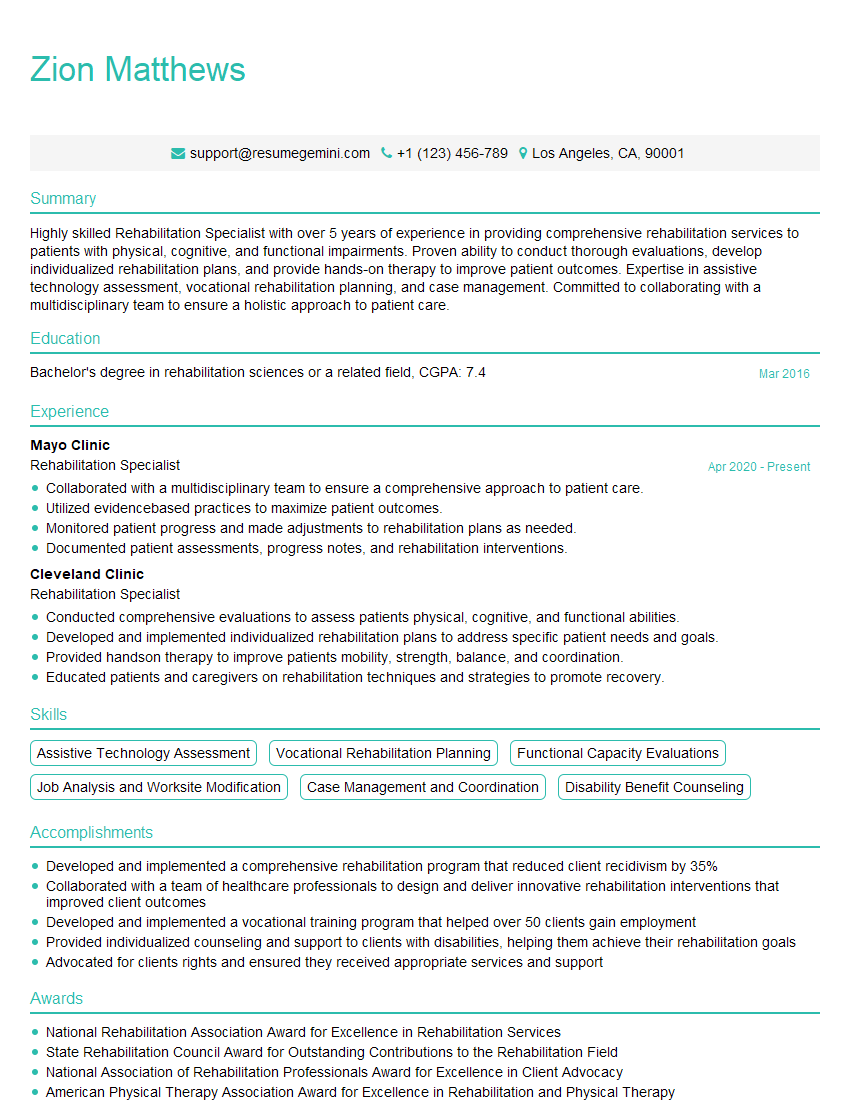
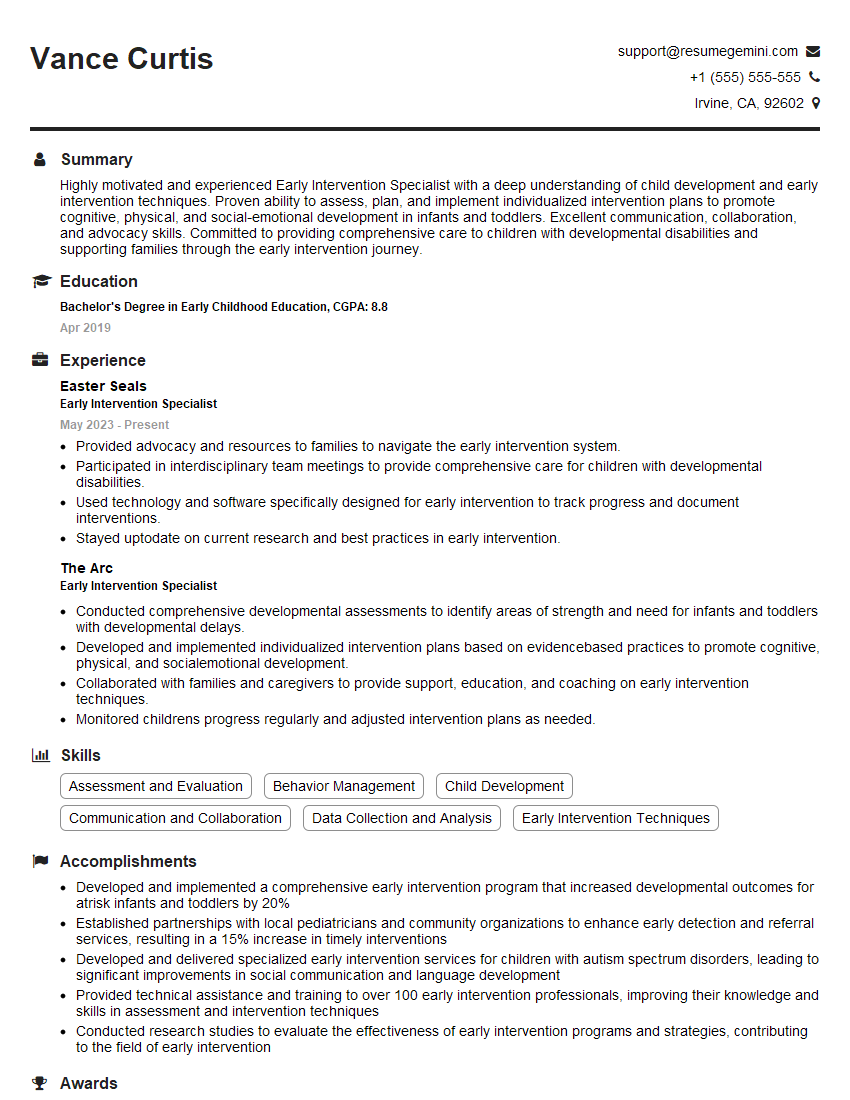
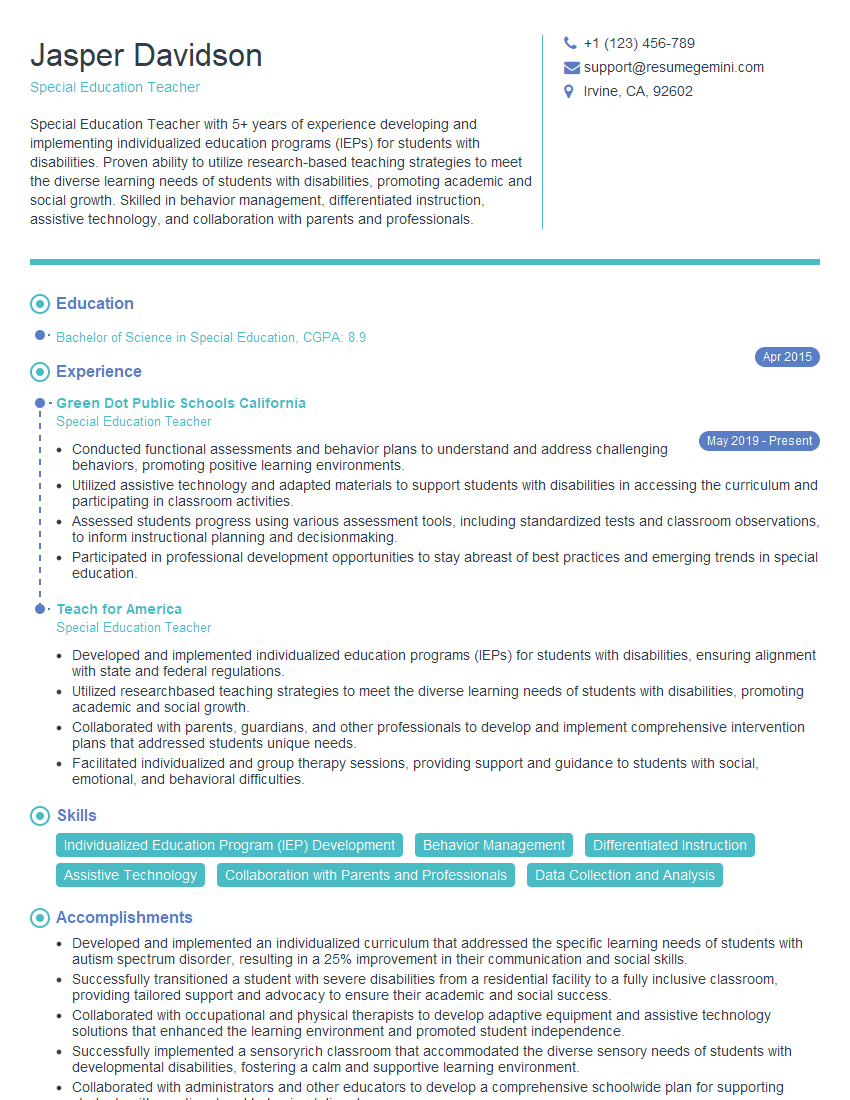
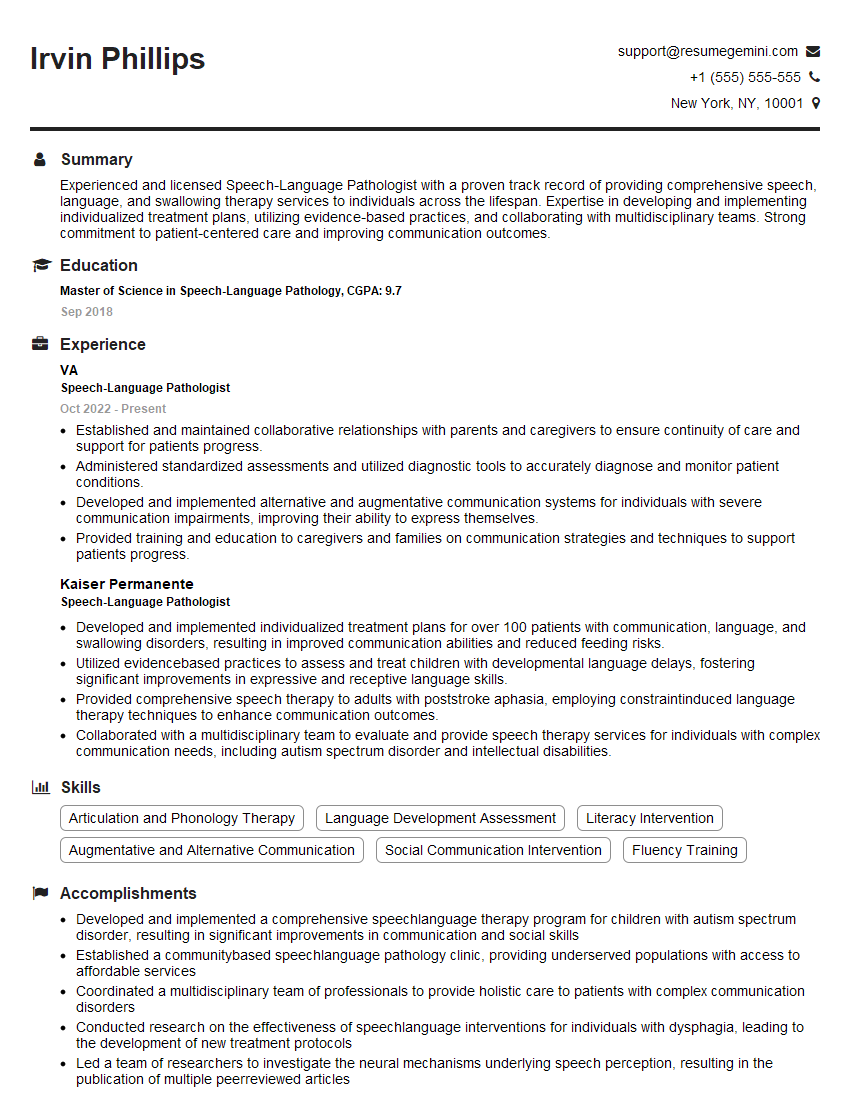
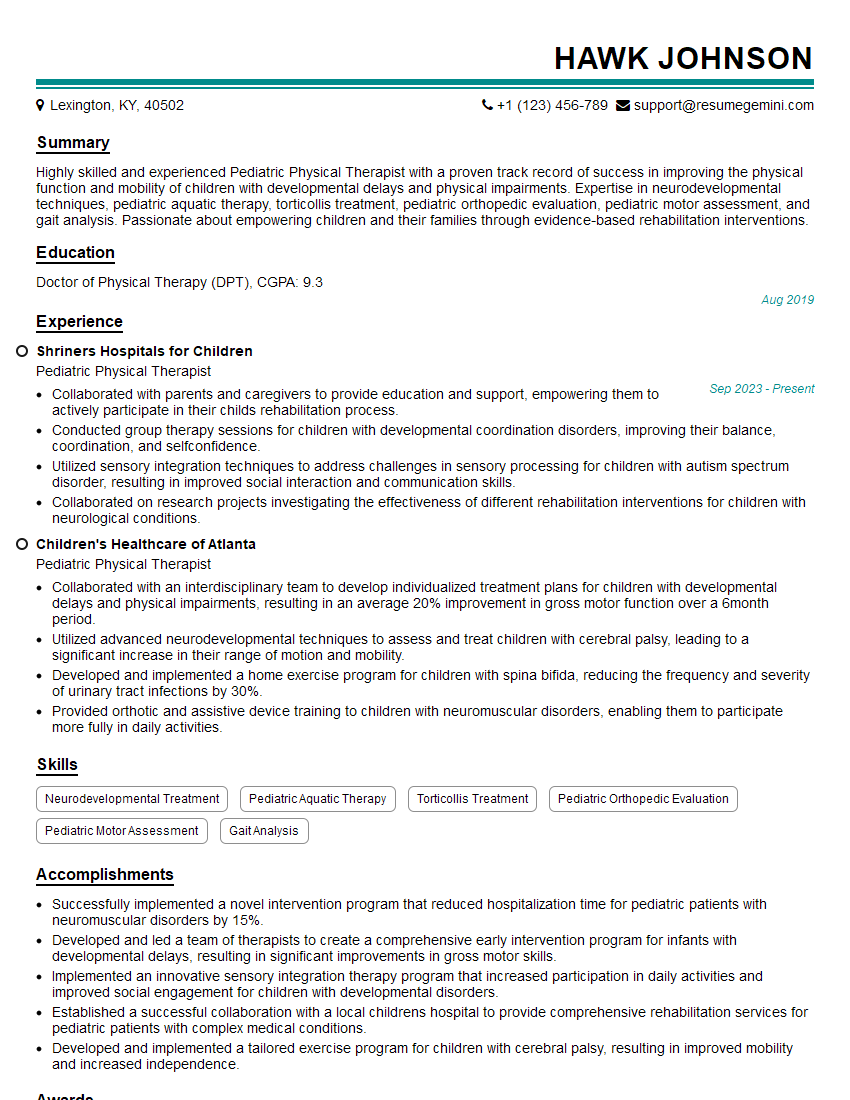
Mastering Oral Motor Assessment and Intervention opens doors to rewarding careers in pediatric therapy, speech-language pathology, and related fields. Proficiency in this area significantly enhances your marketability and positions you for career advancement. To maximize your job prospects, it’s crucial to present your skills effectively. An ATS-friendly resume is paramount in today’s competitive job market, ensuring your application gets noticed by hiring managers. ResumeGemini is a trusted resource that can help you craft a compelling resume that highlights your expertise. They provide examples of resumes tailored specifically to Oral Motor Assessment and Intervention, giving you a head start in building a professional and impactful application.
Explore more articles
Users Rating of Our Blogs
Share Your Experience
We value your feedback! Please rate our content and share your thoughts (optional).
What Readers Say About Our Blog
To the interviewgemini.com Webmaster.
Very helpful and content specific questions to help prepare me for my interview!
Thank you
To the interviewgemini.com Webmaster.
This was kind of a unique content I found around the specialized skills. Very helpful questions and good detailed answers.
Very Helpful blog, thank you Interviewgemini team.