Cracking a skill-specific interview, like one for OSHA 10-Hour General Industry Safety, requires understanding the nuances of the role. In this blog, we present the questions you’re most likely to encounter, along with insights into how to answer them effectively. Let’s ensure you’re ready to make a strong impression.
Questions Asked in OSHA 10-Hour General Industry Safety Interview
Q 1. Explain the importance of hazard communication in the workplace.
Hazard communication is absolutely vital for a safe workplace. It’s all about ensuring that everyone – employees, contractors, visitors – knows about the potential dangers they might encounter on the job. Think of it as a crucial first step in preventing accidents and illnesses. Effective hazard communication involves clearly identifying and labeling hazardous materials, providing Safety Data Sheets (SDS), and training employees on how to handle those hazards safely.
For example, a chemical storage area needs clear labeling indicating the chemical’s name, hazards, and precautions. Employees must also receive training on how to safely handle and dispose of that chemical, interpreting the SDS, and using appropriate PPE. Without this, workers could be exposed to unnecessary risks, leading to accidents or health problems.
Q 2. Describe the hierarchy of hazard controls.
The hierarchy of hazard controls is a prioritized approach to eliminating or minimizing workplace hazards. It’s based on the principle of using the most effective control measure first. Think of it as a ladder, with the safest and most effective solutions at the top.
- Elimination: Completely removing the hazard. For example, replacing a manually operated machine with an automated one that eliminates the need for workers to be near moving parts.
- Substitution: Replacing a hazardous substance with a less hazardous one. For instance, using water-based paints instead of solvent-based ones.
- Engineering Controls: Implementing physical changes to the workplace to reduce hazard exposure. Examples include installing guards on machinery, using ventilation systems to control fumes, or improving lighting to reduce slips and falls.
- Administrative Controls: Changing the way work is done to minimize risk. This could involve implementing work procedures, providing safety training, establishing work restrictions (e.g., limited exposure time to a hazard), or using job rotation.
- Personal Protective Equipment (PPE): Providing workers with equipment to protect them from hazards. This is the last line of defense and should only be used when other controls are not feasible or sufficient. Examples include safety glasses, hard hats, and respirators.
Following this hierarchy ensures that the most effective and sustainable methods are implemented first, leading to a safer working environment.
Q 3. What are the key elements of a lockout/tagout procedure?
Lockout/Tagout (LOTO) procedures are critical for preventing the accidental release of energy during maintenance or repair of equipment. They ensure that machines are completely de-energized and cannot be unexpectedly started. Imagine a scenario where a technician is working on a machine that’s suddenly turned back on. This could lead to catastrophic injury.
Key elements include:
- Energy Isolation: Disconnecting all sources of energy (electrical, mechanical, hydraulic, pneumatic, etc.) to the equipment.
- Lockout: Applying a lock to the energy isolation device to prevent re-energizing.
- Tagout: Attaching a tag to the energy isolation device clearly indicating that the equipment is locked out and the reason for the lockout.
- Verification: Ensuring the equipment is completely de-energized before starting work using a reliable testing method.
- Authorization: Only authorized personnel are allowed to perform LOTO procedures.
- Documentation: Maintaining accurate records of LOTO activities.
LOTO procedures must be strictly followed to protect workers from serious injury or death.
Q 4. How do you identify and assess workplace hazards?
Identifying and assessing workplace hazards involves a systematic approach. It begins with a thorough walkthrough of the worksite, observing tasks, processes, and equipment. Think of it like being a detective, carefully examining clues to uncover potential dangers.
Methods include:
- Walkthrough Inspections: Visually inspecting the workplace to identify potential hazards.
- Job Hazard Analysis (JHA): Breaking down a job into steps, identifying hazards at each step, and determining appropriate control measures.
- Incident/Accident Investigations: Investigating past incidents to identify underlying causes and prevent recurrence.
- Employee Input: Encouraging employees to report hazards they observe.
- Review of Safety Data Sheets (SDS): Checking the SDS for all chemicals used in the workplace to understand their hazards.
Once hazards are identified, their severity and likelihood of occurrence need to be assessed to prioritize control measures. This usually involves using a risk matrix or similar tool to rank hazards based on their potential harm.
Q 5. Explain the purpose of Personal Protective Equipment (PPE).
Personal Protective Equipment (PPE) acts as a final layer of defense against workplace hazards when other control methods aren’t feasible or sufficient. It’s the last resort, protecting workers from direct exposure to dangers. Think of PPE as a safety net, there to catch you if other preventative measures fail.
The purpose is to minimize risk of injury or illness when workers are exposed to hazards. However, it’s crucial to remember PPE is not a substitute for proper engineering controls and safe work practices. It’s part of a larger safety system.
Q 6. What are the different types of PPE and when are they used?
There are various types of PPE, each designed for specific hazards:
- Eye and Face Protection: Safety glasses, goggles, face shields (protect against flying objects, chemicals, and radiation).
- Head Protection: Hard hats (protect against falling objects, impact, and electrical hazards).
- Hearing Protection: Earplugs, earmuffs (reduce noise exposure).
- Respiratory Protection: Respirators (protect against inhaling dust, fumes, gases, and vapors).
- Hand Protection: Gloves (protect against cuts, abrasions, chemicals, and burns).
- Foot Protection: Safety shoes, boots (protect against falling objects, punctures, and slips).
- Body Protection: Aprons, coveralls, high-visibility clothing (protect against chemical splashes, cuts, and impact).
The selection of PPE depends on the specific hazards present in the workplace. A proper hazard assessment is essential to determine the appropriate type and level of protection needed.
Q 7. Describe the process for reporting workplace accidents and injuries.
Reporting workplace accidents and injuries is crucial for preventing future incidents. It allows for investigation, identification of root causes, and implementation of corrective actions to improve workplace safety. Think of it as providing feedback for a continuous improvement system.
The process typically involves:
- Immediate First Aid: Providing immediate medical attention to the injured person.
- Reporting the Incident: Notifying the supervisor or designated safety personnel immediately.
- Accident Investigation: Conducting a thorough investigation to determine the root cause of the accident.
- Documentation: Completing accident reports, including details of the incident, injuries sustained, and corrective actions taken.
- Corrective Actions: Implementing measures to prevent similar accidents from happening again.
- Record Keeping: Maintaining accurate records of all accidents and injuries.
Following established procedures for reporting ensures that lessons are learned from incidents and that necessary safety improvements are implemented promptly.
Q 8. What are the requirements for maintaining accurate safety records?
Maintaining accurate safety records is crucial for demonstrating compliance with OSHA regulations and for identifying trends that can help prevent future incidents. This involves meticulous record-keeping, adhering to specific OSHA guidelines, and ensuring data integrity. Think of it like a detailed medical chart for your workplace – it tracks everything significant, allowing for analysis and improvement.
- Recordable Incidents: OSHA requires employers to record and maintain logs of work-related injuries and illnesses that meet specific criteria (e.g., resulting in days away from work, job transfer or restriction, medical treatment beyond first aid). This includes detailed incident reports, including witness statements, contributing factors, and corrective actions taken.
- OSHA 300 Log: This log is a summary of all recordable work-related injuries and illnesses. It’s crucial for demonstrating your commitment to safety and for OSHA inspections. Accuracy is paramount; a single mistake can lead to penalties.
- OSHA 301 Incident Report: For each recordable incident, a detailed form (OSHA 301 or equivalent) must be completed. This provides a comprehensive account of the incident, allowing for thorough investigation and prevention strategies.
- Data Retention: OSHA mandates retaining safety records for a specified period. Failing to do so can result in significant fines and demonstrate a lack of commitment to safety.
For instance, imagine a construction site where a worker falls from a scaffold. Accurate records would include the date, time, location, nature of the injury, witness statements, the type of scaffold used, whether safety harnesses were in use, and the corrective actions implemented (e.g., improved training, scaffold inspection protocol changes).
Q 9. Explain the role of OSHA in workplace safety.
OSHA, the Occupational Safety and Health Administration, is the federal agency responsible for ensuring safe and healthful working conditions for workers by setting and enforcing standards and by providing training, outreach, education and assistance.
- Standard Setting: OSHA develops and enforces safety and health standards covering a broad range of industries and hazards. These standards are legally binding and employers are required to comply.
- Enforcement: OSHA conducts workplace inspections to ensure compliance with its standards. Inspections can be triggered by employee complaints, accidents, or routine planned inspections.
- Training and Education: OSHA provides training and education resources to employers and employees on a variety of safety and health topics, including OSHA 10 and 30-hour courses.
- Consultation: OSHA offers free and confidential on-site consultation services to small and medium-sized businesses to assist them in identifying and correcting workplace hazards.
Think of OSHA as the ‘safety police’ for the workplace – they enforce the rules to protect workers. Their work reduces workplace injuries, illnesses, and fatalities, fostering a safer work environment for everyone.
Q 10. How do you conduct a job hazard analysis?
A Job Hazard Analysis (JHA) is a systematic process for identifying potential hazards associated with a specific job or task. It’s a proactive approach, preventing accidents before they happen. It’s like a pre-flight checklist for a job, making sure all safety considerations are addressed.
- Identify the Job Tasks: Break the job down into its individual steps or tasks. Be specific and detailed.
- Identify Potential Hazards: For each task, identify all potential hazards – physical (e.g., falls, electrical shocks), chemical (e.g., exposure to toxins), biological (e.g., infectious diseases), ergonomic (e.g., repetitive strain injuries), and psychosocial (e.g., stress, bullying).
- Evaluate the Risk: Assess the likelihood and severity of each hazard. This helps prioritize risk mitigation strategies.
- Develop Control Measures: Develop strategies to eliminate or mitigate the identified hazards. This might include engineering controls (e.g., machine guarding), administrative controls (e.g., work procedures, training), and personal protective equipment (PPE).
- Implement and Monitor: Put the control measures in place and monitor their effectiveness. Regularly review and update the JHA as needed.
For example, a JHA for a painter might include identifying hazards like falls from ladders, exposure to paint fumes, and eye injuries from paint splashes. Control measures could include using safety harnesses, providing respirators, and requiring the use of eye protection.
Q 11. What are the key elements of an effective safety program?
An effective safety program is more than just posting signs; it’s a comprehensive system designed to prevent workplace injuries and illnesses. Think of it as building a strong foundation for safety, encompassing several key elements.
- Management Commitment: Leadership must actively support and champion the safety program, allocating resources and setting expectations.
- Hazard Identification and Control: Proactive identification of hazards through methods like JHAs and regular inspections, followed by implementing effective controls.
- Employee Training: Providing comprehensive training to employees on safety procedures, hazard recognition, and the use of PPE.
- Emergency Response Plan: Developing and regularly practicing an emergency response plan to deal with incidents like fires, chemical spills, and medical emergencies.
- Incident Investigation: Thoroughly investigating all incidents to identify root causes and prevent recurrence.
- Record Keeping: Maintaining accurate and up-to-date safety records, including incident reports and training records.
- Communication and Feedback: Establishing effective communication channels for reporting hazards, providing feedback, and ensuring employee participation.
A successful program builds a safety culture where employees feel empowered to identify and report hazards without fear of reprisal. This creates a positive feedback loop where safety is prioritized at every level.
Q 12. Describe your experience with incident investigation.
My experience with incident investigation involves a systematic approach aimed at identifying the root causes of workplace incidents, not just the surface symptoms. It’s about learning from mistakes to prevent future occurrences. I employ a fact-finding, unbiased methodology.
In a previous role, we had an incident involving a forklift collision. My investigation included:
- Gathering Information: Interviewing witnesses, reviewing surveillance footage (if available), examining the physical evidence (damage to equipment, location of the incident), and collecting any relevant documentation (maintenance records, training records).
- Analyzing the Data: Identifying contributing factors, such as poor lighting, inadequate training, or procedural failures. I used a ‘5 Whys’ analysis to get to the root cause(s).
- Developing Corrective Actions: Based on the root cause analysis, recommending corrective actions, such as improving lighting, implementing enhanced training, revising operating procedures, or modifying equipment.
- Implementing and Monitoring Corrective Actions: Overseeing the implementation of the corrective actions and monitoring their effectiveness to ensure the problem doesn’t recur.
The goal is not to blame individuals but to understand what went wrong and to implement lasting solutions that improve workplace safety.
Q 13. How do you ensure employee compliance with safety rules?
Ensuring employee compliance with safety rules is a multi-faceted approach that combines education, enforcement, and fostering a positive safety culture. It’s not about punishment; it’s about creating a workplace where safety is a shared responsibility.
- Effective Training: Comprehensive and engaging safety training is critical. Employees must understand the ‘why’ behind the rules, not just the ‘what.’
- Clear Communication: Safety rules and procedures must be clearly communicated, easily accessible, and regularly reviewed. Using multiple methods (posters, toolbox talks, training sessions) increases understanding.
- Lead by Example: Management and supervisors must demonstrate a commitment to safety by consistently following the rules. This sets the tone for the workplace.
- Regular Inspections and Audits: Regular safety inspections help identify potential hazards and ensure compliance with safety procedures. Audits assess the effectiveness of the overall safety program.
- Incentives and Recognition: Rewarding safe behavior reinforces positive actions and encourages compliance.
- Progressive Discipline: While focusing on positive reinforcement, a fair and consistent disciplinary process is necessary to address repeated violations.
For example, instead of simply punishing an employee for not wearing PPE, we would first reiterate the importance of the PPE, offer additional training if needed, and provide the necessary equipment. Repeated violations would then lead to progressive disciplinary measures.
Q 14. What is your experience with emergency response procedures?
My experience with emergency response procedures involves developing, implementing, and practicing plans for various workplace emergencies. A well-rehearsed plan ensures everyone knows their role and can react effectively to minimize damage and protect lives. It’s like having a well-rehearsed fire drill – you hope you never need it, but if you do, it’s crucial to know what to do.
- Emergency Action Plan (EAP): I’ve been involved in creating and updating EAPs, including procedures for evacuations, emergency shutdowns, and handling specific hazards (e.g., chemical spills, fires).
- Training and Drills: Conducting regular training and drills to familiarize employees with the EAP, ensuring they know evacuation routes, assembly points, and their assigned roles.
- Emergency Response Team: Participating in the development and training of emergency response teams, equipping them with the necessary skills and equipment.
- Post-Incident Review: Conducting post-incident reviews to assess the effectiveness of the emergency response and identify areas for improvement. This ensures the plan remains current and relevant.
For instance, in a manufacturing environment, the EAP would include procedures for handling a chemical spill, including evacuation protocols, emergency shutdown procedures, and the use of specialized equipment. Regular drills ensure everyone is ready to respond effectively in the event of such an emergency.
Q 15. Explain your understanding of confined space entry procedures.
Confined space entry is a high-risk activity requiring meticulous planning and execution. It involves entering an enclosed space that is large enough for a person to enter and perform work, but has limited or restricted means of entry and exit. These spaces often present hazards like oxygen deficiency, toxic atmospheres, flammable gases, and engulfment hazards.
The procedure typically involves these key steps:
- Permit-Required Confined Space Program: This is the cornerstone. A written program detailing procedures, training, equipment requirements, and emergency response is crucial. It’s not just a document, it’s a living, breathing plan.
- Atmospheric Testing: Before entry, the atmosphere must be tested for oxygen levels, flammable gases, and toxic substances using calibrated instruments. This ensures a safe environment for workers. We use gas detectors that read ppm (parts per million) and provide a clear indication of atmospheric hazards.
- Ventilation: If necessary, proper ventilation must be implemented to dilute or remove hazardous atmospheres before entry. This might involve using exhaust fans or supplying fresh air.
- Entry and Monitoring: Only trained and authorized personnel enter the confined space. An attendant remains outside, constantly monitoring the entrant’s condition and the atmosphere inside. Communication is critical – typically using two-way radios.
- Rescue Plan: A comprehensive rescue plan, including the equipment and procedures needed to safely remove an entrant from the space, must be in place. This often involves specialized equipment like harnesses and retrieval systems.
- Post-Entry Procedures: After the work is complete, the confined space is thoroughly ventilated and tested again before it is declared safe.
Example: In a recent project involving cleaning a large storage tank, we meticulously followed this process. Atmospheric testing revealed a low oxygen level, requiring us to ventilate the tank for several hours before entry. A trained attendant monitored the worker with a continuous oxygen monitor and two-way radio communication.
Career Expert Tips:
- Ace those interviews! Prepare effectively by reviewing the Top 50 Most Common Interview Questions on ResumeGemini.
- Navigate your job search with confidence! Explore a wide range of Career Tips on ResumeGemini. Learn about common challenges and recommendations to overcome them.
- Craft the perfect resume! Master the Art of Resume Writing with ResumeGemini’s guide. Showcase your unique qualifications and achievements effectively.
- Don’t miss out on holiday savings! Build your dream resume with ResumeGemini’s ATS optimized templates.
Q 16. What are the common causes of workplace accidents?
Workplace accidents are rarely single-event failures; they’re usually the result of a chain of contributing factors. Common causes include:
- Unsafe Acts: These are employee behaviors that violate safety rules or procedures. Examples include failing to wear personal protective equipment (PPE), operating machinery without proper training, or rushing through a task.
- Unsafe Conditions: These are hazards in the workplace environment. Examples include faulty equipment, inadequate lighting, cluttered walkways, and exposure to hazardous materials.
- Lack of Training: Insufficient or inadequate training leaves employees unaware of potential hazards or how to perform their tasks safely.
- Poor Communication: Failure to effectively communicate safety procedures, hazards, or concerns can lead to accidents. This includes inadequate hazard communication or lack of feedback mechanisms.
- Human Factors: Fatigue, stress, complacency, and even lack of sleep contribute significantly to accidents.
Example: A worker not wearing safety glasses while using a grinder (unsafe act) combined with a poorly maintained grinder (unsafe condition) resulted in an eye injury. Addressing both the employee’s behavior and the equipment’s condition would prevent similar incidents. Furthermore, regular training on the proper use of machinery and PPE is crucial.
Q 17. How do you implement and monitor a safety training program?
Implementing and monitoring a safety training program involves a systematic approach.
- Needs Assessment: First, we identify the specific hazards and risks present in the workplace. This determines the training topics required.
- Curriculum Development: We create a training curriculum that addresses identified hazards, includes practical exercises, and provides employees with the necessary knowledge and skills to work safely. The training must be tailored to the specific job roles and tasks.
- Training Delivery: We deliver the training using various methods such as classroom sessions, online modules, on-the-job training, and simulations, choosing the most effective methods based on the needs and learning styles of the employees.
- Evaluation and Documentation: We evaluate the effectiveness of the training through tests, observations, and feedback. We maintain detailed records of all training activities, including participant attendance, test scores, and training materials.
- Ongoing Monitoring: We continuously monitor the workplace for safety issues and adjust the training program accordingly. This includes regular safety inspections, incident investigations, and employee feedback. We might incorporate new topics or update existing materials based on findings or changing regulations.
Example: In a manufacturing setting, we implemented a comprehensive program covering lockout/tagout procedures, machine guarding, and hazard communication. Post-training assessments and regular audits helped us to identify gaps and ensure continuous improvement. This proactive approach significantly reduced the number of accidents and near misses.
Q 18. Describe your experience with OSHA inspections.
I’ve been involved in several OSHA inspections. The process generally begins with a notification from OSHA. Then, inspectors arrive and examine the workplace for compliance with OSHA standards.
My role during these inspections typically includes:
- Providing documentation: This involves providing OSHA with records such as safety training records, incident reports, and safety program documents.
- Accompanying inspectors: I guide inspectors through the workplace and answer their questions regarding safety procedures and practices. Open and honest communication is key.
- Addressing cited violations: If violations are identified, we work collaboratively with OSHA to develop corrective actions. This involves implementing necessary changes to bring the workplace into compliance.
- Following up: After the inspection, we carefully review the findings and implement any necessary corrective actions to avoid future citations.
Experience Example: During one inspection, a minor violation concerning proper labeling of hazardous chemicals was identified. We immediately corrected the labeling and provided updated training to employees on proper chemical handling.
Q 19. How do you address employee concerns regarding safety issues?
Addressing employee safety concerns is crucial. I create a culture of open communication where employees feel comfortable reporting hazards or concerns without fear of reprisal.
My approach includes:
- Active Listening: I actively listen to employees’ concerns, ensuring they feel heard and understood.
- Thorough Investigation: I thoroughly investigate reported concerns to determine the nature and extent of the hazard.
- Corrective Actions: I take prompt and appropriate corrective actions, which may include implementing engineering controls, administrative controls, or providing additional training.
- Follow-up: I follow up with employees to ensure that the concerns have been addressed and that they are satisfied with the resolution.
- Safety Meetings/suggestion box: Regular safety meetings provide a forum for employees to voice concerns. A suggestion box facilitates anonymous reporting.
Example: An employee expressed concern about inadequate lighting in a particular work area. We immediately assessed the lighting levels and installed new, brighter lights, ensuring the issue was resolved promptly.
Q 20. What is your understanding of the OSHA recordkeeping requirements?
OSHA recordkeeping requirements are designed to track workplace injuries and illnesses, helping to identify hazards and improve workplace safety. The key aspects include:
- OSHA Form 300: This log summarizes work-related injuries and illnesses for the year. It’s crucial for maintaining accurate records and showing OSHA your proactive safety measures.
- OSHA Form 300A: This summary of work-related injuries and illnesses must be posted annually for employees to review. Transparency is key.
- OSHA Form 301: This form is used to record details of each work-related injury or illness. Each case needs a thorough report.
- Recordkeeping Requirements: Employers must maintain these records for a specified period and provide them to OSHA upon request. Accurate and consistent record-keeping is vital.
- Specific Injury and Illness Recording Criteria: OSHA outlines specific criteria for recording injuries and illnesses, ensuring consistency in reporting.
Example: A worker suffered a minor cut while using a box cutter. Even though minor, this incident was recorded on the OSHA 300, 300A, and 301 forms, demonstrating compliance and highlighting an area where improvements in safety procedures might be necessary (e.g., better training on the proper use of box cutters).
Q 21. Explain your experience with developing safety procedures.
Developing safety procedures requires a thorough understanding of the workplace hazards and a systematic approach.
My process typically involves these steps:
- Hazard Identification and Risk Assessment: First, we identify all potential hazards in the workplace through observation, walkthroughs, and employee input. We then assess the risks associated with each hazard, considering the likelihood and severity of potential harm.
- Control Measures: Based on the risk assessment, we develop control measures to eliminate or reduce hazards. This often involves engineering controls, administrative controls, and the use of personal protective equipment (PPE).
- Procedure Development: We create detailed written procedures that outline the safe work practices for each task or process. These procedures should be clear, concise, and easy to understand.
- Training and Communication: We provide training to employees on the new safety procedures, emphasizing the importance of following them and explaining the potential consequences of non-compliance. We use various communication channels to reinforce the importance of safety procedures.
- Review and Revision: We regularly review and revise the safety procedures as needed, based on new information, changes in technology, or feedback from employees. Safety is not static – it’s constantly evolving.
Example: When implementing a new machine in a factory, I developed a detailed lockout/tagout procedure for its maintenance and repair. This procedure, accompanied by thorough training, ensured the safety of maintenance personnel. This included diagrams, step-by-step instructions, and illustrations.
Q 22. Describe your experience in conducting safety audits.
Conducting safety audits involves a systematic evaluation of a workplace to identify hazards and ensure compliance with OSHA standards. My approach is thorough and multi-faceted. I begin with a walkthrough of the facility, observing operations and identifying potential hazards – things like obstructed walkways, inadequate lighting, or improperly stored materials. Then, I delve into documentation, reviewing safety programs, training records, and incident reports. This helps understand the effectiveness of existing safety measures. I also interview employees at various levels to gather their perspectives on safety concerns and practices. Finally, I compile my findings into a detailed report that identifies existing hazards, recommends corrective actions, and prioritizes them based on their severity and likelihood of causing harm. For instance, during an audit at a construction site, I discovered improperly secured scaffolding, which posed a significant fall hazard. My report detailed this finding, along with photographs, and recommended immediate corrective action, including the proper securing of the scaffolding and retraining of personnel. The resulting changes significantly improved workplace safety.
Q 23. What methods do you use to promote a positive safety culture?
Promoting a positive safety culture is crucial for accident prevention. It’s not just about rules and regulations; it’s about creating an environment where safety is everyone’s responsibility. My approach uses a multi-pronged strategy: First, I emphasize leadership commitment by ensuring that management actively champions safety initiatives and sets a visible example. Second, I foster open communication channels, encouraging employees to report hazards without fear of reprisal. Regular safety meetings, toolbox talks, and anonymous reporting systems are key here. Third, I implement comprehensive training programs that are engaging and tailored to the specific tasks and hazards of the workplace. Think interactive sessions, hands-on demonstrations, and regular refresher courses. Fourth, I actively recognize and reward safe behaviors. This could be through formal safety awards, informal praise, or simply highlighting positive safety actions during team meetings. For example, in a previous role, we implemented a peer-to-peer safety recognition program, where employees could nominate colleagues for demonstrating exceptional safety practices, creating a positive feedback loop and strengthening the safety culture.
Q 24. How do you handle workplace conflicts related to safety?
Workplace conflicts regarding safety can stem from various sources, such as differing opinions on risk assessment or disagreements about safety procedures. My approach emphasizes prompt and fair resolution. I first listen to all involved parties to understand their perspectives and concerns. This is crucial for establishing trust and identifying the root cause of the conflict. Then, I facilitate a collaborative discussion, encouraging respectful dialogue and focusing on finding mutually acceptable solutions. The goal is to reach a compromise that ensures safety without compromising productivity or morale. Sometimes, mediation from a neutral third party might be necessary. For instance, I once mediated a dispute between a supervisor and a worker regarding the use of personal protective equipment (PPE). By facilitating open communication, I helped both parties understand each other’s concerns and reach an agreement on a safe and practical approach to PPE usage. Documentation of the resolution is critical to prevent future conflicts.
Q 25. Explain your understanding of bloodborne pathogens and their control.
Bloodborne pathogens are infectious microorganisms present in human blood that can cause disease. OSHA’s Bloodborne Pathogens Standard mandates comprehensive measures to minimize exposure risks. This includes implementing an Exposure Control Plan, which details procedures to prevent exposure. Key components of this plan are engineering controls (like using sharps containers and self-sheathing needles), work practice controls (safe handling of sharps, avoiding recapping), and personal protective equipment (PPE) such as gloves, gowns, and eye protection. Employee training is essential, covering topics like recognizing hazards, using PPE correctly, and following proper procedures in case of exposure incidents. Furthermore, post-exposure follow-up procedures are vital, including medical evaluation, counseling, and testing if exposure occurs. For example, a medical facility would implement strict protocols for handling needles and blood samples, including proper disposal and use of PPE. Regular training and drills ensure staff understand these procedures and can react appropriately in case of an accidental needle stick.
Q 26. How do you ensure the proper use and maintenance of safety equipment?
Ensuring proper use and maintenance of safety equipment is paramount. My approach combines education, inspection, and maintenance procedures. Firstly, comprehensive training is provided to employees on how to select, properly use, and care for the relevant equipment. This includes demonstrations and hands-on practice. Secondly, regular inspections of safety equipment are scheduled to identify any damage or wear and tear. This involves checking for things like cracks, dents, or malfunctions. Defective equipment is immediately removed from service and replaced. Thirdly, a robust maintenance schedule is implemented, ensuring that equipment is properly maintained and serviced according to the manufacturer’s instructions. This could involve regular cleaning, lubrication, or calibration. For instance, in a manufacturing setting, we would have a regular inspection schedule for hard hats, safety glasses, and fall protection equipment. Any damaged equipment would be tagged out and sent for repair or replacement. Maintaining a detailed inventory of safety equipment with its maintenance records is also crucial.
Q 27. Describe your experience with developing and implementing emergency action plans.
Developing and implementing emergency action plans is critical for workplace safety. My experience involves a collaborative, multi-step approach. First, I conduct a thorough hazard assessment to identify potential emergencies like fires, chemical spills, or medical emergencies. Then, I collaborate with employees and management to create a plan that addresses each potential hazard. The plan should detail procedures for evacuation, emergency response, and communication. It should designate emergency exits, assembly points, and communication channels. Regular drills and training sessions are crucial to ensure employees are familiar with the plan and know how to respond effectively in case of an emergency. The plan is documented, widely disseminated, and kept current to reflect any changes in the workplace or potential hazards. For instance, in an office setting, the plan would detail procedures for fire evacuation, including the location of fire extinguishers and assembly points, and include training on the usage of fire extinguishers and what to do if an emergency occurs. Documentation of any drills and regular review of the plan ensure its continued effectiveness.
Q 28. Explain your understanding of fall protection requirements.
Fall protection is a critical aspect of workplace safety, particularly in construction and other industries involving elevated work. My understanding encompasses various aspects, including hazard identification (areas with fall risks over 6 feet), selection of appropriate fall protection systems (guardrails, safety nets, personal fall arrest systems), and proper use and maintenance of equipment. OSHA regulations mandate the use of appropriate fall protection systems to protect workers from fall hazards. Personal fall arrest systems, for instance, should include harnesses, lanyards, and anchor points, all inspected regularly. Guardrails must meet specific height and strength requirements. Training on the proper selection, use, and inspection of fall protection systems is crucial to ensure worker safety. For example, on a construction site, a worker should never work at heights without a properly installed and used fall protection system. Regular inspections are essential to avoid accidents caused by faulty or improperly maintained equipment. This includes regular checks of harnesses for damage and ensuring that anchor points are secure and properly rated. Ultimately, a comprehensive fall protection plan minimizes the risk of fatal and serious injuries.
Key Topics to Learn for OSHA 10-Hour General Industry Safety Interview
- Hazard Recognition and Control: Understanding common workplace hazards (electrical, chemical, ergonomic, etc.) and implementing preventative measures. This includes learning how to perform a Job Safety Analysis (JSA).
- Personal Protective Equipment (PPE): Knowing the types of PPE required for various hazards and how to properly select, use, and maintain them. This includes understanding limitations and when PPE might not be sufficient.
- Emergency Action Plans and Procedures: Familiarity with evacuation procedures, fire safety, first aid, and reporting mechanisms for workplace incidents. Be prepared to discuss practical application in different scenarios.
- Lockout/Tagout Procedures: Understanding the critical steps involved in controlling hazardous energy sources before performing maintenance or repairs. This includes practical application and potential consequences of improper lockout/tagout.
- OSHA Regulations and Standards: Gain a solid understanding of relevant OSHA standards and how they apply to general industry workplaces. This goes beyond simple memorization to understanding the *why* behind the regulations.
- Hazard Communication: Understanding the importance of clear and effective communication regarding workplace hazards, including the use of Safety Data Sheets (SDS).
- Fall Protection: Understanding fall hazards and the various methods of fall protection, including the selection and proper use of fall protection equipment.
- Machine Guarding: Understanding the importance of machine guarding to prevent injuries and the various types of guards available.
- Problem-Solving & Decision-Making in Safety Scenarios: Be prepared to discuss how you would approach and solve safety-related problems in hypothetical work situations. Demonstrate your critical thinking abilities.
Next Steps
Mastering OSHA 10-Hour General Industry Safety significantly enhances your career prospects in virtually any industry. It demonstrates your commitment to safety and your understanding of crucial workplace regulations. To maximize your job search success, create an ATS-friendly resume that highlights your newly acquired skills and experience. ResumeGemini is a trusted resource for building professional, impactful resumes that get noticed by recruiters. We provide examples of resumes tailored to OSHA 10-Hour General Industry Safety to help you get started. Invest in your future – invest in a strong resume.
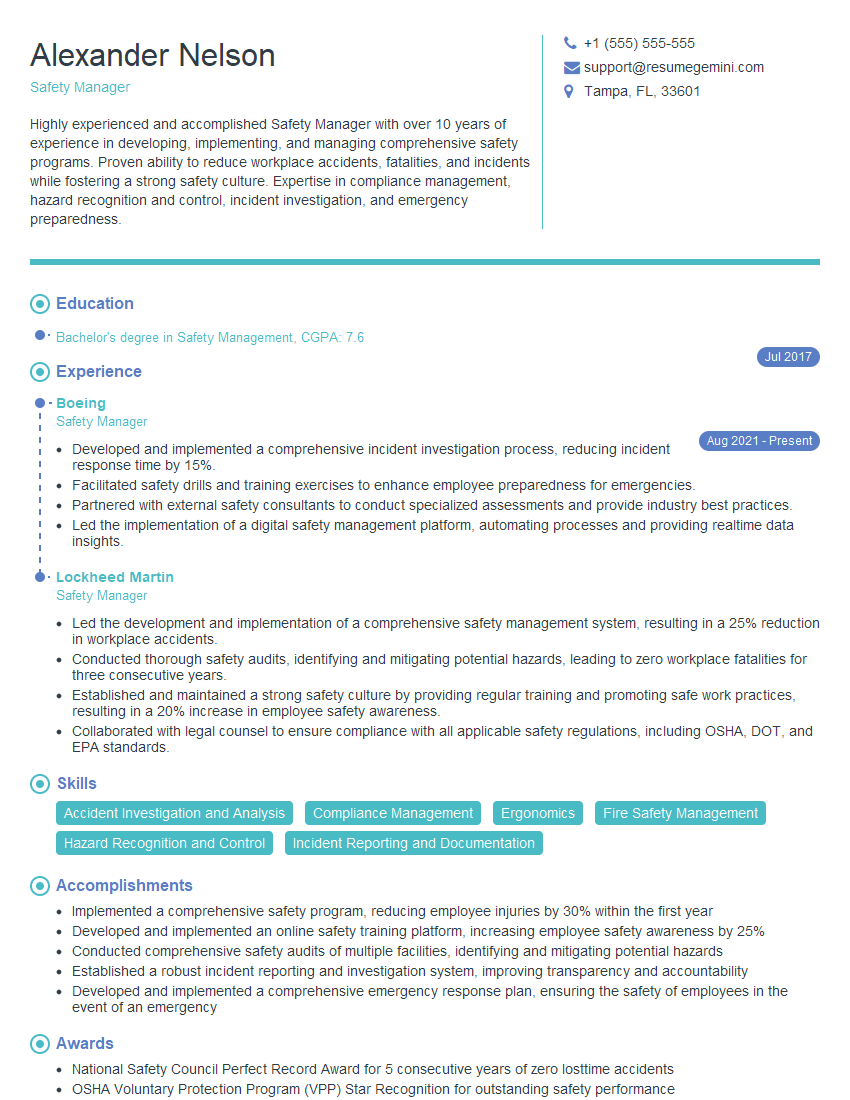
Safety Manager Resume Sample
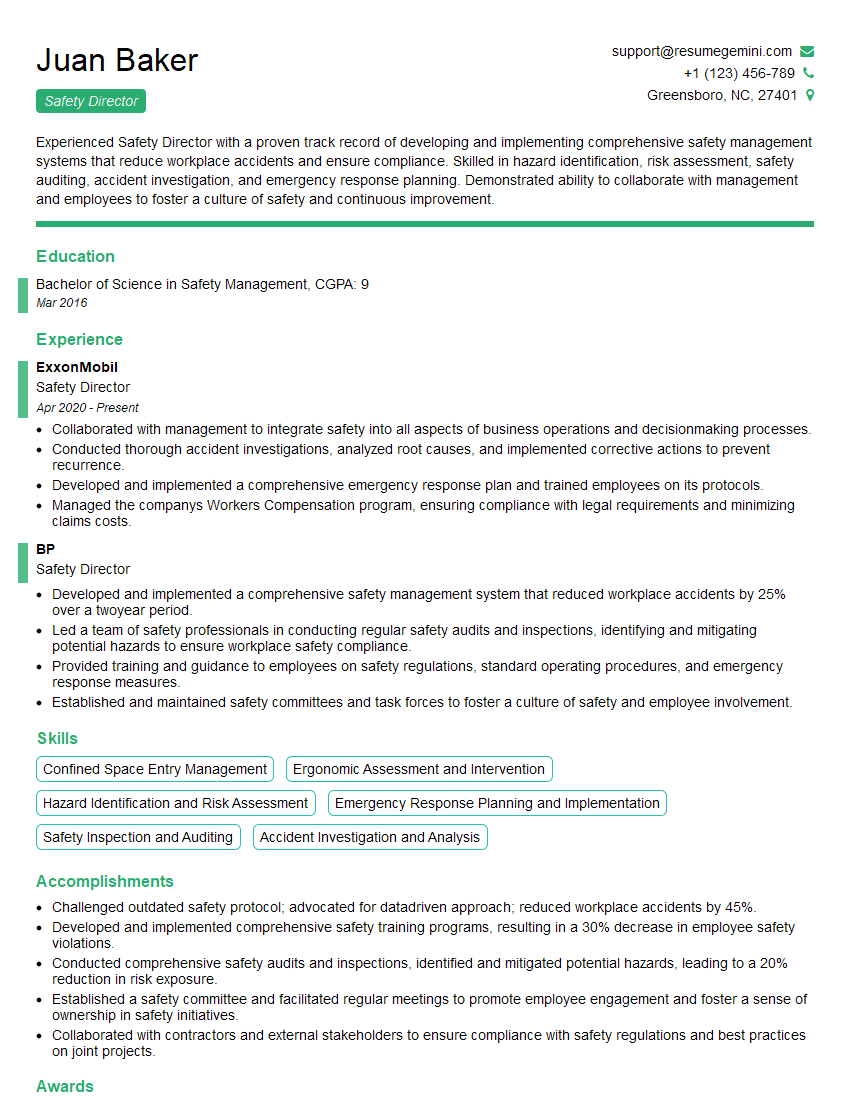
Safety Director Resume Sample
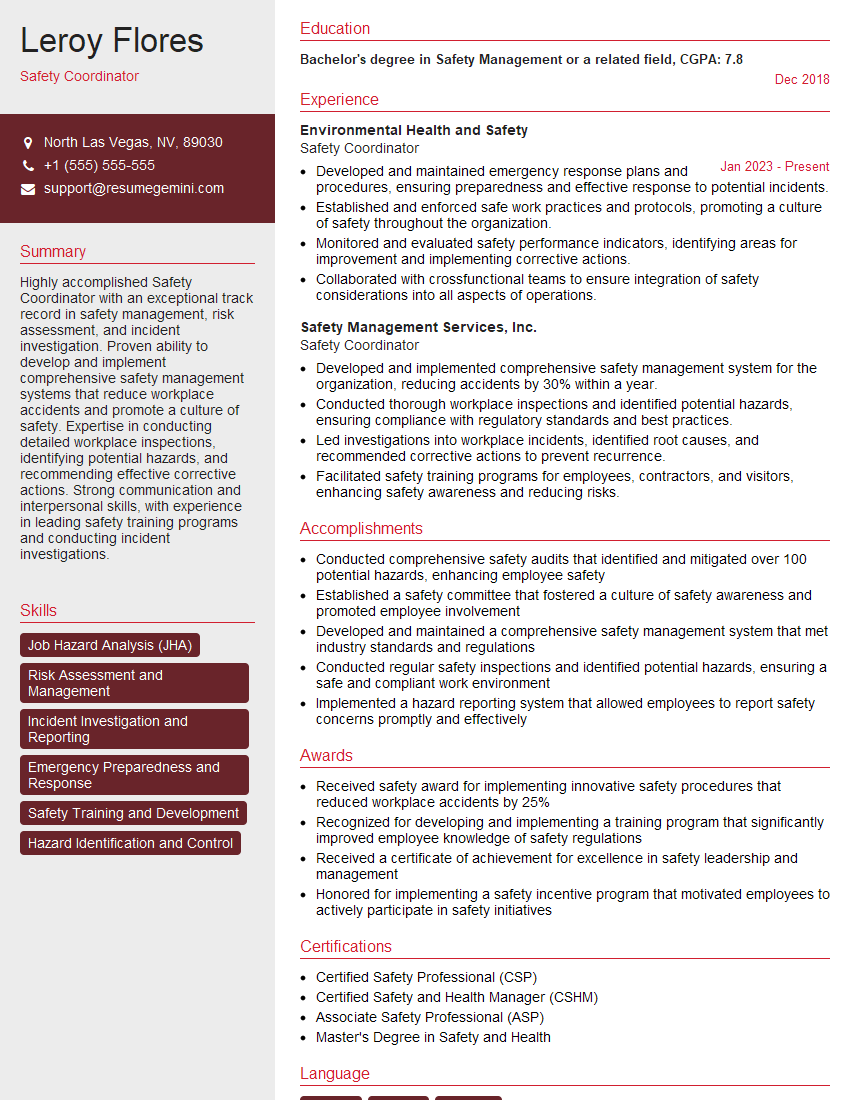
Safety Coordinator Resume Sample
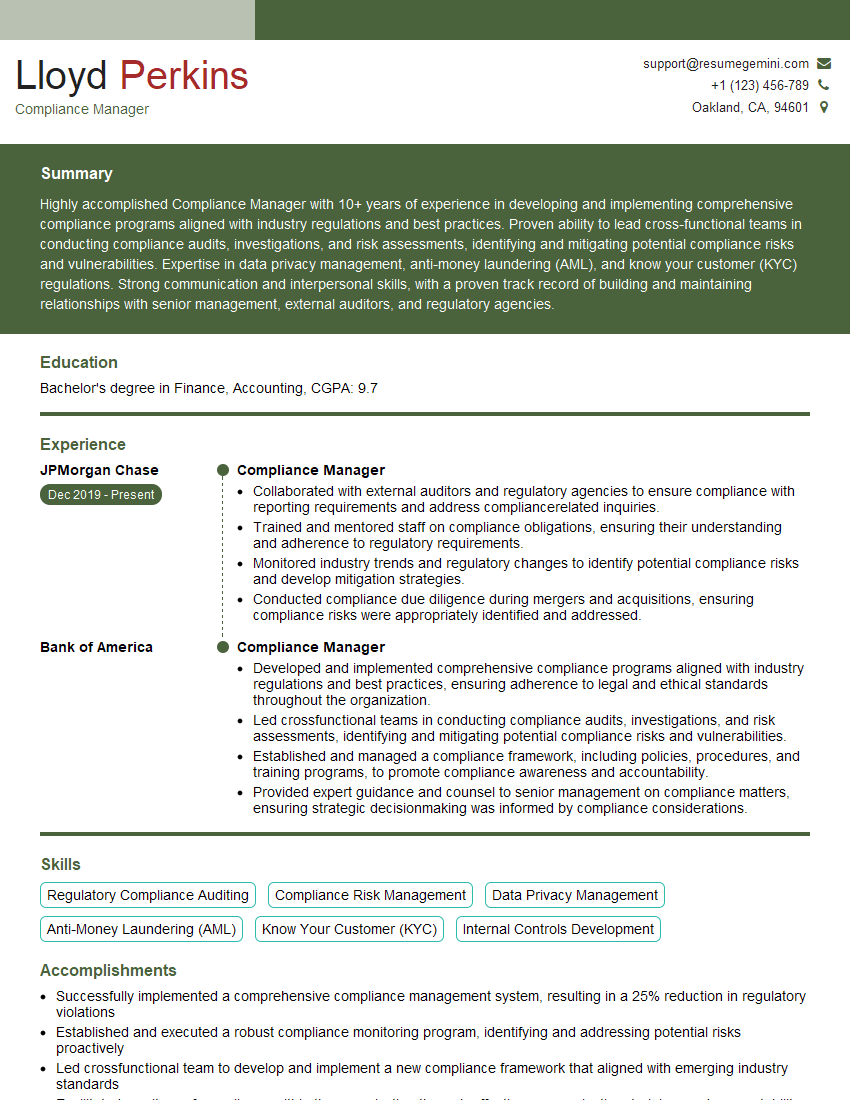
Compliance Manager Resume Sample

Compliance Officer Resume Sample
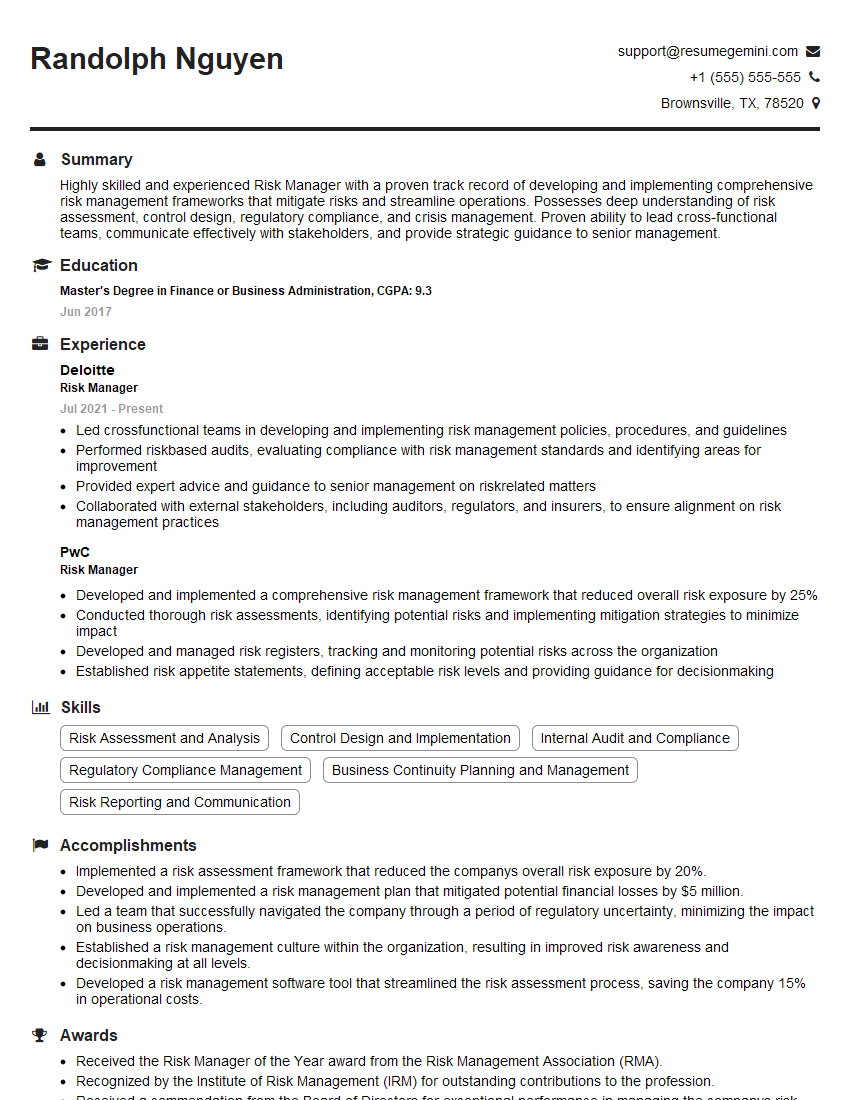
Risk Manager Resume Sample
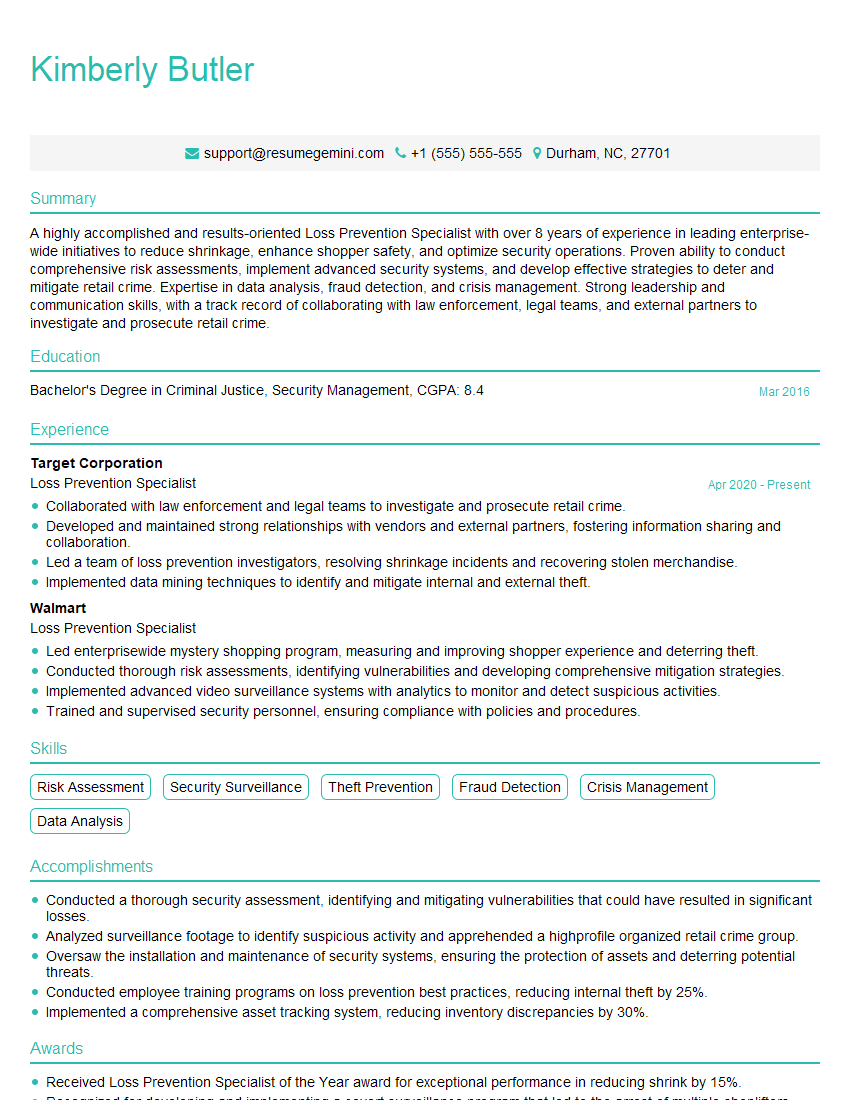
Loss Prevention Specialist Resume Sample
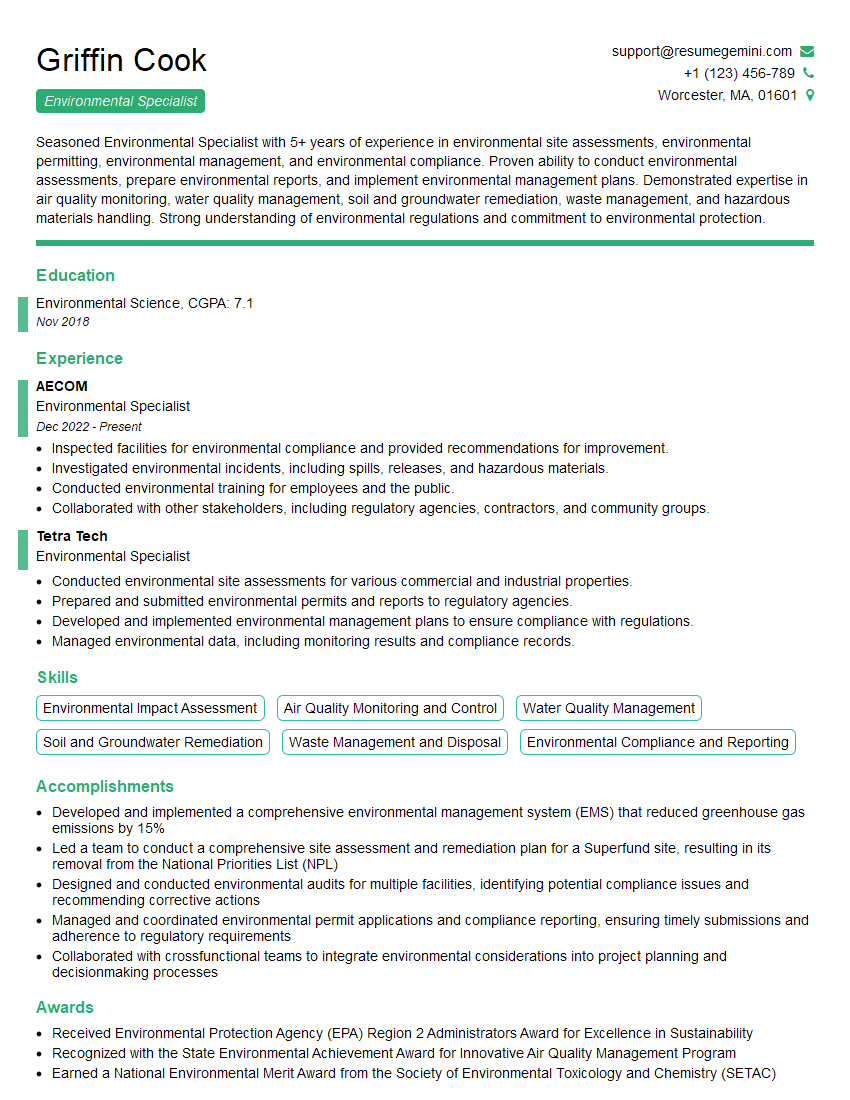
Environmental Specialist Resume Sample
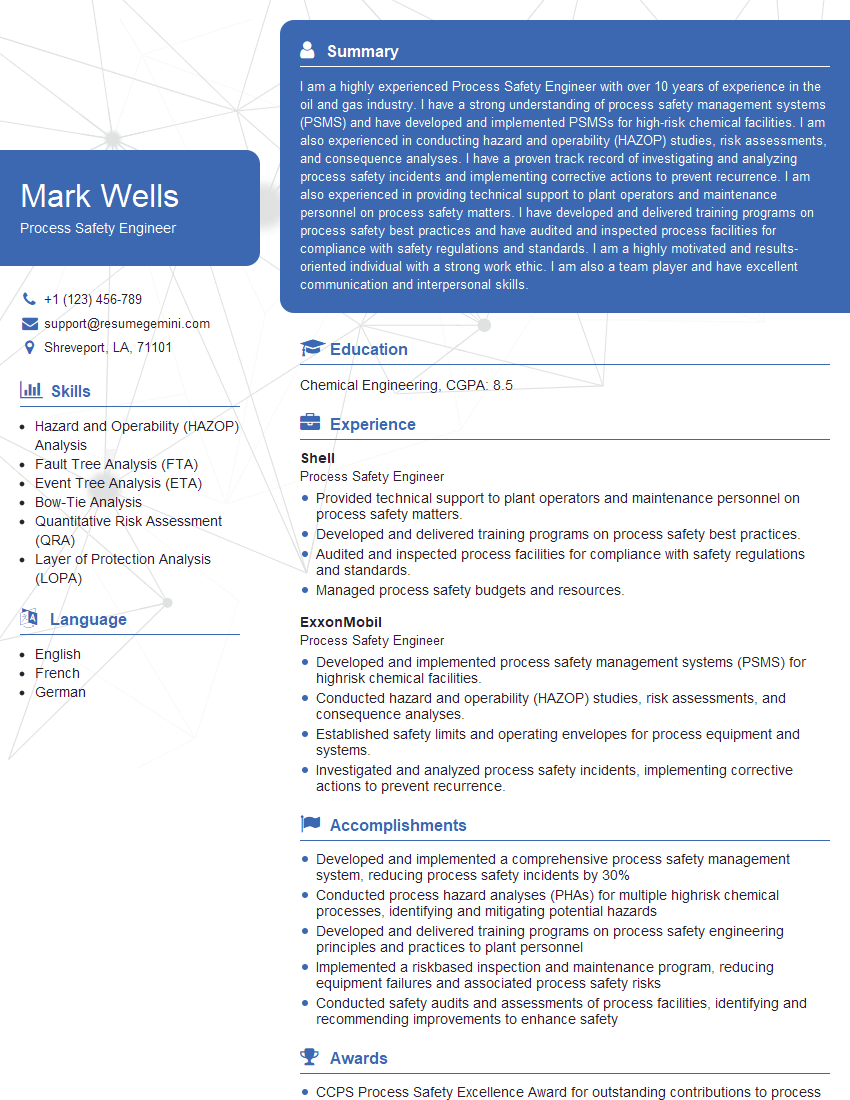
Process Safety Engineer Resume Sample
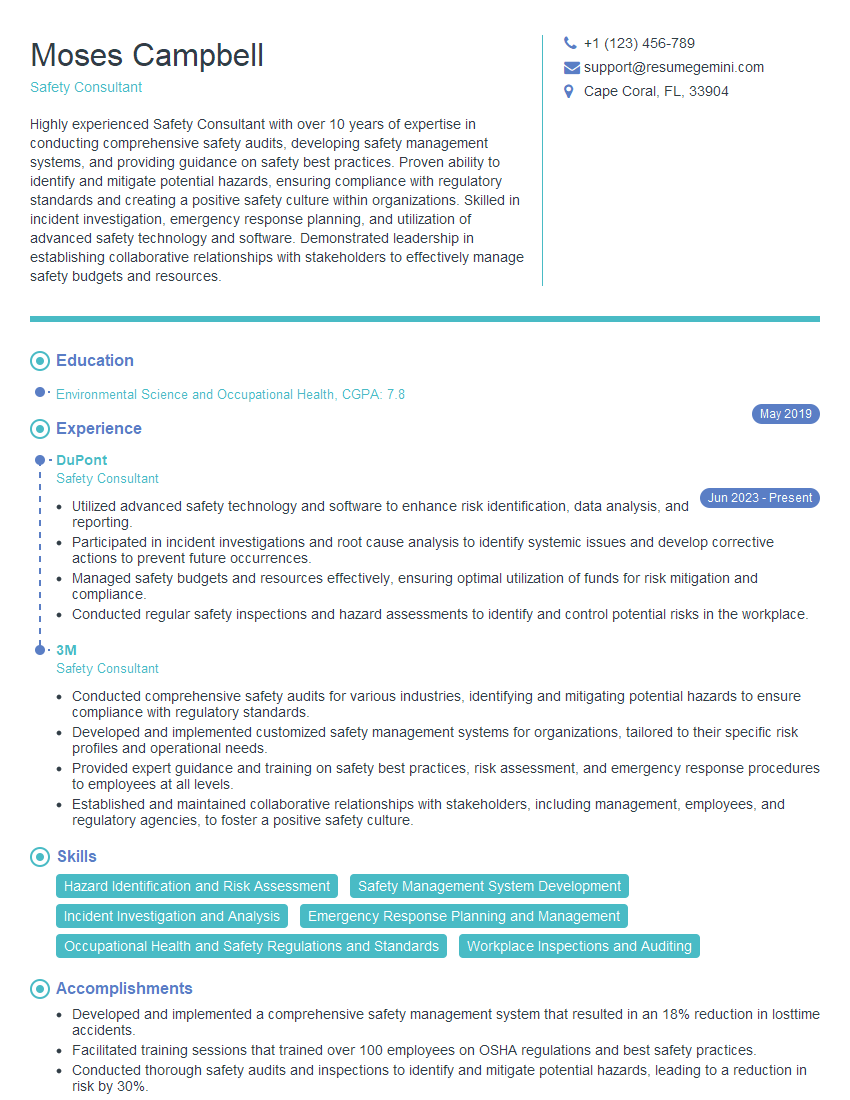
Safety Consultant Resume Sample
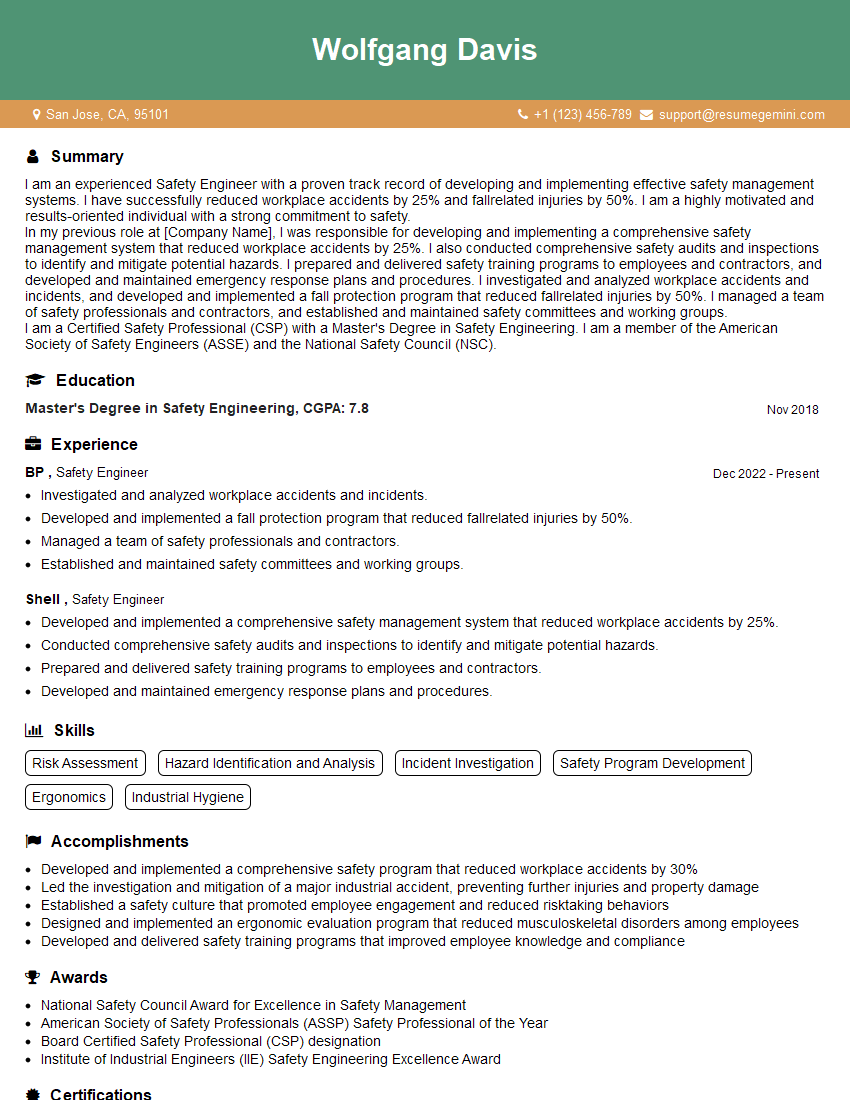
Safety Engineer Resume Sample
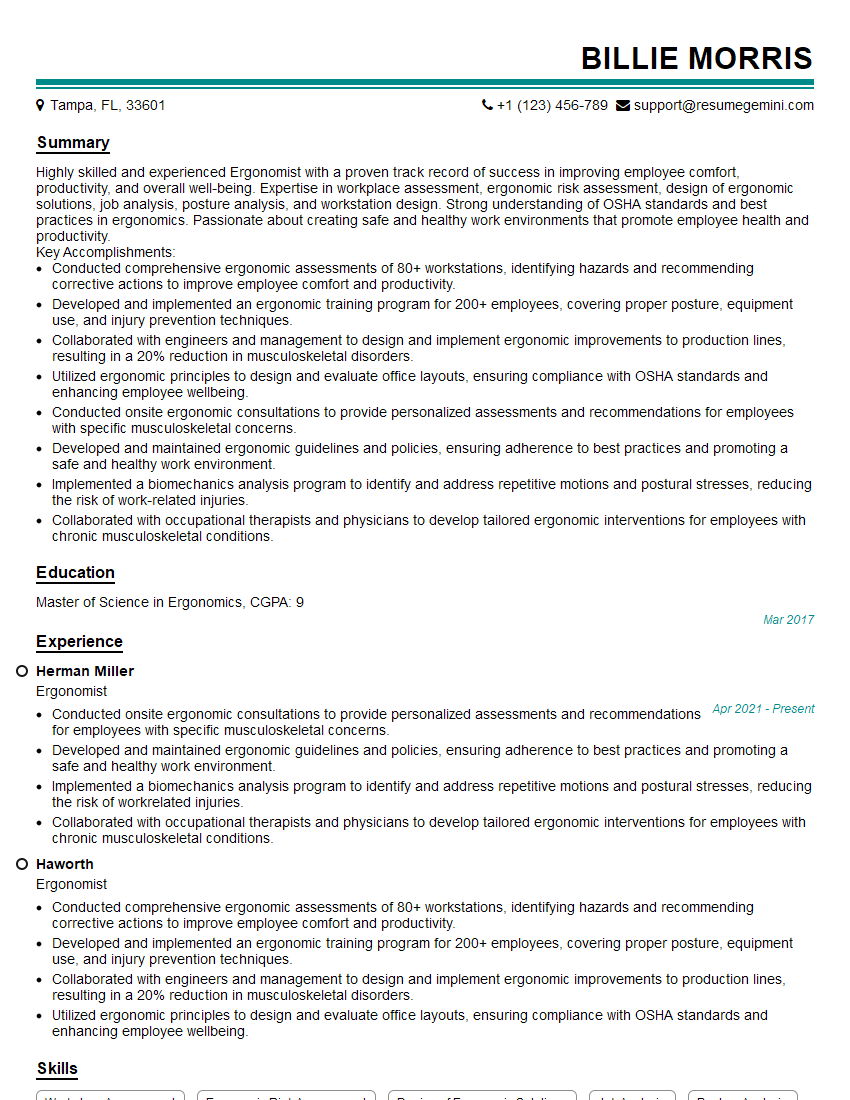
Ergonomist Resume Sample
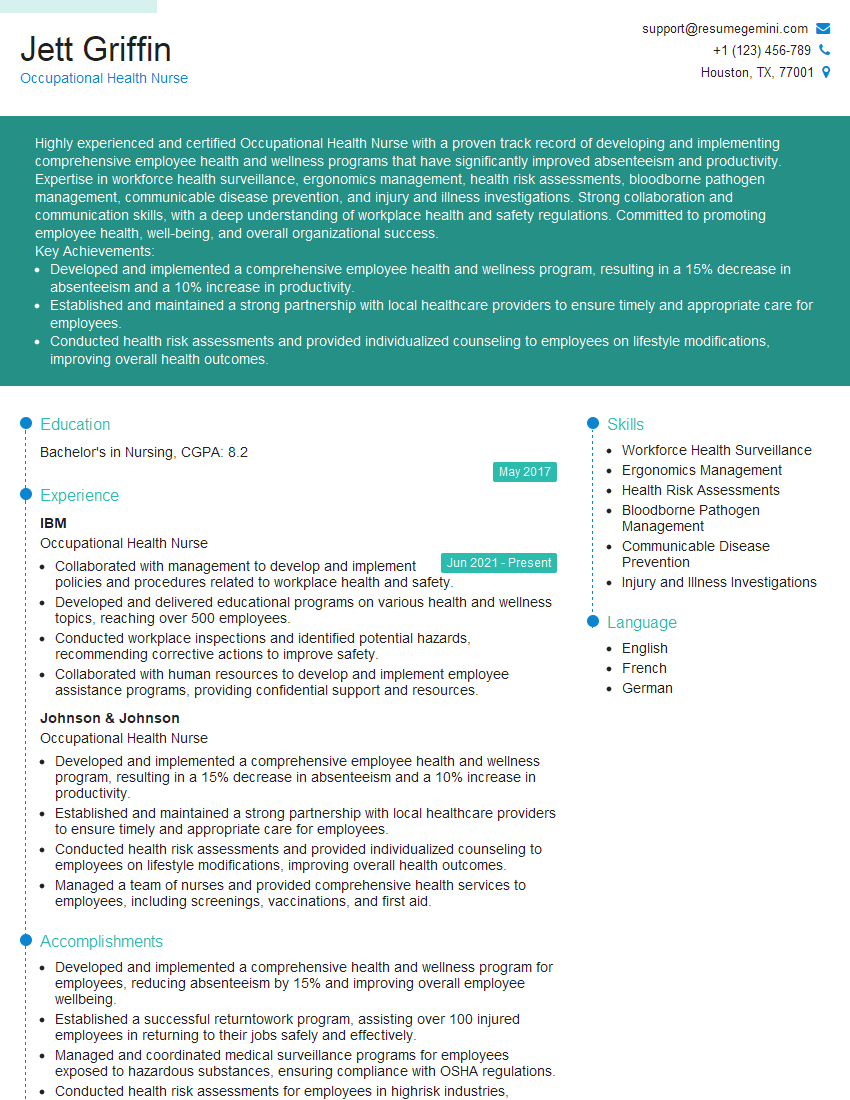
Occupational Health Nurse Resume Sample
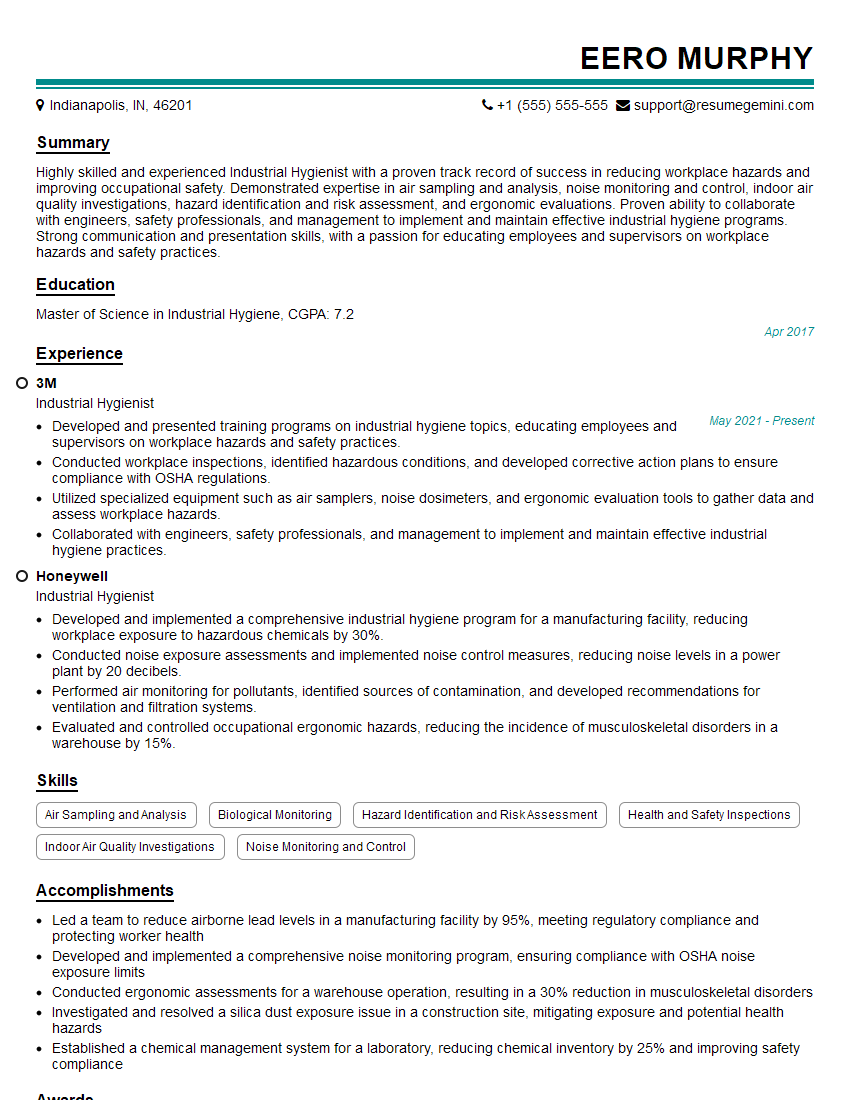
Industrial Hygienist Resume Sample
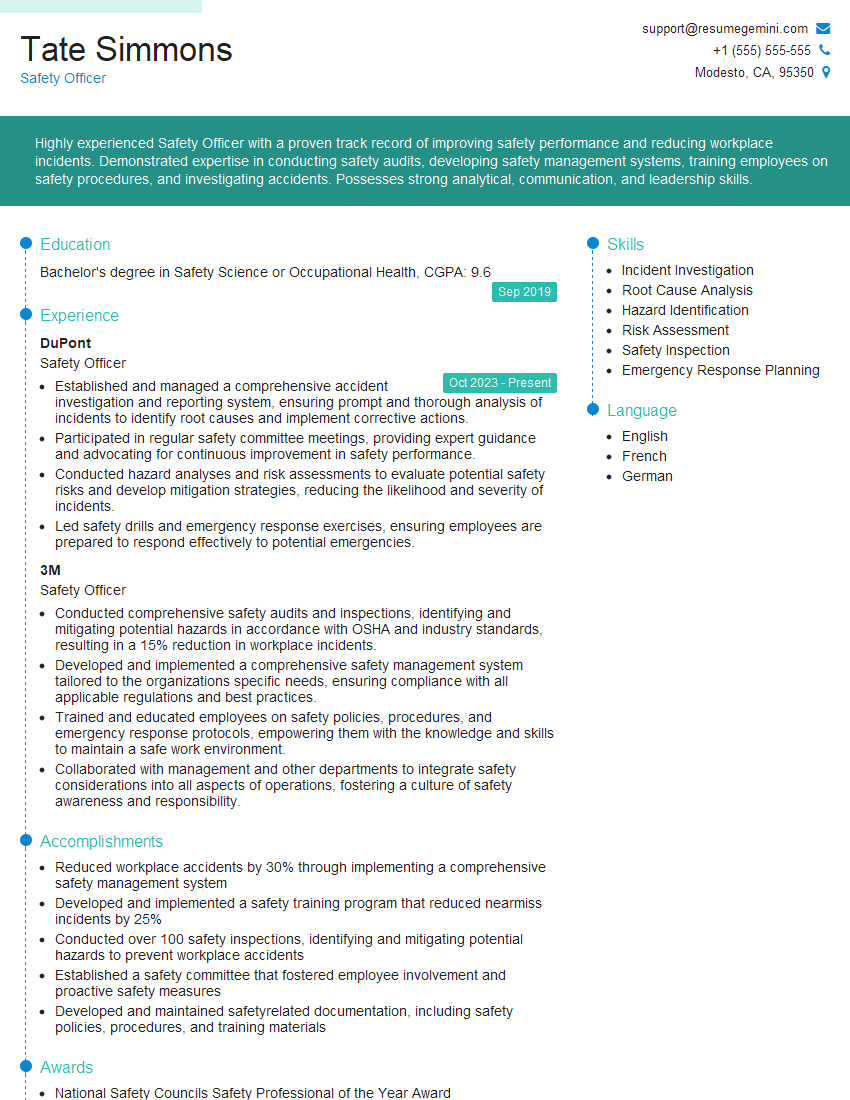
Safety Officer Resume Sample
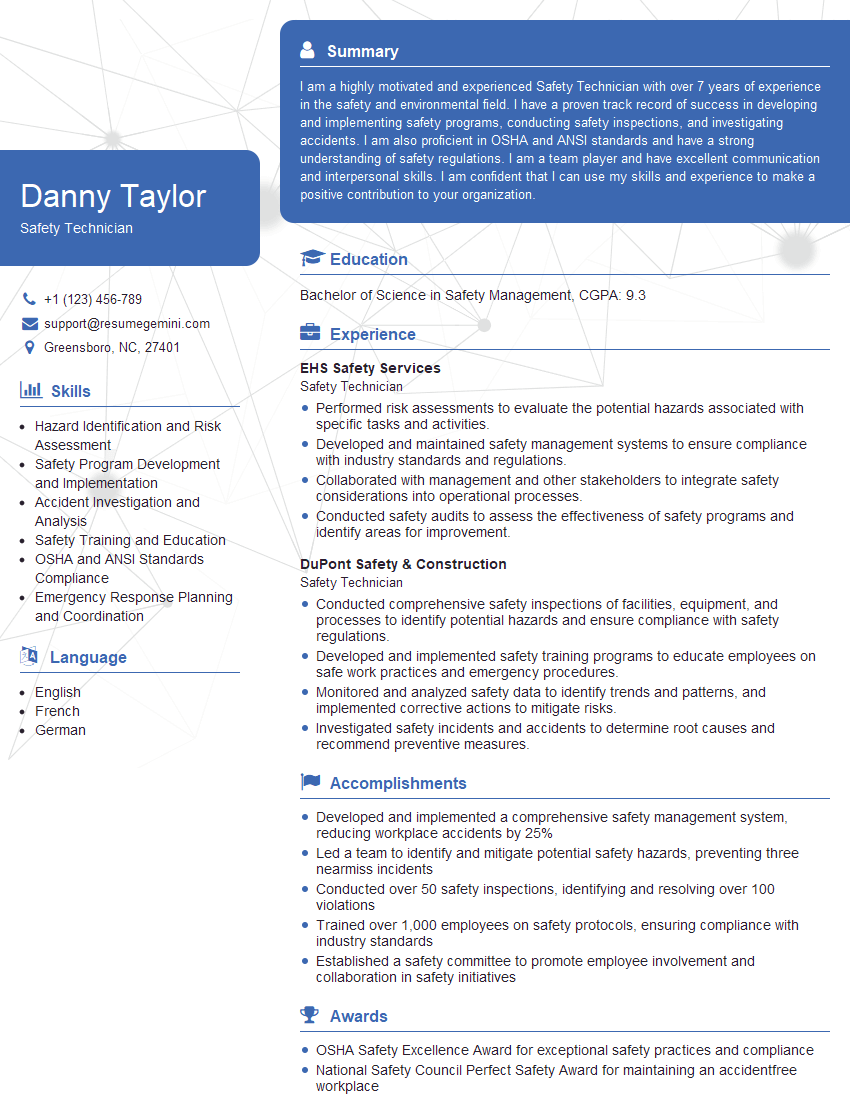
Safety Technician Resume Sample
- Safety Manager
- Safety Director
- Safety Coordinator
- Compliance Manager
- Compliance Officer
- Risk Manager
- Loss Prevention Specialist
- Environmental Specialist
- Process Safety Engineer
- Safety Consultant
- Safety Engineer
- Ergonomist
- Occupational Health Nurse
- Industrial Hygienist
- Safety Officer
- Safety Technician
Explore more articles
Users Rating of Our Blogs
Share Your Experience
We value your feedback! Please rate our content and share your thoughts (optional).
What Readers Say About Our Blog
To the interviewgemini.com Webmaster.
Very helpful and content specific questions to help prepare me for my interview!
Thank you
To the interviewgemini.com Webmaster.
This was kind of a unique content I found around the specialized skills. Very helpful questions and good detailed answers.
Very Helpful blog, thank you Interviewgemini team.