Preparation is the key to success in any interview. In this post, we’ll explore crucial Patient Education and Motivational Interviewing interview questions and equip you with strategies to craft impactful answers. Whether you’re a beginner or a pro, these tips will elevate your preparation.
Questions Asked in Patient Education and Motivational Interviewing Interview
Q 1. Define Motivational Interviewing (MI) and explain its core principles.
Motivational Interviewing (MI) is a collaborative, person-centered form of guiding to elicit and strengthen motivation for change. It’s not about persuading or directing the patient, but rather partnering with them to explore their own ambivalence and find their own reasons for change. The core principles are:
- Partnership: The clinician and patient work together as equals.
- Acceptance: Unconditional positive regard and empathy are crucial. This includes accepting the patient’s autonomy, their perspective, and their feelings, even if you don’t agree with their choices.
- Compassion: Genuine care and concern for the patient’s well-being are central.
- Evocation: The clinician helps the patient to discover their own reasons for change, rather than imposing reasons from the outside.
Think of it like a guided self-discovery journey, where the patient is the explorer and the clinician is their experienced guide.
Q 2. Describe the four key processes of MI: Engaging, Focusing, Evoking, and Planning.
The four processes of MI are sequential but iterative – you might revisit earlier stages as needed:
- Engaging: Building rapport and trust with the patient. This involves demonstrating empathy, creating a comfortable atmosphere, and showing genuine interest in their story. Active listening and establishing a collaborative relationship are key here. For example, starting with a simple “Tell me about why you’re here today.”
- Focusing: Collaboratively identifying the specific change goals the patient wants to work on. It involves clarifying their concerns, priorities, and expectations regarding the change process. This step focuses the session on what truly matters to the patient.
- Evoking: Helping the patient explore and express their own motivations for change. This involves using open-ended questions, reflective listening, and summarizing to help the patient identify their own reasons for change and their perceived barriers. Here you aim to elicit their internal motivation, not impose external pressure.
- Planning: Collaboratively developing a concrete plan for change. This involves creating specific, measurable, achievable, relevant, and time-bound (SMART) goals, and brainstorming potential strategies to achieve those goals. The plan should be driven by the patient’s own ideas and preferences.
Q 3. Explain the difference between open-ended and closed-ended questions in MI.
Open-ended questions encourage the patient to elaborate and share their thoughts and feelings. They usually begin with words like “What,” “How,” “Tell me about,” or “Describe.” These help evoke the patient’s perspective and deeper understanding of their situation. For example, “What are your thoughts about making a change?”
Closed-ended questions typically elicit a short, specific answer, often “yes” or “no.” While they have their place, overuse can hinder the MI process by limiting the patient’s opportunity to explore their thoughts and feelings. An example of a closed-ended question: “Do you want to quit smoking?”
In MI, the emphasis is on using predominantly open-ended questions to encourage the patient to express themselves fully and to participate actively in the process.
Q 4. How do you use reflective listening in MI?
Reflective listening in MI involves accurately summarizing and reflecting back to the patient what they have said, both verbally and nonverbally. It’s not simply repeating their words, but rather demonstrating that you understand their meaning and feelings. This can involve:
- Simple Reflections: Repeating back a portion of what the patient said, perhaps slightly rephrased.
- Amplified Reflections: Slightly exaggerating the patient’s statement to help them consider the implications of what they’ve said.
- Double-sided Reflections: Summarizing both sides of the patient’s ambivalence about change. (e.g., “On one hand you want to quit smoking, but on the other hand, you’re worried about the social aspect.”)
Example: Patient: “I want to lose weight, but I’m just so busy with work.” Clinician (using a double-sided reflection): “So, you’re motivated to lose weight, but finding the time with your busy work schedule seems challenging?”
Q 5. How do you address patient resistance in MI?
Resistance in MI is a signal that the clinician’s approach may not be fully aligned with the patient’s needs and readiness for change. It’s not necessarily a negative thing and should be viewed as an opportunity for further exploration and adjustment. Addressing resistance involves:
- Rolling with Resistance: Rather than directly confronting resistance, the clinician acknowledges and reflects the patient’s concerns without judgment. This can involve reframing resistance as a difference in perspective.
- Shifting Focus: If the conversation becomes stalled, gently shifting the focus back to the patient’s goals and concerns can be helpful.
- Using Affirmations: Acknowledging the patient’s strengths and efforts can help reduce resistance and build rapport.
- Summarizing: Periodically summarizing the discussion, reflecting the patient’s ambivalence and concerns, helps guide the conversation back towards exploring change.
For example, if a patient says, “I don’t think I can ever quit smoking,” the clinician might respond with, “It sounds like you’re feeling pretty discouraged about quitting right now.” This acknowledges their feeling without judgment, opening the door for further exploration.
Q 6. What are the ethical considerations when using MI?
Ethical considerations in MI center around respecting patient autonomy and avoiding coercion. It is crucial to:
- Ensure Informed Consent: Patients must fully understand the nature and purpose of MI before participating. They must have the right to withdraw from the process at any time.
- Avoid Coercion: The clinician’s role is to guide and support, not to pressure or persuade. The patient’s decisions about their health must be fully respected.
- Maintain Confidentiality: All discussions and information shared during MI should be treated with the utmost confidentiality, in accordance with professional guidelines and regulations.
- Cultural Competence: MI techniques should be adapted to meet the cultural and linguistic needs of the patient.
It’s important to remember that MI is a tool for empowerment, not control. The ultimate decision about whether and how to change rests with the patient.
Q 7. Explain the importance of patient autonomy in health education.
Patient autonomy in health education is paramount. It means respecting the patient’s right to make their own decisions about their health and well-being, even if those decisions differ from the clinician’s recommendations. It requires:
- Providing Informed Choices: Patients need access to clear, accurate, and unbiased information about their health conditions and treatment options.
- Supporting Self-Determination: The clinician’s role is to support and guide, not to control or dictate the patient’s choices. Empowering the patient to take ownership of their health is vital.
- Respecting Patient Values: The patient’s personal values, beliefs, and preferences must be considered when developing and implementing health education plans.
- Shared Decision-Making: Health education should be a collaborative process, where the patient and clinician work together to develop a plan that reflects the patient’s needs and goals.
For example, if a patient chooses not to follow a recommended treatment plan, the clinician’s role is to understand the reasons for their decision and to explore ways to support their choices, rather than to try and force them to comply.
Q 8. Describe different learning styles and how to adapt your teaching methods.
Understanding different learning styles is crucial for effective patient education. People learn in various ways – visually, auditorily, kinesthetically, or a combination. Visual learners benefit from diagrams, charts, and videos. Auditory learners prefer discussions, lectures, and audio recordings. Kinesthetic learners learn best through hands-on activities, role-playing, or demonstrations.
- Visual Learners: Use charts, graphs, images, and videos to explain complex information. For example, illustrating the process of taking medication with a clear diagram.
- Auditory Learners: Incorporate discussions, explanations, and audio materials. For example, providing a recorded explanation of a post-operative care plan.
- Kinesthetic Learners: Involve patients in practical demonstrations. For example, having them practice injection techniques using a model or showing them how to perform breathing exercises.
- Multimodal Approach: The most effective approach often combines all three styles, catering to diverse learning preferences. For instance, a combination of a video demonstrating a technique, a handout with step-by-step instructions, and a practice session.
Adapting your methods involves actively observing patient engagement and adjusting your approach accordingly. If you notice a patient struggles to follow a diagram, try explaining the same information verbally.
Q 9. How do you assess patient understanding of health information?
Assessing patient understanding is vital to ensuring the effectiveness of patient education. It’s not enough to simply deliver information; you must confirm comprehension. This involves using a variety of methods to gauge understanding at multiple points in the education process.
- Teach-Back Method: Ask the patient to explain the information in their own words. This is a powerful technique to identify knowledge gaps. For example, after explaining medication dosage, ask, “Can you please tell me how you will take this medication?”
- Question and Answer Sessions: Encourage patients to ask questions throughout the educational session. This provides immediate feedback and clarifies any misunderstandings.
- Observation: Observe the patient’s ability to demonstrate a skill or perform a task. For example, observe a patient’s technique for self-administering insulin.
- Quizzes or Worksheets: Simple quizzes or worksheets can be used to evaluate comprehension. However, always consider the patient’s literacy level and cultural context when designing these assessments.
- Patient Feedback Forms: Post-education feedback forms can gather more comprehensive insights into what aspects were understood and where further clarification is needed.
Remember to create a safe and non-judgmental environment where patients feel comfortable admitting if they don’t understand something.
Q 10. How do you tailor patient education materials to different literacy levels?
Tailoring materials to different literacy levels is paramount to ensuring effective communication. Many adults have low health literacy, meaning they lack the skills to understand and act on health information. This necessitates simplified and accessible materials.
- Use Plain Language: Avoid medical jargon. Write in short, simple sentences using everyday language. For example, replace “hypertension” with “high blood pressure.”
- Visual Aids: Incorporate clear and concise visuals like pictures, diagrams, and icons to supplement written text. A picture is often worth a thousand words, especially for low-literacy individuals.
- Chunking Information: Break down complex information into smaller, manageable chunks. Use headings, subheadings, and bullet points to improve readability.
- White Space: Leave ample white space to avoid overwhelming the reader. A visually cluttered document is harder to comprehend.
- Large Font Size: Use a large, easy-to-read font size (at least 12 points). Consider using different font styles to highlight key information.
- Multiple Formats: Offer materials in various formats (e.g., audio recordings, videos) to cater to diverse learning preferences.
- Readability Testing Tools: Utilize tools to assess the readability level of your materials (e.g., Flesch-Kincaid readability tests).
Always test materials with individuals from the target audience to ensure clarity and understanding. Consider using the SMOG readability formula to ensure the text is appropriate for the intended literacy level.
Q 11. How do you develop culturally sensitive patient education plans?
Developing culturally sensitive patient education plans is crucial for effective communication and positive health outcomes. Culture influences health beliefs, practices, and communication styles. Ignoring cultural factors can lead to misunderstandings and mistrust.
- Cultural Assessment: Conduct a thorough cultural assessment to understand the patient’s beliefs, values, and preferences. Consider factors such as language, ethnicity, religion, and socioeconomic status.
- Use Interpreters When Necessary: If the patient doesn’t speak the same language, ensure a qualified medical interpreter is available.
- Culturally Appropriate Materials: Use materials that reflect the patient’s cultural background. For example, use images and examples relevant to their culture.
- Respect for Beliefs: Acknowledge and respect the patient’s cultural beliefs regarding health and illness. Avoid imposing your own beliefs or judgments.
- Involve Family and Community: In some cultures, family members play a significant role in healthcare decisions. Involve them in the education process when appropriate and culturally acceptable.
- Consider Health Practices: Understand traditional healing practices or beliefs the patient may have. This helps you integrate these practices into the care plan if safe and effective.
Remember to be sensitive and respectful. Engage in open communication to build trust and rapport.
Q 12. How do you evaluate the effectiveness of your patient education interventions?
Evaluating the effectiveness of patient education interventions requires a multi-faceted approach. It’s crucial to assess whether patients understood the information and whether it influenced their behavior and health outcomes.
- Follow-up Appointments: Schedule follow-up appointments to assess patient adherence and understanding. This allows for reinforcement and clarification.
- Patient Self-Reporting: Use questionnaires or surveys to gather feedback on patient understanding and satisfaction with the education process.
- Track Health Outcomes: Monitor relevant health outcomes to determine the impact of the intervention. For example, monitor blood pressure for patients undergoing hypertension education.
- Behavioral Changes: Evaluate whether the intervention led to positive behavioral changes. For example, assess adherence to medication regimens or changes in lifestyle habits.
- Qualitative Feedback: Gather qualitative feedback through interviews or focus groups to understand patient experiences and identify areas for improvement.
By analyzing this data, you can refine your approach and ensure that your patient education strategies are yielding the best possible results.
Q 13. Describe a time you had to adapt your patient education approach due to a patient’s unique needs.
I once worked with a patient, Mrs. Rodriguez, who was recently diagnosed with type 2 diabetes. While explaining her medication regimen, I noticed she was struggling to grasp the instructions, despite repeated explanations. She also seemed reluctant to ask questions. Through observation, I realized she had limited literacy and was uncomfortable asking for clarification due to a previous negative healthcare experience.
I adapted my approach by using visual aids—a colorful chart illustrating the medication schedule and a large-print handout with simplified instructions. I also used the teach-back method, breaking down the instructions into small steps and allowing her ample time to practice explaining them back to me. I involved her daughter in the process, who was also present and served as a translator and support system. By actively listening and addressing her individual needs, I built trust and ensured she understood her treatment plan, ultimately leading to improved medication adherence.
Q 14. Explain the concept of health literacy and its impact on patient outcomes.
Health literacy is the degree to which individuals have the capacity to obtain, process, and understand basic health information and services needed to make appropriate health decisions. It’s not simply about reading ability but encompasses several skills: understanding medical terms, interpreting instructions, navigating healthcare systems, and actively participating in healthcare decisions.
Low health literacy significantly impacts patient outcomes. Patients with poor health literacy are more likely to:
- Have poorer health outcomes: They may not understand their diagnoses, treatments, or follow instructions accurately, leading to complications and poorer overall health.
- Make inappropriate health decisions: They may struggle to interpret health information, leading to poor choices regarding medication, diet, and lifestyle changes.
- Experience increased healthcare costs: Frequent hospitalizations and complications from poor management of their health conditions can result in significantly higher healthcare costs.
- Have less effective communication with healthcare providers: Misunderstandings and communication breakdowns can create barriers to effective care.
Improving health literacy is crucial to improving overall patient health and reducing healthcare costs. It requires a multi-pronged approach involving clear communication, patient-centered education, and accessible health information resources.
Q 15. What are some common barriers to patient adherence, and how can you address them?
Patient adherence, or following treatment plans, faces many hurdles. Common barriers include:
- Complex treatment regimens: Multiple medications, frequent appointments, and intricate instructions can be overwhelming.
- Lack of understanding: Patients may not fully grasp their condition or the rationale behind the treatment.
- Financial constraints: Medication costs, transportation, and lost wages can hinder adherence.
- Side effects: Unpleasant side effects can lead patients to discontinue treatment prematurely.
- Social determinants of health: Factors like lack of access to healthy food, safe housing, or reliable transportation significantly impact adherence.
- Low health literacy: Difficulty understanding medical information can lead to poor adherence.
Addressing these requires a multi-pronged approach:
- Simplify treatment plans: Use clear, concise language and visual aids. Break down complex instructions into smaller, manageable steps.
- Provide tailored education: Assess the patient’s understanding and tailor the education to their specific needs and learning style.
- Address financial barriers: Explore resources like patient assistance programs or connect patients with financial aid services.
- Proactive side effect management: Educate patients about potential side effects and develop strategies to manage them.
- Address social determinants: Connect patients with community resources that can address housing, food insecurity, or transportation issues.
- Use clear and simple language: Avoid medical jargon, and use visuals like diagrams or videos to improve understanding.
For example, I once worked with a diabetic patient struggling to manage their blood sugar. By simplifying their medication schedule, providing clear dietary guidelines, and connecting them with a nutritionist, we significantly improved their adherence and health outcomes.
Career Expert Tips:
- Ace those interviews! Prepare effectively by reviewing the Top 50 Most Common Interview Questions on ResumeGemini.
- Navigate your job search with confidence! Explore a wide range of Career Tips on ResumeGemini. Learn about common challenges and recommendations to overcome them.
- Craft the perfect resume! Master the Art of Resume Writing with ResumeGemini’s guide. Showcase your unique qualifications and achievements effectively.
- Don’t miss out on holiday savings! Build your dream resume with ResumeGemini’s ATS optimized templates.
Q 16. How do you build rapport and trust with patients?
Building rapport and trust is crucial. It starts with active listening and demonstrating empathy. I begin each interaction by introducing myself and explaining my role clearly. I then actively listen to the patient’s concerns, validating their feelings, and showing genuine interest in their perspective. Nonverbal cues like maintaining eye contact, nodding, and using open body language are also essential.
I make a conscious effort to use person-centered language, avoiding medical jargon and tailoring my communication style to the patient’s preferences. For instance, I might ask, “What are your goals for managing your health?” rather than prescribing a specific treatment plan. This approach empowers patients and fosters a sense of collaboration.
Transparency and honesty are key. I openly discuss the benefits and risks of treatment options, allowing patients to make informed decisions. Building trust takes time, but consistent attentiveness and respect go a long way.
Q 17. Describe your experience with developing and delivering patient education programs.
I have extensive experience in developing and delivering patient education programs, ranging from creating educational materials (brochures, videos, and websites) to facilitating group workshops and one-on-one sessions. My approach is always evidence-based and tailored to the specific needs of the target audience. For example, I developed a diabetes self-management program that incorporated interactive games, group discussions, and cooking demonstrations. This program’s success was measured by improved HbA1c levels and increased patient confidence in self-management.
When designing programs, I consider various learning styles and health literacy levels. I employ visual aids, interactive activities, and real-life scenarios to make the information engaging and accessible. I also prioritize feedback mechanisms to continuously improve the programs based on patient input. One successful program involved creating short, easily digestible videos explaining complex medication regimens. This significantly improved patient understanding and adherence.
Q 18. How do you incorporate technology into patient education?
Technology offers many ways to enhance patient education. I utilize various platforms and tools, including:
- Educational websites and apps: These provide easily accessible information, medication reminders, and tracking tools.
- Telehealth platforms: These allow for remote consultations, reducing barriers to access.
- Interactive simulations and games: These make learning more fun and engaging.
- Mobile health (mHealth) interventions: These leverage smartphones to deliver personalized education and support.
- Patient portals: These provide secure access to medical records and communication tools.
For instance, I developed a mobile app that provided personalized diabetes management tips and reminders. This increased patient engagement and improved glycemic control.
However, it’s crucial to ensure digital equity by considering the digital literacy of patients and providing alternative options for those who lack access to technology.
Q 19. What are some common misconceptions about specific health conditions (e.g., diabetes, heart disease)?
Many misconceptions surround chronic conditions. For example:
- Diabetes: Some believe diabetes is solely a result of poor diet and lifestyle choices, ignoring genetic predisposition. Others might believe that once diagnosed, they need insulin immediately, ignoring the nuances of type 1 and type 2 diabetes management.
- Heart disease: Many think heart disease only affects older men, overlooking risk factors affecting women and younger individuals. Another misconception is that chest pain is the only symptom.
Addressing these misconceptions requires accurate and empathetic education. I use evidence-based materials and engage patients in discussions to clarify misunderstandings and build a correct understanding of their conditions and appropriate management.
Q 20. How do you handle situations where patients are unwilling to change their behaviors?
Motivational Interviewing (MI) is crucial when patients are resistant to change. MI is a patient-centered counseling style that guides patients towards self-discovery and behavior change. It’s not about imposing my opinion but rather exploring the patient’s own reasons for wanting change and identifying their ambivalence.
I use the principles of MI: expressing empathy, developing discrepancy (between current behavior and goals), rolling with resistance (avoiding confrontation), and supporting self-efficacy. For instance, if a patient is reluctant to quit smoking, I might explore their concerns about quitting, highlighting the positive aspects of quitting while acknowledging the challenges. I would help them identify their own reasons for wanting to quit and support their self-belief in their ability to succeed. The focus remains on empowering the patient to make their own choices.
Q 21. How do you maintain confidentiality while sharing patient information?
Maintaining confidentiality is paramount. I adhere strictly to HIPAA regulations and institutional policies. This includes:
- Only accessing necessary information: I only access patient information relevant to my role and responsibilities.
- Secure storage of information: I utilize secure electronic health records (EHR) and follow strict protocols for handling paper records.
- Limiting information sharing: I only share information with authorized individuals on a need-to-know basis.
- Password protection and data encryption: I use strong passwords and ensure data encryption to protect sensitive information.
- Proper disposal of records: I follow strict guidelines for disposing of paper records and electronic data.
I always obtain explicit consent before sharing patient information with others. I never disclose information to unauthorized individuals or use it for personal purposes. Maintaining confidentiality is not just a policy; it’s a fundamental ethical obligation.
Q 22. Describe your experience working with diverse patient populations.
Throughout my career, I’ve had the privilege of working with incredibly diverse patient populations, spanning various age groups, socioeconomic backgrounds, cultural heritages, and health literacy levels. Understanding this diversity is paramount to effective patient education. For instance, I’ve worked with elderly patients with limited health literacy, requiring simplified explanations and visual aids, alongside younger patients who are tech-savvy and prefer digital resources. I also have experience tailoring my approach to patients from different cultural backgrounds, being mindful of their beliefs, communication styles, and potential language barriers. This involves utilizing culturally sensitive materials, leveraging interpreters when necessary, and adapting my communication style to build trust and rapport. For example, with a patient from a culture that values family involvement heavily, I would actively include family members in the education process, ensuring everyone is on the same page.
Successfully engaging diverse populations necessitates a flexible and adaptable approach. I prioritize active listening, asking open-ended questions to truly understand individual needs and preferences, and employing visual aids and other methods to enhance understanding. I find that acknowledging and validating individual experiences significantly contributes to creating a safe and inclusive environment where patients feel comfortable asking questions and expressing concerns. Adapting my communication style, using plain language, avoiding medical jargon, and providing ample opportunities for questions are essential components of my approach.
Q 23. How do you prioritize patient education needs within a busy clinical setting?
Prioritizing patient education in a busy clinical setting requires strategic planning and efficient time management. I integrate patient education into the existing workflow rather than treating it as a separate task. For example, I utilize waiting room time for brief health tips or provide educational materials during check-in. I also leverage technology where possible, providing access to online resources or using telehealth platforms for follow-up sessions. Furthermore, I prioritize patients based on their immediate needs and risk levels. Patients with complex conditions or a high risk of complications would receive more extensive education and follow-up than those with simpler conditions. This means setting realistic expectations regarding the scope of education I can provide during each interaction. It’s crucial to remember that even small interventions can have a significant impact.
Another effective strategy is to utilize team-based approaches. Collaborating with nurses, social workers, and other healthcare professionals ensures that patient education is consistent and comprehensive across the care team. Finally, I always document patient education provided, ensuring continuity of care and compliance with regulations. This documentation helps to track progress and identify areas for improvement in my teaching strategies.
Q 24. How do you document patient education interventions effectively?
Effective documentation of patient education interventions is critical for maintaining accurate records and ensuring continuity of care. I utilize the electronic health record (EHR) system to meticulously document all interactions. My documentation includes the date, time, topic(s) covered, teaching methods used (e.g., verbal explanation, written materials, visual aids), patient understanding and response, and any agreed-upon action steps. Specific details, such as the patient’s questions, concerns, and any learning challenges encountered, are also documented. I use clear and concise language, avoiding medical jargon, and ensure that the documentation is easily accessible and understandable by other healthcare providers.
For example, a documentation entry might read: “03/15/2024: Patient educated on medication regimen for new prescription of Metformin. Explained dosage, timing, potential side effects, and importance of adherence. Patient demonstrated understanding by repeating back instructions accurately. Provided written medication instructions and a follow-up appointment scheduled for next month.”
Comprehensive documentation not only supports continuity of care but also protects both the patient and the healthcare provider by providing a record of the education provided. This is essential for legal and quality assurance purposes.
Q 25. Explain your understanding of the transtheoretical model of behavior change.
The Transtheoretical Model of Behavior Change, also known as the Stages of Change model, is a widely used framework that describes the process individuals go through when making significant behavioral changes. It proposes that change is not a single event but rather a gradual process involving distinct stages:
- Precontemplation: The individual is unaware of or unwilling to change their behavior.
- Contemplation: The individual is considering changing their behavior in the near future.
- Preparation: The individual is making plans to change their behavior.
- Action: The individual is actively modifying their behavior.
- Maintenance: The individual is working to maintain the changed behavior and prevent relapse.
- Termination: The individual has completely changed their behavior and is no longer tempted to return to old habits (rarely achieved).
Understanding these stages allows me to tailor my interventions to the individual’s readiness for change. For example, I would use different strategies for a patient in the precontemplation stage (motivational interviewing to increase awareness of the problem) versus a patient in the action stage (providing support and resources to help maintain the change).
Q 26. How do you use motivational interviewing techniques to help patients set SMART goals?
Motivational Interviewing (MI) is a collaborative, person-centered form of guiding to elicit and strengthen motivation for change. It’s particularly effective in helping patients set SMART (Specific, Measurable, Achievable, Relevant, Time-bound) goals. I use MI principles to guide the patient through a self-discovery process rather than directing them. This involves using open-ended questions, affirmations, reflective listening, and summarizing to help the patient explore their ambivalence towards change and identify their own reasons for wanting to change.
For example, if a patient is trying to lose weight, instead of dictating a specific weight loss goal, I might ask: “What would be a realistic weight loss goal for you in the next few months that you feel confident achieving?” Then I would use reflective listening to understand their reasoning, and help them identify potential barriers. Through this collaborative process, the patient will develop a goal that is truly meaningful and achievable for them. Once a SMART goal is established, I’ll work with the patient to develop a plan to accomplish it. This includes breaking down larger goals into smaller, manageable steps and identifying resources or support systems they may need.
Q 27. Describe your familiarity with different health education models and frameworks.
I am familiar with a range of health education models and frameworks, including the Health Belief Model, the Social Cognitive Theory, the Diffusion of Innovation Theory, and the PRECEDE-PROCEED model. Each model offers a unique perspective on how individuals acquire and apply health information. For instance, the Health Belief Model focuses on the individual’s perceptions of susceptibility, severity, benefits, and barriers to adopting healthy behaviors. The Social Cognitive Theory emphasizes the role of observational learning, self-efficacy, and environmental factors in shaping health behaviors. Understanding these various models allows me to tailor my approach to the specific needs of each patient and situation.
I often integrate elements from multiple models to develop a comprehensive patient education plan. For example, I might use the Health Belief Model to assess the patient’s perceptions of their health risks, then employ strategies from the Social Cognitive Theory to enhance their self-efficacy and provide opportunities for social support. The selection of the most appropriate framework is crucial to achieving successful health behavior modification.
Q 28. How do you stay updated on current best practices in patient education and motivational interviewing?
Staying current with best practices in patient education and motivational interviewing is an ongoing process. I regularly attend professional development workshops and conferences, participate in continuing education courses, and actively engage in professional organizations such as the American Association for Medical Professionals, the Patient Education and Counseling Association, etc. I also subscribe to relevant journals and review current research publications to stay informed about new methodologies and evidence-based approaches. Furthermore, I actively participate in peer review sessions with colleagues, sharing experiences and best practices. Critically appraising new research helps me refine my strategies and adopt the most effective techniques for improving patient outcomes.
This commitment to continuous learning ensures that I am consistently employing the most effective and up-to-date techniques in patient education and motivational interviewing, leading to improved patient engagement, understanding, and ultimately, better health outcomes.
Key Topics to Learn for Patient Education and Motivational Interviewing Interview
- Understanding Patient Education Principles: Explore the foundational theories of health literacy, learning styles, and effective communication techniques for diverse patient populations. Consider how to tailor educational materials to varying levels of health literacy and cultural backgrounds.
- Mastering Motivational Interviewing Techniques: Practice applying the core principles of MI, including empathy, collaboration, autonomy support, and evocation. Develop skills in open-ended questioning, reflective listening, and affirming patient strengths. Understand the stages of change model and how to address patient ambivalence.
- Developing Patient-Centered Education Plans: Learn to assess patient needs, set realistic goals, and create individualized education plans. Practice designing engaging and effective educational materials, including handouts, presentations, and interactive activities.
- Addressing Barriers to Patient Understanding and Adherence: Explore common barriers to patient adherence, such as language barriers, cultural beliefs, and socioeconomic factors. Develop strategies for overcoming these challenges and promoting patient engagement.
- Evaluating the Effectiveness of Patient Education Interventions: Learn how to measure the effectiveness of your patient education efforts using qualitative and quantitative methods. Understand how to use feedback to improve your approaches.
- Ethical Considerations in Patient Education and MI: Review the ethical implications of patient education and motivational interviewing, including confidentiality, informed consent, and cultural sensitivity.
- Technology Integration in Patient Education: Explore the use of technology in delivering patient education, such as telehealth, mobile apps, and online resources.
Next Steps
Mastering Patient Education and Motivational Interviewing is crucial for career advancement in healthcare. These skills demonstrate your ability to build strong patient relationships, improve health outcomes, and contribute meaningfully to a healthcare team. To significantly increase your job prospects, crafting a strong, ATS-friendly resume is paramount. ResumeGemini is a trusted resource that can help you build a professional resume tailored to showcase your skills and experience effectively. Examples of resumes specifically tailored for Patient Education and Motivational Interviewing roles are available through ResumeGemini to provide you with inspiration and guidance. Invest the time in crafting a compelling resume—it’s your first impression and a vital step in securing your ideal position.

Wellness Coach Resume Sample
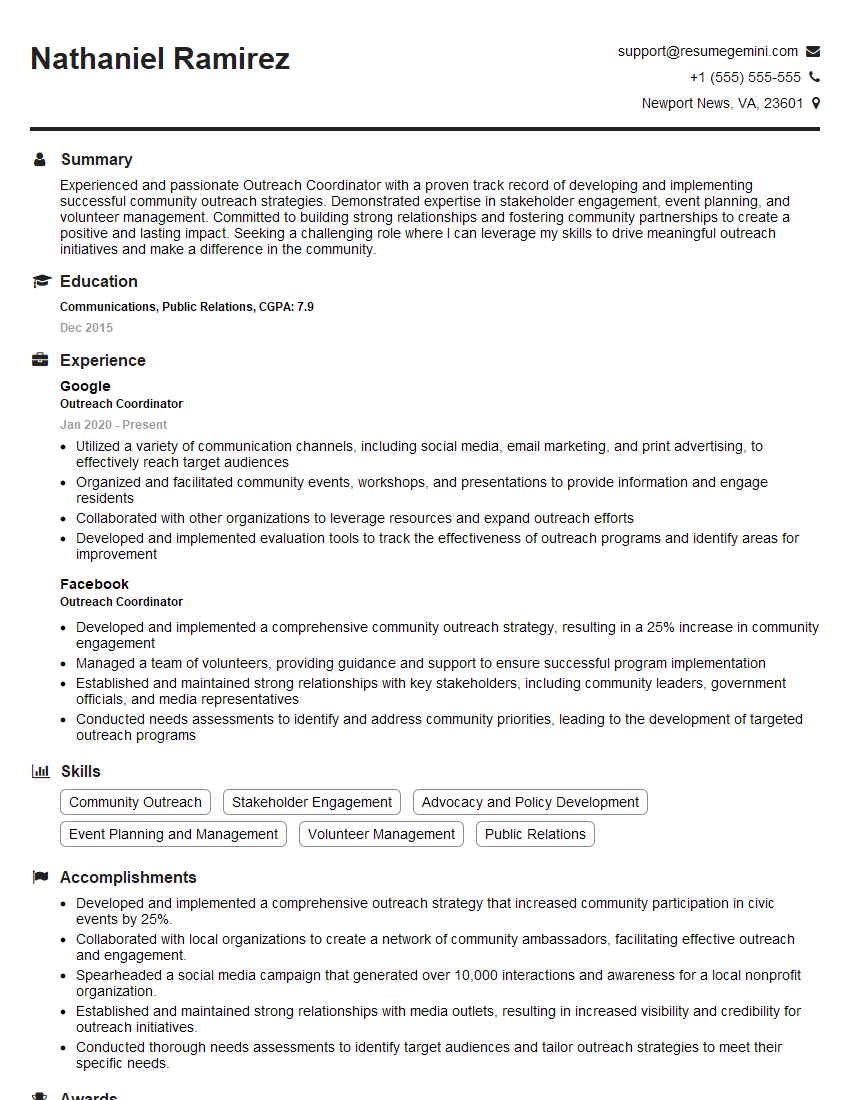
Outreach Coordinator Resume Sample
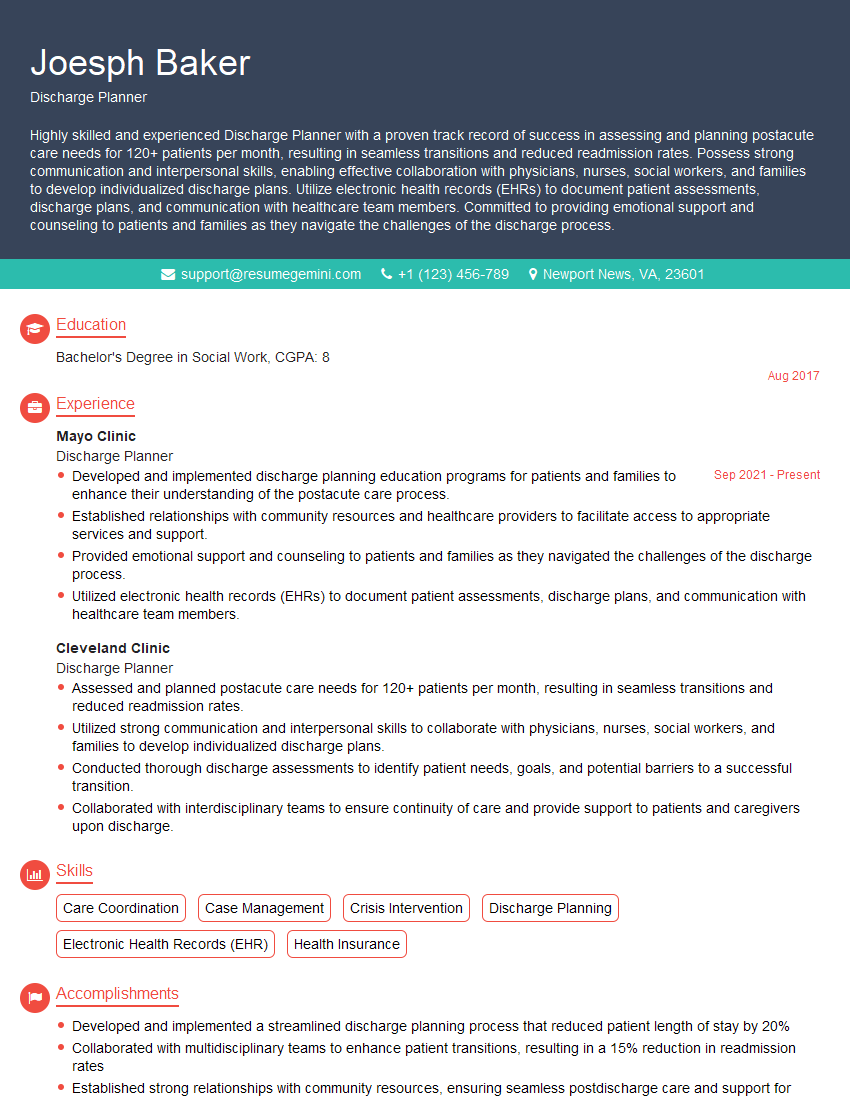
Discharge Planner Resume Sample
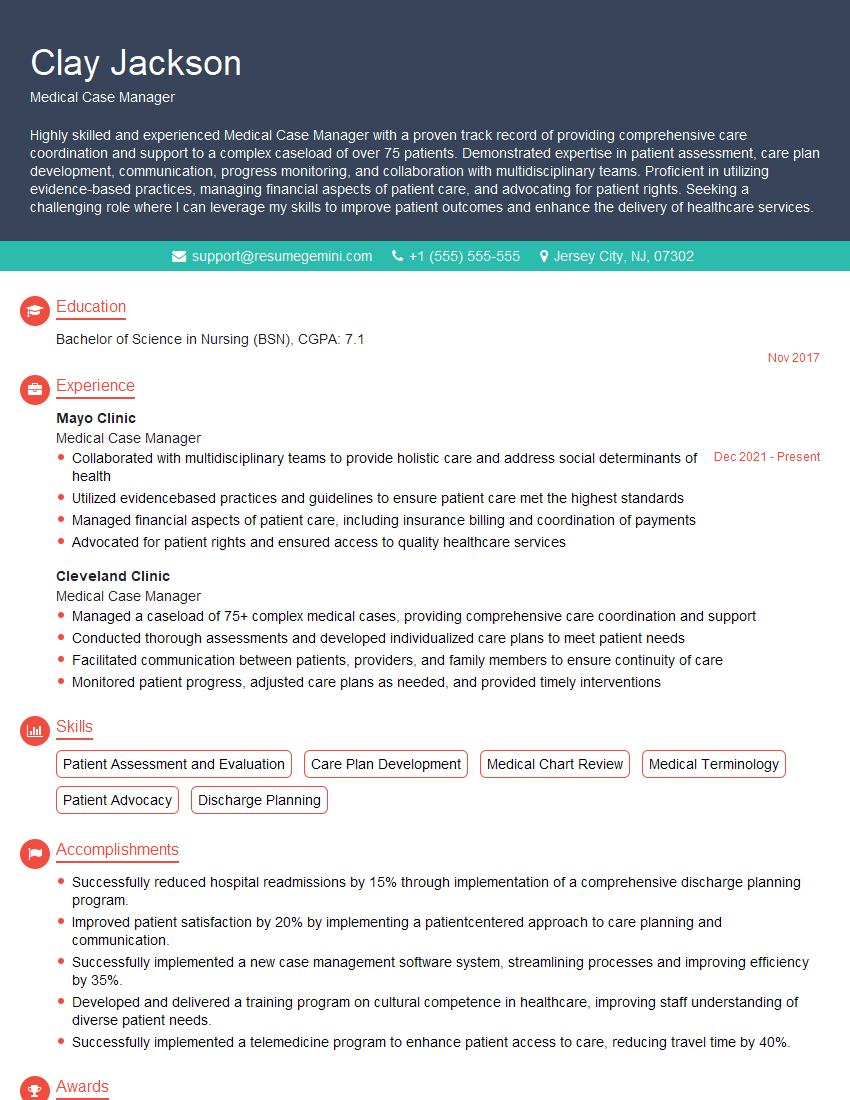
Medical Case Manager Resume Sample
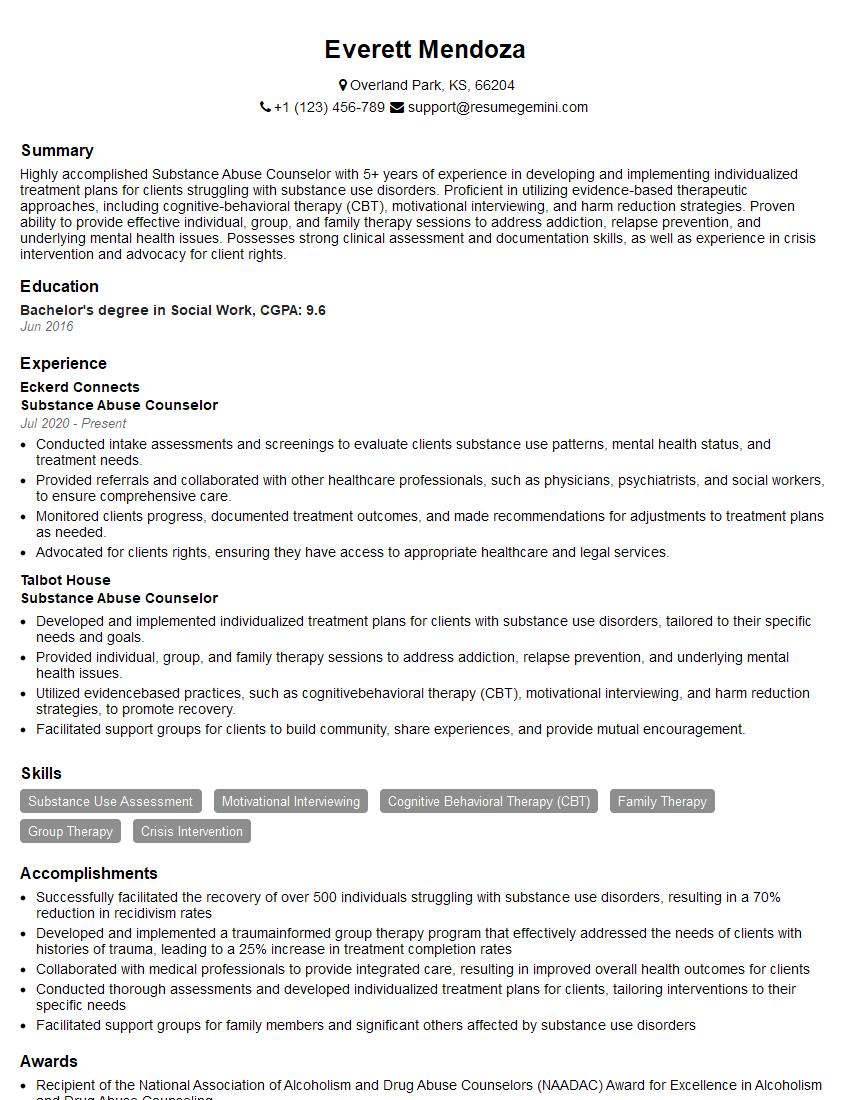
Substance Abuse Counselor Resume Sample
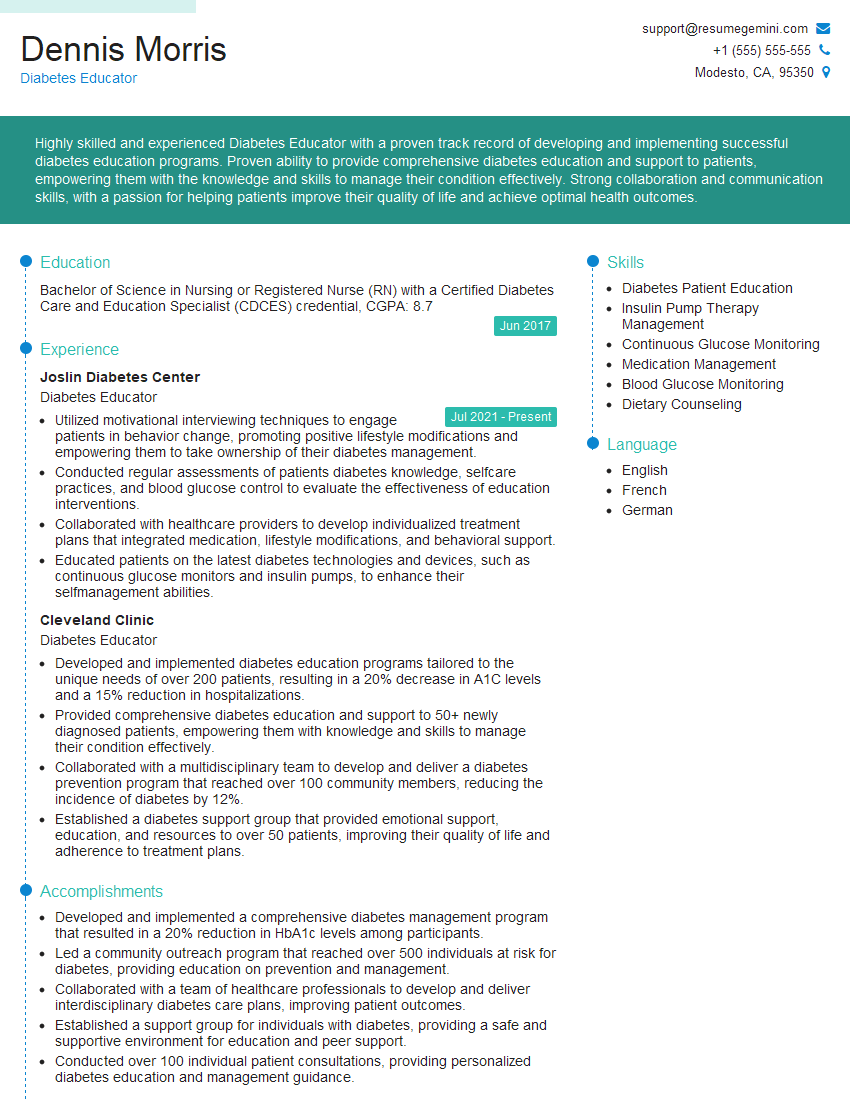
Diabetes Educator Resume Sample
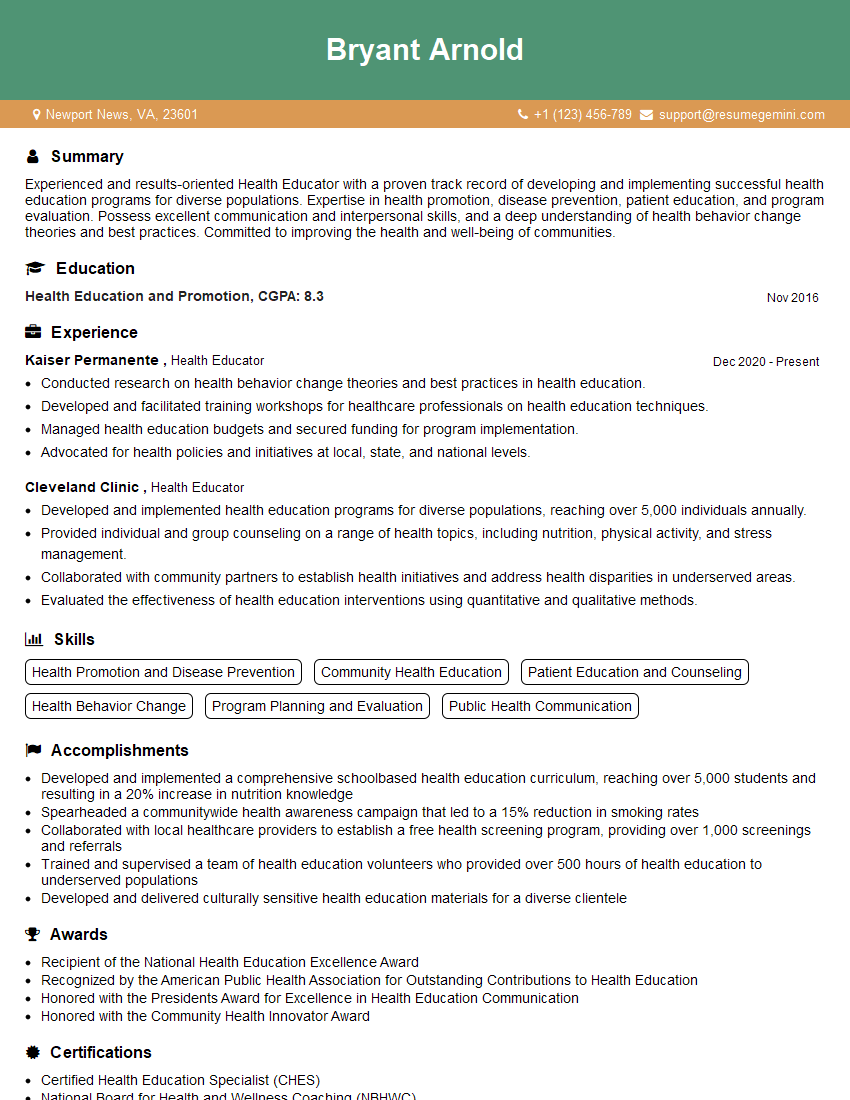
Health Educator Resume Sample
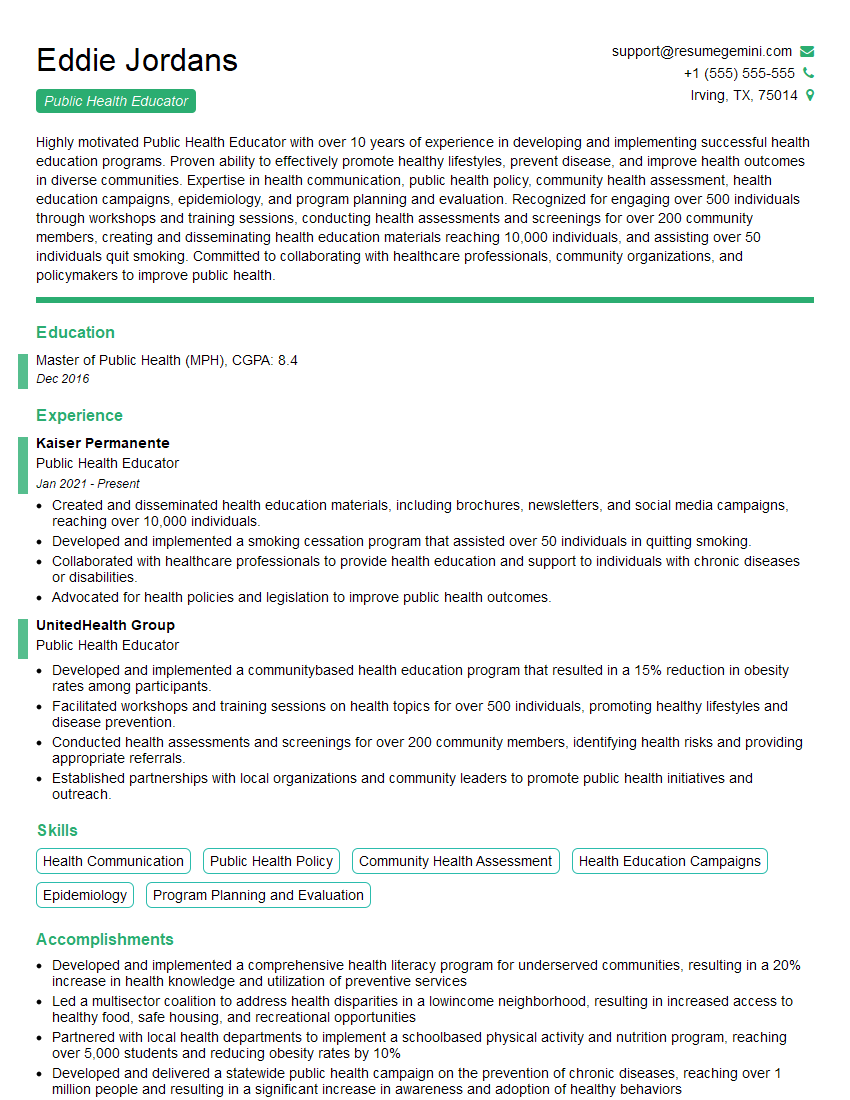
Public Health Educator Resume Sample
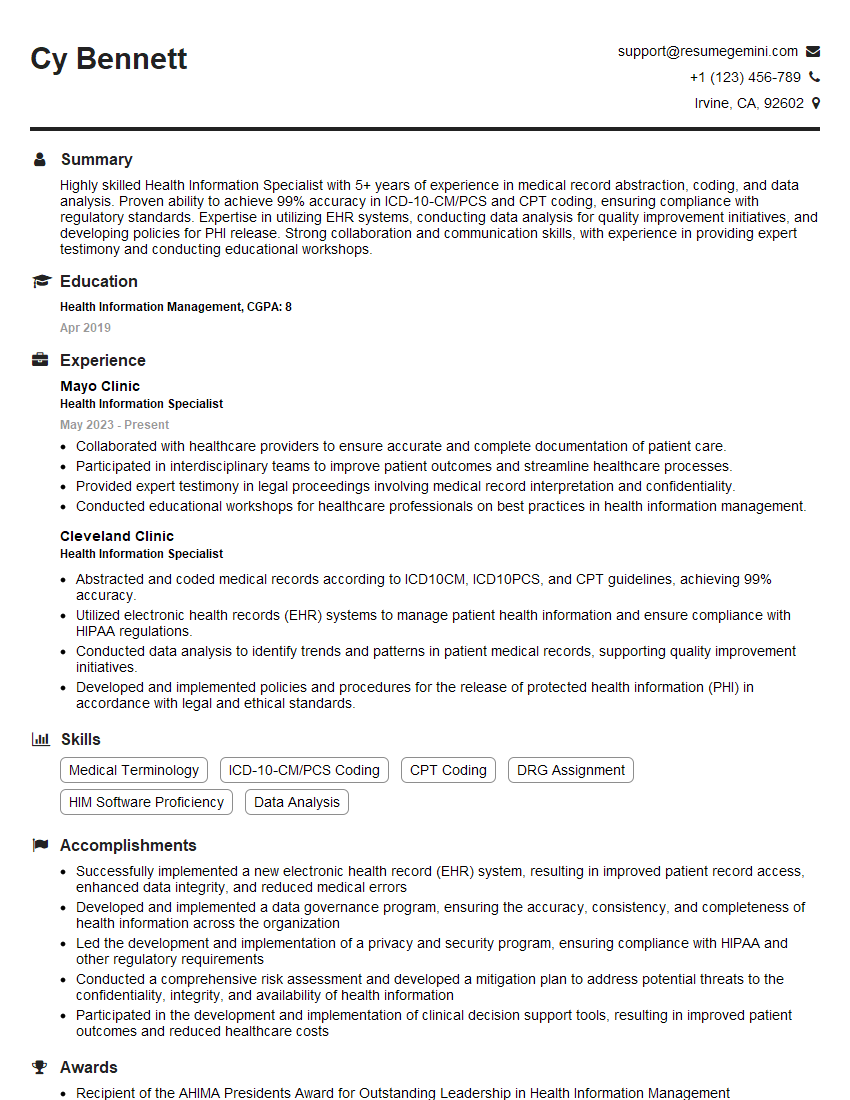
Health Information Specialist Resume Sample
Explore more articles
Users Rating of Our Blogs
Share Your Experience
We value your feedback! Please rate our content and share your thoughts (optional).
What Readers Say About Our Blog
To the interviewgemini.com Webmaster.
Very helpful and content specific questions to help prepare me for my interview!
Thank you
To the interviewgemini.com Webmaster.
This was kind of a unique content I found around the specialized skills. Very helpful questions and good detailed answers.
Very Helpful blog, thank you Interviewgemini team.