Are you ready to stand out in your next interview? Understanding and preparing for Peak Flow Monitoring interview questions is a game-changer. In this blog, we’ve compiled key questions and expert advice to help you showcase your skills with confidence and precision. Let’s get started on your journey to acing the interview.
Questions Asked in Peak Flow Monitoring Interview
Q 1. Explain the principles behind peak flow monitoring.
Peak flow monitoring measures the fastest rate of air you can exhale from your lungs. It’s a simple, yet effective way to assess your lung function, particularly helpful in managing conditions like asthma and chronic obstructive pulmonary disease (COPD). The principle lies in the forceful exhalation, which reflects the airway’s overall patency – how open and clear your airways are. A lower peak flow suggests narrowed airways due to inflammation, mucus, or bronchospasm. A higher peak flow generally indicates better lung function and more open airways.
Q 2. Describe different types of peak flow meters and their functionalities.
Several types of peak flow meters exist, all designed to measure the peak expiratory flow rate (PEFR):
- Mini-peak flow meters: These are compact and portable, ideal for everyday monitoring. They’re easy to use and interpret, making them suitable for home use.
- Standard peak flow meters: These offer a slightly larger scale and may be easier to read for some individuals, especially those with vision impairment. They still maintain portability.
- Electronic peak flow meters: These meters provide a digital readout, removing any ambiguity in reading the scale. Many also store data over time, creating a trend of peak flow readings that can be shared with healthcare providers.
The functionality of all meters is the same: to measure the highest flow rate during a forceful exhalation. However, the form factor and data recording capabilities vary.
Q 3. What are the normal peak flow values for adults and children?
Normal peak flow values vary significantly depending on age, height, gender, and overall health. There’s no single ‘normal’ value. Instead, a patient’s personal best peak flow serves as their baseline. This is the highest reading they’ve achieved over a period of time, typically several weeks, when they’re feeling well. This helps to individualize their monitoring. However, general guidelines exist to provide a comparison point. A young adult male might have a personal best around 500-600 L/min, while a female might be in the 400-500 L/min range, but these are only approximate figures.
For children, peak flow values are significantly lower and vary widely according to age and size. It’s crucial to use age- and height-appropriate reference charts provided by the peak flow meter manufacturer. Comparing a child’s peak flow to a general adult range would be inaccurate and potentially misleading.
Q 4. How do you interpret peak flow readings in relation to a patient’s personal best?
Interpreting peak flow readings relative to a patient’s personal best is crucial for effective monitoring. The personal best establishes a baseline representing optimal lung function for that individual. Readings are typically categorized into zones:
- Green Zone (80-100% of personal best): Indicates good control of the respiratory condition. No immediate action is typically needed.
- Yellow Zone (50-80% of personal best): Suggests worsening of the condition. Increased monitoring is needed, and a patient might consider using their rescue medication.
- Red Zone (<50% of personal best): Indicates a severe decline in lung function, requiring immediate action. This usually involves contacting a doctor or healthcare provider and potentially using rescue medication. It can signal an acute exacerbation requiring medical attention.
For example, if a patient’s personal best is 500 L/min, a reading of 400 L/min (80%) falls into the yellow zone, prompting more careful monitoring and possible adjustment of medication.
Q 5. What are the limitations of peak flow monitoring?
Peak flow monitoring, while valuable, has limitations:
- Subjective Effort: The measurement depends on the patient’s effort in exhaling forcefully. Inconsistent effort can lead to inaccurate readings.
- Doesn’t Diagnose: It only measures airflow; it doesn’t diagnose the underlying cause of lung function changes.
- Not Suitable for All: It’s not suitable for all respiratory conditions or for patients with severe cognitive impairment or limited hand strength to perform the test accurately.
- Limited Information: It focuses solely on the peak expiratory flow rate, missing other valuable aspects of lung function, such as lung volumes.
Therefore, peak flow monitoring should be used in conjunction with other diagnostic tests and clinical evaluations for a comprehensive assessment of respiratory health.
Q 6. Explain the relationship between peak flow and lung function.
Peak flow directly reflects lung function, specifically the ability to forcefully exhale air. The higher the peak flow, the better the airflow, implying less airway obstruction and better overall lung function. Conditions that narrow the airways, such as asthma or COPD, reduce peak flow values. Factors such as inflammation, mucus buildup, and bronchospasm impede airflow, leading to lower peak expiratory flow rates. Conversely, effective treatment that opens airways will improve peak flow readings, indicating improved lung function.
Q 7. How do you instruct a patient on proper peak flow meter usage?
Proper instruction on peak flow meter use is crucial for accurate and reliable results. Here’s a step-by-step guide:
- Explain the Purpose: Clearly explain why peak flow monitoring is important and how it helps manage their condition.
- Demonstrate the Technique: Show the patient how to hold and use the meter correctly, emphasizing proper posture (sitting upright) and a forceful, sustained exhalation.
- Practice Sessions: Allow multiple practice attempts, providing feedback on technique. Ensure they understand how to take several readings and record the highest one.
- Record Keeping: Teach patients how to keep a daily record of their peak flow readings, noting any symptoms or medication use.
- Zone Interpretation: Clearly explain the different zones (green, yellow, red) and the actions to take in each zone.
- Follow-up and Support: Schedule regular follow-up appointments to review readings, address any questions, and adjust treatment as needed.
Using clear, simple language and demonstrating the technique several times will help ensure the patient understands and can correctly use the peak flow meter.
Q 8. What are the key factors affecting peak flow readings?
Peak flow readings, reflecting the maximum speed of air expelled from the lungs, are influenced by several key factors. Think of it like trying to blow out a candle – some days you have more breath power than others.
- Lung Function: Underlying lung conditions like asthma or COPD significantly impact peak flow. Inflammation and narrowing of the airways directly reduce the force of exhalation.
- Medication: Bronchodilators, like inhalers, can temporarily improve peak flow by relaxing airway muscles and opening up the airways. Conversely, certain medications might have an adverse effect.
- Environmental Factors: Exposure to allergens (pollen, dust mites), irritants (smoke, pollution), and temperature changes can trigger airway narrowing and decrease peak flow readings. Imagine how a cold wind can make breathing more difficult.
- Time of Day: Peak flow readings naturally vary throughout the day, often being lower in the early morning due to overnight airway inflammation. This is called diurnal variation.
- Effort and Technique: The patient’s effort and correct technique in performing the peak flow test are critical. Inconsistent technique will lead to inaccurate measurements.
- Patient Factors: Age, gender, and overall health status also play roles in the peak flow value. Peak flow meters are calibrated for different height ranges and age groups
Understanding these factors allows us to interpret peak flow readings more accurately and to take appropriate management strategies based on whether these variations are expected or unexpected.
Q 9. How do you manage a patient with consistently low peak flow readings?
Consistently low peak flow readings are a serious concern, indicating possible airway obstruction. Management requires a multifaceted approach, focusing on identifying the underlying cause and providing appropriate treatment. It’s crucial to think of this like a detective investigation, where we need to find the root cause of the problem.
- Assess the Patient: Thorough patient history taking, including medication usage, allergen exposure, recent infections, and other symptoms (cough, wheezing, chest tightness), is essential. A physical exam should look for any respiratory distress.
- Investigate: Further investigations might include spirometry (a more precise measure of lung function), chest X-ray, or blood tests to rule out infections or other underlying conditions.
- Treat the Underlying Cause: Treatment depends on the cause. If asthma is the culprit, optimizing medication might involve increasing the dose of current medications, adding new medications, or adjusting the treatment plan according to updated guidelines. If there is an infection, appropriate antibiotics might be necessary.
- Patient Education and Self-Management: Empowering the patient with knowledge on asthma or COPD management, inhaler technique, environmental control measures, and peak flow monitoring is crucial for long-term control.
- Monitor and Adjust: Regular peak flow monitoring allows for early detection of worsening symptoms and timely intervention. The treatment plan must be revisited frequently to ensure optimal control. This requires a collaborative approach between the physician and the patient.
Q 10. Describe the role of peak flow monitoring in asthma management.
Peak flow monitoring plays a vital role in asthma management; think of it as a personal early warning system. It allows for personalized management based on individual needs.
- Disease Monitoring: Regular peak flow readings help track the severity of asthma and identify exacerbations before they become life-threatening. This allows for proactive management rather than reactive.
- Treatment Adjustment: Monitoring allows healthcare professionals to adjust medication dosages or treatment plans as needed. Patients can learn to adjust their medications themselves based on their peak flow measurements, guided by their doctor’s plan.
- Identifying Triggers: By noting the correlation between peak flow readings and environmental factors or activities, patients can pinpoint their personal asthma triggers (e.g., pollen, exercise).
- Patient Empowerment: Peak flow monitoring empowers patients to actively participate in their own care. It helps them develop self-management skills and promotes adherence to their treatment plan.
- Emergency Preparedness: Knowing personal best and worst peak flow readings enables patients to anticipate and prepare for potential emergencies. This includes knowing when to seek immediate medical attention.
Q 11. How do you differentiate between acute and chronic airflow limitations using peak flow?
Differentiating between acute and chronic airflow limitations using peak flow requires considering the context of the reading along with the patient’s history. It’s like examining a single snapshot versus reviewing a whole film reel.
- Acute Exacerbation: A sudden and significant drop in peak flow compared to the patient’s personal best, often accompanied by other symptoms (cough, wheezing, increased shortness of breath), points towards an acute exacerbation, perhaps due to an infection or environmental trigger. This is a ‘sudden’ and rapid decline.
- Chronic Airflow Limitation: Consistently low peak flow readings, even without acute symptoms, indicate a chronic airflow limitation, more consistent with conditions like COPD. This requires more careful long-term management and monitoring.
The distinction is crucial as acute exacerbations require immediate medical intervention, while chronic limitations need ongoing management to minimize symptom frequency and severity.
Q 12. What are the potential errors associated with peak flow measurement?
Peak flow measurements are prone to various errors, leading to inaccurate results. Precise technique is extremely important.
- Technique Errors: Improper mouth placement on the mouthpiece, insufficient effort in exhaling, or performing the test too soon after using a bronchodilator can produce inaccurate readings.
- Device Malfunction: A damaged or improperly calibrated peak flow meter will yield inaccurate results.
- Environmental Factors: Extreme temperatures or high humidity can affect the accuracy of the measurement.
- Patient Factors: Lack of understanding the proper technique, poor compliance, or factors like fatigue or illness can affect the patient’s effort and hence the measurement.
- Inter-observer variability: If different people measure, slightly different readings can be recorded
Careful attention to detail and proper training can minimize these errors.
Q 13. How can you ensure the accuracy and reliability of peak flow readings?
Ensuring accuracy and reliability of peak flow readings involves careful attention to several aspects – think of it as ensuring a good quality measurement, rather than simply taking a reading.
- Proper Technique Training: Patients must receive thorough training on the correct technique for using a peak flow meter, emphasizing proper mouth placement, forceful exhalation, and the need for several attempts to obtain a consistent reading. This can be done through demonstrations and practice sessions.
- Calibration: Regularly check the peak flow meter for proper calibration using a standardized device to ensure its accuracy.
- Recording and Tracking: Maintaining a daily peak flow record helps monitor trends over time. This record needs to be reviewed with a physician for effective management
- Environmental Considerations: Perform measurements under consistent environmental conditions, avoiding extremes in temperature or humidity.
- Multiple Readings: Taking multiple readings and averaging them significantly improves the accuracy of the measurement.
Q 14. How often should peak flow measurements be taken?
The frequency of peak flow measurements depends on the individual patient’s needs and the severity of their condition. It’s not a one-size-fits-all answer.
- Mild Asthma: Patients with mild asthma may only need to monitor their peak flow once or twice a week, primarily to track their baseline and identify any changes.
- Moderate to Severe Asthma: Patients with moderate to severe asthma should monitor their peak flow daily, ideally at the same time each day, to provide insights into variations across a day and to track changes in the disease. This also helps catch worsening symptoms in time.
- Acute Exacerbation: During an acute exacerbation, peak flow should be monitored more frequently, possibly every few hours, to guide treatment and assess response.
- Physician Guidance: The healthcare professional must guide each patient on the frequency of monitoring based on the patient’s individual needs, history and disease severity. This should be part of a shared decision making process.
The frequency of testing should always be tailored to the individual.
Q 15. Explain the importance of patient education in peak flow monitoring.
Patient education is paramount in peak flow monitoring. It empowers individuals to actively participate in managing their asthma or other respiratory conditions. Without understanding how to use a peak flow meter correctly and interpret the readings, the monitoring becomes ineffective.
- Meter Use: I explain the proper technique – how to stand upright, take a deep breath, and blow forcefully and steadily into the meter. I emphasize the importance of consistent effort for accurate results. I often demonstrate the technique multiple times.
- Personal Best: We establish a ‘personal best’ peak flow reading, representing their best lung function. This baseline helps to identify early warning signs of deterioration.
- Action Plans: We create a personalized action plan outlining what steps to take based on different peak flow zones (green, yellow, red). This includes medication adjustments, seeking medical attention, and recognizing worsening symptoms.
- Record Keeping: I show patients how to accurately record their daily peak flow readings in a diary or using a mobile app, stressing the importance of regularity and consistency.
For example, I recently worked with a young asthmatic patient who didn’t understand the significance of her peak flow readings. After thorough education, she became more proactive in managing her condition, reducing hospital visits and improving her quality of life.
Career Expert Tips:
- Ace those interviews! Prepare effectively by reviewing the Top 50 Most Common Interview Questions on ResumeGemini.
- Navigate your job search with confidence! Explore a wide range of Career Tips on ResumeGemini. Learn about common challenges and recommendations to overcome them.
- Craft the perfect resume! Master the Art of Resume Writing with ResumeGemini’s guide. Showcase your unique qualifications and achievements effectively.
- Don’t miss out on holiday savings! Build your dream resume with ResumeGemini’s ATS optimized templates.
Q 16. What are the potential consequences of inaccurate peak flow monitoring?
Inaccurate peak flow monitoring can have serious consequences. Incorrect technique, poorly calibrated meters, or inconsistent effort can lead to misinterpretations of lung function.
- Delayed Treatment: Underestimating the severity of an exacerbation can delay necessary medical intervention, potentially leading to increased inflammation, hospital admission, or even life-threatening complications.
- Unnecessary Medication: Overestimating the severity can result in unnecessary medication use, leading to potential side effects and increased healthcare costs.
- Ineffective Management: Inconsistent or inaccurate readings prevent the development of an effective management plan, hindering the ability to predict and prevent future exacerbations.
Imagine a patient with a poorly calibrated meter consistently registering low readings. They might delay seeking medical attention even when their condition worsens significantly, ultimately jeopardizing their health.
Q 17. How do you document peak flow readings in a patient’s chart?
Peak flow readings are documented meticulously in the patient’s chart. This involves precise recording of the numerical value, the date, and the time of the measurement.
- Numerical Value: The actual peak flow reading (in L/min) is recorded clearly.
- Date and Time: The date and time of the measurement are essential for tracking trends and identifying patterns.
- Contextual Information: Any relevant information, such as the patient’s symptoms, medication use, or recent environmental exposures, is also included.
- Zone Classification: We often include the designated zone (green, yellow, or red) based on the patient’s personal best and action plan.
For example, a chart entry might read: “Peak Flow: 350 L/min, Date: 2024-10-27, Time: 8:00 AM, Zone: Yellow, Patient reported mild wheezing. Albuterol inhaler used.”
Q 18. Describe your experience with interpreting peak flow trends.
Interpreting peak flow trends involves analyzing the patterns in readings over time. This helps us assess the effectiveness of treatment, identify early warning signs of exacerbations, and make informed clinical decisions.
I look for several key indicators:
- Consistent decline: A gradual decrease in peak flow readings over several days is a significant warning sign, often indicating a worsening respiratory condition.
- Sudden drops: A sharp decrease in peak flow can indicate an acute exacerbation requiring immediate medical intervention.
- Lack of response to treatment: If peak flow readings don’t improve despite appropriate medication, it suggests the need for reevaluation of the treatment plan.
- Variability: Significant day-to-day variability could indicate poor control or inadequate medication adherence.
For instance, I once managed a patient whose peak flow readings showed a steady decline over a week despite consistent medication use. This prompted us to investigate further, ultimately leading to the discovery of a previously undiagnosed respiratory infection. Early detection thanks to careful trend analysis allowed for timely treatment and prevented serious complications.
Q 19. How do you communicate peak flow results to patients and healthcare professionals?
Communicating peak flow results requires clear and concise language tailored to the audience.
- Patients: I explain the readings in simple, non-medical terms, relating them to their symptoms and daily activities. I ensure they understand their action plan and what steps to take based on their readings.
- Healthcare Professionals: I provide a comprehensive summary of the peak flow trends, including numerical data, contextual information, and any relevant observations. This facilitates collaboration and ensures continuity of care.
For example, when discussing results with a patient, I might say: “Your peak flow is in the yellow zone today, which means your breathing is slightly worse than usual. Let’s use your rescue inhaler and monitor it closely. If it drops further into the red zone, call me immediately.” When communicating with a physician, I would provide a more detailed report, potentially including graphs of the peak flow readings over time.
Q 20. What is the role of peak flow monitoring in emergency situations?
In emergency situations, peak flow monitoring plays a crucial role in assessing the severity of respiratory distress. A significantly low peak flow reading can indicate a life-threatening condition requiring immediate intervention.
It helps guide treatment decisions and monitors the patient’s response to therapy. It’s an important vital sign in emergency settings. For example, low peak flow in a patient experiencing an asthma attack may indicate the need for immediate oxygen therapy, bronchodilators, and potentially hospitalization.
Q 21. How does peak flow monitoring relate to other pulmonary function tests?
Peak flow monitoring is a simple, readily available test, but it’s just one piece of the puzzle when evaluating pulmonary function. While it provides a useful assessment of expiratory airflow, it doesn’t offer the comprehensive picture provided by other pulmonary function tests.
- Spirometry: Spirometry provides a more detailed assessment of lung volumes and flows, including forced vital capacity (FVC) and forced expiratory volume in 1 second (FEV1), which are important for diagnosis and monitoring of various respiratory conditions.
- Arterial Blood Gas Analysis: ABG measures the levels of oxygen and carbon dioxide in the blood, providing information on gas exchange efficiency.
- Other Tests: Other tests, like chest X-rays, allergy testing, and exercise testing, may be necessary to fully understand the underlying cause of respiratory problems.
Peak flow monitoring is best used in conjunction with these other tests for a holistic understanding of a patient’s pulmonary health. It’s a valuable tool for self-management and early detection of worsening symptoms but isn’t a replacement for comprehensive pulmonary function assessments.
Q 22. Describe a situation where peak flow monitoring helped you manage a patient.
Peak flow monitoring played a crucial role in managing a patient, let’s call her Sarah, with moderate persistent asthma. Sarah experienced frequent exacerbations despite regular medication. We established a baseline peak expiratory flow (PEF) rate, which is the maximum speed of air expelled from the lungs. We then implemented a personalized asthma action plan based on her PEF readings. This plan outlined specific actions she needed to take at different PEF levels – for instance, increasing her medication at a certain threshold, and seeking immediate medical attention if the PEF fell below a critical level. Using this plan, we were able to better manage her condition, reducing hospital visits and improving her overall quality of life. Her adherence to regular monitoring and the timely adjustments to her treatment based on the peak flow readings were key to her success. We tracked her progress over time, making adjustments to her plan as necessary, thus preventing severe asthma attacks and promoting long-term respiratory health.
Q 23. How would you address a patient who is struggling to use a peak flow meter?
Addressing a patient struggling with a peak flow meter requires patience and clear instruction. I would begin by ensuring the patient understands the purpose of peak flow monitoring – to track lung function and help manage their condition proactively. I would then demonstrate the correct technique using a visual aid, if necessary, emphasizing proper posture (standing upright) and a forceful, yet controlled, exhalation. We’d practice together, ensuring the patient understands how to obtain the highest reading (peak flow) from several attempts. For patients with limited dexterity, we might explore alternative methods, such as using a smaller meter or modifying their grip. If the patient continues to face difficulty, I would explore if underlying issues like comprehension difficulties or physical limitations exist, and adapt my approach accordingly. For example, we might utilize a larger and easier-to-grip peak flow meter or involve a caregiver to assist.
Q 24. What are the key indicators for referring a patient to a specialist based on peak flow readings?
Referral to a specialist based on peak flow readings is crucial when significant deterioration or concerning patterns emerge. Key indicators include: a consistent drop in PEF values below 50% of the patient’s personal best (PB), persistent symptoms despite medication adjustments, significant fluctuations in PEF readings, and/or a severe drop in PEF associated with acute respiratory distress. The patient’s overall clinical picture, including other symptoms like increased breathlessness, coughing, or wheezing, is also considered. It’s important to note that the decision to refer is not solely based on peak flow but involves a holistic assessment of the patient’s condition and their response to treatment.
Q 25. Explain the difference between PEFR and FEV1 and how they relate to peak flow.
PEFR (peak expiratory flow rate) and FEV1 (forced expiratory volume in 1 second) are both measures of lung function, but they differ in their measurement technique and what they assess. PEFR, measured using a peak flow meter, represents the maximum speed of air expelled from the lungs during a forced exhalation. It’s a simple, quick test useful for monitoring asthma and other obstructive lung diseases. FEV1, on the other hand, is measured using spirometry, a more sophisticated device. It quantifies the volume of air a person can forcefully exhale in one second. FEV1 is a more comprehensive indicator of lung function, providing insights into both obstructive and restrictive lung diseases. Although both relate to peak flow, they provide different information. PEF is a convenient measure for daily monitoring of disease progression, while FEV1 provides more detailed and diagnostic information.
Q 26. How do you adapt peak flow monitoring techniques for patients with different abilities or conditions?
Adapting peak flow monitoring techniques for patients with varying abilities is essential for effective management. For patients with limited hand strength, we might use a peak flow meter with a larger, easier-to-grip handle or employ a caregiver to assist. For visually impaired patients, large-print meters or auditory feedback devices are beneficial. We might also simplify the instructions, use visual aids, and provide regular check-ins and support. For patients with cognitive impairments, a simplified action plan with clear visual cues and caregiver involvement might be necessary. This tailored approach ensures the patient’s ability to actively participate in their health management, leading to more effective outcomes.
Q 27. What are the latest advancements in peak flow monitoring technology?
Recent advancements in peak flow monitoring include the development of digital peak flow meters that wirelessly transmit data to smartphones or computers for remote monitoring and analysis. Some devices incorporate sophisticated algorithms for predictive analytics, helping to identify potential exacerbations before they occur. Smartphone apps can provide personalized feedback and support to patients, improving their adherence to monitoring regimens. There’s also a growing use of wearable sensors that provide continuous monitoring of respiratory function, offering more nuanced data than traditional peak flow meters. This real-time data enables proactive interventions and more personalized management of respiratory conditions.
Q 28. Discuss your understanding of the role of peak flow monitoring in disease management and prevention.
Peak flow monitoring plays a pivotal role in both disease management and prevention. In disease management, it empowers patients to actively participate in controlling their respiratory condition. Regular monitoring allows for early detection of exacerbations, enabling timely intervention and prevention of severe attacks. For asthma, for example, regular PEF monitoring helps adjust medication as needed and can help prevent hospitalization. In disease prevention, it can help identify individuals at risk for developing respiratory problems. By monitoring lung function over time, healthcare providers can detect subtle changes suggestive of underlying issues. This allows for early diagnosis and intervention, preventing the progression of the disease and improving patient outcomes. It’s about empowering individuals to be active participants in their health journey, and it’s a critical tool for managing respiratory conditions effectively.
Key Topics to Learn for Peak Flow Monitoring Interview
- Fundamentals of Respiratory Function: Understanding lung mechanics, airflow dynamics, and the role of peak expiratory flow (PEF) in assessing respiratory health.
- Peak Flow Meter Operation and Technique: Proper use of peak flow meters, including patient instruction, recording measurements accurately, and identifying potential errors in technique.
- Interpreting Peak Flow Data: Analyzing individual peak flow readings, recognizing patterns, and understanding the significance of variations in PEF measurements over time.
- Clinical Applications of Peak Flow Monitoring: Understanding how peak flow monitoring is used in the management of asthma, COPD, and other respiratory conditions, including disease monitoring and medication adjustments.
- Data Management and Reporting: Methods for organizing, storing, and presenting peak flow data, including the use of electronic health records (EHRs) and other relevant software.
- Asthma Action Plans and Peak Flow Zones: Familiarize yourself with creating and utilizing personalized asthma action plans based on peak flow measurements and identifying different zones (green, yellow, red) representing different levels of respiratory control.
- Limitations and Challenges of Peak Flow Monitoring: Understanding the factors that can influence PEF readings (e.g., technique, patient effort, environmental factors) and the limitations of peak flow monitoring in diagnosing respiratory conditions.
- Patient Education and Counseling: The importance of educating patients on the proper use of peak flow meters and interpreting their results for self-management of their respiratory conditions.
Next Steps
Mastering peak flow monitoring is crucial for a successful career in respiratory care, providing a strong foundation for advanced roles and showcasing your commitment to patient well-being. To enhance your job prospects, crafting an ATS-friendly resume is essential. ResumeGemini is a trusted resource that can significantly improve your resume’s effectiveness, helping you stand out to potential employers. ResumeGemini provides examples of resumes tailored to Peak Flow Monitoring, ensuring your qualifications are clearly presented to recruiters.
Healthcare Administrator Resume Sample

Quality Assurance Specialist Resume Sample
Regulatory Affairs Specialist Resume Sample

Clinical Coordinator Resume Sample
Clinical Research Associate Resume Sample

Clinical Educator Resume Sample

Physician Assistant Resume Sample

Pulmonologist Resume Sample
Clinical Nurse Specialist Resume Sample
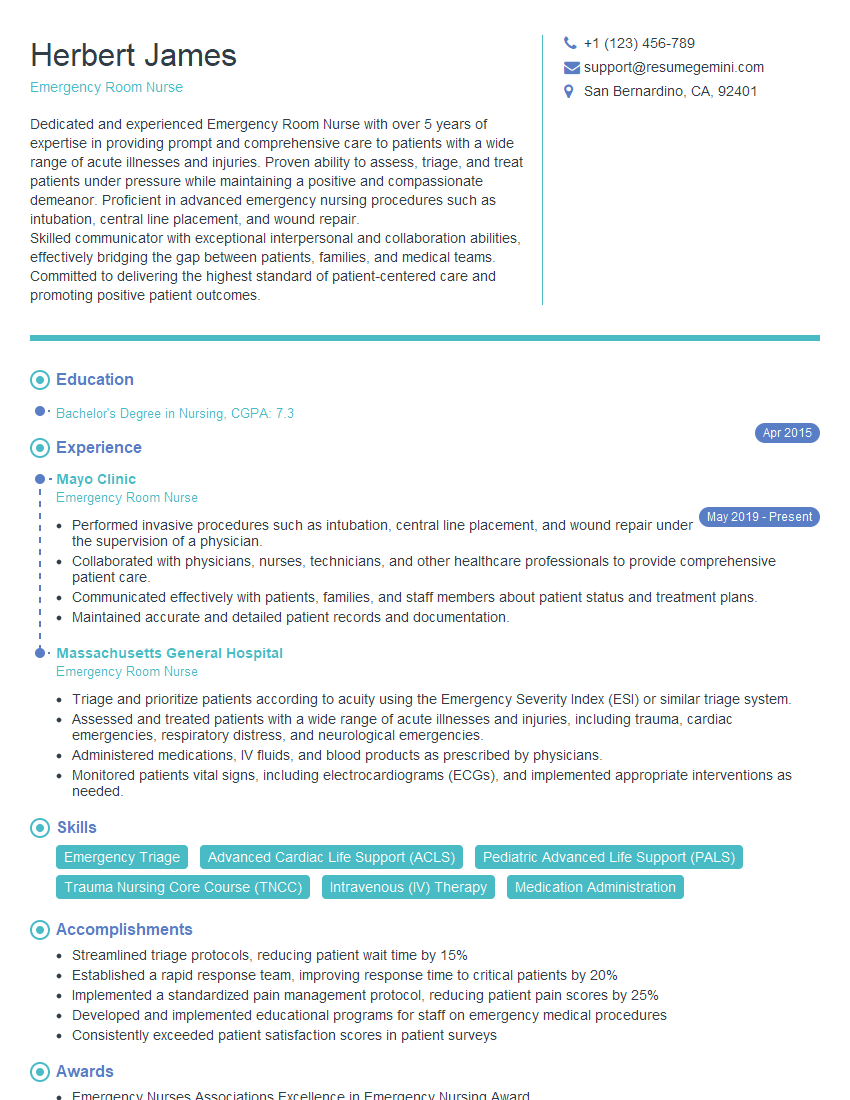
Emergency Room Nurse Resume Sample
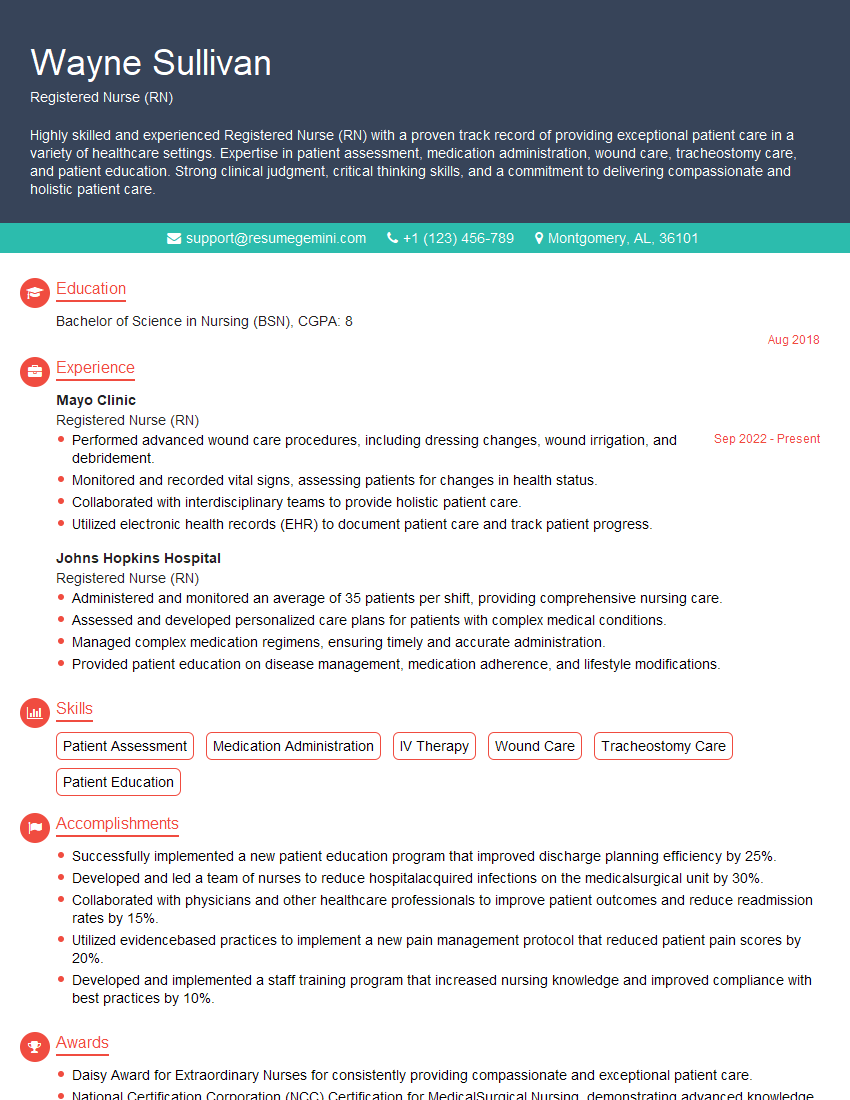
Registered Nurse (RN) Resume Sample
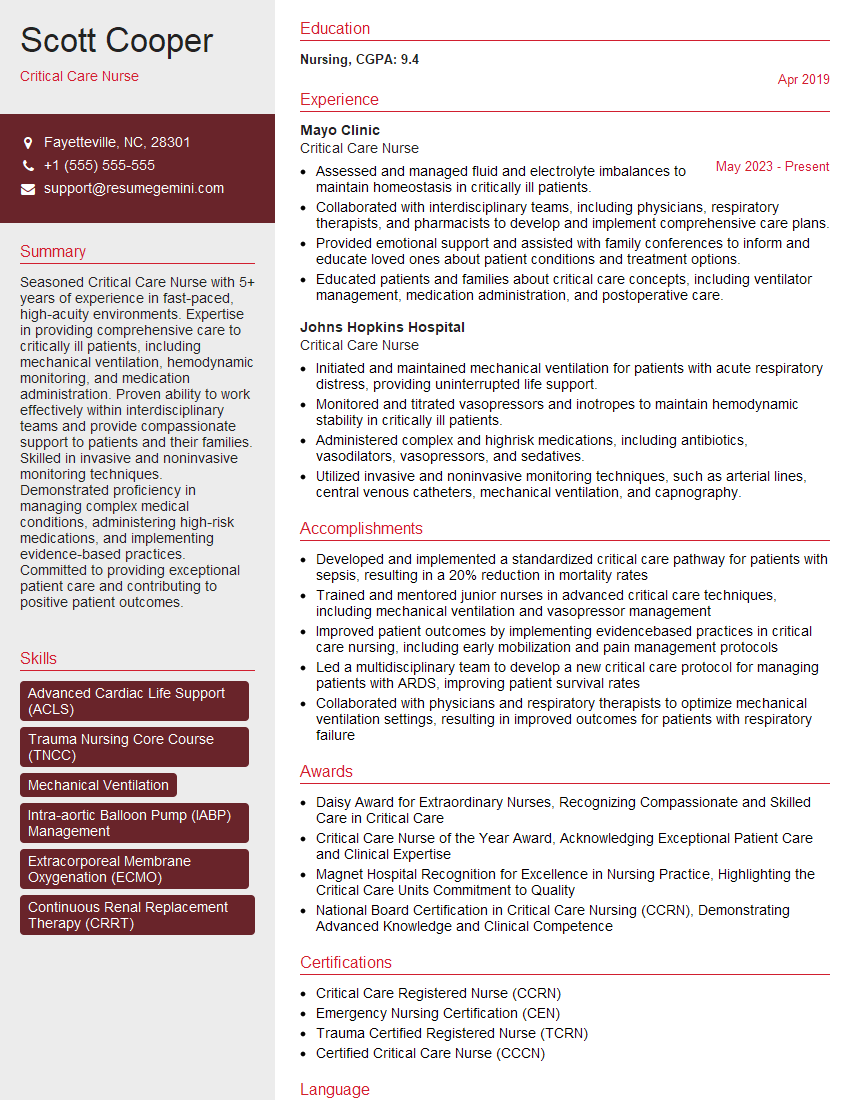
Critical Care Nurse Resume Sample
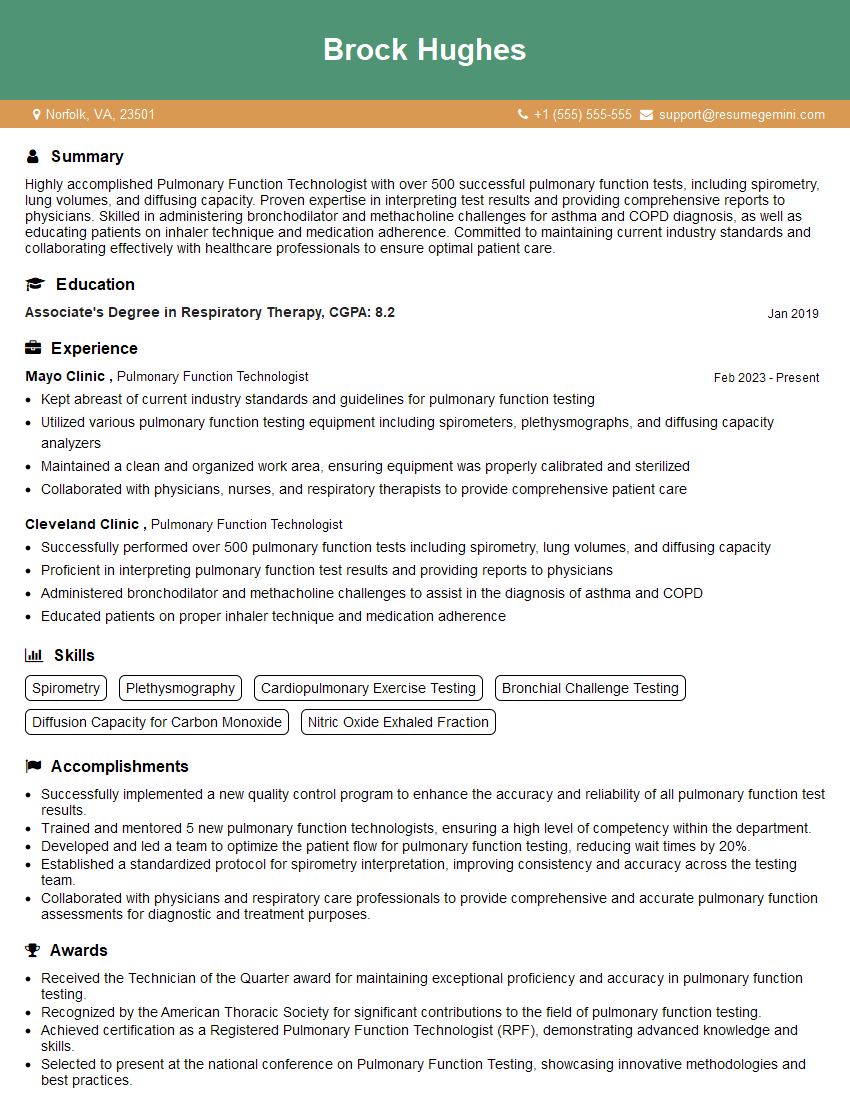
Pulmonary Function Technologist Resume Sample
- Healthcare Administrator
- Quality Assurance Specialist
- Regulatory Affairs Specialist
- Clinical Coordinator
- Clinical Research Associate
- Clinical Educator
- Physician Assistant
- Pulmonologist
- Clinical Nurse Specialist
- Emergency Room Nurse
- Registered Nurse (RN)
- Critical Care Nurse
- Pulmonary Function Technologist
Explore more articles
Users Rating of Our Blogs
Share Your Experience
We value your feedback! Please rate our content and share your thoughts (optional).
What Readers Say About Our Blog
To the interviewgemini.com Webmaster.
Very helpful and content specific questions to help prepare me for my interview!
Thank you
To the interviewgemini.com Webmaster.
This was kind of a unique content I found around the specialized skills. Very helpful questions and good detailed answers.
Very Helpful blog, thank you Interviewgemini team.