Every successful interview starts with knowing what to expect. In this blog, we’ll take you through the top Pediatric Behavioral Health interview questions, breaking them down with expert tips to help you deliver impactful answers. Step into your next interview fully prepared and ready to succeed.
Questions Asked in Pediatric Behavioral Health Interview
Q 1. Explain your understanding of the developmental stages of a child and how they influence behavioral challenges.
Understanding a child’s developmental trajectory is crucial in pediatric behavioral health. We consider several key stages, each with its unique challenges and milestones. For example, infants and toddlers (0-3 years) are primarily focused on attachment and sensory development. Behavioral issues at this stage often manifest as sleep disturbances, feeding problems, or intense tantrums, reflecting unmet needs or developmental delays. Preschoolers (3-5 years) are developing language skills and emotional regulation, leading to common challenges like defiance, aggression, and separation anxiety. School-aged children (6-12 years) face increased social pressures and academic demands, potentially leading to anxiety, depression, or attention difficulties. Adolescents (13-18 years) navigate puberty, identity formation, and independence, often grappling with mood swings, risky behaviors, and peer conflicts. These developmental stages significantly influence the type and presentation of behavioral challenges because the expectations for behavior and the child’s capacity to regulate their behavior differ drastically across these age groups. A child exhibiting aggressive behavior at age 2 requires a very different intervention than an adolescent exhibiting the same behavior.
- Infancy (0-2): Focus on attachment, sensory processing, and basic needs.
- Early Childhood (2-5): Development of language, self-regulation, and social skills.
- Middle Childhood (6-12): Increased academic and social demands, peer relationships.
- Adolescence (13-18): Identity formation, independence, puberty, peer influence.
Understanding these developmental norms helps us tailor interventions appropriately, focusing on age-appropriate coping mechanisms and expectations.
Q 2. Describe your experience with different therapeutic modalities used in pediatric behavioral health.
My experience encompasses a wide range of therapeutic modalities tailored to the specific needs of the child and family. I regularly utilize evidence-based practices such as Cognitive Behavioral Therapy (CBT), which helps children identify and modify negative thought patterns and behaviors. For younger children, I often incorporate play therapy, leveraging the power of play to express emotions and work through challenges. In cases of trauma, trauma-focused CBT (TF-CBT) is a highly effective approach. Parent training, particularly in positive parenting strategies and behavior management techniques, is an integral part of my work. I also integrate family systems therapy, recognizing that the child’s behavior is often influenced by family dynamics. Additionally, I’m familiar with and have utilized medication management strategies in collaboration with a psychiatrist, when clinically indicated. The choice of modality is always individualized and considers factors such as age, diagnosis, family support, and the child’s preferences.
For example, a child with anxiety might benefit from a combination of CBT to learn coping skills and relaxation techniques, and parent training to help parents support the child at home. A younger child with trauma might benefit from play therapy to process their experiences in a safe and comfortable setting.
Q 3. How do you assess and diagnose behavioral disorders in children?
Assessing and diagnosing behavioral disorders in children is a multi-faceted process. It starts with a comprehensive clinical interview, involving both the child and their parents or guardians. This allows me to gather a detailed history, including developmental milestones, family dynamics, medical history, and the presenting problem. I then employ standardized assessment tools, such as rating scales (e.g., Child Behavior Checklist, Conner’s Rating Scales) to quantify the severity of symptoms and obtain objective data. Observations of the child’s behavior, either during the session or in other settings through reports from parents and teachers, play a crucial role. Psychological testing, such as intelligence tests or neuropsychological assessments, may be conducted if needed to rule out other conditions or to gain a more detailed understanding of cognitive functioning. Finally, I integrate all this information to arrive at a comprehensive diagnosis based on DSM-5 criteria. It is very important to rule out any underlying medical conditions that might be contributing to the behavioral challenges. This collaborative process ensures an accurate and holistic understanding of the child’s needs.
Q 4. What are the common risk factors for childhood anxiety and depression?
Childhood anxiety and depression share several common risk factors. Genetic predisposition plays a significant role; a family history of these disorders increases a child’s vulnerability. Environmental factors are equally important, including stressful life events like divorce, trauma, or the loss of a loved one. Parenting styles can also impact a child’s emotional well-being; inconsistent or overly critical parenting can contribute to anxiety and depression. Furthermore, social factors such as bullying, peer rejection, or social isolation can greatly increase the risk. Biological factors, like hormonal imbalances or underlying medical conditions, can also play a role. It is crucial to remember that these factors often interact, creating a complex interplay of influences. For instance, a child with a genetic predisposition to anxiety might be more susceptible to developing an anxiety disorder if they experience a significant stressful life event, such as a parent’s job loss.
Q 5. Explain your approach to working with children with ADHD.
My approach to working with children with ADHD is highly individualized and multifaceted. It involves a collaborative effort between the child, family, school, and potentially other professionals. I begin with a thorough assessment to determine the specific symptoms, severity, and impact of ADHD on the child’s daily life. Behavioral interventions, such as parent training in behavior management techniques and school-based strategies to support academic performance, are often implemented. Cognitive behavioral therapy (CBT) is frequently employed to help the child develop self-regulation skills and manage impulsive behaviors. Medication management, in collaboration with a psychiatrist, may be considered if the behavioral interventions alone are not sufficient to improve symptoms. A key aspect of my approach is regular monitoring and adjustment of the treatment plan, acknowledging that what works well initially may need to be modified over time as the child grows and develops. Collaboration with school personnel is vital, working together to implement strategies in the classroom to maximize the child’s success.
Q 6. How do you involve parents and families in the treatment process?
Parents and families are integral to the treatment process. I believe that the child’s support system plays a crucial role in their recovery. I strive to create a collaborative therapeutic alliance with the family, viewing them as active partners in their child’s care. Parent training is a cornerstone of my approach, providing parents with the skills and strategies to support their child at home. Regular feedback sessions allow parents to express their concerns, ask questions, and actively participate in the treatment planning. I regularly involve parents in assessment processes and encourage their active participation in setting goals and evaluating progress. I am transparent about the diagnosis and treatment plan, explaining it in an understandable way, and answer their questions with patience and respect. Open communication and a strong therapeutic alliance are paramount to ensuring treatment success and building a supportive environment for the child.
Q 7. Describe your experience with trauma-informed care for children.
Trauma-informed care is central to my practice. It recognizes that many children’s behavioral problems stem from past trauma and adverse experiences. This approach prioritizes safety, trustworthiness, choice, collaboration, and empowerment. I create a therapeutic environment that is safe and non-judgmental, where the child feels heard, understood, and respected. I avoid triggering the child by being mindful of language and approaches. I work collaboratively with the child, allowing them to set the pace of treatment and make choices whenever possible. The focus is on building resilience and fostering a sense of self-efficacy. Interventions are tailored to the child’s specific needs and experiences, recognizing the uniqueness of each child’s trauma history. Collaborating with other professionals such as social workers and family therapists often enhances the effectiveness of trauma-informed care, providing a holistic and supportive network for the child and family. For example, a child who has experienced neglect may benefit from therapies focusing on attachment and building secure relationships, while a child who experienced abuse may require trauma-focused therapy specifically designed to address the impact of the abuse.
Q 8. How do you manage challenging behaviors in a therapeutic setting?
Managing challenging behaviors in children requires a multifaceted approach grounded in understanding the underlying causes. It’s not about simply suppressing the behavior, but identifying and addressing the function it serves. We utilize a combination of strategies tailored to the individual child and their specific needs.
Functional Behavioral Assessment (FBA): This is the cornerstone of our approach. An FBA systematically examines the antecedents (what triggers the behavior), the behavior itself, and the consequences (what maintains the behavior). For example, a child might throw toys (behavior) when they’re feeling overwhelmed by a transition (antecedent) and receive attention from a caregiver (consequence). Understanding this helps us intervene effectively.
Positive Behavior Support (PBS): This focuses on teaching replacement behaviors. Instead of simply punishing the undesirable behavior, we teach the child more appropriate ways to express their needs or cope with challenging situations. For instance, teaching a child to use words to express frustration instead of hitting.
Environmental Modifications: Sometimes, adjusting the child’s environment can significantly reduce challenging behaviors. This might involve creating a calmer space, providing more structure, or removing tempting triggers. For example, removing a favorite toy when a child is showing signs of extreme agitation and frustration.
Parent Training and Education: Parents are crucial partners in managing challenging behaviors. We provide them with strategies and tools they can use at home to reinforce what we’re working on in therapy. This collaborative approach ensures consistency and increases the likelihood of success.
For example, I worked with a child who frequently exhibited aggression. Through an FBA, we discovered it was linked to sensory overload. By implementing sensory breaks and teaching him self-regulation strategies, along with parent training, we drastically reduced the frequency and intensity of his outbursts.
Q 9. What are your strategies for collaborating with other professionals in a multidisciplinary team?
Collaboration is essential in pediatric behavioral health. Effective multidisciplinary teamwork requires open communication, shared goals, and a respect for each team member’s expertise. I believe in a collaborative, rather than hierarchical, model.
Regular Case Conferences: We hold regular meetings to discuss cases, share information, and coordinate treatment plans. This ensures everyone is on the same page and can offer valuable perspectives.
Clear Communication: I prioritize clear and concise communication with all team members through formal documentation, regular communication and using easily understandable language avoiding jargon.
Shared Decision-Making: I actively involve other professionals in developing and implementing treatment plans. Everyone’s input is valued, fostering a sense of ownership and shared responsibility.
Respectful Differences of Opinion: Healthy debate and difference in opinion is encouraged, as long as it is always based on the best interest of the child, leading to better solutions and more holistic care.
For example, in a recent case, I worked closely with a child’s pediatrician, school psychologist, and special education teacher. By sharing information and coordinating our interventions, we were able to provide the child with comprehensive support that addressed both their academic and behavioral challenges.
Q 10. How do you adapt your therapeutic approach to children with diverse cultural backgrounds?
Culturally sensitive care is paramount. My approach involves understanding and respecting the child’s and family’s cultural beliefs, values, and practices. Ignoring cultural differences can lead to misunderstandings and ineffective treatment.
Cultural Humility: I recognize that I don’t know everything about every culture. I continually strive to learn and remain open to different perspectives. This includes actively seeking out cultural education and resources.
Family-Centered Approach: I involve the family in all aspects of treatment, respecting their input and making sure the treatment aligns with their cultural norms.
Language Access: I ensure access to interpreters when needed to overcome language barriers. Cultural misunderstandings can be greatly mitigated through professional translation services.
Adapting Therapeutic Techniques: I adapt my therapeutic techniques to be culturally relevant and appropriate. What works well with one culture might not be as effective with another. This requires a flexible and adaptable approach.
For instance, when working with a family from a collectivist culture, I might focus on strengthening family relationships and involving the extended family in treatment, rather than focusing solely on the individual child. This understanding allows for increased engagement and a more successful therapeutic alliance.
Q 11. Describe your experience with evidence-based practices in pediatric behavioral health.
My practice is firmly grounded in evidence-based practices. I utilize interventions that have demonstrated efficacy through rigorous research. This ensures that the treatments I provide are effective, safe, and ethical.
Cognitive Behavioral Therapy (CBT): I frequently use CBT techniques to help children identify and change negative thought patterns and behaviors. This involves teaching coping skills, problem-solving strategies, and self-monitoring techniques.
Dialectical Behavior Therapy (DBT): DBT is particularly helpful for children with emotional dysregulation and self-harming behaviors. It emphasizes mindfulness, distress tolerance, emotion regulation, and interpersonal effectiveness.
Parent-Child Interaction Therapy (PCIT): PCIT is a powerful approach for improving parent-child relationships and reducing disruptive behaviors. It uses a structured format focused on coaching parents to better understand and interact with their children.
I regularly attend professional development workshops and stay updated on the latest research findings to ensure my practice remains current and effective. I always strive to use the best available evidence in guiding treatment choices.
Q 12. How do you assess a child’s strengths and resilience?
Assessing a child’s strengths and resilience is just as important as identifying their challenges. It provides a foundation for building a positive therapeutic relationship and developing effective interventions.
Observations: I observe the child in different settings – during play, in interactions with others, and in response to challenges – to identify their strengths. This includes noting their problem-solving skills, their ability to self-regulate, their creativity, and their social skills.
Interviews: I conduct interviews with the child, parents, and teachers to gather information about the child’s interests, accomplishments, and positive coping mechanisms.
Standardized Assessments: While focusing on challenges, I also utilize standardized assessments to formally measure the child’s areas of strength. This information is useful in developing a holistic treatment plan.
Strengths-Based Approach: I build treatment plans around the child’s strengths, using them as resources to overcome challenges. For example, if a child excels at art, we might use art therapy to help them process their emotions.
For example, a child may struggle with anxiety but show remarkable resilience by persevering through challenging academic tasks. Identifying and leveraging this resilience is key to building their confidence and coping mechanisms.
Q 13. What are some ethical considerations in pediatric behavioral health?
Ethical considerations are central to my practice. I adhere to a strict code of ethics that prioritizes the well-being, safety, and rights of the children and families I serve.
Informed Consent: I obtain informed consent from parents or legal guardians before beginning treatment. This ensures that they understand the treatment plan, potential risks and benefits, and their rights.
Confidentiality: I maintain strict confidentiality, sharing information only with those directly involved in the child’s care and only with proper authorization. Exceptions are made only as legally mandated.
Boundaries: I maintain clear professional boundaries with children and families to ensure ethical and appropriate interactions. This includes avoiding dual relationships and conflicts of interest.
Child Advocacy: I am an advocate for my clients. If I suspect abuse or neglect, I have a legal and ethical obligation to report it to the appropriate authorities.
Cultural Competence: Providing services that respect cultural differences and avoid imposing my own values or beliefs on my clients.
Navigating ethical dilemmas requires careful consideration, consultation with colleagues, and a commitment to placing the child’s best interests at the forefront.
Q 14. How do you maintain confidentiality in your work with children and families?
Confidentiality is crucial. I strictly adhere to professional guidelines and legal requirements regarding the privacy of children and families.
HIPAA Compliance: I follow all HIPAA regulations for the secure storage and handling of protected health information (PHI). This includes using password-protected electronic health records and following proper procedures for sharing information.
Secure Storage: All records, both physical and electronic, are stored securely and only accessible to authorized personnel.
Limited Information Sharing: I only share information with other professionals directly involved in the child’s care and only with the consent of the parents or legal guardians. Exceptions are made only in cases of suspected abuse, neglect, or imminent danger as mandated by law.
Data Encryption: Electronic records are encrypted to protect against unauthorized access.
Transparency about confidentiality policies is essential. Parents and children are informed about what information will be shared, with whom, and under what circumstances. This ensures trust and collaboration.
Q 15. Describe your experience with crisis intervention strategies for children.
Crisis intervention with children requires a calm, empathetic, and decisive approach. It’s about de-escalating the immediate situation while ensuring the child’s safety and well-being. My strategy focuses on understanding the underlying trigger for the crisis, which might include overwhelming emotions, sensory overload, or unmet needs.
- Safety First: The initial priority is to ensure the child and those around them are safe from harm. This might involve removing the child from a triggering environment or creating physical space.
- Active Listening and Validation: I use active listening techniques to understand the child’s perspective, validating their feelings without necessarily condoning the behavior. This can involve mirroring their emotions (“It sounds like you’re feeling really frustrated right now.”) and showing genuine empathy.
- Calm and Soothing Communication: My communication style is calm, slow, and clear, using simple language appropriate for the child’s age and developmental level. I avoid confrontation and maintain a non-threatening posture.
- Collaboration and Support: I involve parents or caregivers as appropriate, working collaboratively to develop a calming plan. This may involve offering comfort objects, deep breathing exercises, or other relaxation techniques.
- Post-Crisis Debriefing: Following the immediate crisis, it’s crucial to have a calm discussion about what happened, helping the child understand their feelings and develop coping mechanisms for future situations.
For example, I once worked with a young boy who became intensely aggressive during a sensory overload experience. By calmly removing him from the overwhelming environment to a quiet space and using deep breathing exercises, we were able to de-escalate the situation and help him process his experience.
Career Expert Tips:
- Ace those interviews! Prepare effectively by reviewing the Top 50 Most Common Interview Questions on ResumeGemini.
- Navigate your job search with confidence! Explore a wide range of Career Tips on ResumeGemini. Learn about common challenges and recommendations to overcome them.
- Craft the perfect resume! Master the Art of Resume Writing with ResumeGemini’s guide. Showcase your unique qualifications and achievements effectively.
- Don’t miss out on holiday savings! Build your dream resume with ResumeGemini’s ATS optimized templates.
Q 16. How do you utilize assessment tools to inform treatment planning?
Assessment tools are crucial for creating effective treatment plans. They provide a structured way to gather information about a child’s strengths, challenges, and needs. My approach involves using a variety of tools, tailored to the child’s age and presenting concerns. This often includes clinical interviews, standardized questionnaires, and observations.
- Clinical Interviews: I conduct thorough interviews with the child, parents, and other relevant individuals to gather a comprehensive history of the presenting problem, developmental milestones, family dynamics, and social context.
- Standardized Questionnaires: These provide objective measures of symptoms and behaviors. Examples include the Child Behavior Checklist (CBCL), the Autism Diagnostic Observation Schedule (ADOS), and the Conner’s Rating Scales. These tools offer quantifiable data to inform diagnosis and treatment.
- Observations: Direct observation of the child in different settings (e.g., school, home, clinic) offers valuable insights into their behavior, interactions, and adaptive functioning.
The data gathered from these assessments are then used to create a comprehensive profile of the child’s needs. This profile, combined with my clinical expertise, guides the development of a tailored treatment plan. For instance, if a child scores high on the anxiety subscale of the CBCL, we might incorporate cognitive-behavioral therapy (CBT) techniques into their treatment.
Q 17. Explain your understanding of the impact of social determinants of health on child behavior.
Social determinants of health (SDOH) profoundly impact a child’s behavior and mental well-being. These are the conditions in which people are born, grow, live, work, and age, and they include factors like poverty, access to healthcare, housing stability, neighborhood safety, and exposure to violence. Understanding these factors is critical for effective intervention.
- Poverty and Resource Deprivation: Children living in poverty are at increased risk for various behavioral problems due to stress, lack of resources, and limited access to quality education and healthcare.
- Trauma and Adverse Childhood Experiences (ACEs): Exposure to violence, abuse, or neglect can significantly impact a child’s emotional and behavioral development, leading to difficulties in regulation, attachment, and social skills.
- Lack of Access to Healthcare: Inadequate access to mental health services can delay diagnosis and treatment, exacerbating existing behavioral challenges.
- Neighborhood and Environmental Factors: Exposure to environmental toxins, unsafe neighborhoods, and lack of green spaces can contribute to stress and behavioral problems.
For example, a child experiencing chronic stress due to housing instability may exhibit behavioral problems in school because of the associated sleep disruption and emotional distress. Addressing the underlying SDOH issues through collaboration with social workers and community resources is essential for successful treatment.
Q 18. How do you manage your own stress and burnout in this demanding field?
Working in pediatric behavioral health can be emotionally demanding. To prevent burnout, I prioritize self-care and stress management techniques.
- Mindfulness and Meditation: Regular mindfulness practices help me stay grounded and manage stress in the moment.
- Physical Exercise: Regular exercise is essential for both physical and mental well-being.
- Strong Support System: I maintain strong professional relationships with colleagues, supervisors, and mentors, providing opportunities for collaboration and mutual support.
- Setting Boundaries: I set clear boundaries between my work and personal life to prevent emotional exhaustion.
- Seeking Supervision and Support: Regular clinical supervision provides a space to process challenging cases and gain support from experienced professionals.
- Engaging in Hobbies and Activities: I maintain hobbies and activities outside of work to promote relaxation and rejuvenation.
It’s crucial to remember that self-care is not selfish but rather essential for providing high-quality care to my patients.
Q 19. Describe a situation where you had to deal with a challenging family dynamic.
I once worked with a family where the parents were in a high-conflict divorce. Their conflict significantly impacted their child’s behavior. The child displayed significant anxiety and acted out in school.
My approach involved:
- Individual Therapy: I provided individual therapy for the child to help them understand and process their emotions, develop coping mechanisms, and enhance their self-esteem.
- Family Therapy: I facilitated family therapy sessions to address the parental conflict and its impact on the child. The focus was on improving communication, conflict resolution skills, and co-parenting strategies.
- Parent Training: I provided training to the parents on strategies for managing their child’s behavior consistently and effectively across both homes.
- Collaboration with School: I worked closely with the school to ensure a supportive environment for the child and to coordinate interventions.
Through this collaborative approach, we were able to significantly reduce the child’s anxiety, improve their behavior, and help the parents build more constructive co-parenting relationships.
Q 20. How do you ensure cultural competence in your practice?
Cultural competence is fundamental in my practice. It involves understanding and respecting the diverse cultural backgrounds and beliefs of the children and families I work with. My approach includes:
- Self-Reflection: Regularly examining my own biases and assumptions about different cultures is vital.
- Cultural Humility: Approaching each interaction with a humble attitude, recognizing my limitations in understanding another culture, and being open to learning from others.
- Cultural Sensitivity Training: I participate in ongoing training to enhance my understanding of diverse cultures.
- Adapting Treatment Approaches: I tailor treatment approaches to fit the cultural contexts of my clients, considering their values, beliefs, and family structures.
- Utilizing Interpreters and Cultural Mediators: When necessary, I utilize interpreters and culturally sensitive mediators to ensure effective communication.
- Culturally Relevant Resources: I connect families with culturally appropriate resources and supports.
For example, I ensure to use culturally appropriate language and understand the impact of family hierarchy when working with families from different cultural backgrounds. This approach ensures that treatment is effective, ethical, and respectful of the unique cultural context of each individual.
Q 21. What is your approach to working with children with autism spectrum disorder?
My approach to working with children with Autism Spectrum Disorder (ASD) is grounded in evidence-based practices and emphasizes a holistic perspective.
- Comprehensive Assessment: A thorough assessment using standardized tools like the ADOS and Autism Diagnostic Interview-Revised (ADI-R), as well as developmental assessments, is crucial to understand the child’s strengths and challenges.
- Applied Behavior Analysis (ABA): ABA is a widely accepted evidence-based approach for teaching new skills and reducing challenging behaviors. I use principles of ABA to create individualized treatment plans.
- Speech-Language Therapy: Many children with ASD benefit from speech-language therapy to improve communication skills.
- Occupational Therapy: Occupational therapy can assist in developing sensory processing skills, fine motor skills, and adaptive behaviors.
- Social Skills Training: Group or individual social skills training is often integrated into the treatment plan to improve social interaction and communication skills.
- Family Involvement: I actively involve parents and caregivers in the treatment process, providing training and support to ensure consistency across settings.
It’s important to remember that every child with ASD is unique. Therefore, treatment plans should be individualized and adapted based on the child’s specific needs and strengths. The collaborative approach with families and other professionals is key for effective outcomes.
Q 22. How do you handle situations where a child is reluctant to engage in therapy?
Building rapport and trust is paramount when a child is reluctant to engage in therapy. It’s crucial to remember that children express themselves differently than adults; resistance isn’t necessarily defiance, but often a reflection of their discomfort or fear. My approach involves creating a safe and non-judgmental space. This might include starting with play therapy, allowing the child to lead the session and dictate the pace. I’d also focus on understanding their reluctance through careful observation and open-ended questions, avoiding pressure or direct confrontation. For example, I might ask, “What part of coming here feels a bit tricky today?” or “If therapy were a game, what would it look like?” I might incorporate their interests into activities, or use creative methods like art therapy or storytelling to facilitate expression. Gradually increasing engagement, building a strong therapeutic alliance based on trust and understanding is key. I may also collaborate with parents or guardians to find strategies that work best within the family environment.
For example, I once worked with a young boy who was extremely hesitant to speak. Instead of pushing him, we spent several sessions playing with LEGOs. Through this, I could observe his communication style, identify his interests, and gradually build a trusting relationship. This allowed him to eventually open up about the anxieties he was experiencing.
Q 23. Describe your experience with medication management collaboration in pediatric mental health.
Medication management in pediatric mental health requires a collaborative approach involving psychiatrists, therapists, parents, and the child (age-appropriately). My role as a therapist is to provide detailed information about the child’s behavioral and emotional presentation, including the impact on their functioning at home, school, and socially. This detailed assessment helps the psychiatrist make an informed decision regarding medication. I actively participate in regular communication with the prescribing physician to monitor the child’s response to medication, reporting any changes in behavior, side effects, or efficacy. It’s essential to educate the parents about the medication, its potential side effects, and the importance of adherence. Furthermore, I integrate the effects of medication into the therapy plan, adjusting approaches as needed. For instance, if medication reduces anxiety, therapy can focus on developing coping mechanisms and addressing underlying issues that contributed to the anxiety. Collaboration is crucial to ensure holistic care and optimize outcomes for the child.
Q 24. How do you create a safe and supportive therapeutic environment for children?
Creating a safe and supportive therapeutic environment for children is fundamental to effective treatment. This involves establishing clear boundaries while simultaneously fostering warmth and empathy. The physical space should be comfortable, child-friendly, and free from distractions. This could involve age-appropriate toys, comfortable seating, and calming décor. More importantly, a strong therapeutic alliance is built on trust, respect, and confidentiality (age-appropriate explanations of confidentiality are essential). I create a space where children feel empowered to express themselves without judgment. I actively listen, validate their feelings, and ensure they feel understood. This includes using child-friendly language, respecting their pace, and acknowledging their emotional experiences. I might incorporate elements of play therapy, creative arts, or other child-centered techniques to make the environment more engaging and accessible.
For example, I always begin sessions by asking the child what they would like to do or talk about, giving them a sense of control and ownership of the therapeutic process.
Q 25. Explain your understanding of different types of child abuse and neglect.
Child abuse and neglect encompasses a range of harmful actions or omissions that endanger a child’s physical, emotional, or psychological well-being. There are several key categories:
- Physical Abuse: This involves acts causing physical harm, such as hitting, burning, or shaking a child.
- Neglect: This is the failure to provide basic needs, including food, shelter, clothing, medical care, and supervision. It can also be emotional neglect, failing to meet a child’s emotional needs for love, attention, and support.
- Sexual Abuse: This encompasses any sexual act imposed on a child, including touching, exploitation, or exposure to sexual content.
- Emotional Abuse: This involves verbal abuse, threats, intimidation, or constant criticism that can severely damage a child’s self-esteem and emotional development.
Recognizing the signs of abuse or neglect is critical. These can vary depending on the type and severity, but may include unexplained injuries, behavioral changes, withdrawal, developmental delays, or inconsistent stories. As a therapist, mandated reporting is crucial. Any suspicion of abuse requires me to follow legal protocols to protect the child’s safety and well-being.
Q 26. What are your strategies for promoting positive parenting skills?
Promoting positive parenting skills involves educating parents about child development, effective discipline strategies, and building strong parent-child relationships. My approach incorporates several strategies:
- Parent education workshops or individual sessions: I provide information on child development, age-appropriate expectations, and healthy communication techniques.
- Modeling positive interactions: I demonstrate healthy communication styles during sessions, showing parents how to respond to children’s emotional needs effectively.
- Skill-building exercises: I guide parents through practical exercises to strengthen parenting skills, including active listening, positive reinforcement, and setting clear boundaries.
- Stress management techniques: I help parents manage their own stress, as this significantly impacts their parenting abilities.
A key element is empowering parents to recognize their strengths and build on them. Positive parenting is not about perfection, but about creating a nurturing environment built on mutual respect, understanding, and positive reinforcement. I emphasize the importance of consistent discipline and the use of logical consequences rather than punishment.
Q 27. Describe your experience with developing and implementing behavior modification plans.
Developing and implementing behavior modification plans involves a systematic approach focused on changing undesirable behaviors. It begins with a thorough assessment to identify the target behaviors, their triggers, and the consequences maintaining them. The next step involves collaboratively developing a plan with the child and parents. This plan outlines specific, measurable, achievable, relevant, and time-bound (SMART) goals. Strategies often include positive reinforcement for desired behaviors and the use of functional behavioral assessment (FBA) to understand the reasons behind challenging behaviors. For example, if a child is exhibiting disruptive classroom behavior, we might analyze the antecedents (what happens before the behavior), the behavior itself, and the consequences (what happens after). Based on the FBA, we might implement strategies such as rewarding on-task behavior or providing breaks when needed to prevent escalation.
Regular monitoring and adjustments are crucial. Data is regularly collected to track progress, and the plan is modified as needed to optimize effectiveness. This approach prioritizes collaboration, transparency, and a focus on building positive behaviors rather than solely addressing negative ones.
Q 28. How do you measure the effectiveness of your interventions?
Measuring the effectiveness of interventions involves a multi-faceted approach. This includes:
- Behavioral observation: Direct observation of the child’s behavior in different settings using standardized rating scales.
- Parent/teacher reports: Utilizing questionnaires and rating scales completed by parents and teachers to assess changes in behavior and functioning at home and school.
- Self-report measures: Using age-appropriate questionnaires or interviews to collect the child’s perspective on their progress.
- Functional assessment data: Analyzing the impact of interventions on the frequency and intensity of targeted behaviors.
- Standardized assessments: Utilizing standardized psychological assessments (where appropriate and necessary) to monitor changes in emotional and cognitive functioning.
Combining various data sources provides a comprehensive picture of a child’s progress. Regular review of the data allows for ongoing adjustments and ensures interventions remain aligned with the child’s needs and treatment goals. This data-driven approach is crucial for evaluating the effectiveness of the therapy and making evidence-based modifications.
Key Topics to Learn for Pediatric Behavioral Health Interview
- Child Development & Milestones: Understanding typical developmental trajectories is crucial for recognizing deviations and potential behavioral concerns. Consider the impact of developmental delays on behavior and interventions.
- Common Childhood Mental Health Disorders: Gain a strong grasp of diagnoses like ADHD, anxiety disorders, depression, autism spectrum disorder, and oppositional defiant disorder. Practice applying diagnostic criteria and understanding their presentations in children.
- Therapeutic Interventions: Familiarize yourself with evidence-based therapeutic approaches such as Cognitive Behavioral Therapy (CBT), play therapy, family therapy, and medication management (understanding the role, not prescribing). Be prepared to discuss their application in various clinical settings.
- Trauma-Informed Care: Understand the impact of trauma on children’s behavior and mental health. Know how to incorporate trauma-informed principles into assessment and treatment planning.
- Ethical Considerations & Legal Frameworks: Review relevant ethical guidelines and legal mandates concerning child welfare, confidentiality, and mandated reporting. This demonstrates your commitment to responsible practice.
- Assessment & Diagnosis: Practice describing your approach to conducting thorough assessments, utilizing various methods, and formulating accurate diagnoses based on clinical observations and data.
- Collaboration & Case Management: Highlight your ability to work effectively with multidisciplinary teams (parents, educators, other professionals). Demonstrate understanding of care coordination and case management strategies.
- Cultural Competence & Sensitivity: Emphasize your awareness of cultural factors influencing behavior and mental health. Showcase your commitment to culturally sensitive and appropriate care.
Next Steps
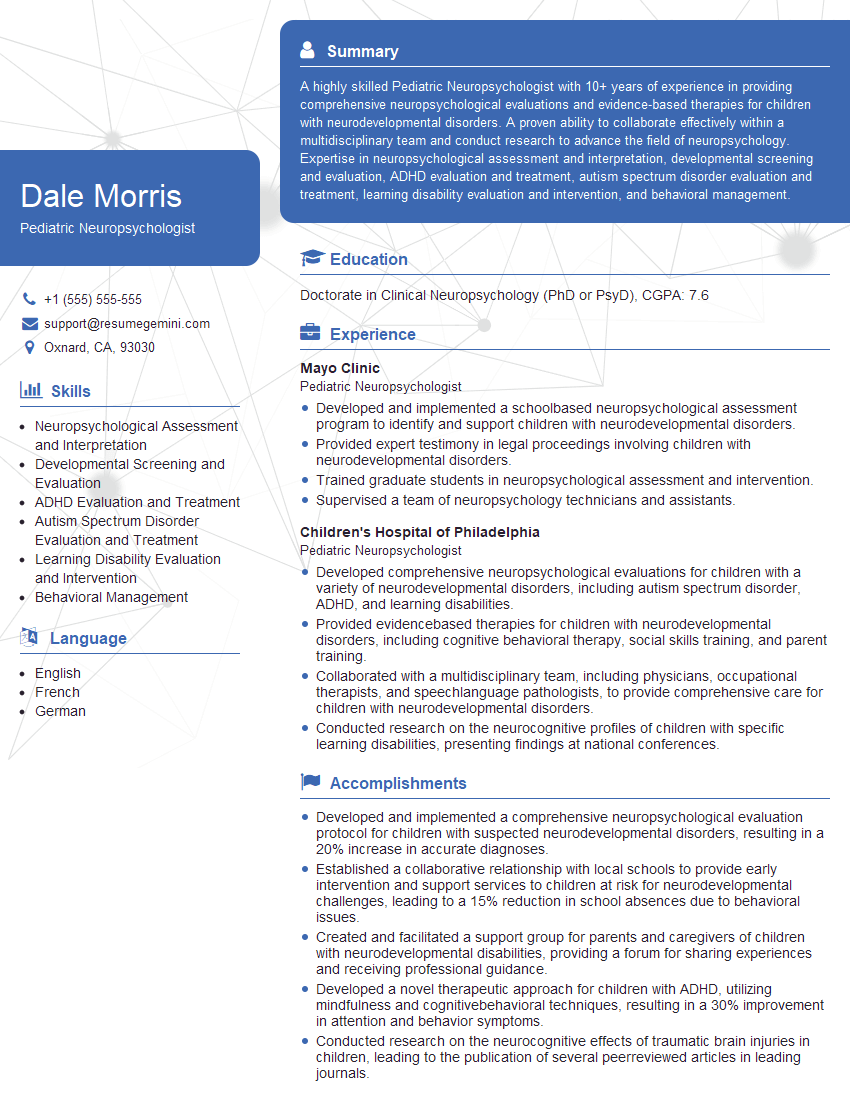
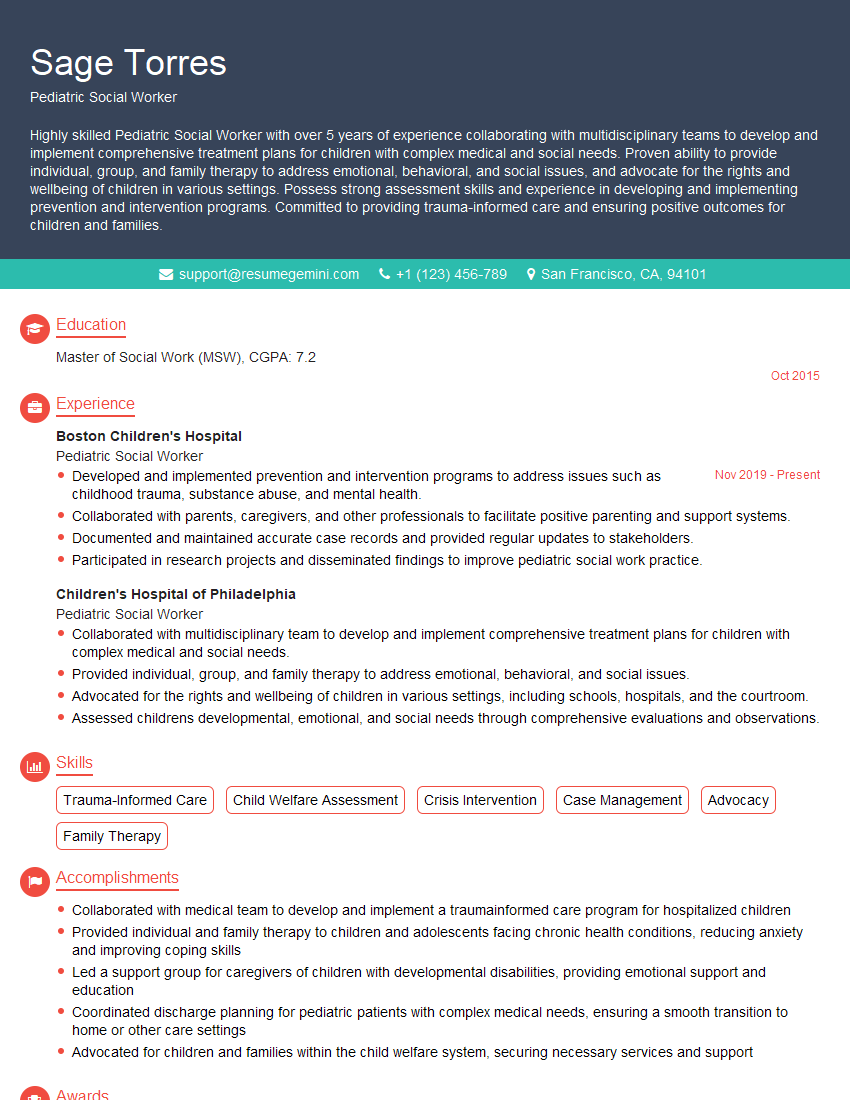
Mastering Pediatric Behavioral Health is vital for a successful and fulfilling career. It allows you to make a real difference in the lives of vulnerable children and families. To significantly boost your job prospects, create an ATS-friendly resume that showcases your skills and experience effectively. ResumeGemini is a trusted resource to help you build a professional and impactful resume. We provide examples of resumes tailored to Pediatric Behavioral Health to guide you, ensuring your application stands out.

Explore more articles
Users Rating of Our Blogs
Share Your Experience
We value your feedback! Please rate our content and share your thoughts (optional).
What Readers Say About Our Blog
To the interviewgemini.com Webmaster.
Very helpful and content specific questions to help prepare me for my interview!
Thank you
To the interviewgemini.com Webmaster.
This was kind of a unique content I found around the specialized skills. Very helpful questions and good detailed answers.
Very Helpful blog, thank you Interviewgemini team.