Interviews are opportunities to demonstrate your expertise, and this guide is here to help you shine. Explore the essential Pediatric Developmental Pediatrics interview questions that employers frequently ask, paired with strategies for crafting responses that set you apart from the competition.
Questions Asked in Pediatric Developmental Pediatrics Interview
Q 1. Describe the diagnostic criteria for Autism Spectrum Disorder (ASD).
Autism Spectrum Disorder (ASD) is diagnosed based on persistent deficits in social communication and social interaction, and the presence of restricted, repetitive patterns of behavior, interests, or activities. The Diagnostic and Statistical Manual of Mental Disorders, Fifth Edition (DSM-5) provides the current criteria. It’s crucial to understand that ASD exists on a spectrum, meaning symptoms and severity vary greatly from person to person.
- Persistent deficits in social communication and social interaction across multiple contexts, as manifested by the following, currently or by history (examples are illustrative, not exhaustive; specific manifestations will vary with age):
- Deficits in social-emotional reciprocity, ranging, for example, from abnormal social approach and failure of normal back-and-forth conversation; to reduced sharing of interests, emotions, or affect; to failure to initiate or respond to social interactions.
- Deficits in nonverbal communicative behaviors used for social interaction, ranging, for example, from poorly integrated verbal and nonverbal communication; to abnormalities in eye contact and body language or deficits in understanding and use of gestures; to a total lack of facial expressions and nonverbal communication.
- Deficits in developing, maintaining, and understanding relationships, ranging, for example, from difficulties adjusting behavior to suit various social contexts; to difficulties in sharing imaginative play or in making friends; to absence of interest in peers.
- Restricted, repetitive patterns of behavior, interests, or activities, as manifested by at least two of the following, currently or by history (examples are illustrative, not exhaustive; specific manifestations will vary with age):
- Stereotyped or repetitive motor movements, use of objects, or speech (e.g., simple motor stereotypies, lining up toys or flipping objects, echolalia, idiosyncratic phrases).
- Insistence on sameness, inflexible adherence to routines, or ritualized patterns of verbal or nonverbal behavior (e.g., extreme distress at small changes, difficulties with transitions, rigid thinking patterns, greeting rituals).
- Highly restricted, fixated interests that are abnormal in intensity or focus (e.g., strong attachment to or preoccupation with unusual objects, excessively circumscribed or perseverative interests).
- Hyper- or hyporeactivity to sensory input or unusual interests in sensory aspects of the environment (e.g., apparent indifference to pain/temperature, adverse response to specific sounds or textures, excessive smelling or touching of objects, fascination with lights or spinning objects).
Diagnosis involves a comprehensive assessment by a developmental pediatrician or other qualified professional, including developmental history, observation, standardized assessments, and potentially neuropsychological testing. It is vital to rule out other conditions that may present with similar symptoms.
Q 2. Explain the difference between gross motor and fine motor skills.
Gross motor skills involve the large muscles of the body and are responsible for movements like walking, running, jumping, and climbing. Think of it as the big picture movement. Fine motor skills, on the other hand, involve the smaller muscles of the hands, fingers, and wrists, enabling activities like writing, drawing, buttoning clothes, and using utensils. It’s the detailed, precise movement.
For example, a child learning to ride a tricycle uses gross motor skills, whereas a child learning to tie their shoelaces uses fine motor skills. Both are critical to overall development and often interrelate; a child’s ability to manipulate objects (fine motor) will influence their play (gross motor).
Q 3. What are the common red flags for developmental delays in infants and toddlers?
Several red flags can indicate developmental delays in infants and toddlers. Early detection is key for timely intervention. These signs aren’t always indicative of a problem, but warrant professional evaluation if multiple are present or if a parent has concerns.
- Lack of response to name: By 12 months, most babies will respond to their name. Failure to do so could indicate hearing problems or other developmental concerns.
- Poor eye contact: Infants usually make eye contact. Consistent avoidance could signal social communication difficulties.
- Delayed language development: Not babbling by 12 months or using single words by 18 months are potential indicators.
- Difficulty with social interaction: Lack of interest in playing with others or sharing experiences can be a concern.
- Repetitive behaviors: Excessive hand flapping, rocking, or other repetitive movements.
- Regression in skills: Losing previously acquired skills, such as speaking or walking.
- Motor delays: Not sitting unsupported by 9 months, not crawling by 12 months, or not walking by 18 months.
- Feeding difficulties: Persistent refusal to eat, or extreme pickiness.
Remember, this list isn’t exhaustive. If you have any concerns about your child’s development, consult your pediatrician.
Q 4. How do you assess a child’s cognitive development?
Assessing a child’s cognitive development is a multi-faceted process involving various methods. It’s crucial to consider the child’s age and developmental stage. No single test is definitive; a comprehensive approach is needed.
- Developmental Scales: Standardized tests like the Bayley Scales of Infant and Toddler Development or the Stanford-Binet Intelligence Scales provide age-normed scores that compare a child’s performance to peers. These scales assess cognitive domains such as memory, problem-solving, language, and motor skills.
- Observation: Observing a child’s play, interactions, and problem-solving strategies during daily activities provides valuable qualitative information beyond standardized test scores.
- Parent Report: Parents’ observations and reports on their child’s behavior and abilities are critical for a complete understanding of the child’s development. Structured questionnaires may help gather this information effectively.
- Adaptive Behavior Scales: These assess how well a child functions in their daily life, including self-care, social skills, and communication.
The information from these different sources is integrated to build a comprehensive picture of the child’s cognitive strengths and weaknesses. The results inform further assessment and intervention planning.
Q 5. What are the different types of cerebral palsy and how are they diagnosed?
Cerebral palsy (CP) is a group of disorders affecting movement and posture. It’s caused by damage to the developing brain before, during, or shortly after birth. The diagnosis considers the type of movement disorder and the affected body parts. The main types are:
- Spastic CP: This is the most common type, characterized by increased muscle tone and stiffness. Muscles may be tight and difficult to move.
- Dyskinetic CP: This involves involuntary, uncontrolled movements, including writhing or twisting. There are different subtypes, such as athetoid (slow, writhing movements) and dystonic (sustained muscle contractions causing abnormal postures).
- Ataxic CP: This type affects balance and coordination, leading to difficulties with gait and fine motor skills. It’s characterized by unsteady movement and poor control of balance.
- Mixed CP: Many children exhibit features of more than one type of CP.
Diagnosis typically involves a neurological examination evaluating muscle tone, reflexes, and movement patterns. Neuroimaging techniques like MRI or CT scans may be used to identify brain abnormalities. Developmental assessments are essential to determine the child’s overall developmental progress. There is no single test for CP; rather it is diagnosed based on a constellation of clinical findings.
Q 6. Discuss the role of early intervention in promoting child development.
Early intervention plays a crucial role in promoting child development, especially for children with developmental delays or disabilities. Early intervention services are designed to provide support and therapy as early as possible, often beginning in infancy. The earlier interventions are implemented, the more effective they tend to be.
The principles of early intervention include:
- Individualized Family Service Plan (IFSP): This plan outlines individualized goals and strategies tailored to the child’s needs and family’s preferences. It’s a collaborative effort involving parents, therapists, and other professionals.
- Family-centered approach: The family is considered the core of the intervention process, actively involved in planning and implementing strategies.
- Developmentally appropriate practices: Interventions are based on the child’s developmental stage and strengths, building upon existing skills.
- Interdisciplinary teamwork: A team of specialists, including therapists, doctors, educators, and social workers, works together to provide comprehensive support.
- Early detection and referral: Timely screening and referral to specialists ensure early intervention can begin when needed.
Early intervention can significantly improve a child’s developmental outcomes, enhancing their physical, cognitive, social, and emotional development and fostering independence and participation in community life. It empowers families and equips them with the tools and knowledge to support their child’s growth.
Q 7. Explain the principles of applied behavior analysis (ABA) therapy.
Applied Behavior Analysis (ABA) therapy is a scientifically-validated behavioral approach used to improve socially significant behaviors. It focuses on understanding the environmental factors that influence behavior and using these principles to teach new skills and reduce challenging behaviors.
Key principles of ABA include:
- Antecedent-Behavior-Consequence (ABC) analysis: This involves identifying the events (antecedents) that precede a behavior, the behavior itself, and the consequences that follow it. Understanding the ABCs helps to determine the function of the behavior (why the child engages in it).
- Positive Reinforcement: This involves providing a reward or positive consequence immediately following a desired behavior to increase the likelihood of the behavior occurring again. This could be praise, a preferred activity, or a tangible item.
- Extinction: This involves withholding reinforcement for a previously reinforced behavior to decrease the occurrence of that behavior.
- Punishment: While less frequently used, punishment might involve removing something desirable or adding something undesirable after an undesired behavior. Ethical considerations dictate careful and measured use.
- Shaping: This involves reinforcing successive approximations of a target behavior. For example, to teach a child to tie their shoelaces, you would reinforce each step of the process, gradually building up to the complete skill.
- Prompting and Fading: Prompts (verbal cues, physical guidance) are used to help the child engage in the desired behavior initially. As the child learns, prompts are gradually faded until the child can perform the behavior independently.
ABA is highly individualized, tailoring interventions to each child’s specific needs and goals. It requires careful monitoring and ongoing data collection to track progress and make necessary adjustments. ABA is often used to treat ASD and other developmental disabilities, and many families find it to be a very effective approach.
Q 8. What are the common causes of developmental delays?
Developmental delays occur when a child’s development in one or more areas – physical, cognitive, communication, social-emotional, or adaptive – lags behind what is considered typical for their age. The causes are multifaceted and often interconnected.
- Genetic factors: Chromosomal abnormalities like Down syndrome, fragile X syndrome, or genetic mutations can significantly impact development.
- Prenatal factors: Exposure to infections (like rubella), toxins (like alcohol or drugs), or maternal health issues during pregnancy can affect fetal development.
- Perinatal factors: Complications during birth, such as premature birth, low birth weight, or lack of oxygen, can lead to developmental delays.
- Postnatal factors: Factors after birth include severe illness, head injury, malnutrition, or lack of appropriate stimulation and nurturing. Exposure to lead or other environmental toxins can also play a role.
- Unknown causes: In many cases, the precise cause of a developmental delay remains unidentified, highlighting the complexity of developmental processes.
For example, a child with fetal alcohol syndrome may exhibit cognitive and behavioral delays due to prenatal alcohol exposure. Another child might experience delays in language development due to a genetic predisposition. Understanding the potential causes allows for targeted interventions and support.
Q 9. How do you differentiate between developmental delays and learning disabilities?
While both developmental delays and learning disabilities affect a child’s ability to learn and progress, they differ significantly. Developmental delay is a broad term encompassing a range of difficulties in multiple developmental areas, often presenting early in childhood. Learning disabilities, on the other hand, typically involve difficulties in specific academic areas like reading, writing, or math, despite average or above-average intelligence.
Think of it like this: a developmental delay is like a car with a faulty engine – multiple systems might be affected, resulting in limited overall function. A learning disability is more like a car with a flat tire – one specific component is malfunctioning, while other aspects of the vehicle may be working perfectly. A child can have both a developmental delay and learning disabilities.
Developmental delay often presents in multiple domains and is usually diagnosed before school age. Learning disabilities usually become apparent during the school years when academic demands increase. A comprehensive assessment by a developmental pediatrician is crucial to distinguish between the two and provide appropriate support.
Q 10. Describe your approach to communicating complex diagnoses to parents.
Communicating complex diagnoses to parents requires sensitivity, empathy, and clear, concise language. I employ a family-centered approach, prioritizing the parents’ understanding and emotional needs.
- Establish a comfortable environment: I ensure a private setting, free from distractions.
- Use clear, non-medical jargon: I explain the diagnosis in simple terms, avoiding technical language, and encourage parents to ask questions. I use analogies and examples to illustrate complex concepts.
- Focus on the child’s strengths: I highlight the child’s abilities and potential for growth, even alongside challenges.
- Provide concrete information: I offer concrete, evidence-based information about the diagnosis, its potential impact, and available interventions.
- Offer emotional support: I validate parents’ emotions, acknowledge their concerns, and assure them they are not alone. I provide resources and connect them with support groups.
- Develop a collaborative plan: I work with the parents to develop a plan that aligns with their values and priorities, fostering a sense of shared responsibility and hope.
For instance, when explaining autism spectrum disorder, I might explain it as differences in social communication and behavior, providing concrete examples of how these differences might manifest in daily life. I would then focus on available therapies and emphasize that early intervention makes a significant difference.
Q 11. What are the ethical considerations in diagnosing and managing developmental disorders?
Ethical considerations in diagnosing and managing developmental disorders are paramount.
- Informed consent: Parents must provide informed consent for all assessments and interventions, fully understanding the risks and benefits.
- Confidentiality: Maintaining patient confidentiality is crucial, especially concerning sensitive information about the child’s diagnosis and family dynamics.
- Cultural competency: Providing culturally sensitive care is crucial. Understanding the family’s background, beliefs, and values ensures the plan respects their unique context.
- Avoiding bias: Diagnoses should be based on objective assessments and avoid biases related to race, gender, socioeconomic status, or other factors.
- Beneficence and non-maleficence: Interventions should always benefit the child and minimize harm. This requires a careful evaluation of the risks and benefits of each intervention.
- Justice and equity: Ensuring equitable access to high-quality assessment and intervention services for all children regardless of background is critical.
For example, ensuring equitable access to early intervention programs regardless of socioeconomic status demonstrates commitment to ethical practice. Similarly, avoiding making assumptions about a child’s cognitive abilities based on their family background exemplifies culturally sensitive and unbiased assessment.
Q 12. How do you incorporate family-centered care in your practice?
Family-centered care is integral to my practice. I view the family as the child’s primary support system and involve them in every aspect of the assessment and intervention process.
- Shared decision-making: Parents are active participants in developing the treatment plan, ensuring it aligns with their values and preferences.
- Respectful communication: I maintain open and honest communication with parents, actively listening to their concerns and perspectives.
- Collaboration and partnership: I collaborate with parents and other professionals, building a strong support network for the family.
- Empowerment: I empower parents with knowledge and skills to support their child’s development at home.
- Strength-based approach: I focus on the family’s strengths and resources to build resilience and promote positive outcomes.
For example, I might involve parents in goal setting for their child’s therapy, providing them with education to effectively implement strategies at home, and coordinating with other professionals involved in the child’s care, such as teachers and therapists. This collaborative approach leads to better outcomes and strengthens family bonds.
Q 13. Explain the process of developing an Individualized Education Program (IEP).
Developing an Individualized Education Program (IEP) is a collaborative process involving parents, educators, and other relevant professionals. It’s designed to address a child’s unique educational needs within the school setting.
- Referral and evaluation: The process begins with a referral for special education services. A comprehensive assessment is conducted to determine the child’s strengths, weaknesses, and specific learning needs.
- IEP meeting: A team meeting is held to discuss the assessment results and develop the IEP. This meeting typically includes the parents, teachers, specialists (e.g., speech-language pathologist, occupational therapist), and school administrator.
- Goal setting: Measurable goals and objectives are established to address the child’s identified needs. These goals are specific, measurable, achievable, relevant, and time-bound (SMART).
- Service delivery: The IEP outlines the specific services and supports the child will receive, including the type, frequency, and duration of interventions.
- Monitoring and review: The child’s progress is monitored regularly, and the IEP is reviewed and revised as needed to ensure it continues to meet their evolving needs.
For example, an IEP for a child with dyslexia might include goals for improving reading fluency and comprehension, along with specific strategies and accommodations such as extra time on tests or access to assistive technology.
Q 14. What are the different assessment tools you use to evaluate developmental progress?
The selection of assessment tools depends on the child’s age, developmental level, and suspected areas of concern. I use a variety of standardized and informal assessment methods.
- Standardized tests: These are formal tests with established norms that allow for comparison to other children of the same age. Examples include the Bayley Scales of Infant and Toddler Development, the Mullen Scales of Early Learning, and the Wechsler Intelligence Scales for Children.
- Developmental questionnaires: These questionnaires gather information from parents and caregivers about the child’s developmental milestones and behaviors. Examples include the Ages and Stages Questionnaires (ASQ) and the Parents’ Evaluation of Developmental Status (PEDS).
- Observation and clinical examination: Direct observation of the child’s behavior and play, coupled with a physical exam, helps assess their motor skills, social interactions, and overall health.
- Adaptive behavior scales: These assess the child’s ability to adapt to their environment and perform everyday tasks.
- Informal assessments: These are more flexible and tailored to the child’s individual needs, including play-based assessments and observations in naturalistic settings.
I integrate findings from various tools to create a comprehensive picture of the child’s developmental strengths and challenges. This holistic approach ensures accurate diagnosis and effective planning of interventions.
Q 15. Describe your experience with interdisciplinary collaboration in pediatric care.
Interdisciplinary collaboration is absolutely crucial in pediatric developmental care. It’s not just about one doctor; it’s a team effort involving various specialists working together to provide holistic care. My experience spans years of working closely with occupational therapists, physical therapists, speech-language pathologists, psychologists, social workers, and educators.
For instance, I recently worked with a child diagnosed with autism spectrum disorder. Our team—myself as the developmental pediatrician, an occupational therapist focusing on sensory integration, a speech therapist targeting communication skills, and a behavioral therapist— collaboratively developed a comprehensive intervention plan. The occupational therapist focused on improving his fine motor skills and sensory processing, while the speech therapist helped with communication and social interaction. The behavioral therapist addressed challenging behaviors through positive reinforcement strategies, and I monitored his overall development and medication management, where necessary. This integrated approach yielded significantly better outcomes than a fragmented approach ever could.
Effective communication and shared decision-making are paramount in this collaborative setting. Regular team meetings, shared electronic health records, and clear communication channels are vital to ensure everyone is on the same page and the child receives the best possible care. This coordinated approach prevents overlapping efforts, reduces confusion for the family, and ultimately enhances treatment effectiveness.
Career Expert Tips:
- Ace those interviews! Prepare effectively by reviewing the Top 50 Most Common Interview Questions on ResumeGemini.
- Navigate your job search with confidence! Explore a wide range of Career Tips on ResumeGemini. Learn about common challenges and recommendations to overcome them.
- Craft the perfect resume! Master the Art of Resume Writing with ResumeGemini’s guide. Showcase your unique qualifications and achievements effectively.
- Don’t miss out on holiday savings! Build your dream resume with ResumeGemini’s ATS optimized templates.
Q 16. How do you manage challenging behaviors in children with developmental disabilities?
Managing challenging behaviors in children with developmental disabilities requires a multifaceted approach that focuses on understanding the underlying cause of the behavior and employing evidence-based strategies. It’s crucial to remember that challenging behaviors are often communication attempts, expressions of unmet needs, or responses to overwhelming sensory input. Punishment is rarely effective and can be harmful. Instead, we focus on positive behavior support (PBS).
PBS involves identifying triggers and functions of the behavior, developing a functional behavior assessment (FBA) to understand the ‘why’ behind the behavior, and then creating a plan to teach alternative, more adaptive behaviors. This often involves working closely with parents and caregivers to implement consistent strategies at home and school. We may use techniques like:
- Positive reinforcement: Rewarding desired behaviors.
- Antecedent-based interventions: Modifying the environment to prevent challenging behaviors from occurring.
- Visual supports: Using visual schedules or communication systems to increase predictability and reduce anxiety.
- Skill-building: Teaching the child alternative communication skills or coping mechanisms.
For example, a child might be exhibiting aggressive behavior because they are struggling to communicate their frustration. By teaching them alternative communication methods, such as using picture cards or sign language, we can reduce the need for aggressive behavior. We also involve parents in learning and implementing the strategies at home to maintain consistency.
Q 17. Discuss the impact of social and environmental factors on child development.
Social and environmental factors profoundly impact child development. Think of a child’s development as a tree: genetics provide the seeds, but the environment provides the soil, water, sunlight, and nourishment that determine how the tree grows. A nurturing environment fosters healthy development, while adverse experiences can significantly hinder it.
Positive factors include secure attachment with caregivers, stimulating environments that provide opportunities for learning and play, access to quality education and healthcare, and supportive social networks. These factors promote healthy cognitive, emotional, and social development.
Negative factors, on the other hand, can include poverty, neglect, abuse, exposure to violence or trauma, lack of access to healthcare and education, and parental mental health issues. These factors can lead to developmental delays, emotional and behavioral problems, and other adverse health outcomes. For instance, children experiencing chronic stress from poverty might exhibit developmental delays due to insufficient access to nutritious food, healthcare, and enriching learning opportunities.
Understanding these influences is critical. We often incorporate assessments of the child’s family dynamics, living environment, and social support systems into our evaluations to develop targeted interventions that address both the child’s needs and their environmental context. We might involve social workers or connect families with community resources to address social determinants of health.
Q 18. What are the common genetic conditions associated with developmental delays?
Numerous genetic conditions are associated with developmental delays. These conditions affect different aspects of development, ranging from intellectual ability and motor skills to speech and language. Some common examples include:
- Down syndrome (Trisomy 21): Characterized by intellectual disability, characteristic facial features, and hypotonia.
- Fragile X syndrome: The most common inherited cause of intellectual disability, often presenting with autism-like features and cognitive impairment.
- Prader-Willi syndrome: Associated with intellectual disability, hypotonia, insatiable appetite, and behavioral problems.
- Angelman syndrome: Characterized by severe intellectual disability, developmental delay, seizures, and a happy demeanor.
- Rett syndrome: Primarily affecting girls, leading to severe developmental regression, intellectual disability, and autistic features.
Genetic testing, such as karyotyping or chromosomal microarray analysis, can help identify these conditions. Early diagnosis is crucial because it allows for early intervention and support services to maximize the child’s potential. Furthermore, genetic counseling can help families understand the risks of recurrence and make informed decisions about future pregnancies.
Q 19. Explain the principles of neurodevelopmental rehabilitation.
Neurodevelopmental rehabilitation focuses on improving the functional abilities of children with neurological conditions affecting their development. The principles are built upon maximizing the child’s potential within the context of their limitations.
Key principles include:
- Individualized approach: Every child is unique; programs are tailored to their specific needs and abilities.
- Family-centered care: Families are active participants in the rehabilitation process.
- Holistic approach: Addressing all aspects of the child’s development (physical, cognitive, social, emotional).
- Evidence-based practice: Using interventions that have demonstrated effectiveness through research.
- Goal-oriented therapy: Setting realistic and achievable goals based on the child’s abilities and limitations.
- Collaboration: Working with other professionals (therapists, educators, etc.) to create a coordinated approach.
For instance, a child with cerebral palsy might undergo physical therapy to improve motor skills, occupational therapy to enhance fine motor skills and daily living skills, and speech therapy to improve communication. The overall aim is to enhance the child’s participation in activities of daily living and increase their independence.
Q 20. How do you adapt your approach to children with diverse cultural backgrounds?
Adapting my approach to children from diverse cultural backgrounds is paramount. It’s not just about being sensitive; it’s about understanding that culture profoundly influences communication styles, parenting practices, beliefs about health and illness, and even the expression of developmental milestones.
I always start by building rapport and showing respect for the family’s cultural beliefs and practices. This means actively listening, using culturally appropriate communication strategies, and involving family members in decision-making. I might utilize interpreters as needed and collaborate with community health workers who understand the cultural context. It’s crucial to avoid imposing my own cultural biases.
For example, some cultures may have different expectations about child behavior or communication styles. Understanding these differences helps avoid misinterpreting behaviors as problematic when they might be developmentally appropriate within a particular cultural context. Similarly, considering cultural beliefs about health and illness is essential when recommending treatments or interventions.
Q 21. What are the long-term outcomes for children with different developmental disorders?
Long-term outcomes for children with developmental disorders are highly variable and depend on several factors, including the specific diagnosis, severity of the disorder, access to early intervention services, the quality of ongoing support, and the child’s individual resilience. There’s no one-size-fits-all answer.
Some children may achieve significant independence and lead fulfilling lives, while others may require lifelong support. For example, a child with mild intellectual disability may attend mainstream school, obtain employment, and live independently as an adult. Conversely, a child with a more severe disorder like cerebral palsy might require ongoing medical care, physical assistance, and support throughout their life.
Early and intensive intervention has been shown to significantly improve long-term outcomes, regardless of the diagnosis. Access to appropriate educational and therapeutic services, as well as strong social support systems, are crucial for maximizing the child’s potential and quality of life. Regular follow-up and ongoing assessment are necessary to monitor progress and adapt interventions as needed. The focus is always on supporting the child and family to achieve the best possible quality of life.
Q 22. How do you stay updated on the latest research and best practices in Pediatric Developmental Pediatrics?
Staying current in Pediatric Developmental Pediatrics requires a multifaceted approach. I actively participate in professional organizations like the American Academy of Pediatrics and the Society for Developmental and Behavioral Pediatrics, attending their conferences and webinars. These events offer invaluable opportunities to learn about the latest research findings and engage with leading experts in the field. Furthermore, I subscribe to key journals such as the Journal of the American Academy of Child & Adolescent Psychiatry and Pediatrics, regularly reviewing articles relevant to my practice. I also participate in continuing medical education (CME) courses specifically focused on developmental pediatrics, ensuring my skills and knowledge remain up-to-date with evolving best practices and treatment approaches. Finally, I maintain a robust network of colleagues, engaging in regular discussions and case reviews to share knowledge and learn from diverse perspectives.
Q 23. Describe your experience with medication management in children with developmental disorders.
Medication management in children with developmental disorders is a complex area demanding careful consideration. My approach always prioritizes a holistic assessment, carefully weighing the potential benefits against the risks. I begin by thoroughly understanding the child’s developmental profile, including the specific disorder, its severity, and the co-occurring conditions. A comprehensive evaluation includes a detailed history from parents or caregivers, focusing on the child’s symptoms, response to prior treatments, and any potential side effects experienced. Before initiating medication, I explore non-pharmacological interventions like behavioral therapies, occupational therapy, and educational strategies. Medication is considered only when these interventions prove insufficient. When prescribing, I select the medication with the best evidence of efficacy and the lowest risk of side effects, starting with the lowest effective dose and carefully monitoring for any adverse reactions. Regular follow-up appointments are crucial to assess the medication’s effectiveness, adjust dosages as needed, and address any emerging concerns. Open communication and collaboration with parents, therapists, and educators are vital throughout the process to ensure a coordinated and effective treatment plan.
For example, I’ve worked with several children diagnosed with ADHD who benefited significantly from stimulant medication, but only after carefully considering alternative approaches and diligently monitoring their response. In other cases, I’ve found that non-pharmacological interventions alone were sufficient to manage the symptoms effectively.
Q 24. What are the challenges and rewards of working with children with developmental disabilities?
Working with children with developmental disabilities presents both unique challenges and profound rewards. Challenges include the complexity of the cases, often requiring a multidisciplinary approach, the emotional toll on families, and the lengthy process often required for significant improvements. The need for patience, adaptability, and strong communication skills is paramount. However, the rewards are immensely gratifying. Witnessing a child overcome a significant developmental hurdle or achieve a personal milestone, no matter how small, is incredibly rewarding. The opportunity to partner with families to build their capacity and support their child’s development is incredibly fulfilling. Building strong, trusting relationships with these families and watching children progress towards their full potential is what makes this field so meaningful.
For instance, seeing a child who previously struggled with communication now expressing themselves more effectively or a child who was previously withdrawn engaging more actively in social interactions brings immense joy and satisfaction.
Q 25. How do you handle situations where parents disagree with your recommendations?
When parents disagree with my recommendations, I approach the situation with empathy and respect. I begin by actively listening to their concerns and validating their feelings. I explain my recommendations clearly, using straightforward language and avoiding medical jargon, ensuring they understand the reasoning behind my suggestions. I’m always willing to share relevant research and data. The key is to engage in a collaborative discussion, acknowledging their perspectives while sharing mine. Sometimes, a compromise can be reached, such as exploring alternative approaches or implementing recommendations gradually. In situations where a significant difference of opinion persists, I might seek a second opinion or involve other professionals like therapists or social workers to facilitate communication and potentially reach a consensus. The goal is always to work together toward what’s in the best interest of the child.
Q 26. What is your experience with assistive technology for children with developmental needs?
My experience with assistive technology (AT) for children with developmental needs is extensive. I understand that AT encompasses a broad range of tools and strategies designed to enhance a child’s abilities and participation in various aspects of life. This includes communication devices (e.g., speech-generating devices, augmentative and alternative communication systems), adaptive equipment (e.g., wheelchairs, adaptive eating utensils), and software (e.g., screen readers, text-to-speech programs). When considering AT, I start with a comprehensive assessment of the child’s strengths and challenges, their specific needs, and their environment. I collaborate closely with occupational therapists, speech-language pathologists, and other specialists to identify the most appropriate technology. A crucial part of this process is ensuring the technology is accessible, user-friendly, and integrated seamlessly into the child’s daily routine. Following implementation, ongoing support and training are provided to both the child and their family to maximize its effectiveness.
Q 27. Describe your experience working with children with ADHD.
My experience with children with ADHD involves a multi-faceted approach, focusing on both pharmacological and non-pharmacological interventions. A comprehensive evaluation is paramount, involving detailed history taking, standardized assessments, and careful observation of the child’s behavior across different settings. This assessment helps to differentiate ADHD from other conditions with overlapping symptoms and tailor the treatment accordingly. Non-pharmacological strategies like behavioral therapy, parent training, and educational accommodations are often implemented as the first line of treatment, especially in mild cases. Medication is considered only when necessary and is tailored to the individual child’s needs, considering factors such as age, developmental stage, symptom severity, and potential side effects. Regular monitoring and adjustments are integral aspects of treatment. I believe that the most effective approach involves collaboration with parents, teachers, and other professionals to create a comprehensive support system for the child. Successful management often involves a blend of medication, therapy, and environmental modifications designed to minimize challenges and maximize the child’s potential.
Q 28. What is your approach to supporting families coping with a child’s diagnosis of a developmental disability?
Supporting families coping with a child’s diagnosis of a developmental disability is a crucial part of my practice. I believe in empowering families by providing them with clear and accurate information about the diagnosis, its implications, and available resources. I offer guidance on accessing relevant services, including therapies, educational support, and community resources. I advocate for the family’s needs and help them navigate the healthcare system. Active listening, empathy, and a collaborative approach are essential for building a strong therapeutic alliance. I often involve family members in the decision-making process, fostering a sense of shared responsibility. Providing practical strategies for managing challenging behaviors and promoting the child’s development at home is also important. I believe in recognizing and validating the family’s emotional experience, offering support and encouragement throughout the journey. Regular follow-up appointments, open communication, and access to additional support networks are vital components of this collaborative approach.
Key Topics to Learn for Pediatric Developmental Pediatrics Interview
- Developmental Milestones: Understanding typical developmental trajectories across different domains (motor, cognitive, language, social-emotional) from infancy through adolescence. Consider variations based on cultural and socioeconomic factors.
- Developmental Delays and Disorders: In-depth knowledge of common developmental disorders such as Autism Spectrum Disorder, ADHD, intellectual disabilities, cerebral palsy, and genetic syndromes. Focus on diagnostic criteria, clinical presentation, and differential diagnoses.
- Assessment and Evaluation: Mastering various assessment tools and methodologies used in pediatric developmental pediatrics, including standardized tests, observational assessments, and parent/caregiver interviews. Practice interpreting assessment results and formulating appropriate diagnoses.
- Intervention and Treatment Strategies: Familiarity with evidence-based interventions for developmental delays and disorders, including behavioral therapies, educational interventions, medication management (when applicable), and family-centered approaches. Be prepared to discuss the rationale behind specific treatment choices.
- Ethical Considerations: Understanding ethical dilemmas in pediatric developmental pediatrics, such as informed consent, confidentiality, and the balance between parental rights and child’s best interests. Consider scenarios requiring ethical decision-making.
- Communication and Collaboration: Highlight your skills in communicating complex medical information to families, collaborating with multidisciplinary teams (therapists, educators, specialists), and advocating for your patients within the healthcare system.
- Research and Evidence-Based Practice: Demonstrate familiarity with current research in the field and an understanding of how to apply evidence-based practices to improve patient outcomes. Be ready to discuss relevant research methodologies.
Next Steps
Mastering Pediatric Developmental Pediatrics is crucial for a rewarding and impactful career. This specialized field allows you to make a significant difference in the lives of children and their families. To enhance your job prospects, crafting a strong, ATS-friendly resume is essential. ResumeGemini is a trusted resource to help you build a professional and impactful resume that highlights your skills and experience effectively. Examples of resumes tailored specifically to Pediatric Developmental Pediatrics are available, providing you with valuable templates and guidance to showcase your qualifications in the best possible light. Invest in your future – build a compelling resume that gets you noticed.
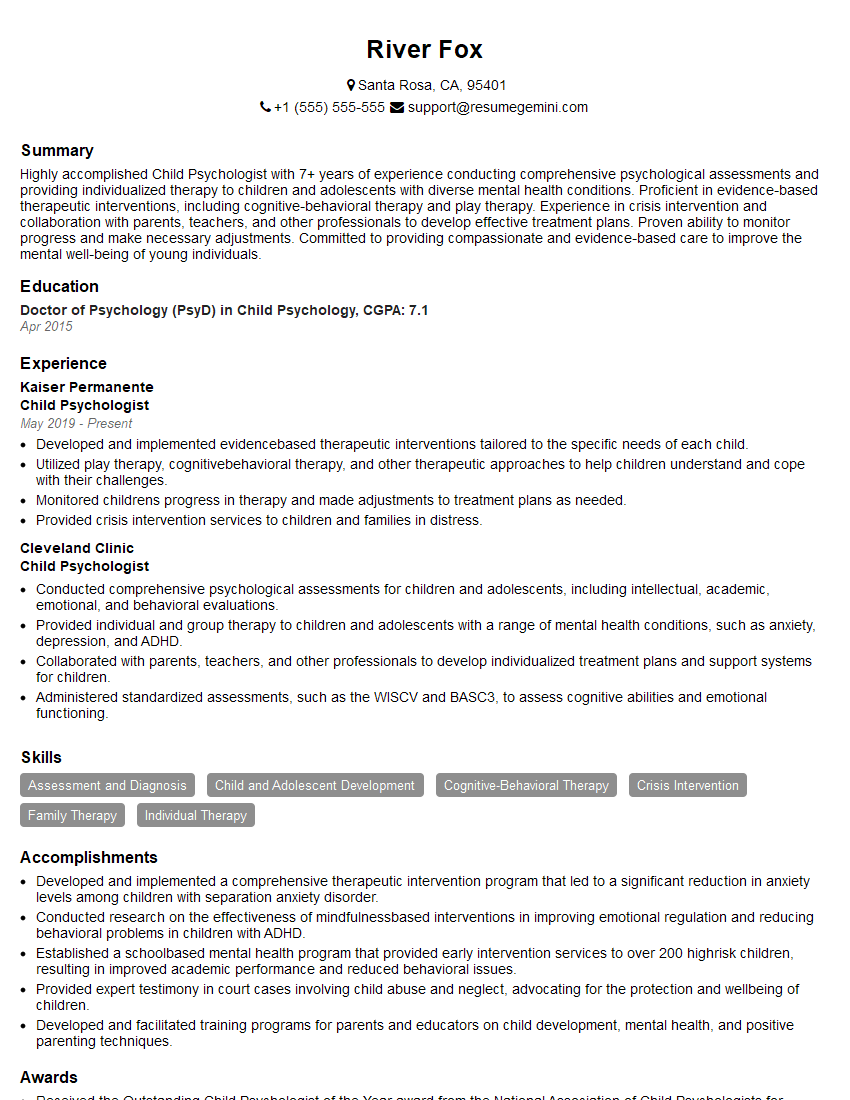
Child Psychologist Resume Sample
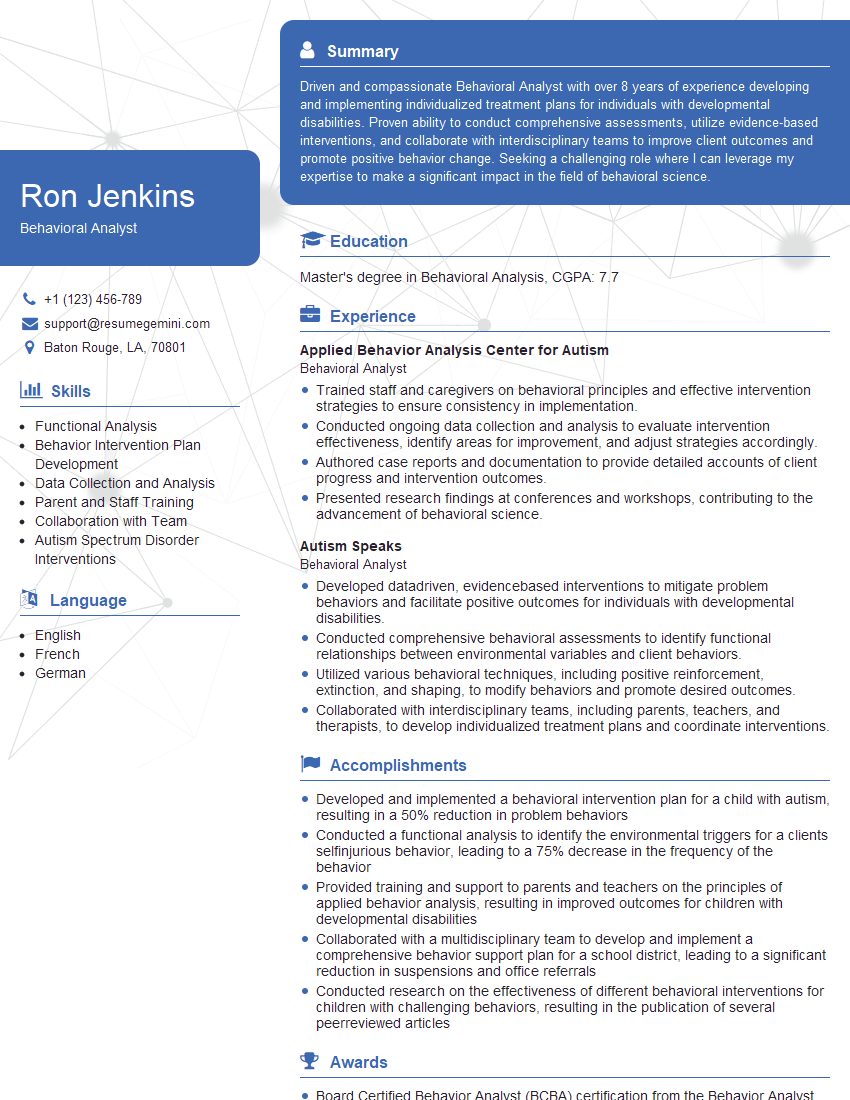
Behavioral Analyst Resume Sample
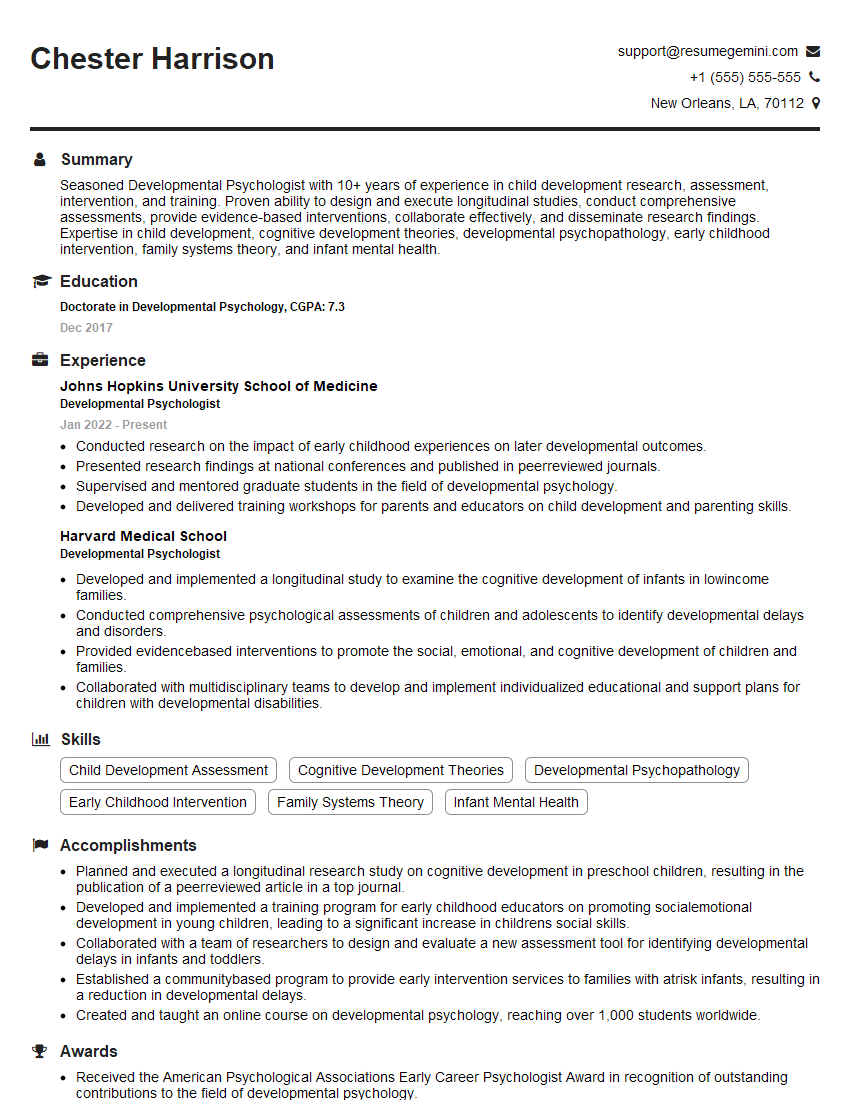
Developmental Psychologist Resume Sample
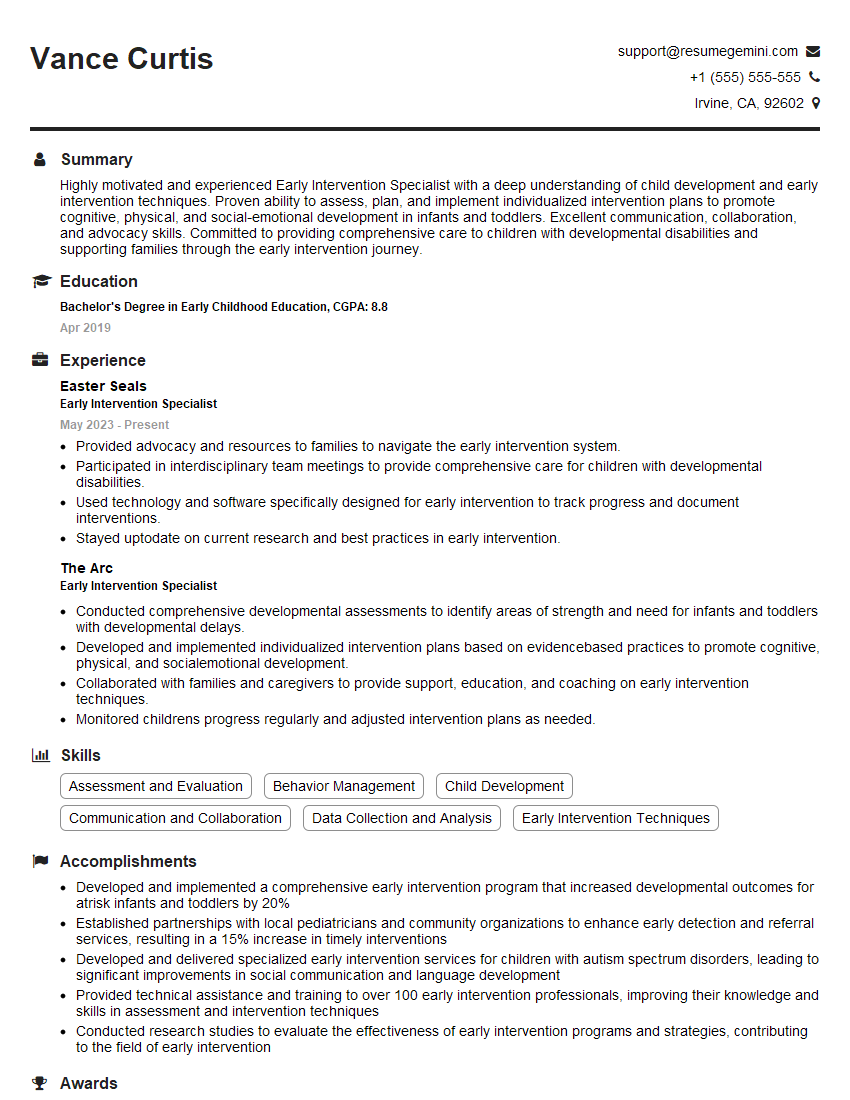
Early Intervention Specialist Resume Sample
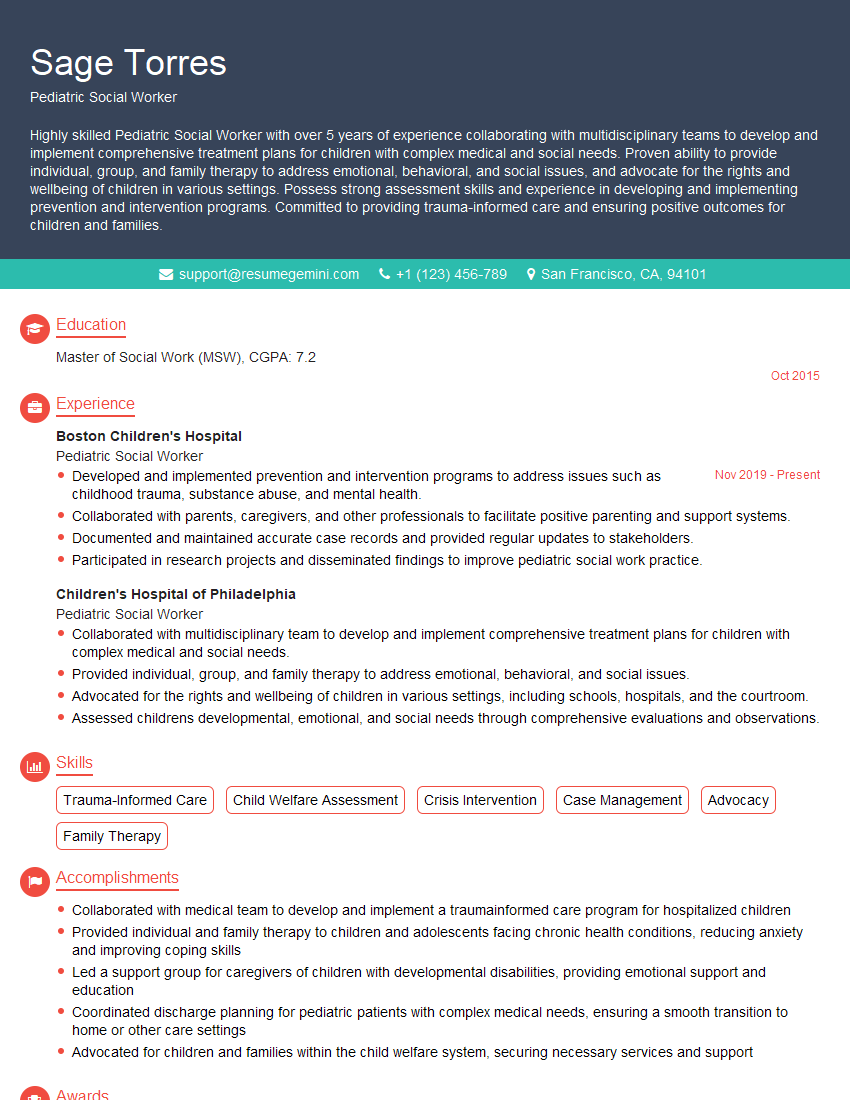
Pediatric Social Worker Resume Sample
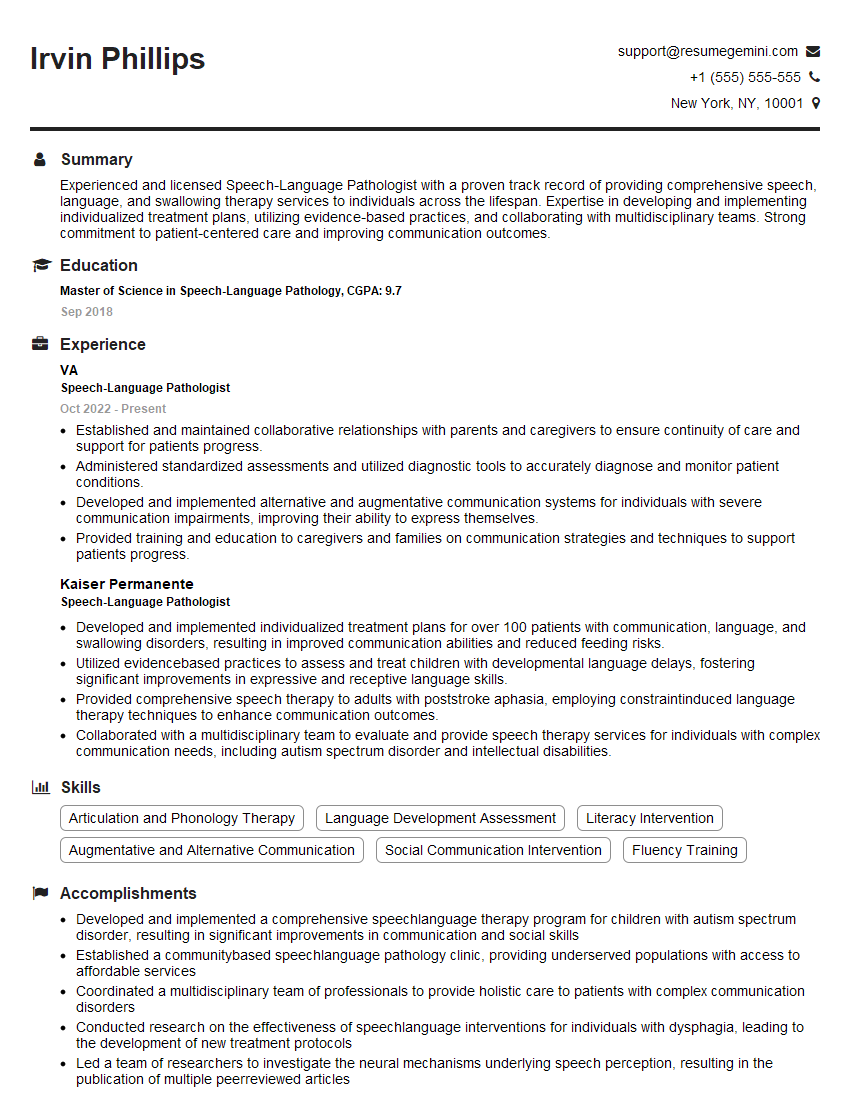
Speech-Language Pathologist Resume Sample
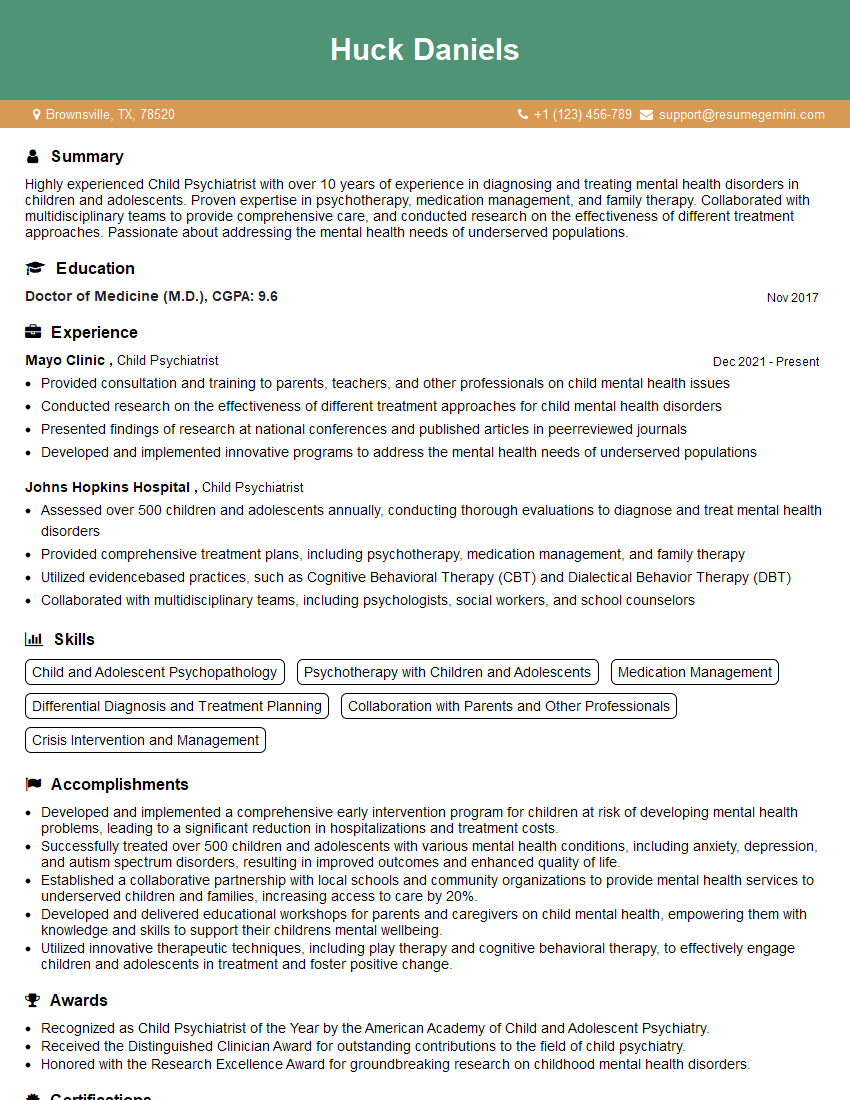
Child Psychiatrist Resume Sample
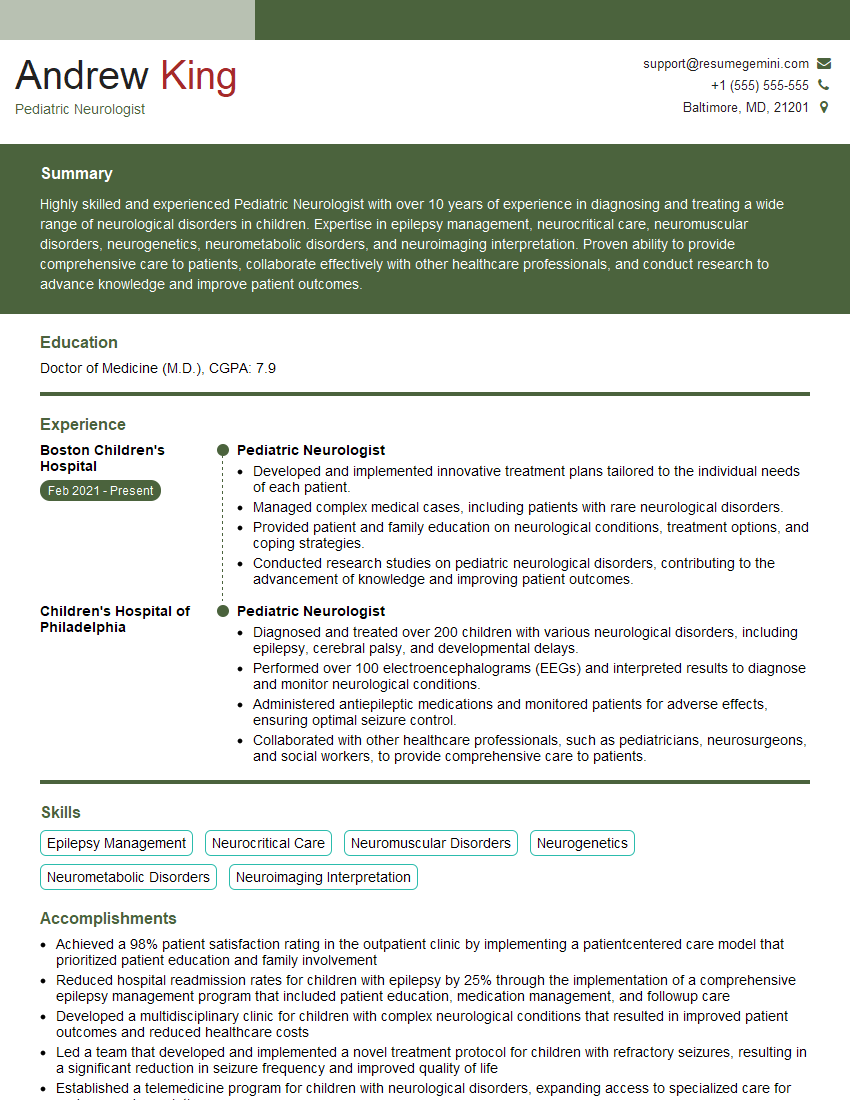
Pediatric Neurologist Resume Sample
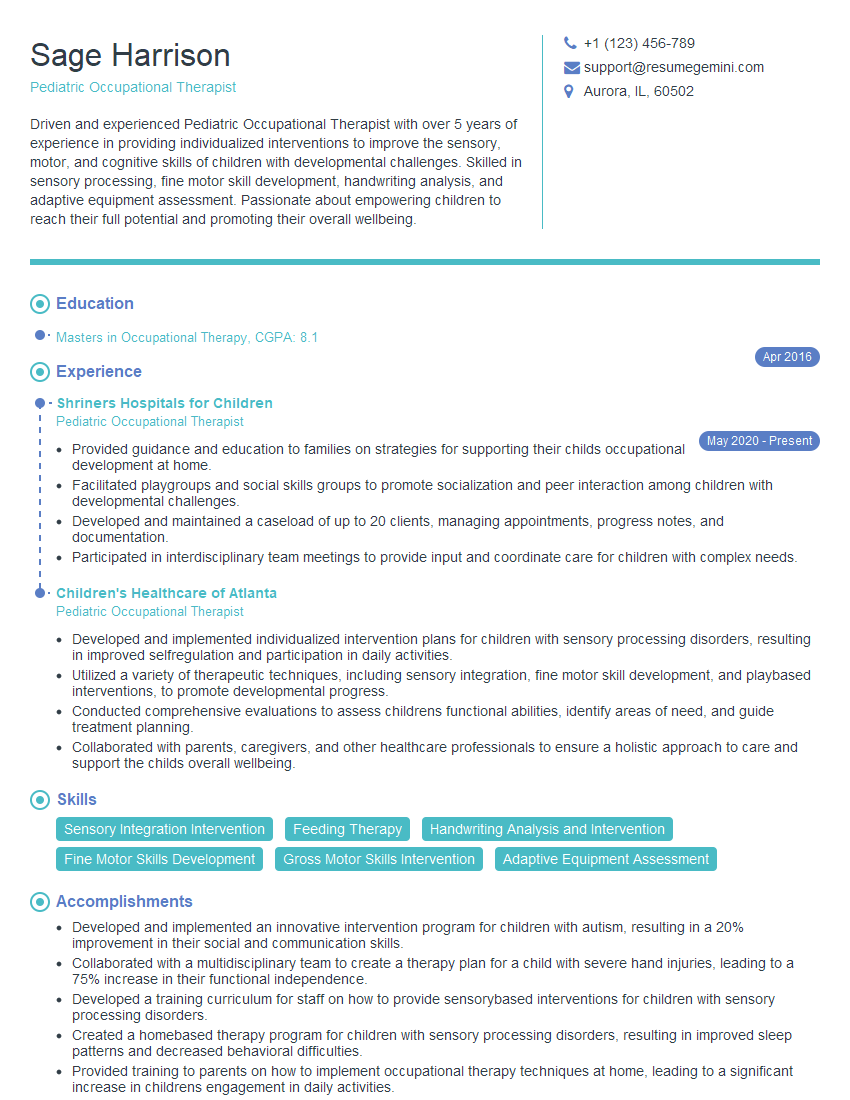
Pediatric Occupational Therapist Resume Sample
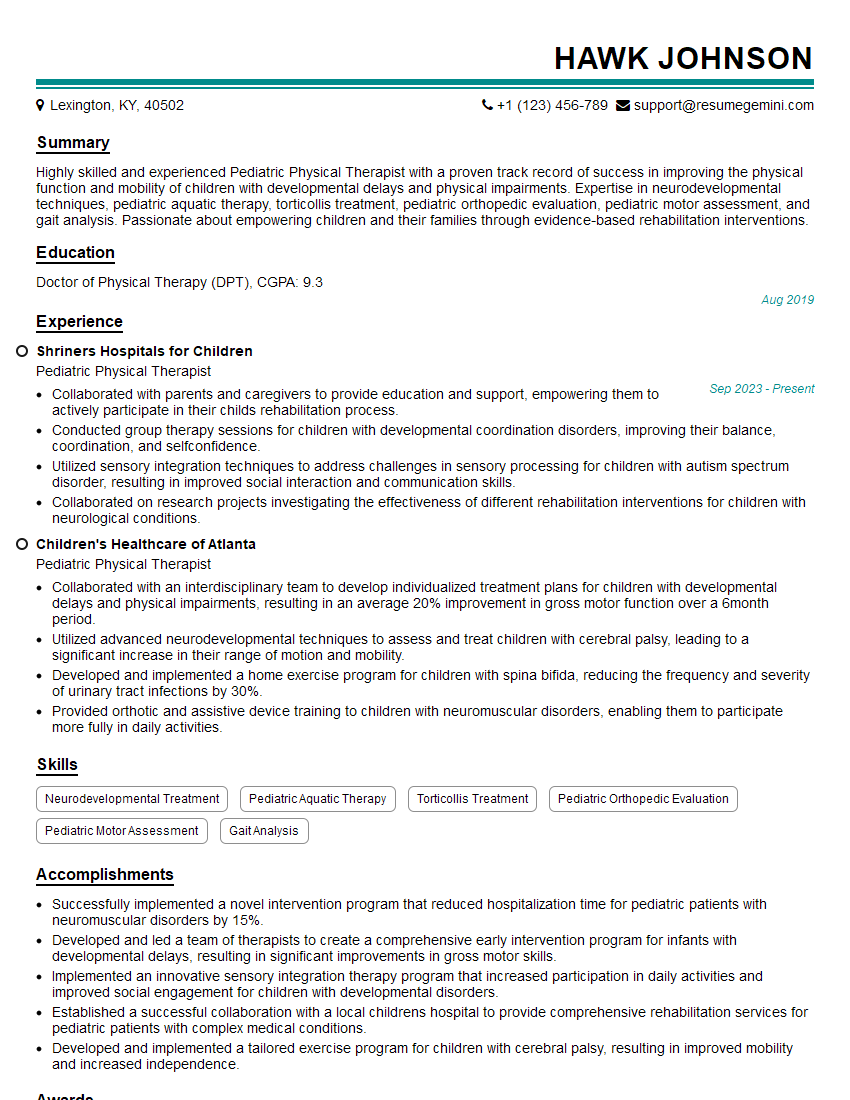
Pediatric Physical Therapist Resume Sample
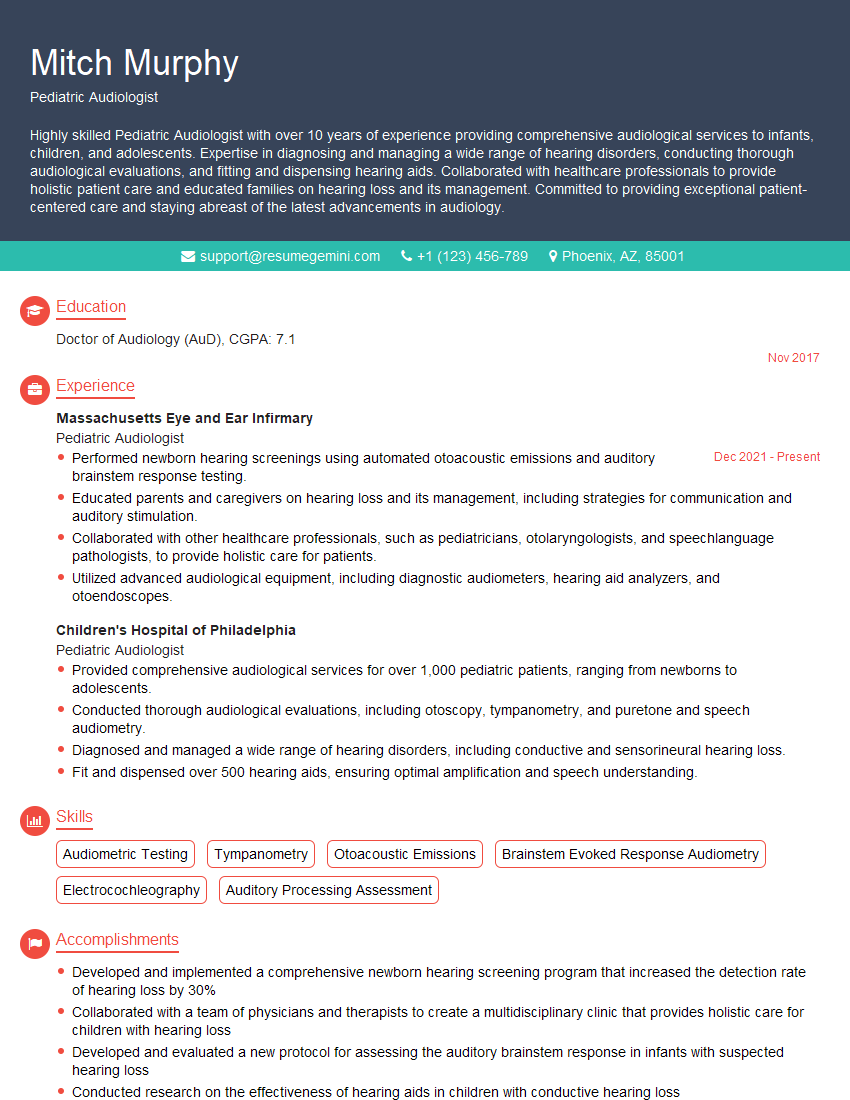
Pediatric Audiologist Resume Sample
Explore more articles
Users Rating of Our Blogs
Share Your Experience
We value your feedback! Please rate our content and share your thoughts (optional).
What Readers Say About Our Blog
To the interviewgemini.com Webmaster.
Very helpful and content specific questions to help prepare me for my interview!
Thank you
To the interviewgemini.com Webmaster.
This was kind of a unique content I found around the specialized skills. Very helpful questions and good detailed answers.
Very Helpful blog, thank you Interviewgemini team.