The right preparation can turn an interview into an opportunity to showcase your expertise. This guide to Pediatric Hematology-Oncology interview questions is your ultimate resource, providing key insights and tips to help you ace your responses and stand out as a top candidate.
Questions Asked in Pediatric Hematology-Oncology Interview
Q 1. Describe the pathogenesis of acute lymphoblastic leukemia (ALL).
Acute lymphoblastic leukemia (ALL) is a cancer of the blood and bone marrow characterized by the uncontrolled growth of immature white blood cells called lymphoblasts. The pathogenesis is complex and multifactorial, but it essentially boils down to genetic errors that disrupt the normal maturation and regulation of lymphoid progenitor cells.
Genetic Mutations: Many genetic abnormalities are implicated in ALL, including chromosomal translocations (like the Philadelphia chromosome in a subset of ALL), gene mutations (e.g., JAK2, PAX5), and copy number variations. These mutations lead to dysregulation of cell growth and survival pathways, preventing the lymphoblasts from differentiating into mature, functional lymphocytes.
Impaired Apoptosis: Normal cells undergo programmed cell death (apoptosis) when they are damaged or no longer needed. In ALL, the lymphoblasts often evade apoptosis, allowing them to proliferate unchecked.
Microenvironment Influence: The bone marrow microenvironment plays a role. Abnormal interactions between leukemia cells and the bone marrow stromal cells can contribute to leukemia cell survival and growth.
Epigenetic Changes: Changes in gene expression that don’t involve alterations in the DNA sequence itself (epigenetic modifications) also influence ALL development. These changes can alter gene activity and contribute to the uncontrolled growth of leukemic cells.
Imagine it like a factory assembly line for blood cells. In ALL, the assembly line malfunctions due to several different problems – faulty machinery (genetic mutations), faulty quality control (impaired apoptosis), and a problematic workspace (bone marrow microenvironment). This leads to the production of defective, rapidly multiplying white blood cells.
Q 2. What are the common risk factors for developing childhood leukemia?
While the exact cause of childhood leukemia remains largely unknown, several risk factors have been identified. These factors don’t guarantee a child will develop leukemia, but they increase the likelihood.
Genetic Predisposition: Certain genetic syndromes, like Down syndrome, increase the risk of ALL. Family history of leukemia can also slightly elevate the risk.
Prenatal Exposure: Exposure to ionizing radiation during pregnancy, or exposure to certain chemicals or viruses, may be associated with a higher risk. However, the evidence for many of these exposures is not conclusive.
Ionizing Radiation Exposure: Exposure to high doses of radiation, such as from medical treatments or accidents, is a known risk factor.
Certain Viral Infections: Some research suggests a potential link between certain viral infections and an increased risk of leukemia, though more research is needed to establish a definitive causal relationship.
It’s important to note that many children with leukemia have no identifiable risk factors, highlighting the complexity of this disease.
Q 3. Explain the staging system for Hodgkin’s Lymphoma in children.
Hodgkin Lymphoma staging in children utilizes the Ann Arbor staging system, modified to account for pediatric-specific considerations. The system categorizes the extent of the disease, guiding treatment decisions.
Stage I: Involvement of a single lymph node region or a single extranodal site.
Stage II: Involvement of two or more lymph node regions on the same side of the diaphragm.
Stage III: Involvement of lymph node regions on both sides of the diaphragm.
Stage IV: Disseminated disease, with widespread involvement of multiple extranodal sites such as the bone marrow, liver, or lungs.
Each stage can be further categorized as A (absence of systemic symptoms) or B (presence of systemic symptoms like fever, weight loss, or night sweats). The presence of B symptoms generally indicates a more advanced and aggressive disease course. For example, Stage IIB Hodgkin Lymphoma is more aggressive than Stage IIA.
Imaging studies (CT scans, PET scans) and bone marrow biopsies are crucial in determining the precise stage of Hodgkin lymphoma in children. Precise staging allows for appropriate tailoring of treatment strategies and predicting prognosis.
Q 4. What are the treatment options for Non-Hodgkin’s Lymphoma in children?
Treatment of Non-Hodgkin Lymphoma (NHL) in children depends on several factors, including the type of NHL, the patient’s age, the stage of the disease, and their overall health. Treatment typically involves a combination of therapies.
Chemotherapy: This forms the cornerstone of treatment for most NHL subtypes in children. Various chemotherapy regimens are used, often including multiple drugs administered over several cycles. The specific drugs and regimen are chosen based on the type and stage of NHL.
Radiation Therapy: Radiation therapy may be used in combination with chemotherapy, particularly in localized disease. It is typically reserved for specific situations to minimize long-term side effects.
Targeted Therapy: In certain NHL subtypes with specific genetic alterations, targeted therapies may be used to specifically block pathways involved in cancer cell growth. This is an increasingly important area of research and clinical practice.
Stem Cell Transplantation (Bone Marrow Transplant): This may be considered for high-risk NHL, where the chance of relapse is high. It involves replacing the patient’s diseased bone marrow with healthy stem cells.
Treatment plans are highly individualized and developed by a multidisciplinary team of oncologists, radiologists, and other specialists. The goal is to achieve remission while minimizing long-term side effects on growth and development.
Q 5. Discuss the indications and contraindications for bone marrow transplantation in pediatric patients.
Bone marrow transplantation (BMT), also known as hematopoietic stem cell transplantation (HSCT), is a life-saving procedure for many pediatric patients with hematologic malignancies. It involves replacing the diseased bone marrow with healthy stem cells.
Indications for BMT:
High-risk leukemia: Patients with ALL or AML who have a high risk of relapse despite intensive chemotherapy.
High-risk lymphoma: Patients with aggressive lymphomas that are resistant or refractory to standard chemotherapy.
Severe inherited blood disorders: Conditions like sickle cell disease, thalassemia, and other genetic disorders affecting blood cell production.
Aplastic anemia: Severe bone marrow failure where the body doesn’t produce enough blood cells.
Contraindications for BMT:
Severe organ dysfunction: Patients with severely compromised liver, kidney, or lung function may not tolerate the procedure.
Active infections: Untreated infections can lead to serious complications post-transplant.
Advanced age and comorbidities: Very young or very old patients with significant other medical problems may not be suitable candidates.
The decision to proceed with BMT is complex and requires careful evaluation of the risks and benefits for each individual patient. Factors such as the availability of a suitable donor and the patient’s overall health are also considered.
Q 6. Describe the complications of chemotherapy in children.
Chemotherapy, while crucial in treating childhood cancers, can cause significant side effects. These can affect various organ systems.
Gastrointestinal: Nausea, vomiting, diarrhea, mucositis (mouth sores), and loss of appetite are common.
Hematologic: Low blood counts (anemia, neutropenia, thrombocytopenia), increasing the risk of infections and bleeding.
Cardiovascular: Cardiotoxicity (damage to the heart muscle) can occur with certain chemotherapy drugs, particularly anthracyclines.
Renal: Kidney damage can result from certain chemotherapy agents.
Neurological: Peripheral neuropathy (nerve damage), headaches, and cognitive impairment can occur.
Reproductive: Chemotherapy can affect fertility, both in boys and girls.
Growth and Development: Chemotherapy can disrupt growth and development in children, leading to short stature or delayed puberty.
Careful monitoring and supportive care are essential to minimize and manage these complications. This often involves regular blood tests, medication to manage side effects, and close collaboration with specialists in various fields.
Q 7. How do you manage chemotherapy-induced nausea and vomiting?
Chemotherapy-induced nausea and vomiting (CINV) is a significant problem for children undergoing cancer treatment. Effective management is crucial for maintaining adequate nutrition and hydration, improving quality of life, and enhancing treatment adherence.
Management strategies are multifaceted and often involve a combination of approaches:
Antiemetic Medications: These are crucial for preventing and treating CINV. There are different classes of antiemetics, including 5-HT3 receptor antagonists (e.g., ondansetron), NK1 receptor antagonists (e.g., aprepitant), corticosteroids (e.g., dexamethasone), and dopamine antagonists (e.g., prochlorperazine). The choice of antiemetic depends on the intensity and type of chemotherapy given, as well as the child’s age and other medical conditions. Often a multi-drug regimen is used for optimal control.
Non-pharmacological strategies: These can complement medication and include measures like distraction techniques, relaxation methods, acupuncture, and dietary modifications. Managing fluid intake is crucial to prevent dehydration.
Individualized Approach: It’s crucial to tailor the antiemetic regimen to the individual child’s needs and response. What works well for one child may not work for another. Careful monitoring and adjustments are necessary to optimize CINV control.
Effective CINV management significantly improves the child’s well-being during chemotherapy, making treatment more tolerable and successful.
Q 8. What are the long-term effects of radiation therapy in children?
Radiation therapy, while highly effective in treating childhood cancers, carries the risk of significant long-term side effects. These effects depend on several factors, including the child’s age at treatment, the area of the body irradiated, the radiation dose, and the type of radiation used.
Growth and Development: Radiation can disrupt normal growth patterns, leading to stunted growth or asymmetrical growth. For instance, radiation to the spine can affect bone growth, resulting in shorter stature. Radiation to the head can impact brain development, potentially leading to cognitive deficits like learning disabilities or memory problems.
Secondary Cancers: This is a serious concern. Radiation can damage DNA, increasing the risk of developing a new cancer later in life, such as leukemia or other solid tumors. The risk varies depending on the dose and area irradiated.
Organ Damage: Radiation can damage various organs, depending on the treatment site. For example, radiation to the heart can lead to heart disease later in life, and radiation to the lungs can increase the risk of pulmonary fibrosis. Radiation to the kidneys can impair their function.
Fertility: Radiation to the pelvic area can affect fertility, potentially leading to infertility later in life.
Other effects: Children may experience various other long-term effects, including endocrine dysfunction (e.g., thyroid problems), dental problems, and secondary malignancies. It is crucial to provide long-term follow-up care for children who have undergone radiation therapy to monitor for and manage these potential complications. Each case is unique, and the potential long-term effects are carefully considered before radiation therapy is initiated.
Q 9. Explain the principles of supportive care in pediatric oncology.
Supportive care in pediatric oncology is crucial for improving the quality of life and overall outcome for children undergoing cancer treatment. It’s not just about treating the cancer itself; it’s about addressing the numerous side effects and challenges that cancer and its treatment can cause.
- Pain Management: Cancer and its treatment can cause significant pain. Effective pain management strategies, including medications and non-pharmacological approaches like relaxation techniques, are vital.
- Infection Prevention: Children undergoing chemotherapy have weakened immune systems, making them susceptible to infections. Prophylactic measures, meticulous hygiene, and prompt treatment of infections are paramount.
- Nutrition: Cancer and its treatment can affect appetite and nutrient absorption. Nutritional support, including dietary counseling and nutritional supplements, is essential to maintain adequate energy and growth.
- Management of Treatment Side Effects: Chemotherapy and radiation therapy can cause a wide range of side effects, such as nausea, vomiting, diarrhea, fatigue, mucositis (mouth sores), and hair loss. These need to be actively managed to improve the child’s comfort and tolerance of treatment.
- Psychosocial Support: Cancer diagnosis and treatment can have a significant impact on the child, their family, and their siblings. Psychosocial support, including counseling and social work services, is essential to address emotional, psychological, and social challenges.
- Symptom Management: Managing symptoms such as fatigue, anemia, constipation, and neurotoxicity is a key aspect of supportive care. This involves close monitoring, symptom-targeted interventions and appropriate referrals.
Supportive care is a team effort involving oncologists, nurses, dietitians, social workers, psychologists, and other healthcare professionals. It’s a holistic approach aimed at improving the child’s physical, emotional, and social well-being throughout their cancer journey and beyond.
Q 10. How do you counsel families about the prognosis of a child with cancer?
Counseling families about a child’s cancer prognosis is one of the most challenging aspects of pediatric oncology. It requires sensitivity, empathy, and excellent communication skills. The approach should always be tailored to the specific family and their needs.
Initial Discussion: I begin by ensuring I have a comfortable and private setting. I start with the diagnosis and treatment plan, explaining them in clear, simple language avoiding medical jargon, and ensuring the family understands completely.
Prognosis Explanation: When discussing prognosis, I use age-appropriate and clear language, explaining the chances of successful treatment, potential side effects, and the possibility of relapse, always focusing on the current state and projected course of the disease rather than giving absolute guarantees. I would emphasize that it’s not possible to predict the future exactly. I might use analogies or visual aids to illustrate the information, like charts showing survival rates for similar cases.
Addressing Emotions: I provide space for the family to process their emotions; allowing them to express concerns, ask questions, and grieve as needed. Active listening and empathy are crucial. I reassure the family that they’re not alone and that support is available throughout their journey.
Information and Resources: I provide clear, evidence-based information about the diagnosis and treatment options. Additionally, I connect them with support groups, charities, and other resources that can offer additional help and information.
Follow-up: I schedule regular follow-up meetings to address any emerging questions, concerns, or changes in the child’s condition. Consistent, transparent communication is key to building trust and fostering a strong doctor-patient relationship. Prognosis discussions are not one-time events, but rather an ongoing process of shared decision-making and support.
Q 11. What are the ethical considerations in pediatric oncology?
Ethical considerations in pediatric oncology are complex and multifaceted. They arise from the inherent vulnerability of children and the high stakes of cancer treatment. Key areas include:
- Balancing Benefits and Risks: Treatments can have significant short-term and long-term side effects. The ethical dilemma lies in balancing the potential benefits of aggressive treatment against the risks of severe toxicity. This is particularly true when dealing with experimental therapies.
- Informed Consent: Obtaining informed consent from parents or guardians is paramount but challenging. The parents need to fully understand the treatment options, potential risks and benefits, and alternative approaches before making a decision. The child’s wishes and developmental capabilities should be considered according to their age and maturity level.
- Quality of Life: The goal of treatment is not just survival, but also maximizing the child’s quality of life. Decisions need to take into account the child’s physical, emotional, and social well-being.
- Resource Allocation: Cancer treatment is expensive, and access to care may be inequitable. Ethical considerations arise around resource allocation and ensuring that all children have access to the best possible care regardless of their socioeconomic status.
- Truth-telling and Disclosure: There are ethical dilemmas surrounding what and how much information should be disclosed to the child and family about the diagnosis and prognosis, depending on the child’s age and developmental stage.
- End-of-life Care: Ethical considerations around end-of-life care involve ensuring that the child receives palliative care to manage pain and symptoms, respecting the family’s wishes, and providing emotional support.
Navigating these ethical dilemmas requires careful consideration, open communication, and a multidisciplinary approach involving oncologists, nurses, social workers, ethicists, and chaplains. Ethical decision-making should always prioritize the best interests of the child.
Q 12. Describe the diagnostic workup for a child presenting with unexplained pallor and fatigue.
Unexplained pallor and fatigue in a child are significant symptoms that necessitate a thorough diagnostic workup to identify the underlying cause, which could range from simple nutritional deficiencies to serious hematological malignancies. The evaluation typically involves several steps:
- Detailed History: A comprehensive history is obtained, including details about the onset, duration, and severity of the symptoms, recent illnesses, medications, family history of blood disorders, and dietary habits.
- Physical Examination: A complete physical exam, paying close attention to skin color, lymph nodes, spleen and liver size, and any other relevant findings, is performed.
- Complete Blood Count (CBC) with Differential: This is a fundamental test that assesses the number and types of blood cells. It helps identify anemia (low red blood cell count), thrombocytopenia (low platelet count), and leukocytosis (high white blood cell count) or leukopenia (low white blood cell count), each suggesting different possibilities.
- Peripheral Blood Smear: Examination of the blood smear under a microscope allows for the visualization of individual blood cells to assess their morphology, size and shape, helping to identify abnormalities like immature white blood cells (blasts) indicative of leukemia.
- Iron Studies: If anemia is present, iron studies (serum iron, ferritin, total iron-binding capacity) are crucial to determine whether the anemia is due to iron deficiency.
- Reticulocyte Count: This assesses the bone marrow’s ability to produce new red blood cells. A low reticulocyte count suggests inadequate red blood cell production.
- Further Investigations based on initial findings: Depending on the initial findings, further investigations may be required, including bone marrow aspiration and biopsy (to examine the bone marrow for abnormalities), coagulation studies (to evaluate blood clotting function), genetic testing, imaging studies (ultrasound, CT scan, MRI) to assess organs for abnormalities.
The diagnostic process is iterative, with findings from each step guiding subsequent tests until a definitive diagnosis is established. Early and accurate diagnosis is crucial for timely and effective intervention.
Q 13. How do you differentiate between ALL and AML?
Acute lymphoblastic leukemia (ALL) and acute myeloid leukemia (AML) are both types of acute leukemia, meaning that they involve the rapid proliferation of immature blood cells in the bone marrow. However, they are distinct diseases with different characteristics.
| Feature | ALL | AML |
|---|---|---|
| Cell Type | Lymphoblasts (immature lymphocytes) | Myeloblasts (immature myeloid cells) |
| Age of Onset | More common in children; peaks at 2-5 years of age | More common in adults; increased incidence in older children and adolescents |
| Immunophenotyping | Immunopositive for markers associated with lymphoid lineage (e.g., CD10, CD19, TdT) | Immunopositive for markers associated with myeloid lineage (e.g., CD33, CD13, MPO) |
| Cytogenetics | Specific chromosomal abnormalities (e.g., Philadelphia chromosome) may be present | Specific chromosomal abnormalities (e.g., t(8;21), inv(16)) may be present |
| Treatment | Typically responds well to chemotherapy; often includes intensification and maintenance phases | Typically requires intensive chemotherapy; stem cell transplantation may be necessary |
| Prognosis | Generally has a better prognosis in children compared to AML | Prognosis varies significantly depending on cytogenetics and other factors |
Differentiation between ALL and AML is made primarily through a combination of blood tests (CBC, peripheral blood smear), immunophenotyping (flow cytometry), and cytogenetic analysis (karyotyping) of bone marrow samples. The microscopic appearance of the blasts, along with their immunologic and genetic markers, is essential for accurate classification and guiding treatment strategies.
Q 14. What are the key features of Wilms’ tumor?
Wilms’ tumor, also known as nephroblastoma, is a type of kidney cancer that primarily affects young children, most commonly diagnosed between the ages of 2 and 5. It’s characterized by several key features:
- Abdominal Mass: The most common presenting symptom is an abdominal mass, often discovered by parents or during a routine physical examination. The mass is usually painless and may be unilateral or bilateral.
- Hematuria (Blood in Urine): Blood in the urine is a frequent finding, although not always present at initial diagnosis.
- Hypertension (High Blood Pressure): High blood pressure can occur due to the tumor’s production of renin, a hormone that regulates blood pressure.
- Fever: Fever may be present, especially if the tumor has spread or caused an infection.
- Pain: Abdominal pain may be experienced, though it’s often not a prominent symptom early in the disease.
- Anorexia and Weight loss: Some children with Wilms’ tumor experience a decreased appetite and weight loss.
Diagnosis typically involves imaging studies such as ultrasound, CT scan, or MRI to assess the size and extent of the tumor. A biopsy is usually performed to confirm the diagnosis and determine the tumor’s histological characteristics (cell type and grade). Treatment typically involves surgery to remove the tumor, followed by chemotherapy and/or radiation therapy depending on the stage and characteristics of the tumor. Prognosis is generally good with early detection and appropriate treatment, making regular pediatric health checkups crucial.
Q 15. Explain the role of targeted therapy in pediatric oncology.
Targeted therapy in pediatric oncology utilizes medications designed to specifically attack cancer cells, minimizing harm to healthy cells. Unlike traditional chemotherapy, which targets rapidly dividing cells in general, targeted therapies exploit unique vulnerabilities present in cancer cells. This approach often leads to fewer side effects and improved treatment outcomes.
For example, some childhood leukemias have specific genetic mutations that can be targeted with tyrosine kinase inhibitors (TKIs). These drugs block the activity of the abnormal protein produced by the mutation, hindering cancer cell growth and survival. Another example is the use of monoclonal antibodies that target specific antigens expressed on the surface of cancer cells, leading to their destruction or inhibition. The selection of a targeted therapy is highly individualized, based on the specific type and genetic characteristics of the cancer.
In practice, we carefully analyze the child’s tumor to identify potential targets. Genetic sequencing is increasingly important in guiding treatment choices, ensuring we use the most effective and least toxic therapies. We often use targeted therapies in combination with other treatments like chemotherapy or radiation for optimal efficacy.
Career Expert Tips:
- Ace those interviews! Prepare effectively by reviewing the Top 50 Most Common Interview Questions on ResumeGemini.
- Navigate your job search with confidence! Explore a wide range of Career Tips on ResumeGemini. Learn about common challenges and recommendations to overcome them.
- Craft the perfect resume! Master the Art of Resume Writing with ResumeGemini’s guide. Showcase your unique qualifications and achievements effectively.
- Don’t miss out on holiday savings! Build your dream resume with ResumeGemini’s ATS optimized templates.
Q 16. Discuss the importance of growth monitoring in children undergoing cancer treatment.
Growth monitoring is crucial in children undergoing cancer treatment because cancer and its treatment can significantly affect a child’s growth and development. Many anticancer drugs, radiation therapy, and the disease itself can disrupt the endocrine system, influencing hormone production that regulates growth. Regular monitoring allows us to detect any growth abnormalities early and intervene accordingly.
We typically track height and weight using growth charts specific to the child’s age and sex. We also assess body mass index (BMI) to monitor nutritional status. Any significant deviation from the expected growth curve warrants a thorough investigation, which may include assessing hormone levels, conducting nutritional assessments, and considering growth hormone therapy. Growth delays can have long-term implications, affecting the child’s physical and psychosocial development. Early detection and intervention are therefore critical.
For example, a child receiving cranial radiation for brain tumors might experience growth hormone deficiency, leading to short stature. Early detection allows us to initiate growth hormone replacement therapy to mitigate this effect. In another scenario, a child with leukemia might experience poor appetite and weight loss due to the disease and chemotherapy. Nutritional support and appetite stimulants are necessary to prevent malnutrition and support growth.
Q 17. How do you manage pain in a child with cancer?
Pain management in children with cancer is a complex issue that requires a multi-modal approach. We prioritize a holistic strategy, combining pharmacological and non-pharmacological interventions to optimize pain control while minimizing side effects. Our goal is to achieve adequate analgesia to allow the child to participate in activities, maintain a good quality of life, and improve their overall well-being.
Pharmacological management typically utilizes a stepwise approach, starting with non-opioid analgesics like acetaminophen or ibuprofen for mild to moderate pain. For moderate to severe pain, we use opioids, carefully titrating the dose to provide effective pain relief while minimizing adverse effects. We often combine opioids with adjuvant medications such as anti-depressants or anticonvulsants to enhance their efficacy and address specific pain characteristics. Regular assessments are conducted using age-appropriate pain scales, such as the Faces Pain Scale-Revised for younger children, to guide our treatment decisions.
Non-pharmacological methods play a crucial role. These include relaxation techniques, distraction strategies (like music therapy, art therapy, or virtual reality), and psychological support to help the child cope with pain and anxiety. A close collaboration with the child, parents, and other healthcare professionals is essential for successful pain management. We tailor the approach to each child’s unique needs and preferences, emphasizing a balance between effective pain relief and minimizing potential risks.
Q 18. What are the common side effects of immunotherapy in children?
Immunotherapy, while offering significant advancements in cancer treatment, can come with notable side effects in children. These side effects vary depending on the specific type of immunotherapy used, but some common ones include:
- Immune-related adverse events (irAEs): These are caused by the immune system overreacting and attacking healthy tissues. They can affect various organs, such as the skin (rash, dermatitis), gastrointestinal tract (diarrhea, colitis), lungs (pneumonitis), liver (hepatitis), and endocrine glands (thyroiditis, diabetes). The severity of irAEs can range from mild to life-threatening.
- Cytokine release syndrome (CRS): This occurs when the immune system releases a large amount of cytokines, leading to fever, chills, fatigue, hypotension, and potentially organ dysfunction. Severe CRS can be a medical emergency.
- Neurological side effects: These can include headaches, dizziness, confusion, seizures, and encephalopathy.
- Infections: Immunotherapy can suppress the immune system, making children more susceptible to infections.
Careful monitoring for these side effects is crucial. Management involves promptly identifying and treating irAEs with corticosteroids or other immunosuppressants. Supportive care is vital, including managing fever, hydration, and treating infections. The decision to continue or discontinue immunotherapy is often made based on the balance between potential benefits and risks.
Q 19. Describe your experience with administering intrathecal chemotherapy.
Intrathecal chemotherapy involves directly injecting chemotherapy drugs into the cerebrospinal fluid (CSF) to treat cancers that have spread to the brain and spinal cord (meningeal leukemia or carcinomatosis). Administering intrathecal chemotherapy requires meticulous attention to detail and aseptic technique to minimize the risk of infection and complications.
My experience includes preparing the chemotherapy solution according to strict protocols, ensuring accurate dosage and sterility. I meticulously check the medication order against the patient’s chart, ensuring that we are using the correct drug, dose, and route of administration. The procedure involves carefully inserting a spinal needle into the subarachnoid space, usually in the lumbar region, and then injecting the chemotherapy drug. Post-procedure, we closely monitor the child for any neurological symptoms or signs of infection.
Critical aspects of this procedure include strict adherence to sterile precautions, accurate measurement and administration of the drug, and diligent post-procedure monitoring. Any deviation from the standard protocol can have severe consequences, so maintaining a high level of vigilance is essential. We also take precautions to ensure patient comfort and minimize discomfort during the procedure.
Q 20. Explain the process of central line insertion and maintenance.
Central line insertion is a procedure where a catheter is inserted into a large vein, usually in the neck, chest, or groin, providing access for administering intravenous fluids, medications (including chemotherapy), blood products, and drawing blood samples. Maintaining a central line requires rigorous adherence to sterile techniques to prevent infection.
The insertion procedure itself is performed under sterile conditions, often with ultrasound guidance for precise placement. After insertion, the catheter is secured, and the insertion site is dressed appropriately. Regular care includes monitoring for signs of infection (redness, swelling, drainage), ensuring the catheter is secure, and flushing the line with saline or heparin to maintain patency. Daily assessments of the insertion site are vital.
Maintaining a central line is crucial for delivering ongoing treatment, especially for children undergoing prolonged chemotherapy regimens. We teach parents and caregivers proper care techniques, including dressing changes and assessing the catheter site. Regular blood cultures may be obtained to monitor for potential infection. If an infection is suspected, prompt removal and treatment are necessary. The decision to remove the line depends on the individual needs and risks associated with the line, often factoring in the potential benefit of the line versus the risks.
Q 21. How do you assess for tumor lysis syndrome?
Tumor lysis syndrome (TLS) is a potentially life-threatening complication that can occur when cancer cells are rapidly destroyed, releasing large amounts of intracellular contents (uric acid, potassium, phosphate) into the bloodstream. This can lead to kidney failure, cardiac arrhythmias, and seizures.
Assessment for TLS involves monitoring blood tests, specifically serum uric acid, potassium, phosphate, and calcium levels, as well as creatinine levels to assess kidney function. We typically screen for TLS before starting chemotherapy, especially in high-risk patients with a large tumor burden. Regular monitoring of these levels during and after chemotherapy is crucial to detect TLS early.
The clinical presentation may include symptoms like fatigue, nausea, vomiting, muscle weakness, and changes in urine output. Early detection and aggressive treatment are essential to prevent complications. Treatment involves hydration (to help flush out the released substances), allopurinol (to reduce uric acid production), and medications to correct electrolyte imbalances. In severe cases, dialysis may be necessary to support kidney function.
Q 22. What are the signs and symptoms of superior vena cava syndrome?
Superior vena cava syndrome (SVCS) occurs when the superior vena cava (SVC), the large vein returning blood from the head, neck, and upper extremities to the heart, is compressed or obstructed. This typically happens due to a tumor, often lymphoma or mediastinal masses, but can also be caused by thrombosis or other conditions.
Signs and symptoms often start subtly and progressively worsen. Early signs may include facial swelling, particularly noticeable in the morning, and swelling of the arms and hands. As the obstruction worsens, patients may experience:
- Facial plethora (redness and swelling of the face)
- Neck vein distention
- Headache
- Shortness of breath (dyspnea), especially when lying down
- Coughing
- Chest pain
- Syncope (fainting)
The severity of symptoms depends on the degree and rate of SVC obstruction. It’s crucial to recognize SVCS promptly because it can be a life-threatening emergency if not treated.
Q 23. Describe your experience with managing febrile neutropenia.
Febrile neutropenia, a serious complication of cancer treatment, occurs when a child has a fever (generally >38.3°C or 101°F) and a low neutrophil count (neutropenia). Neutrophils are crucial white blood cells that fight infection, so this combination puts the child at high risk of severe bacterial, fungal, or viral infections.
My approach involves prompt evaluation and aggressive management. This begins with immediate hospitalization to initiate broad-spectrum intravenous antibiotics, often targeting gram-positive, gram-negative, and anaerobic bacteria. The choice of antibiotics depends on the local epidemiology of resistant organisms. Blood cultures are essential to identify the specific pathogen if possible. Furthermore, thorough physical examination is crucial to look for localized infections. Imaging studies, such as chest x-ray or CT scan, may be needed to rule out pneumonia or other infections.
Supportive care is equally vital, including hydration, pain management, and close monitoring of vital signs and blood counts. Colony-stimulating factors (like G-CSF) can be used to stimulate neutrophil production, but the decision is made on a case-by-case basis. Throughout this process, meticulous monitoring of the patient’s response to treatment is critical. I always emphasize close communication with the patient’s family, explaining the situation clearly and reassuring them about the care plan.
For instance, I remember a young patient who presented with febrile neutropenia post-chemotherapy. Through prompt antibiotic administration, supportive care, and close monitoring, we successfully resolved the infection. However, the promptness and aggressiveness of our response were key in preventing a potentially life-threatening situation.
Q 24. How do you approach a child with recurrent infections and suspected immunodeficiency?
Recurrent infections in a child raise the suspicion of an underlying immunodeficiency. My approach involves a systematic evaluation, including a detailed history focusing on the frequency, type, and severity of infections, as well as family history of immunodeficiency.
Step-by-step approach:
- Comprehensive History and Physical Exam: This includes assessing the types of infections (bacterial, viral, fungal, opportunistic), the age of onset, response to treatment, and any other associated symptoms.
- Initial Laboratory Investigations: This typically includes a complete blood count (CBC) with differential, immunoglobulin levels (IgG, IgA, IgM), and lymphocyte subset analysis.
- Targeted Investigations Based on Initial Findings: Depending on the history and initial labs, we might proceed with more specialized tests, such as flow cytometry to assess lymphocyte populations, genetic testing to screen for specific immunodeficiencies, or antibody responses to specific antigens. We might also perform tests evaluating complement function.
- Consultation with Immunologists and Genetic Specialists: If the results suggest an underlying immunodeficiency, consultation with specialists is essential to determine the specific diagnosis and tailor treatment.
For example, a child presenting with recurrent severe respiratory infections might prompt evaluation for antibody deficiencies or combined immunodeficiencies. The diagnostic process is often iterative, requiring careful consideration of the patient’s history, lab results, and clinical response to treatment.
Q 25. Explain your knowledge of various types of pediatric stem cell transplantation.
Pediatric stem cell transplantation (SCT) is a life-saving treatment for various hematologic malignancies and other disorders. The type of SCT depends on the source of stem cells and the recipient’s relationship to the donor.
- Autologous SCT: The patient’s own stem cells are harvested, treated, and then infused back into the patient. This is less risky than allogeneic transplantation because there is no risk of graft-versus-host disease (GvHD).
- Allogeneic SCT: Stem cells are harvested from a donor (matched sibling, unrelated donor, or umbilical cord blood). This approach offers the potential benefit of graft-versus-leukemia (GvL) effect, where donor cells can attack remaining cancer cells. However, there’s a higher risk of GvHD, where the donor’s immune cells attack the recipient’s tissues.
- Haploidentical SCT: This utilizes a partially matched donor, often a parent, and typically incorporates T-cell depletion or other strategies to mitigate the risk of GvHD. This allows more patients access to a suitable donor.
- Umbilical Cord Blood Transplantation (UCBT): Stem cells are harvested from umbilical cord blood, which offers the advantages of being readily available and less likely to cause GvHD. However, the cell dose might be lower than other methods.
The selection of the optimal SCT approach depends on many factors, including the patient’s diagnosis, disease stage, age, overall health, and availability of suitable donors.
Q 26. Describe the process of risk stratification in childhood leukemia.
Risk stratification in childhood leukemia is crucial for tailoring treatment intensity and improving outcomes. It involves assessing the likelihood of relapse and determining the prognosis.
The process typically involves considering several factors, including:
- Leukemic cell type: Different subtypes of acute lymphoblastic leukemia (ALL) and acute myeloid leukemia (AML) carry different risks.
- Cytogenetics: Chromosomal abnormalities identified through karyotyping are strong prognostic indicators. Specific abnormalities, like Philadelphia chromosome (Ph), are associated with poorer prognosis.
- Minimal residual disease (MRD): Detection of residual leukemia cells after treatment using sensitive molecular techniques is a critical predictor of relapse.
- Age at diagnosis: Younger children (<1 year) and older children/adolescents might have different responses to treatment.
- Immunophenotype: Specific surface markers on leukemia cells can provide information about the leukemia type and its prognosis.
Based on these factors, children are categorized into risk groups (low, intermediate, high). This stratification guides treatment decisions, with higher-risk patients receiving more intensive therapy. For example, a child with ALL and a high-risk profile, based on cytogenetics and MRD, may require a more intensive chemotherapy regimen, including potentially stem cell transplantation. This ensures treatment intensity is matched to individual needs and prognosis.
Q 27. How do you interpret the results of bone marrow biopsy and aspirate?
Bone marrow biopsy and aspirate are essential diagnostic procedures in pediatric hematology-oncology. The aspirate provides a sample of cells in suspension, while the biopsy provides a tissue sample showing cellular architecture and bone marrow structure.
Interpretation involves assessing multiple parameters:
- Cellularity: The proportion of hematopoietic cells (blood cell precursors) versus fat cells. Decreased cellularity may indicate aplastic anemia or bone marrow infiltration.
- Myeloid-to-erythroid ratio (M:E ratio): This reflects the balance between myeloid (granulocytic) and erythroid (red blood cell) lineages. Disturbances in this ratio are suggestive of various conditions.
- Presence of blasts: The presence of immature blast cells is a hallmark of leukemia. Their percentage and morphology are crucial in diagnosis and classification.
- Megakaryocytes: Abnormal numbers or morphology of these platelet precursors may indicate thrombocytopenia or other platelet disorders.
- Iron stores: Assessment of iron deposits (sideroblasts) helps evaluate iron deficiency or iron overload states.
- Fibrosis: Increased collagen deposition in the marrow can be associated with myelofibrosis or other marrow disorders.
The interpretation requires correlation with clinical findings and other laboratory data. A skilled pathologist and hematopathologist are essential for accurate assessment. For example, a bone marrow showing a high percentage of blasts with specific morphological features and immunophenotype would be highly suggestive of acute leukemia.
Q 28. What is your approach to managing a child with a suspected central nervous system relapse?
Suspected central nervous system (CNS) relapse in a child with leukemia is a serious event requiring immediate and comprehensive evaluation and treatment. The diagnosis may be suspected based on clinical symptoms such as headache, vomiting, seizures, or neurological deficits, or based on abnormal neuroimaging findings such as MRI or CT scan.
My approach would involve the following steps:
- Immediate neuroimaging: A brain MRI with contrast is essential to detect any evidence of CNS involvement such as leptomeningeal infiltration or masses.
- Lumbar puncture (LP): Examination of cerebrospinal fluid (CSF) is crucial. This involves performing cytology to look for blast cells, flow cytometry for immunophenotyping, and culture to detect any infections.
- Intrathecal chemotherapy: Once CNS relapse is confirmed, the treatment focuses on delivering chemotherapy directly into the cerebrospinal fluid using intrathecal injections. The specific regimen would be tailored to the type of leukemia and the patient’s overall condition.
- Systemic chemotherapy: In most instances, systemic chemotherapy, usually more aggressive than prior regimens, is also necessary to eradicate any systemic leukemic burden.
- Radiation therapy: In some instances, cranial irradiation may be considered in addition to chemotherapy.
- Supportive care: Management of symptoms like headache, nausea, and other neurologic symptoms is essential for the patient’s comfort and overall well-being.
The prognosis of CNS relapse is challenging, requiring aggressive and multi-modal therapy. Close monitoring of the patient’s response to treatment and careful management of potential complications are paramount.
Key Topics to Learn for Pediatric Hematology-Oncology Interview
Preparing for a Pediatric Hematology-Oncology interview requires a comprehensive understanding of the field. This involves not only theoretical knowledge but also the ability to apply that knowledge to real-world scenarios. Focus your preparation on the following key areas:
- Malignant Hematologic Diseases: Understand the pathophysiology, diagnosis, treatment, and prognosis of common childhood cancers like leukemia (ALL, AML), lymphoma (Hodgkin’s, Non-Hodgkin’s), and other hematologic malignancies. Consider the unique challenges presented by these diseases in pediatric patients.
- Solid Tumors: Familiarize yourself with the presentation, diagnosis, treatment strategies, and management of common pediatric solid tumors such as neuroblastoma, Wilms’ tumor, rhabdomyosarcoma, and brain tumors. Be prepared to discuss risk stratification and treatment protocols.
- Hemoglobinopathies: Develop a strong understanding of the various types of hemoglobinopathies (e.g., sickle cell disease, thalassemia) including their clinical manifestations, diagnostic approaches, and management strategies, including supportive care and gene therapies.
- Immunodeficiencies: Review the different types of primary immunodeficiencies, their clinical presentation, diagnostic workup, and management approaches. Understand the implications for infectious disease susceptibility.
- Bone Marrow Transplantation: Gain a thorough understanding of the indications, procedures, complications, and post-transplant management of bone marrow transplantation in pediatric patients. This includes graft-versus-host disease and other potential side effects.
- Supportive Care: Be prepared to discuss various aspects of supportive care crucial for pediatric oncology patients, including pain management, nutritional support, infection control, and psychosocial support. Addressing the specific needs of children and families is vital.
- Current Research and Treatment Advances: Stay updated on the latest advancements in pediatric hematology-oncology, including novel therapeutic agents, targeted therapies, and immunotherapies. Demonstrating awareness of current research trends showcases your commitment to the field.
- Ethical Considerations: Familiarize yourself with ethical dilemmas commonly encountered in pediatric hematology-oncology, such as end-of-life care, informed consent, and family dynamics in decision-making.
Next Steps
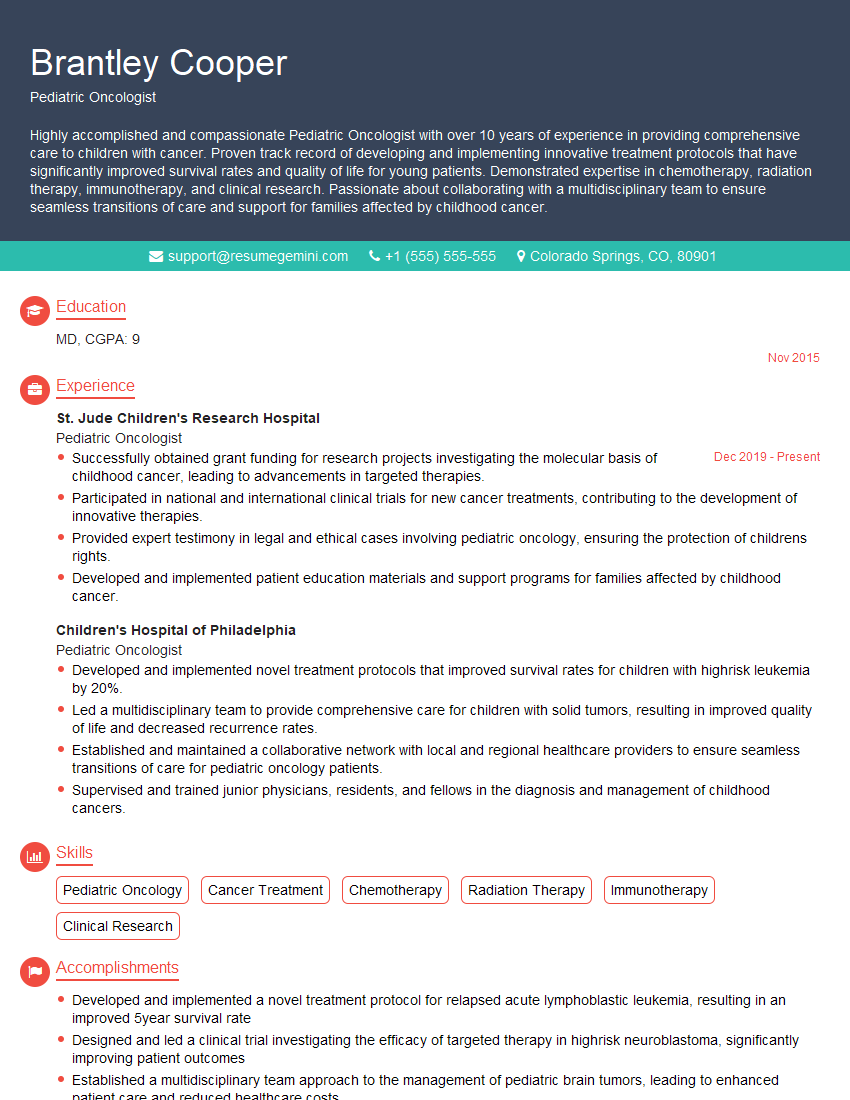
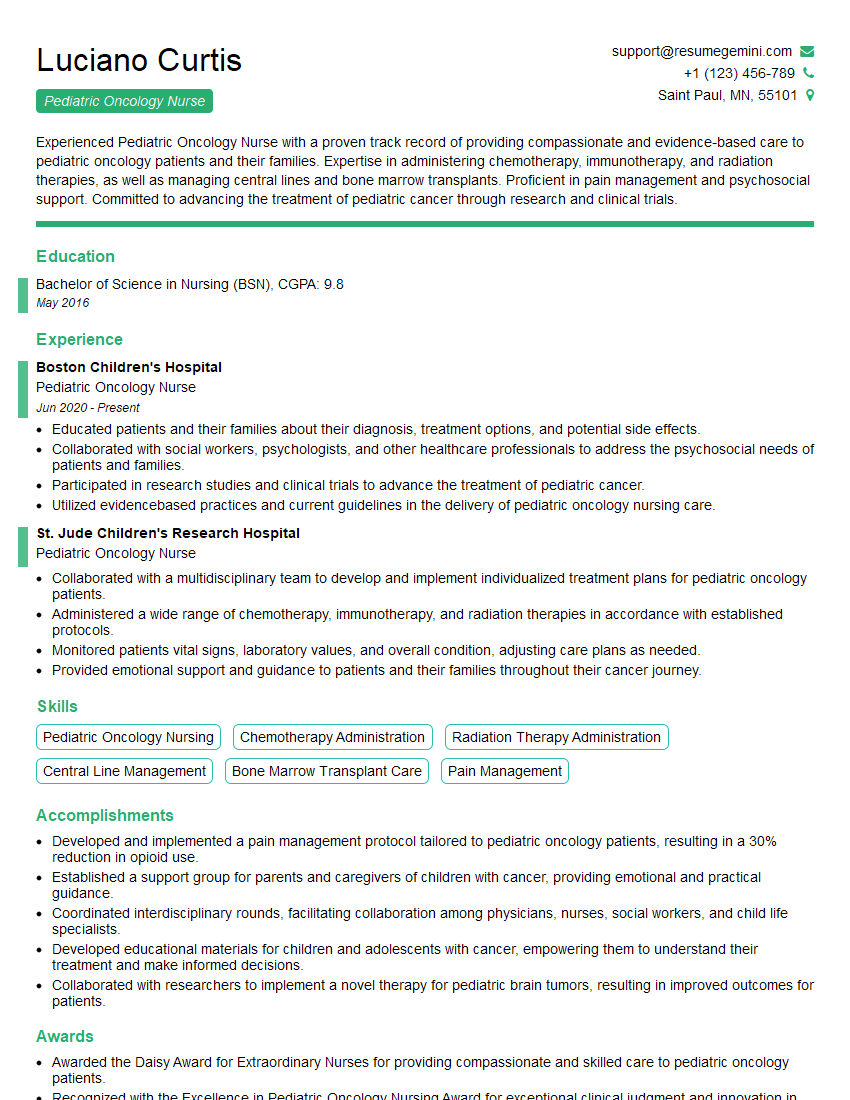
Mastering Pediatric Hematology-Oncology is crucial for a successful and fulfilling career in this impactful field. It’s a pathway to making a significant difference in the lives of children and their families. To maximize your job prospects, it’s essential to present your qualifications effectively. Creating an ATS-friendly resume is key to ensuring your application gets noticed. We highly recommend leveraging ResumeGemini, a trusted resource for crafting professional resumes. ResumeGemini offers valuable tools and resources, and provides examples of resumes tailored to Pediatric Hematology-Oncology to help you showcase your unique skills and experience effectively. Take the next step toward your dream career today.
Explore more articles
Users Rating of Our Blogs
Share Your Experience
We value your feedback! Please rate our content and share your thoughts (optional).
What Readers Say About Our Blog
To the interviewgemini.com Webmaster.
Very helpful and content specific questions to help prepare me for my interview!
Thank you
To the interviewgemini.com Webmaster.
This was kind of a unique content I found around the specialized skills. Very helpful questions and good detailed answers.
Very Helpful blog, thank you Interviewgemini team.