Every successful interview starts with knowing what to expect. In this blog, we’ll take you through the top Pediatric Nurse Practitioner interview questions, breaking them down with expert tips to help you deliver impactful answers. Step into your next interview fully prepared and ready to succeed.
Questions Asked in Pediatric Nurse Practitioner Interview
Q 1. Explain your understanding of the principles of growth and development in children.
Understanding child growth and development is crucial for providing effective pediatric care. It’s not just about measuring height and weight; it’s about recognizing the predictable yet unique patterns of physical, cognitive, social, and emotional changes across different developmental stages. We use established frameworks like the Denver Developmental Screening Test II (DDST-II) and age-appropriate milestones to assess a child’s progress.
For example, we expect a 2-year-old to be walking independently, speaking in simple sentences, and showing some signs of parallel play. A deviation from these expected milestones can alert us to potential developmental delays or underlying medical conditions requiring further investigation. This understanding guides our anticipatory guidance to parents; we advise on things like nutrition, sleep hygiene, and safety measures tailored to the child’s developmental stage. We also recognize individual variations; a child may hit certain milestones slightly earlier or later than average and still be within the normal range.
- Cephalocaudal Development: Growth proceeds from head to toe. Infants gain head control before they can sit up, and then crawl before walking.
- Proximodistal Development: Development progresses from the center of the body outwards. Children gain control of their trunk muscles before their finger muscles (fine motor skills).
- Differentiation: Simple movements gradually evolve into more complex and coordinated actions. For example, a baby’s reflexive grasp transforms into a precise pincer grasp.
Q 2. Describe your experience managing common childhood illnesses such as asthma, pneumonia, and otitis media.
Managing common childhood illnesses is a significant part of my practice. For example, in asthma management, I focus on assessing the severity of symptoms, using peak flow meters to monitor lung function, and tailoring treatment plans. This might involve inhaled corticosteroids, bronchodilators, or even allergy testing and management. With pneumonia, a thorough history and physical exam, chest x-ray, and sometimes blood tests are crucial for accurate diagnosis. Treatment decisions depend on the severity of the pneumonia and may range from supportive care like hydration and rest to antibiotic therapy. Otitis media (ear infection) often requires a careful assessment of ear pain, using the appropriate pain scale for the child’s age. Treatment could range from observation if mild to oral antibiotics if the infection is bacterial.
I’ve successfully managed numerous cases, for example, I recently helped a child with persistent asthma attacks through the implementation of a personalized action plan, which included regular medication use and environmental control measures. This significantly reduced the frequency of his hospitalizations. Similarly, I quickly diagnosed and treated a child with pneumonia, preventing its progression to a more severe state and avoiding potential complications.
Q 3. How do you approach assessing a child’s pain level?
Assessing a child’s pain level is crucial and requires a multi-faceted approach that considers the child’s age and developmental stage. For infants, we rely on behavioral cues such as facial expressions (grimacing, frowning), body language (fussiness, arching of the back), and vital signs (increased heart rate, respiratory rate). For older children, we can utilize validated pain scales, such as the Faces Pain Scale-Revised (FPS-R) or the Numeric Rating Scale (NRS). The communication style adapts to the child’s cognitive abilities.
I always explain the assessment process clearly to the child and parent, building trust and collaboration. The key is to be sensitive, reassuring, and accurate in judging the child’s subjective experience. For example, a nonverbal infant may show signs of distress with increased crying and agitation, while a 10-year-old can verbally describe their pain intensity using the NRS.
Q 4. Describe your experience with administering immunizations.
Administering immunizations is a routine but critical task. My experience includes administering various vaccines according to the recommended immunization schedule, carefully reviewing medical history for contraindications, and closely monitoring the child for any adverse reactions post-injection. I always explain the benefits and potential side effects of each vaccine to the parent or guardian in a clear, compassionate manner, addressing any concerns or misconceptions. I follow strict safety protocols, ensuring proper handling and storage of vaccines and using the appropriate injection technique for the child’s age and weight. I maintain meticulous documentation for every immunization administered.
For instance, I recently administered the MMR vaccine to a young patient, carefully addressing the parent’s concerns about the vaccine’s safety and potential side effects. Following the immunization, I carefully monitored the patient for any immediate adverse reactions, ensuring a safe and successful procedure.
Q 5. What is your approach to communicating with children and their families regarding diagnoses and treatment plans?
Effective communication is the cornerstone of patient care. My approach involves tailoring my communication style to the child’s developmental level and the parent’s preferred style. With young children, I use simple language, visual aids, and play to explain complex medical information. With older children and adolescents, I involve them directly in the conversation and encourage them to ask questions. I always make sure to involve the parents or guardians, ensuring they fully understand the diagnosis, treatment plan, and prognosis.
I use clear, concise language, avoiding medical jargon unless absolutely necessary. I actively listen to their concerns and respond empathetically, creating a safe space for open communication. For example, I explained a complex heart condition to a young child using a simple analogy comparing the heart to a pump, which helped the child and parents to grasp the concept effectively.
Q 6. How do you address parental concerns and anxieties?
Addressing parental concerns and anxieties is a crucial aspect of my role. I create a safe and supportive environment where parents feel comfortable expressing their fears and concerns without judgment. Active listening, empathy, and validation are essential tools. I validate their emotions by acknowledging their feelings and perspectives, emphasizing that it’s natural to be concerned about their child’s health. I provide clear and accurate information, answering their questions thoroughly and honestly, and clarifying misconceptions. I offer reassurance and support, building trust and confidence.
If I’m unsure about something, I clearly state that I’ll look into it and get back to them, rather than providing inaccurate or incomplete information. For example, a mother who was concerned about her baby’s weight gain was reassured through a discussion of normal weight ranges for infants and by addressing her anxieties related to breastfeeding.
Q 7. Describe your experience with ordering and interpreting common pediatric laboratory tests.
Ordering and interpreting common pediatric laboratory tests is a routine part of my practice. I select tests based on the child’s presenting symptoms, medical history, and physical examination findings. For instance, a complete blood count (CBC) might be ordered to evaluate for infection or anemia, while a urinalysis could help diagnose urinary tract infections. I am proficient in interpreting test results, understanding the normal reference ranges and recognizing deviations that indicate potential problems. I then correlate the lab results with other clinical data to formulate an accurate diagnosis and appropriate treatment plan.
For example, if a child presents with fever and a suspected infection, I might order a CBC and blood culture. Elevated white blood cell count in the CBC, combined with a positive blood culture, would confirm a bacterial infection, guiding the decision to prescribe antibiotics. I am also adept at explaining complex lab results to parents in a simple, easy-to-understand manner.
Q 8. How do you manage a child experiencing an acute allergic reaction?
Managing an acute allergic reaction in a child is a critical situation requiring immediate action. The severity can range from mild hives to life-threatening anaphylaxis. My approach follows a systematic protocol emphasizing prompt assessment and intervention.
- Assessment: I immediately assess the child’s airway, breathing, and circulation (ABCs). This includes looking for signs like swelling of the face, lips, or tongue (angioedema), difficulty breathing (wheezing, stridor), hives (urticaria), hypotension, or altered mental status.
- Emergency Treatment: If anaphylaxis is suspected (or even a possibility!), I administer epinephrine immediately via intramuscular injection (typically in the thigh) according to the child’s weight and the established guidelines. This is the cornerstone of treatment. Simultaneously, I would call for emergency medical services (EMS).
- Supportive Care: While waiting for EMS, I provide supportive care which includes maintaining the airway (possibly with positioning or supplemental oxygen), monitoring vital signs (heart rate, blood pressure, oxygen saturation), and reassuring the child and their parents. If the child is vomiting, I ensure their airway is clear to prevent aspiration.
- Post-Treatment: Once the child is stabilized, I arrange for transport to the hospital for observation and further treatment, which might include antihistamines, corticosteroids, and additional monitoring.
Example: I once treated a six-year-old who experienced a severe peanut allergy reaction. He presented with significant angioedema, wheezing, and hypotension. After administering epinephrine and calling 911, I managed his airway and monitored his vitals until EMS arrived. He recovered fully after receiving treatment at the hospital.
Q 9. What is your approach to managing childhood obesity?
Managing childhood obesity requires a holistic, family-centered approach. It’s not simply about weight loss; it’s about fostering healthy habits for life. My strategy is built on several pillars:
- Comprehensive Assessment: This includes assessing the child’s weight, height, BMI, and family history. I also explore dietary habits, physical activity levels, sleep patterns, and any underlying medical conditions that could contribute to weight gain.
- Family-Based Intervention: Parents and caregivers play a crucial role. I work collaboratively with them to develop realistic goals and strategies, focusing on sustainable lifestyle changes rather than quick fixes. This might include adjusting meal portions, limiting sugary drinks, and incorporating more physical activity into the family’s routine.
- Dietary Guidance: I provide education on healthy eating, emphasizing balanced meals with plenty of fruits, vegetables, and whole grains. I avoid restrictive diets, opting instead for gradual, sustainable changes.
- Physical Activity Promotion: I encourage at least 60 minutes of moderate-to-vigorous physical activity per day. This could include activities like sports, biking, swimming, or simply active playtime.
- Behavioral Therapy (if needed): For some children, behavioral therapy can be beneficial in addressing emotional eating or other factors contributing to overeating.
- Referral: If necessary, I refer the child to a registered dietitian, a psychologist, or other specialists for additional support.
Example: I worked with a family whose 10-year-old child was significantly overweight. Through collaborative goal setting, we made gradual changes like reducing sugary drinks, increasing vegetable intake, and incorporating family walks. Over time, the child saw improvements in their weight and overall health.
Q 10. Describe your experience with managing ADHD and Autism Spectrum Disorder.
Managing ADHD and Autism Spectrum Disorder (ASD) requires a multidisciplinary approach, combining medication management, behavioral therapies, and educational support. My experience involves working closely with families and other professionals to create individualized treatment plans.
- ADHD Management: My approach includes a thorough assessment of the child’s symptoms, considering the impact on school, social life, and daily functioning. Treatment might involve stimulant medications (like methylphenidate or amphetamine), non-stimulant medications (like atomoxetine), or a combination of both. Behavioral therapies, like parent training and behavioral interventions, are essential components. Regular monitoring is key to ensure medication efficacy and adjust dosage as needed.
- ASD Management: Managing ASD focuses on maximizing the child’s strengths and addressing their challenges. This often includes behavioral therapies like applied behavior analysis (ABA), speech therapy, occupational therapy, and social skills training. Medication is sometimes used to address specific symptoms like anxiety or repetitive behaviors, but it’s not a primary treatment for core ASD symptoms.
- Collaboration: For both ADHD and ASD, collaboration with teachers, therapists, and other specialists is vital. Regular communication and shared decision-making ensure a consistent and supportive environment for the child.
Example: I managed a child with both ADHD and ASD. We implemented a combination of stimulant medication for ADHD symptoms, ABA therapy to improve social skills and reduce repetitive behaviors, and occupational therapy to address sensory processing difficulties. Close collaboration with the school and therapists resulted in significant improvements in the child’s functioning.
Q 11. How do you perform a developmental screening?
Developmental screening is a crucial part of well-child care. It involves using standardized tools to assess a child’s development across various domains: gross motor skills, fine motor skills, language, cognitive abilities, and social-emotional development.
- Choosing the Right Tool: The choice of screening tool depends on the child’s age and developmental stage. There are several age-appropriate tools available, such as the Ages and Stages Questionnaires (ASQ), the Denver Developmental Screening Test II (DDST-II), and the Parents’ Evaluation of Developmental Status (PEDS).
- The Screening Process: I typically conduct the screening during a well-child visit. I may ask parents questions about the child’s milestones, and may also observe the child directly, assessing their abilities in different domains. The screening is not a diagnostic tool but rather identifies children who might require more in-depth evaluation.
- Interpreting Results: If the screening reveals potential delays or concerns, I’ll discuss these findings with the parents and recommend further evaluation by specialists, such as a developmental pediatrician or occupational therapist.
- Follow-up: Regular developmental screenings are essential throughout childhood. Early identification of developmental delays allows for timely intervention, improving the child’s chances of optimal development.
Example: During a routine well-child visit, I used the ASQ-3 to screen a 18-month-old. The screening indicated potential delays in language development. I discussed my findings with the parents, and we arranged for a speech therapy evaluation.
Q 12. Explain your experience with managing childhood anxiety and depression.
Managing childhood anxiety and depression requires a sensitive and comprehensive approach. Early intervention is critical, as these conditions can significantly impact a child’s development and well-being.
- Assessment: I conduct a thorough assessment, considering the child’s symptoms, their history, and the impact on their daily life. This includes utilizing validated screening tools like the Screen for Child Anxiety Related Emotional Disorders (SCARED) or the Patient Health Questionnaire-9 (PHQ-9) adapted for children.
- Therapeutic Interventions: My approach often involves a combination of psychotherapy and, in some cases, medication. Cognitive Behavioral Therapy (CBT) is often very effective for anxiety, teaching children to identify and manage their anxious thoughts and behaviors. For depression, psychotherapy may focus on addressing underlying issues and developing coping mechanisms.
- Medication Management (if indicated): Selective Serotonin Reuptake Inhibitors (SSRIs) are commonly used to treat anxiety and depression in children and adolescents, but their use must be carefully considered, weighing the potential benefits against the risks. Careful monitoring for side effects is essential.
- Family Involvement: Parents and family members play a crucial role in the child’s treatment. I provide education, support, and guidance to help them understand the condition and support the child’s recovery.
Example: I worked with a 12-year-old experiencing significant anxiety related to school. We implemented CBT to help her identify and challenge her negative thoughts, and we also used relaxation techniques. Her anxiety significantly improved over several months.
Q 13. Describe your knowledge of common pediatric medications and their potential side effects.
A Pediatric Nurse Practitioner must have a deep understanding of common pediatric medications and their potential side effects. This knowledge is crucial for safe and effective prescribing and medication management.
- Common Medications: My knowledge encompasses a wide range of medications, including antibiotics (amoxicillin, azithromycin), antivirals (oseltamivir), antihistamines (cetirizine, diphenhydramine), analgesics (acetaminophen, ibuprofen), bronchodilators (albuterol), corticosteroids (prednisone, fluticasone), and medications for ADHD, anxiety, and depression (as mentioned previously).
- Understanding Pharmacokinetics & Pharmacodynamics: I understand how these medications are absorbed, distributed, metabolized, and excreted in children’s bodies (pharmacokinetics). I also understand how they affect the body (pharmacodynamics), including their mechanisms of action and potential interactions.
- Side Effects: I am aware of the common and uncommon side effects of each medication, including age-specific considerations. For example, some medications may have different side effect profiles in younger children compared to adolescents.
- Medication Interactions: I’m proficient in identifying potential drug interactions and ensuring the safe co-administration of multiple medications. A thorough medication reconciliation is always a key step.
Example: When prescribing amoxicillin to a young child, I am mindful of the potential for diarrhea, and I would educate the parents on this possibility. I would also explain that while rare, more serious side effects like allergic reactions can occur and to seek immediate medical attention if that happens.
Q 14. How do you ensure accurate medication administration in a pediatric setting?
Accurate medication administration is paramount in pediatrics. Errors can have serious consequences. My approach emphasizes several key strategies:
- The Five Rights (and more!): I meticulously follow the “five rights” of medication administration—right patient, right medication, right dose, right route, right time—and expand on this with additional checks like the right documentation and right reason.
- Accurate Dosing Calculations: I utilize reliable resources and double-check my calculations to ensure the correct dosage for the child’s weight and age. I use a calculator to minimize errors.
- Verification & Double-checking: I always verify the medication order against the child’s chart and compare it with the medication label before administering it. If possible, I have a colleague verify the dose and medication before administration.
- Appropriate Administration Route: I use the correct route of administration – oral, intramuscular, intravenous, etc. – based on the prescription and the child’s age and developmental stage. I am proficient in various administration techniques.
- Parent Education: I provide clear and concise instructions to parents on how to administer medications at home, emphasizing the importance of adhering to the prescribed dosage and schedule.
- Documentation: I meticulously document every aspect of medication administration, including the date, time, medication name, dose, route, and any observations made during or after administration.
Example: Before administering any medication, I always verify the child’s identity using two identifiers (e.g., name and date of birth). I then carefully check the medication label against the order to ensure it is the correct drug, dosage, and form.
Q 15. Describe your experience with managing chronic conditions such as diabetes and cystic fibrosis.
Managing chronic conditions like diabetes and cystic fibrosis in children requires a holistic approach encompassing medical management, patient education, and strong family support. My experience involves comprehensive assessments, developing individualized care plans, and close monitoring of disease progression.
- Diabetes Management: This includes regular HbA1c testing, blood glucose monitoring education, insulin regimen adjustments (basal-bolus, pump therapy), dietary counseling tailored to the child’s age and activity level, and regular follow-ups to address complications like retinopathy or nephropathy. For example, I’ve worked with a young patient transitioning from multiple daily injections to an insulin pump, requiring careful training and close monitoring for optimal glycemic control and minimizing hypoglycemic episodes.
- Cystic Fibrosis Management: My approach involves coordinating care with pulmonologists, gastroenterologists, and dieticians. This includes assessing lung function (spirometry), monitoring weight and nutritional status, prescribing and monitoring medications (e.g., airway clearance therapies, antibiotics, pancreatic enzymes), and educating families on infection prevention strategies. I’ve had experience in helping families manage exacerbations, ensuring timely hospital referrals when necessary, and navigating the emotional challenges associated with this life-long condition. For instance, I supported a family whose child required frequent hospitalizations, providing education and emotional support to help them manage at home.
In both cases, proactive communication and collaboration with the family are crucial to achieving optimal outcomes and ensuring the child’s quality of life.
Career Expert Tips:
- Ace those interviews! Prepare effectively by reviewing the Top 50 Most Common Interview Questions on ResumeGemini.
- Navigate your job search with confidence! Explore a wide range of Career Tips on ResumeGemini. Learn about common challenges and recommendations to overcome them.
- Craft the perfect resume! Master the Art of Resume Writing with ResumeGemini’s guide. Showcase your unique qualifications and achievements effectively.
- Don’t miss out on holiday savings! Build your dream resume with ResumeGemini’s ATS optimized templates.
Q 16. How do you identify and respond to child abuse or neglect?
Identifying and responding to child abuse or neglect requires a high index of suspicion and a systematic approach. It’s vital to be observant during routine physical examinations and attentive to discrepancies in the child’s or parent’s account of injuries or illnesses.
- Signs and Symptoms: I carefully assess for physical indicators (e.g., bruises, burns, fractures in various stages of healing) and behavioral signs (e.g., withdrawal, anxiety, fear of adults). I also pay close attention to inconsistencies in the child’s and parent’s explanations.
- Documentation: Thorough documentation is crucial. I meticulously record all observations, including photos of any injuries, verbatim statements by the child and parents, and any findings from physical examinations. Detailed descriptions are vital for legal investigations.
- Reporting Procedures: When I suspect abuse or neglect, I am mandated reporter, following established protocols to report to child protective services. This involves a confidential report, detailing my concerns and observations.
It’s a sensitive process requiring careful consideration of all information. It’s important to remember that a suspicion doesn’t automatically equate to a proven case of abuse, but acting upon any serious concerns is paramount to protecting the child’s well-being.
Q 17. Describe your experience with performing physical exams on infants, children, and adolescents.
Performing physical exams on infants, children, and adolescents requires age-appropriate techniques and a developmentally sensitive approach.
- Infants: Exams are often performed while the infant is being held by the parent to create a sense of security. I focus on assessing reflexes, heart and lung sounds, and observing skin condition. Gentle palpation is key.
- Children: I use play and distraction techniques to reduce anxiety and make the exam less stressful. Explaining each step of the process in simple terms, building rapport, and allowing the child to participate helps maintain trust and cooperation.
- Adolescents: Privacy and respect are paramount. I give them the opportunity to voice concerns and ask questions before, during, and after the exam. Addressing issues specific to adolescence, such as pubertal development, mental health concerns, and sexual health, is vital. Providing appropriate education during these visits promotes health literacy and self-advocacy.
Regardless of age, the approach always prioritizes building a trusting relationship, employing age-appropriate communication strategies, and making the experience as positive and comfortable as possible.
Q 18. How do you maintain confidentiality within pediatric healthcare?
Maintaining confidentiality is a cornerstone of pediatric healthcare and is legally and ethically mandated. I adhere strictly to HIPAA regulations and maintain all patient information securely.
- HIPAA Compliance: All electronic and paper records are secured through password-protected systems, adhering to data breach protocols, and limiting access to authorized personnel only.
- Communication: Discussions about patients are only with individuals directly involved in their care. I always obtain consent before sharing information with anyone else. For example, I would only share information with a parent or guardian unless there is a legal exception, such as mandated reporting.
- Parental Consent: Adolescents have a right to confidentiality, but I balance that with their developmental stage and need for parental involvement. There are specific situations where involving parents is crucial, such as sexually transmitted infections or substance abuse, unless legally prohibited by the state.
Maintaining confidentiality builds trust, encouraging open communication and honest dialogue which is essential for providing high-quality care.
Q 19. What is your approach to ethical decision-making in a pediatric setting?
Ethical decision-making in pediatrics is guided by the principles of beneficence (acting in the best interest of the child), non-maleficence (avoiding harm), justice (fair and equitable treatment), and respect for autonomy (respecting the child’s and family’s rights and wishes).
My approach involves:
- Considering the Child’s Best Interest: All decisions are centered around what is best for the child’s physical, emotional, and developmental well-being.
- Shared Decision-Making: I believe in including the family in the decision-making process, respecting their values and preferences while providing them with evidence-based information.
- Balancing Rights: When conflicts arise, I carefully weigh the child’s rights with parental wishes, legal and ethical guidelines, and the best available medical evidence.
- Seeking Consultation: When confronted with complex ethical dilemmas, I don’t hesitate to seek guidance from colleagues, ethics committees, or legal counsel.
An example is when managing a child with a terminal illness; the ethical considerations include balancing aggressive life-prolonging treatments with the child’s quality of life and the family’s wishes for palliative care. Navigating such situations requires empathy, open communication, and careful consideration of all relevant factors.
Q 20. Describe your experience with collaborating with other healthcare professionals.
Collaboration is fundamental in pediatric care. I regularly work with a multidisciplinary team, including physicians, nurses, social workers, therapists, and other specialists.
- Effective Communication: I utilize clear, concise, and timely communication—whether through electronic health records, direct conversations, or team meetings—to ensure everyone is informed and working towards the same goals.
- Shared Goals: I actively participate in care planning meetings, contributing my expertise and working collaboratively to develop comprehensive and individualized plans for each patient. For example, coordinating with a child’s school nurse to ensure smooth management of a chronic condition or arranging for appropriate therapy services.
- Respectful Interactions: I value and respect the expertise of each team member, recognizing the unique contributions they make to patient care. Openly soliciting input, acknowledging diverse perspectives, and actively listening foster a collaborative environment.
Teamwork enhances the quality of patient care by providing a broader range of expertise and support, contributing to better outcomes for children and families.
Q 21. How do you manage a challenging patient or family situation?
Managing challenging patient or family situations requires empathy, patience, and effective communication strategies. A structured approach can be beneficial:
- Active Listening: I start by actively listening to the patient and family, understanding their perspective, concerns, and needs. This helps build trust and rapport, making them more receptive to solutions.
- Conflict Resolution: If a conflict arises, I employ conflict resolution techniques, like mediation or negotiation, focusing on finding common ground and mutually acceptable solutions.
- Setting Clear Expectations: Clear and realistic expectations need to be established regarding treatment plans and care goals, managing expectations and avoiding unmet promises.
- Seeking Support: When necessary, I don’t hesitate to seek support from other healthcare professionals, such as social workers or mental health specialists, to assist with complex family dynamics or patient behavioral issues.
- Self-Care: It’s essential to engage in self-care to prevent burnout. This includes seeking supervision, engaging in stress management techniques, and maintaining personal boundaries.
For example, I’ve worked with families who were struggling with adherence to a treatment plan. Through open communication, active listening, and collaboration, we were able to address their concerns, adjust the plan as needed, and ultimately achieve better outcomes.
Q 22. Explain your knowledge of advanced cardiac life support (ACLS) for children.
Advanced Cardiac Life Support (ACLS) in pediatrics differs significantly from adult ACLS due to the unique physiological characteristics of children. It emphasizes rapid assessment, age-appropriate interventions, and a team approach. My understanding encompasses the pediatric assessment triangle (appearance, work of breathing, circulation), recognition of various cardiac arrests (e.g., bradycardia, pulseless electrical activity, ventricular fibrillation), and the application of the PALS (Pediatric Advanced Life Support) algorithm.
This involves understanding the differences in drug dosages, airway management techniques (including endotracheal intubation and laryngeal mask airway placement) and the specific challenges posed by pediatric anatomy. For instance, a child’s airway is smaller and more prone to obstruction, requiring careful attention to technique. Furthermore, I am proficient in using defibrillation and cardiopulmonary resuscitation (CPR) techniques specific to children, adjusting compressions and ventilation rates according to age and size. I’ve actively participated in multiple PALS simulations and real-life scenarios, honing my skills in high-stress situations and ensuring efficient teamwork.
For example, I recall a situation where a child presented with sudden cardiac arrest. The rapid assessment highlighted the need for immediate CPR and defibrillation. Using the PALS algorithm as a guide, we established an airway, initiated chest compressions, and delivered age-appropriate doses of epinephrine while simultaneously preparing for intubation and advanced life support measures. The collaborative efforts of the team, following the established protocols, were critical to the successful resuscitation of the child.
Q 23. How do you handle emergency situations in a pediatric setting?
Handling emergencies in pediatrics requires a calm, decisive, and systematic approach. My initial response centers on immediate assessment of the child’s ABCs (Airway, Breathing, Circulation), rapidly identifying the life-threatening issue. This is followed by a quick assessment using the pediatric assessment triangle – appearance, work of breathing, and circulation – to prioritize interventions. I prioritize securing the airway, ensuring adequate breathing and maintaining circulation.
Simultaneously, I initiate communication with the emergency response team, relaying pertinent information accurately and concisely. My experience involves managing various emergencies, ranging from respiratory distress to seizures to anaphylaxis. I am skilled in providing appropriate first-aid measures like oxygen administration, assisting with intubation, providing medication, and using basic and advanced life support techniques as needed.
For instance, I once managed a case of severe croup in a young child. By recognizing the characteristic barking cough and stridor, I immediately initiated high-flow oxygen therapy and administered nebulized epinephrine. This rapid intervention helped alleviate the child’s respiratory distress and prevented further complications. My training in pediatric emergency care ensures effective management under pressure, always prioritizing the child’s safety and well-being.
Q 24. Describe your experience with providing preventative care to children.
Preventive care forms the cornerstone of pediatric nursing, aiming to prevent illness and promote healthy development. My experience encompasses a wide spectrum of preventative services, including well-child visits from infancy to adolescence. This involves age-appropriate screenings, immunizations, anticipatory guidance, and health promotion education to families.
I routinely assess growth and development, conduct physical examinations, screen for developmental delays, and counsel parents on nutrition, sleep hygiene, safety (car seats, water safety), and injury prevention. I’m adept at communicating effectively with parents about age-appropriate expectations and potential risks, and tailoring recommendations to their unique circumstances. I firmly believe in empowering parents to actively participate in their child’s health journey.
For example, I recently worked with a family who was concerned about their child’s sleep patterns. Through detailed assessment and individualized guidance on sleep hygiene, including establishing a consistent bedtime routine and creating a conducive sleep environment, we were able to improve the child’s sleep and, consequently, the entire family’s well-being. I’m passionate about equipping families with the knowledge and resources to make informed decisions about their child’s health.
Q 25. How do you stay updated on current trends and advancements in pediatric nursing?
Staying current in pediatric nursing requires a multifaceted approach. I actively engage in continuing education through professional organizations such as the National Association of Pediatric Nurse Practitioners (NAPNAP) and the American Academy of Pediatrics (AAP). I regularly attend conferences, workshops, and webinars focusing on the latest advancements in pediatric healthcare.
I also subscribe to peer-reviewed journals, such as the Journal of Pediatric Nursing, and utilize online resources like the AAP website to remain updated on clinical guidelines and evidence-based practices. Furthermore, I actively participate in continuing education courses relevant to my practice, ensuring my skills remain sharp and aligned with current best practices. Keeping abreast of new research, medications, and treatment modalities is crucial for providing optimal patient care.
For instance, I recently completed a course on the latest developments in managing childhood obesity, enabling me to provide more informed counseling and intervention strategies to families. This commitment to lifelong learning allows me to confidently address the evolving needs of my patients and their families.
Q 26. What are some strategies you use to promote healthy lifestyles in children?
Promoting healthy lifestyles in children requires a holistic, collaborative approach. I employ several strategies, including individualized counseling tailored to each child’s age, developmental stage, and family dynamics. This includes promoting healthy eating habits by discussing balanced nutrition, portion sizes, and limiting sugary drinks and processed foods.
I also emphasize the importance of regular physical activity, encouraging at least 60 minutes of moderate to vigorous physical activity daily. I counsel families on safe and age-appropriate physical activities, considering their individual preferences and circumstances. Furthermore, I incorporate education on limiting screen time and promoting healthy sleep habits. My approach always prioritizes empowering children and their families with the knowledge and skills they need to make healthy choices.
For example, I frequently involve families in creating personalized plans to address specific areas needing improvement. This could include creating a family activity calendar, setting realistic screen time limits, or developing a meal plan together, making the process collaborative and sustainable.
Q 27. How would you approach counseling a family regarding a challenging diagnosis?
Counseling families facing challenging diagnoses requires empathy, sensitivity, and clear communication. My approach begins with establishing a safe and supportive environment where families feel comfortable expressing their emotions and concerns. I listen actively to their perspectives, validate their feelings, and provide accurate, age-appropriate information about the diagnosis and prognosis.
I explain the disease process in clear, simple terms, avoiding medical jargon whenever possible. I answer their questions patiently and honestly, addressing concerns and providing emotional support. I always involve the family in decision-making, respecting their values and preferences, while ensuring that they receive comprehensive support. This may involve connecting them with support groups, social workers, or other specialists.
For example, I recall delivering a diagnosis of type 1 diabetes to a young child and their parents. I carefully explained the disease, its management, and its long-term implications. I provided them with resources, answered their questions patiently, and referred them to a diabetes educator and a support group for families. Providing emotional support and creating a comprehensive plan was crucial in helping the family adapt to this challenging diagnosis.
Q 28. Describe your experience with using electronic health records (EHRs) in a pediatric setting.
Electronic Health Records (EHRs) are an integral part of modern pediatric practice. My experience encompasses the proficient use of EHR systems in documenting patient encounters, managing clinical data, and ensuring continuity of care. I am skilled in accurately recording patient history, physical examination findings, diagnoses, treatment plans, and progress notes within the EHR system.
I utilize the EHR system to order and manage laboratory tests, review results, and communicate with other healthcare professionals. I use the EHR to schedule appointments, manage referrals, and access patient information efficiently. I am also adept at using the EHR for quality improvement initiatives, analyzing data to identify areas needing improvement and track patient outcomes.
For example, I regularly utilize the EHR to monitor growth charts, immunization records, and screening results. This real-time access enables me to identify potential developmental delays or health concerns early and initiate timely interventions. The efficiency and accuracy of the EHR system streamlines my workflow and enhances the quality of care provided.
Key Topics to Learn for Pediatric Nurse Practitioner Interview
- Child Development & Growth: Understanding normal developmental milestones across various age groups, recognizing deviations, and formulating appropriate interventions.
- Pediatric Assessment & Physical Exam: Mastering the techniques for conducting thorough and age-appropriate physical examinations, interpreting findings, and documenting observations accurately.
- Common Pediatric Illnesses & Conditions: Deep knowledge of the etiology, pathophysiology, diagnosis, and management of frequently encountered pediatric illnesses, such as respiratory infections, gastrointestinal disorders, and skin conditions.
- Pharmacology in Pediatrics: Understanding pediatric medication calculations, safe dosing regimens, common side effects, and drug interactions specific to children.
- Immunizations & Preventative Care: Comprehensive knowledge of the recommended immunization schedule, contraindications, and the importance of preventive health screenings.
- Acute & Chronic Disease Management: Developing effective treatment plans for acute conditions, such as asthma exacerbations or febrile seizures, and managing chronic illnesses like diabetes or cystic fibrosis.
- Pediatric Mental Health: Recognizing and addressing common mental health concerns in children and adolescents, including anxiety, depression, and ADHD.
- Family-Centered Care: Understanding the importance of involving families in the decision-making process and providing comprehensive support to families navigating pediatric health challenges.
- Ethical & Legal Considerations: Familiarity with relevant legal and ethical issues in pediatric care, including informed consent, confidentiality, and end-of-life care.
- Health Promotion & Disease Prevention: Developing and implementing strategies for promoting healthy lifestyles and preventing common childhood illnesses. This includes anticipatory guidance for parents and caregivers.
Next Steps
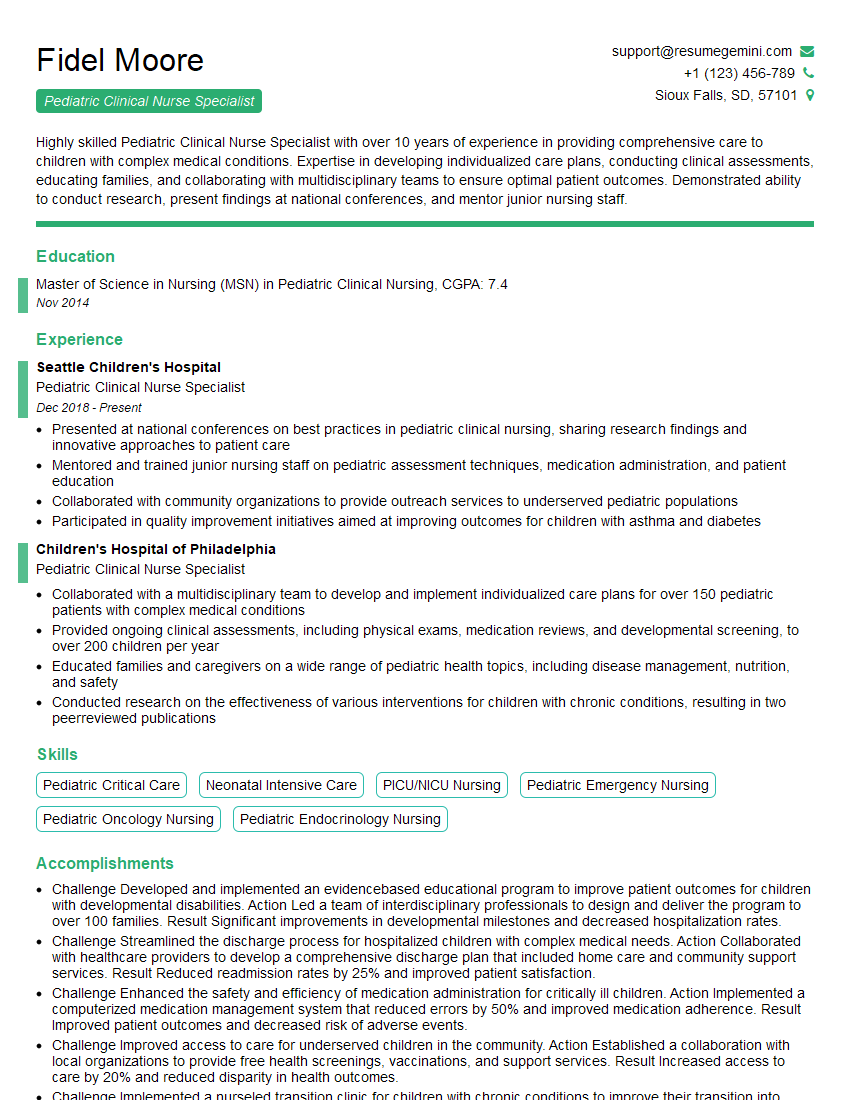
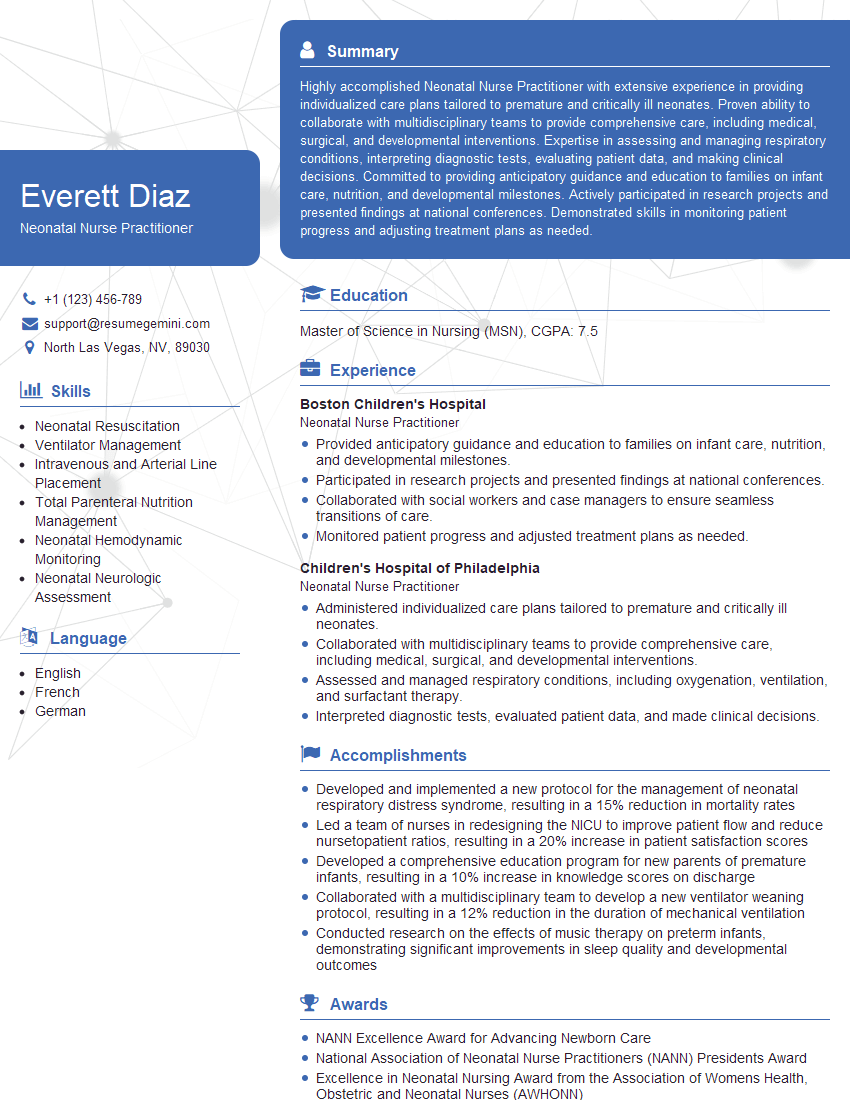
Mastering the Pediatric Nurse Practitioner role opens doors to exciting career advancements, increased earning potential, and a fulfilling career dedicated to improving the health and well-being of children. To maximize your job prospects, it’s crucial to present yourself professionally. Building an ATS-friendly resume is key to getting your application noticed. ResumeGemini is a trusted resource to help you create a compelling and effective resume that highlights your skills and experience. Examples of resumes tailored to Pediatric Nurse Practitioner roles are available to help you get started. Invest in presenting your qualifications effectively—it’s an investment in your future success.
Explore more articles
Users Rating of Our Blogs
Share Your Experience
We value your feedback! Please rate our content and share your thoughts (optional).
What Readers Say About Our Blog
To the interviewgemini.com Webmaster.
Very helpful and content specific questions to help prepare me for my interview!
Thank you
To the interviewgemini.com Webmaster.
This was kind of a unique content I found around the specialized skills. Very helpful questions and good detailed answers.
Very Helpful blog, thank you Interviewgemini team.