The thought of an interview can be nerve-wracking, but the right preparation can make all the difference. Explore this comprehensive guide to Pediatric Social Work interview questions and gain the confidence you need to showcase your abilities and secure the role.
Questions Asked in Pediatric Social Work Interview
Q 1. Describe your experience working with children with developmental delays.
Working with children experiencing developmental delays requires a holistic approach, focusing on the child’s strengths and needs within their unique context. My experience spans across various settings, including early intervention programs, schools, and hospitals. I’ve worked with children exhibiting delays in areas such as cognitive development, motor skills, speech and language, and social-emotional development. This involved collaborating closely with families, therapists (occupational, physical, speech), educators, and other professionals to create individualized intervention plans.
For example, I worked with a young boy diagnosed with autism spectrum disorder. We focused on developing his communication skills through play therapy and structured learning techniques. Simultaneously, I supported his parents by providing coping strategies and connecting them with community resources. The success of this intervention hinged on the family’s active participation and the collaborative efforts of the entire treatment team.
In another instance, I worked with a group of preschoolers with various developmental delays. We used a play-based approach to target specific developmental goals. I noticed that one child struggled with sharing and turn-taking. By introducing games that reinforced these skills and working with her parents, we saw significant improvement in her social interaction and overall development.
Q 2. How do you assess a child’s emotional and behavioral needs within a medical setting?
Assessing a child’s emotional and behavioral needs within a medical setting requires a sensitive and systematic approach. It’s crucial to understand the context of their illness or treatment and how this impacts their emotional state. My assessment involves multiple methods, including:
- Observations: Observing the child’s behavior, interactions with family, and responses to medical procedures.
- Interviews: Talking to the child (depending on their age and developmental level) and their parents or caregivers to understand their concerns, challenges, and coping mechanisms.
- Review of Records: Examining medical records, school reports, and previous therapeutic evaluations to get a comprehensive understanding of the child’s history.
- Standardized Assessments: Utilizing age-appropriate standardized tools to assess emotional functioning, behavioral problems, and social skills. For example, I often use the Child Behavior Checklist (CBCL) and the Strengths and Difficulties Questionnaire (SDQ).
Interpreting the data requires careful consideration of the child’s developmental stage, cultural background, and the impact of their medical condition. The goal is to identify the root causes of any emotional or behavioral problems and develop targeted interventions.
Q 3. Explain your approach to working with families facing challenging circumstances.
My approach to working with families facing challenging circumstances is rooted in strength-based and trauma-informed principles. I believe that every family possesses inherent strengths and resilience, and my role is to help them identify and utilize these assets. I begin by building a strong therapeutic alliance based on trust and respect.
I use a collaborative approach, actively involving the family in decision-making processes and tailoring interventions to their specific needs and cultural context. This might involve connecting them with community resources like food banks, housing assistance programs, or mental health services. I also provide education and support to help them navigate complex systems and cope with stress.
For instance, I worked with a family struggling with poverty and housing instability. Together, we developed a plan that included securing housing assistance, connecting them with a local food bank, and providing the parents with parenting skills training. By focusing on their strengths and providing concrete support, they were able to overcome many of their challenges and create a more stable environment for their children.
Q 4. What strategies do you employ to build rapport with children of diverse backgrounds?
Building rapport with children from diverse backgrounds requires cultural humility and sensitivity. It involves actively learning about different cultures and recognizing that children may communicate and express themselves in diverse ways. I prioritize:
- Cultural Sensitivity: Demonstrating awareness and respect for the child’s cultural values, beliefs, and communication styles.
- Non-Verbal Communication: Paying close attention to nonverbal cues, as these can often be more meaningful than words, particularly when working with children who may not have fully developed verbal skills.
- Language Accessibility: Utilizing interpreters or bilingual staff when needed, ensuring clear and accessible communication.
- Play and Activities: Engaging in culturally relevant play activities that are age-appropriate and encourage interaction and trust. This can include incorporating toys, games, or activities that reflect their cultural background.
- Family Involvement: Understanding and involving the family in the therapeutic process, respecting their unique beliefs and practices.
Adaptability is key. For example, I once worked with a child who was more comfortable communicating through drawing than through verbal interaction. I embraced this and used art therapy to build trust and facilitate communication.
Q 5. Describe your experience with child abuse and neglect cases.
My experience with child abuse and neglect cases involves a thorough understanding of mandated reporting laws and ethical obligations. It involves careful assessment, documentation, and collaboration with other professionals including law enforcement, child protective services, and medical personnel. The safety and well-being of the child are my top priority. My role includes:
- Assessment of Risk: Conducting a comprehensive assessment to determine the level of risk the child faces and the nature of the abuse or neglect.
- Collaboration with CPS: Working closely with child protective services to ensure the child’s safety and to coordinate services.
- Therapeutic Interventions: Providing trauma-informed therapy to help the child cope with the trauma and to heal emotionally.
- Court Testimony: Providing expert testimony in court cases, advocating for the child’s best interests.
- Support for Families: When appropriate and safe, offering support and resources to families to help them address the issues that led to the abuse or neglect.
Working in these cases requires adherence to strict ethical guidelines and a deep understanding of the legal ramifications of my actions. Maintaining appropriate boundaries and protecting the confidentiality of the child and family within legal limits are critical.
Q 6. How do you collaborate with other professionals (doctors, teachers, therapists) in a child’s care?
Collaboration is essential in pediatric social work. I regularly work with doctors, teachers, therapists, and other professionals to ensure a coordinated and comprehensive approach to a child’s care. Effective collaboration involves:
- Regular Communication: Maintaining open and consistent communication through regular meetings, phone calls, emails, or shared electronic health records.
- Shared Goals: Establishing shared goals and objectives for the child’s care and well-being.
- Case Conferences: Participating in case conferences to discuss the child’s progress, challenges, and any needed adjustments to the treatment plan.
- Respectful Dialogue: Engaging in respectful and collaborative discussions with other professionals, valuing their expertise and perspectives.
- Information Sharing: Sharing relevant information about the child’s social, emotional, and behavioral functioning with other members of the team.
For example, in a case involving a child with ADHD, I would regularly communicate with the child’s teacher to understand their classroom behavior and to coordinate strategies for managing their symptoms at school. I’d also collaborate with the child’s psychiatrist to discuss medication management and therapy strategies. This multidisciplinary team approach helps optimize treatment outcomes.
Q 7. Explain your knowledge of the legal and ethical considerations in Pediatric Social Work.
Pediatric social work operates within a complex framework of legal and ethical considerations. A thorough understanding of these aspects is crucial to ensure ethical practice and to protect the rights and well-being of children and families. Key legal considerations include:
- Mandated Reporting: The legal obligation to report suspected child abuse or neglect to the appropriate authorities.
- Confidentiality: Understanding the limits of confidentiality, particularly in situations involving child abuse, neglect, or risk to self or others. This includes knowing when exceptions to confidentiality are permitted or required by law.
- HIPAA Compliance: Adhering to HIPAA regulations related to the privacy and security of protected health information.
- FERPA Compliance: Understanding and adhering to the Family Educational Rights and Privacy Act (FERPA) when working with schools and educational records.
Ethical considerations involve adhering to the NASW Code of Ethics, which guides decision-making related to client autonomy, beneficence, non-maleficence, justice, and fidelity. Ethical dilemmas often arise in situations involving conflicting loyalties (e.g., between the child and the parents), cultural differences, and resource limitations. Continuous reflection on practice and supervision are critical to navigating these complexities.
Q 8. How do you address the emotional needs of a child facing a life-threatening illness?
Addressing the emotional needs of a child facing a life-threatening illness requires a multifaceted approach that prioritizes their developmental stage, coping mechanisms, and family dynamics. It’s crucial to remember that children process illness differently than adults.
My approach involves:
- Building rapport and trust: Creating a safe space where the child feels comfortable expressing their fears and concerns is paramount. This might involve using age-appropriate language and play therapy to help them communicate their feelings.
- Active listening and validation: I validate their feelings, even if they seem irrational or exaggerated, letting them know it’s okay to feel scared, angry, or sad. For example, I might say, “It sounds really scary to be going through this, and it’s perfectly understandable to feel angry or upset.”
- Providing age-appropriate information: Explaining the illness and treatment in a way they can understand, using simple terms and avoiding overwhelming details, is essential. Visual aids, like drawings or dolls, can be very helpful.
- Connecting them with support groups: Peer support can be incredibly beneficial, allowing children to share their experiences and feel less alone. I often connect families with organizations that offer support groups for children facing similar illnesses.
- Supporting the family: Remember, the child’s emotional well-being is deeply intertwined with their family’s. I offer support and resources to the parents and siblings to help them cope with the stress and navigate the emotional challenges as a unit.
For instance, I once worked with a 7-year-old girl diagnosed with leukemia. Through play therapy, she expressed her fear of needles and her worry about dying. By validating her feelings and helping her create a “brave box” filled with drawings and positive affirmations, we empowered her to face her treatments.
Q 9. What techniques do you use to support grieving families?
Supporting grieving families requires sensitivity, patience, and a deep understanding of the grieving process. There’s no single ‘right’ way to grieve, and each family will experience loss differently.
My techniques include:
- Active listening and empathy: Allowing families to share their experiences without judgment is crucial. I create a safe space for them to express their grief openly and honestly.
- Normalizing grief reactions: Families may experience a wide range of emotions, from sadness and anger to guilt and denial. I help them understand that these reactions are normal and part of the grieving process.
- Providing practical support: This might include connecting them with resources like bereavement groups, financial assistance programs, or legal services if needed.
- Offering psychoeducational interventions: I educate families about the stages of grief and provide coping strategies to help them navigate this difficult time. This could involve exploring different grief models, like the Kübler-Ross model, but emphasizing that grief is not linear.
- Respecting cultural and religious beliefs: Grief is expressed differently across cultures and religions. I ensure that my approach is culturally sensitive and respects the family’s unique beliefs and traditions.
For example, I worked with a family who lost their child suddenly. I helped them create a memory box filled with photos and mementos, fostering a healthy way to remember their child and maintain a connection.
Q 10. Describe your experience with crisis intervention in a pediatric setting.
Crisis intervention in a pediatric setting demands quick thinking, decisive action, and a calm, reassuring demeanor. It often involves situations where a child’s safety or well-being is immediately threatened.
My experience encompasses:
- Rapid assessment: Quickly assessing the situation to identify the immediate risks and needs of the child and family.
- Safety planning: Developing a safety plan to ensure the child’s immediate safety, which might involve removing the child from a dangerous environment or connecting them with emergency services.
- Emotional support: Providing immediate emotional support to both the child and the family, helping them manage their overwhelming emotions.
- Collaboration: Working closely with other professionals, such as medical staff, law enforcement, and child protective services, as needed.
- Follow-up care: Connecting the family with appropriate resources and services for ongoing support after the immediate crisis has passed. This could include therapy, case management, or other community-based supports.
I recall a case where a child arrived at the hospital following a severe accident. My role involved coordinating with the medical team to ensure the child received appropriate care while simultaneously providing emotional support to the distraught parents.
Q 11. Explain your understanding of trauma-informed care for children.
Trauma-informed care recognizes the profound impact of trauma on a child’s development and behavior. It shifts the focus from what’s wrong with the child to understanding how their experiences have shaped their responses. The core principles are:
- Safety: Creating a safe, predictable, and stable environment where children feel secure and protected.
- Trustworthiness and transparency: Building trust by being honest and open in communication.
- Choice, collaboration, and empowerment: Involving children in decisions that affect them and empowering them to take control of their lives.
- Collaboration: Working collaboratively with families and other professionals to provide holistic and comprehensive care.
Applying trauma-informed care might involve using calming techniques, such as deep breathing exercises, for anxious children or employing play therapy to help children express their trauma in a safe and controlled environment. It also means carefully considering how policies and procedures might trigger or retraumatize children and adjusting them accordingly. For instance, instead of sudden or unexpected physical exams, preparing a child beforehand and allowing them choices during the process can be part of trauma-informed care.
Q 12. How do you advocate for the rights and needs of children within a system?
Advocating for children within the system requires a strong understanding of their rights, the legal framework surrounding child welfare, and the resources available to support them. It’s about being their voice when they may not have the ability to speak for themselves.
My advocacy efforts include:
- Identifying unmet needs: Assessing the child’s needs, including medical, educational, social, and emotional support, and identifying any gaps in services.
- Navigating complex systems: Connecting families with the appropriate resources, which may involve working with schools, hospitals, social service agencies, and legal professionals.
- Documentation and reporting: Maintaining thorough documentation of all interactions and advocating for the child through formal reports and presentations to relevant committees.
- Collaboration and communication: Working collaboratively with other professionals to ensure a coordinated approach to meeting the child’s needs.
- Empowering families: Supporting families to understand and access their rights and to actively participate in decision-making.
For example, I recently advocated for a child with special needs to receive appropriate educational services by working with the school district to develop an individualized education program (IEP) that met the child’s unique needs. This involved several meetings, careful documentation, and collaboration with the child’s teachers, parents, and specialists.
Q 13. Describe your familiarity with different therapeutic interventions for children.
My familiarity with therapeutic interventions for children is extensive, encompassing a range of evidence-based approaches tailored to the child’s age, developmental stage, and unique needs.
These include:
- Play therapy: Using play as a medium for children to express their emotions, work through conflicts, and develop coping skills.
- Cognitive Behavioral Therapy (CBT): Helping children identify and change negative thought patterns and behaviors.
- Trauma-focused CBT (TF-CBT): Specifically designed to address the impact of trauma on children, using techniques such as in-vivo exposure and narrative therapy.
- Art therapy: Utilizing art as a non-verbal form of communication to express emotions and thoughts.
- Family therapy: Addressing family dynamics and improving communication and relationships within the family system.
- Attachment-based therapy: Focusing on the child’s attachment patterns and relationships to address emotional regulation and security.
The choice of therapeutic intervention is always individualized and depends on a thorough assessment of the child’s needs.
Q 14. How do you assess and manage risk factors in a pediatric setting?
Assessing and managing risk factors in a pediatric setting requires a comprehensive approach that considers the child’s developmental stage, environment, and the presence of any potential threats to their safety and well-being.
My approach involves:
- Gathering information: Collecting information from multiple sources, including the child, family, medical professionals, educators, and other relevant individuals.
- Risk assessment tools: Utilizing standardized risk assessment tools to identify potential risks, such as neglect, abuse, or suicidal ideation.
- Developing a safety plan: Collaborating with the child, family, and other professionals to develop a safety plan to mitigate the identified risks.
- Monitoring and intervention: Regularly monitoring the child’s situation and intervening promptly if any new risks emerge.
- Documentation: Maintaining thorough and accurate documentation of all assessments, interventions, and safety plans.
For example, if I suspected child neglect, I would gather information from multiple sources to substantiate the concern. This might involve home visits, discussions with teachers, and collaborating with child protective services to ensure the child’s safety and develop an intervention plan to support the family.
Q 15. What is your experience with child protective services investigations?
My experience with child protective services (CPS) investigations spans over five years, encompassing a wide range of cases from allegations of neglect to physical and emotional abuse. I’ve been involved in all stages of the process, from initial intake and assessment to conducting home visits, interviewing children and families using developmentally appropriate techniques, collaborating with law enforcement, and contributing to case disposition decisions. I understand the legal framework surrounding CPS investigations, including mandated reporting requirements and the best interests of the child. For example, in one case involving alleged neglect, I conducted thorough home assessments, reviewed medical records, and interviewed the parents and child. My findings ultimately led to a safety plan that included increased parental supervision and access to community resources, thereby preventing the child from entering foster care.
My role has often involved mediating communication between families and the CPS agency, advocating for families’ needs while ensuring child safety. It requires a delicate balance of thorough investigation, supportive intervention, and adherence to legal guidelines. Critical thinking and strong communication skills are paramount to navigating the complexities of these investigations and ensuring a fair and just outcome.
Career Expert Tips:
- Ace those interviews! Prepare effectively by reviewing the Top 50 Most Common Interview Questions on ResumeGemini.
- Navigate your job search with confidence! Explore a wide range of Career Tips on ResumeGemini. Learn about common challenges and recommendations to overcome them.
- Craft the perfect resume! Master the Art of Resume Writing with ResumeGemini’s guide. Showcase your unique qualifications and achievements effectively.
- Don’t miss out on holiday savings! Build your dream resume with ResumeGemini’s ATS optimized templates.
Q 16. How do you handle confidentiality issues within a pediatric social work context?
Confidentiality is paramount in pediatric social work. We adhere to strict ethical guidelines and legal mandates, primarily governed by HIPAA (Health Insurance Portability and Accountability Act) and state laws. Information shared by a child or family is considered privileged and confidential unless there’s a legal exception, such as suspected abuse or neglect. Even then, disclosure is carefully managed, limited to only those who need to know to ensure the child’s safety and well-being. This involves obtaining informed consent whenever possible and adhering to mandated reporting laws.
For instance, if a child discloses suicidal ideation, I am legally obligated to report this to the appropriate authorities to prevent harm. However, I would do so while maintaining as much confidentiality as possible, sharing only the necessary information to ensure intervention. We meticulously document all interactions, maintaining a secure record-keeping system and utilizing secure electronic health record (EHR) systems. Further, we regularly review and update our knowledge of relevant privacy laws and professional ethical standards.
Q 17. Explain your experience in developing and implementing treatment plans for children.
Developing and implementing treatment plans for children requires a collaborative approach, involving the child, family, and other relevant professionals. I begin with a thorough assessment, which informs the development of individualized, goal-oriented plans. These plans address the child’s specific needs and strengths, setting realistic and achievable goals within a clearly defined timeline.
For example, I recently worked with a child struggling with anxiety following a traumatic event. The assessment included interviews with the child and parents, reviewing school records, and using standardized assessments like the Child Behavior Checklist (CBCL). The resulting treatment plan involved cognitive behavioral therapy (CBT) for the child, parent training in managing the child’s anxiety, and family therapy to improve family communication. The progress was consistently monitored, and the plan was adapted as needed to best meet the evolving needs of the child and family. Regular reviews and modifications ensure effectiveness and flexibility.
Q 18. Describe your understanding of child development and its relevance to social work practice.
A strong understanding of child development is foundational to effective social work practice. It provides a framework for understanding a child’s behavior, emotional responses, and social interactions within their developmental stage. Erikson’s stages of psychosocial development, Piaget’s cognitive development theory, and Bowlby’s attachment theory are all crucial frameworks for interpreting a child’s experiences and needs.
For example, knowing that a toddler’s behavior might be rooted in their developing sense of autonomy (Erikson’s theory) helps me approach interventions differently than working with an adolescent navigating identity formation. Understanding the cognitive limitations of a younger child influences my communication style and the methods I use to gather information. A deep understanding of attachment theory informs how I assess family dynamics and the impact of relational experiences on a child’s well-being.
Q 19. How do you use assessment tools to evaluate a child’s needs?
Assessment tools are crucial for evaluating a child’s needs and informing interventions. These tools vary depending on the presenting concern. For emotional and behavioral issues, I utilize standardized assessments like the CBCL, the Conners’ Rating Scales, and various projective tests (with caution and ethical considerations). For developmental concerns, I may employ instruments such as the Bayley Scales of Infant and Toddler Development. Furthermore, I also rely on clinical interviews with the child, parents, and teachers, gathering information through observation and reviewing relevant records (school, medical, etc.).
It’s vital to select appropriate assessment tools based on the child’s age, developmental level, and cultural background, interpreting the results in the context of the child’s overall life circumstances. The results of these assessments do not stand alone; they contribute to a holistic understanding shaped by multiple data points. This ensures a comprehensive evaluation and aids in the development of tailored interventions.
Q 20. What is your experience with creating and maintaining case documentation?
Maintaining accurate and comprehensive case documentation is crucial for ethical practice, legal protection, and continuity of care. My documentation adheres to agency guidelines and best practice standards, using clear, concise, and objective language. It includes information about the child’s history, presenting problems, assessments conducted, interventions implemented, progress notes, and any relevant collateral information (e.g., school reports, medical records).
I use a standardized format, including specific headings (e.g., demographics, presenting problem, assessment findings, treatment plan, progress notes, discharge summary), ensuring that all entries are dated and time-stamped. This meticulous record-keeping is essential for tracking progress, justifying interventions, ensuring accountability, and facilitating communication between professionals involved in the child’s care. It’s a vital component of ethical and effective social work practice, aiding in quality control and continuous improvement of service delivery.
Q 21. Describe your familiarity with various family systems theories.
My understanding of family systems theories is robust, incorporating various perspectives such as Bowenian family therapy, structural family therapy, and strategic family therapy. Bowenian therapy emphasizes multigenerational patterns and differentiation of self. Structural family therapy focuses on the structure and organization of the family, identifying dysfunctional patterns and hierarchies. Strategic family therapy utilizes specific techniques and interventions to address identified family problems.
I apply these theories to understand the dynamics within families and how these dynamics impact a child’s well-being. For example, in a family struggling with sibling rivalry, I might use structural techniques to redefine family roles and boundaries, while simultaneously addressing the emotional needs of each sibling (informed by attachment and developmental theories). Understanding family systems is crucial for effective interventions, recognizing that changes within one family member often impact the whole system. It’s essential to tailor interventions to the specific needs and dynamics of each family.
Q 22. Explain your experience with coordinating services for children with complex needs.
Coordinating services for children with complex needs requires a multifaceted approach. It involves acting as a central hub, connecting families with a network of resources tailored to the child’s specific challenges. This might include medical specialists, therapists (occupational, physical, speech), educational support services, mental health professionals, and even legal aid if necessary. My experience involves developing comprehensive service plans, regularly assessing the child’s progress, and advocating for the family’s needs within the system.
For example, I worked with a family whose child had Autism Spectrum Disorder (ASD), ADHD, and a significant speech delay. I coordinated their care, ensuring the child received speech therapy three times a week, occupational therapy twice a week, and participated in an early intervention program. I liaised with the school to implement an Individualized Education Program (IEP), ensuring the child received appropriate educational support. I also connected the family with a support group for parents of children with ASD. This collaborative approach ensured the child received the comprehensive care needed to thrive.
This often involves navigating bureaucratic hurdles, advocating for services, and ensuring that the family understands the various services available and their roles in the process. It’s about building strong relationships with all involved parties and creating a cohesive care plan that empowers the child and their family.
Q 23. How do you ensure cultural sensitivity in your work with children and families?
Cultural sensitivity is paramount in pediatric social work. It’s about recognizing and respecting the diverse values, beliefs, and practices of the families I serve. This goes beyond simply acknowledging cultural differences; it requires actively incorporating them into my assessment and intervention strategies.
I begin by actively listening to families and asking open-ended questions about their cultural background, beliefs, and preferred communication styles. I make a conscious effort to learn about their cultural norms regarding family structure, discipline, and healthcare practices. For instance, understanding a family’s belief about the role of extended family in decision-making can significantly influence how I approach case management.
I avoid making assumptions about families’ needs or behaviors based on stereotypes. Instead, I strive to understand their unique perspectives and adapt my interventions accordingly. This might involve using culturally appropriate language, employing culturally sensitive assessment tools, and connecting families with culturally competent resources. For example, I might utilize a culturally relevant therapy approach or connect a family with a therapist who shares their cultural background. This ensures the family feels respected and understood, ultimately fostering trust and collaboration.
Q 24. What is your experience in conducting family therapy sessions?
My experience in family therapy encompasses a range of approaches, including structural, systemic, and solution-focused therapies. I believe in creating a safe and supportive environment where family members can openly communicate their concerns and work collaboratively to resolve conflicts and improve relationships.
I utilize a strengths-based approach, focusing on the family’s existing strengths and resources to build resilience. I help families identify their communication patterns, dysfunctional interactions, and underlying issues contributing to their challenges. We work together to establish clear goals, develop effective communication skills, and implement strategies to address specific problems. I employ various techniques, like genograms to map family dynamics, and role-playing to practice new communication patterns.
One example involved a family struggling with sibling rivalry. Through family therapy sessions, we explored the root causes of the conflict, identified each child’s individual needs, and collaboratively developed strategies for conflict resolution, such as establishing clear rules and promoting positive interactions. The sessions also helped parents understand their roles in mediating conflicts and fostering healthier sibling relationships.
Q 25. Describe your approach to managing difficult or challenging behaviors in children.
Managing challenging behaviors in children requires a thoughtful, multi-pronged approach that goes beyond simply punishing the behavior. It involves understanding the underlying causes of the behavior and employing strategies that address those causes while teaching the child alternative, more adaptive behaviors.
My approach often involves utilizing a functional behavioral assessment (FBA) to identify the triggers, antecedents, and consequences of the behavior. This helps us understand why the child is exhibiting the challenging behavior. Once we understand the function of the behavior, we can implement positive behavior support (PBS) strategies. PBS focuses on teaching replacement behaviors that meet the child’s needs in more acceptable ways. For example, a child who exhibits aggression may be seeking attention; PBS might involve providing positive attention when the child displays appropriate behavior.
I work closely with parents and caregivers to implement consistent strategies at home and school. This collaboration ensures a cohesive approach that maximizes positive outcomes for the child. I also emphasize the importance of building a strong therapeutic relationship with the child, creating a safe and supportive environment where they feel understood and accepted.
Q 26. How do you prioritize competing demands and manage time effectively in a fast-paced environment?
Prioritizing competing demands and managing time effectively in a fast-paced environment is crucial in pediatric social work. I utilize several strategies to stay organized and efficient. These include effective time management techniques, such as prioritizing tasks based on urgency and importance, and utilizing scheduling tools like calendars and to-do lists.
I also utilize delegation and collaboration whenever possible. This might involve working with other professionals to share responsibilities or referring families to appropriate resources. I regularly review my caseload, reassessing priorities and adjusting my schedule as needed. This might involve re-allocating time or seeking additional support if my workload becomes overwhelming.
Clear communication is key. I maintain open communication with families, colleagues, and supervisors to manage expectations and avoid conflicts. By proactively communicating about deadlines and potential delays, I can prevent unnecessary stress and maintain a balanced workload.
Q 27. Explain your understanding of the role of play therapy in pediatric social work.
Play therapy is a powerful tool in pediatric social work. It provides a non-threatening medium for children to express themselves, process emotions, and work through difficult experiences. It’s particularly effective with children who may struggle to articulate their feelings verbally.
Children use play to symbolically represent their inner world, their relationships, and their experiences. Through observation of their play, I can gain valuable insights into their thoughts, feelings, and behaviors. I might use various play materials, such as dolls, sand trays, art supplies, or even role-playing games, to facilitate the therapeutic process.
The role of the play therapist is to create a safe and supportive environment, to observe and interpret the child’s play, and to facilitate their self-discovery and healing. It’s about guiding the child’s exploration, not directing it. For example, if a child is playing out a stressful family situation with dolls, I might facilitate their exploration of different ways of resolving the conflict, guiding them towards healthier coping mechanisms. The focus is always on the child’s emotional development and building resilience.
Q 28. Describe your experience with working in interdisciplinary teams.
Working in interdisciplinary teams is essential in pediatric social work. It allows for a holistic approach to care, leveraging the expertise of various professionals to best serve the child and family. I’ve had extensive experience working collaboratively with doctors, nurses, therapists, teachers, and other social workers.
My approach involves clear and open communication with team members, regularly attending team meetings, and contributing my social work perspective to case discussions. I believe in actively listening to other professionals’ contributions and integrating their expertise into my own work. This collaborative approach allows for a comprehensive understanding of the child’s needs and ensures that interventions are coordinated and consistent.
For instance, in a case involving a child with emotional and behavioral difficulties, I collaborated with the child’s psychiatrist, school psychologist, and teacher to develop a comprehensive plan addressing both the child’s academic and emotional needs. This collaborative approach ensured the child received consistent support across all aspects of their life.
Key Topics to Learn for Pediatric Social Work Interview
- Child Development & Psychosocial Stages: Understanding typical developmental milestones and potential challenges at various ages is crucial. This includes recognizing signs of developmental delays or disorders.
- Family Systems Theory: Applying this framework to understand family dynamics, communication patterns, and their impact on a child’s well-being. Practical application: Assessing family strengths and needs during home visits or hospital consultations.
- Trauma-Informed Care: Knowing how to identify and address the impact of trauma on children and families. Practical application: Developing trauma-sensitive interventions and support strategies.
- Ethical Considerations in Pediatric Social Work: Navigating complex ethical dilemmas, such as confidentiality, mandated reporting, and advocacy for vulnerable children. This includes understanding relevant laws and regulations.
- Assessment & Intervention Strategies: Mastering various assessment tools and developing effective intervention plans tailored to individual needs, considering cultural sensitivity and diversity.
- Collaboration & Communication: Effective communication with parents, medical professionals, educators, and other stakeholders is essential. Practical application: Participating in interdisciplinary team meetings and coordinating care plans.
- Crisis Intervention & Case Management: Responding to crises and managing complex cases, utilizing resources and support systems effectively. This includes experience with child protection and foster care systems.
- Advocacy & Policy: Understanding the social and political contexts impacting children’s well-being and advocating for policy changes to improve child welfare.
Next Steps
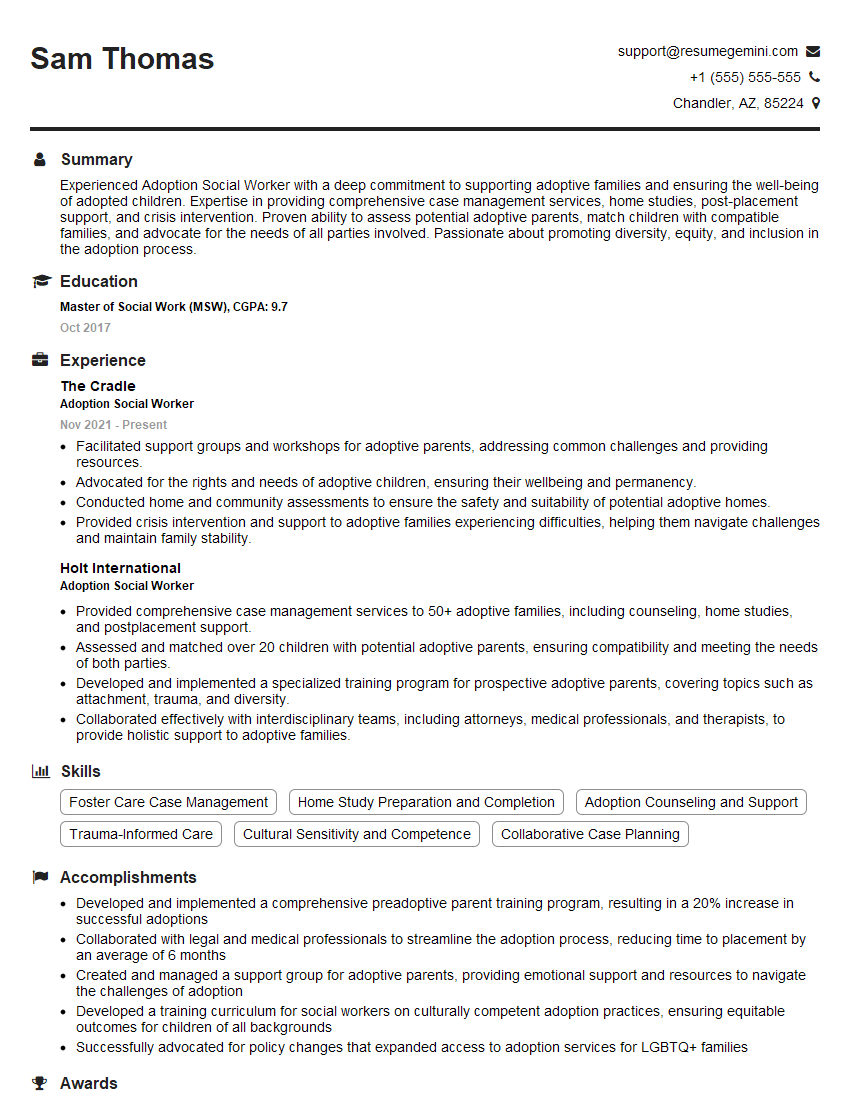
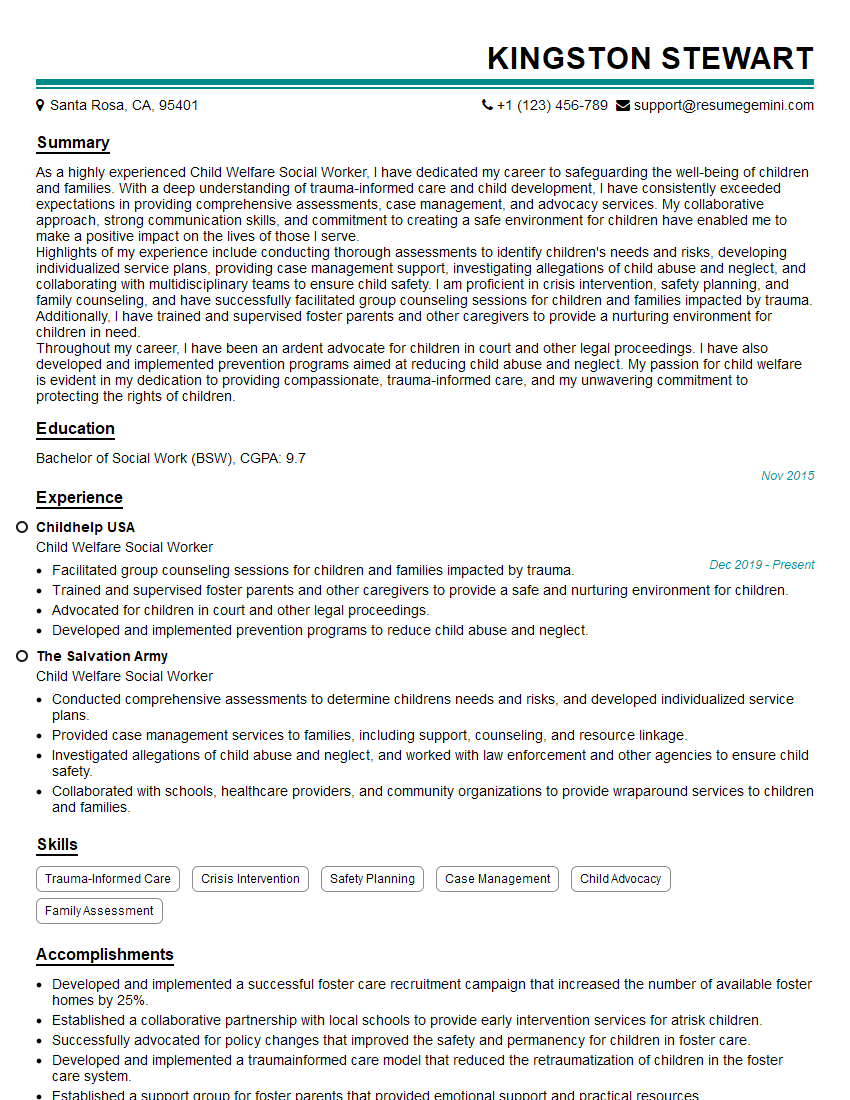
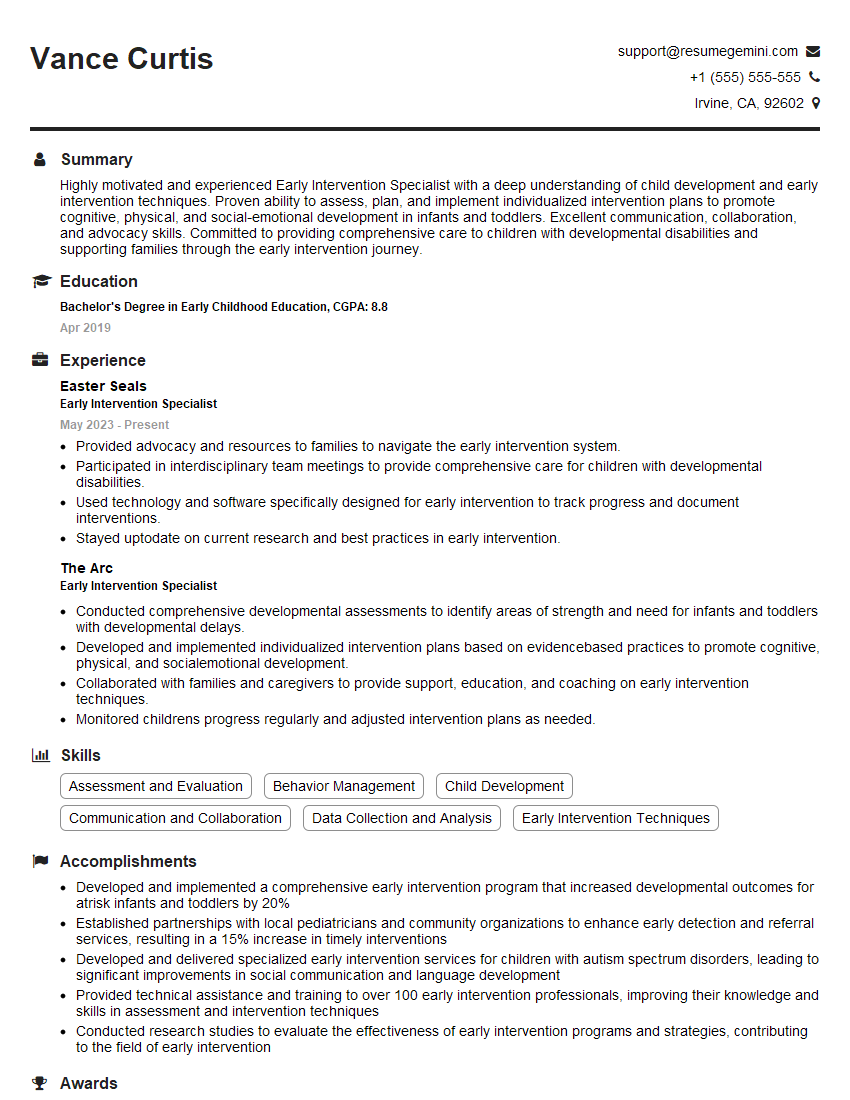
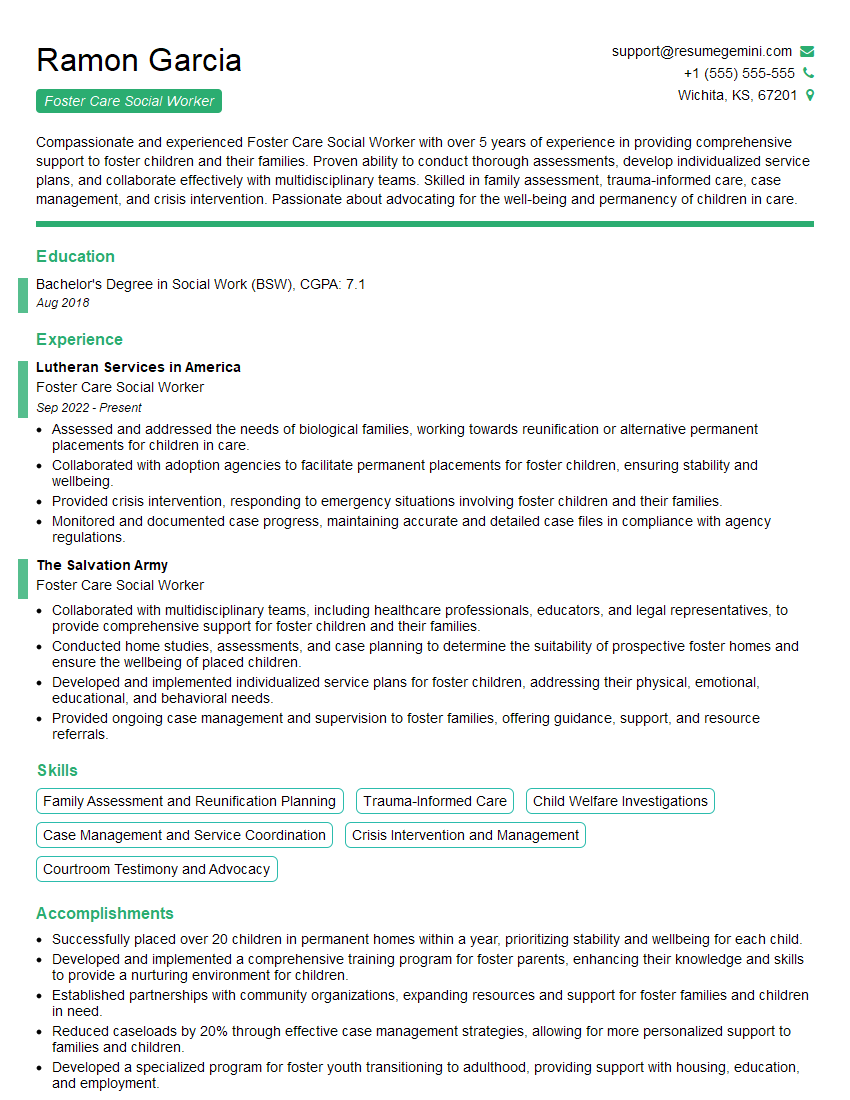
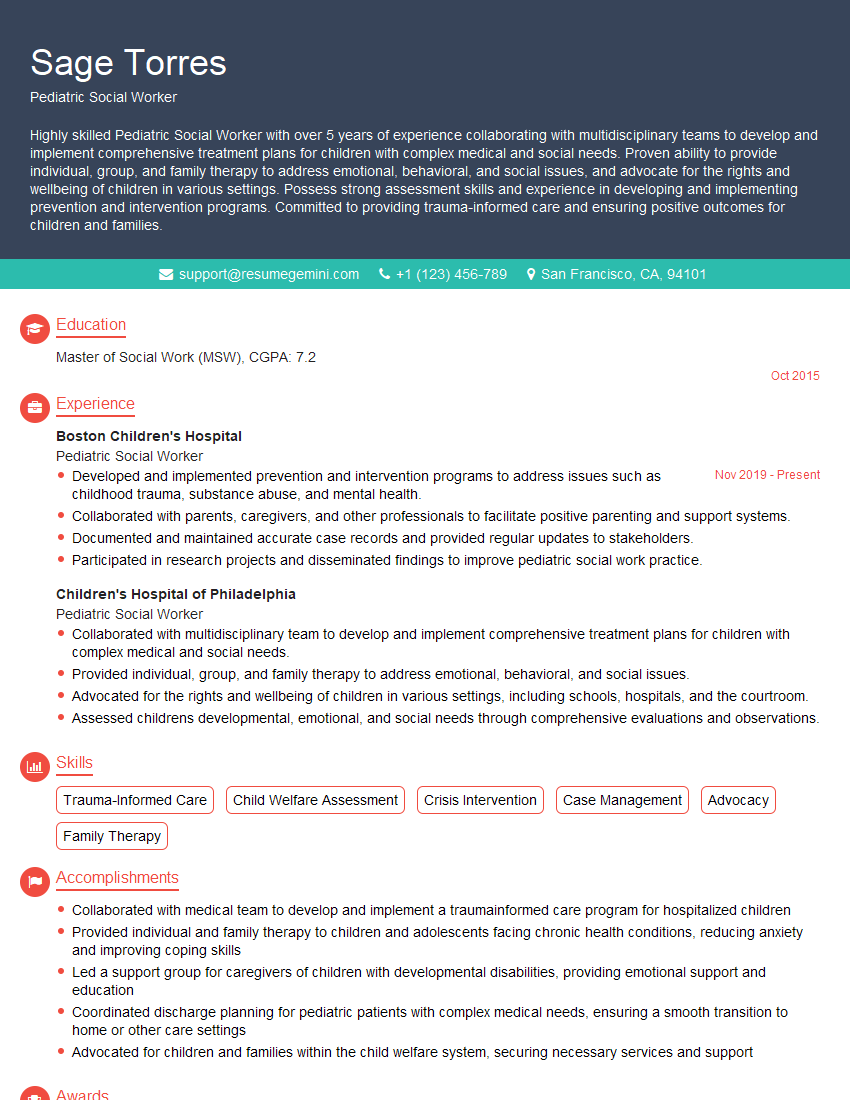
Mastering Pediatric Social Work opens doors to a rewarding career dedicated to improving the lives of children and families. To maximize your job prospects, a strong, ATS-friendly resume is essential. ResumeGemini can help you craft a compelling and effective resume that highlights your skills and experience in Pediatric Social Work. ResumeGemini provides examples of resumes tailored to this specific field, ensuring your application stands out. Invest time in creating a professional resume that showcases your capabilities and dedication to this important field. Your future clients and colleagues await!
Explore more articles
Users Rating of Our Blogs
Share Your Experience
We value your feedback! Please rate our content and share your thoughts (optional).
What Readers Say About Our Blog
To the interviewgemini.com Webmaster.
Very helpful and content specific questions to help prepare me for my interview!
Thank you
To the interviewgemini.com Webmaster.
This was kind of a unique content I found around the specialized skills. Very helpful questions and good detailed answers.
Very Helpful blog, thank you Interviewgemini team.