The thought of an interview can be nerve-wracking, but the right preparation can make all the difference. Explore this comprehensive guide to Permit Issuance and Administration interview questions and gain the confidence you need to showcase your abilities and secure the role.
Questions Asked in Permit Issuance and Administration Interview
Q 1. Explain the process of permit application review and approval.
The permit application review and approval process is a multi-step procedure designed to ensure projects comply with all applicable regulations and codes. It typically begins with the applicant submitting a complete application, including all necessary plans, documentation, and fees.
- Initial Review: A designated reviewer checks for completeness and adherence to submission guidelines. Incomplete applications are returned to the applicant with a list of deficiencies.
- Technical Review: This involves a detailed assessment of the application against relevant codes and regulations (building codes, zoning ordinances, environmental regulations, etc.). This stage may involve consultations with other departments or specialists.
- Plan Review: Detailed review of architectural plans, engineering drawings, and other relevant documents to ensure structural integrity, safety, and compliance with building codes.
- Field Inspection (Optional): In some cases, a site visit is necessary to verify information on the application and assess the surrounding area.
- Approval/Conditional Approval/Denial: Based on the review, the permit is either approved, approved with conditions (requiring additional steps or modifications), or denied.
- Issuance: Once approved, the permit is issued, officially authorizing the project to commence.
Example: Imagine a building permit application. The initial review ensures all forms are filled out and required drawings are attached. The technical review then examines the plans to ensure they meet fire codes, accessibility standards, and structural requirements. If everything is satisfactory, the permit is issued.
Q 2. Describe your experience with different types of permits (building, environmental, etc.).
Throughout my career, I’ve worked extensively with various permit types. This includes:
- Building Permits: These are essential for new construction, renovations, additions, and demolition projects, encompassing residential, commercial, and industrial buildings. My experience spans from reviewing complex multi-story building plans to simpler residential projects.
- Environmental Permits: These are crucial for projects that could impact the environment, such as construction near wetlands, projects involving hazardous materials, or those requiring stormwater management plans. I’m familiar with the regulations under the Clean Water Act, the Endangered Species Act, and other pertinent environmental laws.
- Sign Permits: These govern the placement, size, and design of signs, ensuring they conform to local zoning and aesthetic guidelines.
- Plumbing, Electrical and Mechanical Permits: Separate permits often required for these specialized trades to ensure the work is done safely and to code.
- Demolition Permits: These ensure safety measures are in place during demolition work.
Handling different permit types requires understanding the unique regulations, codes, and potential environmental impacts associated with each.
Q 3. How do you handle incomplete or inaccurate permit applications?
Incomplete or inaccurate applications are handled promptly and professionally to ensure efficiency and compliance. My approach involves:
- Identify Deficiencies: Carefully review the application to pinpoint any missing information or discrepancies.
- Communicate with Applicant: Contact the applicant to explain the deficiencies and request the necessary corrections or clarifications. This includes providing specific details and references to relevant codes or regulations.
- Establish a Timeline: Set a reasonable deadline for the applicant to resubmit the corrected application.
- Document Communication: Maintain thorough records of all correspondence and actions taken. This ensures transparency and accountability.
- Reject Application (if necessary): If the applicant fails to provide the required information within the given timeframe, the application may be rejected. The applicant would then need to submit a completely new application.
Example: If a building permit application lacks structural calculations, I would notify the applicant, specifying the required calculations and referencing the relevant building code sections. We aim to assist applicants in completing their applications successfully.
Q 4. What is your experience with permit tracking and management systems?
I’m proficient in various permit tracking and management systems, both custom-built and commercially available. My experience encompasses using software to:
- Track Application Status: Monitor the progress of applications from submission to issuance or denial.
- Manage Documents: Organize and store all associated documents electronically, ensuring easy access and retrieval.
- Schedule Inspections: Coordinate and schedule field inspections efficiently.
- Generate Reports: Create reports summarizing permit activity, processing times, and other key performance indicators.
- Manage Fees: Track payment status and generate invoices.
For instance, I’ve used systems like Accela Civic Platform and Cityworks. Proficiency in these systems ensures smooth workflows and data management throughout the permit process.
Q 5. How do you ensure compliance with relevant regulations and laws during the permit process?
Ensuring compliance is paramount. My approach involves:
- Thorough Review: Meticulously review each application against all applicable federal, state, and local regulations, including building codes, zoning ordinances, environmental regulations, and accessibility standards.
- Cross-Referencing: Check for consistency across different parts of the application and with other relevant documents.
- Consultation with Experts: Consult with engineers, environmental specialists, or other experts if needed to ensure accurate interpretation and application of regulations.
- Staying Updated: Maintain awareness of changes and updates to relevant codes and regulations through professional development and ongoing training.
Example: When reviewing a project near a protected wetland, I would cross-reference the application with wetland delineation maps and ensure compliance with the Clean Water Act. Non-compliance leads to permit denial and potentially environmental fines.
Q 6. Describe your experience with handling permit denials and appeals.
Handling permit denials and appeals is a crucial aspect of the process. When a permit is denied, the reasons for the denial are clearly communicated to the applicant, including references to the specific regulations that were violated.
- Appeals Process: I’m familiar with the established appeals process, including deadlines, required documentation, and the relevant appeals board or authority.
- Fair and Impartial Review: The appeals process aims to provide a fair and impartial review of the denial decision, ensuring due process.
- Documentation: Maintaining comprehensive documentation throughout the appeal process is crucial. This ensures a clear record of all actions and decisions.
Example: If a permit was denied due to insufficient parking, the applicant could appeal the decision by submitting evidence of alternative parking solutions or demonstrating that the parking requirements are excessive or not applicable.
Q 7. How familiar are you with relevant building codes and zoning ordinances?
My familiarity with building codes and zoning ordinances is extensive. I am proficient in interpreting and applying:
- International Building Code (IBC): Understanding structural requirements, fire safety regulations, accessibility provisions, and other elements of the IBC.
- International Residential Code (IRC): Specific knowledge of codes pertinent to residential construction.
- Local Zoning Ordinances: Detailed understanding of local zoning regulations related to land use, building setbacks, height restrictions, and density requirements.
- Accessibility Codes (ADA): Knowledge and application of the Americans with Disabilities Act standards regarding building accessibility.
This understanding allows me to accurately assess permit applications, ensuring that projects are designed and built safely, sustainably, and in accordance with all applicable laws.
Q 8. What strategies do you use to improve efficiency in the permit issuance process?
Improving efficiency in permit issuance involves a multi-pronged approach focusing on streamlining processes, leveraging technology, and optimizing workflows.
- Process Streamlining: This involves identifying and eliminating bottlenecks. For instance, if we find that plan reviews are consistently delayed due to incomplete applications, we can implement a pre-submission checklist to guide applicants. This reduces back-and-forth communication and speeds up the overall process.
- Technology Implementation: Online permit application portals, automated workflows, and electronic plan review software significantly enhance efficiency. For example, our office uses a Geographic Information System (GIS) integrated with our permit system, allowing us to instantly verify property boundaries and zoning information, eliminating manual checks and potential errors.
- Workflow Optimization: This entails analyzing the entire process from application submission to final issuance, identifying areas for improvement. For example, by implementing a parallel review system where different aspects of a project (e.g., structural, electrical, plumbing) are reviewed concurrently by different specialists, we can reduce the overall processing time significantly. We also utilize project management software to monitor the progress of each application, identifying potential delays early on and addressing them promptly.
Q 9. How do you prioritize competing permit applications?
Prioritizing competing permit applications requires a balanced approach considering factors like public safety, project urgency, and legal mandates. We typically use a system that prioritizes:
- Emergency Permits: These always take precedence, as they often involve immediate safety concerns (e.g., repairs after a natural disaster).
- Time-Sensitive Projects: Projects with strict deadlines (e.g., those tied to grant funding) are given higher priority.
- Public Health and Safety: Permits related to critical infrastructure or public health are prioritized to ensure community well-being.
- First-Come, First-Served (with exceptions): While we strive for fairness, exceptional circumstances like the above may necessitate adjustments to this rule. We maintain transparent communication with applicants, keeping them informed about processing times and any potential delays.
Our system is designed to be transparent and fair. We regularly review our prioritization process to ensure its effectiveness and equity.
Q 10. Describe your experience with customer service in a permitting context.
Exceptional customer service is paramount in permitting. I believe in proactive, empathetic communication throughout the entire process.
- Accessibility and Responsiveness: We offer multiple channels for communication (phone, email, online portal) and strive for prompt responses to inquiries. Imagine an applicant who’s stressed about meeting a project deadline – immediate assistance reduces their anxiety and fosters trust.
- Clear and Concise Information: We provide clear, easy-to-understand instructions and information to applicants, often using plain language and visual aids. Complex regulations are explained in simple terms. For example, we have created simplified flowcharts explaining the application process for various permit types.
- Proactive Communication: We proactively communicate important updates and milestones to applicants, rather than waiting for them to inquire. This transparency builds confidence and minimizes misunderstandings.
- Problem Solving: We work collaboratively with applicants to address any challenges they encounter, aiming for mutually agreeable solutions. I recall one instance where we helped an applicant navigate a complex zoning issue, saving them significant time and frustration.
Q 11. Explain your understanding of different permit types and their associated requirements.
Permit types and their requirements vary significantly depending on the nature of the work. Here are some examples:
- Building Permits: Required for new construction, additions, alterations, and demolitions, these necessitate detailed plans, structural calculations, and compliance with building codes.
- Electrical Permits: Necessary for any electrical work, ensuring compliance with electrical codes and safety standards.
- Plumbing Permits: Required for plumbing installations, modifications, and repairs, ensuring proper water and sewer connections and compliance with plumbing codes.
- Zoning Permits: These determine the legality of a proposed project within a specific zoning district, considering factors like setbacks, building height, and land use.
- Business Licenses: Required for operating a business within a jurisdiction, often involving specific requirements for the industry.
Each permit type has specific requirements and associated fees. Applicants must submit the necessary documentation and meet all applicable codes and regulations before a permit is issued. Failure to do so can lead to delays, fines, or even permit revocation.
Q 12. How do you handle conflicts between different regulations or stakeholders?
Conflicts between regulations or stakeholders are addressed through collaboration, communication, and a thorough understanding of the relevant laws.
- Identify the Conflict: First, we carefully examine the conflicting regulations or stakeholder concerns, identifying the root cause of the disagreement.
- Gather Information: We gather all relevant information, including applicable codes, regulations, and stakeholder viewpoints. This includes consulting with legal counsel if necessary.
- Facilitate Communication: We facilitate open communication between the conflicting parties, encouraging dialogue and compromise.
- Explore Options: We explore various solutions, seeking a mutually agreeable outcome that complies with all relevant regulations and respects stakeholder interests. This may involve seeking variances or waivers, where appropriate.
- Document Decisions: We meticulously document all decisions, including the rationale and any agreements reached. This provides transparency and accountability.
In many instances, mediation can be a valuable tool in resolving conflicts. It allows all parties to express their concerns and work towards a resolution.
Q 13. Describe your experience with data entry and management related to permits.
Data entry and management are critical aspects of efficient permit issuance.
- Accurate Data Entry: We employ meticulous data entry practices to ensure the accuracy and completeness of permit information. This includes using standardized data entry forms and regularly verifying the information entered.
- Data Management System: We use a robust database management system to store and manage permit data. This system allows us to easily track applications, monitor progress, and generate reports. The system is also designed to ensure data integrity and security.
- Data Backup and Recovery: We implement regular data backup and recovery procedures to prevent data loss and ensure business continuity.
- Data Security: We follow strict security protocols to protect sensitive permit information from unauthorized access.
- Data Analysis: The data collected is analyzed to identify trends and improve processes. For example, analyzing application processing times can help us identify bottlenecks and improve efficiency.
Q 14. How do you stay updated on changes in relevant regulations and laws?
Staying updated on changes in relevant regulations and laws is crucial. This involves a multi-faceted strategy:
- Subscription to Regulatory Updates: We subscribe to relevant newsletters and publications from state and local agencies to receive timely updates on changes in codes and regulations.
- Professional Development: Attending conferences, workshops, and training sessions keeps us abreast of the latest industry best practices and regulatory changes. This ensures our staff have the necessary knowledge and skills.
- Networking with Colleagues: Networking with colleagues in other jurisdictions provides valuable insights into emerging trends and challenges.
- Monitoring Legal Updates: We regularly monitor relevant legal websites and case law to ensure our practices remain compliant.
- Internal Training Programs: We implement internal training programs to share information with staff and ensure everyone is aware of changes to relevant regulations and procedures.
Q 15. How do you ensure the accuracy and completeness of permit information?
Ensuring accuracy and completeness in permit information is paramount for efficient administration and legal compliance. We achieve this through a multi-layered approach focusing on data validation, process standardization, and regular audits.
- Data Validation: We use customized software with built-in checks to verify the applicant’s information against existing databases (e.g., property records, zoning regulations). This includes automated checks for missing fields, inconsistencies, and adherence to required formats. For instance, the system might flag an application if the provided address doesn’t match our GIS data or if the proposed construction exceeds zoning limits.
- Process Standardization: Clear, well-defined application procedures and standardized forms minimize errors. Each stage of the process, from initial submission to final approval, is meticulously documented, creating an audit trail and ensuring consistency. This includes checklists for reviewers at each step to prevent overlooking critical details.
- Regular Audits: Periodic internal reviews and random sampling of applications help identify systemic issues or areas for improvement. This data-driven approach allows us to refine our processes and improve data quality continuously. For example, an audit might reveal a recurring error in calculating permit fees, prompting a system update to correct the calculation formula.
This comprehensive approach minimizes errors, reduces processing time, and ensures the integrity of the permit information, protecting both the applicants and the public.
Career Expert Tips:
- Ace those interviews! Prepare effectively by reviewing the Top 50 Most Common Interview Questions on ResumeGemini.
- Navigate your job search with confidence! Explore a wide range of Career Tips on ResumeGemini. Learn about common challenges and recommendations to overcome them.
- Craft the perfect resume! Master the Art of Resume Writing with ResumeGemini’s guide. Showcase your unique qualifications and achievements effectively.
- Don’t miss out on holiday savings! Build your dream resume with ResumeGemini’s ATS optimized templates.
Q 16. Describe a time you had to resolve a complex permitting issue.
One complex permitting issue involved a proposed development adjacent to a historically significant site. The applicant’s initial plans didn’t adequately address preservation concerns, leading to objections from the historical preservation society and nearby residents. This created a stalemate, threatening project delays.
To resolve this, I facilitated a series of meetings involving the applicant, the preservation society, and relevant city departments. We collaboratively developed a revised plan that incorporated preservation guidelines without significantly compromising the project’s scope. This involved detailed analysis of existing zoning regulations, historical preservation ordinances, and environmental impact assessments. We utilized GIS mapping to clearly demonstrate the relationship between the development and the historical site, facilitating informed decision-making. The revised plan was submitted, reviewed, and ultimately approved, showcasing the effectiveness of collaborative problem-solving and the use of available resources.
Q 17. How do you handle public inquiries regarding permits?
Handling public inquiries is a critical aspect of permit administration. We prioritize providing clear, timely, and accurate information to ensure transparency and build trust.
- Accessibility: We offer multiple channels for inquiries, including a dedicated phone line, email, online portal, and in-person assistance. The online portal allows applicants to track the status of their permits in real-time.
- Standardized Responses: We use standardized scripts for common questions, ensuring consistency and accuracy in our responses. This streamlines the response process and prevents misinformation.
- Escalation Procedures: A clear escalation path is in place to handle complex or sensitive inquiries, ensuring that issues are addressed by appropriately trained personnel.
- Record Keeping: All inquiries are meticulously documented, providing a valuable record for tracking trends, identifying recurring issues, and improving our services.
This multifaceted approach allows us to effectively manage the volume of inquiries while ensuring that each individual receives the assistance they need.
Q 18. What is your experience with GIS systems and their applications in permitting?
GIS systems are indispensable in permit administration. They provide a powerful visualization tool that allows for efficient management and analysis of spatial data.
- Permit Location Verification: GIS helps verify the location of proposed developments against zoning maps, ensuring compliance with regulations. We can easily overlay proposed projects onto existing infrastructure maps to identify potential conflicts.
- Impact Assessment: GIS allows us to assess the potential environmental and social impacts of a project. For instance, we can analyze proximity to wetlands, schools, or other sensitive areas.
- Permit Tracking and Reporting: GIS can be integrated with permit management software to visually track the location of permits and generate reports on permit activity within specific areas.
- Public Access: GIS data can be made publicly available (with appropriate redactions) to enhance transparency and community engagement. This fosters better understanding of the permitting process.
My experience includes using ArcGIS and QGIS to perform these functions, significantly improving efficiency and reducing errors in our permitting process.
Q 19. How would you handle a situation where a permit application is significantly delayed?
Delays in permit applications can stem from various issues, including incomplete applications, missing documentation, technical reviews, or complex stakeholder negotiations. Addressing these delays requires proactive communication and efficient problem-solving.
- Identify the Bottleneck: The first step is pinpointing the reason for the delay. This may involve reviewing the application file, contacting the applicant, or consulting with relevant departments.
- Proactive Communication: Keep the applicant informed of the progress and any outstanding requirements. Regular updates prevent misunderstandings and build trust.
- Prioritize and Streamline: If the delay is due to internal processing, we might prioritize the application or streamline the review process. This could involve reassigning tasks or adding resources.
- Escalation: If the issue cannot be resolved internally, the matter is escalated to senior management for further review and decision-making.
Ultimately, effective communication and efficient problem-solving are critical for managing delays, reducing frustration, and maintaining a positive applicant experience.
Q 20. What is your experience with different software used for permit management?
My experience encompasses several permit management software systems, including Accela Civic Platform, EnerGov, and Cityworks. These systems provide diverse functionalities, including:
- Application Tracking: These systems track permit applications from submission to completion, providing a detailed audit trail.
- Workflow Automation: They automate tasks such as routing applications to the appropriate reviewers and generating notifications.
- Fee Calculation: They automate fee calculations based on project specifications and applicable regulations.
- Reporting and Analytics: They generate reports on permit activity, helping us identify trends and improve our processes.
My expertise lies in adapting to different systems, understanding their strengths and weaknesses, and leveraging their features to optimize permit processing workflows. I’m proficient in configuring and customizing these systems to meet specific organizational needs.
Q 21. Describe your experience with inspections related to the permitting process.
Inspections are a crucial part of the permitting process, ensuring compliance with building codes, safety regulations, and environmental standards. My experience includes planning, scheduling, and conducting various inspections, including:
- Pre-Construction Inspections: These verify site conditions and ensure that the project complies with approved plans.
- In-Process Inspections: These monitor progress and ensure that construction is proceeding according to approved plans and building codes.
- Final Inspections: These are conducted once the project is completed to verify compliance before issuing the final permit.
I’m adept at using inspection software to document findings, generate reports, and manage the inspection schedule. I also emphasize building strong relationships with contractors and applicants to ensure clear communication and efficient inspections.
Maintaining a balance between ensuring public safety and facilitating timely project completion is key, and this involves exercising sound judgment and effective communication with all parties involved.
Q 22. How do you maintain accurate records and documentation for permit applications?
Maintaining accurate records is paramount in permit issuance. Think of it like building a meticulously organized library for every permit – easily searchable and verifiable. We utilize a robust, integrated system, often a combination of a Geographic Information System (GIS) and a dedicated permit management software. This allows for digital storage of all application documents – from initial submissions to final approvals and even subsequent amendments.
This system ensures version control, preventing confusion from outdated documents. For example, if an applicant submits revised plans, the older versions are archived but readily accessible, maintaining a complete audit trail. We also employ strict naming conventions and folder structures to make retrieval efficient and intuitive. Key information, such as applicant details, permit type, location, and status, is indexed for quick searching. Regular data backups are performed to ensure business continuity and data recovery in case of emergencies.
Furthermore, physical files, if any, are meticulously filed in a secure location with a corresponding digital record to ensure redundancy and facilitate easy cross-referencing. This dual system provides a robust safeguard against data loss and ensures the integrity of our records.
Q 23. Describe your experience with handling permit renewals and amendments.
Permit renewals and amendments are a significant part of the process. Imagine a building permit – the initial permit covers construction; however, changes might be needed during the process. Renewals, on the other hand, are for extending the validity of existing permits, often needed for projects that span longer durations.
Handling these requires a thorough review of the original application and supporting documents. For amendments, we assess if the changes are minor (requiring a simple update) or substantial (needing a full re-evaluation). We verify that the proposed changes comply with all applicable regulations and codes. This might involve site visits, consultations with engineers, or seeking additional approvals from other departments.
For renewals, we check for compliance with the initial permit conditions, confirm that any required inspections have been completed satisfactorily, and ensure that any fees are current. The entire process, whether renewal or amendment, is documented meticulously, adding to the existing permit record. This ensures transparency and traceability throughout the permit’s lifecycle.
Q 24. How do you ensure data security and confidentiality related to permit information?
Data security is critical, treating permit information like highly sensitive financial data. We adhere to strict data protection protocols. This starts with access control; only authorized personnel have access to the permit database, with different levels of access based on roles and responsibilities. For example, a clerk might have access to basic information, while a supervisor might have access to the entire database. This is managed through role-based access control within our permit management software.
All data is encrypted both in transit and at rest. We regularly conduct security audits and vulnerability assessments to identify and mitigate potential risks. Employee training is also crucial, emphasizing responsible data handling practices. We have clear policies on data breaches and incident response, to ensure swift and effective action in case of any security compromise. Furthermore, compliance with relevant data privacy regulations (such as GDPR or CCPA, where applicable) is paramount.
Q 25. How familiar are you with environmental regulations and their impact on permitting?
Environmental regulations are deeply intertwined with permitting. No construction project, no matter how small, can ignore environmental impacts. My experience includes thorough familiarity with relevant environmental laws and regulations like the Clean Water Act, Clean Air Act, and Endangered Species Act, among others.
We assess potential environmental impacts early in the permitting process. This often involves reviewing Environmental Impact Statements (EIS) or Environmental Assessments (EA) to evaluate potential effects on air and water quality, wildlife habitats, and other environmental resources. We often collaborate with environmental agencies like the EPA or state environmental protection agencies. We may require applicants to conduct environmental impact studies or mitigation plans as part of the permitting process to ensure adherence to environmental standards. Permit conditions frequently include specific measures to mitigate environmental risks, such as erosion control, waste management, or habitat protection plans.
Q 26. What are your experience with fee calculations and collections related to permits?
Fee calculations are governed by a well-defined fee schedule, typically established by ordinances or regulations. The complexity of this task depends on the jurisdiction and the type of permit. Simpler permits might have a fixed fee, while more complex projects could involve a fee structure based on factors like square footage, project cost, or the level of environmental review needed.
Our system automatically calculates fees based on the permit type and project details entered into the application. We have built-in checks and balances to ensure accuracy and to prevent errors. This involves regular audits of the fee calculation process to identify any discrepancies. Payment is typically processed electronically, offering various payment gateways for convenience. A detailed receipt is issued to applicants, outlining all fees paid and the associated permit details. Accurate fee calculation and collection are vital for funding crucial services and infrastructure projects within the permitting authority.
Q 27. How do you handle complaints or grievances related to the permitting process?
Handling complaints is a crucial aspect of maintaining a fair and transparent permitting process. Think of it as customer service, but with significant legal and regulatory implications. We have established procedures for receiving and addressing complaints, ensuring a timely and impartial response. This involves clearly defining channels for submitting complaints (e.g., online portal, email, phone).
Each complaint is logged, documented, and investigated thoroughly. We often involve mediation or informal dispute resolution to resolve issues amicably. If necessary, we conduct a formal review of the permit decision or the process that led to the complaint. This might involve reviewing documents, interviewing staff, and perhaps seeking legal counsel if necessary. Our goal is to provide a fair and just resolution to each complaint, fostering trust and confidence in the permitting process. Transparency is key, ensuring that the complainant understands the process and the outcome.
Q 28. Describe your experience working within a team environment in a permitting context.
Teamwork is essential in permit issuance and administration. We function as a highly coordinated team. Each member has specialized skills and responsibilities, but we work collaboratively to process applications efficiently and effectively. We use various team communication tools, such as internal messaging systems and regular team meetings. This fosters collaboration and ensures consistent application of policies and procedures.
For instance, we have dedicated teams for plan review, environmental review, and permitting issuance. Each team works closely with others, ensuring smooth handoffs and minimizing delays. Our team also includes individuals who handle public inquiries and complaints. Effective communication, shared responsibility, and respect for individual roles are key factors that contribute to our team’s success in navigating the complexities of permitting.
Key Topics to Learn for Permit Issuance and Administration Interview
- Permit Application Processing: Understanding the lifecycle of a permit application, from submission to final approval or denial. This includes reviewing applications for completeness, verifying information against regulations, and identifying potential issues.
- Regulatory Compliance: Deep familiarity with relevant codes, ordinances, and regulations governing permit issuance in your area. This includes understanding how these regulations impact application processing and enforcement.
- Database Management: Proficiency in using permit tracking systems and databases to manage applications, track progress, and generate reports. This includes data entry accuracy, data integrity, and report generation.
- Customer Service and Communication: Effective communication with applicants, contractors, and other stakeholders. This includes addressing inquiries, providing clear explanations, and resolving conflicts professionally.
- Permit Types and Specific Requirements: Detailed knowledge of various permit types (e.g., building, zoning, environmental) and their specific requirements, including associated fees and timelines.
- Enforcement and Inspections: Understanding the process of conducting inspections to ensure compliance with permit conditions and taking appropriate action for violations.
- Problem-Solving and Decision-Making: Ability to identify and resolve complex issues related to permit applications, including handling incomplete applications, addressing discrepancies, and making informed decisions within established guidelines.
- Workflow Optimization and Process Improvement: Identifying opportunities to streamline permit processes, enhance efficiency, and improve customer service.
Next Steps
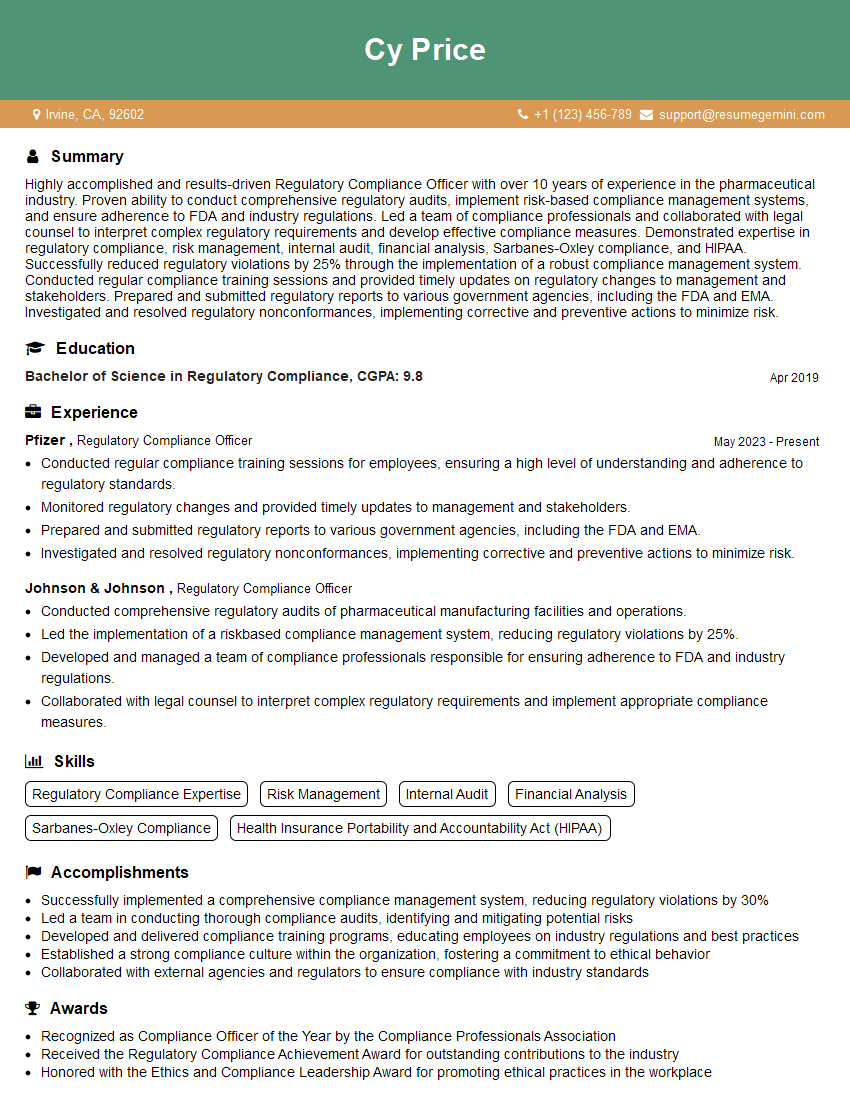
Mastering Permit Issuance and Administration opens doors to rewarding careers with excellent growth potential. As this field demands both technical expertise and strong interpersonal skills, demonstrating your capabilities through a well-crafted resume is crucial. An ATS-friendly resume is essential for maximizing your job prospects, ensuring your application gets seen by recruiters and hiring managers. ResumeGemini is a trusted resource that can significantly enhance your resume-building experience, helping you present your qualifications effectively. We provide examples of resumes tailored to Permit Issuance and Administration to help you get started. Take the next step towards your dream career – build a winning resume today!
Explore more articles
Users Rating of Our Blogs
Share Your Experience
We value your feedback! Please rate our content and share your thoughts (optional).
What Readers Say About Our Blog
To the interviewgemini.com Webmaster.
Very helpful and content specific questions to help prepare me for my interview!
Thank you
To the interviewgemini.com Webmaster.
This was kind of a unique content I found around the specialized skills. Very helpful questions and good detailed answers.
Very Helpful blog, thank you Interviewgemini team.