The thought of an interview can be nerve-wracking, but the right preparation can make all the difference. Explore this comprehensive guide to Persuasion and Communication interview questions and gain the confidence you need to showcase your abilities and secure the role.
Questions Asked in Persuasion and Communication Interview
Q 1. Describe your approach to persuading a skeptical audience.
Persuading a skeptical audience requires a strategic approach that prioritizes building trust and demonstrating credibility. It’s not about pushing a viewpoint, but about guiding them to a conclusion through logic and evidence. My approach hinges on three key elements:
- Establish Credibility: Before presenting my ideas, I highlight my expertise and experience relevant to the topic. This could involve citing relevant studies, mentioning past successes, or showcasing relevant qualifications. This lays the groundwork for the audience to take me seriously.
- Acknowledge and Address Concerns: Skepticism is often rooted in valid concerns. Instead of ignoring or dismissing these concerns, I actively address them head-on. This shows respect for their perspective and builds trust. I might say something like, “I understand your concern about X. Let’s explore that further.”
- Present Compelling Evidence: This is crucial. I avoid vague statements and rely on strong data, logical reasoning, and compelling case studies to support my points. Using visuals, real-world examples, and analogies helps to make complex information more digestible and persuasive.
For example, when presenting a new marketing strategy to a skeptical sales team, I would begin by outlining my proven track record in similar campaigns, then address their potential concerns about the time commitment or resource allocation. Finally, I would present data from comparable campaigns to demonstrate the likely success of the new strategy.
Q 2. How do you tailor your communication style to different audiences?
Tailoring communication to different audiences is paramount for effective persuasion. I adapt my style based on factors such as audience knowledge, their level of engagement, their preferred communication style, and their cultural background. This involves adjusting several aspects:
- Language: I adjust the complexity of the language, using simpler terms for less technical audiences and more specialized terminology for expert audiences. Avoiding jargon is usually best practice, unless the audience is familiar with it.
- Delivery Style: My approach varies based on audience preference. A formal presentation may be appropriate for a board meeting, whereas a more conversational approach might work better with a smaller team. I consider tone and pace to match the situation.
- Visual Aids: I select visuals that are appropriate for the audience’s background and level of understanding. A highly technical audience might appreciate graphs and charts, whereas a general audience might benefit from simple visuals or compelling images.
- Channels: I choose the best communication channels (email, presentation, meeting, etc.) based on the audience and the message. For example, a lengthy, complex proposal is better suited for a formal document than a quick email.
For example, when communicating a complex technical solution to a group of engineers, I would use precise technical language and detailed diagrams. In contrast, when explaining the same solution to senior management, I would focus on the high-level benefits and business impact, avoiding technical jargon.
Q 3. Explain a time you had to overcome resistance to your ideas.
In a previous role, I proposed a new project management methodology that challenged established practices. Initially, several team members resisted, expressing concerns about the learning curve and the potential disruption to their workflow. To overcome this resistance, I employed a phased approach:
- Pilot Program: I proposed a small-scale pilot project to test the new methodology with a willing subset of the team. This allowed us to gather tangible results and demonstrate the benefits in a controlled environment.
- Data-Driven Approach: I presented the results of the pilot program, showing clear improvements in efficiency and project outcomes. This data addressed their initial concerns and provided evidence to support the methodology’s efficacy.
- Collaborative Training: I organized training sessions focusing on practical application and addressing specific questions and concerns from the team. The training was interactive and addressed the team’s specific needs.
- Open Communication: I maintained open and transparent communication throughout the process, addressing their feedback and concerns promptly and honestly. This fostered trust and collaboration.
This phased approach gradually gained buy-in and the team eventually embraced the new methodology, leading to significant improvements in project delivery.
Q 4. How do you handle disagreements and conflicting viewpoints?
Handling disagreements and conflicting viewpoints is a key skill in persuasion and communication. My approach is based on fostering a collaborative environment focused on understanding and finding common ground.
- Active Listening: I begin by actively listening to all perspectives, seeking to fully understand the reasoning behind each viewpoint. I aim to understand the ‘why’ behind differing opinions.
- Respectful Dialogue: I create a safe space for open and respectful dialogue, where everyone feels comfortable expressing their opinions without fear of judgment. This encourages constructive criticism and helps reveal the root cause of conflict.
- Focus on Shared Goals: I help to refocus the discussion on shared goals and objectives. This emphasizes the common ground and motivates participants to find solutions that benefit everyone.
- Finding Common Ground: I seek areas of agreement and use these as building blocks for a compromise or a solution that addresses everyone’s key concerns. I frequently summarize agreement points to keep everyone on the same page.
- Mediation if Needed: In instances where the conflict is deeply rooted or unable to be resolved internally, I suggest a neutral third party to facilitate the discussion and help reach a resolution.
For instance, if two team members have vastly different approaches to a problem, I facilitate a discussion focusing on their individual goals and the overall project goals. Then, we explore how both approaches might contribute to achieve the overall objective.
Q 5. Describe your process for crafting a compelling presentation.
Crafting a compelling presentation involves a structured process that focuses on understanding the audience, defining a clear message, and structuring the content for maximum impact. My process includes:
- Audience Analysis: I begin by thoroughly researching my audience to understand their knowledge, interests, and expectations. This allows me to tailor the message and delivery style for maximum effectiveness.
- Defining the Message: I distill the core message I want to convey into a concise, memorable statement. This acts as a guiding principle throughout the presentation development process.
- Structuring the Content: I employ a clear narrative structure, building a logical flow from introduction to conclusion. I use storytelling techniques and visuals to keep the audience engaged.
- Visual Aids: Visuals are crucial. I use charts, graphs, images, and videos to reinforce key messages and make the presentation more engaging. I avoid overwhelming the audience with too much information on any one slide.
- Rehearsal and Refinement: I thoroughly rehearse the presentation to ensure a smooth delivery and to identify areas for improvement. I solicit feedback from colleagues and refine the presentation accordingly.
For example, when preparing a presentation on new software, I’d start by understanding the audience’s tech proficiency. I’d then define a clear message about the software’s benefits, structure the presentation around a problem-solution framework, and use screenshots and short videos to demonstrate functionality.
Q 6. How do you measure the effectiveness of your communication efforts?
Measuring the effectiveness of communication efforts requires a multi-faceted approach that goes beyond simply assessing immediate reactions. I employ several strategies:
- Quantitative Metrics: I use quantitative data such as website traffic, survey results, sales figures, or project completion rates to assess the impact of my communication on measurable objectives.
- Qualitative Feedback: Gathering qualitative feedback from the audience is crucial. This can include post-presentation surveys, focus groups, informal feedback sessions, or one-on-one conversations. This allows me to identify areas for improvement in future communications.
- Behavioral Changes: I track whether the audience displays the desired behavioral changes. For example, if I’m promoting a new product, I would monitor sales figures or website engagement metrics. This is a key indicator of effective communication.
- Audience Engagement: During presentations or meetings, I pay close attention to audience engagement—their questions, their expressions, and their participation. This provides real-time feedback on the effectiveness of my message.
For instance, after a product launch presentation, I’d analyze sales data, survey responses about the presentation’s clarity and helpfulness, and customer feedback to assess the communication’s success in driving sales and creating brand awareness.
Q 7. How do you build rapport and trust with stakeholders?
Building rapport and trust with stakeholders is essential for effective persuasion. It requires demonstrating genuine interest, empathy, and professionalism. My approach focuses on:
- Active Listening and Empathy: I actively listen to stakeholders’ concerns, perspectives, and ideas, showing genuine empathy for their situations and challenges. This creates a sense of trust and understanding.
- Transparency and Open Communication: I maintain open and honest communication, keeping stakeholders informed of progress, challenges, and decisions. Transparency builds confidence and trust.
- Respect and Professionalism: I treat all stakeholders with respect, regardless of their position or background. Professionalism is essential in building credibility and trust.
- Relationship Building: I make a conscious effort to build genuine relationships with stakeholders, going beyond formal interactions to foster a sense of connection and mutual understanding. This can include informal conversations or social interactions.
- Demonstrating Value: I focus on demonstrating the value I bring to stakeholders, highlighting how my work aligns with their interests and goals. This strengthens their trust in my abilities and expertise.
For example, when working with a client, I begin by understanding their business goals and challenges, actively listening to their concerns, and then tailoring my communication to address their specific needs and concerns. Regular check-ins and transparent communication maintain the relationship and trust.
Q 8. What strategies do you use to influence decision-making?
Influencing decision-making involves understanding the audience and crafting persuasive arguments. My strategies focus on building rapport, presenting compelling evidence, and addressing potential objections. This isn’t about manipulation; it’s about guiding informed choices.
- Establish Credibility: Before presenting my ideas, I highlight my expertise and experience relevant to the decision. For example, if advocating for a new marketing strategy, I’d showcase successful past campaigns.
- Frame the Problem and Solution: I clearly define the problem at hand and then present my solution as the most effective and efficient way to address it. This requires understanding the decision-maker’s priorities and framing the solution in a way that aligns with those priorities.
- Provide Compelling Evidence: Data, case studies, and testimonials are crucial. I use strong evidence to support my claims, anticipating and addressing potential counterarguments. For instance, I might use A/B testing results to demonstrate the superiority of a proposed design.
- Appeal to Emotion (Ethically): While logic is essential, connecting with the emotional aspects of the decision can enhance persuasion. This involves understanding the values and motivations of the decision-maker and tailoring the message accordingly. For example, highlighting the positive impact on employees or customers.
- Address Objections Proactively: I anticipate potential objections and address them directly and transparently. This demonstrates forethought and builds trust.
Q 9. Describe a situation where you had to negotiate a favorable outcome.
In my previous role, we needed to secure a significant budget increase for a new project. The initial budget allocation was insufficient to achieve our ambitious goals. I negotiated with senior management by:
- Presenting a Detailed Proposal: I prepared a comprehensive proposal outlining the project’s objectives, methodology, and projected ROI, supported by market research and financial projections.
- Highlighting the Strategic Importance: I emphasized the project’s alignment with the company’s overall strategic goals and its potential to generate significant revenue and competitive advantage.
- Demonstrating Value: I focused on quantifiable results, demonstrating how the increased budget would translate into specific, measurable outcomes. I used data visualizations to showcase the potential return on investment.
- Compromise and Collaboration: I was prepared to negotiate, exploring alternative solutions that addressed their budget concerns while still allowing us to achieve our core objectives. This involved identifying areas where we could optimize spending or phase the project rollout.
The result was a negotiated budget that was significantly closer to our initial request, enabling us to execute the project effectively.
Q 10. How do you handle difficult conversations or challenging feedback?
Difficult conversations require empathy, active listening, and a structured approach. My strategy involves:
- Active Listening: I focus on understanding the other person’s perspective before responding. This involves paying close attention to both verbal and nonverbal cues.
- Empathy and Validation: I acknowledge and validate their feelings, even if I don’t agree with their perspective. Phrases like, “I understand your frustration,” can go a long way.
- Clear and Concise Communication: I use ‘I’ statements to express my concerns without placing blame. For example, instead of saying “You are wrong,” I might say, “I felt concerned when…”
- Focus on Solutions: After acknowledging their concerns, I shift the conversation towards finding solutions collaboratively. This might involve brainstorming or proposing concrete actions.
- Documenting the Conversation: In certain cases, particularly when dealing with formal feedback, I document key points and action items to ensure clarity and accountability.
Q 11. Explain your understanding of nonverbal communication and its impact.
Nonverbal communication—body language, tone, facial expressions—often conveys more than words. It significantly impacts how our message is received. For instance, crossed arms might suggest defensiveness, while maintaining eye contact demonstrates engagement.
- Body Language: Open posture, appropriate gestures, and maintaining eye contact convey confidence and engagement. Conversely, fidgeting or avoiding eye contact can signal nervousness or disinterest.
- Tone of Voice: The tone of our voice can drastically alter the meaning of our message. A sarcastic tone can undermine even the most positive message.
- Facial Expressions: Smiling, frowning, and other facial expressions directly influence the interpretation of our communication. A genuine smile can build rapport.
- Proxemics: The distance we maintain from others also affects communication. Maintaining appropriate personal space shows respect.
- Impact: Misinterpretations of nonverbal cues can lead to communication breakdowns, misunderstandings, and conflict. Mastering nonverbal communication allows for more effective and persuasive communication.
Q 12. How do you adapt your message to different communication channels?
Adapting messages to different communication channels is critical for effective communication. Each channel has its own nuances and conventions.
- Email: Formal, concise, and well-organized. Avoid slang and emojis. Include a clear subject line.
- Instant Messaging: More informal, allows for quick exchanges. Emojis can be appropriate but use them sparingly.
- Presentations: Visually engaging, using clear and concise slides with key takeaways. Delivery is crucial.
- Social Media: Concise, engaging, and often informal. Consider the platform’s audience and tone.
- In-Person Meetings: Allows for immediate feedback and nonverbal communication. Requires strong active listening skills.
I tailor my message to the channel’s characteristics to maximize impact and avoid miscommunication.
Q 13. How do you prioritize and manage multiple communication tasks?
Prioritizing and managing multiple communication tasks requires a systematic approach. I use a combination of tools and techniques, including:
- Prioritization Matrices: I use methods like the Eisenhower Matrix (urgent/important) to prioritize tasks based on urgency and impact.
- Project Management Tools: Tools like Trello or Asana help me organize tasks, set deadlines, and track progress. This allows for a clear overview of all ongoing projects and tasks.
- Time Blocking: I allocate specific time slots for different communication tasks, ensuring dedicated time for focused work, preventing context-switching and improving efficiency.
- Delegation: When possible, I delegate tasks to free up time for high-priority communication.
- Regular Review and Adjustment: I regularly review my schedule and task list, adjusting priorities as needed to adapt to changing circumstances.
Q 14. Describe your experience using data to support your communication strategy.
Data plays a vital role in informing and optimizing communication strategies. I use data to:
- Measure Campaign Effectiveness: Website analytics, social media engagement metrics, and email open rates help me assess the success of communication campaigns and identify areas for improvement. For example, A/B testing different subject lines for emails.
- Understand Audience Behavior: Data on audience demographics, preferences, and online behavior helps me tailor my messaging to resonate with specific target groups. I use this data to segment audiences and craft targeted messages.
- Refine Messaging: By analyzing feedback and engagement data, I can identify what resonates with the audience and adjust my messaging accordingly. This iterative process ensures ongoing improvement in communication effectiveness.
- Demonstrate ROI: Data provides evidence of the value of communication initiatives, enabling me to justify investments and demonstrate the return on investment.
Data-driven communication ensures that strategies are not only effective but also demonstrably successful.
Q 15. How do you identify and address communication breakdowns?
Identifying and addressing communication breakdowns requires a multi-faceted approach. It begins with recognizing the symptoms – misunderstandings, missed deadlines, conflict, low morale, or lack of engagement. Once a breakdown is suspected, I employ a structured process:
- Identify the Source: I carefully analyze the situation, considering factors like unclear messaging, differing interpretations, cultural nuances, technological glitches, or inadequate feedback mechanisms. For instance, if a project falls behind schedule, I investigate whether it’s due to poor task delegation, insufficient resources, or a lack of clear communication about timelines.
- Gather Information: I actively solicit feedback from all involved parties. This may involve one-on-one conversations, surveys, or group meetings. Open-ended questions are key to understanding perspectives and uncovering hidden issues.
- Analyze the Data: I synthesize the gathered information to pinpoint the root cause. This might involve identifying recurring patterns or specific communication obstacles. For example, consistent misunderstandings about project priorities might indicate a need for clearer goal-setting and communication strategies.
- Implement Solutions: Depending on the root cause, solutions can range from providing additional training on communication skills, refining communication channels, establishing clearer protocols, or adjusting organizational structures. This might involve creating a more centralized communication hub, implementing project management software, or fostering a culture of open feedback.
- Monitor and Evaluate: Post-implementation, I continuously monitor the effectiveness of the implemented solutions. Regular check-ins and feedback mechanisms ensure that any lingering issues are addressed promptly.
By systematically identifying the source, gathering information, analyzing the data, implementing solutions, and monitoring progress, I can effectively resolve communication breakdowns and foster a more productive and collaborative environment.
Career Expert Tips:
- Ace those interviews! Prepare effectively by reviewing the Top 50 Most Common Interview Questions on ResumeGemini.
- Navigate your job search with confidence! Explore a wide range of Career Tips on ResumeGemini. Learn about common challenges and recommendations to overcome them.
- Craft the perfect resume! Master the Art of Resume Writing with ResumeGemini’s guide. Showcase your unique qualifications and achievements effectively.
- Don’t miss out on holiday savings! Build your dream resume with ResumeGemini’s ATS optimized templates.
Q 16. How do you stay up-to-date on communication trends and best practices?
Staying current on communication trends and best practices is crucial in this ever-evolving field. My approach is multi-pronged:
- Professional Development: I regularly attend workshops, conferences, and seminars focused on communication, persuasion, and related fields. These events offer insights into the latest research, methodologies, and technological advancements.
- Industry Publications and Research: I subscribe to relevant journals, newsletters, and online resources that publish research and articles on communication strategies and best practices. This includes academic publications as well as industry-specific publications.
- Networking: I actively participate in professional organizations and networks, engaging with colleagues and experts to exchange knowledge and learn from their experiences. Networking events often provide invaluable insights and opportunities for mentorship.
- Online Courses and Webinars: Many reputable platforms offer high-quality online courses and webinars on various aspects of communication. This is a convenient way to stay updated on new technologies and approaches.
- Mentorship and Peer Learning: Seeking guidance from experienced mentors and collaborating with peers allows me to learn from their successes and challenges, leading to ongoing professional growth.
By continuously seeking new knowledge and actively engaging in professional development, I ensure that my communication strategies remain relevant, effective, and aligned with industry best practices.
Q 17. Explain your experience with crisis communication.
My experience with crisis communication involves a structured approach emphasizing speed, accuracy, and empathy. In one instance, a major product recall was necessary due to a manufacturing defect. My role involved:
- Rapid Assessment: First, I worked to quickly assess the situation, gathering all available information to understand the scope and potential impact.
- Develop a Communication Plan: We developed a clear and consistent message to address stakeholders, including customers, employees, investors, and the media. This involved pre-empting potential misinformation by being the first to clearly communicate the issue.
- Multi-Channel Communication: We used multiple channels – press releases, social media, website updates, and direct customer communication – to ensure everyone received the information in a timely manner. Consistent messaging across all channels was vital.
- Transparency and Empathy: We were transparent about the situation and expressed empathy towards affected customers. Apologizing sincerely and explaining the corrective actions taken were crucial in mitigating negative sentiment.
- Monitoring and Adaptation: We closely monitored the situation, social media conversations, and news coverage. This allowed us to adapt our messaging as needed and address emerging concerns. For example, seeing recurring customer concerns on social media about refund processes led to a refined FAQ and faster processing of refunds.
Crisis communication requires a proactive, transparent, and empathetic approach. By developing a well-defined plan and adapting it as the situation unfolds, we were able to minimize damage and maintain trust with stakeholders.
Q 18. How do you use storytelling to enhance your communication impact?
Storytelling is a powerful tool for enhancing communication impact. People connect with narratives on an emotional level, making information more memorable and persuasive. I use storytelling techniques by:
- Framing information within a narrative structure: Instead of presenting data points, I structure information around a compelling story with a beginning, middle, and end. This makes complex information more engaging and digestible.
- Using relatable characters and situations: I employ relatable characters to connect with the audience on a human level. Their struggles, successes, and challenges provide a framework for understanding the message.
- Employing vivid language and imagery: To create a compelling experience, I use vivid language to paint pictures in the minds of the listeners. Sensory details make the story memorable.
- Focusing on emotional impact: I carefully select stories that evoke emotion, such as joy, sadness, fear, or hope, to create a lasting connection with the audience and strengthen message recall. Emotions help to make the points stick.
- Using various storytelling styles: Whether it’s a personal anecdote, a case study, or a fictional narrative, the choice of storytelling style depends on the audience and the context.
For example, when presenting financial data, instead of just listing numbers, I might weave a story about a client who achieved their financial goals using our services. This creates a more persuasive and memorable message than simply presenting raw data.
Q 19. Describe your experience with public speaking or presentations.
I have extensive experience in public speaking and presentations, honed through various professional settings. My approach centers around:
- Audience Analysis: Before any presentation, I thoroughly analyze my audience to tailor the content and delivery style to their specific needs and expectations. This includes considering their background, knowledge level, and interests.
- Compelling Content: I craft presentations that are clear, concise, engaging, and visually appealing. I utilize storytelling techniques to make the information memorable and impactful. Visual aids like charts, graphs, and images are carefully selected to support and enhance the narrative.
- Rehearsals and Refinement: I dedicate sufficient time to rehearsing my presentation, focusing on both the content and delivery. Practice helps to build confidence and ensures a smooth, polished presentation.
- Effective Delivery: My delivery style is natural, enthusiastic, and engaging. I utilize effective vocal techniques, including varying tone and pace, to maintain audience interest. I also incorporate body language and eye contact to foster connection and credibility.
- Handling Q&A: I am comfortable and adept at handling questions from the audience, addressing them thoughtfully and professionally. Preparation for potential questions helps to ensure confident and well-informed responses.
One example includes a keynote speech I delivered at a national conference on communication strategies. The speech focused on integrating storytelling into corporate communication and received very positive feedback.
Q 20. How do you ensure clear and concise communication in writing?
Ensuring clear and concise communication in writing requires a structured approach:
- Planning and Outlining: Before writing, I plan and outline my thoughts. This helps to ensure a logical flow and prevents rambling.
- Active Voice and Strong Verbs: I use active voice and strong verbs to make my writing more direct and engaging. This improves clarity and readability.
- Precise Language: I choose words carefully, selecting those that accurately convey my meaning without ambiguity.
- Sentence Structure: I use varied sentence structures to maintain reader interest without sacrificing clarity. Short, declarative sentences are used where appropriate.
- Paragraphing: I organize my writing into logical paragraphs, each focusing on a single idea. This improves readability and comprehension.
- Proofreading and Editing: After writing, I thoroughly proofread and edit my work to correct errors in grammar, spelling, and punctuation. A fresh pair of eyes can also be beneficial.
- Target Audience Consideration: I adapt my writing style to the intended audience, adjusting the level of formality and technical details as needed.
By adhering to these principles, I aim to create documents that are easy to understand, engaging to read, and effective in conveying the intended message.
Q 21. How do you handle communication with individuals from diverse backgrounds?
Communicating effectively with individuals from diverse backgrounds requires cultural sensitivity and awareness. My approach involves:
- Active Listening: I actively listen to understand the perspectives and experiences of others, avoiding interruptions or judgment.
- Cultural Awareness: I make an effort to understand cultural norms, values, and communication styles that may differ from my own. This might involve researching cultural backgrounds or seeking advice from colleagues who are familiar with the culture in question.
- Clear and Simple Language: I avoid jargon, idioms, or slang that might be confusing or offensive to individuals from different linguistic or cultural backgrounds. Using plain language ensures everyone understands the message.
- Nonverbal Communication: I pay attention to nonverbal cues and adapt my own nonverbal communication to avoid unintentional misinterpretations. For example, direct eye contact might be considered rude in some cultures.
- Empathy and Respect: I treat everyone with respect, showing genuine interest in their perspectives and opinions. Empathy helps build rapport and trust.
- Seeking Feedback: I regularly ask for feedback to ensure that my communication is clear, effective, and respectful to all.
For instance, when working with international teams, I ensure all communications are translated and accommodate different time zones and communication styles. This demonstrates respect and ensures effective collaboration.
Q 22. How do you measure the success of a persuasive campaign?
Measuring the success of a persuasive campaign requires a multi-faceted approach, going beyond simply observing immediate reactions. We need to define clear, measurable objectives beforehand. These objectives should be SMART – Specific, Measurable, Achievable, Relevant, and Time-bound. For example, instead of a vague goal like ‘increase brand awareness,’ a SMART goal would be ‘increase brand awareness by 20% among the target demographic (18-35 year old women) within the next quarter, as measured by social media engagement and website traffic.’
Success metrics will vary depending on the campaign’s goals. Some common metrics include:
- Changes in behavior: Did the campaign lead to increased sales, donations, sign-ups, or other desired actions? This is often the most crucial measure.
- Shift in attitudes and opinions: Did the campaign successfully change perceptions or beliefs about a product, service, or idea? Surveys, polls, and focus groups can help assess this.
- Increased brand awareness and recall: Did the campaign enhance the visibility and memorability of the brand or message? This can be tracked through brand mentions, search volume, and social media analytics.
- Engagement metrics: Social media likes, shares, comments, and website traffic can reveal audience engagement with the campaign’s messaging.
- Return on Investment (ROI): This measures the financial return relative to the campaign’s cost, comparing the value of achieved objectives to the investment made.
Ultimately, a successful persuasive campaign demonstrably achieves its pre-defined objectives, showing a clear link between the campaign’s activities and the desired outcomes. Regular monitoring and analysis of these metrics throughout the campaign are vital for making necessary adjustments and maximizing impact.
Q 23. What techniques do you employ to actively listen and understand perspectives?
Active listening is more than just hearing words; it’s about truly understanding the speaker’s perspective. I employ several techniques to achieve this:
- Paying attention to nonverbal cues: Body language, tone of voice, and facial expressions often reveal more than spoken words. I make a conscious effort to observe these cues and integrate them into my understanding.
- Paraphrasing and summarizing: I regularly restate the speaker’s points in my own words to confirm my understanding and ensure they feel heard. For instance, I might say, ‘So, if I understand correctly, your main concern is…’ This allows for clarification and correction if needed.
- Asking clarifying questions: Instead of interrupting, I ask open-ended questions to encourage the speaker to elaborate and provide more context. This helps me delve deeper into their thoughts and feelings.
- Empathetic responses: I show genuine interest and concern by acknowledging their feelings. Phrases like, ‘I understand why you feel that way,’ or ‘That sounds frustrating,’ can create a safe space for open communication.
- Minimizing interruptions: I avoid interrupting unless it’s absolutely necessary for clarity. I let the speaker finish their thoughts before responding.
For example, during a negotiation, actively listening to the other party’s needs and concerns helps identify areas of common ground and develop mutually beneficial solutions. It fosters trust and builds stronger relationships, leading to more productive outcomes.
Q 24. How do you use empathy to improve your communication effectiveness?
Empathy plays a crucial role in effective communication. It allows me to connect with the audience on a deeper level, understand their needs and concerns, and tailor my message accordingly. Empathy isn’t about agreeing with someone; it’s about understanding their perspective, even if you don’t share it.
I use empathy by:
- Trying to see things from their perspective: Before responding, I actively try to understand the other person’s point of view, considering their background, experiences, and emotions. This helps me anticipate their reactions and craft a more effective message.
- Validating their feelings: Acknowledging and validating their emotions, even if I don’t agree with their reasoning, builds trust and rapport. Simply saying, ‘I understand your frustration,’ can go a long way.
- Using inclusive language: I choose words and phrases that are respectful and considerate of the audience’s background and sensitivities.
- Adapting my communication style: I adjust my communication style to suit the audience’s preferences and needs. For example, I might use simpler language with someone who isn’t familiar with technical jargon.
For instance, when presenting a new policy to employees, using empathy allows me to anticipate their potential concerns and address them proactively. This can lead to smoother adoption and a more positive reception.
Q 25. Describe your experience in developing and implementing a communication plan.
In my previous role at [Previous Company Name], I was responsible for developing and implementing a communication plan for the launch of a new product. The plan involved several key steps:
- Defining objectives: We clearly defined the goals of the communication plan, such as increasing brand awareness and generating pre-orders. These objectives were SMART.
- Identifying target audiences: We segmented the target audience based on demographics, interests, and purchasing behavior. This allowed for tailoring the messaging to specific groups.
- Developing key messages: We crafted concise and compelling messages highlighting the product’s key benefits and addressing potential concerns.
- Selecting communication channels: We chose appropriate channels to reach our target audiences, including social media, email marketing, PR outreach, and paid advertising.
- Creating a content calendar: We developed a detailed content calendar outlining the timing and content of each communication activity.
- Monitoring and evaluating results: We tracked key metrics like website traffic, social media engagement, and sales figures to evaluate the effectiveness of the plan and make adjustments as needed.
The result was a successful product launch that exceeded initial sales projections. The well-defined communication plan played a significant role in this achievement, ensuring a consistent and impactful message across all channels.
Q 26. How do you use technology to enhance your communication skills?
Technology significantly enhances communication skills. I utilize various tools to improve my effectiveness:
- Video conferencing: Tools like Zoom and Microsoft Teams allow for face-to-face interaction, regardless of location. This helps build rapport and facilitates more engaging communication.
- Project management software: Platforms like Asana and Trello help streamline communication within teams, ensuring everyone is aligned and informed.
- Social media analytics: Using analytics tools allows me to track campaign performance, understand audience engagement, and refine my messaging based on data-driven insights.
- Email marketing platforms: These tools enable targeted email campaigns, improving the reach and effectiveness of my communication efforts.
- Presentation software: Tools like PowerPoint and Google Slides help create visually appealing and engaging presentations, making complex information easier to understand.
For example, using project management software ensures clear communication within a team, reducing misunderstandings and improving productivity. Social media analytics provide valuable data to optimize campaigns, improving return on investment.
Q 27. Describe a time you failed to persuade someone. What did you learn?
In a previous negotiation, I failed to persuade a potential client because I focused too heavily on presenting my company’s features rather than addressing their specific needs. I learned a valuable lesson about the importance of active listening and empathy.
I went into the meeting prepared with a detailed presentation showcasing our company’s capabilities, but I failed to fully understand the client’s unique challenges and priorities. They felt unheard and ultimately chose a competitor whose solution more directly addressed their needs, even if it lacked some of our more advanced features.
My key takeaway was the importance of shifting my focus from ‘selling’ to ‘understanding.’ Now, I prioritize truly listening to understand the client’s perspective before presenting any solutions. I ask probing questions to identify their pain points and tailor my communication to show how our solution can specifically alleviate those issues. This approach has significantly improved my persuasive abilities and built stronger, more trusting relationships with clients.
Q 28. How do you ensure your communication is ethical and responsible?
Ethical and responsible communication is paramount. I ensure my communication adheres to high ethical standards through several key practices:
- Transparency and honesty: I always strive for complete transparency and honesty in my communication, avoiding misleading information or deceptive tactics.
- Respect for others: I treat all individuals with respect, regardless of their background or beliefs. I avoid using discriminatory or offensive language.
- Accuracy and fairness: I verify the accuracy of information before sharing it and strive to present all sides of an issue fairly, acknowledging any potential biases.
- Privacy and confidentiality: I protect the privacy and confidentiality of individuals by respecting their data and not sharing information without their consent.
- Avoiding manipulation: I refrain from using manipulative tactics such as emotional appeals or fear-mongering to persuade others.
For example, in marketing, ethical communication involves clearly disclosing any potential risks or limitations associated with a product or service. This builds trust with consumers and avoids potential legal or reputational issues. In any persuasive communication, responsible action ensures the message is delivered with integrity.
Key Topics to Learn for Persuasion and Communication Interview
- Understanding Persuasion Principles: Explore different persuasive techniques (e.g., ethos, pathos, logos) and their ethical implications. Consider how context influences the best approach.
- Active Listening and Nonverbal Communication: Practice active listening skills and understand the impact of body language, tone, and facial expressions on communication effectiveness. Be prepared to discuss scenarios where miscommunication occurred due to nonverbal cues.
- Crafting Compelling Narratives: Learn to structure persuasive messages effectively using storytelling techniques. Consider how to adapt your communication style to different audiences and situations.
- Strategic Communication Planning: Discuss the process of defining communication goals, identifying target audiences, and selecting appropriate channels for delivering messages. Be prepared to discuss case studies where strategic communication led to success.
- Conflict Resolution and Negotiation: Understand effective strategies for resolving conflicts and negotiating mutually beneficial outcomes. Consider different negotiation styles and their applications.
- Digital Communication and Social Media: Discuss the nuances of communicating effectively in digital environments and managing your online presence. How do you adapt your communication for different platforms?
- Measuring Communication Effectiveness: Understand methods for evaluating the impact of communication campaigns and strategies. What metrics would you use to measure success?
Next Steps
Mastering persuasion and communication is crucial for career advancement. These skills are highly sought after across numerous industries and are fundamental to leadership, teamwork, and achieving professional goals. To significantly boost your job prospects, creating a strong, ATS-friendly resume is essential. ResumeGemini is a trusted resource that can help you build a professional resume that showcases your skills and experience effectively. We provide examples of resumes tailored to Persuasion and Communication roles to guide you through the process. Take the next step towards a successful career – build your best resume with ResumeGemini.
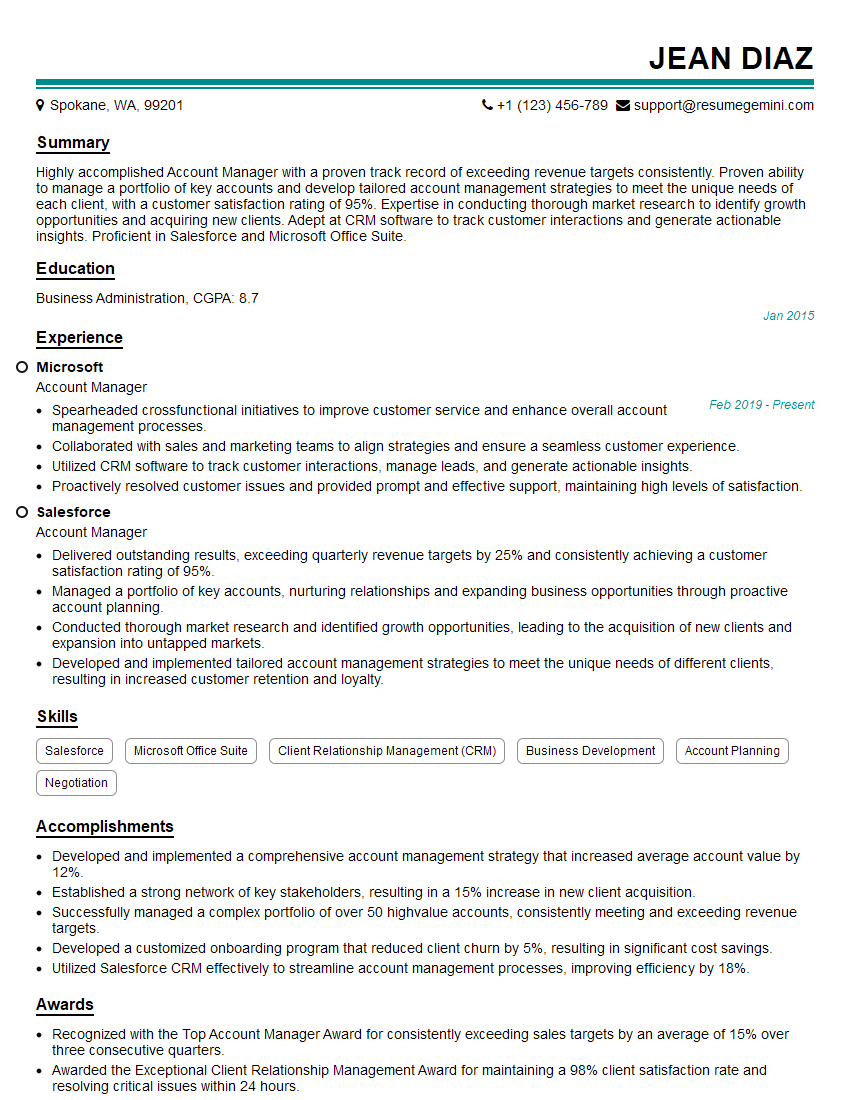
Account Manager Resume Sample
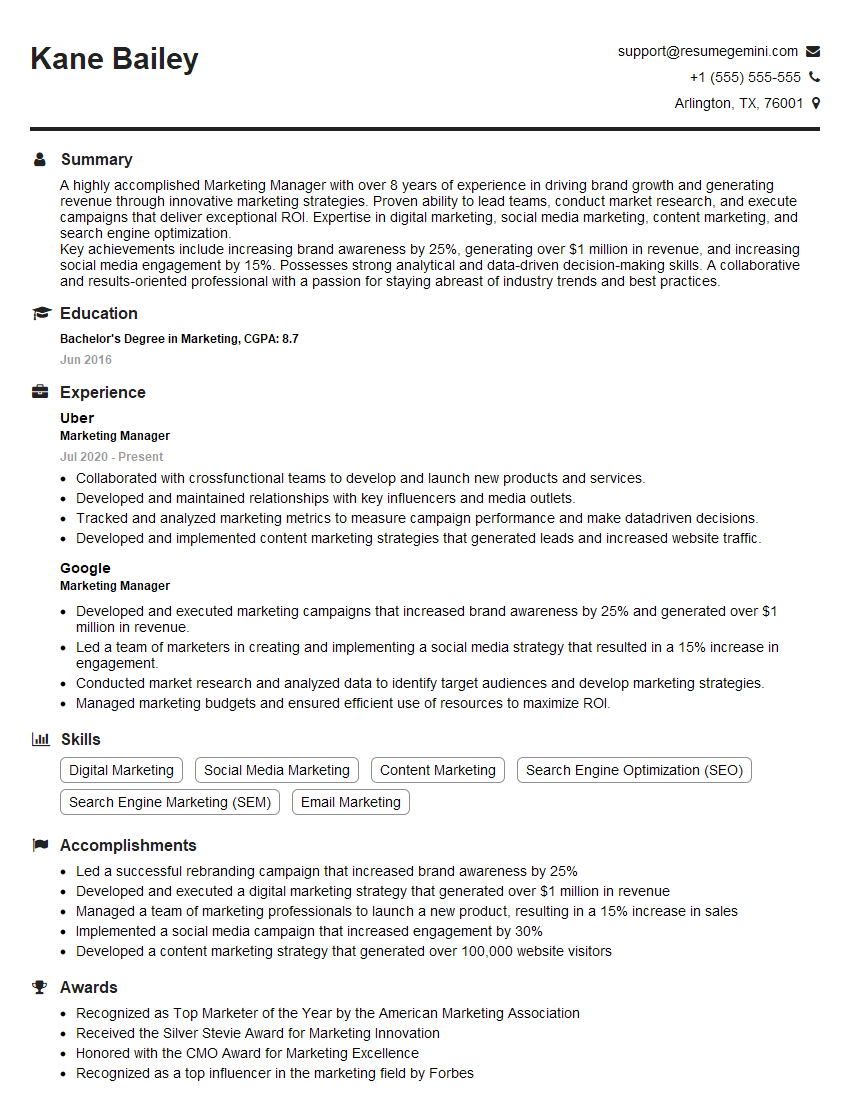
Marketing Manager Resume Sample
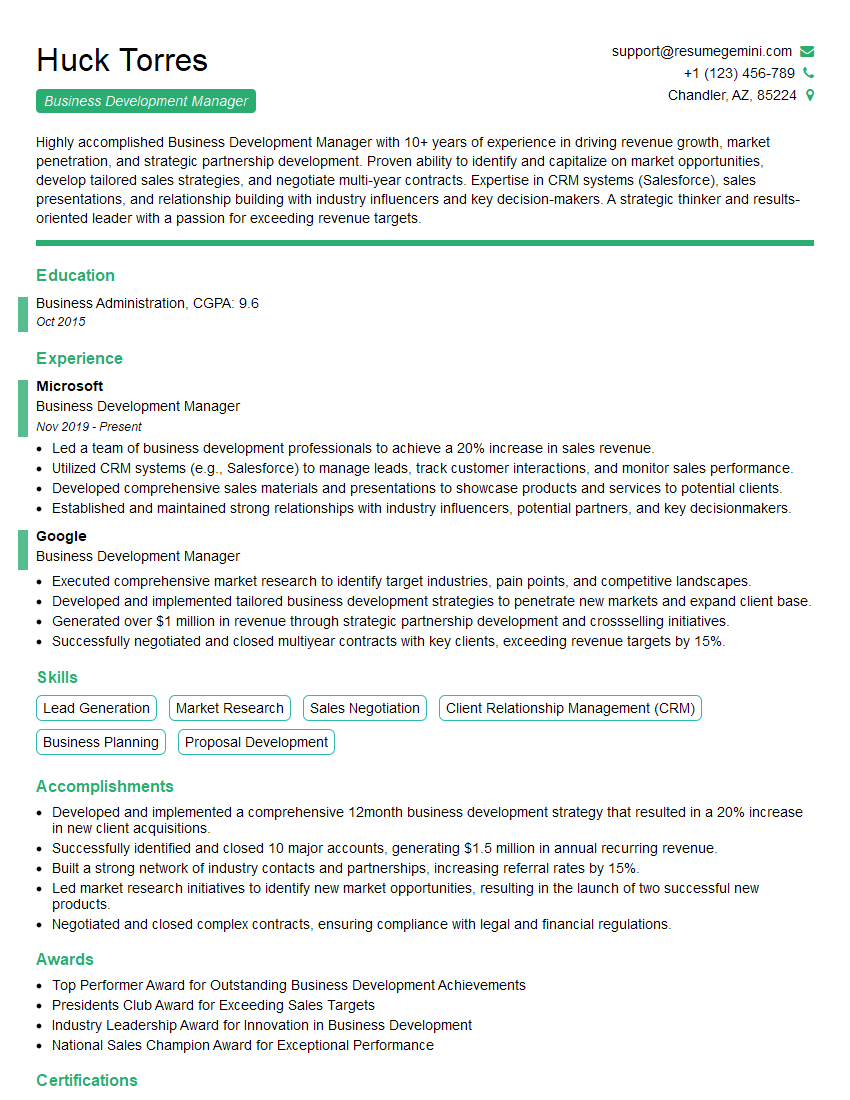
Business Development Manager Resume Sample
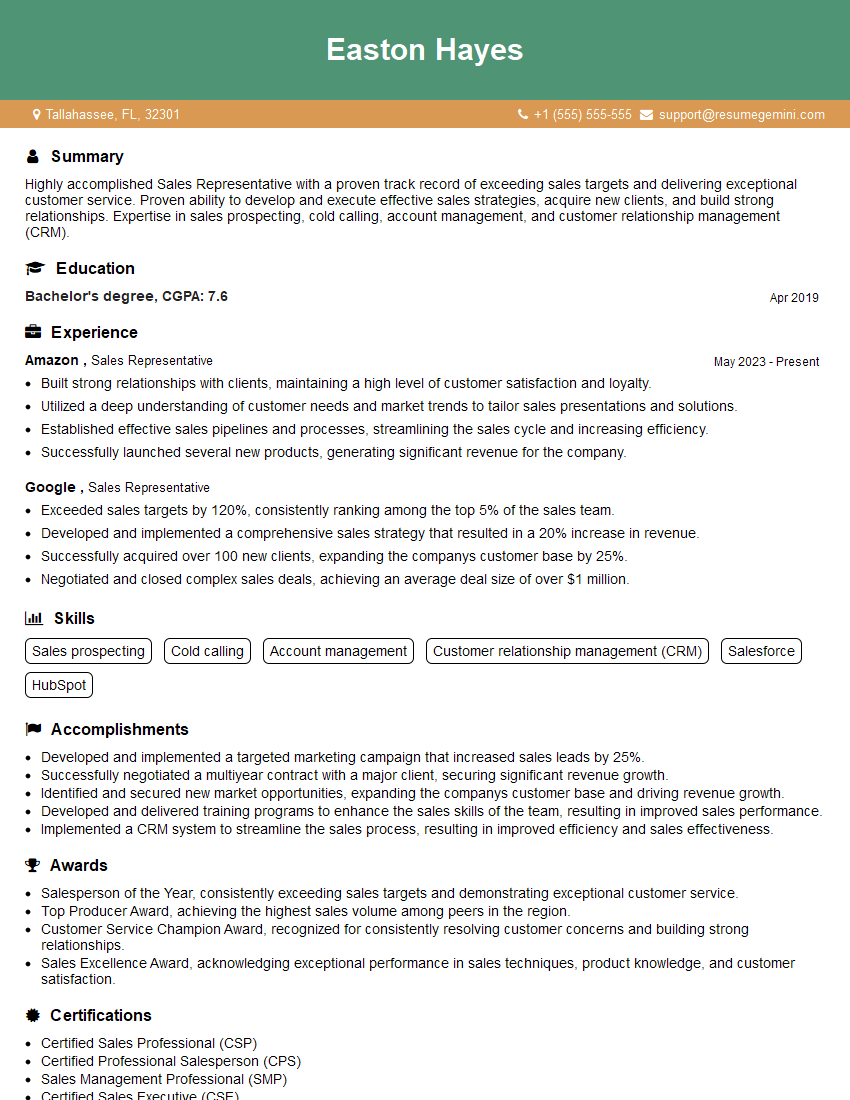
Sales Representative Resume Sample

Communications Manager Resume Sample
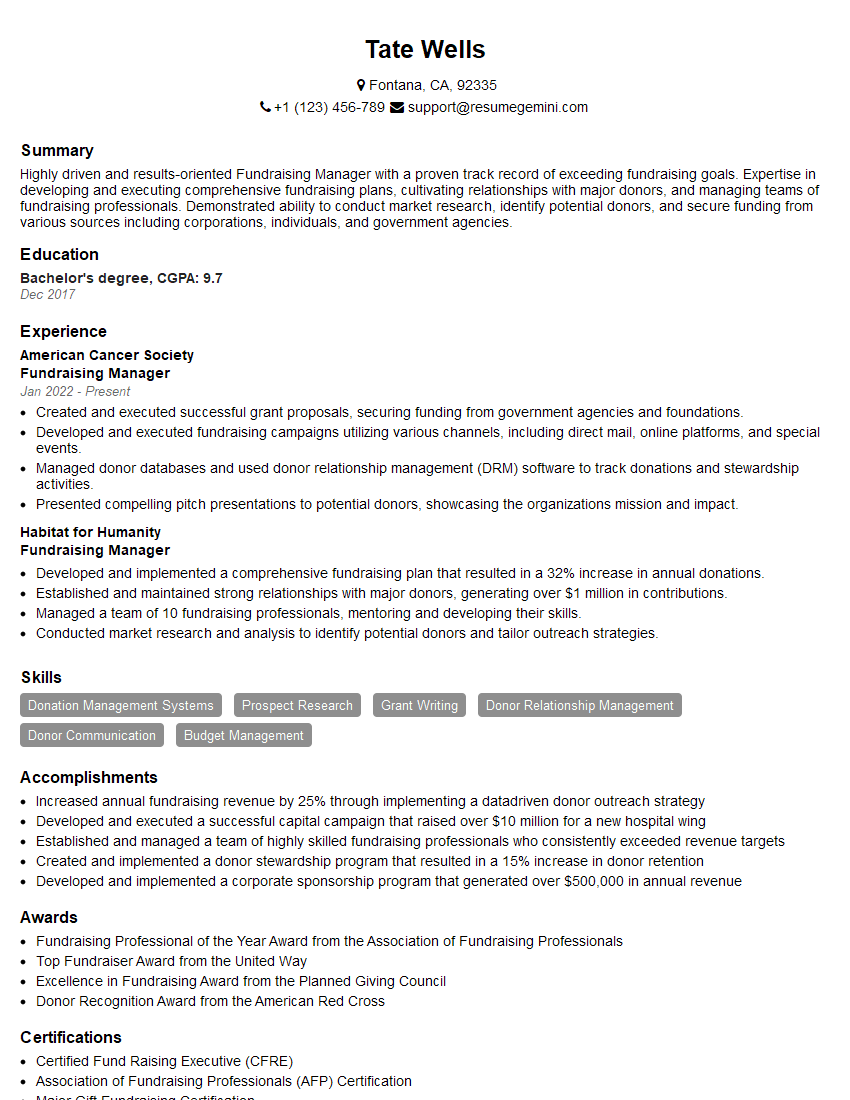
Fundraising Manager Resume Sample
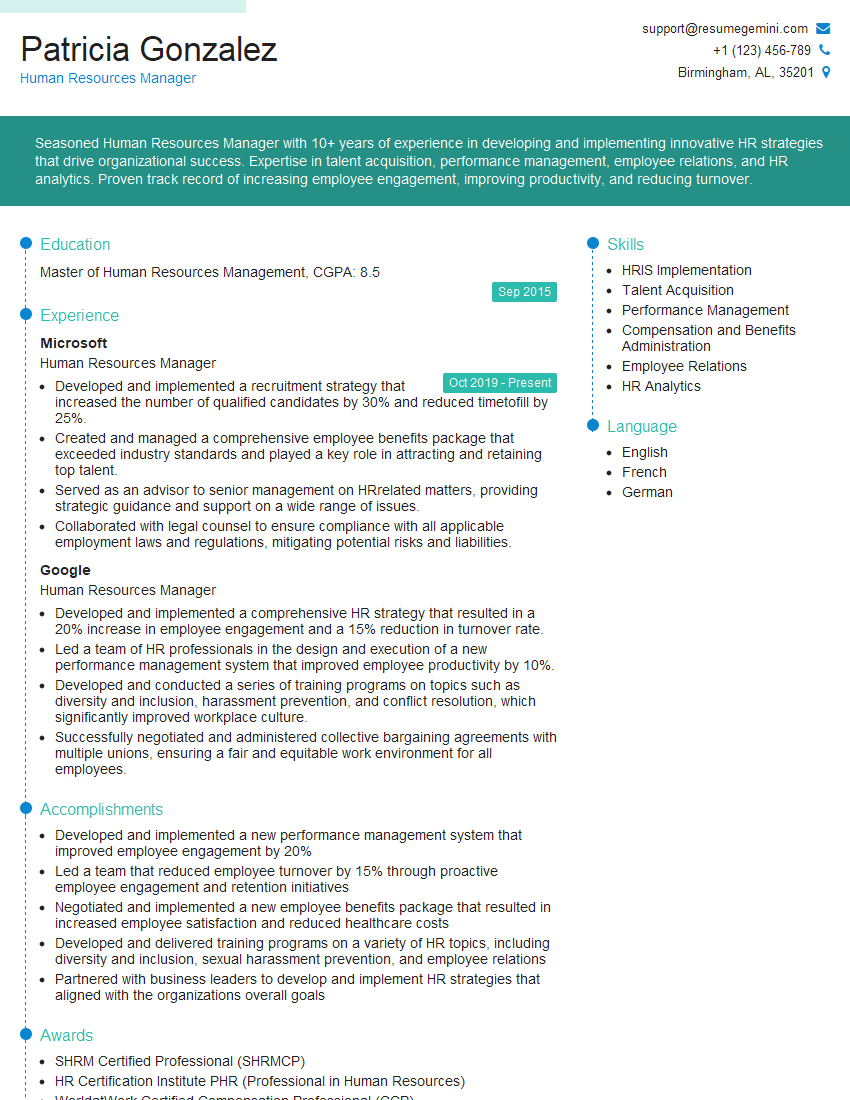
Human Resources Manager Resume Sample
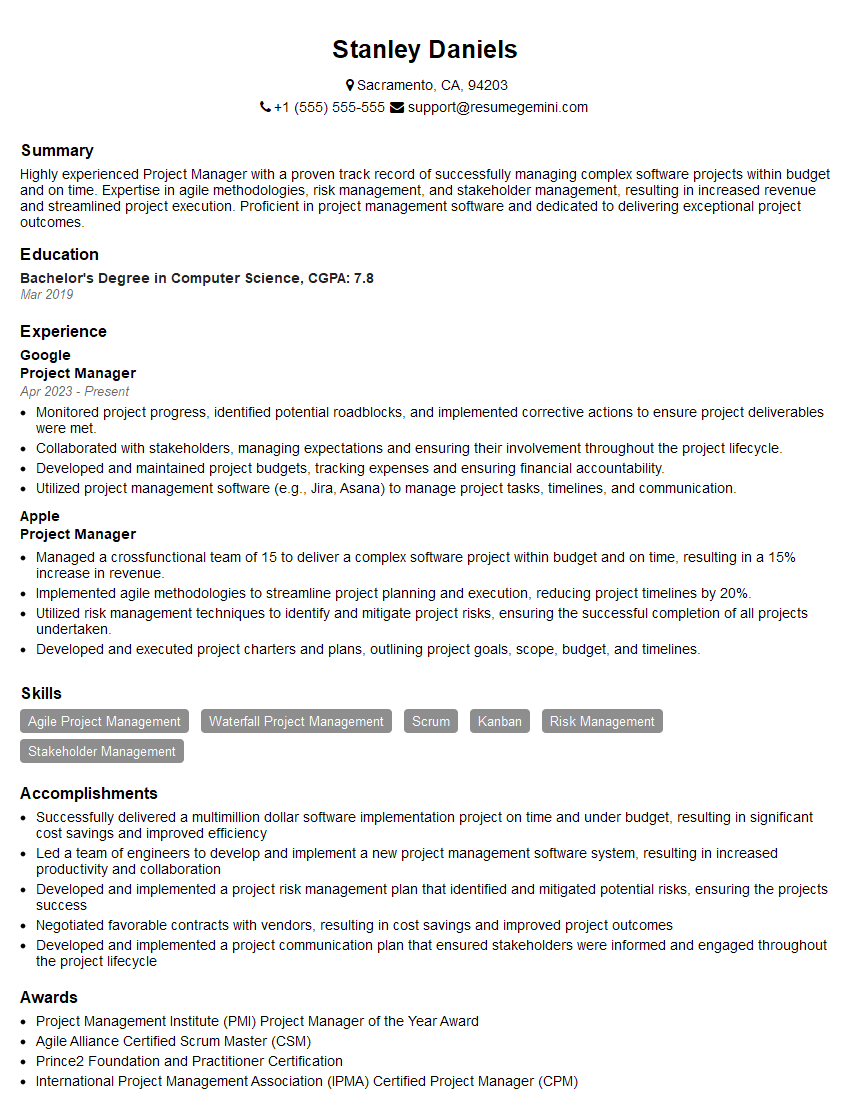
Project Manager Resume Sample

Training Specialist Resume Sample

Social Media Manager Resume Sample

Lobbyist Resume Sample

Copywriter Resume Sample
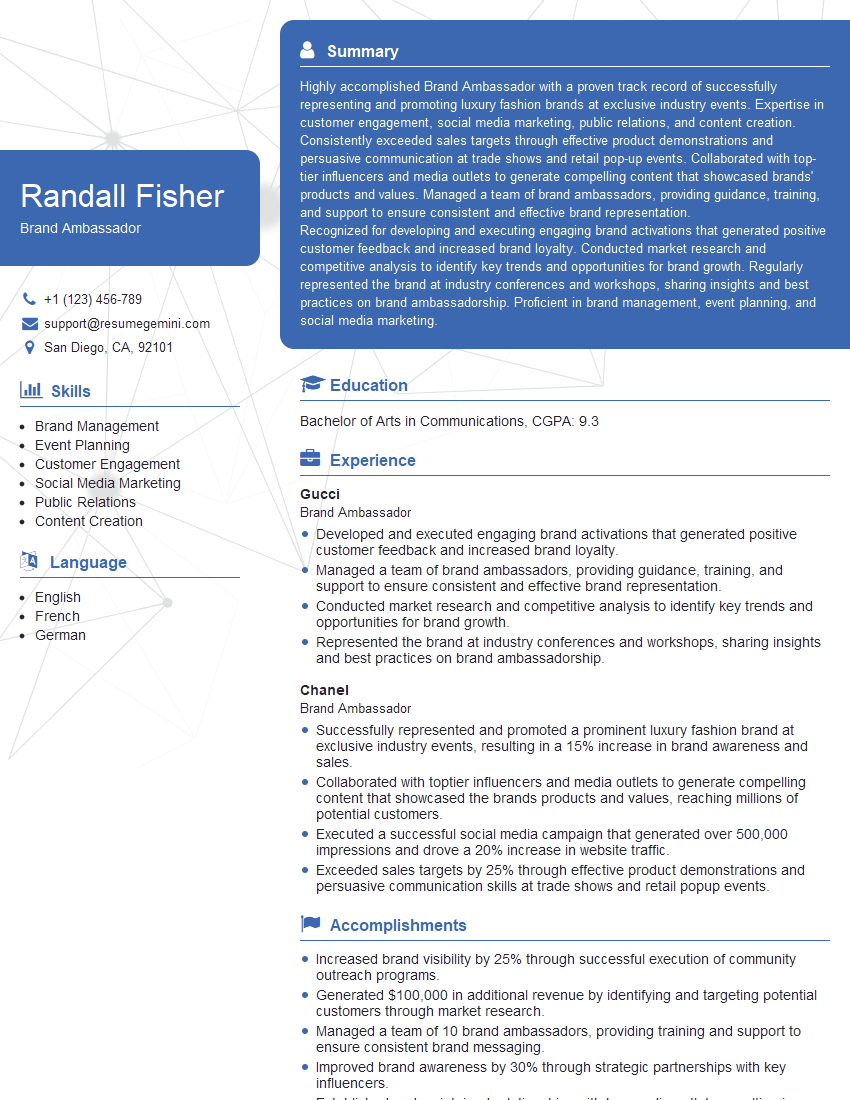
Brand Ambassador Resume Sample
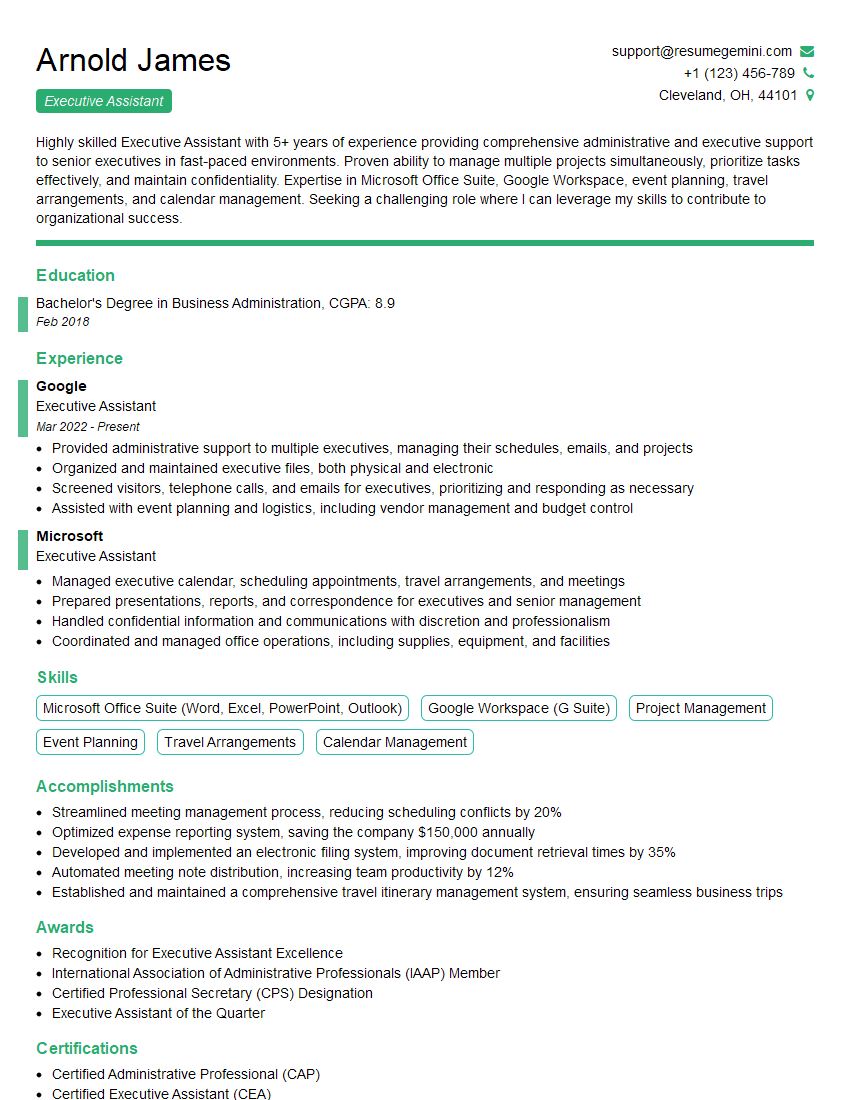
Executive Assistant Resume Sample
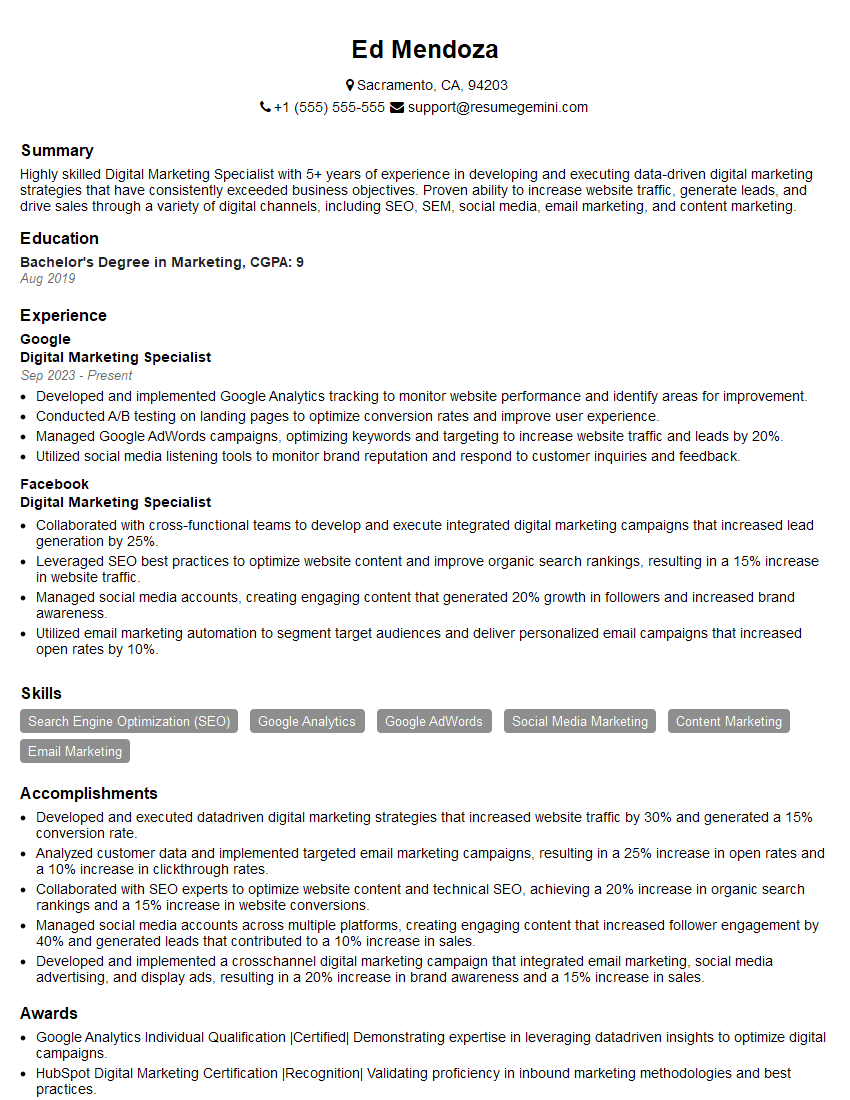
Digital Marketing Specialist Resume Sample
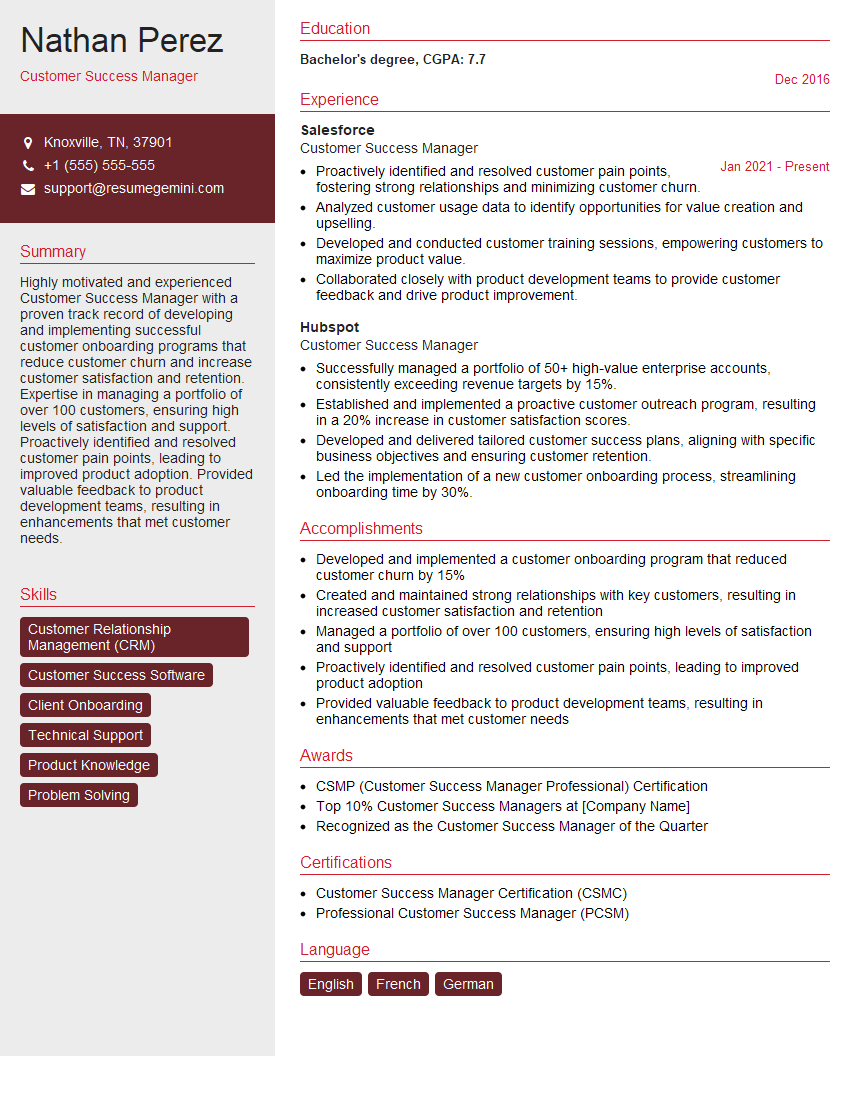
Customer Success Manager Resume Sample
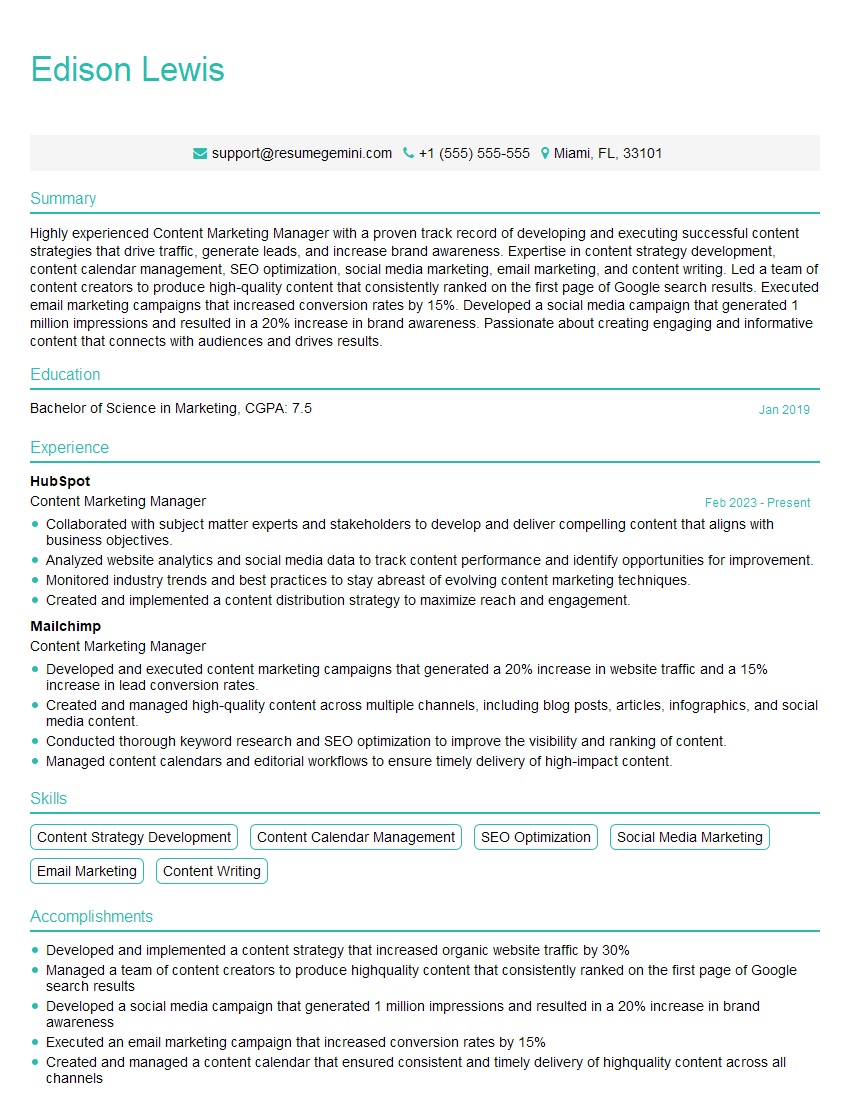
Content Marketing Manager Resume Sample

Influencer Marketing Manager Resume Sample
- Account Manager
- Marketing Manager
- Business Development Manager
- Sales Representative
- Communications Manager
- Fundraising Manager
- Human Resources Manager
- Project Manager
- Training Specialist
- Social Media Manager
- Lobbyist
- Copywriter
- Brand Ambassador
- Executive Assistant
- Digital Marketing Specialist
- Customer Success Manager
- Content Marketing Manager
- Influencer Marketing Manager
Explore more articles
Users Rating of Our Blogs
Share Your Experience
We value your feedback! Please rate our content and share your thoughts (optional).
What Readers Say About Our Blog
To the interviewgemini.com Webmaster.
Very helpful and content specific questions to help prepare me for my interview!
Thank you
To the interviewgemini.com Webmaster.
This was kind of a unique content I found around the specialized skills. Very helpful questions and good detailed answers.
Very Helpful blog, thank you Interviewgemini team.