Interviews are opportunities to demonstrate your expertise, and this guide is here to help you shine. Explore the essential Physical Exam and History Taking interview questions that employers frequently ask, paired with strategies for crafting responses that set you apart from the competition.
Questions Asked in Physical Exam and History Taking Interview
Q 1. Describe your approach to taking a patient’s medical history.
Taking a patient’s medical history is a crucial first step in diagnosis and treatment. My approach is guided by a structured yet flexible framework, prioritizing patient comfort and building rapport. I begin by introducing myself and clearly explaining the purpose of the interview. I then employ a combination of open-ended and specific questions to gather information, starting with the chief complaint and progressing to a detailed review of systems.
The process typically includes:
- Chief Complaint: Identifying the primary reason for the visit in the patient’s own words.
- History of Present Illness (HPI): A detailed account of the chief complaint using the mnemonic SOAP (Subjective, Objective, Assessment, Plan) or a similar structured approach, exploring onset, location, quality, severity, timing, context, modifying factors, and associated symptoms.
- Past Medical History (PMH): Reviewing previous illnesses, surgeries, hospitalizations, allergies, and current medications.
- Family History (FH): Assessing the health status of first-degree relatives to identify potential genetic predispositions to certain diseases.
- Social History (SH): Gathering information about lifestyle factors such as smoking, alcohol consumption, drug use, occupation, marital status, and living situation, all of which can significantly impact health.
- Review of Systems (ROS): A systematic inquiry about each body system to uncover any other potential symptoms or concerns the patient may have overlooked.
Throughout the interview, I actively listen, clarify any ambiguities, and ensure the patient feels heard and understood. I document the information meticulously and verify key details with the patient to minimize errors.
Example: Imagine a patient presenting with chest pain. Instead of simply asking ‘Do you have chest pain?’, I would ask ‘Can you describe the pain you’re experiencing? Where is it located? When did it start? What makes it better or worse?’ This allows for a much richer understanding of the situation.
Q 2. Explain the components of a comprehensive physical exam.
A comprehensive physical exam is a systematic assessment of the patient’s entire body. It’s a holistic approach that goes beyond addressing the chief complaint, helping to uncover other potential issues. The exam is tailored to the individual’s age, sex, and medical history, but generally includes the following components:
- General Appearance: Assessing overall appearance, including level of consciousness, apparent state of health, signs of distress, posture, gait, and hygiene.
- Vital Signs: Measuring temperature, pulse, respiratory rate, and blood pressure – essential indicators of overall health.
- Head and Neck: Examining the eyes, ears, nose, throat, mouth, lymph nodes, and thyroid gland.
- Respiratory System: Assessing respiratory effort, breath sounds (auscultation), and chest expansion.
- Cardiovascular System: Auscultating heart sounds for murmurs, gallops, or other abnormalities; palpating for thrills or heaves; and assessing peripheral pulses.
- Abdomen: Inspecting, auscultating, percussing, and palpating the abdomen to evaluate organ size, tenderness, and bowel sounds.
- Neurological System: Assessing mental status, cranial nerves, motor strength, reflexes, and coordination.
- Skin: Evaluating skin color, turgor, lesions, and temperature.
- Musculoskeletal System: Assessing range of motion, muscle strength, and any signs of joint inflammation or deformity.
The order and depth of the exam vary depending on the clinical situation. For example, a patient with suspected pneumonia would warrant a more detailed respiratory exam than a patient with a minor ankle sprain.
Q 3. How do you assess a patient’s chief complaint?
Assessing a patient’s chief complaint requires careful listening and questioning. I start by letting the patient describe their concern in their own words, using open-ended questions like, ‘What brings you in today?’ or ‘Can you tell me what’s been bothering you?’ This allows me to obtain an unfiltered account of their symptoms. Then, I use specific, focused questions to clarify and gather more details, using the principles of the HPI as mentioned above.
Crucial aspects of assessing a chief complaint include:
- Understanding the patient’s perspective: It’s not just about the medical terminology; it’s also about how the symptom affects their daily life and well-being.
- Identifying the most important symptom: Sometimes patients present with multiple complaints; it’s vital to determine which is the most urgent or concerning.
- Using a structured approach: Employing a standardized method such as the SOAP approach or a similar framework ensures no important information is overlooked.
Example: A patient might say, ‘I have a headache.’ Further questioning could reveal that it’s a severe throbbing headache, located in the temporal area, associated with nausea and photophobia, and worsened by stress. This detailed information is crucial for differentiating between a simple tension headache and a more serious condition like a migraine.
Q 4. What are the key elements of a focused physical exam?
A focused physical exam is a more targeted assessment concentrated on a specific body system or area related to the chief complaint. Unlike a comprehensive exam, it doesn’t cover all body systems. It’s efficient and appropriate when time is limited or when the clinical picture suggests a specific problem.
Key elements of a focused exam include:
- Directly addressing the chief complaint: The exam is tailored to the presenting problem, for instance, a focused respiratory exam for a patient with a cough.
- Limited scope: Only relevant body systems are examined in detail; other systems are briefly assessed only if warranted.
- Efficiency: Focused exams are quicker than comprehensive exams, making them ideal for busy clinical settings like urgent care or emergency rooms.
Example: If a patient complains of right knee pain after a fall, a focused exam would include assessing the knee’s range of motion, palpating for tenderness or deformity, assessing stability, and possibly checking neurological function in the lower extremity. It would not usually include a detailed cardiovascular or abdominal exam unless findings from the knee examination suggest such an approach.
Q 5. How do you document your findings from a physical exam?
Documenting physical exam findings is critical for effective communication and continuity of care. I use a clear, concise, and structured approach to record my observations. My documentation follows a standard format and includes both objective and subjective data.
Key aspects of documentation:
- Use of medical terminology: Employing standard medical terms ensures clarity and precision.
- Objective descriptions: Focusing on observable findings rather than interpretations. For example, instead of writing ‘heart sounds are abnormal,’ I would describe the specific abnormality, such as ‘a grade III/VI systolic murmur heard best at the apex’.
- Structured format: Following a consistent format to easily locate specific information, such as using headings for each body system examined.
- Legibility and accuracy: Ensuring my notes are clear, neat, and easily understood by other healthcare providers.
- Completeness: Including all relevant findings, even negative findings, such as ‘no hepatosplenomegaly noted’.
Example: Documentation might include entries such as: ‘HEENT: PERRL, EOMI, TMs clear, Oropharynx clear. Lungs: Clear to auscultation bilaterally. Heart: Regular rate and rhythm, no murmurs, rubs, or gallops. Abdomen: Soft, nontender, nondistended, bowel sounds present in all four quadrants.’
Q 6. Explain the importance of nonverbal communication during a patient interview.
Nonverbal communication plays a vital role in patient interactions. It can significantly impact the effectiveness of the interview and the patient’s trust in the provider. My approach prioritizes active listening and showing empathy through both verbal and nonverbal cues.
Importance of nonverbal communication:
- Building rapport: Smiling, maintaining appropriate eye contact, and using open body language convey warmth and trustworthiness.
- Showing empathy: Nodding, leaning in, and mirroring the patient’s emotions demonstrate understanding and support.
- Enhancing communication: Nonverbal cues can reinforce or clarify verbal messages. For instance, a concerned expression can underscore the seriousness of a symptom.
- Detecting inconsistencies: Discrepancies between verbal and nonverbal cues can alert me to potential issues or underlying emotional distress.
Examples: Maintaining appropriate eye contact shows attentiveness, while avoiding excessive eye contact can be perceived as intimidating. Similarly, a relaxed posture and open arms can make the patient feel more at ease.
Q 7. How do you handle a patient who is anxious or uncooperative?
Handling anxious or uncooperative patients requires patience, understanding, and effective communication strategies. My approach emphasizes building trust and addressing their concerns.
Strategies for managing anxious or uncooperative patients:
- Creating a safe and comfortable environment: Ensuring privacy, providing a calm and reassuring atmosphere, and offering the patient choices whenever possible can help alleviate anxiety.
- Active listening and empathy: Allowing the patient to express their concerns without interruption and validating their feelings demonstrate genuine care and concern.
- Clear and concise communication: Using simple, easy-to-understand language and avoiding medical jargon reduces confusion and fear.
- Addressing underlying concerns: Identifying the source of anxiety or uncooperativeness (e.g., fear of diagnosis, past negative medical experiences) and addressing these issues directly can improve the situation.
- Involving support persons: If appropriate, including family members or friends can provide emotional support and facilitate communication.
- Seeking assistance: If the patient remains uncooperative or significantly distressed, seeking the assistance of a colleague or mental health professional may be necessary.
Example: If a patient is anxious about a procedure, I might explain the procedure step-by-step, answer their questions patiently, and reassure them about its safety and benefits. I would also offer them time to ask questions and express their concerns without judgment.
Q 8. How do you differentiate between subjective and objective findings?
Subjective findings are what the patient tells you – their symptoms and experiences. Objective findings are what you observe during the physical examination – your direct measurements and observations. Think of it like this: subjective is the story the patient narrates, while objective is the evidence you gather to support or refute that story.
- Subjective Examples: “I have a headache,” “My chest hurts when I breathe deeply,” “I feel nauseous.” These are all reported by the patient and cannot be directly measured.
- Objective Examples: Heart rate of 100 bpm, temperature of 101°F, a palpable mass in the abdomen, a rash with well-defined borders. These are findings you directly observe or measure during the exam.
Differentiating between these is crucial for accurate diagnosis and treatment planning. Relying solely on subjective information can lead to misdiagnosis, while ignoring subjective information can result in incomplete understanding of the patient’s experience.
Q 9. Describe your experience with performing a neurological exam.
My experience with neurological exams encompasses a wide range of assessments, from basic screening to detailed examinations for suspected neurological conditions. I routinely perform cranial nerve examinations, assessing functions like visual acuity, pupillary reflexes, facial strength, and hearing. I also thoroughly assess motor function, including muscle strength, tone, coordination, and reflexes using techniques like deep tendon reflex testing and checking for pronator drift. Sensory function is evaluated through light touch, pain, temperature, and proprioception testing. Finally, I always assess mental status, evaluating orientation, cognition, and mood.
For instance, I recently examined a patient presenting with sudden weakness in their right arm. Through a comprehensive neurological exam, I detected decreased strength in the right upper extremity, hyperreflexia on the right side, and positive Babinski sign. These findings pointed towards an upper motor neuron lesion, leading to further investigations and ultimately a diagnosis of a stroke.
I am comfortable performing specialized neurological tests when indicated, such as the Romberg test for balance or the finger-to-nose test for coordination.
Q 10. How do you assess a patient’s cardiovascular system?
Assessing the cardiovascular system involves a systematic approach, beginning with a thorough history focusing on chest pain, shortness of breath, palpitations, and past cardiac history. The physical examination then includes inspection, palpation, and auscultation.
- Inspection: Observing for jugular venous distention (JVD), which can indicate heart failure. Looking for signs of cyanosis (bluish discoloration) or pallor (pale skin), indicative of poor oxygenation or anemia.
- Palpation: Palpating the apical impulse (PMI) to assess the location and strength of the heartbeat. Checking for thrills, which are vibrations felt over the chest wall due to turbulent blood flow.
- Auscultation: This is crucial, listening to heart sounds using a stethoscope at various locations on the chest. I listen for S1 and S2 (normal heart sounds), as well as any murmurs, gallops, or extra heart sounds that suggest abnormalities such as valvular disease or heart failure. I meticulously document the timing, location, radiation, and character of any abnormal sounds.
For example, a patient presenting with shortness of breath might have an elevated jugular venous pressure on inspection, an apical impulse displaced laterally on palpation, and a systolic murmur heard at the apex on auscultation, all pointing toward possible left ventricular dysfunction.
Q 11. Explain your approach to assessing a patient’s respiratory system.
Assessing the respiratory system begins with questioning the patient about their cough, sputum production, shortness of breath (dyspnea), chest pain, and past respiratory illnesses. The physical exam involves inspection, palpation, percussion, and auscultation.
- Inspection: Observing the patient’s respiratory rate, rhythm, and depth of breathing; assessing for the use of accessory muscles (indicating respiratory distress); noting any cyanosis or clubbing of the fingers (chronic respiratory issues).
- Palpation: Feeling the chest wall for tenderness, crepitus (a crackling sound), and assessing the symmetry of chest expansion.
- Percussion: Tapping on the chest wall to assess the underlying lung tissue density. Dullness suggests consolidation, while hyperresonance suggests air trapping.
- Auscultation: Listening to breath sounds using a stethoscope, identifying normal breath sounds, and assessing for abnormal sounds like wheezes (narrowed airways), rales (fluid in the lungs), or rhonchi (secretions in larger airways).
A patient with a persistent cough might exhibit increased respiratory rate, diminished breath sounds on auscultation over one lung field, and dullness to percussion in that area – suggesting pneumonia. The combination of history and exam findings helps build a comprehensive picture.
Q 12. How do you assess a patient’s abdominal pain?
Assessing abdominal pain requires a detailed history, focusing on the location, onset, character (sharp, dull, cramping), radiation, aggravating and relieving factors, and associated symptoms such as nausea, vomiting, fever, or changes in bowel habits. The physical exam involves inspection, auscultation, percussion, and palpation.
- Inspection: Observing for any distention, scars, masses, or discoloration of the abdomen.
- Auscultation: Listening for bowel sounds, assessing their frequency and character. Absence of bowel sounds suggests ileus (intestinal obstruction).
- Percussion: Tapping the abdomen to assess for tympany (air-filled) or dullness (solid organ or fluid).
- Palpation: Gently palpating the abdomen, assessing for tenderness, guarding (muscle rigidity), rebound tenderness (pain upon release of palpation), and identifying any masses or organomegaly.
The order is important: auscultation before palpation to avoid altering bowel sounds. A patient with right lower quadrant pain, rebound tenderness, and fever points towards appendicitis, while epigastric pain radiating to the back might suggest pancreatitis.
Q 13. Describe your experience with performing a musculoskeletal exam.
My musculoskeletal exam experience ranges from routine screenings to detailed assessments for patients with specific complaints like joint pain or muscle weakness. The exam starts with observation for posture, gait, and any obvious deformities. I then proceed with a systematic evaluation of each joint and muscle group, assessing range of motion, strength, tenderness, and stability. I use standardized scales like the 0-5 scale to document muscle strength. I employ special tests to evaluate ligamentous integrity and assess for specific conditions like rotator cuff tears or meniscus injuries.
For example, a patient with knee pain might exhibit limited range of motion, tenderness over the medial meniscus, and a positive McMurray’s test, all consistent with a meniscus tear. Accurate documentation is key, including details like the affected joints, range of motion measurements, and the results of special tests.
Q 14. How do you identify and document abnormal findings during a physical exam?
Identifying and documenting abnormal findings is paramount. I use a consistent, structured approach. First, I compare findings to established norms. Next, I use descriptive and precise language, avoiding vague terms. Finally, I utilize a standardized format for documentation, ensuring clarity and completeness.
- Precise Language: Instead of “abnormal heart sounds,” I describe the murmur as “a grade 2/6 systolic ejection murmur heard best at the right upper sternal border, radiating to the carotids.” This provides much more detail.
- Standardized Format: I use the SOAP (Subjective, Objective, Assessment, Plan) note format or similar structured documentation methods to systematically record my findings. A consistent format improves the quality and clarity of medical records.
- Imaging and Other Tests: Abnormal findings frequently necessitate further investigations like X-rays, ultrasounds, or blood tests. I integrate these results with my physical examination findings to reach a comprehensive diagnosis.
For instance, if I detect an abnormal finding like an irregular pulse, I will document the rate and rhythm, note any associated symptoms (e.g., palpitations, dizziness), and order an electrocardiogram (ECG) to further investigate.
Q 15. How do you prioritize patient concerns during history taking?
Prioritizing patient concerns during history-taking is crucial for efficient and effective care. It’s not simply a matter of addressing issues in the order they’re presented; it requires a thoughtful assessment of urgency and potential severity. I use a combination of techniques, starting with actively listening to the patient and identifying their chief complaint – the primary reason for the visit. This usually forms the starting point of my inquiry. Then, I employ a method I call the ‘ABCDE’ approach, prioritizing based on:
- Airway: Immediate threats to breathing take precedence.
- Breathing: Respiratory distress needs immediate attention.
- Circulation: Significant bleeding or circulatory shock requires rapid intervention.
- Disability: Neurological issues, altered mental status, or severe pain need prompt assessment.
- Exposure: Environmental factors like hypothermia or heatstroke also demand immediate attention.
After addressing immediate life-threatening issues, I systematically explore the patient’s concerns, using open-ended questions to encourage detailed descriptions and clarifying questions to ensure accuracy. I also look for subtle clues – nonverbal cues like facial expressions or body language – that might indicate something requires further investigation. For example, a patient might mention a minor cough initially but their anxious demeanor suggests a deeper concern that needs exploring before we delve into routine issues.
Career Expert Tips:
- Ace those interviews! Prepare effectively by reviewing the Top 50 Most Common Interview Questions on ResumeGemini.
- Navigate your job search with confidence! Explore a wide range of Career Tips on ResumeGemini. Learn about common challenges and recommendations to overcome them.
- Craft the perfect resume! Master the Art of Resume Writing with ResumeGemini’s guide. Showcase your unique qualifications and achievements effectively.
- Don’t miss out on holiday savings! Build your dream resume with ResumeGemini’s ATS optimized templates.
Q 16. Describe a situation where you had to interpret conflicting information from a patient’s history.
I once encountered a patient who reported significant weight loss but claimed their appetite was unchanged. They attributed the weight loss to increased physical activity. However, their physical examination revealed significant dehydration and pallor, suggesting a potential underlying medical issue, inconsistent with their reported increase in physical activity and unchanged appetite. The conflicting information highlighted the need for further investigation. I delved deeper, inquiring about changes in bowel habits, sleep patterns, and any other symptoms. The patient eventually admitted to experiencing significant stress at work and neglecting their meals due to excessive workload. This led to a diagnosis of stress-related anorexia rather than a physical illness. This situation taught me the importance of considering the patient’s whole narrative, observing their demeanor, and correlating their reported history with objective findings from the physical examination.
Q 17. How do you ensure patient confidentiality during history taking and physical exam?
Patient confidentiality is paramount. I adhere strictly to HIPAA regulations and hospital policies. This starts from the moment a patient enters the examination room. I ensure that conversations are private, either in a closed room or by utilizing strategies to ensure privacy in open spaces. All patient information, both electronic and paper-based, is handled with utmost care and securely stored. I never discuss patient information with anyone not directly involved in their care without explicit consent. Even among colleagues, I use only initials and identifiers to refer to patients unless necessary for clinical discussions concerning their care. I also remind patients, at the beginning of the interview, of the importance of confidentiality, as well as what aspects of care may need to be shared (e.g., with consultants or referral physicians) with the appropriate explanations.
Q 18. How do you adapt your communication style to different patient populations?
Adapting my communication style is crucial for effective patient interaction. I tailor my approach based on several factors, including age, cultural background, language proficiency, cognitive abilities, and emotional state. For children, I use simple language, playful interactions, and involve caregivers as needed. With elderly patients, I ensure ample time, speak clearly, and address concerns about hearing and vision. For patients with cognitive impairments, I employ simple instructions and visual aids. When working with patients from different cultural backgrounds, I demonstrate cultural sensitivity, learn about their health beliefs, and utilize interpreters when language barriers exist. I’m always mindful of using respectful and empathetic language while maintaining professionalism regardless of the population.
Q 19. Explain your understanding of the SOAP note format.
The SOAP note is a structured method for documenting patient encounters, encompassing four key sections:
- Subjective: This section captures the patient’s own account of their symptoms, history, and concerns. It includes details like their chief complaint, history of present illness, past medical history, family history, social history, and review of systems.
- Objective: This section details the clinician’s objective findings from the physical examination, including vital signs, results of laboratory tests, and imaging studies. It’s essential to be precise and descriptive.
- Assessment: This is where the clinician synthesizes the subjective and objective information to form a diagnosis or differential diagnosis. It includes a summary of the patient’s condition and relevant problems.
- Plan: The plan section outlines the management strategy for the patient’s condition, including medications, referrals, further investigations, patient education, and follow-up plans.
A well-written SOAP note ensures clear, concise, and comprehensive documentation, facilitating seamless communication among healthcare professionals and providing a detailed record of the patient’s care.
Q 20. How do you utilize diagnostic tools to supplement your physical exam findings?
Diagnostic tools are essential for confirming or refuting clinical suspicions formed during the physical examination. For example, if a physical examination reveals signs consistent with pneumonia (e.g., crackles in the lungs, fever), I would order a chest X-ray to visualize the lungs and confirm the diagnosis. Similarly, an abnormal heart rhythm detected during a physical exam would prompt an electrocardiogram (ECG) to analyze the heart’s electrical activity. Blood tests may be ordered to investigate concerns about kidney function or anemia suggested by physical findings. The key is to use diagnostic tools judiciously, choosing the most appropriate and cost-effective tests to answer specific clinical questions and guide patient management. I avoid ordering unnecessary tests and always consider the potential risks and benefits before recommending any procedure.
Q 21. How do you differentiate between different types of headaches during history taking?
Differentiating between headache types relies heavily on a detailed history. I focus on several key aspects:
- Location: Where is the pain located? Is it unilateral or bilateral?
- Character: Is it throbbing, sharp, stabbing, dull, or pressure-like? How would the patient describe it?
- Severity: How intense is the pain on a scale of 1-10?
- Timing: When did the headache start? How long does it last? Is it intermittent or constant?
- Associated Symptoms: Are there any accompanying symptoms like nausea, vomiting, visual disturbances (blurry vision, double vision, flashing lights), sensitivity to light (photophobia), sensitivity to sound (phonophobia), neck stiffness, fever, weakness, or numbness?
- Triggers or Precipitating Factors: Is there anything that seems to trigger the headaches (stress, certain foods, alcohol, menstruation)?
- Past Medical History: Has the patient experienced similar headaches before? What treatments have been used in the past, and have they been effective?
By carefully eliciting these details, I can differentiate between various headache types, such as tension headaches, migraines, cluster headaches, and headaches secondary to other conditions. For instance, a sudden, severe headache with neck stiffness might suggest subarachnoid hemorrhage, requiring immediate attention. This highlights the importance of a detailed history to guide appropriate investigations and management.
Q 22. Describe your approach to assessing a patient with altered mental status.
Assessing a patient with altered mental status requires a systematic approach prioritizing airway, breathing, and circulation (ABCs). I begin by ensuring a safe environment and then quickly assess the patient’s level of consciousness using the Glasgow Coma Scale (GCS). This scale numerically scores eye opening, verbal response, and motor response, providing an objective measure of neurological function. Simultaneously, I’ll be observing for any obvious signs of trauma, infection, or other potential causes.
Next, I gather information from family or bystanders, focusing on the timing of the altered mental status onset, any precipitating events (e.g., head injury, seizure, medication changes), and the patient’s known medical history. I’ll then perform a thorough physical exam, including neurological assessment (cranial nerves, motor strength, reflexes), cardiovascular exam (heart rate, rhythm, blood pressure), respiratory exam (rate, rhythm, breath sounds), and abdominal exam to look for signs of infection or other underlying issues.
Finally, I’ll order appropriate diagnostic tests based on my initial assessment findings. This might include blood tests (e.g., complete blood count, blood glucose, electrolytes, toxicology screen), imaging studies (e.g., CT scan of the head), and an electrocardiogram (ECG). The goal is to identify the underlying cause of the altered mental status as quickly and efficiently as possible, allowing for prompt and effective treatment.
For example, a patient presenting with sudden onset altered mental status, confusion, and high blood glucose would suggest a hyperglycemic event, requiring immediate insulin administration and glucose monitoring. In contrast, a patient with gradual onset confusion, fever, and nuchal rigidity might indicate meningitis, requiring urgent lumbar puncture and antibiotic therapy.
Q 23. How do you handle a patient with limited English proficiency?
Handling patients with limited English proficiency requires sensitivity, cultural competency, and the utilization of appropriate resources. My first priority is to establish trust and rapport by acknowledging their language barrier and ensuring they feel comfortable. I avoid using medical jargon and utilize simple language. I would never assume understanding based on nonverbal cues.
I utilize certified medical interpreters whenever possible. These interpreters are trained to accurately convey medical information and maintain patient confidentiality. This is crucial for accurate history taking, physical examination, and informed consent.
If a professional interpreter isn’t immediately available, I might use a bilingual family member, but always ensure the patient feels comfortable with this individual’s involvement and that they understand the importance of confidentiality. I carefully document which method of communication was used. I might also employ visual aids, such as pictures or diagrams, to enhance understanding.
For instance, if explaining a medication regimen, I might use a simple pill chart with pictures of the pills and the times of day when they should be taken. This ensures a clear and concise understanding of the treatment plan, regardless of language barriers.
Q 24. How do you ensure accuracy and completeness in your documentation?
Accurate and complete documentation is essential for patient safety and continuity of care. I employ several strategies to ensure this. I use clear, concise, and objective language, avoiding subjective terms or interpretations. I meticulously document all findings from the history taking, physical exam, and diagnostic testing. All entries are dated and timed.
I always use standardized medical terminology. This ensures that all healthcare providers can easily interpret the information. If using abbreviations, I ensure they are institutionally approved and universally understood to minimize ambiguity.
I also use templates and checklists to guide my documentation and ensure that key elements are consistently included. After completing my documentation, I thoroughly review it for errors or omissions, verifying that it’s accurate, complete, and reflects the patient’s status accurately. Corrections are made following established protocols, and never erased or obscured.
For example, instead of writing “patient seems anxious,” I would write “patient reported feeling anxious, exhibiting increased heart rate and restlessness.” This provides a more objective and detailed description of the patient’s condition.
Q 25. Describe a challenging patient encounter and how you addressed it.
One challenging encounter involved a patient who was highly agitated and verbally abusive due to chronic pain and frustration with the lack of effective treatment. Initially, I felt frustrated and defensive. However, I recognized that his behavior stemmed from his pain and helplessness. I approached the situation by actively listening, acknowledging his frustration, and validating his feelings without condoning his behavior.
I reframed the situation, focusing on understanding his pain experience and identifying any unmet needs. I created a safe and calming environment by lowering my voice, maintaining a calm demeanor, and offering him a comfortable position. I asked open-ended questions about his pain, paying careful attention to his descriptions, allowing him to express himself fully. I actively showed empathy by acknowledging the impact his pain was having on his life.
Through this approach, I was able to build rapport, de-escalate the situation, and collaboratively develop a revised pain management plan. This included exploring alternative treatment options and addressing some of the systemic issues contributing to his frustration, such as connecting him with social services for assistance with transportation to appointments.
Q 26. Explain the importance of obtaining informed consent before performing a physical exam.
Obtaining informed consent before performing a physical exam is paramount for ethical and legal reasons. It respects patient autonomy and their right to make decisions about their own body. Informed consent means the patient has a clear understanding of the procedure, its purpose, the potential benefits and risks, and alternative options. They must also understand that they have the right to refuse the exam at any time.
The process begins with clearly explaining the exam to the patient in a way they can understand, using simple language and avoiding medical jargon. I address any questions or concerns they may have and answer them thoroughly and honestly. I ensure they comprehend the reason for the exam and what will be involved.
I document the informed consent process meticulously, including the date, time, who provided the information, and the patient’s understanding and agreement. If the patient declines any part of the exam, I respectfully document their refusal and the reasons why. For patients who lack decision-making capacity, I obtain consent from their legal guardian or designated surrogate.
For example, before performing a cardiac exam, I’d explain that I’ll be listening to their heart sounds and feeling their pulse to check for any abnormalities, and that this helps assess their heart health. I’d then ask if they have any questions or concerns before proceeding.
Q 27. How do you maintain professionalism and ethical standards during patient interactions?
Maintaining professionalism and ethical standards is central to my practice. I strive to treat all patients with respect, empathy, and dignity, regardless of their background, beliefs, or behaviors. This includes maintaining appropriate boundaries, ensuring confidentiality, and providing culturally sensitive care. I always prioritize the patient’s well-being above all else.
I adhere to professional codes of conduct, including those of my professional organization and relevant laws. I am committed to providing competent and unbiased care, and I am always mindful of potential conflicts of interest. If I am unsure about how to proceed in a specific situation, I consult with colleagues or seek guidance from supervisors or ethics committees. Open communication and transparency are key to maintaining ethical practices.
For example, I would never disclose a patient’s medical information to anyone without their explicit consent, except in situations mandated by law, such as reporting child abuse or public health emergencies. I am also careful to avoid any actions or language that could be construed as discriminatory or prejudiced.
Q 28. What are your strategies for staying up-to-date with the latest advancements in physical examination techniques?
Staying current with advancements in physical examination techniques is crucial for providing high-quality care. I utilize several strategies to achieve this. I actively participate in continuing medical education (CME) activities, including attending conferences, workshops, and online courses focused on physical diagnosis and clinical skills.
I regularly review medical journals, textbooks, and reputable online resources to stay abreast of the latest research and best practices. I also engage in peer learning and mentorship, discussing challenging cases and sharing knowledge with experienced colleagues. Seeking feedback on my techniques and participating in quality improvement initiatives can help me identify areas for improvement.
In addition, I try to actively seek out opportunities for hands-on training and practice. Observing skilled clinicians and participating in simulated patient scenarios allows me to refine my skills and maintain proficiency in physical examination techniques. The use of simulation technology is particularly valuable for honing specific skills in a safe and controlled environment.
Key Topics to Learn for Physical Exam and History Taking Interview
- Patient History Acquisition: Mastering techniques for effectively gathering comprehensive and accurate patient histories, including open-ended questioning, focused questioning, and the importance of active listening.
- Physical Examination Techniques: Developing proficiency in performing a thorough and systematic physical examination, including vital signs assessment, auscultation, palpation, percussion, and observation. Understanding the rationale behind each technique and its application to different clinical scenarios.
- Interpreting Findings: Learning to analyze and interpret physical examination findings in conjunction with patient history to formulate a differential diagnosis. This includes understanding normal versus abnormal findings and their clinical significance.
- Documentation and Communication: Practicing clear, concise, and accurate documentation of both the patient history and physical examination findings. This includes understanding medical terminology and proper formatting for professional communication.
- Ethical Considerations: Understanding and applying ethical principles related to patient confidentiality, informed consent, and professional boundaries within the context of physical examination and history taking.
- Problem-solving and Critical Thinking: Developing the ability to use critical thinking skills to analyze patient information, identify patterns, and formulate appropriate diagnostic and management plans.
- Specific Body System Examinations: Gaining in-depth knowledge of the physical examination techniques specific to each body system (e.g., cardiovascular, respiratory, neurological, gastrointestinal).
Next Steps
Mastering physical exam and history taking is crucial for success in any healthcare profession. These skills are fundamental to accurate diagnosis, effective treatment planning, and building strong patient relationships. A strong resume showcasing your expertise in these areas is essential for securing your dream role. To make your application stand out, create an ATS-friendly resume that highlights your skills and accomplishments. ResumeGemini is a trusted resource to help you build a professional and impactful resume. We provide examples of resumes tailored to highlight expertise in Physical Exam and History Taking to help guide you in the process.
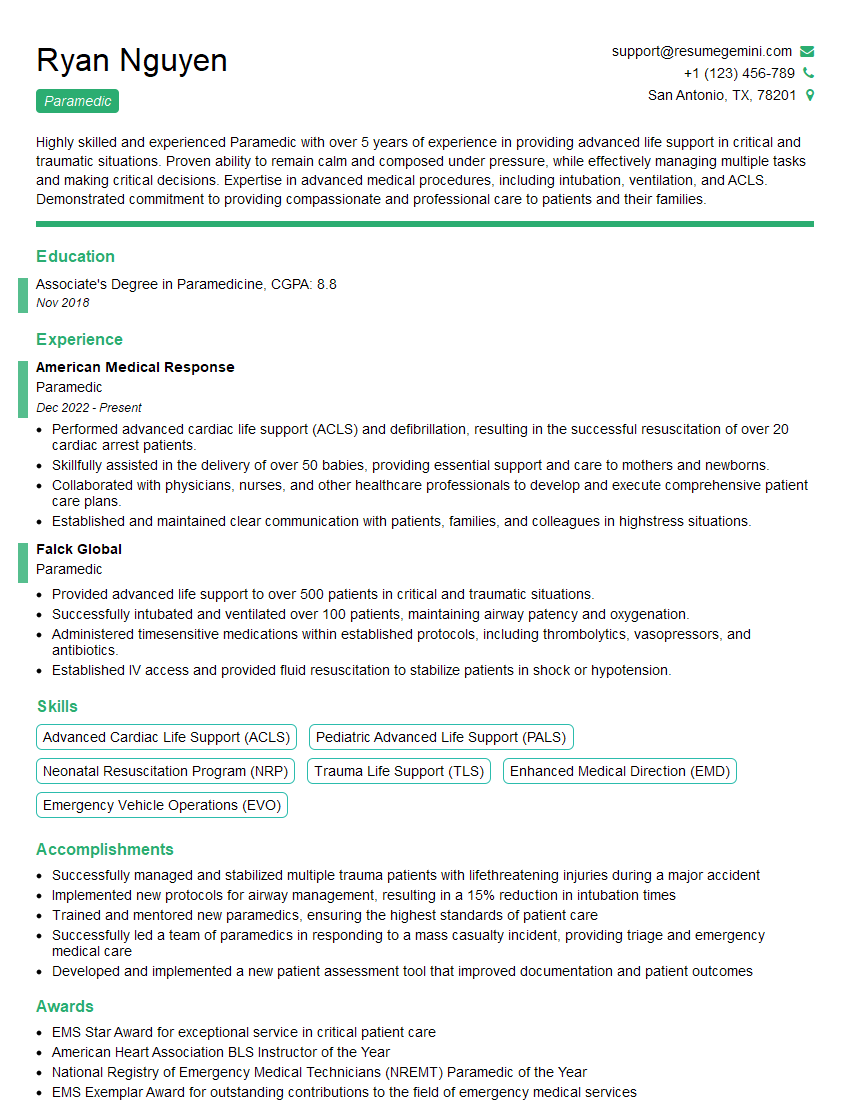
Paramedic Resume Sample
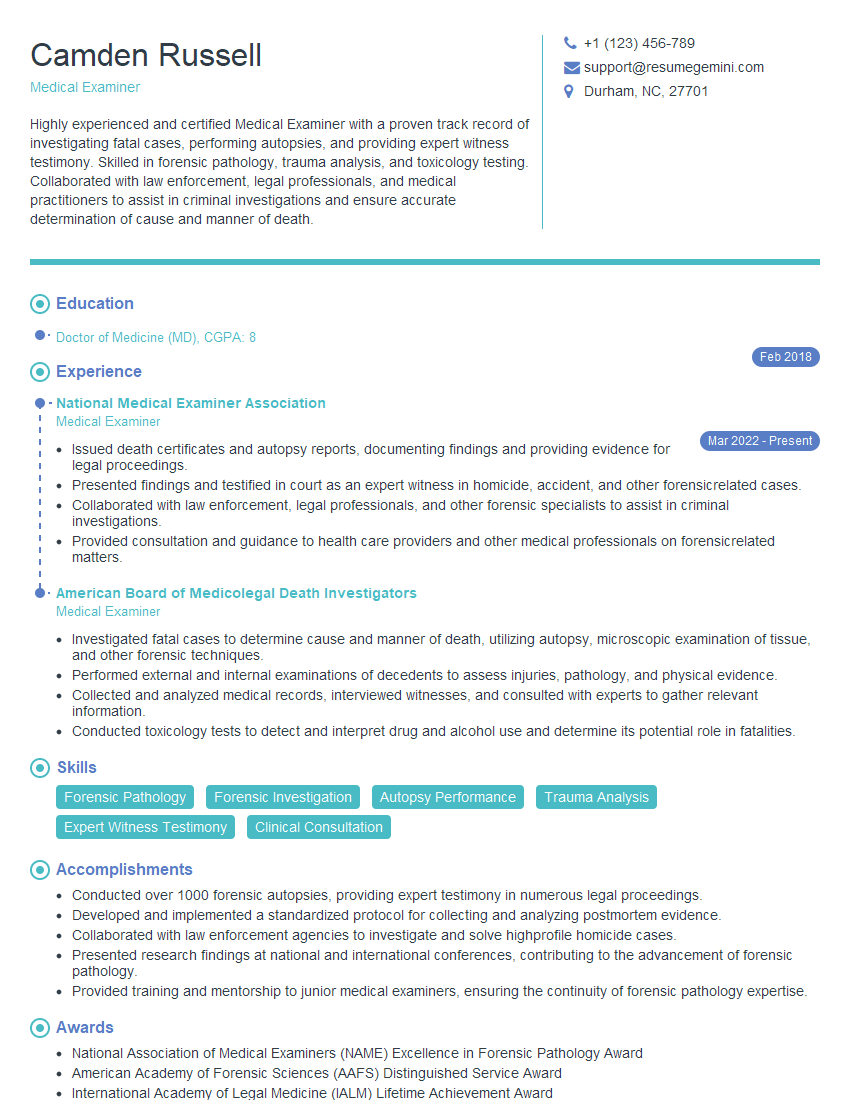
Medical Examiner Resume Sample
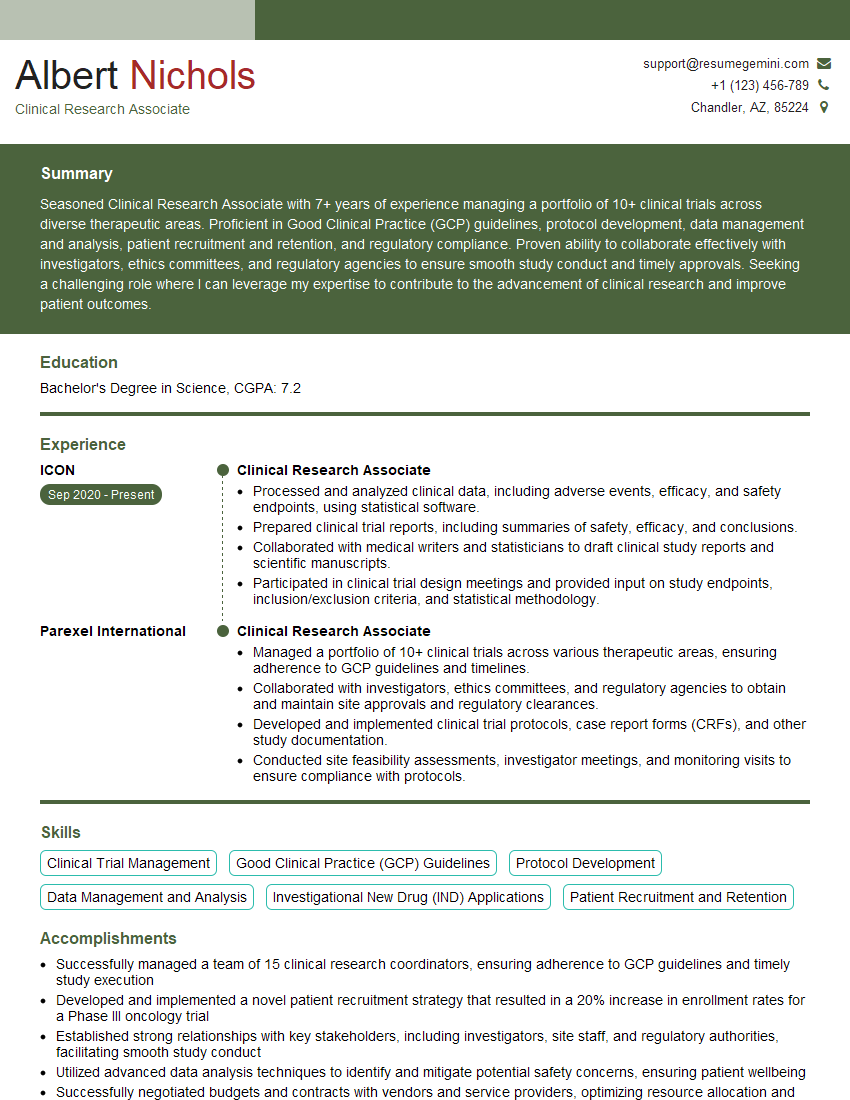
Clinical Research Associate Resume Sample
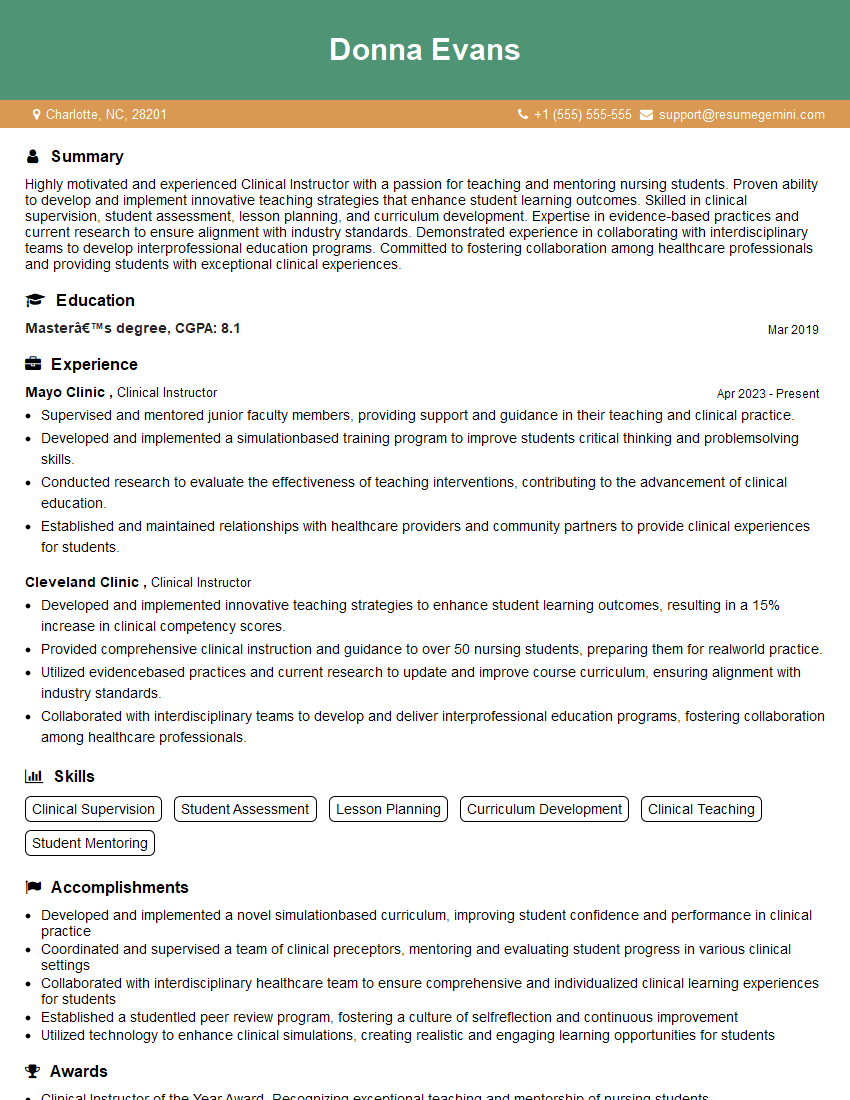
Clinical Instructor Resume Sample
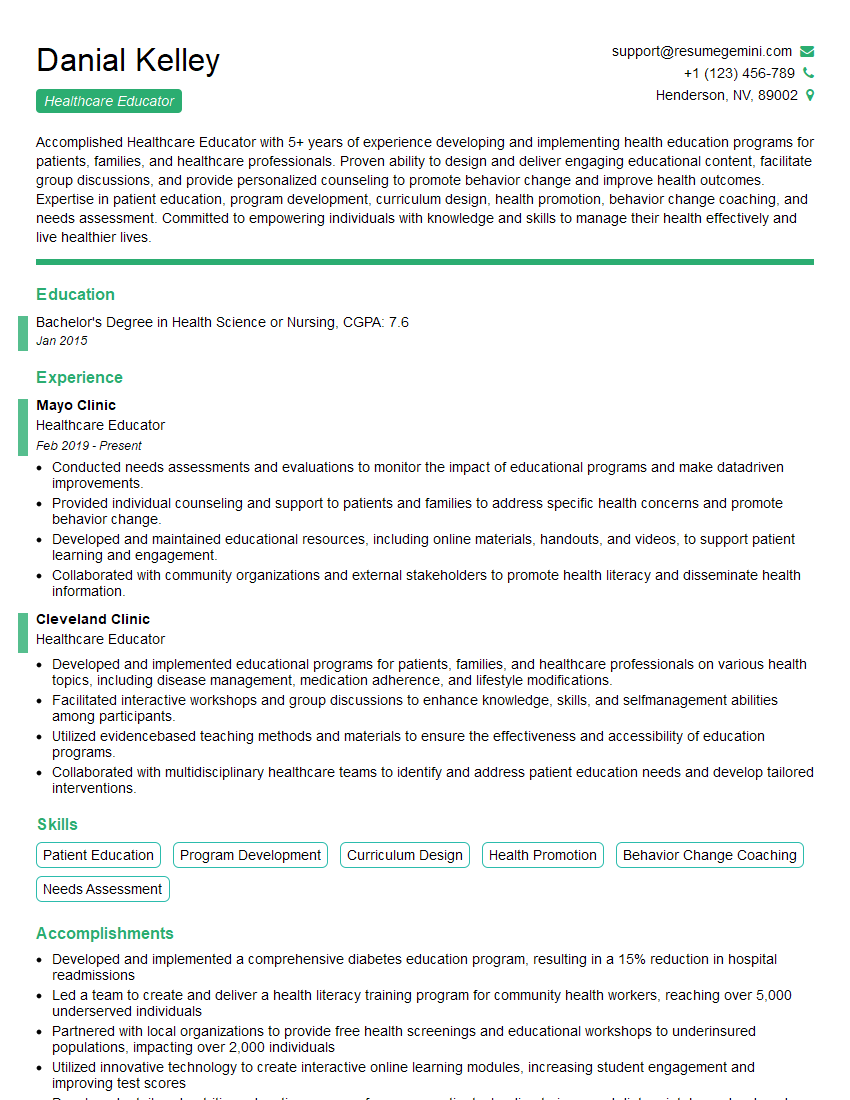
Healthcare Educator Resume Sample
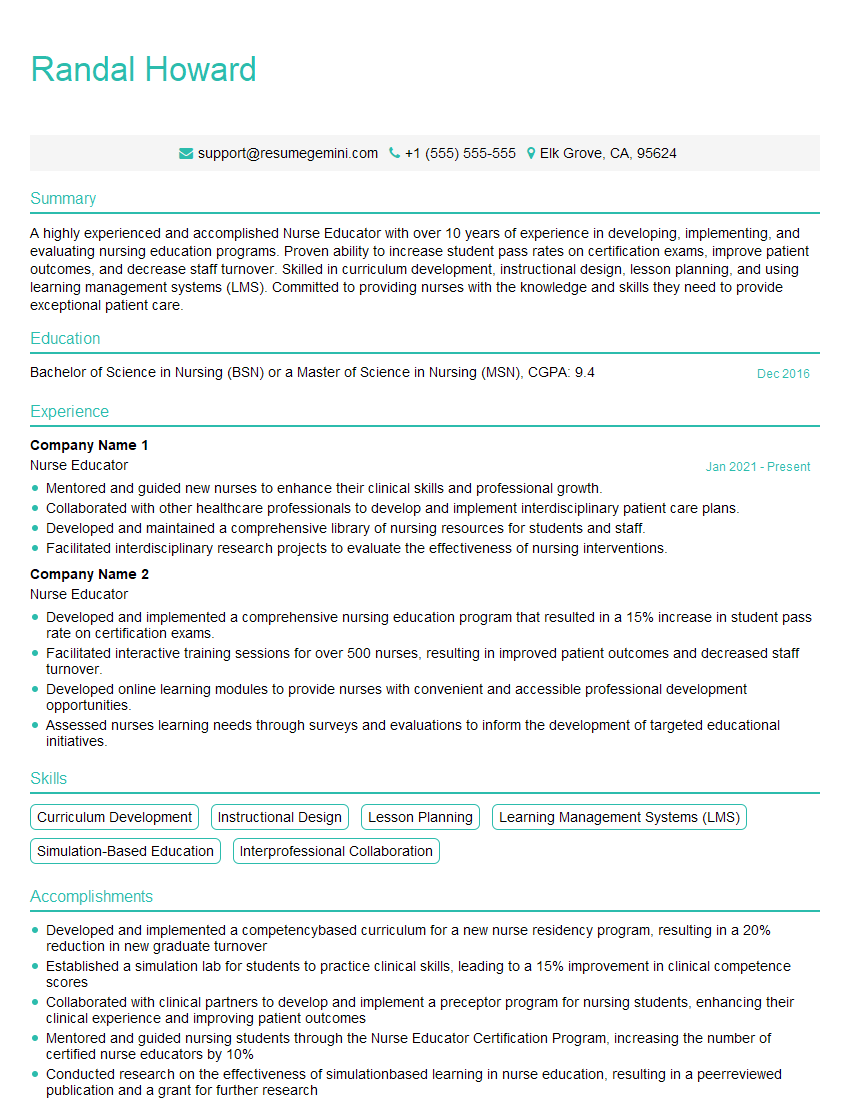
Nurse Educator Resume Sample
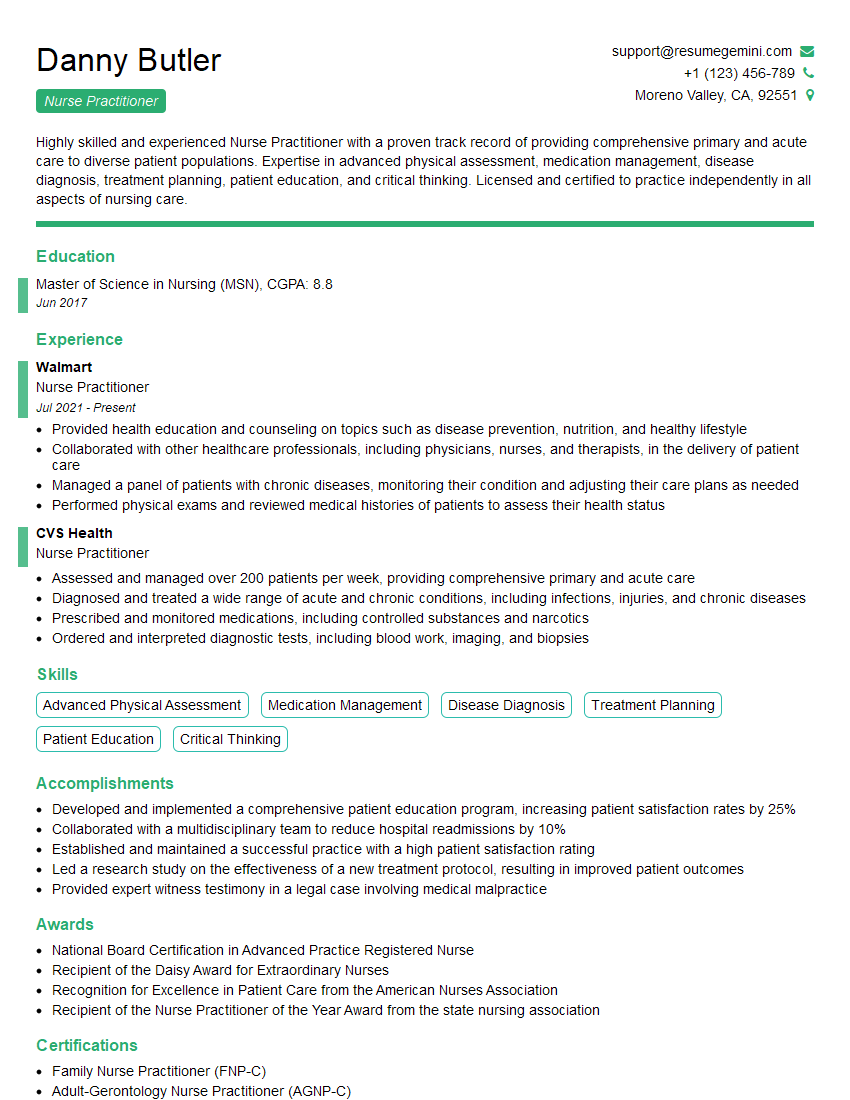
Nurse Practitioner Resume Sample
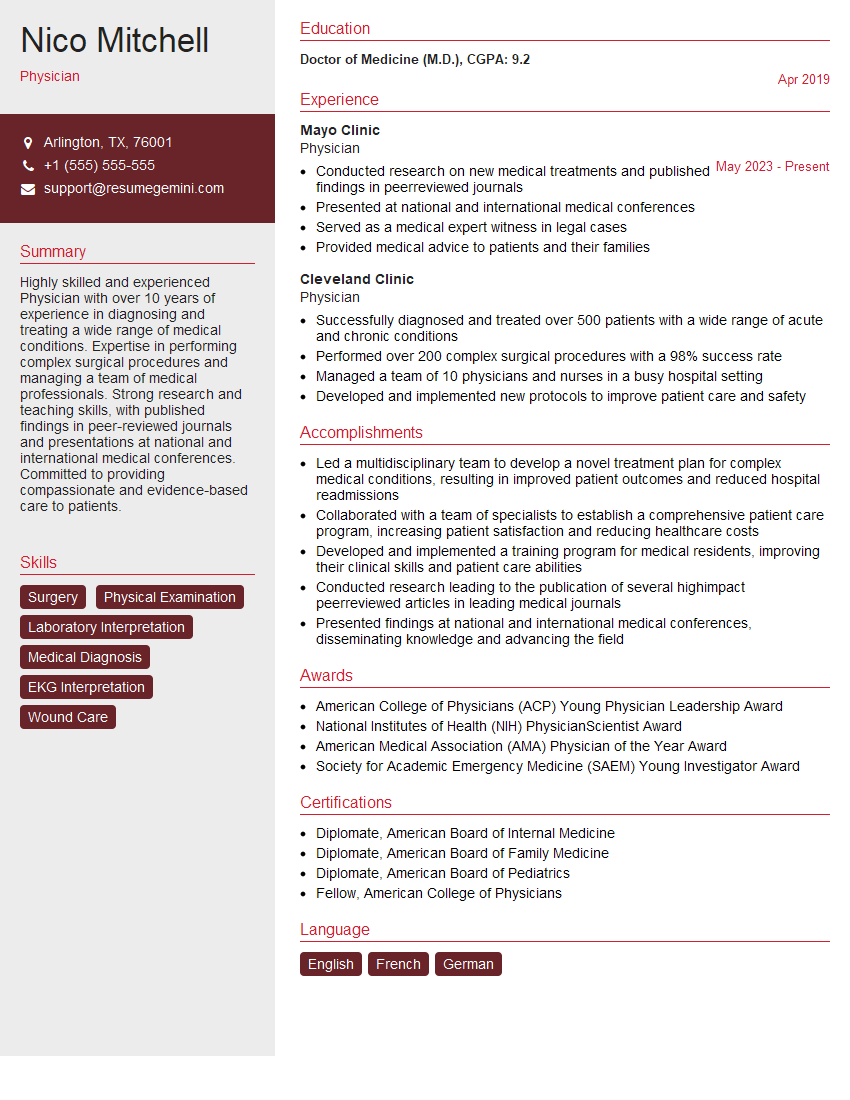
Physician Resume Sample
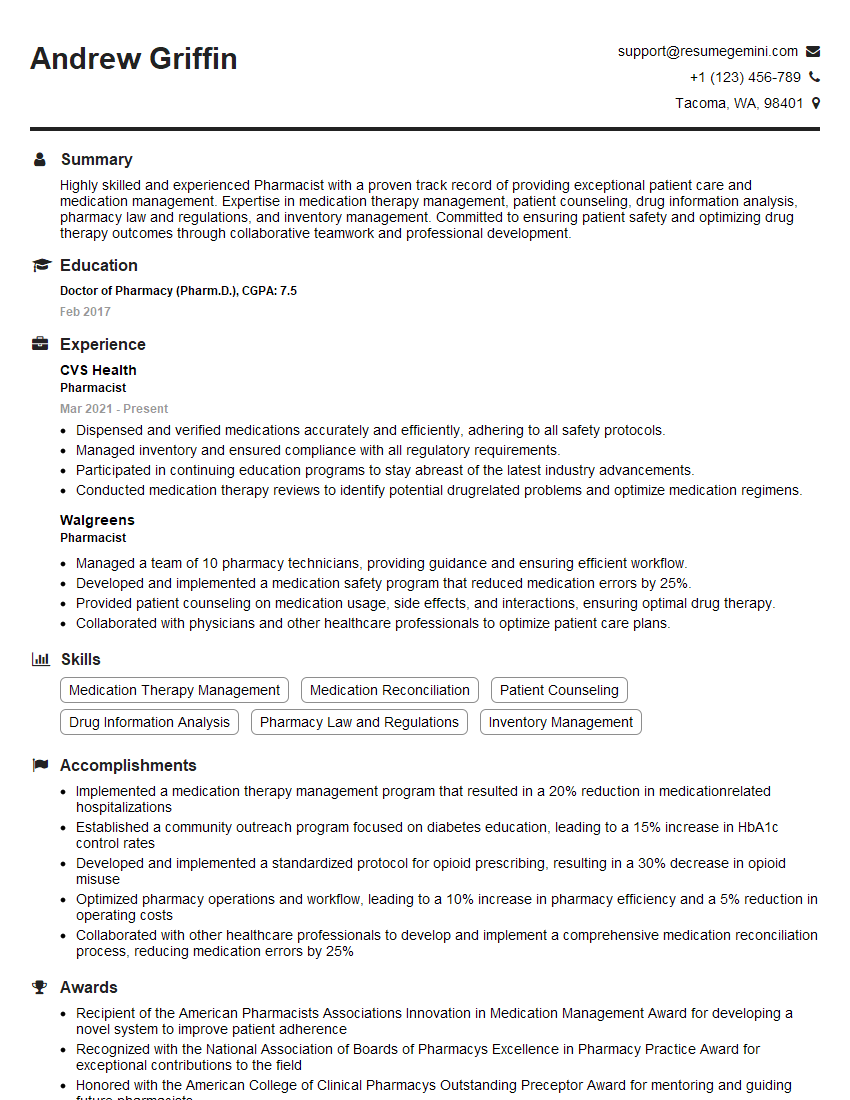
Pharmacist Resume Sample

Physician Assistant Resume Sample
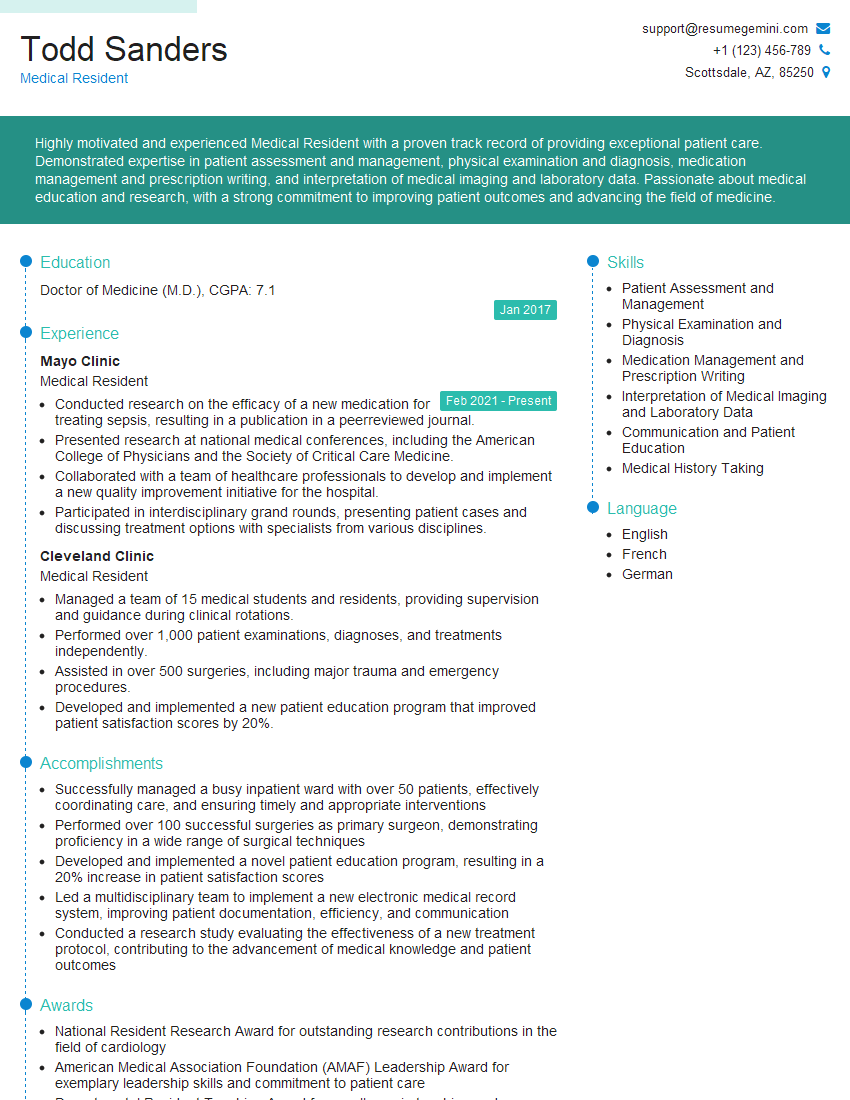
Medical Resident Resume Sample
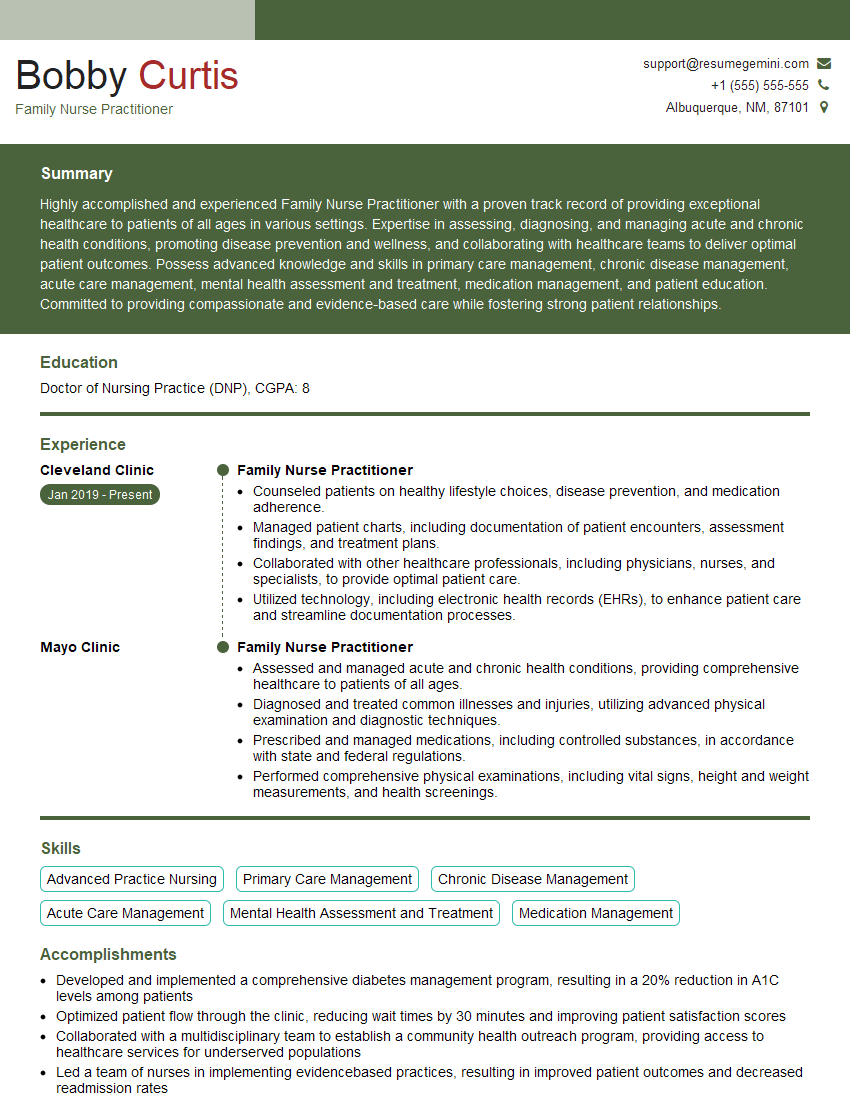
Family Nurse Practitioner Resume Sample
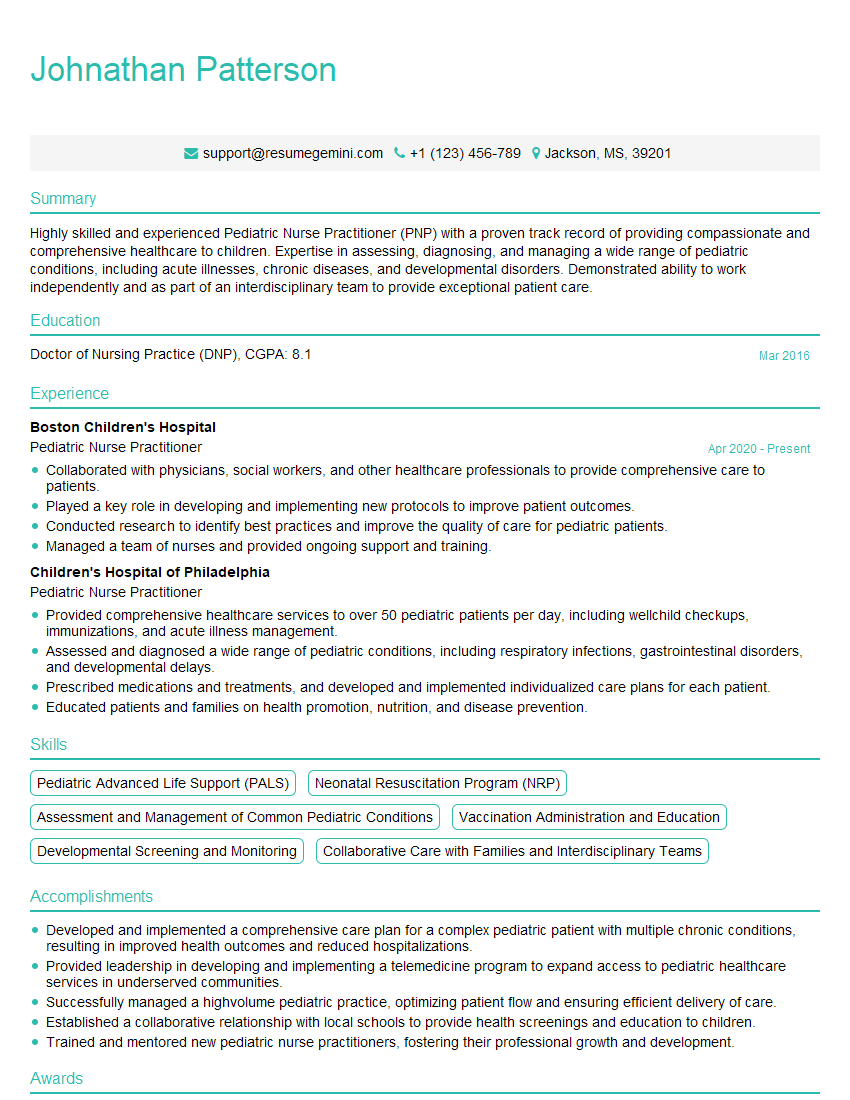
Pediatric Nurse Practitioner Resume Sample
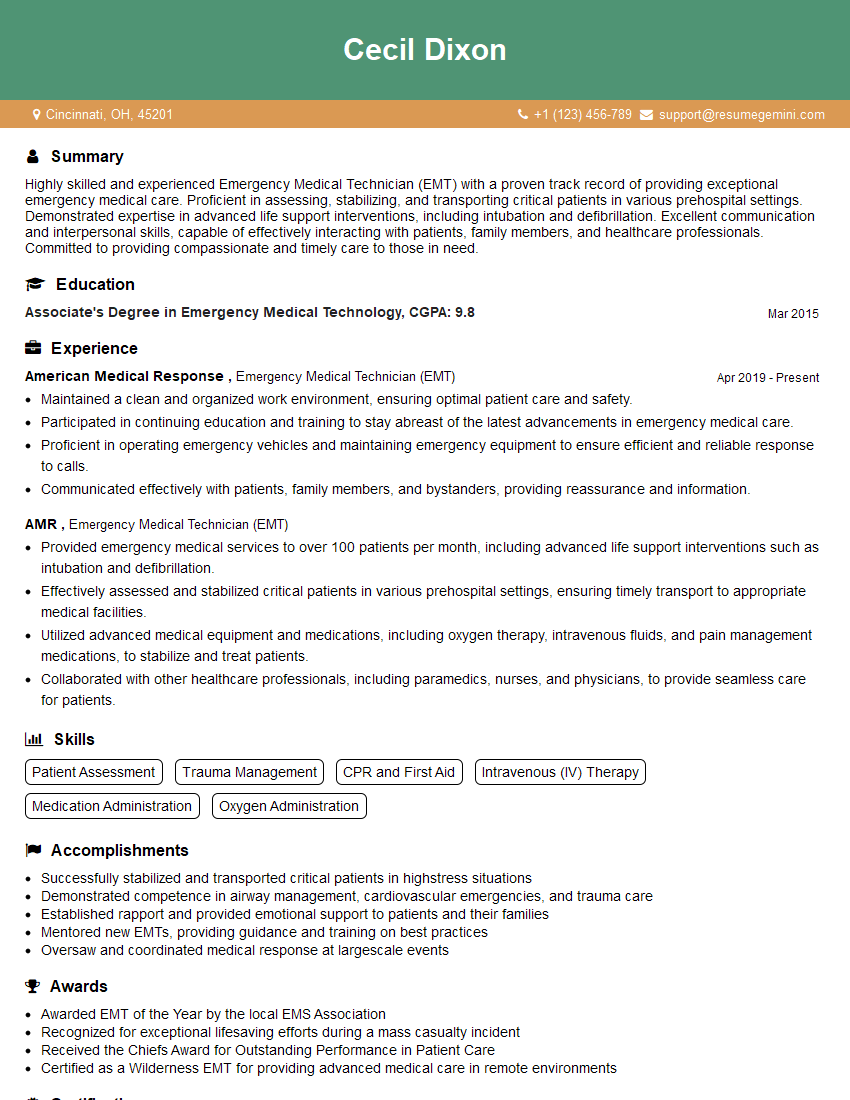
Emergency Medical Technician (EMT) Resume Sample
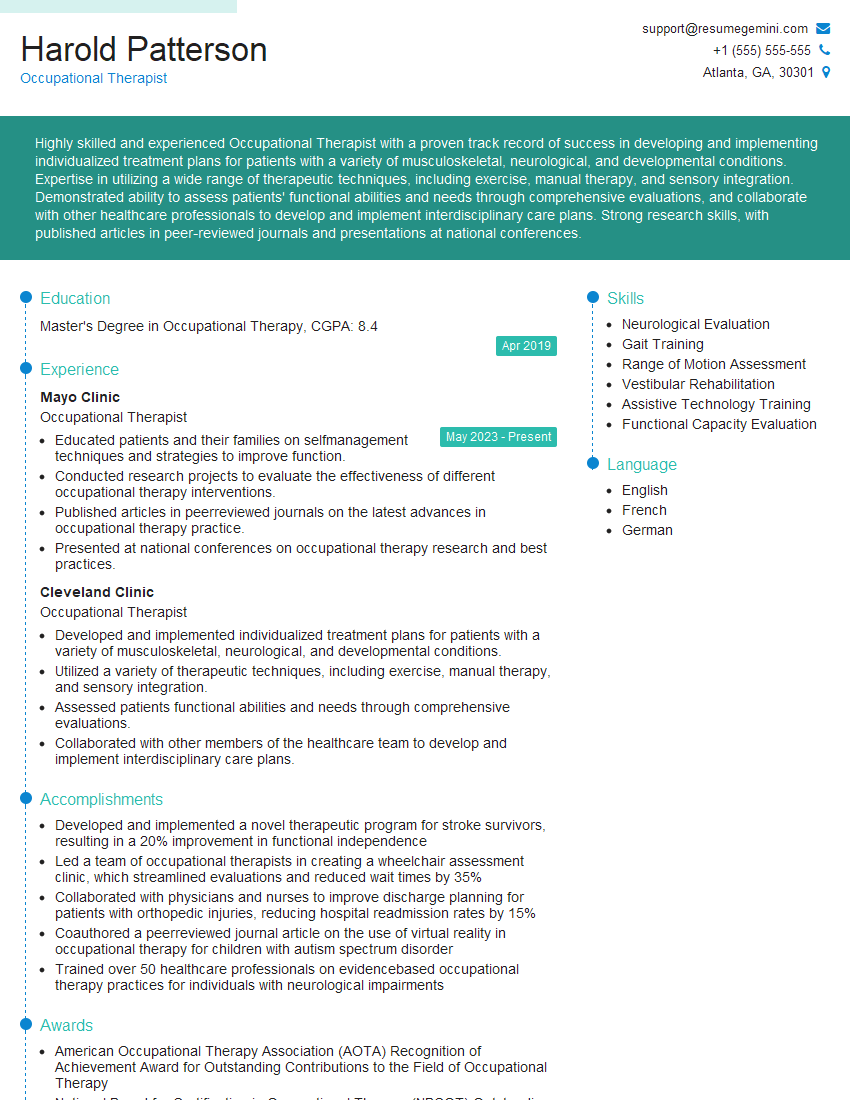
Occupational Therapist Resume Sample
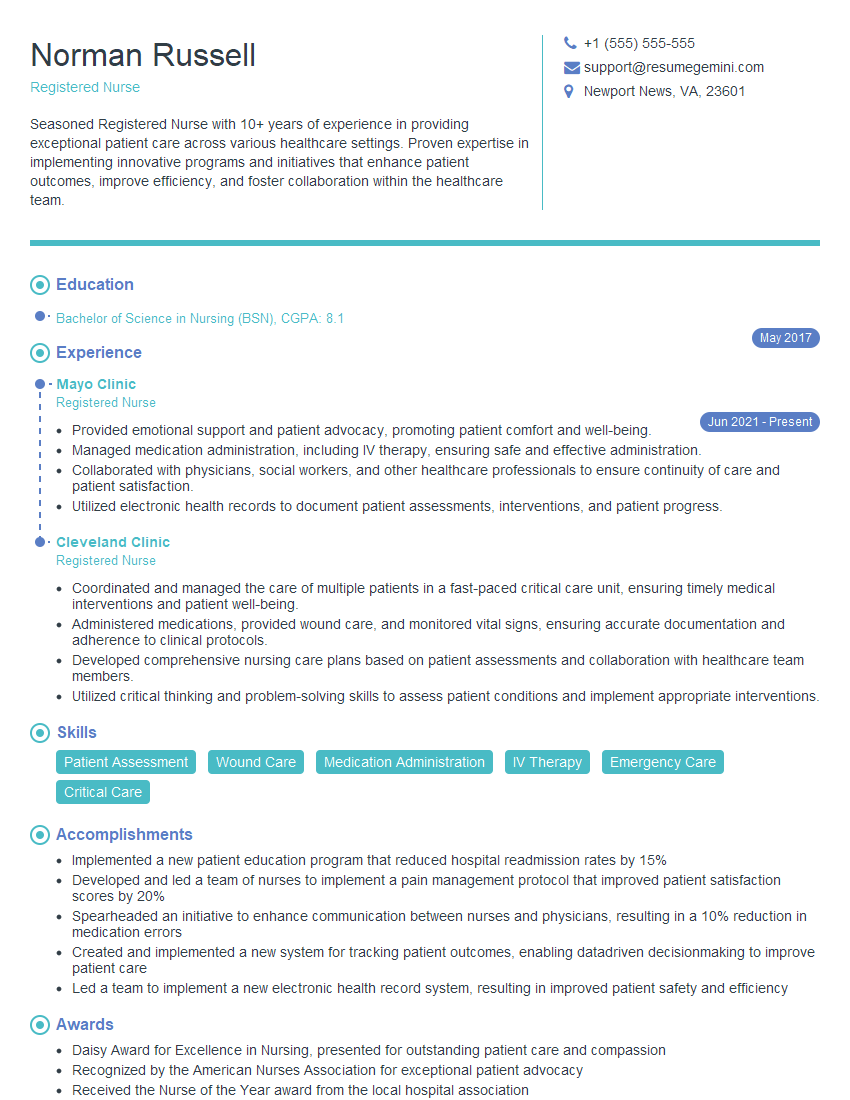
Registered Nurse Resume Sample
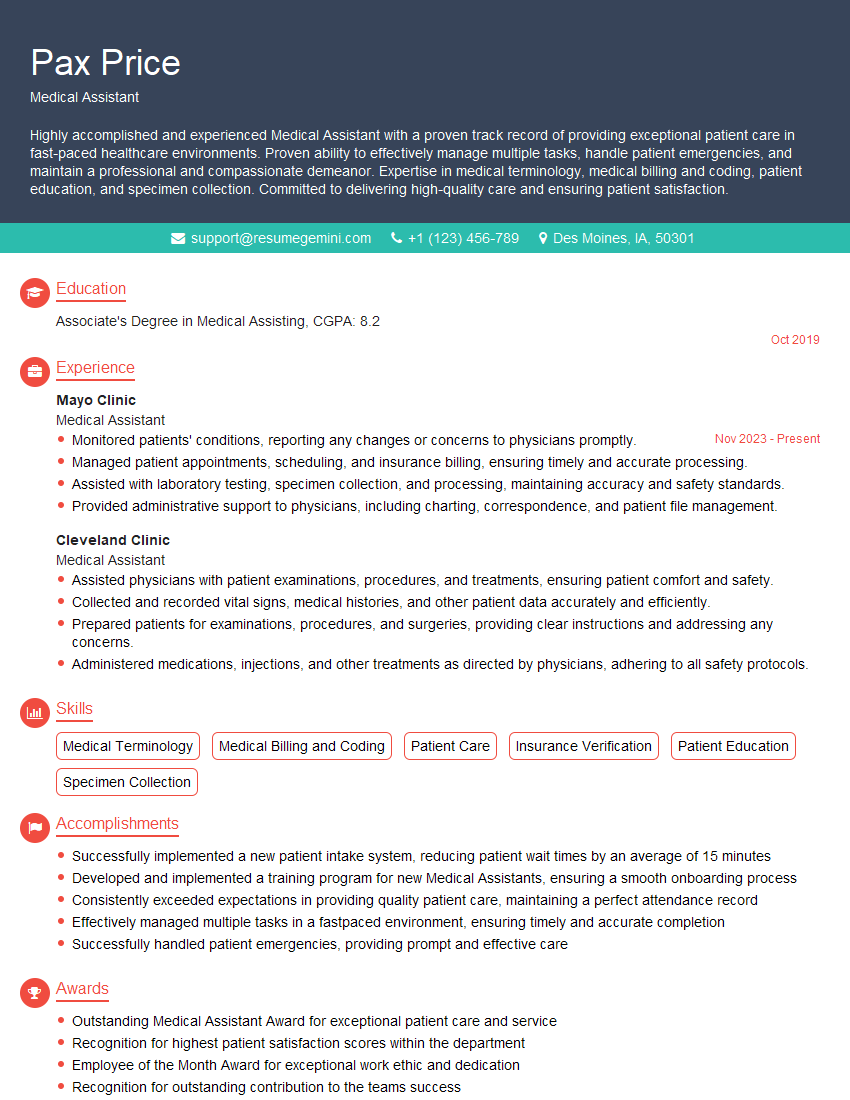
Medical Assistant Resume Sample
- Paramedic
- Medical Examiner
- Clinical Research Associate
- Clinical Instructor
- Healthcare Educator
- Nurse Educator
- Nurse Practitioner
- Physician
- Pharmacist
- Physician Assistant
- Medical Resident
- Family Nurse Practitioner
- Pediatric Nurse Practitioner
- Emergency Medical Technician (EMT)
- Occupational Therapist
- Registered Nurse
- Medical Assistant
Explore more articles
Users Rating of Our Blogs
Share Your Experience
We value your feedback! Please rate our content and share your thoughts (optional).
What Readers Say About Our Blog
To the interviewgemini.com Webmaster.
Very helpful and content specific questions to help prepare me for my interview!
Thank you
To the interviewgemini.com Webmaster.
This was kind of a unique content I found around the specialized skills. Very helpful questions and good detailed answers.
Very Helpful blog, thank you Interviewgemini team.