The thought of an interview can be nerve-wracking, but the right preparation can make all the difference. Explore this comprehensive guide to Physical stamina and endurance for working in various weather conditions interview questions and gain the confidence you need to showcase your abilities and secure the role.
Questions Asked in Physical stamina and endurance for working in various weather conditions Interview
Q 1. Describe your experience working in extreme heat or cold.
My experience working in extreme temperatures spans several years and various projects. For instance, during a forestry survey in Northern Canada, I endured weeks of sub-zero temperatures, often with wind chill factors pushing it far below. This necessitated meticulous layering of clothing, frequent monitoring of my body temperature, and careful planning of breaks to avoid hypothermia. Conversely, while working on a pipeline construction project in the Arabian desert, I faced prolonged periods of intense heat and high humidity. This required aggressive hydration strategies, protective clothing adapted for heat, and a strictly enforced schedule of work and rest periods to prevent heat exhaustion.
In both instances, understanding the physiological effects of extreme weather on the body was crucial. In the cold, maintaining core body temperature is paramount, while in the heat, preventing overheating and dehydration is key. My approach in each situation prioritized safety and adaptation to environmental conditions. The difference in strategies highlights the crucial importance of situationally adapting to weather conditions.
Q 2. How do you maintain hydration and energy levels during prolonged outdoor work?
Maintaining hydration and energy is paramount during prolonged outdoor work. My strategy involves a multi-pronged approach focusing on proactive hydration, strategic electrolyte replenishment, and smart food choices. I start each day well-hydrated, continuing to drink water regularly throughout the day, even before feeling thirsty. This is critical because thirst is a late indicator of dehydration. I consume electrolyte drinks periodically, especially in hot weather, to replace salts lost through sweat. Energy is sustained by consuming small, frequent meals and snacks that are high in complex carbohydrates and protein to provide sustained energy release, avoiding sugary foods that lead to energy crashes. I also frequently incorporate foods like nuts, fruits, and energy bars to manage my energy levels efficiently.
For example, during a long-distance hiking expedition, I carried water bottles and electrolyte tablets, supplementing my intake with energy bars and dried fruit to maintain energy. This helped me remain efficient and comfortable throughout the duration.
Q 3. Explain your strategy for managing fatigue during physically demanding tasks.
Managing fatigue during physically demanding tasks requires a structured approach that combines physical conditioning, smart work practices, and mental resilience. Firstly, maintaining a high level of fitness is essential. Regular exercise and cardiovascular training improves stamina, allowing me to work longer and harder with less fatigue. During work, I emphasize pacing and efficient work techniques. Taking short, regular breaks is crucial; these aren’t necessarily about complete rest, but rather about shifting from intense work to less strenuous activities. This micro-rest helps prevent fatigue build-up. Mental resilience is equally important; focusing on the task, breaking it down into manageable segments, and maintaining a positive attitude significantly improves endurance.
For instance, when faced with a large-scale clearing project, I broke down the work into daily, achievable goals, taking short breaks between tasks. This helped me stay focused and prevent burnout, even with prolonged physical exertion.
Q 4. Have you ever experienced heat exhaustion or hypothermia? How did you handle it?
Yes, I have experienced both heat exhaustion and mild hypothermia. During a particularly strenuous trek in the mountains, I experienced the onset of heat exhaustion – characterized by dizziness, headache, and nausea. I immediately stopped activity, found shade, and drank plenty of water and electrolytes. Lying down and allowing my body to cool down was crucial. In another instance, while working in sub-zero conditions, I experienced the early stages of hypothermia with shivering and numbness in my extremities. I recognized the symptoms and promptly moved to a warmer area, changed into dry clothes, and consumed warm fluids to raise my core body temperature. In both situations, early recognition and immediate action were key to preventing serious consequences.
These experiences underscored the importance of recognizing the early warning signs of these conditions and acting decisively. Preventing them is always preferable, and requires proactive measures, but being prepared for them is equally important.
Q 5. What measures do you take to prevent injuries while working in challenging weather?
Preventing injuries in challenging weather demands a layered approach that integrates preparation, appropriate gear, and safe work practices. This includes wearing appropriate clothing for the conditions—layered clothing for cold weather and protective clothing designed to regulate temperature and prevent sun exposure in hot climates. Using proper safety equipment is also essential, including high-visibility gear, appropriate footwear, safety glasses, and gloves to protect from the elements. Before beginning any task, I thoroughly assess the potential hazards related to the weather and the environment, planning my work to minimize exposure to risks. Regular stretching and warm-up routines before work and cool-down exercises afterward minimize the risk of muscle strains and injuries.
For instance, when working at height in cold, icy conditions, wearing appropriate harnesses and using ice grips on boots significantly reduces the risk of falls and injuries. Likewise, the use of sunscreen and hats in direct sunlight prevents sunstroke and other heat-related injuries.
Q 6. How do you adapt your work schedule or techniques to cope with different weather conditions?
Adapting to different weather conditions requires flexibility in scheduling and work methods. In extreme heat, working during cooler parts of the day (early morning or late evening) is essential. Shortening work periods and increasing the frequency of breaks allows for better heat management. Likewise, in cold weather, longer breaks in heated shelters can be needed. The work itself might need adjustments too; heavy physical work may need to be done during milder parts of the day. Work practices might also be altered to improve safety and efficiency. For example, during icy conditions, working at a slower pace to avoid slips and falls is essential. Clear communication with the team and supervisors is vital in ensuring the adjustments are coordinated effectively.
For example, during a construction project where it rained heavily, we paused the work involving the heavy lifting of materials until the conditions improved and continued other indoor works, thus minimizing the risk of accidents.
Q 7. Describe a time you had to overcome physical challenges to complete a task.
During a remote wilderness rescue operation, we faced challenging terrain, extreme weather, and time constraints. Our team had to navigate difficult slopes and dense forest in pouring rain, while carrying a stretcher with an injured person. Fatigue and the challenging conditions tested our limits, but the successful rescue motivated us to push through the physical and mental exhaustion. We constantly communicated, supported each other, and adjusted our pace as needed. We carefully planned our route and frequently checked on the injured person’s condition. The mission’s success relied on our combined strength and resilience, showcasing the importance of teamwork and perseverance in overcoming strenuous physical challenges.
This experience taught me the significance of strategic planning, collaboration, and mental fortitude in achieving a shared goal under duress. Our teamwork and efficient decision-making were crucial in successfully completing the physically demanding task.
Q 8. How do you prioritize safety when working in extreme weather conditions?
Prioritizing safety in extreme weather is paramount. It’s not just about completing the task; it’s about returning home safe and sound. My approach is multifaceted and begins with thorough risk assessment. This involves checking weather forecasts meticulously, understanding the specific hazards (e.g., heatstroke in deserts, hypothermia in arctic conditions, lightning strikes in thunderstorms), and identifying potential dangers unique to the worksite.
Next, I implement appropriate preventative measures. This includes delaying work if conditions are excessively dangerous, using appropriate personal protective equipment (PPE), maintaining consistent communication with supervisors and colleagues, and adhering strictly to safety protocols. Regular hydration and rest breaks are crucial, especially in extreme temperatures. For instance, while working in a blizzard, I wouldn’t hesitate to take frequent shelter to avoid frostbite. In intense heat, I’d schedule extra breaks in shaded areas to prevent heat exhaustion.
Finally, emergency preparedness is key. I ensure I know the location of emergency supplies and communication devices, and I understand the emergency procedures in place. This proactive approach ensures safety remains the top priority in any weather condition.
Q 9. What is your experience with personal protective equipment (PPE) in different weather situations?
My experience with PPE spans various weather extremes. In scorching heat, I prioritize lightweight, breathable clothing that protects from the sun’s harmful UV rays. This typically includes a wide-brimmed hat, sunglasses, and long-sleeved shirts made from moisture-wicking fabrics. I also carry plenty of water and electrolytes. In freezing conditions, the focus shifts to layering clothing to trap body heat. This includes thermal underwear, insulated mid-layers, and waterproof outer shells. I also use insulated gloves, hats, and waterproof boots. In rainy conditions, waterproof outerwear and sturdy footwear prevent slipping and keep me dry to avoid hypothermia.
Beyond clothing, I’m proficient in using specialized equipment like respirators in dusty or smoky environments, safety harnesses for high-altitude work, and protective eyewear to shield against flying debris or intense sunlight. The type of PPE is always carefully selected based on the specific weather conditions and the nature of the task. For example, working on a rooftop in the summer requires different PPE than working on a construction site in a blizzard.
Q 10. Describe your understanding of the effects of heat stress on the human body.
Heat stress occurs when the body struggles to regulate its internal temperature due to excessive heat exposure. This leads to a range of conditions, from mild heat exhaustion to life-threatening heatstroke. The body’s primary cooling mechanism is sweating; however, in extreme heat, this mechanism can be overwhelmed. This leads to a rise in core body temperature, causing several physiological problems.
The early stages of heat stress might include dizziness, nausea, headache, muscle cramps, and weakness. These are warning signs that action is needed. As heat stress progresses, it can lead to heat exhaustion, characterized by heavy sweating, rapid pulse, and potentially unconsciousness. The most severe stage is heatstroke, a medical emergency involving extremely high body temperature, seizures, and organ damage. Heatstroke requires immediate medical attention.
Q 11. How do you recognize the signs of hypothermia or heatstroke in yourself or others?
Recognizing the signs of hypothermia and heatstroke is critical for timely intervention. Hypothermia, caused by prolonged exposure to cold, manifests as shivering, confusion, slurred speech, drowsiness, and loss of coordination. In severe cases, the person might become unconscious. Heatstroke, on the other hand, presents with high body temperature (often above 103°F or 39.4°C), altered mental status (confusion, disorientation), seizures, and potentially loss of consciousness. Both conditions can be fatal if not treated promptly.
I’m trained to identify these signs in myself and others. Regular self-monitoring, especially when working in extreme conditions, is vital. If I or a colleague exhibits any symptoms, immediate action is taken. This includes moving the individual to a safe environment, providing appropriate first aid (such as removing wet clothing for hypothermia or applying cool compresses for heatstroke), and seeking medical assistance as needed. Early recognition is key to a positive outcome.
Q 12. Explain your experience with proper acclimatization techniques for different climates.
Acclimatization is the process of gradually adapting to different climates. It’s not something that happens overnight; it takes time for the body to adjust. My experience includes gradual exposure to changing environments. This means I wouldn’t suddenly go from a temperate climate to a desert environment without allowing my body time to adjust. For instance, when working in increasingly hotter conditions, I’d start with shorter work periods and gradually increase my time spent outdoors. This allows my body to adjust to the heat, improve its sweating mechanism, and reduce the risk of heat-related illnesses.
Similarly, adapting to colder climates requires a gradual process. I’d start by spending shorter periods outdoors and progressively increasing the duration of exposure as my body becomes more tolerant to the cold. Staying hydrated and consuming a balanced diet are also crucial aspects of acclimatization in any climate. Paying attention to my body’s signals is also essential. If I feel unwell, I would take a break and seek appropriate medical advice.
Q 13. How do you monitor your physical condition during physically demanding tasks?
Monitoring my physical condition during demanding tasks is an ongoing process, involving both subjective and objective assessment. Subjectively, I pay close attention to my body’s signals. This includes monitoring my heart rate, breathing rate, and perceived exertion. Am I feeling excessively fatigued, lightheaded, or experiencing any muscle cramps? These are all important indicators.
Objectively, I might use tools such as a heart rate monitor to track my cardiovascular response during work. Regular breaks are crucial, offering opportunities to rehydrate, rest, and assess my overall physical state. If I notice any significant deviations from my normal baseline, I’ll adjust my workload, take additional breaks, or seek medical attention if necessary. For example, if my heart rate remains elevated even during rest, I might need to slow down or stop work entirely.
Q 14. Describe your experience working long hours in challenging environmental conditions.
I have extensive experience working long hours in challenging environments. This has involved working in extreme heat, enduring freezing temperatures, and navigating various weather conditions with demanding physical tasks. The key to successfully managing such situations lies in planning and preparation. This includes careful planning of work schedules, ensuring adequate rest and recovery periods, and the use of appropriate equipment. The use of proper acclimatization techniques, coupled with diligent self-monitoring, is also critical for preventing injuries and illness.
One example was working on a construction site during a particularly harsh winter. To combat the extreme cold, we implemented a rotational system that allowed for frequent breaks in heated areas, ensuring that everyone had sufficient opportunities to warm up and prevent hypothermia. This proactive approach, coupled with appropriate PPE and communication, allowed us to maintain productivity while safeguarding the health and safety of the entire team. Maintaining positive team morale and supportive working relationships is equally essential for success in challenging situations.
Q 15. What is your preferred method for staying hydrated throughout the workday?
Staying hydrated is paramount for maintaining physical stamina, especially during prolonged work in various weather conditions. My preferred method involves a proactive, multi-faceted approach.
- Consistent Sipping: I carry a large water bottle and sip water regularly throughout the day, rather than waiting until I feel thirsty. Thirst is already a sign of mild dehydration.
- Electrolyte Balance: In hot or strenuous conditions, I supplement plain water with electrolyte drinks to replenish essential minerals lost through sweat. This helps prevent muscle cramps and fatigue.
- Monitoring Urine Color: I regularly check the color of my urine; pale yellow indicates good hydration, while dark yellow signals the need for increased fluid intake.
- Water Breaks: I schedule regular short breaks to consciously hydrate, especially during peak activity periods.
- Weather-Specific Adjustments: In extreme heat, I increase my water intake significantly and may opt for cooler beverages. In cold weather, I still maintain sufficient water intake, acknowledging that the body loses fluids despite the cold.
This approach ensures I consistently maintain optimal hydration levels, preventing dehydration-related issues like fatigue, headaches, and decreased performance.
Career Expert Tips:
- Ace those interviews! Prepare effectively by reviewing the Top 50 Most Common Interview Questions on ResumeGemini.
- Navigate your job search with confidence! Explore a wide range of Career Tips on ResumeGemini. Learn about common challenges and recommendations to overcome them.
- Craft the perfect resume! Master the Art of Resume Writing with ResumeGemini’s guide. Showcase your unique qualifications and achievements effectively.
- Don’t miss out on holiday savings! Build your dream resume with ResumeGemini’s ATS optimized templates.
Q 16. Have you received any specific training on working safely in extreme weather?
Yes, I’ve undertaken extensive training in safe working practices across diverse weather extremes. This training encompassed both theoretical knowledge and practical application.
- Heat Stress Prevention: I’m trained to recognize the signs and symptoms of heat exhaustion and heat stroke, and to implement appropriate preventative measures, such as acclimatization, frequent rest breaks, and wearing appropriate clothing.
- Cold Weather Safety: My training covers cold-related hazards like hypothermia and frostbite. I understand the importance of layering clothing, protecting exposed skin, and recognizing the early warning signs of cold-related illnesses.
- Emergency Procedures: I’m proficient in emergency response protocols for weather-related incidents, including how to seek immediate medical attention and how to use appropriate safety equipment.
- Weather Monitoring: I’m trained to utilize weather forecasting tools and understand the implications of different weather warnings, enabling proactive adjustments to work schedules and safety measures.
This training has equipped me with the knowledge and skills to work safely and effectively in a wide range of weather conditions, prioritizing both my safety and the safety of my colleagues.
Q 17. How do you stay motivated when facing physical exhaustion during long shifts?
Maintaining motivation during physically exhausting long shifts requires a combination of mental and physical strategies.
- Setting Achievable Goals: I break down large tasks into smaller, manageable goals. Achieving each small goal provides a sense of accomplishment that keeps me motivated.
- Positive Self-Talk: I use positive self-talk to remind myself of my capabilities and the importance of the work. This helps overcome feelings of exhaustion and self-doubt.
- Mindfulness and Breaks: Short, mindful breaks are crucial. I utilize them to practice deep breathing exercises or simply step away from the task to clear my head. This prevents burnout.
- Teamwork and Support: Collaborating with colleagues and offering mutual support is essential. Sharing the workload and encouraging each other helps maintain morale and motivation.
- Visualizing Success: I visualize the successful completion of my tasks and the positive outcome of my efforts. This strengthens determination and focus.
These methods help me manage fatigue and maintain a positive attitude, leading to increased productivity and job satisfaction, even during the most demanding shifts.
Q 18. How do you manage your physical health and fitness outside of work hours?
Maintaining my physical health and fitness outside of work hours is a non-negotiable commitment. I prioritize a holistic approach.
- Regular Exercise: I engage in a variety of cardiovascular exercises like running, swimming, and cycling, coupled with strength training to build and maintain muscle mass and endurance.
- Balanced Diet: I focus on a nutritious diet rich in fruits, vegetables, lean proteins, and complex carbohydrates, providing sustained energy and supporting muscle recovery.
- Sufficient Sleep: I prioritize 7-8 hours of quality sleep each night, crucial for physical and mental recovery.
- Stress Management: I incorporate stress-reducing activities into my routine, such as yoga, meditation, or spending time in nature. This helps prevent burnout and enhances overall well-being.
- Regular Check-ups: I maintain regular check-ups with my physician to monitor my health and address any potential issues proactively.
This dedication ensures that I consistently maintain peak physical condition, minimizing the risk of injury and enhancing my ability to handle physically demanding tasks at work.
Q 19. Explain how your physical stamina has benefitted you in previous roles.
My robust physical stamina has been a significant asset in my previous roles, directly impacting my performance and efficiency. For instance, in a previous role involving extensive fieldwork, my stamina allowed me to consistently meet daily targets despite demanding physical activity in varied terrains and weather.
- Increased Productivity: My ability to work longer hours with less fatigue resulted in higher productivity compared to colleagues.
- Improved Accuracy: Reduced fatigue meant I could maintain focus and accuracy, minimizing errors.
- Enhanced Problem Solving: When dealing with unforeseen physical challenges, my stamina allowed me to persist and overcome obstacles more effectively.
- Team Support: My resilience served as an example for others and boosted team morale.
These tangible benefits have consistently showcased the value of my physical capabilities in contributing to overall team success and project completion.
Q 20. Describe a situation where you had to modify your approach due to unexpected weather changes.
During a recent outdoor project, we experienced an unexpected and rapid change in weather. Initially, the forecast predicted sunny skies, but a severe thunderstorm rolled in unexpectedly.
Our initial plan involved completing a series of tasks that required extensive physical activity under direct sunlight. However, the sudden downpour and strong winds forced us to make immediate adjustments.
- Safety First: We immediately ceased outdoor activities to prioritize the safety of the team.
- Shelter and Protection: We sought shelter in a nearby building, securing our equipment and protecting it from the storm.
- Replanning: Once the storm subsided, we reviewed our work plan, prioritizing tasks that could be accomplished indoors or under safer conditions.
- Risk Assessment: We reassessed the risks associated with continuing the work given the changed conditions.
This situation highlighted the importance of adaptability and the need to prioritize safety when faced with unforeseen circumstances. We successfully mitigated potential risks and completed the project safely, albeit with a revised timeline.
Q 21. How would you handle an emergency situation if a colleague suffered from heat stroke?
Recognizing and responding effectively to a heat stroke emergency is critical. My training equips me to handle such a situation.
- Immediate Action: I would immediately call for emergency medical services (EMS) and initiate first aid.
- Move to a Cooler Environment: I would move the affected colleague to a cool, shaded area or an air-conditioned space.
- Cool the Body: I would use cool water or ice packs to lower the body temperature, focusing on the neck, armpits, and groin area.
- Monitor Vital Signs: I would monitor the colleague’s breathing, pulse, and level of consciousness.
- Hydration (if conscious): If the colleague is conscious, I would offer sips of cool water.
- Avoid Further Exertion: I would ensure the colleague remains still and avoids any further exertion.
- Post-Emergency Care: Once EMS arrives, I would provide all relevant information to the medical personnel and continue supporting the colleague as instructed by the professionals.
My training emphasizes the importance of swift action and proper procedures in heat stroke emergencies, knowing that prompt intervention can be life-saving.
Q 22. What is your experience using tools and equipment in various weather conditions?
My experience with tools and equipment in various weather conditions is extensive. I’ve worked with everything from hand tools like shovels and axes to power tools like chainsaws and generators in extreme heat, cold, rain, and even snow. Safety is paramount, so I always ensure equipment is properly maintained, suitable for the conditions, and used according to manufacturer guidelines. For instance, in extreme cold, I’d use a heated work glove system alongside my normal gloves for improved dexterity and reduced risk of frostbite when operating power tools. In heavy rain, I make sure all electrical equipment is appropriately protected to prevent short circuits.
- Extreme Heat: I utilize tools with proper ventilation and take frequent breaks in shaded areas to avoid heatstroke.
- Extreme Cold: I use insulated gloves, layers of clothing, and regularly move to maintain circulation. I also carry hand and foot warmers.
- Rain: Waterproofing gear is crucial, and I regularly check tools for moisture to prevent damage or electrical hazards.
Q 23. How do you maintain focus and efficiency during challenging weather?
Maintaining focus and efficiency in challenging weather requires a proactive approach. It’s not just about willpower; it’s about strategic planning and self-care. I start by mentally preparing myself – anticipating the difficulties and mentally strategizing how to overcome them. For example, if I know I’ll be working in blinding snow, I’ll plan my tasks in shorter increments and rely on visual cues when possible. Physical preparation is equally important. Staying hydrated and properly nourished is key. Regular breaks are essential to prevent exhaustion. I also focus on maintaining a positive attitude. A positive mindset helps overcome setbacks and keeps motivation high, even when the weather is less than ideal.
Q 24. Describe your experience dealing with unexpected weather delays or disruptions.
Unexpected weather delays are a fact of life in many outdoor jobs. My experience dealing with them involves a combination of flexibility, risk assessment, and communication. Firstly, I assess the severity of the delay and potential risks. A light rain shower might just require a short break, while a severe thunderstorm might necessitate a complete halt to work and a safe evacuation. I always prioritize safety above all else. Once the immediate safety concerns are addressed, I communicate the situation to the relevant personnel, adjust the work schedule, and re-evaluate the plan of action. For example, during a sudden snowstorm while working on a construction site, I immediately moved the team to a safe location, ensured all equipment was secured, and reported the delay to the project manager. We then resumed work once the storm subsided and assessed any potential damage.
Q 25. How do you balance the demands of a physically strenuous job with maintaining a healthy lifestyle?
Balancing a physically demanding job with a healthy lifestyle is crucial for long-term well-being and performance. It’s not just about working hard; it’s about working smart and recovering effectively. My approach involves several key strategies:
- Proper Nutrition: I prioritize a balanced diet rich in fruits, vegetables, lean protein, and complex carbohydrates for sustained energy.
- Hydration: I drink plenty of water throughout the day, especially during strenuous activity.
- Regular Exercise: I focus on strength training and cardiovascular fitness to improve my endurance and reduce injury risk, even outside of work hours. Rest is equally important.
- Adequate Sleep: Prioritizing sufficient sleep is vital for muscle recovery and overall health.
- Stress Management: I practice mindfulness and stress-reduction techniques to manage work-related pressures.
Q 26. Explain your understanding of the importance of proper nutrition for physical endurance.
Proper nutrition is the cornerstone of physical endurance. It fuels your body’s energy systems and supports muscle recovery. A diet lacking in essential nutrients will significantly impair performance and increase the risk of injury. Here’s what I understand to be important:
- Carbohydrates: These are the primary fuel source for muscles, especially during prolonged activity. Complex carbohydrates like whole grains and vegetables provide sustained energy release.
- Proteins: Essential for muscle repair and growth. Lean proteins like chicken, fish, and beans are preferable.
- Fats: Healthy fats, like those found in avocados and nuts, are crucial for hormone production and overall health.
- Vitamins and Minerals: Essential for various bodily functions. A balanced diet should provide sufficient quantities, but supplements can be considered if necessary.
- Hydration: Water is crucial for temperature regulation, nutrient transport, and overall bodily function.
Q 27. Describe a time you successfully adapted your approach to overcome a physical challenge during adverse weather.
During a wildfire suppression effort, we faced unexpectedly strong winds and intense heat. Our initial plan was to use a direct attack method, but the wind made this too risky. Instead, I adapted by suggesting a flanking maneuver, using the terrain to shield us from the worst of the wind. We also implemented shorter work cycles with more frequent breaks in shaded areas to avoid heat exhaustion. This change in strategy, based on real-time assessment, allowed us to complete the task safely and efficiently, despite the adverse weather conditions. It highlights the importance of adaptability and quick thinking when faced with unexpected challenges.
Q 28. How would you educate a new team member on safe working practices in challenging weather?
Educating a new team member on safe working practices in challenging weather involves a multi-faceted approach. I would start with a thorough safety briefing covering the following:
- Weather Awareness: Understanding weather forecasts and recognizing signs of impending storms is crucial.
- Appropriate Clothing: Layering clothing for temperature regulation is essential. Waterproof and windproof outer layers are critical.
- Equipment Safety: Proper use and maintenance of equipment is paramount, especially in wet or cold conditions. Electrical safety is a major concern in wet weather.
- Emergency Procedures: Knowing how to handle emergencies, like sudden storms or injuries, is vital. Having a designated emergency plan and communication system is essential.
- Environmental Hazards: This can include risks from heatstroke, hypothermia, lightning, and slips/falls.
- Practical Demonstration: Hands-on demonstration and practice of safe techniques and procedures are necessary.
Key Topics to Learn for Physical Stamina and Endurance Interview
- Understanding Physical Stamina: Explore the physiological components of stamina, including cardiovascular health, muscular endurance, and respiratory function. Consider how these interact to support prolonged physical activity.
- Endurance in Varying Climates: Analyze the impact of heat, cold, humidity, and wind on physical performance. Discuss strategies for acclimatization and mitigation of environmental stressors.
- Hydration and Nutrition: Understand the crucial role of proper hydration and nutrition in maintaining stamina and endurance during prolonged exertion in diverse weather conditions. Explore strategies for fueling your body effectively.
- Injury Prevention and Recovery: Learn about common injuries related to physical exertion and how to prevent them through proper training, warm-up/cool-down routines, and appropriate gear. Discuss strategies for effective recovery and injury management.
- Practical Application: Consider scenarios requiring prolonged physical work outdoors in varied weather. How would you adapt your approach based on the conditions? How would you prioritize safety and efficiency?
- Problem-Solving & Decision-Making: Discuss how you would assess a situation requiring physical stamina in challenging weather. How would you adjust your work plan to overcome obstacles or prioritize tasks based on environmental factors?
- Safety Procedures and Protocols: Familiarize yourself with safety protocols and procedures related to working outdoors in diverse weather conditions. Understand the importance of risk assessment and mitigation.
Next Steps
Mastering physical stamina and endurance for various weather conditions significantly enhances your employability across numerous demanding roles, opening doors to exciting career opportunities and advancement. Building an ATS-friendly resume is key to getting your application noticed by employers. ResumeGemini can help you craft a compelling resume that highlights your abilities and experience, ensuring you stand out from the competition. Examples of resumes tailored to showcasing physical stamina and endurance for working in diverse weather conditions are available to help you create the perfect application. Invest time in this crucial step – it significantly boosts your chances of securing the job you deserve.
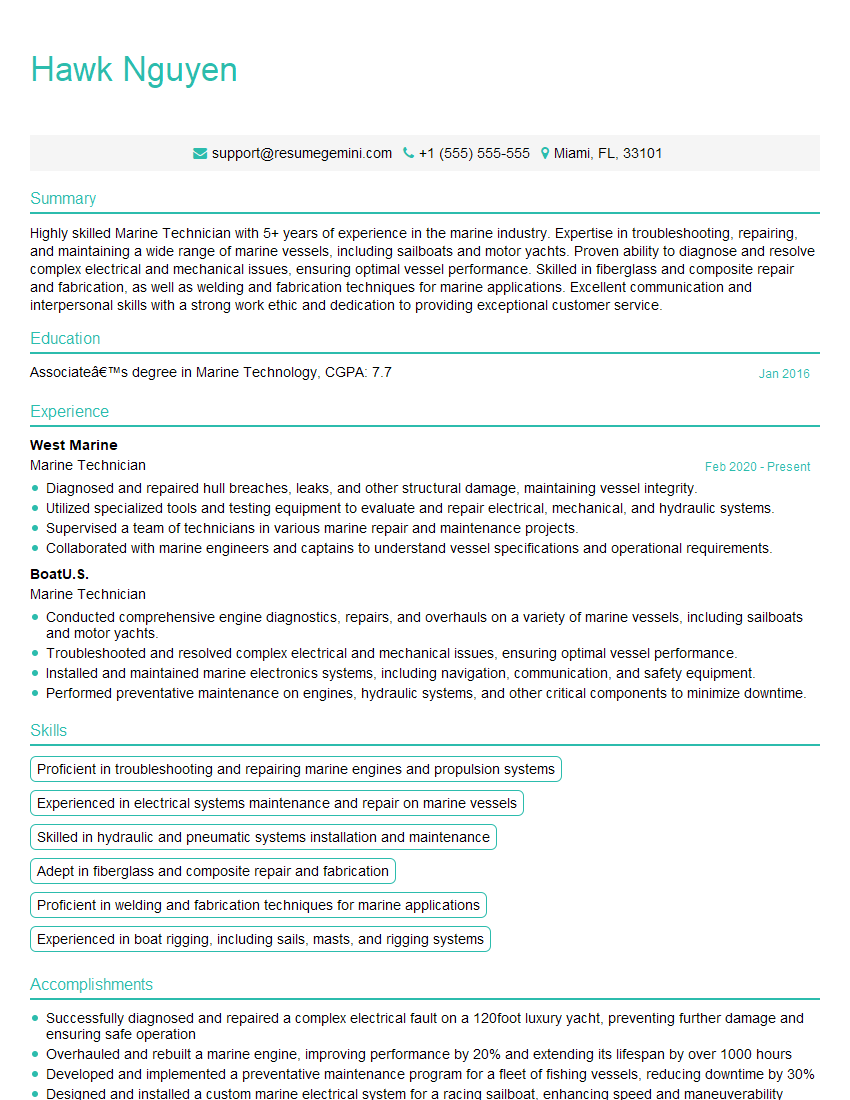
Marine Technician Resume Sample
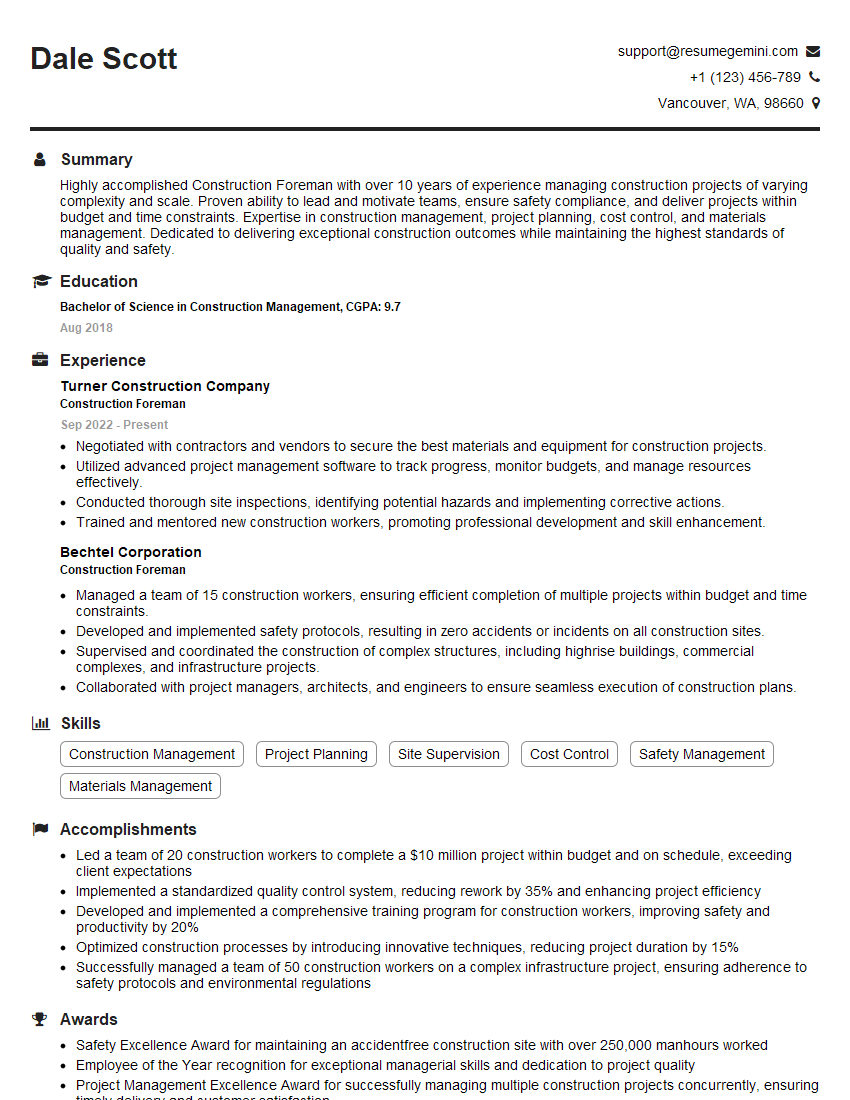
Construction Foreman Resume Sample
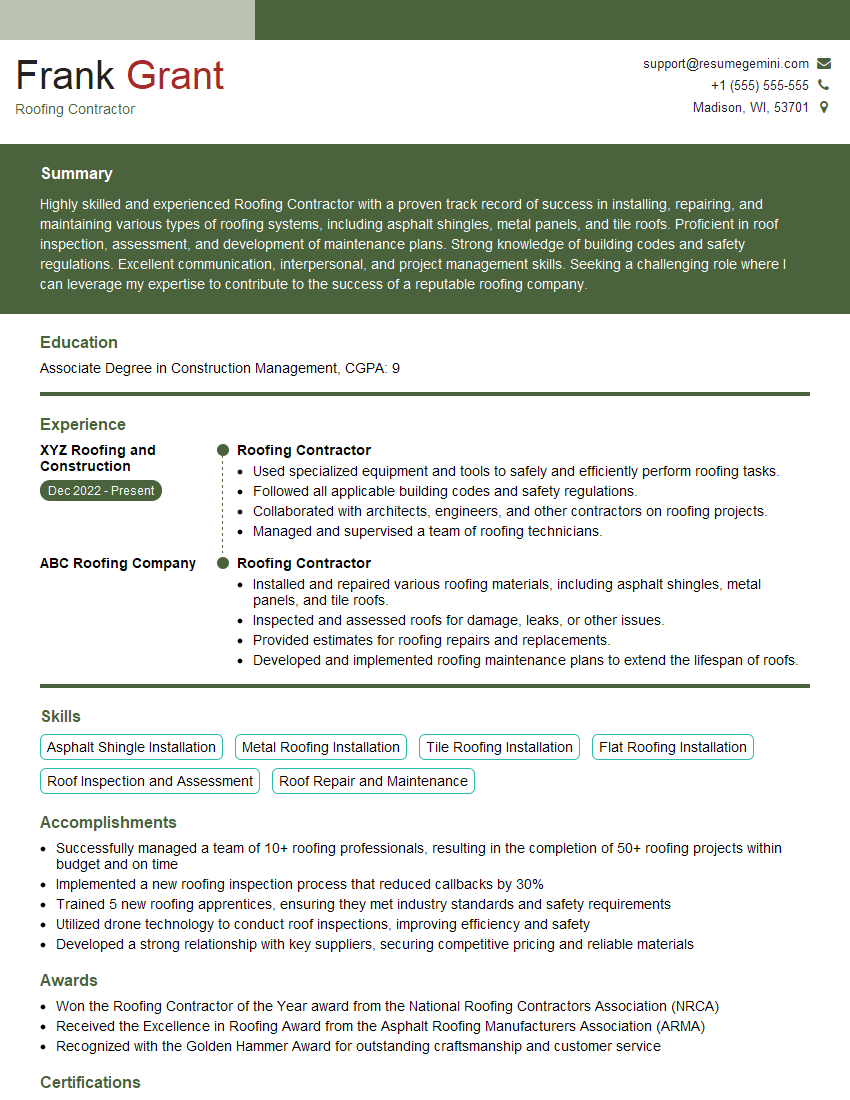
Roofing Contractor Resume Sample
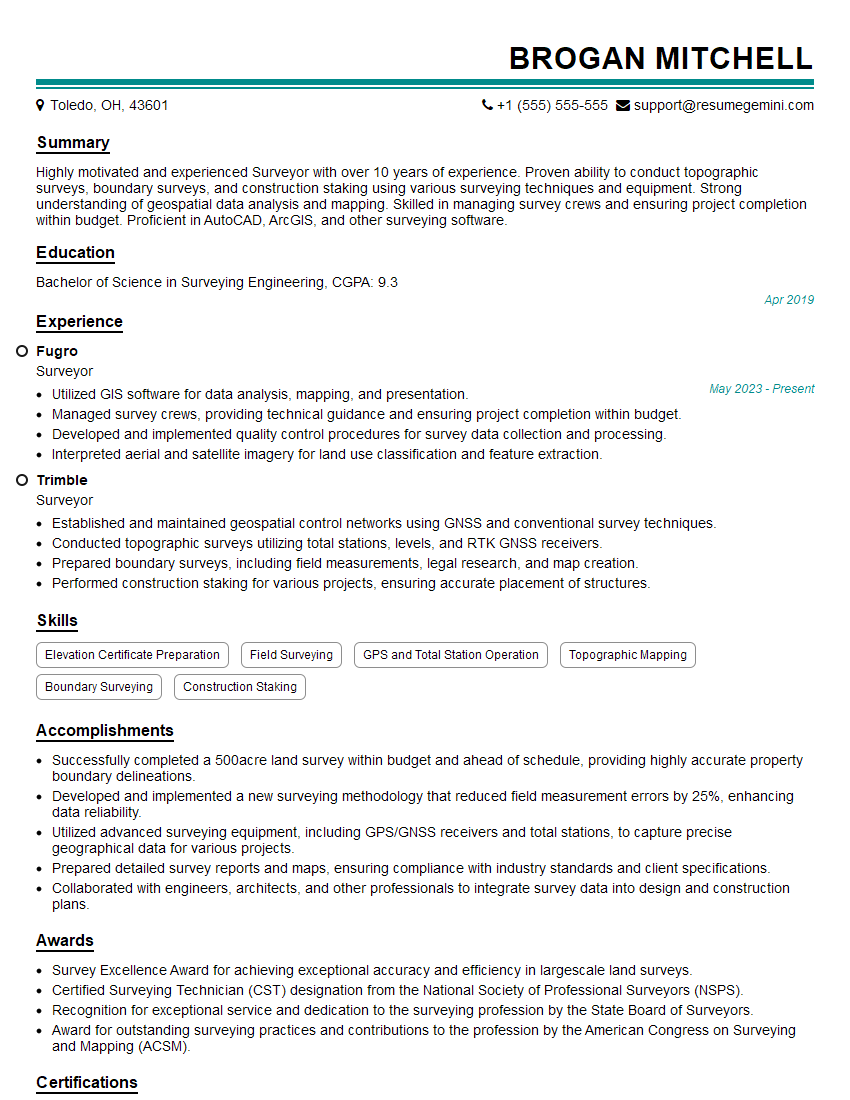
Surveyor Resume Sample
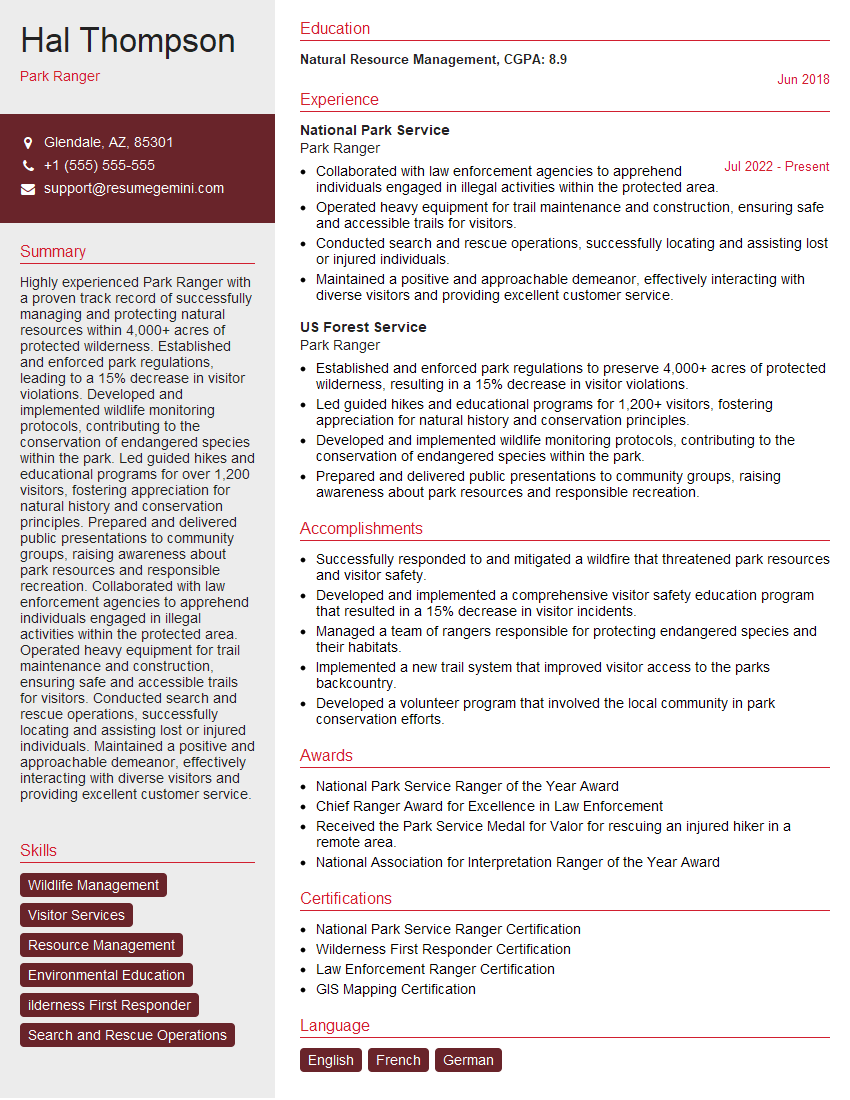
Park Ranger Resume Sample
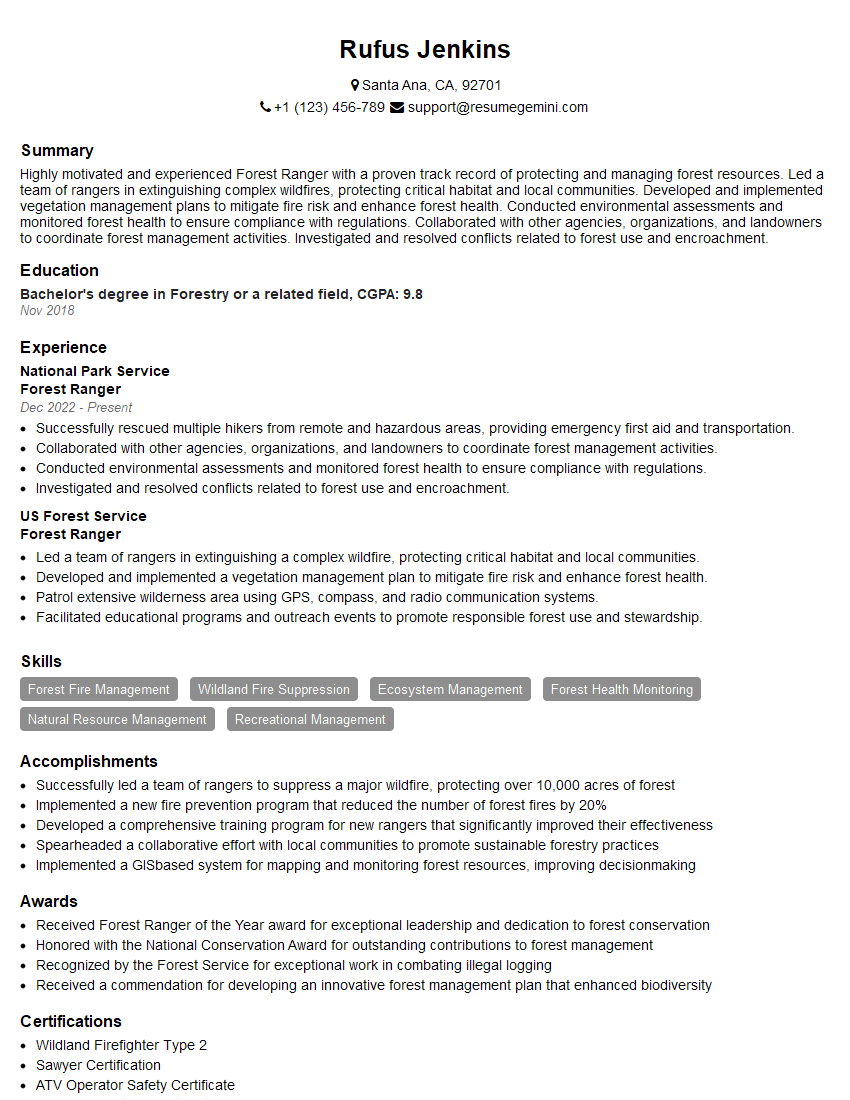
Forest Ranger Resume Sample
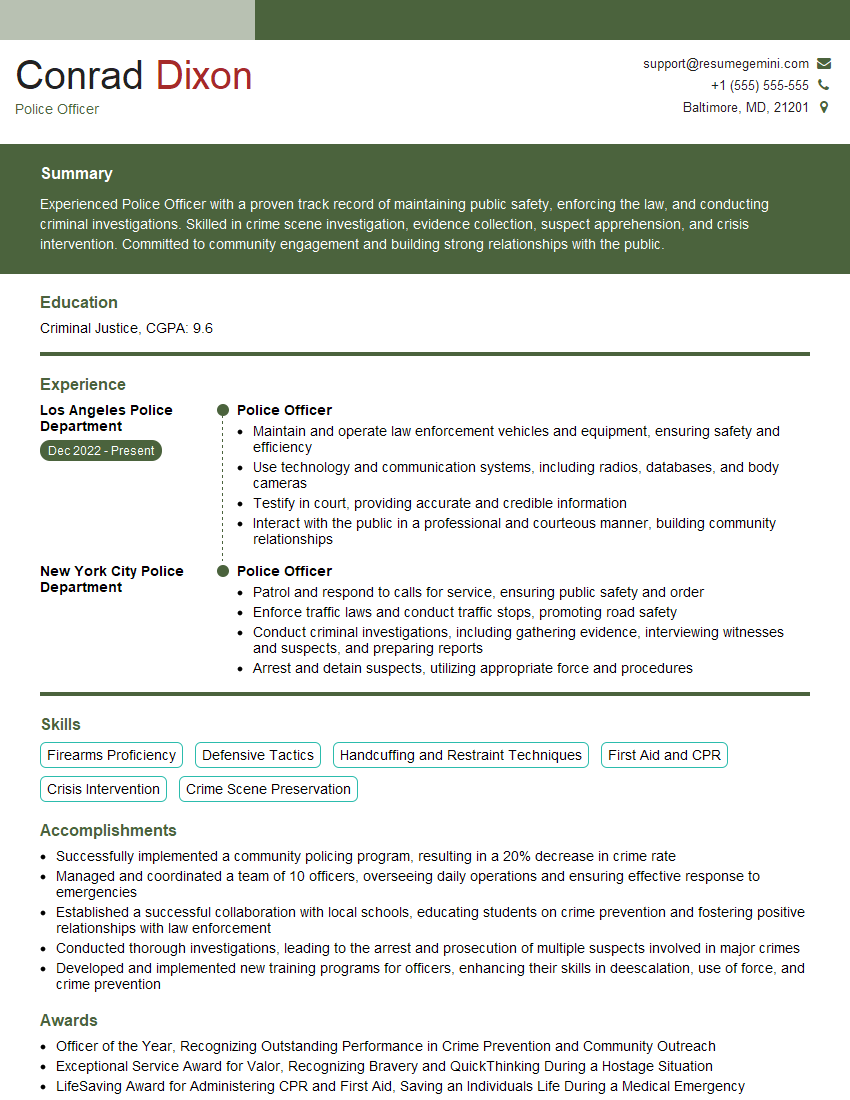
Police Officer Resume Sample
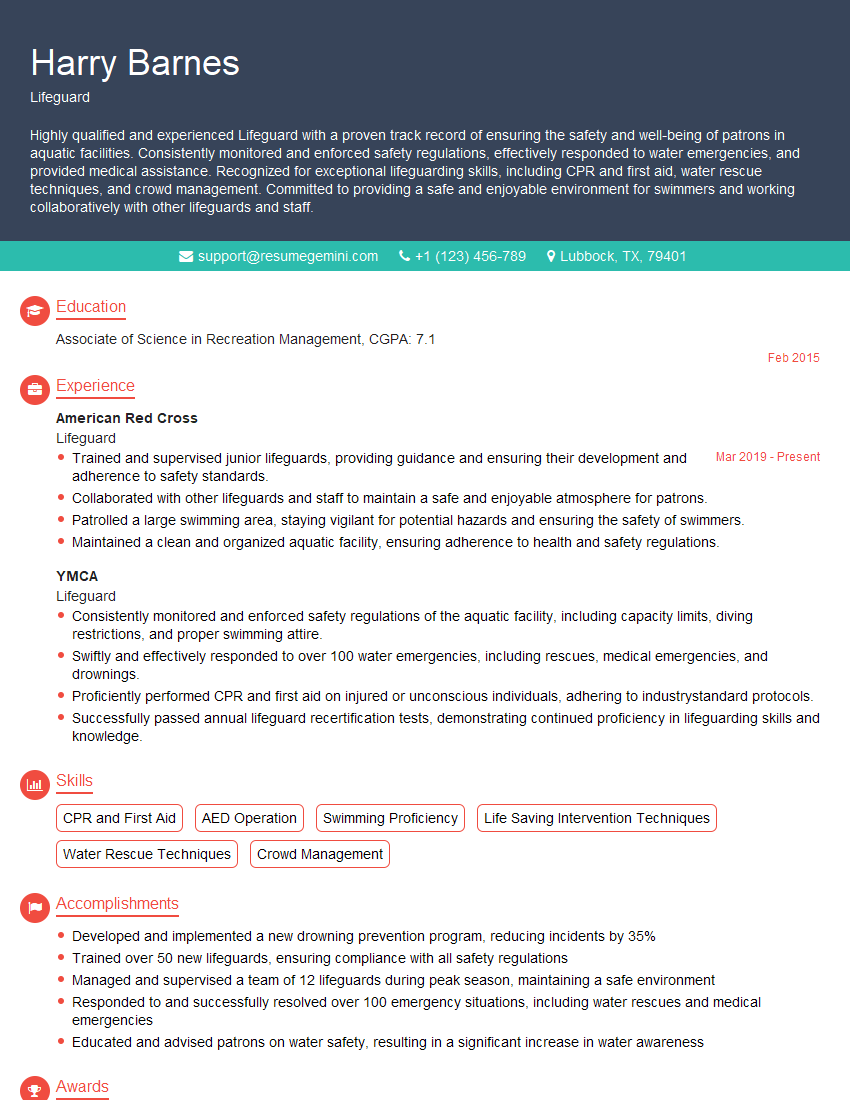
Lifeguard Resume Sample
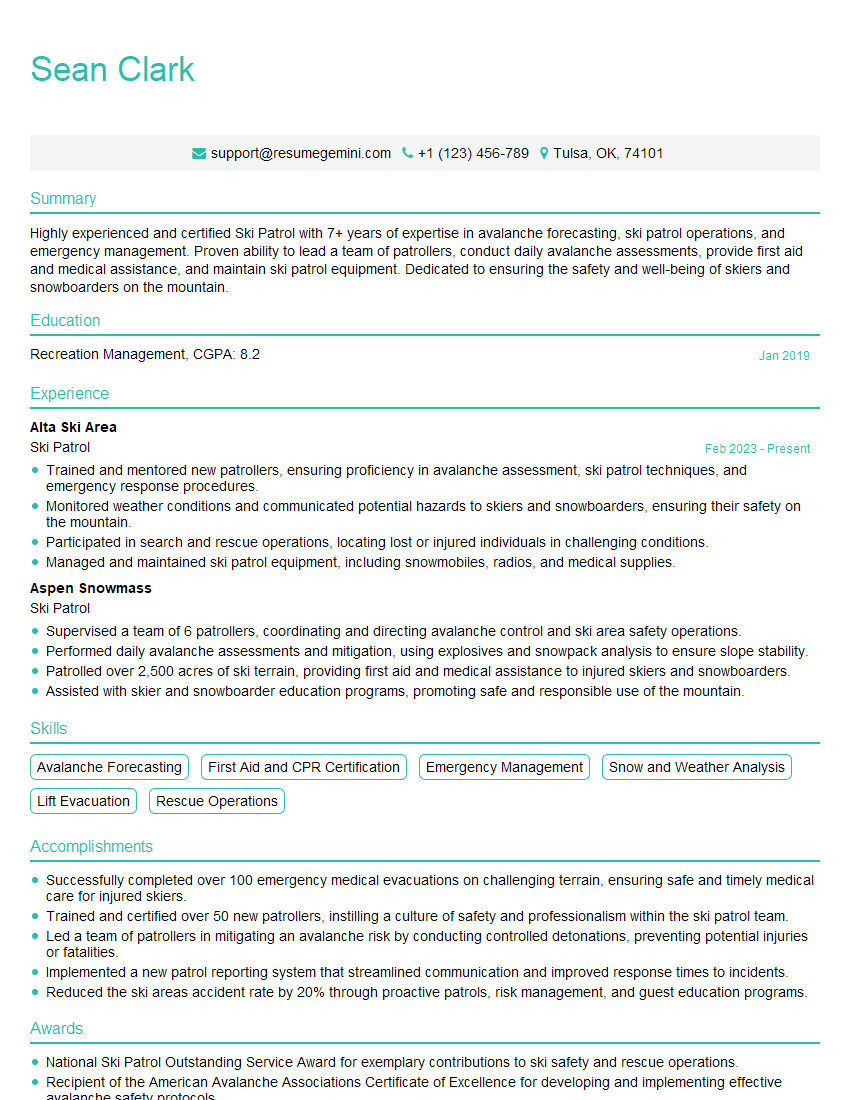
Ski Patrol Resume Sample
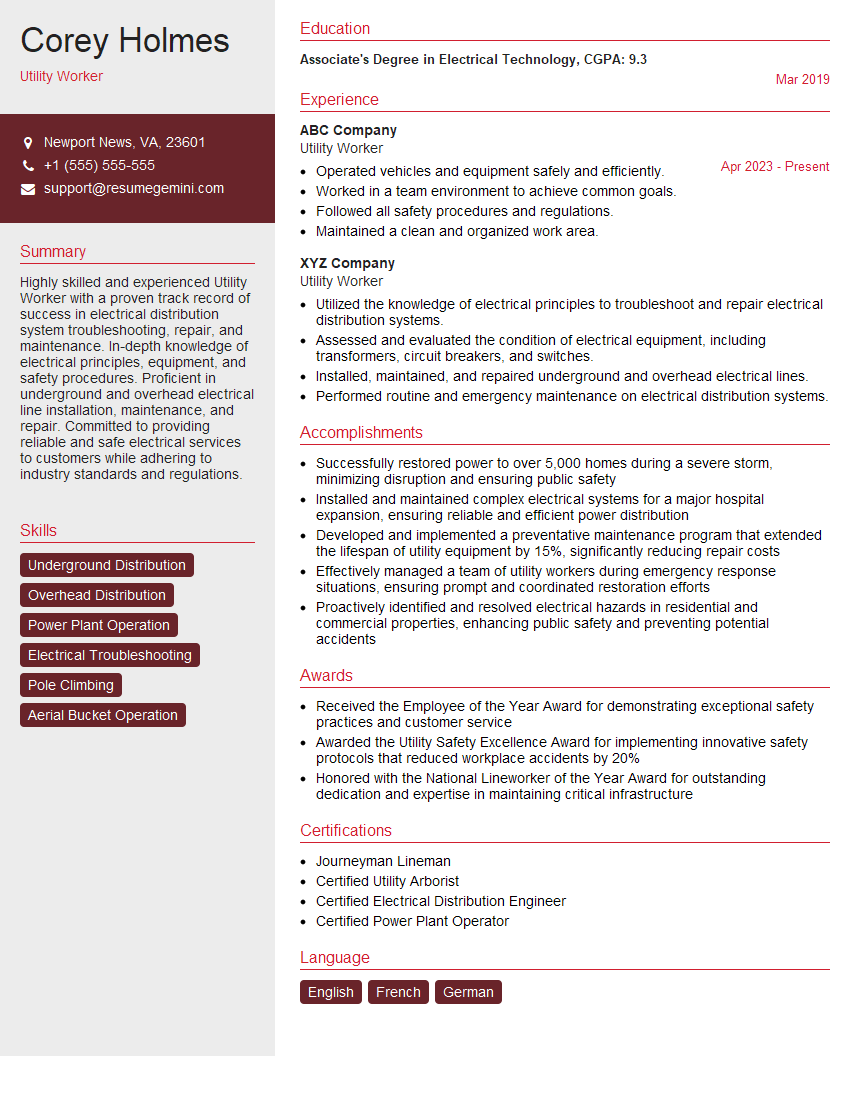
Utility Worker Resume Sample
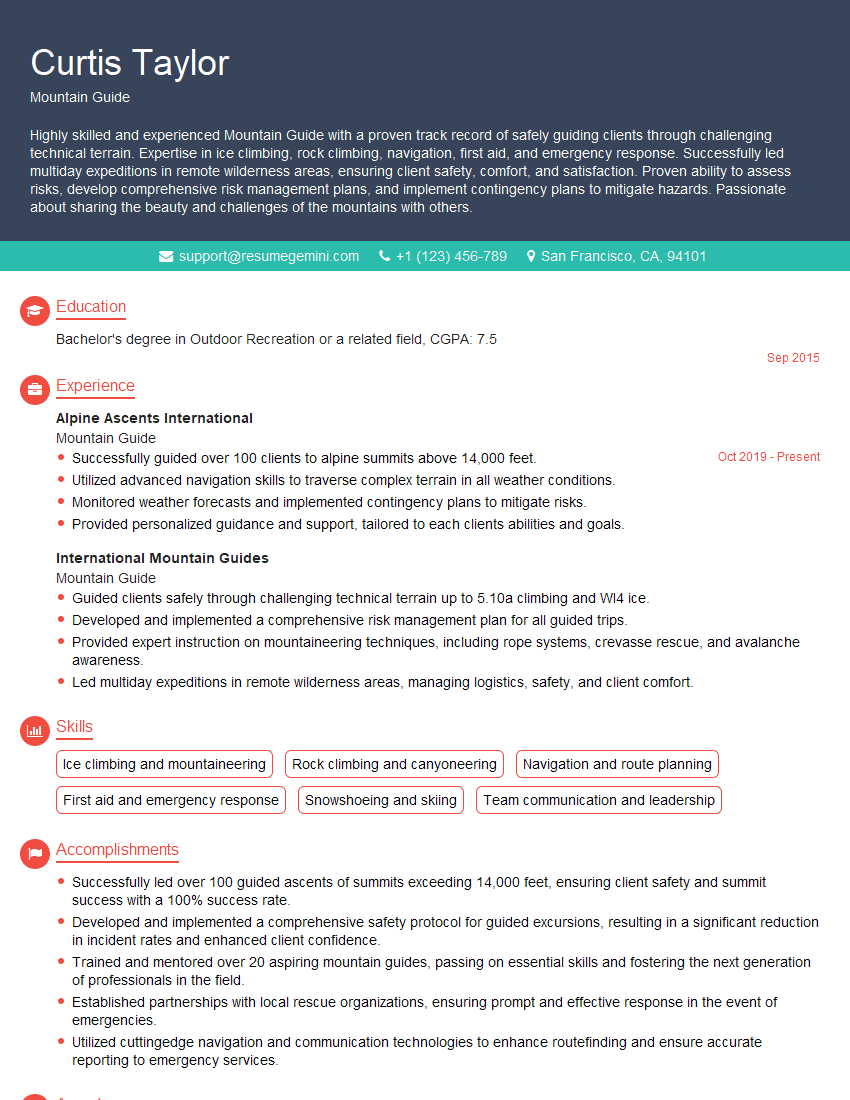
Mountain Guide Resume Sample
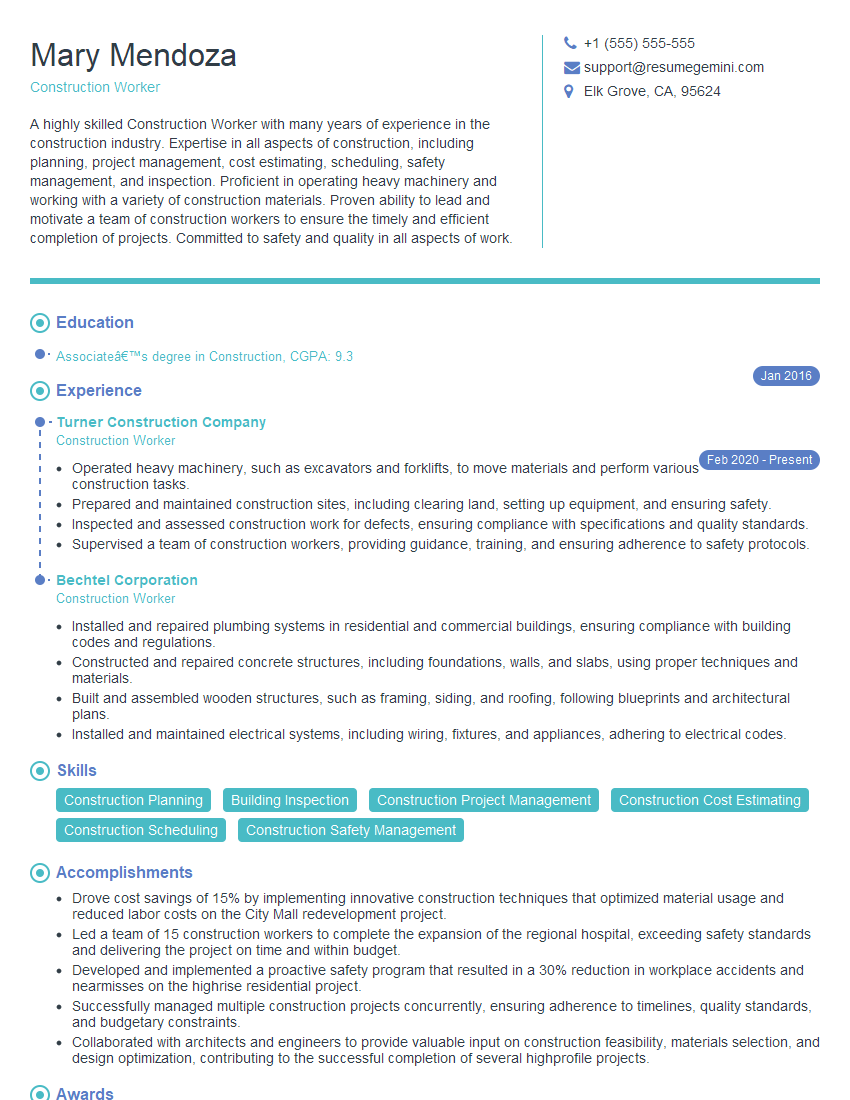
Construction Worker Resume Sample
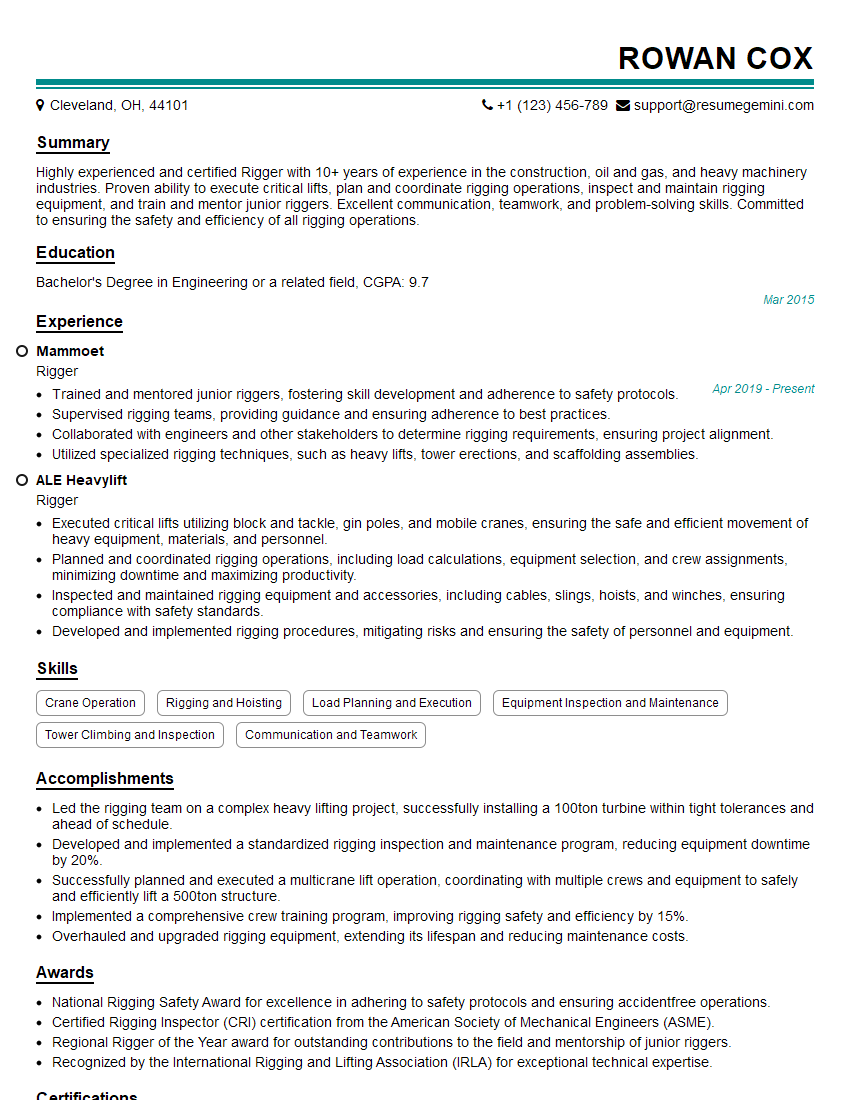
Rigger Resume Sample
Explore more articles
Users Rating of Our Blogs
Share Your Experience
We value your feedback! Please rate our content and share your thoughts (optional).
What Readers Say About Our Blog
To the interviewgemini.com Webmaster.
Very helpful and content specific questions to help prepare me for my interview!
Thank you
To the interviewgemini.com Webmaster.
This was kind of a unique content I found around the specialized skills. Very helpful questions and good detailed answers.
Very Helpful blog, thank you Interviewgemini team.