Are you ready to stand out in your next interview? Understanding and preparing for Plant Security interview questions is a game-changer. In this blog, we’ve compiled key questions and expert advice to help you showcase your skills with confidence and precision. Let’s get started on your journey to acing the interview.
Questions Asked in Plant Security Interview
Q 1. Describe your experience with implementing and managing physical security systems in a plant environment.
Implementing and managing physical security in a plant environment requires a holistic approach, encompassing perimeter security, access control, surveillance, and emergency response. My experience involves designing and overseeing the installation of robust security systems for several manufacturing plants. This included everything from installing and configuring fence-mounted intrusion detection systems and security lighting to managing key card access and integrating CCTV systems. For instance, at one facility, we implemented a multi-layered perimeter security system incorporating motion detectors, CCTV cameras with analytics, and a manned security guard post. This reduced unauthorized entry attempts by over 70% within the first year. Another key aspect of my role was developing and enforcing security protocols, ensuring regular maintenance and testing of all systems, and providing training to plant personnel.
Q 2. Explain your understanding of access control systems and their role in plant security.
Access control systems are the gatekeepers of plant security, regulating who can enter specific areas and when. They significantly reduce the risk of unauthorized access, sabotage, and theft. This involves a combination of physical measures (like locked doors, fences, and gates) and electronic systems. Electronic access control systems often utilize key cards, biometric scanners (fingerprint, iris, etc.), or PIN codes. These systems are crucial for controlling access to sensitive areas such as server rooms, chemical storage facilities, and production lines. For example, at a previous plant, we implemented a tiered access control system based on job roles. Employees only had access to the areas relevant to their work, limiting potential exposure to sensitive information or equipment. This system was also integrated with the CCTV system, providing a complete audit trail of all entries and exits.
Q 3. How would you conduct a risk assessment for a manufacturing plant?
Conducting a risk assessment for a manufacturing plant is a systematic process designed to identify vulnerabilities and potential threats. It involves a thorough evaluation of all aspects of the facility, including physical security, cyber security, and internal threats. The process typically begins with identifying potential threats, such as theft, vandalism, sabotage, cyberattacks, and natural disasters. Then, we assess the vulnerabilities of the plant – weak points in the physical security, outdated technology, inadequate staff training, or lack of emergency preparedness. Next, we analyze the likelihood and impact of each threat exploiting these vulnerabilities. This involves considering factors like the value of the assets at risk, the potential for disruption, and the financial and reputational consequences. Finally, we develop a prioritized list of risks and recommend mitigation strategies. This might involve upgrading security systems, implementing stricter access controls, increasing staff training, or developing comprehensive emergency response plans. I utilize established risk assessment frameworks like NIST Cybersecurity Framework and ISO 31000 for a structured approach.
Q 4. What are the key elements of a comprehensive security plan for an industrial facility?
A comprehensive security plan for an industrial facility needs to be multi-faceted and cover all potential threats. Key elements include:
- Physical security: This encompasses perimeter security (fences, gates, lighting), access control systems, surveillance (CCTV), and alarm systems.
- Cybersecurity: Protecting the plant’s IT infrastructure and network from cyber threats, including intrusion, malware, and data breaches.
- Personnel security: Thorough background checks, security awareness training, and strict adherence to security protocols by all personnel.
- Emergency response plan: Procedures for handling incidents such as fire, natural disasters, and security breaches, including evacuation plans and communication protocols.
- Incident management: A well-defined process for reporting, investigating, and resolving security incidents.
- Contingency planning: Procedures for business continuity in case of a major disruption.
- Regular audits and reviews: Continuously assessing the effectiveness of the security plan and making necessary improvements.
Q 5. Describe your experience with CCTV systems and their use in plant security.
CCTV systems are an integral part of plant security, providing visual surveillance of the facility and deterring potential intruders. My experience includes selecting, installing, configuring, and maintaining CCTV systems with various features, including high-resolution cameras, PTZ (pan-tilt-zoom) cameras, and analytics-enabled cameras. Analytics features like motion detection, facial recognition, and license plate recognition significantly enhance situational awareness and allow for proactive security measures. For instance, at one plant, we implemented a system with strategically placed cameras covering all critical areas, integrated with an alarm system and access control. This provided real-time monitoring capabilities, allowing for immediate response to security incidents. Moreover, the recorded footage served as crucial evidence in investigating past incidents and preventing future occurrences.
Q 6. How would you handle a security breach or intrusion incident?
Handling a security breach or intrusion incident requires a swift and coordinated response. The first step is to ensure the safety of personnel and contain the situation. This involves activating emergency protocols, contacting emergency services if necessary, and securing the affected area. The next step is to investigate the incident, identifying the nature of the breach, the extent of the damage, and the possible perpetrators. We gather evidence (CCTV footage, logs, etc.), interview witnesses, and work with law enforcement if required. Finally, we implement corrective actions to prevent similar incidents from happening again, which could include upgrading security systems, enhancing access controls, or improving staff training. Thorough documentation throughout the entire process is crucial, not only for legal reasons but also for continuous improvement of security procedures.
Q 7. What security protocols would you implement to protect against sabotage or theft?
Protecting against sabotage and theft involves a multi-layered approach incorporating physical and procedural security measures. Physical security measures include robust perimeter security, access control, CCTV surveillance, and alarm systems. Procedural security measures include:
- Strict access control: Limiting access to sensitive areas based on the principle of least privilege.
- Regular security audits: Conducting periodic checks of security systems and procedures.
- Employee background checks: Ensuring that employees are trustworthy and vetted.
- Security awareness training: Educating employees about security threats and procedures.
- Inventory control: Tracking and monitoring high-value equipment and materials.
- Secure storage: Storing sensitive materials in secure, monitored locations.
- Data security: Implementing robust data security measures to protect sensitive information.
Q 8. Explain your understanding of industrial espionage and its potential impact on a plant.
Industrial espionage is the clandestine gathering of confidential information from a competitor or other entity for commercial advantage. In a plant setting, this could involve stealing proprietary designs, formulas, manufacturing processes, or customer data. The impact can be devastating, leading to lost revenue, reputational damage, legal battles, and even the complete failure of the business. For example, if a competitor steals a unique manufacturing process, they could significantly undercut your pricing and capture market share, causing you to lose profits and potentially lay off employees.
Imagine a pharmaceutical company – if a competitor steals their formula for a blockbuster drug, they could replicate it at a fraction of the cost and severely impact the original company’s bottom line. This highlights the need for robust security measures, including physical access control, cybersecurity protocols, and employee vetting to safeguard sensitive information.
Q 9. Describe your experience with emergency response planning and procedures.
My experience with emergency response planning encompasses the full lifecycle: from initial risk assessment and hazard identification to the development of comprehensive procedures and regular drills. I’ve led teams in creating detailed emergency response plans addressing various scenarios, including fire, hazardous material spills, natural disasters, and active shooter situations. These plans specify roles, responsibilities, communication protocols, evacuation routes, and post-incident recovery strategies. For instance, at a previous facility, we developed a detailed plan for handling a chemical spill, involving the establishment of a command center, immediate notification of emergency services, and a staged evacuation process based on the wind direction and chemical properties. Regular drills and training ensure personnel are well-prepared and confident in their roles during an actual event, minimizing potential damage and ensuring the safety of all employees.
Q 10. How do you ensure compliance with relevant security regulations and standards?
Ensuring compliance with relevant security regulations and standards requires a multi-faceted approach. This involves staying abreast of evolving legislation and industry best practices, conducting regular internal audits, and implementing robust security systems. Key regulations often include OSHA (Occupational Safety and Health Administration), EPA (Environmental Protection Agency) standards related to hazardous materials, and industry-specific compliance requirements. We use a combination of documented procedures, checklists, and software solutions to track compliance and proactively identify potential gaps. For instance, we meticulously document all security access controls, conduct regular inspections of safety equipment, and maintain up-to-date records of employee training and certifications to ensure compliance across all areas of the plant.
Q 11. What is your experience with security audits and inspections?
I have extensive experience conducting and participating in security audits and inspections, both internal and external. This includes assessing physical security measures (e.g., access control, surveillance systems, perimeter security), cybersecurity controls (e.g., network security, data encryption, incident response), and personnel security practices (e.g., background checks, security awareness training). I utilize standardized checklists and industry best practices to identify vulnerabilities and recommend corrective actions. I’ve helped organizations identify weaknesses in their vulnerability management programs, leading to the implementation of improved patching and penetration testing strategies. A successful audit not only ensures compliance but also identifies opportunities to enhance the overall security posture of the plant.
Q 12. How would you develop and deliver security training to plant personnel?
Developing and delivering security training is crucial for maintaining a secure environment. My approach involves needs assessments to determine the specific training requirements of different personnel groups. Training programs are tailored to include interactive modules, hands-on exercises, and real-world scenarios, depending on the audience and their roles. This ensures that the training is engaging and relevant. For example, security guards receive training on surveillance techniques and incident reporting, while administrative staff focuses on phishing awareness and data protection. Regular refresher training and ongoing awareness campaigns reinforce key security principles and ensure consistent, up-to-date knowledge.
Q 13. How do you manage security personnel and contractors effectively?
Effective management of security personnel and contractors involves clear communication, defined roles, and performance monitoring. This starts with thorough background checks and security clearances. Ongoing training and supervision ensure consistency in security procedures. Regular performance reviews, feedback sessions, and continuous improvement initiatives are essential for maintaining a high-performing and motivated team. I also ensure clear contracts and procedures for contractors, defining their access, responsibilities, and reporting requirements to mitigate risks associated with third-party access. We track contractor activity through log-in systems, regular audits, and security awareness training customized for temporary personnel.
Q 14. Explain your experience with developing and managing a security budget.
Managing a security budget requires careful planning and prioritization. It begins with a thorough risk assessment to identify vulnerabilities and their potential impact. This risk assessment informs the allocation of resources to address the most critical areas. The budget includes items such as personnel costs, equipment upgrades (cameras, access control systems), training programs, software licenses, and contingency planning for unforeseen events. Regular budget reviews and financial tracking ensure that resources are utilized effectively and that any deviations from the plan are promptly addressed. I use various financial modeling techniques to optimize resource allocation while balancing cost-effectiveness and security enhancement. By prioritizing and justifying expenditures based on risk, a security budget can effectively protect the plant’s assets and maintain a secure operational environment.
Q 15. Describe your familiarity with various types of security technology (e.g., intrusion detection, access control systems).
My familiarity with plant security technology encompasses a broad range of systems, crucial for maintaining robust defenses. This includes intrusion detection systems (IDS), which monitor network traffic for malicious activity. Think of an IDS as a vigilant guard, constantly scanning for suspicious behavior. I’ve worked extensively with network-based IDS, analyzing logs for anomalies like unauthorized access attempts or unusual data flows. I’m also proficient with host-based IDS, which monitor individual computers and servers for internal threats. Access control systems (ACS) are another key area. These systems, ranging from simple keycard readers to complex biometric authentication systems, control physical and logical access to plant assets. For example, I’ve implemented ACS that integrate with SCADA systems, allowing only authorized personnel to access critical control systems. Beyond these core technologies, I have experience with video surveillance systems, perimeter security systems (fences, gates, etc.), and fire detection/suppression systems, all working in concert to create layered security.
Furthermore, I’m knowledgeable about cybersecurity technologies such as firewalls, intrusion prevention systems (IPS), and vulnerability scanners. These tools are essential for protecting plant networks and data from cyber threats. For instance, I’ve configured firewalls to restrict network access to only authorized devices and users, preventing unauthorized connections to critical infrastructure.
Career Expert Tips:
- Ace those interviews! Prepare effectively by reviewing the Top 50 Most Common Interview Questions on ResumeGemini.
- Navigate your job search with confidence! Explore a wide range of Career Tips on ResumeGemini. Learn about common challenges and recommendations to overcome them.
- Craft the perfect resume! Master the Art of Resume Writing with ResumeGemini’s guide. Showcase your unique qualifications and achievements effectively.
- Don’t miss out on holiday savings! Build your dream resume with ResumeGemini’s ATS optimized templates.
Q 16. How do you balance security needs with operational efficiency?
Balancing security needs with operational efficiency is a crucial aspect of plant security. It’s not about choosing one over the other; it’s about finding the optimal balance that minimizes risk while maintaining productivity. This requires a risk-based approach. We start by identifying critical assets and assessing the potential impact of a security breach. For example, a malfunction in a critical process control system could lead to significant production downtime and financial losses, demanding stronger security measures. Conversely, a breach in a less critical system might warrant less stringent security controls.
Operational efficiency is maintained by deploying security measures that are integrated, automated, and user-friendly. This means avoiding overly complex systems that hinder workflow. For instance, using automated access control systems can streamline entry/exit procedures while maintaining security. Regular security awareness training for employees is also vital in this equation, empowering them to proactively identify and report potential threats without hindering their productivity.
Q 17. What is your experience with integrating security systems with other plant systems (e.g., SCADA)?
Integrating security systems with other plant systems, particularly SCADA (Supervisory Control and Data Acquisition) systems, is paramount for holistic plant security. I’ve had extensive experience in this area, focusing on secure communication protocols and access controls. This often involves implementing secure gateways to isolate the SCADA network from the corporate network, thereby minimizing the risk of a cyberattack spreading to critical infrastructure. For instance, I’ve worked on projects that integrated security information and event management (SIEM) systems with SCADA systems, allowing for real-time monitoring of both IT and OT security events, offering a consolidated view of potential threats across the whole plant. This integration enables early detection of anomalies that might otherwise go unnoticed.
Data encryption both in transit and at rest is crucial when integrating these systems. Secure protocols such as TLS/SSL for communication and robust encryption algorithms for data storage ensure data confidentiality and integrity. Regular vulnerability assessments of these integrated systems are also vital to maintain a strong security posture.
Q 18. Describe your experience with investigating security incidents.
Investigating security incidents follows a structured methodology. First, we contain the incident to prevent further damage. This might involve isolating affected systems or shutting down certain processes. Next, we undertake a thorough forensic analysis, collecting evidence such as log files, network traffic captures, and system images. This process requires specialized tools and expertise to ensure the integrity and admissibility of the evidence. We analyze this data to identify the root cause of the incident, determine the extent of the impact, and identify any vulnerabilities exploited.
For example, during an investigation involving suspected malware, we used advanced analysis techniques to identify the malware’s origin, its behavior, and any data it might have compromised. Based on our findings, we developed remediation strategies, implemented security patches, and updated security policies to prevent similar incidents in the future. We also prepare a comprehensive report detailing the incident, its root cause, impact, and recommendations for improvement.
Q 19. How do you ensure the confidentiality, integrity, and availability of plant data?
Ensuring the confidentiality, integrity, and availability (CIA triad) of plant data is fundamental. Confidentiality means protecting data from unauthorized access. This involves using strong access controls, encryption, and data loss prevention (DLP) tools. Integrity refers to maintaining the accuracy and completeness of data. This requires implementing data validation checks, using version control systems, and ensuring data backups are regularly performed and securely stored. Availability ensures data is accessible to authorized users when needed. This involves employing redundant systems, disaster recovery plans, and robust IT infrastructure.
For instance, implementing a robust authentication system, along with encryption for sensitive data, secures confidentiality. Using digital signatures and checksums maintains data integrity. Finally, deploying redundant servers and network infrastructure ensures high availability and minimal downtime in case of equipment failure or attacks.
Q 20. What is your experience with vulnerability assessments and penetration testing?
Vulnerability assessments and penetration testing are critical for proactive security. Vulnerability assessments identify weaknesses in systems and applications. These assessments can be automated using vulnerability scanners, which check for known vulnerabilities in software and operating systems. Penetration testing simulates real-world attacks to identify exploitable vulnerabilities. This often involves ethical hackers trying to compromise systems using various techniques. The results of both assessments provide crucial information for prioritizing security improvements.
I’ve managed several vulnerability assessments and penetration testing projects. We utilized both automated and manual techniques, covering a wide range of technologies. For instance, a recent penetration test uncovered a critical vulnerability in our SCADA system’s firewall configuration that could have allowed unauthorized access. This finding allowed for prompt remediation, preventing a potential catastrophic incident.
Q 21. How would you respond to a cyber security threat impacting plant operations?
Responding to a cybersecurity threat impacting plant operations requires a swift and coordinated response. The first step involves activating our incident response plan, a pre-defined set of procedures for handling such situations. This plan outlines roles, responsibilities, and communication protocols. We immediately isolate affected systems to prevent the threat from spreading. This might involve disconnecting systems from the network or shutting down affected processes. We then perform a thorough assessment to understand the nature and scope of the threat.
Concurrently, we engage our security operations center (SOC) and initiate a forensic investigation. Depending on the severity, we may need to engage external cybersecurity experts. Following the containment and investigation, we implement remediation measures, including patching vulnerabilities, restoring data from backups, and updating security policies. Finally, we conduct a post-incident review to learn from the experience and improve our overall security posture. This might involve refining our incident response plan, updating security awareness training, or implementing additional security controls.
Q 22. What security measures would you implement to protect against insider threats?
Protecting against insider threats requires a multi-layered approach focusing on prevention, detection, and response. It’s like securing your own home – you wouldn’t just rely on one lock, would you?
Strict Access Control: Implementing robust access control systems, including role-based access, multi-factor authentication (MFA), and regular access reviews, limits who can access sensitive data and systems. For example, only authorized personnel should have access to the plant’s control systems.
Data Loss Prevention (DLP): Utilizing DLP tools monitors data movement and prevents sensitive information from leaving the network without authorization. Imagine it as a security guard checking every package leaving the facility.
Regular Security Awareness Training: Educating employees about security threats, policies, and their responsibilities is crucial. We would use engaging scenarios and simulations to highlight the consequences of insider threats.
Monitoring and Auditing: Continuous monitoring of user activity, coupled with regular security audits, helps detect suspicious behavior early. Think of it as reviewing security camera footage to identify any unusual activity.
Background Checks and Vetting: Thorough background checks and vetting procedures during the hiring process help to identify potential risks before they are hired.
Employee Exit Interviews: Conducting thorough exit interviews to ensure all company property, including access credentials, are returned and to address any potential concerns or grievances.
Q 23. Explain your understanding of industrial control systems (ICS) security.
Industrial Control Systems (ICS) security involves protecting the physical and cyber infrastructure responsible for controlling industrial processes. Think of it as the nervous system of a plant – protecting it is paramount. These systems are often legacy systems, making them vulnerable. We must address this vulnerability through a multi-pronged approach:
Network Segmentation: Isolating the ICS network from the corporate network minimizes the impact of a breach. Imagine having separate firewalls for different parts of your home.
Intrusion Detection/Prevention Systems (IDS/IPS): Deploying IDS/IPS on the ICS network helps detect and prevent malicious activity. These are like the security cameras and alarms of the system, alerting us to any intrusion attempts.
Regular Patching and Updates: Keeping all ICS components updated with the latest security patches is crucial to mitigate known vulnerabilities. Regularly updating software is like keeping your home’s security system up-to-date.
Access Control: Implementing strict access control measures, including authentication and authorization, limits who can access and control the ICS. Think of assigning specific keys to specific rooms in your home.
Vulnerability Assessments and Penetration Testing: Regularly performing vulnerability assessments and penetration testing helps identify and address security weaknesses. This is like having a professional security audit done on your home.
Security Information and Event Management (SIEM): Using SIEM systems to collect, analyze, and correlate security logs from various ICS components helps identify and respond to security incidents efficiently.
Q 24. How would you handle a situation involving a disgruntled employee?
Handling a disgruntled employee requires a calm, measured approach prioritizing safety and security. Our first step is to assess the situation. Is there an immediate threat?
Immediate Threat: If there is an immediate threat, we will immediately contact security personnel and law enforcement. The safety of personnel is paramount.
No Immediate Threat: If there is no immediate threat, we will engage in a confidential discussion with the employee, attempting to understand the root cause of their discontent. We’ll offer resources such as employee assistance programs (EAPs) and potentially engage HR.
Access Revocation: Regardless of the situation, we will immediately revoke the employee’s access to all company systems and facilities.
Documentation: We will thoroughly document all interactions and actions taken, maintaining a record of the events for future reference. A paper trail protects the organization.
Investigation: We will initiate a full investigation to understand the employee’s actions, motivations, and any potential risks to the company’s security and operations.
Q 25. What are your strategies for improving security awareness among plant personnel?
Improving security awareness among plant personnel requires a multifaceted approach that includes regular training and reinforcement, making it a continuous process, not a one-off event. We’ll use engaging methods to avoid a boring lecture.
Regular Training Programs: Conducting regular training sessions using a variety of methods, including online modules, interactive workshops, and real-world simulations.
Gamification: Incorporating games and quizzes to make training more engaging and memorable. Think of it as turning security lessons into a fun challenge.
Phishing Simulations: Regularly conducting simulated phishing attacks to test employee awareness and reinforce best practices. These help show the real-life consequences of clicking a malicious link.
Rewards and Recognition: Recognizing and rewarding employees who demonstrate strong security awareness and report potential threats. Positive reinforcement is incredibly effective.
Communication and Feedback: Maintaining open communication channels and providing regular feedback on security incidents and best practices. We’ll also encourage employees to report any suspicious activities.
Q 26. Describe your experience with security system monitoring and reporting.
My experience includes monitoring and reporting on various security systems, including intrusion detection systems, access control systems, and video surveillance systems. This involves using specialized software and tools to analyze data, identify trends, and generate reports.
Real-time Monitoring: I’m proficient in monitoring security systems in real-time, responding promptly to any alerts or anomalies. This is like being a vigilant security guard watching multiple monitors.
Data Analysis: I can analyze security data to identify patterns, trends, and potential threats. This involves using statistical methods and other analytical tools to understand the data’s story.
Report Generation: I can generate comprehensive reports on security incidents, vulnerabilities, and overall system performance, providing valuable insights to management.
System Integration: I have experience integrating different security systems to create a unified view of security operations. This improves efficiency and allows for better correlation of events.
Q 27. How would you adapt security measures to different plant environments (e.g., outdoor areas, warehouses)?
Adapting security measures to different plant environments requires a tailored approach that takes into account the unique risks and challenges of each area. One size does not fit all.
Outdoor Areas: Outdoor areas require measures like perimeter fencing, intrusion detection systems (like motion sensors), and lighting to deter unauthorized access and improve visibility. We might also consider environmental monitoring (weather, temperature).
Warehouses: Warehouses necessitate inventory management systems to track goods, access control systems to restrict entry to authorized personnel only, and potentially video surveillance for theft prevention and monitoring.
Indoor Offices: Indoor offices require access control systems (card readers, keypads), intrusion alarm systems, and potentially video surveillance for monitoring and evidence in case of incidents.
Critical Infrastructure Areas: Areas housing critical equipment (control rooms, server rooms) require heightened security measures including stricter access control, environmental controls, and potentially redundant security systems.
The key is understanding the specific vulnerabilities of each environment and implementing measures to mitigate those risks.
Q 28. What are some key performance indicators (KPIs) you would use to measure the effectiveness of plant security measures?
Key Performance Indicators (KPIs) for plant security measures should reflect both the effectiveness of the security program and its efficiency. Here are some examples:
Number of security incidents: This KPI tracks the frequency of security breaches, demonstrating the overall effectiveness of security measures.
Mean Time To Detection (MTTD) and Mean Time To Response (MTTR): These KPIs measure the speed at which security incidents are detected and responded to. Faster detection and response minimize the impact of incidents.
Number of security vulnerabilities identified: This KPI tracks the number of vulnerabilities found during regular security assessments and penetration testing, highlighting areas for improvement.
Employee security awareness scores: This KPI measures the effectiveness of security awareness training programs. High scores demonstrate better employee understanding of security threats and best practices.
Cost of security incidents: This KPI measures the financial impact of security breaches, including remediation costs, downtime, and potential legal penalties.
Compliance with regulations: This KPI tracks adherence to relevant security regulations and standards, demonstrating the security program’s maturity and compliance posture.
Key Topics to Learn for Plant Security Interview
- Physical Security Systems: Understanding various security technologies like CCTV, access control systems, intrusion detection, and perimeter security. Consider practical applications like designing a layered security approach for a manufacturing facility or assessing vulnerability in existing systems.
- Cybersecurity in Industrial Control Systems (ICS): Learn about the unique vulnerabilities of ICS environments and the importance of network segmentation, data integrity, and threat detection. Practical application might involve explaining how to mitigate a ransomware attack targeting a critical plant process.
- Risk Assessment and Management: Mastering the process of identifying, analyzing, and mitigating security risks specific to industrial plants. This involves understanding risk matrices, vulnerability assessments, and developing comprehensive security plans.
- Emergency Response and Crisis Management: Familiarize yourself with procedures for handling security incidents, including active shooter situations, natural disasters, and cyberattacks. Practical application would involve outlining a response plan for a specific scenario.
- Regulatory Compliance: Understand relevant regulations and standards (e.g., ISO 27001, NIST Cybersecurity Framework) affecting plant security. Practical application includes explaining how compliance requirements impact security procedures.
- Personnel Security and Training: Explore best practices for background checks, security awareness training, and access control for employees and contractors. Consider the practical implications of insider threats and how to mitigate them.
- Data Security and Privacy: Understanding the importance of protecting sensitive operational and intellectual property data within the plant. Practical application might involve explaining data encryption methods or data loss prevention strategies.
Next Steps
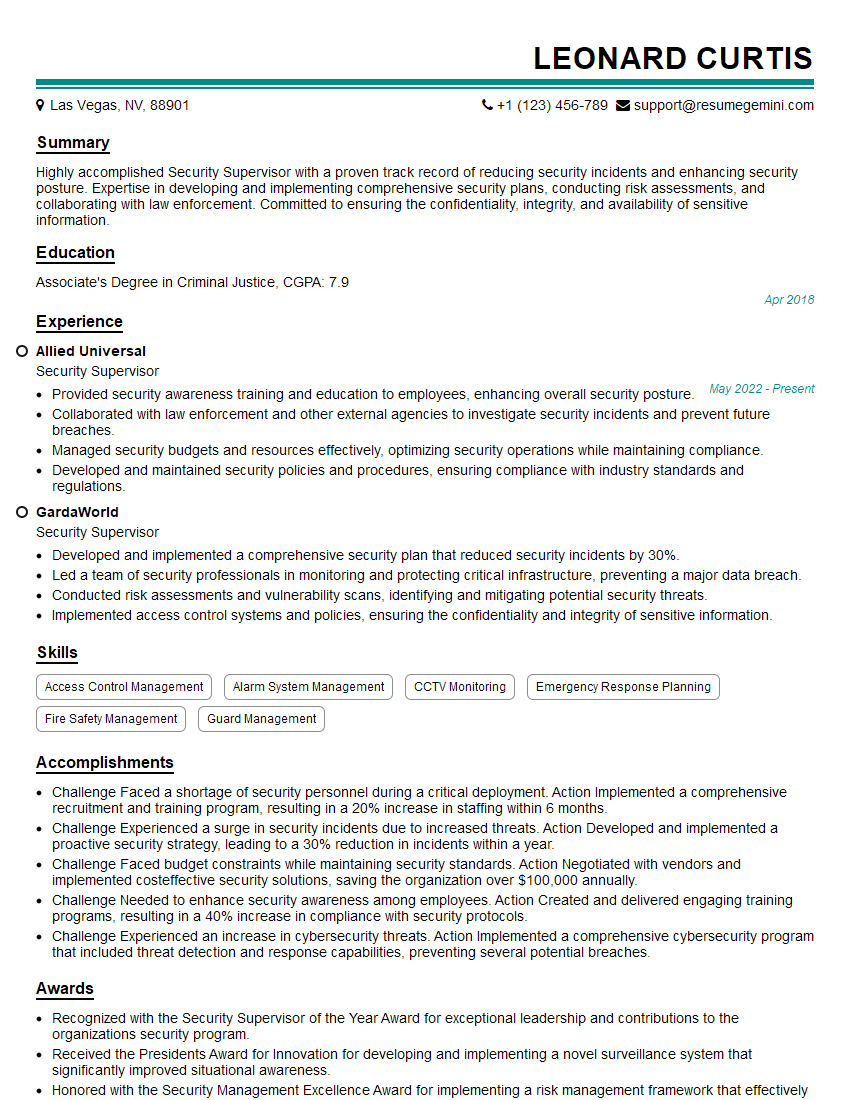
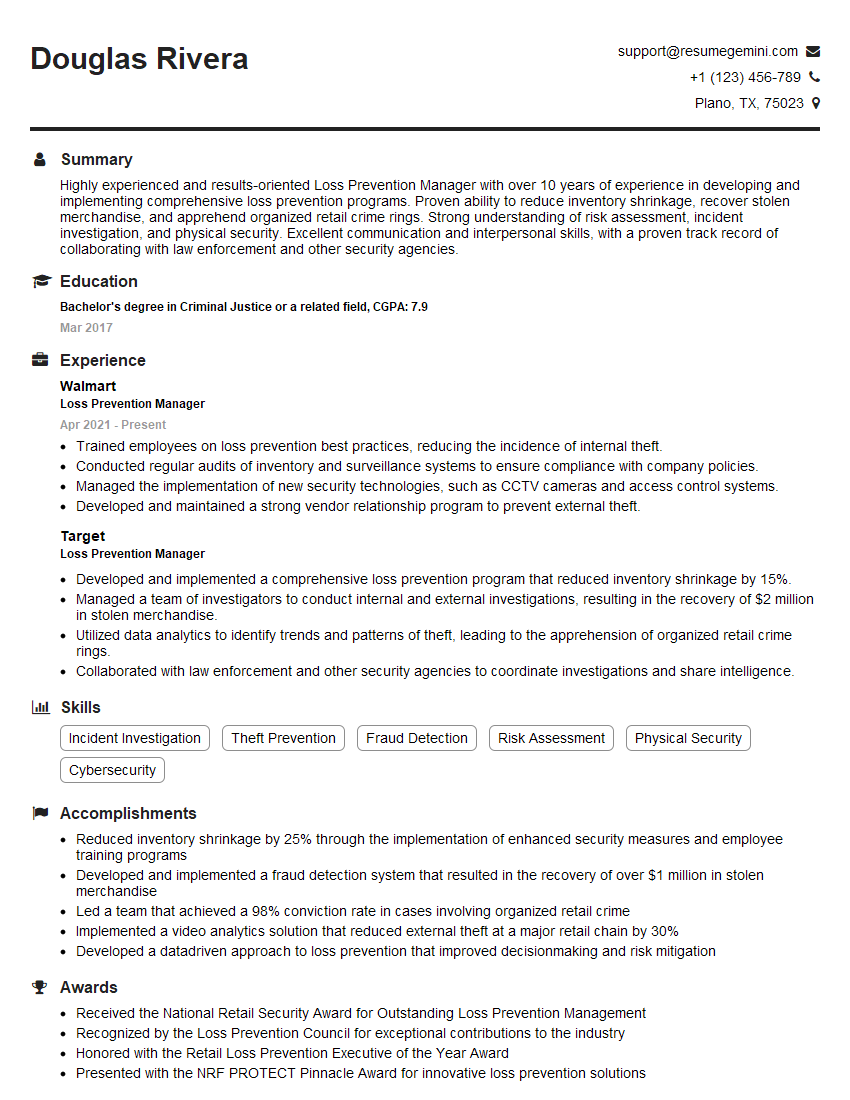
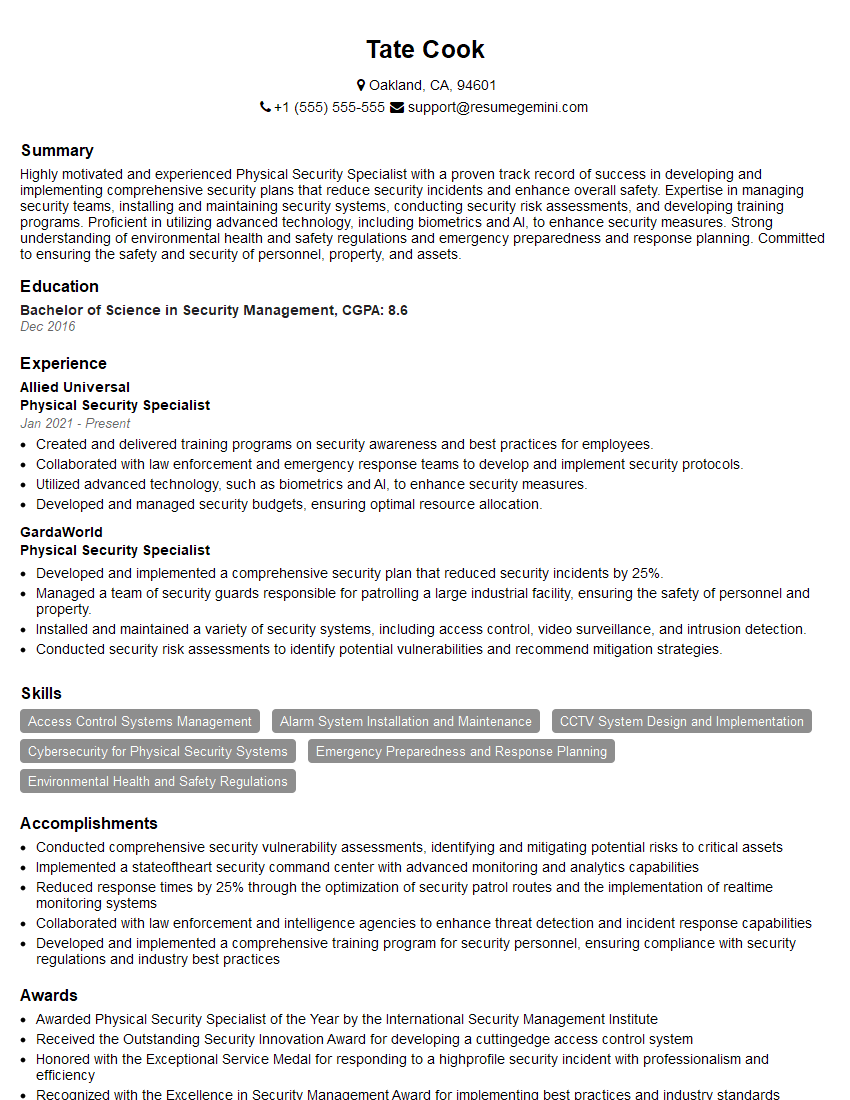
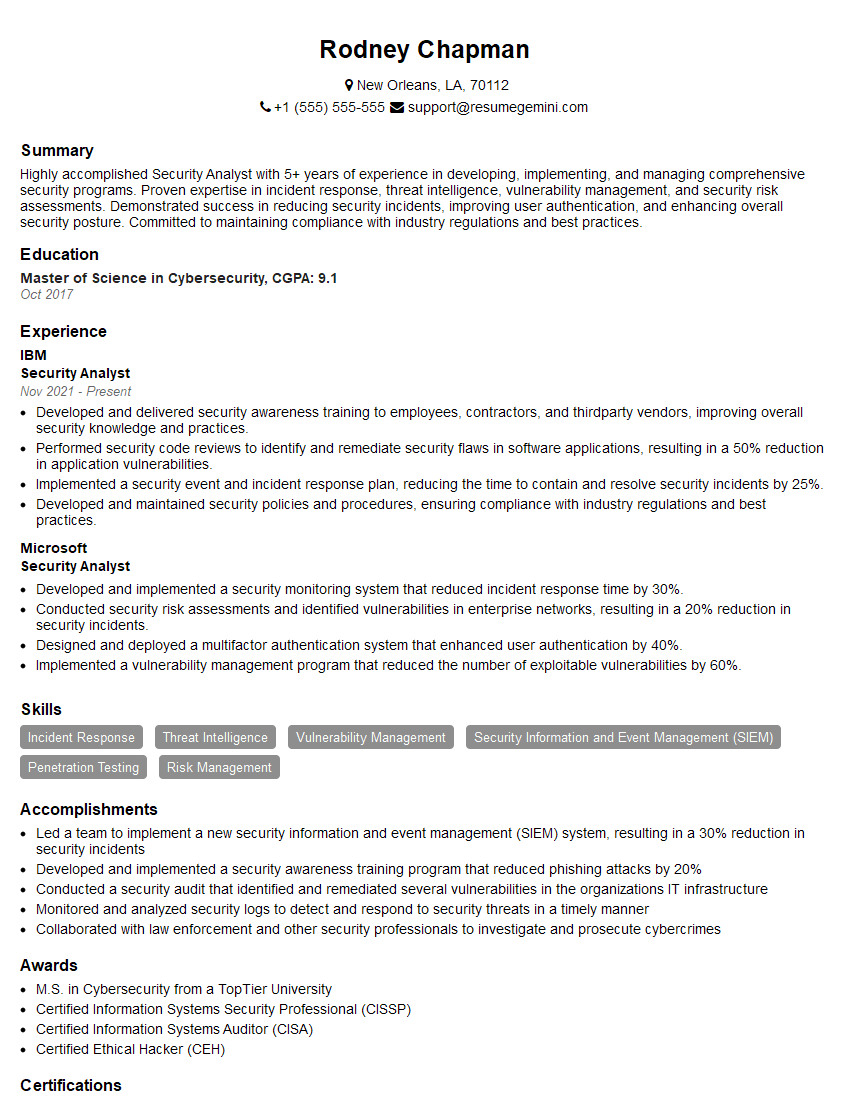
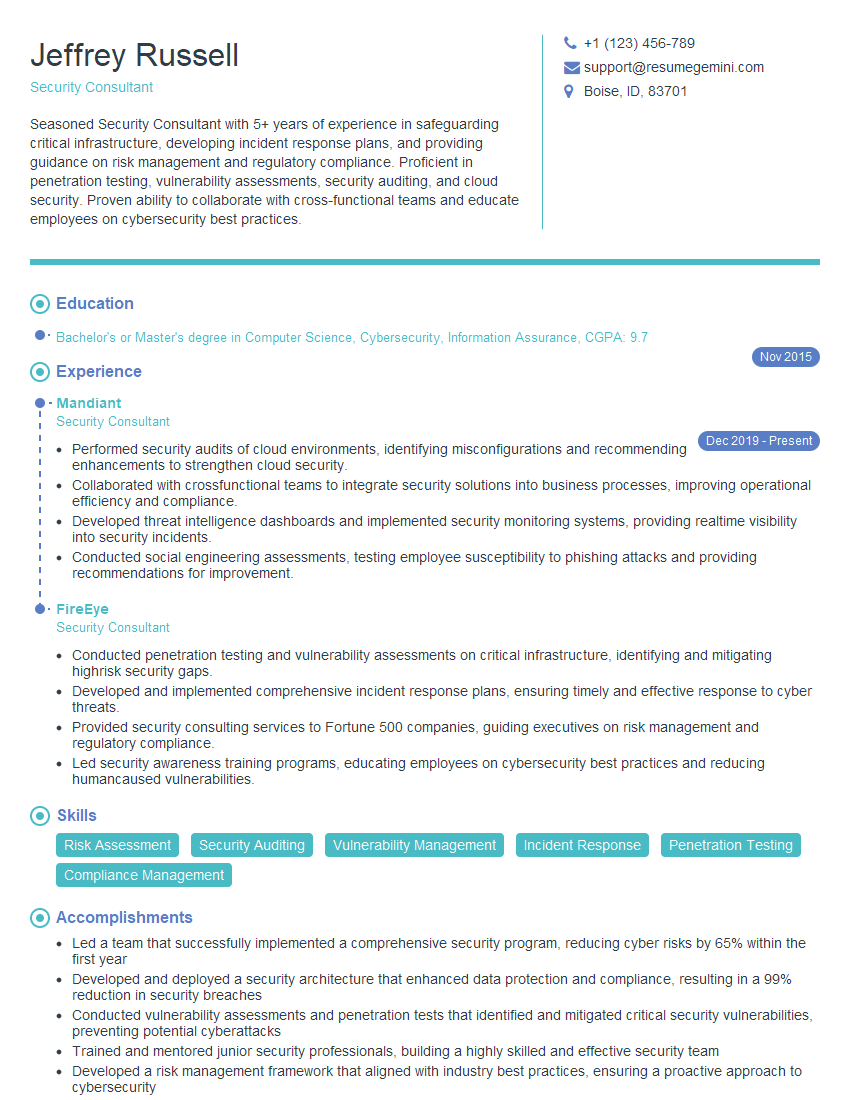
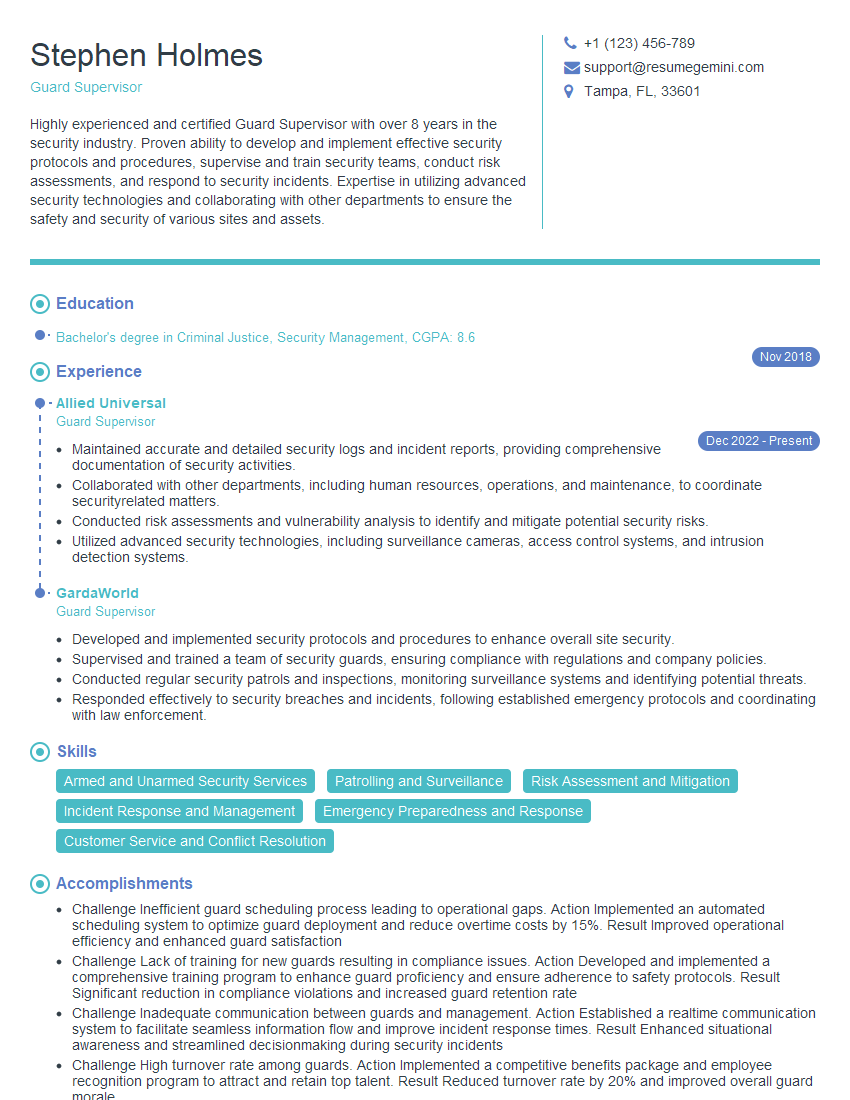
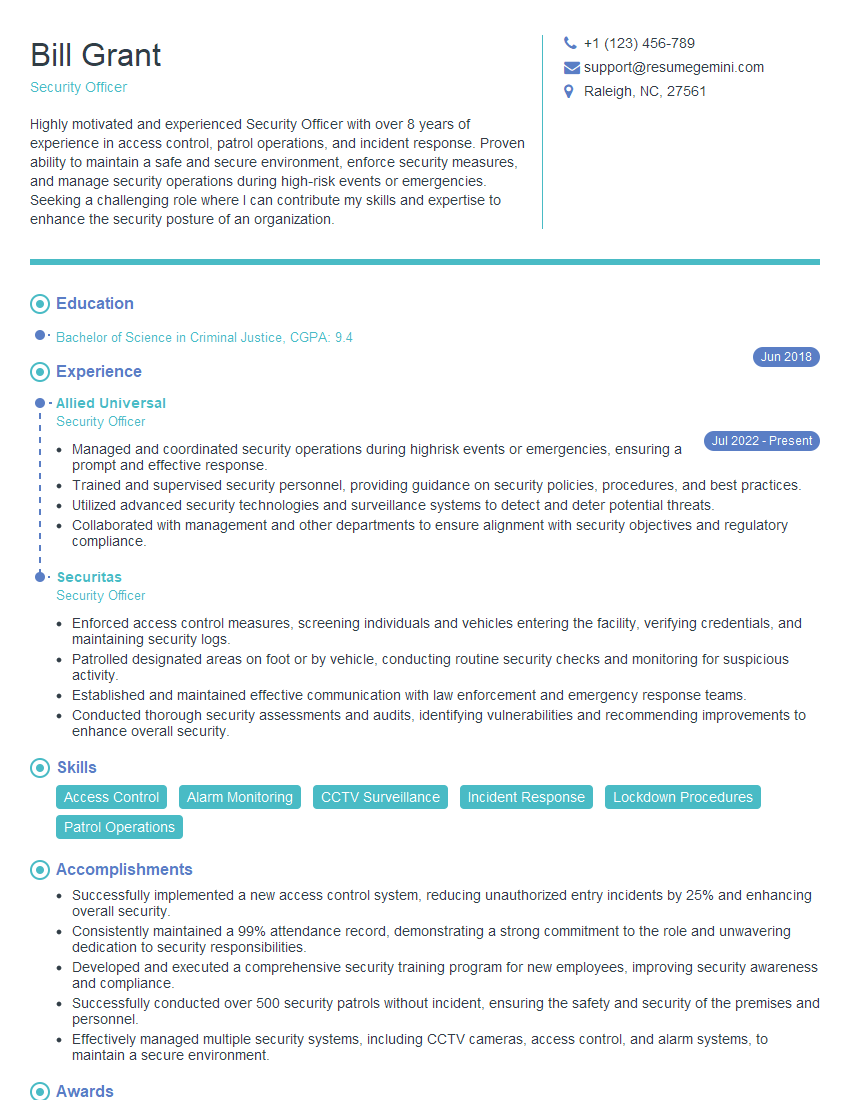
Mastering Plant Security is crucial for a rewarding and impactful career, offering opportunities for growth in a rapidly evolving field. A strong resume is your key to unlocking these opportunities. Creating an ATS-friendly resume that highlights your skills and experience is essential for getting your application noticed. We recommend using ResumeGemini to build a professional and impactful resume that showcases your Plant Security expertise. ResumeGemini offers examples of resumes tailored specifically to Plant Security roles, helping you present your qualifications effectively. This will significantly increase your chances of landing your dream job.
Explore more articles
Users Rating of Our Blogs
Share Your Experience
We value your feedback! Please rate our content and share your thoughts (optional).
What Readers Say About Our Blog
To the interviewgemini.com Webmaster.
Very helpful and content specific questions to help prepare me for my interview!
Thank you
To the interviewgemini.com Webmaster.
This was kind of a unique content I found around the specialized skills. Very helpful questions and good detailed answers.
Very Helpful blog, thank you Interviewgemini team.